Actresses Charged with Weapons-Related Offences

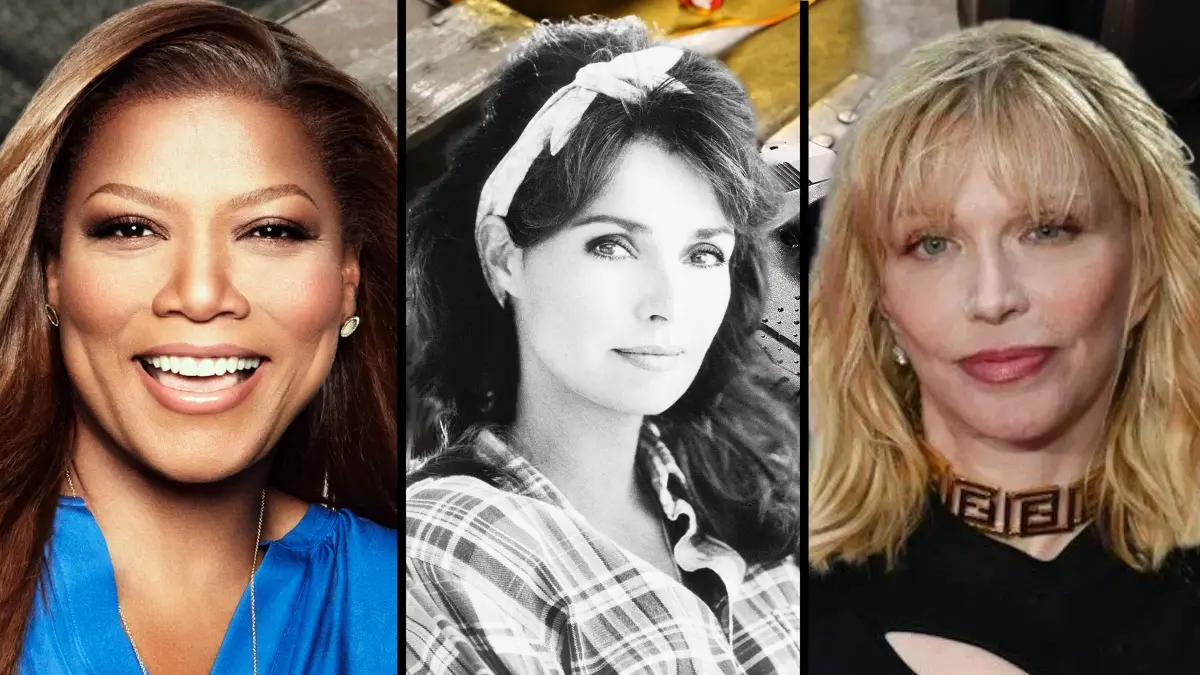

High-profile criminal cases involving weapons draw outsized public attention, and when they involve well-known performers, the headlines can overshadow long bodies of work. The cases below focus on actresses who faced weapons-related charges in different contexts—ranging from possession to assault allegations and even federal biological-weapons statutes—while also noting the screen roles many viewers know them for.
Each entry includes neutral, factual case details along with film and TV credits that situate the performer’s career. Titles are kept in single quotes throughout, and the list highlights a range of legal outcomes across jurisdictions.
Jennifer O’Neill
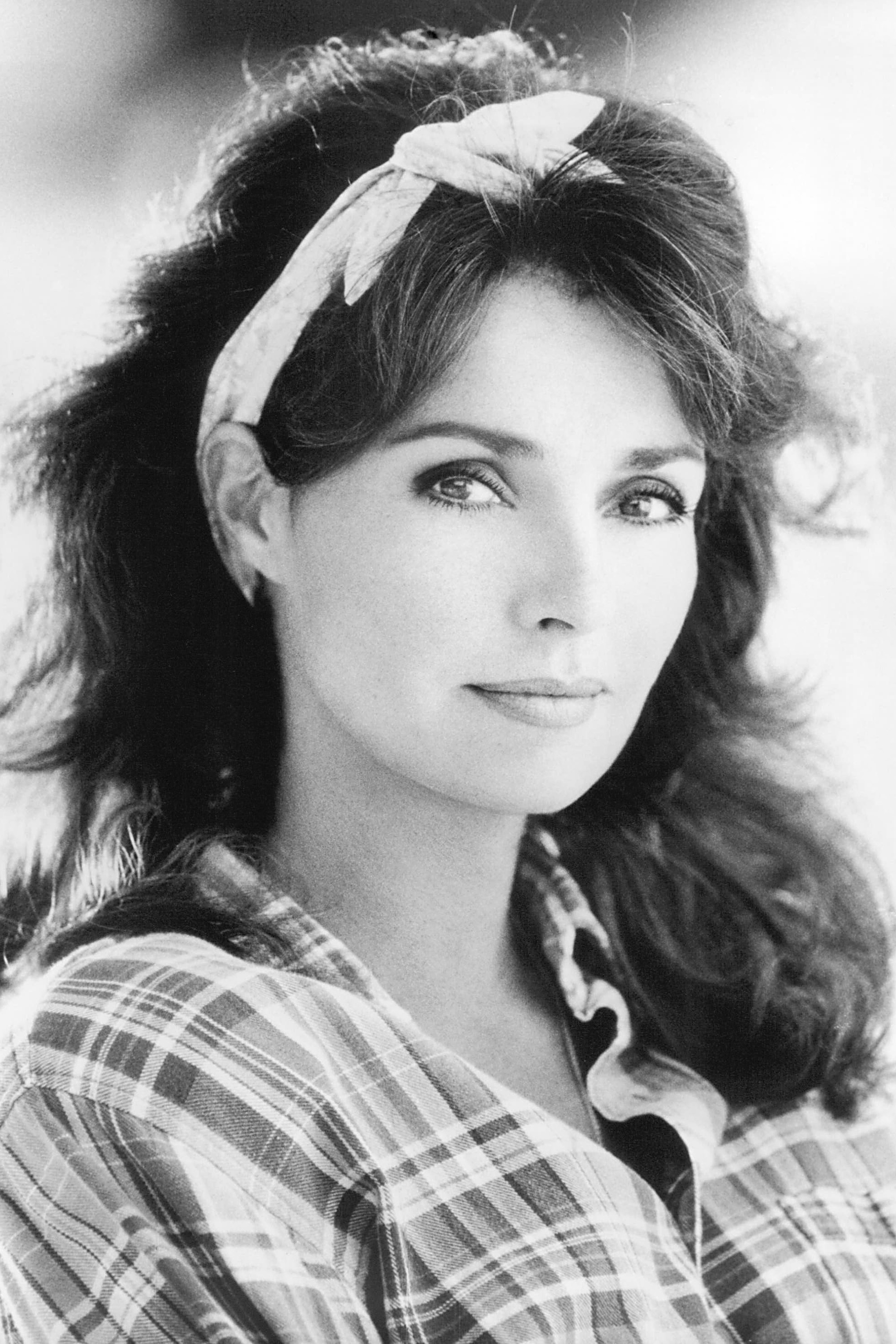
Best known for Robert Mulligan’s coming-of-age hit ‘Summer of ’42’—where Gary Grimes plays a teenager infatuated with O’Neill’s character, with Michel Legrand’s score anchoring the mood—the actress also worked with David Cronenberg on ‘Scanners’ alongside Michael Ironside and Stephen Lack, after earlier co-starring for Howard Hawks in ‘Rio Lobo’ opposite John Wayne. In late 1982, authorities in Westchester County, New York, charged her with misdemeanor criminal possession of a weapon after she accidentally shot herself with a .38 revolver at her Bedford Hills home, a case that drew widespread coverage at the time.
Reporting the following year recapped that the October shooting had been ruled accidental amid related proceedings involving then-husband John Lederer. On screen, O’Neill remained visible across the 1970s and 1980s—from Otto Preminger’s ‘Such Good Friends’ to Lucio Fulci’s ‘The Psychic’—balancing U.S. studio films and European productions while continuing to appear regularly on television.
Queen Latifah
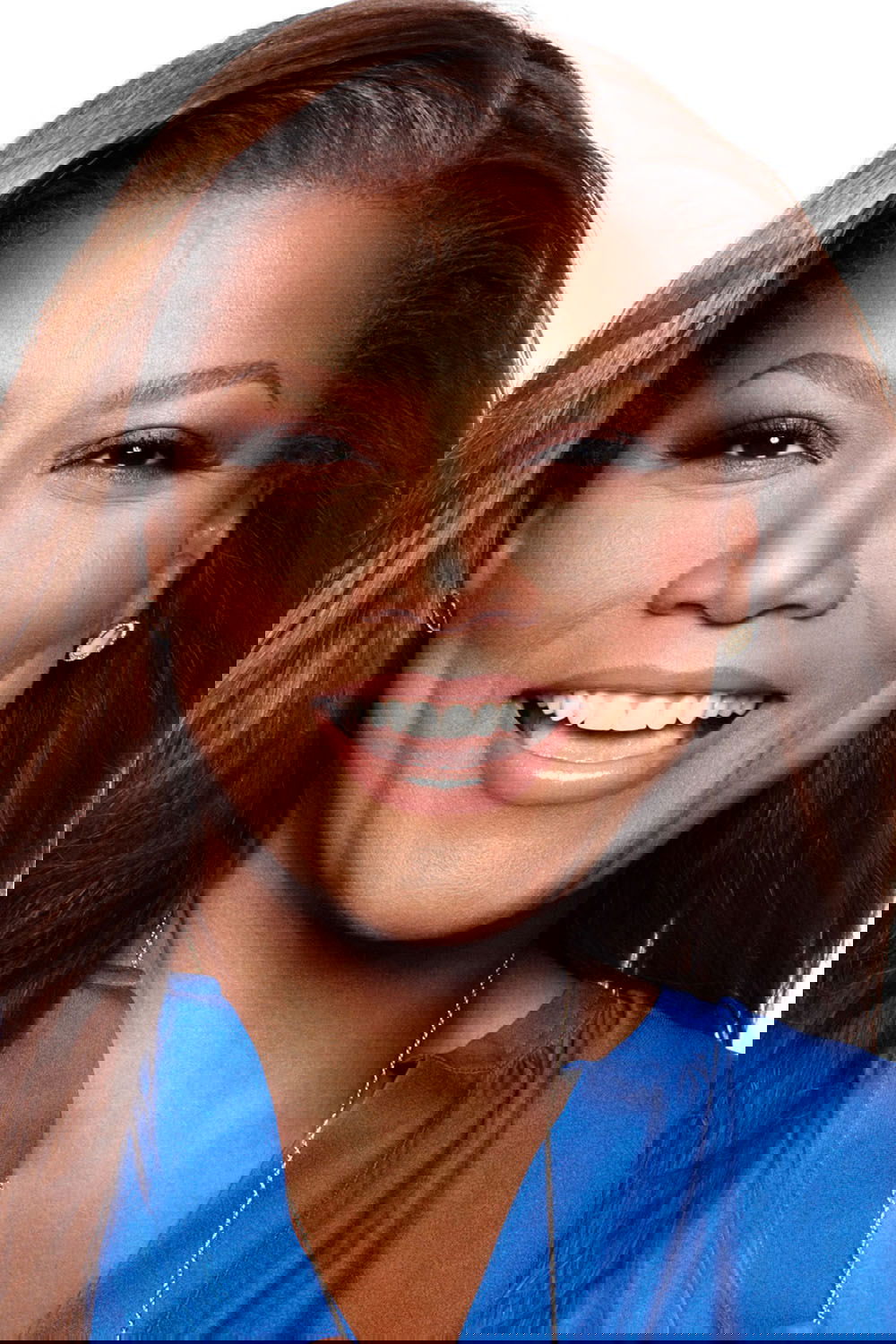
A Grammy winner who broke out on TV in ‘Living Single’ and later starred in the heist thriller ‘Set It Off’ for director F. Gary Gray with Jada Pinkett, Vivica A. Fox, and Kimberly Elise, Queen Latifah also earned an Oscar nomination for Rob Marshall’s musical ‘Chicago’ opposite Renée Zellweger and Catherine Zeta-Jones. In February 1996, she was arrested in Los Angeles after a traffic stop and subsequently pleaded to a misdemeanor weapons count stemming from a concealed, loaded handgun found in her vehicle.
In later years she fronted the network reboot of ‘The Equalizer’ and appeared in ensemble films like ‘Hairspray’, while contemporary accounts of the 1996 case documented the California Highway Patrol’s findings during the stop on Interstate 10 and her scheduled court appearance that followed.
Dana Plato
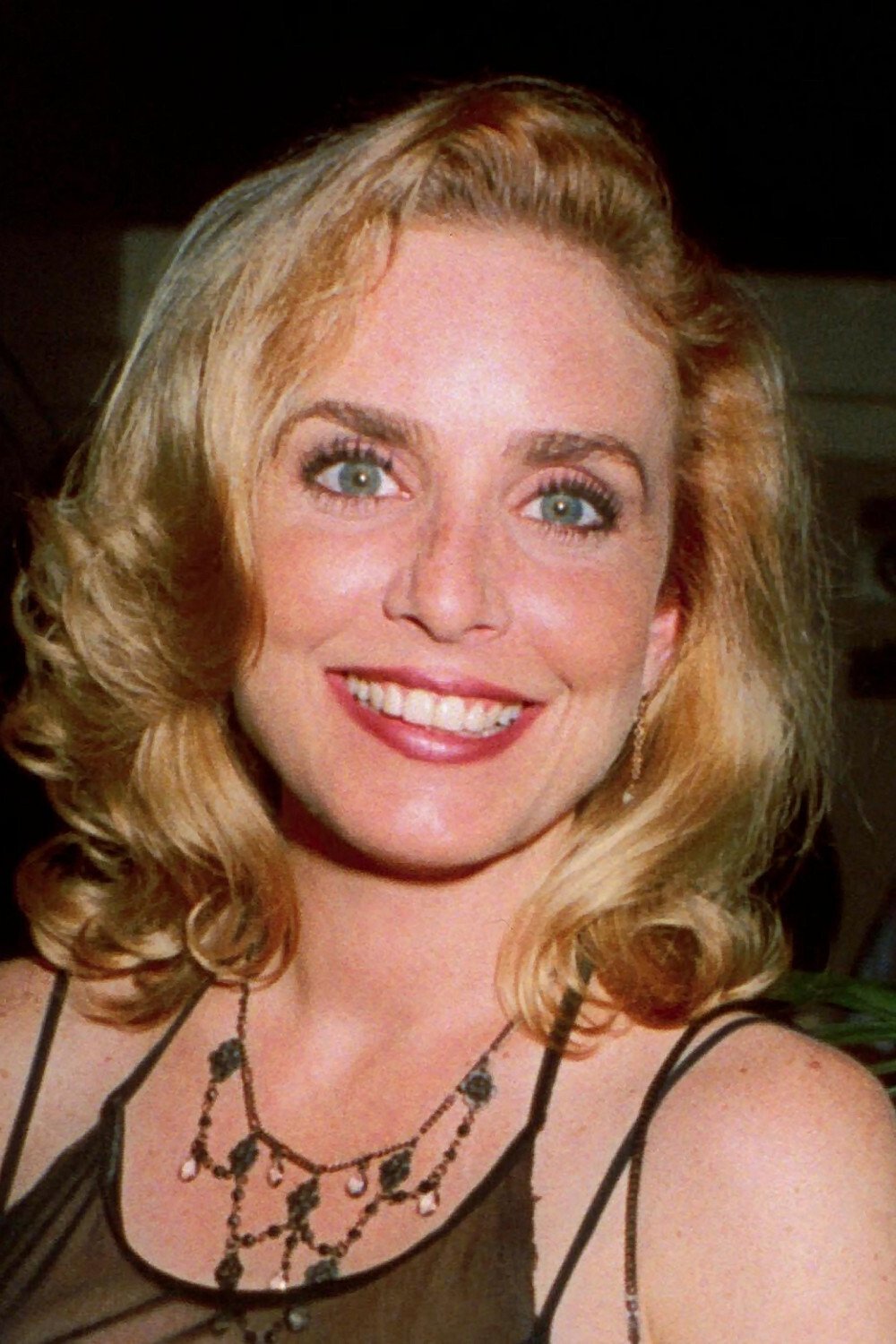
Dana Plato became a household name as Kimberly Drummond on the sitcom ‘Diff’rent Strokes’, created by Jeff Harris and Bernie Kukoff and co-starring Conrad Bain, Gary Coleman, and Todd Bridges. In 1991, Las Vegas police arrested Plato after a video-store holdup, booking her on suspicion of armed robbery and use of a deadly weapon; coverage and court records at the time described the weapon as a pellet gun made to resemble a semiautomatic pistol, and the case ultimately resulted in probation.
Plato, who had early screen appearances including an uncredited role in John Boorman’s ‘Exorcist II: The Heretic’, continued acting in independent projects and TV movies. Local follow-ups in Nevada documented her probation terms, while trade and newspaper roundups kept her long tenure on ‘Diff’rent Strokes’ at the center of her public profile.
Shannon Guess Richardson

Shannon Guess Richardson’s screen résumé included minor parts connected to ‘The Walking Dead’ and a small role in ‘The Blind Side’, with earlier credits also tying her to episodes near ‘The Vampire Diaries’. In 2013, federal prosecutors charged her in a ricin-letters case, and she pleaded guilty to possession of a toxin for use as a weapon; in 2014, a federal judge sentenced her to a lengthy prison term along with restitution and supervised release.
Department of Justice filings described letters mailed to President Barack Obama, New York City Mayor Michael Bloomberg, and a Washington-based advocate, and contemporaneous national outlets reported the plea and sentencing. Her on-screen work—like AMC’s ‘The Walking Dead’, developed by Frank Darabont from Robert Kirkman’s comics—was often referenced in coverage as context for her public profile.
Courtney Love
Courtney Love built a parallel career in film alongside music, earning strong notices as Althea Flynt in Miloš Forman’s ‘The People vs. Larry Flynt’ with Woody Harrelson and Edward Norton, and appearing in Forman’s ‘Man on the Moon’ with Jim Carrey and Danny DeVito. In 2004, Los Angeles authorities charged Love with felony assault with a deadly weapon after an incident at the home of a former boyfriend, a case that moved through the courts the following year.
Coverage documented that prosecutors alleged she threw a liquor bottle and wielded a flashlight during the altercation; by early 2005 she entered a plea in the case. Earlier in her career she also had parts in Alex Cox’s ‘Sid and Nancy’ and ‘Straight to Hell’, and her film work frequently resurfaced in reporting around the legal proceedings.
Share your perspective on how media should balance reporting criminal cases with covering screen careers in the comments.