The 10 Most Underrated Dustin Hoffman Movies, Ranked (from Least to Most Underrated)


Dustin Hoffman’s filmography stretches across crime sagas, historical dramas, comedies, and psychological thrillers, with lead and supporting turns that helped define multiple eras of American and international cinema. Alongside the universally cited classics, he has appeared in a wide range of features and ensembles that don’t always get as much everyday attention but showcase the same level of craft, versatility, and curiosity.
This list focuses on feature films where Hoffman plays a central or significant supporting role. It’s organized as a simple countdown and highlights story context, key collaborators, and production details that place each title in its proper setting.
‘Sphere’ (1998)
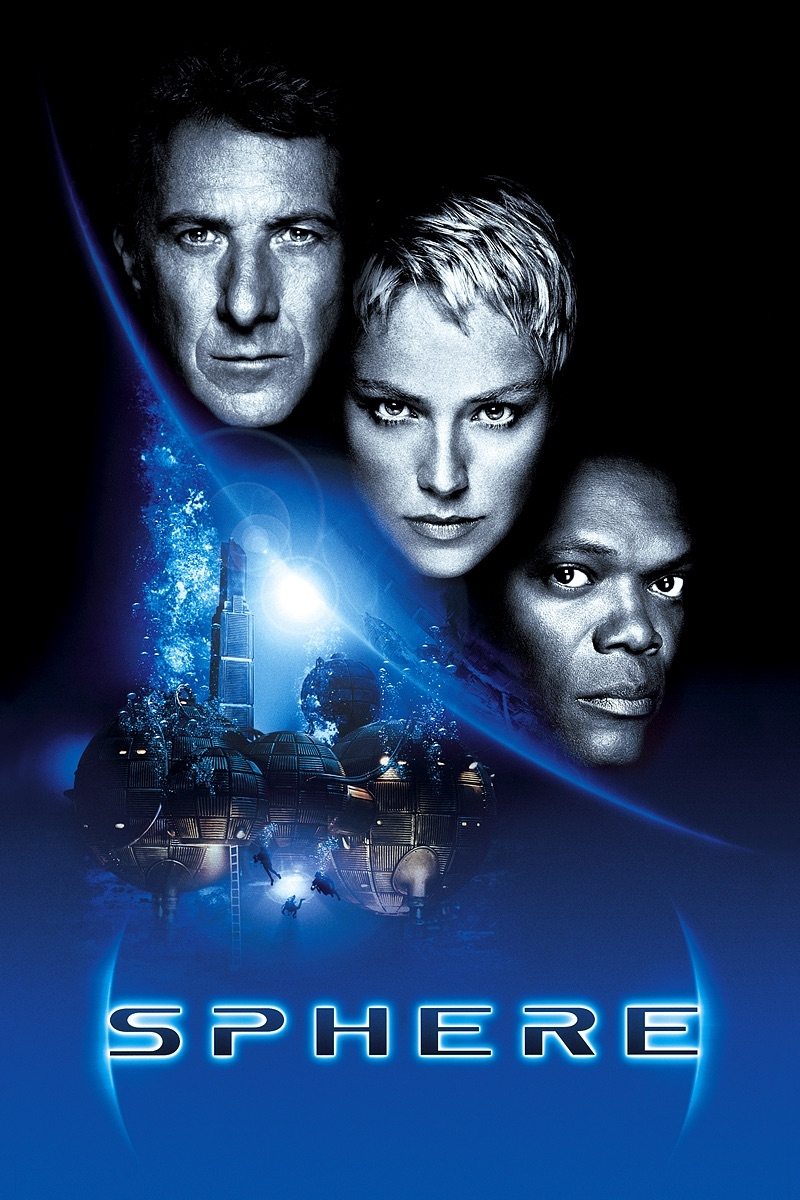
This science-fiction thriller adapts Michael Crichton’s novel about a team of specialists sent to investigate a mysterious spacecraft on the ocean floor. Dustin Hoffman plays psychologist Dr. Norman Goodman, working alongside a crew that includes characters portrayed by Sharon Stone and Samuel L. Jackson as they confront an object with unusual, measurable effects on human behavior and perception.
Directed by Barry Levinson, the film was mounted with large-scale underwater set work and practical effects to simulate a submerged habitat. The production combined soundstage water tanks with miniature and visual-effects photography, while the score and sound design leaned heavily on tension-building motifs to match the sealed-environment setting.
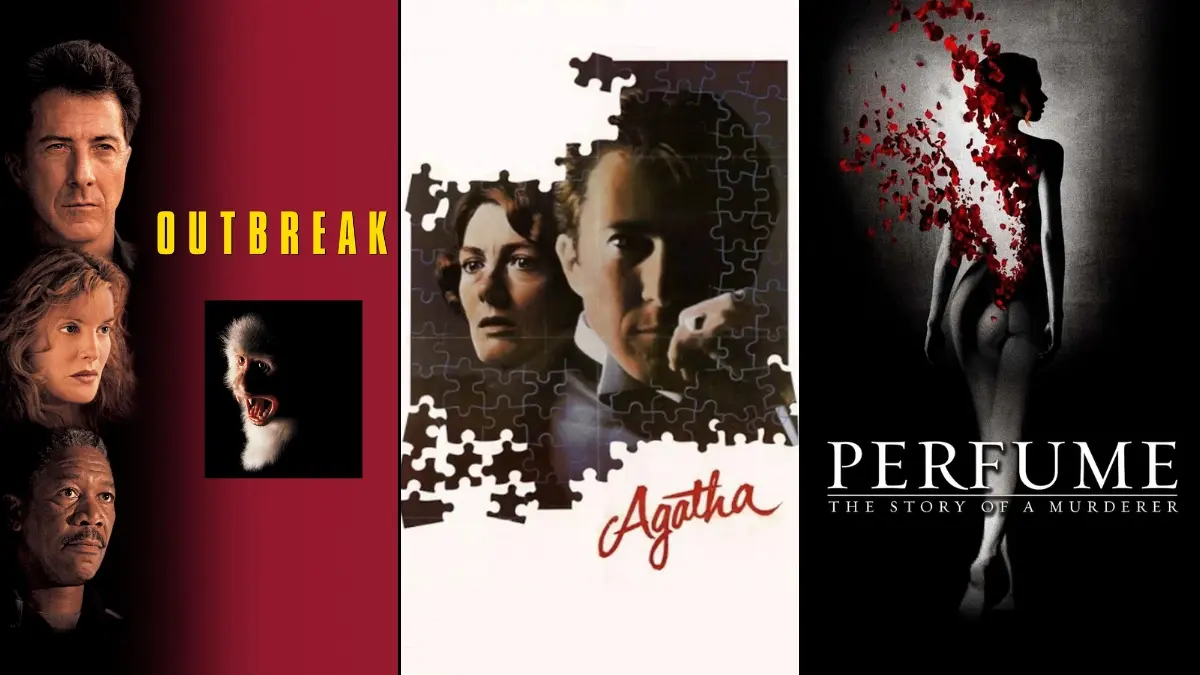
‘Agatha’ (1979)
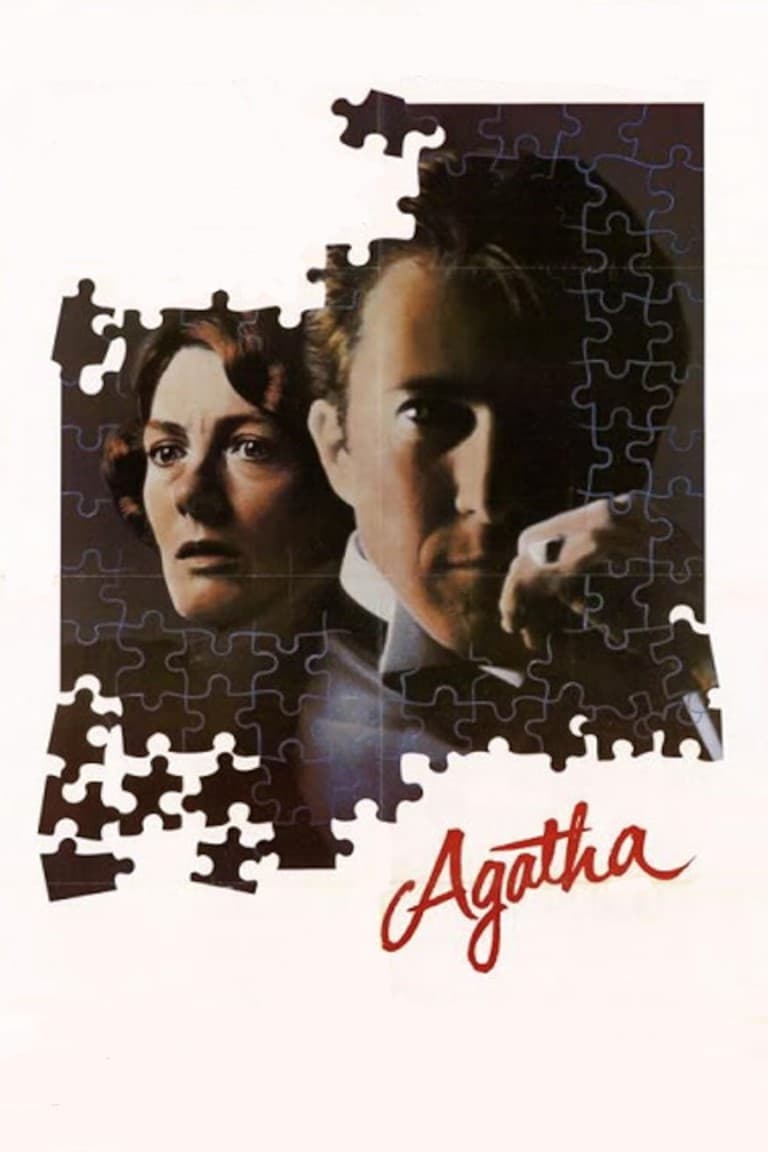
A historical mystery centered on the real-life disappearance of author Agatha Christie, the film builds a fictional account of what may have happened during her time out of the public eye. Dustin Hoffman plays Wally Stanton, an American journalist who tracks her case, while Vanessa Redgrave and Timothy Dalton portray figures from Christie’s personal life.
Michael Apted directed the production, which filmed extensively in the United Kingdom and incorporated period locations tied to Christie’s biography. Costume and production design reconstruct early-20th-century hotel interiors, rural retreats, and newspaper offices, grounding the narrative in settings associated with the author’s world.
‘Hero’ (1992)
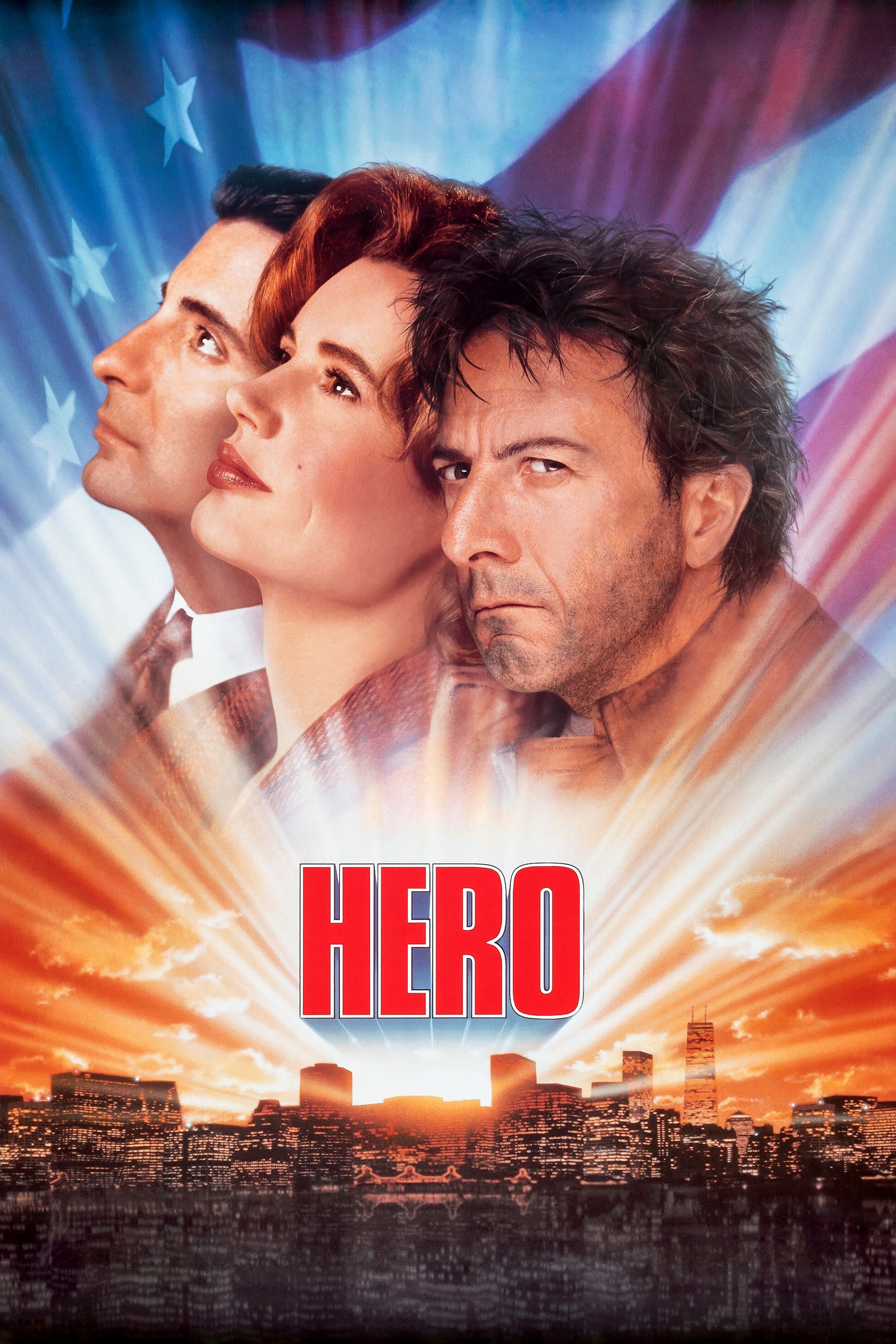
This contemporary fable follows an anonymous good Samaritan who rescues passengers from a downed airliner and then disappears, leaving the media to elevate a different man as the public face of the story. Dustin Hoffman plays Bernie LaPlante, a small-time thief whose offhand actions complicate a high-profile search led by a television news team.
Directed by Stephen Frears from a screenplay by David Webb Peoples and colleagues, the film was released in some territories as ‘Accidental Hero’. It features principal photography in Chicago and other U.S. locations, with Geena Davis and Andy Garcia in key roles and a newsroom framework that uses on-air segments and press conferences as storytelling devices.
‘Outbreak’ (1995)
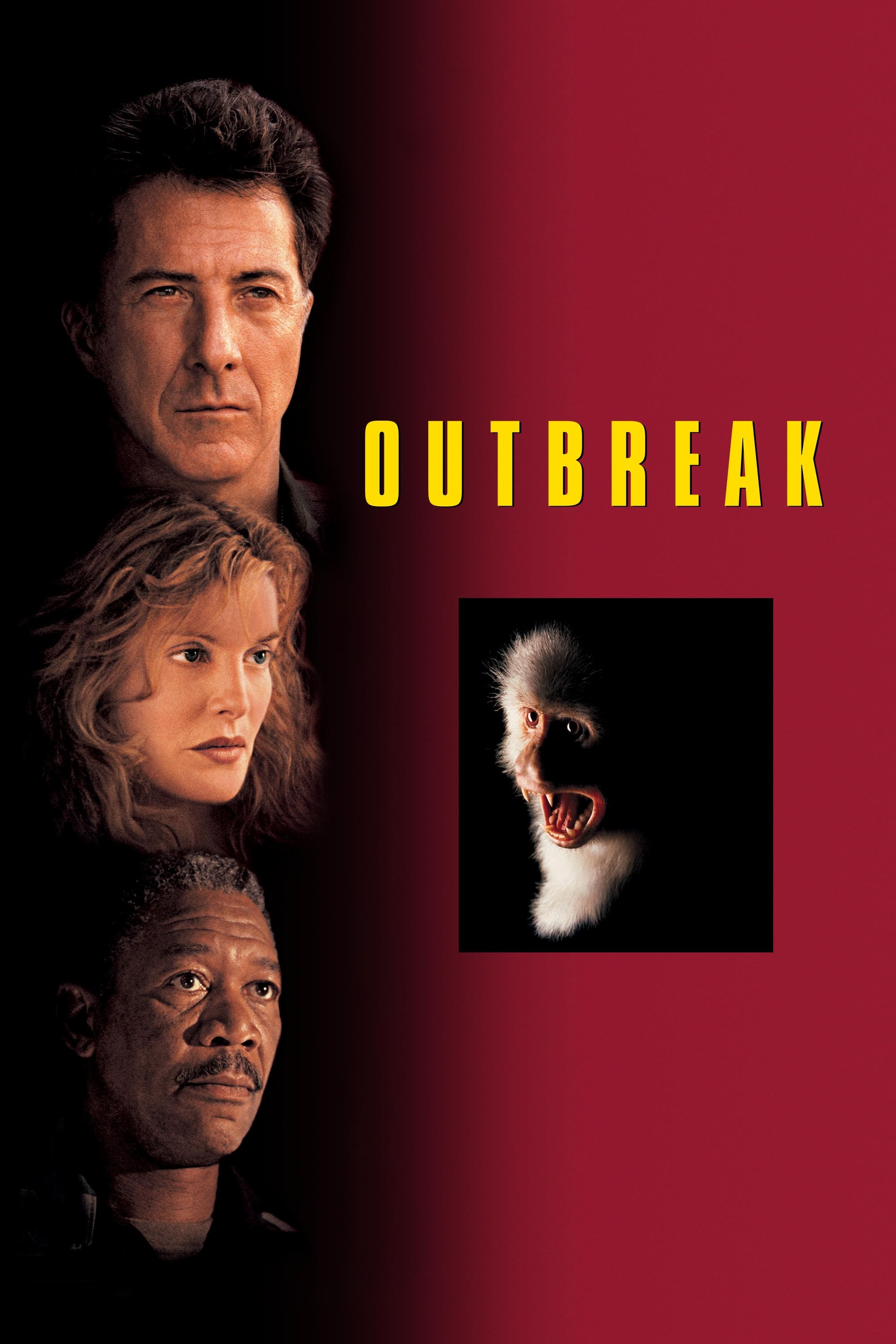
A biomedical thriller about a highly contagious pathogen, the film tracks military and civilian teams as they attempt to identify, contain, and treat a rapidly spreading disease. Dustin Hoffman portrays a U.S. Army medical officer attached to an infectious-disease unit, with colleagues played by Rene Russo and Cuba Gooding Jr., and senior leadership depicted by Morgan Freeman and Donald Sutherland.
Directed by Wolfgang Petersen, the production staged isolation wards, laboratory spaces, and small-town lockdowns to visualize procedures such as contact tracing and quarantine. Aerial sequences and on-the-ground action were coordinated with aircraft units and large background casts to depict transport, cordon operations, and emergency responses.
‘The Meyerowitz Stories (New and Selected)’ (2017)

This ensemble family dramedy revolves around adult siblings reuniting around their father’s health and legacy, with conflicts surfacing through conversations, gallery events, and hospital visits. Dustin Hoffman plays Harold Meyerowitz, a retired art professor and sculptor whose body of work frames ongoing debates among relatives portrayed by Adam Sandler, Ben Stiller, and Elizabeth Marvel.
Written and directed by Noah Baumbach, the film premiered at a major European festival and was distributed globally via a streaming platform. Dialogue-driven scenes were shot on New York City locations, with an emphasis on museums, campus spaces, and apartments that situate the family’s personal history within an arts-and-academia milieu.
‘Runaway Jury’ (2003)
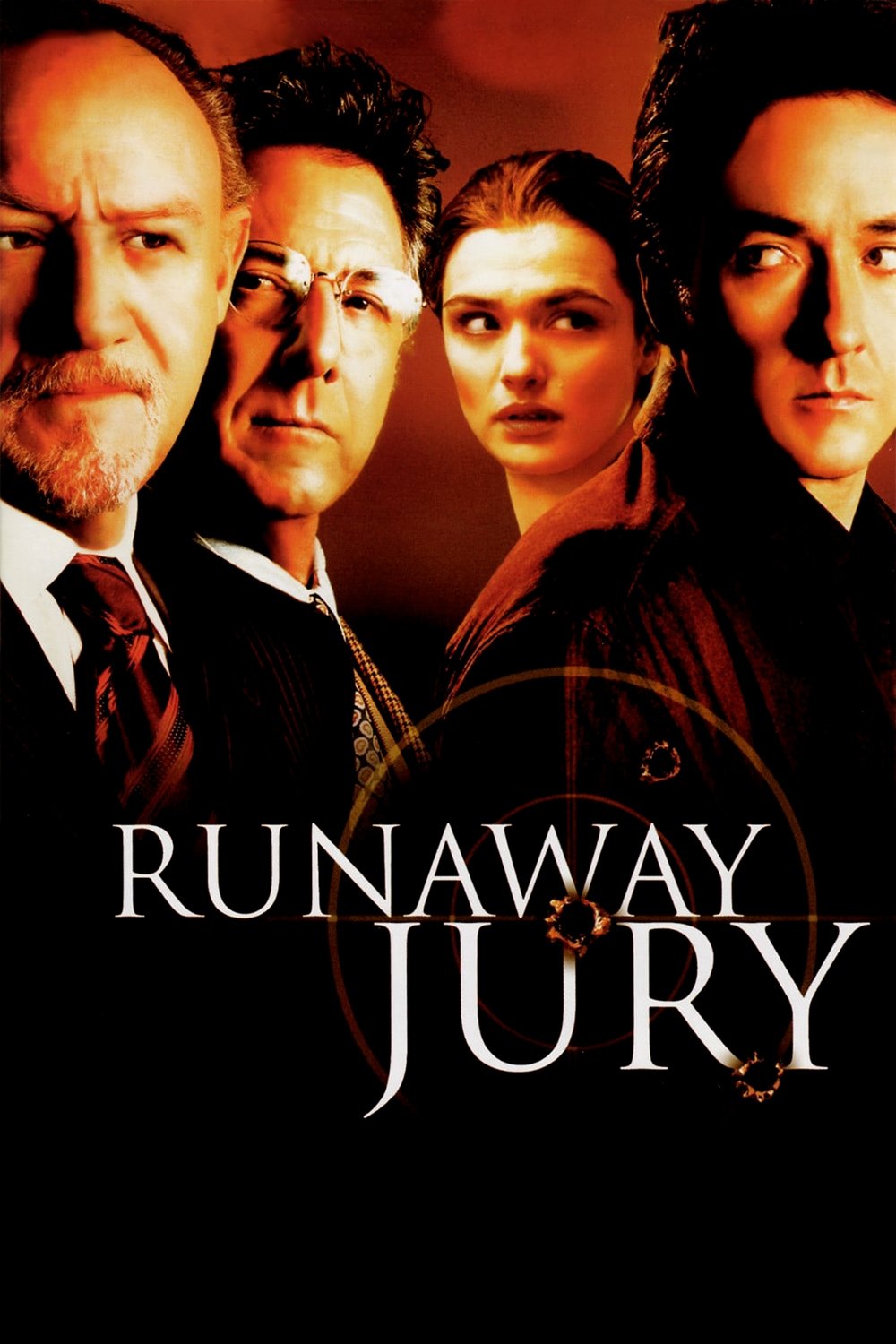
A legal thriller adapted from John Grisham’s novel, the film follows jury selection and behind-the-scenes maneuvering during a high-stakes civil trial. Dustin Hoffman plays attorney Wendell Rohr, while Gene Hackman portrays a jury consultant whose tactics shape the case around the defendant industry.
Directed by Gary Fleder, the adaptation relocates the story to New Orleans and changes the lawsuit’s subject from tobacco to firearms to reflect contemporary policy debates. The production integrates courtroom procedure with covert operations set in offices, hotels, and courthouses, culminating in an extended examination-and-cross-examination sequence featuring Hoffman and Hackman.
‘Barney’s Version’ (2010)
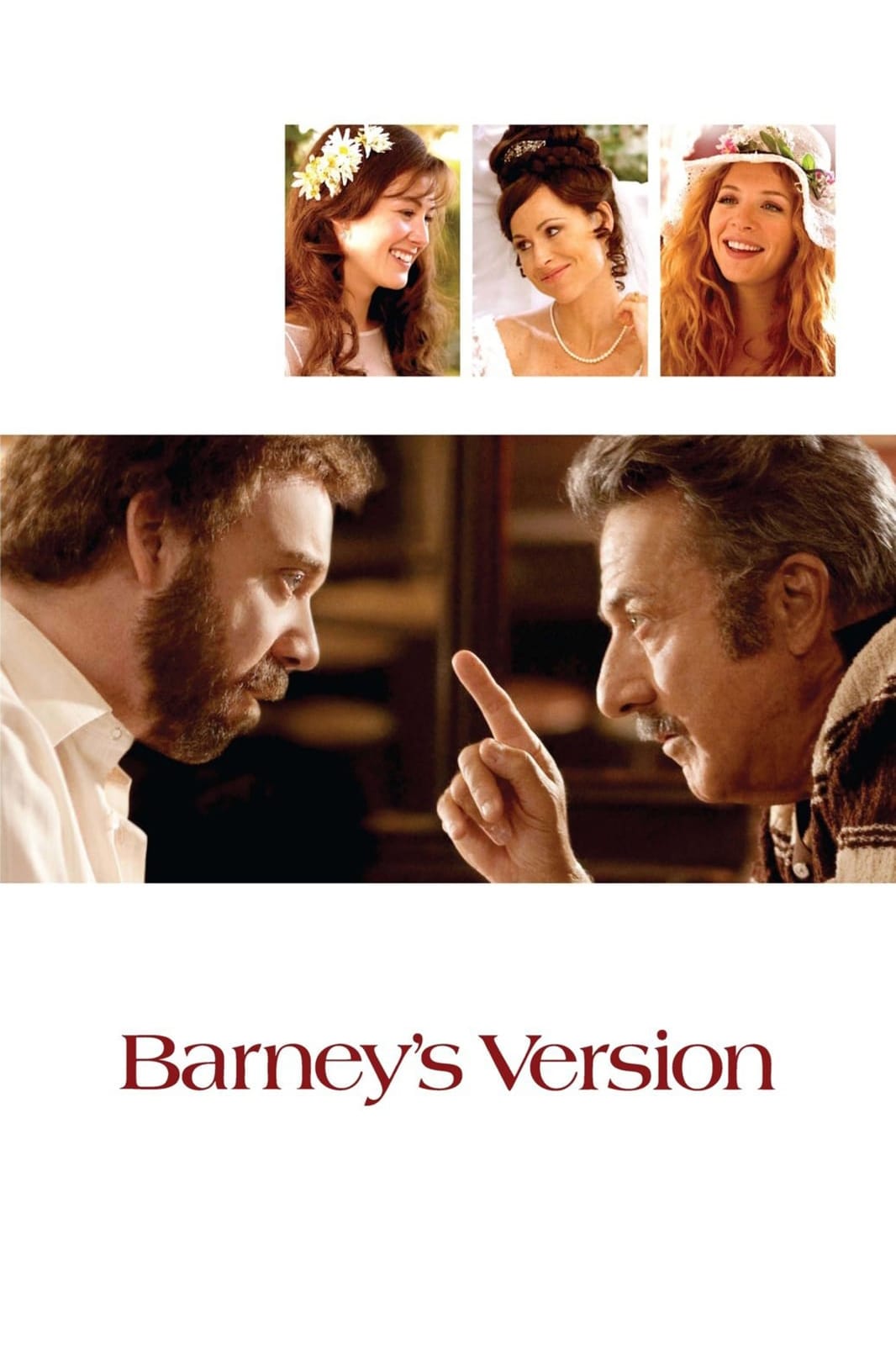
Adapted from Mordecai Richler’s novel, this character study traces the life of television producer Barney Panofsky across marriages, friendships, and professional detours. Dustin Hoffman plays Izzy Panofsky, a retired police officer and Barney’s father, appearing across different stages of the protagonist’s personal timeline.
A Canada-Italy co-production directed by Richard J. Lewis, the film features location work in Montreal, Rome, and New York. The narrative uses makeup, costume changes, and shifting aspect cues to mark time jumps, while the soundtrack and production design reflect different cultural environments encountered by the characters.
‘Straight Time’ (1978)
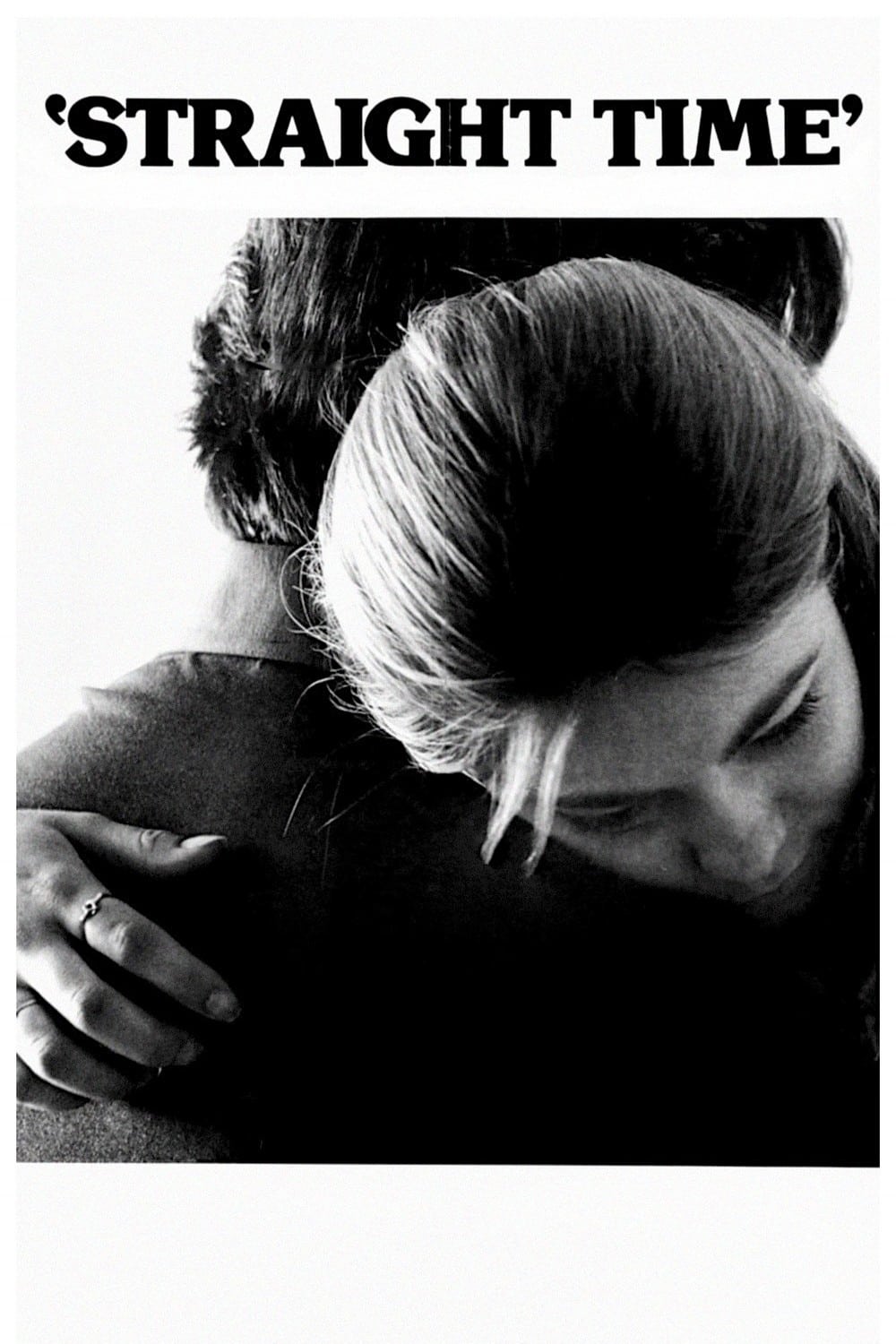
A lean crime drama, the film follows parolee Max Dembo as he attempts to secure legitimate work before being drawn back into robbery crews. Dustin Hoffman plays Dembo opposite characters portrayed by Theresa Russell, Harry Dean Stanton, and Gary Busey, mapping the parole process, job searches, and the logistics of planning and executing heists.
Ulu Grosbard directed from a script developed with crime writer Edward Bunker, whose novel ‘No Beast So Fierce’ provided the source material. Location shooting across Los Angeles emphasizes employment agencies, modest apartments, and industrial sites, and the production is noted for procedural detail in scenes covering surveillance, getaway routes, and stolen-goods fencing.
‘Stranger than Fiction’ (2006)
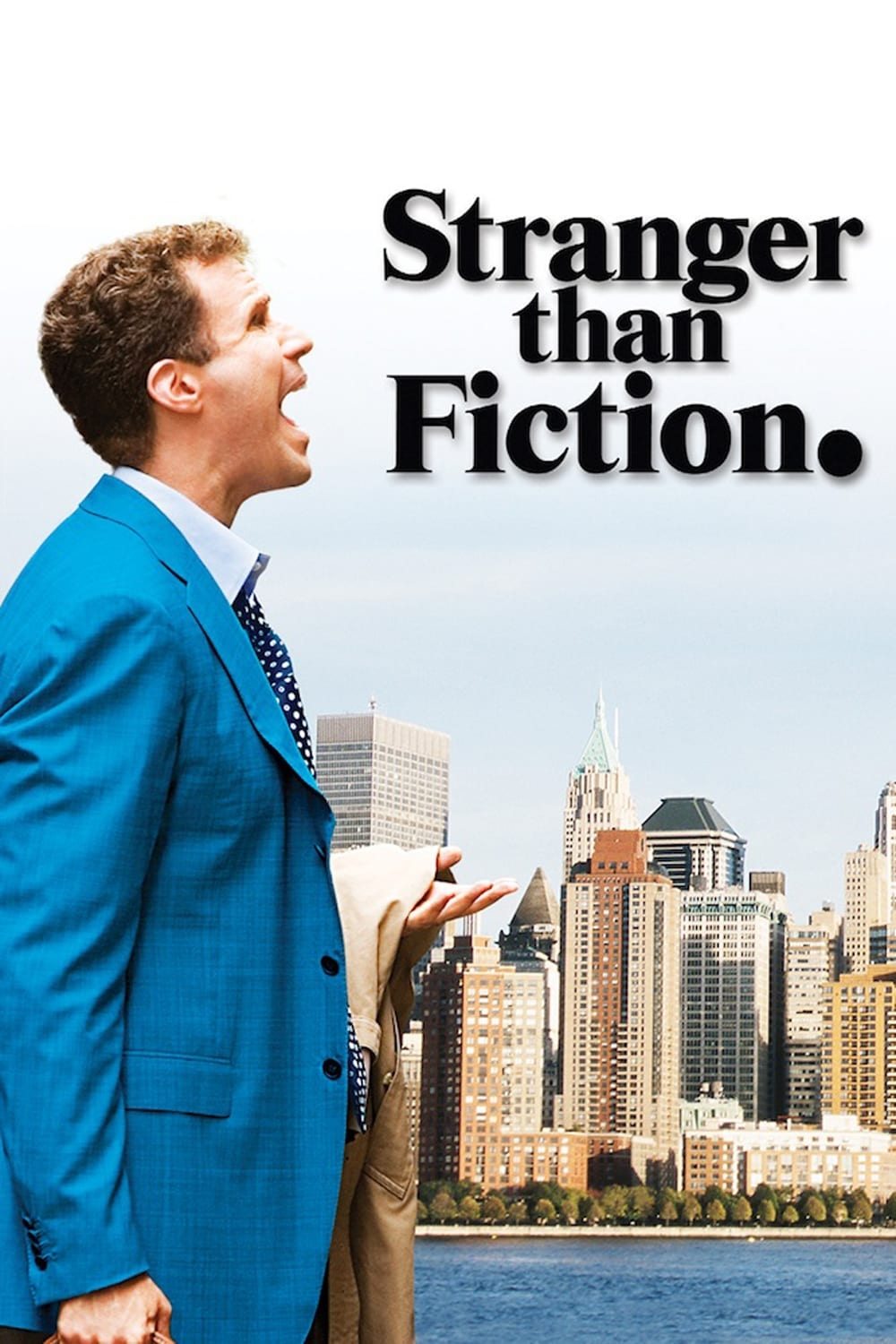
A metafictional comedy-drama, the story centers on an IRS auditor who begins hearing a narration describing his life, prompting him to seek academic help. Dustin Hoffman plays Professor Jules Hilbert, a literature scholar who analyzes narrative structure and possible outcomes with the protagonist, portrayed by Will Ferrell.
Directed by Marc Forster from a screenplay by Zach Helm, the production was shot primarily in Chicago, using public buildings, bakeries, and university spaces to anchor the character’s routine. Visual motifs—including on-screen graphics representing counts, distances, and timings—are integrated to depict the character’s analytical mindset and the story’s structural conceit.
‘Perfume: The Story of a Murderer’ (2006)
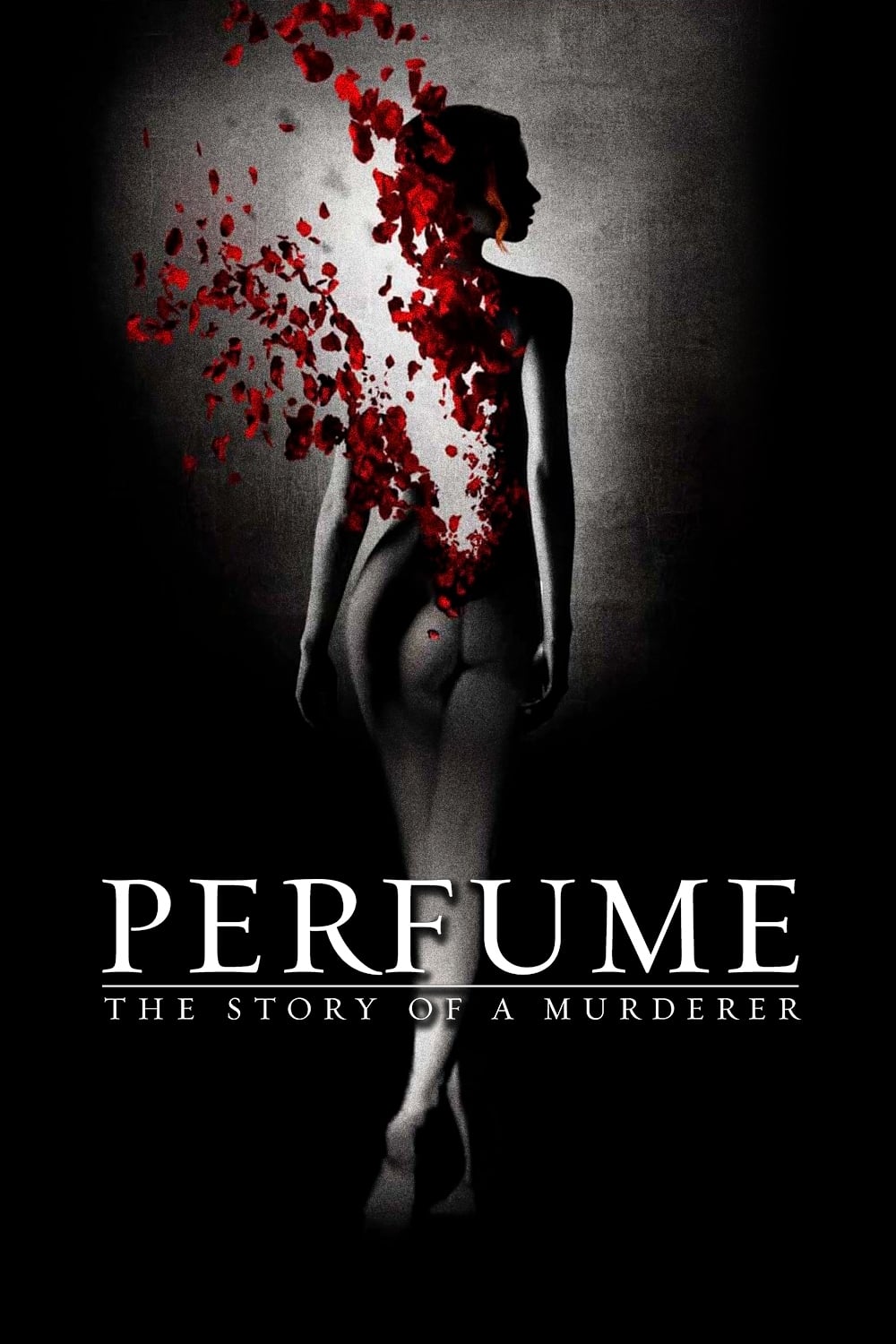
This period drama adapts Patrick Süskind’s novel about a perfumer’s apprentice whose extraordinary sense of smell drives him toward mastery and crime. Dustin Hoffman plays Giuseppe Baldini, a master perfumer who instructs the protagonist, portrayed by Ben Whishaw, in extraction techniques, accords, and trade practices.
Directed by Tom Tykwer and produced with German, Spanish, and French partners, the film mounted extensive location shoots in Barcelona and other European sites to recreate markets, workshops, and urban quarters. It features large-scale crowd scenes, elaborate costume and set work for perfume guilds and boutiques, and orchestration that blends choral and symphonic elements to match the story’s sensory focus.
Share your picks and additions in the comments—what lesser-talked-about Dustin Hoffman films would you include?