Top 10 ‘Star Trek’ Villains, Ranked

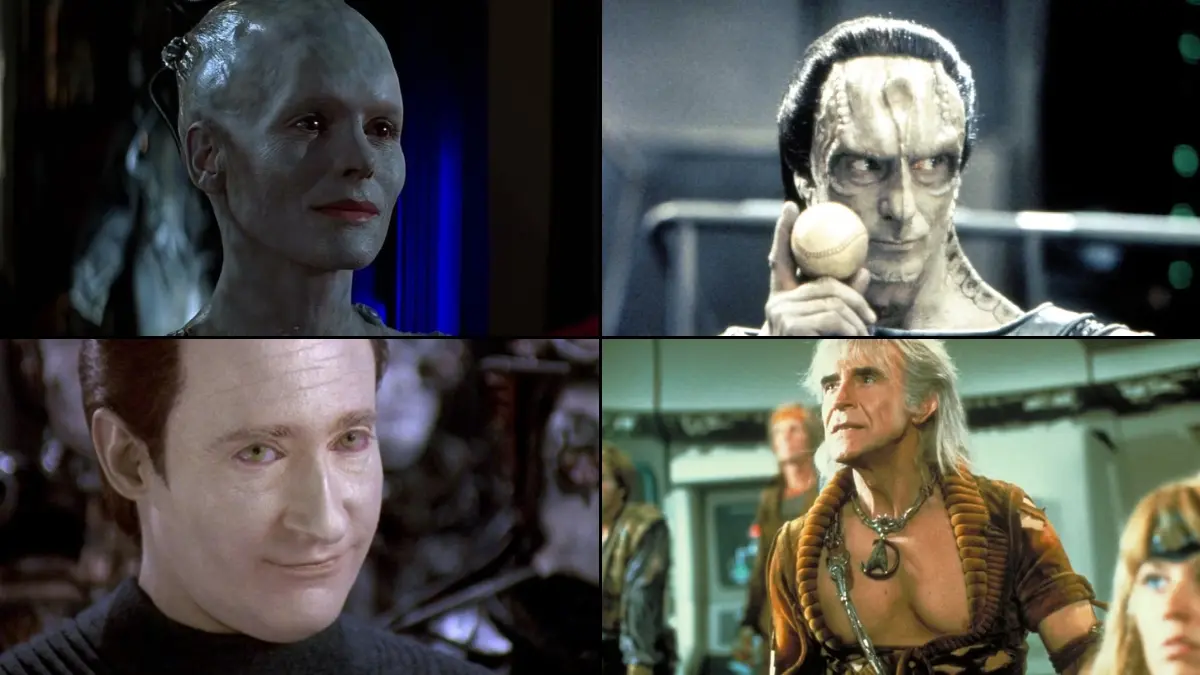

From genetically engineered tyrants to godlike tricksters, the rogues who cross paths with Starfleet push every captain and crew to their limits. Across the franchise’s films and series—including ‘Star Trek: The Original Series’, ‘Star Trek: The Next Generation’, ‘Star Trek: Deep Space Nine’, ‘Star Trek: Voyager’, ‘Star Trek: Enterprise’, ‘Star Trek: Discovery’, and ‘Star Trek: Picard’—these antagonists drive pivotal plots, reshape interstellar politics, and leave lasting marks on the timeline.
This countdown focuses on characters rather than factions or single-episode obstacles. Each entry notes key appearances, major actions, abilities or resources, and outcomes that changed ships, worlds, and entire quadrants. Titles of shows, films, and episodes appear in single quotes for clarity.
10. Shinzon
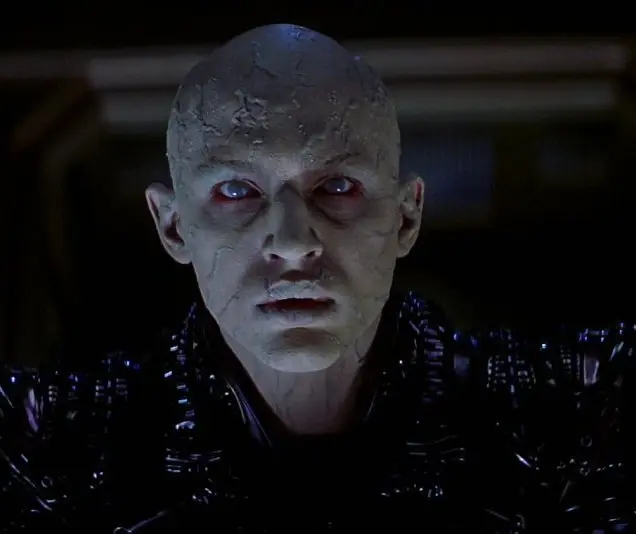
Shinzon is introduced in ‘Star Trek: Nemesis’ as a human clone of Jean-Luc Picard, originally created by Romulan intelligence for a covert replacement project and later abandoned to the mines of Remus. He rises through Reman ranks to seize the Romulan Praetorship in a coup, commanding the warbird Scimitar equipped with a thalaron radiation super-weapon and advanced cloaking and targeting systems. His physical deterioration, a side effect of flawed cloning, drives his pursuit of Picard’s compatible physiology.
In the Bassen Rift engagement, Shinzon uses the Scimitar’s vast array of disruptors and an enveloping thalaron core to overpower the Enterprise-E and allied Romulan ships. Data ultimately boards the Scimitar to destroy the thalaron device, resulting in the loss of the ship and Shinzon’s death. The incident reshapes relations among Starfleet, the Romulan Star Empire, and Reman factions, and it closes an intelligence chapter involving illegal biological experimentation.
9. Gary Mitchell
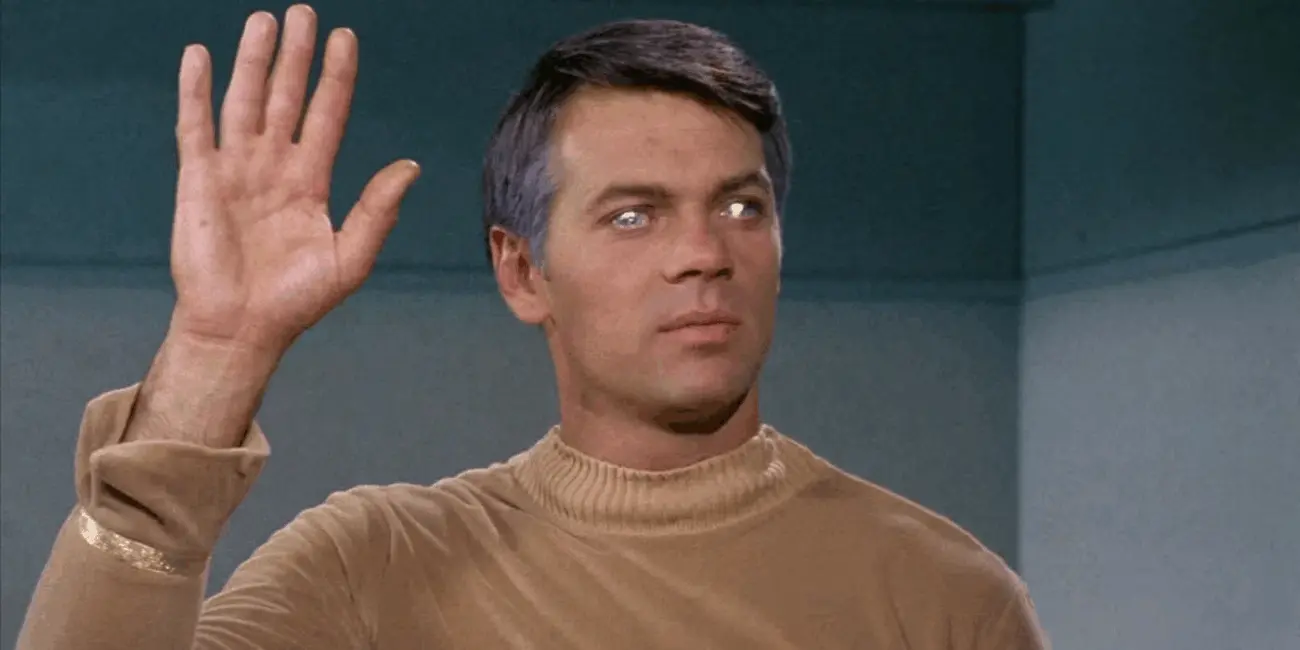
Gary Mitchell appears in ‘Where No Man Has Gone Before’, the second pilot of ‘Star Trek: The Original Series’, as a helmsman and longtime friend of James T. Kirk whose latent ESP is magnified by exposure to the Galactic Barrier. The transformation grants telekinesis, telepathy, energy projection, and rapid cellular regeneration, evidenced by his metallic eyes and escalating powers. His abilities increase exponentially, creating a containment and ethical crisis aboard the Enterprise.
Kirk attempts nonlethal solutions, including diversion to Delta Vega for confinement and potential treatment, but Mitchell’s powers threaten the crew and station personnel. The standoff ends when Kirk uses a phaser rifle and terrain advantage to terminate Mitchell, with Dr. Elizabeth Dehner sacrificing herself after her own partial transformation. The incident becomes an early case study in command protocols for sudden godlike augmentation and the risks of Galactic Barrier exposure.
8. Weyoun
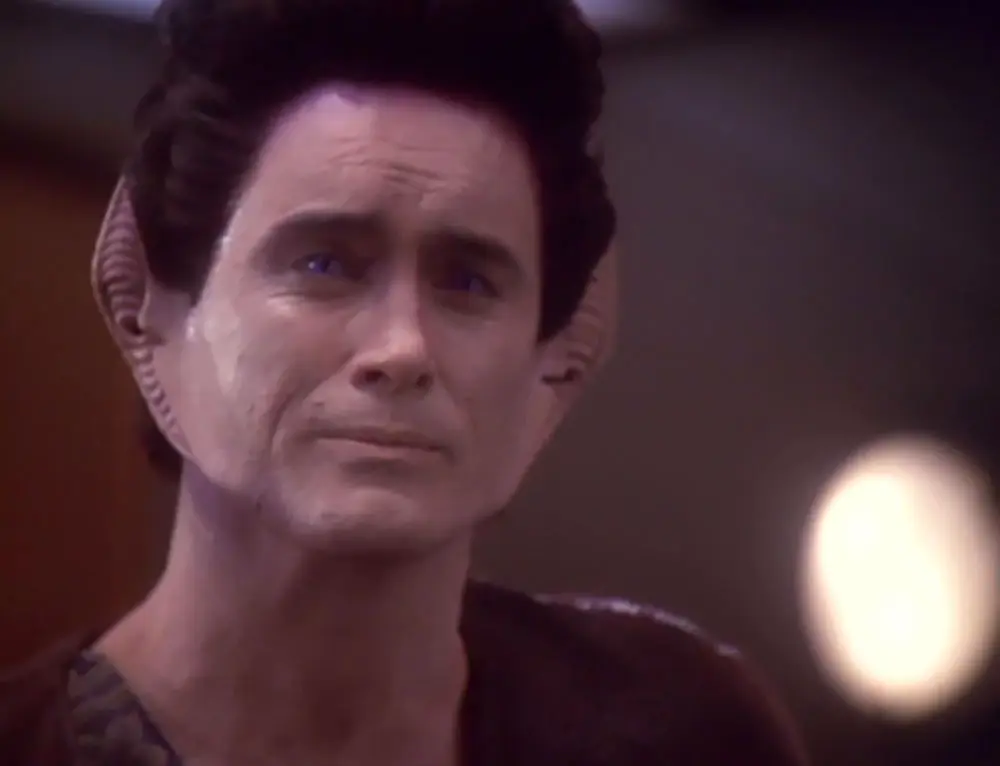
Weyoun is the Vorta administrator and diplomat who serves as the Dominion’s principal liaison in the Alpha Quadrant throughout ‘Star Trek: Deep Space Nine’. Multiple Weyoun clones—each with the same core loyalty to the Founders—appear after prior incarnations are killed, underscoring Dominion redundancy doctrine. He coordinates Dominion-Cardassian operations with figures such as Gul Dukat and later Legate Damar, handling treaty terms, military logistics, and internal security.
Weyoun’s interactions with Odo and the Female Changeling reveal the Vorta’s engineered reverence for the Founders and their place in the Dominion hierarchy. He oversees occupation policy on Cardassia Prime and strategic efforts to hold the wormhole corridor while countering the Federation-Klingon-Romulan alliance. The final Weyoun is eliminated during the liberation of Cardassia, but the clone program’s design highlights the Dominion’s systemic approach to leadership continuity.
7. General Chang
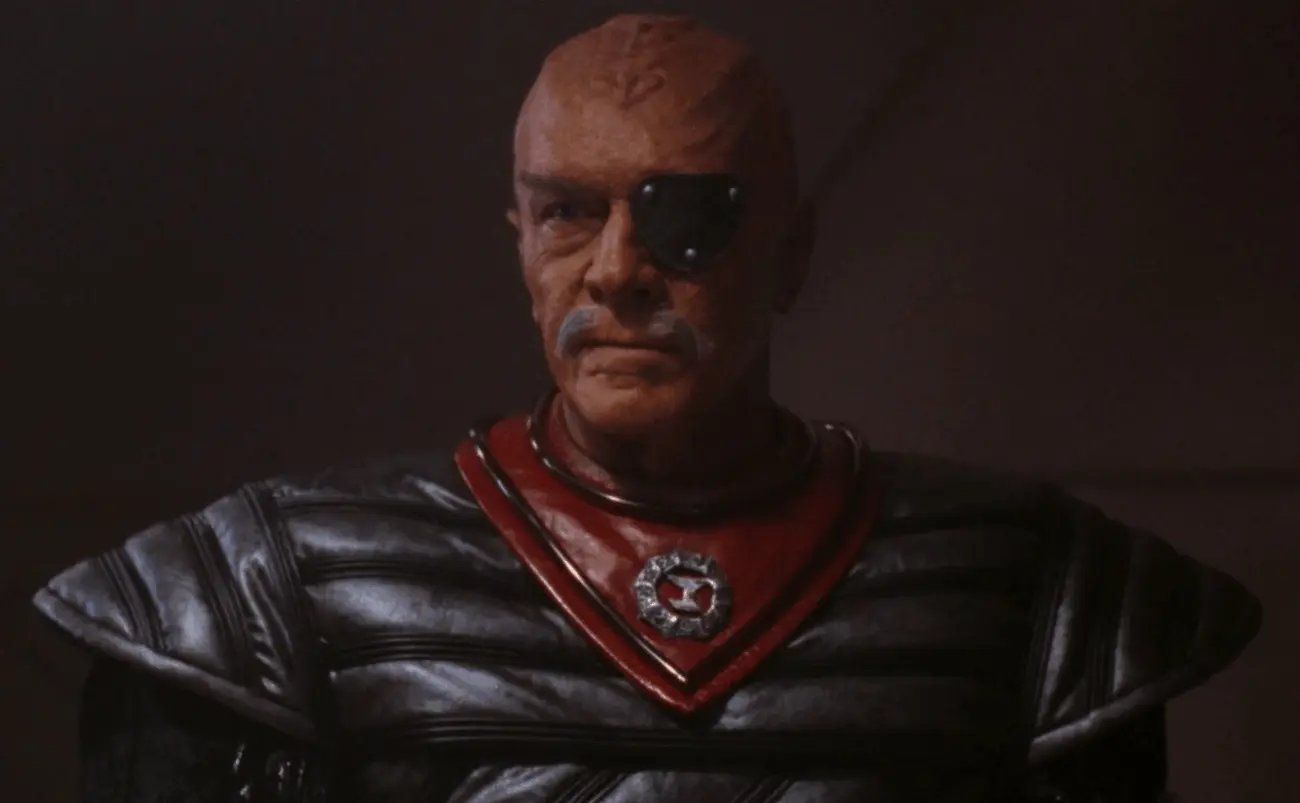
General Chang is the Klingon strategist and chief conspirator of ‘Star Trek VI: The Undiscovered Country’ who opposes peace with the Federation after the Praxis disaster. Working with co-conspirators across governments, he orchestrates the assassination of Chancellor Gorkon and frames James T. Kirk and Leonard McCoy. Chang commands a prototype Bird-of-Prey capable of firing while cloaked, a technical advantage that prevents standard Starfleet target acquisition.
During the climactic battle near Khitomer, the Enterprise and the Excelsior adapt by tracking the Bird-of-Prey’s gaseous exhaust and deploy a modified torpedo to reveal its position. The destruction of Chang’s ship allows the rescue of the peace conference and the exposure of the multiworld conspiracy. The event becomes a reference point for anti-cloak countermeasures and for the finalization of accords that transform Federation–Klingon relations.
6. Kai Winn Adami
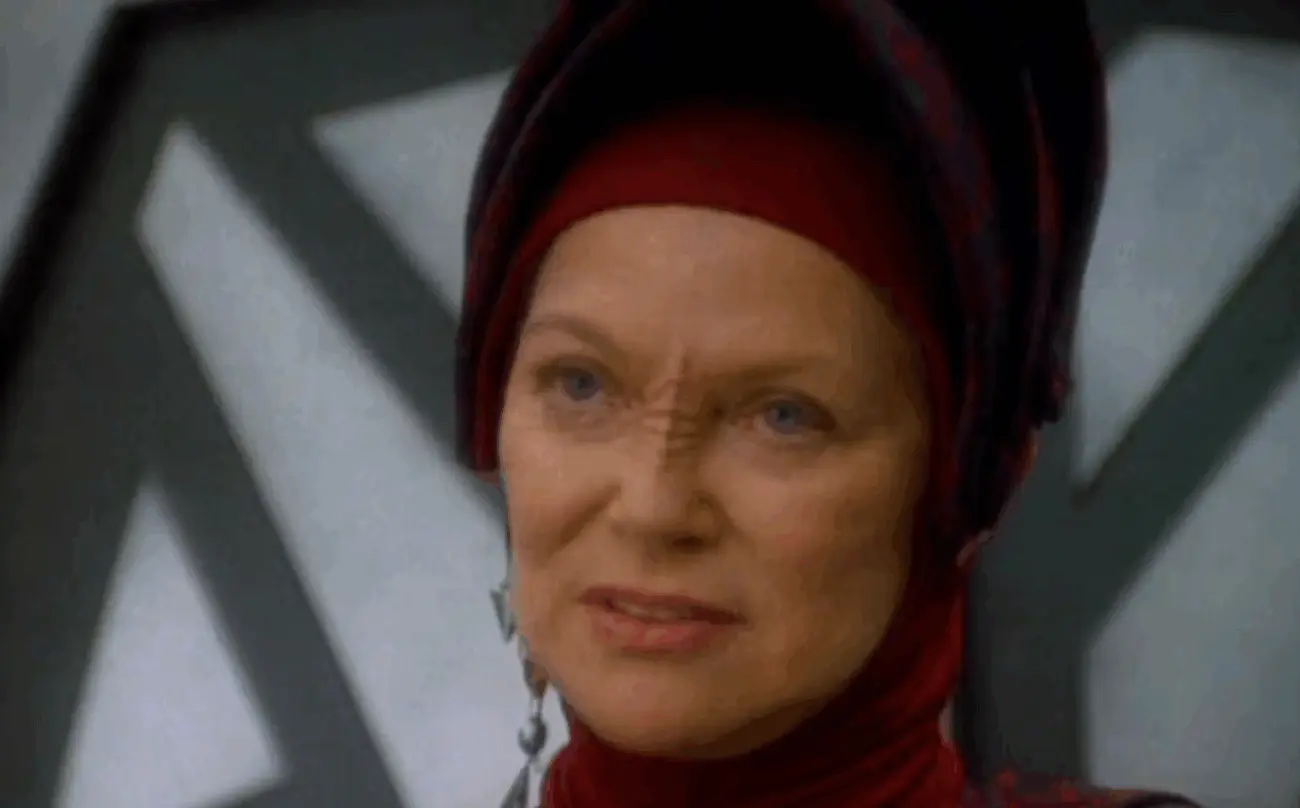
Kai Winn Adami emerges in ‘Star Trek: Deep Space Nine’ as a Bajoran Vedek who ascends to the title of Kai—Bajor’s highest religious office—during the post-occupation reconstruction. She wields spiritual authority and political influence, managing tensions among the Provisional Government, the Vedek Assembly, and off-world powers stationed at Deep Space Nine. Her interactions with Kira Nerys, Benjamin Sisko, and Bajoran civic leaders affect policy on station jurisdiction, education, and faith-state boundaries.
Later arcs trace her involvement with the Pah-wraith cult and her alliance with Gul Dukat while he operates under a Bajoran alias. Winn’s attempts to interpret prophecy and control religious artifacts culminate in the Fire Caves conflict, where she turns against the Pah-wraith plan but is killed by Dukat. Her tenure provides a comprehensive case on the intersection of religion, politics, and external influence in Bajoran society after the Cardassian occupation.
5. Lore
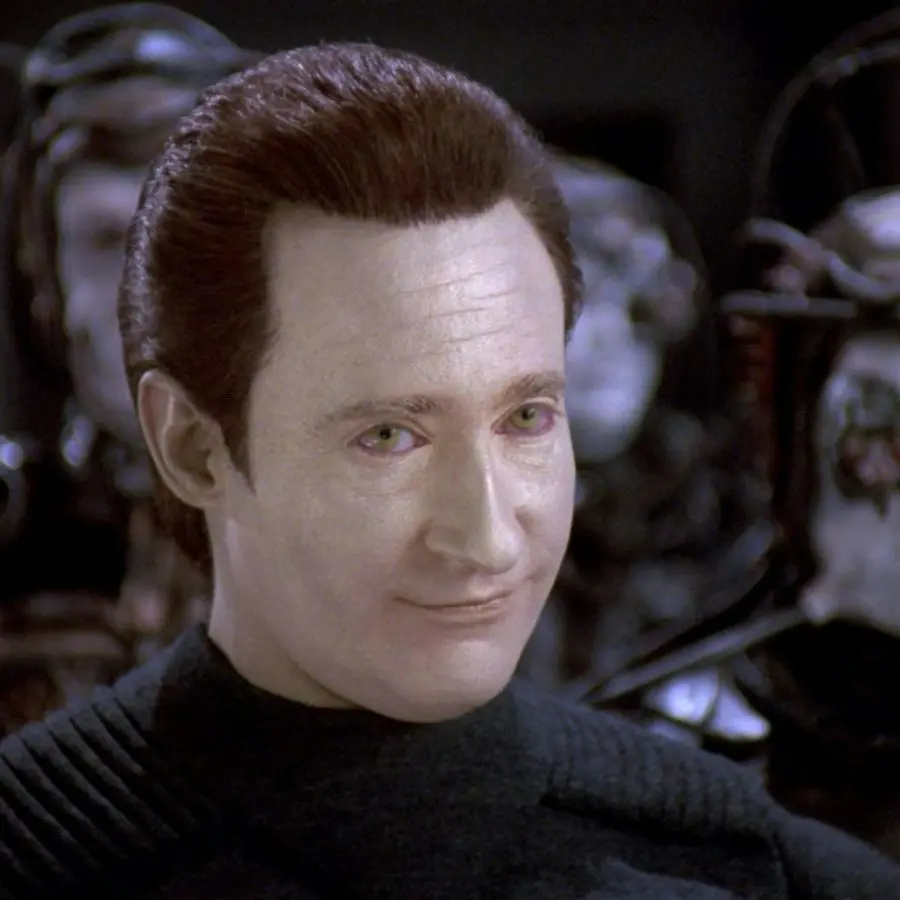
Lore is a Soong-type android introduced in ‘Datalore’ on ‘Star Trek: The Next Generation’, built before Data with full emotion capacity and a manipulative, self-preservationist core. He betrays the colonists on Omicron Theta by collaborating with the Crystalline Entity and later impersonates Data to gain access to the Enterprise. Subsequent encounters include the ‘Descent’ arc, where he seizes command of a group of disconnected Borg using an emotion-control interlink.
Data ultimately deactivates and disassembles Lore, recovering a homing beacon and emotion chip evidence that inform later ethics and safety protocols for android cognition. In ‘Star Trek: Picard’, components associated with Lore are stored at Daystrom Station, and a later integration of personalities with Data’s memories becomes a key security and identity plotline. Lore’s record informs Starfleet directives on artificial sentience, identity verification, and containment.
4. Q
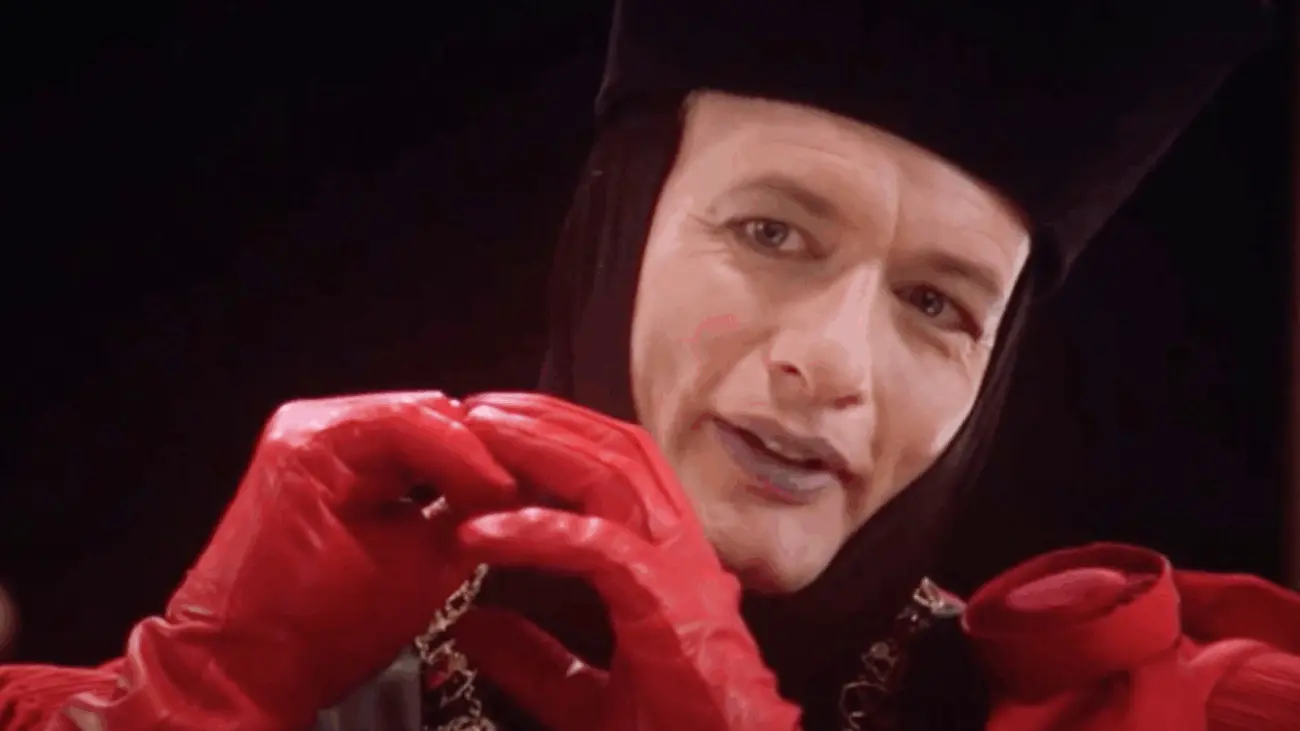
Q, an omnipotent being from the Q Continuum, first appears in ‘Encounter at Farpoint’ on ‘Star Trek: The Next Generation’ to place humanity on trial for perceived barbarism. He manipulates time, space, and matter with no observable limitation, setting tests that expose command decisions and human adaptability. Q’s actions include hurling the Enterprise into Borg space in ‘Q Who’, which functions as an unscheduled first-contact event with long-term strategic consequences.
Q reappears across ‘Star Trek: The Next Generation’, ‘Star Trek: Voyager’, and ‘Star Trek: Picard’, engaging with multiple crews and individuals including Kathryn Janeway and Jean-Luc Picard. His involvement ranges from continuum civil disputes to personal interventions that alter timelines and character histories. These encounters leave lasting operational lessons about dealing with nigh-omnipotent entities, causality disruptions, and the need for ethical constraints under extreme provocation.
3. Gul Dukat
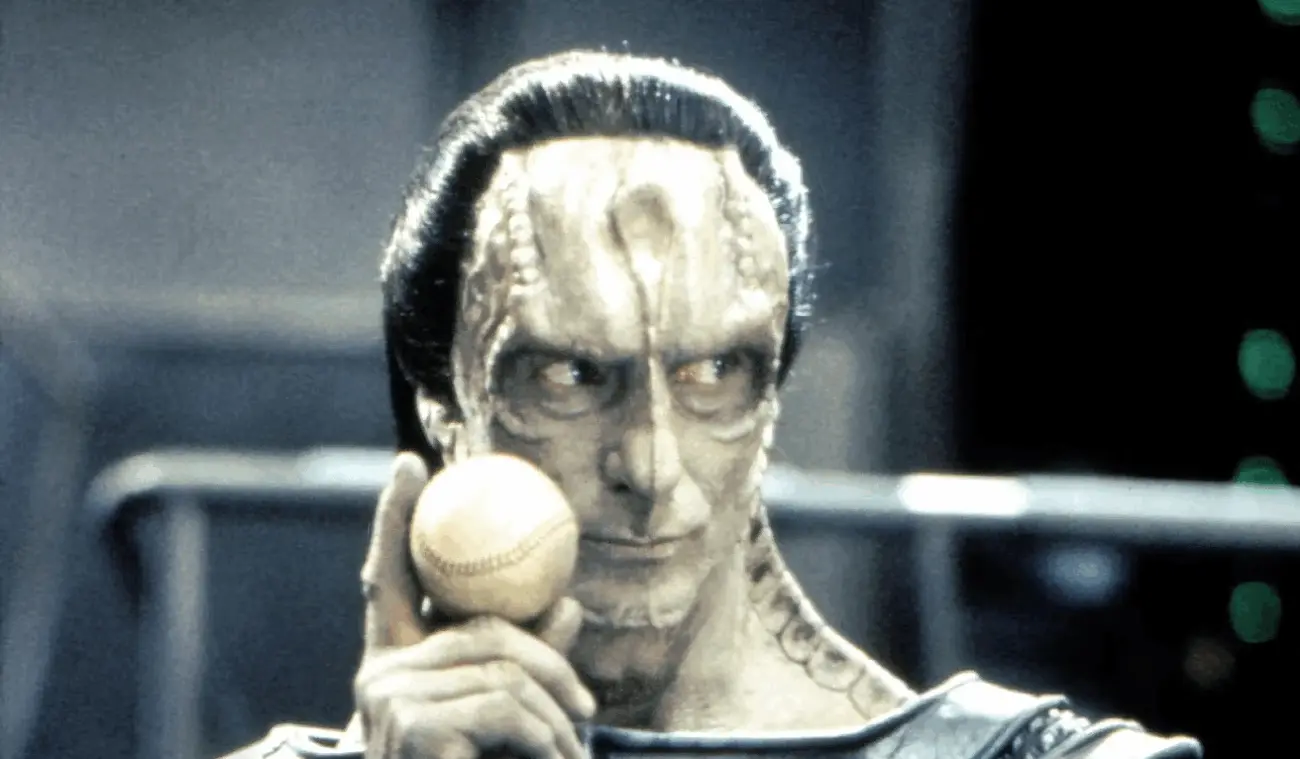
Gul Dukat is the former Cardassian Prefect of Bajor and a central antagonist in ‘Star Trek: Deep Space Nine’. His administrative oversight during the occupation is tied to forced labor, resource extraction, and suppression of Bajoran resistance, elements documented through testimonies and station logs. After the Cardassian withdrawal, he alternates between official and renegade roles, later aligning Cardassia with the Dominion and temporarily retaking Deep Space Nine during the Federation withdrawal.
Dukat’s personal relationships—particularly with his daughter Ziyal and with Kira Nerys—intersect with larger political shifts, affecting Cardassian internal dynamics and Dominion command decisions. Following his capture and psychological break, Dukat reemerges as a devotee of the Pah-wraiths, culminating in the Fire Caves confrontation where he and Kai Winn play decisive roles. His career illustrates methods of occupation governance, alliance politics, and religious extremism within Alpha Quadrant power struggles.
2. Khan Noonien Singh
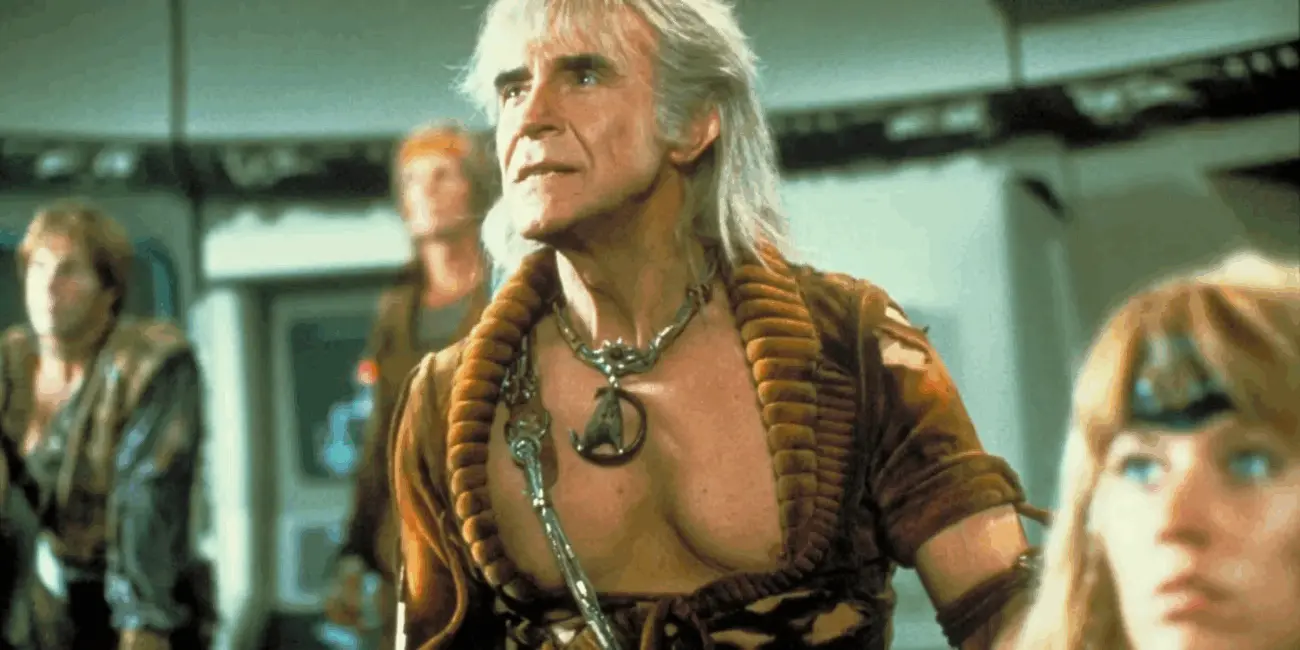
Khan Noonien Singh appears first in ‘Space Seed’ on ‘Star Trek: The Original Series’ as an augmented human leader from Earth’s Eugenics conflicts, discovered in cryostasis aboard the SS Botany Bay. After attempting to seize the Enterprise, he is exiled with his followers to Ceti Alpha V, where planetary upheaval devastates the colony. Khan’s later reappearance in ‘Star Trek II: The Wrath of Khan’ follows his capture of the USS Reliant and acquisition of the Genesis Device.
His tactics include the use of indigenous Ceti eels for neural manipulation, surprise assaults on starships, and exploitation of the Mutara Nebula to offset sensor disadvantages. The battle results in the destruction of the Reliant and Khan’s death after triggering the Genesis Device, with significant consequences for Starfleet research, starship design survivability, and protocols on the handling of experimental terraforming technology. An alternate-timeline iteration of the character appears in ‘Star Trek Into Darkness’, extending the dossier on augmented human threats.
1. The Borg Queen
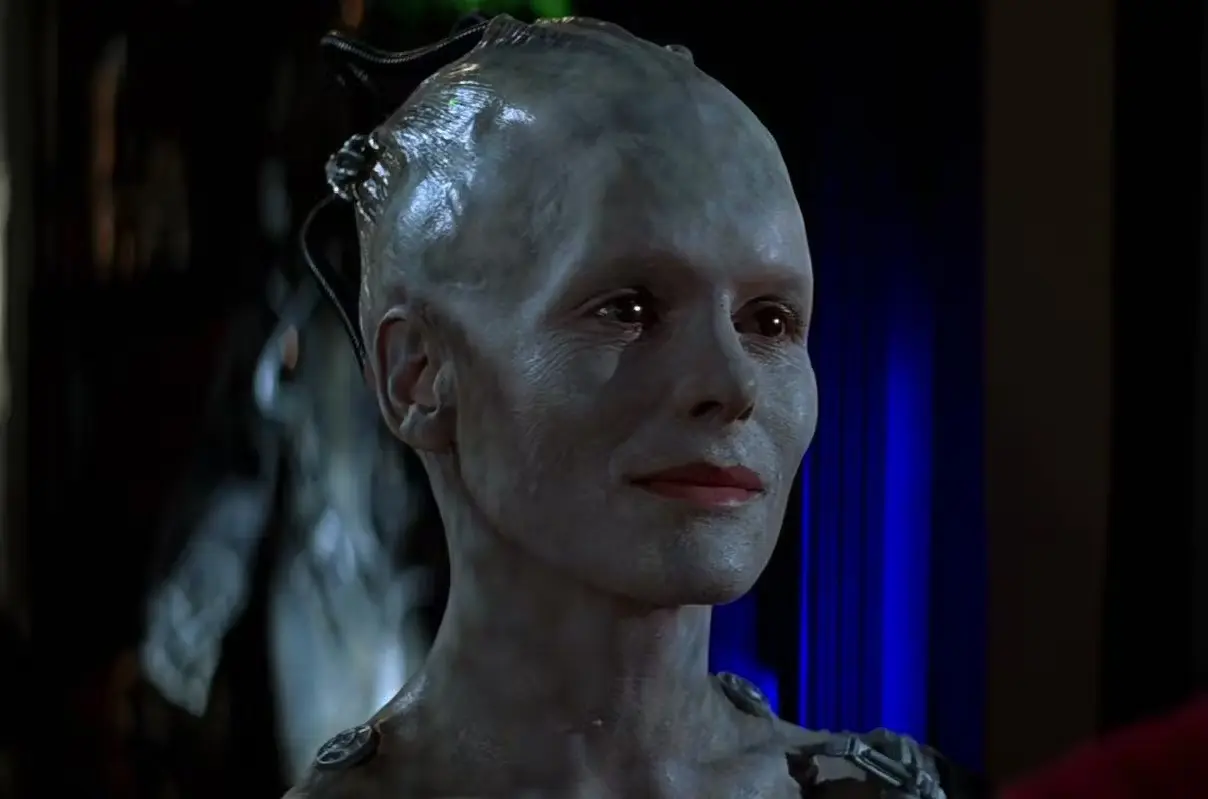
The Borg Queen is introduced in ‘Star Trek: First Contact’ as the centralizing persona of the Borg Collective, coordinating drones through a distributed hive-mind. She interfaces directly with both organic and cybernetic systems, employing nanoprobe assimilation, adaptive shielding, and temporal incursion to pursue the assimilation of Earth and Federation technology. Her interactions with Data include partial grafting of organic tissue to negotiate cooperation and compromise his ethical subroutines.
In ‘Star Trek: Voyager’, the Queen confronts Kathryn Janeway and Seven of Nine in operations such as ‘Scorpion’, ‘Dark Frontier’, and ‘Unimatrix Zero’, exposing vulnerabilities in transwarp infrastructure and collective cohesion. In ‘Star Trek: Picard’, different incarnations of the Queen figure in plotlines involving timeline divergence and a later large-scale infiltration of Starfleet via transporter-based genetic modification, culminating in a Frontier Day crisis linked to Jack Crusher. These events define Borg capabilities in long-range strategy, biological integration, and multi-era adaptation.
Share which villain you’d add—or which appearance best illustrates their methods—in the comments.