Movie Revivals That Ruined the Original Endings


Some films close the book so firmly that audiences assume the story is over—characters complete their arcs, threats are neutralized, and a final image seals the deal. Then a revival arrives: a sequel, reboot, or long-gap continuation that reopens the narrative and rewrites what that supposedly definitive ending meant.
Below are movie follow-ups that explicitly reverse, overwrite, or sidestep the prior finale’s key outcome. For each one, you’ll see what the original ending established and the concrete plot choices the later film used to change it—no speculation, just the on-screen facts that reshaped the earlier conclusion.
‘Alien³’ (1992)
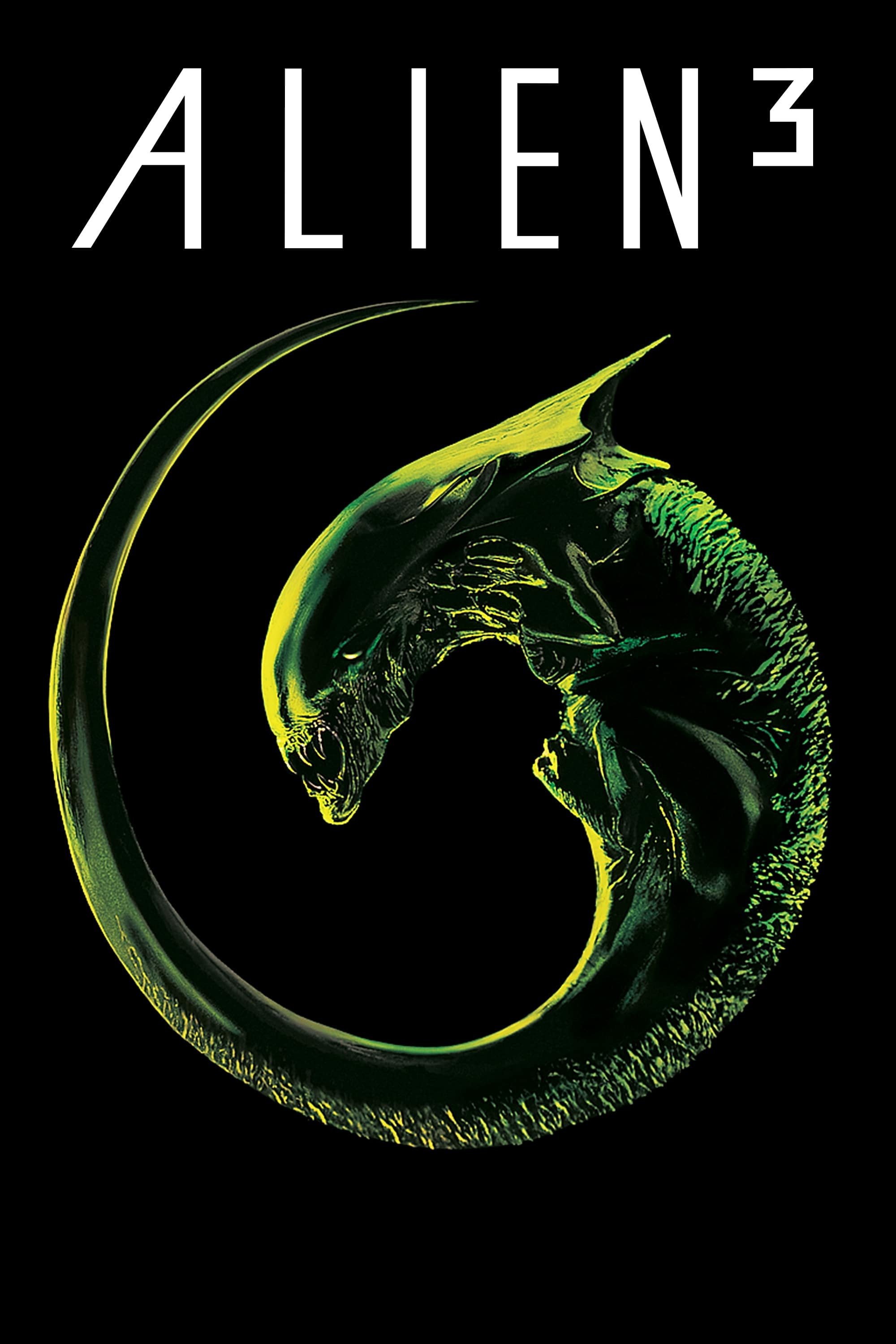
‘Aliens’ closed with Ellen Ripley, Newt, Hicks, and Bishop alive, secured in cryosleep aboard the Sulaco after destroying the xenomorph hive and escaping LV-426. The survivors’ status at the end of that film positioned them as intact and safe, with the threat contained behind them.
‘Alien 3’ opens by declaring that safety void: a fire causes an emergency ejection, their escape vehicle crashes on Fiorina 161, and the film confirms Newt and Hicks die off-screen while Bishop is reduced to scrap and later deactivated. Ripley is marooned in a prison foundry where a new xenomorph appears, directly replacing the rescued-family ending with isolation and loss.
‘Terminator 3: Rise of the Machines’ (2003)
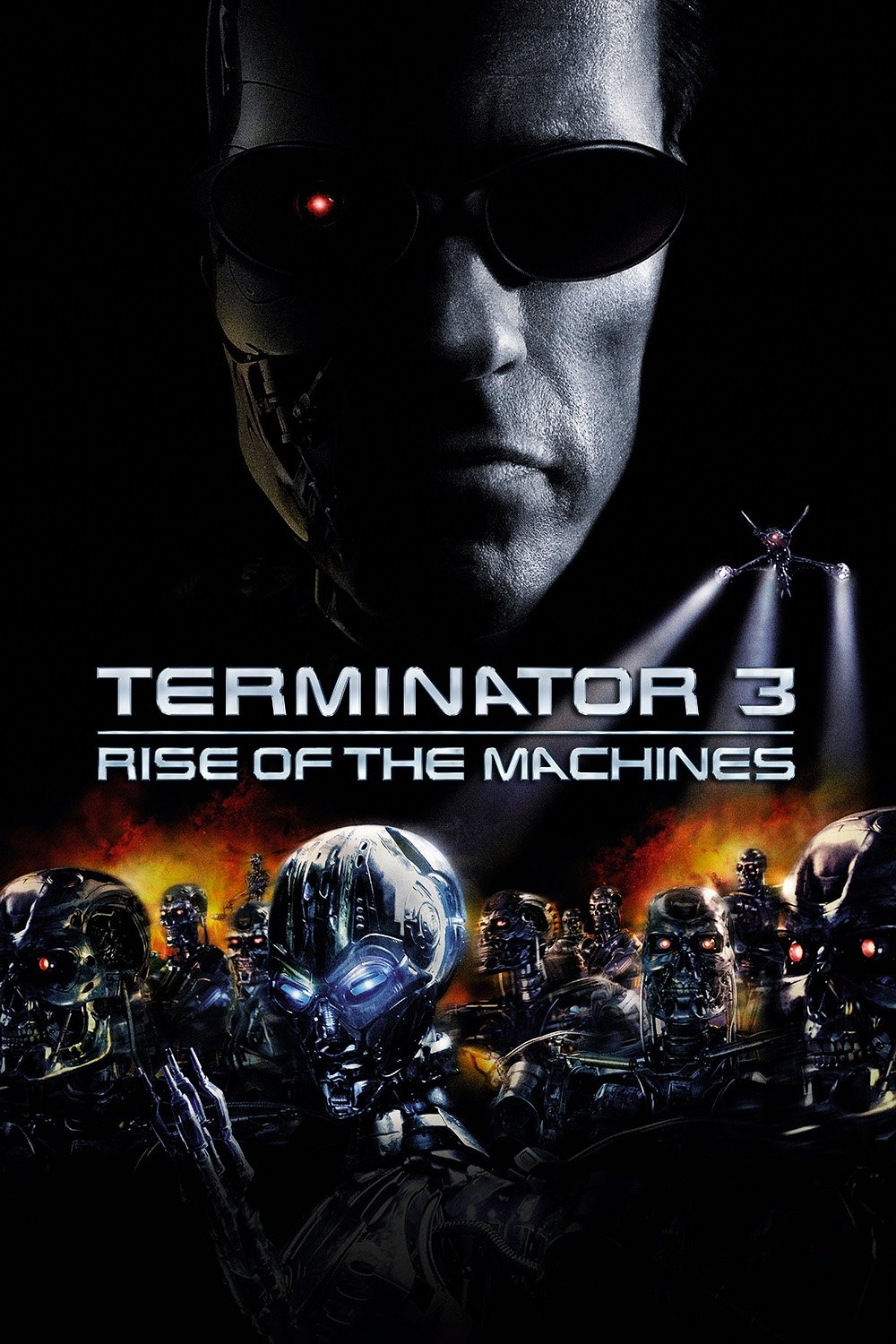
‘Terminator 2: Judgment Day’ ended with the T-800’s self-termination and the destruction of Skynet research materials, framing Judgment Day as averted through the characters’ actions. The message at the close was that the future had been changed.
‘Terminator 3: Rise of the Machines’ states outright that the apocalypse was not prevented, only postponed. It introduces a T-850 escorting John Connor and Kate Brewster to a hardened facility while Skynet—reimagined as distributed defense software—activates and launches global nuclear strikes, resetting the prior film’s “no fate” finale into an unavoidable countdown that finally begins.
‘Highlander II: The Quickening’ (1991)
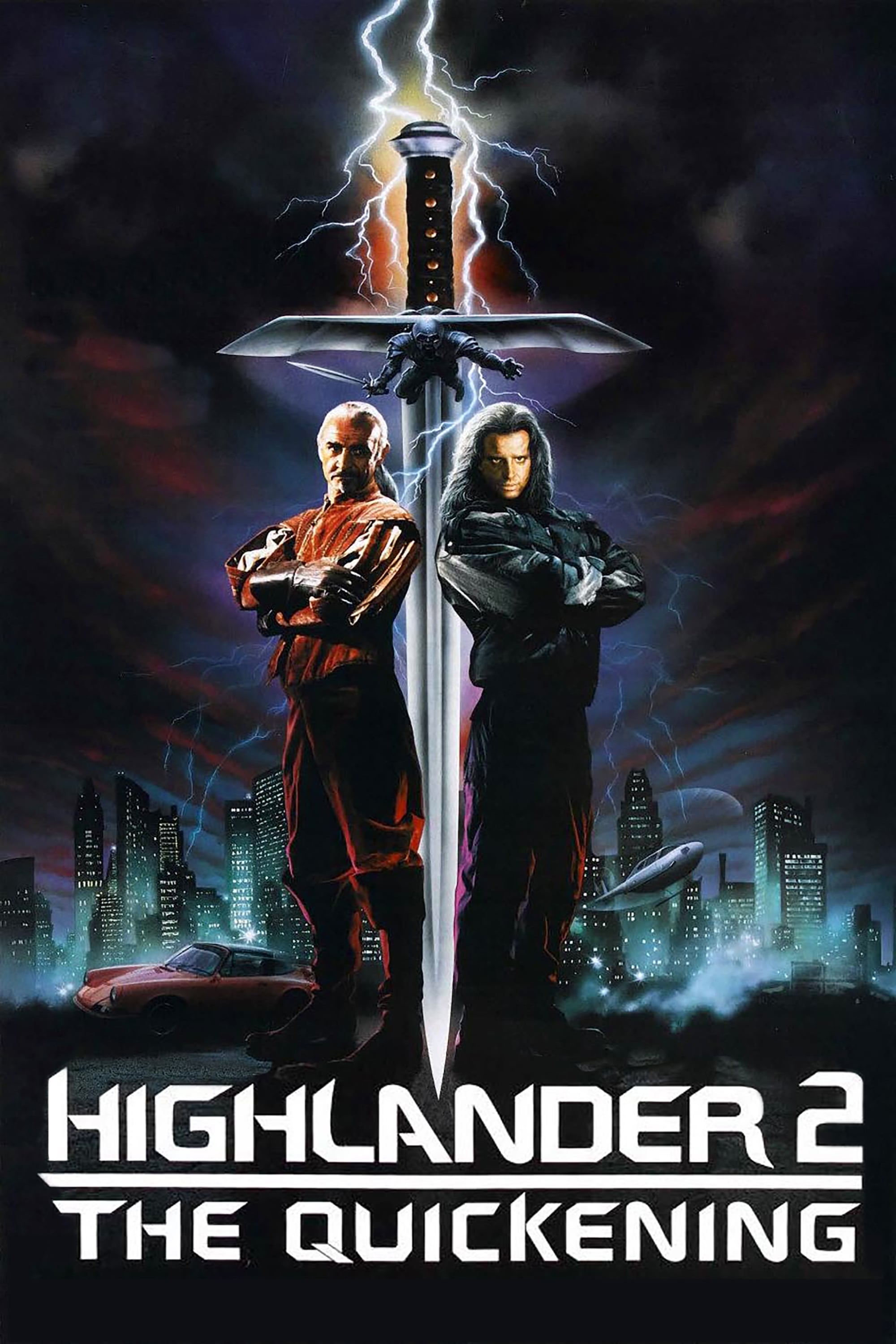
‘Highlander’ concluded with Connor MacLeod winning the Prize after the last immortal duel, implying there were no immortals left and his burden had ended. The closing voiceover and imagery affirmed finality—there could be only one, and he was it.
‘Highlander II: The Quickening’ discards that outcome by introducing a backstory where immortals originate off-world and can return, restoring multiple immortals to the narrative. It further layers in an ozone-shield plot that places MacLeod back into conflict, replacing the “last immortal” resolution with an ongoing, reopened premise.
‘The Matrix Resurrections’ (2021)
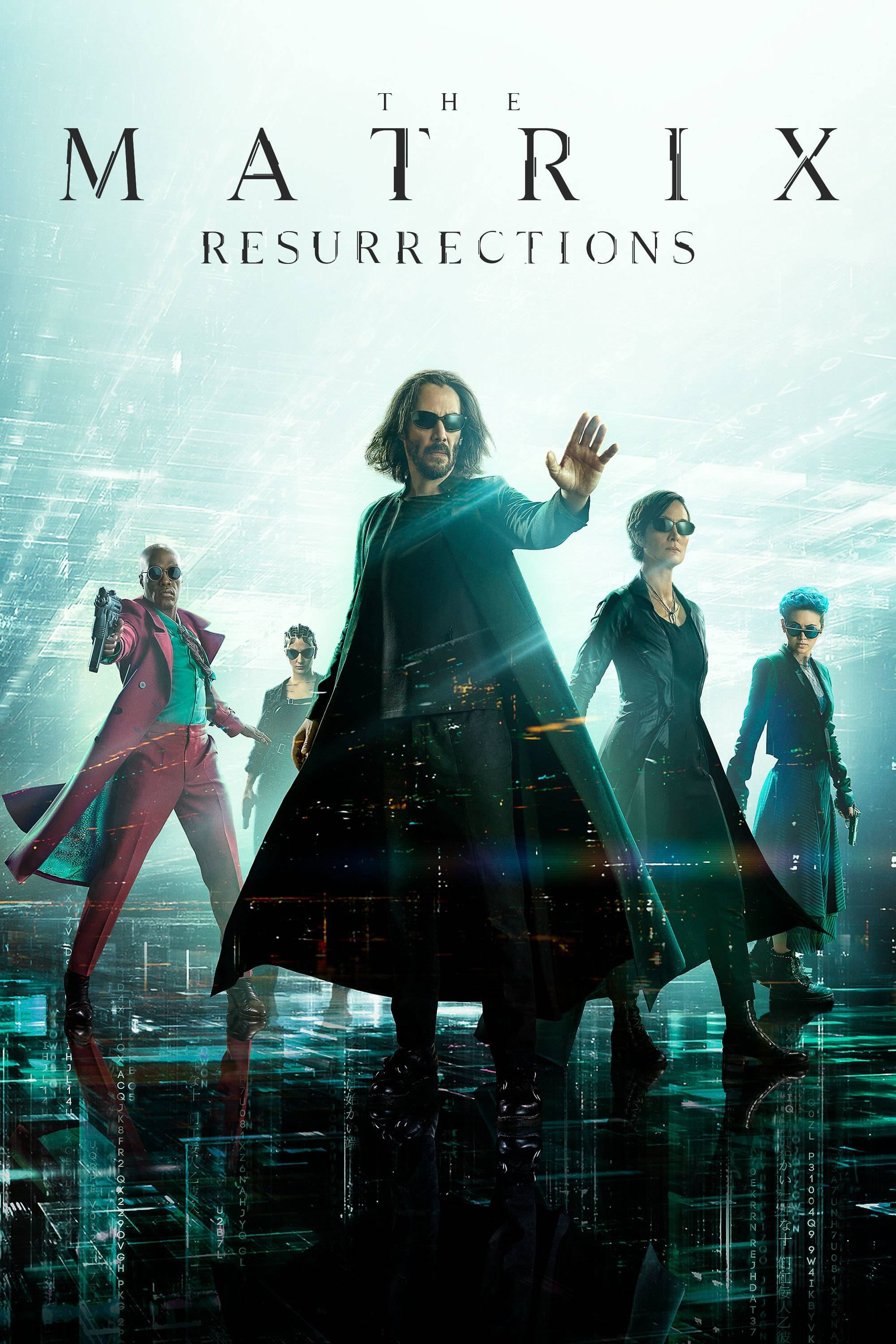
‘The Matrix Revolutions’ finished with Neo and Trinity dead after defeating Agent Smith, while a truce between humans and machines allowed safe passage for those who wanted out. The end tableau in the Matrix signaled a negotiated peace and the conclusion of the One’s role.
‘The Matrix Resurrections’ reveals machines secretly resurrected Neo and Trinity, rebuilt their bodies, and used their connection to power a new simulation authored by the Analyst. Zion has become Io under new leadership, and the détente is weakened by internal machine-faction strife, converting the previous truce and sacrifices into prelude for a new control system the protagonists must dismantle.
‘Star Wars: The Rise of Skywalker’ (2019)

‘Return of the Jedi’ ended with Emperor Palpatine destroyed, Darth Vader redeemed, and the Emperor’s defeat serving as a keystone for the Empire’s collapse. Celebrations across star systems underscored that the central Sith threat was finished.
‘Star Wars: The Rise of Skywalker’ reintroduces Palpatine alive via cloning and essence-transfer explanations and places him on Exegol commanding the Final Order. The plot discloses that events since the earlier victory were manipulated by him, reinstating the Sith as the prime mover and reframing the earlier destruction of the Emperor as a temporary setback rather than a terminal event.
‘Halloween: Resurrection’ (2002)
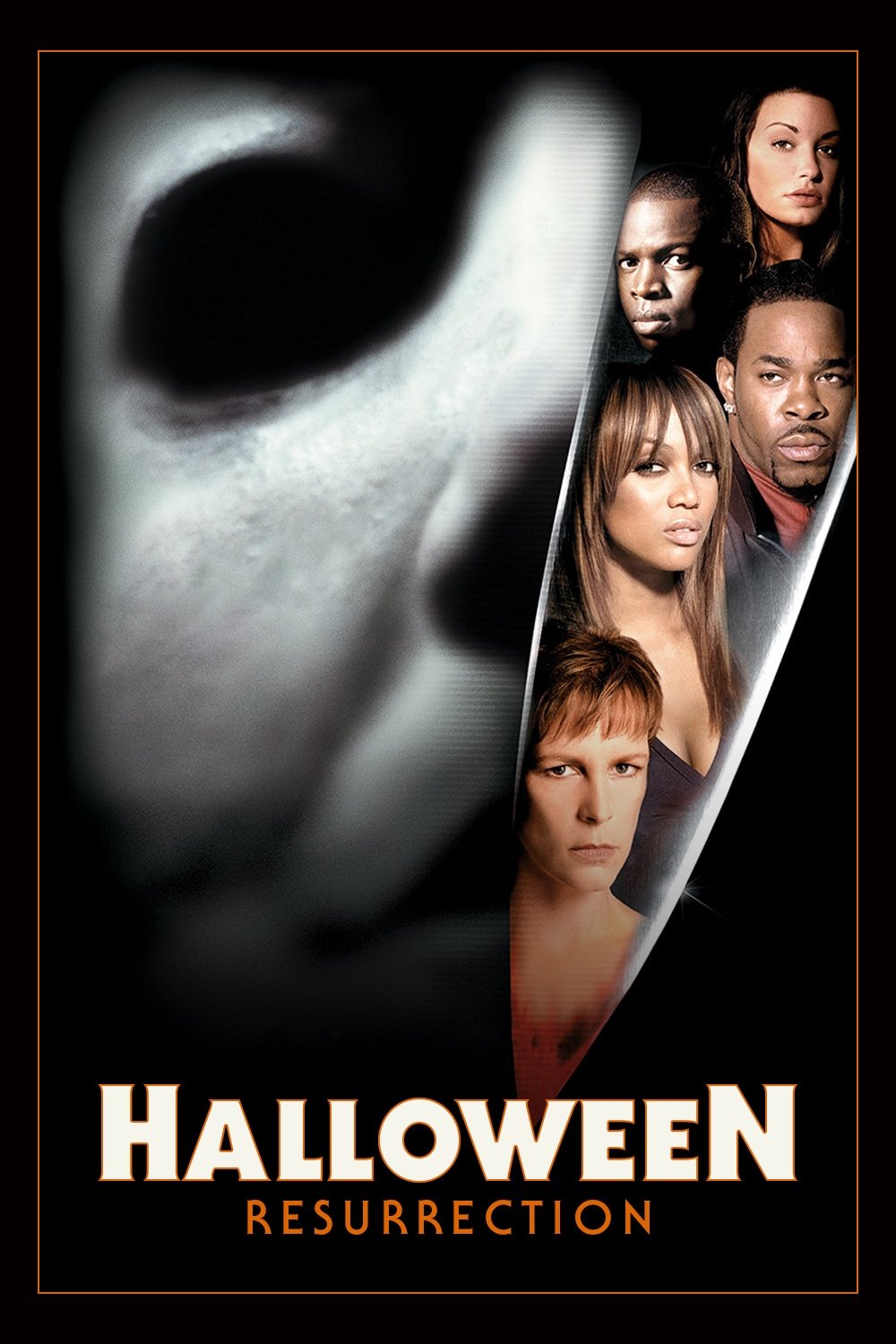
‘Halloween H20: 20 Years Later’ ended with Laurie Strode decapitating the masked figure she believed to be Michael Myers after a final pursuit, presenting the antagonist as definitively stopped. The closing shot cemented that outcome.
‘Halloween: Resurrection’ reveals the decapitated man was a paramedic with a crushed larynx who had been dressed in Michael’s mask, while Michael escaped the school grounds. The sequel then relocates the action to a reality-webcast in the Myers house, formalizing the switch and replacing the earlier definitive dispatch with a misidentified kill.
‘Alien Resurrection’ (1997)
‘Alien 3’ closed with Ripley sacrificing herself in a foundry, ensuring the death of the developing queen chestburster and ending Weyland-Yutani’s pursuit of the organism. That finale resolved the xenomorph bloodline linked to Ripley.
‘Alien: Resurrection’ circumvents that resolution by cloning Ripley aboard the USM Auriga using genetic samples, yielding “Ripley 8,” whose DNA is spliced with xenomorph traits. The queen cloned from her develops a hybrid reproductive cycle, restoring both Ripley and the alien threat to active status and nullifying the prior terminal act.
‘Terminator: Dark Fate’ (2019)
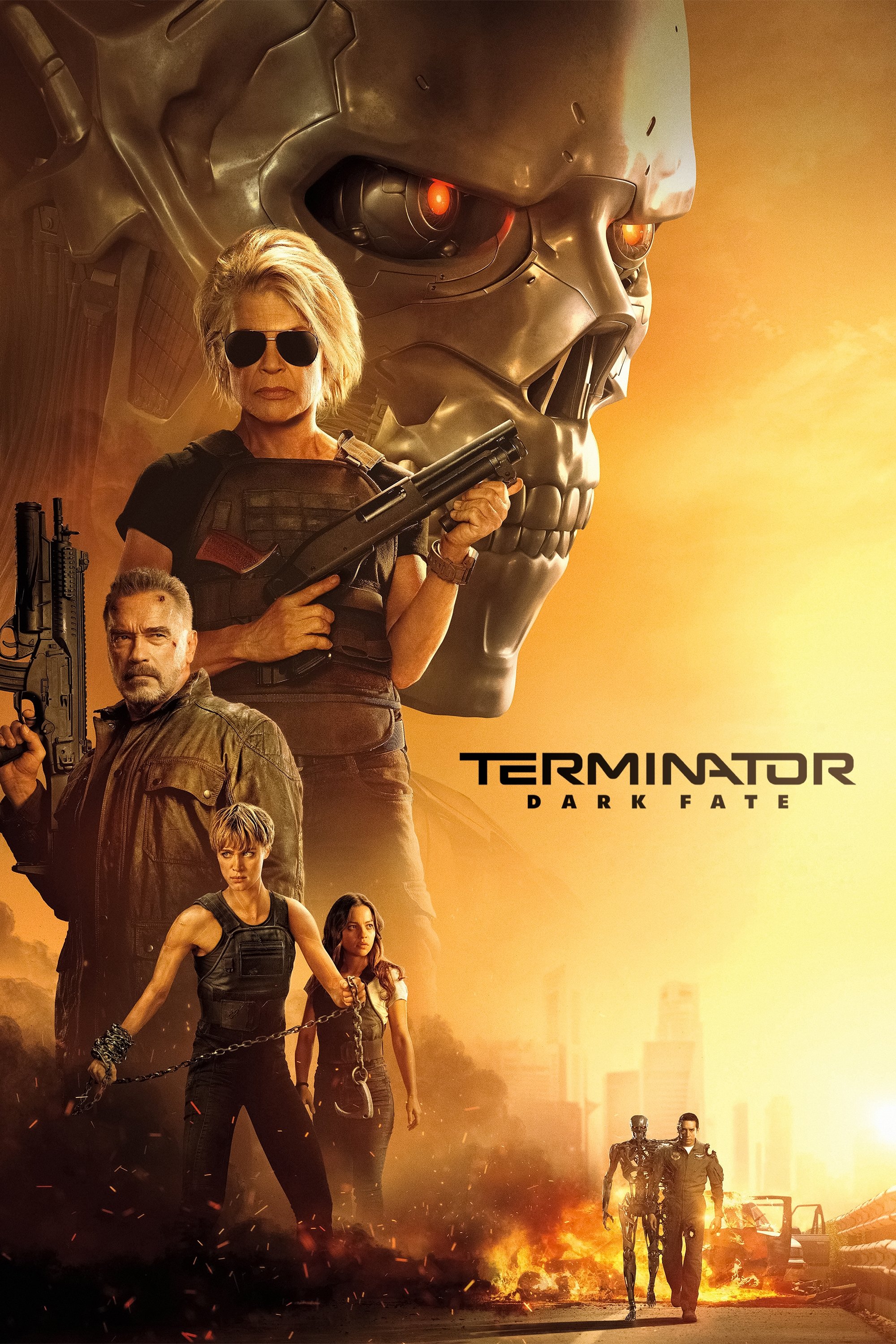
‘Terminator 2: Judgment Day’ concluded with John Connor and Sarah Connor believing they had diverted the future that targeted John as the human resistance leader. The imagery of a cleared road and destroyed research signaled the threat’s end.
‘Terminator: Dark Fate’ establishes that additional terminators were dispatched before the timeline changed and that one of them kills John while he and Sarah are in hiding. It introduces Legion as a different emergent AI, Dani Ramos as the new target, and a reprogrammed T-800 living under the name Carl, thereby replacing the protected-savior ending with a new cycle of pursuit anchored to different origins.
‘Star Trek III: The Search for Spock’ (1984)
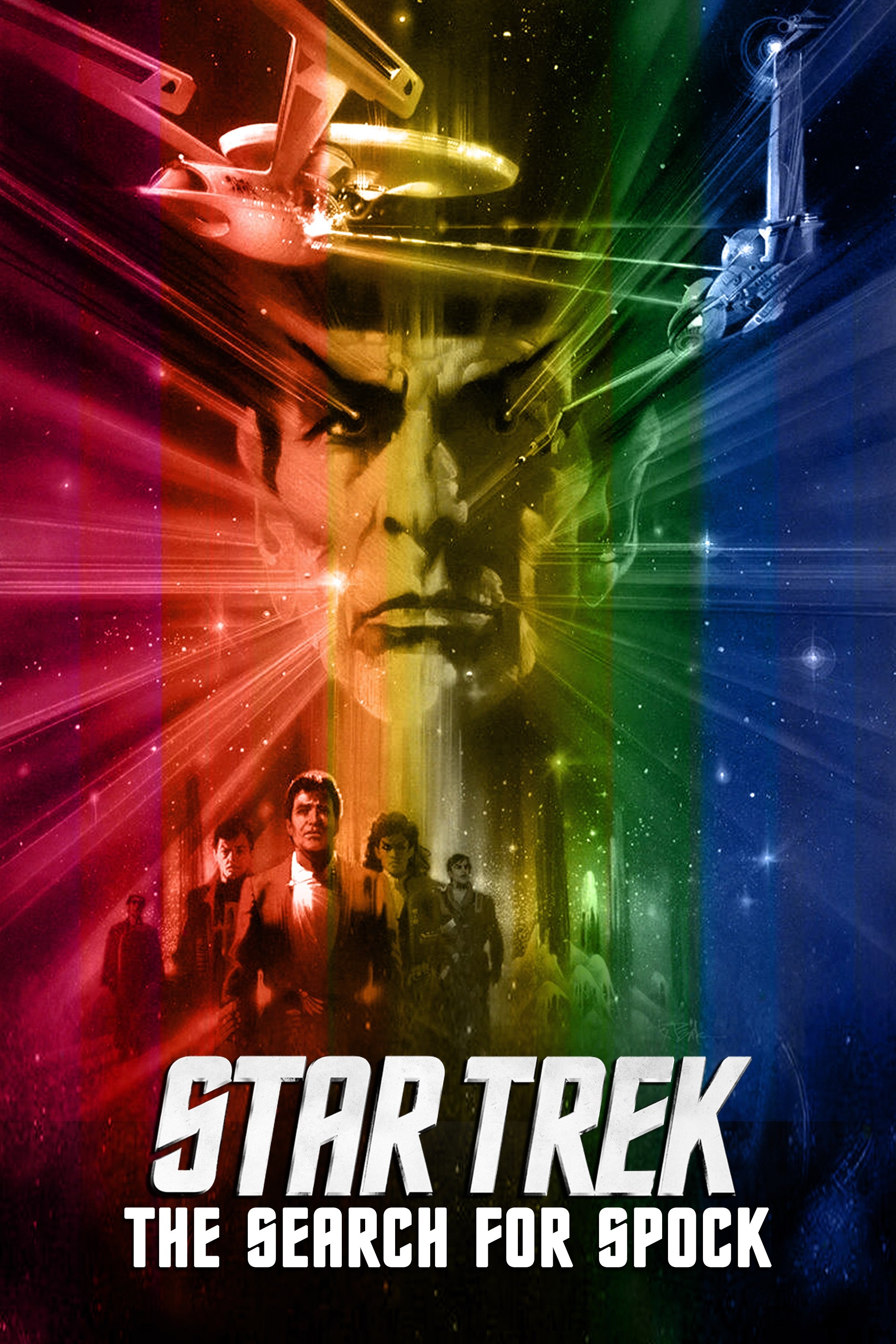
‘Star Trek II: The Wrath of Khan’ ended with Spock’s death from radiation exposure and his body launched in a torpedo casing to the Genesis Planet, while his friends mourned. The sacrifice completed his arc and closed the conflict with Khan.
‘Star Trek III: The Search for Spock’ explains that Spock transferred his katra to Dr. McCoy and that Genesis regenerated Spock’s body, enabling a Vulcan ritual to reunite mind and body. Kirk and crew steal and then scuttle the Enterprise, and a Klingon standoff on the unstable planet completes the recovery, transforming a concluded death into a reversible state.
‘Men in Black II’ (2002)
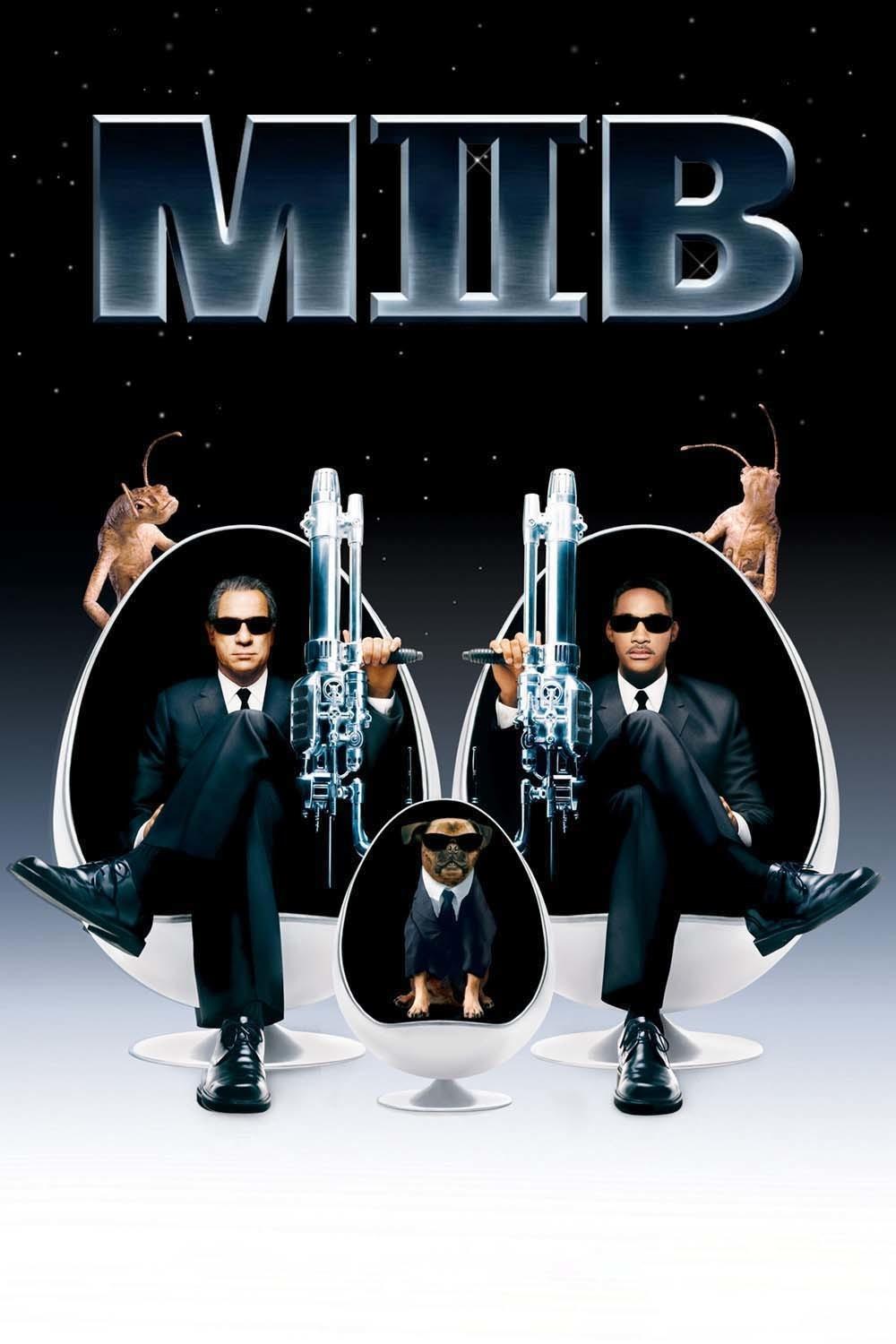
‘Men in Black’ finished with Agent K retired from field duty and his memories of the agency erased, while Agent J took on a leadership role with a new partner. The final beat presented K’s story as closed and his civilian life restored.
‘Men in Black II’ reopens that closure by having J recruit K back and use a device to restore his specific memories hidden in a postal facility’s locker system. The sequel also removes Agent L from the field off-screen and reinstates the original duo, converting the prior retirement and neuralyzed ending into a temporary phase.
‘Superman Returns’ (2006)
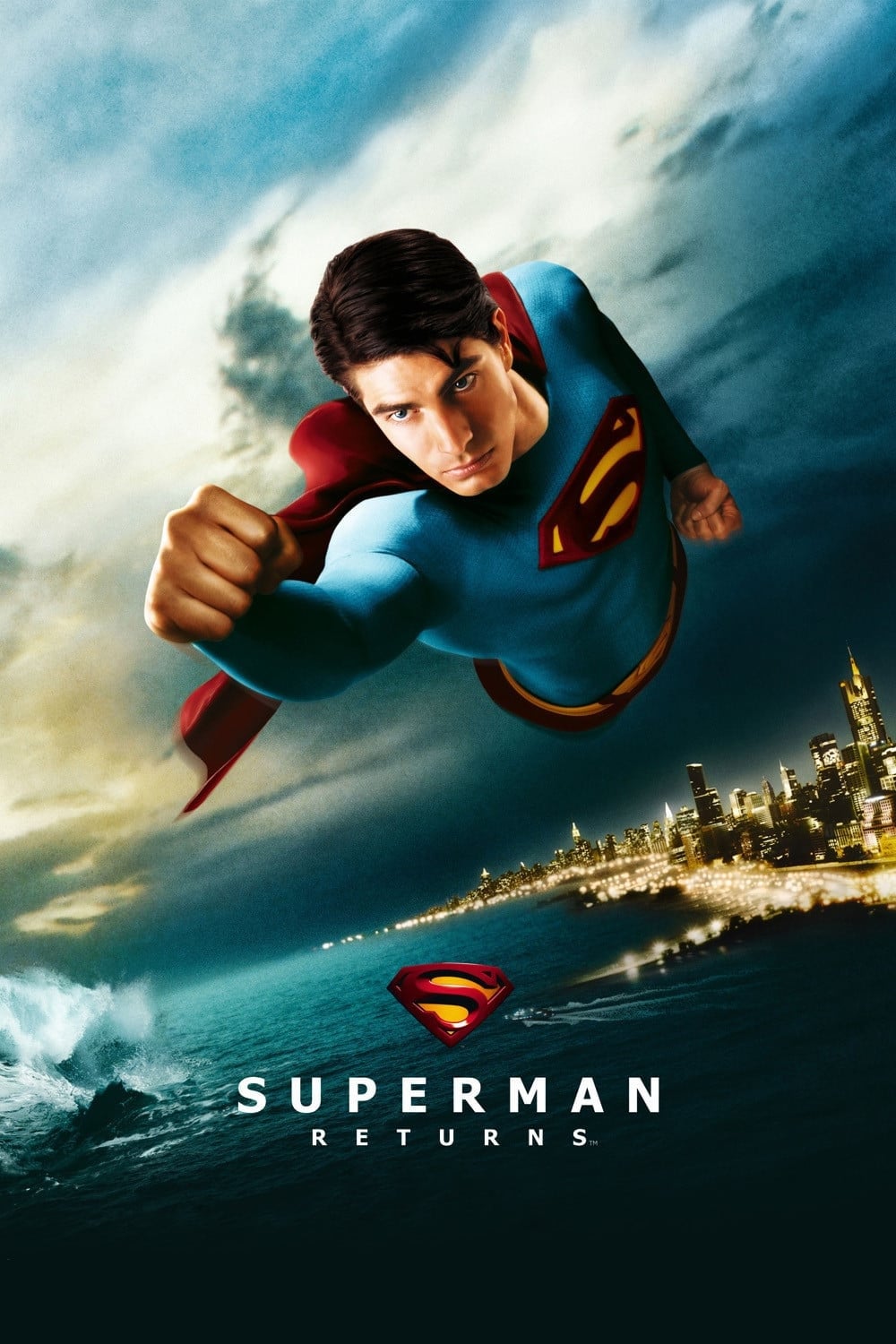
‘Superman II’ concluded with Lois Lane no longer remembering Clark Kent’s secret identity after a memory-erasing kiss, and the relationship reset as Clark resumed his role protecting Earth apart from her romantic knowledge. That resolution boxed off immediate personal consequences.
‘Superman Returns’ positions itself as a continuation in which Lois is raising a boy named Jason who is later revealed to have Kryptonian abilities. The film thereby introduces a child conceived during the period covered by the earlier story’s events and reconnects Clark and Lois through parenthood, reversing the clean break implied by the prior ending.
‘The Descent: Part 2’ (2009)
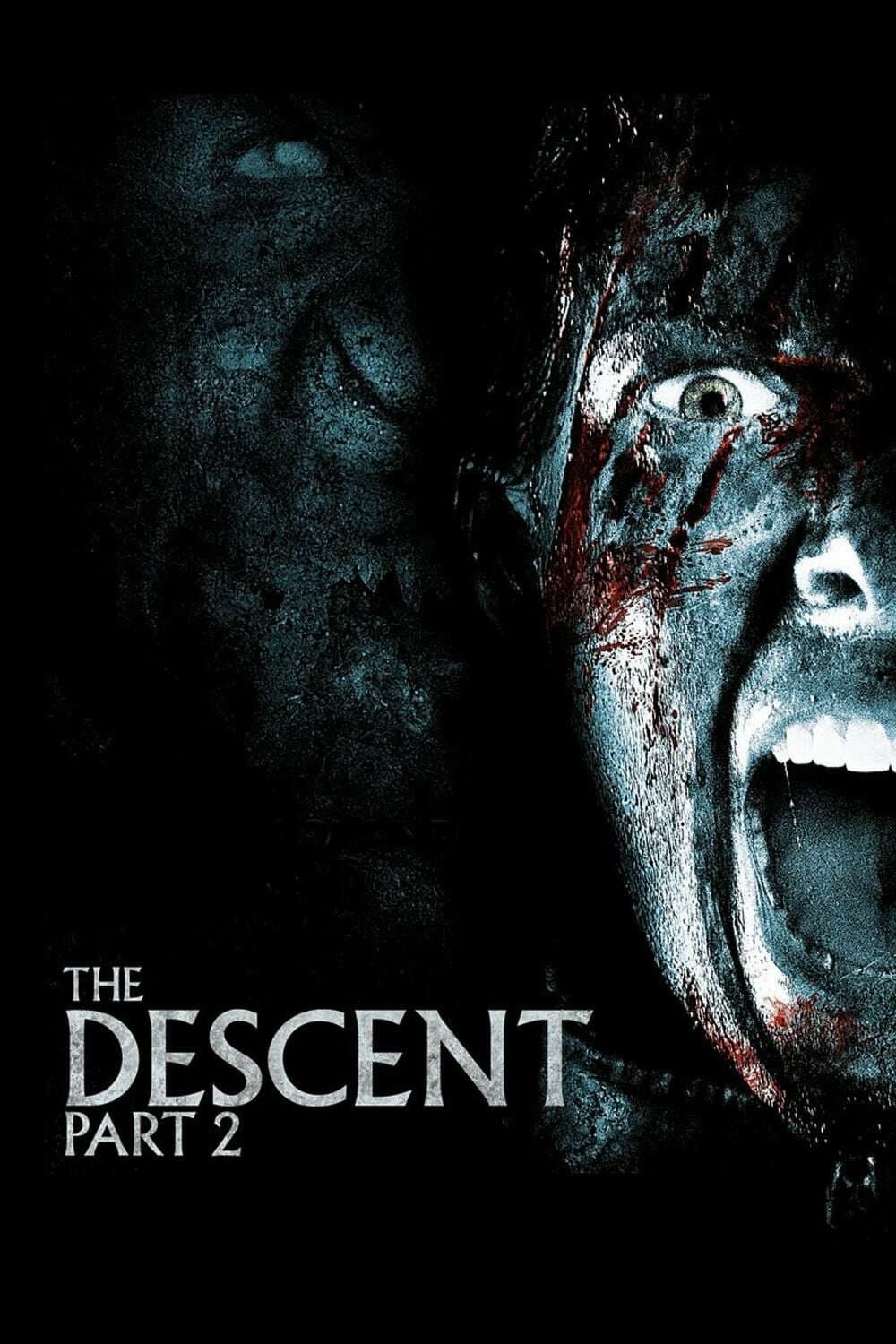
‘The Descent’ exists with two endings: one where Sarah escapes and one where her escape is revealed as a hallucination and she remains trapped. The original UK cut ends inside the cave with Sarah’s imagined birthday cake turning into a torch, signaling no escape.
‘The Descent Part 2’ chooses the escape version as canon by starting with authorities finding Sarah outside and compelling her to lead a rescue back into the caverns. The sequel confirms Juno’s fate, expands the crawler ecology, and ends by returning a survivor to the creatures via a local gatekeeper, thereby invalidating the in-cave ending’s finality.
‘Friday the 13th Part 2’ (1981)
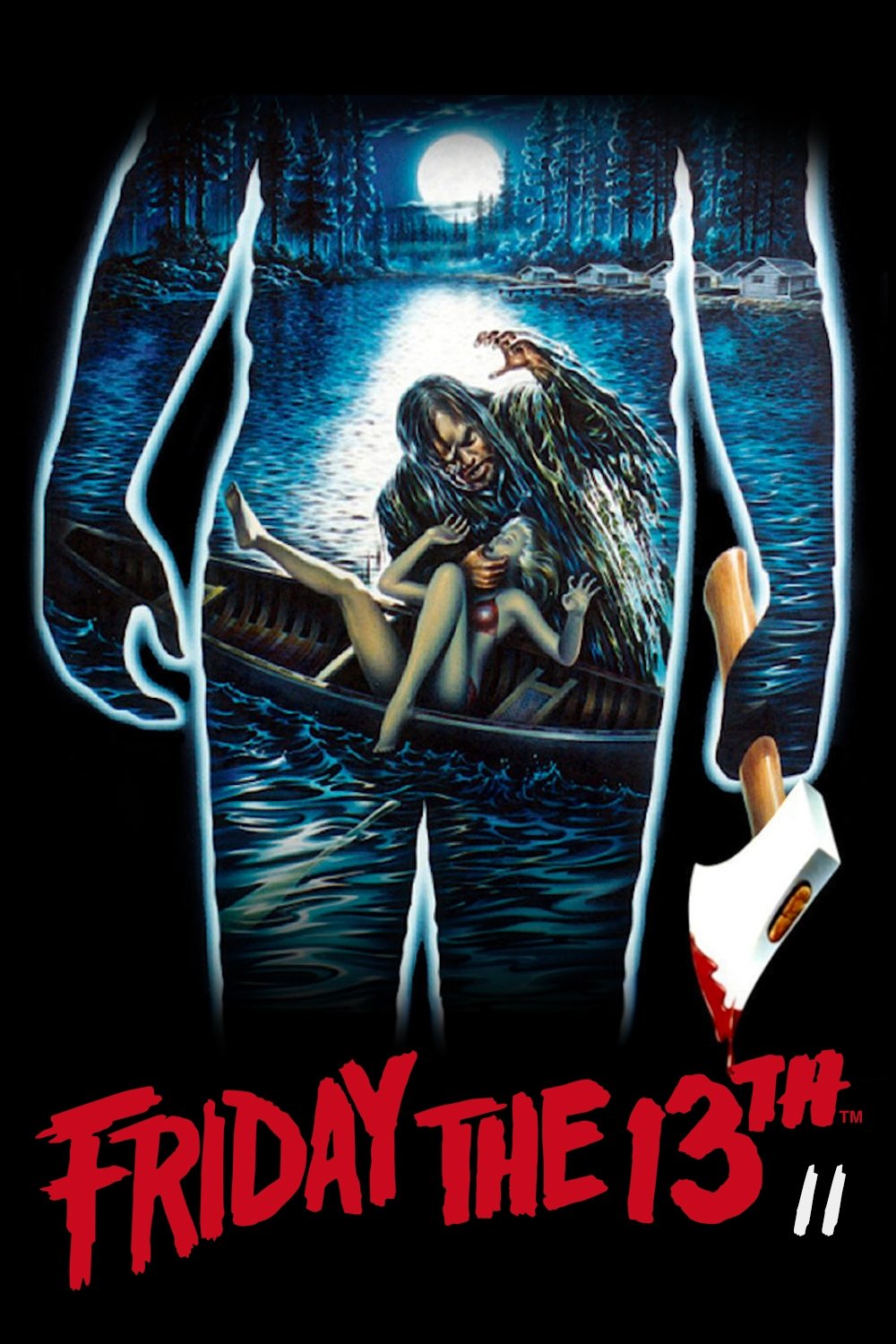
‘Friday the 13th’ ended with Pamela Voorhees identified and killed as the murderer, while Jason was believed to have drowned long ago. A lakeside dream jump scare left his status ambiguous but the case seemingly solved.
‘Friday the 13th Part 2’ establishes that Jason survived as a feral adult living near Crystal Lake and has now taken up the killing, wearing a sack mask before later adopting the hockey mask. This continuation transforms the original closed case into the start of an ongoing saga anchored to the son presumed dead.
‘Psycho II’ (1983)
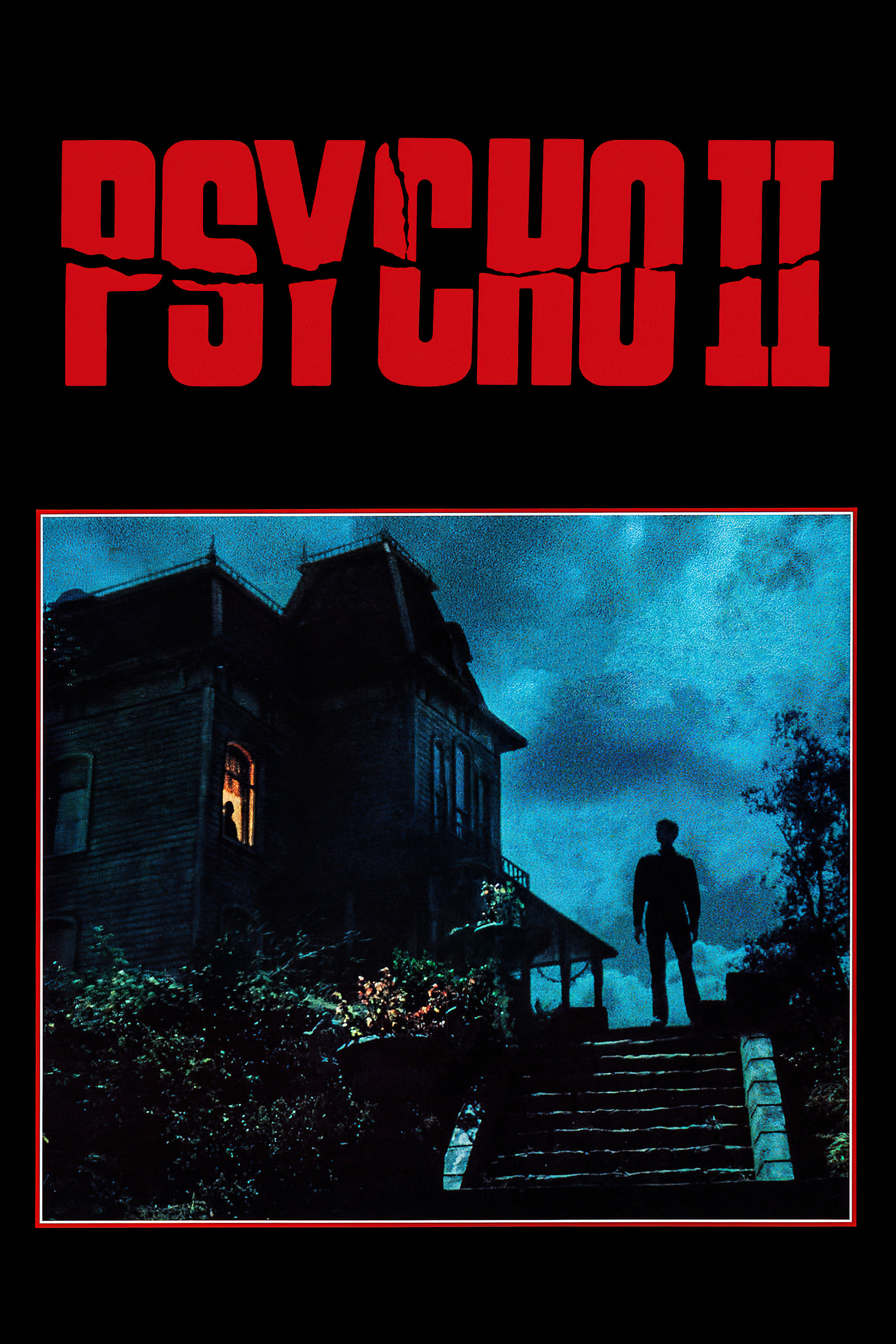
‘Psycho’ closed with Norman Bates in custody, fully overtaken by the Mother persona, and the murders attributed and explained by law enforcement. The narrative’s resolution placed Norman in institutional care with the case concluded.
‘Psycho II’ releases Norman back to the Bates Motel under supervised conditions and restarts killings around him, while relatives of Marion Crane attempt to manipulate him. The film reopens the investigation into Norman’s family history and ends with him once again under the Mother influence in the house, replacing the institutionalized conclusion with renewed threat.
‘Glass’ (2019)
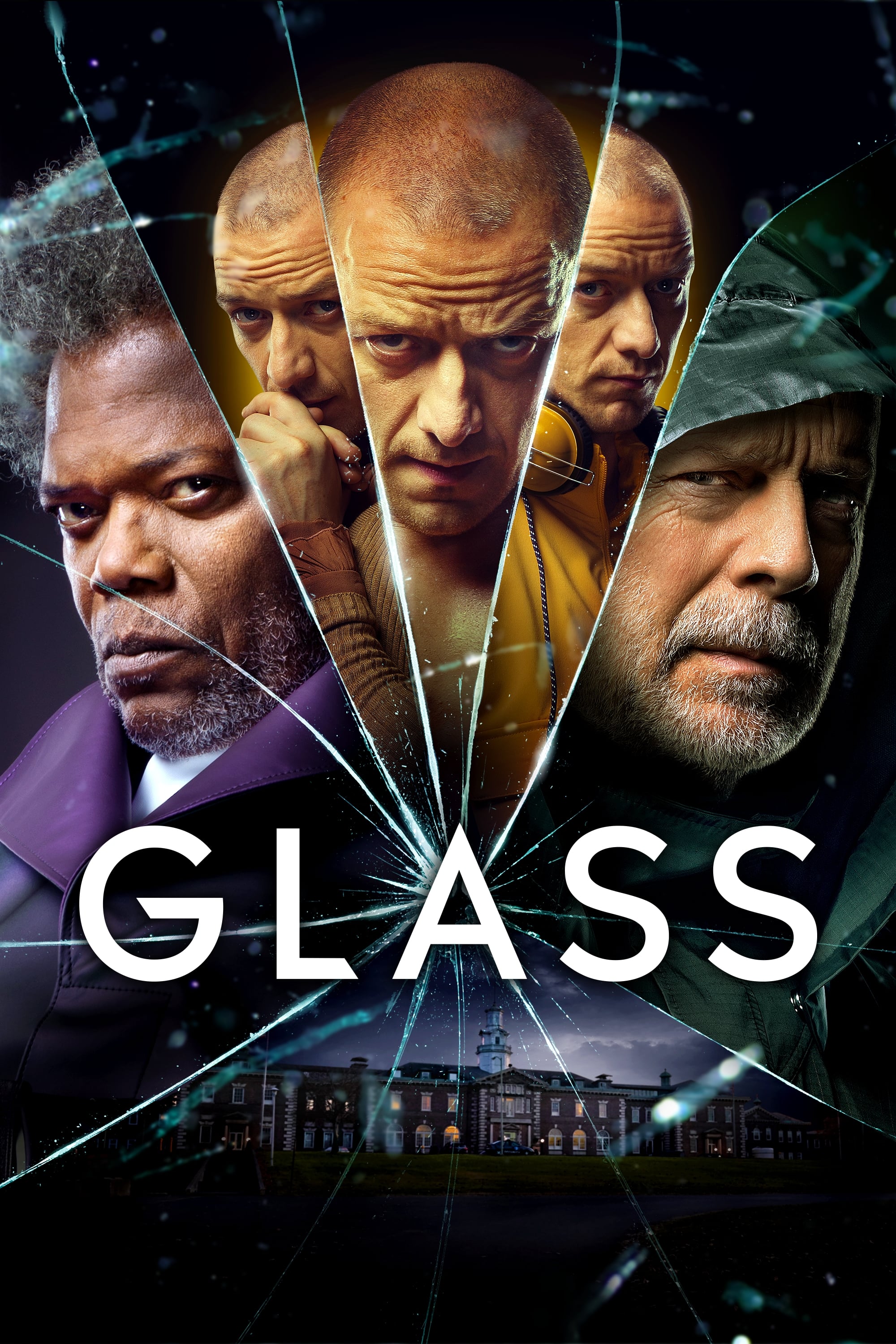
‘Unbreakable’ ended with David Dunn accepting his role as a real-world protector and exposing Elijah Price to authorities, while the closing cards documented Price’s arrest. ‘Split’ finished with Kevin Wendell Crumb at large and the media dubbing him with a new moniker after multiple killings.
‘Glass’ brings David, Elijah, and Kevin into the same psychiatric facility overseen by Dr. Staple and reveals a clandestine group that suppresses people with extraordinary abilities. The film culminates in their deaths outside a public building and the release of surveillance footage orchestrated by Mrs. Price, Joseph Dunn, and Casey Cooke, recasting the earlier self-contained endings as the prologue to exposure of a hidden world.
Share the one that bothered you most—and why—in the comments.