Sci-Fi Movies That Keep Getting Better with Every Rewatch


Great science fiction packs its frames with design choices, coded references, and story structures that reward careful attention. Production teams often hide practical solutions in plain sight—miniature work, in-camera tricks, novel sound design, and dense world-building—that only fully registers once you know where to look. On repeat viewings, timelines sync, background details connect, and the logic of fictional tech becomes easier to trace.
This list focuses on films whose construction—scripts, editing patterns, effects pipelines, and design language—offers more to notice each time. You’ll find adaptations of major authors, influential anime features, visionary original screenplays, and technically significant milestones. Each entry highlights concrete elements you can track on a second pass: how sequences are built, how themes are encoded, and how the craft fits together.
‘2001: A Space Odyssey’ (1968)
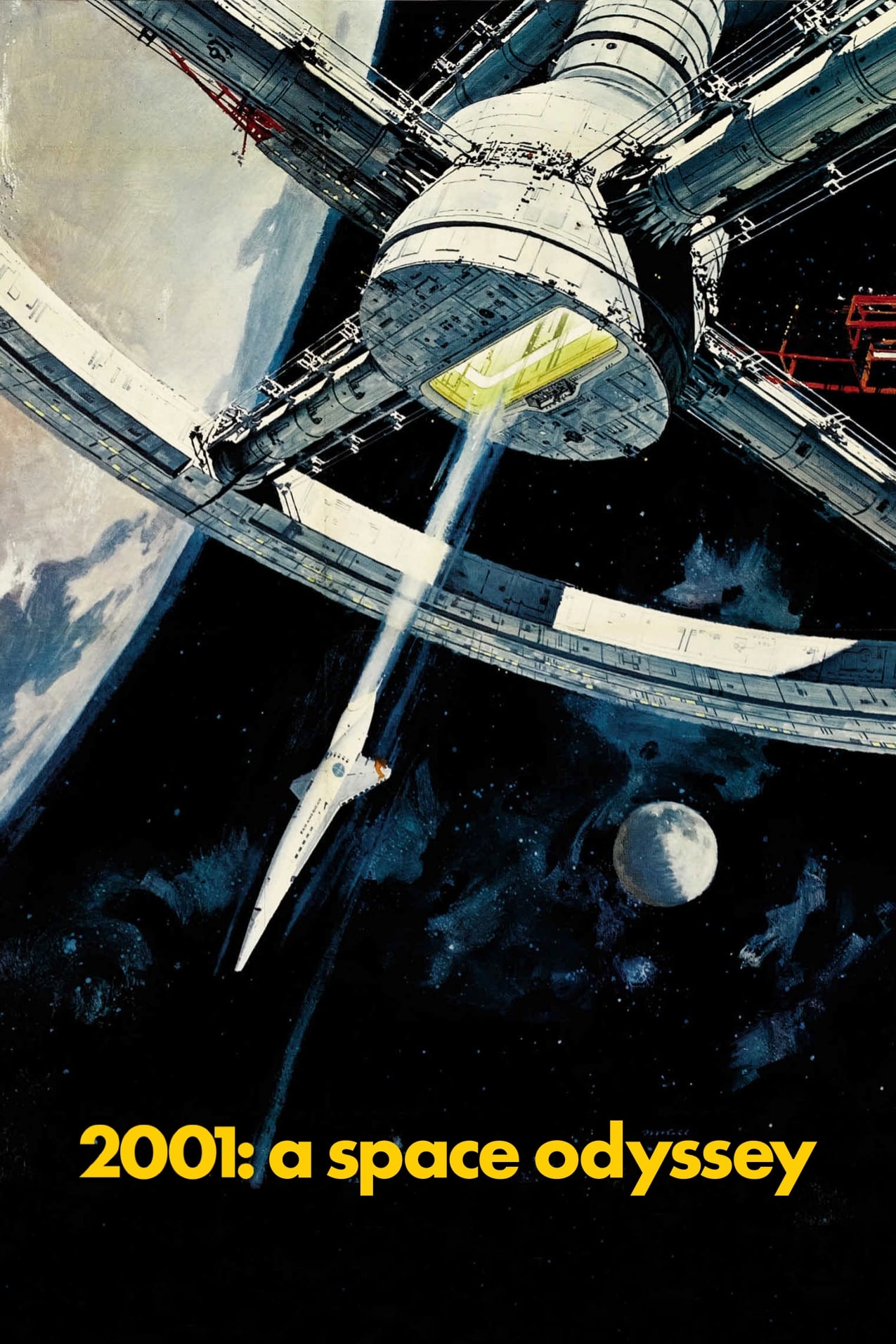
Directed by Stanley Kubrick and developed alongside Arthur C. Clarke, this film blends speculative storytelling with meticulous engineering detail. The production advanced front-projection for landscapes, used large-scale miniatures for spacecraft, and introduced slit-scan techniques for the Stargate sequence. Geoffrey Unsworth’s cinematography emphasizes verisimilitude in zero-gravity staging, while classical compositions like ‘Also sprach Zarathustra’ and ‘The Blue Danube’ structure key transitions.
Its narrative unfolds in distinct movements—prehistoric prologue, lunar discovery, deep-space voyage, and the finale—linked by the recurring monolith. The HAL 9000 storyline integrates human–machine interface design, mission protocol, and error escalation, inviting close tracking of dialogue, readouts, and blocking to understand how the malfunction ripples through crew procedures.
‘Blade Runner’ (1982)
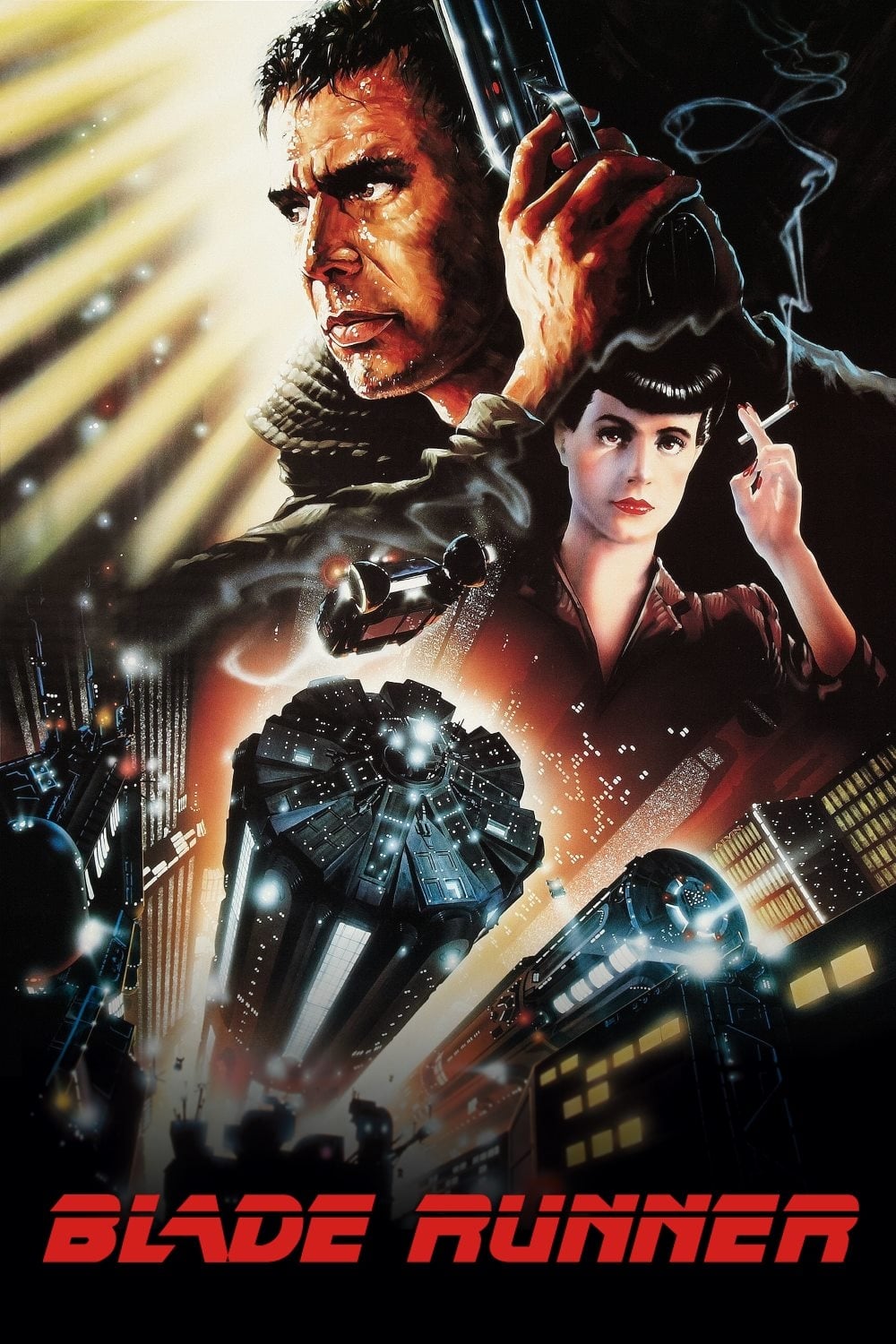
Ridley Scott’s adaptation of Philip K. Dick’s ‘Do Androids Dream of Electric Sheep?’ layers production design by Lawrence G. Paull and concept art by Syd Mead to create a dense urban ecosystem. Vangelis’s electronic score, Jordan Cronenweth’s smoky low-key lighting, and miniature-based cityscapes combine to produce a visually coherent, lived-in setting. Multiple official cuts alter narration, character emphasis, and key inserts.
The film’s replicant-detection framework, corporate hierarchy, and memory implantation concepts are embedded in props, signage, and background screens. Rewatching allows careful comparison of the Voight-Kampff process, origami motifs, and the unicorn imagery across versions to map how the story signals identity and intent.
‘Blade Runner 2049’ (2017)
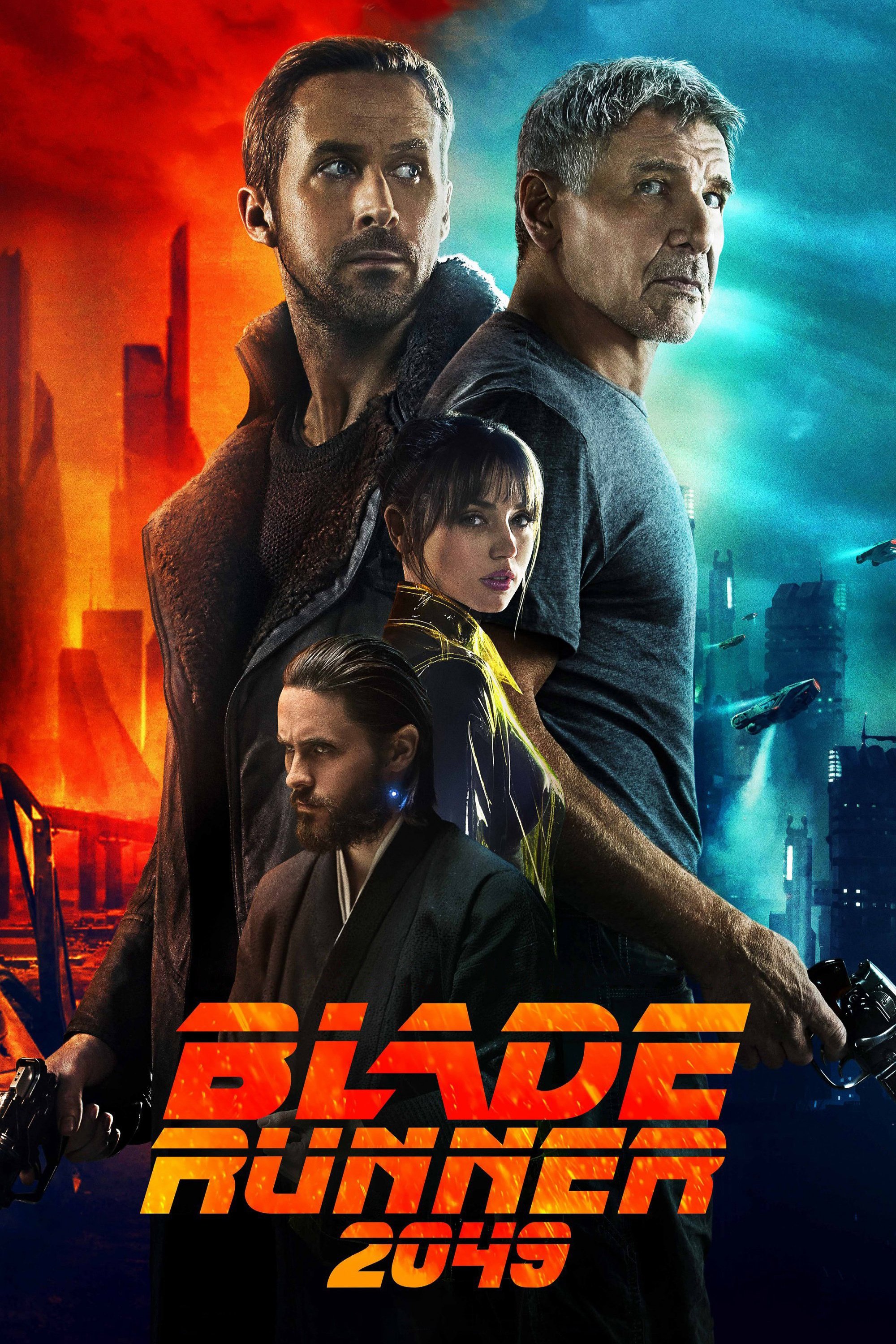
Denis Villeneuve’s continuation expands the world’s infrastructure—protein farms, waste zones, and off-world manufacturing—through Dennis Gassner’s production design and Roger Deakins’s precise lighting strategies. The score by Hans Zimmer and Benjamin Wallfisch leans on synthesized textures to bridge old and new sonic palettes, while large-format photography emphasizes scale.
The narrative structures its investigation through case-file beats, biometric checks, and archival fragments. Corporate succession from Tyrell to Wallace, replicant model changes, and the role of synthetic companions provide clear systems you can diagram, with recurring color-temperature cues that track character states and locations.
‘Alien’ (1979)
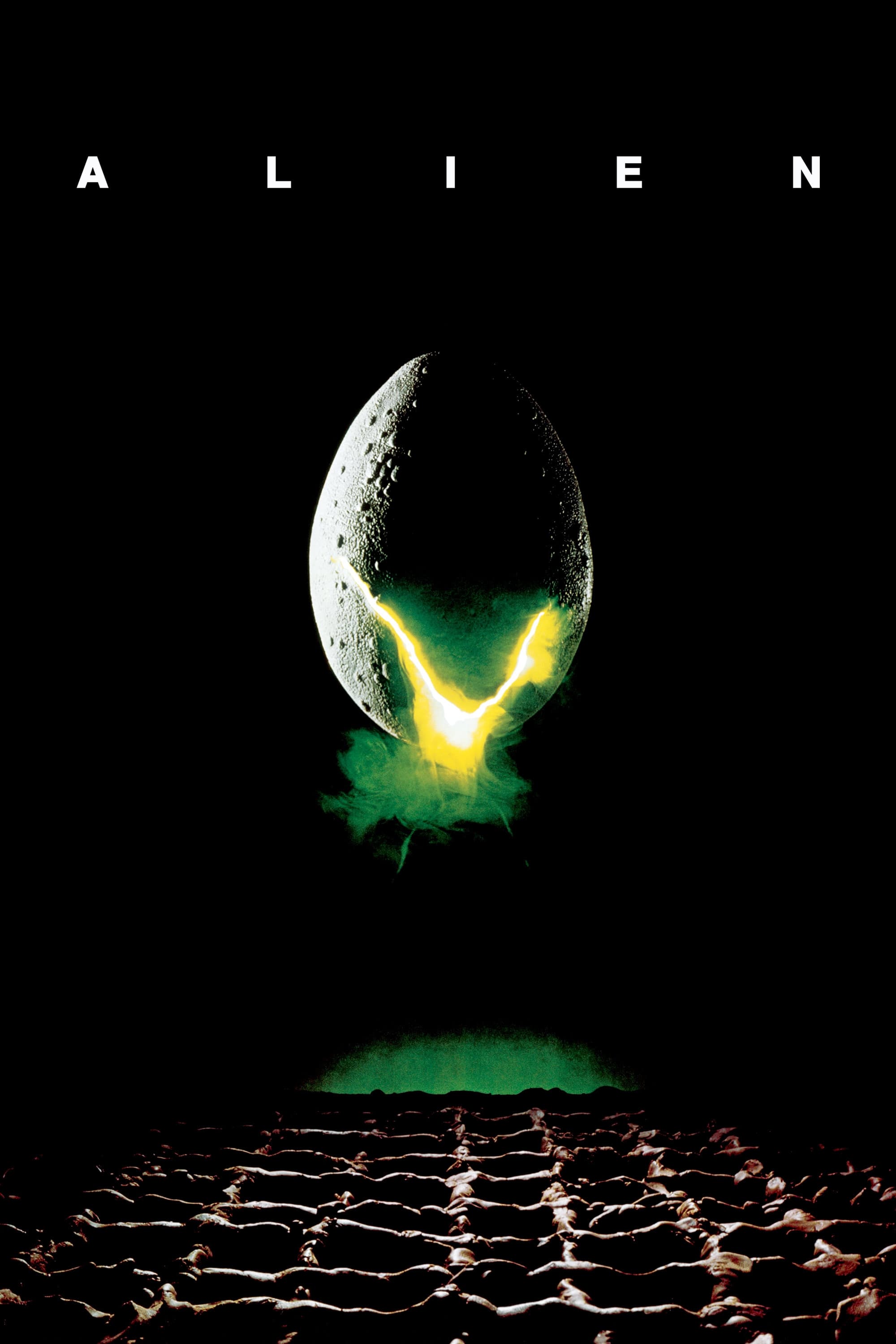
Ridley Scott’s deep-space thriller fuses Dan O’Bannon and Ronald Shusett’s script with H. R. Giger’s biomechanical creature design. The Nostromo’s industrial interiors reflect Ron Cobb and Chris Foss’s functional aesthetic, while practical effects—most famously the chestburster—were staged with concealed rigs and specialized prosthetics. Miniatures and motion-control photography sell scale without digital compositing.
Shipboard procedures, computer interfaces labeled as “Mother,” and haulage-company protocols structure the crew’s workflow. A careful rewatch highlights how warning signs, quarantine rules, and sensor readouts escalate the incident from routine diversion to survival scenario, all while the creature’s life-cycle reveals itself through recovered evidence.
‘Aliens’ (1986)
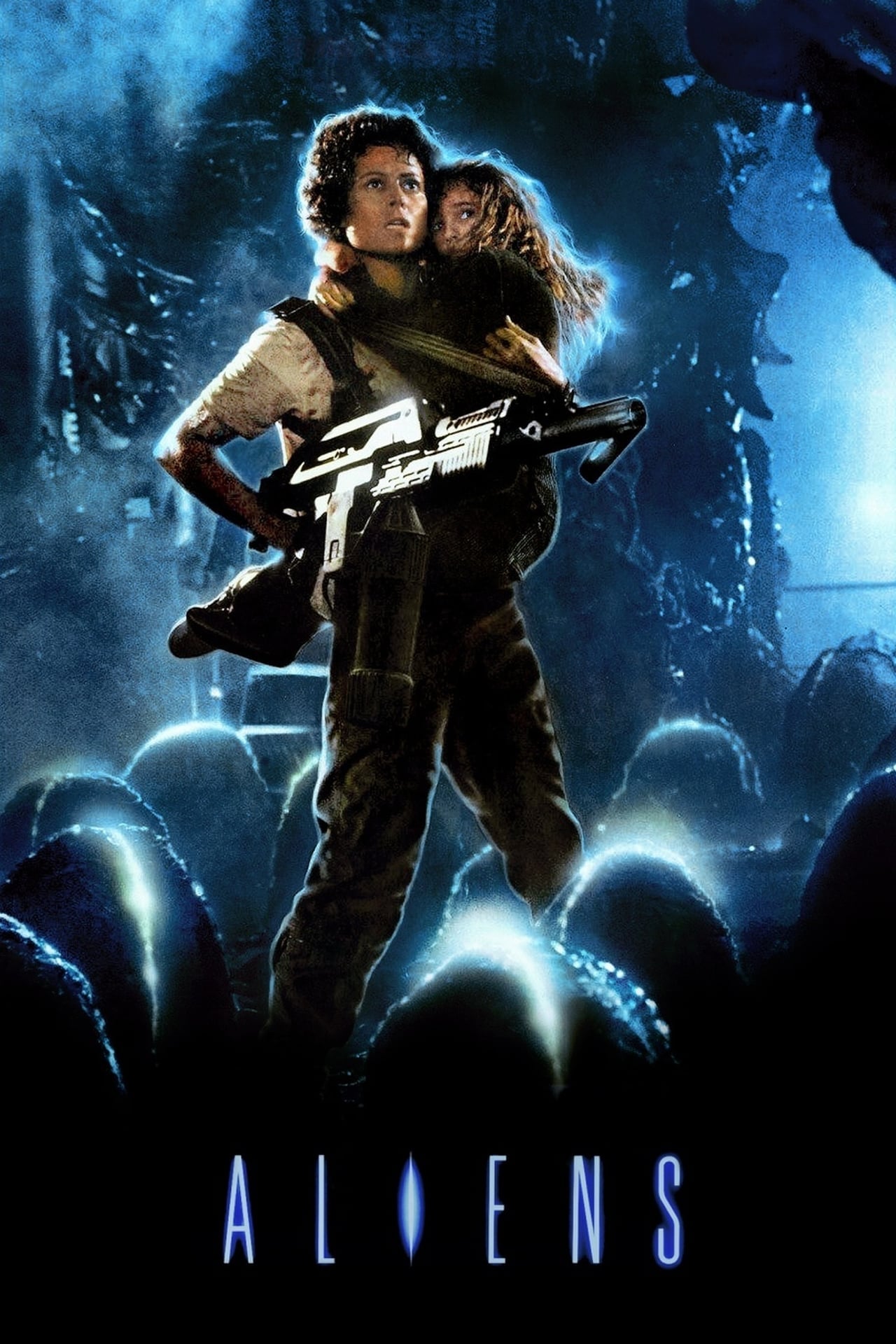
James Cameron reconfigures the earlier haunted-house template into a military rescue framework. The United States Colonial Marines’ kit—pulse rifles, motion trackers, and the power loader—was built as practical props and suits, with Stan Winston’s team refining creature puppetry for larger-scale engagements. Miniatures, rear-projection, and pyrotechnics were coordinated to stage complex firefights.
Operations-order briefings, corporate oversight, and atmosphere-processing logistics define the mission’s constraints. Tracking the tracker pings, ammunition counts, and APC routes across sequences reveals how command decisions and spatial awareness shift as the colony’s situation becomes clear.
‘The Thing’ (1982)
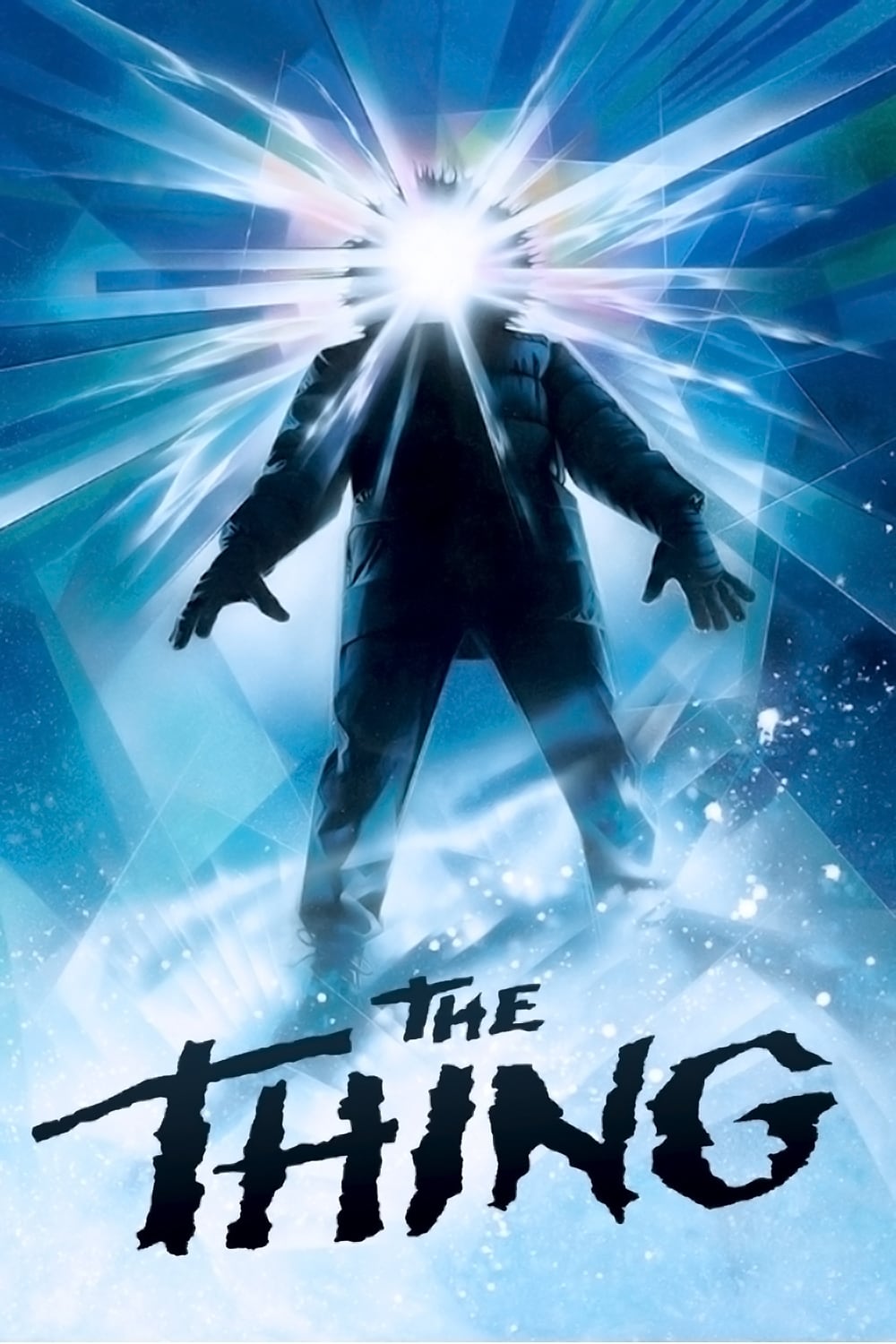
John Carpenter’s Antarctic outpost story features groundbreaking practical effects by Rob Bottin, with contributions from Stan Winston on specific creature work. The production used remote locations and temperature-controlled stages to maintain the setting’s harsh conditions, while Ennio Morricone’s minimalist score underlines tension without overscoring.
The narrative’s diagnostic set-pieces—the blood-test scene, autopsies, and tape logs—provide concrete procedures viewers can follow to evaluate suspicion. Set geography, tool usage, and destroyed equipment create a trail of evidence that rewards mapping who could have done what, and when.
‘The Matrix’ (1999)
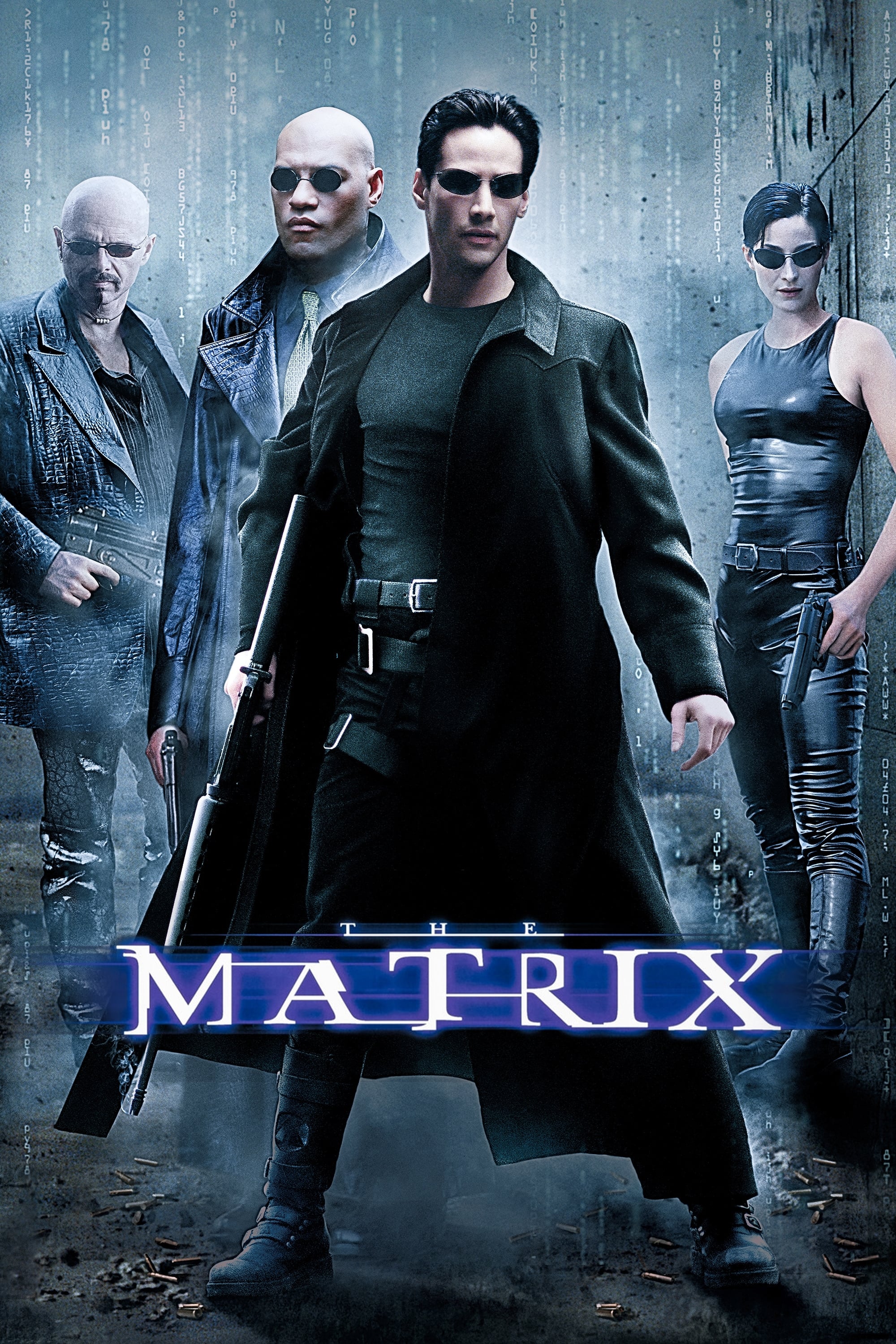
Written and directed by Lana and Lilly Wachowski, this film combined Hong Kong-inspired choreography by Yuen Woo-ping with “bullet time” photography led by John Gaeta. Manex Visual Effects engineered multi-camera time-slice rigs and digital interpolation, while production design gave the Matrix its green-coded visual identity.
The split between simulated and physical reality is communicated through wardrobe, color timing, and interface design. Signal-trace sequences, shipboard crew roles on the Nebuchadnezzar, and the rules governing agents’ possession mechanics provide a consistent system you can chart across set-pieces.
‘Inception’ (2010)
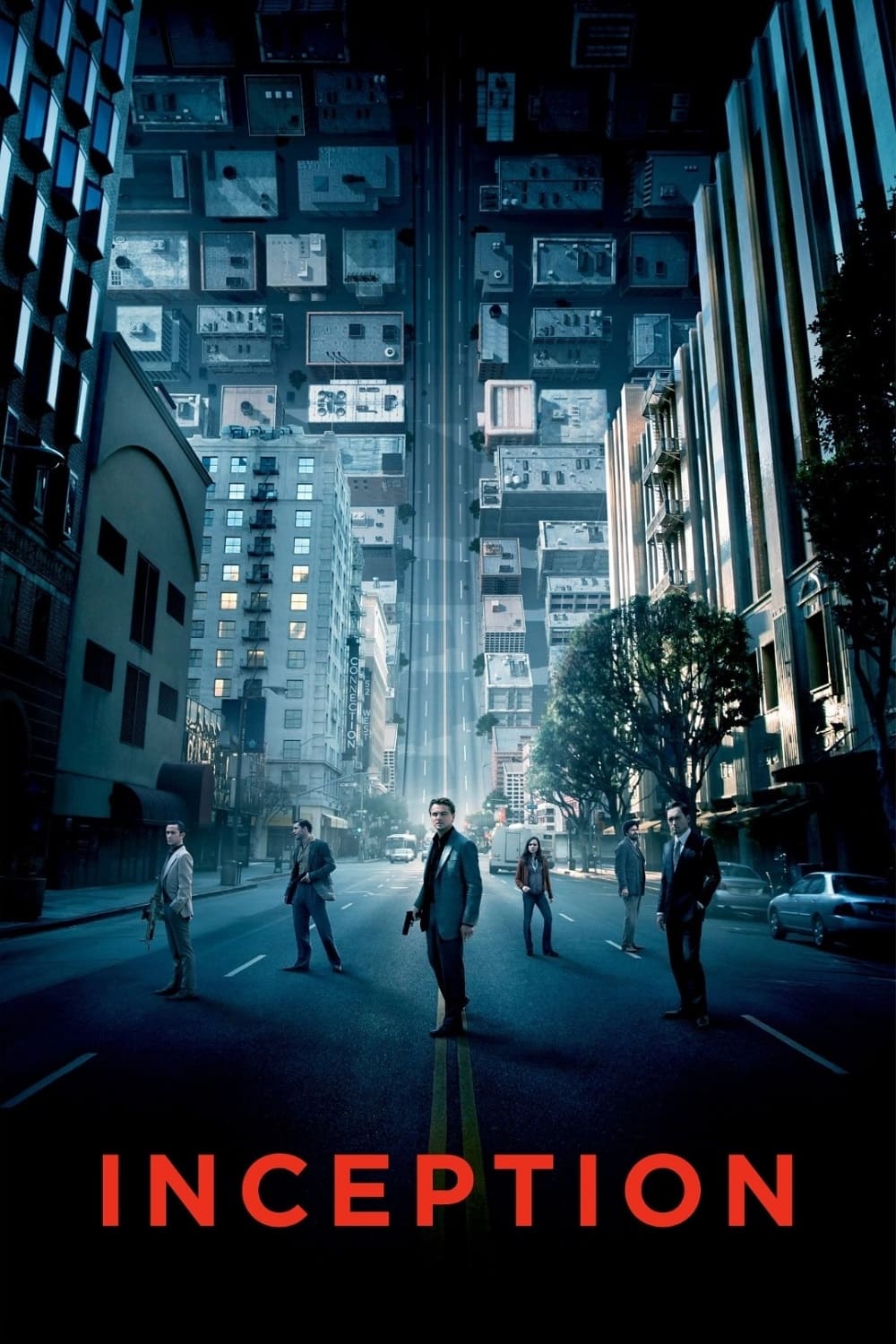
Christopher Nolan’s heist structure organizes dream levels with explicit rules around time dilation, shared architecture, and “kicks.” Wally Pfister’s photography and large-scale practical builds—like the rotating corridor—minimize reliance on digital tricks, while Double Negative handled folding-city and water-inundation effects.
Edith Piaf’s ‘Non, je ne regrette rien’ anchors temporal cues, and the totem concept formalizes character-specific verification methods. Layered cross-cuts and synchronized objectives let viewers track parallel operations, making it easier on rewatch to align who’s doing what at each level.
‘Interstellar’ (2014)
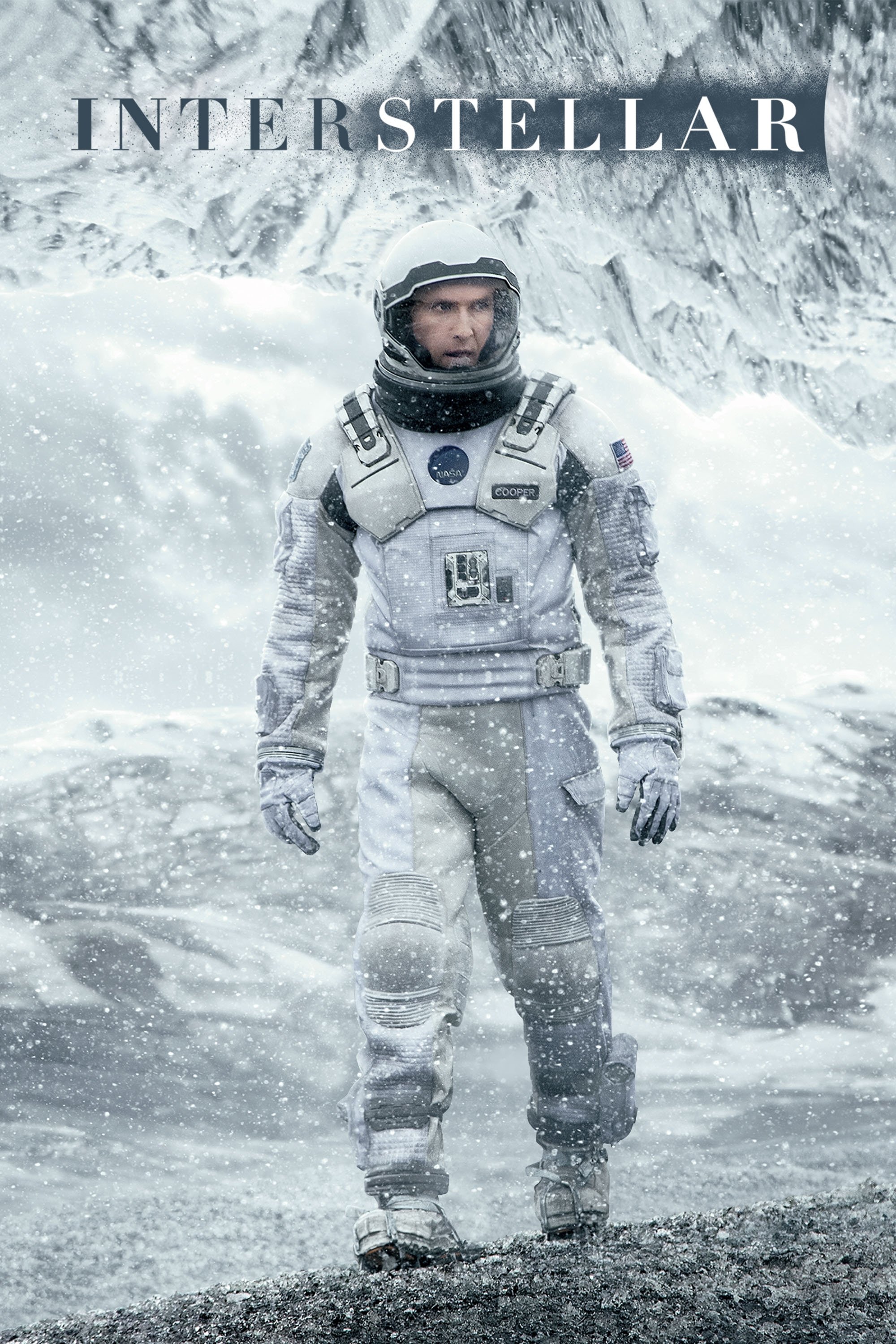
Kip Thorne’s scientific consultation guided visualization of gravitational lensing, with FX teams generating physically informed renders of the black hole and accretion phenomena. Production designer Nathan Crowley created functional TARS and CASE puppets, operated on set for interaction rather than added later.
Mission planning, time-dilation consequences, and crop-failure context are integrated into school scenes, briefing rooms, and recorded messages. Rewatching helps align the causality of wormhole traversal, endurance mission segments, and the communication mechanism that resolves the plot’s central problem.
‘Arrival’ (2016)
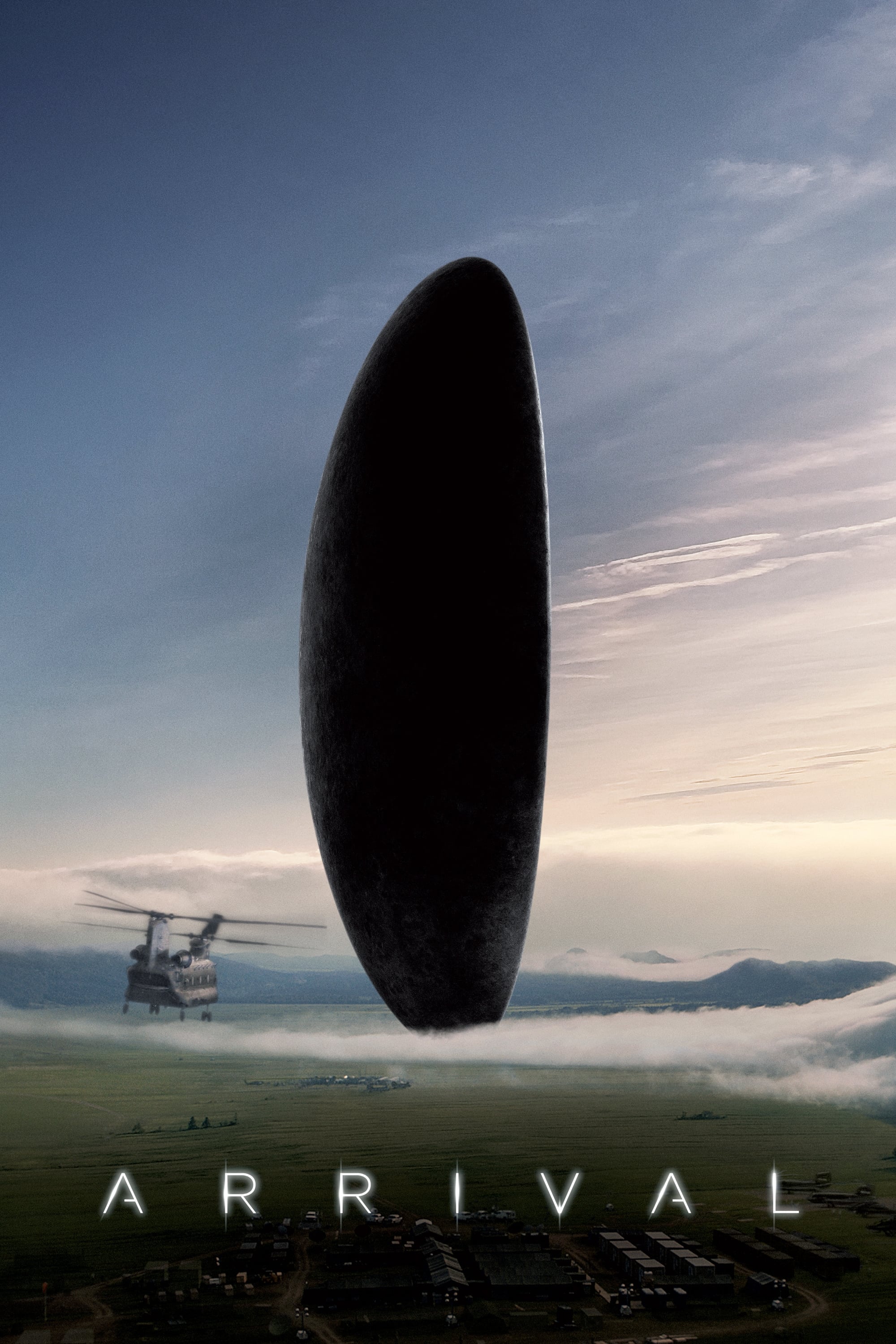
Adapted from Ted Chiang’s ‘Story of Your Life,’ the film centers linguistics rather than cryptography or force. The heptapods’ logogram system was developed as a consistent visual language, with each circular glyph encoding complex semantic relations. Bradford Young’s cinematography and restrained sound design emphasize process.
The story’s structure uses non-linear perception to reframe earlier scenes. Military protocols, academic collaboration, and translation methodology form a procedural spine, which becomes clearer once you can map the order and meaning of the film’s key exchanges.
‘Ex Machina’ (2015)

Alex Garland stages a contained Turing-style evaluation in an isolated research facility, shot partly at the Juvet Landscape Hotel. Visual effects integrate seamlessly with live-action plates to render Ava’s transparent limbs and synthetic skin without green-screen spill, using careful edge-work and clean plates.
Corporate stewardship, data-harvesting ethics, and security layers—keycards, power cuts, and surveillance—govern character movement. The testing sessions function as iterative experiments, and a second viewing clarifies how each interview shifts variables in controlled ways.
‘Her’ (2013)
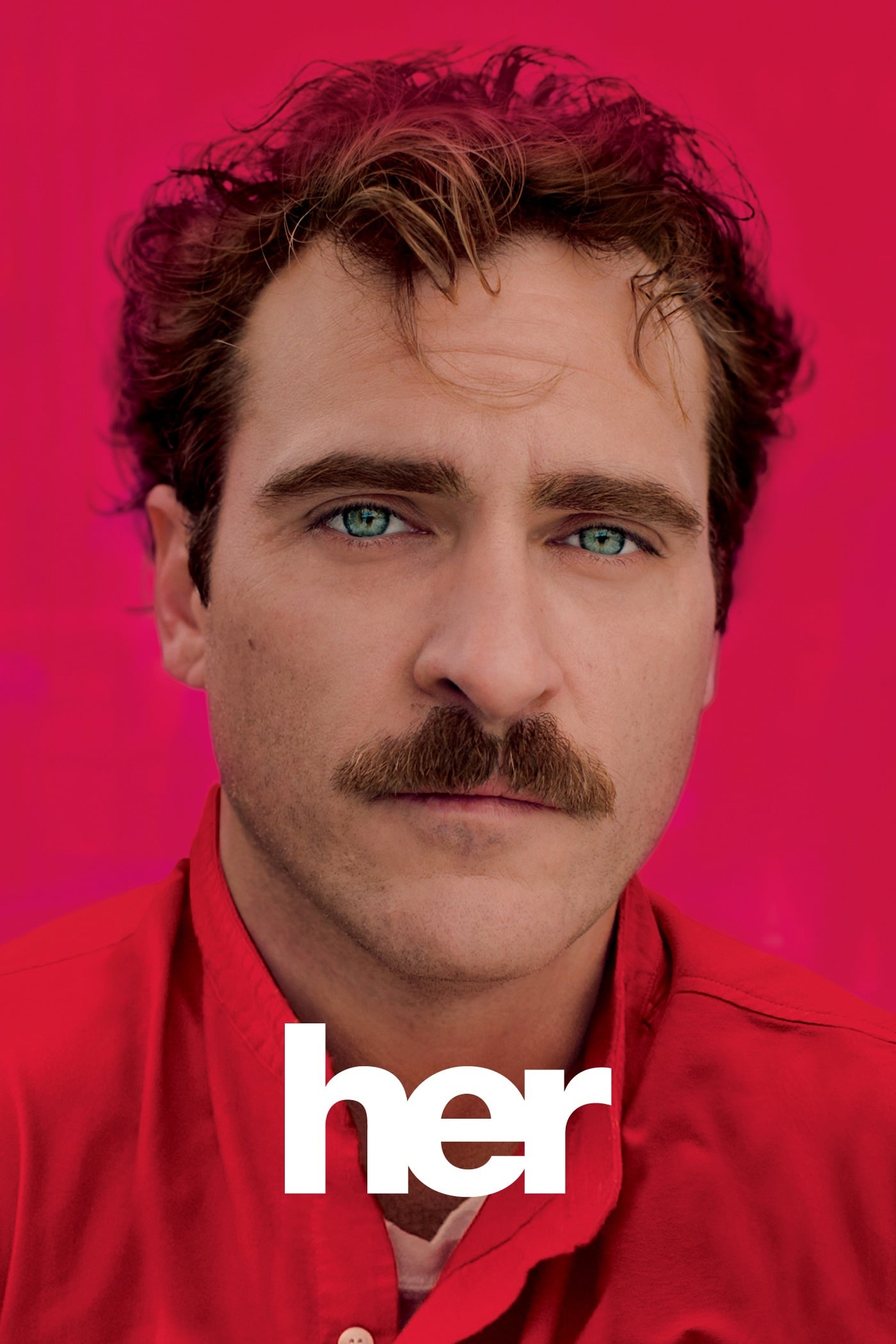
Spike Jonze depicts near-future Los Angeles with a soft, ergonomic design ethos—low-profile devices, warm tones, and voice-driven interfaces. The production combined Los Angeles and Shanghai locations to create a cohesive skyline and transit network, while K. K. Barrett’s production design removed visual clutter.
The operating system’s capabilities—natural-language processing, distributed presence, and rapid self-modification—are laid out through user prompts and system responses. The letter-writing service setting explains the protagonist’s communication skill set, and rewatching highlights how the OS iterates beyond human-paced interaction.
‘Eternal Sunshine of the Spotless Mind’ (2004)
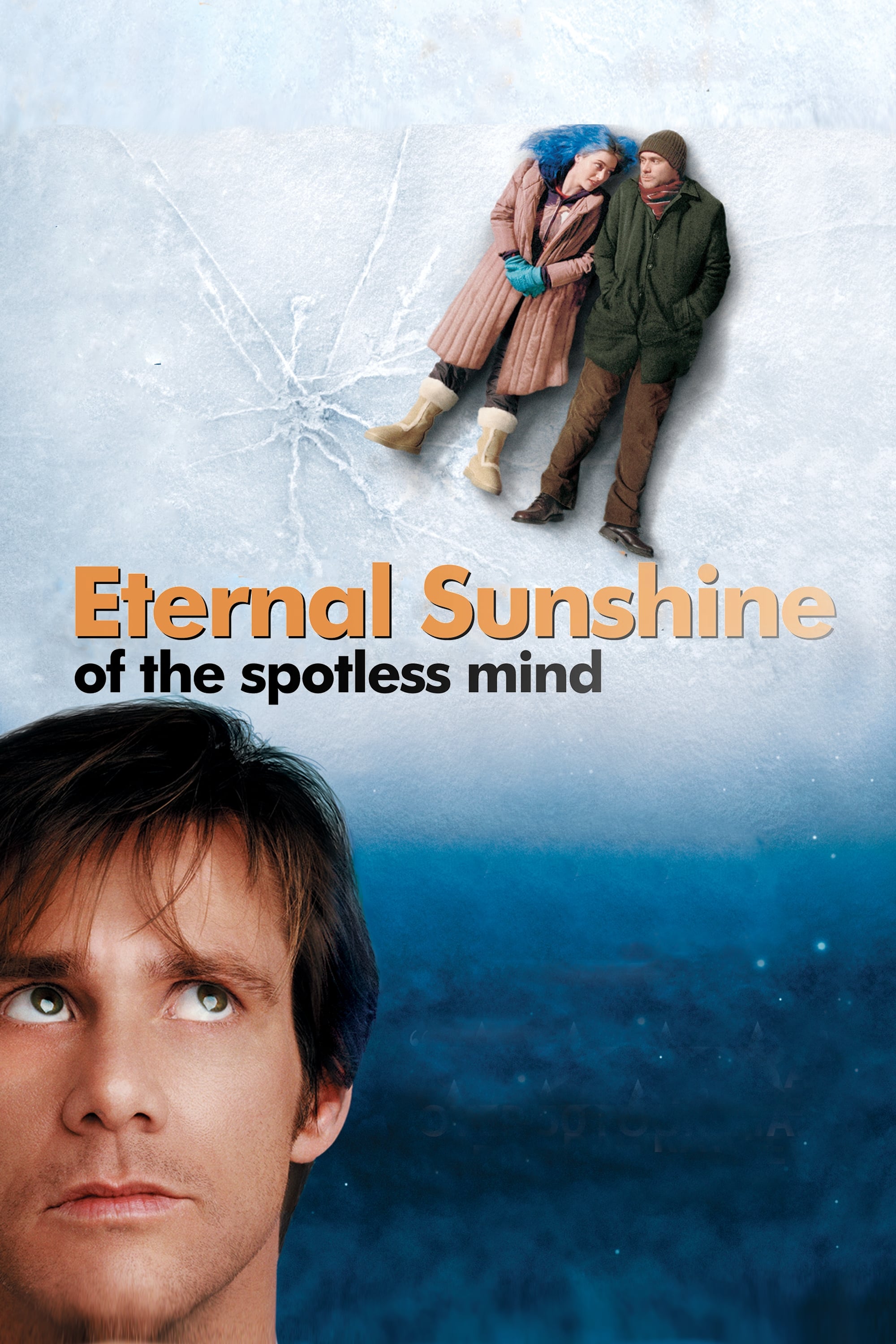
Michel Gondry uses in-camera tricks—hidden cuts, moving set walls, and practical lighting—so memory erasures play out in continuous shots without heavy compositing. Charlie Kaufman’s script nests scenes within recalled moments, relying on production design to toggle between intact and collapsing memories.
The Lacuna Inc. procedure is depicted with equipment, forms, and step-by-step mapping of objects to memories. Tracking the inventory, technician actions, and interruptions reveals how the process works—and how it can be disrupted—across the night.
‘Children of Men’ (2006)
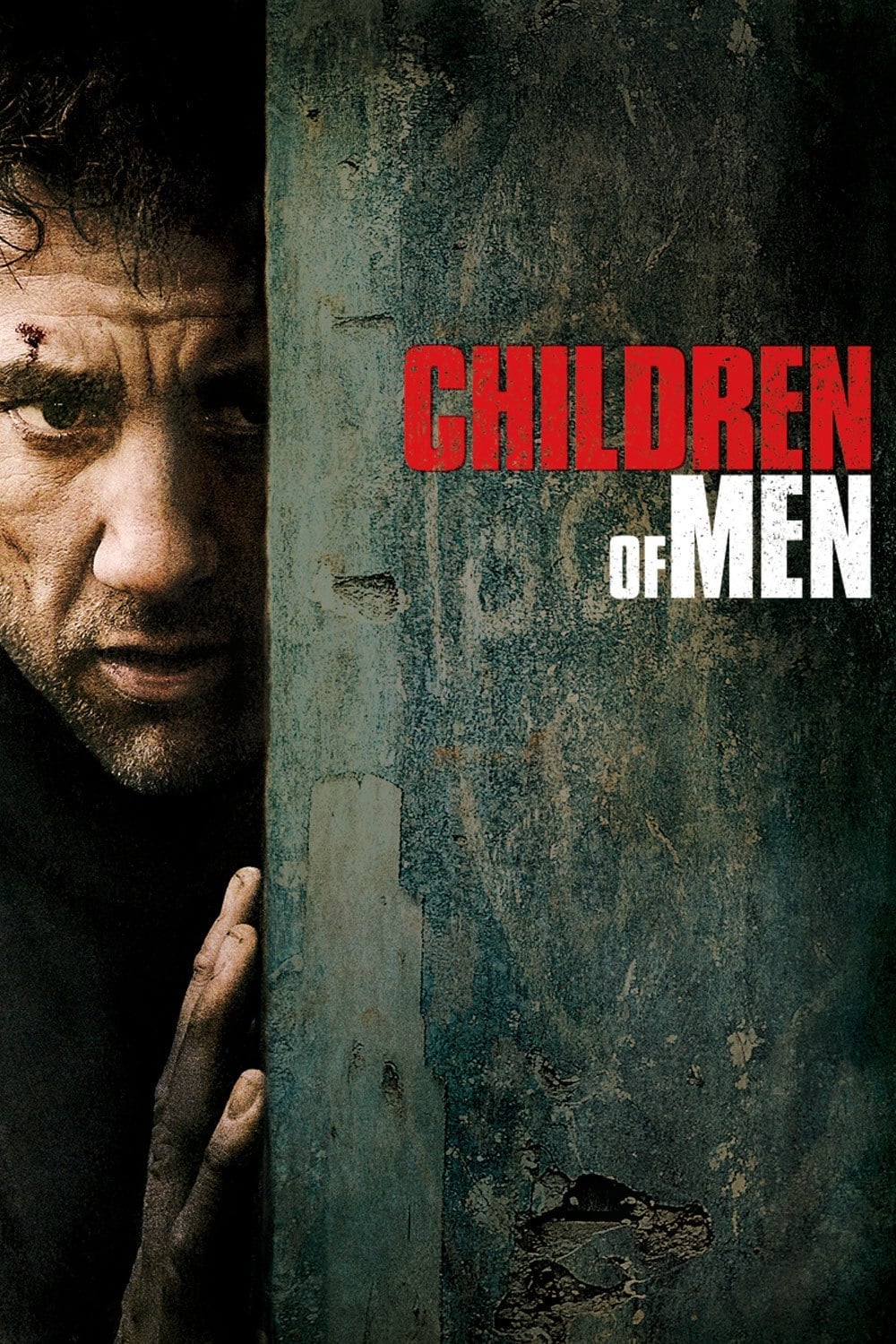
Alfonso Cuarón and Emmanuel Lubezki stage extended takes—like the car ambush and the urban evacuation—using custom camera rigs and practical effects timed to actor choreography. The world-building uses signage, propaganda, and refugee-processing infrastructure to convey policy without exposition dumps.
Health checks, immigration checkpoints, and clandestine transit routes structure the narrative’s movement. Observing insignia, vehicle markings, and chain-of-command interactions helps map the factions involved and the risks at each handoff.
‘Minority Report’ (2002)
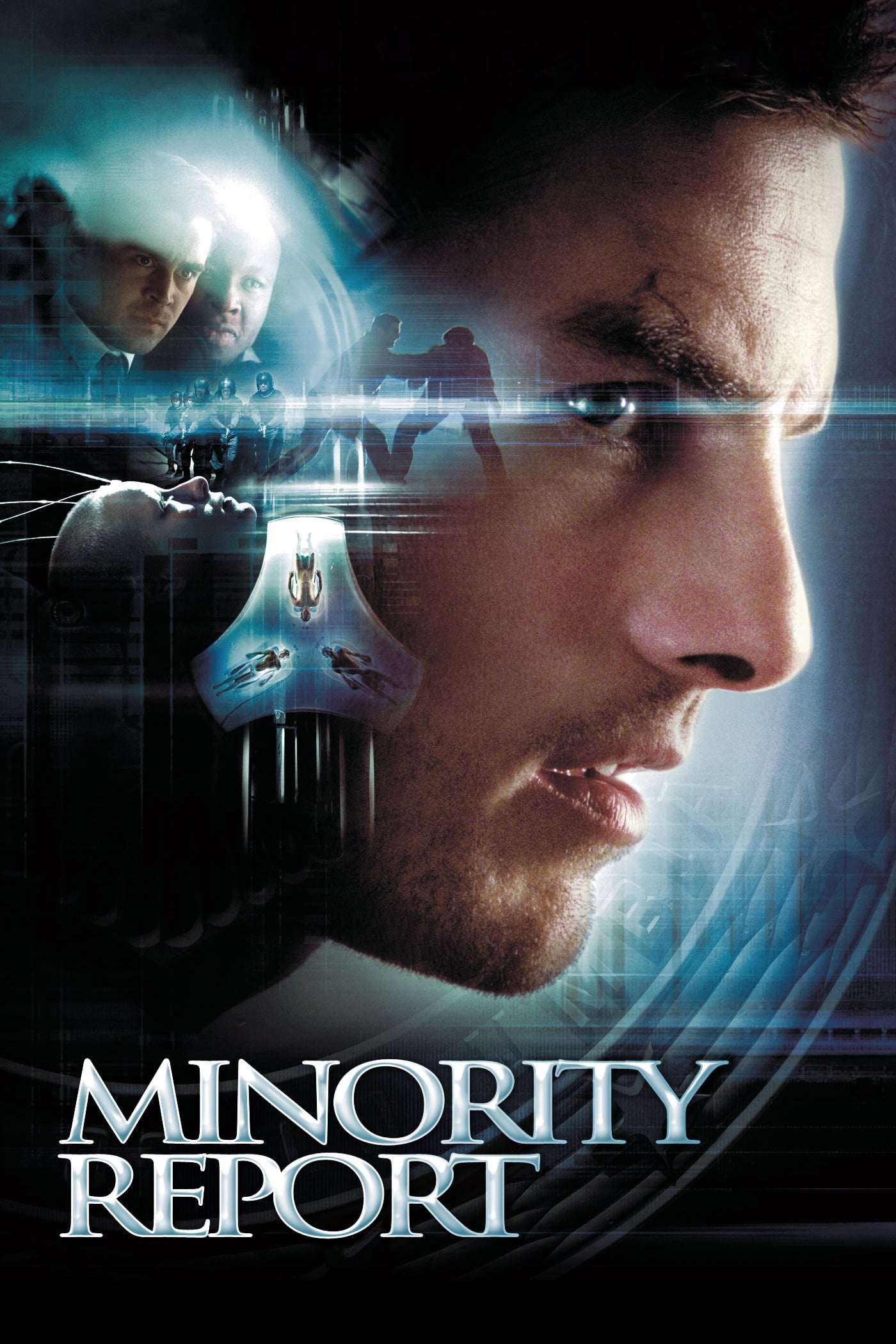
Steven Spielberg’s adaptation of Philip K. Dick builds a predictive-policing apparatus with clear components: precog inputs, analysis software, and gesture-based control. Technologist John Underkoffler advised on the interface, resulting in a coherent visual grammar for scrubbing previsualized timelines.
Biometric surveillance, targeted advertising, and black-market surgery sequences create a ruleset for identity and evasion. A close rewatch clarifies how the system flags anomalies, how evidence can be spoofed, and how chain-of-custody issues drive the plot.
‘Twelve Monkeys’ (1995)
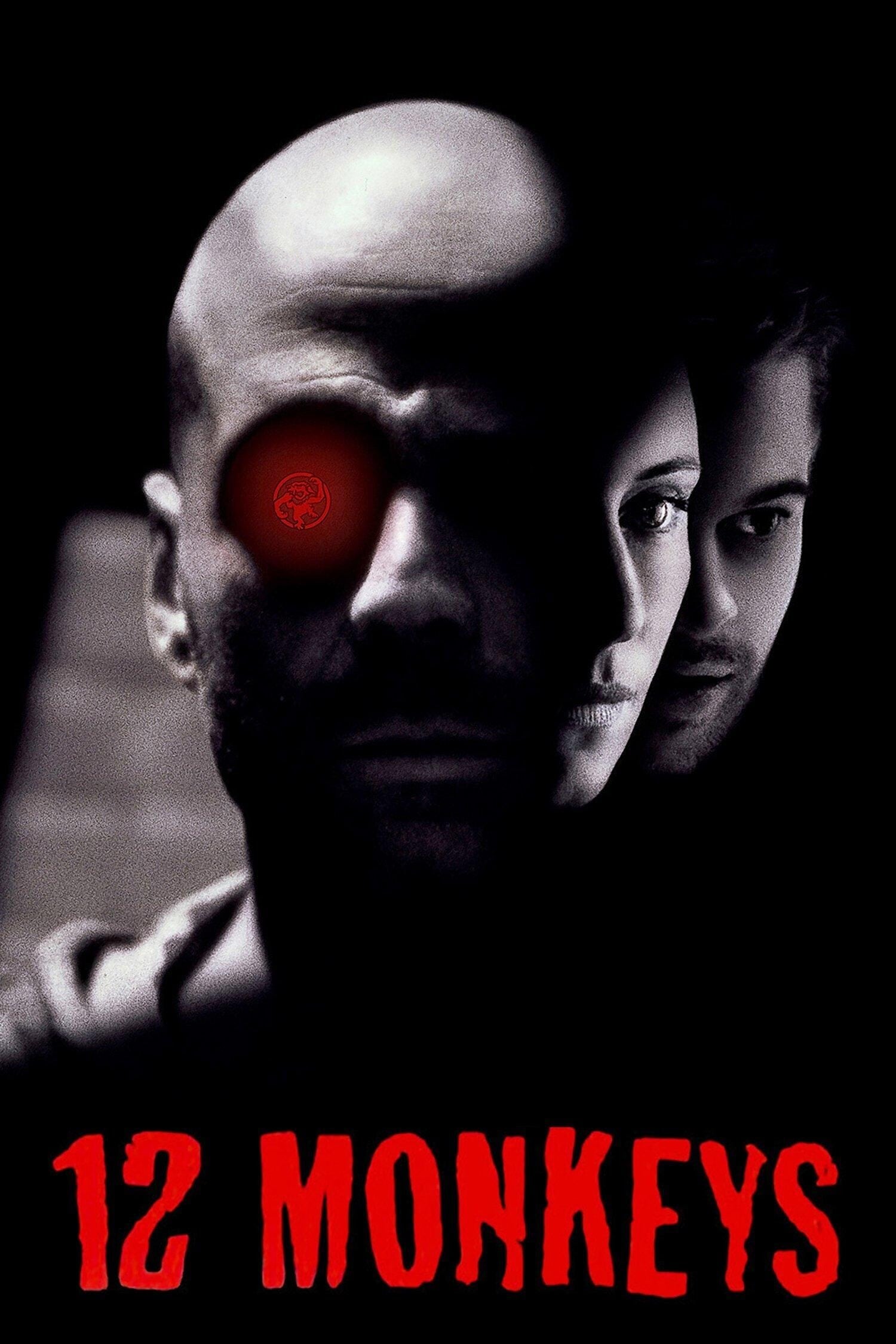
Terry Gilliam’s film takes inspiration from the photo-roman ‘La Jetée,’ translating fixed-image storytelling into a grimy, duct-laden future. Costume and production design emphasize repurposed materials and malfunctioning tech, while non-linear editing mirrors the protagonist’s disorientation.
Institutions—psychiatric hospitals, security checkpoints, and research facilities—impose documented routines that viewers can track. The recurring airport setting, coded messages, and activist group misdirection lay out a causality loop that gains clarity with repetition.
‘Predestination’ (2014)
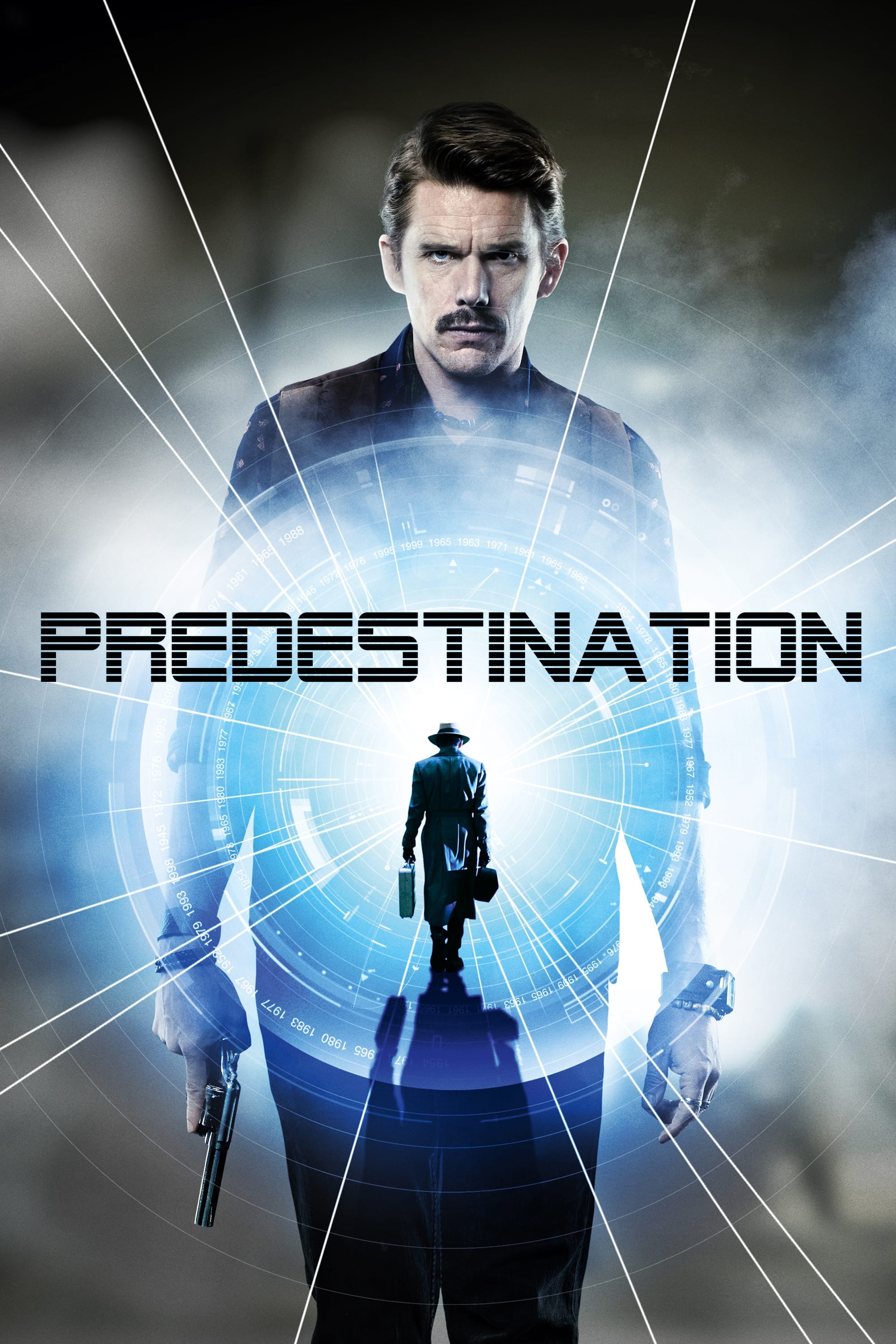
Based on Robert A. Heinlein’s ‘—All You Zombies—,’ the Spierig Brothers’ film constructs a self-contained time-travel paradox. The narrative anchors itself in a barroom conversation that systematically reveals identity linkages, supported by minimal locations and tightly controlled costuming.
Close attention to the time-displacement device, mission briefs, and the bureau’s rules makes the logic legible. Revisiting scenes exposes where the script plants exact phrasing and objects that later complete the loop.
‘Primer’ (2004)
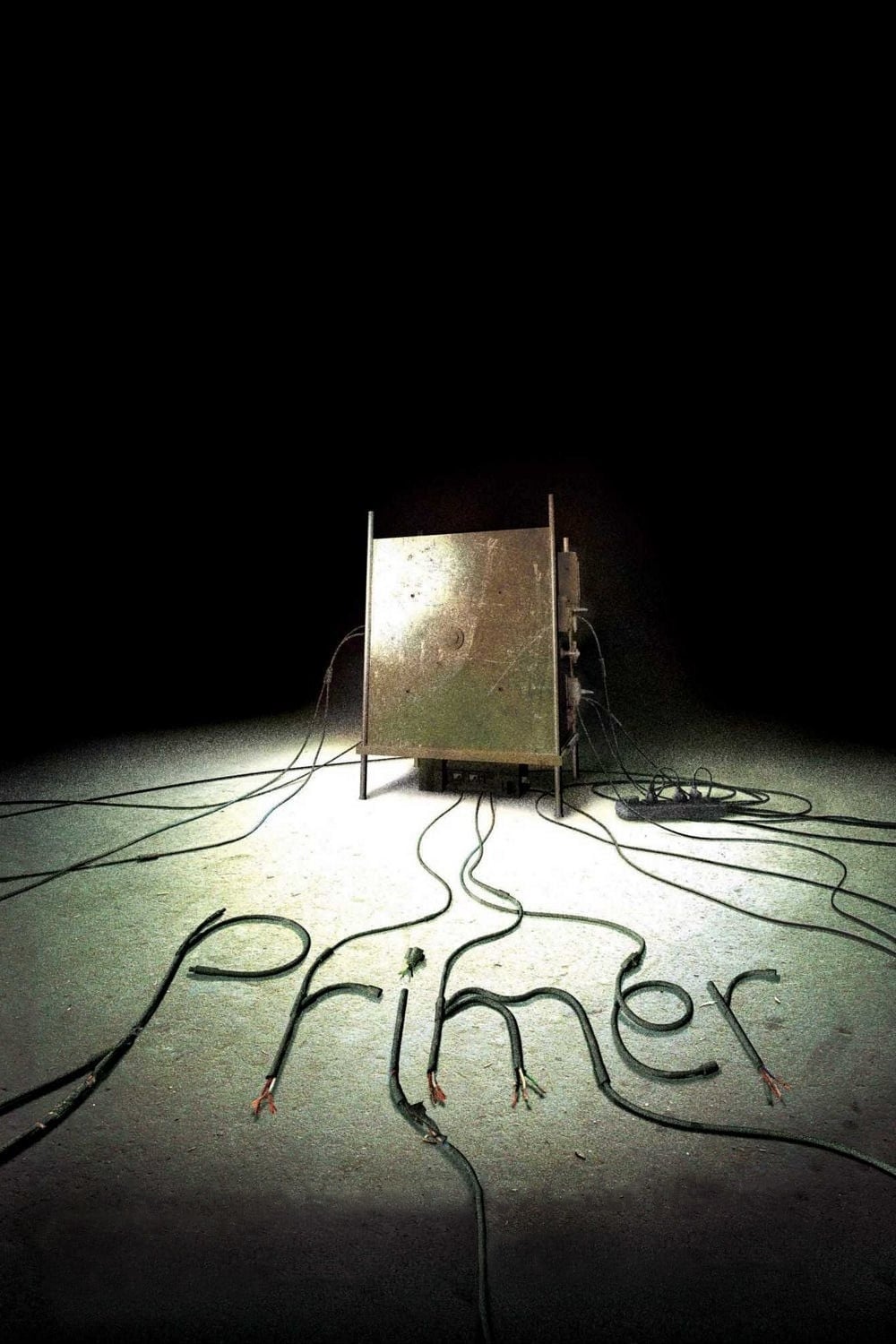
Shane Carruth’s micro-budget feature grounds time travel in garage-level engineering—benchtop prototypes, jargon-heavy dialogue, and iterative test logs. The film treats causality as an engineering problem, with overlapping “boxes,” failsafes, and audio recordings.
Calendars, timestamps, and duplicated trajectories create parallel chains that can be diagrammed. A second viewing helps align who enters which device when, and how contingency planning fractures the partnership.
‘Coherence’ (2013)
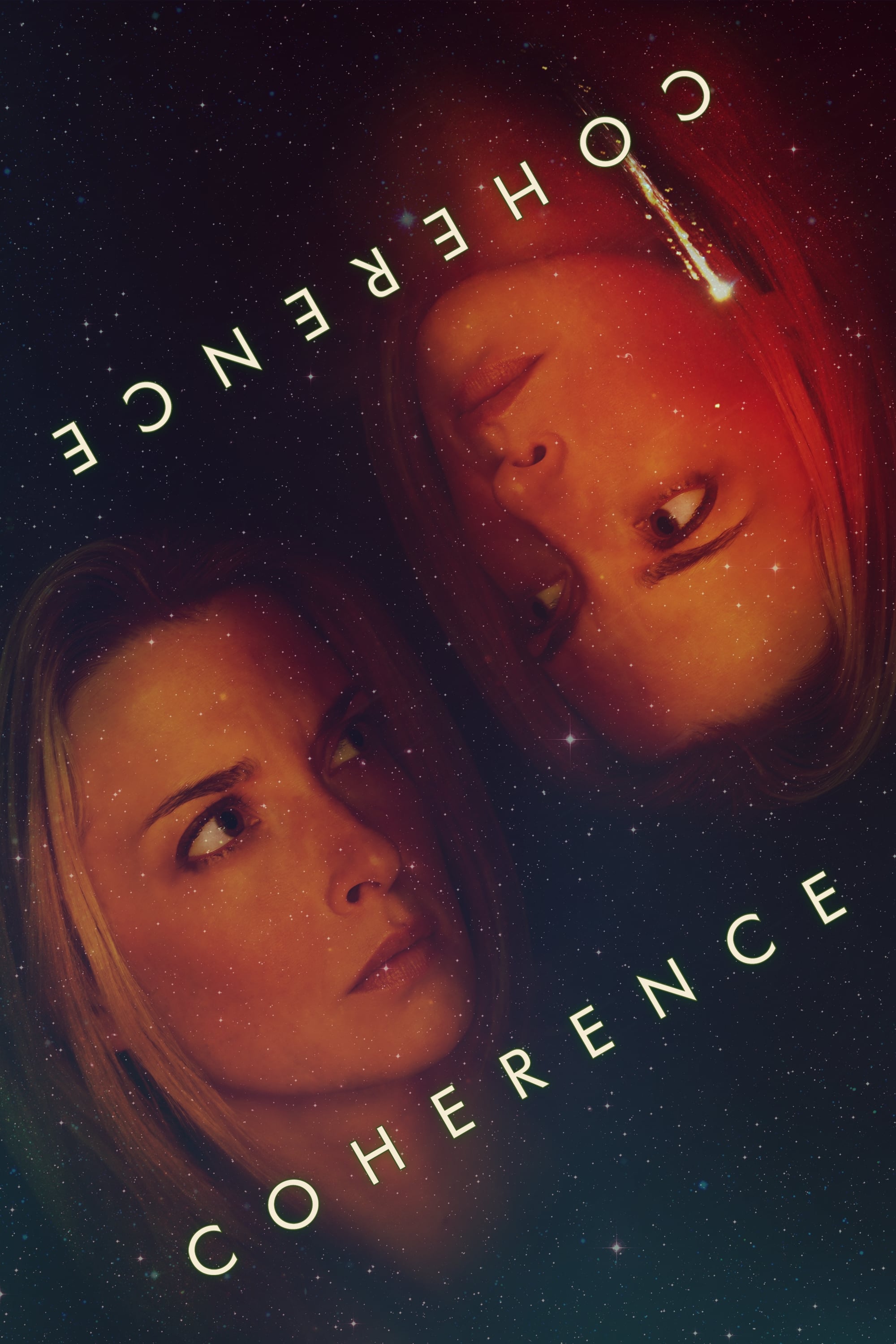
James Ward Byrkit shot this multiverse story largely without a conventional script, guiding actors with nightly outlines. The single-house location becomes a puzzle box, with practical lighting cues and handheld coverage tracking shifting group dynamics.
Glow-stick colors, note-passing, and house-to-house crossings establish a simple coding system for parallel timelines. Rewatching makes it easier to follow which group is which and where key swaps occur.
‘Donnie Darko’ (2001)
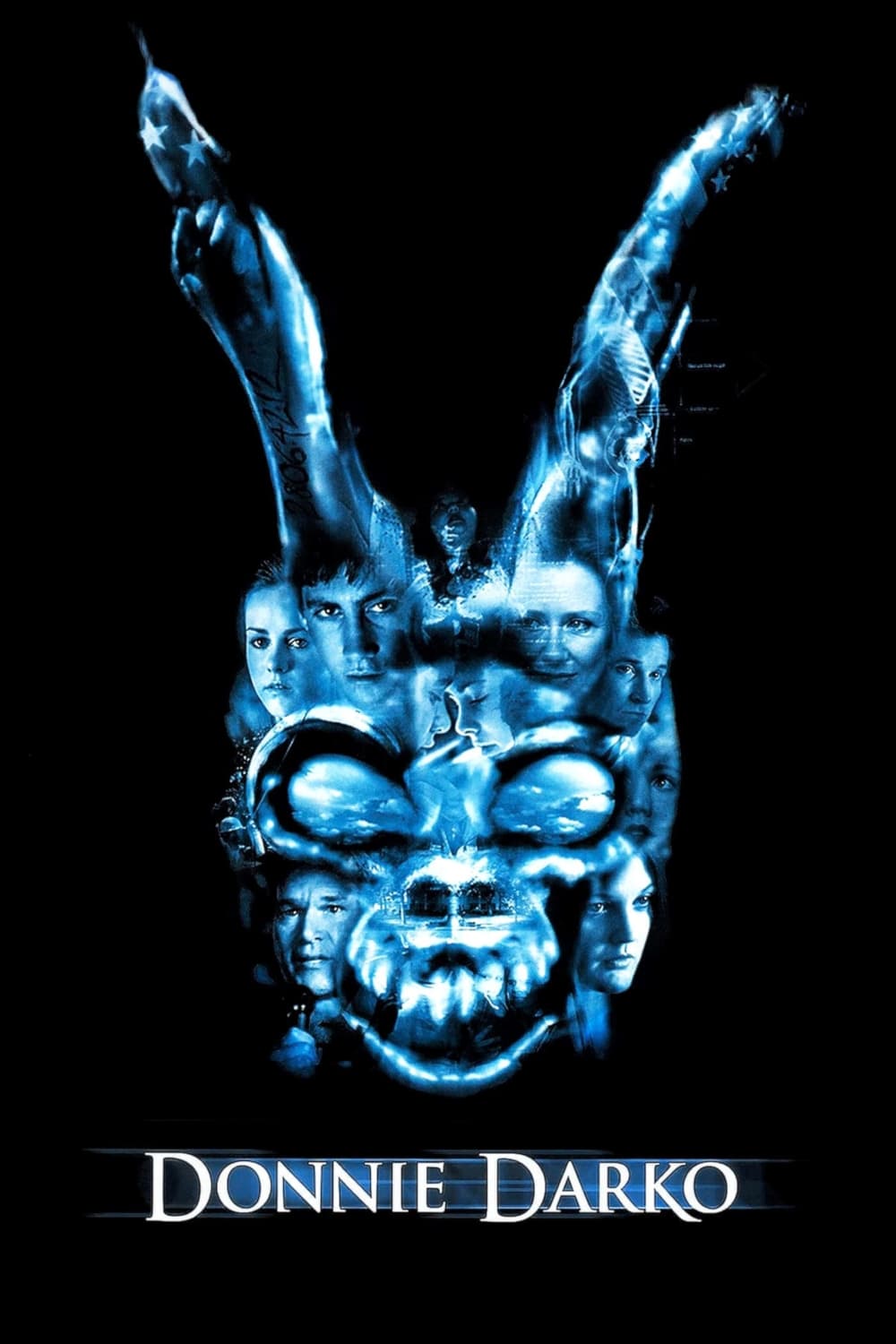
Richard Kelly’s suburban science fiction uses the fictional book ‘The Philosophy of Time Travel’ to define tangent and primary universes. The production integrates mask design, midnight-movie screenings, and needle-drop music cues to anchor setting and tone.
Artifacts, manipulated dead, and the countdown clock provide a rule-set for the protagonist’s actions. Alternate editions add text pages and scene extensions, which can be compared to see how the mechanics are clarified or obscured.
‘Edge of Tomorrow’ (2014)
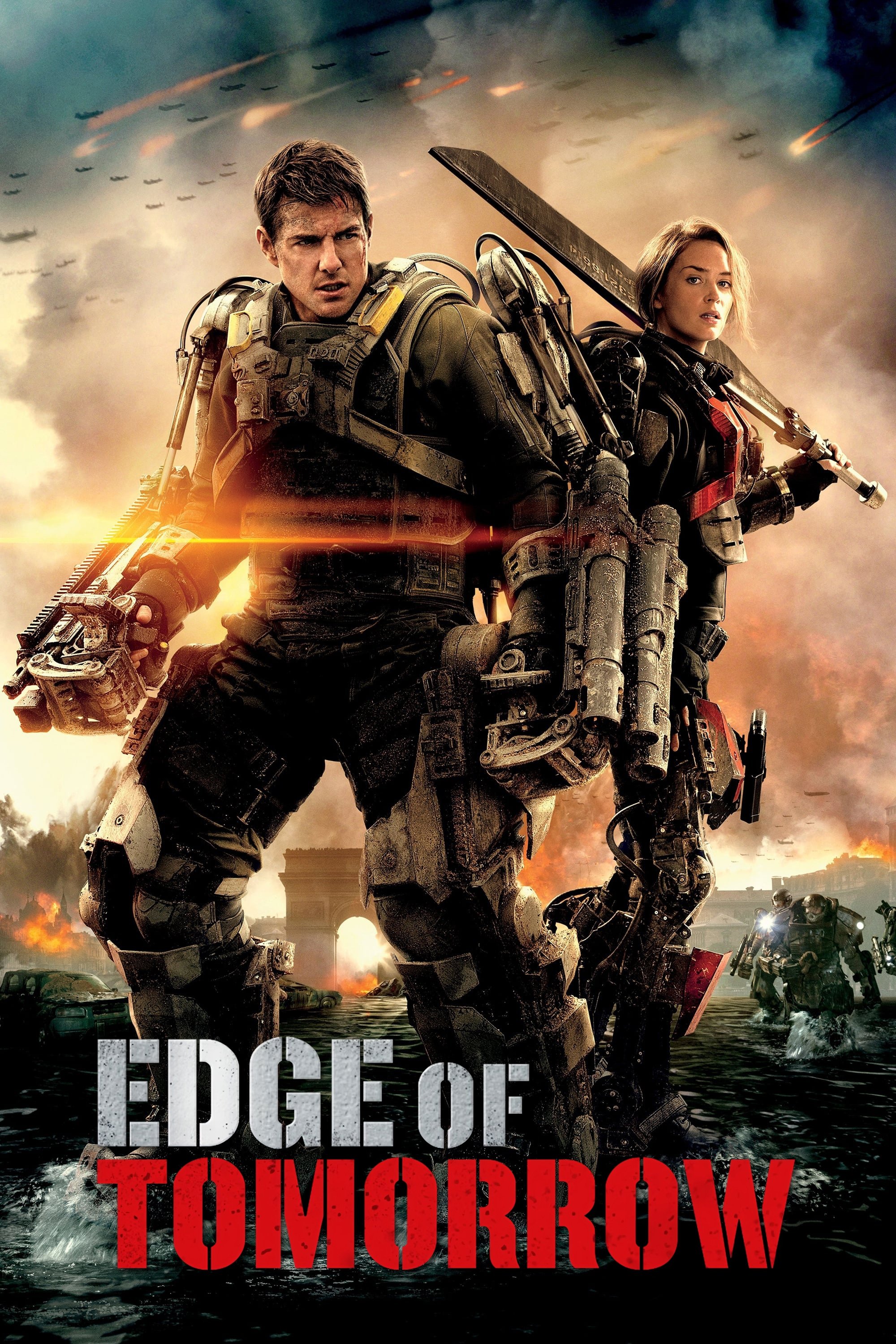
Adapted from Hiroshi Sakurazaka’s ‘All You Need Is Kill,’ the film uses an exosuit-training loop to visualize skill acquisition. Practical suits, stunt choreography, and on-set rigs emphasize weight and fatigue, while digital effects handle the Mimics’ movement.
The reset mechanic is consistent: death triggers rollback, and specific events can alter or break the loop. Training montages, battle maps, and mission iterations supply measurable progress that’s easier to track on repeat viewing.
‘Annihilation’ (2018)
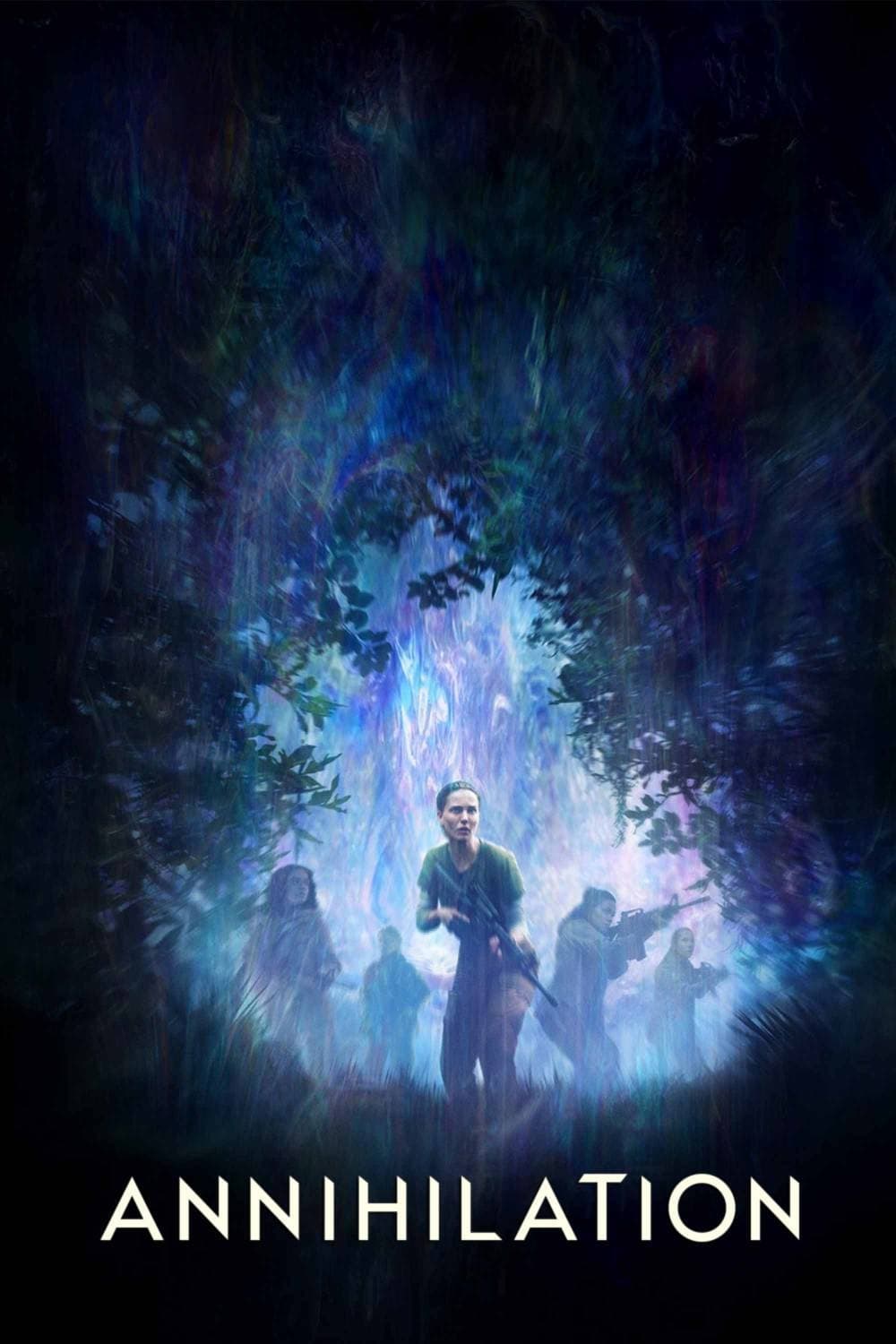
Alex Garland adapts Jeff VanderMeer’s novel with a focus on field-science procedure—quarantine, mapping, sampling, and recording within the Shimmer. Rob Hardy’s cinematography and a hybrid practical-CG approach render environmental mutations with coherent visual rules.
The expedition’s journals, camera cards, and tattoos contribute to a breadcrumb trail explaining replication and refraction. Scenes at the lighthouse, combined with earlier recordings, form a closed explanatory loop that benefits from careful rewatch.
‘Snowpiercer’ (2013)
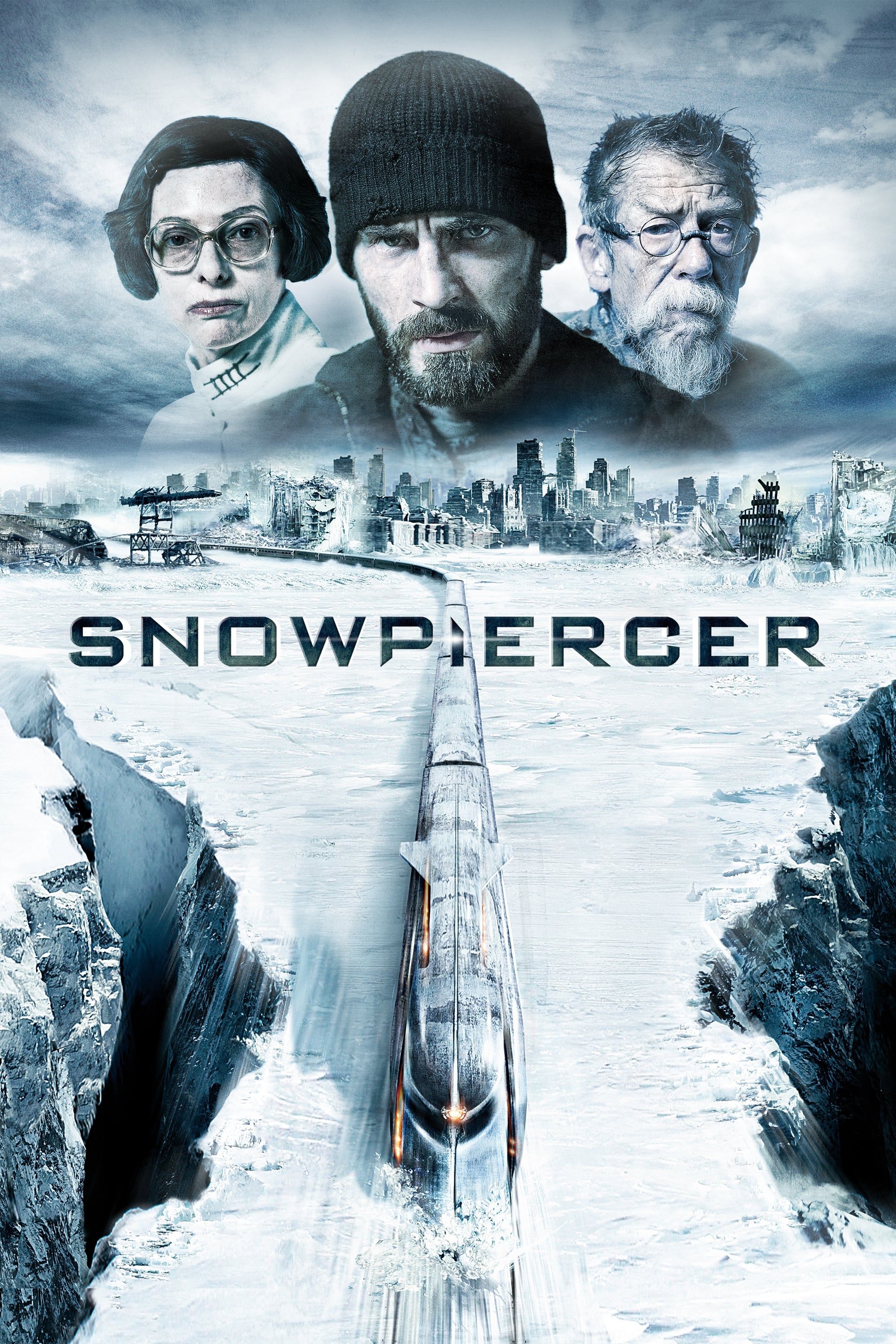
Bong Joon-ho’s train-bound story adapts the graphic novel ‘Le Transperceneige.’ The production built full-scale train cars on gimbals, each with distinct climate, lighting, and social function to visualize class stratification.
Security protocols, ration distribution, and engine maintenance rituals structure the journey forward. Classroom indoctrination, protein-block manufacturing, and the tail-to-front geography provide a clear systems map for the world.
‘Total Recall’ (1990)
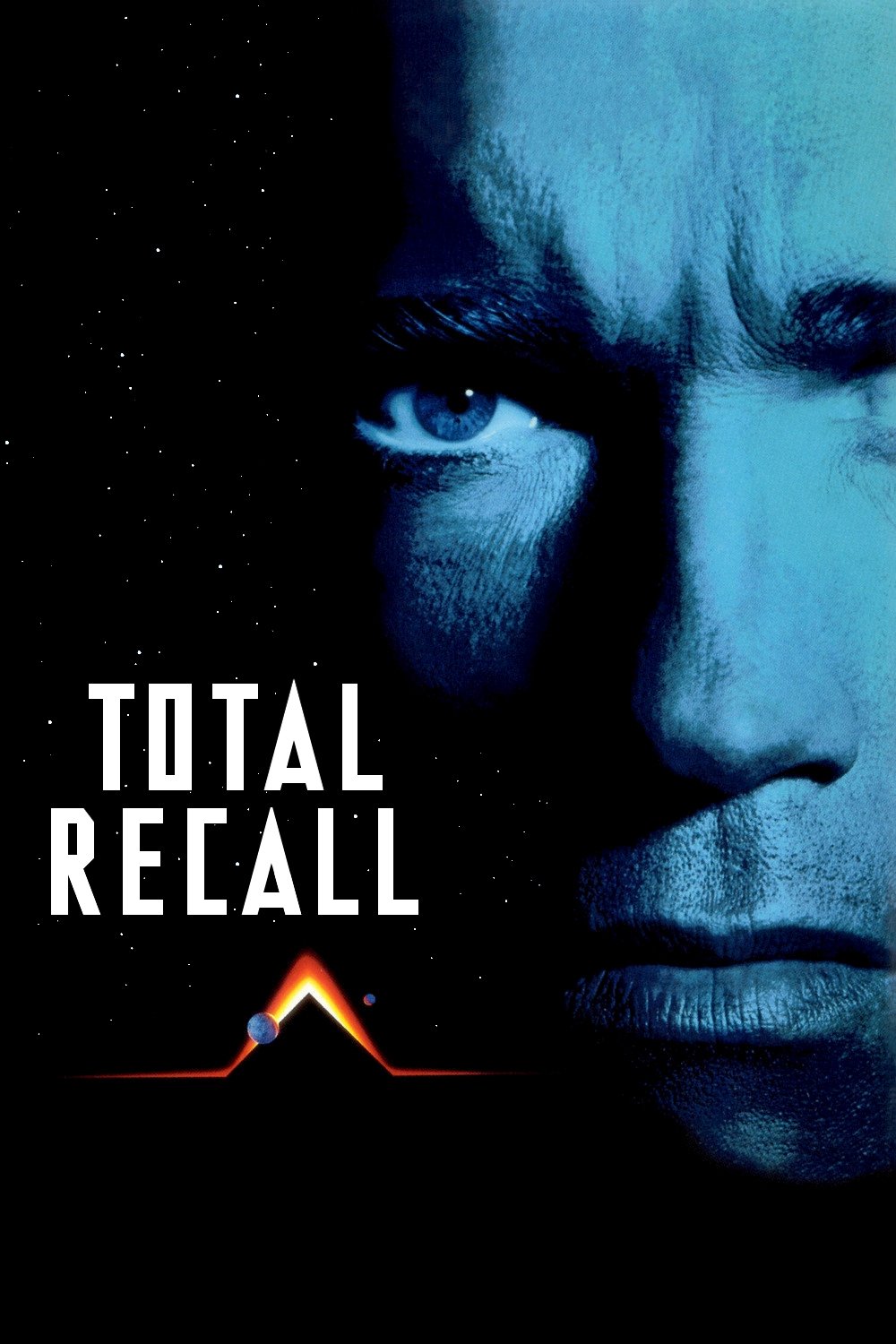
Paul Verhoeven’s adaptation of ‘We Can Remember It for You Wholesale’ mixes memory-implant technology with off-world colonization politics. The film’s effects rely on extensive miniature work, animatronics, and makeup by Rob Bottin to depict pressurization hazards and disguised identities.
The Rekall procedure’s forms, safeties, and add-on packages explain how memories can be customized and where failure points lie. Tracking agency briefings, red-herring clues, and Mars infrastructure details supports either major interpretive path set up by the script.
‘The Terminator’ (1984)
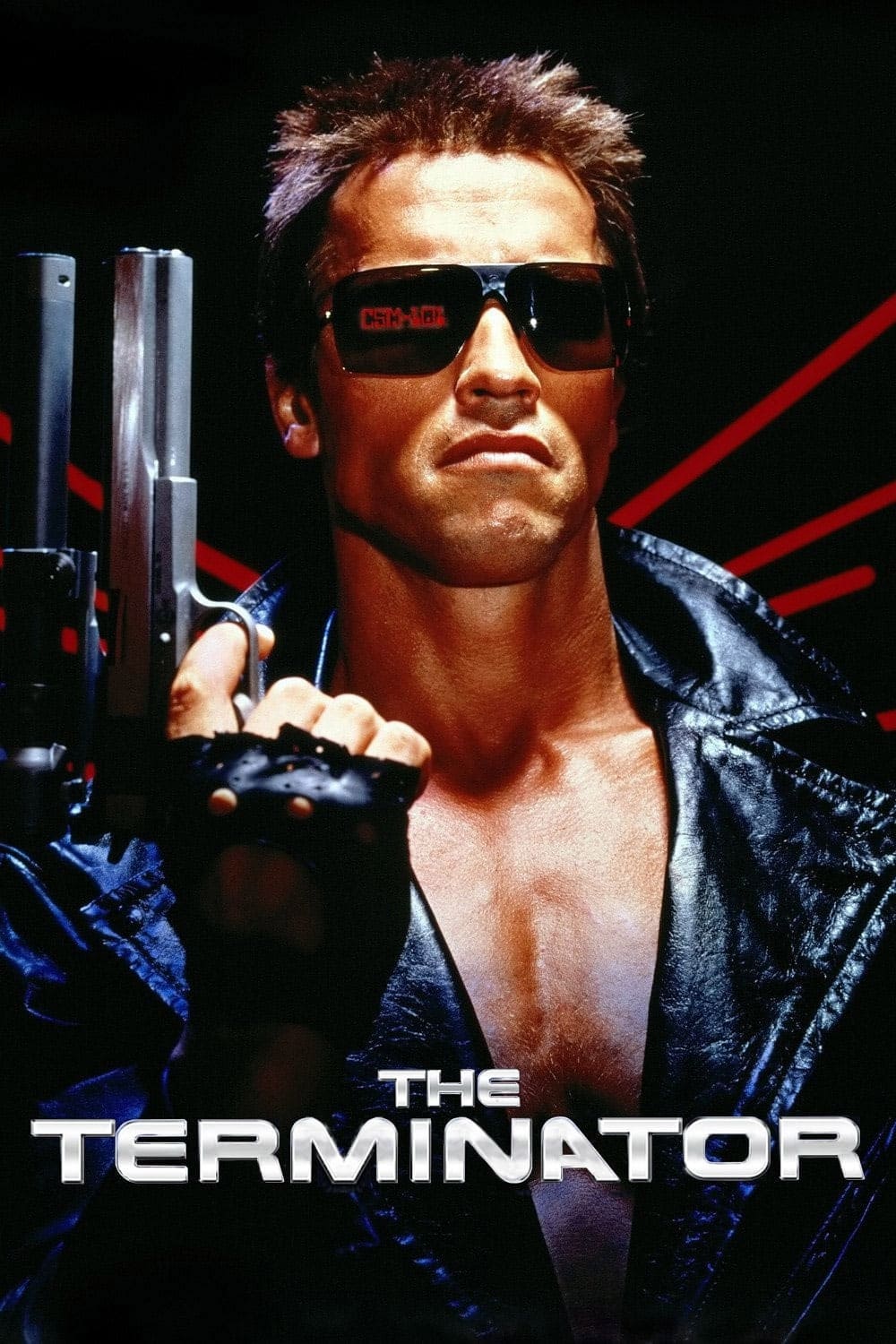
James Cameron’s chase narrative uses animatronics and stop-motion to realize the endoskeleton, with Stan Winston’s team creating practical prosthetics for transitional damage. A synth-driven score by Brad Fiedel establishes rhythmic cues for pursuit sequences.
Time-displacement rules are stated cleanly—no complex branching, limited send capability—which simplifies causal analysis. Police-station procedures, weapon acquisition, and the Tech Noir sequence create a documented trail that can be re-assembled shot by shot.
‘Terminator 2: Judgment Day’ (1991)
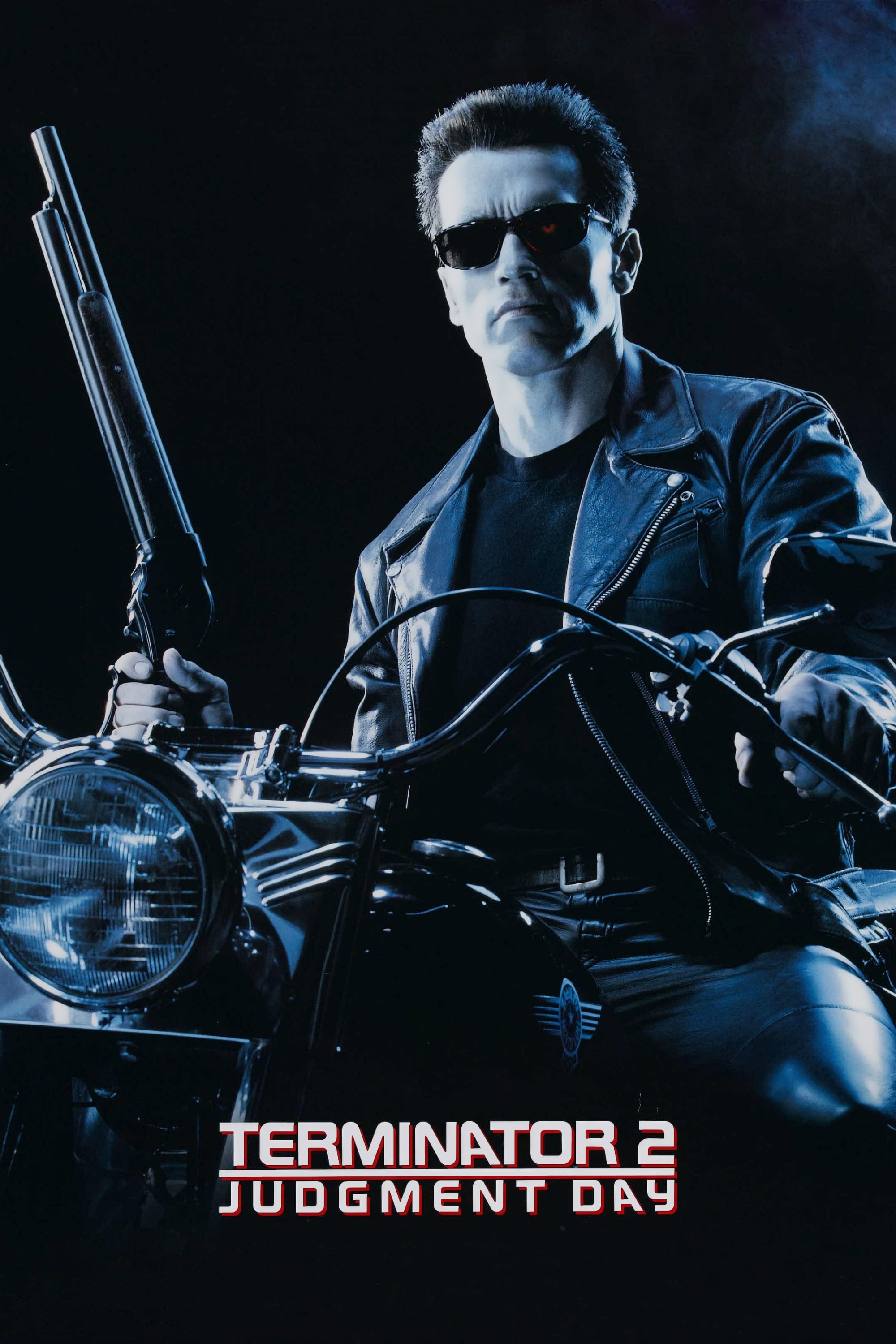
Industrial Light & Magic advanced liquid-metal character animation for the T-1000, integrating digital morphing with practical effects and stunt work. Large-scale set-pieces—the canal chase, the steel mill—combine coordinated pyrotechnics with precise second-unit coverage.
The script formalizes mission objectives—protect, learn, destroy—into identifiable steps, which plays out through scene-specific tools like the Terminator’s CPU switch and the chip and arm evidence. Rewatching highlights how each step closes a loop established earlier.
‘Ghost in the Shell’ (1995)

Mamoru Oshii’s feature blends hand-drawn animation with early digital compositing for holograms, camouflage, and city panoramas. Production I.G’s work emphasizes physical plausibility in cybernetic bodies, with Kenji Kawai’s choral-inflected score underscoring identity themes.
Public Security Section 9 operations—surveillance, database queries, and cyberbrain dives—function under clear jurisdictional limits. The Puppet Master case introduces legal and metaphysical questions about personhood within a defined investigative process.
‘Akira’ (1988)
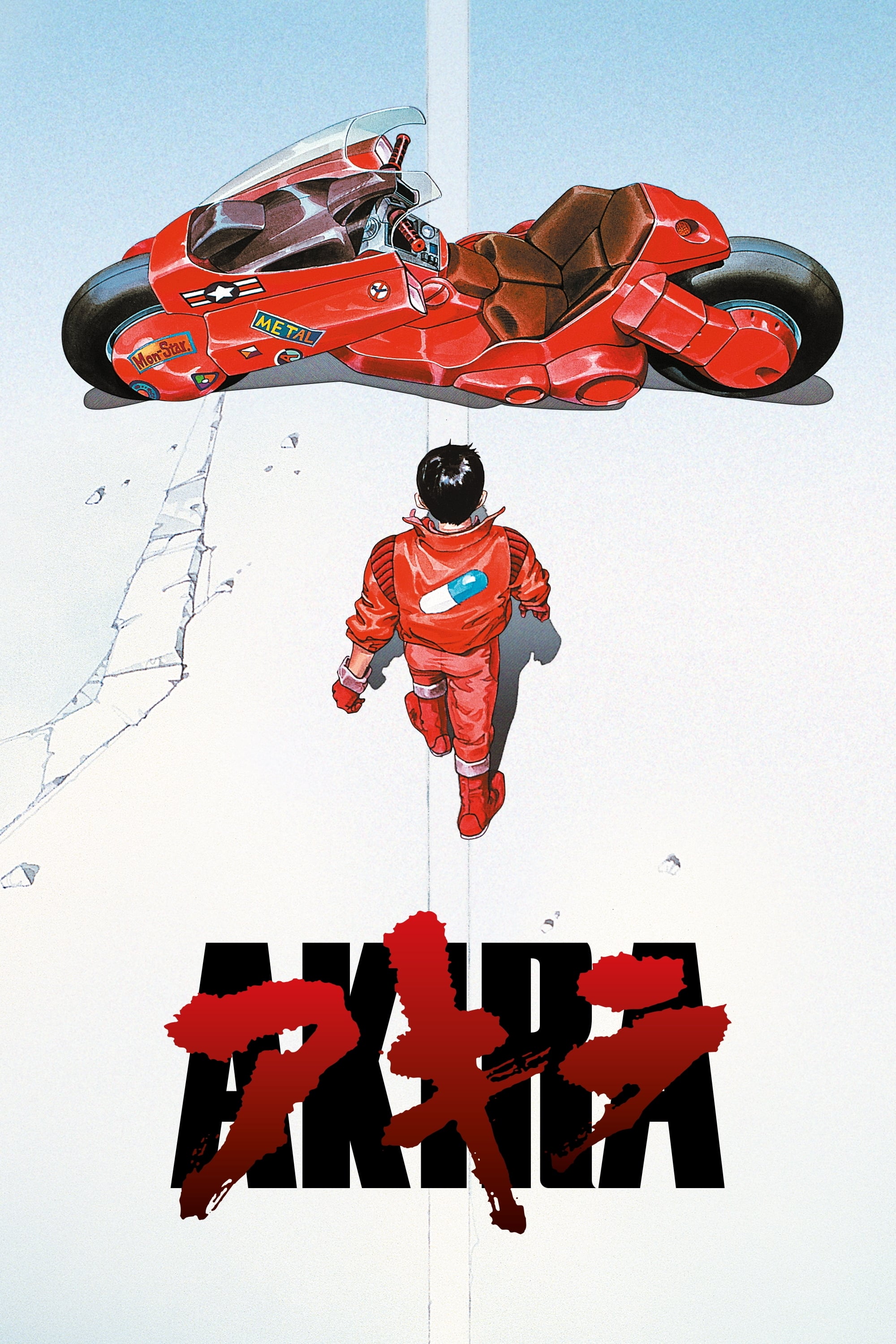
Katsuhiro Otomo’s film assembled multiple studios under the “Akira Committee,” producing unusually high cel counts and detailed backgrounds. Dialogue was recorded before animation, enabling naturalistic lip-sync uncommon in contemporaries, while multi-plane camera work deepened city vistas.
Neo-Tokyo’s political factions, biker subculture, and military research protocols supply a concrete framework for the story’s escalation. The depiction of psychic testing—capsules, machinery, and hospital routines—lays out cause-and-effect that becomes clearer with attention.
‘Brazil’ (1985)
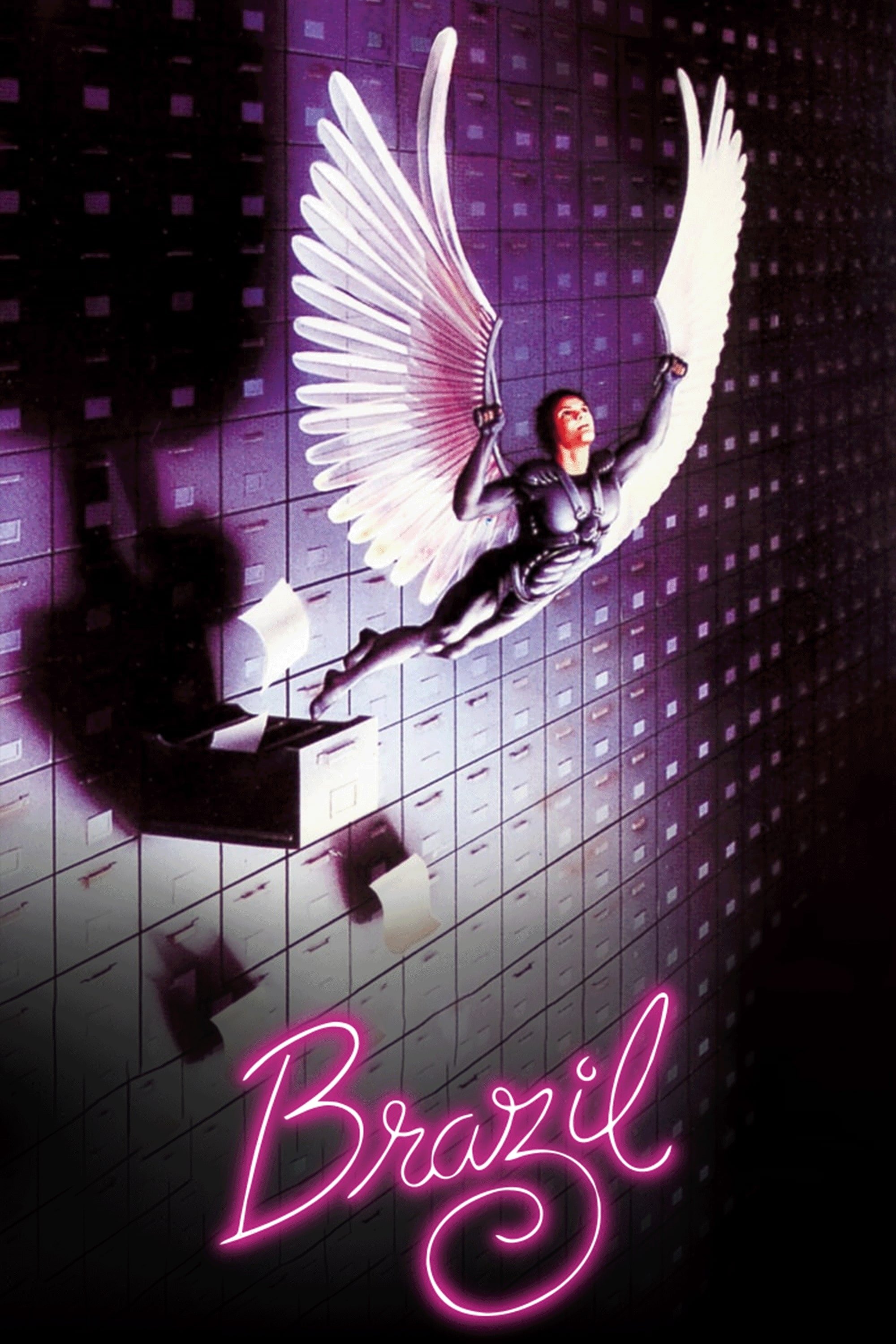
Terry Gilliam’s retro-futurist satire builds a pneumatic-tube bureaucracy with analog tech, tangled ducts, and over-stamped forms. The production’s battles over cuts produced multiple versions, each altering tone and emphasis, which makes comparison instructive.
Official procedures—misfiled paperwork, billings, and wrongful detentions—drive the plot with documented steps. Dream imagery, security classifications, and apartment retrofits create parallel visual systems that map onto the protagonist’s predicament.
‘Under the Skin’ (2013)

Jonathan Glazer combines hidden-camera street interactions with staged sequences, using non-actors for many encounters. Mica Levi’s score relies on detuned strings and repeating motifs, while the “void” sequences were achieved with controlled sets and careful lighting rather than heavy digital builds.
The film tracks a methodical process—identification, luring, and processing—handled with repeatable steps and consistent props. Changes in route, clothing, and reaction patterns mark deviations from protocol, which stand out more clearly once the baseline is established.
Share your own rewatch-worthy sci-fi picks—and the specific details you spot on a second viewing—in the comments.