Actors We Lost to Addiction


Addiction has cut short too many lives, leaving families, colleagues, and audiences to reconcile achievements on screen with private health struggles off screen. In film and television, the pressures of public work, injuries, sleep disruption, and access to substances can intersect with genetics and mental health, making substance-use disorders a persistent occupational hazard rather than a personal failing.
This list remembers male actors whose deaths were directly tied to substance use, whether from alcohol or drugs, prescribed or illicit. Their careers left durable work on screens large and small, and their stories continue to inform discussions about prevention, evidence-based treatment, harm reduction, and recovery support.
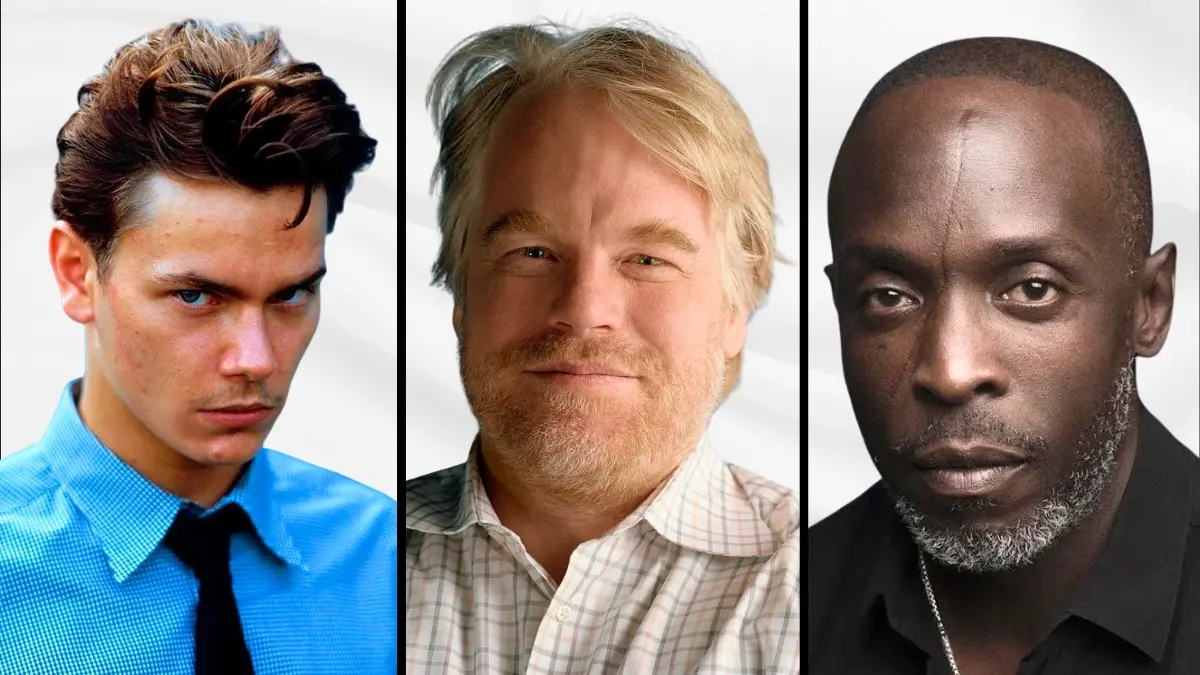
Philip Seymour Hoffman
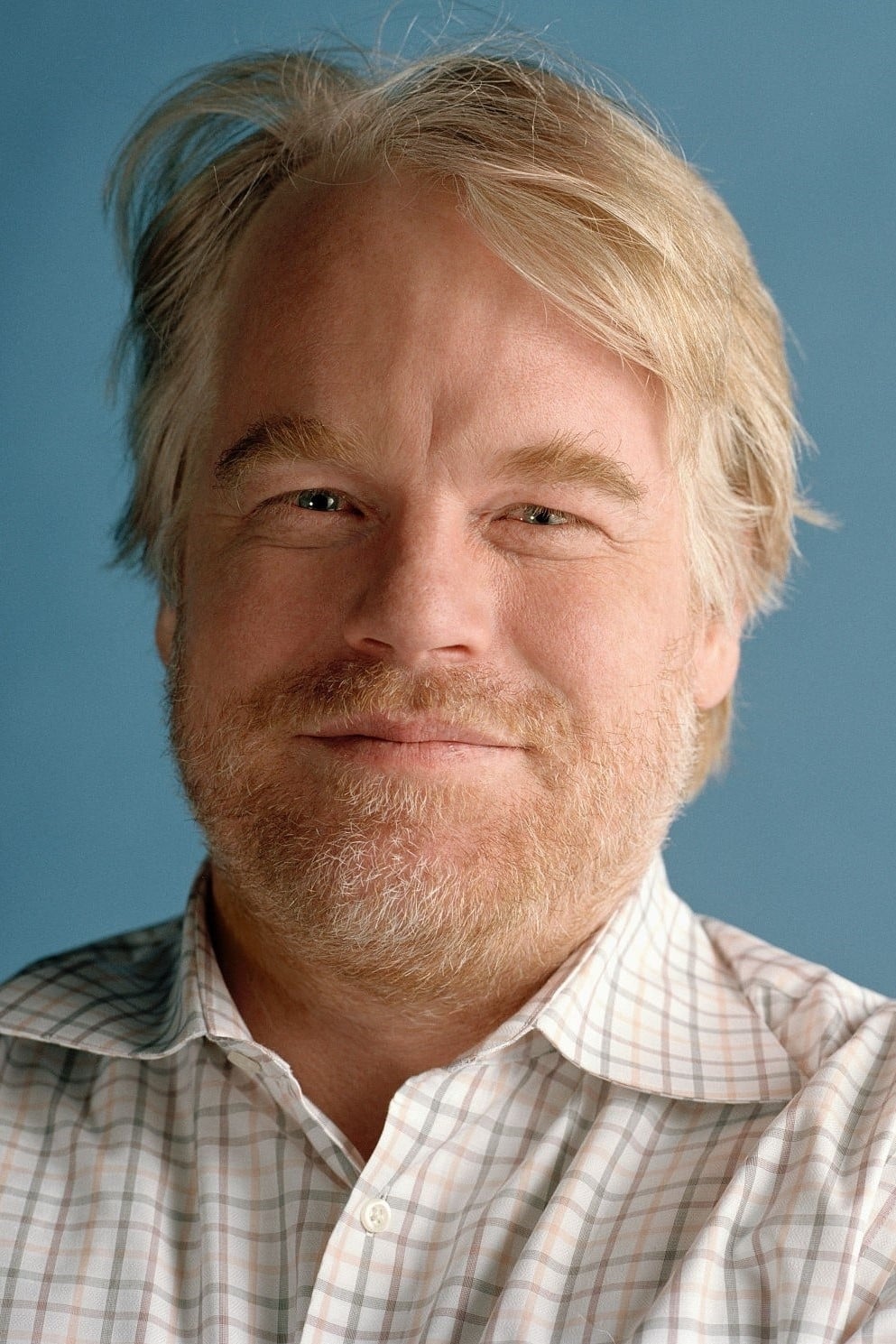
Philip Seymour Hoffman built one of the most respected careers of his generation, moving between studio projects and independent films with equal command. He won an Academy Award for portraying Truman Capote in ‘Capote’ and delivered acclaimed turns in ‘The Master’, ‘Boogie Nights’, ‘Doubt’, and ‘Charlie Wilson’s War’, while also directing for the stage and collaborating with New York theater companies.
He died in New York City from acute mixed-drug intoxication involving heroin, cocaine, benzodiazepines, and amphetamine. His case drew attention to polydrug use and overdose risk, reinforcing how combining opioids, stimulants, and sedatives can depress respiration, mask warning signs, and complicate emergency response.
River Phoenix
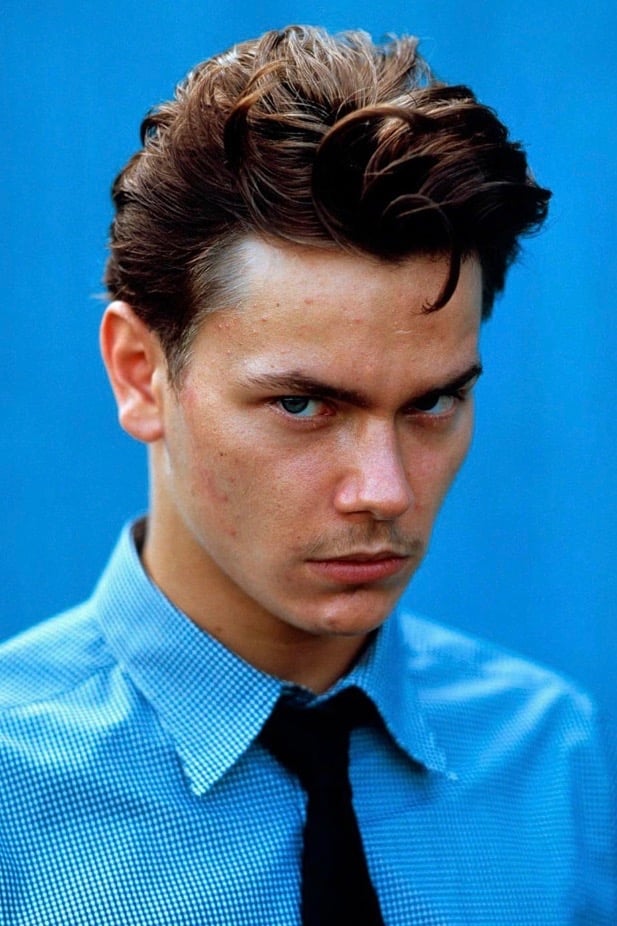
River Phoenix emerged as a standout young actor with roles in ‘Stand by Me’, ‘Running on Empty’, ‘My Own Private Idaho’, and ‘Indiana Jones and the Last Crusade’. He was widely regarded for naturalistic performances and for choosing challenging material alongside more commercial projects.
He collapsed outside the Viper Room in West Hollywood and died of acute drug intoxication after using a combination sometimes referred to as a speedball. The case underscored the elevated risk of fatal respiratory depression when stimulants and opioids are taken together, and it remains one of the most examined drug-related deaths in modern Hollywood.
John Belushi
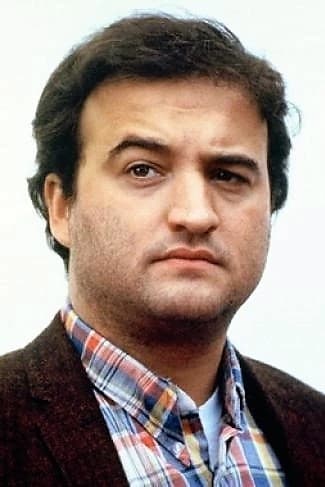
John Belushi rose to national prominence on ‘Saturday Night Live’ and carried that momentum to films including ‘Animal House’ and ‘The Blues Brothers’. His musical performances, sketch characters, and physical comedy made him a mainstay of late-1970s and early-1980s entertainment.
He died at the Chateau Marmont in Los Angeles from a speedball overdose. Investigators and medical findings highlighted how injecting combined stimulants and opioids sharply increases overdose risk, with rapid onset and limited margin for effective reversal without immediate intervention.
Chris Farley
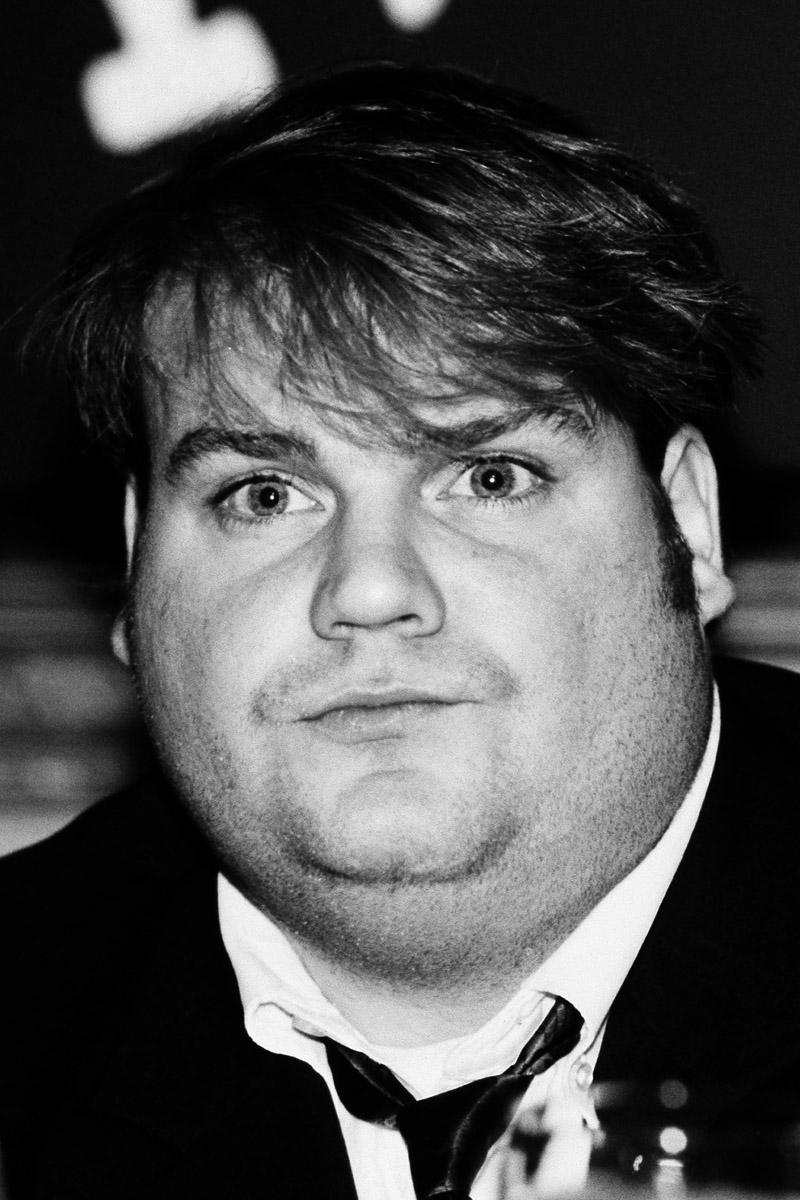
Chris Farley followed the improv-to-television path to ‘Saturday Night Live’, where he developed enduring characters and sketches. He transitioned to films with comedies such as ‘Tommy Boy’, ‘Black Sheep’, and ‘Beverly Hills Ninja’, maintaining close ties to Midwestern comedy circles and collaborators.
He died in Chicago from a speedball overdose of cocaine and morphine; the medical examiner also cited cardiovascular disease as a significant contributing factor. The findings illustrated how pre-existing health conditions can magnify the dangers of stimulant and opioid use, and why post-treatment relapse is especially perilous when tolerance has changed.
Brad Renfro
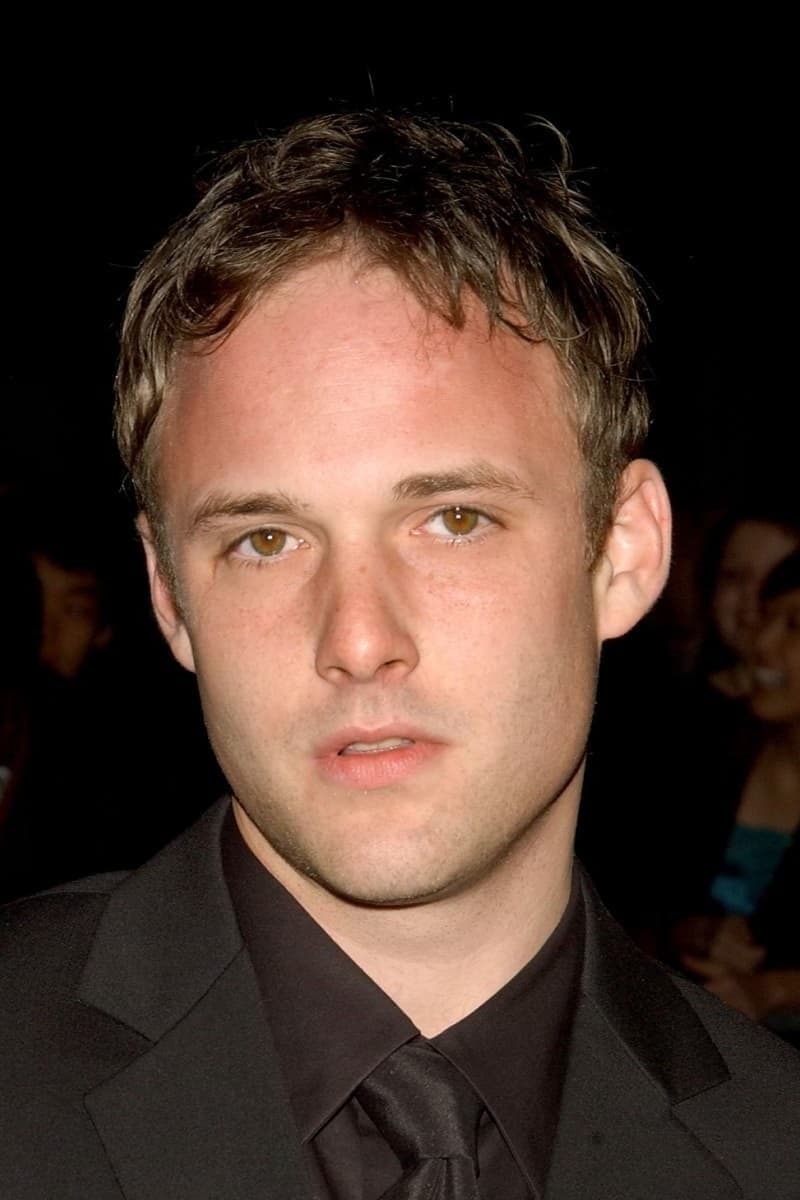
Brad Renfro was cast as the lead in ‘The Client’ and went on to notable performances in ‘Apt Pupil’, ‘Bully’, and ‘Ghost World’. Beginning as a child actor, he worked with prominent directors and earned praise for tackling darker, complex roles as he moved into adulthood.
He died in Los Angeles of a heroin overdose after years of legal troubles and multiple attempts at treatment. His death is frequently cited in discussions about the particular challenges child performers face as they transition to adult careers, including continuity of care, supervision standards, and access to long-term recovery support.
Cory Monteith
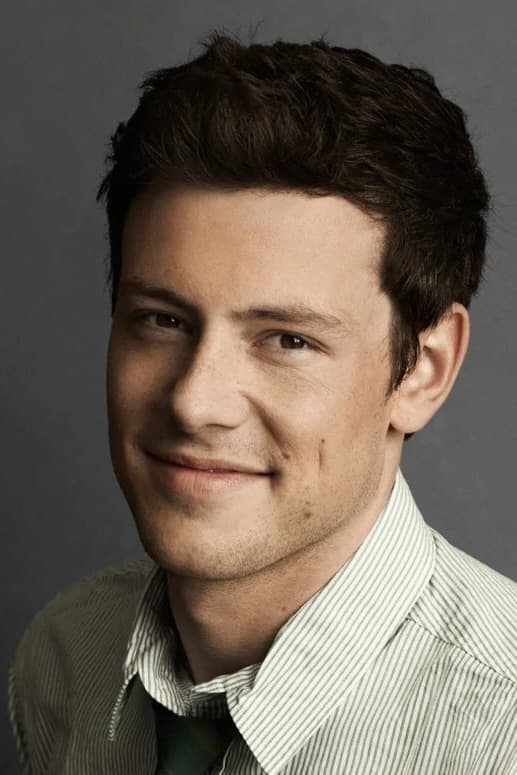
Cory Monteith became internationally known through ‘Glee’, where he played Finn Hudson and contributed to the show’s music releases and tours. Outside the series, he took roles in independent films and supported youth-focused charities and outreach.
He died in Vancouver from mixed toxicity involving heroin and alcohol following earlier periods of treatment and recovery efforts. Public-health messaging around the case stressed that combining central nervous system depressants markedly raises overdose risk and that supervised settings, naloxone availability, and ongoing care coordination can reduce fatalities.
Michael Kenneth Williams
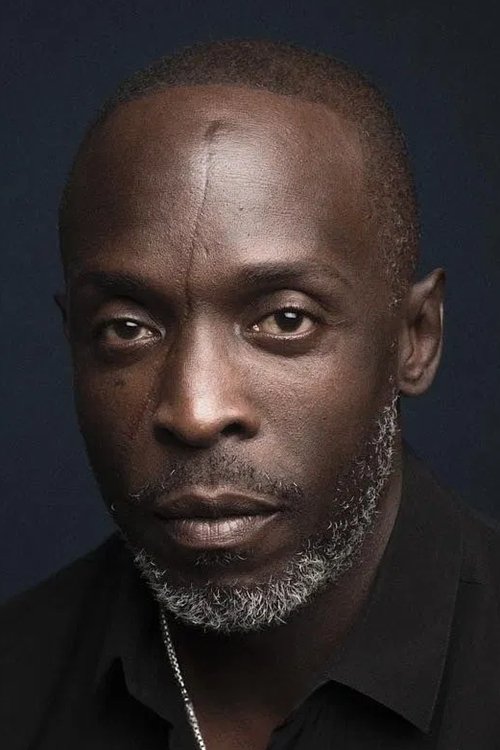
Michael K. Williams earned critical acclaim for his portrayal of Omar Little in ‘The Wire’ and as Chalky White in ‘Boardwalk Empire’, with additional high-profile work in projects such as ‘Lovecraft Country’. He also supported arts programs, re-entry initiatives, and community organizations.
He died in Brooklyn from acute intoxication involving fentanyl, p-fluorofentanyl, heroin, and cocaine. Subsequent prosecutions and public-health responses drew attention to the prevalence of fentanyl and analogs in the illicit drug supply, emphasizing the importance of drug-checking services, naloxone training, and rapid emergency response.
Angus Cloud
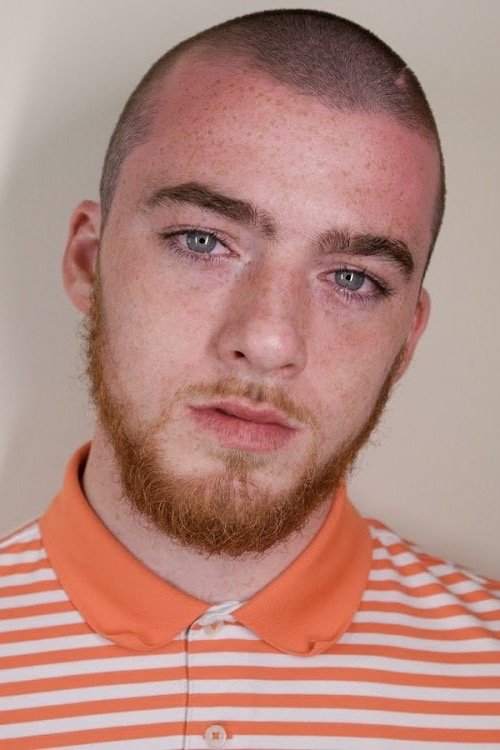
Angus Cloud rose to prominence on ‘Euphoria’, where his portrayal of Fezco brought a grounded sensibility to a series centered on teen life and substance use. He also appeared in music videos and independent films, developing a distinctive screen presence.
He died in California of acute intoxication due to the combined effects of fentanyl, benzodiazepines, cocaine, and methamphetamine. Coroner findings aligned with broader trends in polysubstance use, illustrating how potent synthetics and unpredictable mixtures increase risk and complicate reversal without immediate medical care.
Wallace Reid
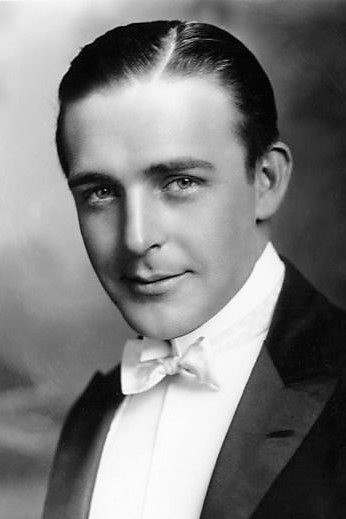
Wallace Reid was a major silent-era leading man, featured in racing dramas like ‘The Roaring Road’ and society melodramas such as ‘The Affairs of Anatol’. He worked prolifically for major studios and helped define the early screen-idol image during Hollywood’s formative years.
He developed a dependence on morphine reportedly after being given the drug for pain control following an on-set injury and later died at age 31 in a sanatorium while undergoing treatment. Contemporary reports listed influenza as the immediate cause amid long-term morphine dependence, making his case one of the earliest widely publicized examples of iatrogenic addiction in the film industry.
Robert Pastorelli

Robert Pastorelli was best known on television for playing Eldin Bernecky on ‘Murphy Brown’, a role that earned consistent recognition and a devoted audience. He worked across film and TV, with appearances in projects such as ‘Eraser’ and ‘Michael’.
He died at his Hollywood Hills home of a morphine overdose, with the coroner reporting a fatal blood concentration of morphine. The circumstances reinforced how relapse and return to prior dosing levels—especially after periods of reduced tolerance—can be particularly dangerous, a key consideration in recovery planning and overdose-prevention strategies.
If there is someone whose story you think should be included, please share your thoughts in the comments.