Actors Whose Careers Were Cut Short by Illness


Some actors leave behind towering performances despite careers that ended far too soon. Illness—whether a sudden medical emergency or a long, private battle—can halt work in an instant, interrupting projects midstream and closing chapters that seemed to have many pages left. This list looks at male actors whose careers were curtailed by disease or serious medical conditions, focusing on verified facts about their health, their final projects, and where their work stood when illness intervened.
You’ll see how diagnoses were handled, how productions adapted, and which roles became unintended farewells. Wherever a movie or TV show is mentioned, it’s in single quotes to keep titles clear and consistent, and the details aim to be practical—what happened, when, and how it affected the work audiences saw.
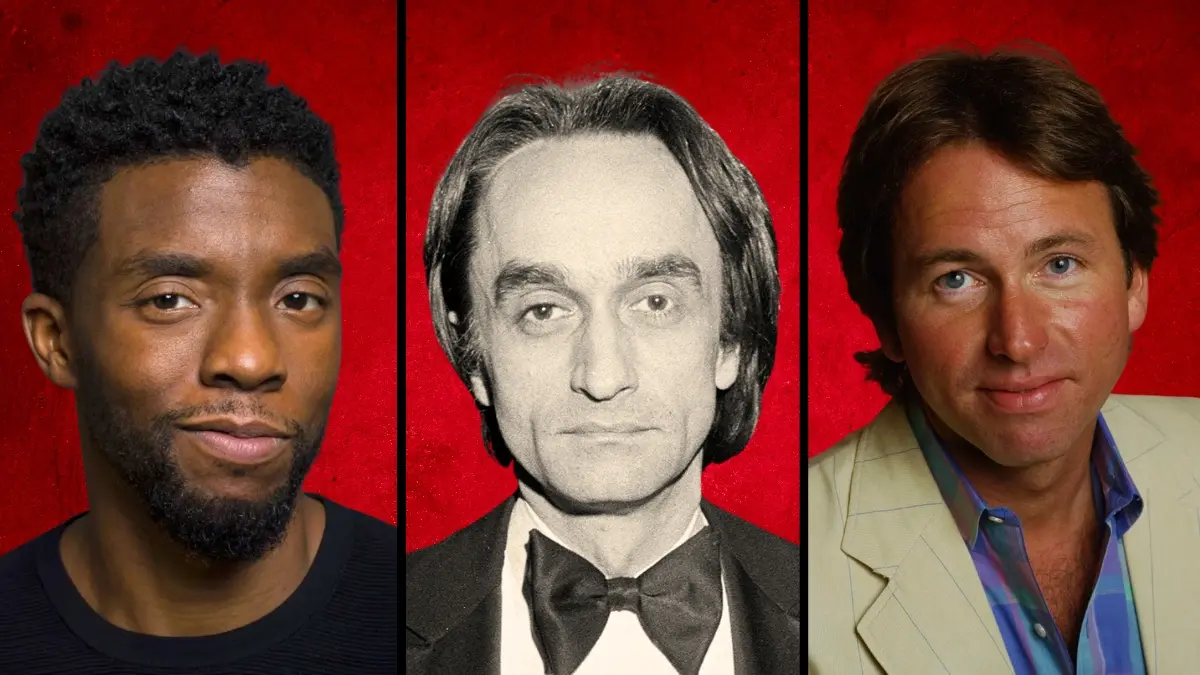
Chadwick Boseman
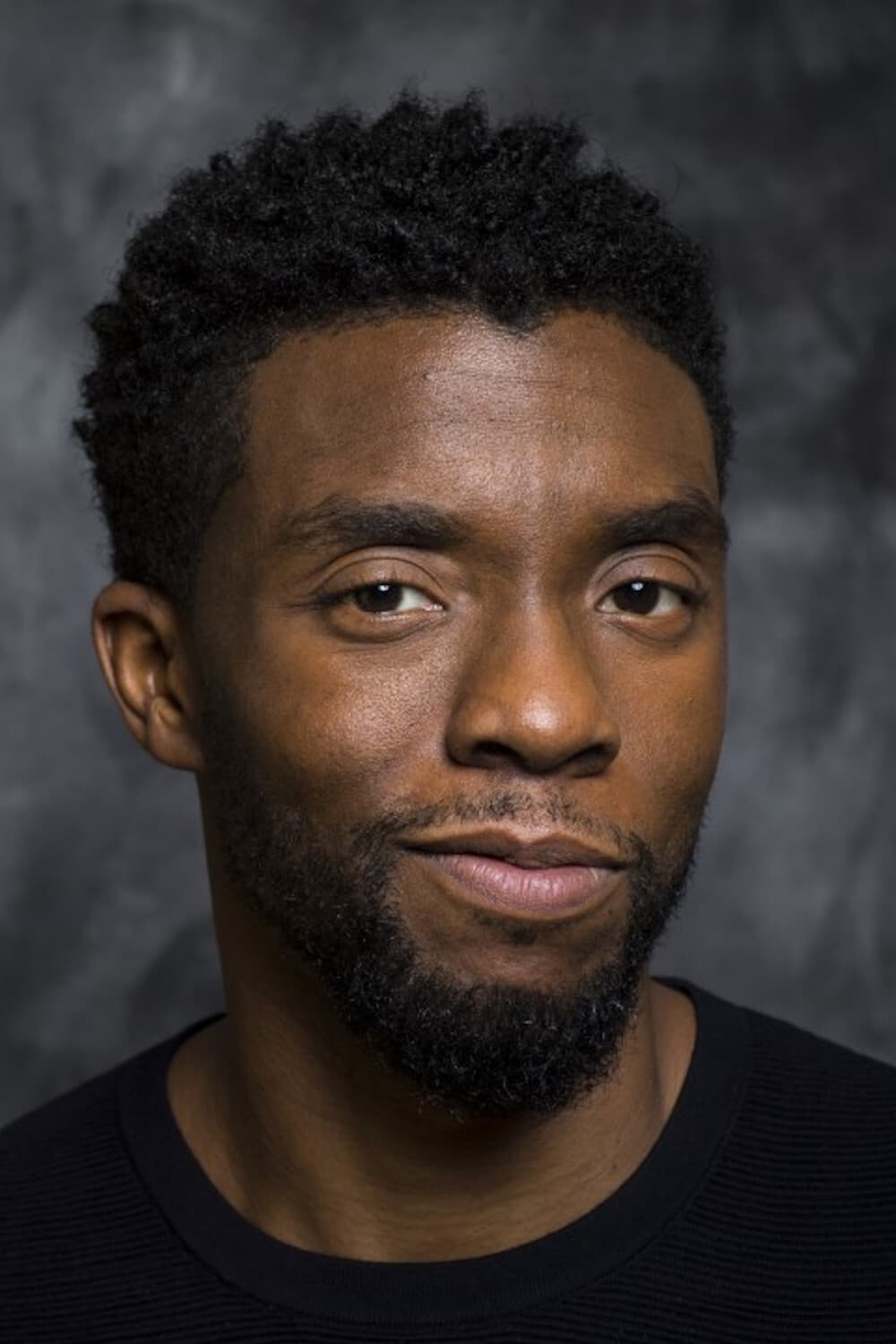
Chadwick Boseman was diagnosed with colon cancer in 2016 and chose to keep the information private while continuing to work, sharing the news only with a small circle. He completed a string of major projects during treatment, including ‘Black Panther’, ‘Avengers: Infinity War’, ‘Avengers: Endgame’, and Spike Lee’s ‘Da 5 Bloods’, and later earned major awards attention for ‘Ma Rainey’s Black Bottom’. He died in 2020 at age 43.
His decision to maintain confidentiality meant productions accommodated him without public disclosure, and colleagues often did not know he was ill. The approach allowed him to continue leading global franchises and prestige dramas without interruption or special announcement.
John Cazale
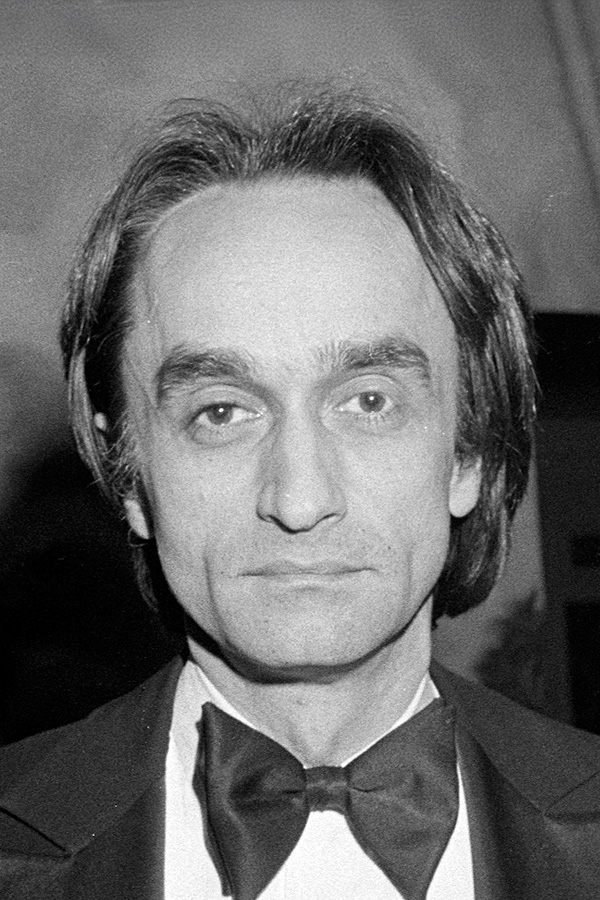
John Cazale appeared in five feature films—’The Godfather’, ‘The Conversation’, ‘The Godfather Part II’, ‘Dog Day Afternoon’, and ‘The Deer Hunter’—before a diagnosis of lung cancer in 1977. Production on ‘The Deer Hunter’ adjusted to shoot his scenes early; he died in 1978 at age 42, before the film’s release.
Cazale’s illness made insuring him difficult, but arrangements were made so he could complete his work. His concentrated filmography, entirely composed of titles widely recognized at the highest level of awards consideration, remains a rare case of a career both brief and historically significant.
Patrick Swayze
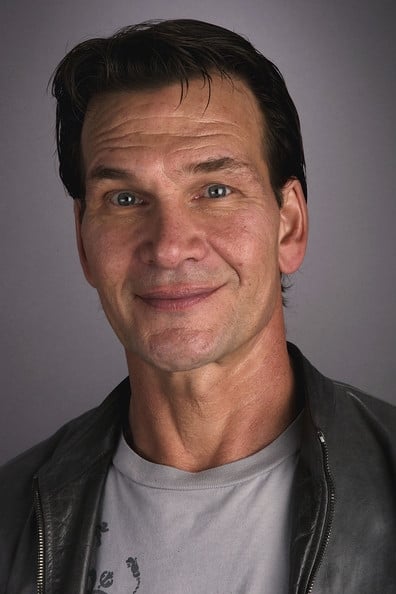
Patrick Swayze received a diagnosis of stage IV pancreatic cancer in early 2008 and continued to act, completing the series ‘The Beast’ while undergoing treatment. He worked long shooting days during production and remained professionally active as his medical team managed his therapy.
His illness ultimately ended his career and life in 2009, but not before he demonstrated that a demanding television schedule could be maintained for a time alongside treatment. The work on ‘The Beast’ stands as his final sustained on-screen role.
Bob Hoskins
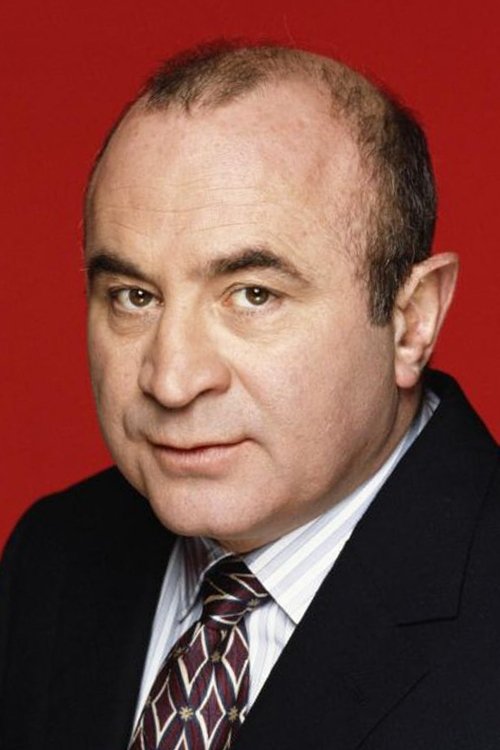
Bob Hoskins retired from acting in 2012 after being diagnosed with Parkinson’s disease in 2011. His final film appearance was in ‘Snow White and the Huntsman’, and he died in 2014 from pneumonia.
The diagnosis prompted a formal public announcement and a step back from future projects. Hoskins’ retirement statement confirmed he was withdrawing from the industry, closing a career that included ‘Who Framed Roger Rabbit’, ‘The Long Good Friday’, and ‘Mona Lisa’.
Robin Williams
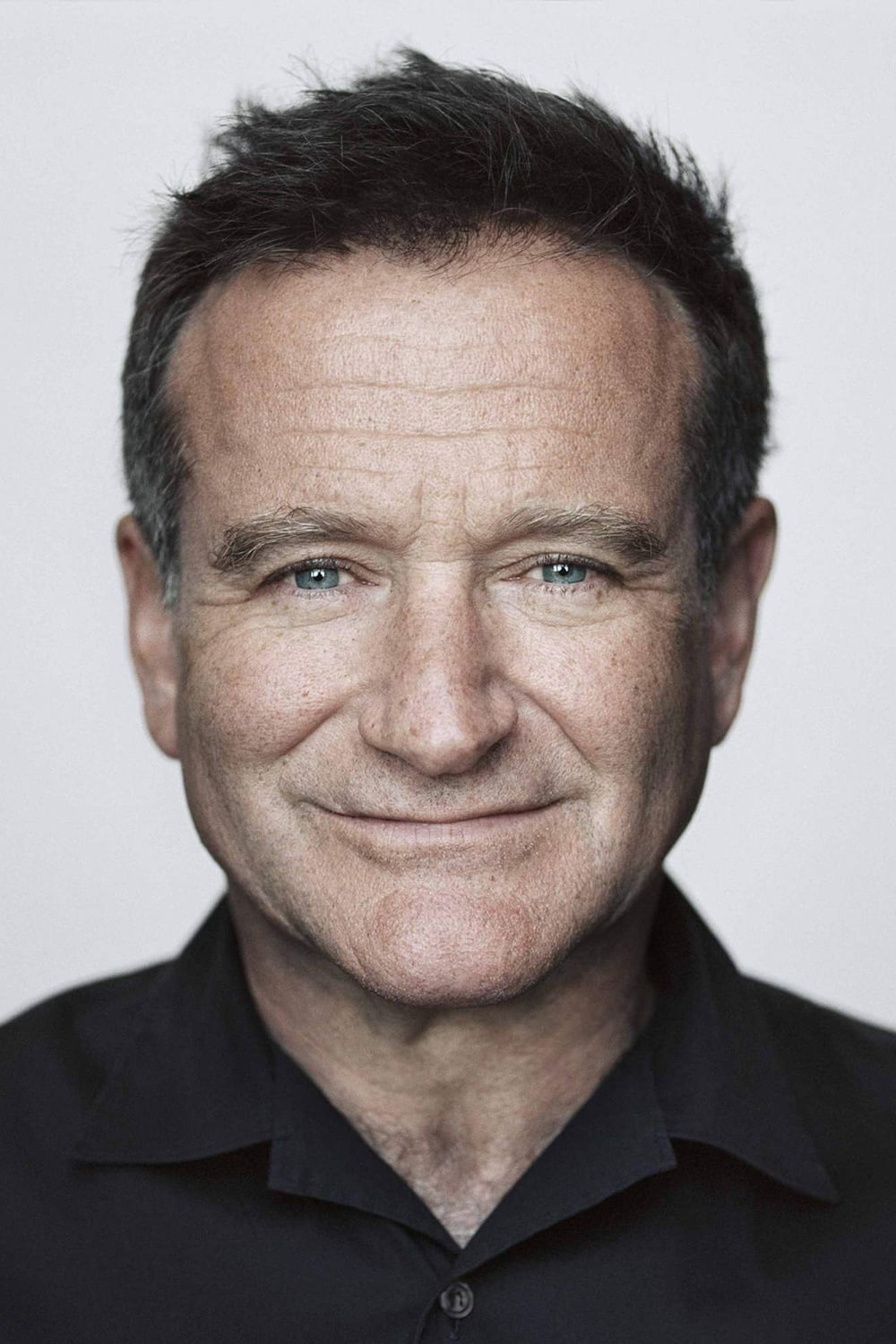
Robin Williams’ autopsy identified diffuse Lewy body disease, a degenerative brain disorder that explained the cognitive and motor symptoms he experienced near the end of his life. He worked through these changes, including a season of the TV series ‘The Crazy Ones’ and the film ‘Night at the Museum: Secret of the Tomb’, before his death in 2014.
His symptoms led to a prior Parkinson’s-related diagnosis, but posthumous findings clarified the underlying illness as Lewy body disease. Accounts from collaborators describe visible effects on set, including ways he adapted to tremors while continuing to perform.
Raúl Juliá
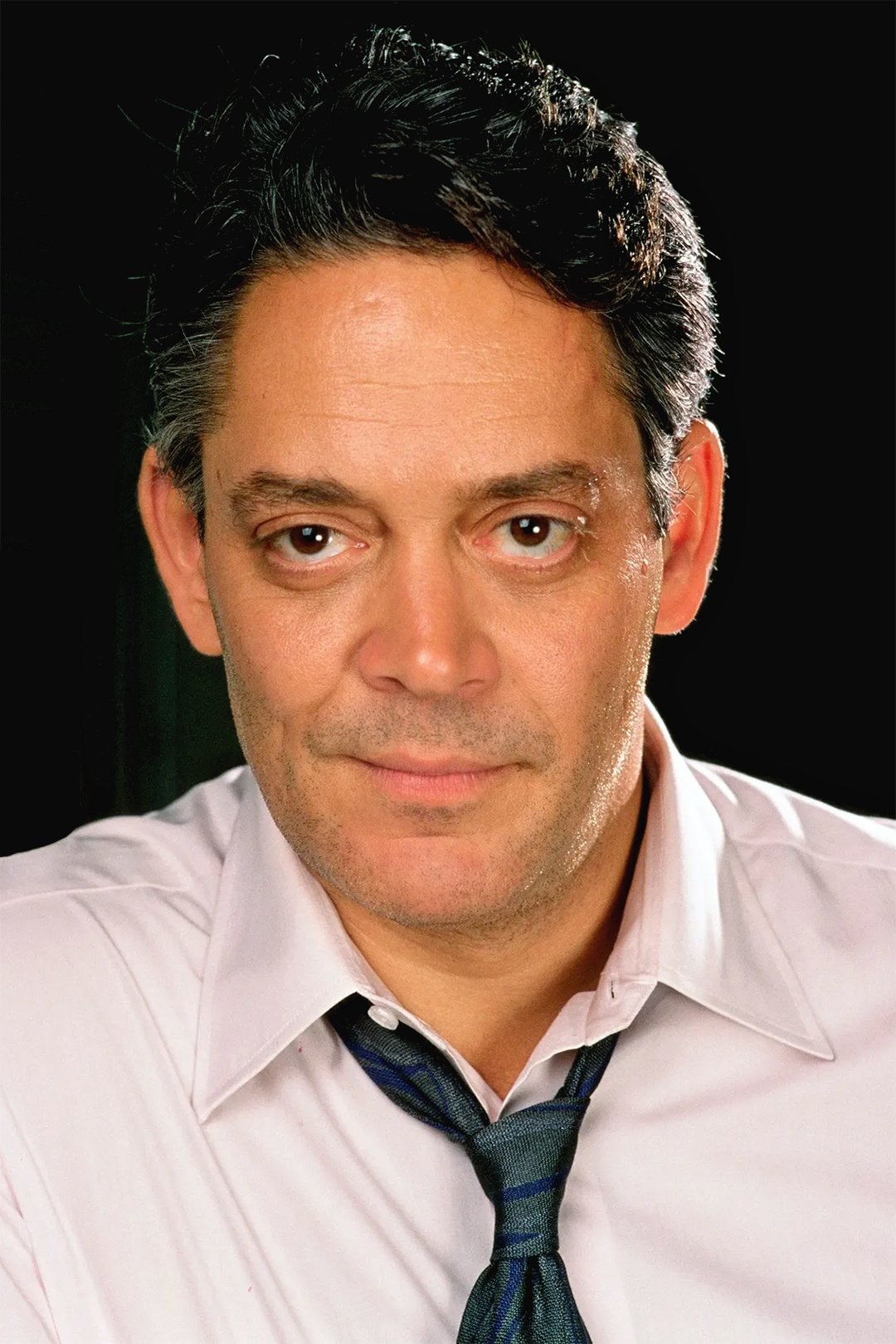
Raúl Juliá had privately battled stomach cancer for several years and suffered a stroke in October 1994 from which he did not recover. Shortly before his death, he completed ‘The Burning Season’, for which he was posthumously awarded both an Emmy and a Golden Globe.
Health setbacks that year included severe illness during location work, followed by a rapid decline leading to hospitalization after intense abdominal pain. His final period of work also included roles connected to ‘Street Fighter’ and other projects affected by his condition.
John Ritter
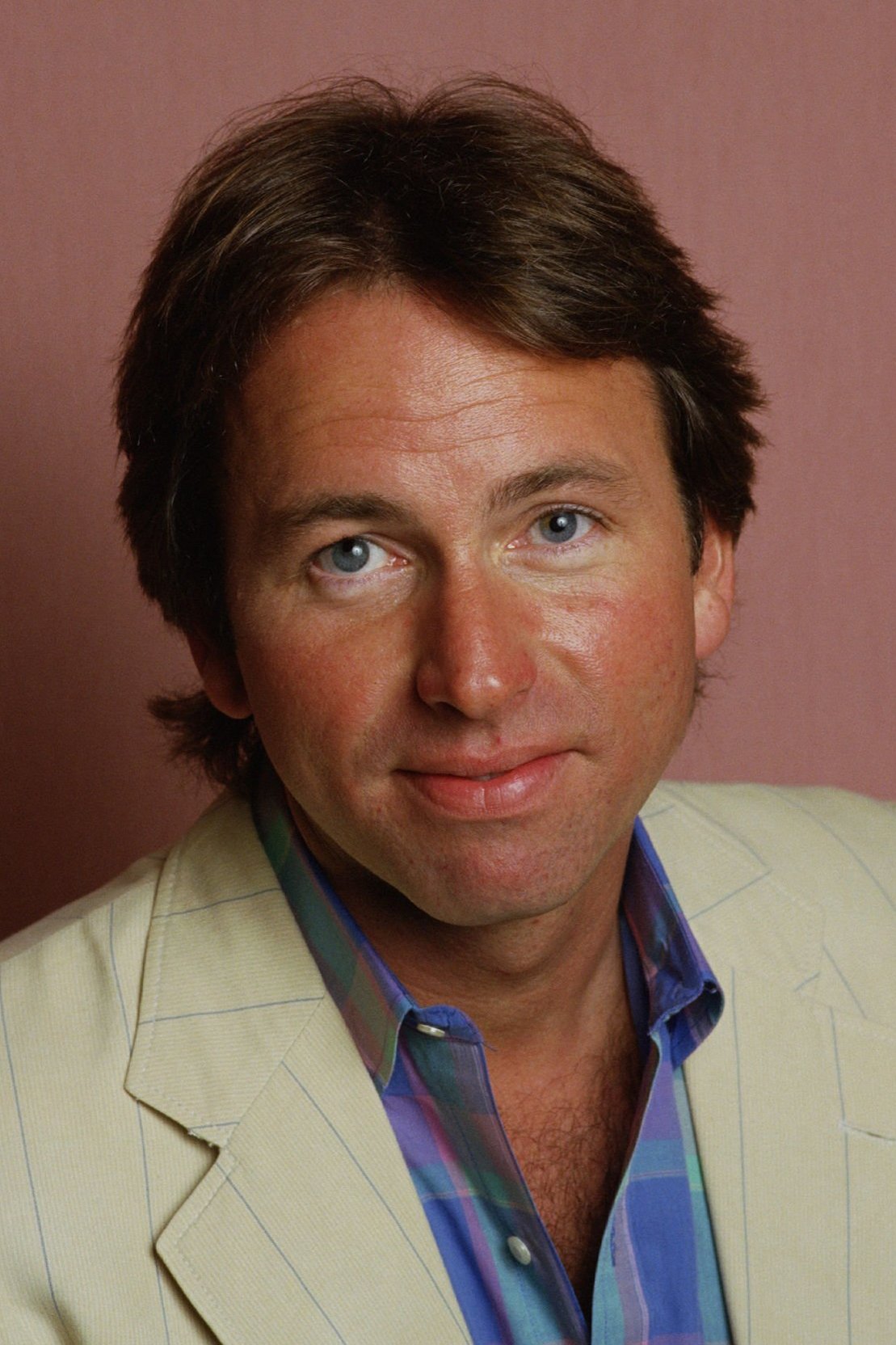
John Ritter collapsed while rehearsing for ‘8 Simple Rules’ and died the same day from an undetected aortic dissection in 2003, at age 54. Emergency treatment initially focused on a suspected heart attack before the aortic condition was identified.
His death required immediate production changes on the series and led to awareness efforts by his family to educate the public about aortic disease and its symptoms. Commemorations continue to highlight his work on ‘Three’s Company’ and other roles.
Luke Perry
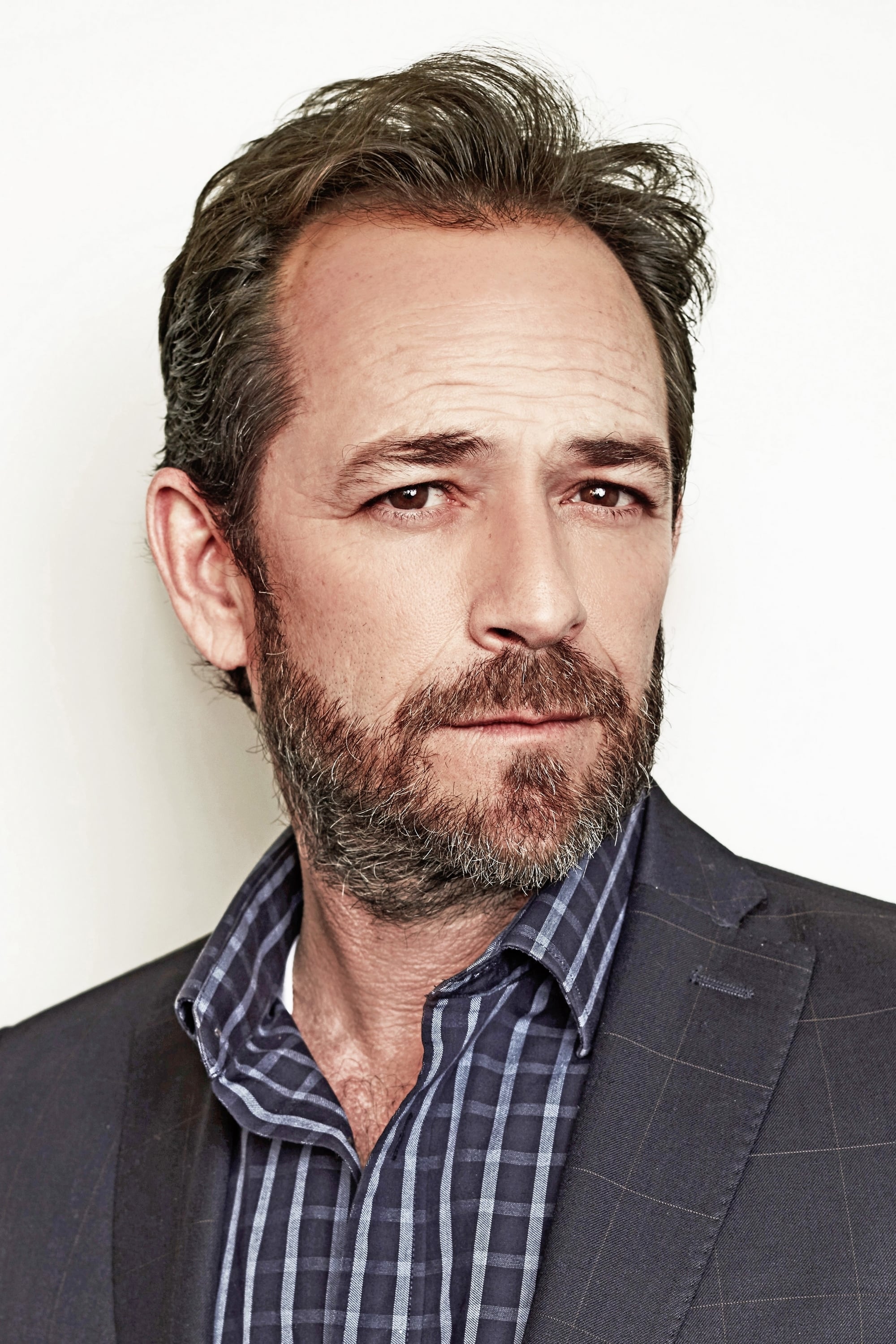
Luke Perry died in 2019 at age 52 after a massive stroke. At the time, he had a regular role on ‘Riverdale’ and had recently filmed scenes for Quentin Tarantino’s ‘Once Upon a Time in Hollywood’.
The stroke ended ongoing television work and halted future appearances tied to his established and new projects. Tributes from collaborators and coverage of memorial episodes documented how the show addressed his absence.
Andy Kaufman
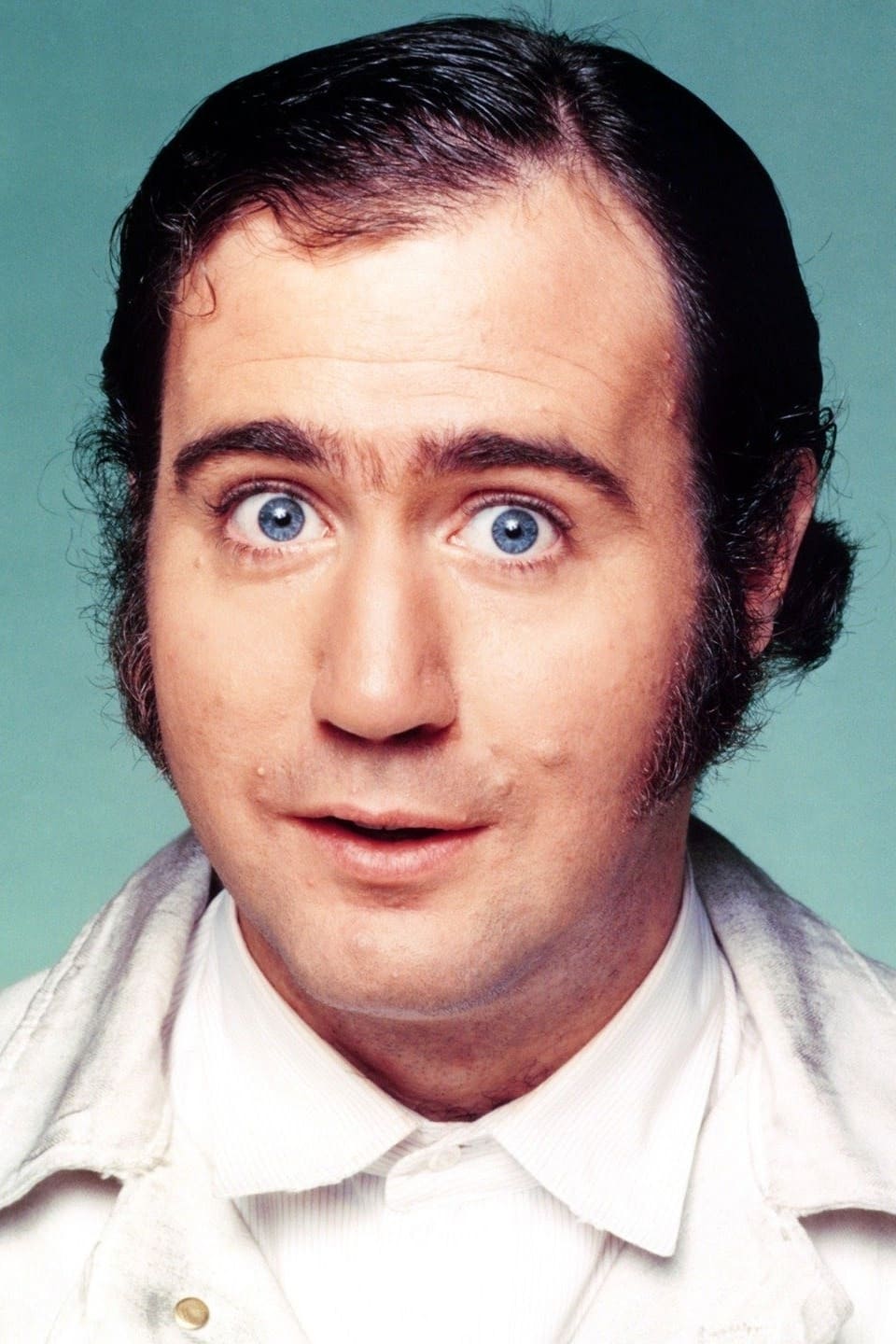
Andy Kaufman died of lung cancer in 1984 at age 35. Known for his performance work on ‘Taxi’ and appearances tied to ‘Saturday Night Live’, his death ended a career closely associated with experimental comedy and acting.
Because his public persona often involved elaborate pranks, rumors about his death persisted for years, but official records and contemporaneous reporting confirm the diagnosis and cause.
Peter Sellers
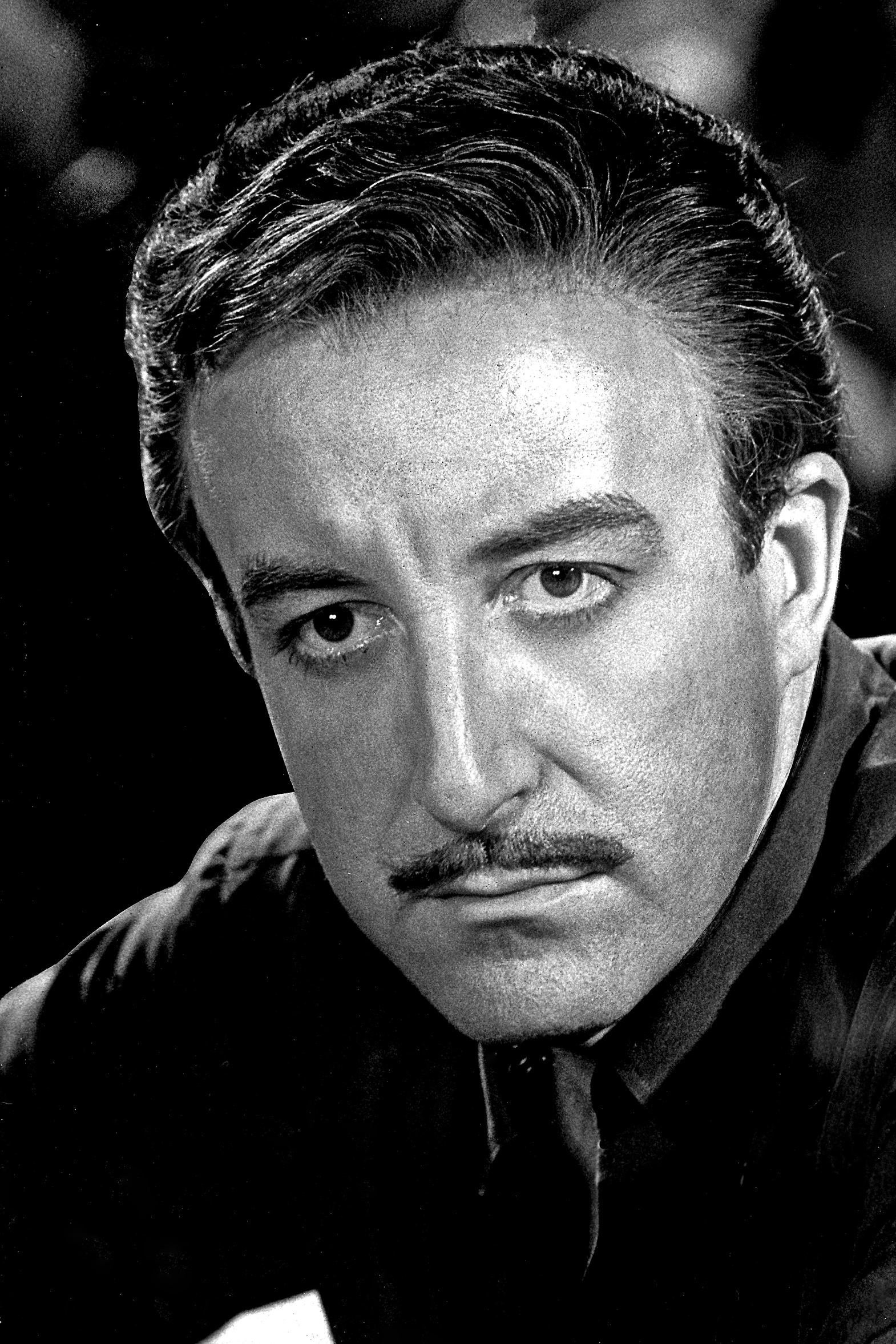
Peter Sellers had a long history of cardiac problems, including multiple heart attacks, and died in 1980 at age 54 from a heart attack. Ongoing heart disease affected his ability to work and led to interruptions on several projects.
His health struggles spanned years during and after entries in ‘The Pink Panther’ series and other films such as ‘Being There’. Medical issues and repeated hospitalizations curtailed his output and ultimately ended his career while he still had planned work ahead.
Share your thoughts in the comments: which performances from these actors meant the most to you, and what other examples should be added to this conversation?