Most Shocking TV Cancellations of All Time


Big shows get scrapped for lots of reasons—ratings dips, corporate mergers, changing strategies, or even unexpected production hurdles. Sometimes the decision lands so abruptly that cast and crew learn at the same time viewers do. Other times a renewal gets announced and then quietly reversed, leaving completed scripts, partial sets, and frustrated fans in its wake.
This list looks at notable TV cancellations that made headlines for how sudden or surprising they were, whether they ended promising runs early or cut off cult favorites mid-story. For each entry, you’ll find concrete details on the network involved, what had been produced, and what happened next—revivals, movies, fan campaigns, and everything in between.
‘Firefly’ (2002)
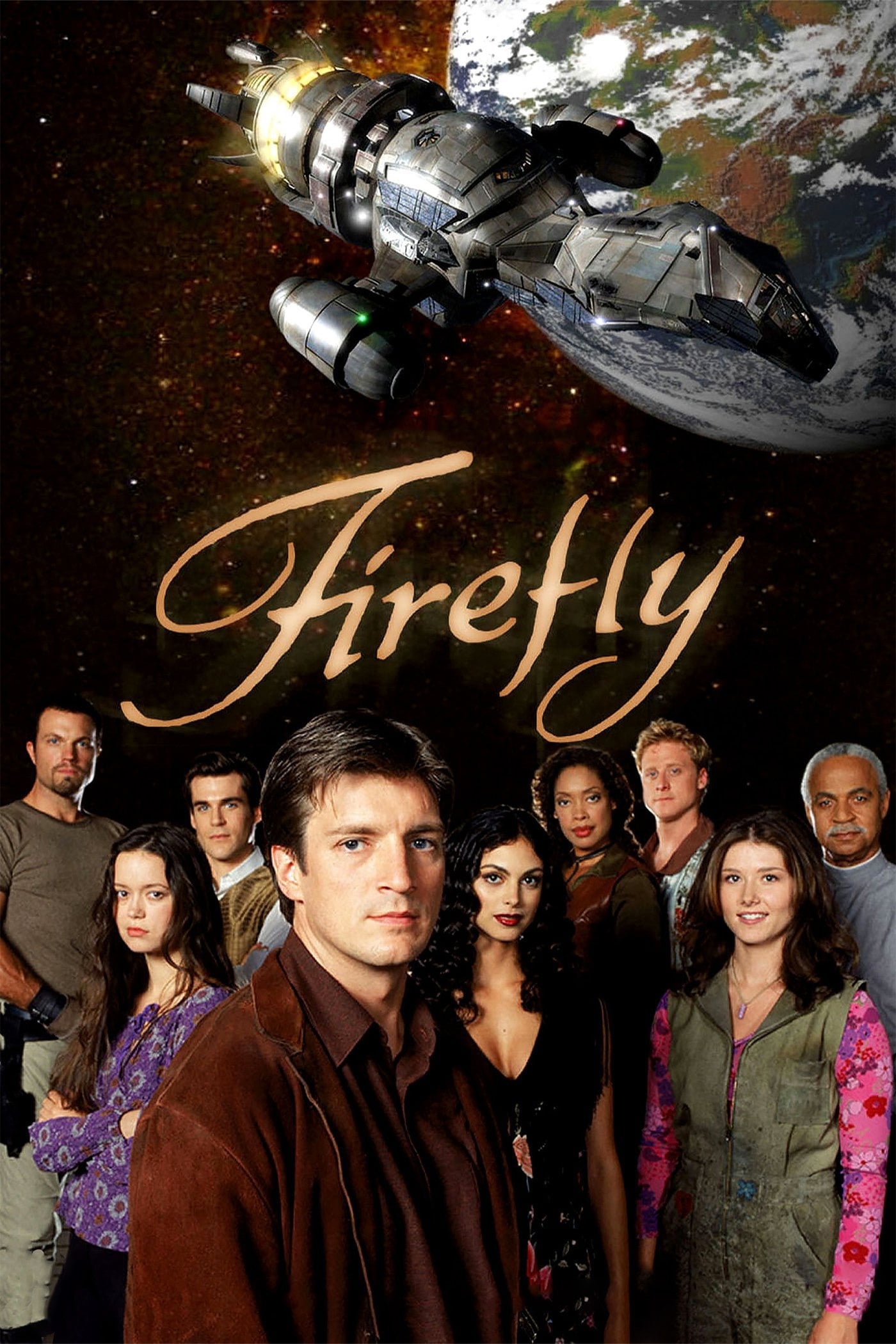
Fox aired episodes out of order and shifted the show across time slots, which dragged down live ratings despite strong genre interest. Fourteen episodes were produced, eleven aired in the original run, and several were held back until the home-video release.
After cancellation, strong DVD sales and convention attention kept the property visible, and the story continued with the feature film ‘Serenity’. Official comics and licensed tie-ins extended character arcs that had been planned for additional seasons.
‘Freaks and Geeks’ (1999–2000)
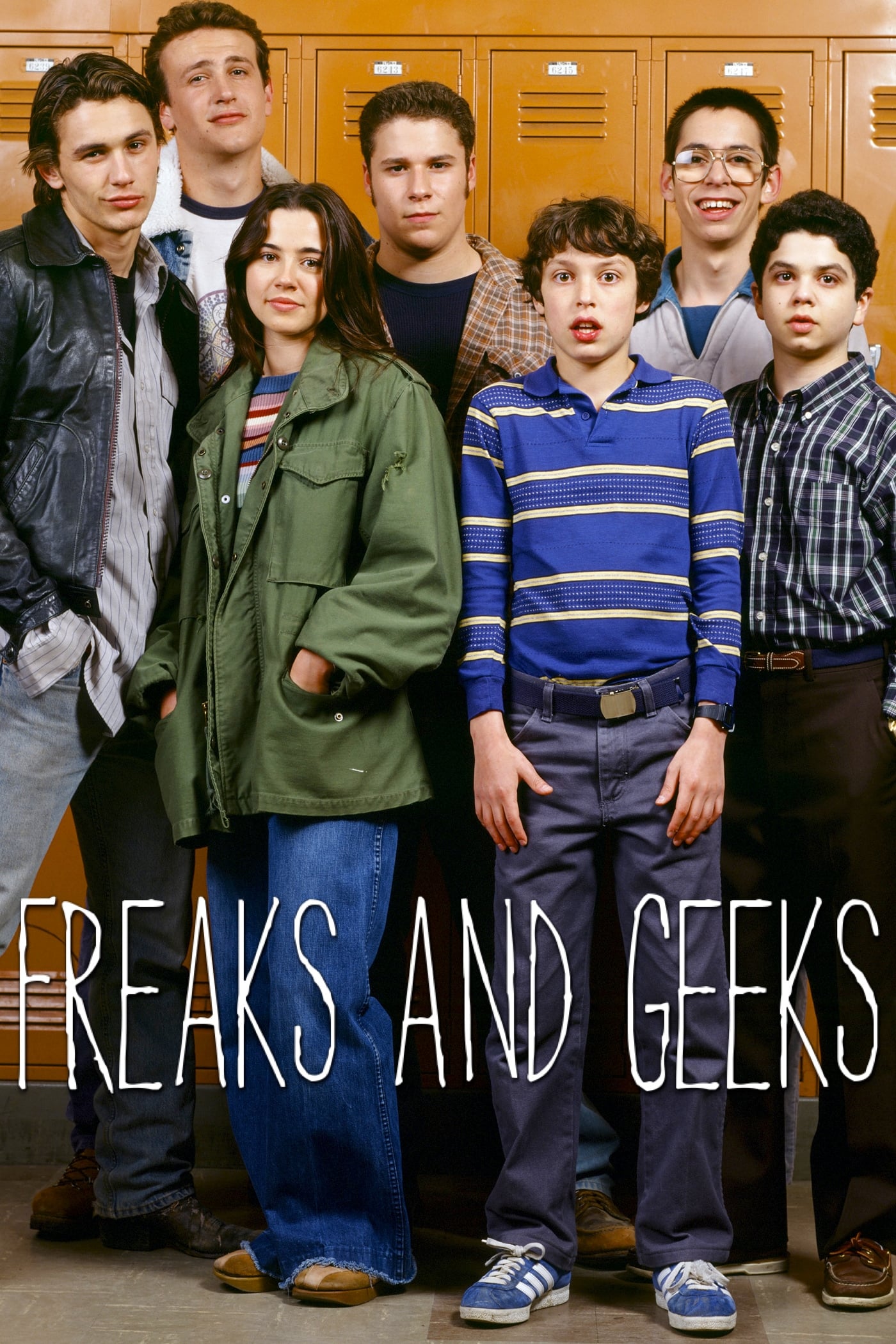
NBC ended the series after one season even though all eighteen episodes were completed; twelve aired on the network and the remaining six premiered later on cable. A frequently shifting schedule and preemptions hurt viewer consistency during the initial run.
The show’s soundtrack—packed with era-specific tracks—complicated early home-video plans, but clearances were eventually secured. Reruns on specialty channels and streaming helped the series build a much larger audience long after cancellation.
‘Deadwood’ (2004–2006)
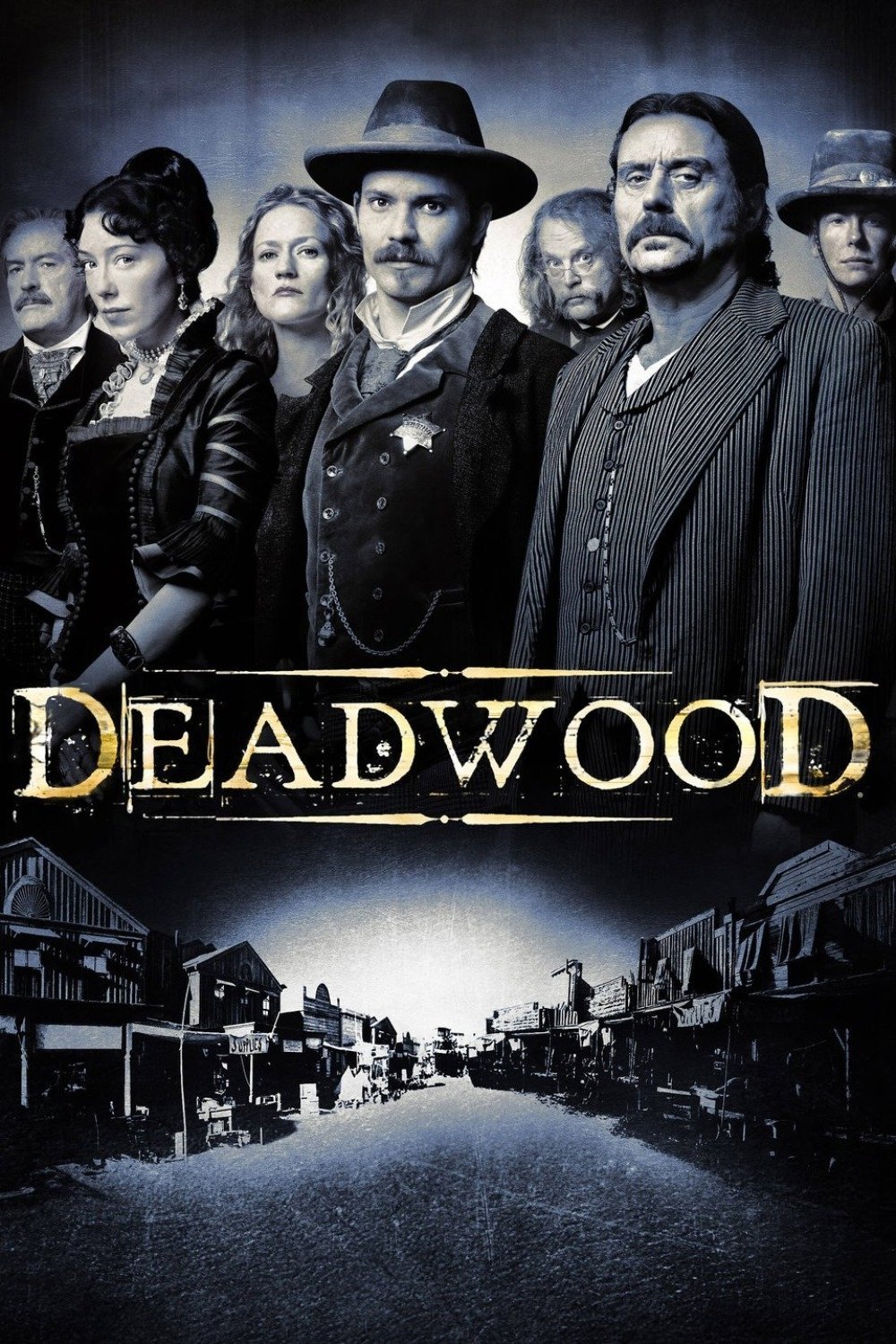
HBO halted the series after three seasons when proposed shortened renewals did not come together amid cost concerns for its large ensemble and elaborate sets. Thirty-six episodes were produced, and the original ending arrived without a full final-season arc.
The network later reunited the cast for the TV movie ‘Deadwood: The Movie’, which served as an epilogue. The series remained a fixture in academic and critical discussions for its historical layering and distinctive dialogue.
‘Sense8’ (2015–2018)
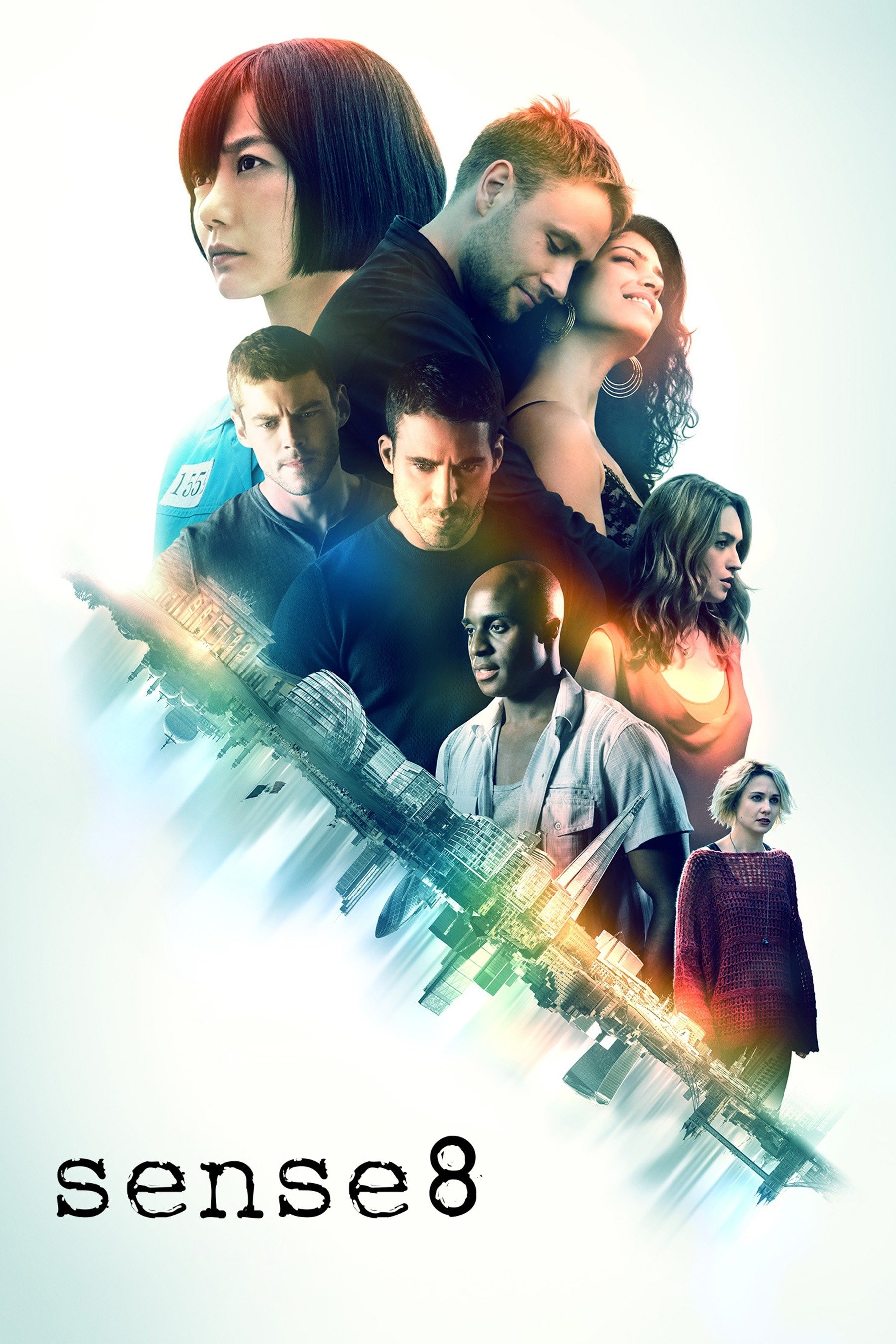
Netflix canceled the show after two seasons, citing scale and production logistics across multiple countries. The global shoot, large ensemble, and location-heavy design resulted in longer schedules and higher per-episode costs.
Following a widespread fan campaign, the service produced a feature-length finale that brought the ensemble back together. The wrap-up episode resolved major plot threads and revisited several international settings seen earlier in the series.
‘The OA’ (2016–2019)

Netflix ended the series after two seasons even though the creators had publicly outlined a multi-part narrative. The decision left a planned long-form arc unfinished and sparked a vocal, organized fan response.
Petitions, coordinated social posts, and in-person demonstrations attempted to secure a reversal. Interviews and public statements from the creative team described the intended future chapters and where the story was headed.
‘Hannibal’ (2013–2015)
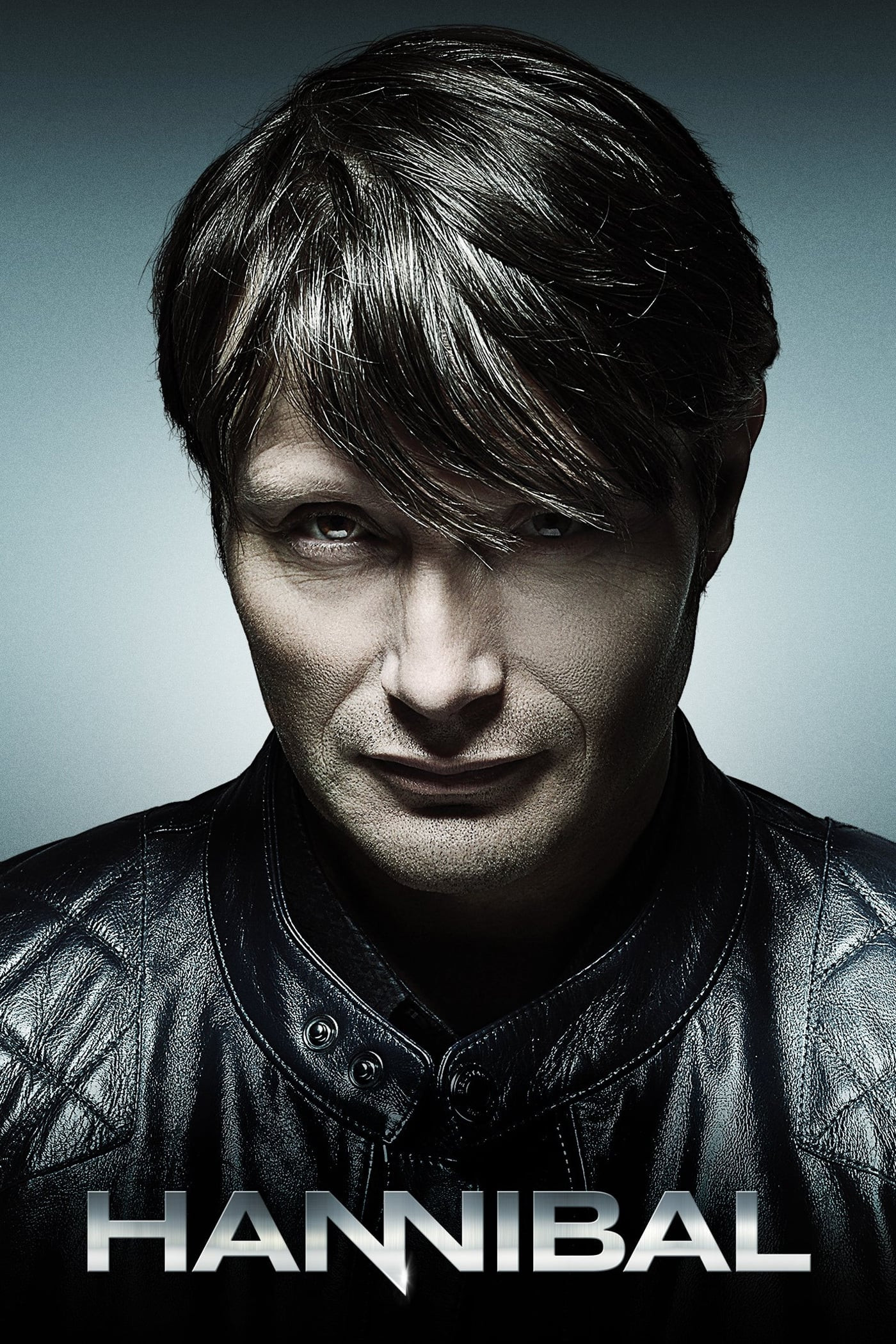
NBC canceled the series after three seasons due to low live ratings on broadcast, even as critical recognition and international deals kept it visible. Thirty-nine episodes aired, and the show’s stylized approach pushed the edges of network standards.
Streaming windows and overseas platforms extended its audience significantly after the network run. The creative team and cast repeatedly indicated interest in returning to the property if rights and schedules aligned.
‘Pushing Daisies’ (2007–2009)
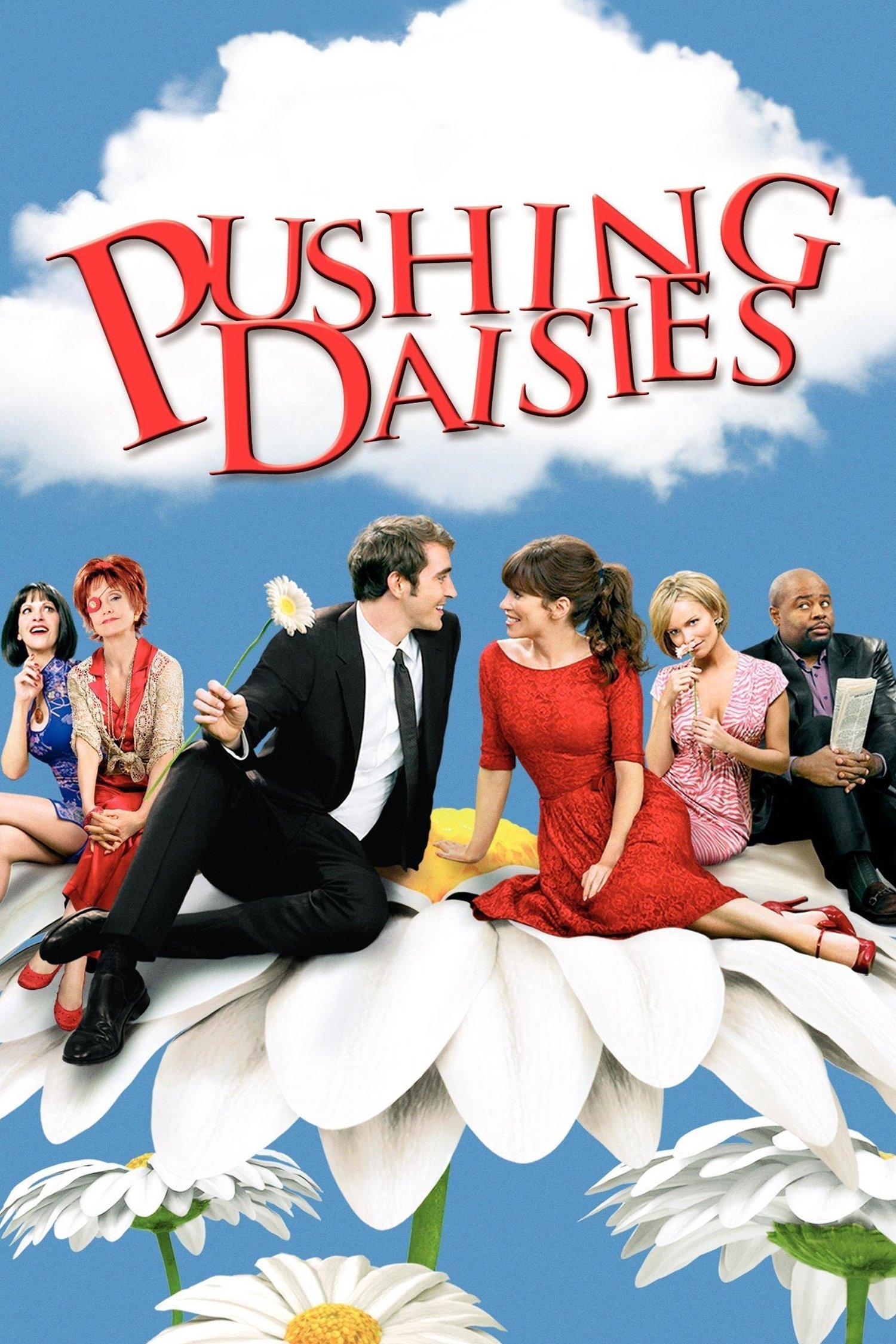
ABC ended the series during its second season after an industry work stoppage disrupted early momentum and shortened the debut season to nine episodes. Thirteen episodes were produced for the second season, with the final three airing later than planned.
Home-video and digital releases highlighted the show’s production design, original songs, and recurring musical numbers. The creators discussed comic-book continuations that would pick up threads left open by the early conclusion.
‘My So-Called Life’ (1994–1995)
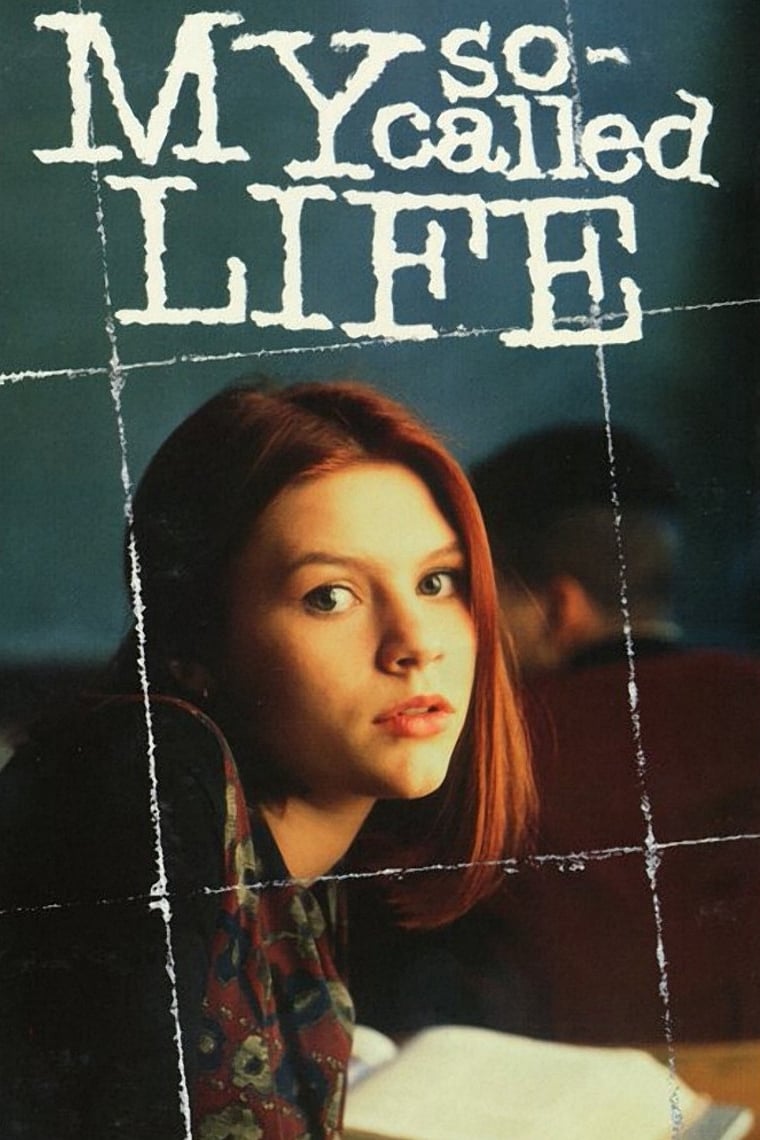
ABC canceled the teen drama after one season despite significant critical attention. Nineteen episodes were produced and aired, and subsequent cable reruns introduced the series to a broader audience.
Syndication and classroom use in media studies kept the episodes circulating. Cast members moved to prominent film and TV roles, helping the show remain part of conversations about youth storytelling on television.
‘Veronica Mars’ (2004–2019)
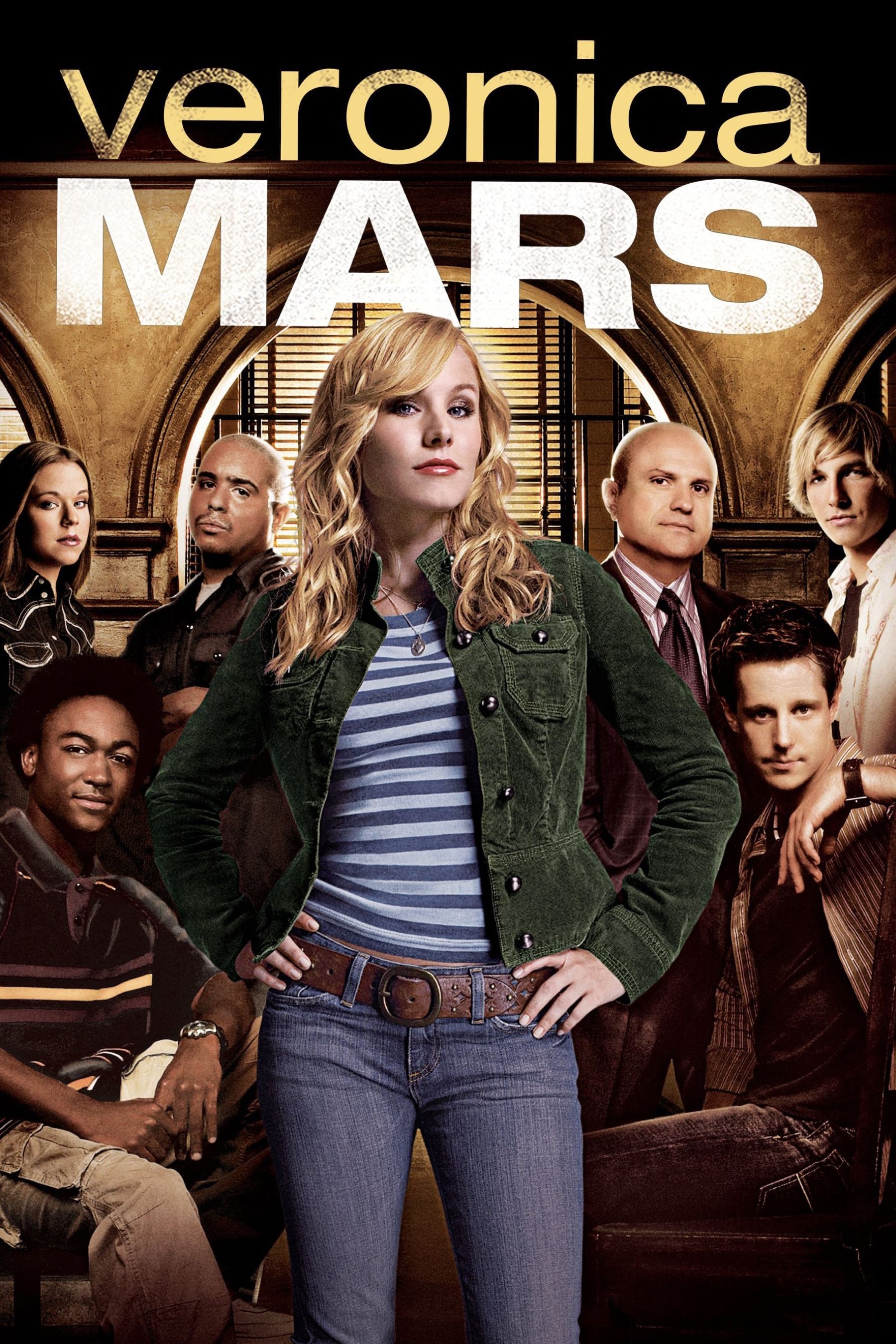
UPN/The CW ended the original run after three seasons, closing with a reworked stretch that tested a new narrative format. The show returned later with a fan-funded feature film that reunited the core creative team and cast.
Years after the film, a new season arrived on streaming with eight episodes and a time-jump in the story. The revival kept the detective framework intact and used the coastal setting again as a central character.
‘Jericho’ (2006–2008)
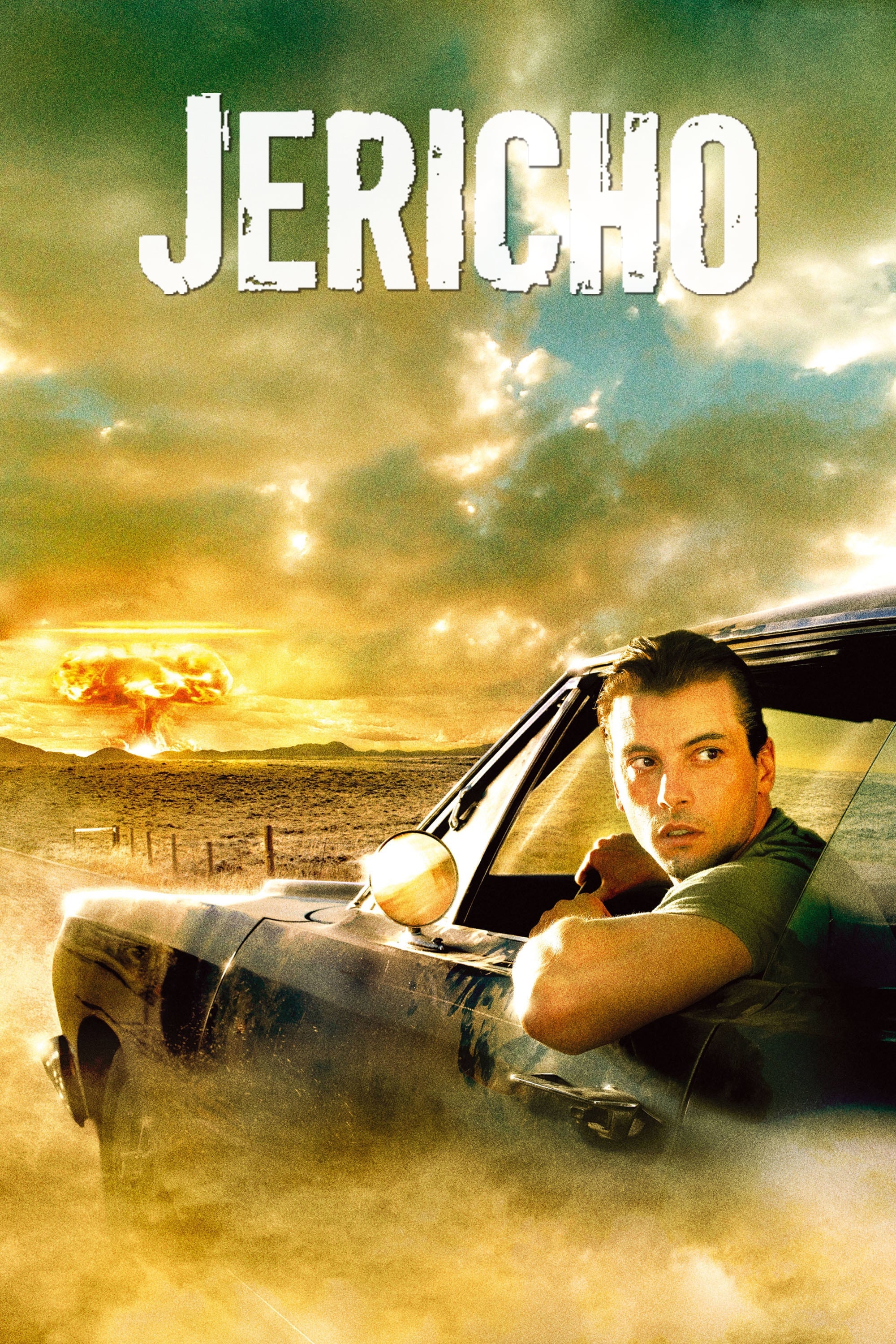
CBS canceled the series after its first season, prompting a fan campaign that shipped thousands of pounds of nuts to network offices. The campaign secured a shortened second-season order designed to provide additional closure.
After the second season ended, officially licensed comics continued the narrative under the guidance of the show’s creators. The print run covered plotlines that had been mapped out for unproduced seasons.
‘The Expanse’ (2015–2021)
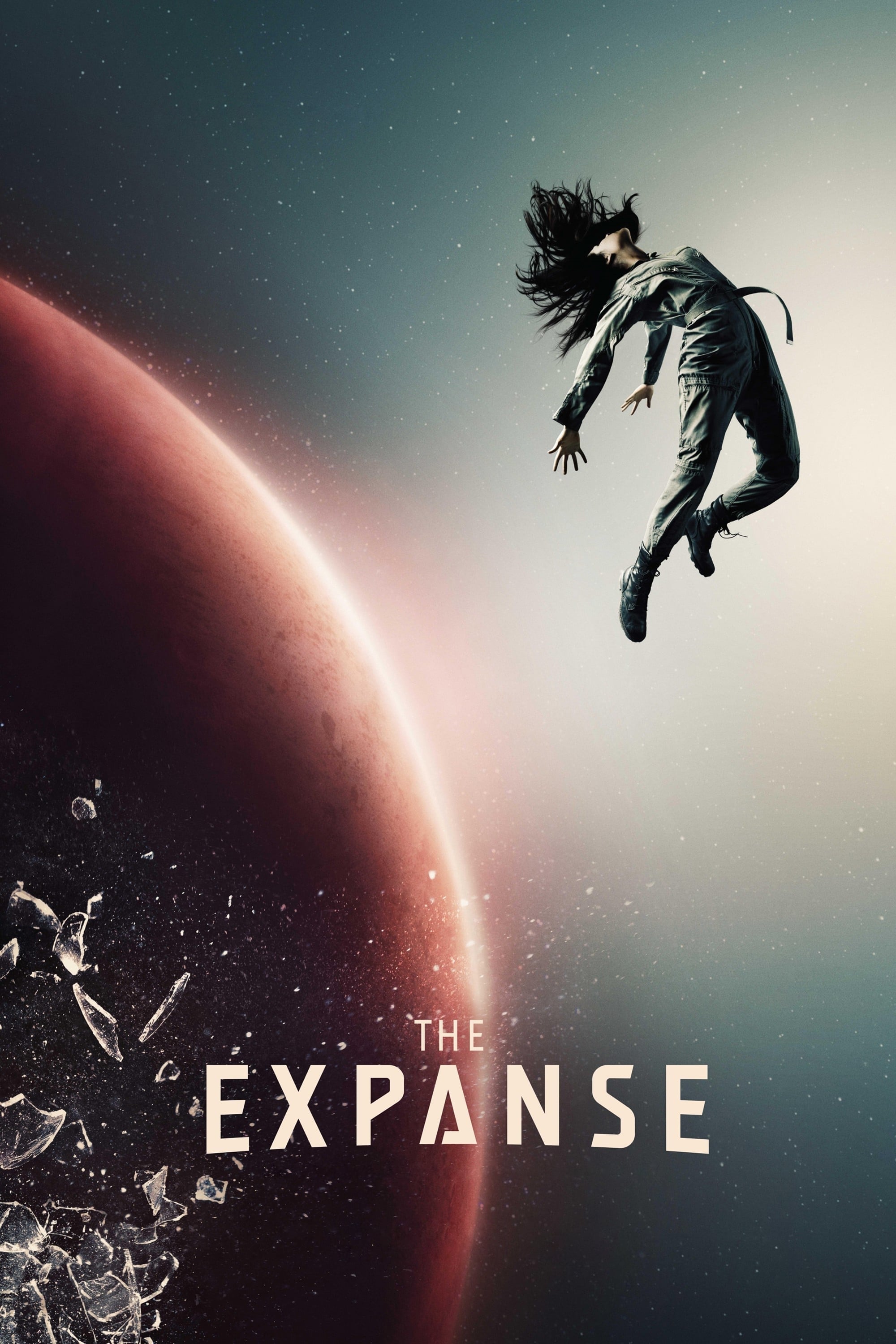
Syfy ended its run after three seasons because first-run rights and windowing limited the show’s value to the network despite strong digital engagement. The production’s spacefaring scale and effects-heavy sequences made it a standout in its genre.
Amazon Studios acquired the series and produced additional seasons through its conclusion. The move included a platform shift, expanded resources, and continued collaboration with the original writing team and authors of the source novels.
‘Brooklyn Nine-Nine’ (2013–2021)
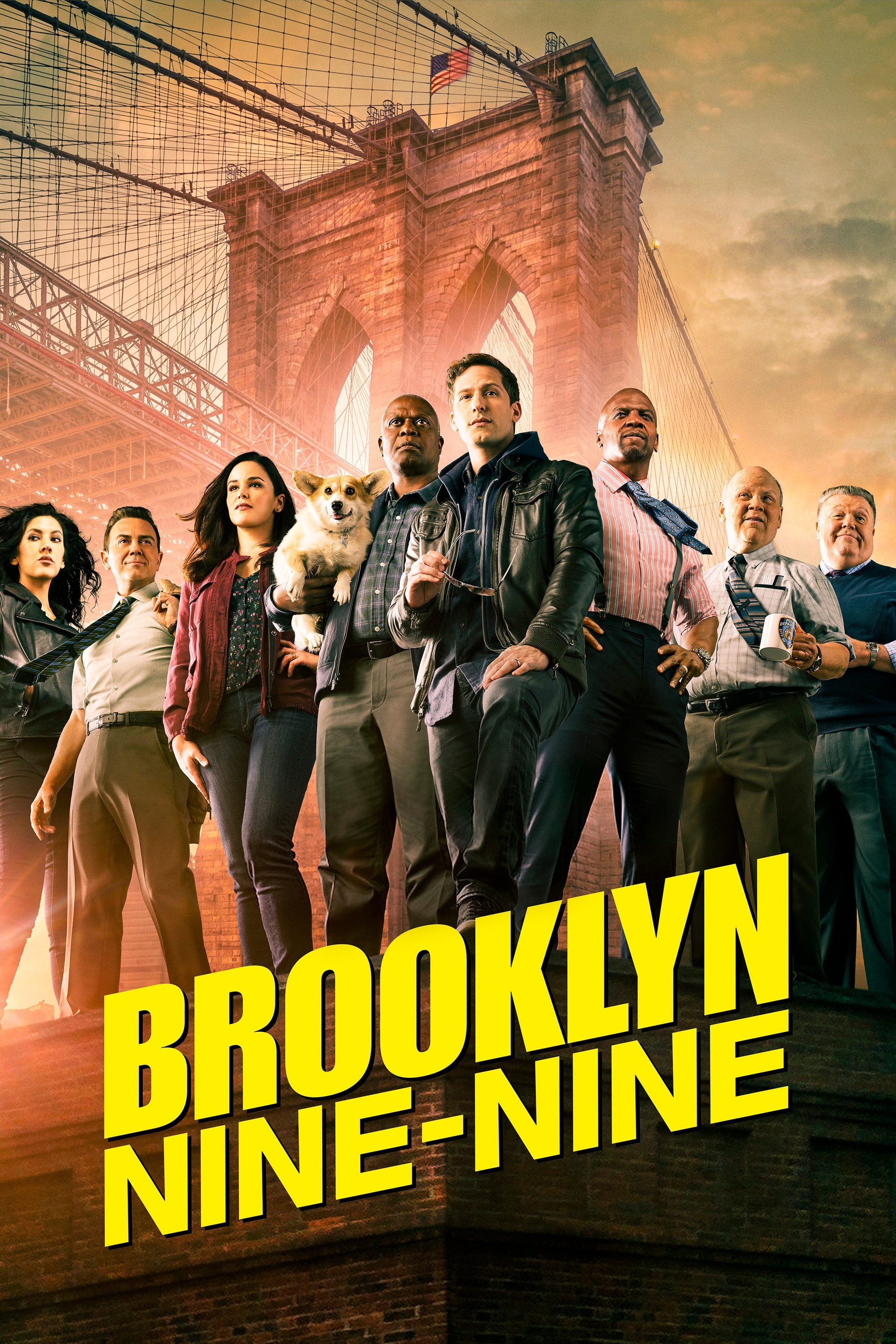
Fox canceled the comedy after five seasons as part of a broader slate reshuffle, even though time-shifted viewing and social engagement were strong. Within days, NBC picked up the show and carried it to an eight-season total.
The continuation returned the series to a network aligned with its production studio, smoothing the transition. Later seasons addressed evolving conversations around policing while keeping the workplace ensemble structure.
‘Arrested Development’ (2003–2019)
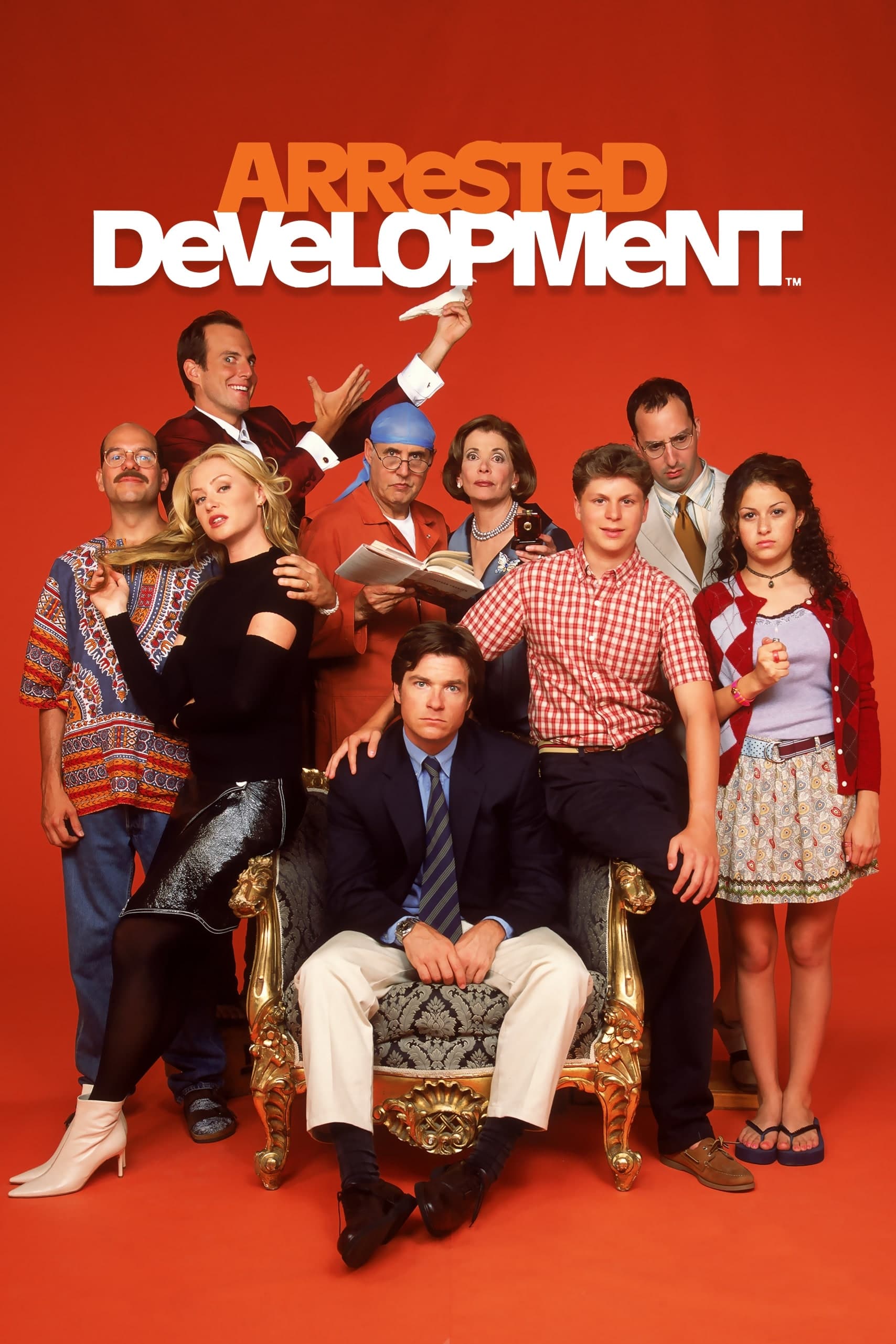
Fox concluded the original run after three seasons, with several scheduling moves and trimmed orders in its final stretch. Strong home-video sales and awards recognition kept the property in circulation.
Netflix revived the series with two additional seasons, experimenting with episode structure, character-centric cuts, and staggered releases. The revival brought back the original ensemble while adjusting production to accommodate busy schedules.
‘Community’ (2009–2015)
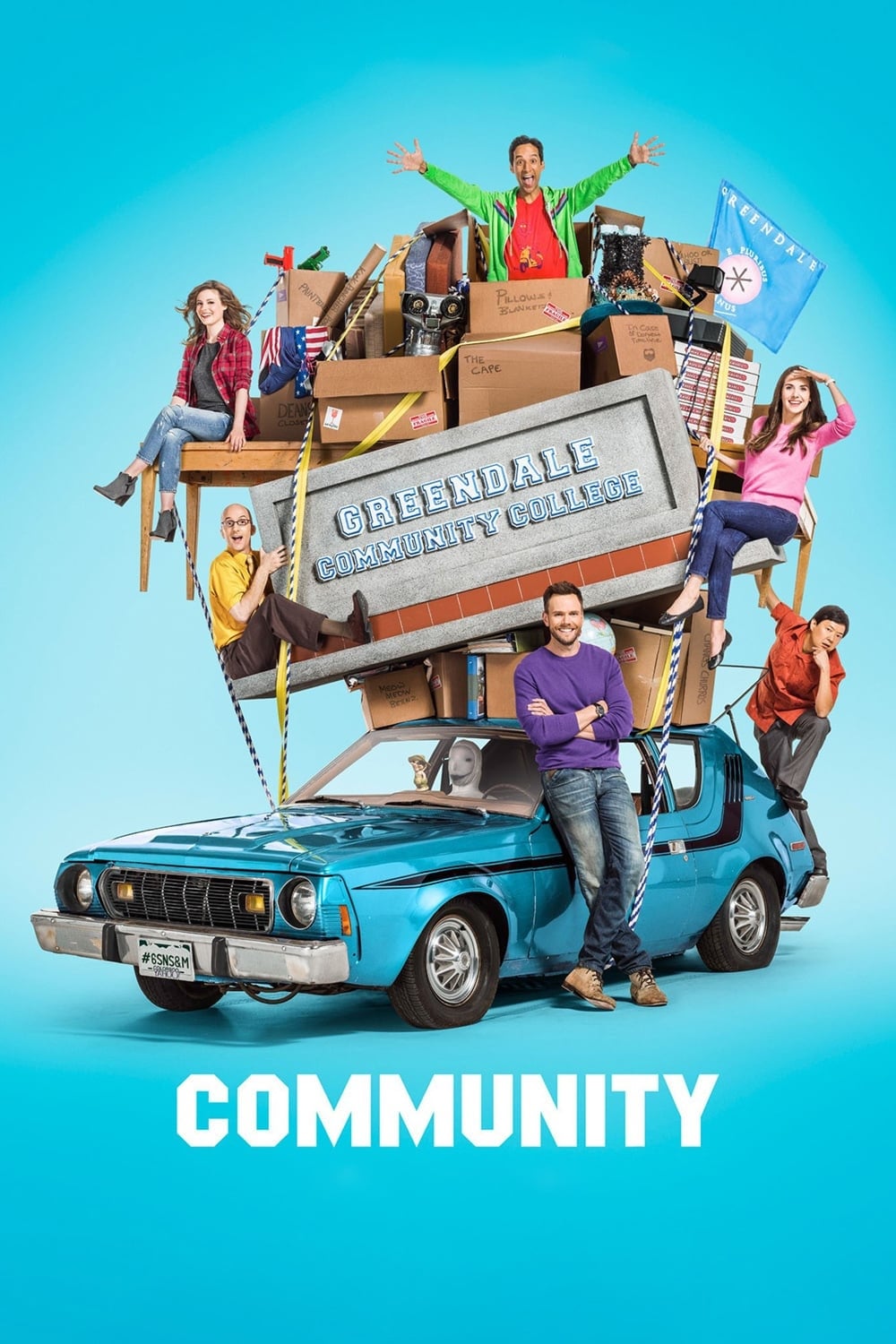
NBC canceled the series after five seasons following creative-team changes and fluctuating ratings. A sixth season arrived on a short-form streaming platform, maintaining the single-camera style and ensemble focus.
A follow-up film was announced later, with the original creator attached and core cast members slated to return. The show’s meta humor and recurring motifs sustained catalog viewing and syndication value.
‘Rome’ (2005–2007)
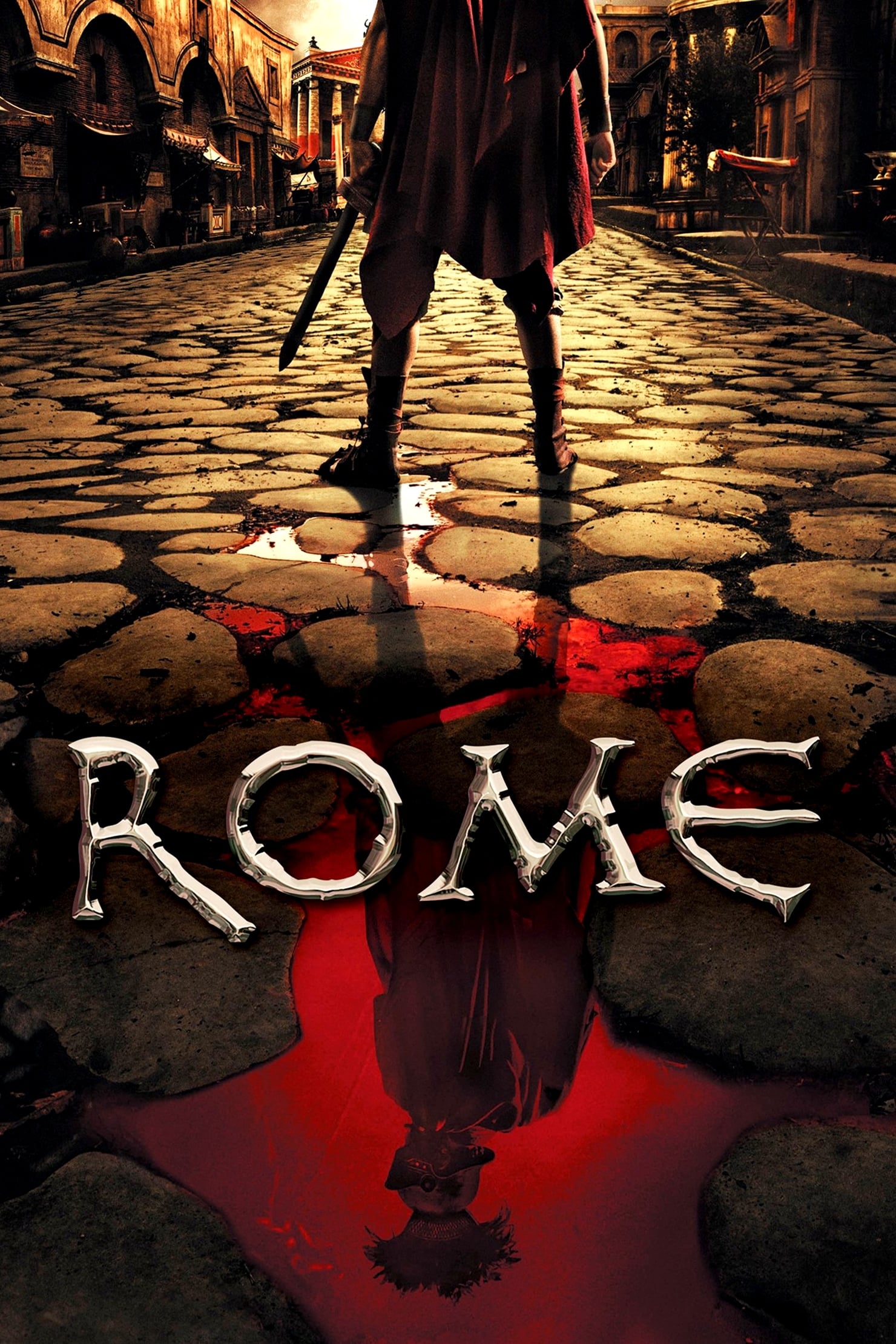
HBO concluded the series after two seasons due to high production costs tied to large sets, location work, and a sizable cast. Some planned arcs were compressed into later episodes to give the story a more complete endpoint.
Behind-the-scenes accounts from cast and crew have detailed how budget realities shaped final-season decisions. The series continued to be cited for its ambitious scale and historical dramatization.
‘Lovecraft Country’ (2020–2021)
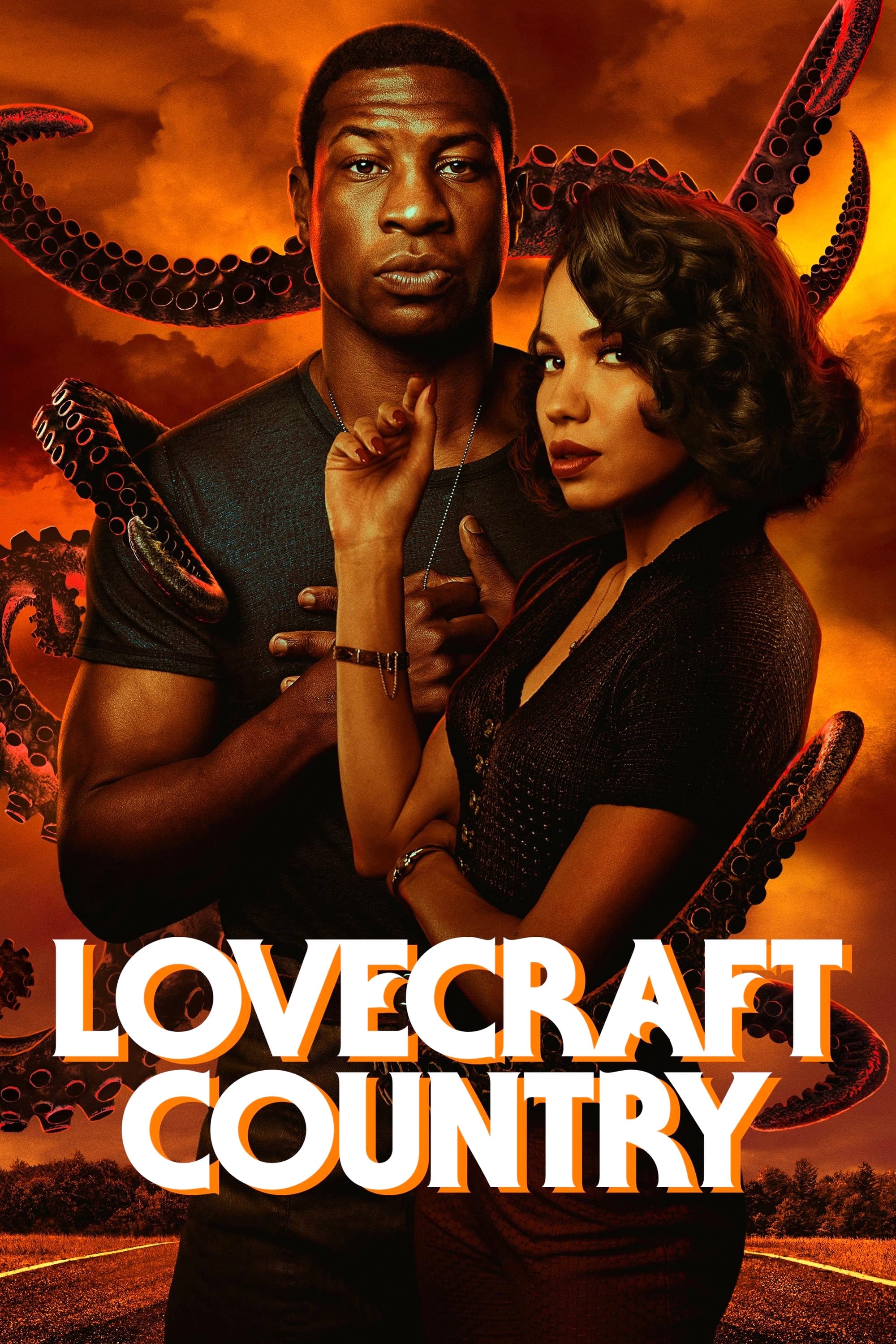
HBO canceled the series after one season even as it collected major awards attention. The original showrunner later shared materials outlining a second-season concept that would have reconfigured the setting and power dynamics.
Companion podcasts and essays helped frame the season’s blend of horror and historical themes. The single-season run remained on the platform’s catalog and in genre discussions long after the decision.
‘GLOW’ (2017–2019)
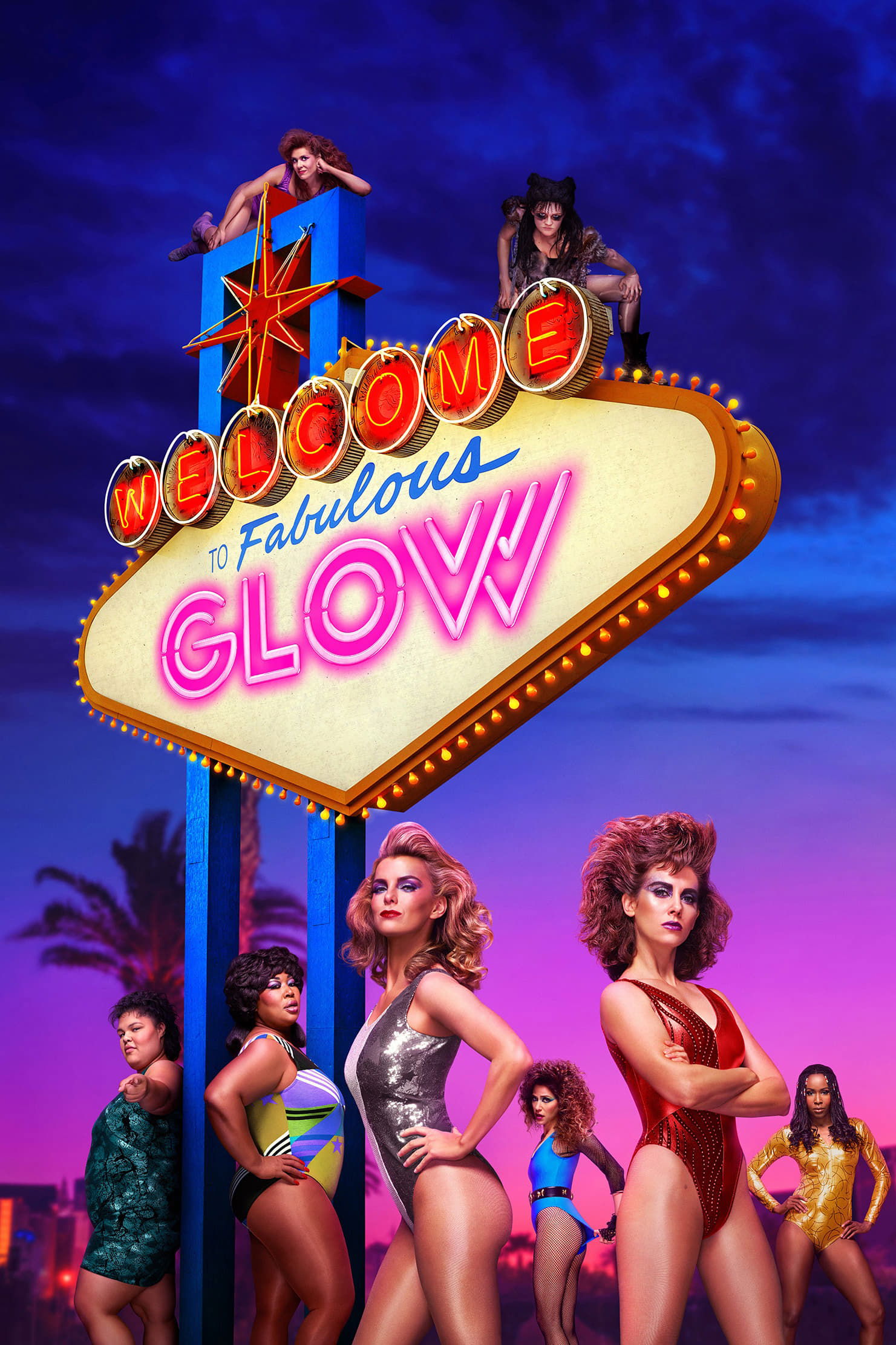
Netflix renewed the series for a fourth and final season and then reversed course due to pandemic-era production challenges. The cast had already returned to set and filmed material before shutdowns paused work.
With extended delays, contracts lapsed and schedules scattered, making a restart difficult. The creative team confirmed that scripts were written for the planned final season, including arcs designed to bring the ensemble to a close.
‘Santa Clarita Diet’ (2017–2019)
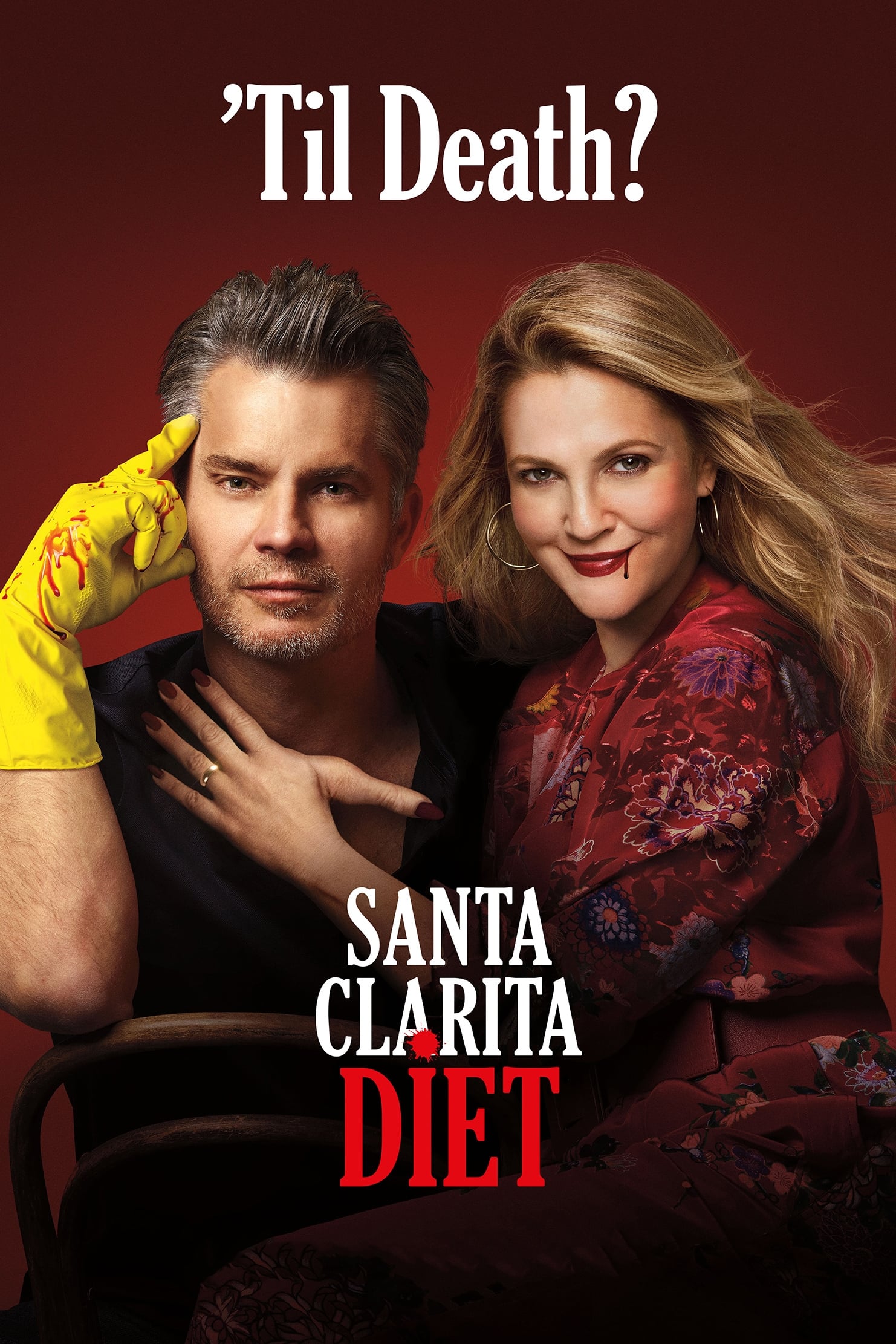
Netflix canceled the horror-comedy after three seasons amid slate adjustments. The show paired a high-profile lead duo with serialized mythology that expanded each season through practical effects and stunt work.
Production wrapped without a final-season pickup, leaving cliffhangers in place. Post-cancellation interviews from the creators described intended plot turns for the next chapter.
‘The Society’ (2019)
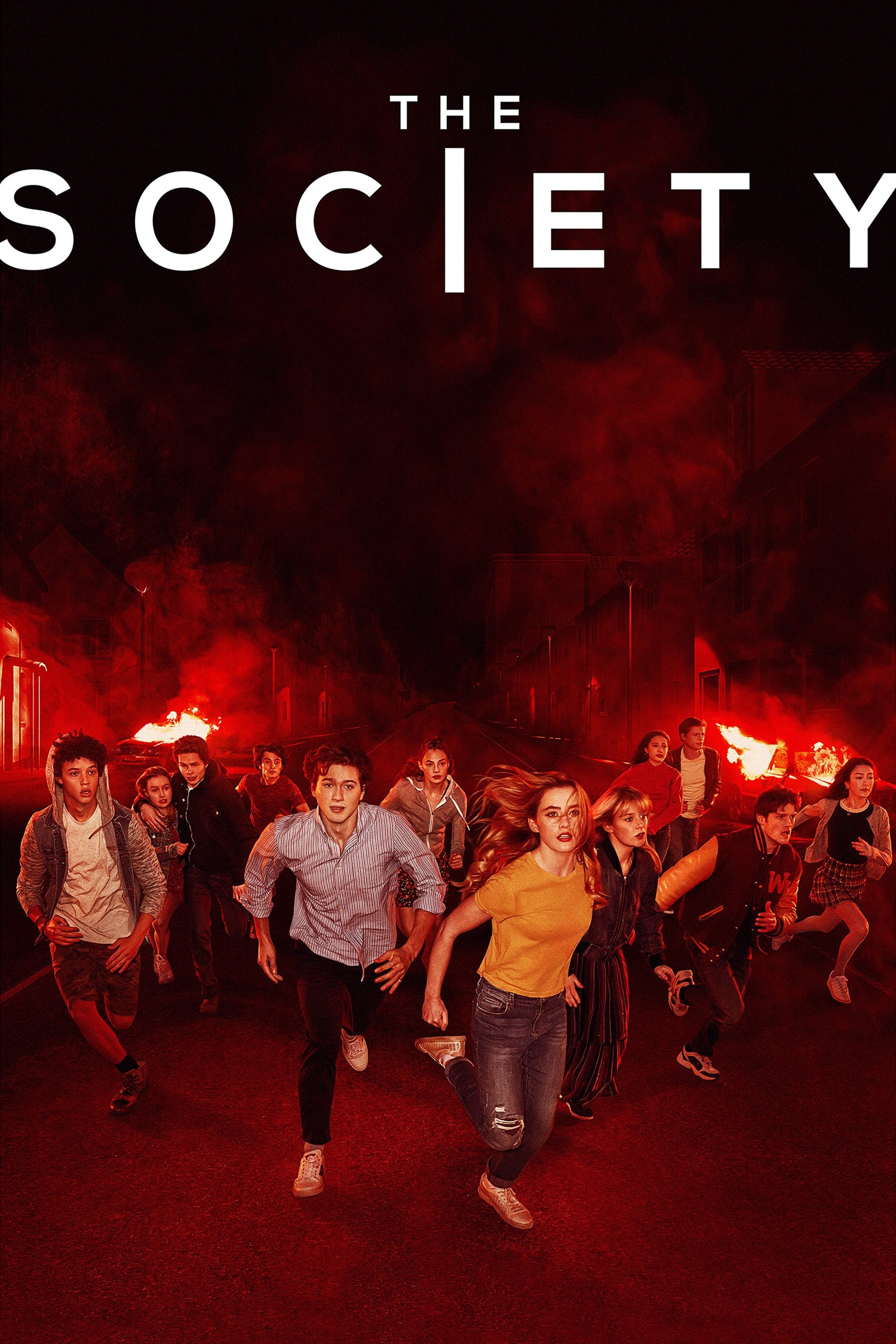
Netflix renewed the teen mystery for a second season and then canceled it due to pandemic-related scheduling and logistics. Large ensemble scenes and frequent location needs were central factors in the reversal.
As delays mounted, cast options expired, complicating a restart. The creator later outlined planned developments for the community’s governance and conflicts that would have driven the unmade season.
‘Marvel’s Agent Carter’ (2015–2016)
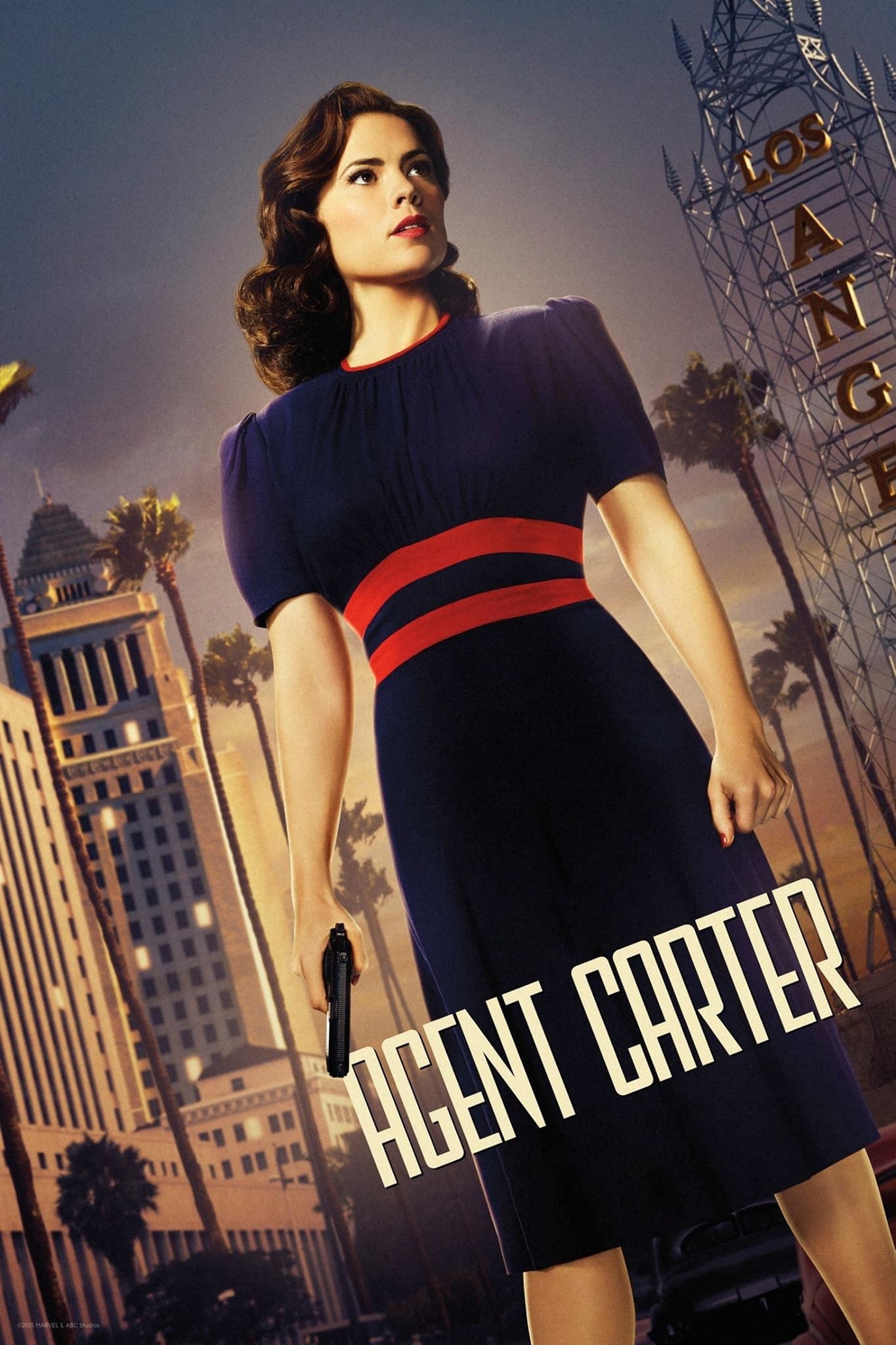
ABC ended the period adventure after two seasons while reshuffling its lineup. The series linked directly to a larger franchise via recurring characters, artifacts, and story threads.
Home-video and streaming kept the character active between blockbuster appearances. The lead later reprised the role in other franchise entries, reinforcing continuity built across the show’s two-season run.
Share the cancellations that stunned you most—and any we missed—in the comments!