TV Characters Who Never Showed Their Face on the Screen


Some television characters live entirely in the imagination and still shape the stories around them. Writers and directors use voices, silhouettes, and other clever tricks to make these figures feel present without ever putting a face on camera. Viewers get a full sense of who they are through dialogue, reactions from other characters, and running gags that become part of the show’s identity.
This list gathers characters who remained unseen from start to finish on their shows. You will find live action and animation here, along with quick context on how each production handled the character and where the show aired, since networks often set the tone for how these ideas were presented.
Maris Crane in ‘Frasier’
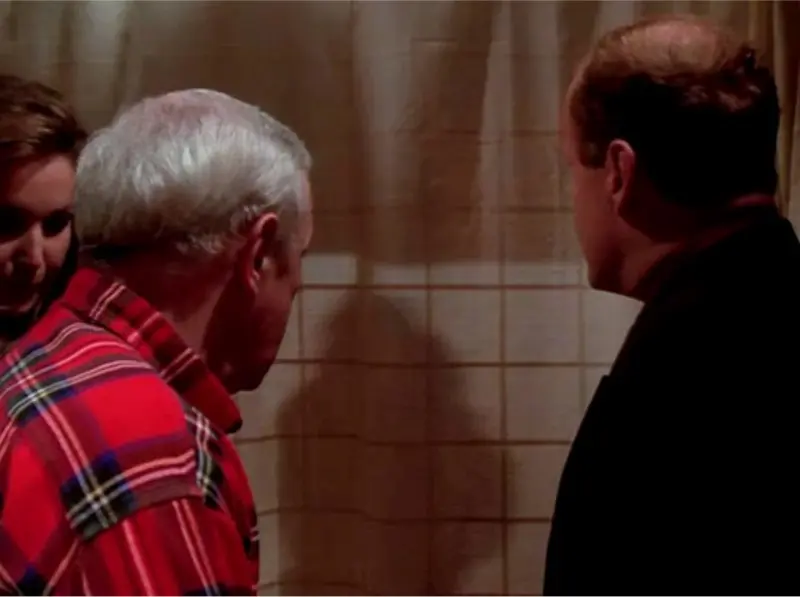
Niles’s elusive spouse is talked about constantly on the NBC sitcom ‘Frasier’. She never appears in person, and that absence lets the writers build elaborate jokes about her habits, family, and offstage escapades that drive plots across multiple seasons.
Maris is referenced in phone calls, letters, and courtroom scenes that avoid any direct glimpse. Storylines cover her separation and divorce from Niles, a dramatic legal case in which she is accused of a crime, and ongoing updates on her travels that keep the character active without visual confirmation.
Vera Peterson in ‘Cheers’
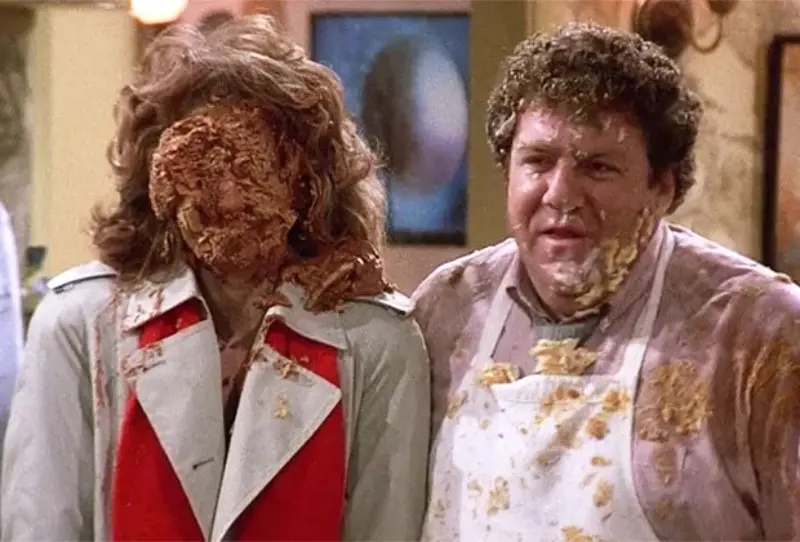
Norm’s wife is a running presence on the NBC series ‘Cheers’. She is heard and mentioned often, yet the show always keeps her out of frame during in bar and home settings to preserve the gag that viewers only know her through Norm and the gang.
The character is voiced in several episodes by Bernadette Birkett, and one holiday storyline stages a near reveal with a sight gag that completely covers her face. The series uses Vera to anchor Norm’s home life and to motivate plots about work, money, and friendship without changing the unseen premise.
Mrs. Wolowitz in ‘The Big Bang Theory’
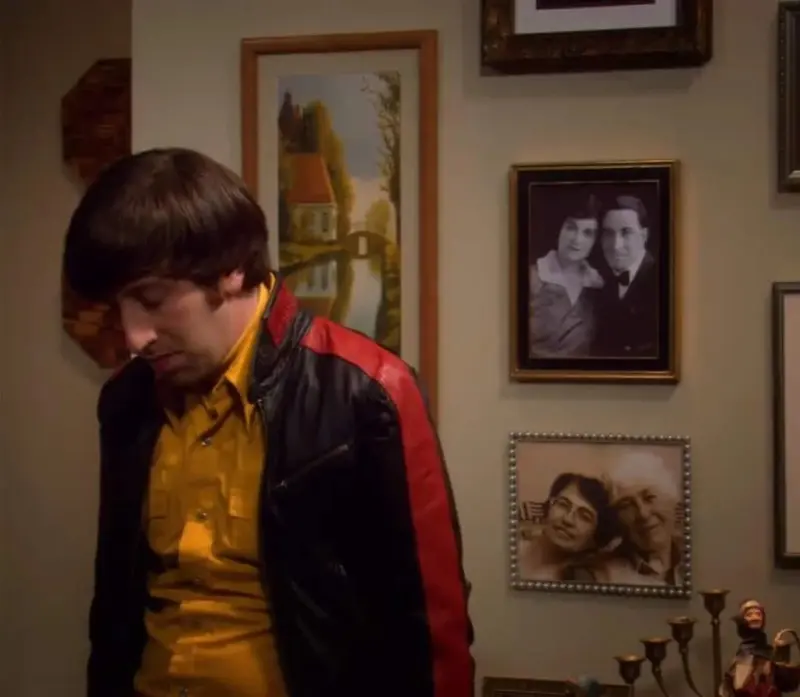
Howard’s mother shapes the CBS sitcom ‘The Big Bang Theory’ through her distinct voice and offscreen presence. Scenes at the Wolowitz house use camera placement and doorways to keep her physically hidden while still letting her interactions set up jokes and conflicts.
Carol Ann Susi provided the voice until her passing, after which the series addressed the character’s death and showed how that loss affected Howard. The approach keeps the unseen device intact while giving the character a full arc that influences later episodes and relationships.
Carlton the Doorman in ‘Rhoda’
The doorman at Rhoda’s building is never seen on the CBS comedy ‘Rhoda’. His personality comes entirely through the intercom as he trades lines with tenants, becomes part of misunderstandings, and pushes plots forward from the hallway.
Lorenzo Music voiced the role, and the writers built episodes around missed deliveries, building policies, and neighbor issues that all rely on Carlton’s offscreen involvement. The running bit gave the show a signature sound cue and a dependable story tool without ever needing a physical reveal.
Charlie Townsend in ‘Charlie’s Angels’
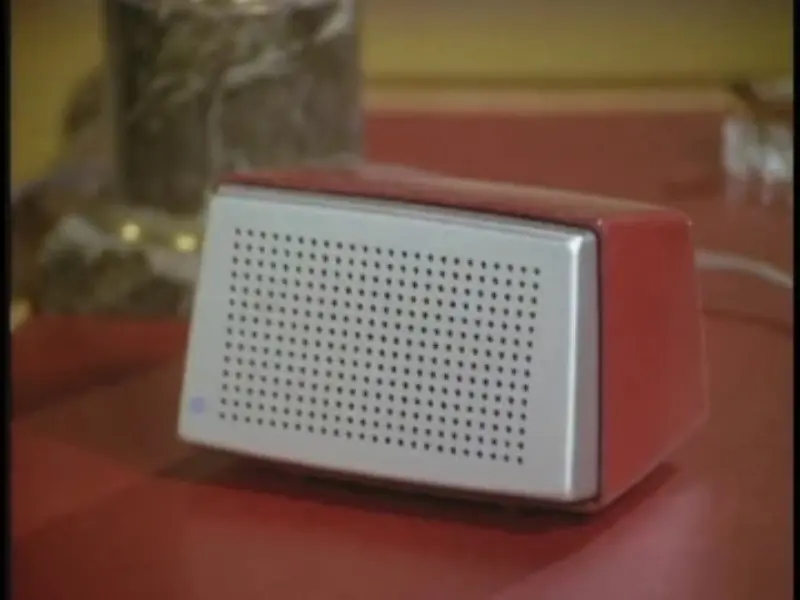
The boss of the detectives stays out of sight on the ABC series ‘Charlie’s Angels’. Assignments arrive through a speakerphone, and the team reacts to guidance and praise that come from a voice in the office rather than a face-to-face meeting.
John Forsythe provided the voice, and the show uses that setup to keep focus on the Angels in the field while maintaining a mysterious employer. The recurring briefing format frames cases, sets stakes, and gives the episodes structure without breaking the unseen concept.
Nanny in ‘Muppet Babies’
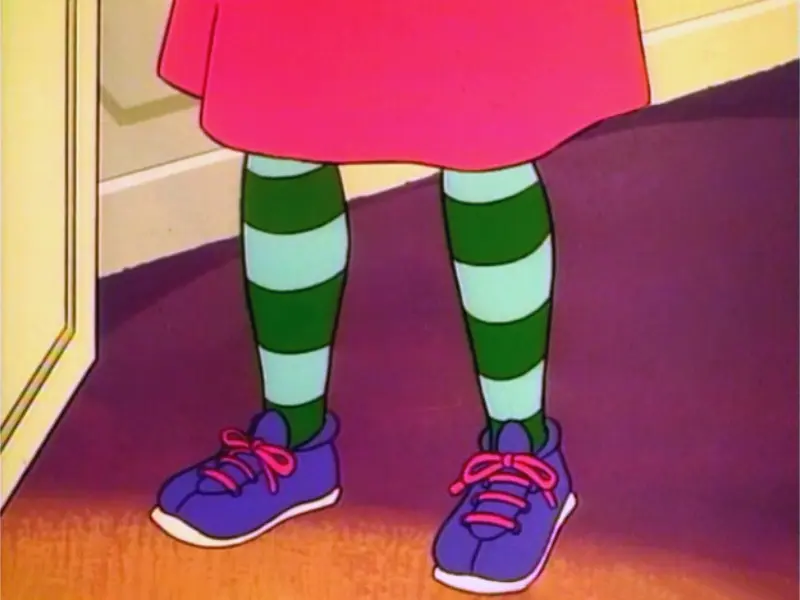
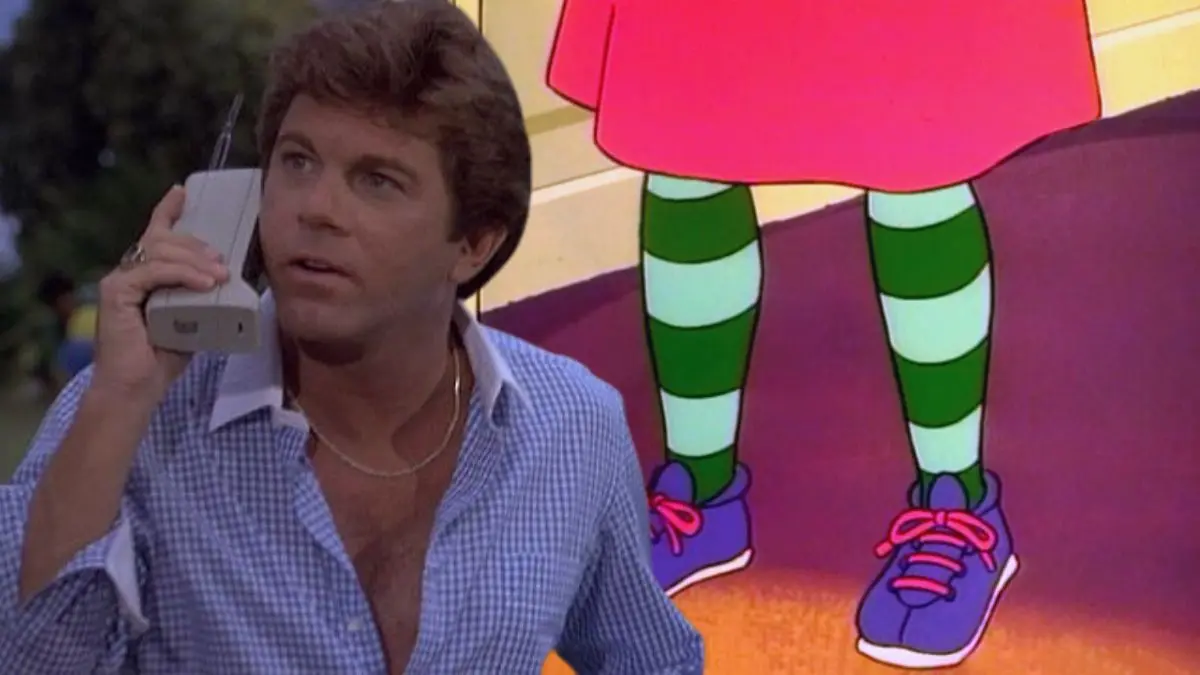
The caregiver for the nursery is shown only from the shoulders down on the CBS cartoon ‘Muppet Babies’. Her striped stockings and green skirt serve as visual shorthand, while camera angles stay low to match the point of view of the young characters.
Barbara Billingsley voiced Nanny, and episodes use her to introduce rules, prompt imagination games, and close out adventures. The staging choice supports the theme of seeing the world as the Muppets do, which keeps her face offscreen and the focus on their make believe.
Ms. Sara Bellum in ‘The Powerpuff Girls’
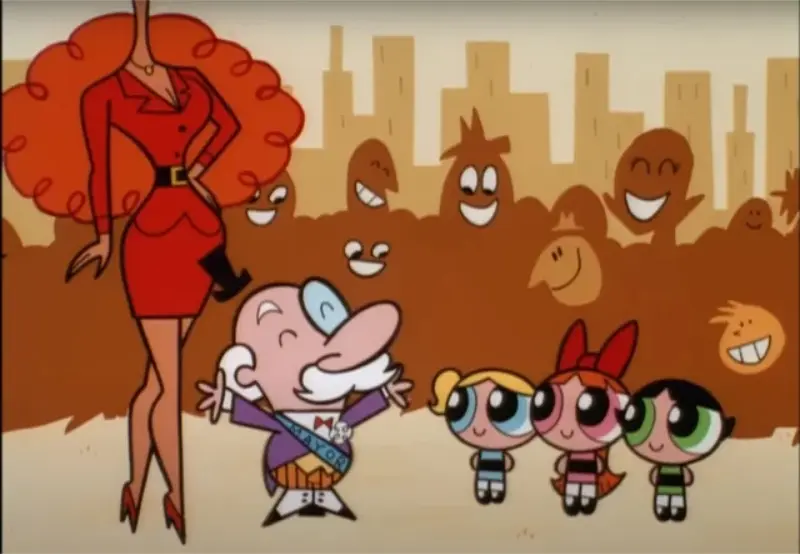
The mayor’s chief of staff remains faceless in the original ‘The Powerpuff Girls’ on Cartoon Network. Shots either crop above her mouth or use hair and props to block her features while still showing her signature red hair and business attire.
Jennifer Martin voiced the character, and the series uses her competence to solve problems that the mayor cannot handle. Plots often rely on her briefings, quick thinking, and occasional rescues, all presented with careful framing that preserves the unseen motif.
George Steinbrenner in ‘Seinfeld’
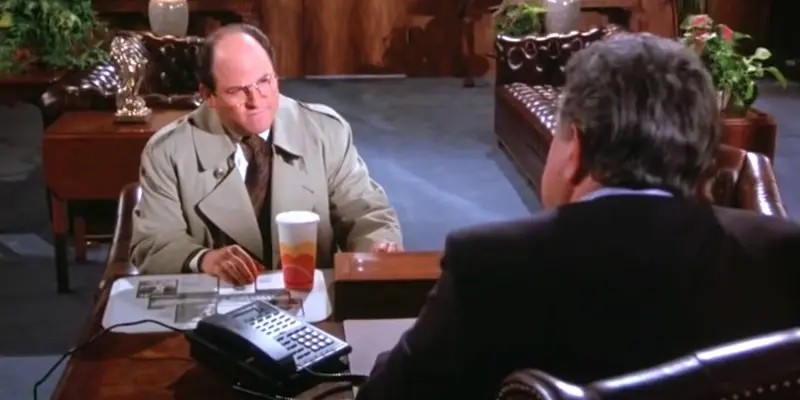
The Yankees owner appears only from behind or in obstructed views on the NBC sitcom ‘Seinfeld’. The character interacts with George Costanza in office scenes where the camera never shows a full face.
Larry David provided the voice while actor Lee Bear portrayed the body on set, creating a distinctive mix of physical mannerisms and vocal delivery. The approach lets the show satirize workplace dynamics and baseball bureaucracy without changing the unseen presentation.
Robin Masters in ‘Magnum, P.I.’
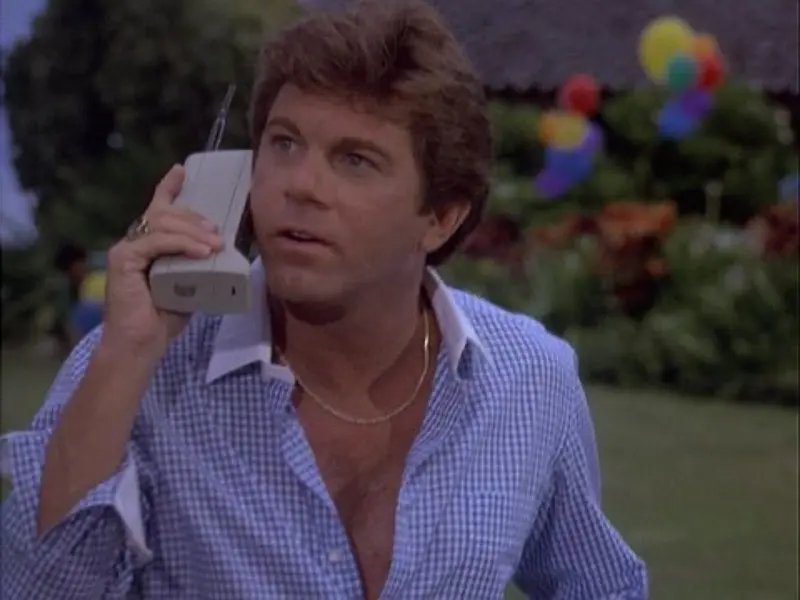
The wealthy novelist who owns the estate where Magnum lives never appears on camera in ‘Magnum, P.I.’ on CBS. The character is heard in phone calls and referenced in storylines about security, guests, and property rules.
Early episodes use an uncredited voice by Orson Welles for messages, and later episodes continue the offscreen device while hinting at competing theories about the character’s true identity. The show keeps all visual reveals out of frame, which sustains the mystery through the series.
Mrs. Mainwaring in ‘Dad’s Army’
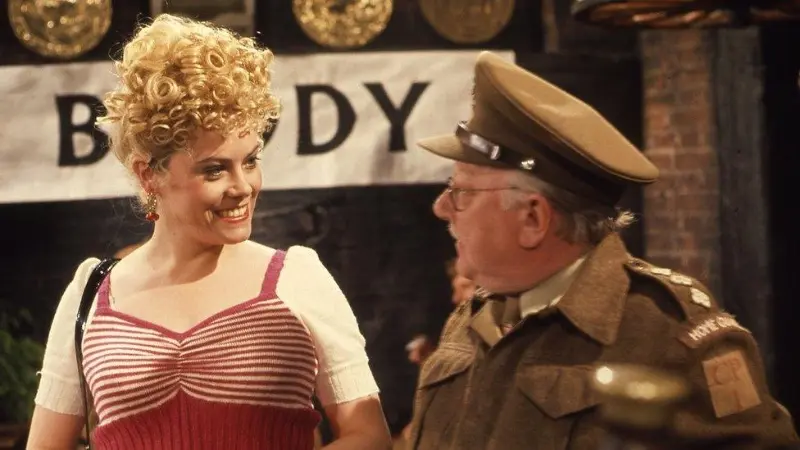
Captain Mainwaring’s wife remains unseen throughout the BBC One sitcom ‘Dad’s Army’. Scenes describe her with specific habits and expectations that influence the captain’s choices, yet she is always offscreen at home or just out of shot at events.
Writers use Mrs. Mainwaring to explain social obligations, household limits, and village gossip during wartime. The character shapes plots about uniforms, committees, and rivalries, and the series never breaks the offscreen rule in any episode.
Wilson in ‘Home Improvement’
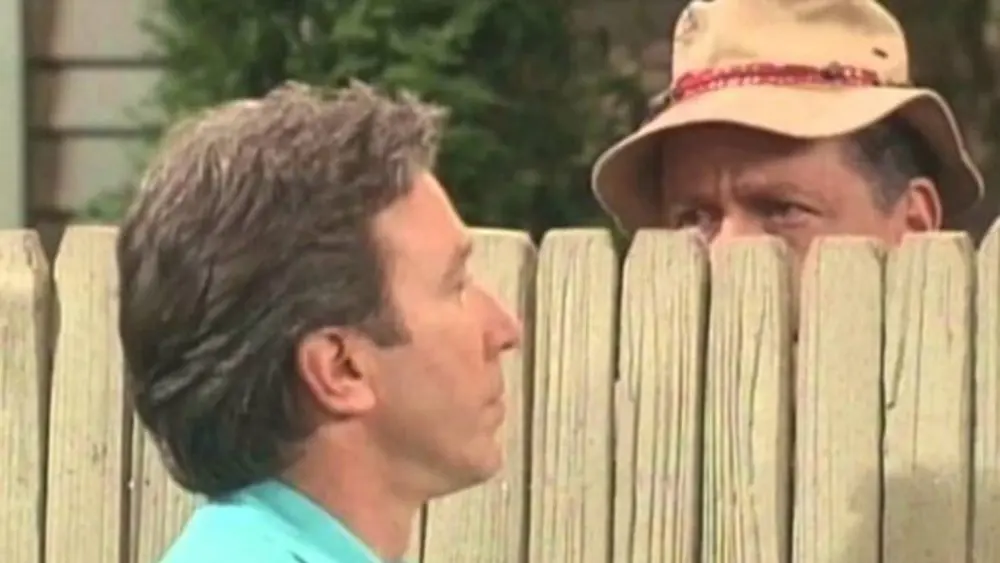
The Taylor family’s neighbor, Wilson W. Wilson Jr., is deliberately filmed with his lower face obscured—most often by the backyard fence—throughout the show’s eight-season run on ABC (1991–1999). The device turns Wilson into a running visual gag while letting him serve as Tim’s resident sage, dispensing advice over the fence without ever breaking the concealment in-episode.
Portrayed by Earl Hindman, Wilson’s full face is never shown during actual episodes; the production even extended the bit to bows and public appearances with playful fence props. The character remains one of the clearest examples of a “never fully seen” sitcom presence whose identity is defined by staging and voice rather than a frontal reveal.
Stanley Walker in ‘Will & Grace’
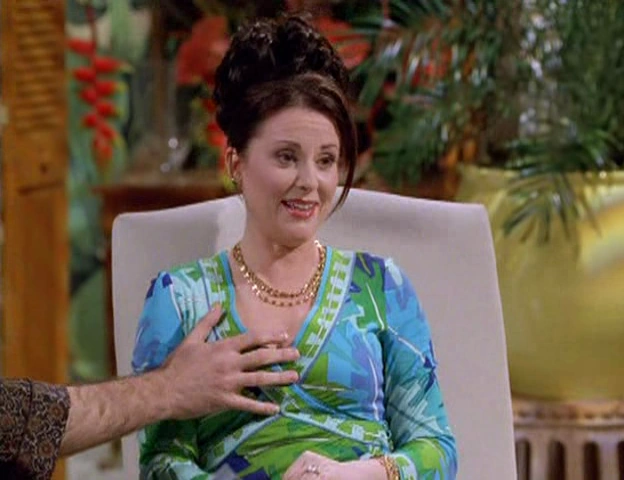
Karen Walker’s wealthy husband, Stanley “Stan” Walker, is a long-running unseen character. The series references him constantly—by phone calls, offscreen actions, and other characters’ reactions—while keeping his face off camera for the entirety of the original run and revival.
Across major storylines (including imprisonment for tax evasion, a reported death later revealed as faked, and reconciliation arcs), the show preserves the unseen premise. Rare sight gags show body parts (hands/legs) or silhouettes, notably in the season 3 premiere “New Will City,” but his face is never revealed on screen.
Dr. Claw (Inspector Gadget)
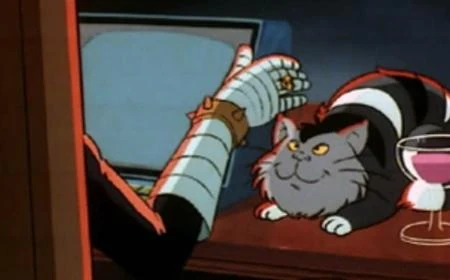
The main antagonist of the original Inspector Gadget (1983–1986) never shows his face on-screen; viewers only see his metal gauntlet, armchair, and M.A.D. Cat, with occasional body silhouettes. The “face reveal” associated with the character came later via merchandise and spin-offs, not the original cartoon.
Fans first saw a depiction of Dr. Claw’s face in 1992, when Tiger Toys released an action figure whose packaging concealed a head sculpt behind a peel-off sticker. Later media (e.g., the 1999 live-action film and a 1993 SNES game) depicted him, but these were outside the original series’ framing device of keeping his face hidden.
Urkel’s Parents (Family Matters)

Across all nine seasons of Family Matters (1989–1998), Steve Urkel’s parents—Dr. Herb Urkel and Diane (Roberta) Urkel—are mentioned frequently but never appear on-screen. Their off-screen status becomes a recurring device explaining Steve’s constant presence at the Winslows’ home.
The series references their careers and absence but keeps them unseen; later coverage and episode guides consistently note that the parents are never shown, preserving them as classic “unseen characters” in sitcom lore.
Share your favorite never seen TV characters in the comments and tell us which shows handled the mystery best.