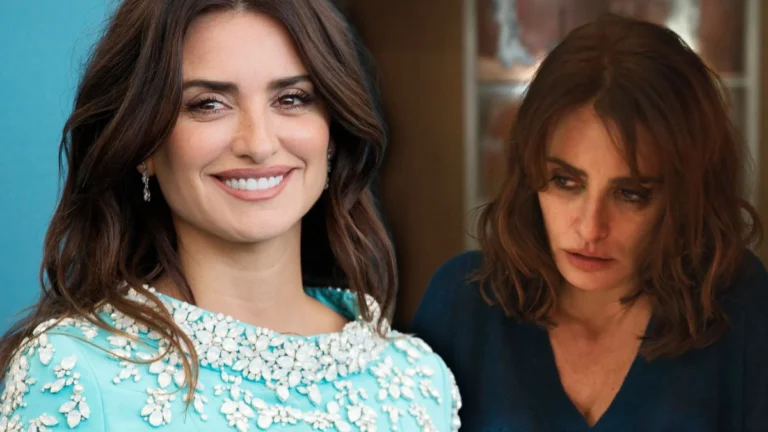
Directors And Actors Who Refuse To Work Together Again


Some working relationships end with a handshake and a promise to collaborate again. Others burn out so completely that both sides make it clear there will be no next time. Film history is full of partnerships that started with excitement and ended with walkouts, public statements, and projects finished under a cloud.
This list looks at directors and actors who drew a hard line after one production and chose not to reunite. Each entry lays out what happened on set, how the conflict became public, and what both careers looked like afterward. You will also see the specific projects that set these breakups in motion.
Alfred Hitchcock & Tippi Hedren
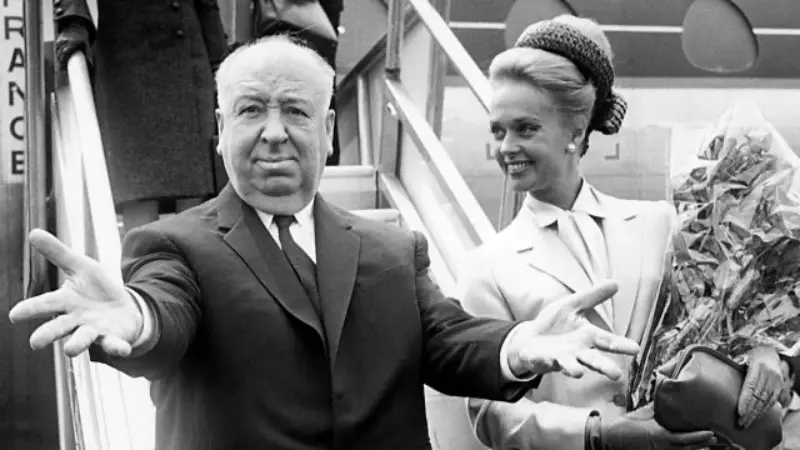
Hitchcock cast Hedren in ‘The Birds’ and then in ‘Marnie’, placing her at the center of two major studio releases. During and after those productions, Hedren described controlling behavior and harassment from the director, recounting how a multi-year contract limited her ability to take other roles while the working relationship deteriorated. The fallout ended any plans for a third collaboration.
Hedren said she rejected further projects with Hitchcock after completing her contractual obligations. She resumed her career with other filmmakers while Hitchcock moved on to new leading ladies. Their split remained part of public conversations about both artists and changed how studios discussed power on sets.
Lars von Trier & Björk
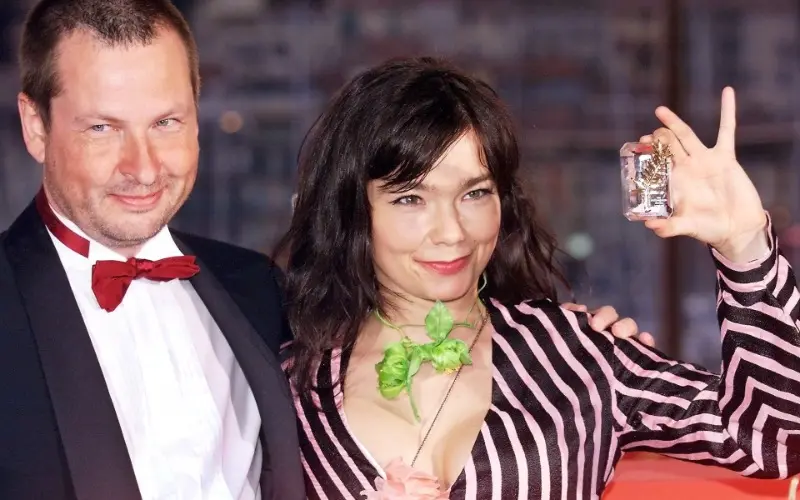
Von Trier directed Björk in ‘Dancer in the Dark’, a film that earned major festival attention along with widespread coverage of turmoil during the shoot. Björk later described mistreatment on set and stated she would not act again, making it clear she did not intend to work with the director in the future. The production became a reference point in discussions about on-set conduct.
Björk returned to music and live performance instead of pursuing further screen roles. Von Trier continued making films with other actors while the dispute remained in interviews and retrospectives about the movie’s legacy. The two did not reunite on any later project.
Kevin Smith & Bruce Willis
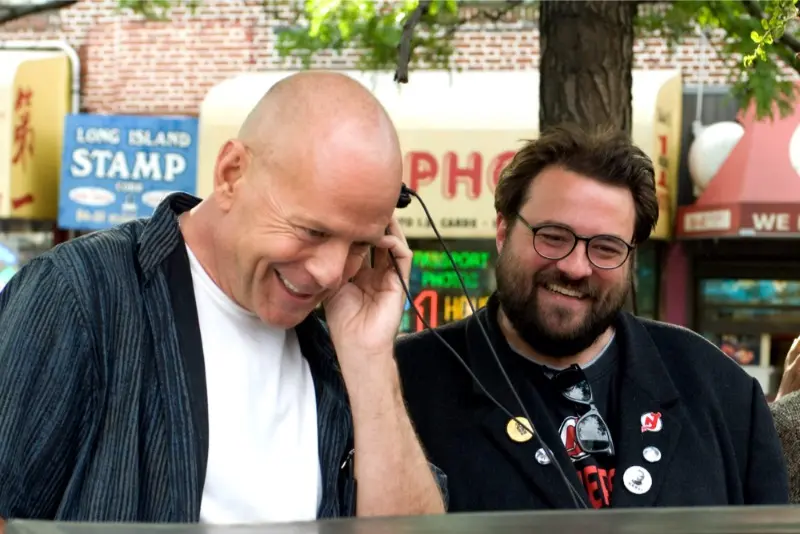
Smith directed Willis in the buddy-cop comedy ‘Cop Out’. After release, Smith spoke openly about a difficult shoot and said he would not sign on for another film with the star. The remarks came in podcasts and appearances where he contrasted the experience with other collaborations from the same period.
Willis continued leading studio action titles while Smith shifted to projects built around his own characters and independent financing. The two never announced another feature together and industry coverage of the film consistently cited their clash when recounting the production.
David O. Russell & George Clooney
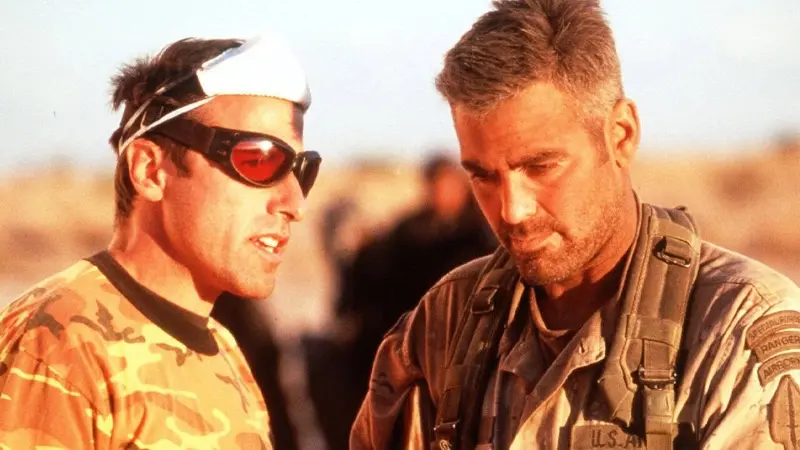
Clooney starred in Russell’s war drama ‘Three Kings’, a project praised for its ambition but also remembered for a serious on-set altercation between the director and actor. Clooney later stated that he would not work with Russell again, a position he maintained while discussing the incident in interviews about the film.
Russell returned to the awards conversation with other ensembles and frequent collaborators, while Clooney moved forward with acting and directing on his own slate. Their paths crossed at industry events, but neither announced plans to share a set again.
John Frankenheimer & Val Kilmer
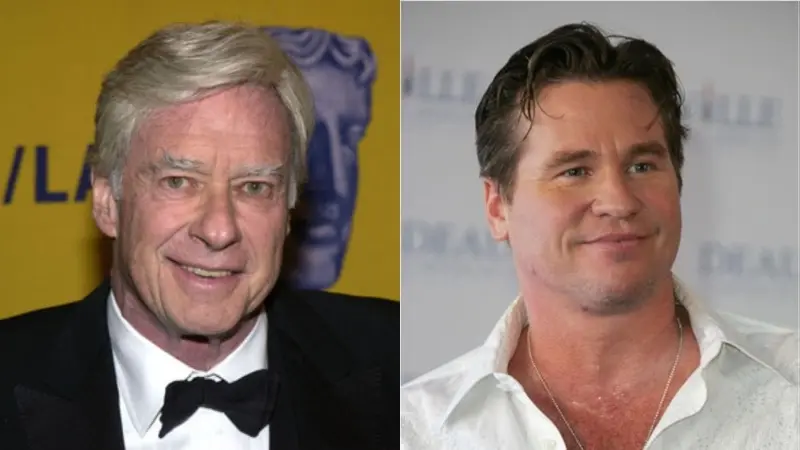
Frankenheimer took over ‘The Island of Dr. Moreau’ after an early director exit and faced a famously chaotic production. Reports from the set detailed disputes with Kilmer that continued through reshoots and post-production. Afterward, Frankenheimer stated he would not work with the actor again.
Kilmer pursued other studio roles and independent projects, and the film’s troubled history became a staple of making-of features about difficult shoots. Frankenheimer continued directing for film and television without revisiting the partnership.
Joel Schumacher & Val Kilmer
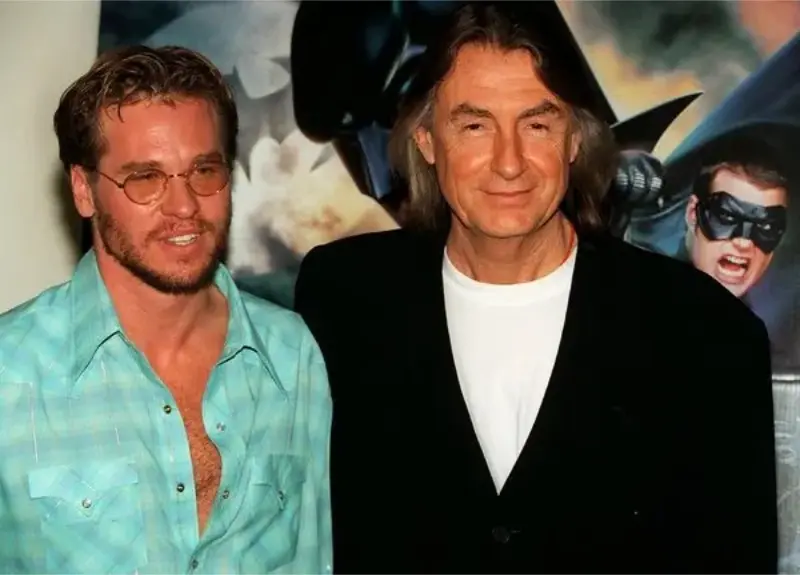
Schumacher directed Kilmer in ‘Batman Forever’, a massive franchise entry with an intense schedule and heavy publicity commitments. Following conflicts during the shoot, Schumacher spoke about the difficulties and said he would not sign up for another film with Kilmer. The studio moved forward with a new lead for the next installment.
Kilmer appeared in subsequent action and drama titles, while Schumacher shifted to new casts for later features. Commentary tracks and anniversary pieces on ‘Batman Forever’ regularly note their clash and the director’s stance on future collaborations.
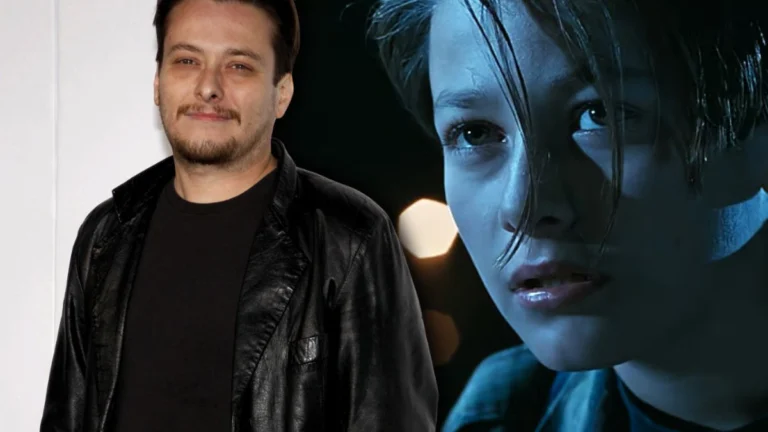
Tony Kaye & Edward Norton
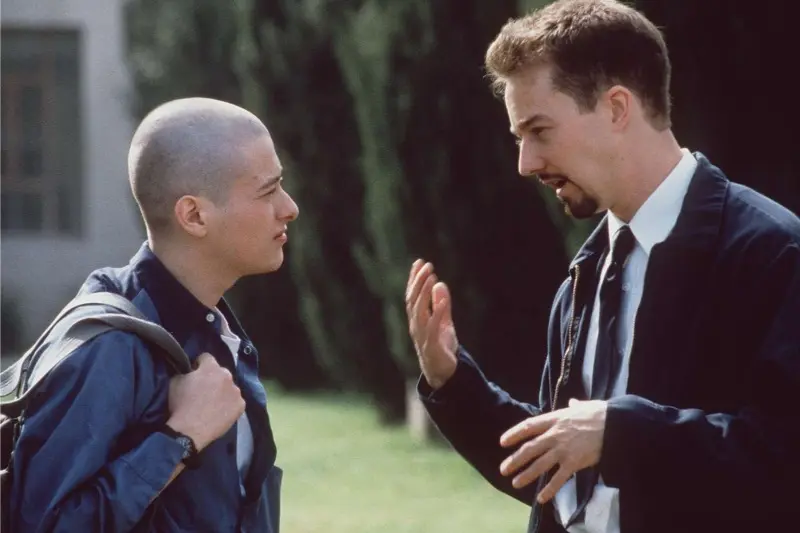
Kaye directed Norton in ‘American History X’, a production that unravelled during post-production when the director and actor fought over the cut. Accounts from the time describe Kaye attempting to remove his name from the film and criticizing the final version, while the studio released a cut associated with Norton’s involvement. Kaye made it clear he would not work with Norton again.
Norton went on to headline major films and take on additional producing roles. Kaye continued to work independently and speak about the dispute when the film’s editing process came up in interviews. Neither side pursued another joint project.
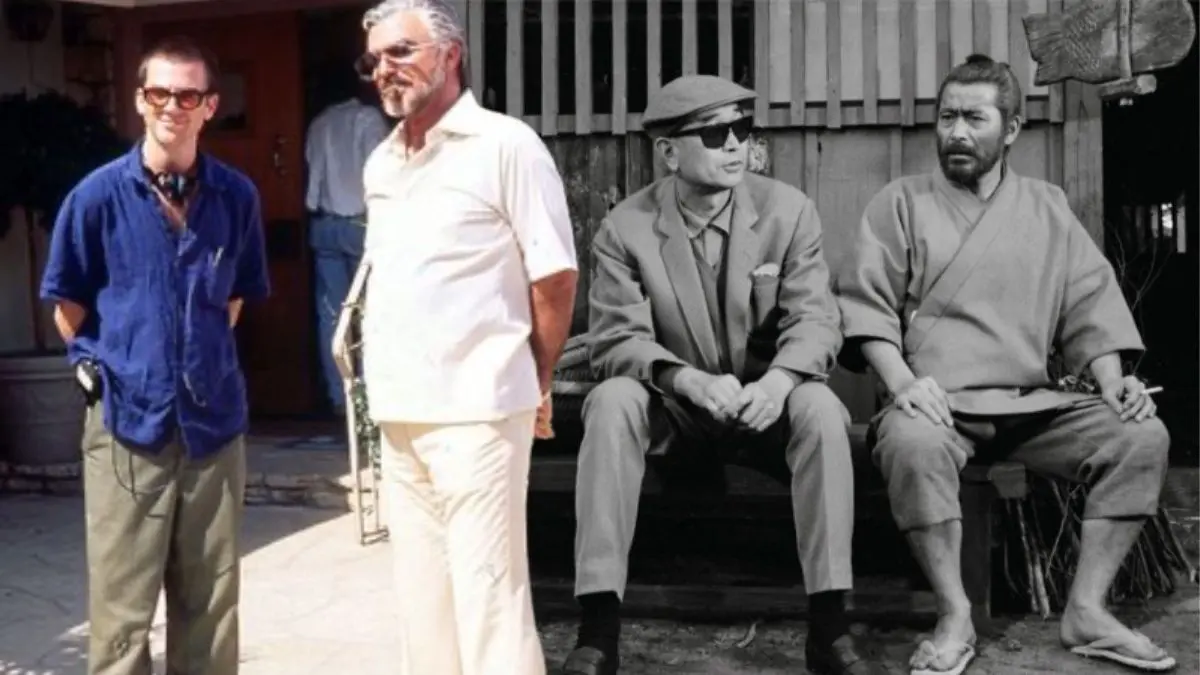
Paul Thomas Anderson & Burt Reynolds
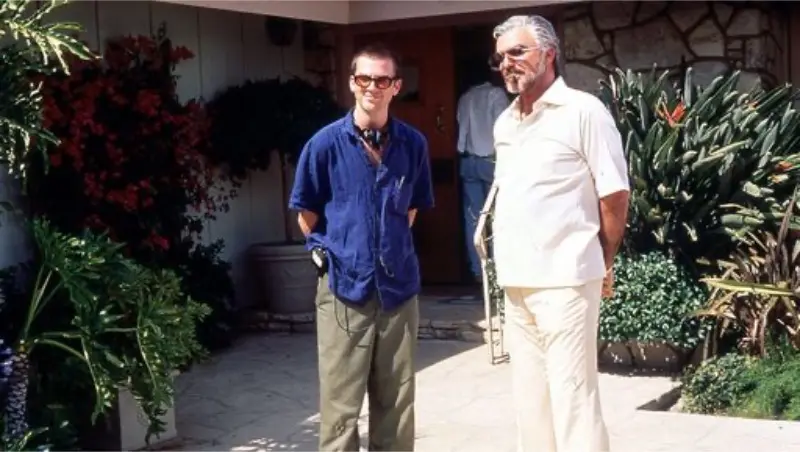
Reynolds played Jack Horner in ‘Boogie Nights’, earning some of the strongest reviews of his career along with major award recognition. After the release, he discussed creative disagreements from the shoot and said he would not collaborate with Anderson again, even turning down an offer to appear in ‘Magnolia’.
Anderson continued developing ensembles with a recurring group of performers, while Reynolds focused on roles that aligned with his long-running screen persona. Retrospectives on ‘Boogie Nights’ consistently mention the decision not to reunite.
Roman Polanski & Faye Dunaway
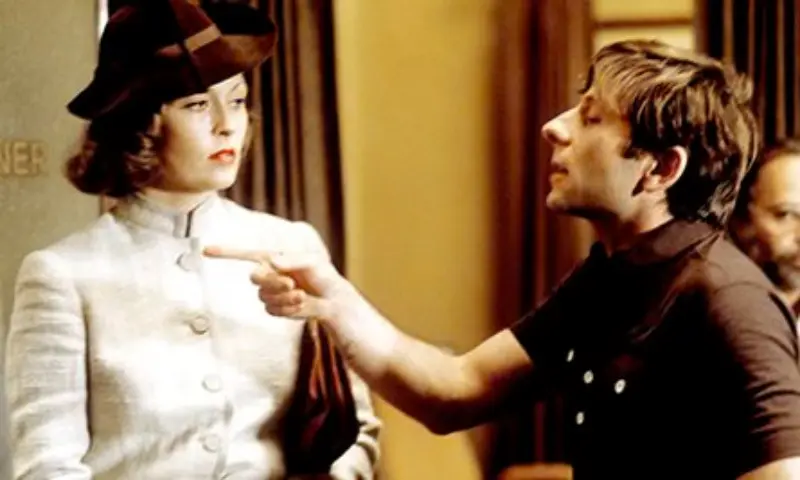
Polanski directed Dunaway in ‘Chinatown’, a production marked by well-documented on-set conflicts that drew attention during and after filming. Accounts from crew and later interviews describe repeated clashes over scenes and appearance, culminating in comments from the director indicating he would not work with her again.
Dunaway returned for the sequel ‘The Two Jakes’ under a different director and continued an active career across film and television. Polanski moved to new projects with other casts, and the original film’s legacy is often discussed alongside their professional split.
Akira Kurosawa & Toshiro Mifune
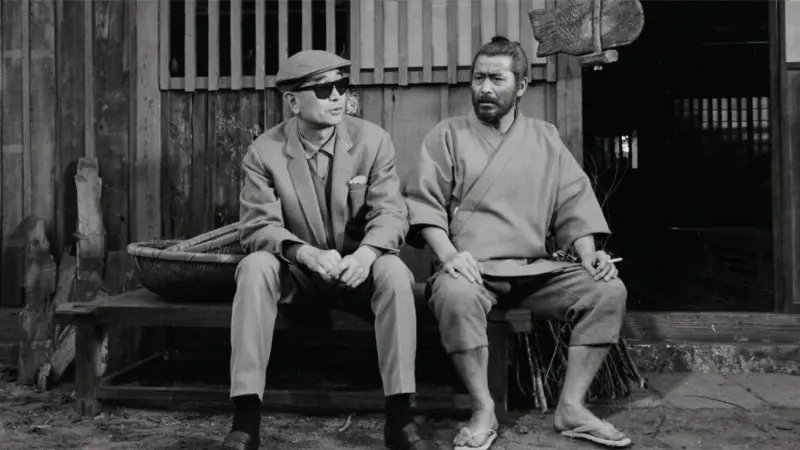
Kurosawa and Mifune built one of cinema’s most important director-actor partnerships with films such as ‘Rashomon’, ‘Seven Samurai’, and ‘Yojimbo’. Their relationship fractured during ‘Red Beard’, with production demands affecting Mifune’s ability to take other roles and financial pressures mounting during the long shoot. After that project they ended their collaboration.
Both men continued to work separately, and interviews from the period made clear there would be no reunion. Film histories frequently underscore how the split reshaped Kurosawa’s late career and pushed Mifune toward international productions without his longtime director.
Share the pair you think most definitively closed the door on a reunion in the comments.