Martin Scorsese Once Revealed the Two Iconic Films He Passed On

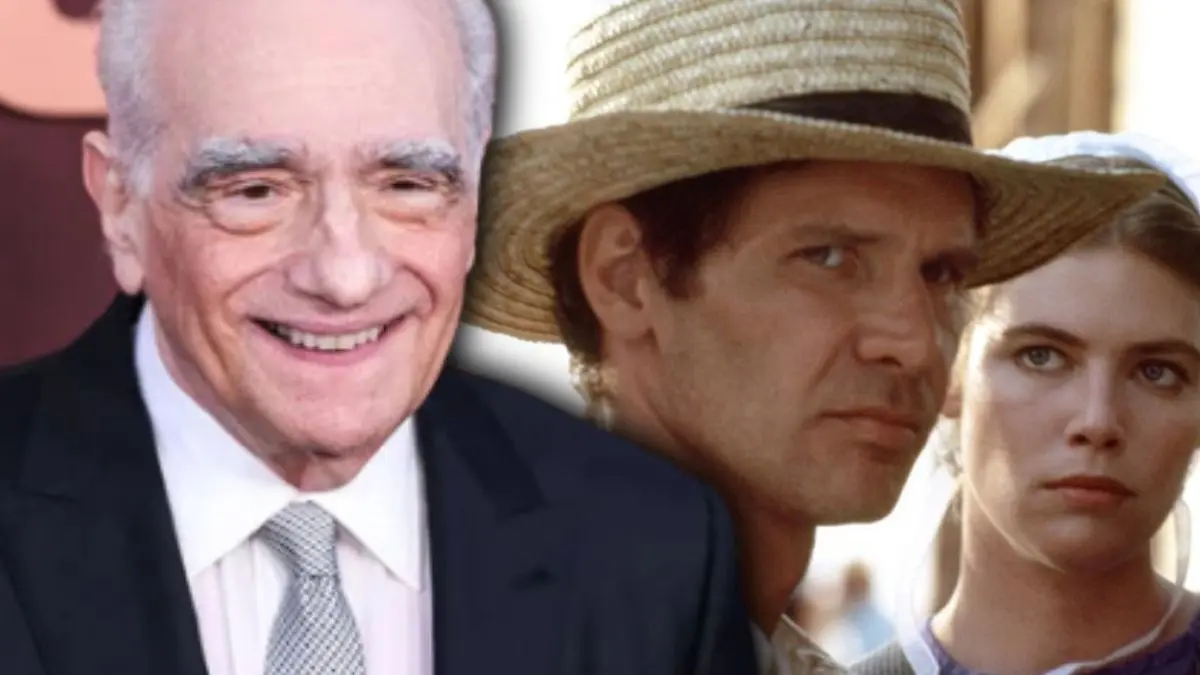

Martin Scorsese, reflecting on his long and celebrated career, once revealed that he passed on two films that later became major hits. Speaking to Deadline after the release of his 2019 epic, The Irishman, Scorsese discussed his career choices following the mixed reception of his 1983 film The King of Comedy.
Scorsese explained that the failure of The King of Comedy left him uncertain about working within the traditional studio system, where every decision is heavily scrutinized. “This was not a film that was dealing with the worlds of Raging Bull or Taxi Driver or *Mean Streets,” he said.
“It was totally different… We were out of step, and we’re out of time. We’re in the wrong time.”
During this period, he received numerous scripts but was selective about which projects to pursue. He revealed that he was offered Peter Weir’s 1985 thriller Witness and the 1984 action-comedy Beverly Hills Cop, starring Eddie Murphy.
Both films became iconic in their respective genres. Scorsese, however, declined them, saying, “I was getting many scripts… Witness, Beverly Hills Cop – there were a lot. But I didn’t want to make those. Then you choose your course. It’s a harder course.”
Instead, Scorsese chose to follow a path that aligned with his creative vision, leading him to direct The Last Temptation of Christ in 1988. That film paved the way for New York Stories and ultimately Goodfellas, which is now regarded as one of the greatest gangster films ever made.
Critics praised Goodfellas for its innovative storytelling, intense performances, and raw depiction of organized crime, cementing Scorsese’s reputation as one of cinema’s most influential directors.
Reflecting on this period, it’s clear that Scorsese’s careful selection of projects shaped his legacy. By turning down commercial hits like Beverly Hills Cop, he remained true to his artistic instincts, creating films that continue to resonate with audiences and critics alike.
Scorsese’s career shows the importance of choosing projects that reflect personal vision over immediate box-office appeal. His experience also reminds us that initial failure doesn’t define a film’s value, as seen with The King of Comedy.
What do you think about directors turning down hit films to follow their own vision? Would you have made the same choice as Scorsese? Share your thoughts in the comments.