Tarantino Names the Studio Film He Calls “Most Artistic” Ever Made

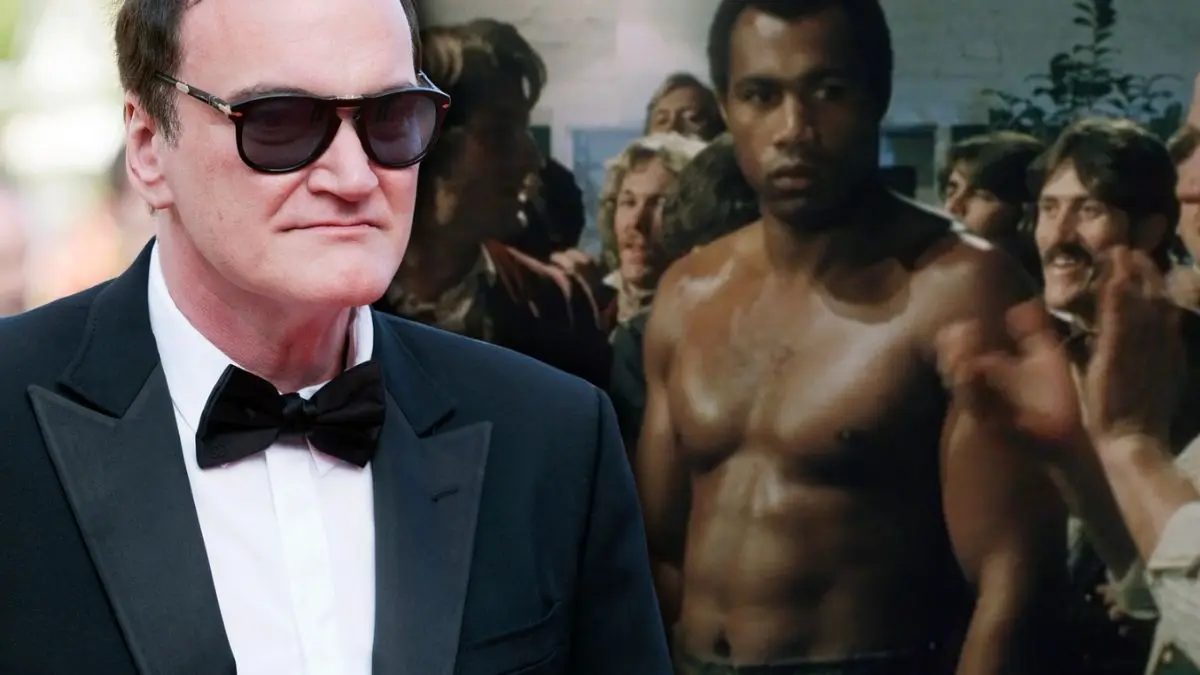

Quentin Tarantino once opened up about one of the studio films he considers the most artistic ever made, highlighting the work of director Richard Fleischer.
Speaking on The Video Archives podcast with Roger Avary, Tarantino praised Fleischer’s career for striking a balance between polished Hollywood craftsmanship and daring, provocative storytelling.
“Roger and myself are big fans of Richard Fleischer, who is really one of those Hollywood directors where journeyman and artist meet,” Tarantino said.
He described Fleischer as a versatile director who could handle studio assignments with skill, yet also take on bold projects with a unique edge. Tarantino pointed out that while Fleischer often worked as a dependable director for big names like Dino De Laurentiis, he had a particular talent for tackling lurid or shocking material.
Tarantino reserved his highest praise for Fleischer’s 1975 film Mandingo, a historical melodrama set in the Antebellum South.
Produced by Paramount Pictures and based on Kyle Onstott’s novel, the film explores the brutal realities of slavery and includes highly controversial themes, including sexual exploitation and violence. Tarantino called it “one of the most artistic and lurid movies made by a studio ever, of all time.”
Upon its release, Mandingo received mixed reviews. Critics at the time were unsettled by its graphic content, yet audiences turned out in strong numbers, making it a box office success. Retrospectively, the film has been re-evaluated, with some critics seeing it as a major studio exploitation film, others viewing it as a serious examination of slavery, and yet others appreciating it as a work of camp. The film was followed by a 1976 sequel, Drum.
Tarantino’s admiration for Fleischer reflects the director’s deep appreciation for films that blend artistry with audacity. He noted that Fleischer’s ability to handle lurid subject matter with a polished, professional touch sets him apart from other studio filmmakers.
In my view, Tarantino’s spotlight on Mandingo underscores how films often misunderstood in their own time can gain new appreciation decades later. It’s a reminder that cinema history is full of overlooked gems that challenge audiences in unexpected ways. What do you think about Mandingo and Fleischer’s work? Share your thoughts in the comments.