Post-Apocalyptic TV Series You Are Sleeping On (But Shouldn’t)


The world after everything falls apart has been a rich backdrop for stories across different countries and styles, from survival dramas to sci-fi mysteries and even action epics. This list gathers a wide range of series that explore pandemics, environmental collapse, alien threats, and societal resets, giving you plenty of directions to take your next watch.
You’ll find adaptations of acclaimed books alongside original concepts, plus international shows that bring fresh settings and languages to the genre. Each entry notes core setup details, format, and distinguishing features so you can quickly decide what fits your mood and schedule.
‘Station Eleven’ (2021–2022)

This limited series adapts Emily St. John Mandel’s novel about a flu pandemic and follows intersecting timelines before and after the collapse. The story tracks a traveling Shakespeare troupe, a graphic novel that links characters, and communities reinventing culture and memory.
Its ten episodes were filmed in multiple North American locations and use a nonlinear structure to connect survivors across decades. The production highlights theater, music, and archives as tools for rebuilding identity in a fractured world.
‘Silo’ (2023– )
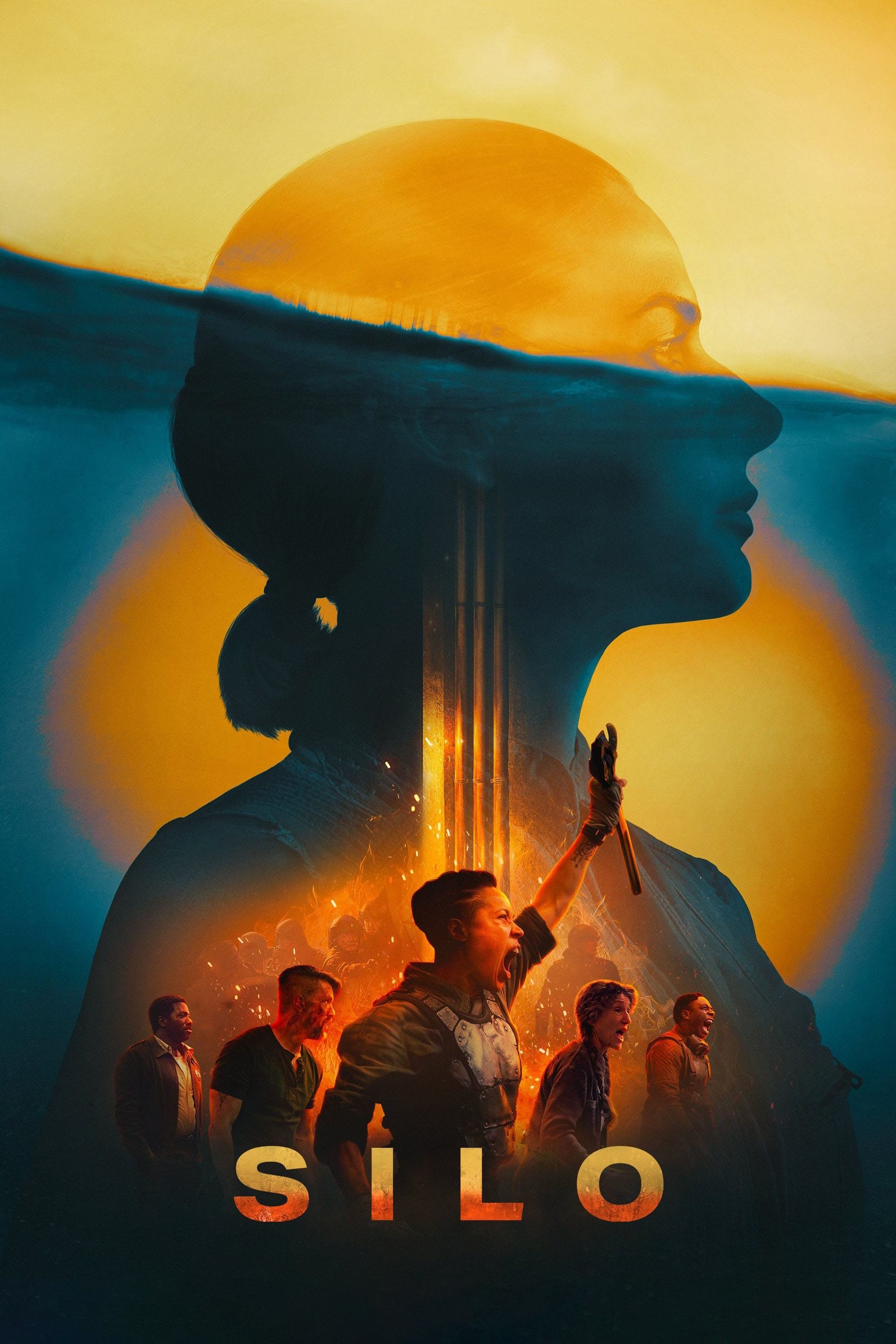
Based on Hugh Howey’s ‘Wool’ saga, this series is set in an underground silo where humanity lives under strict rules after the surface becomes toxic. An investigation into a suspicious death exposes hidden histories and the fragile logic of the silo’s laws.
The show blends mystery with engineering details, showing maintenance crews, IT control, and relics that predate the catastrophe. Its large-scale sets emphasize vertical living, resource rationing, and the risks of breaching containment.
‘Into the Badlands’ (2015–2019)
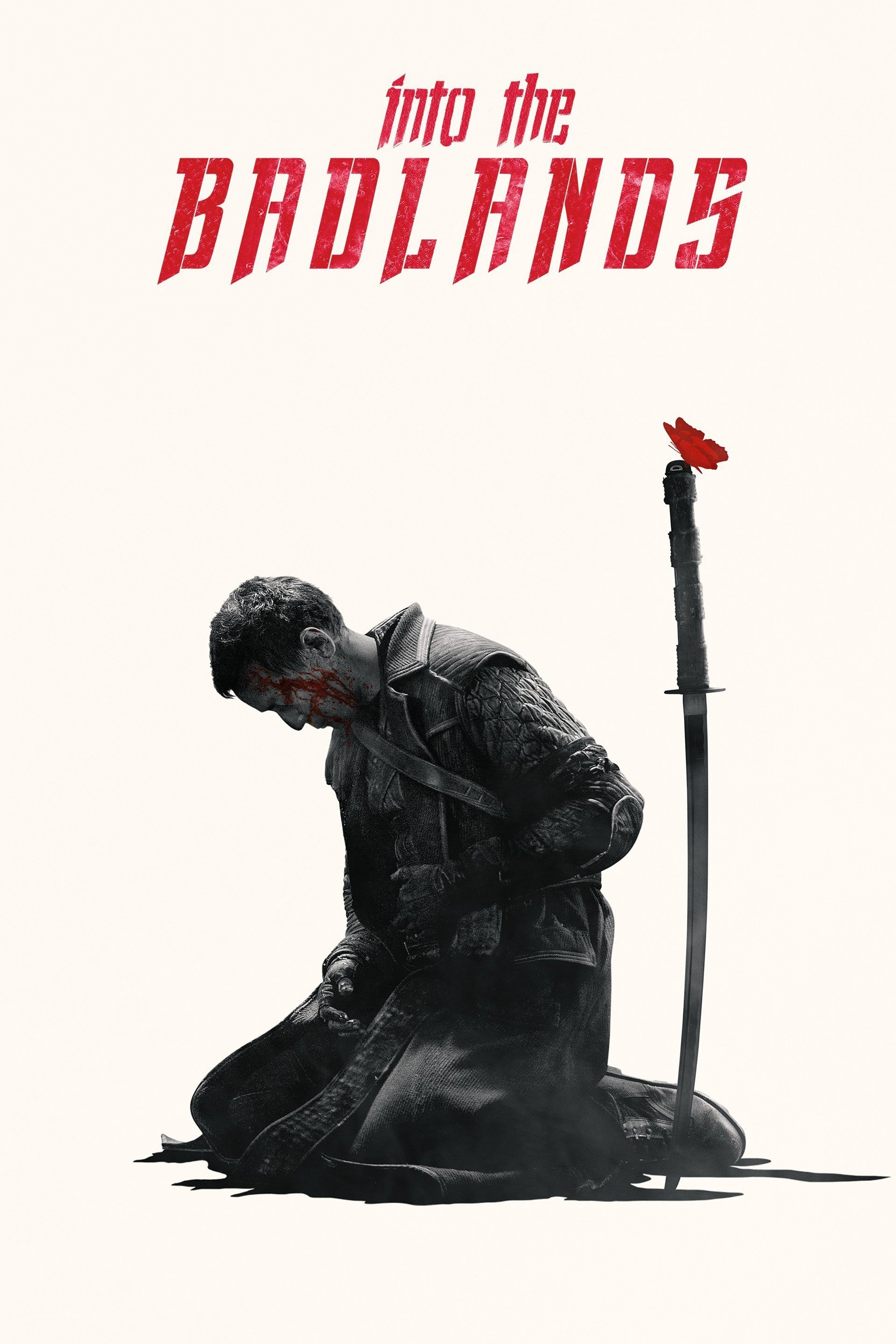
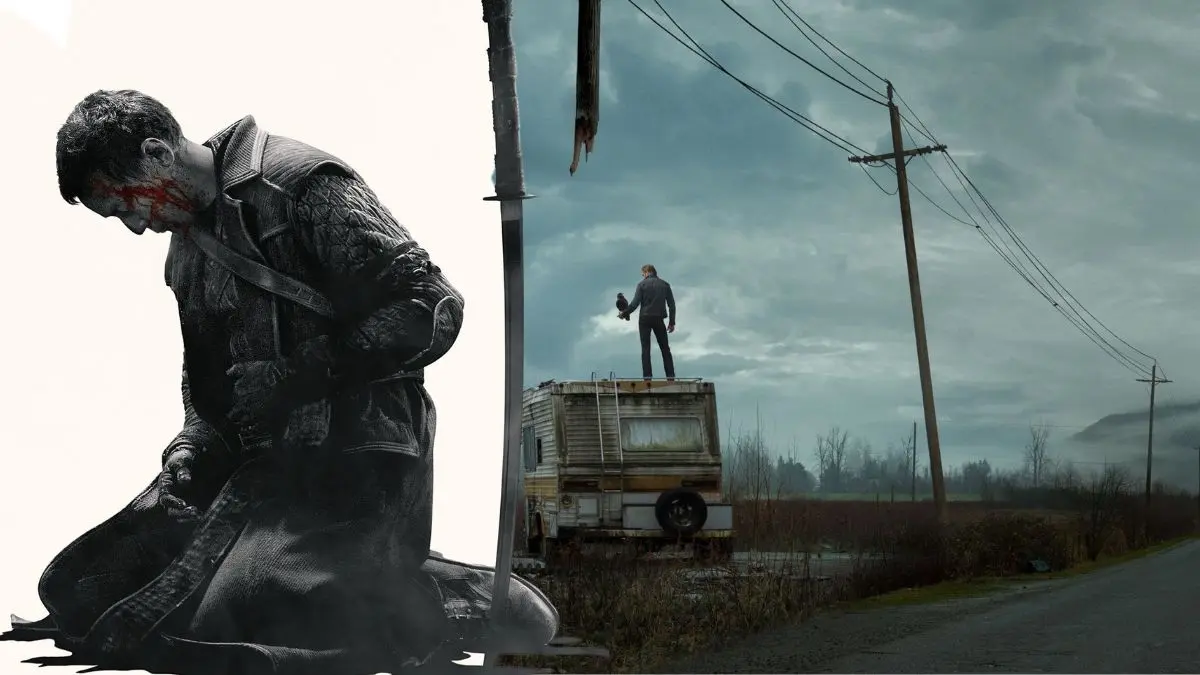
Set centuries after a societal collapse, this series depicts feudal territories ruled by barons and enforced by clipper warriors. It follows a fighter and a mysterious boy whose abilities draw interest from rival powers.
The production is known for elaborate martial-arts choreography across three seasons. It mixes wasteland travel with palace intrigue, showcasing distinct regions, factions, and weapon styles that define a rebuilt power map.
‘The Rain’ (2018–2020)
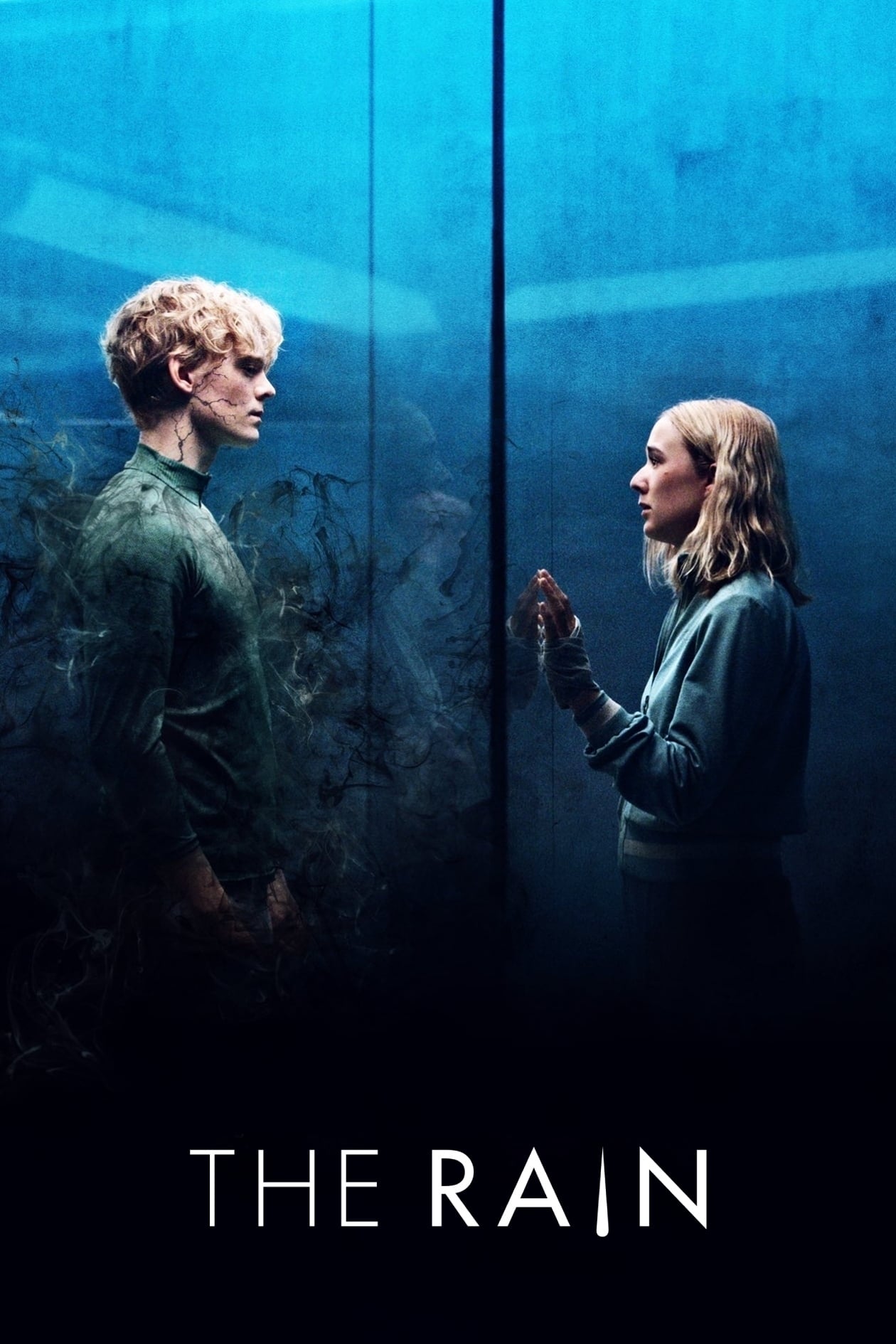
This Danish series begins with a deadly rainfall that forces siblings into a bunker and later into a scavenging journey across Scandinavia. The group encounters research facilities, quarantined zones, and competing survivor bands tied to the outbreak’s origin.
It was produced in Denmark and Sweden for three seasons, using forests, towns, and industrial sites to show how infrastructure decays. The narrative incorporates biotech themes, experimental treatments, and moral tradeoffs around immunity.
‘3%’ (2016–2020)
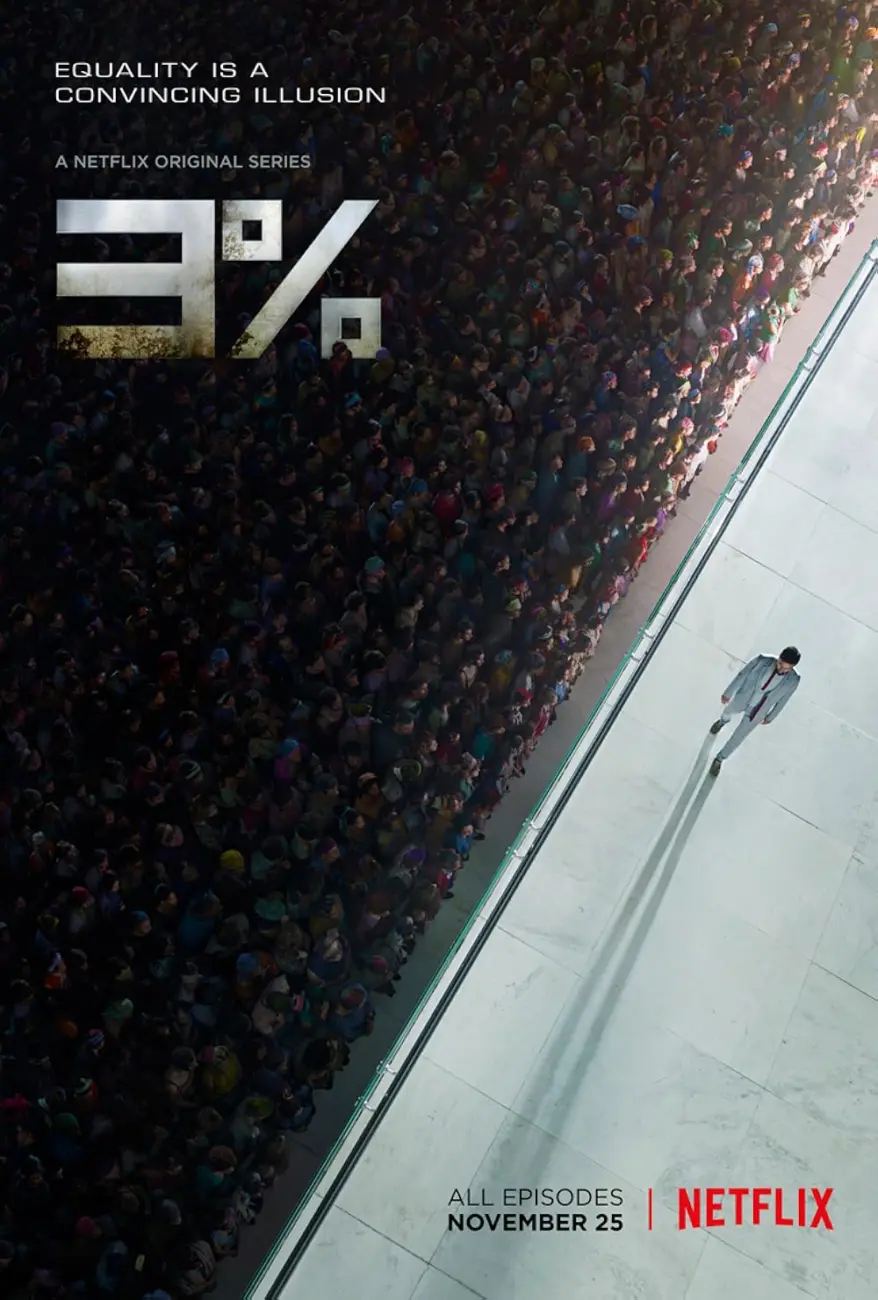
Brazil’s dystopian drama centers on a society split between an impoverished Inland and a distant Offshore accessed through a rigorous selection process. Each year, candidates face tests that assess skills, ethics, and loyalty.
Across four seasons, the series explores resource scarcity, resistance movements, and the operational mechanics of a gated utopia. It uses modular test environments and Inland settlements to contrast design, technology, and governance.
‘Snowpiercer’ (2020–2024)
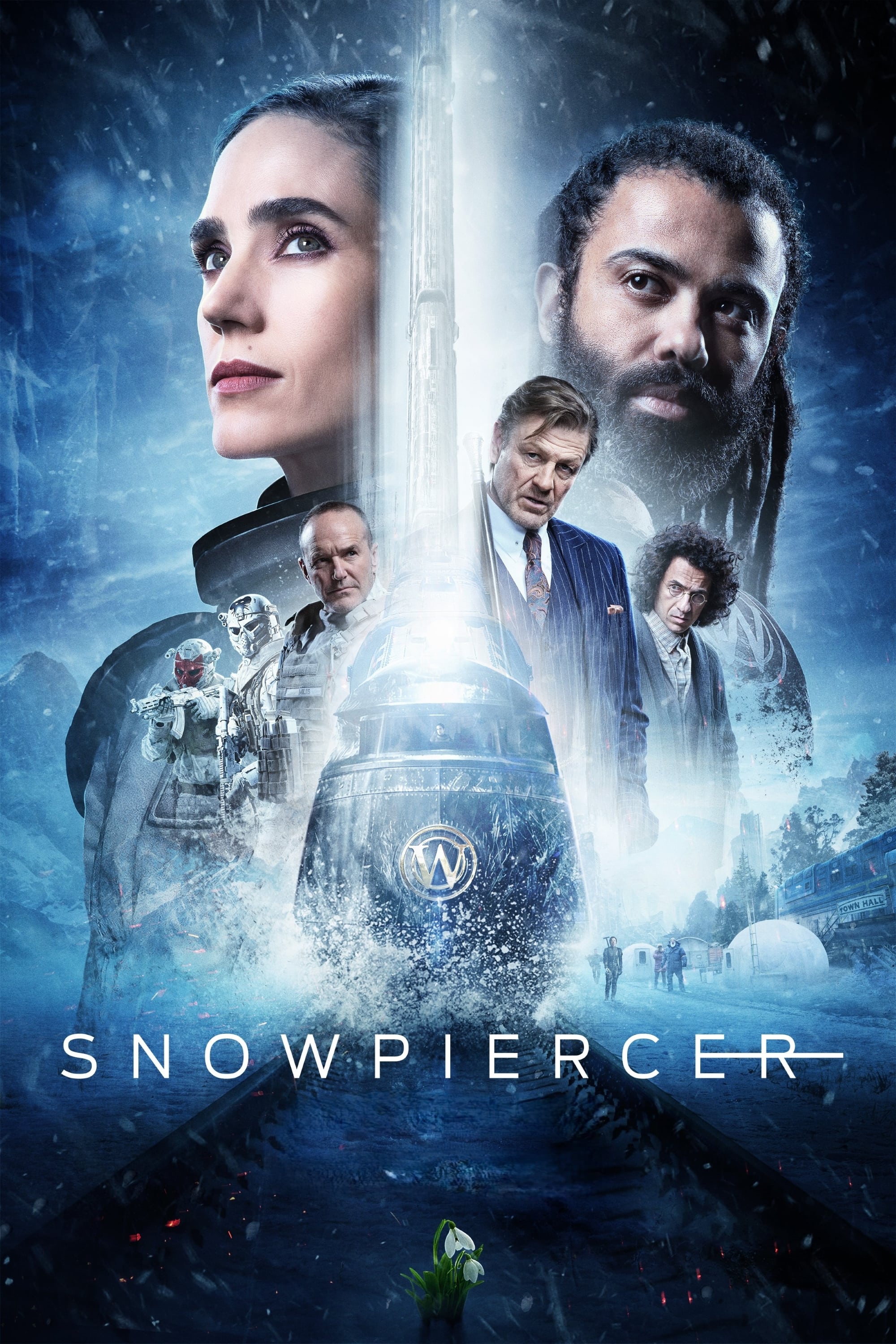
Set years after the world freezes, humanity survives aboard a perpetually moving train divided by class and function. A murder investigation opens the door to political upheaval, engineering challenges, and external survival prospects.
The series extends the concept from the original film and graphic novel, adding new cars, guilds, and habitats over multiple seasons. It examines rationing, agriculture modules, and rail maintenance while tracking leadership shifts and breakaway trains.
‘Jericho’ (2006–2008)
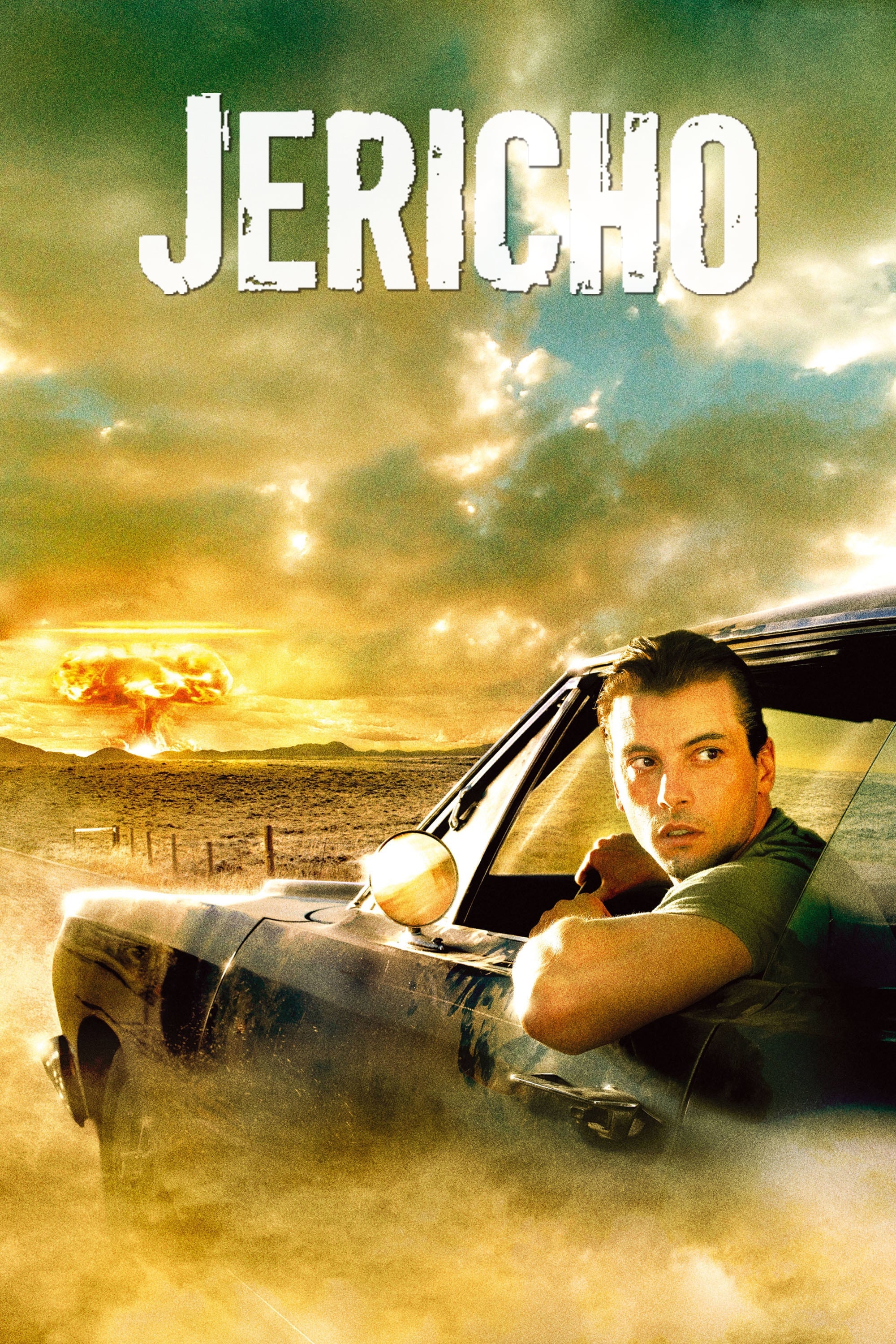
After nuclear explosions devastate multiple American cities, a small Kansas town navigates supply shortages, governance gaps, and incoming threats. Radio silence and fragmentary clues push residents to piece together the national picture.
The two-season run folds in militia groups, provisional authorities, and trade routes between towns. It pays close attention to logistics like fuel, grain, and medical stock while depicting civil defense strategies in a rural setting.
‘Revolution’ (2012–2014)
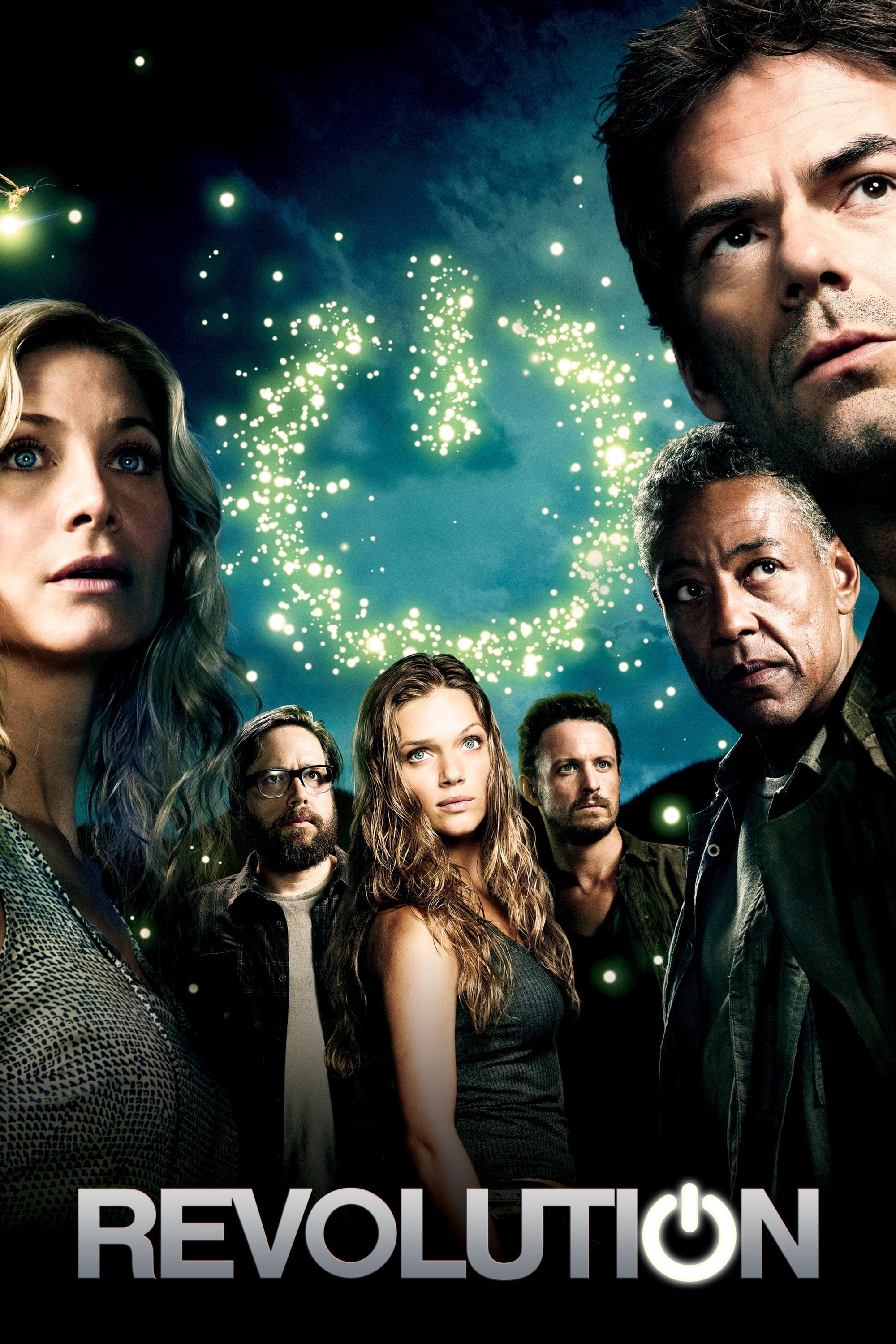
A sudden global blackout ends modern technology, forcing communities to rebuild with pre-industrial methods. The plot follows families and former soldiers across territories that emerge under new militias.
The series uses cross-country travel to show river transport, steam power attempts, and weapon retrofits. It incorporates research into the blackout’s cause, linking science teams, nanotechnology, and geopolitical remnants.
‘The Tribe’ (1999–2003)

This New Zealand production imagines a world where adults vanish after a virus, leaving youths to form tribes with distinct codes and aesthetics. City spaces become contested ground for food, shelter, and schooling substitutes.
Over multiple seasons, the show charts evolving leadership, trade, and law among teen factions. It explores agriculture learning curves, improvised communications, and the negotiation of identity through fashion and symbols.
‘Between’ (2015–2016)
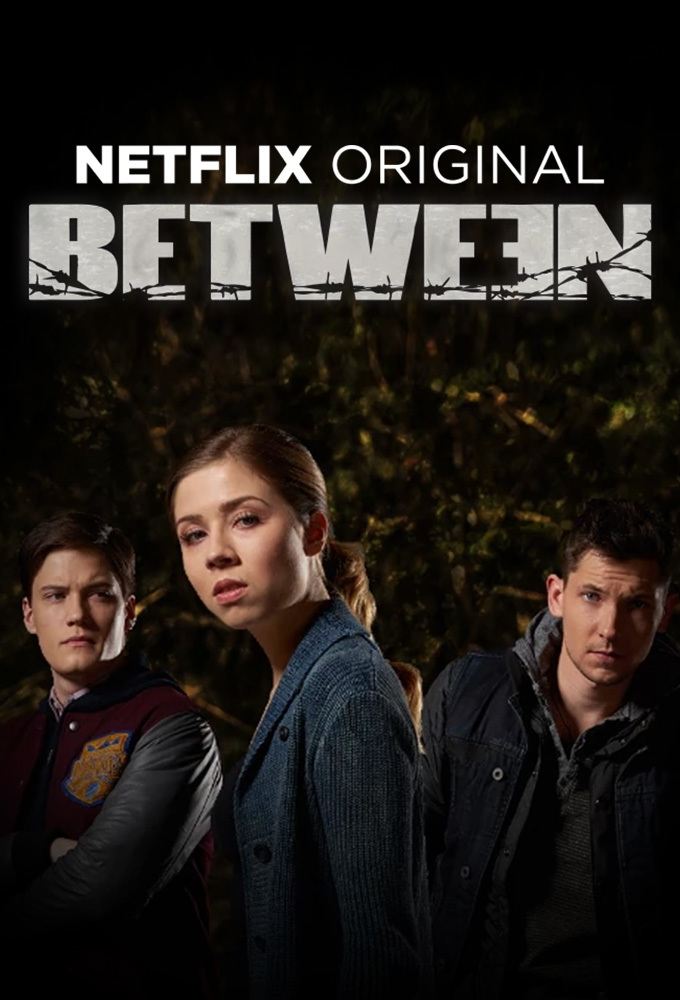
A mysterious disease kills everyone over the age of 21 in a quarantined town, leaving young residents to manage infrastructure and security. With the military blockade in place, internal governance experiments and external aid become key plot points.
The series tracks food distribution, childcare, and attempts to decode the pathogen. It also addresses legal gaps when conventional authorities are absent, documenting ad hoc courts and faction agreements.
‘The Last Ship’ (2014–2018)
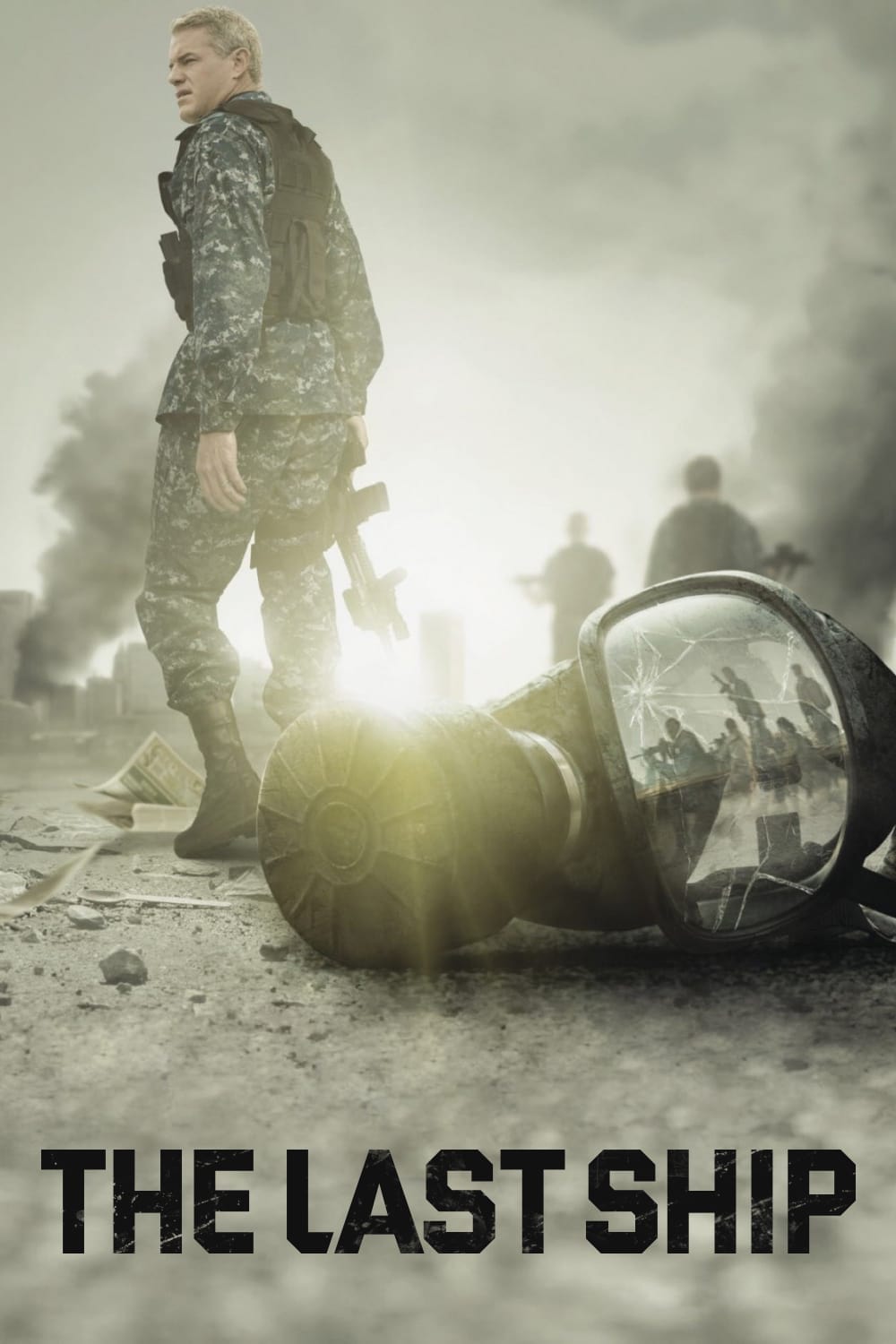
A US Navy destroyer becomes a mobile base for virology research after a pandemic decimates populations. The crew undertakes missions to secure samples, negotiate with regional powers, and protect production of a vaccine.
Across five seasons, the show highlights maritime logistics, including fuel, port access, and ship maintenance under threat. It adds storylines about rebuilding institutions on land and safeguarding supply chains.
‘Z Nation’ (2014–2018)
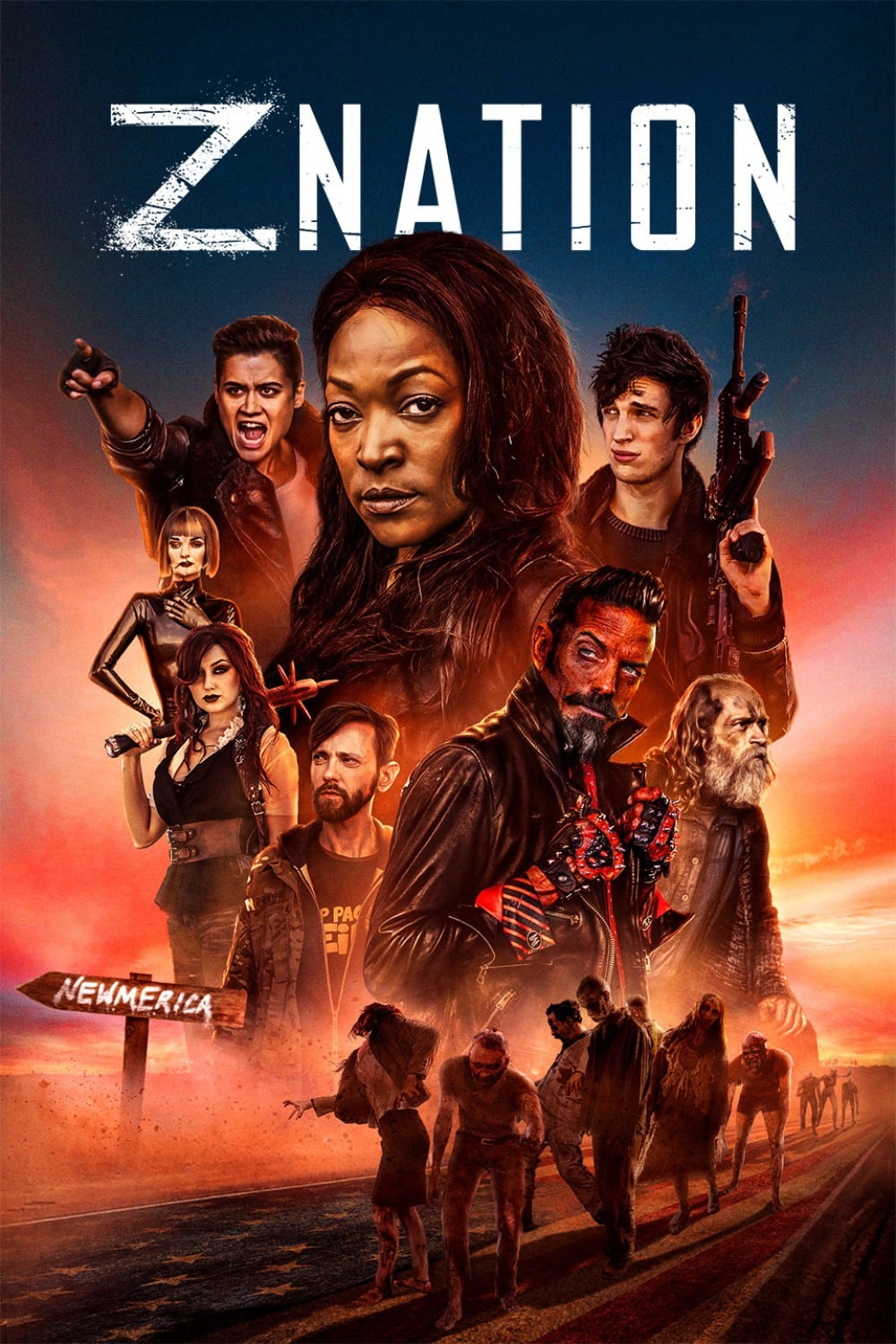
Set in a zombie-ravaged United States, a team escorts a man with rare immunity to a lab that could mass-produce a cure. The journey format introduces varied enclaves, experiments, and rival groups with different survival philosophies.
The series spans multiple states and seasons, showing scavenging economies, fortified settlements, and biohazard tactics. It integrates questions about vaccine trials, strain mutations, and the ethics of human experimentation.
‘Black Summer’ (2019–2021)
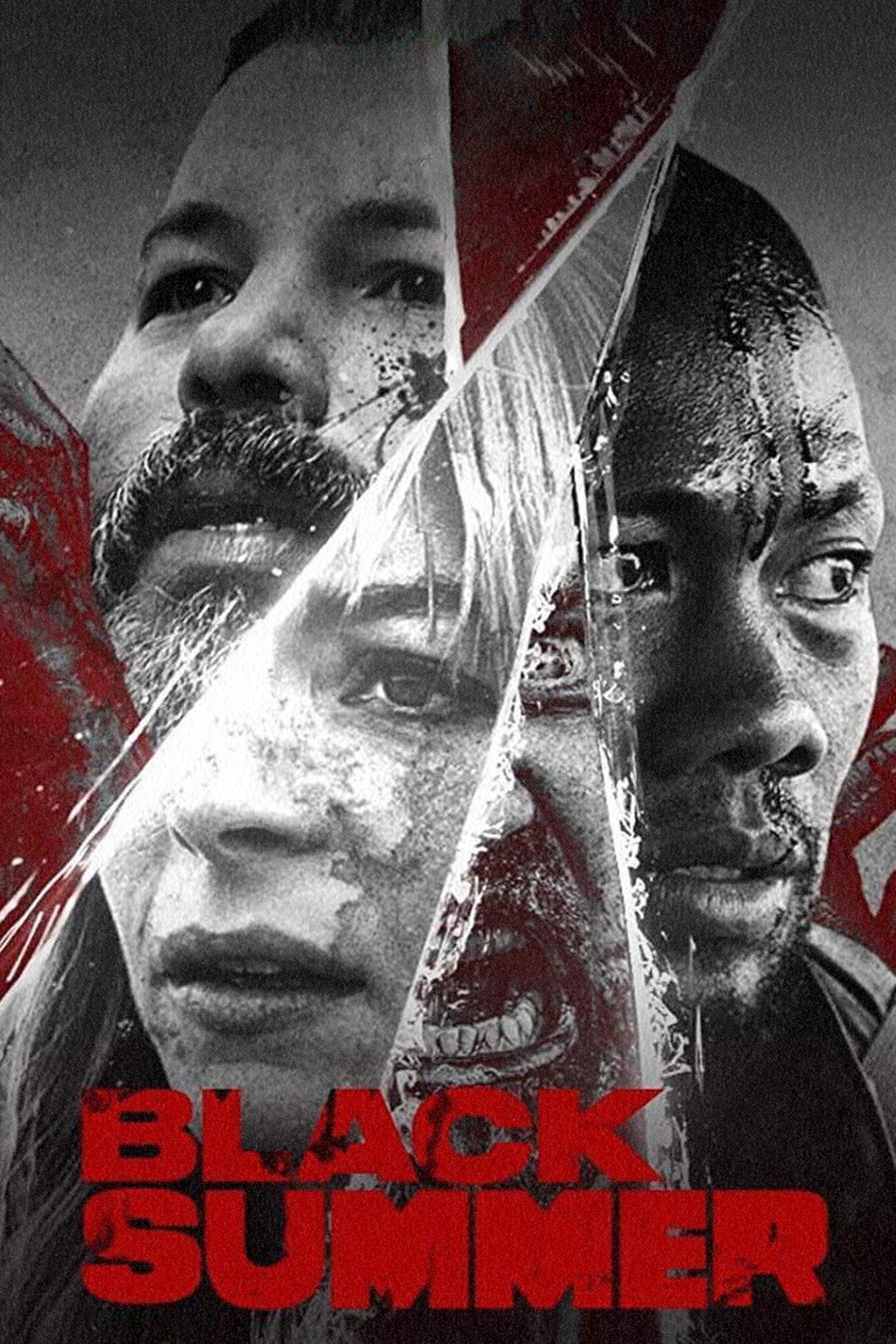
This fast-moving companion to ‘Z Nation’ tracks individuals during the early weeks of a zombie outbreak as cities fall. Episodes often focus on single pursuits like reaching a stadium or acquiring transport.
The production uses long takes and minimal exposition to emphasize navigation, line-of-sight danger, and resource decisions. It documents how small gear choices, street layouts, and timing affect survival outcomes.
‘Daybreak’ (2019)

In a post-blast Glendale, high school cliques evolve into tribes running neighborhoods and malls. A teen searches for his girlfriend while navigating biker teachers and rival factions.
The season details barter systems based on scavenged goods, repurposed campus facilities, and DIY armor and vehicles. It also explores broadcast control and message warfare as tools for shaping territory.
‘Y: The Last Man’ (2021)
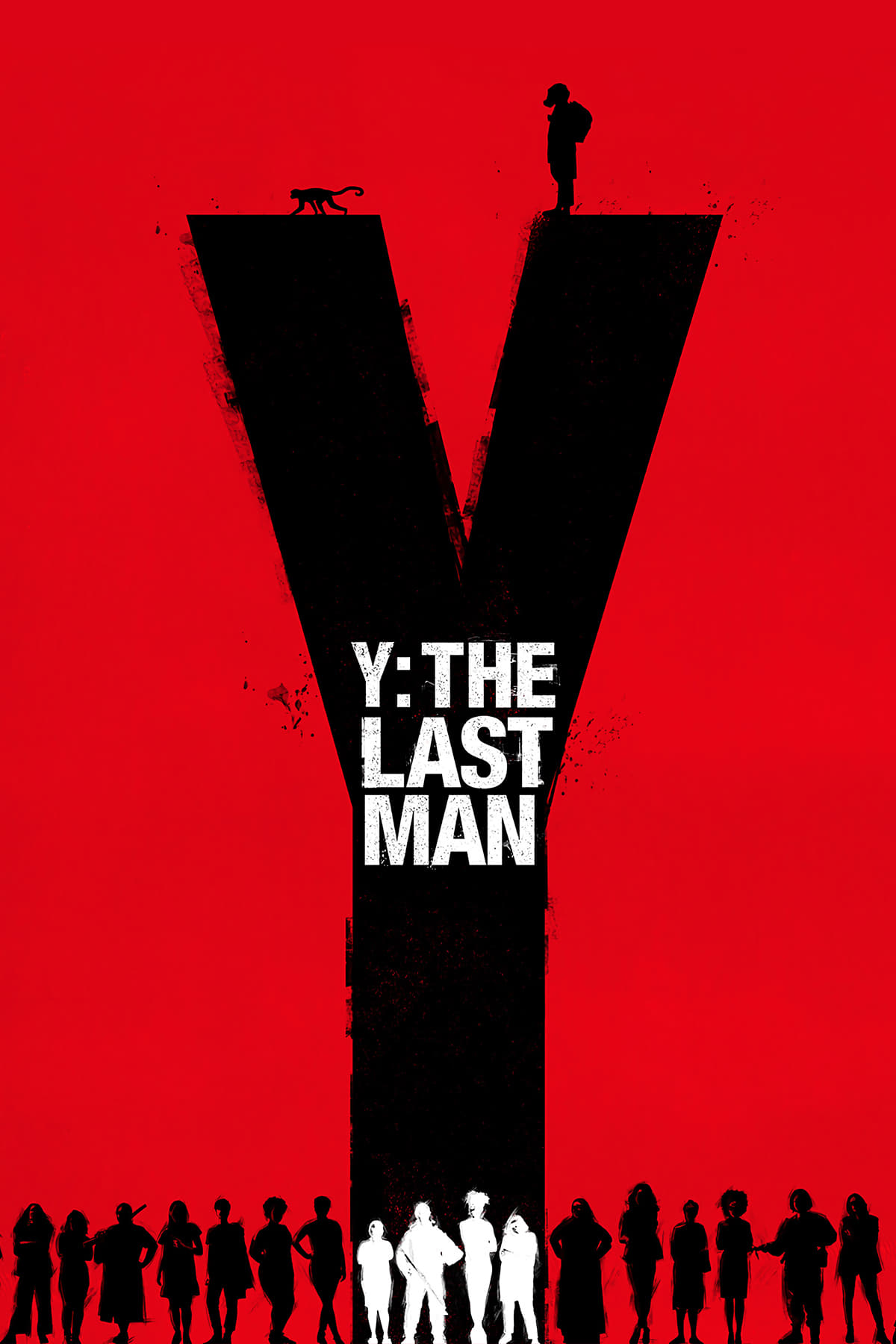
When a sudden event kills every mammal with a Y chromosome except one man and his monkey, governments and communities reorganize under new leadership. The survivors confront infrastructure failures in transportation, energy, and communication.
The series follows political succession, security services, and scientific efforts to understand the cause. It surveys how cities and rural areas adapt differently, including convoy protection and interregional coordination.
‘The Stand’ (2020–2021)
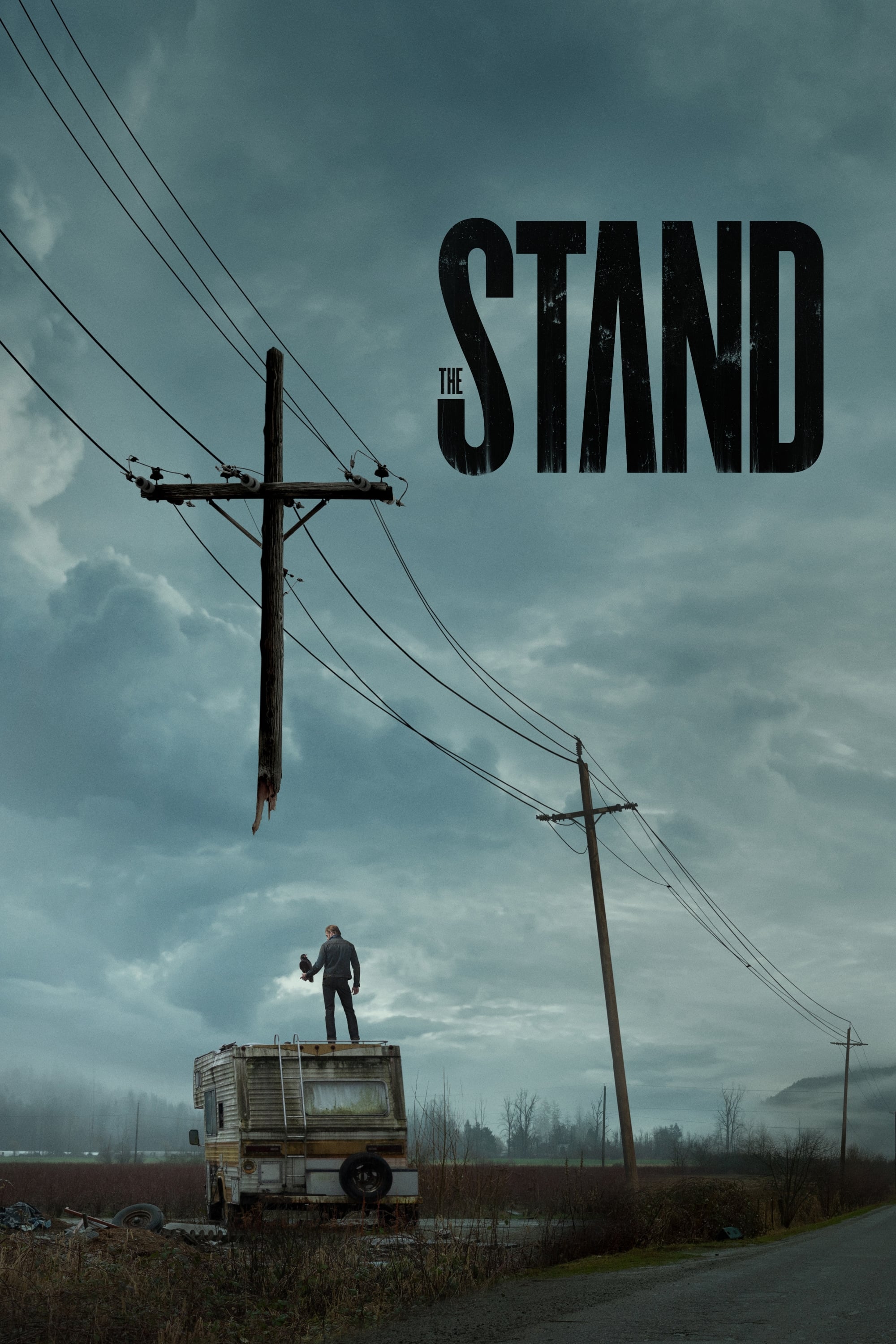
Adapted from Stephen King’s novel, this miniseries portrays a superflu that collapses society and pits survivor groups with opposing leaders. The narrative uses multiple timelines to show the spread and aftermath.
Production design depicts deserted urban spaces, makeshift clinics, and the logistics of long-distance travel without functioning systems. It also examines community charters, shared labor, and the challenges of rebuilding utilities.
‘Survivors’ (2008–2010)
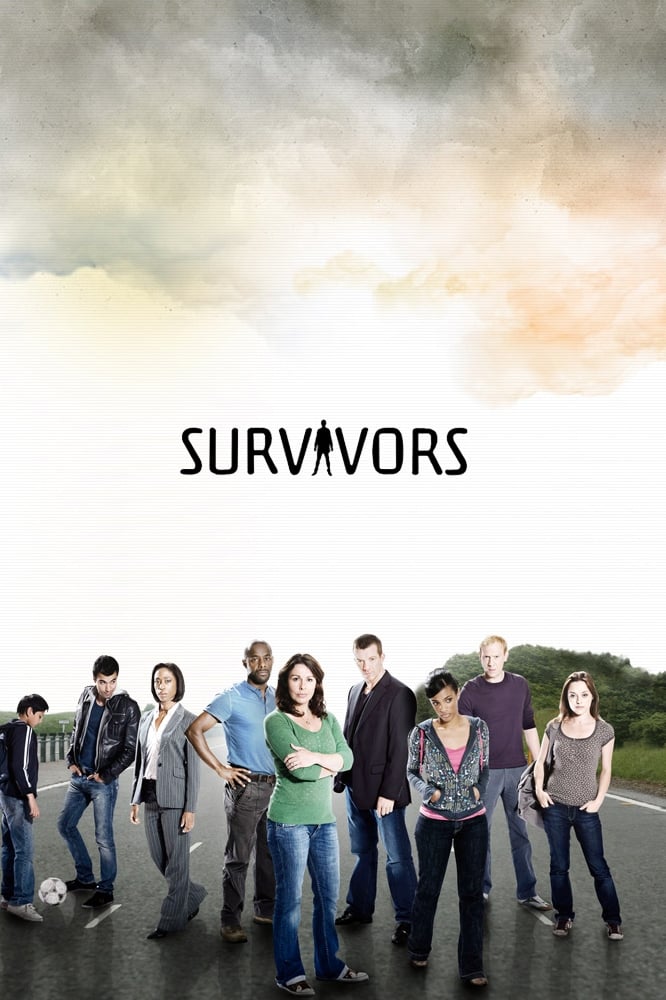
This UK remake of the 1970s series follows a small group after a global pandemic wipes out most of the population. The ensemble format tracks camp setups, supply runs, and confrontations with organized remnants.
Locations include warehouses, farms, and service corridors, highlighting hand tools and generator use. The show pays attention to bartering, water sourcing, and improvised medical practices.
‘Falling Skies’ (2011–2015)
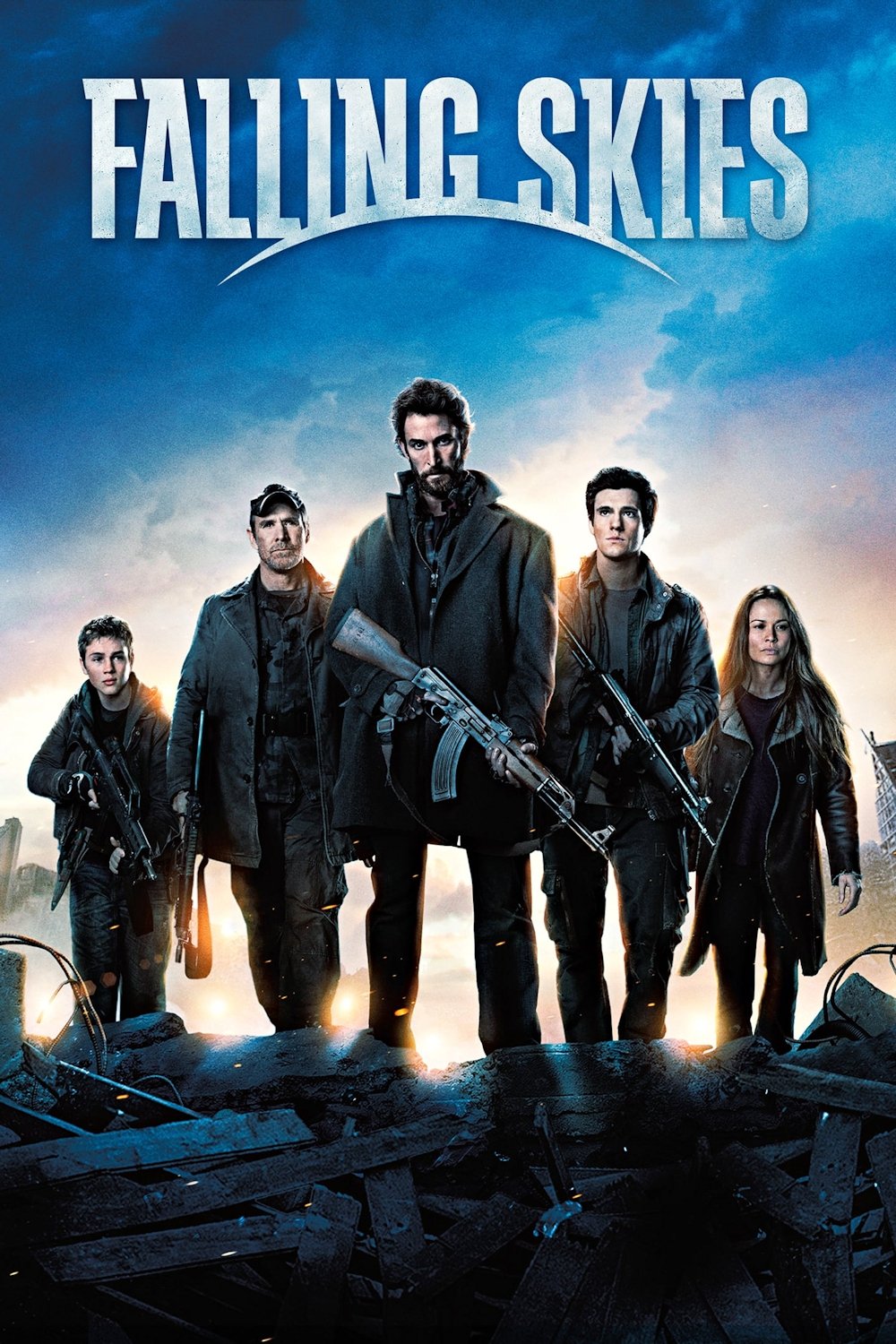
After an alien invasion devastates cities and militaries, resistance cells blend civilian expertise with guerrilla tactics. A history professor helps lead a regiment that moves from defense to counteroffensive.
Over five seasons, the series introduces alien species, captured tech, and underground settlements. It covers field hospitals, rationing, and coordination between scattered militias and families.
‘Jeremiah’ (2002–2004)

Set fifteen years after a virus kills the adult population, grown-up survivors attempt to reconnect towns via trade and radio. Two travelers encounter leftover military programs and groups vying to restore authority.
The series maps highways, depots, and bunkers as relays for information and goods. It also addresses literacy gaps, institutional memory, and the rebuilding of schools and civil services.
‘See’ (2019–2022)

Centuries after a virus blinds humanity, societies adapt tools and tactics to live without sight. The birth of twins with vision draws attention from kingdoms that fear and covet that ability.
The show demonstrates tactile navigation, sound-based combat, and redesigned architecture. It builds a political structure of tribes and monarchies, exploring resource control over water, timber, and crafts.
‘Van Helsing’ (2016–2021)
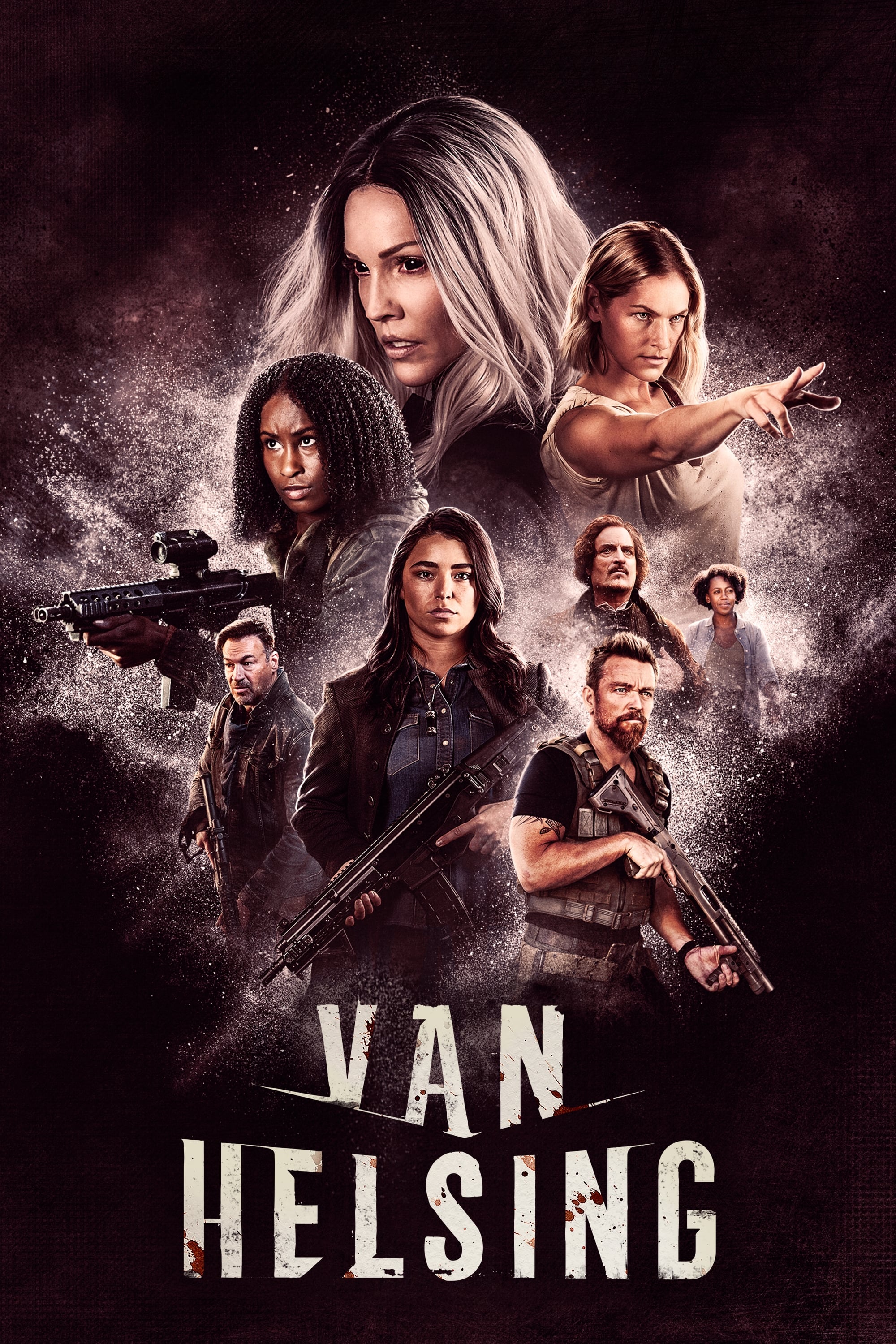
Following a volcanic event that blocks sunlight, vampires overrun cities and humans survive in small strongholds. A descendant of Abraham Van Helsing awakens with a blood-borne ability that affects vampires.
The series features fortified hospitals, armories, and transit tunnels as key locations. It integrates cure research, vampire clan politics, and patrol routes that maintain safe corridors.
‘The Last Man on Earth’ (2015–2018)

A viral catastrophe leaves scattered survivors to find each other across North America. Episodes track shelter selection, power solutions, and the social dynamics of micro-communities.
The show frequently explores backup systems like generators, water collection, and vehicle fleets scavenged from depots. It uses road trips and coastal moves to test new settlements and contingency planning.
‘The Walking Dead: World Beyond’ (2020–2021)
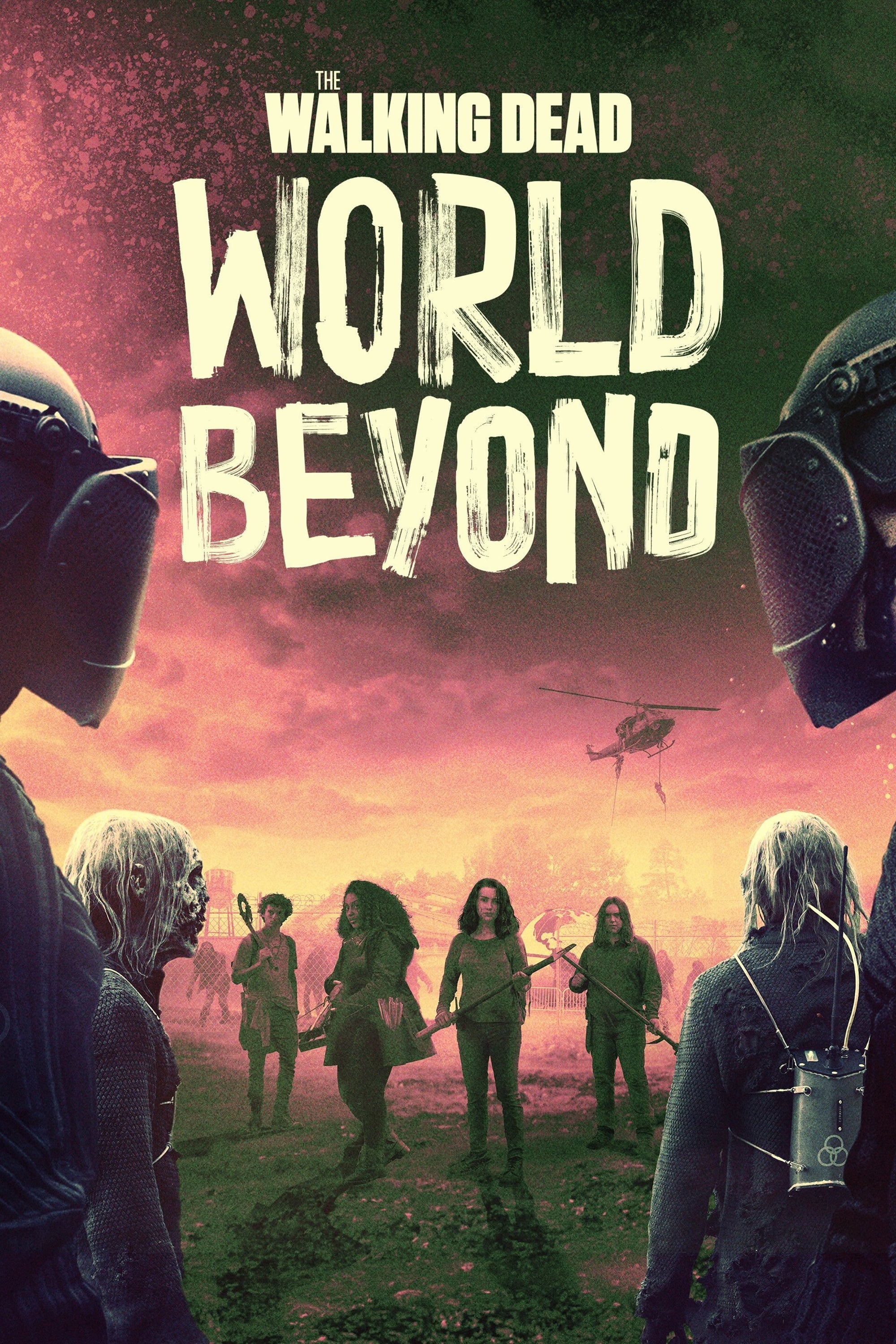
Set within the broader ‘The Walking Dead’ universe, this limited series follows teenagers raised in a protected community who venture out across the continent. Their journey intersects with a powerful organization collecting resources and data.
It provides maps, ciphers, and lab facilities that expand the franchise’s view of research into the undead. The two-season structure outlines training regimens, supply manifests, and aircraft logistics.
‘Tribes of Europa’ (2021)
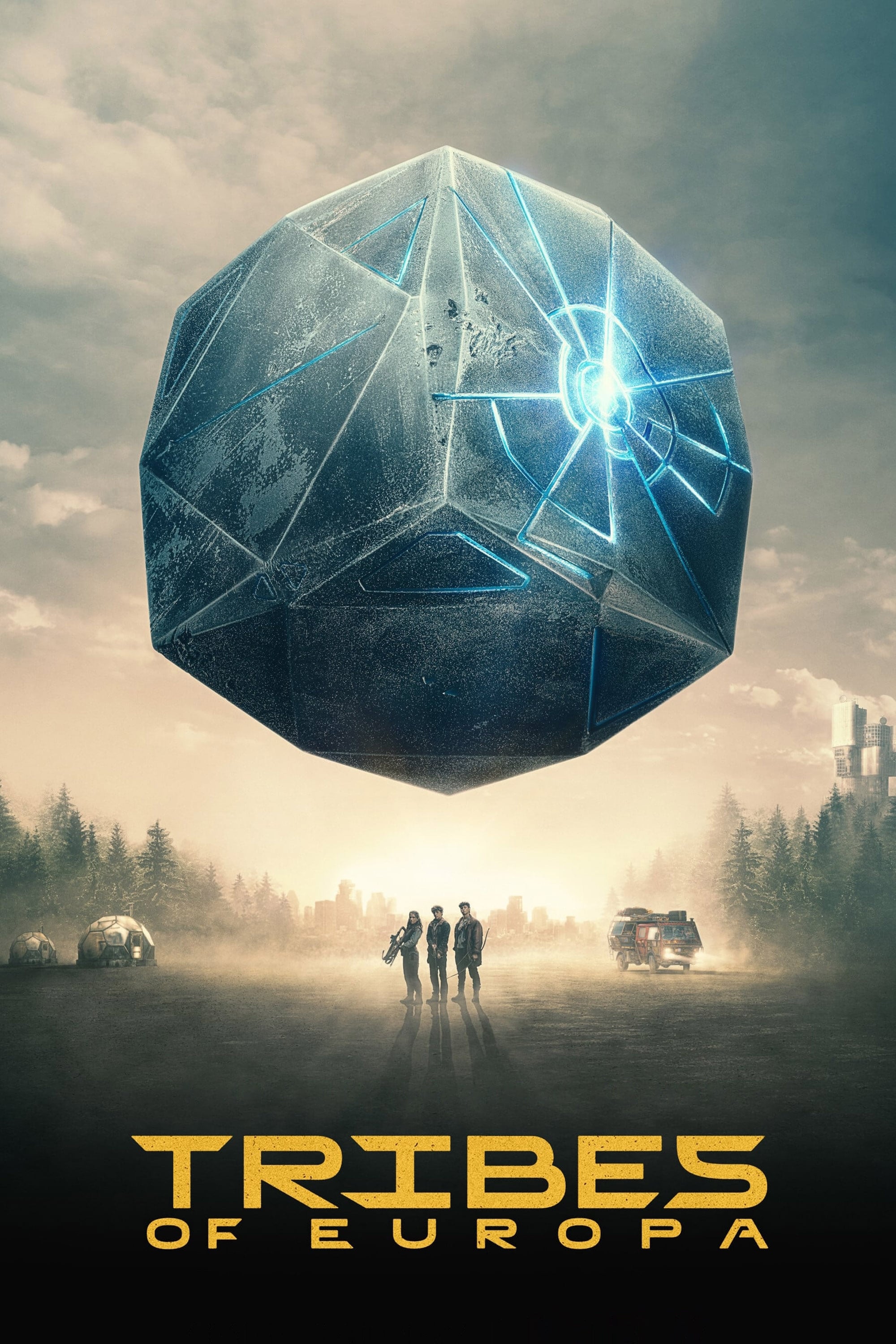
In a fractured Europe decades after a mysterious blackout, micro-states called tribes compete over territory and technology. Siblings from a peaceful tribe are thrust into conflict after encountering advanced hardware.
The series details tribal customs, armor fabrication, and translation across dialects and languages. It showcases salvaged tech, river routes, and fortified city cores that serve as trade hubs.
‘The 100’ (2014–2020)
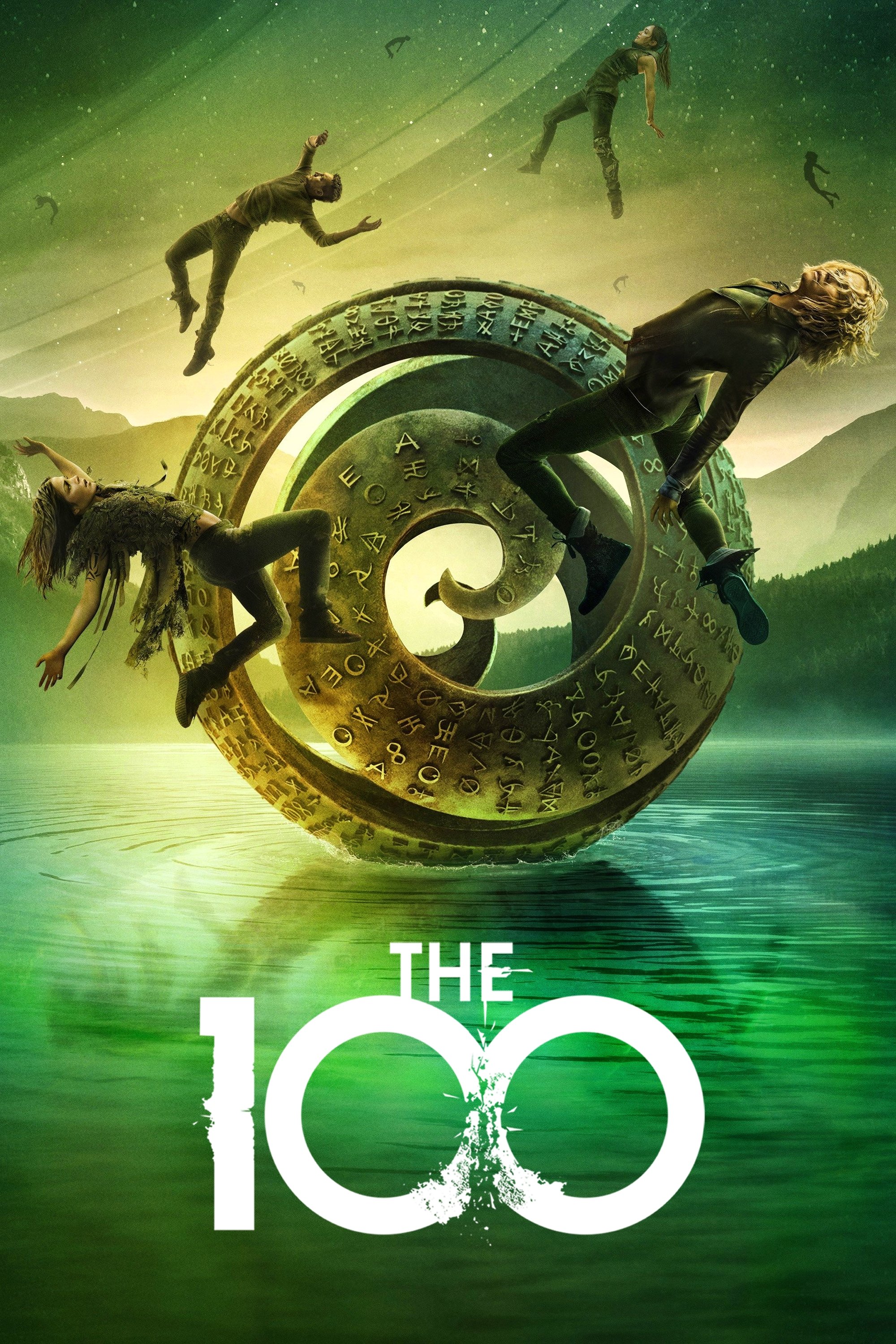
A century after a nuclear apocalypse, survivors on an orbital station send teenagers to test Earth’s habitability. The mission triggers contact with ground communities formed during the interim.
Across seven seasons, the series documents radiation zones, agriculture restarts, and governance experiments ranging from councils to militarized enclaves. It also introduces off-world arcs, cryosleep logistics, and resource extraction in new environments.
Tell us which post-apocalyptic series you’d add to the list and why in the comments.