Western Shows You’re Sleeping On (But Shouldn’t)

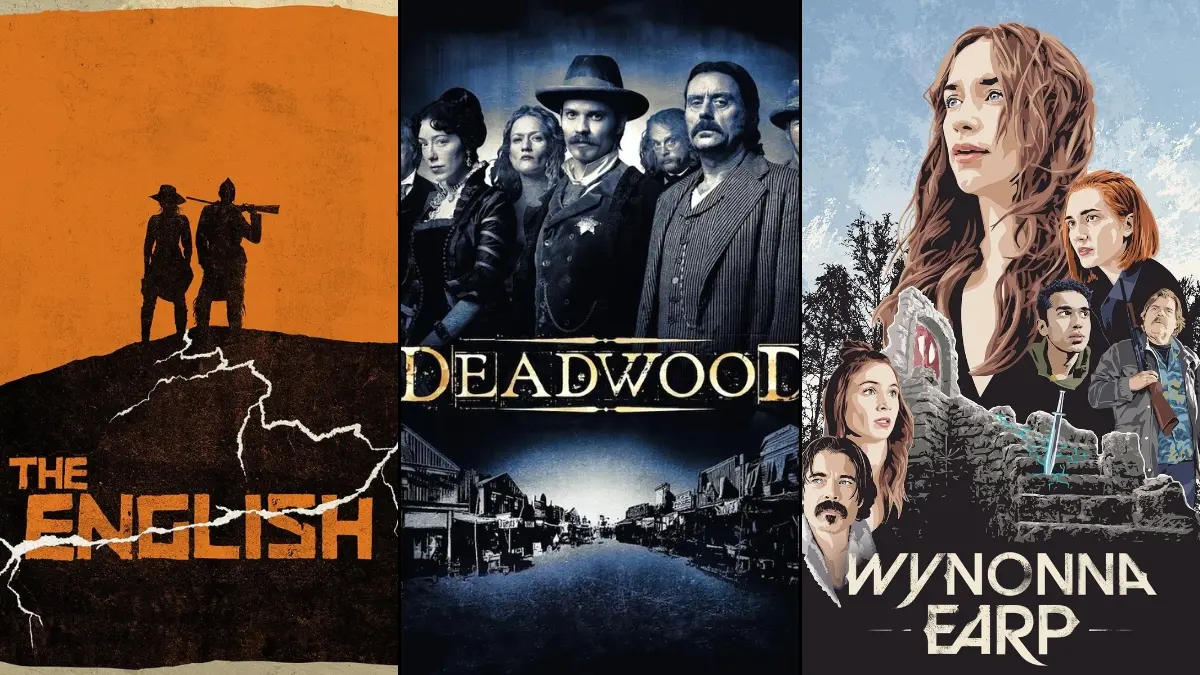

Western TV isn’t just about shootouts and dusty streets—it’s a wide range of frontier sagas, railroad epics, law-and-order procedurals, and historical miniseries that stretch from the classic studio-lot era to contemporary prestige productions. This list pulls together a mix of limited series, long-running network staples, and modern dramas that span everything from town-building to cattle drives, with detours into mystery, steampunk, and supernatural twists.
Each entry below highlights concrete details—who made it, where it was filmed, which networks backed it, and what stories it tells—so you can decide what fits your next watchlist. Whether you’re after tight limited runs or multi-season worlds to settle into, these projects map the genre’s breadth across settings, formats, and tones.
‘Deadwood’ (2004–2006)
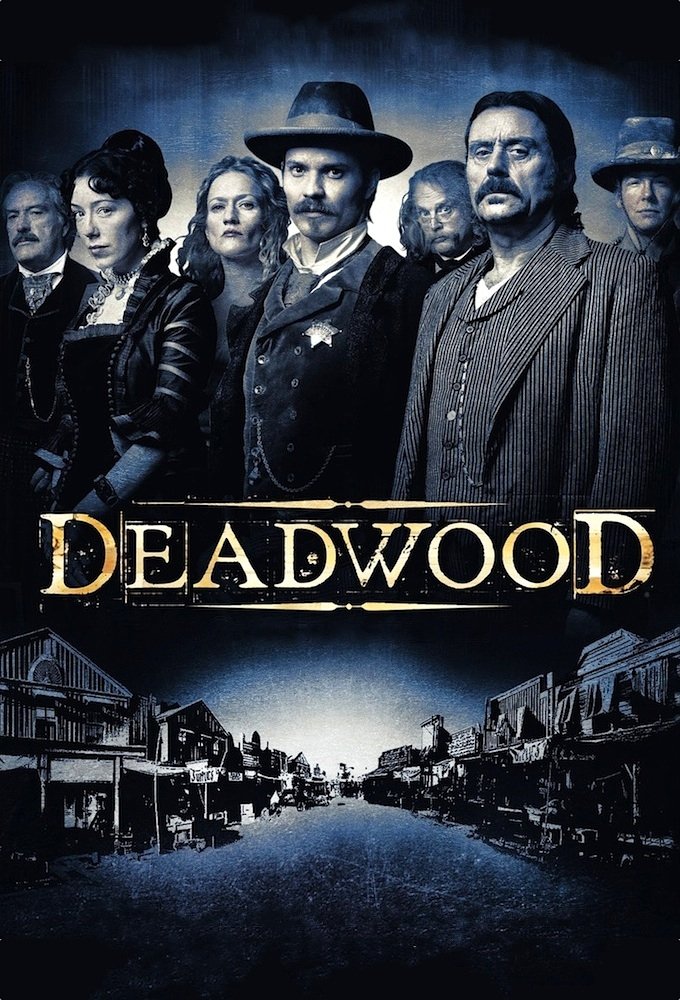
Created by David Milch for HBO, ‘Deadwood’ centers on the lawless mining camp of Deadwood, South Dakota, as it transitions from encampment to organized town. The series stars Timothy Olyphant and Ian McShane, with a large ensemble portraying historical and fictional figures, and it was largely filmed at Melody Ranch and other California locations to recreate frontier streets, saloons, and claims.
Production emphasized period-accurate set design, dialect coaching, and prop work, with recurring arcs following businesses, newspapers, and political offices as they took root. The show’s multi-thread storytelling uses overlapping town enterprises, shifting alliances, and territorial governance to track how institutions form around commerce and security.
‘Hell on Wheels’ (2011–2016)
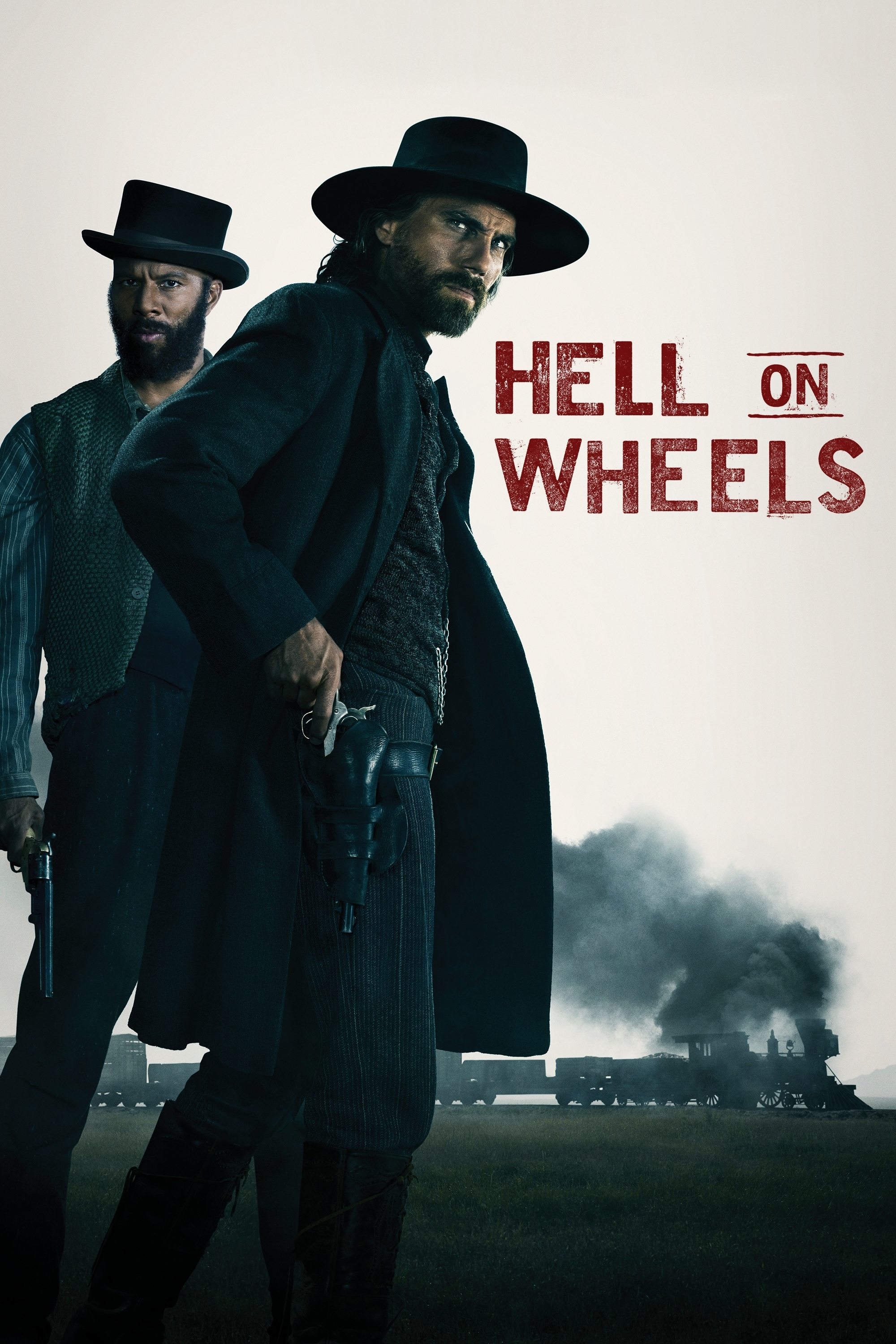
‘Hell on Wheels’ was developed by Joe and Tony Gayton for AMC and follows the mobile camp that supported construction of the First Transcontinental Railroad for the Union Pacific. Anson Mount, Colm Meaney, and Common lead the cast, with location work in Alberta providing rail beds, prairies, and frontier towns.
Across its seasons, the series integrates engineering challenges, railroad finance, and federal contracts with town life, surveying, and labor disputes. Storylines incorporate immigrant work crews, Native nations’ perspectives, and political oversight, while rail-line progress structures the show’s geography and logistics.
‘Longmire’ (2012–2017)
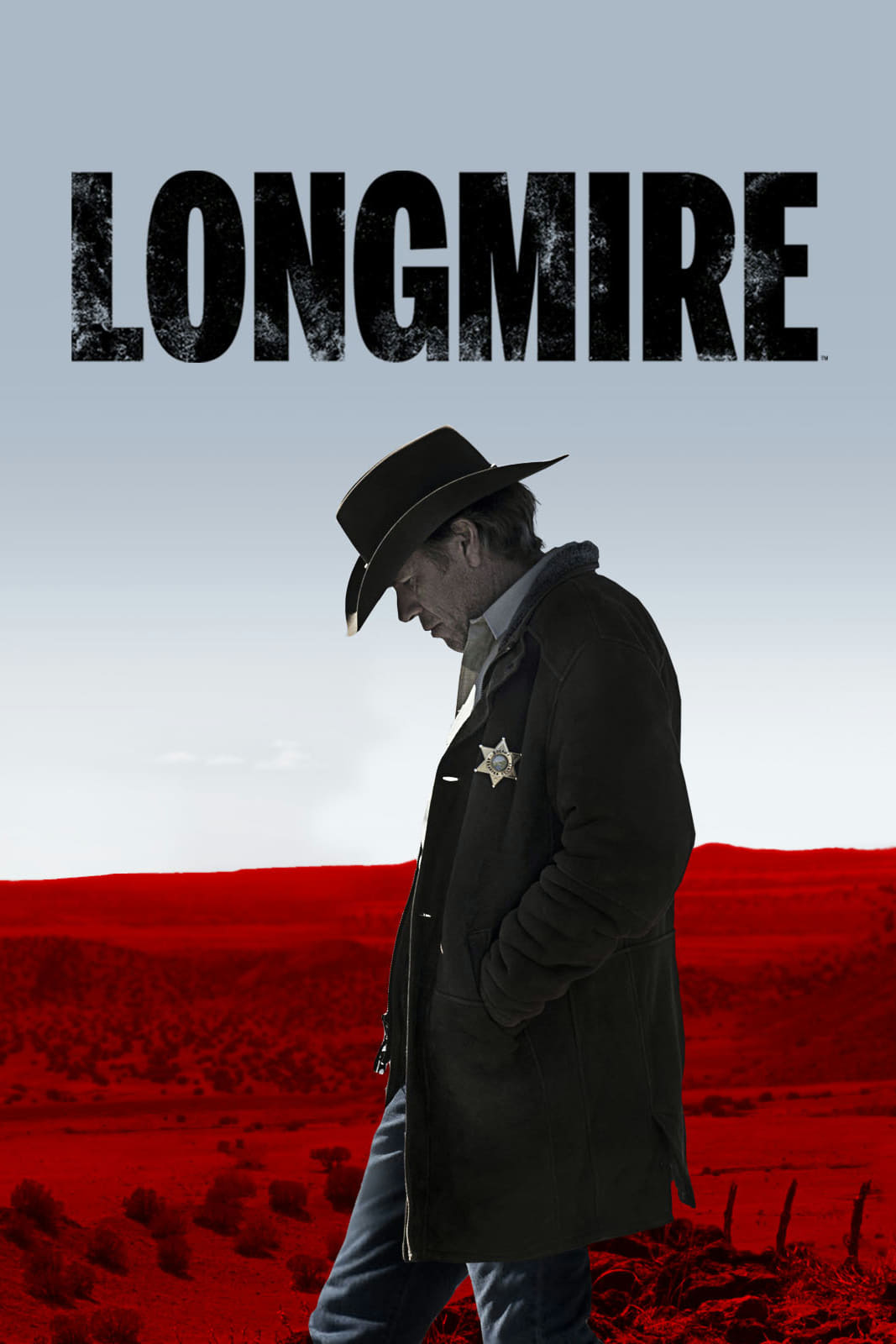
Based on Craig Johnson’s novels and developed by John Coveny and Hunt Baldwin, ‘Longmire’ began on A&E before continuing on Netflix. Robert Taylor stars as Sheriff Walt Longmire, with Katee Sackhoff, Lou Diamond Phillips, and Zahn McClarnon among the ensemble; the show is set in Wyoming but filmed primarily in New Mexico.
Procedural cases intersect with long-running plotlines involving county politics, reservation jurisdiction, and family businesses. The production blends modern law enforcement detail—radios, evidence work, interagency coordination—with frontier landscapes, ranching, and backcountry search operations.
‘Justified’ (2010–2015)
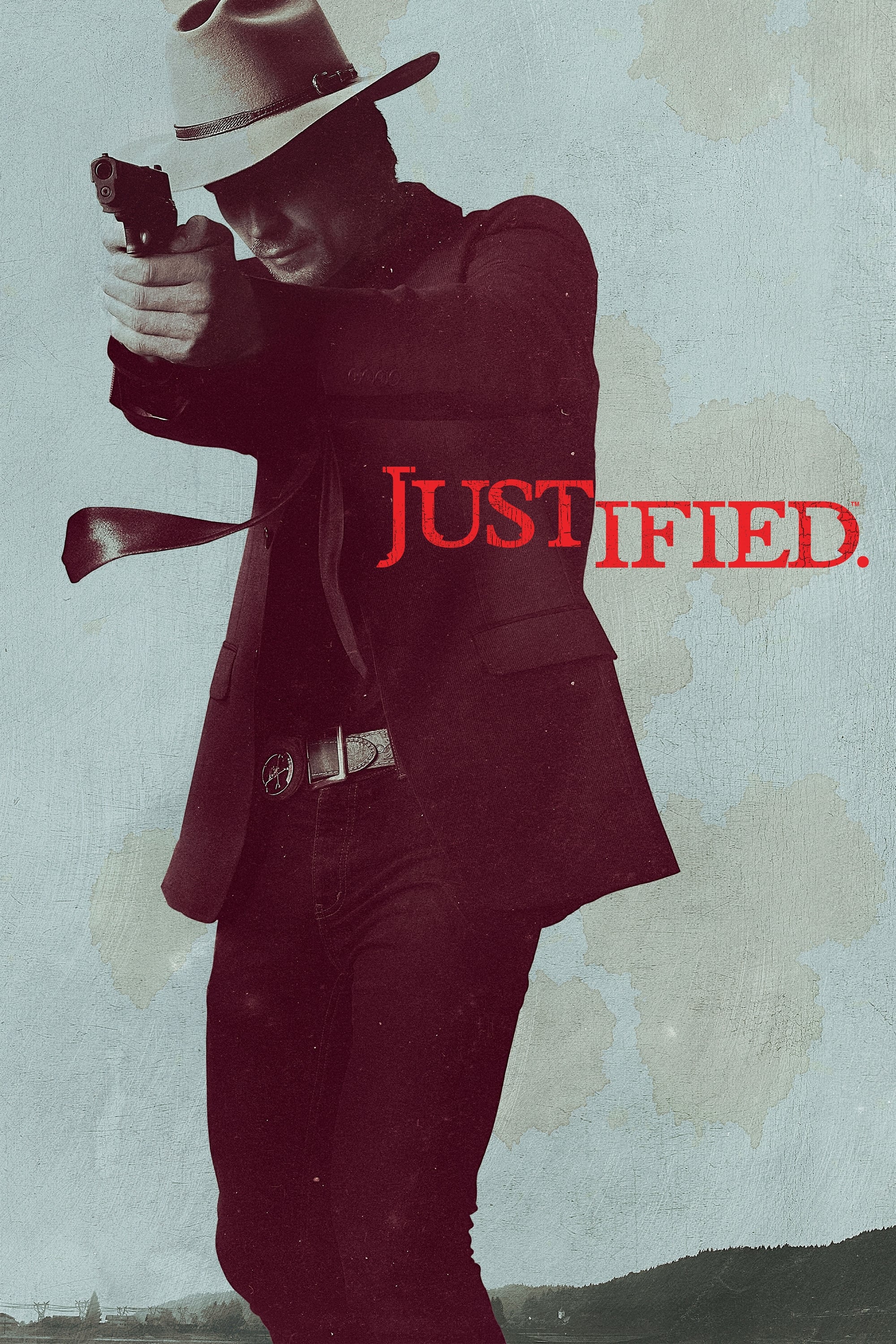
Developed by Graham Yost from Elmore Leonard’s Raylan Givens stories for FX, ‘Justified’ stars Timothy Olyphant and Walton Goggins in intersecting arcs set in Kentucky hollers, small towns, and county seats. Though set in Appalachia, production based many interiors and exteriors in Southern California while building a consistent rural aesthetic.
The series structures each season around organized-crime enterprises and task-force responses, using casework, informants, and court procedures to drive investigations. Dialogue, firearms handling, and marshal protocols reflect consultation with technical advisors, while serialized arcs track families, land deals, and federal jurisdiction.
‘Godless’ (2017)
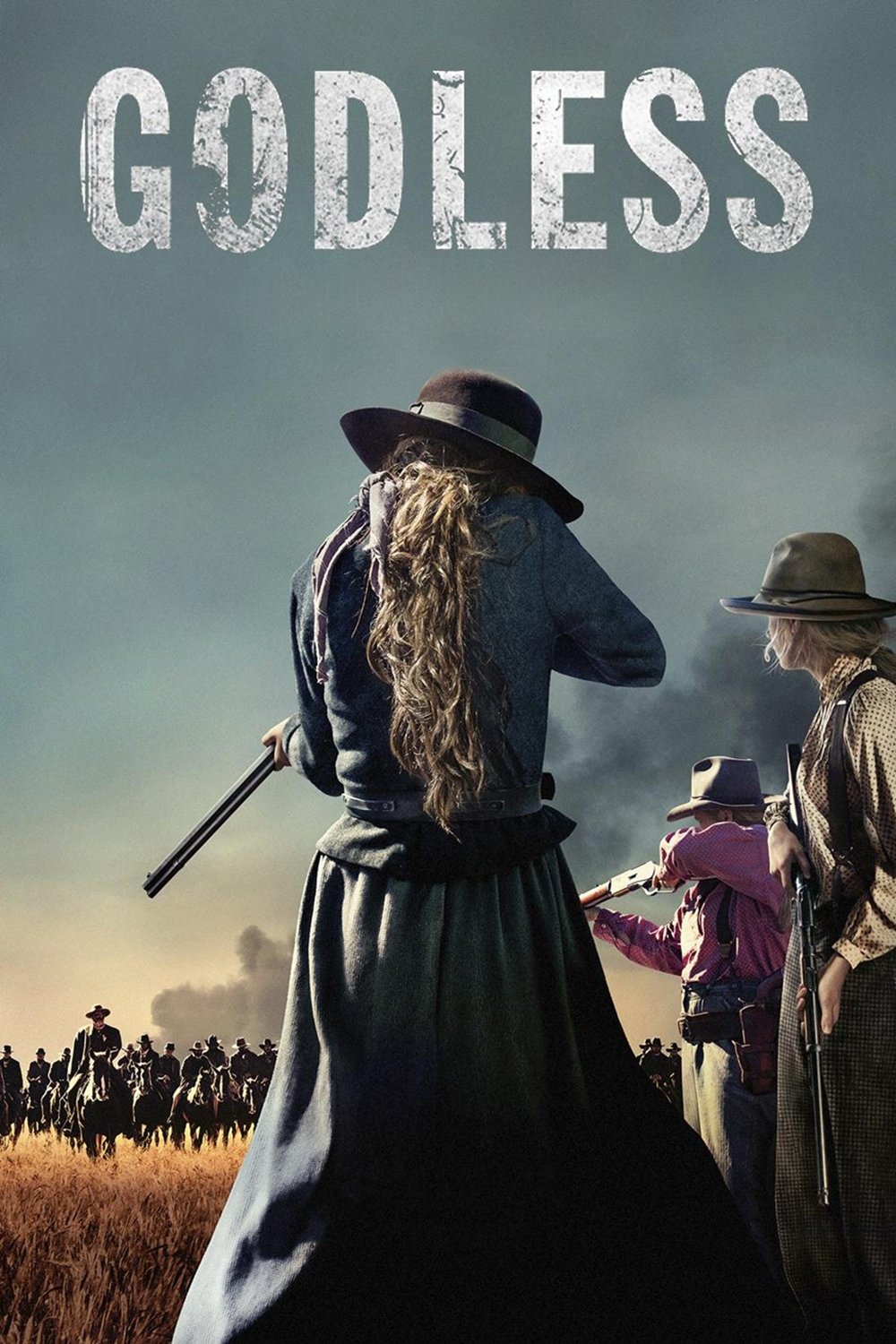
‘Godless’ is a seven-episode limited series created by Scott Frank for Netflix, with Jack O’Connell, Michelle Dockery, and Jeff Daniels in principal roles. Filmed in New Mexico, the production constructed practical town sets with extensive horse work and wide-open exteriors.
The story follows an outlaw gang’s pursuit intersecting with a mining town’s recovery from catastrophe. The limited format focuses on a single arc, incorporating railroad interests, homesteading economics, and mining operations alongside medical care, schooling, and town governance.
‘The English’ (2022)
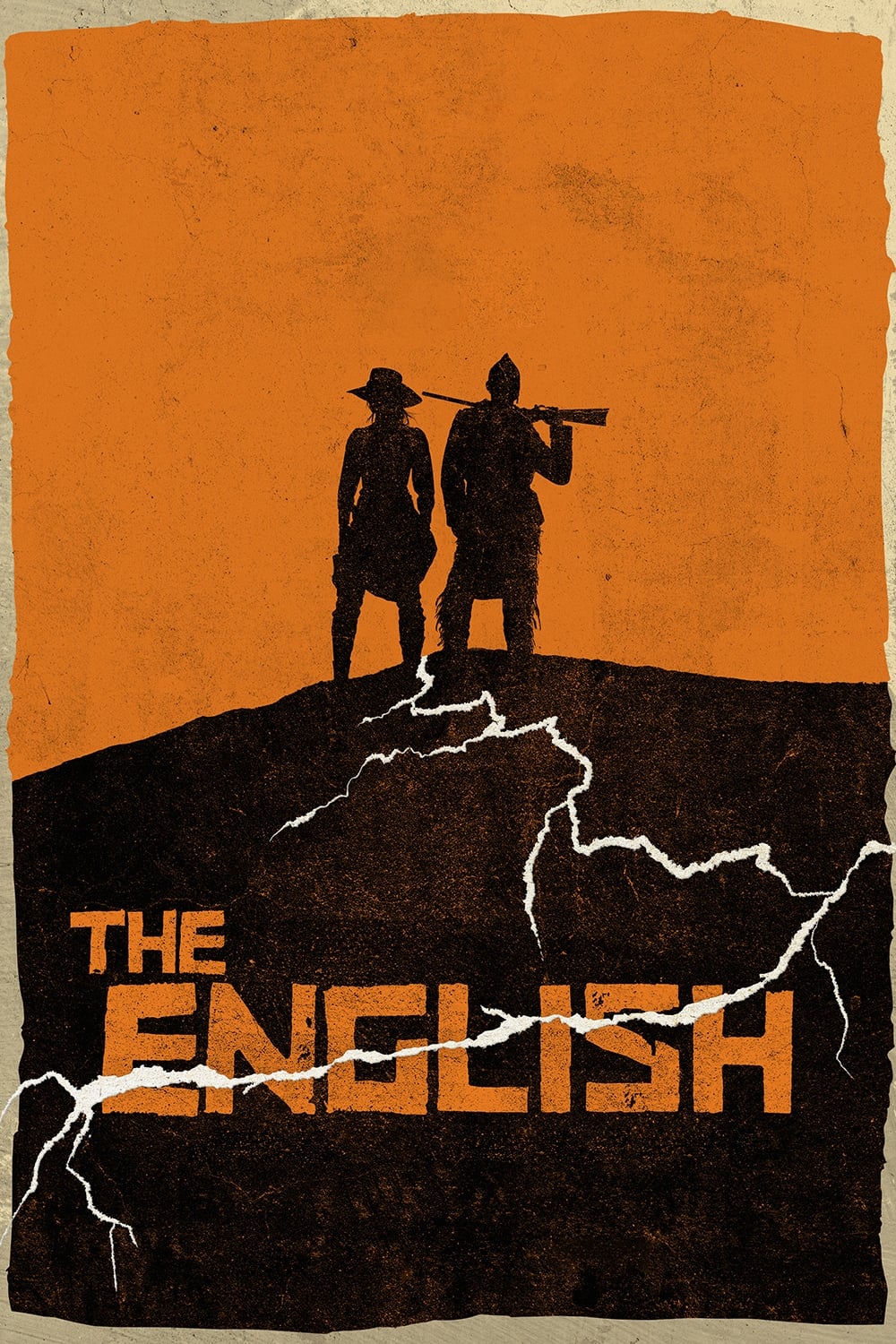
Created by Hugo Blick for BBC and Prime Video, ‘The English’ pairs Emily Blunt and Chaske Spencer in a limited series that tracks a cross-country journey through frontier territories. The production filmed extensively in Spain to capture plains, mesas, and expansive skies, with costuming and props emphasizing period details across multiple communities.
The narrative connects personal quests with land policy, military posts, and trading networks, moving through settlements that rely on freight routes and treaty borders. Episodes use self-contained locales—waystations, ranches, and small towns—while a larger throughline interlaces flashbacks and official records.
‘1883’ (2021–2022)
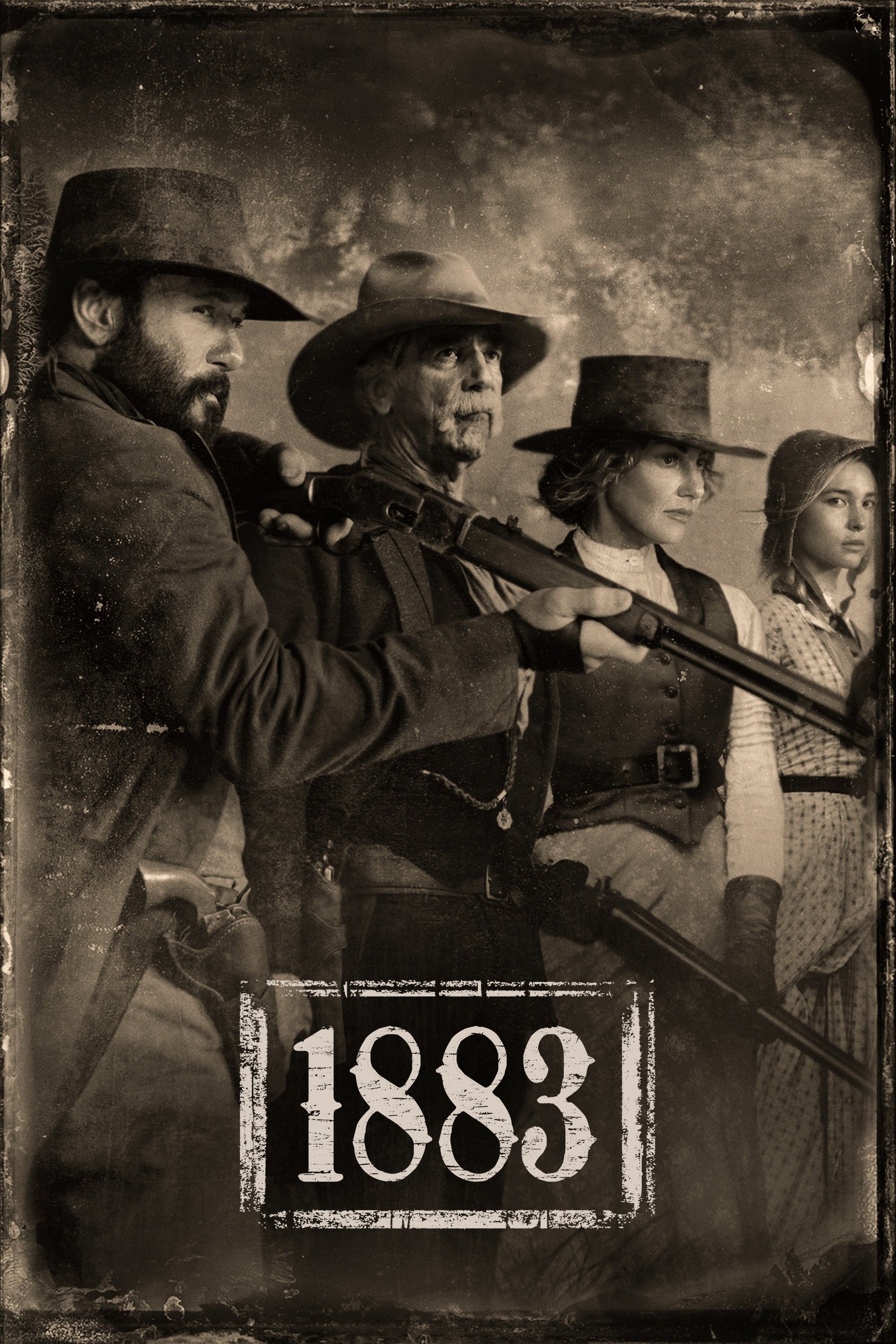
From creator Taylor Sheridan for Paramount+, ‘1883’ stars Sam Elliott, Tim McGraw, and Faith Hill, following a wagon expedition toward the northern plains. Filming took place across Texas, Montana, and additional locations to stage river crossings, prairie travel, and encampments.
The series foregrounds trail logistics such as herd management, guides, translators, and supply provisioning, along with immigration papers and route selection. Production coordinated large-scale animal work, period wagons, and costuming, while the story links to the ranching legacy introduced in ‘Yellowstone’ through family backstory.
‘Wynonna Earp’ (2016–2021)
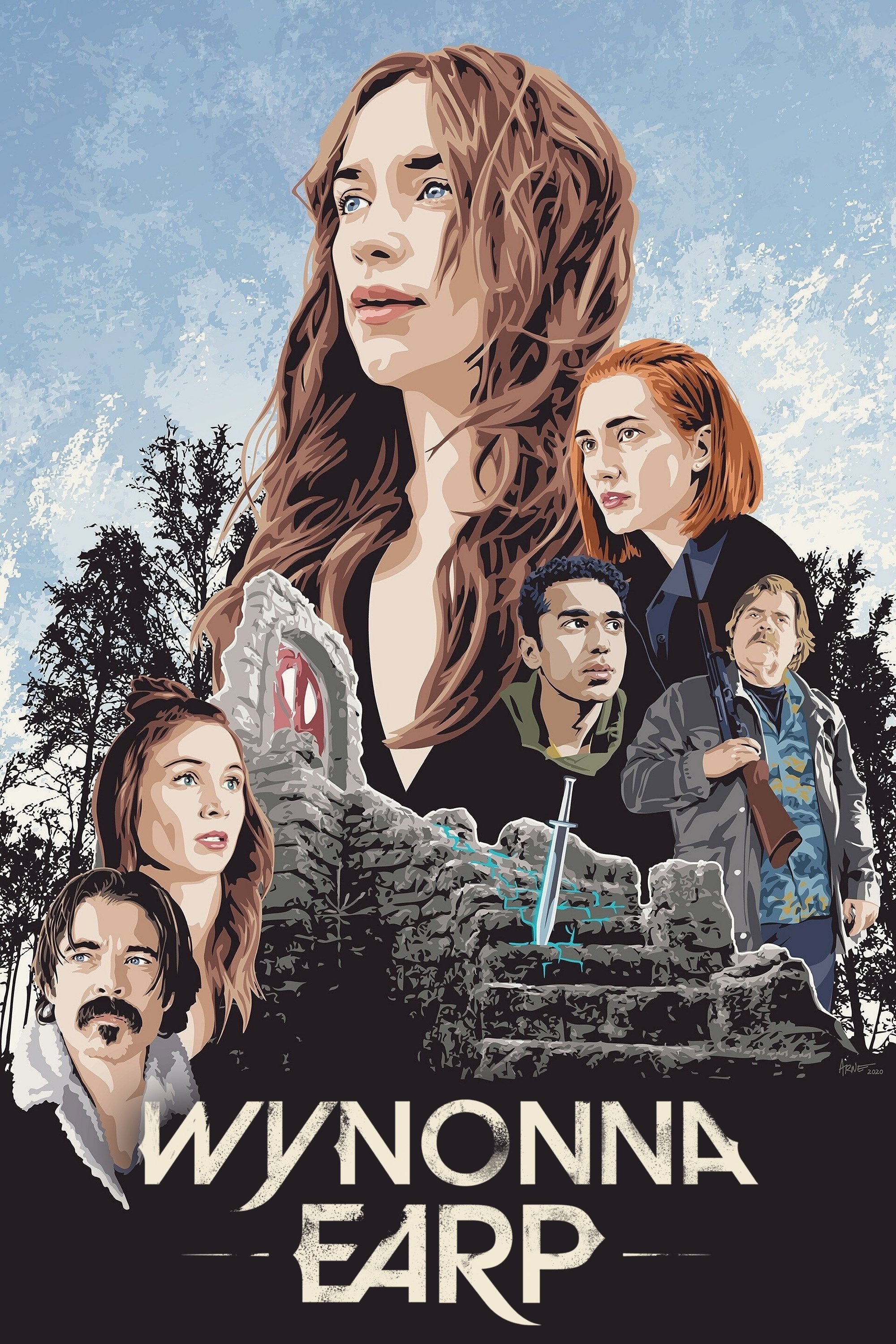
Developed by Emily Andras from the comic by Beau Smith, ‘Wynonna Earp’ aired on Syfy and CTV Sci-Fi Channel, with principal photography in Alberta. Melanie Scrofano leads the cast as Wynonna, joined by Dominique Provost-Chalkley, Tim Rozon, and Katherine Barrell.
The series mixes western settings with supernatural casework, using a monster-of-the-week structure that feeds into longer arcs about family history, town boundaries, and cursed artifacts. Production blends practical stunts with visual effects, maintaining staples like saloons, homesteads, and frontier law offices within a modern small-town framework.
‘The Son’ (2017–2019)
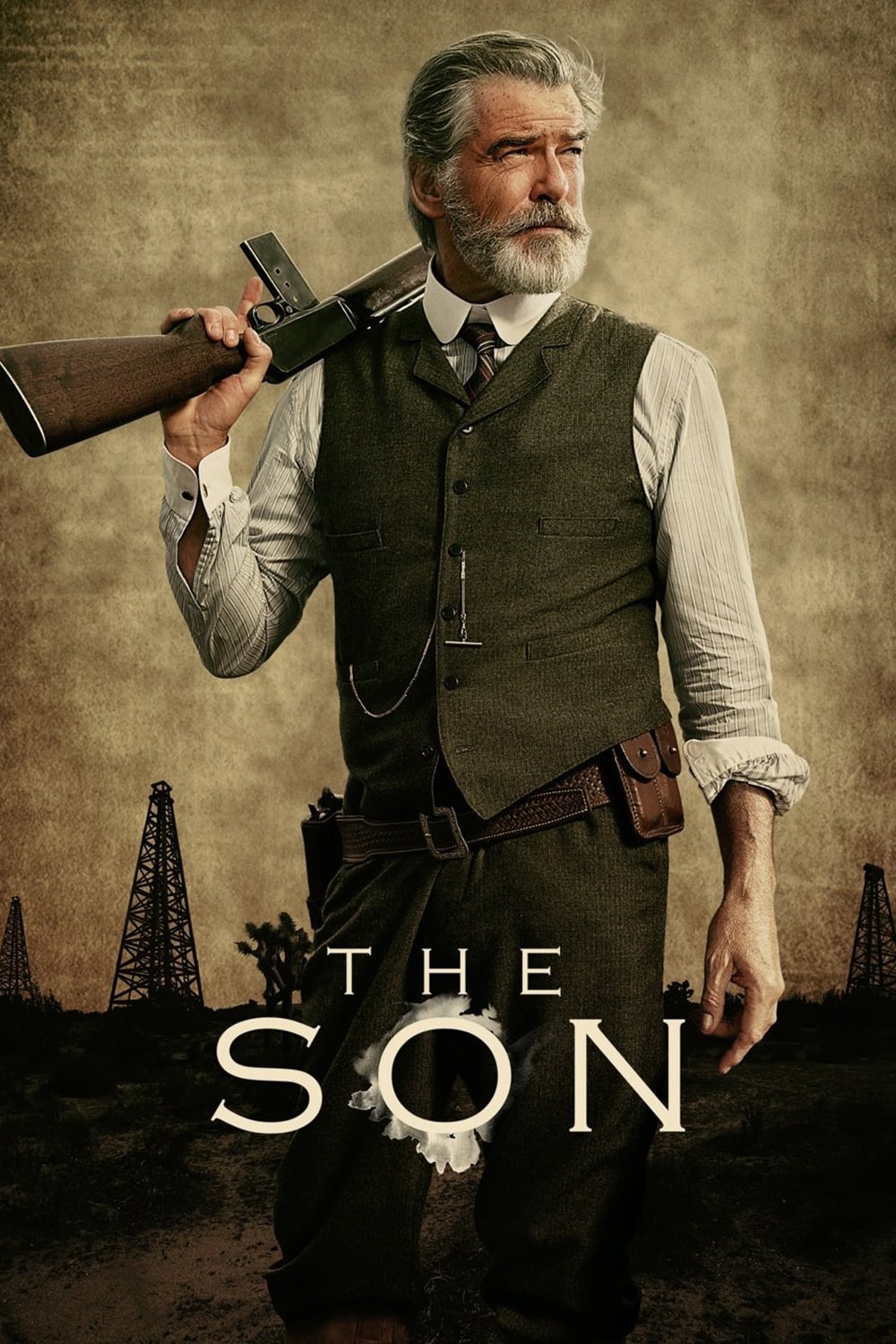
Based on Philipp Meyer’s novel and produced for AMC, ‘The Son’ stars Pierce Brosnan and Jacob Lofland in parallel timelines that follow a Texas family’s rise in ranching and oil. Filming used Texas locations to depict river country, ranch lands, and early refineries.
The series tracks business ventures, land conflicts, and political office, interlacing tribal relations, border trade, and family succession. Production design details livestock operations, drilling sites, and household estates, while scripts incorporate contracts, title claims, and banking.
‘The Magnificent Seven’ (1998–2000)
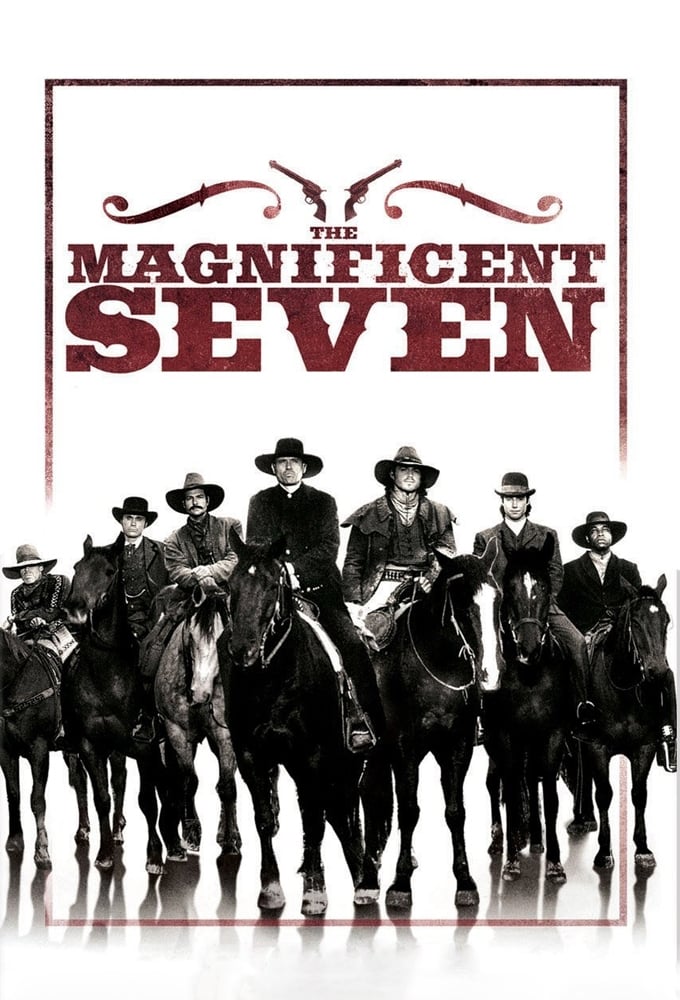
Inspired by the earlier film, ‘The Magnificent Seven’ ran on CBS with an ensemble led by Michael Biehn, Eric Close, and Ron Perlman. Sets and backlots recreated a frontier town hub supporting episodic conflicts and traveling storylines.
Episodes deploy rotating guest characters, circuit judges, and rail crews, tying cases to stage lines, ranch security, and town councils. The production uses a team-of-specialists format to stage rescues, escorts, and negotiations, emphasizing tactics, gear, and logistics.
‘The Pinkertons’ (2014–2015)
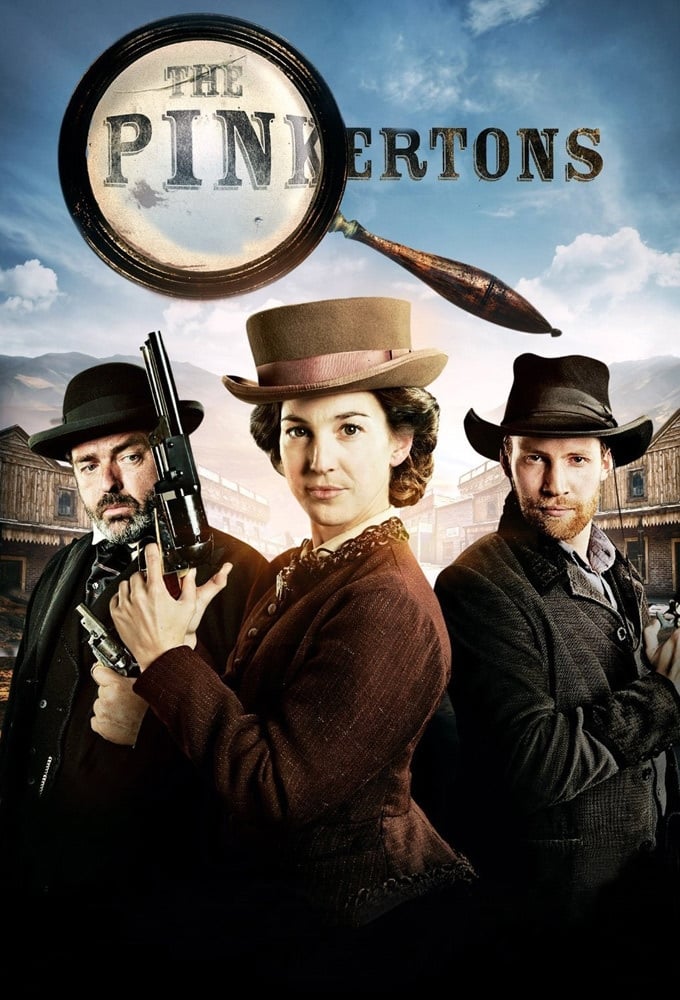
‘The Pinkertons’ is a syndicated series starring Jacob Blair as William Pinkerton, Angus Macfadyen as Allan Pinkerton, and Martha MacIsaac as Kate Warne. Filmed in Manitoba, it recreates an agency office serving a growing Midwestern city.
Case files revolve around rail theft, counterfeiting, and industrial espionage, with procedures that include undercover work, forensics of the era, and interagency cooperation. The show references period investigative methods—rogues’ galleries, telegraph networks, and informant handling—within episodic mysteries.
‘The Young Riders’ (1989–1992)
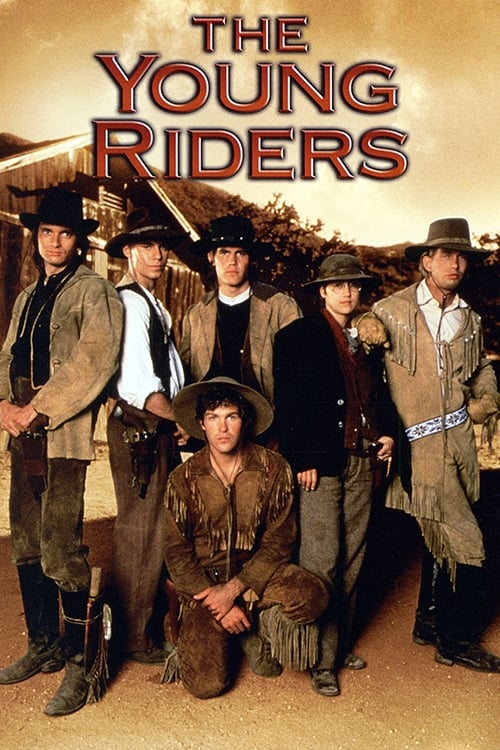
Airing on ABC, ‘The Young Riders’ follows a group of Pony Express riders, with cast members including Ty Miller, Josh Brolin, Stephen Baldwin, and Gregg Rainwater. Production utilized Old Tucson Studios and surrounding desert locations to stage waystations and relay routes.
Stories focus on mail contracts, horse changes, and relay timing, with appearances by historical figures and traveling shows. Episodes often center on route security, river crossings, and weather challenges, while depicting bunkhouse life and station management.
‘The Big Valley’ (1965–1969)
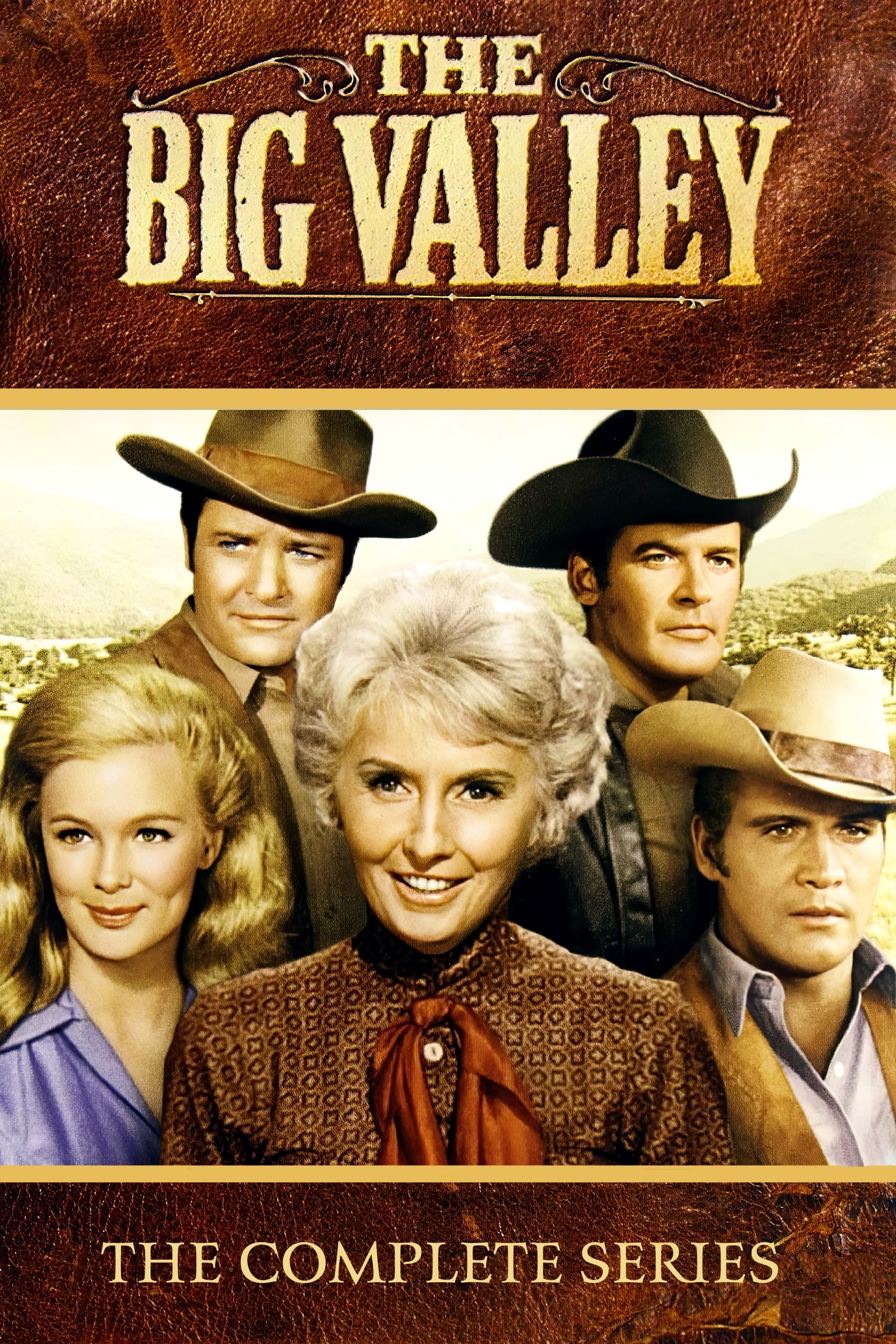
‘The Big Valley’ ran on ABC with Barbara Stanwyck as matriarch Victoria Barkley, alongside Lee Majors, Linda Evans, and Richard Long. The series is set in California ranch country, using soundstages and ranch locations to portray family estates, town streets, and range land.
Plots integrate ranch operations—water rights, fencing, and cattle sales—with court cases, bank dealings, and railroad expansion. The show blends episodic disputes with recurring rivals, using family councils and foreman crews to move resources across seasons.
‘The Rifleman’ (1958–1963)
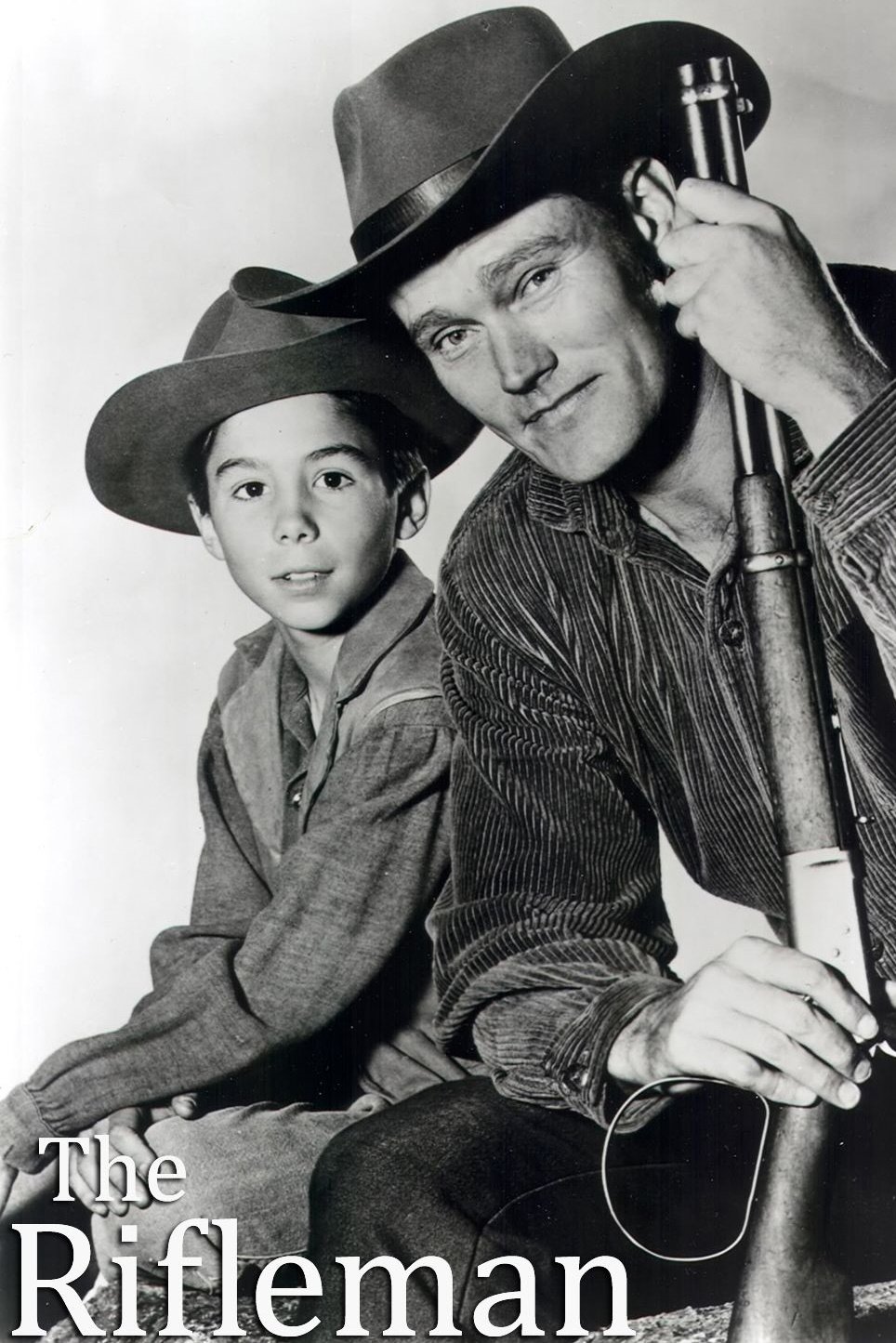
Starring Chuck Connors and Johnny Crawford, ‘The Rifleman’ aired on ABC and was filmed largely around Southern California ranches and backlots. The father-son dynamic anchors stories that unfold in and around the town of North Fork.
Episodes revolve around frontier law, land claims, and community institutions like schools and churches. Practical effects and stunt work stage barn fights, street confrontations, and cattle pens, while scripts reference town charters, sheriff appointments, and circuit courts.
‘Have Gun – Will Travel’ (1957–1963)
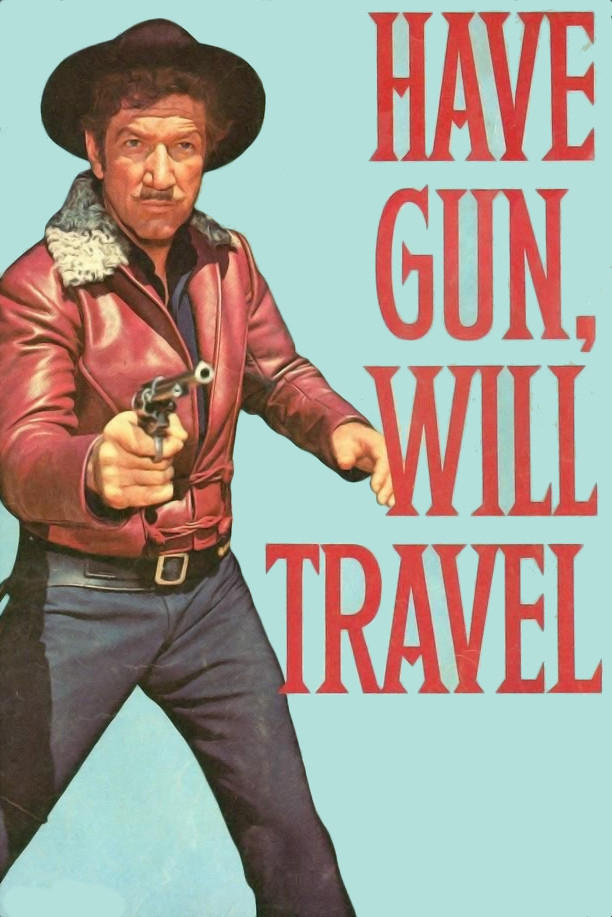
‘Have Gun – Will Travel’ stars Richard Boone as Paladin, a gentleman troubleshooter operating out of San Francisco’s Hotel Carlton. Produced for CBS, it uses a blend of studio sets and location shoots to stage work across mining towns, ranches, and ports.
The series treats each assignment as a contract negotiation, outlining fees, terms, and the ethical boundaries Paladin observes. Episodes incorporate freight companies, telegraph offices, and legal documents, often resolving disputes through mediation, escort services, or targeted interventions.
‘Rawhide’ (1959–1965)
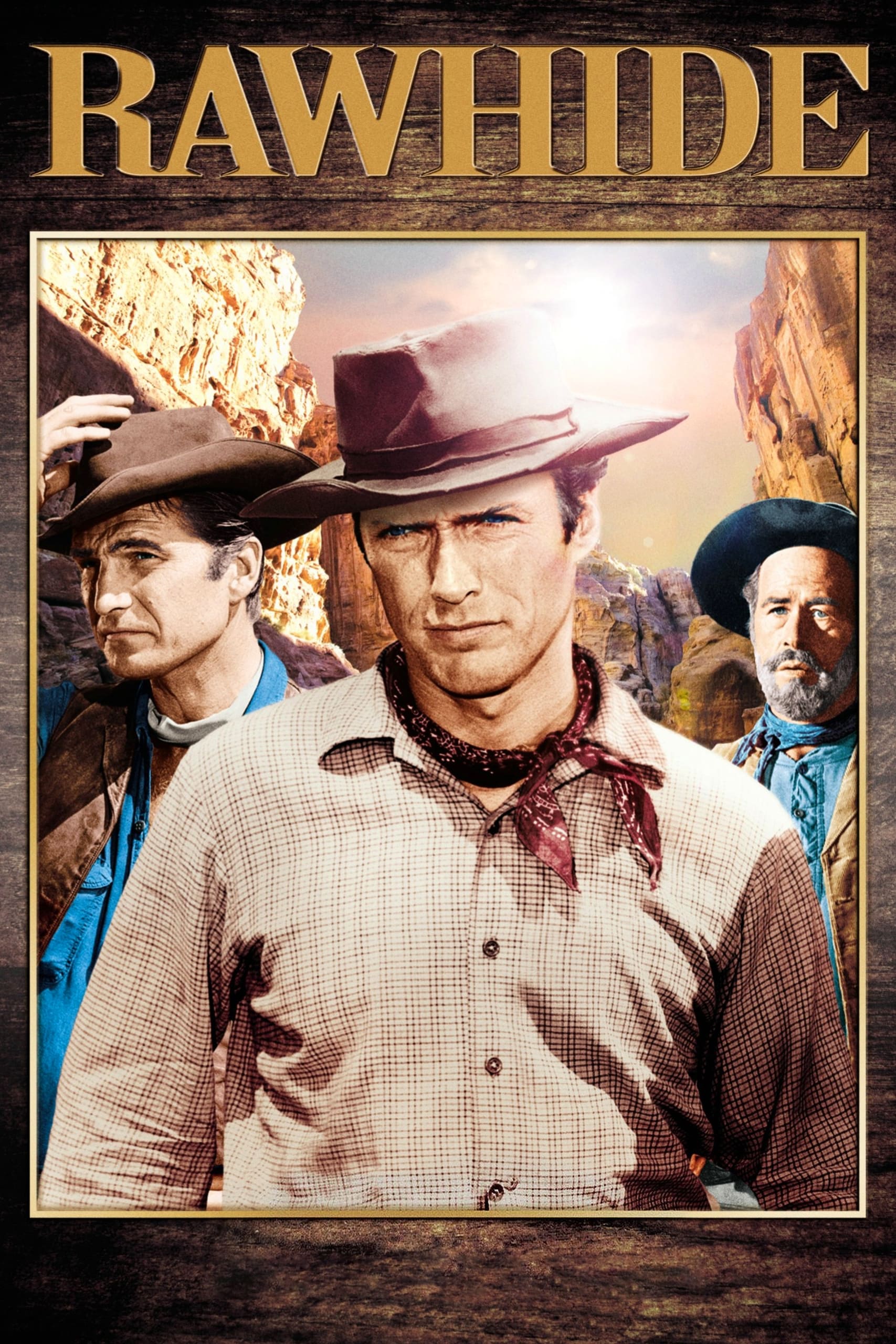
‘Rawhide’ follows a cattle drive crew led by Eric Fleming’s trail boss, with Clint Eastwood as a key hand. Produced for CBS, it employed California and Arizona locations to depict trail segments, river fords, and supply stops.
The show’s structure revolves around moving herds toward railheads, integrating drover roles, remuda management, and trail cook operations. Conflicts emerge from rustling, contracts, and weather delays, with episodes tracking how the drive adapts to terrain and town ordinances.
‘Bonanza’ (1959–1973)
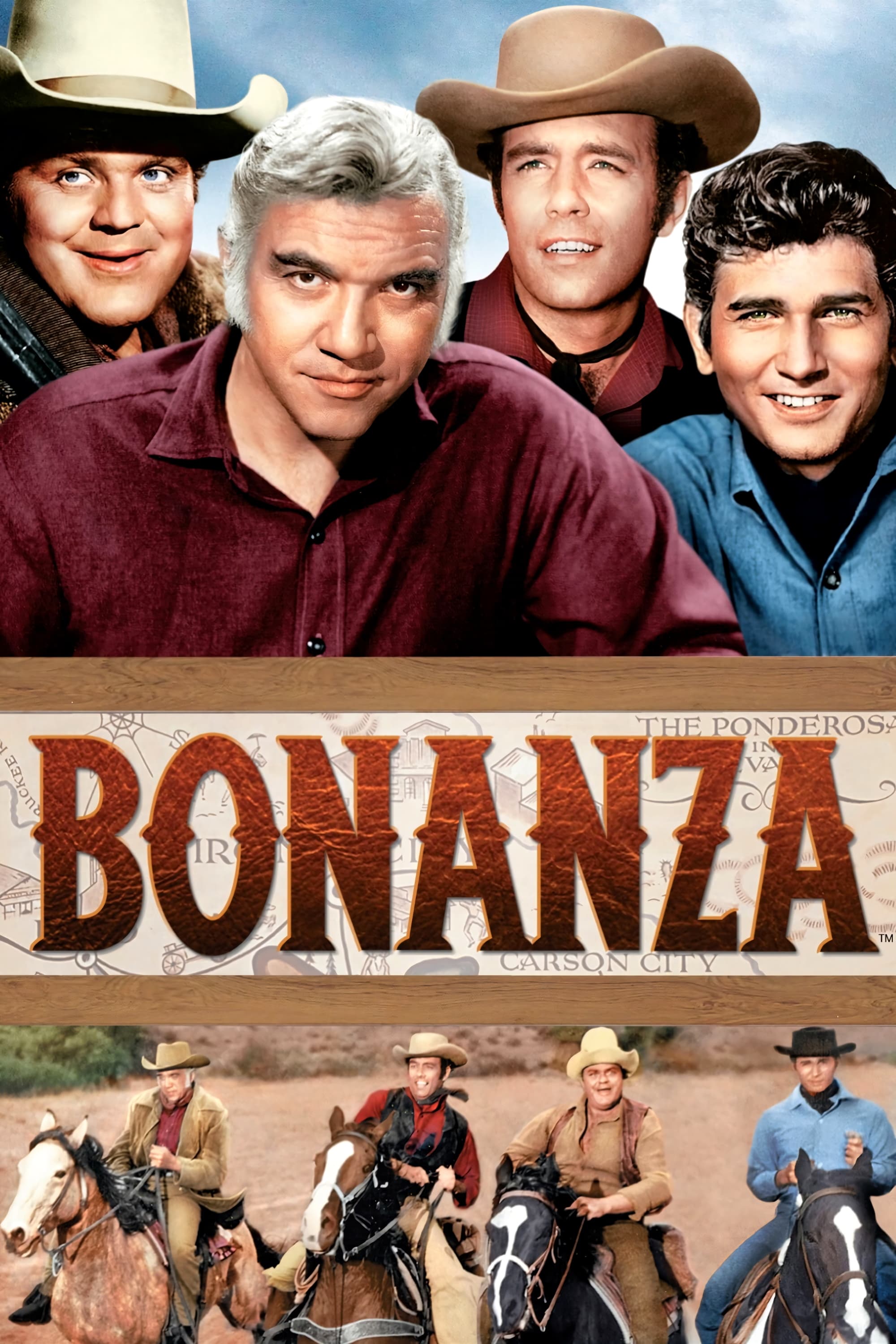
A long-running NBC series, ‘Bonanza’ centers on the Cartwright family at the Ponderosa Ranch near Virginia City. The production used soundstages, Tahoe exteriors, and standing western streets to frame ranch life, timber operations, and mining commerce.
Stories explore land stewardship, logging contracts, and town development, with repeat appearances from judges, bankers, and rival ranchers. The ensemble cast cycles through arcs involving cattle sales, trail hires, and local elections, building a consistent picture of regional governance.
‘Gunsmoke’ (1955–1975)
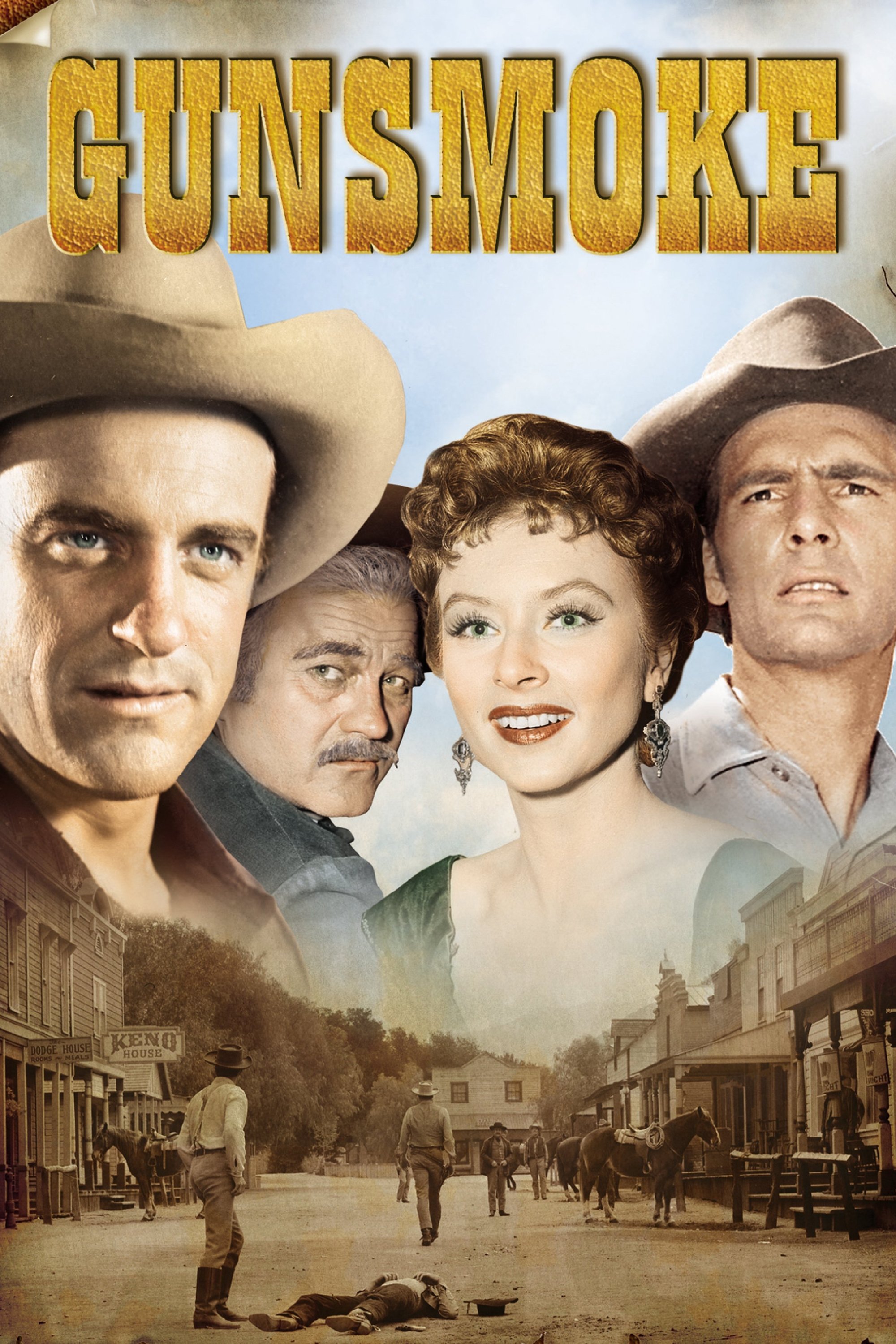
‘Gunsmoke’ stars James Arness as Marshal Matt Dillon in Dodge City and aired on CBS across radio and television formats. Production built a durable set of saloons, offices, and stables, allowing continuity across numerous directors and guest casts.
Episodic cases cover town ordinances, circuit court schedules, and deputy appointments, with recurring characters anchoring medical, legal, and commercial services. The series’ procedural core uses witness statements, posse formations, and jail management to handle conflicts.
‘Lonesome Dove’ (1989)
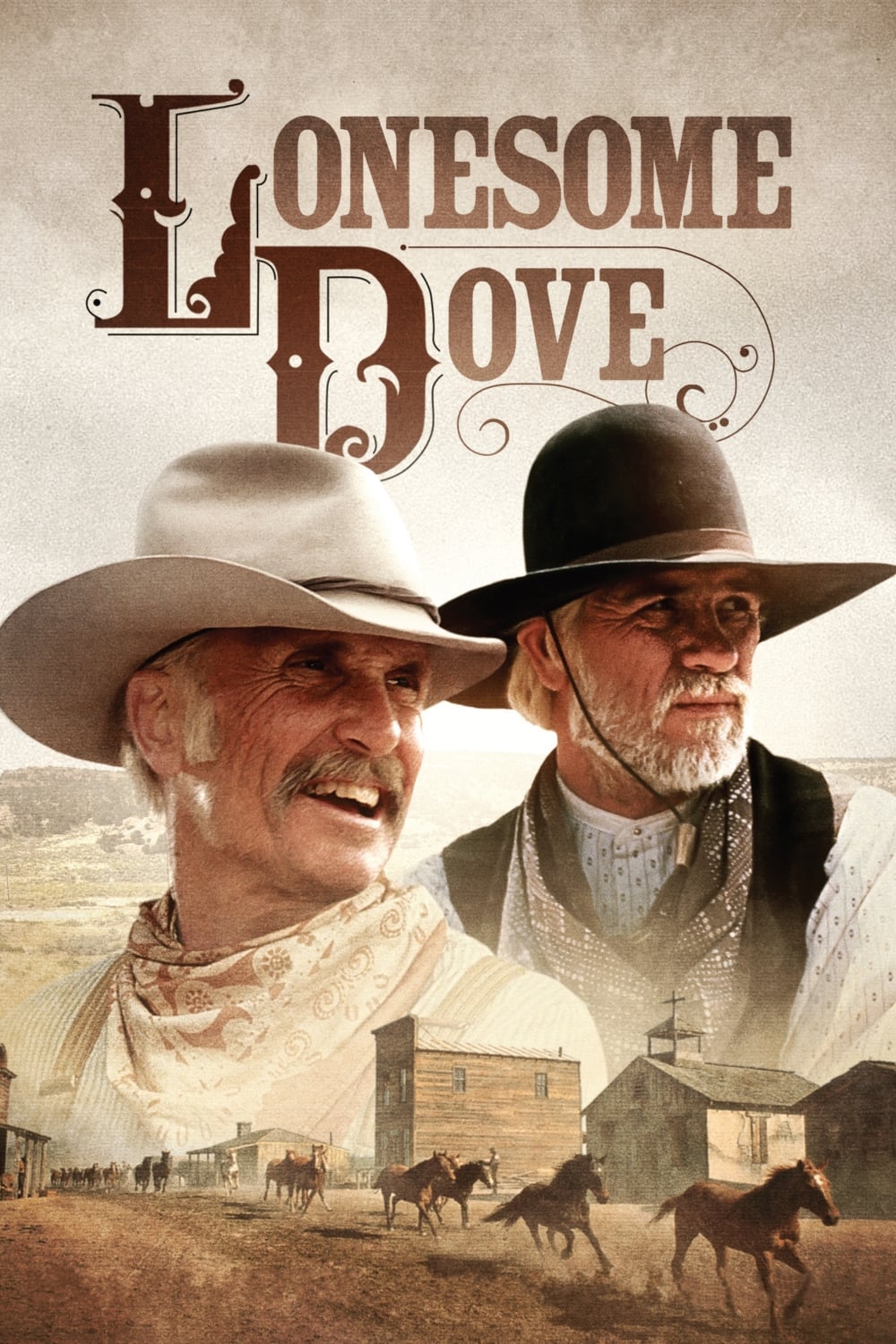
‘Lonesome Dove’ is a four-part CBS miniseries based on Larry McMurtry’s novel, starring Robert Duvall and Tommy Lee Jones. Filming spanned Texas locations to portray rivers, border towns, and open range.
The production coordinates large cattle herds, remounts, and trail logistics, including ferries, supply stores, and night watches. The narrative follows a full cattle drive, with contracts, recruiting, and map planning forming the backbone of each chapter.
‘Comanche Moon’ (2008)
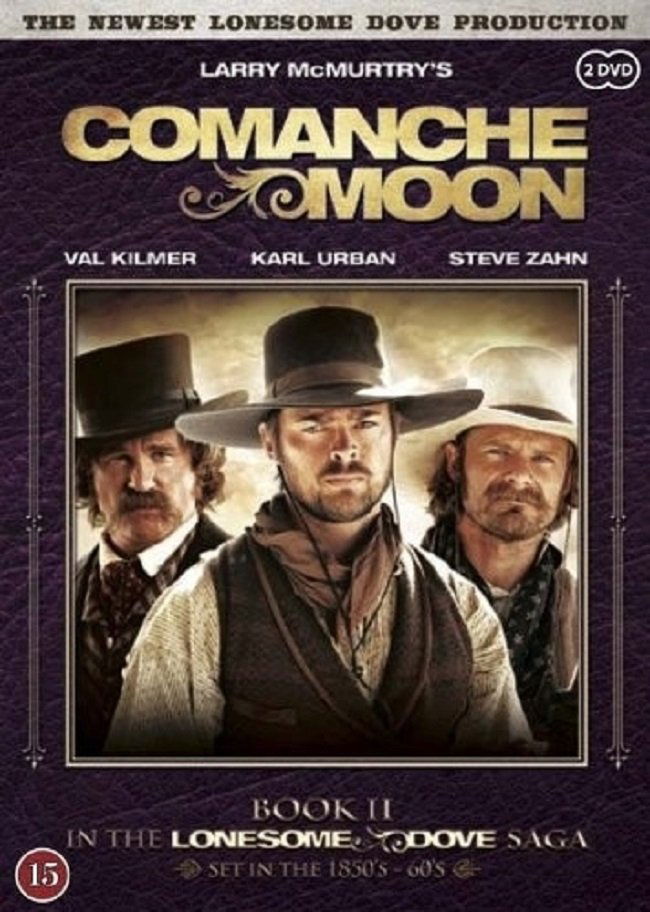
A prequel miniseries in the ‘Lonesome Dove’ cycle, ‘Comanche Moon’ aired on CBS with Steve Zahn and Karl Urban as younger versions of central Texas Rangers. The production uses on-location shoots for forts, settlements, and river crossings.
Storylines emphasize ranger patrols, tribal diplomacy, and border enforcement, with logistics such as remount stations, scouts, and provisioning. The format connects law-enforcement cases to shifting territorial policies and town growth.
‘Broken Trail’ (2006)
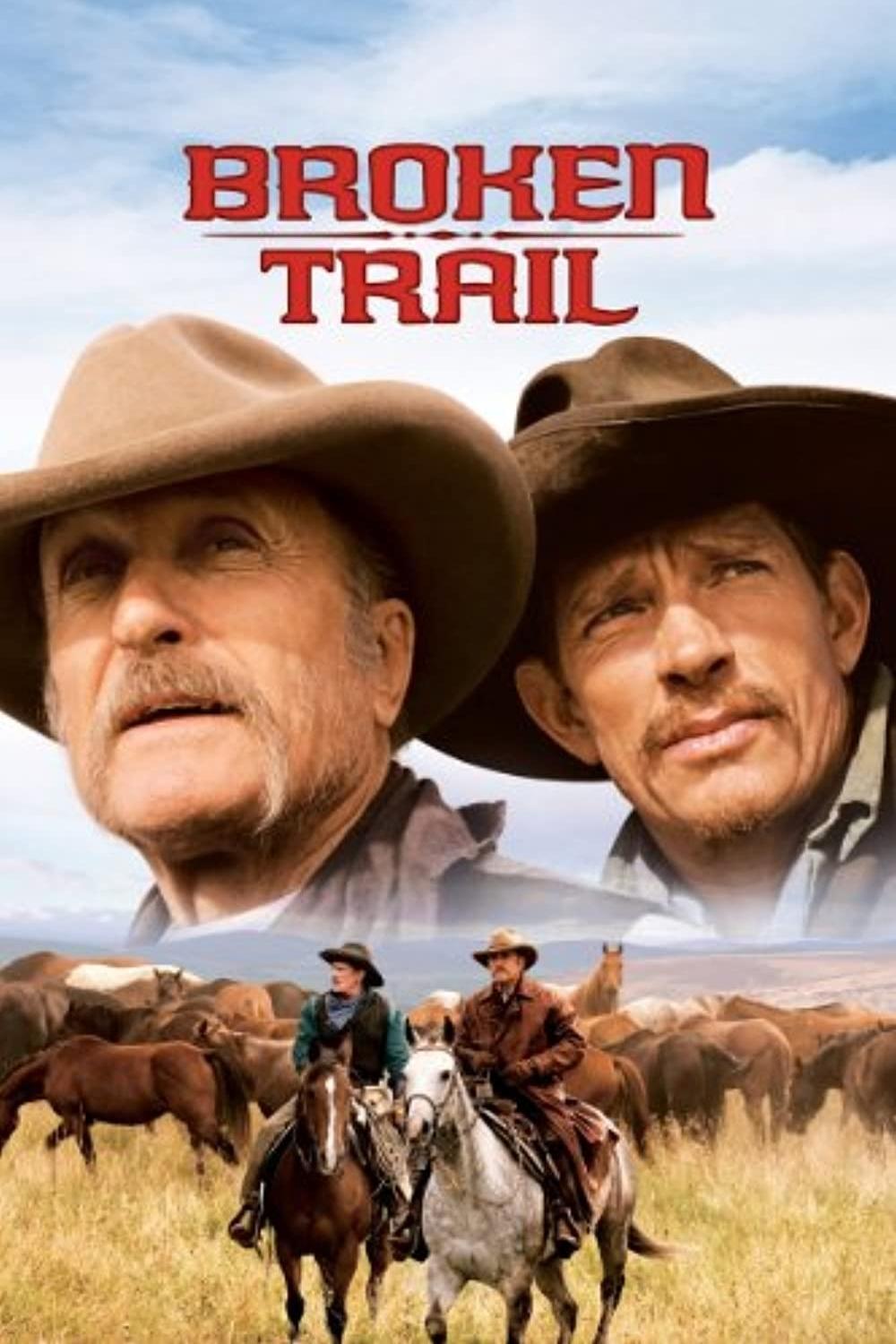
Produced for AMC, ‘Broken Trail’ stars Robert Duvall and Thomas Haden Church in a two-part miniseries that follows a horse drive in the American West. The production makes extensive use of on-location photography to cover fords, camps, and settlements.
The plot revolves around a contract to deliver remounts, touching on bill of sale issues, trail hiring, and route selection. The show integrates language interpretation, freight exchanges, and town permits into its journey structure.
‘Into the West’ (2005)
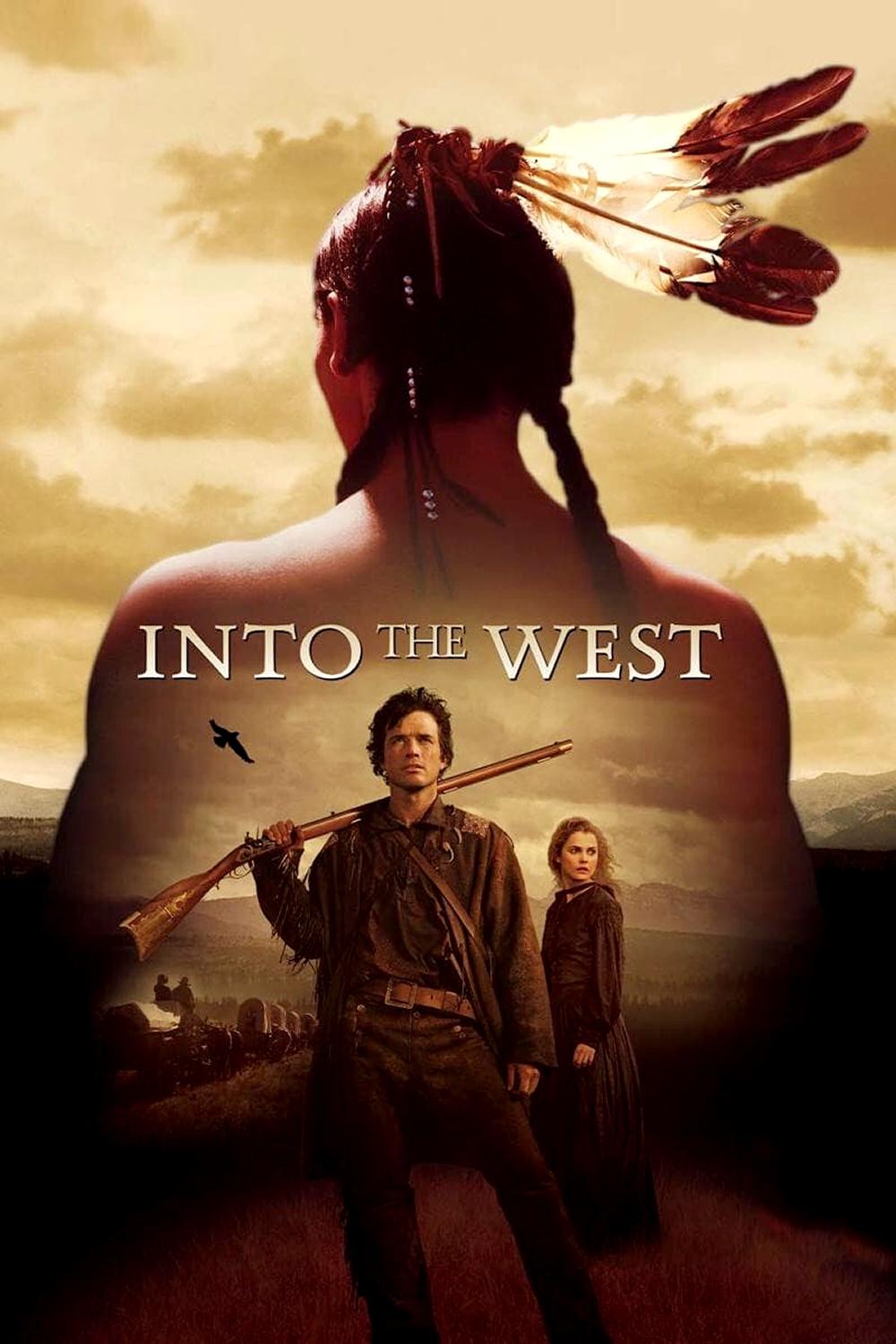
‘Into the West’ is a six-part TNT miniseries from DreamWorks Television that tracks multiple generations across frontier expansion. Filmed in the United States and Canada, it uses a rotating ensemble to depict families on intersecting paths.
Episodes interweave wagon travel, rail building, and town founding with artisan trades and military posts. The anthology-style structure lets production highlight different regions, from plains to mining camps, while maintaining continuity through heirlooms and letters.
‘The Adventures of Brisco County, Jr.’ (1993–1994)
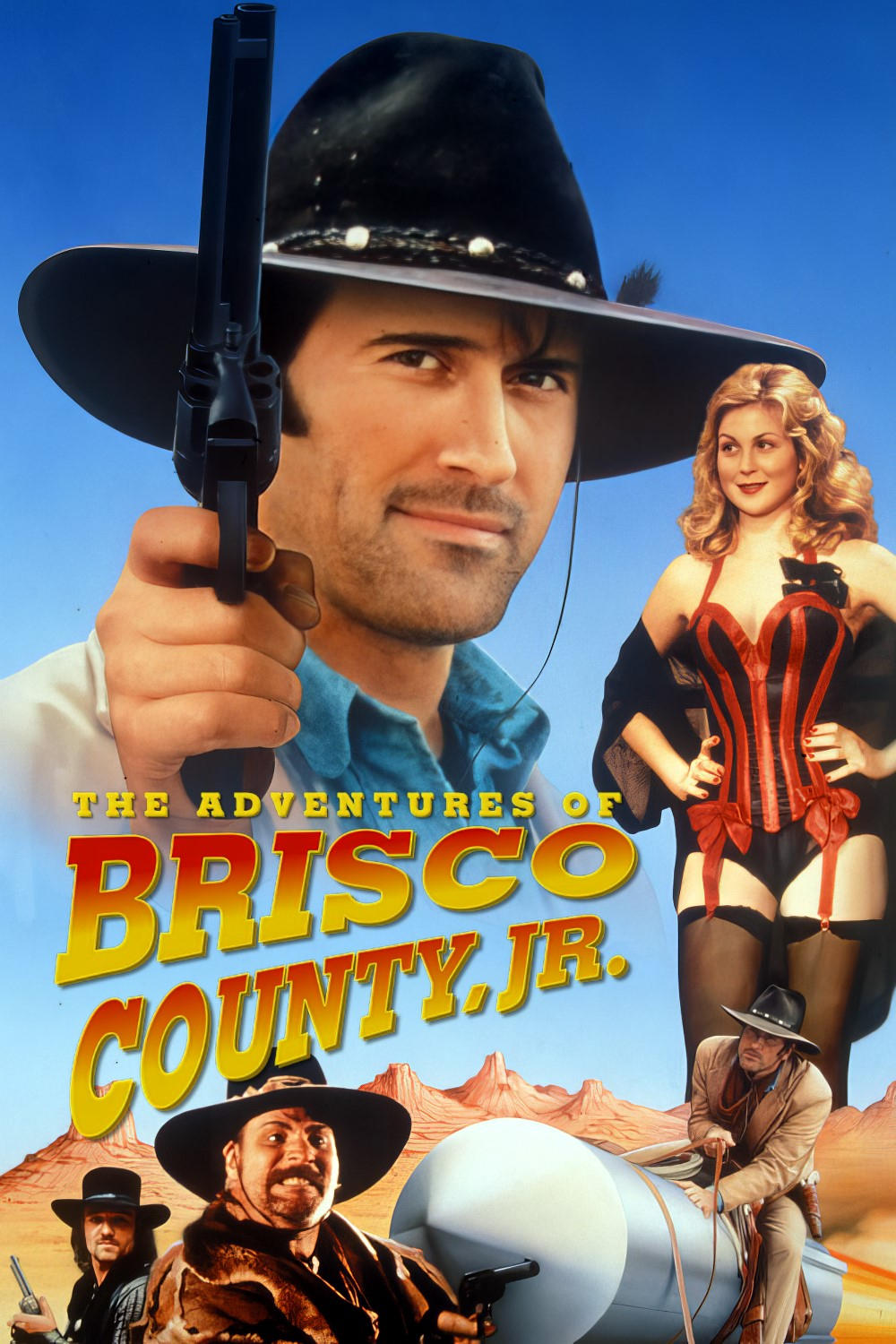
Developed by Jeffrey Boam and Carlton Cuse for Fox, ‘The Adventures of Brisco County, Jr.’ stars Bruce Campbell as a Harvard-educated bounty hunter. The show blends western trappings with gadgetry and proto-steampunk devices, using backlots and deserts for varied terrain.
Case-of-the-week plots involve rail barons, escaped convicts, and artifact chases, with recurring allies and rivals. Practical effects and stunt coordination support horseback pursuits, train sequences, and set-piece showdowns.
‘Peacemakers’ (2003)

‘Peacemakers’ aired on USA Network with Tom Berenger, Peter O’Meara, and Amy Carlson, focusing on early forensic methods in a frontier boomtown. Production shot in Alberta, building out a mining-town main street and municipal offices.
Each episode hinges on investigative techniques such as ballistics comparisons, photography, and chemical tests available to the period. The stories connect civic institutions—mayor’s office, courts, and mine ownership—to policing resources and public safety debates.
‘Quick Draw’ (2013–2014)
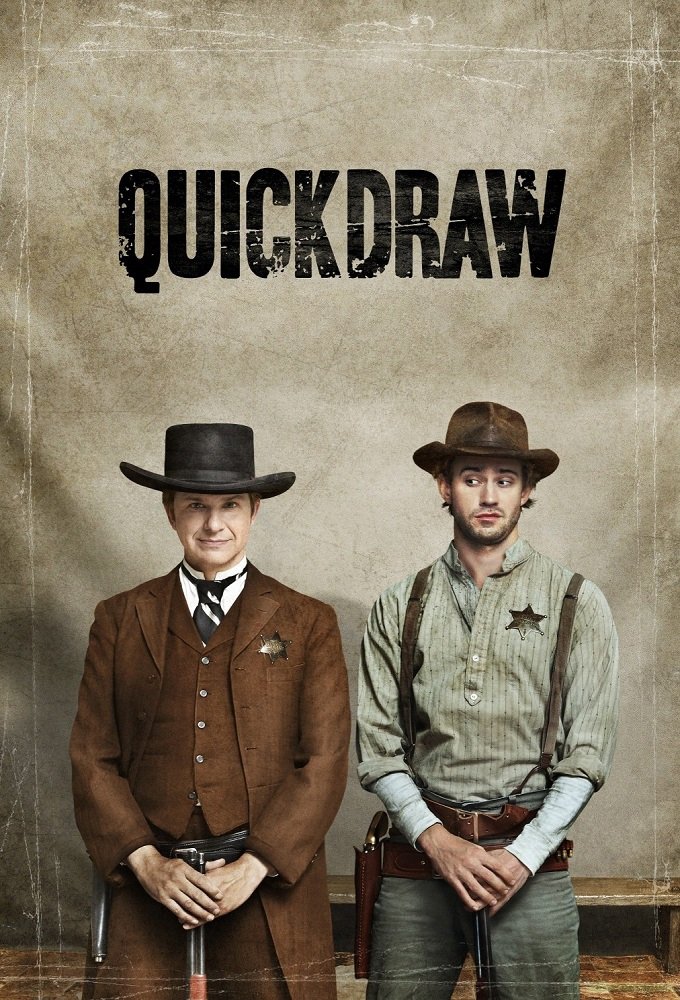
A Hulu original created by John Lehr and Nancy Hower, ‘Quick Draw’ uses an improv-driven format within a western setting. Filmed at Paramount Ranch and other Southern California locations, it centers on a Harvard-educated sheriff and his deputy.
Episodes draw on town operations like saloon licensing, stage schedules, and land deeds, using structured outlines with improvised dialogue to build cases. The production’s small-town layout supports recurring businesses, regulars, and visiting acts that anchor the procedural flow.
Share the frontier gems you think more viewers should discover in the comments!