Best Movies Set in One Day


Stories that unfold within a single sunrise and sunset have a special kind of momentum. With the clock ticking, characters make choices fast, stakes feel immediate, and every scene pulls you straight through to the next. These films use that tight window to show everything from tense courtroom debates to overnight odysseys through cities that never sleep.
Here are 25 standout movies that confine their action to one day or one long night. Each one builds its world in hours, not weeks, and anchors the experience in specific places, precise timelines, and crisp filmmaking choices that keep time front and center.
‘Do the Right Thing’ (1989)
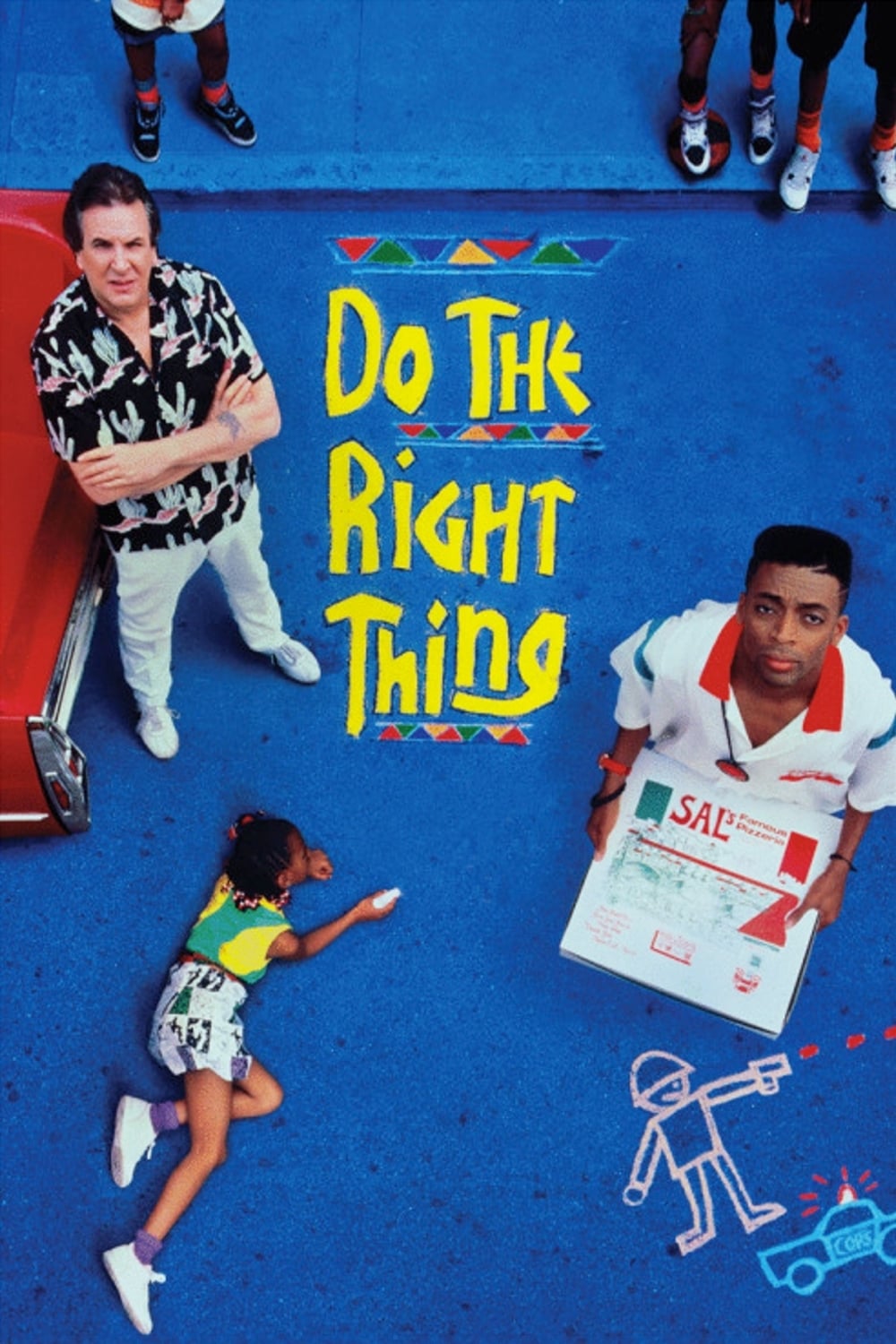
The story follows residents of a Brooklyn block over the hottest day of summer, from morning deliveries to late night confrontations. It tracks routines, neighborhood ties, and rising temperatures, with the timeline marked by radio check-ins and street life changing as the sun moves.
The production centered on a purpose-built block set that allowed the camera to map the day’s geography with exact continuity. The film reached theaters through Universal Pictures, which handled its wide release.
’12 Angry Men’ (1957)
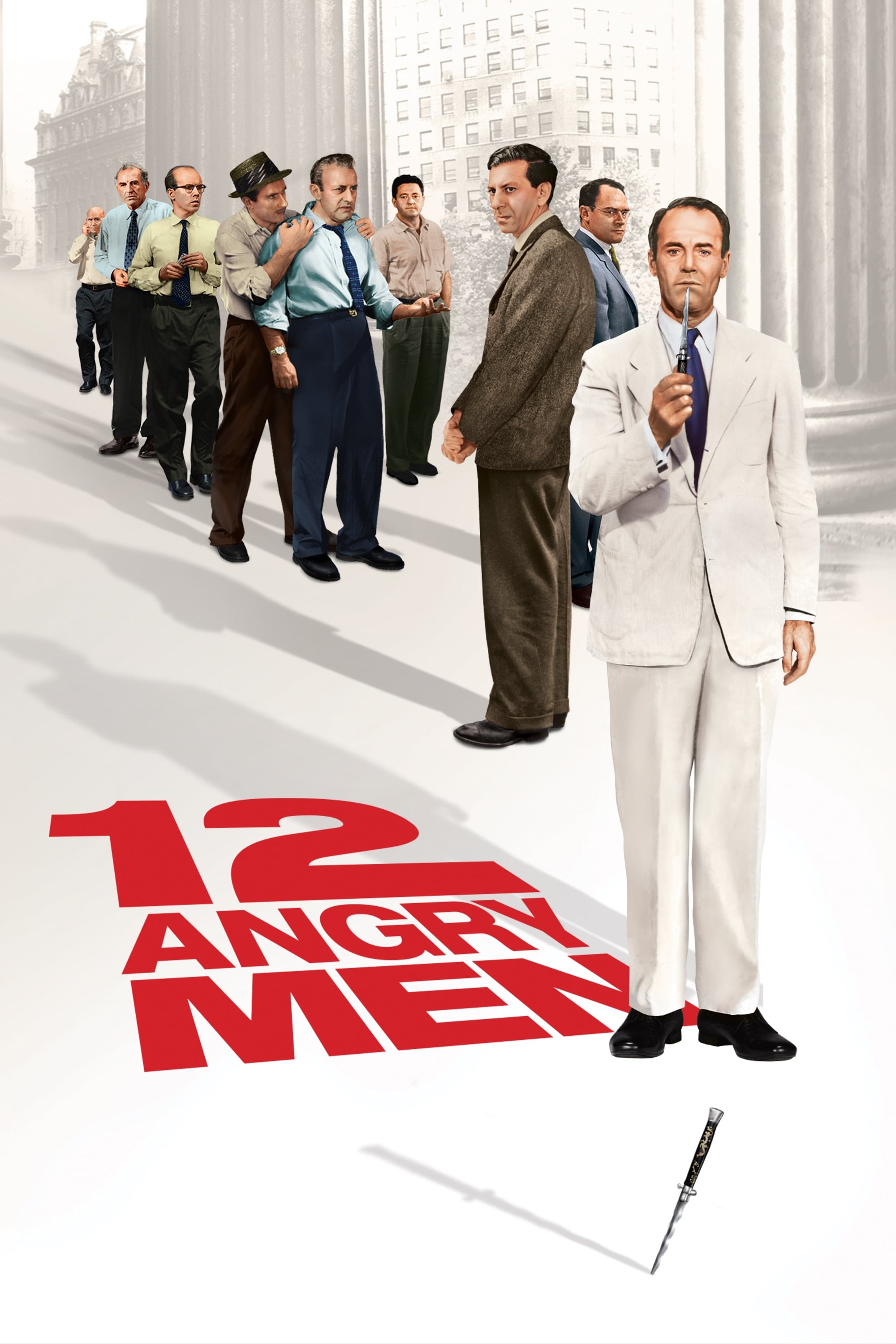
A jury convenes after a homicide trial and spends the day deliberating in a single room. The timeline is contained to the jurors’ discussion, which shifts as they examine evidence, re-create moments, and call votes until a verdict is reached.
The shoot used controlled lighting to simulate afternoon turning to evening through the windows. United Artists distributed the film on its original release.
‘Before Sunset’ (2004)
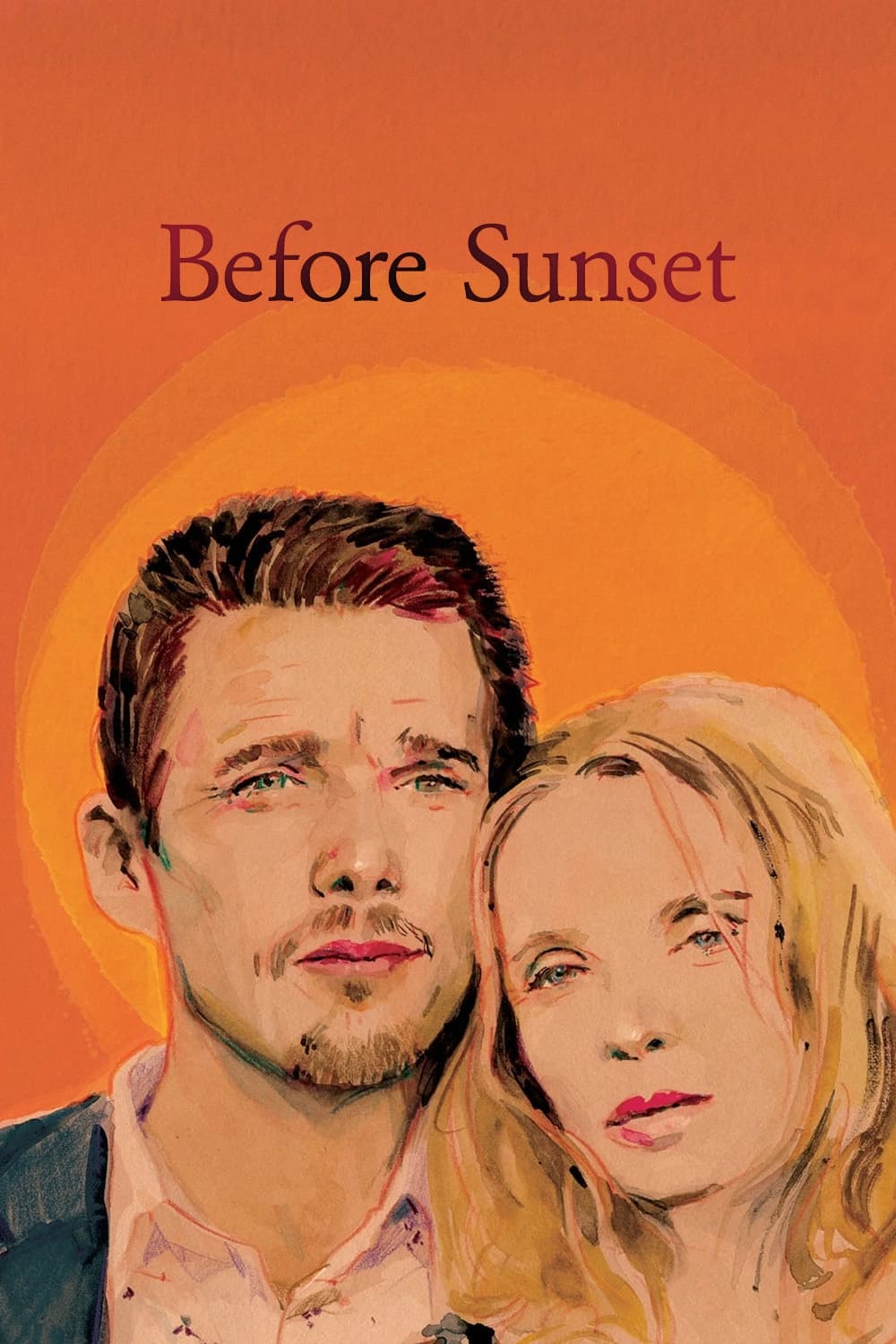
Two people reunite in Paris nine years after meeting and spend an afternoon walking and talking before one must catch a flight. The runtime mirrors the on-screen clock as they move through bookstores, cafes, and riverside paths.
The production recorded long takes on real streets to preserve the sense of passing minutes. Warner Independent Pictures handled the film’s U.S. release.
‘Ferris Bueller’s Day Off’ (1986)
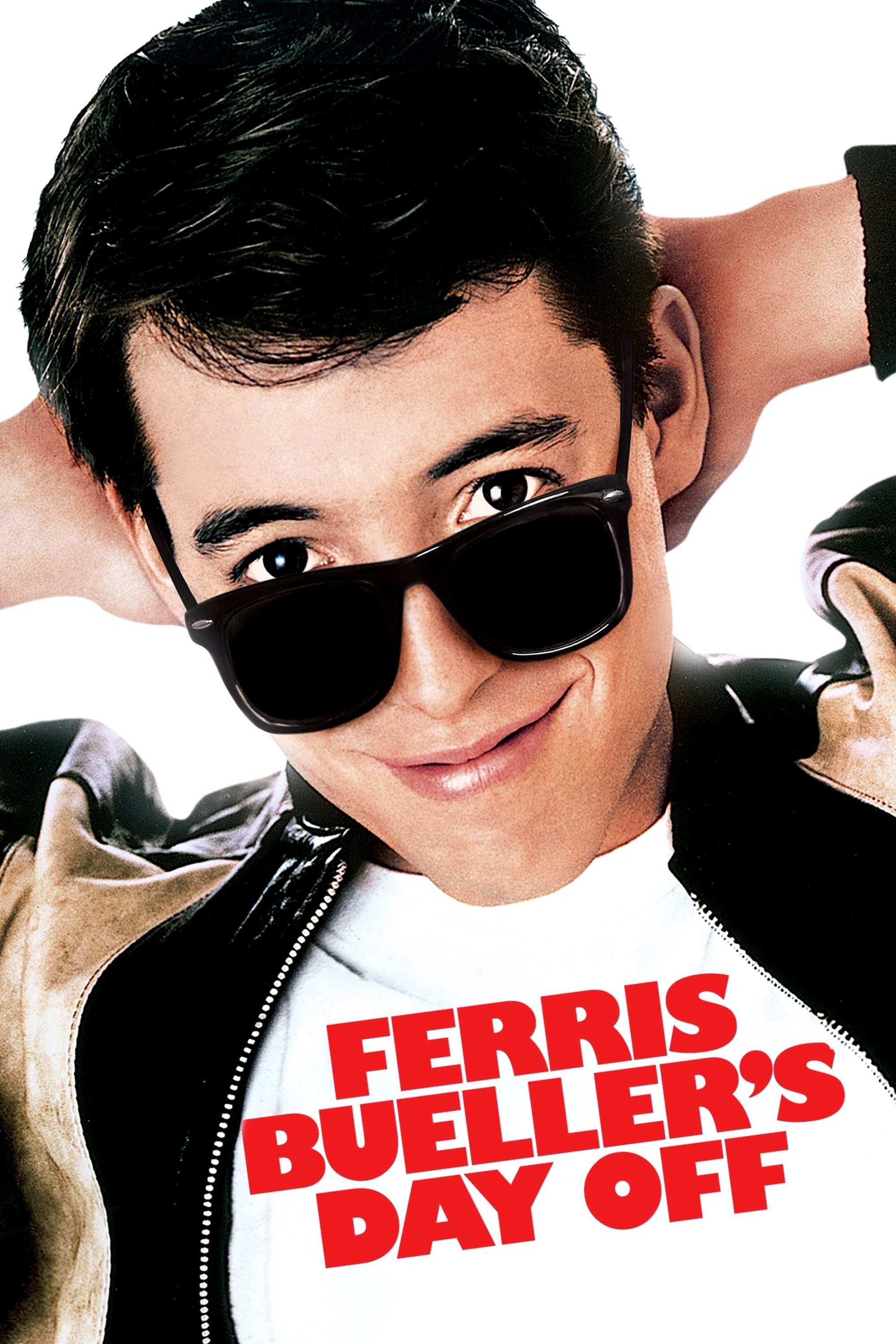
A high school student cuts class and spends a single weekday exploring Chicago with two friends. The itinerary covers downtown landmarks, a parade, and a ballgame, all anchored to school hours that end in a final dash home.
The city locations were scheduled around actual events to match the day’s flow. Paramount Pictures distributed the film in theaters.
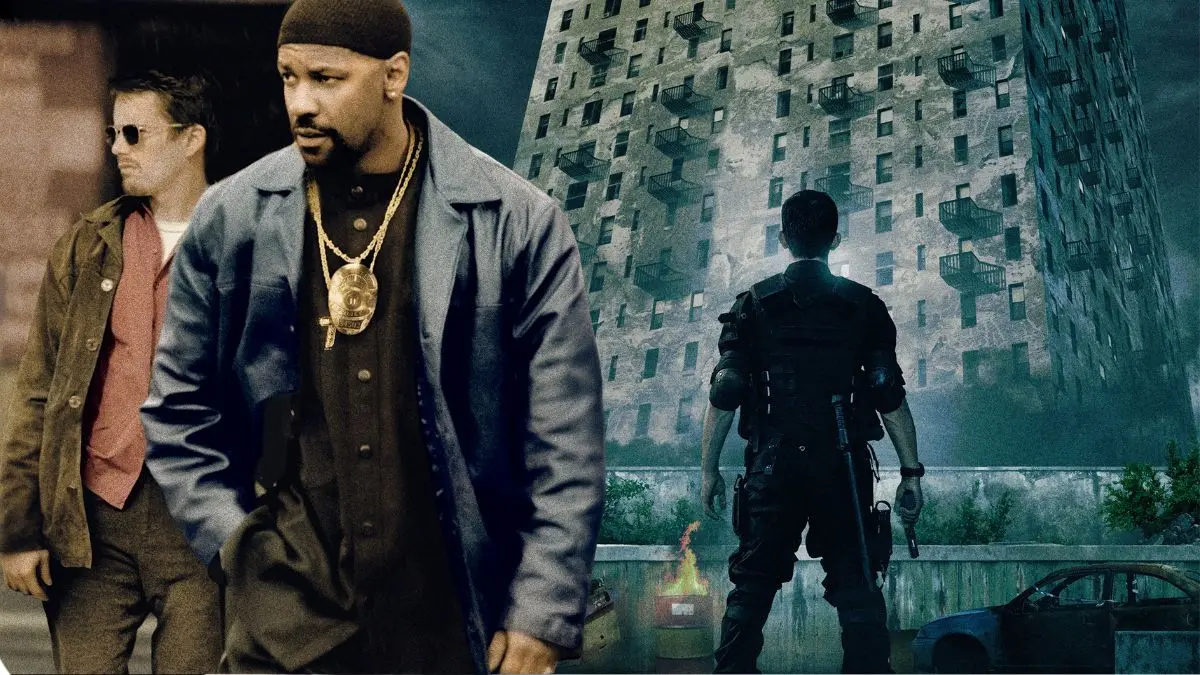
‘Training Day’ (2001)
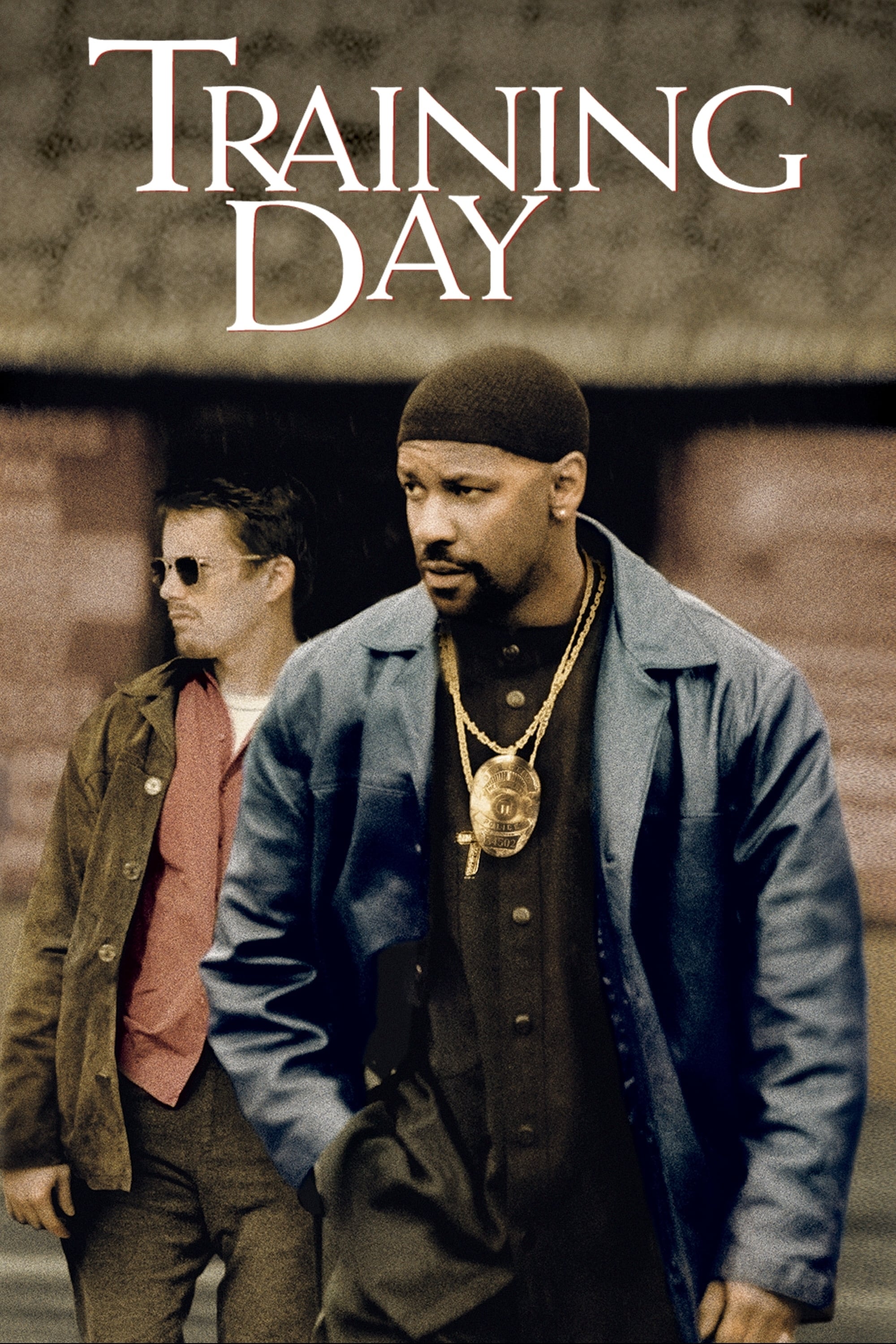
A rookie officer rides along with a veteran detective for one working day in Los Angeles. The narrative follows their morning briefing, street visits, and evening confrontations, with the patrol timeline dictating where they go and when.
The film shot across multiple neighborhoods to reflect real travel times between stops. Warner Bros. Pictures released it to cinemas.
‘Run Lola Run’ (1998)
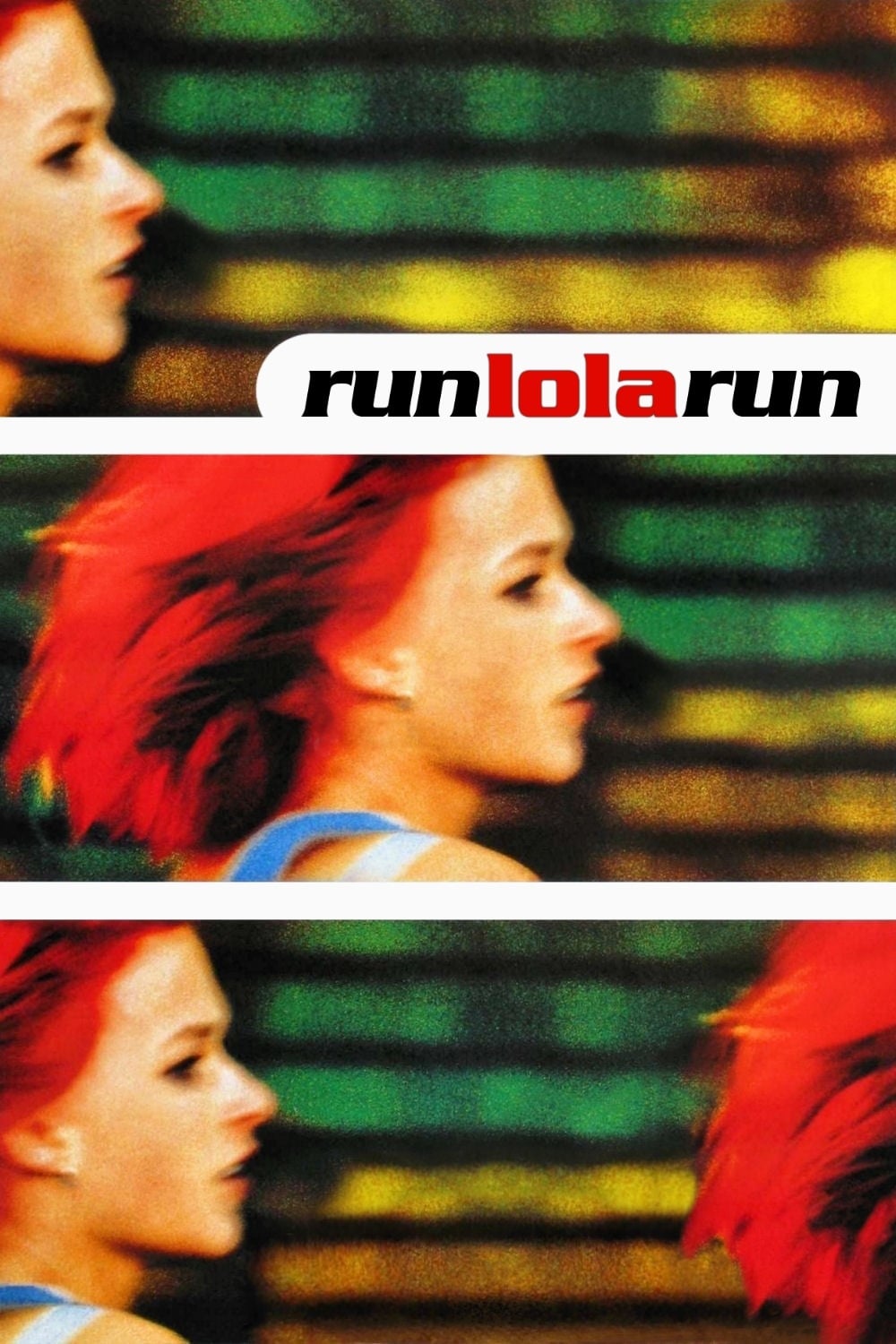
The plot presents three variations on twenty minutes of a woman racing across Berlin to solve a crisis. Each run restarts the same morning, and the film shows how small timing differences flip outcomes.
The production mixed live action, animation inserts, and a pounding score to mark the stopwatch feel. Sony Pictures Classics brought the film to U.S. audiences.
‘Clerks’ (1994)
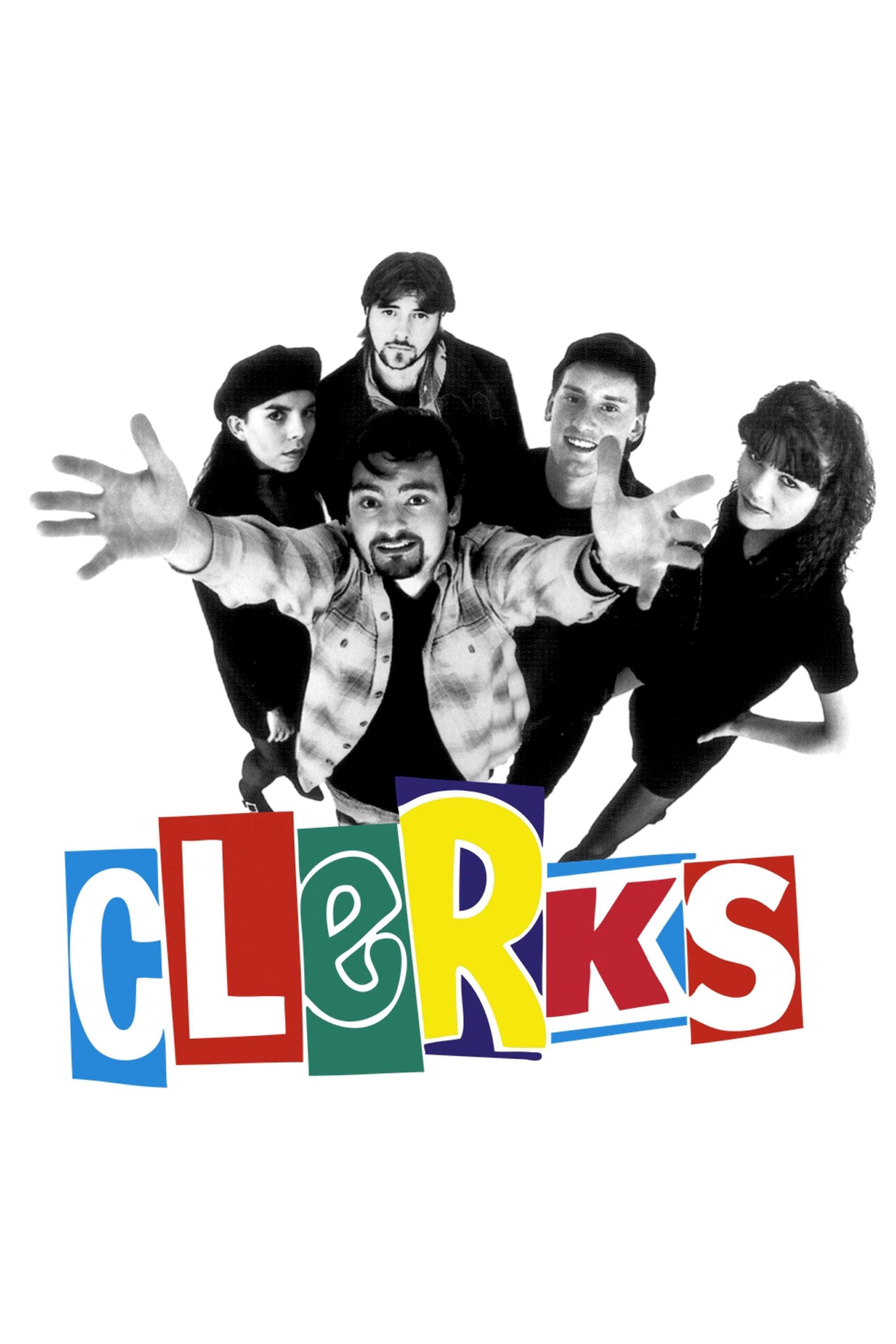
Two store employees work a full day at a convenience shop, dealing with customers, personal issues, and a surprise wake. The story tracks shift changes, lunch breaks, and a video store next door as time inches from open to close.
The shoot used the actual store’s after-hours to capture the setting as seen by day. Miramax Films handled the theatrical release.
‘High Noon’ (1952)
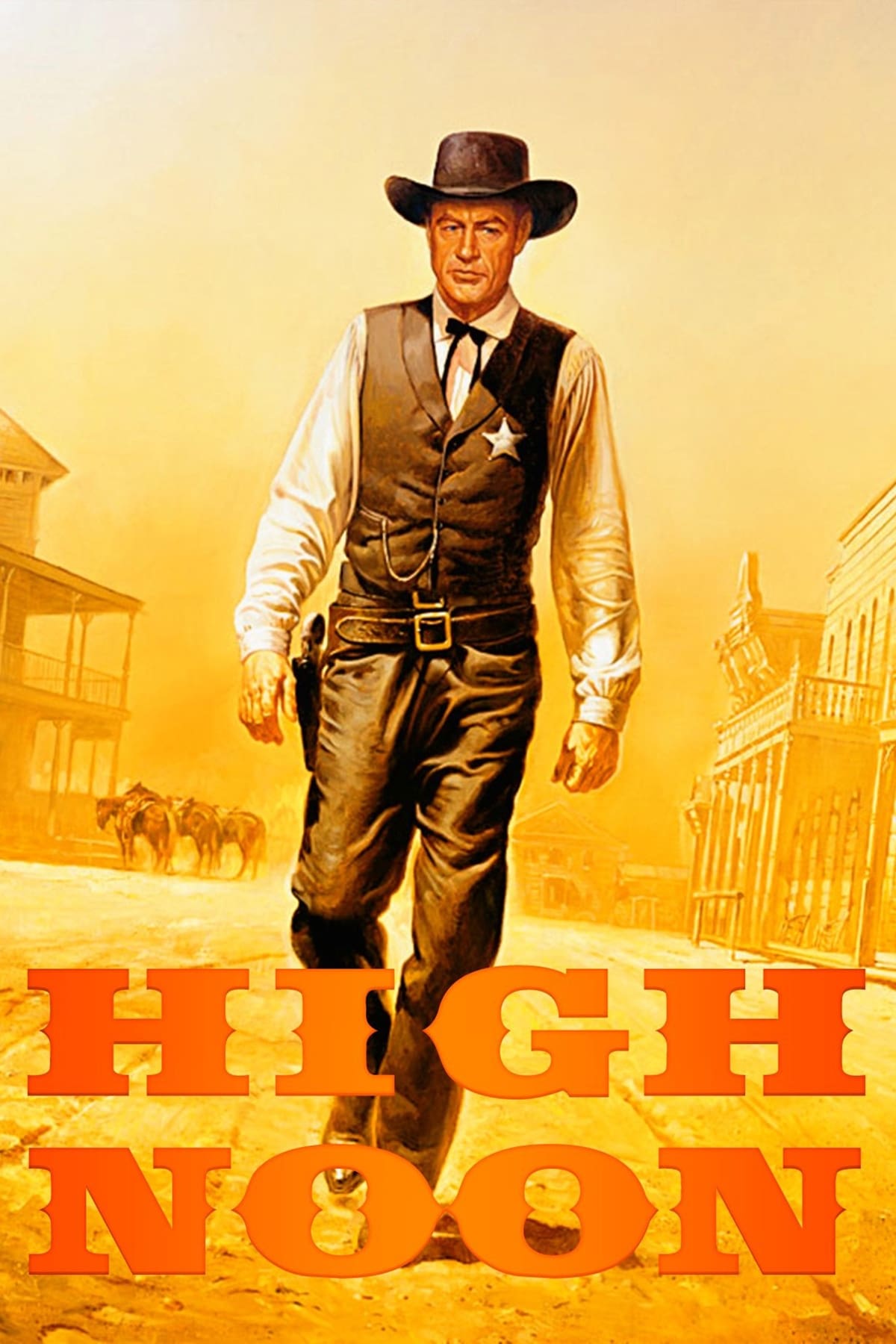
A town marshal learns a vengeful outlaw arrives on the noon train and spends the late morning seeking support. Clocks appear in shot after shot as the minute hand approaches the scheduled arrival.
The picture was designed to play nearly in real time with music cues marking the countdown. United Artists distributed the film on its premiere.
‘The Breakfast Club’ (1985)

Five students serve Saturday detention in a suburban high school, entering in the morning and leaving that afternoon. The script uses the school schedule to structure group tasks, personal exchanges, and a final written assignment.
Production took place on a constructed library set sized for long scenes without time jumps. Universal Pictures released the film widely.
‘Collateral’ (2004)
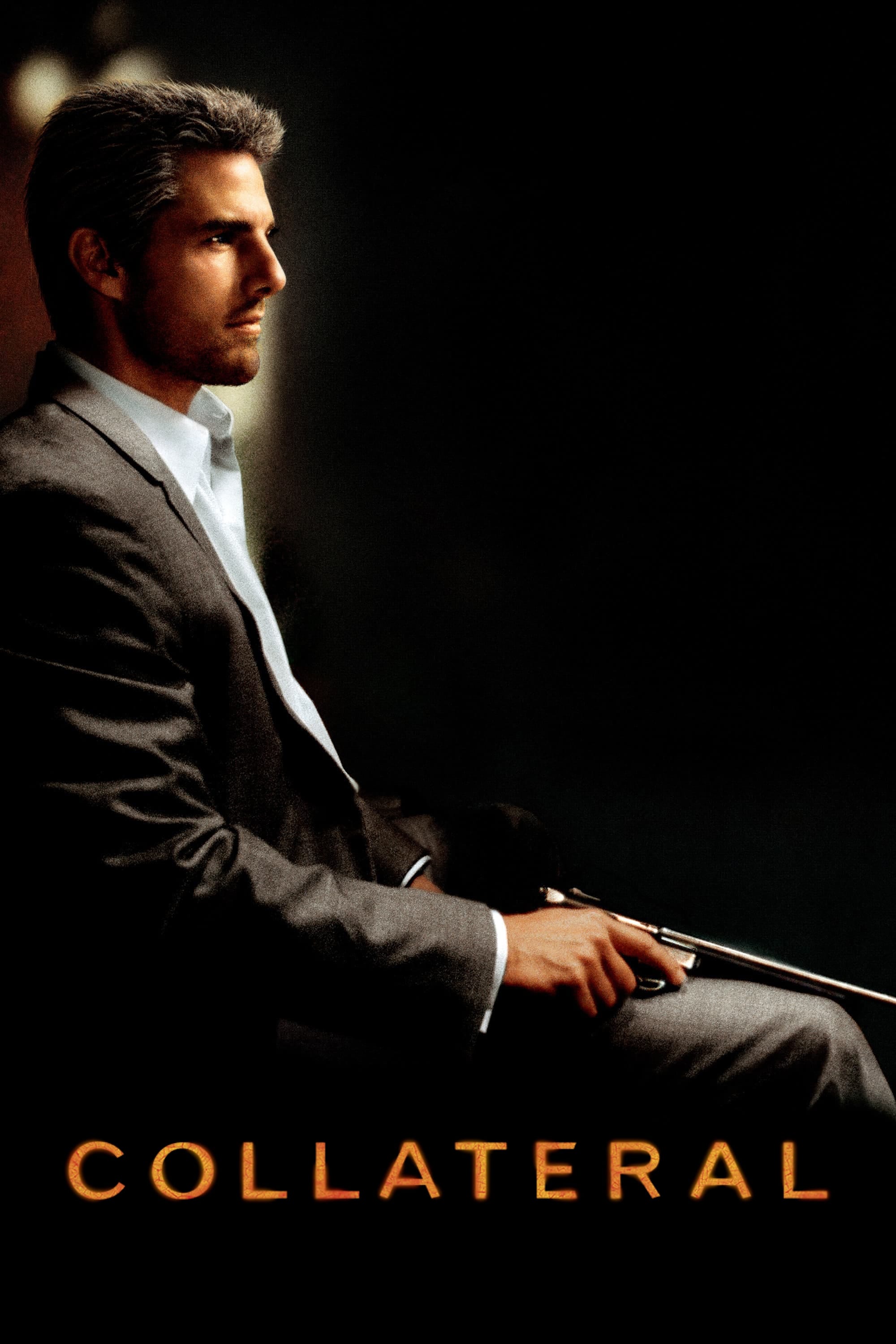
A cab driver picks up a client whose business keeps them moving through Los Angeles from evening into early morning. The route uses real traffic patterns and night locations to link each stop in sequence.
Digital cinematography captured low-light cityscapes that reflect the passing hours. The film reached theaters under the DreamWorks banner, with U.S. distribution handled through Paramount.
‘Buried’ (2010)
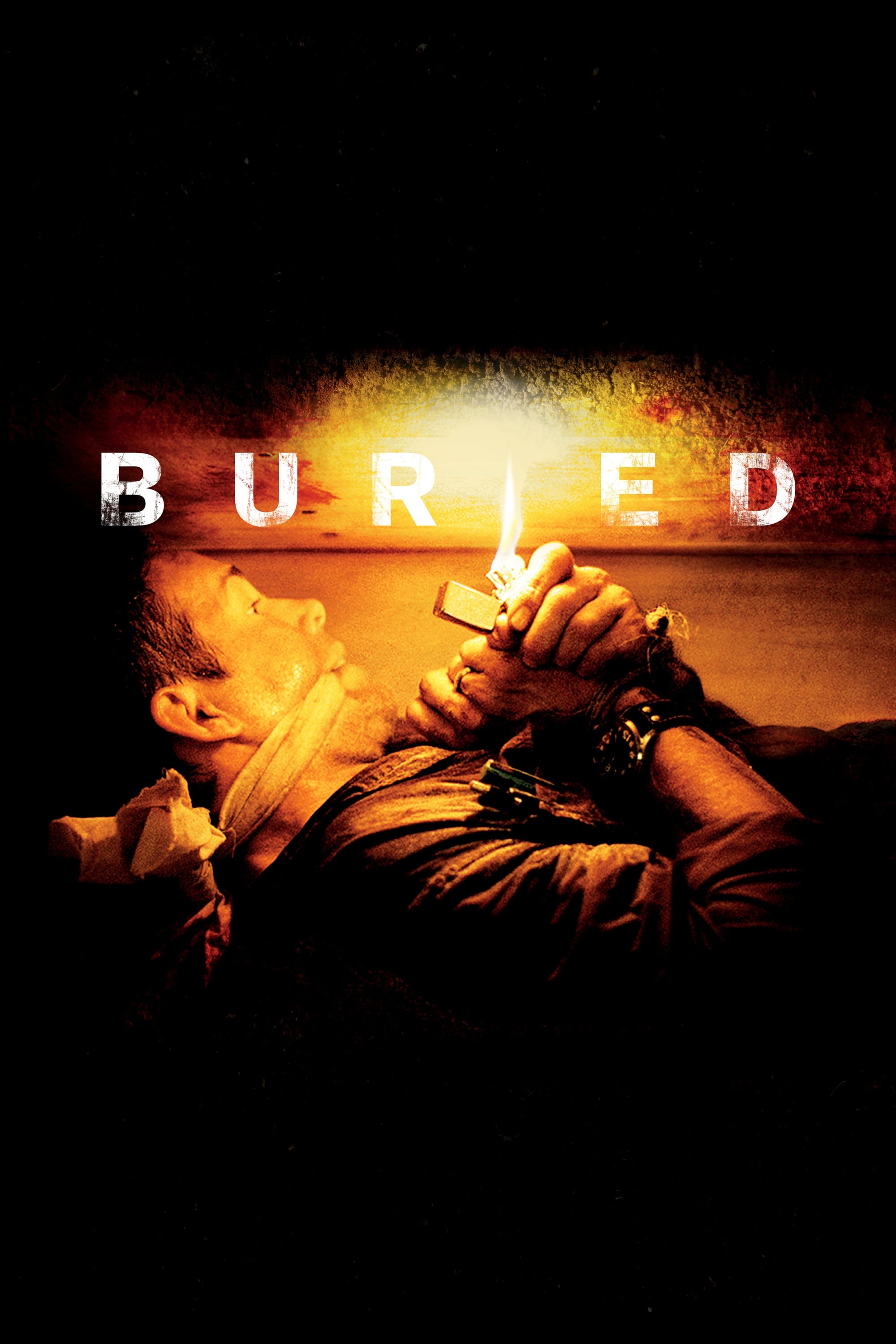
A truck driver wakes inside a coffin with limited supplies and a phone, and the story plays out in real time. The timeline is driven by battery levels, oxygen use, and a series of calls that push the clock forward minute by minute.
The production built modular coffin sets to track tiny changes in space and time. Lionsgate oversaw the U.S. release.
‘Phone Booth’ (2002)
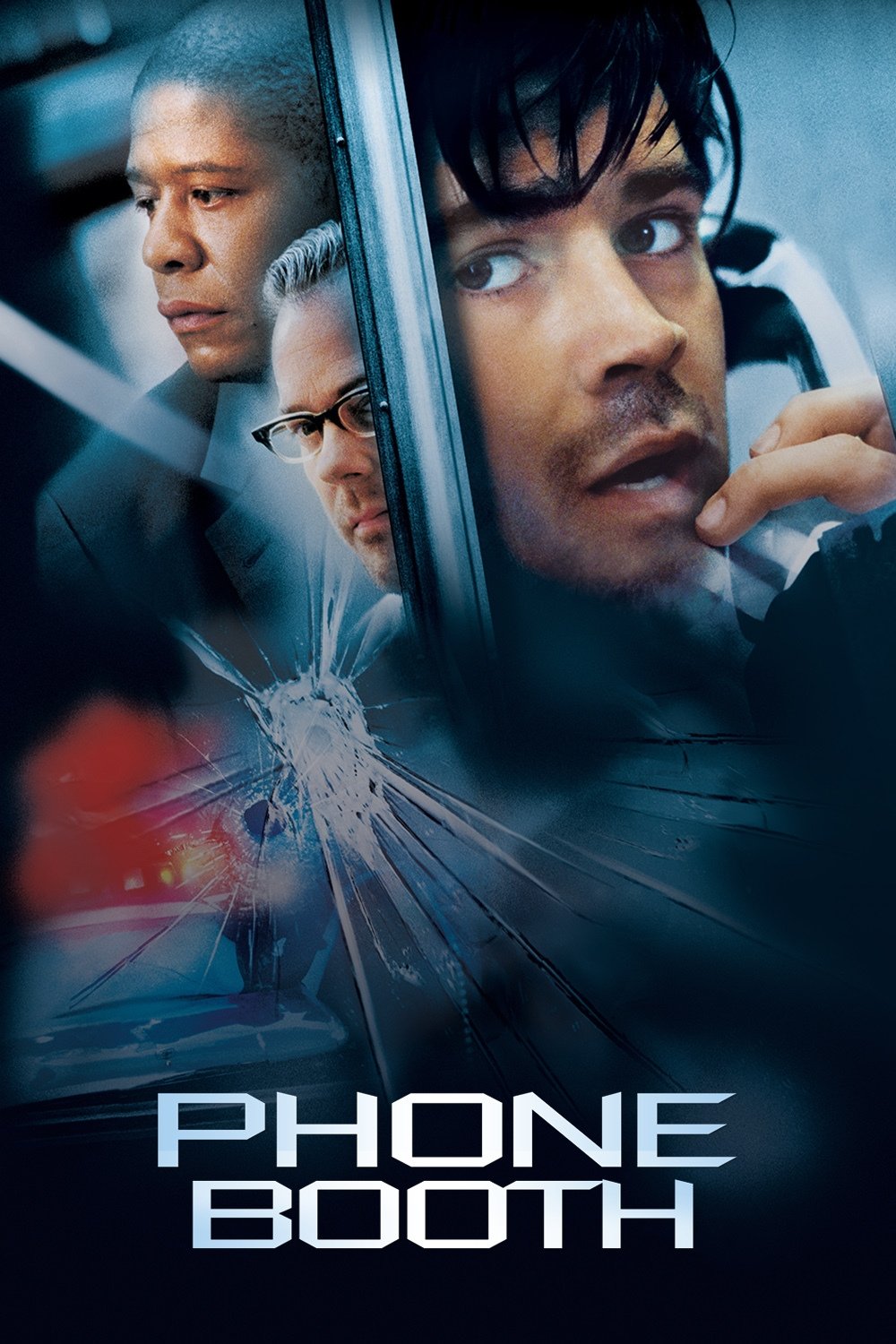
A publicist answers a ringing phone and becomes trapped at a Manhattan booth for the duration of the film. The script uses call timestamps, police response, and media arrival to plot the afternoon into evening progression.
Principal photography condensed action to a few blocks to maintain continuity of light and crowds. 20th Century Fox distributed the film in theaters.
‘Rope’ (1948)
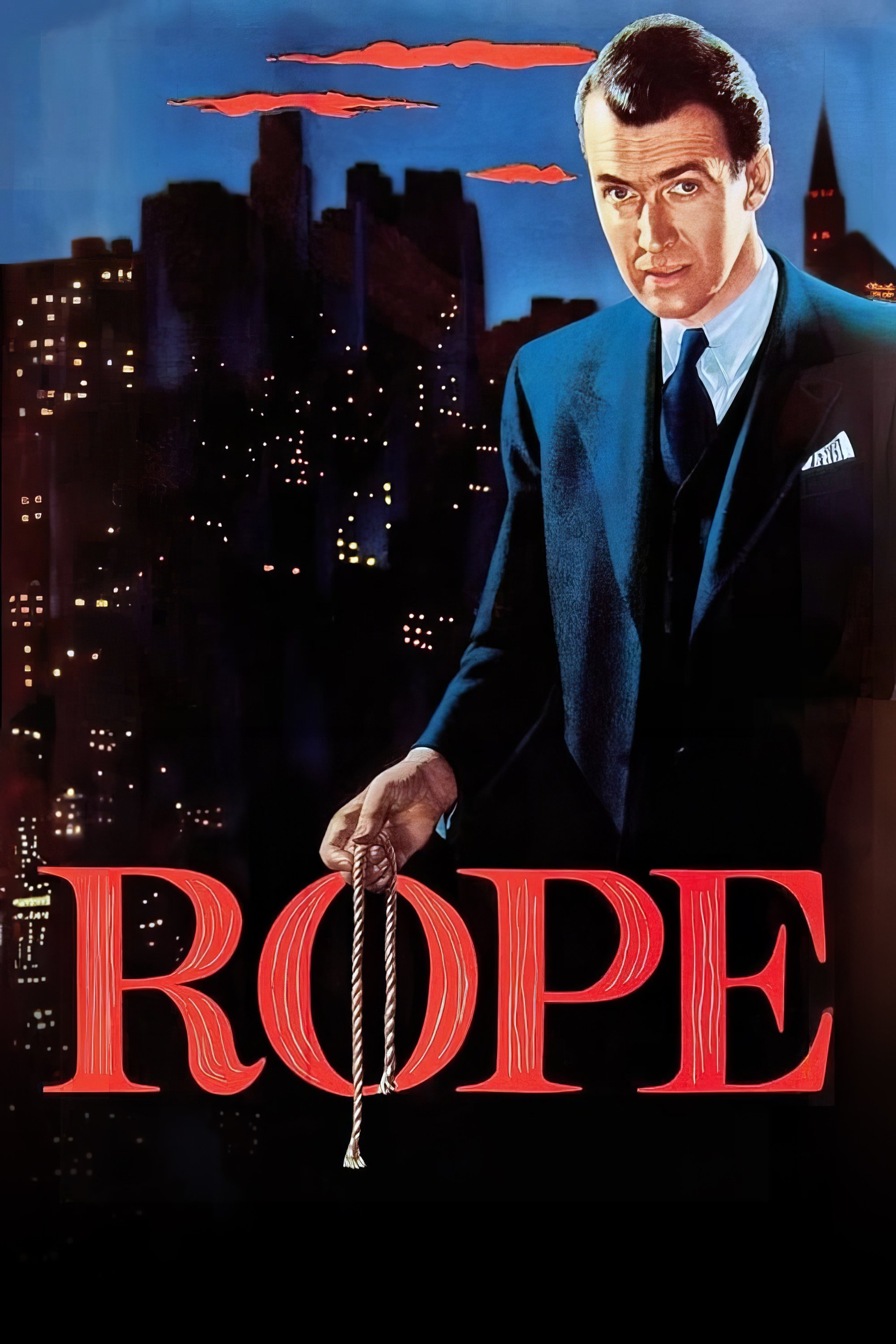
Two former classmates host a dinner party immediately after a murder and attempt to carry on for a single evening. The camera follows guests in extended takes as the sun sets and suspicion grows.
The shoot used concealed cuts and moving set walls to mimic unbroken real time. Warner Bros. Pictures released the film upon completion.
‘Nick of Time’ (1995)
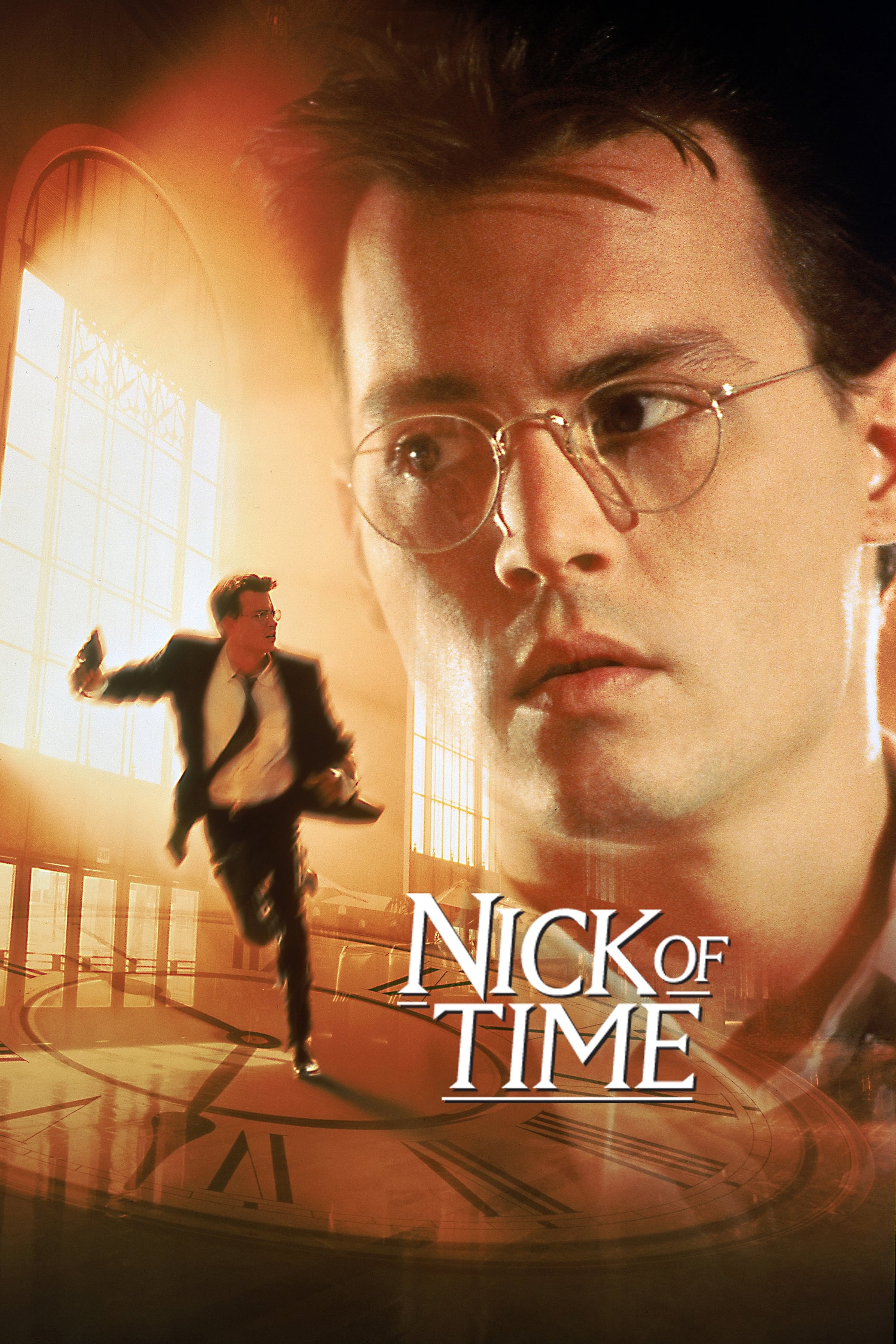
A father is given a limited number of hours to carry out an assignment inside a public venue. Wristwatch checks, lobby clocks, and scheduled appearances mark the countdown as the plot moves room to room.
Production staged scenes within a functioning complex to maintain the time pressure. Paramount Pictures handled distribution.
‘The Raid: Redemption’ (2011)
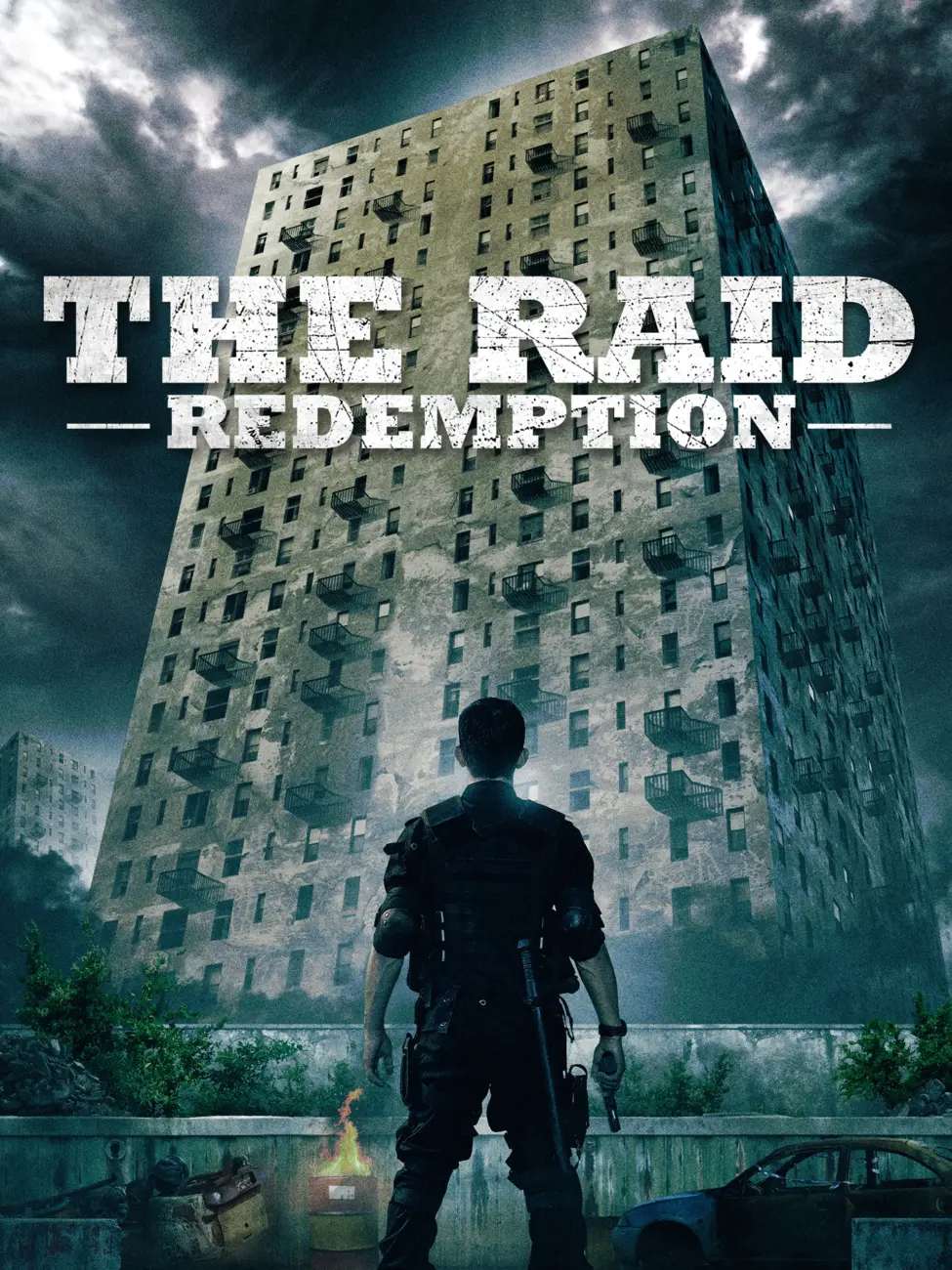
An elite team storms a high-rise at daybreak and fights floor by floor through a single operation. The story unfolds across the building’s layout with movement tracked by stairwells and unit positions.
Tight interior sets allowed continuous action to read as one relentless push. Sony Pictures Classics released the film in the United States.
‘United 93’ (2006)

The film traces air traffic control rooms and a single flight over the course of one morning. Real-time updates, cockpit procedures, and communication logs guide the sequence of events.
The production consulted transcripts and timelines to align scenes with actual minutes. Universal Pictures brought the film to theaters.
‘The Guilty’ (2018)
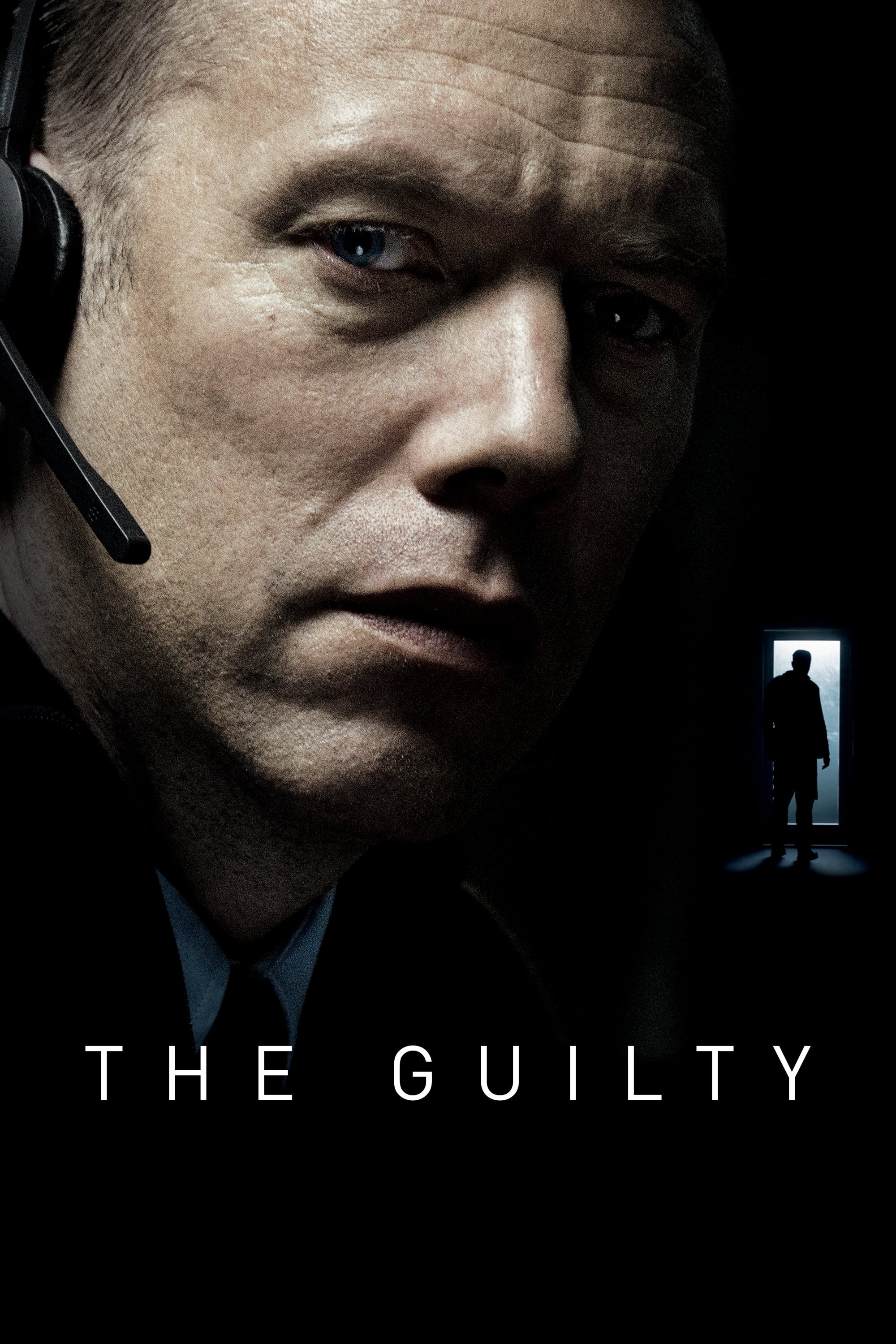
A police dispatcher works a night shift and manages a critical call without leaving his desk. The clock advances through call transfers, hold music, and shift protocols that define the timeframe.
The film confined the shoot to a control room and adjacent spaces to preserve the time box. Magnolia Pictures handled U.S. distribution.
‘After Hours’ (1985)
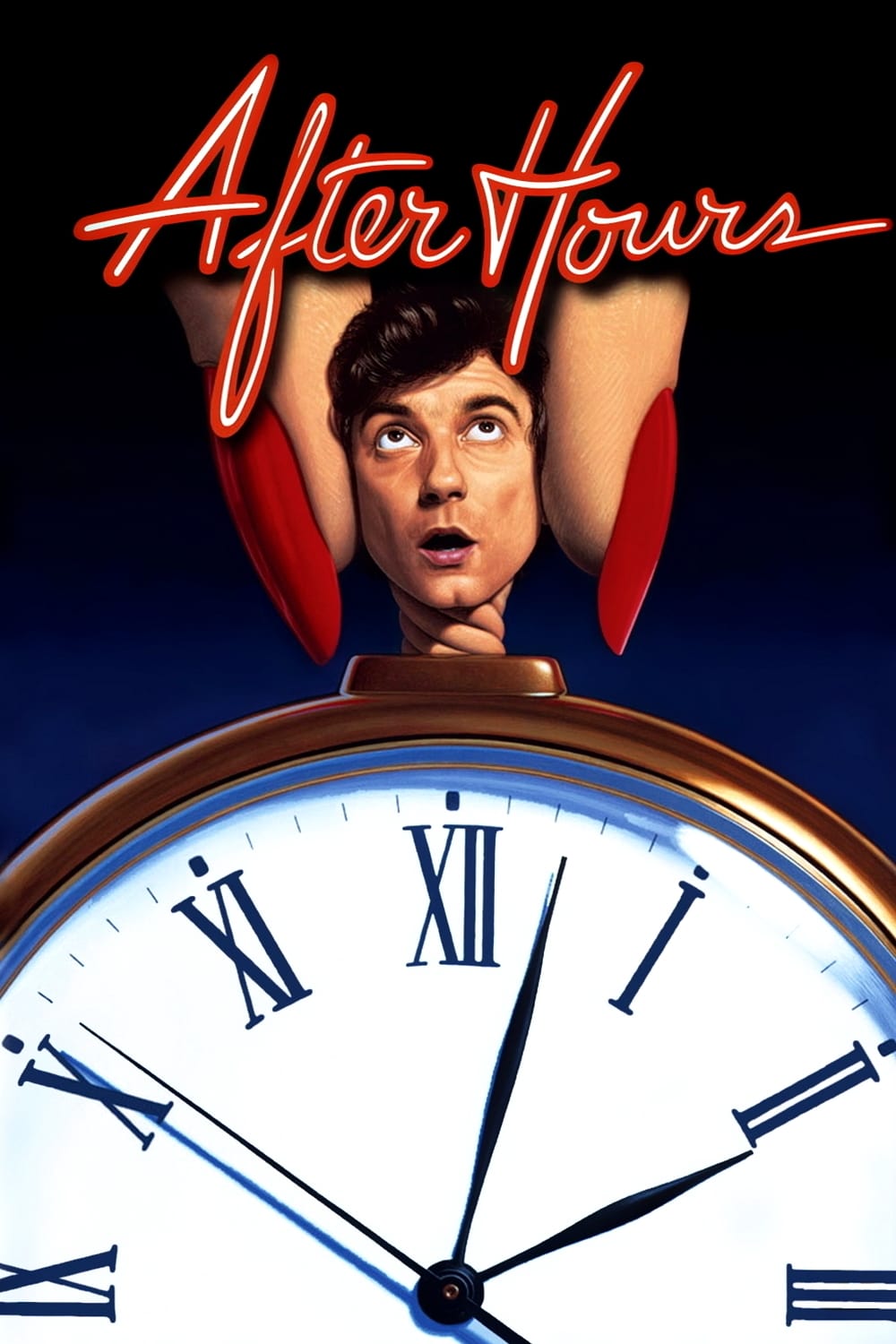
An office worker spends one late night stranded in downtown New York and tries to get home before sunrise. The route maps bars, apartments, and late-night hotspots in a chain of cause and effect.
Location work captured changing street traffic and storefront patterns across the night. Warner Bros. released the film in theaters.
‘Panic Room’ (2002)
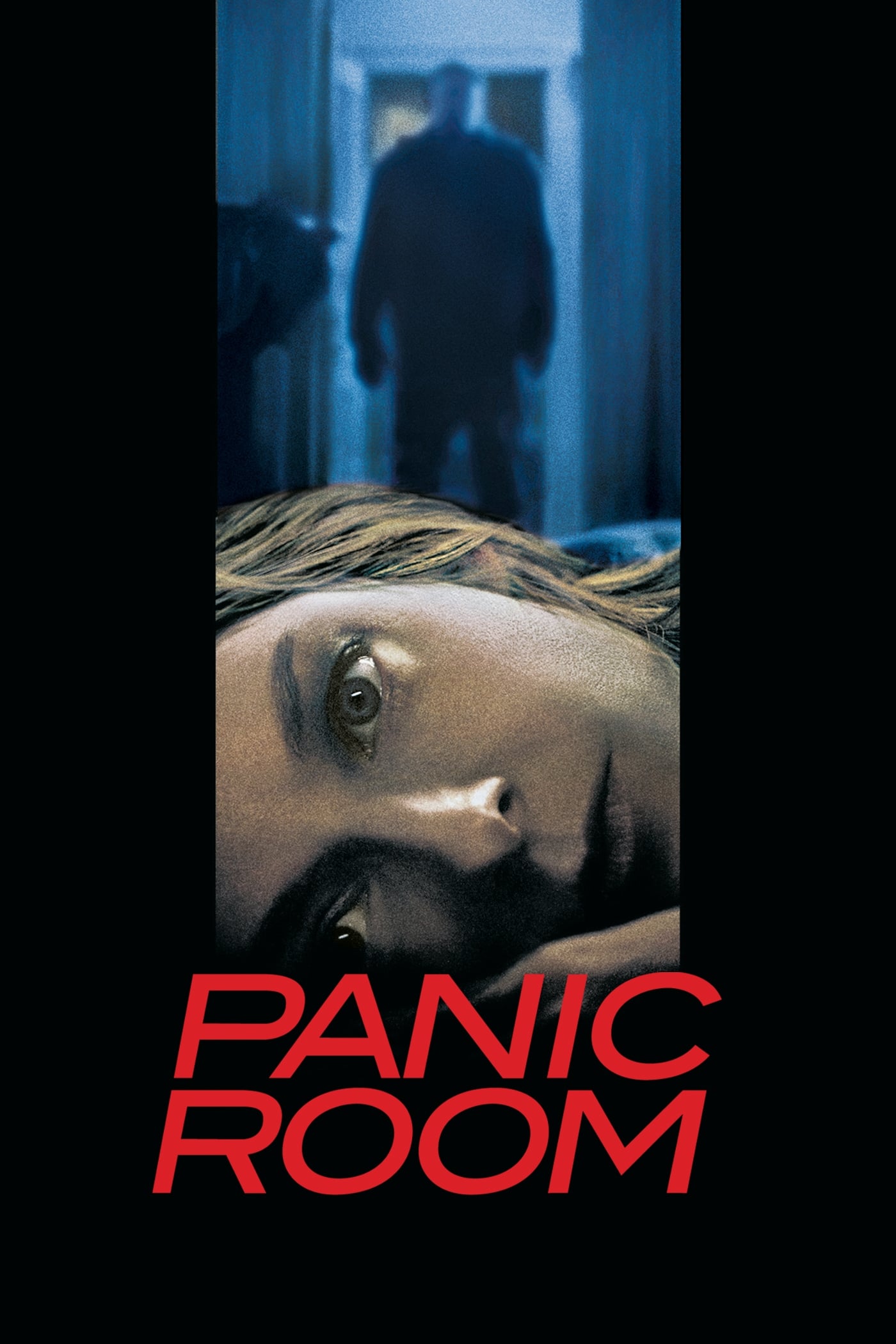
A mother and daughter shelter in a secure room during a home invasion that plays out across one night. The timeline follows the intruders’ attempts, police checks, and power issues that unfold hour by hour.
The production used a full multi-story set to choreograph movement in continuous sequences. Columbia Pictures distributed the film widely.
‘Speed’ (1994)
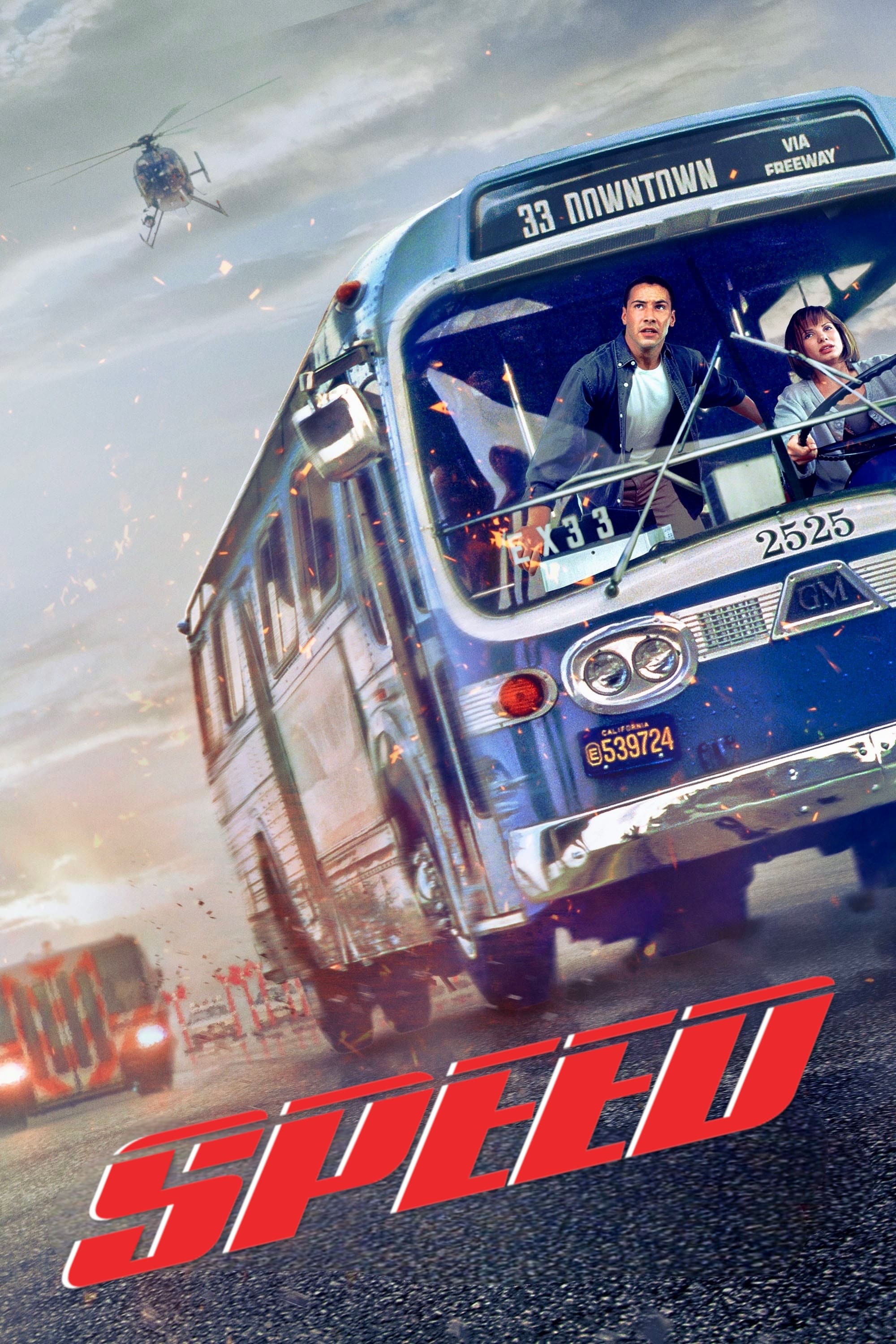
A city bus must maintain a set speed while authorities race to clear a route and defuse a device. The day’s schedule, freeway closures, and fuel concerns mark the passage of time from morning into afternoon.
Filming coordinated real highway segments to match the story’s consecutive events. 20th Century Fox handled the release.
‘Superbad’ (2007)
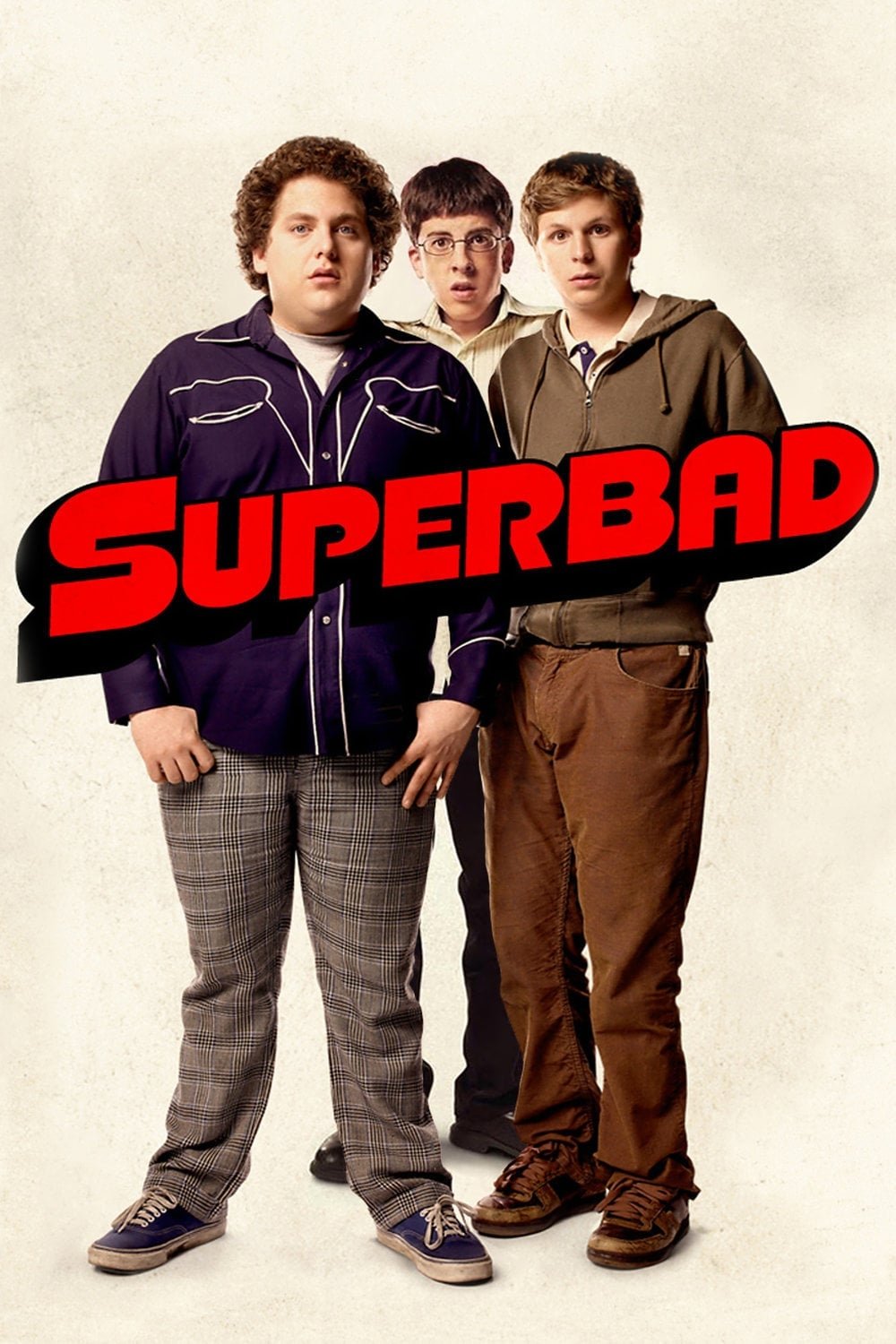
Two friends spend a single day and night navigating school, errands, and a party plan before graduation. The timeline follows class periods, store shifts, and patrol schedules that intersect through late evening.
Production shot across local neighborhoods to keep travel times consistent with the story. Columbia Pictures released the film.
‘The Warriors’ (1979)
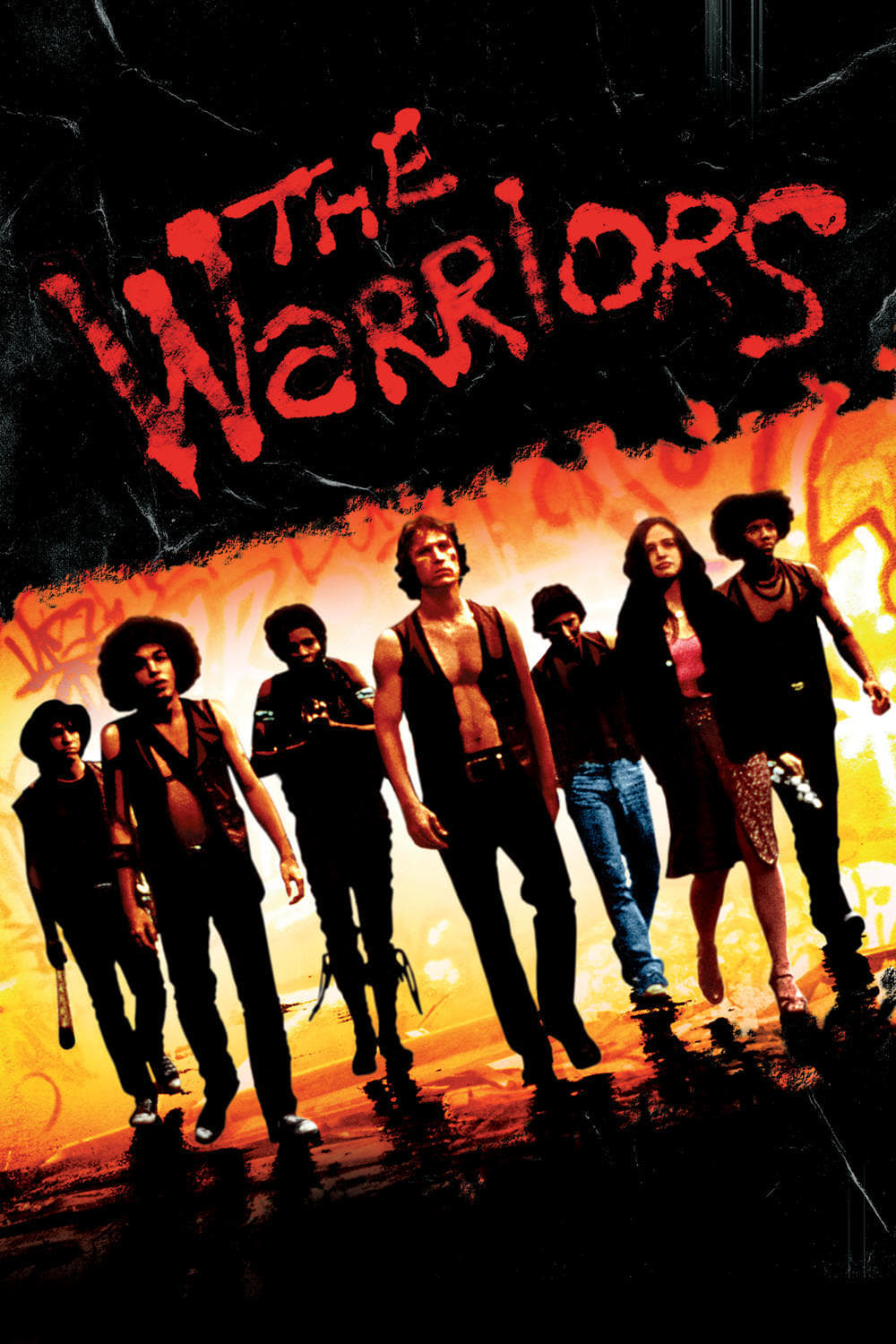
A street gang crosses New York from nightfall to dawn while trying to reach home turf. The film marks the journey by subway stops, platform waits, and turf boundaries that line up with actual transit maps.
Shooting on location tracked the progression from one borough to another in order. Paramount Pictures distributed the movie.
‘Victoria’ (2015)
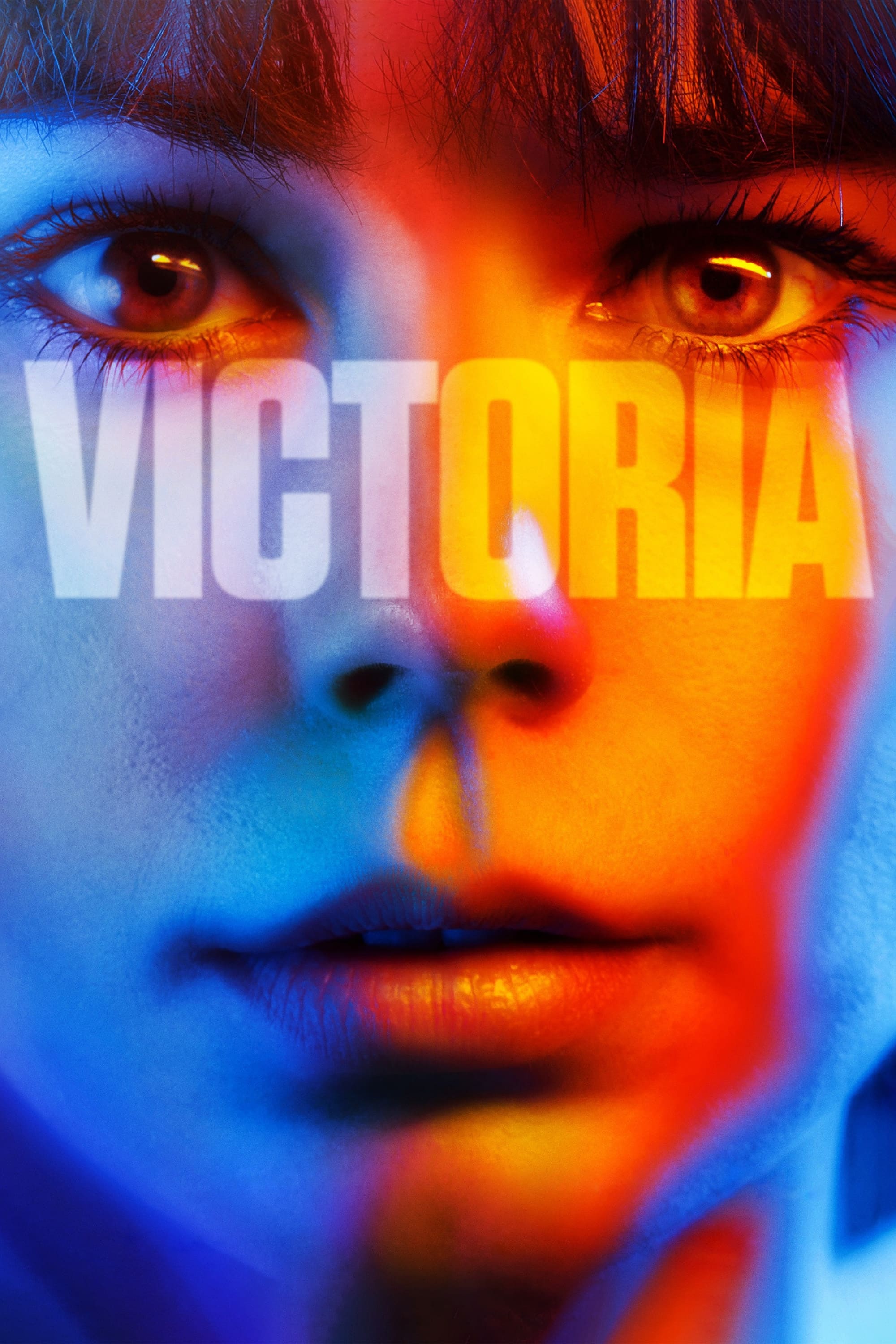
A young woman meets a group outside a club and becomes involved in events that play out before morning. The film is presented as a single continuous take that covers the night without cuts.
The production rehearsed for months to capture the timing in one go. For U.S. theaters, Adopt Films handled distribution.
‘Locke’ (2013)
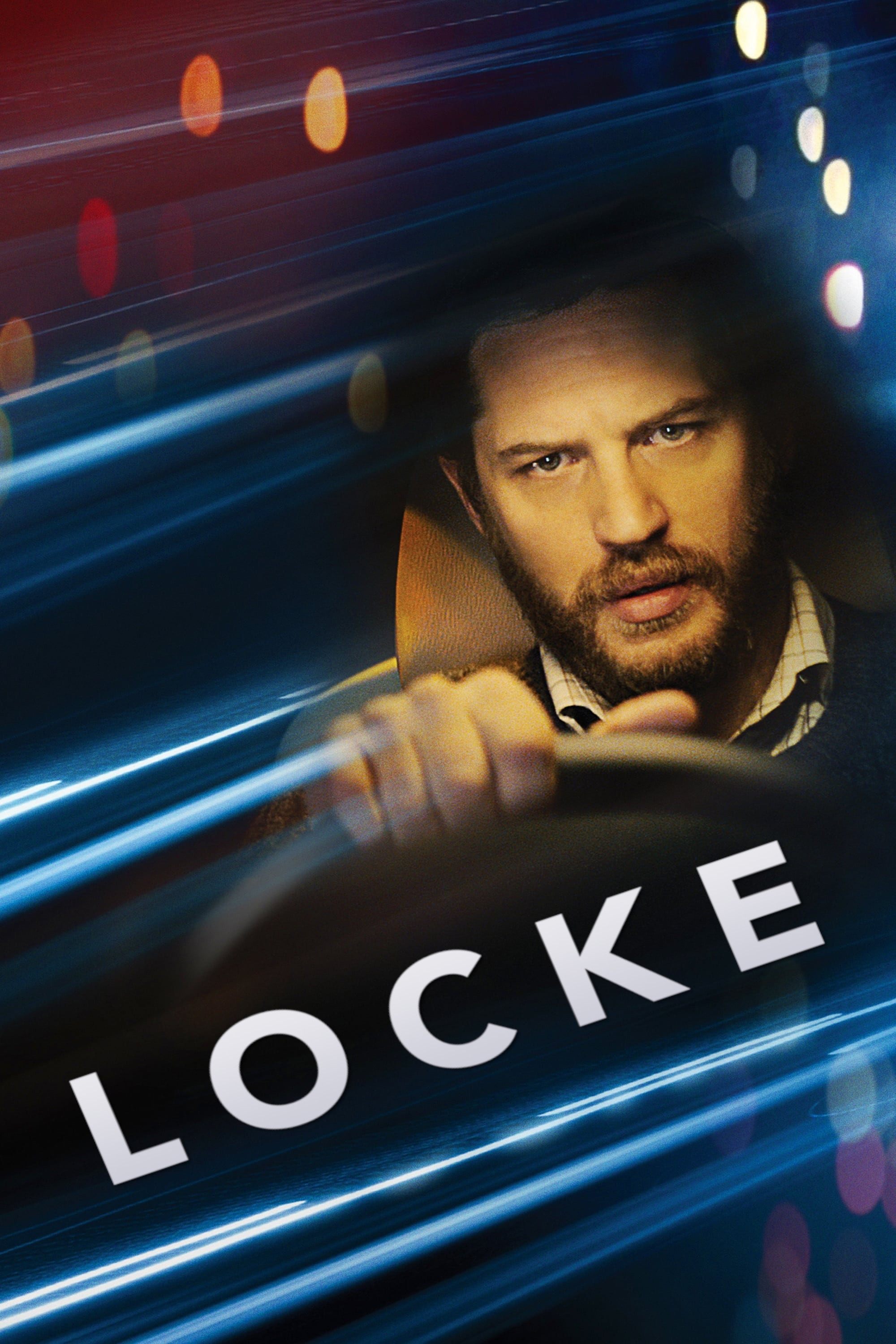
A construction manager spends one evening driving on the motorway while handling urgent calls that change his life. The trip’s mileage, exit numbers, and speakerphone logs structure the real-time narrative.
The shoot recorded calls live while the car was towed to keep continuity precise. A24 released the film in the United States.
‘Before Sunrise’ (1995)
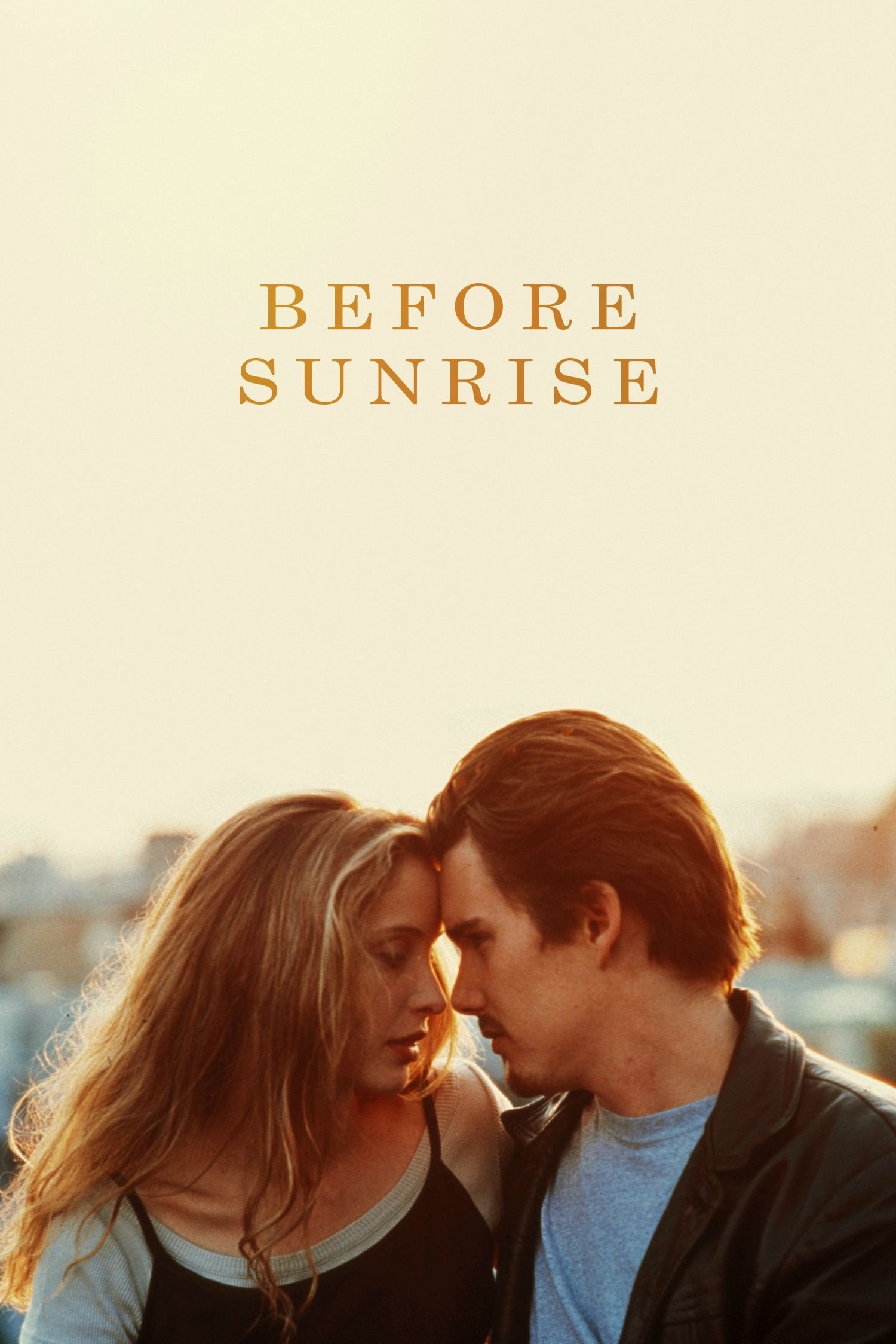
Two travelers meet on a train and choose to spend one night walking through Vienna before parting in the morning. The story moves through cafes, parks, and quiet streets with the city’s closing times guiding the path.
Location sound and natural light choices preserve the sense of hours passing across the night. Columbia Pictures brought the film to theaters.
Tell us which single-day films you would add to the list in the comments.