Worst Families in Movie History

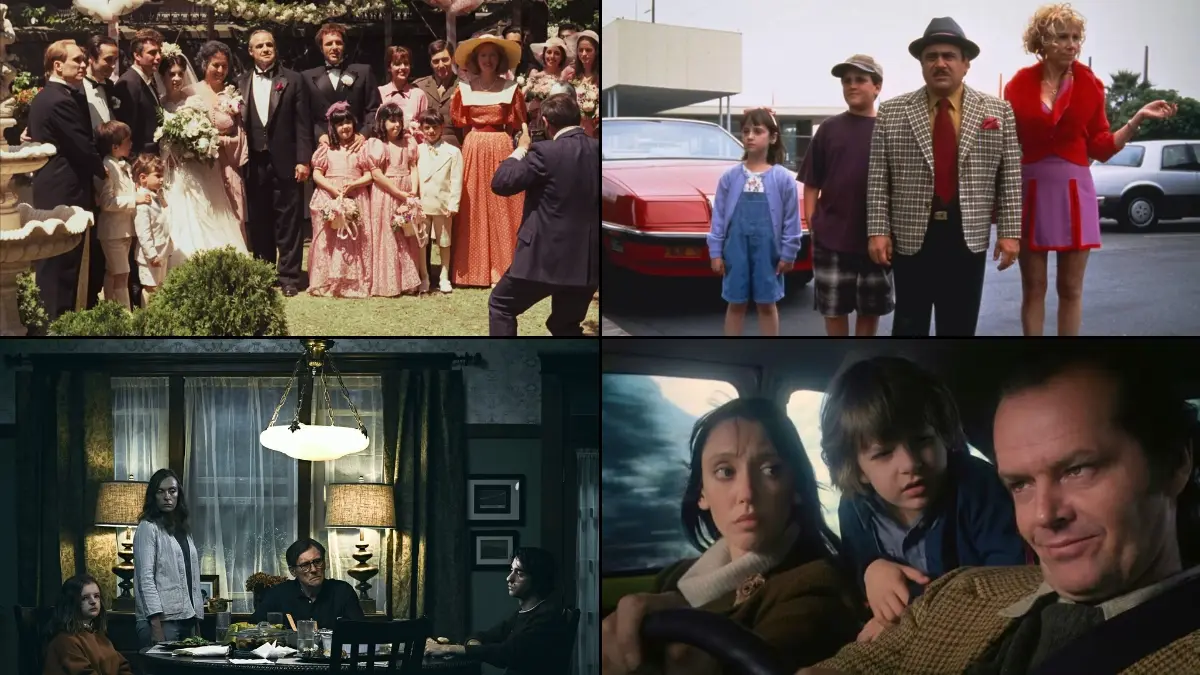

Some movie families are held together by love and loyalty—others by secrets, crime, curses, and catastrophes. This list looks at clans whose onscreen dynamics drive plots full of violence, deception, neglect, or supernatural doom. From organized-crime dynasties to cursed households and lethal wedding traditions, these families shape their stories through actions and histories that leave lasting marks on everyone around them.
The Corleone Family
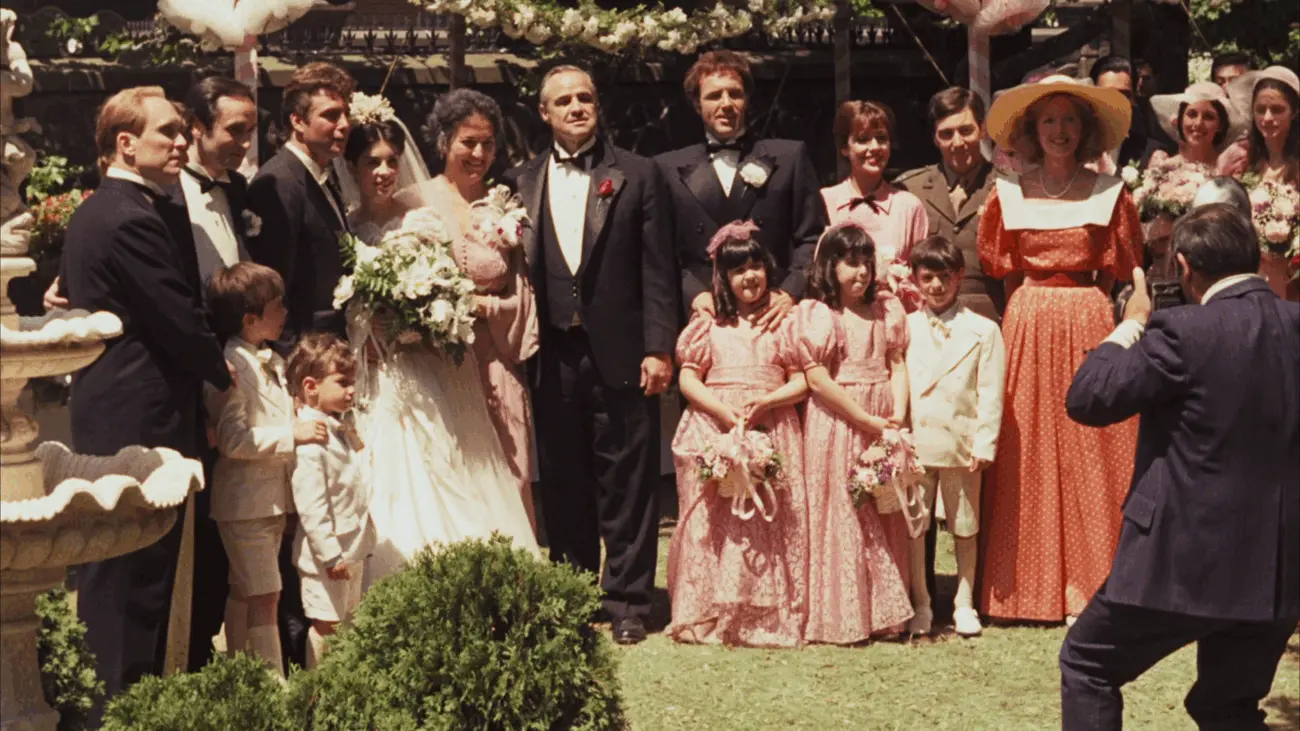
Introduced in ‘The Godfather’, the Corleones operate a powerful American mafia dynasty led by Vito Corleone and later his son Michael. Their legitimate fronts—including olive-oil imports and casinos—mask a structured criminal enterprise built on alliances, vendettas, and political influence. Key events include inter-family wars, orchestrated assassinations, and a succession struggle that consolidates Michael’s control of the organization.
The Torrance Family
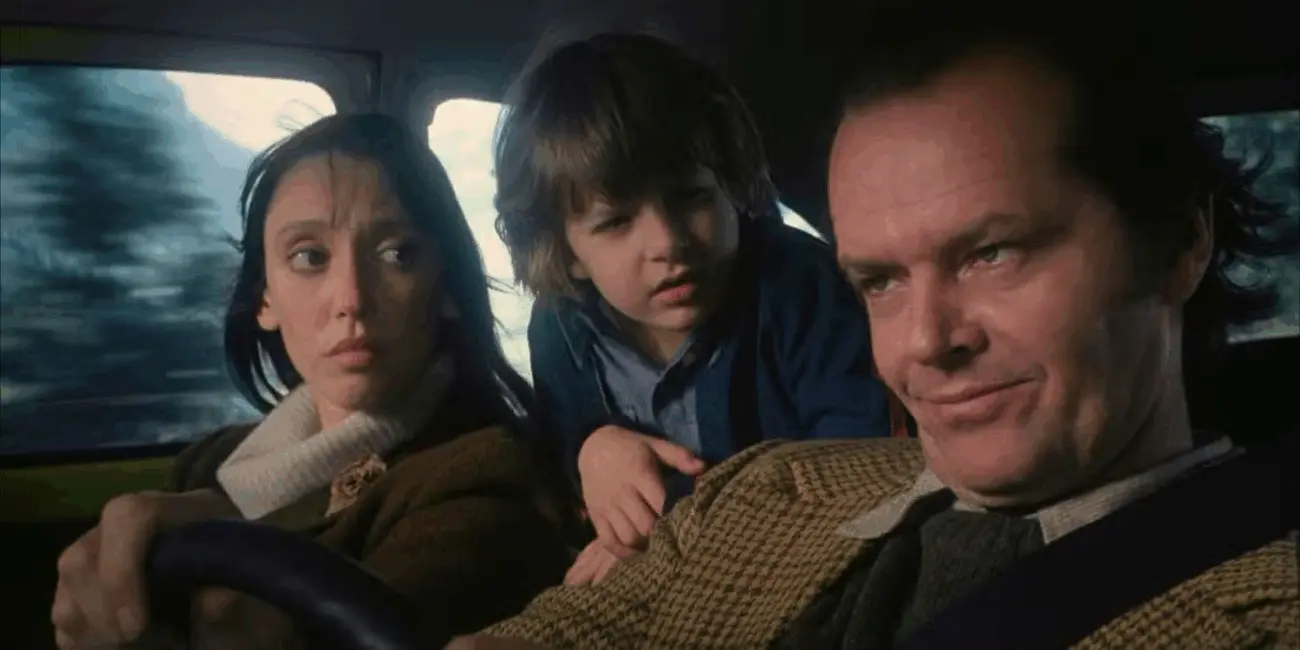
In ‘The Shining’, Jack, Wendy, and Danny Torrance move into the remote Overlook Hotel as winter caretakers. The hotel’s violent history and isolation intersect with Danny’s psychic “shining,” exposing the family to disturbing visions and supernatural forces. Jack’s alcoholism and writer’s block escalate into danger as the hotel’s influence fractures the family’s safety.
The Sawyer Family
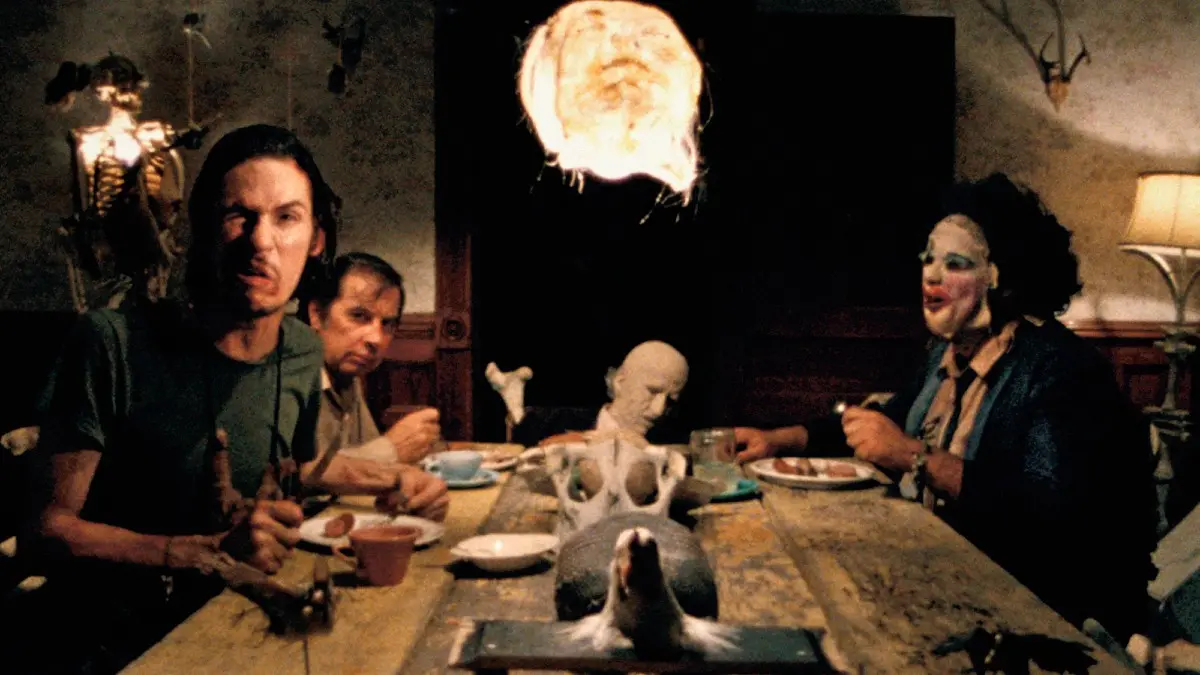
‘The Texas Chain Saw Massacre’ centers on a rural Texas clan—often referred to as the Sawyers—whose members include Leatherface, his brother the Hitchhiker, and their elder guardian figure. They live in a house filled with human remains and tools repurposed for butchery, drawing on a background in the local slaughterhouse trade. Travelers who stumble upon their property encounter a trap-laden environment maintained by the family’s coordinated roles.
The Firefly Family
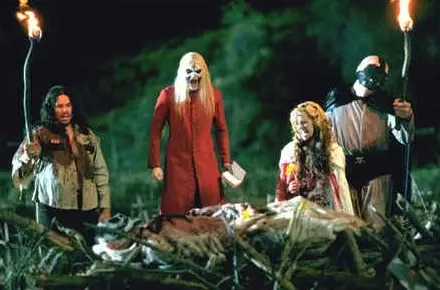
First depicted in ‘House of 1000 Corpses’ and expanded in ‘The Devil’s Rejects’ and ‘3 from Hell’, the Firefly clan comprises figures like Mother Firefly, Otis Driftwood, Baby Firefly, and Captain Spaulding. They lure, abduct, and murder victims, keeping trophies and recording violent escapades. Law-enforcement manhunts and internal loyalties define their story across the trilogy’s road-crime framework.
The Armitage Family

In ‘Get Out’, Rose Armitage brings her boyfriend Chris to meet a family that runs a covert operation called the Coagula. The scheme combines hypnosis and neurosurgery to transplant consciousness, allowing wealthy clients to inhabit other bodies. Household members coordinate the process, with Rose acting as recruiter and her parents overseeing medical and psychological control.
The Graham Family
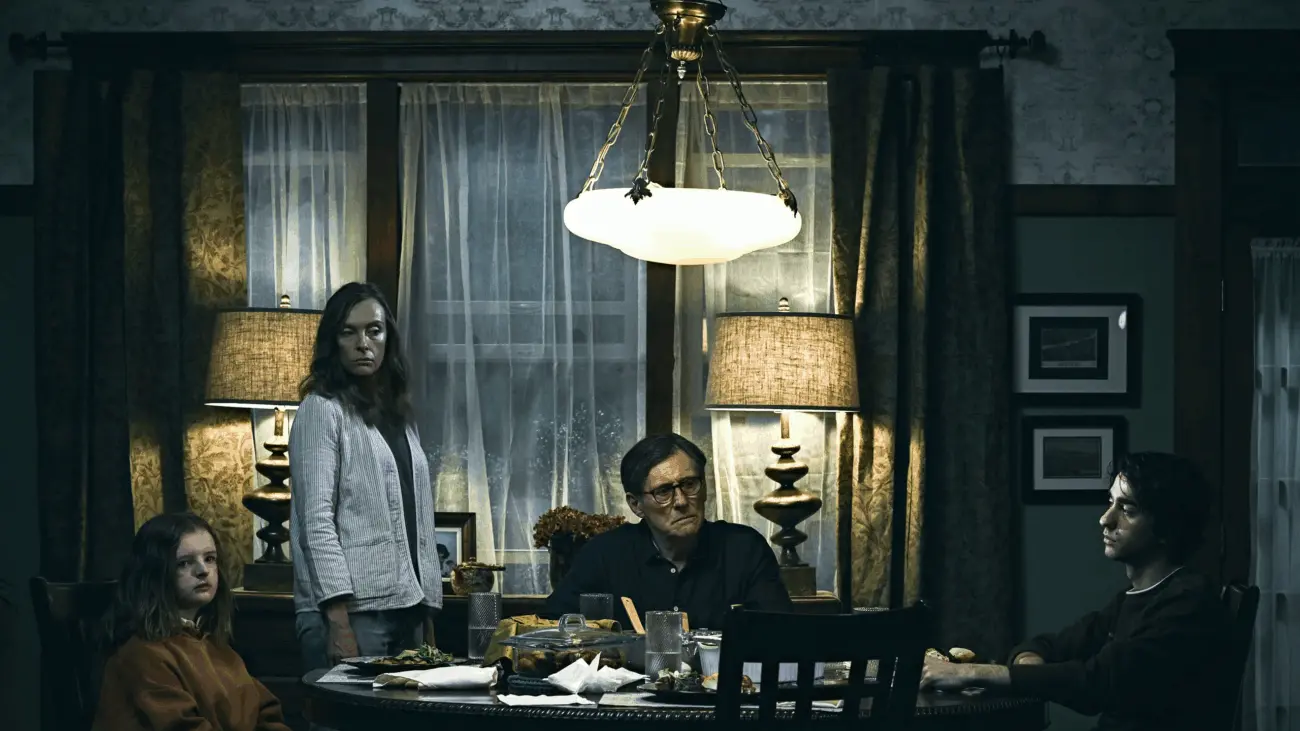
‘Hereditary’ follows the Grahams—Annie, Steve, Peter, and Charlie—after the death of the family matriarch, whose secret ties to an occult cult drive the plot. Strange incidents and tragic accidents unfold as the cult’s rituals target the family’s children for possession. Symbols, miniature dioramas, and hidden histories reveal how long-running plans ensnare the household.
The Le Domas Family

In ‘Ready or Not’, the wealthy Le Domas clan built its fortune on a gaming empire tied to an old pact. New spouses must participate in a ceremonial game, and if “hide-and-seek” is drawn, the family conducts a lethal hunt before dawn. The ritual involves heirlooms, secret passages, and strict adherence to rules the family believes sustain its prosperity.
The Wormwood Family
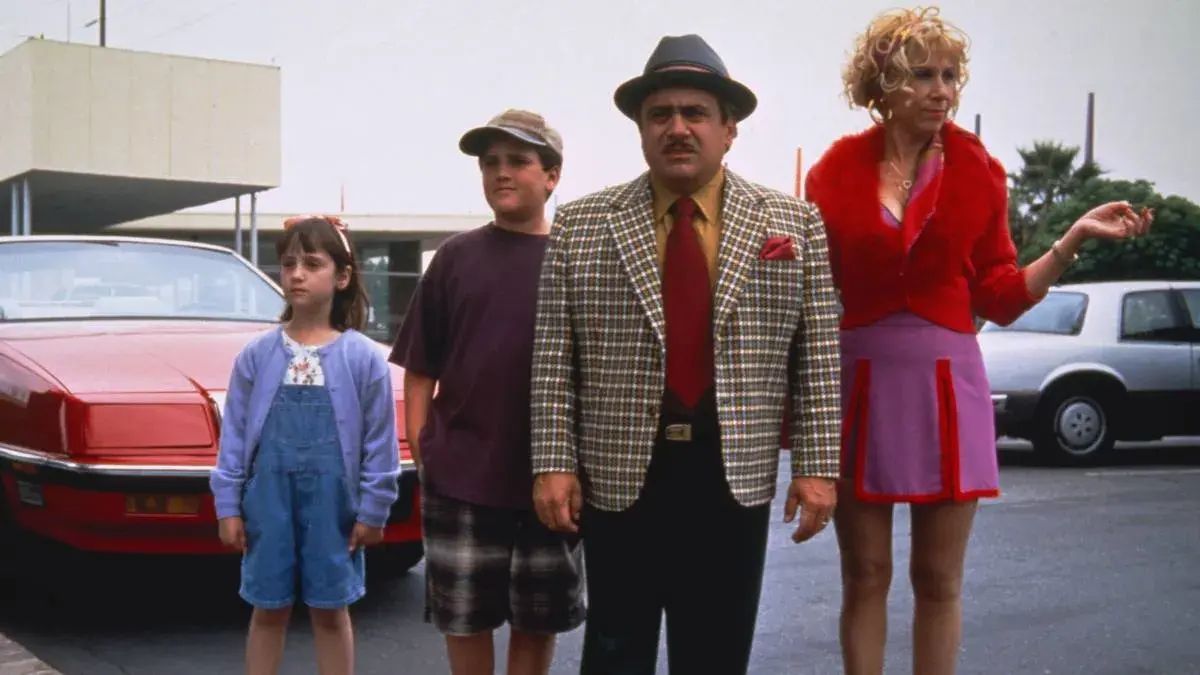
‘Matilda’ presents the Wormwoods—Harry, Zinnia, and their son Michael—who neglect and belittle their gifted daughter. Harry’s used-car business relies on scams, and the parents discourage reading or schoolwork at home. Matilda’s efforts to educate herself and seek out supportive adults highlight the household’s patterns of deception and indifference.
The McCallister Family
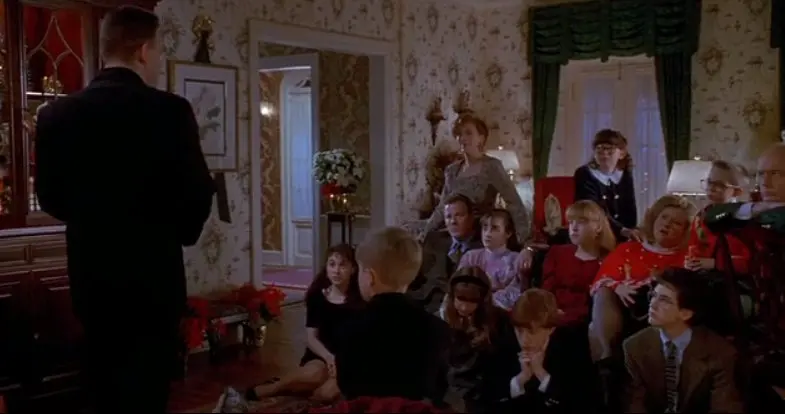
In ‘Home Alone’, a large Chicago household miscounts head-and-seat assignments during a hectic departure and leaves eight-year-old Kevin behind. While the family flies overseas, burglars repeatedly target the vacant house. Kevin fortifies the property with improvised defenses, and his mother undertakes a complicated return trip involving standby flights and a polka band ride to get home.
The Weston Family
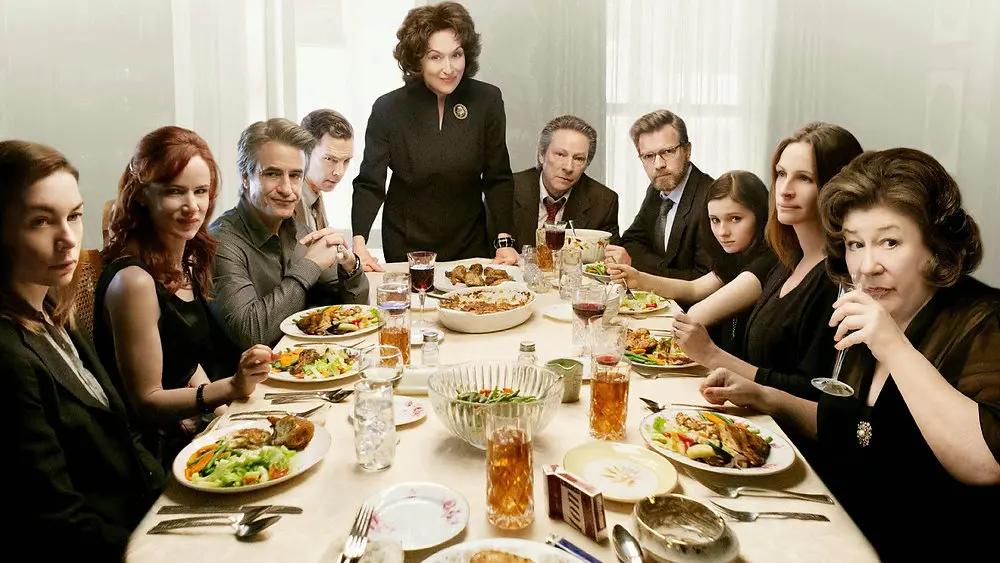
‘August: Osage County’ revolves around the Westons of rural Oklahoma, whose patriarch’s disappearance prompts a family reunion. The gathering exposes substance abuse, marital fractures, and long-kept secrets among matriarch Violet and her daughters Barbara, Ivy, and Karen. The story adapts Tracy Letts’ Pulitzer Prize-winning play, preserving its confined setting and sharp, confrontational dialogue.
What other cinematic households would you add to this lineup—drop your picks in the comments!