Best Sci-Fi Actors of All Time


Science fiction has given audiences unforgettable heroes, complex anti-heroes, and memorable antagonists, and the actors behind them helped define entire franchises and subgenres. This list celebrates male performers whose bodies of work include cornerstone roles in space opera, cyberpunk, time-travel thrillers, dystopian futures, extraterrestrial encounters, and more. You’ll recognize names tied to enduring characters, pioneering effects showcases, and influential series that shaped pop culture across decades. Each entry highlights key roles, franchise impact, and notable contributions that keep these actors central to sci-fi conversations.
Harrison Ford
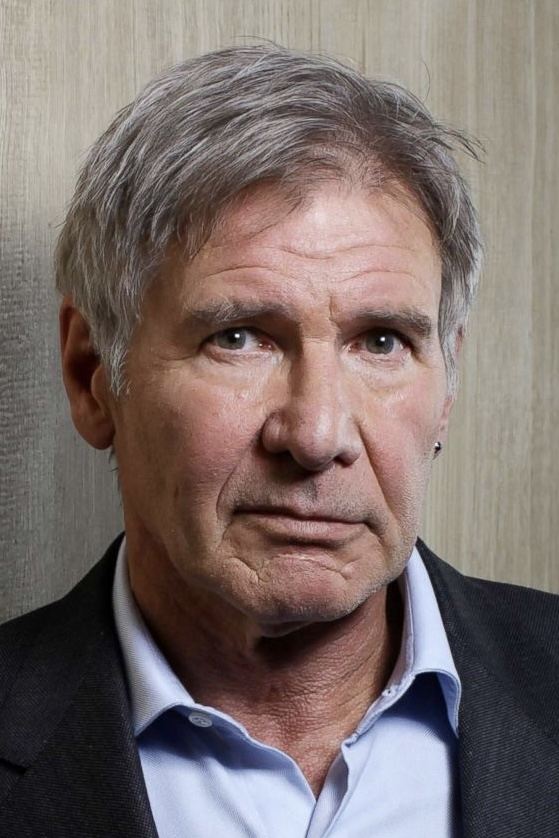
Harrison Ford anchored two foundational sci-fi franchises with Han Solo in ‘Star Wars’ and Rick Deckard in ‘Blade Runner’. His work spans space opera adventure and neo-noir cyberpunk, showing range across different sci-fi tones. He returned to iconic roles in later installments while also appearing in related genre projects. Ford’s characters influenced merchandising, expanded-universe storytelling, and cross-media adaptations.
Keanu Reeves
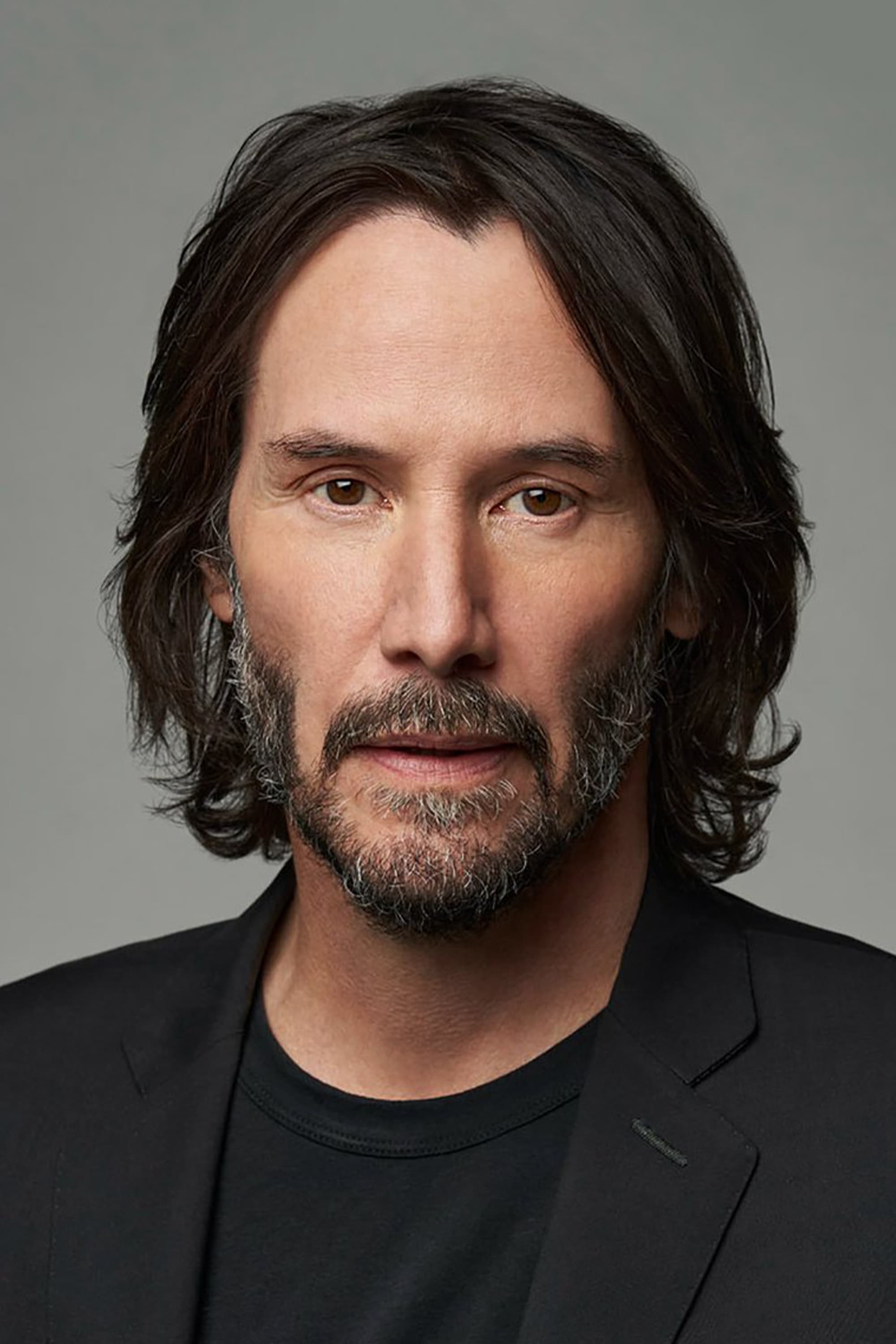
Keanu Reeves defined cyberpunk action as Neo in ‘The Matrix’ and returned to the role in later continuations. He headlined ‘Johnny Mnemonic’ and appeared in animated extensions like ‘The Animatrix’, building a multimedia presence. Reeves has collaborated with effects teams on wire-work and bullet-time innovations associated with modern sci-fi action. His filmography also includes voice and motion-capture projects tied to speculative settings.
Patrick Stewart
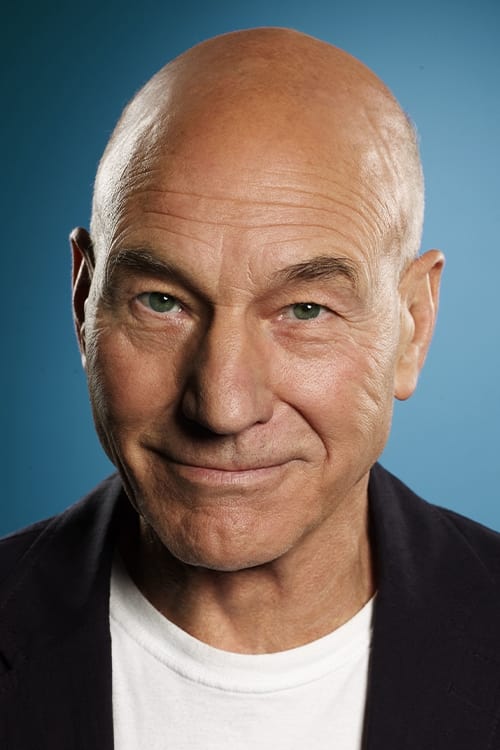
Patrick Stewart’s portrayal of Jean-Luc Picard in ‘Star Trek: The Next Generation’ and ‘Star Trek: Picard’ shaped a benchmark for televised space exploration drama. He also appeared as Professor Charles Xavier in the ‘X-Men’ films, linking him to mutant-focused science fiction. Stewart’s stage background contributed to command presence in starship-bridge storytelling and ethical debates. His voice work extends to games and animation connected to sci-fi universes.
William Shatner
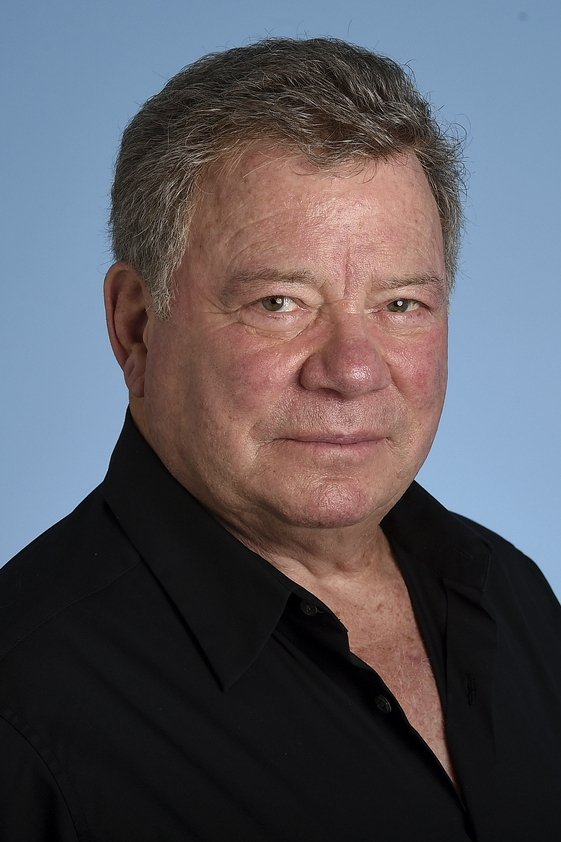
William Shatner originated Captain James T. Kirk in ‘Star Trek’, leading a crew through episodic and feature-length missions. His performance bridged television and cinema, helping the franchise transition into large-scale sci-fi filmmaking. Shatner participated in conventions, recordings, and documentaries that supported fandom culture. His interpretation of command decisions and first-contact encounters remains a genre touchstone.
Leonard Nimoy
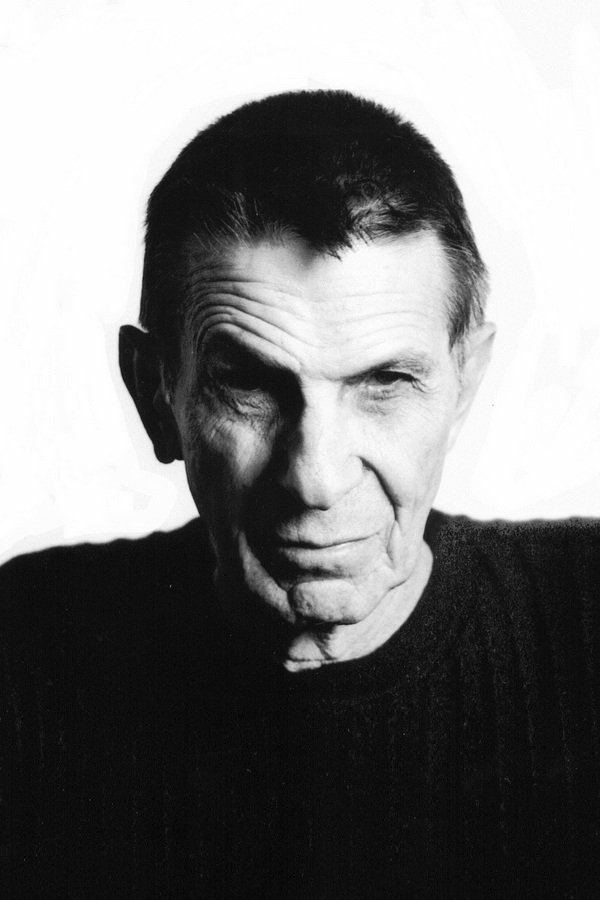
Leonard Nimoy’s Spock in ‘Star Trek’ established one of sci-fi’s most recognizable characters, blending logic, diplomacy, and identity themes. He directed and acted within the franchise’s film series, influencing story arcs beyond on-screen performance. Nimoy contributed voice work to animated series and games that expanded the universe. His portrayal highlighted cross-cultural narratives and science-driven problem solving in speculative settings.
Mark Hamill
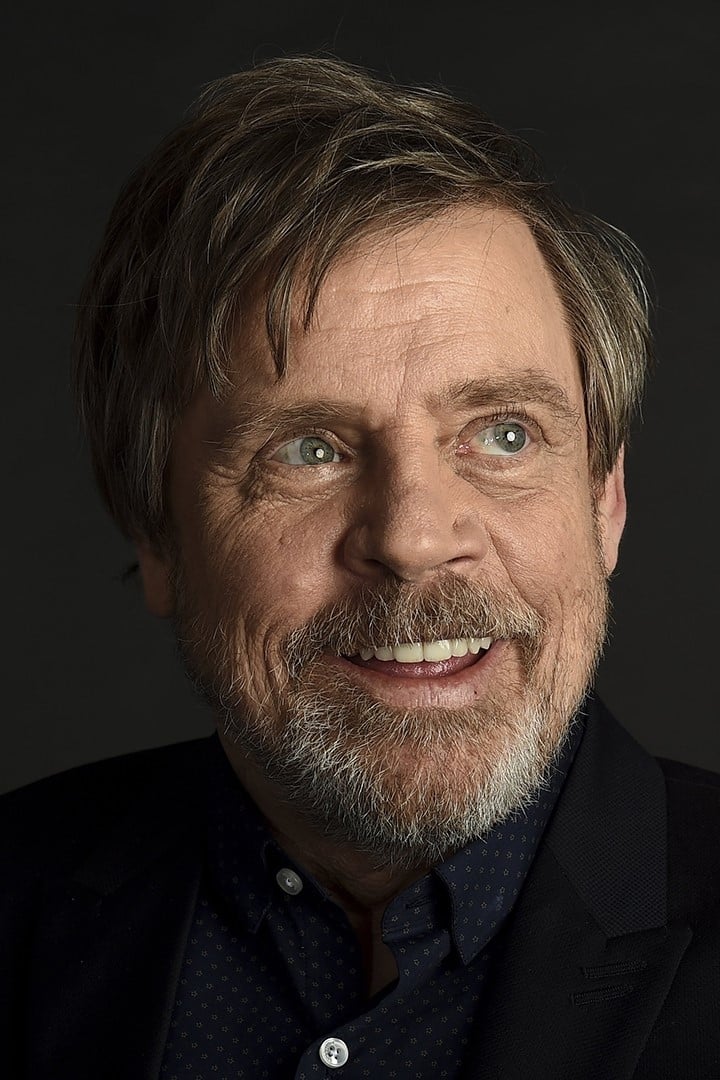
Mark Hamill introduced Luke Skywalker in ‘Star Wars’, charting a farm-boy-to-Jedi journey foundational to modern space fantasy. Beyond live-action, he became a prolific voice actor for sci-fi and genre animation, games, and audiobooks. Hamill’s involvement in franchise promotions, behind-the-scenes features, and expanded media connected generations of fans. His motion-capture and voice performances added depth to technologically driven storytelling.
Tom Cruise
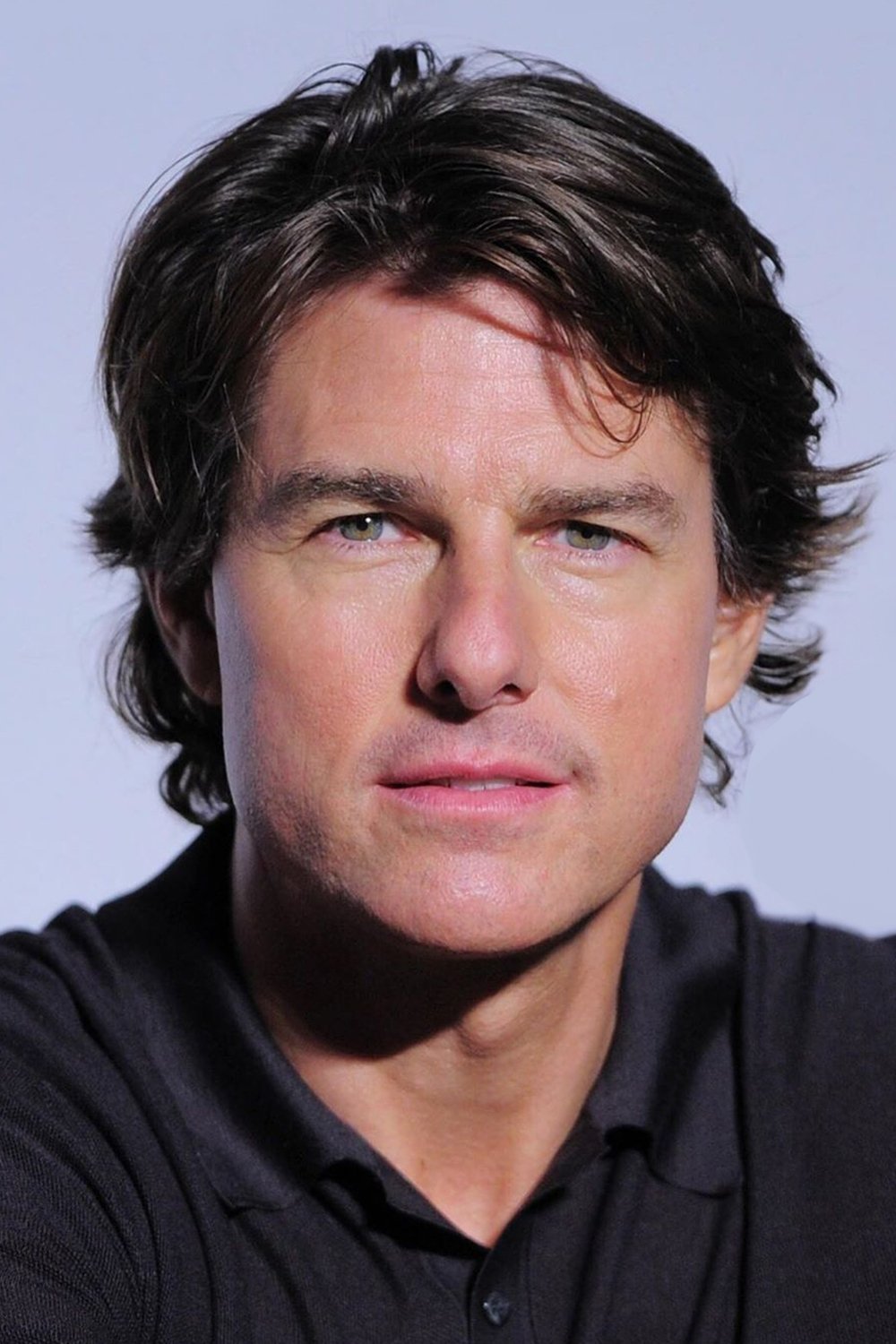
Tom Cruise led high-concept sci-fi films including ‘Minority Report’, ‘Edge of Tomorrow’, ‘Oblivion’, and ‘War of the Worlds’. He collaborated with directors known for set-piece innovation and grounded futurism. Cruise often performs demanding physical sequences that integrate practical effects with advanced VFX workflows. His projects frequently explore time loops, surveillance technologies, and extraterrestrial conflict.
Jeff Goldblum
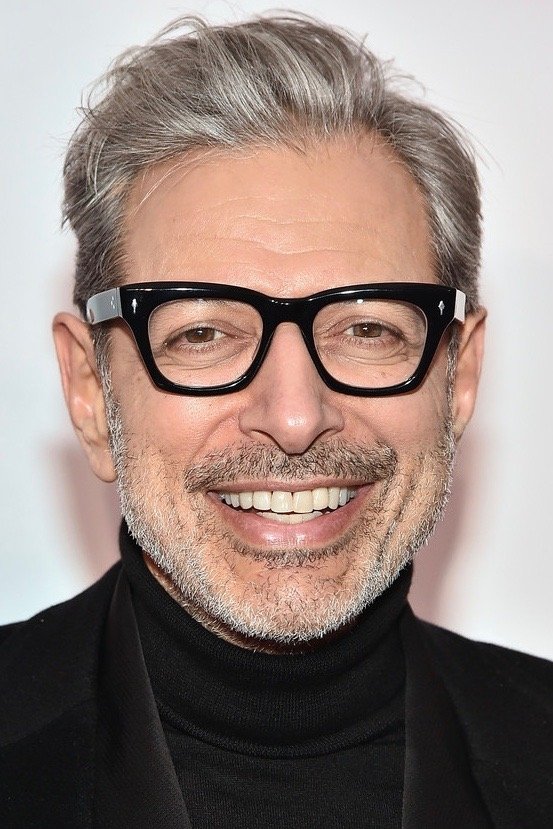
Jeff Goldblum’s roles in ‘The Fly’, ‘Jurassic Park’, and ‘Independence Day’ span body horror, techno-thriller adventure, and alien invasion spectacle. He brings scientific expertise on screen, often portraying researchers or analysts who decode crises. Goldblum’s performances cross ensemble casts and franchise sequels, reinforcing continuity. His unique cadence and comedic timing support exposition in effects-heavy narratives.
Bruce Willis
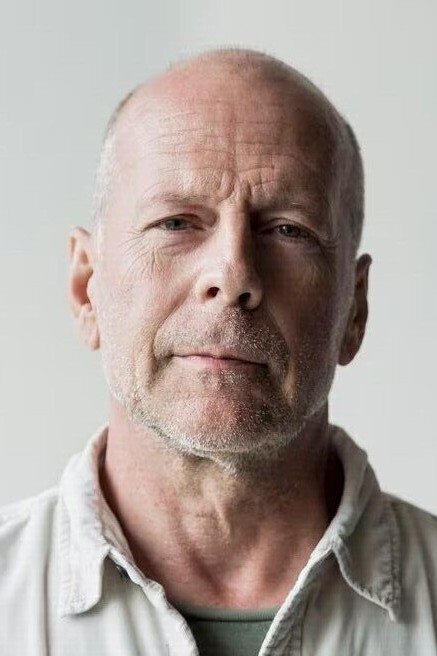
Bruce Willis headlined ’12 Monkeys’, ‘The Fifth Element’, and ‘Looper’, covering time travel, spacefaring adventure, and assassin-driven paradoxes. He often plays reluctant protagonists navigating high-stakes dystopian scenarios. Willis’s projects pair stylized world-building with grounded character work in technologically dense plots. He collaborated with directors who blend genre elements with noir and comedy.
Michael Fassbender
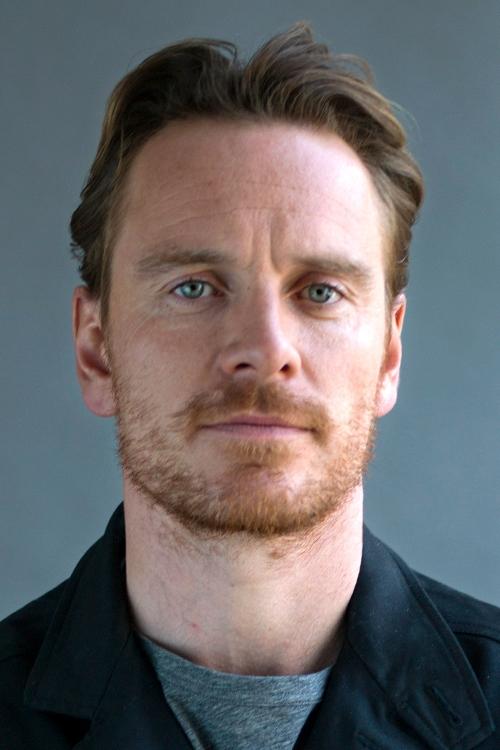
Michael Fassbender portrayed synthetic beings David and Walter in the ‘Alien’ prequels, focusing on creation and autonomy themes. He also appeared as Erik Lehnsherr in ‘X-Men’ entries that foreground mutation and ethics. Fassbender’s dual roles within the same film showcased precision in physicality and vocal distinction. His work intersects with practical creature effects and advanced digital environments.
Ian McKellen
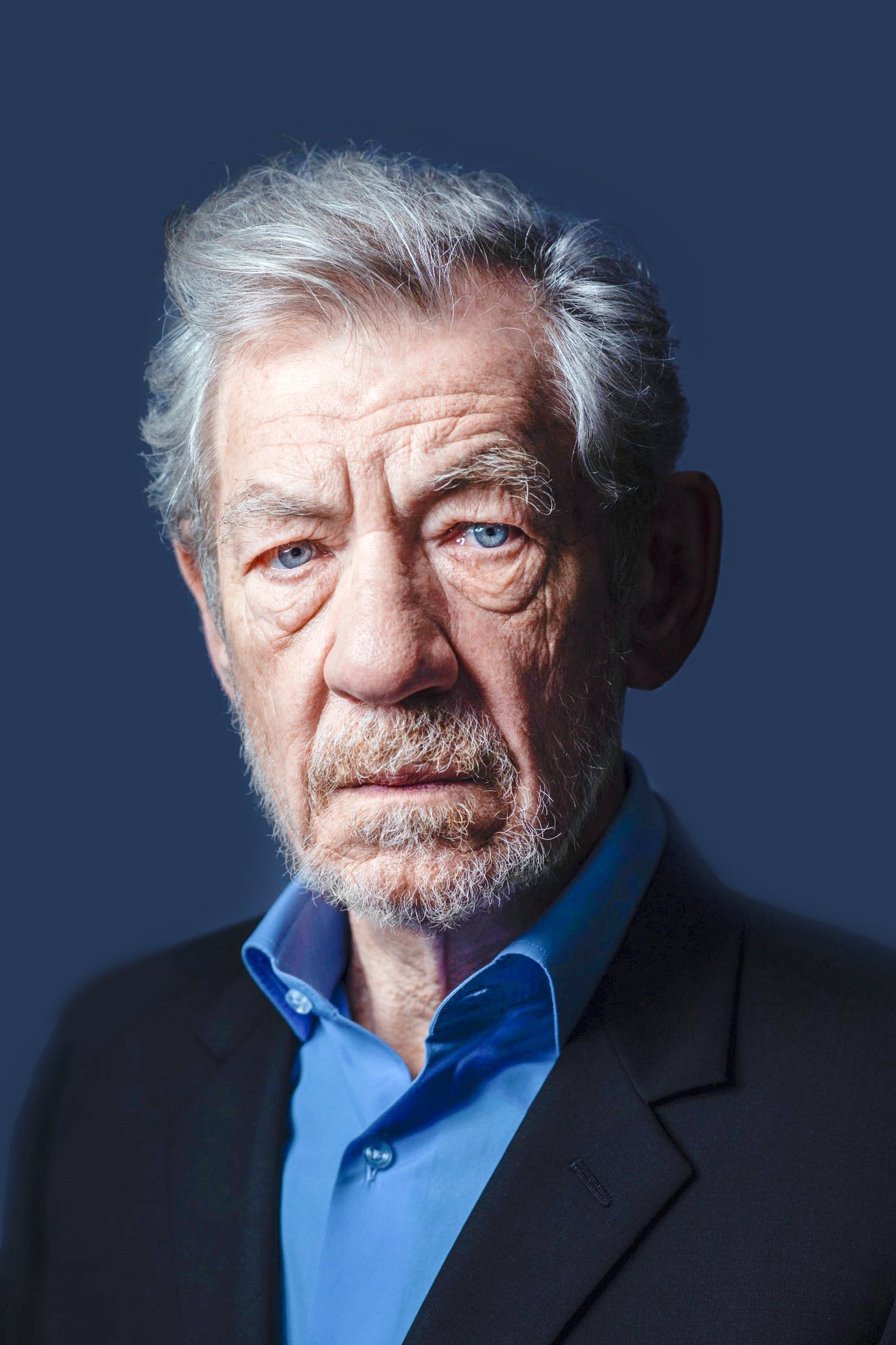
Ian McKellen’s Magneto in the ‘X-Men’ series presents ideological conflict around evolution and technology. He balanced ensemble storytelling with character-centric arcs that span multiple films. McKellen’s performances supported discussions of power, identity, and societal change within sci-fi frameworks. His experience with theater and fantasy projects complements large-scale genre production.
Hugh Jackman
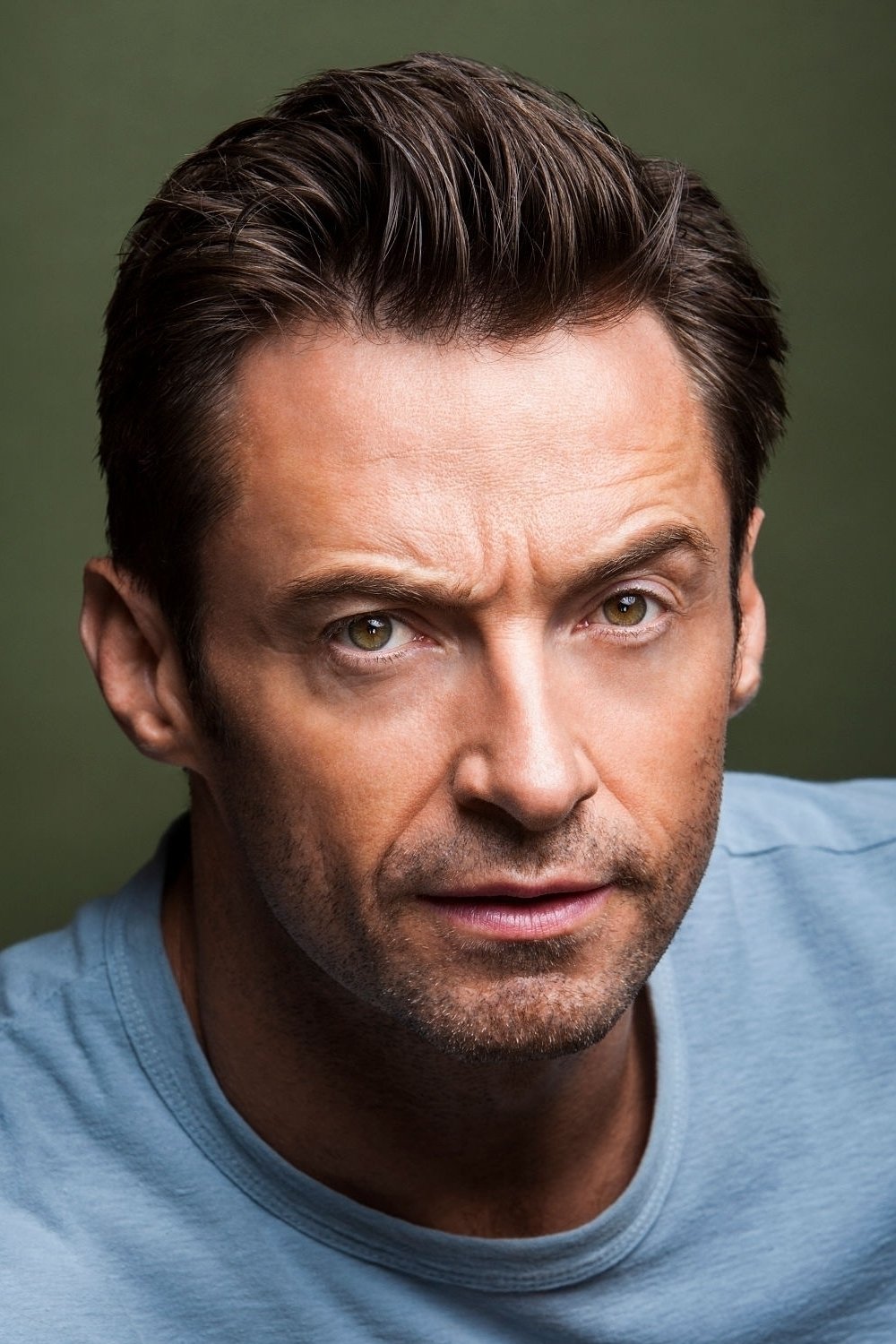
Hugh Jackman’s Wolverine appears across ‘X-Men’ films and solo entries, connecting genetic experimentation with personal history. He also starred in ‘Real Steel’, which combines robotics with sports drama. Jackman’s work includes motion-capture-assisted sequences and practical stunt coordination. His roles contribute to crossovers and multiverse narratives within shared universes.
Robert Downey Jr.
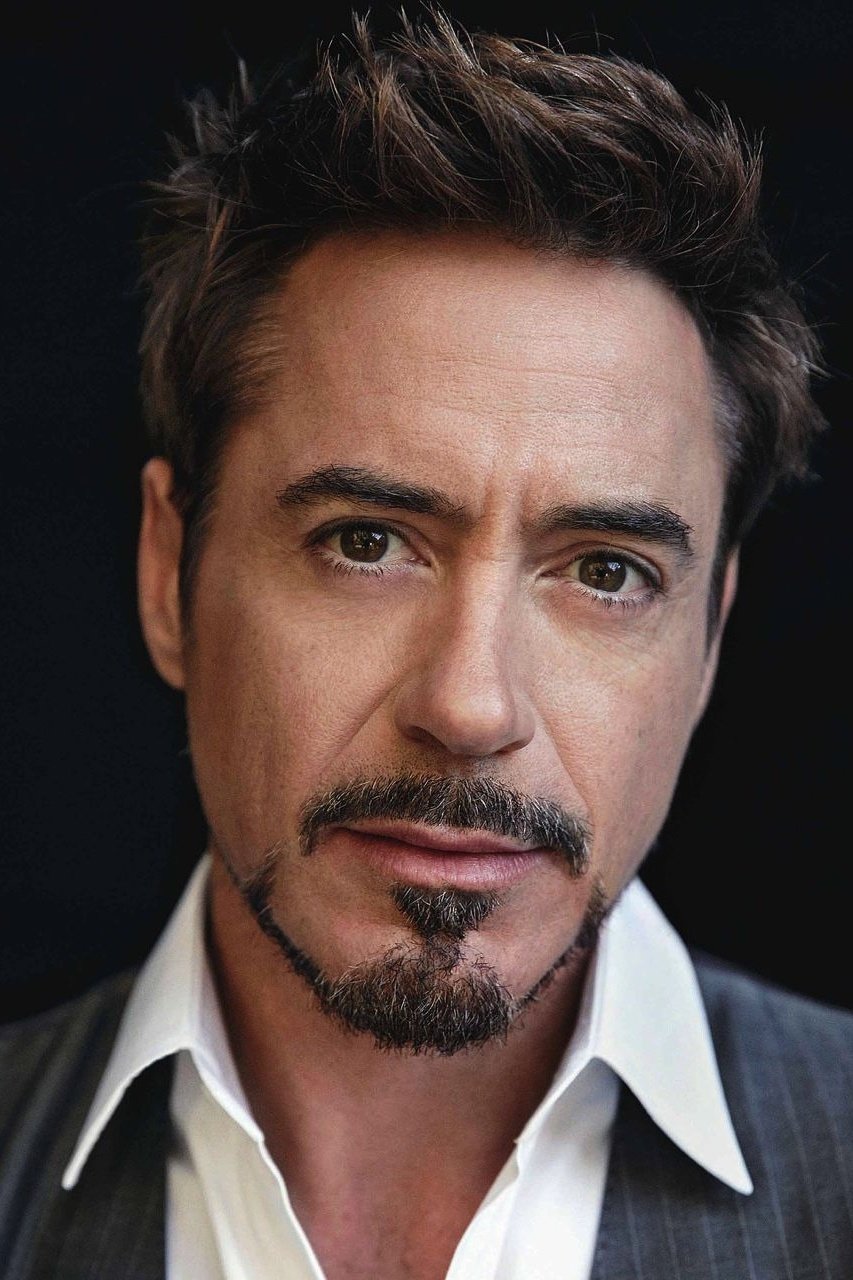
Robert Downey Jr. launched the modern shared-universe model with Tony Stark in ‘Iron Man’ and subsequent ‘Avengers’ films. His character embodies defense technology, artificial intelligence, and suits-of-armor innovation. Downey’s appearances span cameos, team-ups, and ensemble events that integrate multiple franchises. The role influenced merchandise, tie-in comics, and game adaptations linked to sci-fi tech.
Ryan Gosling
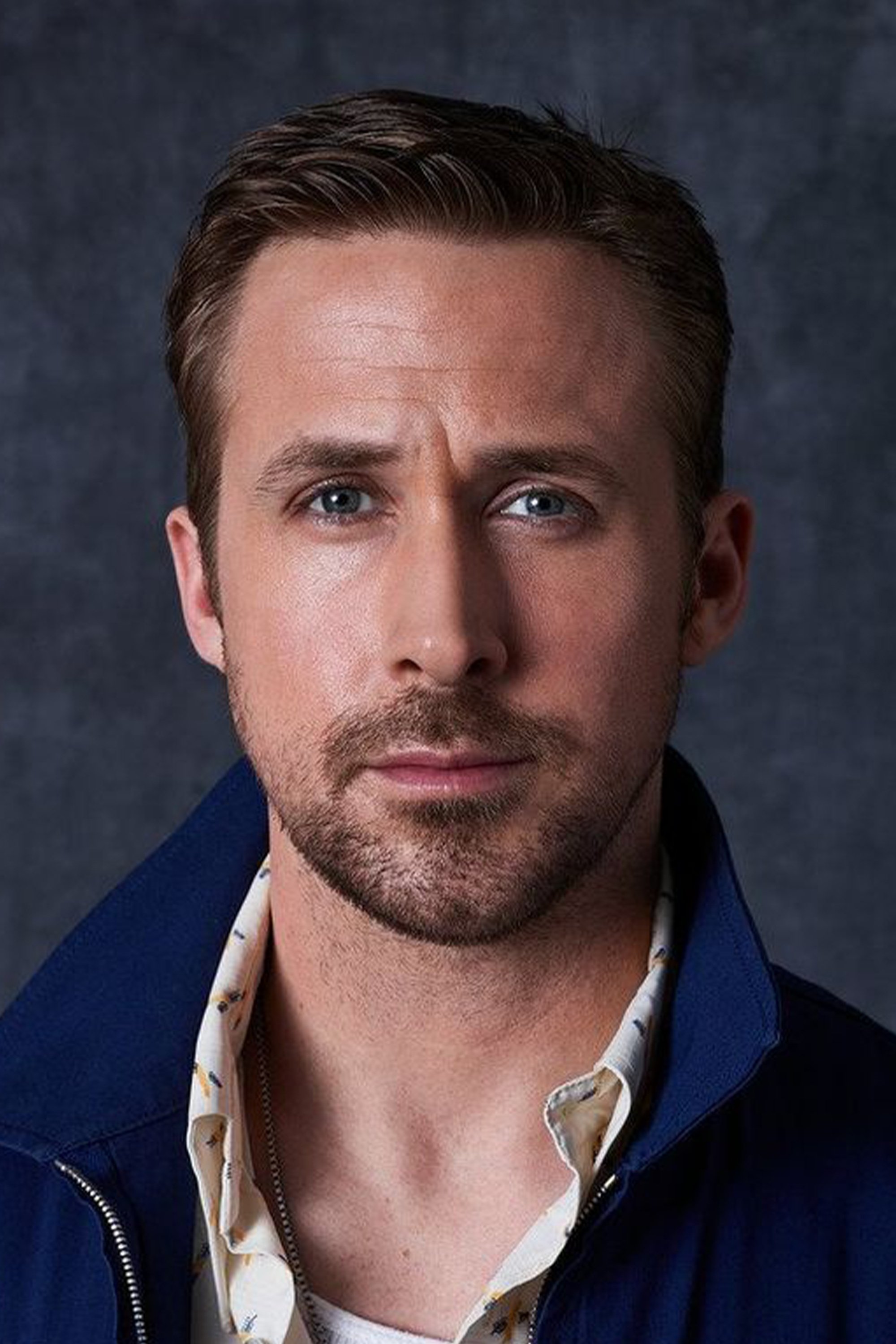
Ryan Gosling led ‘Blade Runner 2049’ as Officer K, exploring identity, memory, and bioengineered life. He also portrayed astronaut Neil Armstrong in ‘First Man’, engaging with spaceflight realism. Gosling’s sci-fi projects emphasize atmosphere, production design, and sound-driven world-building. His selections often collaborate with directors known for meticulous visual storytelling.
Oscar Isaac
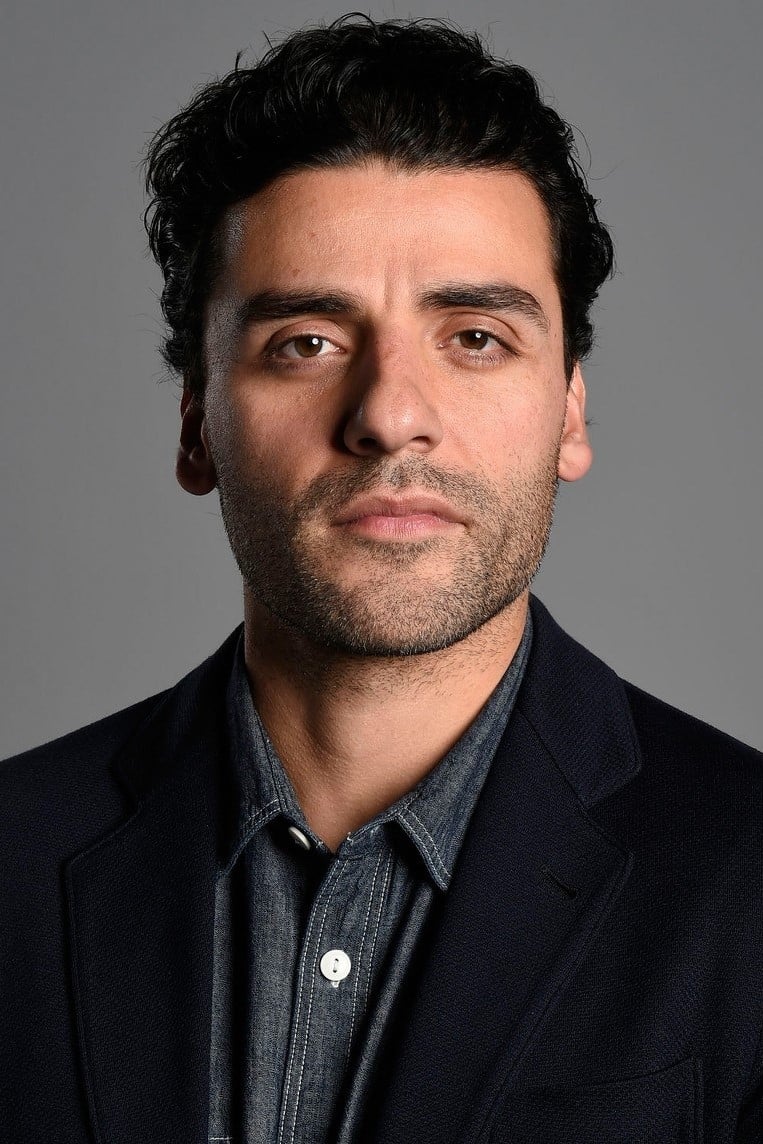
Oscar Isaac plays Poe Dameron in ‘Star Wars’, piloting within resistance narratives and space combat set-pieces. He headlined ‘Ex Machina’, focusing on artificial intelligence and human-machine boundaries. Isaac appears in ‘Dune’, engaging with interstellar politics, ecology, and dynastic power. His roles bridge independent sci-fi and major studio franchises.
Adam Driver
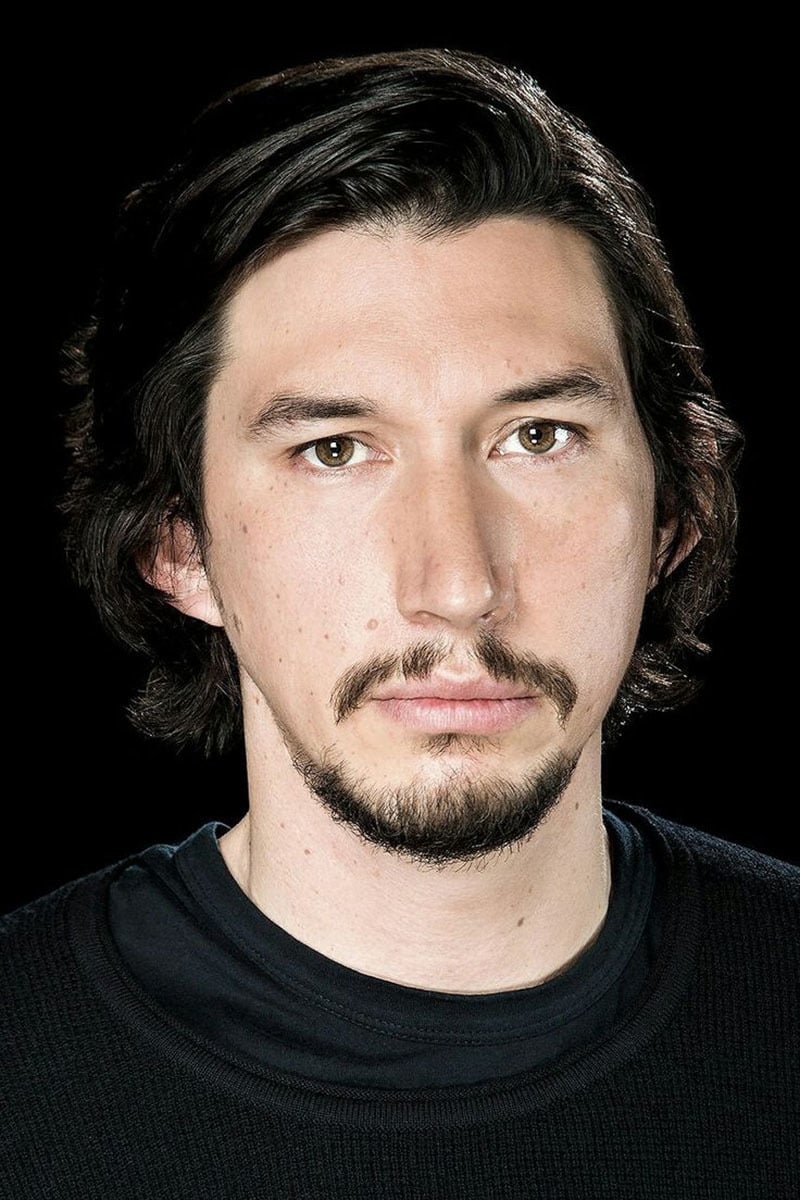
Adam Driver portrayed Kylo Ren in ‘Star Wars’, charting power dynamics, mentorship, and legacy within a galactic conflict. He starred in ’65’, a survival story with prehistoric predators and futuristic tech. Driver’s physical performance style supports combat choreography and helmeted character work. His projects often examine family lineage and moral consequence inside genre frameworks.
Ewan McGregor
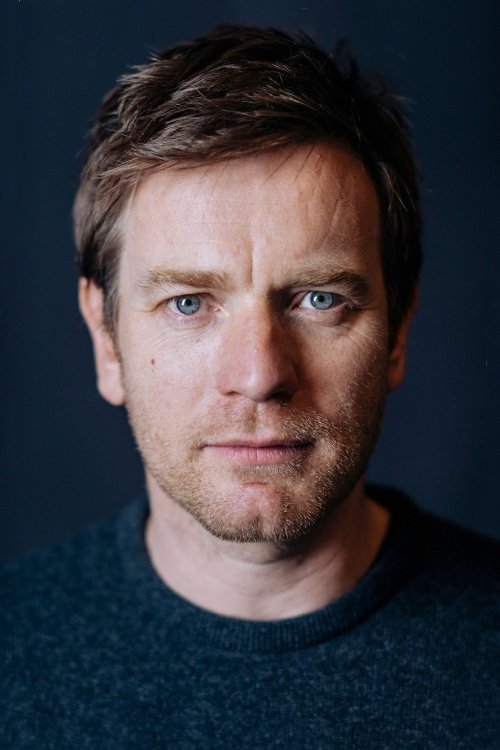
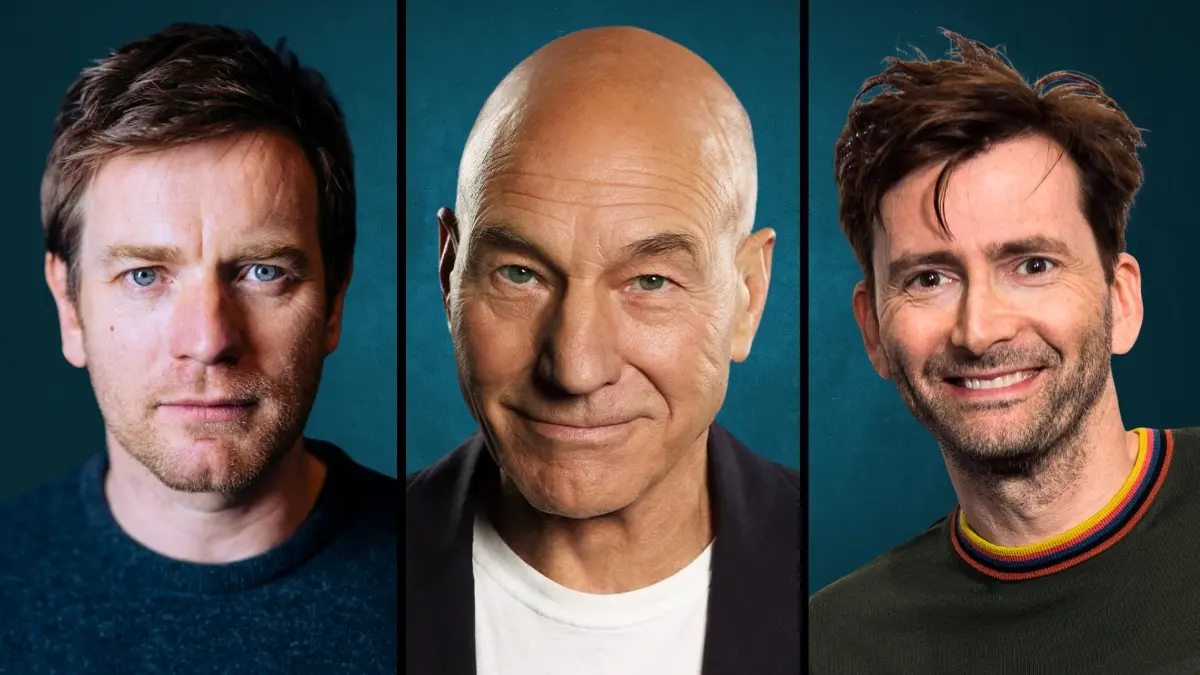
Ewan McGregor’s Obi-Wan Kenobi spans ‘Star Wars’ prequels, anthology stories, and a dedicated series. He co-starred in ‘The Island’, exploring cloning, consumerism, and escape narratives. McGregor’s roles include extensive lightsaber training and bluescreen performance techniques. His career connects theatrical training with large-scale effects pipelines.
Laurence Fishburne
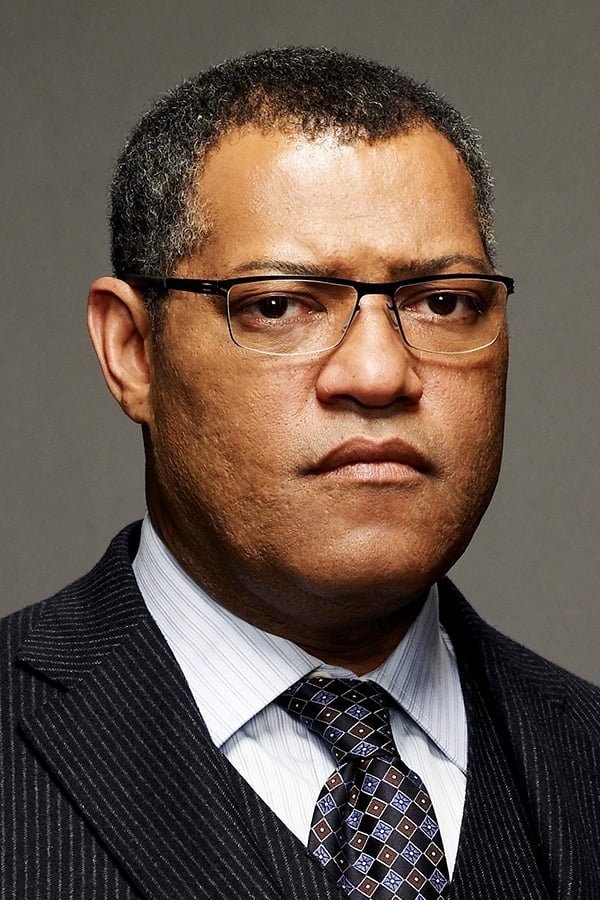
Laurence Fishburne’s Morpheus in ‘The Matrix’ guides rebels through simulated reality and human-machine warfare. He appeared in ‘Event Horizon’ and contributed to superhero-adjacent sci-fi as well. Fishburne’s voice work extends into animated features and games with speculative settings. His leadership roles frequently anchor ensemble casts navigating complex world rules.
Sam Neill
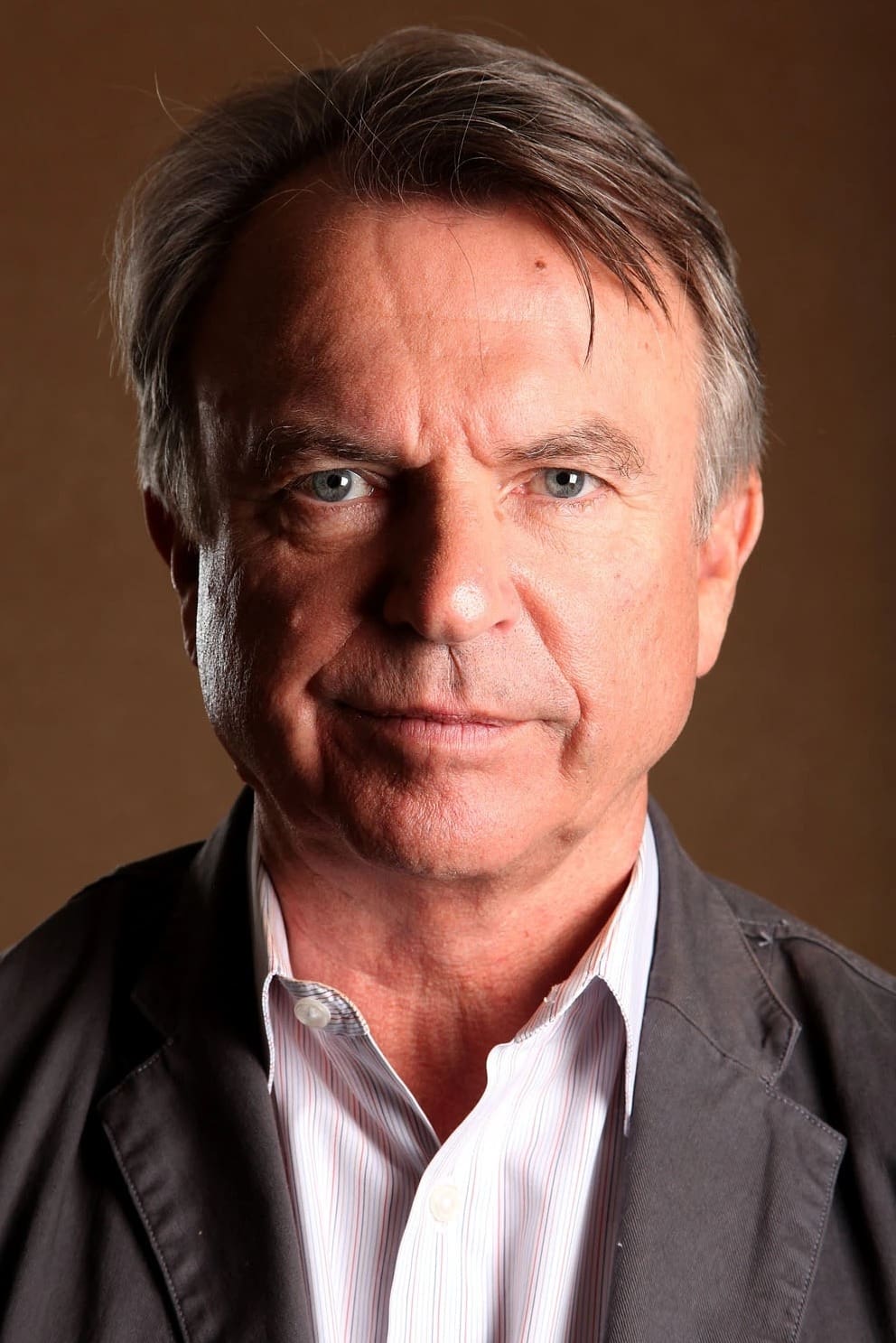
Sam Neill’s Dr. Alan Grant in ‘Jurassic Park’ connects paleontology with de-extinction and theme-park engineering. He also starred in ‘Event Horizon’, bringing horror elements into space exploration. Neill has participated in sequels and legacy casts that revisit established worlds. His characters often interpret science under crisis, supporting exposition and tension.
Rutger Hauer
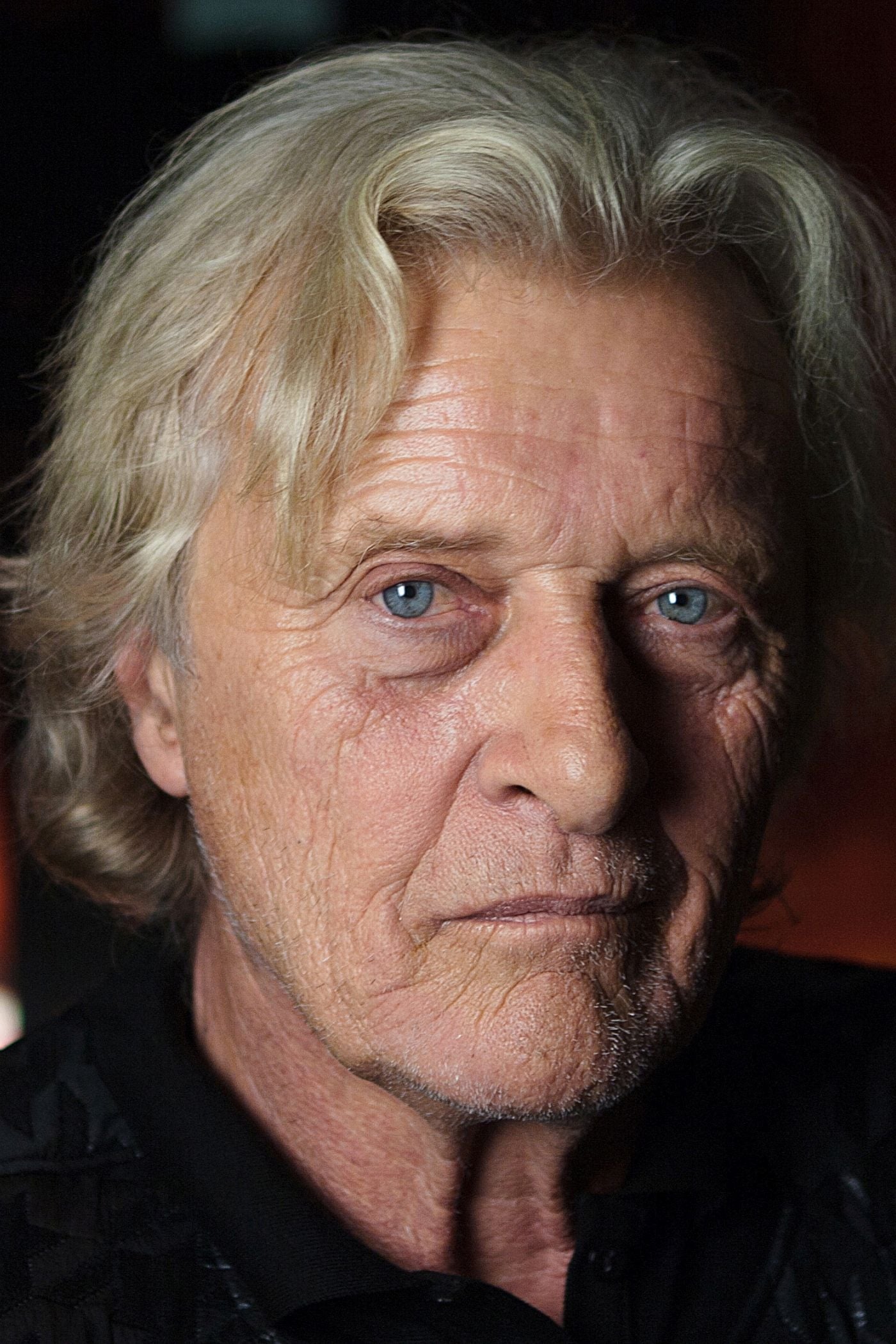
Rutger Hauer’s Roy Batty in ‘Blade Runner’ remains central to discussions of artificial life and mortality. He continued genre work in projects like ‘Split Second’ and appeared across international productions. Hauer collaborated with visionary directors and cinematographers on stylized futurescapes. His performances influenced portrayals of replicants, androids, and post-industrial antagonists.
Peter Weller
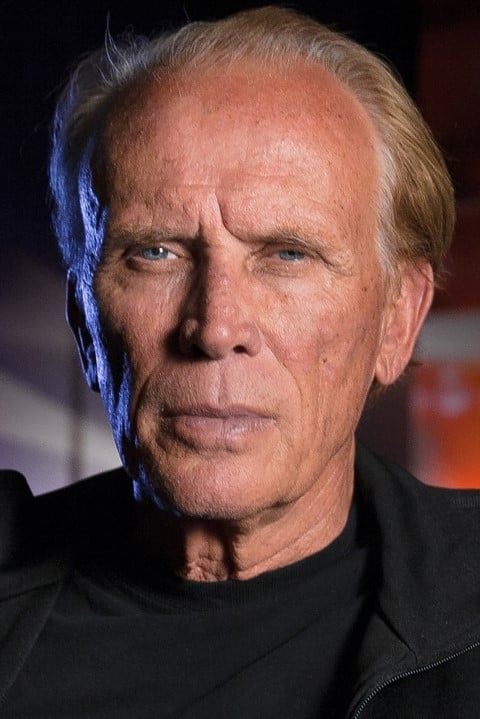
Peter Weller embodied Alex Murphy in ‘RoboCop’, merging law enforcement with cybernetic reconstruction. He returned for sequels and provided voice work in related media. Weller’s academic interests include art history, and he has directed episodes of genre television. His filmography intersects with debates on privatization, robotics ethics, and urban futures.
Karl Urban
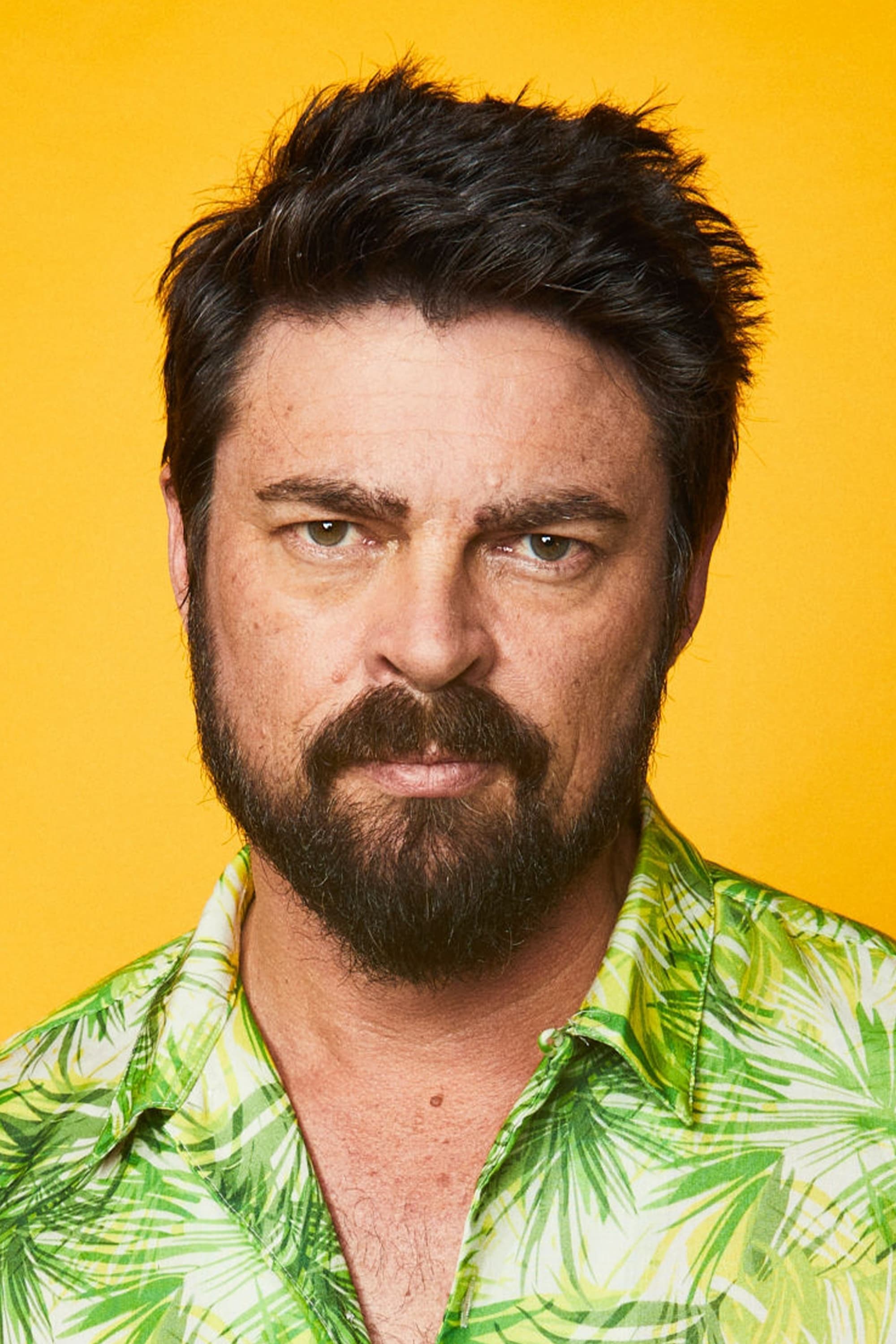
Karl Urban portrayed Judge Dredd in ‘Dredd’, emphasizing tactical realism and contained-space action. He plays Dr. Leonard McCoy in ‘Star Trek’, contributing to ensemble chemistry and medical problem-solving. Urban’s genre roles extend to ‘The Chronicles of Riddick’ universe and other speculative titles. His career spans television, games, and films that combine practical and digital effects.
Chris Pine
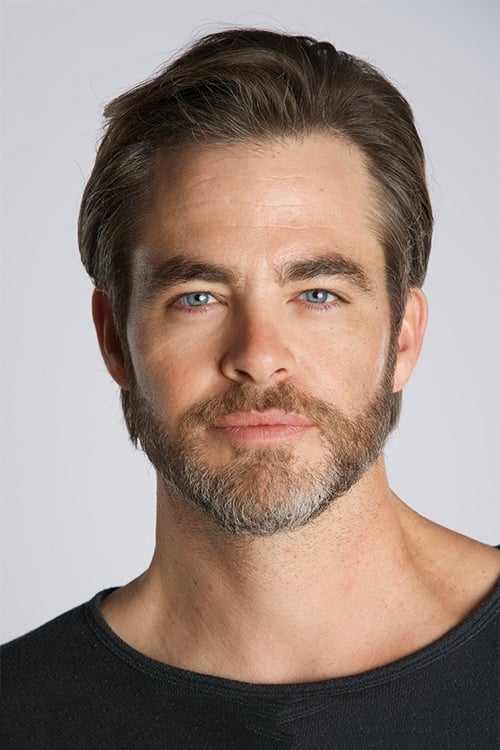
Chris Pine assumed Captain James T. Kirk in the ‘Star Trek’ reboot era, leading missions with updated production design and visual effects. He participated in cross-platform marketing and franchise tie-ins. Pine’s sci-fi credits include appearances in cosmic or time-bending stories outside that series. His collaborations feature stunt training and large-format cinematography.
Benedict Cumberbatch
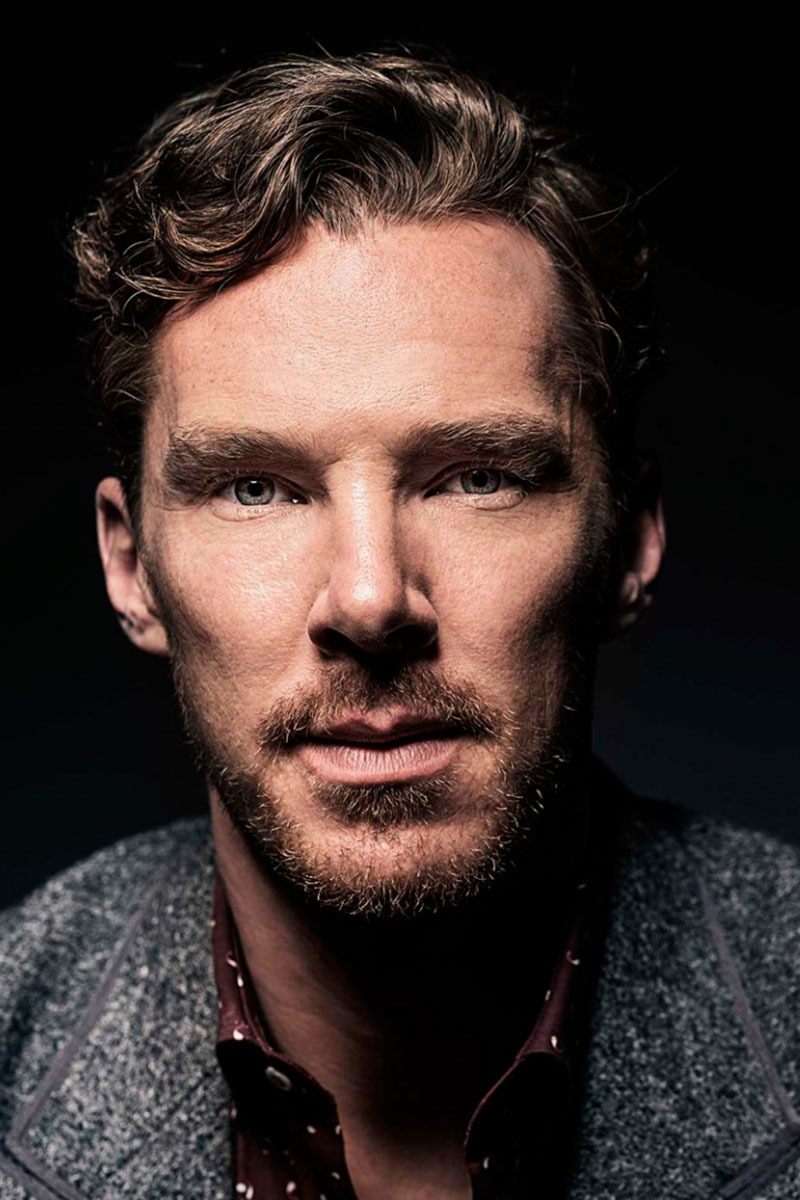
Benedict Cumberbatch portrayed Khan in ‘Star Trek Into Darkness’ and leads ‘Doctor Strange’ entries that blend science and mysticism. He has contributed voice and motion-capture work to effects-heavy productions. Cumberbatch often engages with narratives about multiverses, temporal manipulation, and advanced technology. His projects span feature films, streaming series, and animated specials.
Timothée Chalamet
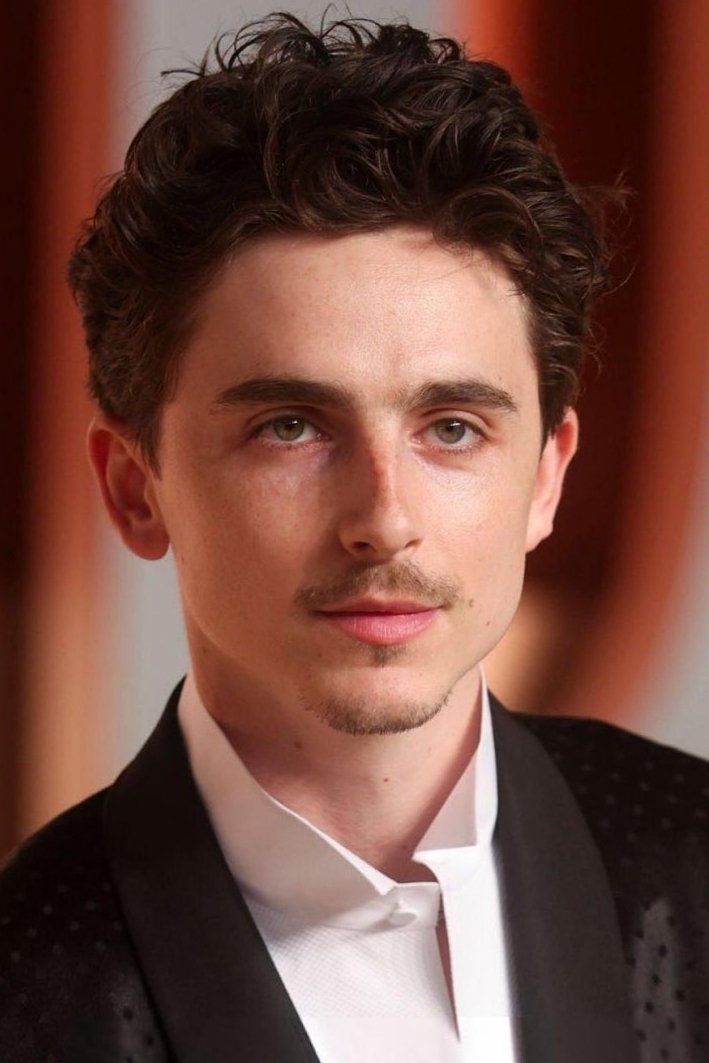
Timothée Chalamet stars as Paul Atreides in ‘Dune’, navigating interstellar politics, ecology, and prophecy. He previously appeared in ‘Interstellar’, exploring relativity and cosmic survival. Chalamet’s projects emphasize location photography, large-scale sets, and extensive sound design. His roles connect contemporary audiences to classic sci-fi literature adaptations.
Arnold Schwarzenegger
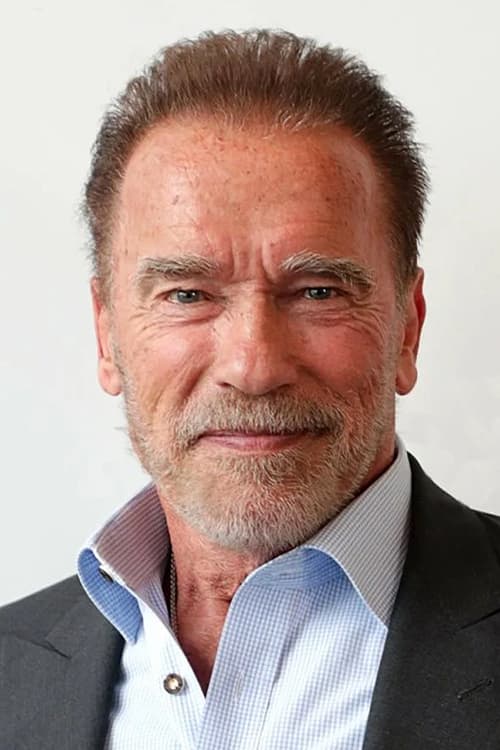
Arnold Schwarzenegger helped define cybernetic and dystopian sci-fi with leading roles in ‘The Terminator’ series and ‘Total Recall’. He collaborated with filmmakers who fused practical effects, animatronics, and early CGI into large-scale action storytelling. Schwarzenegger’s characters often intersect with themes of AI, memory, and altered reality. His films generated extensive merchandising and influenced the depiction of cyborgs in later media.
Will Smith
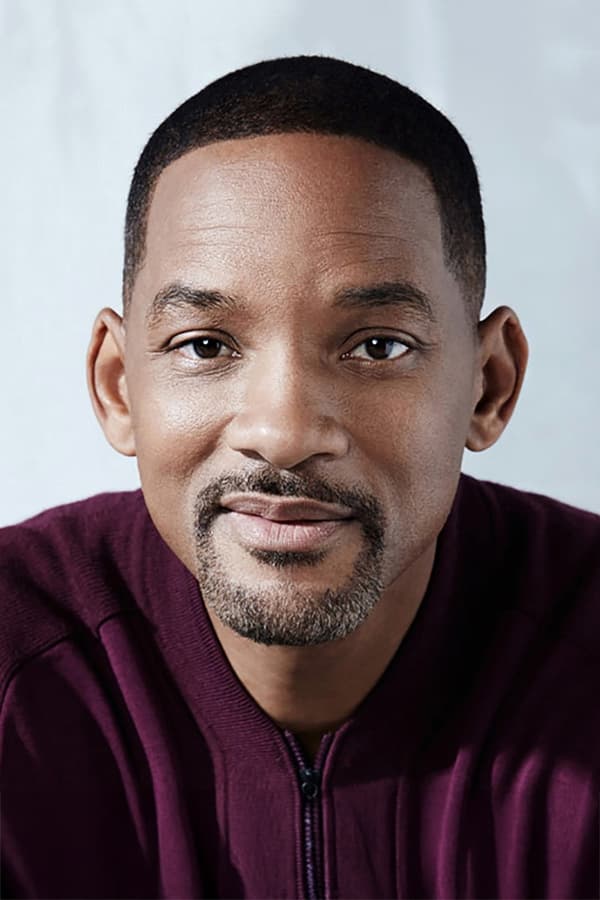
Will Smith headlined alien-encounter and near-future tech stories in ‘Men in Black’, ‘Independence Day’, ‘I, Robot’, and ‘I Am Legend’. His projects combine humor, action, and world-building that support franchise spin-offs and tie-in media. Smith frequently works with VFX-heavy productions that integrate creature design and digital environments. These films helped popularize modern takes on extraterrestrial diplomacy, robotics ethics, and post-pandemic survival.
Christopher Lloyd
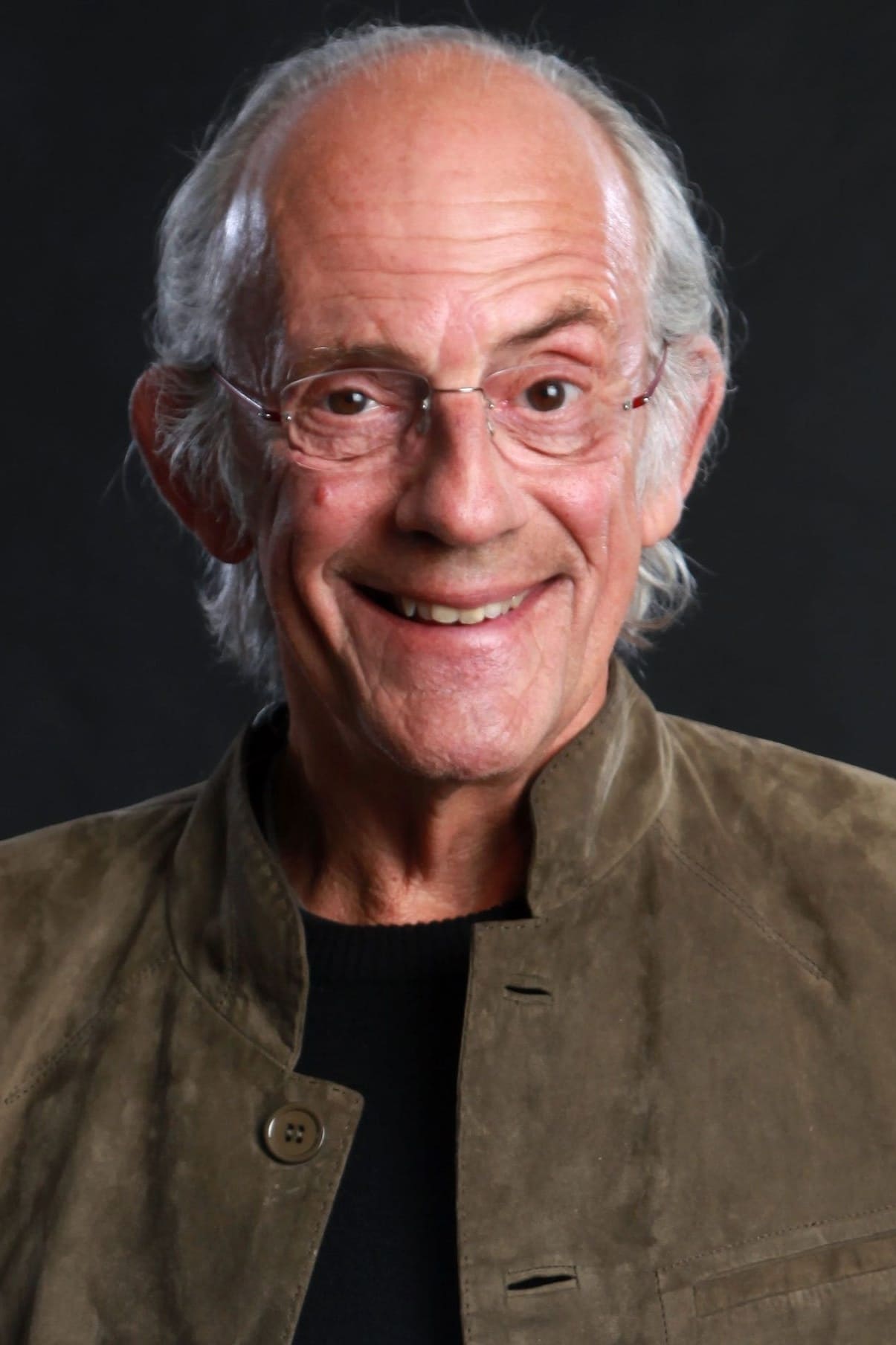
Christopher Lloyd’s portrayal of Doc Brown in ‘Back to the Future’ made time travel concepts accessible to mainstream audiences. He also appeared as the Klingon commander Kruge in ‘Star Trek III: The Search for Spock’, adding villainy to his sci-fi range. Lloyd’s contributions extend to animation and interactive media tied to genre franchises. His work regularly involved technical sets, practical effects, and prop-based exposition.
Michael J. Fox
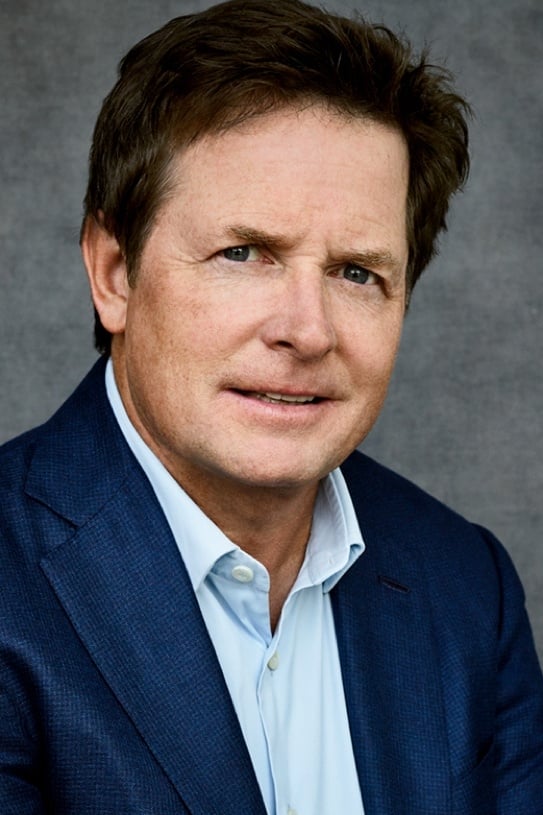
Michael J. Fox brought youthful energy to time-travel storytelling as Marty McFly in ‘Back to the Future’. The role connected pop culture, consumer tech, and speculative science through accessible character beats. Fox engaged with promotional campaigns, theme-park attractions, and licensed games related to the franchise. His performance helped audiences follow paradoxes, timelines, and cause-and-effect mechanics.
Andy Serkis
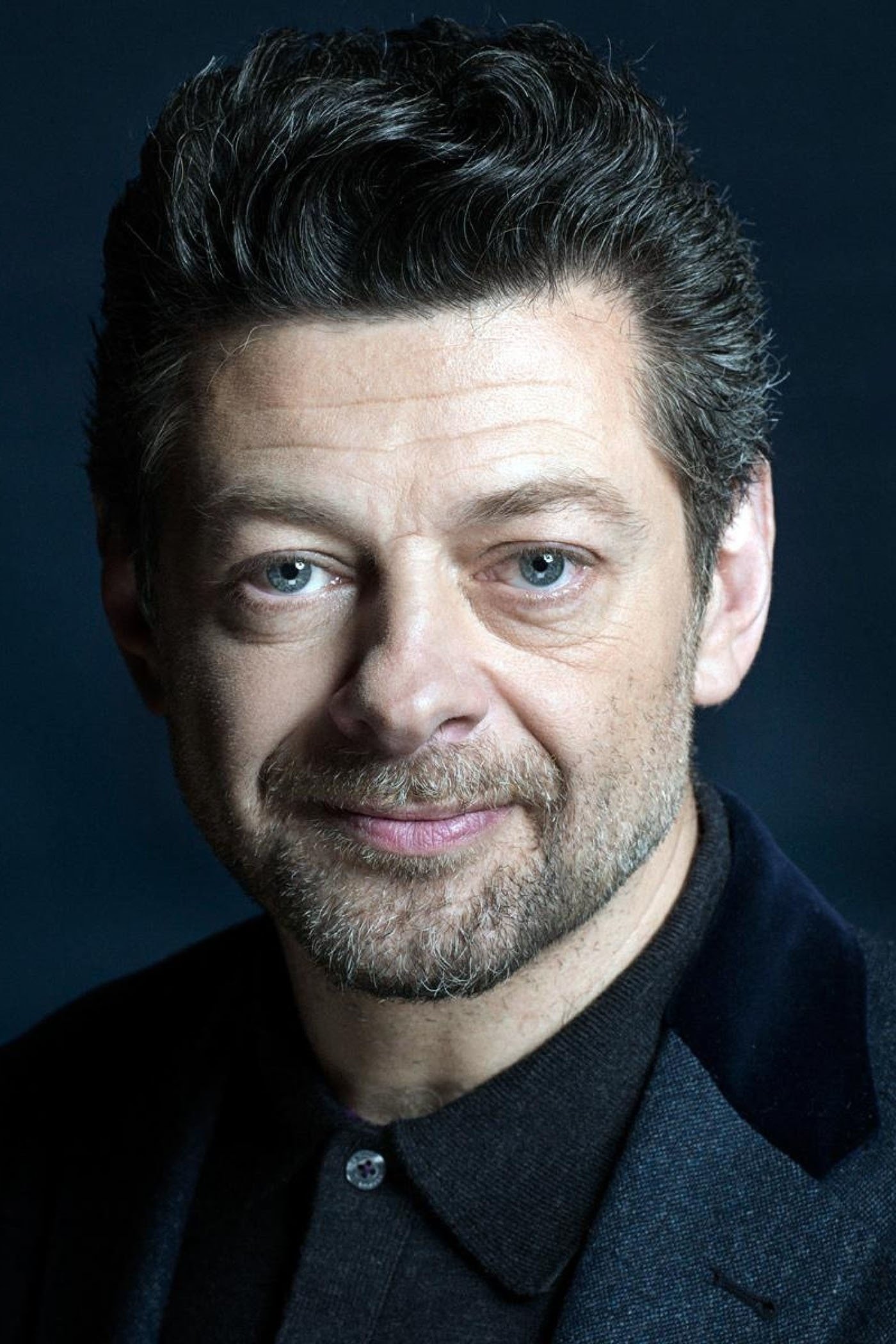
Andy Serkis advanced performance-capture techniques that shaped modern sci-fi characters, notably Caesar in ‘Rise of the Planet of the Apes’ and Supreme Leader Snoke in ‘Star Wars’. He collaborates closely with VFX teams to translate subtle facial and physical choices into digital beings. Serkis also directs and consults on capture workflows used across major productions. His work bridged acting, animation, and real-time visualization practices.
Brent Spiner
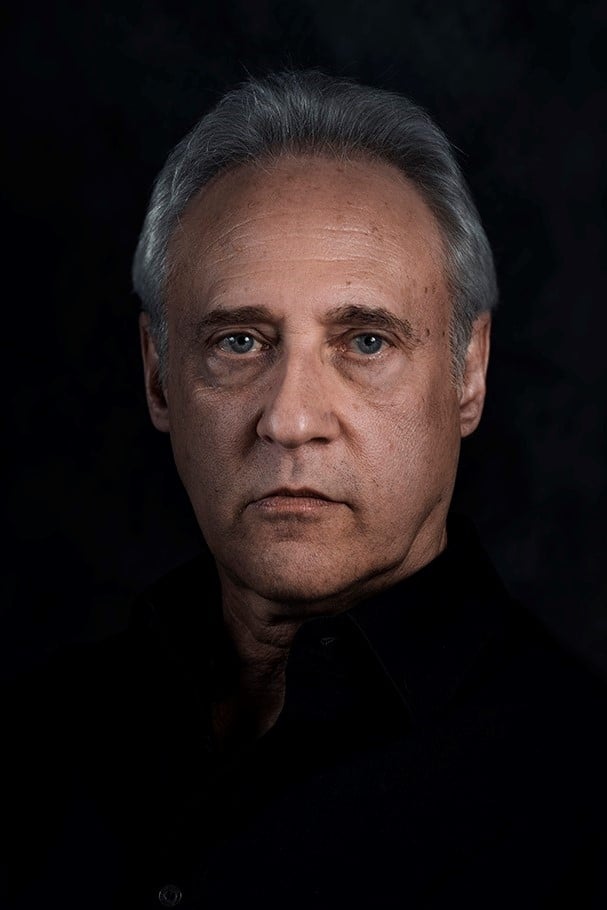
Brent Spiner portrayed Data in ‘Star Trek: The Next Generation’, exploring artificial life, sentience, and ethics across films and television. He has also appeared in alien-invasion narratives like ‘Independence Day’. Spiner’s roles frequently involve technobabble, scientific procedures, and starship operations. His performances contributed to widely discussed questions about personhood and rights for synthetic beings.
Edward James Olmos
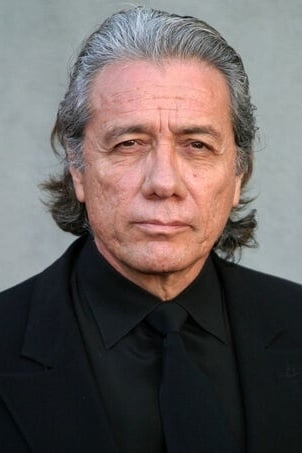
Edward James Olmos anchored ‘Battlestar Galactica’ as Admiral William Adama, guiding human survivors through military and moral crises. He contributed to neo-noir cyberpunk as Gaff in ‘Blade Runner’, connecting to replicant-focused storytelling. Olmos often participates in panels and features that address the social and political dimensions of speculative fiction. His leadership roles underscore logistics, strategy, and civilian-military dynamics in spacefaring narratives.
Nathan Fillion

Nathan Fillion led the crew of the Firefly-class transport in ‘Firefly’ and its continuation ‘Serenity’. He has extensive voice work in science-fiction games and animation that expand shared universes. Fillion’s roles often involve smuggling routes, frontier politics, and cargo-run complications in space. His projects helped build a sustained fan community around episodic adventures and ensemble storytelling.
Alan Tudyk
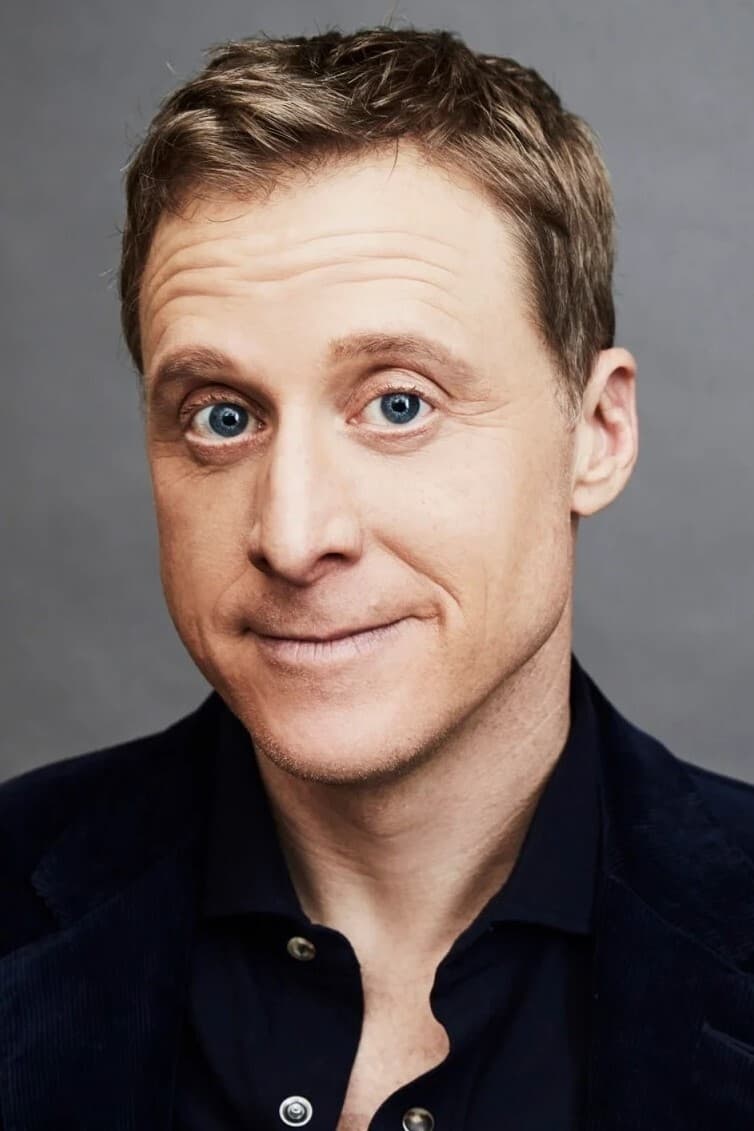
Alan Tudyk played Hoban “Wash” Washburne in ‘Firefly’ and ‘Serenity’, handling piloting duties and crisis navigation. He voiced the reprogrammed security droid K-2SO in ‘Rogue One: A Star Wars Story’, bringing dry humor to mission logistics. Tudyk performed as Sonny in ‘I, Robot’, working closely with motion-capture pipelines and animation teams. He also leads the genre series ‘Resident Alien’, blending first-contact themes with small-town mysteries.
Matt Damon
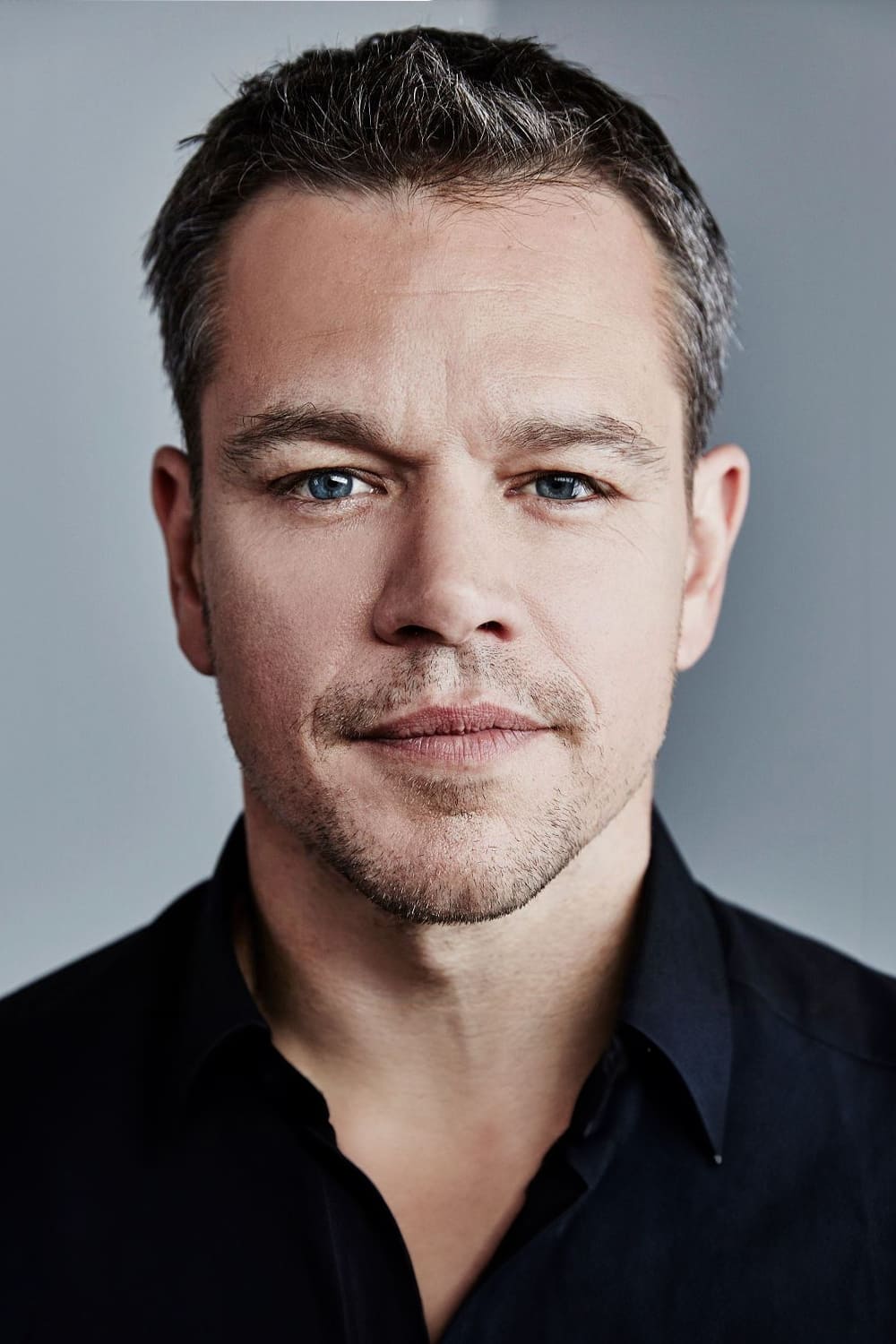
Matt Damon starred in ‘The Martian’, which emphasized problem-solving, engineering, and mission control coordination. He appeared in ‘Elysium’, addressing class divides and medical technology in a near-future Earth-orbit setting. Damon’s sci-fi projects often consult with scientists and utilize realistic production design. These films use plausible tech, orbital mechanics, and survival planning to ground spectacle in procedure.
Idris Elba
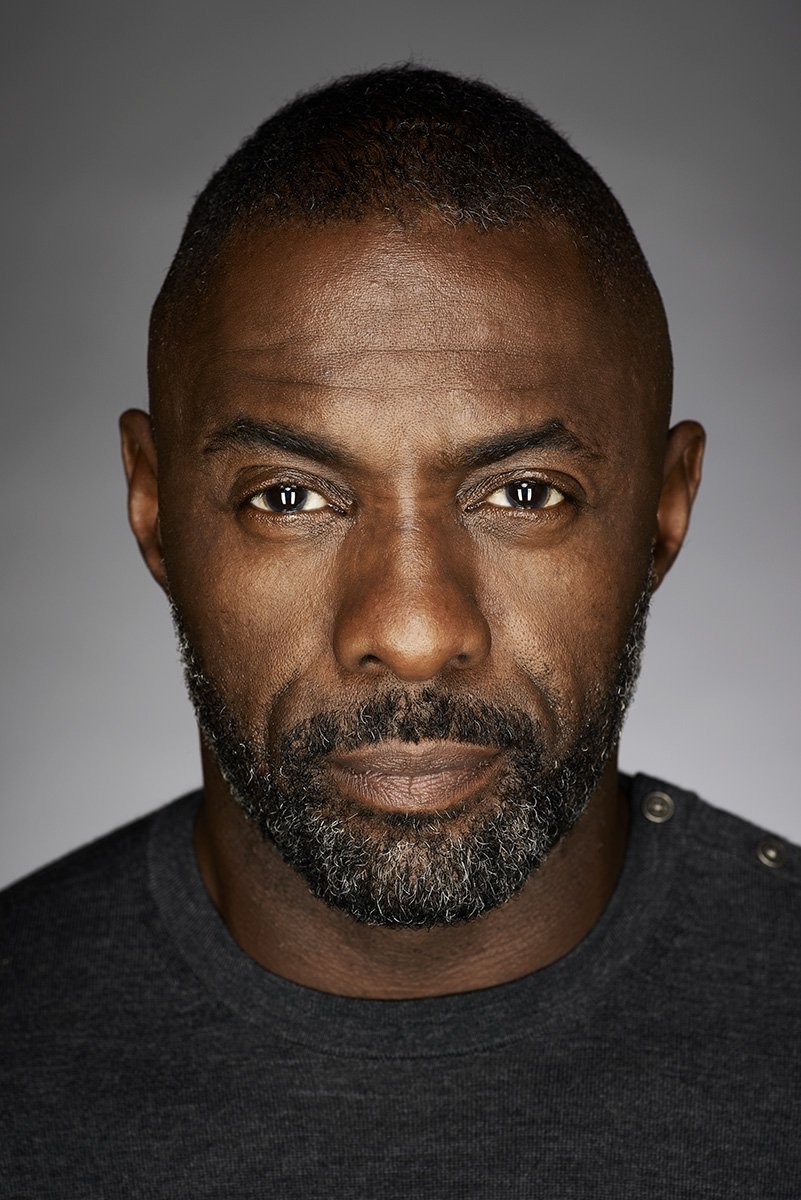
Idris Elba commanded the bridge in ‘Prometheus’, managed Jaeger operations in ‘Pacific Rim’, and captained a starship adversary in ‘Star Trek Beyond’. His roles span exploratory missions, mechanized defense programs, and interstellar conflict. Elba works across practical sets and large-scale CG environments that require precise action blocking. These projects examine humanity’s responses to unknown threats and engineered warfare.
Vin Diesel
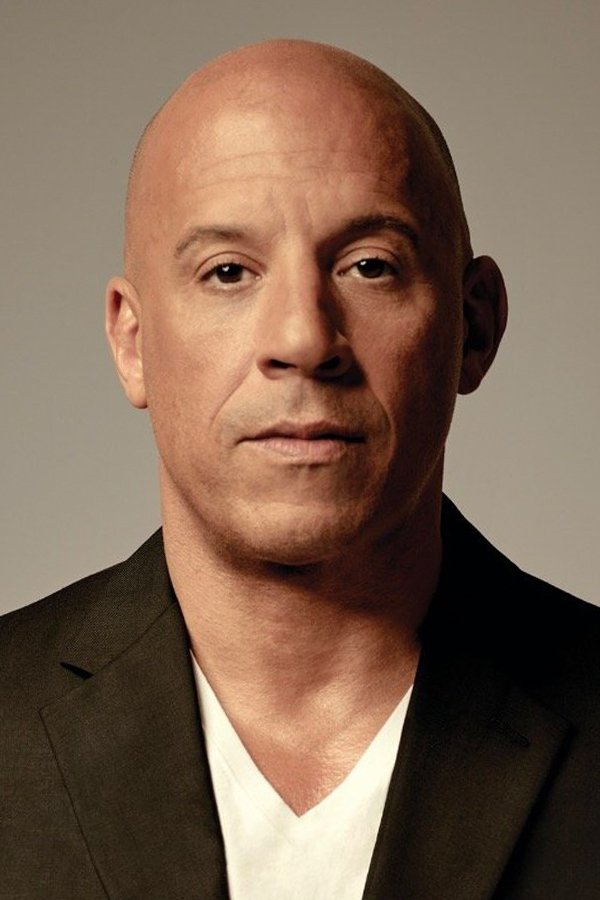
Vin Diesel headlined ‘Pitch Black’ and ‘The Chronicles of Riddick’, charting an anti-hero through hostile planets and authoritarian regimes. He voices Groot in ‘Guardians of the Galaxy’, contributing character through limited vocabulary and performance nuance. Diesel’s sci-fi work blends creature effects, extraterrestrial biomes, and serialized world-building. The roles support transmedia expansions including games, comics, and animated features.
Sam Rockwell
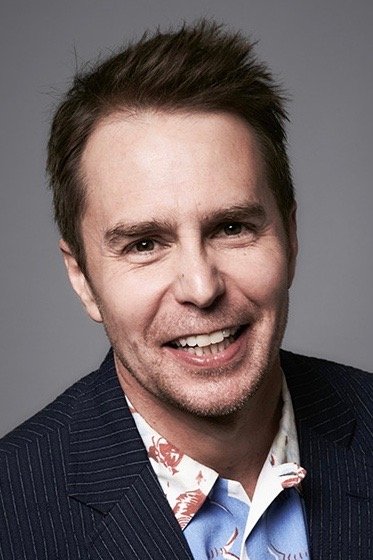
Sam Rockwell carried a solitary lunar story in ‘Moon’, collaborating closely with miniatures, practical sets, and controlled VFX. He also played Zaphod Beeblebrox in ‘The Hitchhiker’s Guide to the Galaxy’, adapting classic satirical sci-fi. Rockwell’s projects explore corporate secrecy, identity, and the absurdities of advanced technology. His performances often navigate confined environments and AI-mediated dialogue.
David Tennant
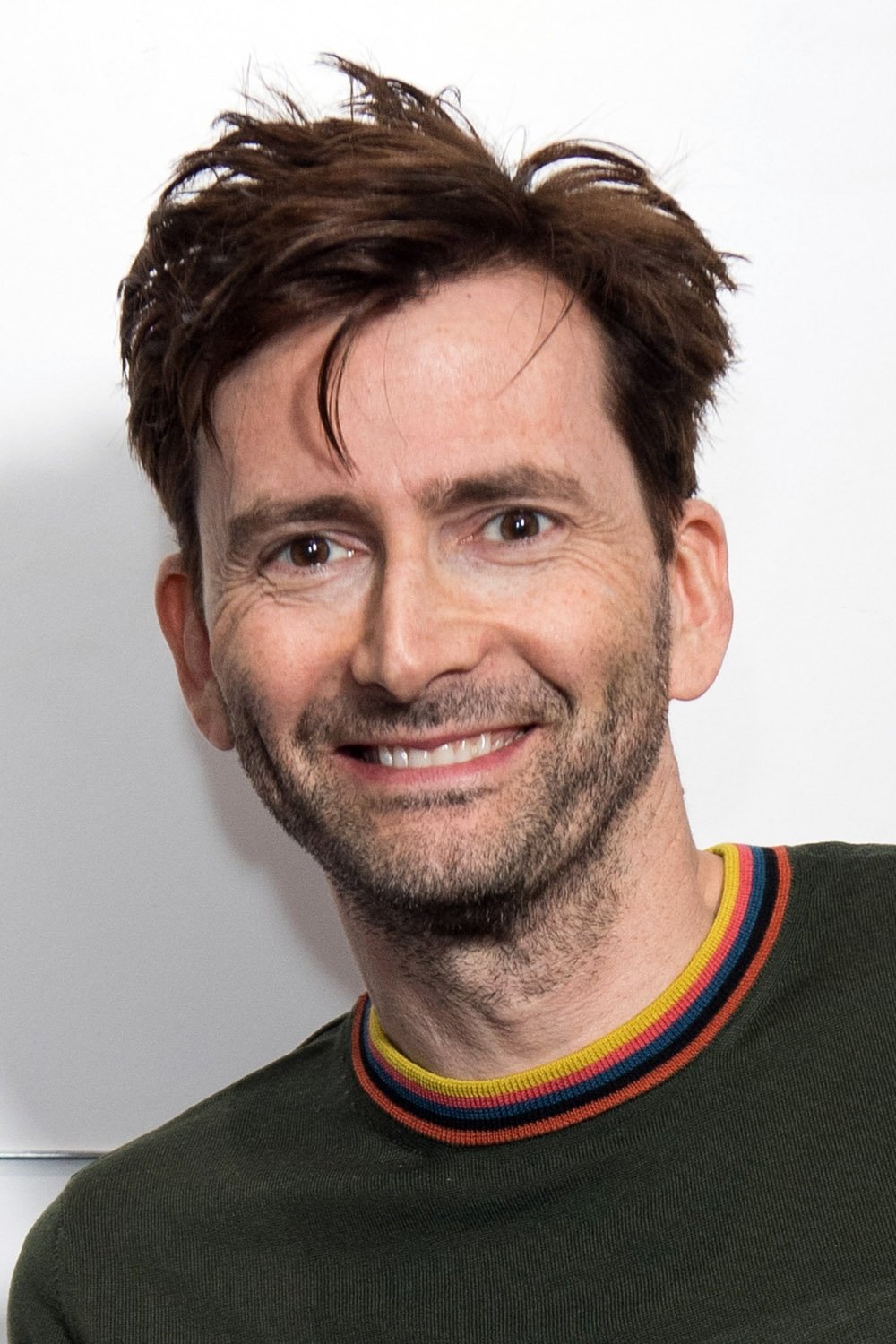
David Tennant served as the Tenth Doctor in ‘Doctor Who’, traveling across eras, planets, and parallel realities. He returned for specials and anniversary events that connect multiple regenerations and story arcs. Tennant’s work incorporates prosthetics, green-screen stages, and rapid-fire technobabble delivery. The role engages with fixed points in time, alien diplomacy, and time-loop paradoxes.
Michael Biehn
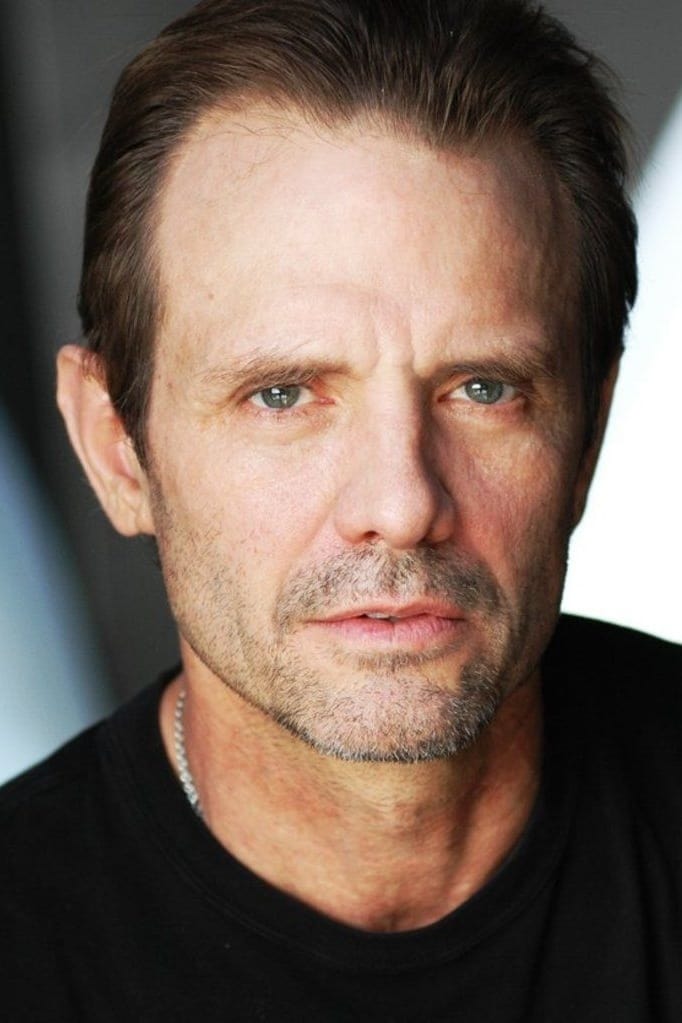
Michael Biehn collaborated with James Cameron on ‘The Terminator’, ‘Aliens’, and ‘The Abyss’, covering time travel, extraterrestrial warfare, and deep-sea research. He frequently portrays soldiers and specialists operating under extreme technological stress. Biehn’s roles intersect with model work, motion-control photography, and early digital compositing. His characters help articulate mission parameters, tactical decisions, and survival protocols in high-risk settings.
Share your picks and the roles you think belong on this list in the comments!