Every ‘Final Destination’ Movie Ranked from Worst to Best

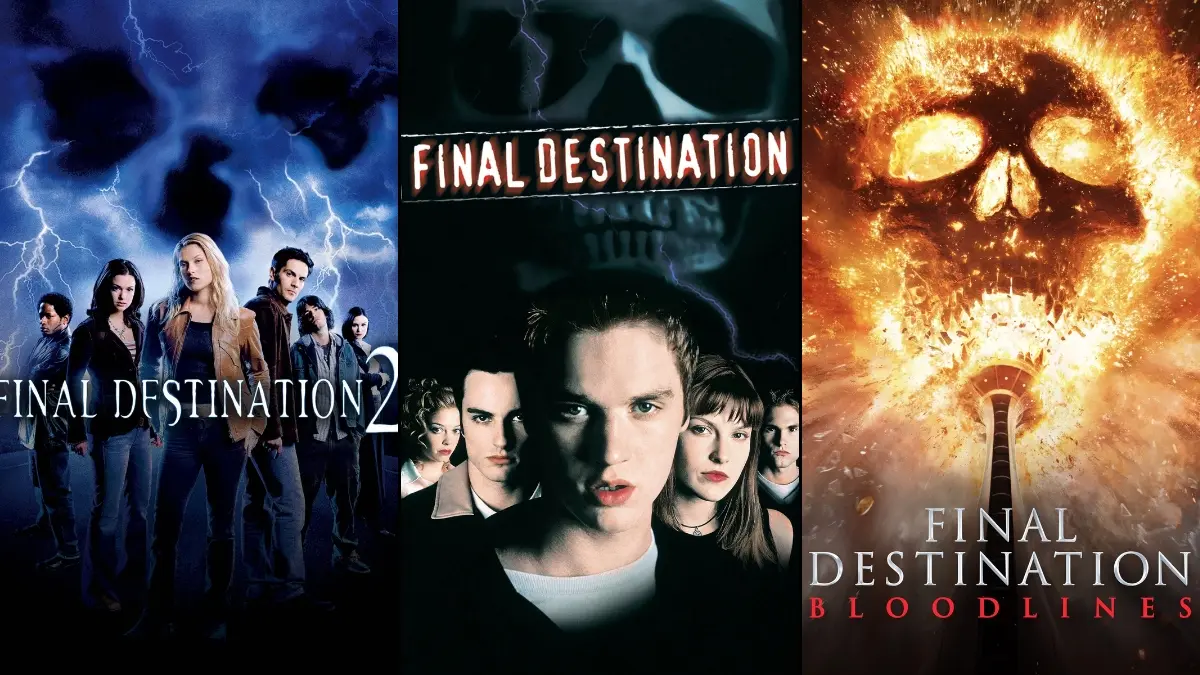

The ‘Final Destination’ series follows people who narrowly avoid a catastrophic accident thanks to a sudden premonition—only to find that Death has a plan and comes for them one by one. Across six entries, the franchise experiments with set-piece spectacles, new casts, and tweaks to its rules, while returning figures like William Bludworth connect the mythology. Below is a countdown from the lowest-rated installment up to the highest-rated, with key details on directors, stars, signature disaster scenes, production formats, and how each film performed.
‘The Final Destination’ (2009)
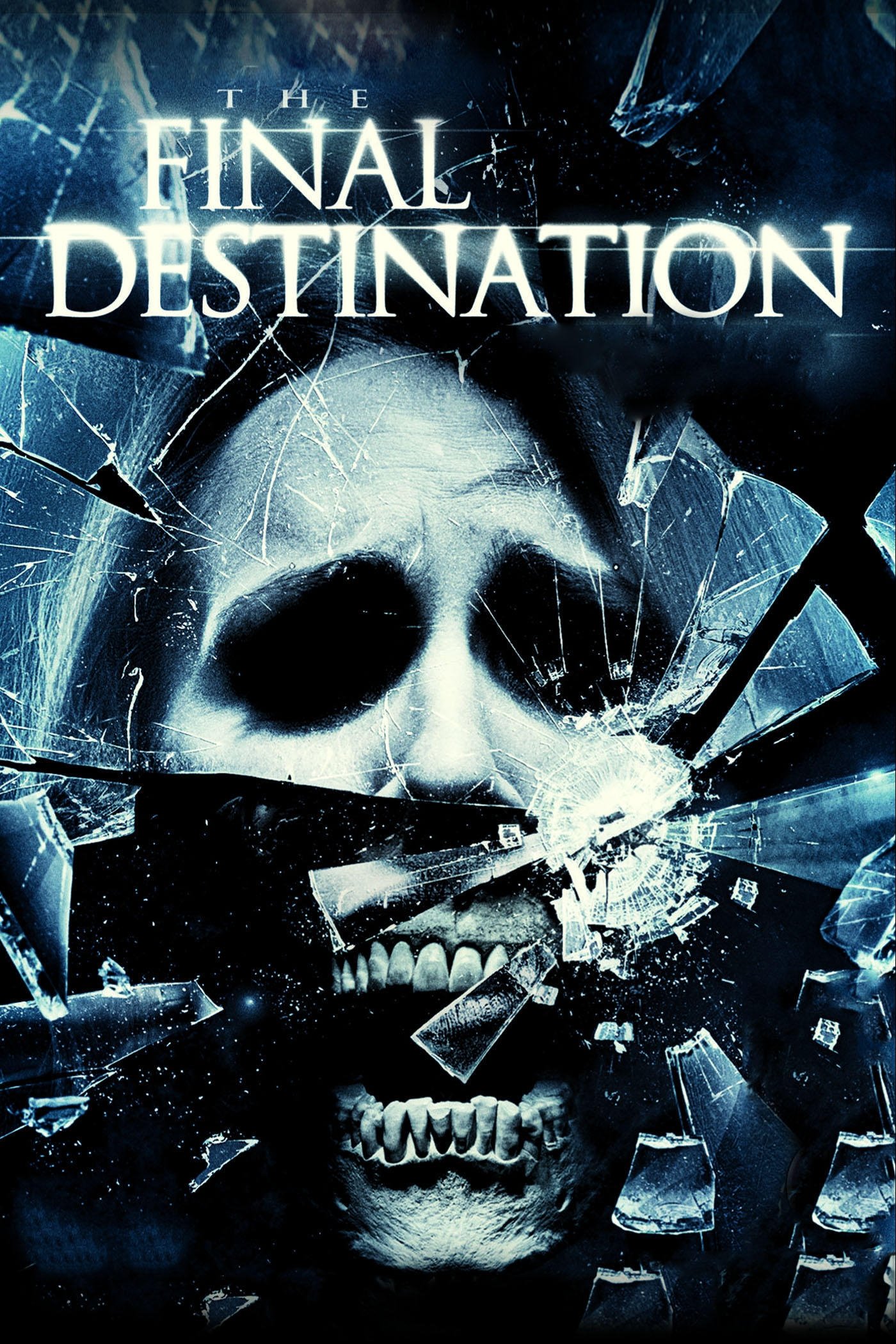
Directed by David R. Ellis, this fourth entry kicks off with a stock-car speedway calamity that sets the survivors on Death’s new list. It was the first in the series shot and released in HD 3D, which became a major part of its marketing and theatrical experience. The film starred Bobby Campo and Shantel VanSanten and ultimately became one of the franchise’s biggest earners at the worldwide box office. Its user score on major databases is the lowest in the series.
‘Final Destination 3’ (2006)
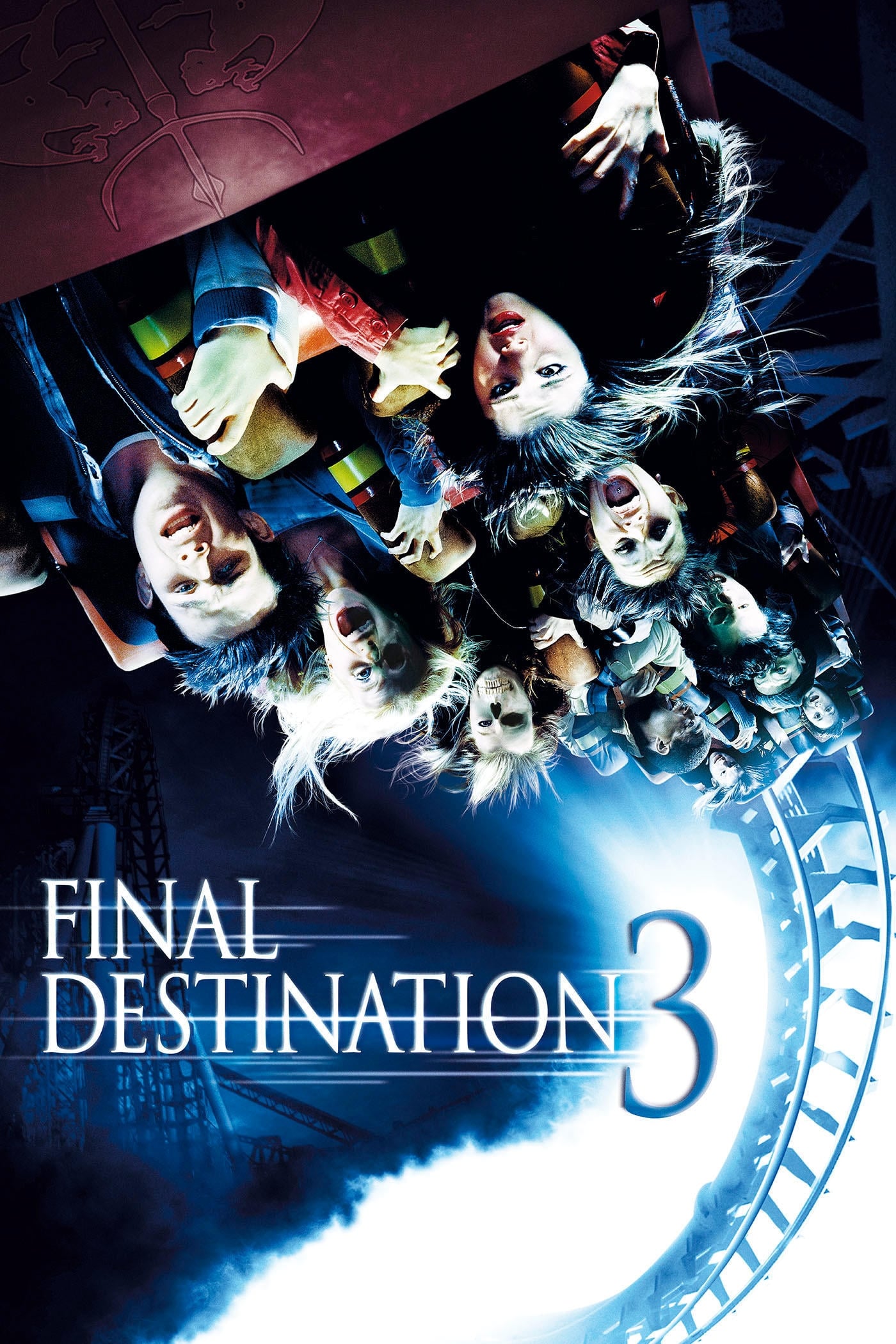
James Wong returns to direct, opening with a doomed roller-coaster vision that strands a new group led by Mary Elizabeth Winstead and Ryan Merriman. Home media offered a “Thrill Ride Edition” with an optional “Choose Their Fate” branching feature that slightly alters certain death scenes. The film continued the established formula and delivered strong global grosses for the brand. Its reception settled in the middle of the pack among franchise entries.
‘Final Destination 5’ (2011)
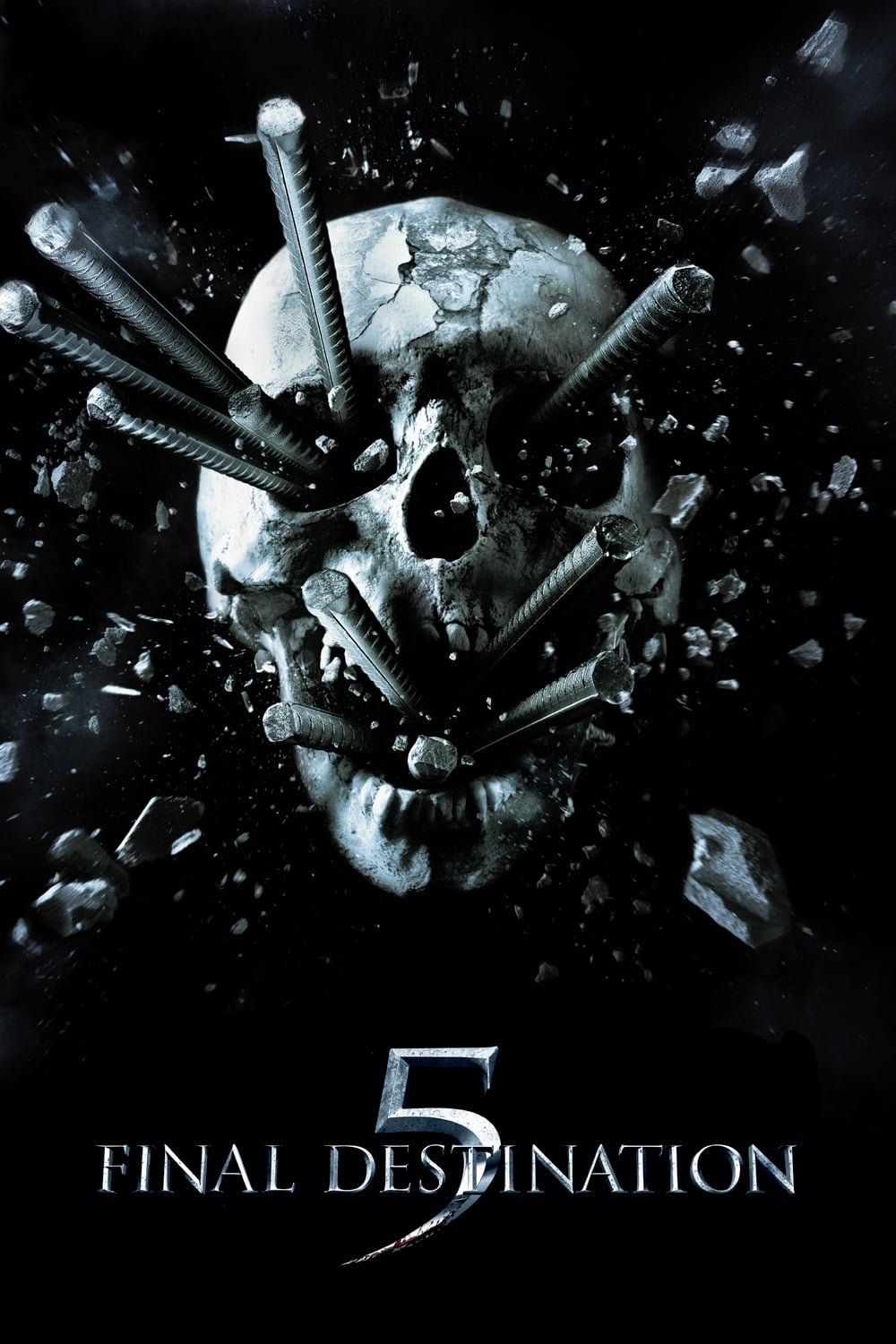
Directed by Steven Quale, this installment centers on a suspension-bridge collapse premonition and is positioned in the continuity as a prequel to the original story. Shot natively in 3D, it features Nicholas D’Agosto, Emma Bell, Miles Fisher, and Tony Todd, and it performed solidly worldwide. A UK advertising poster featuring a shattered skull was later banned by the Advertising Standards Authority for distressing imagery. The film’s audience score sits just below the top tier of the series.
‘Final Destination 2’ (2003)
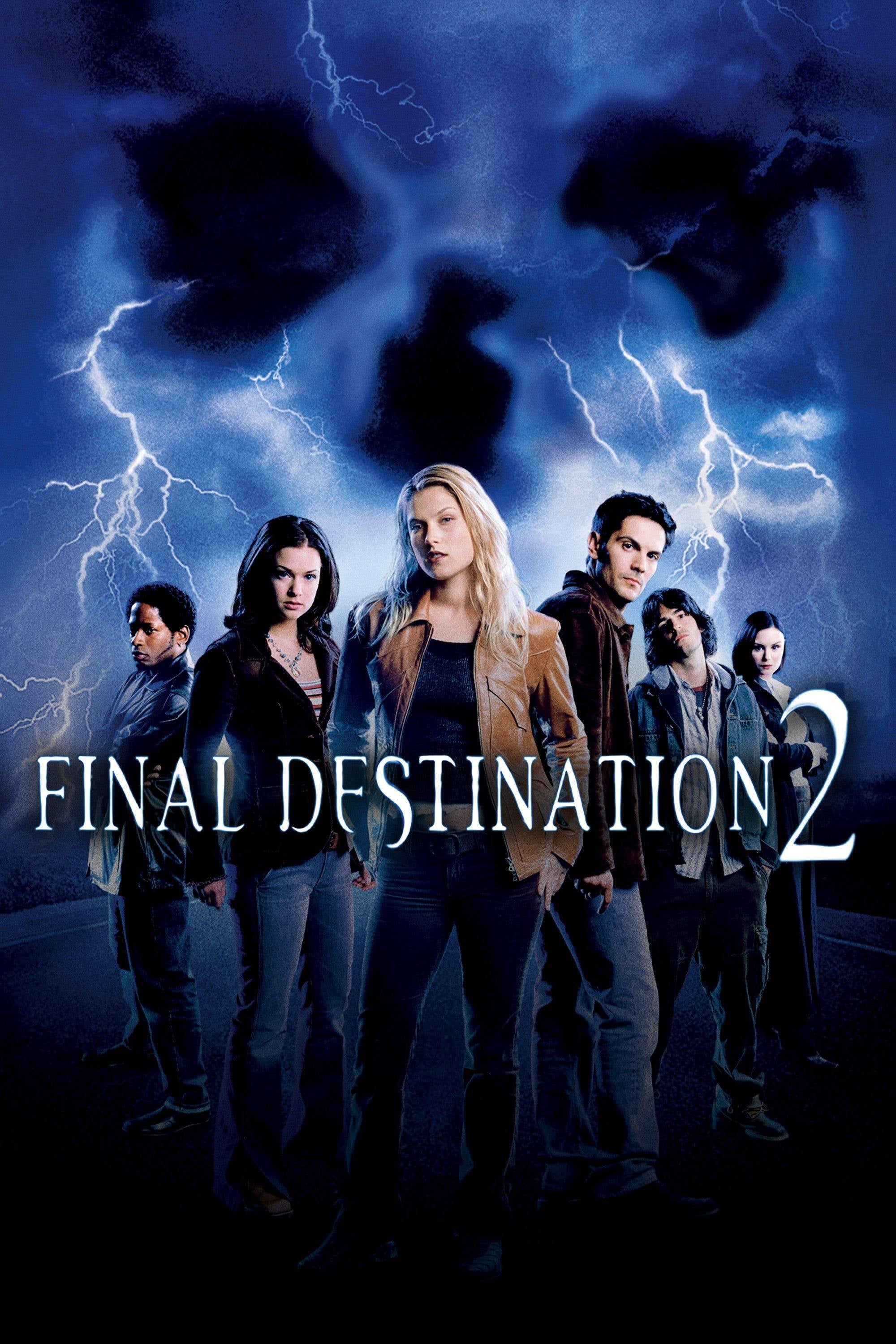
David R. Ellis directs a new ensemble—headlined by A.J. Cook—whose survival after a highway pileup premonition draws in returning character Clear Rivers, played by Ali Larter. The sequel leans into intricate cause-and-effect staging for its accidents and expands the rules hinted at in the first film. It maintained the franchise’s box-office momentum and has a mid-range audience score compared with other entries. The film’s critical reception at the time was mixed.
‘Final Destination’ (2000)
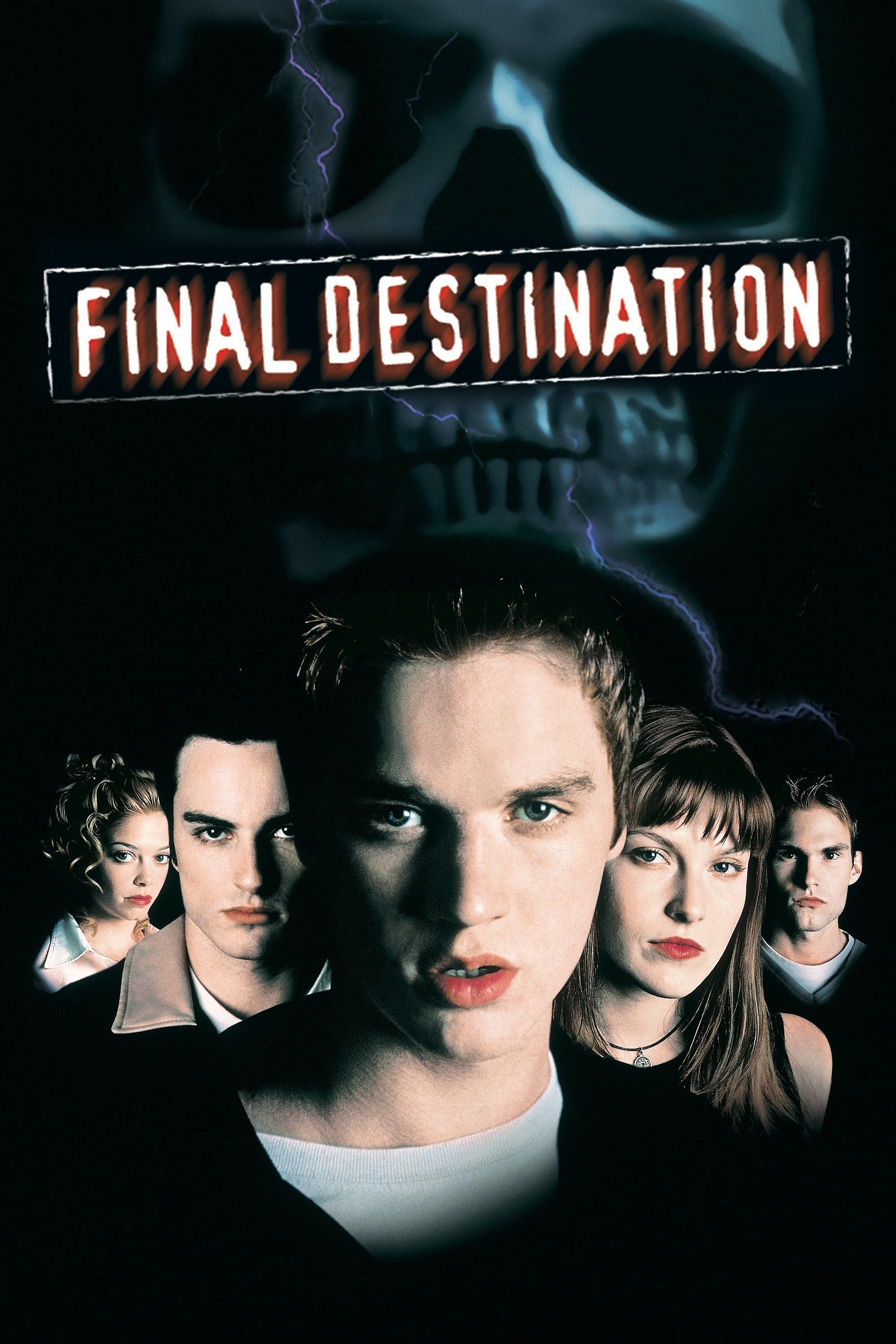
James Wong’s original introduces the core premise via Flight 180, with Devon Sawa’s Alex Browning, Ali Larter, and Kerr Smith among the survivors marked by Death. Released by New Line Cinema, it became a commercial success and launched a long-running horror franchise. The film’s global box office crossed the hundred-million mark and established recurring motifs, including ominous premonitions and Rube Goldberg-style fatal chain reactions. It remains one of the series’ highest-rated entries by audiences.
‘Final Destination Bloodlines’ (2025)
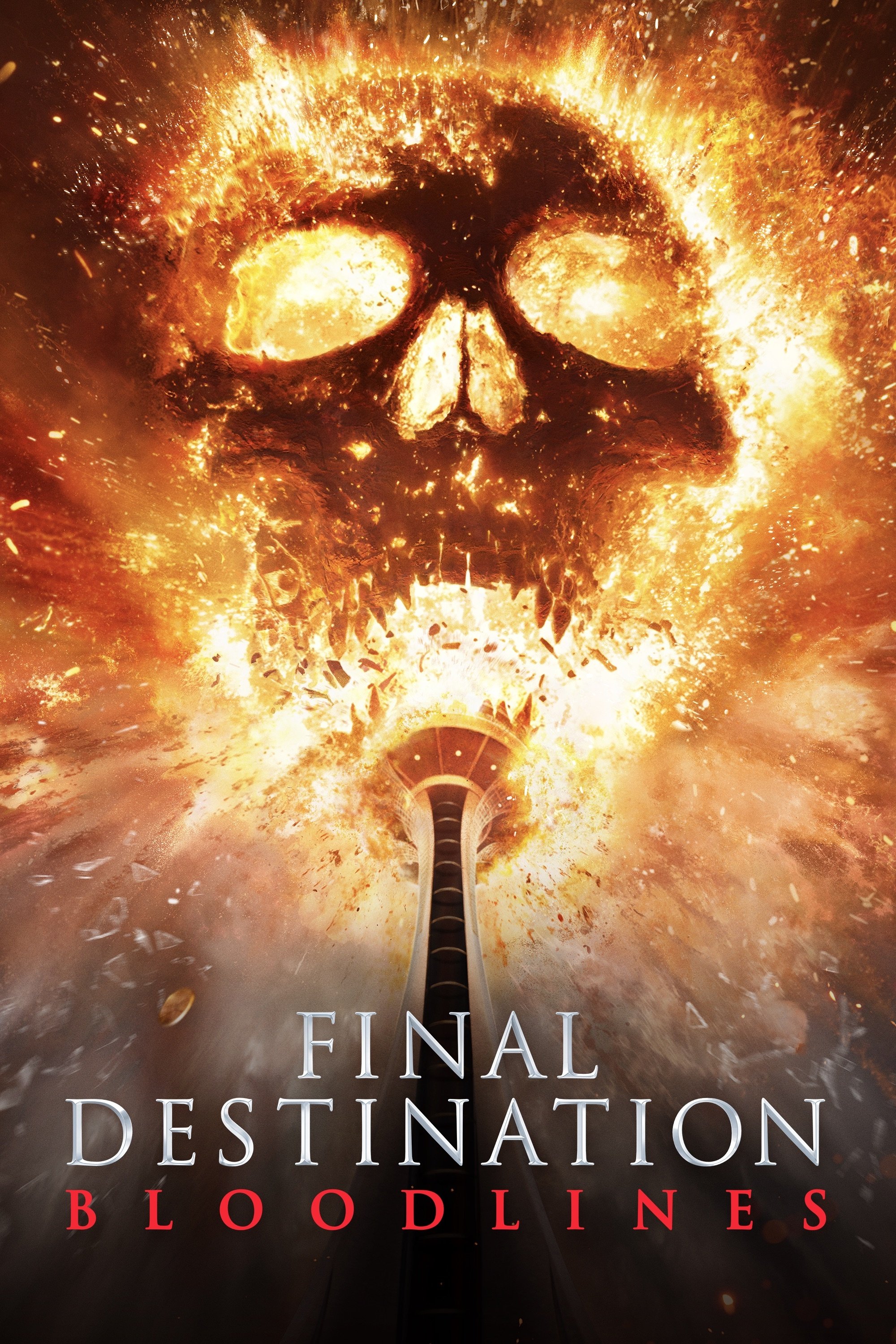
Directed by Zach Lipovsky and Adam B. Stein, this revival reframes the concept around descendants of an earlier survivor, with Kaitlyn Santa Juana leading the cast alongside franchise mainstay Tony Todd. It was formatted for IMAX, and a special IMAX-only version used aspect-ratio cues to signal Death’s presence during key moments. The film became the highest-grossing entry to date and is also among the best-reviewed in the series, later arriving on digital and streaming after its theatrical run. Its audience score currently sits at the very top alongside the original.
Share your own franchise order—and the set piece that shook you the most—in the comments!