Every Studio Ghibli Movie Ranked from Worst to Best


Studio Ghibli’s catalog spans sweeping epics, intimate dramas, and whimsical adventures—each one crafted with meticulous artistry, memorable music, and world-building that pulls you in completely. Below, you’ll find every Studio Ghibli feature arranged as a countdown from least to most acclaimed, with quick, useful details on each film’s creators, source material, key characters, settings, techniques, and accolades. Titles appear with their release years in the headings only.
‘Earwig and the Witch’ (2020)

Directed by Gorō Miyazaki, this was the studio’s first fully 3D CG feature. It adapts Diana Wynne Jones’s novel about a headstrong orphan who’s taken in by a witch and a mysterious mandrake. Composer Satoshi Takebe provides the score, and music plays a notable role in the story’s setting and character backgrounds. The film was produced with a streamlined pipeline compared to the studio’s typical hand-drawn process.
‘Tales from Earthsea’ (2006)
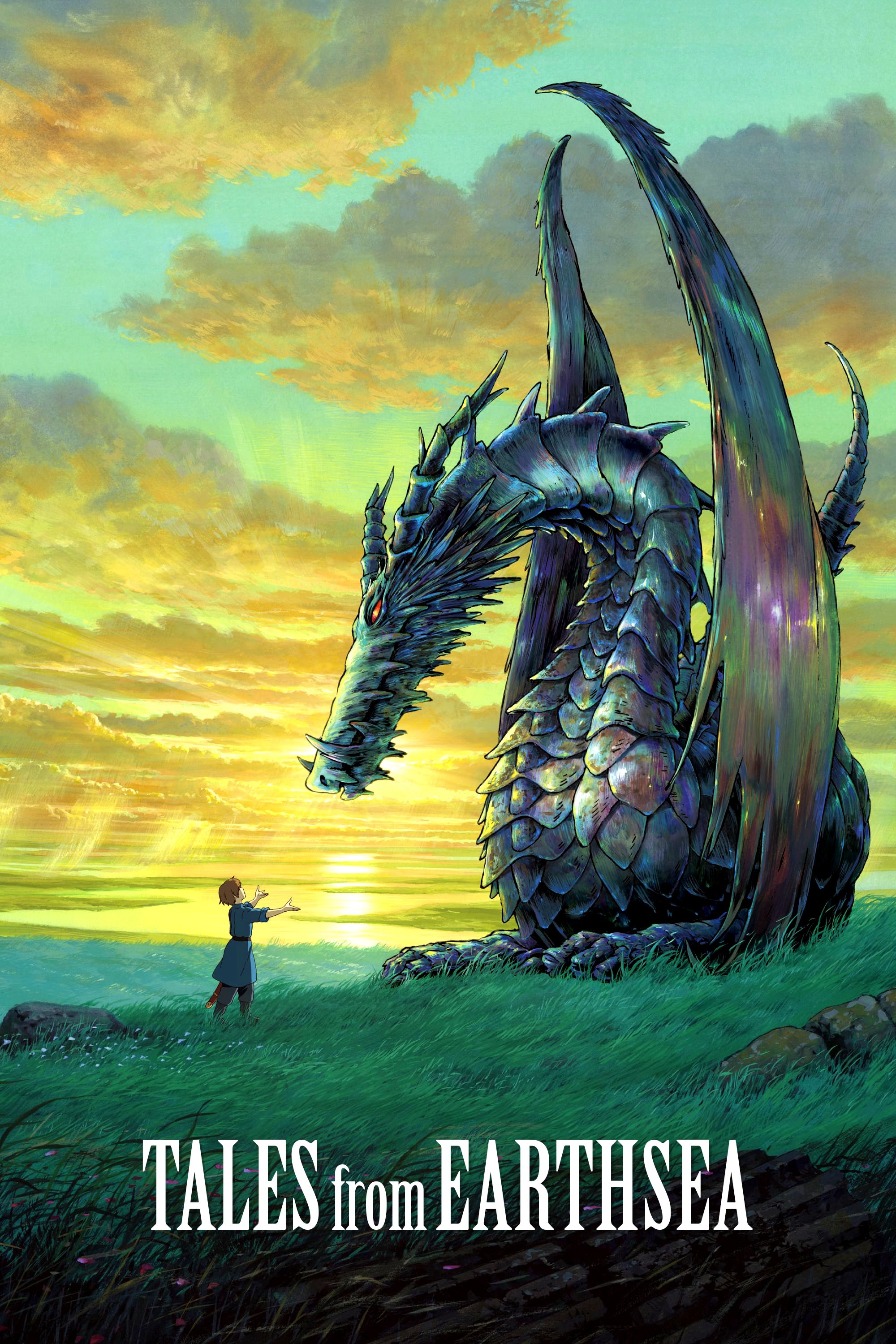
Gorō Miyazaki’s debut feature draws loosely from Ursula K. Le Guin’s ‘Earthsea’ cycle, focusing on a prince plagued by a shadow and a wandering archmage. Joe Hisaishi composed the music, and the production emphasized expansive landscapes and traditional cel-style imagery. The film was made during a period of leadership transition at the studio. Its character designs and creatures reference classic high-fantasy iconography from the source novels.
‘Ocean Waves’ (1993)
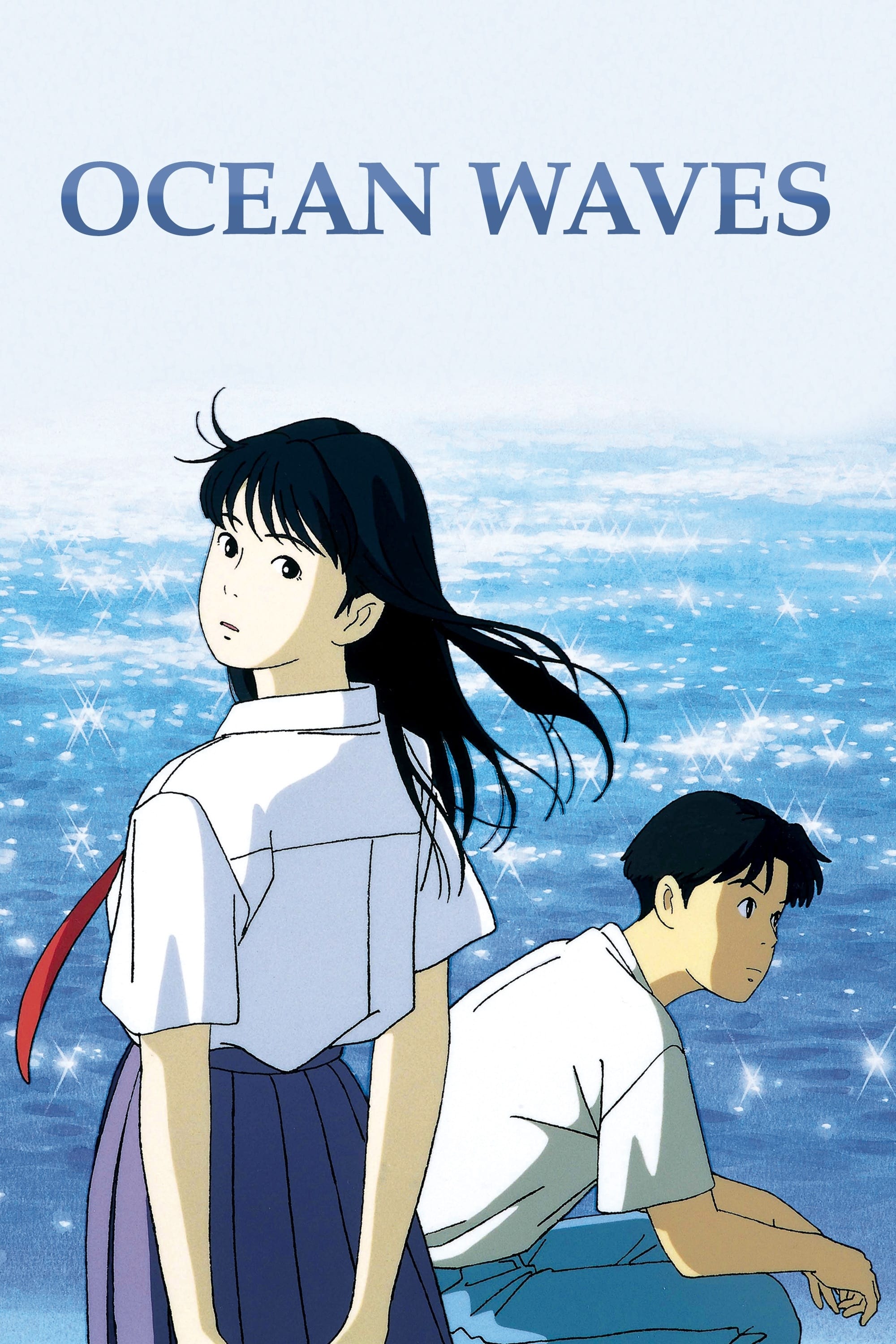
This TV film for Nippon Television was directed by Tomomi Mochizuki with a younger in-house team. It adapts Saeko Himuro’s novel about schoolmates from Kōchi whose lives change when a transfer student arrives from Tokyo. The story is set primarily in Shikoku and features brief sequences in the capital. Stylistically, it leans into understated realism and everyday detail rather than fantasy.
‘My Neighbors the Yamadas’ (1999)

Isao Takahata directed this comic slice-of-life based on Hisaichi Ishii’s newspaper manga ‘Nono-chan’. The film pioneered the studio’s fully digital workflow, giving it a watercolor-like, sketchy aesthetic. Its vignettes follow the Yamada family through domestic episodes, from errands to weather emergencies. Akiko Yano composed the music, and the format highlights timing and observational humor.
‘The Cat Returns’ (2002)

Hiroyuki Morita’s feature expands the Baron character introduced in ‘Whisper of the Heart’. It adapts Aoi Hiiragi’s spin-off manga, sending a schoolgirl into the fantastical Kingdom of Cats after a chance rescue. The film runs a brisk length and features music by Yuji Nomi. Its design emphasizes playful creature animation and compact set-pieces.
‘Pom Poko’ (1994)
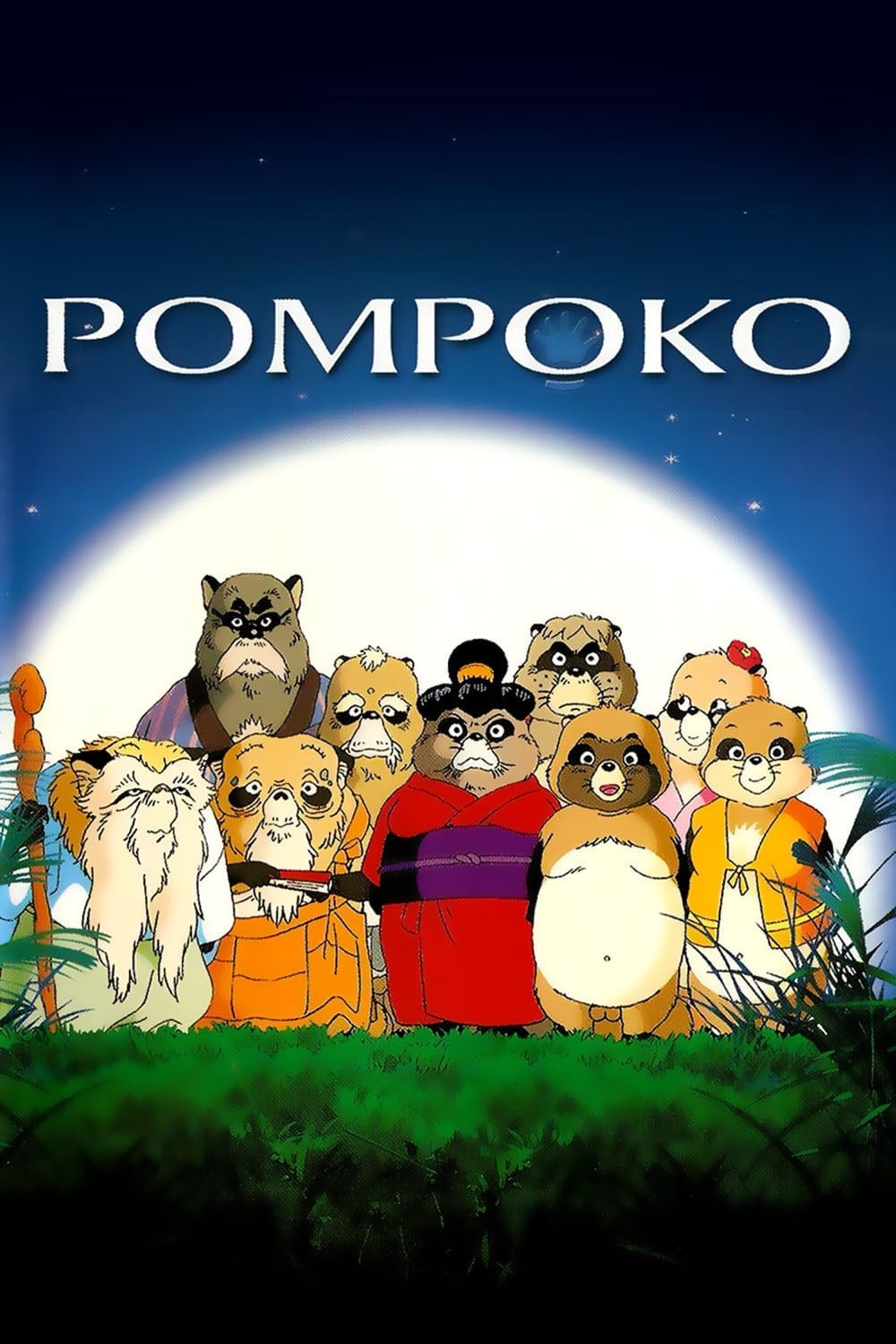
Isao Takahata’s environmental fable follows tanuki clans resisting suburban development on the outskirts of Tokyo. The film mixes documentary-style narration with folklore, including shapeshifting training sequences and large ensemble scenes. It incorporates a variety of visual registers, from realistic to caricatured. Folk group Shang Shang Typhoon contributes to the soundtrack.
‘From Up on Poppy Hill’ (2011)
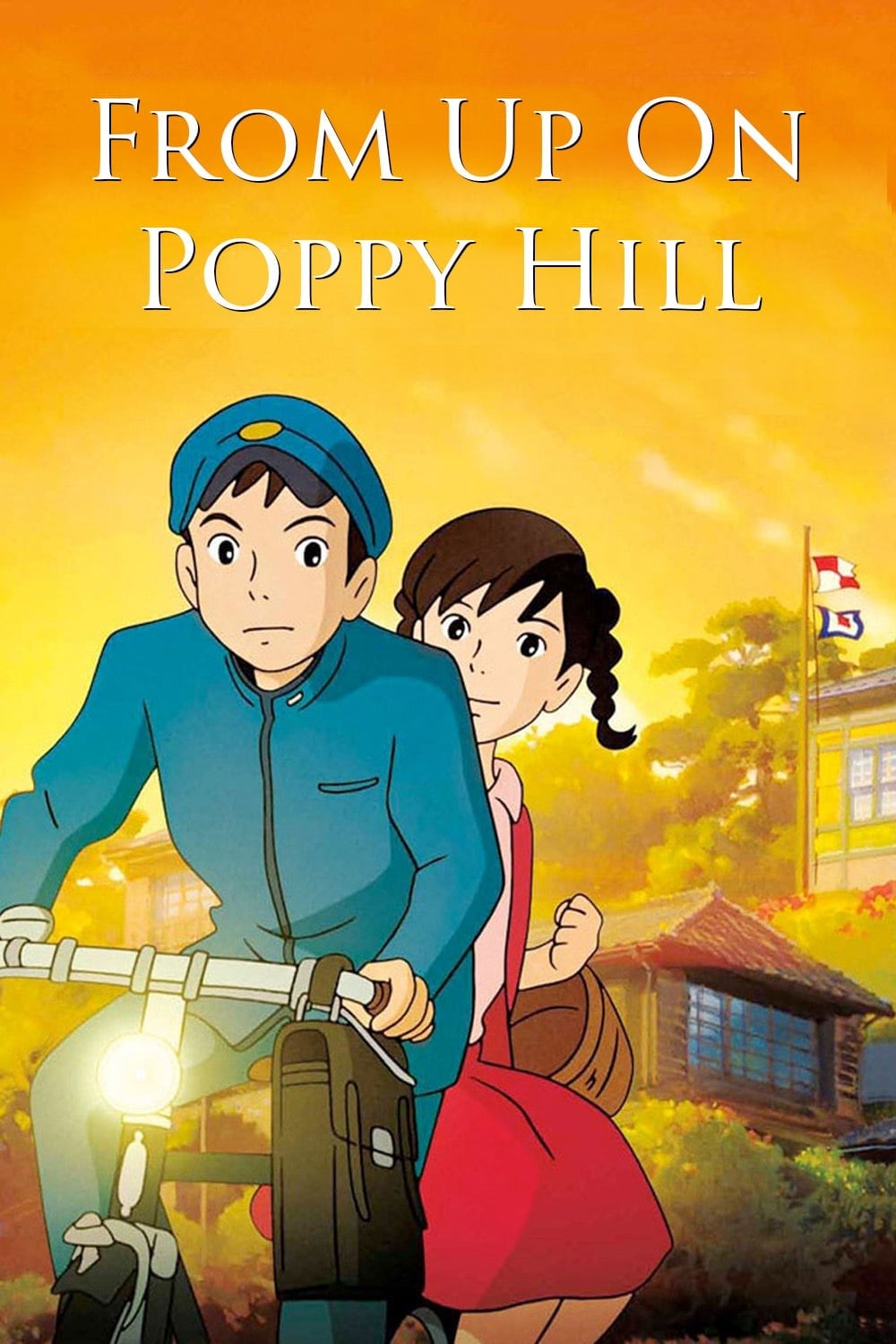
Directed by Gorō Miyazaki and scripted by Hayao Miyazaki with Keiko Niwa, this adapts a shōjo manga set around a student clubhouse called the Latin Quarter. The story centers on student activism, restoration projects, and a family history mystery. Satoshi Takebe provides a nostalgic score and period-appropriate arrangements. Production design carefully recreates domestic spaces, classrooms, and harbor life.
‘The Red Turtle’ (2016)
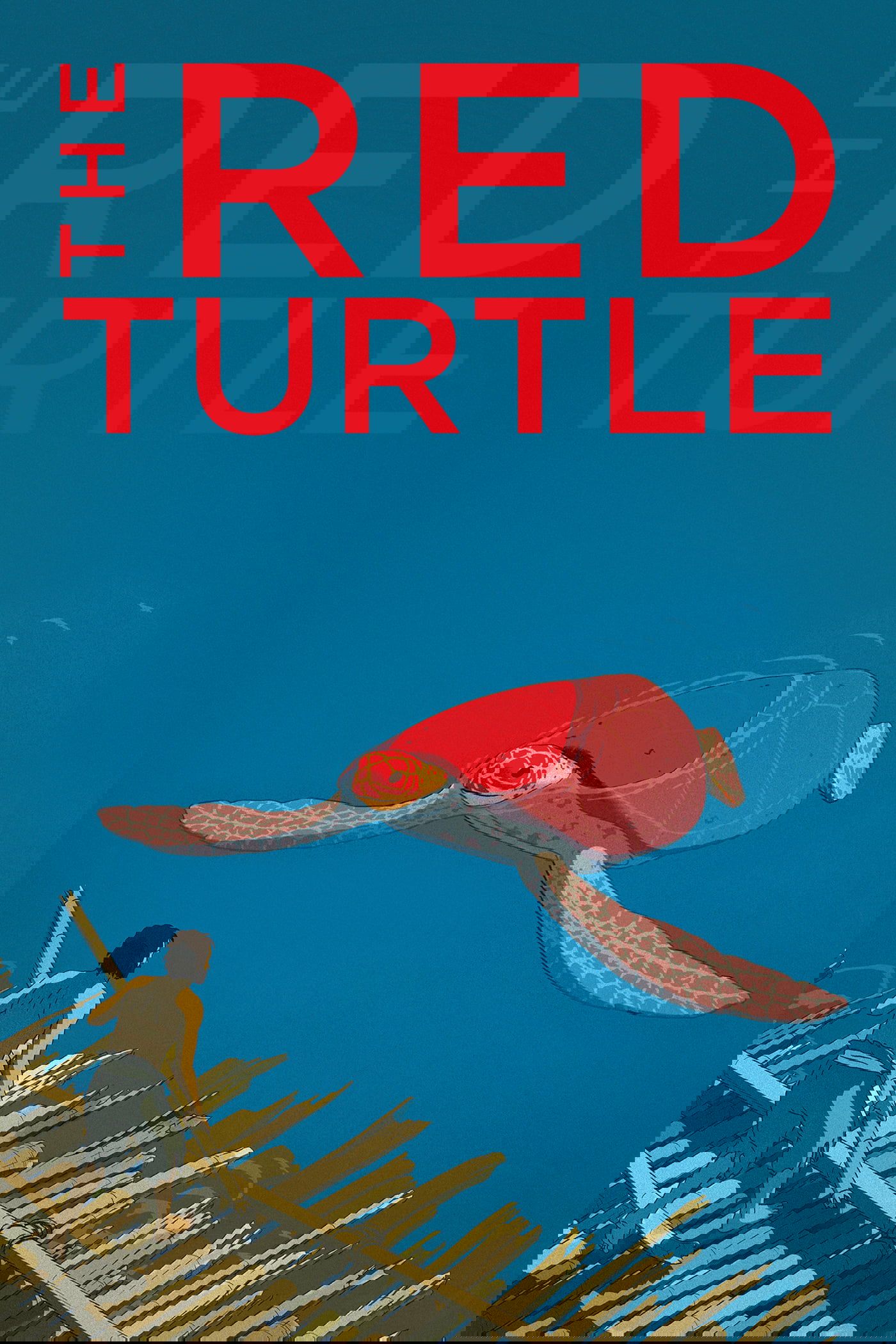
Directed by Michaël Dudok de Wit with Studio Ghibli credited as co-producer and Isao Takahata as artistic producer, this dialogue-free feature follows a castaway across life stages on a remote island. The film blends natural observation with quiet fantasy elements and uses restrained, painterly backgrounds. Its Cannes premiere marked a high-profile festival debut, followed by major award recognition. The score supports atmosphere with sparing motifs and long passages of ambient sound.
‘The Secret World of Arrietty’ (2010)
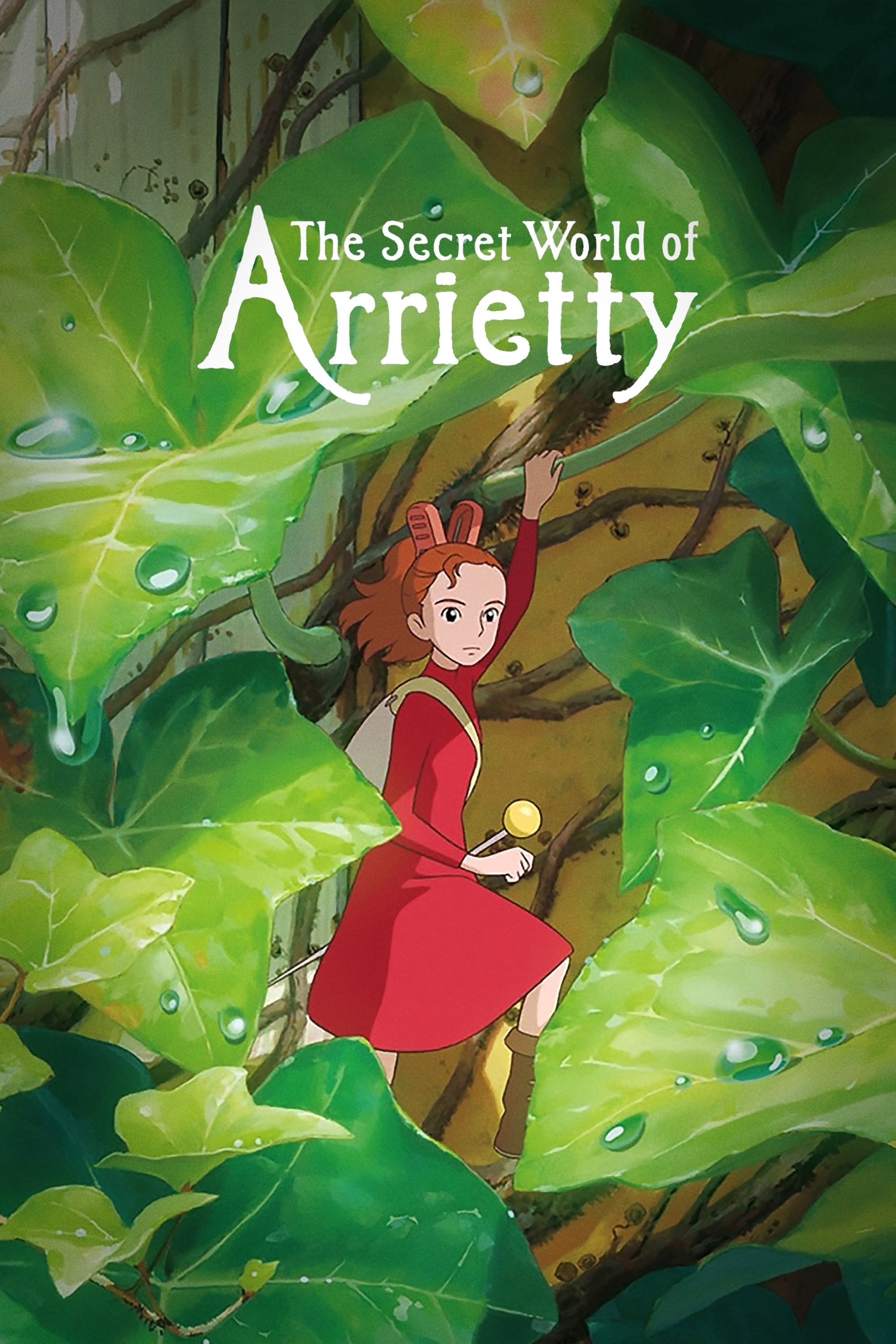
Hiromasa Yonebayashi’s debut adapts Mary Norton’s ‘The Borrowers’, focusing on a family of tiny people living beneath a country house. The film highlights scale through detailed background art and sound design that magnifies everyday objects. Cécile Corbel composed the score, blending Celtic influences with gentle motifs. Character animation emphasizes small, precise movements to sell the miniature perspective.
‘The Boy and the Heron’ (2023)
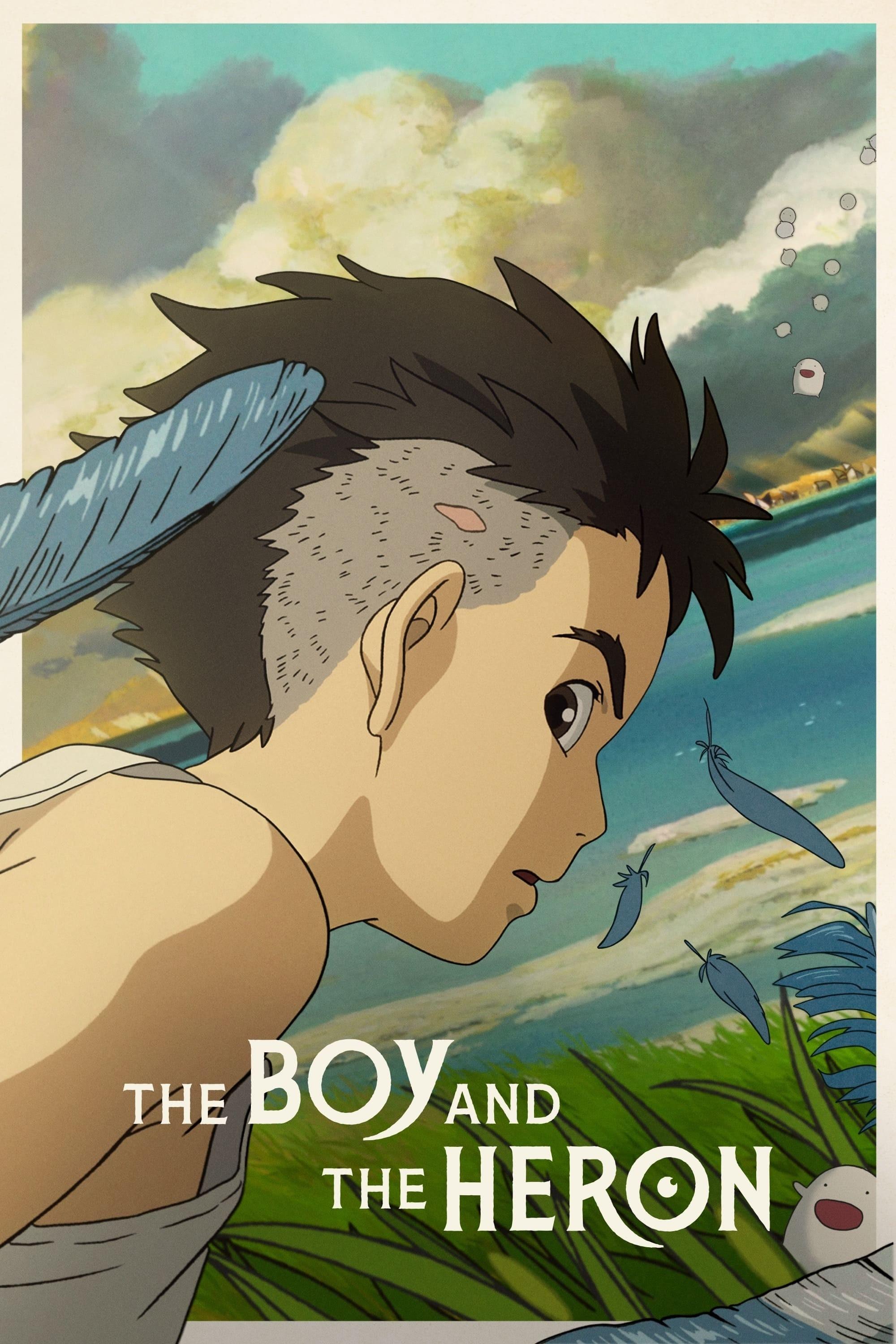
Written and directed by Hayao Miyazaki, this hand-drawn fantasy follows a boy who is drawn into a parallel realm by a cryptic heron while navigating family change. Joe Hisaishi composed the score, and Takeshi Honda served as animation director overseeing intricate effects and character work. The Japanese title references Genzaburō Yoshino’s novel ‘How Do You Live?’, though the screenplay is an original story. The film earned significant international accolades, including major festival awards.
‘When Marnie Was There’ (2014)
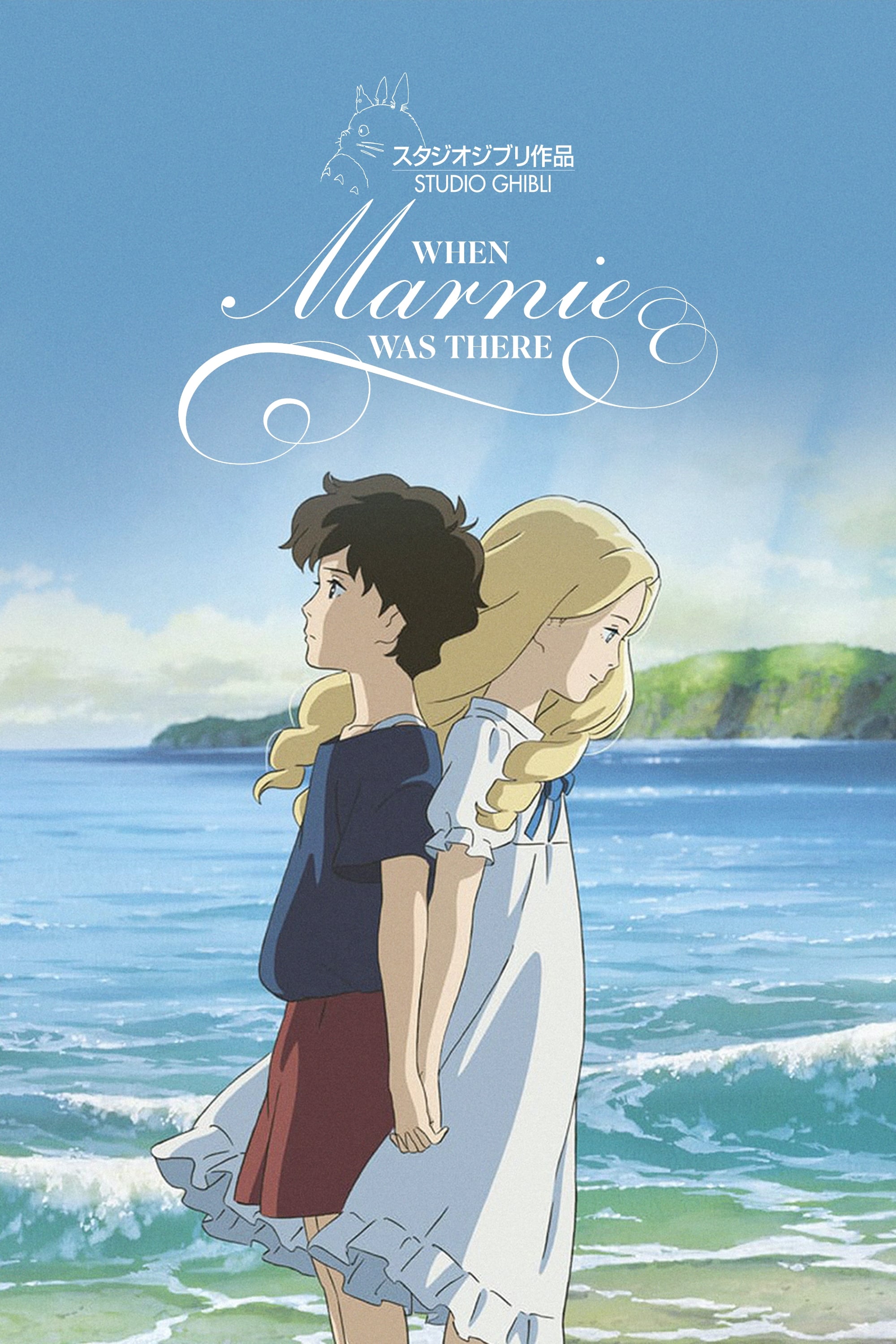
Directed by Hiromasa Yonebayashi and based on Joan G. Robinson’s novel, the film follows a quiet girl who meets a mysterious blonde friend near a marshland mansion. The narrative weaves memory, diaries, and family connections into a gentle mystery. Takatsugu Muramatsu composed the music, featuring piano-led themes. Layouts and color keys emphasize sea air, wind, and shifting weather around coastal wetlands.
‘Ponyo’ (2008)
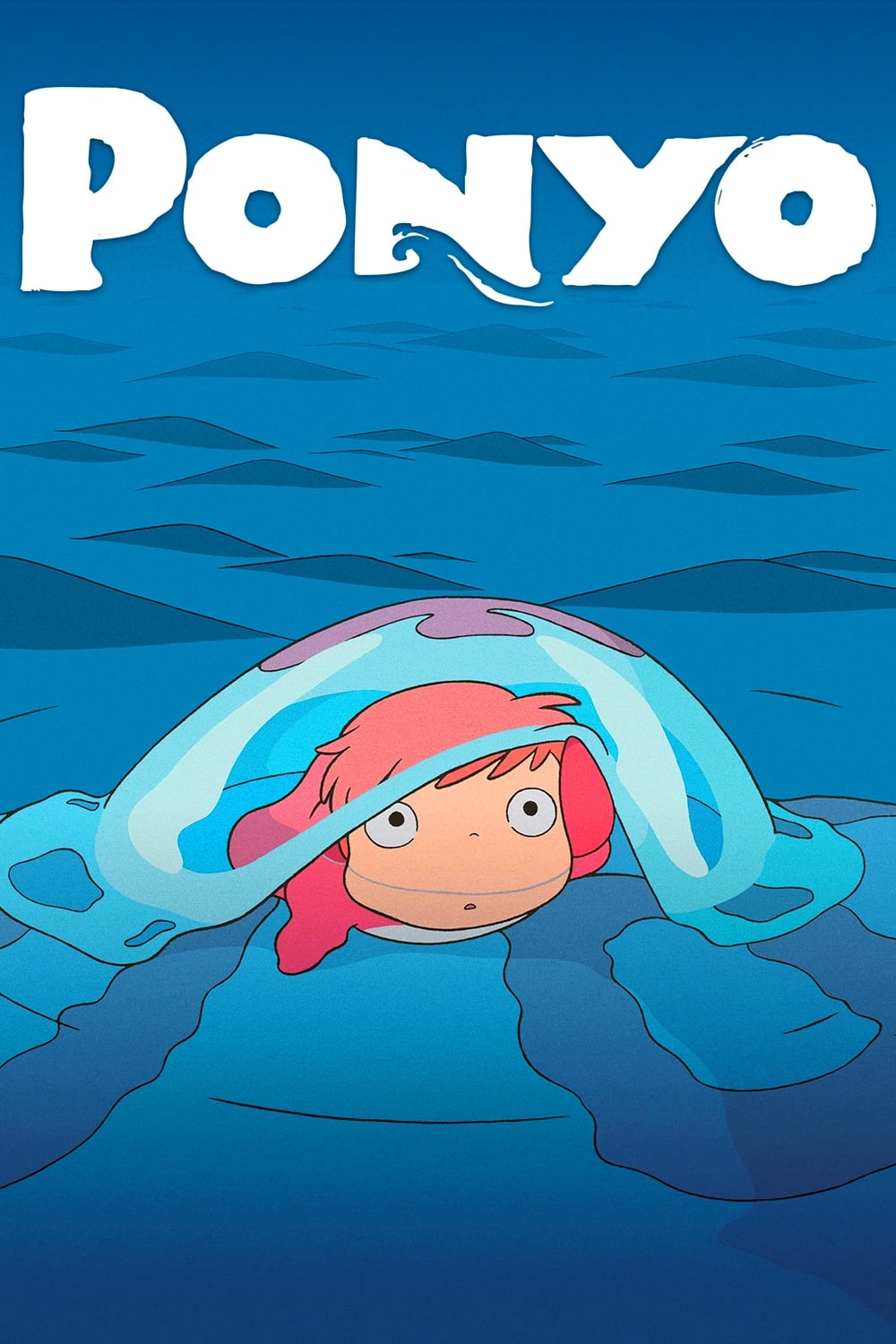
Hayao Miyazaki wrote and directed this hand-drawn aquatic adventure inspired by folk motifs. The production is notable for its vast amount of effects animation—waves, foam, and sea creatures—animated traditionally rather than via CG simulation. Joe Hisaishi’s score uses choral passages and bright orchestration. The story focuses on a bond between a seaside boy and a goldfish-like being who wants to live on land.
‘Only Yesterday’ (1991)
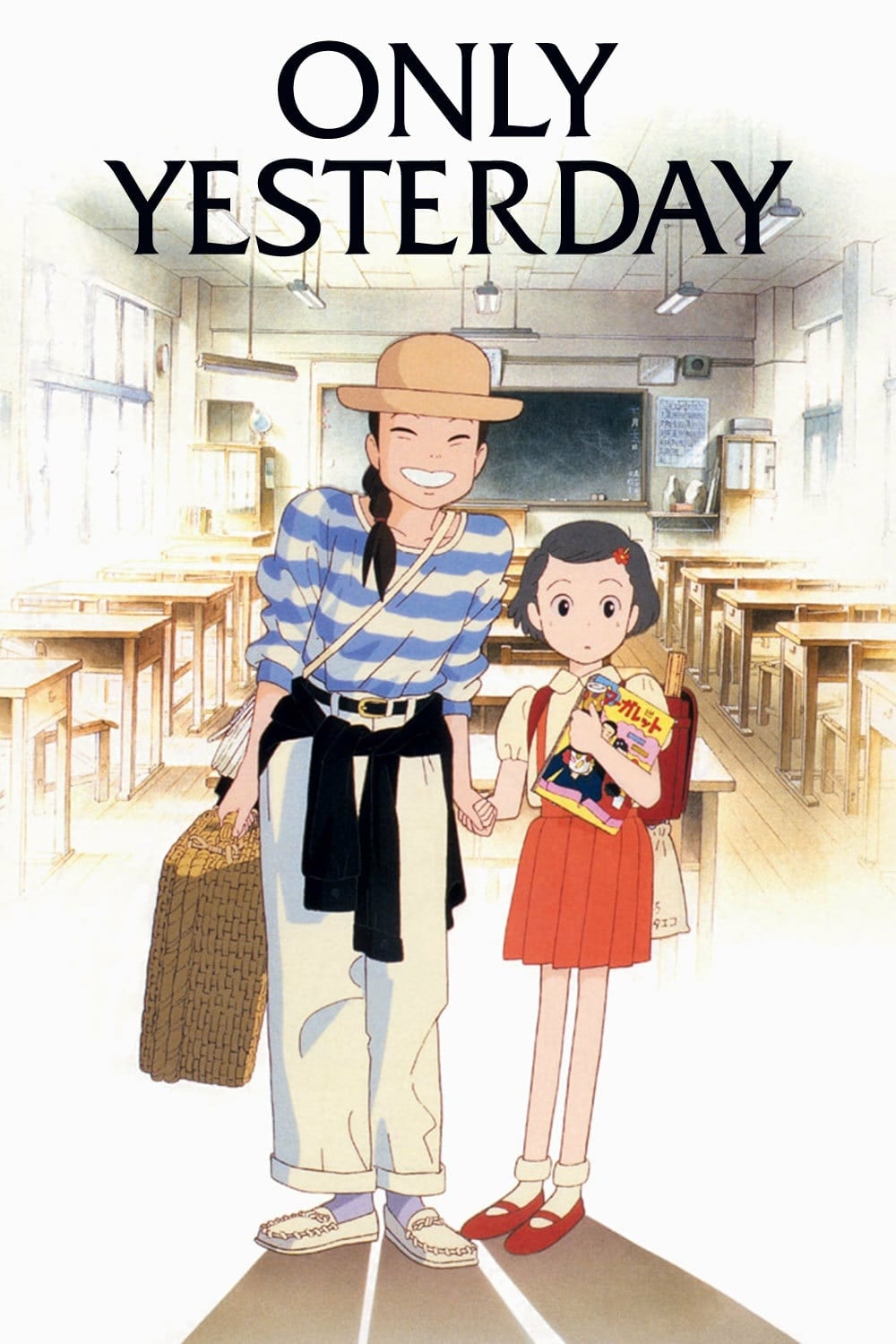
Isao Takahata adapts Hotaru Okamoto and Yūko Tone’s manga into a reflective drama about a woman balancing city work with a rural farm visit. The film intercuts present-day scenes with childhood memories, using slightly different drawing styles for each timeframe. Music by Masaru Hoshi underscores agricultural rhythms and daily routines. Its backgrounds pay close attention to crops, tools, and cooperative work.
‘The Wind Rises’ (2013)
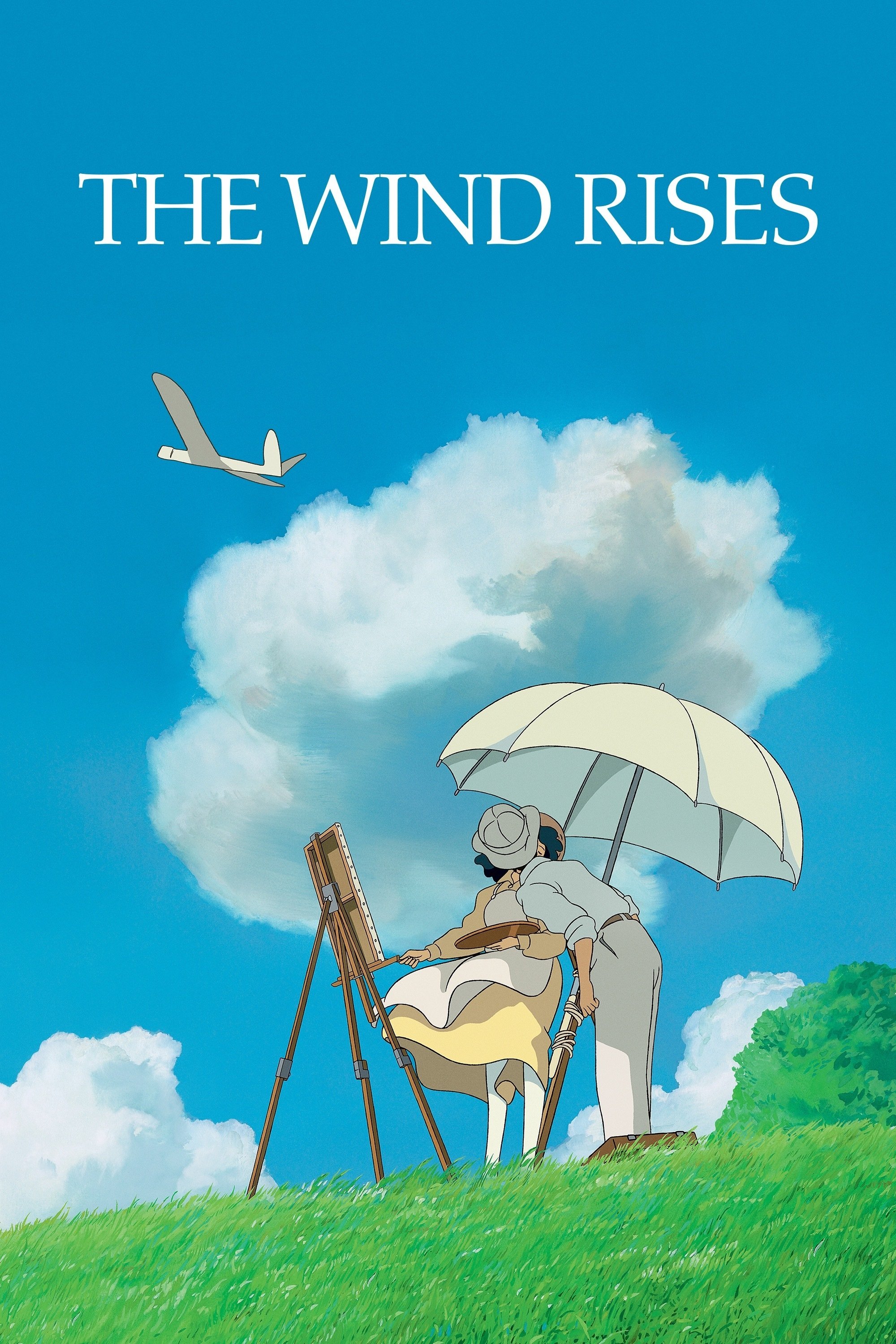
Hayao Miyazaki’s historical drama follows aircraft designer Jirō Horikoshi, blending biography with references to literature and aviation engineering. The film depicts iterative design, wind-tunnel tests, and materials constraints, including discussions of airframes and engines. Joe Hisaishi’s score leans on lyrical themes and period textures. Sound effects often use human-voice foley for mechanical noises, a distinctive production choice.
‘Porco Rosso’ (1992)

Written and directed by Hayao Miyazaki, this Mediterranean-set tale follows a veteran pilot-for-hire who flies a red seaplane. The film features lovingly drawn aircraft, island coves, and Adriatic port towns. Joe Hisaishi’s music incorporates tango and café-orchestra flavors. Aerial sequences emphasize flight physics, maintenance hangars, and repair montages.
‘Whisper of the Heart’ (1995)
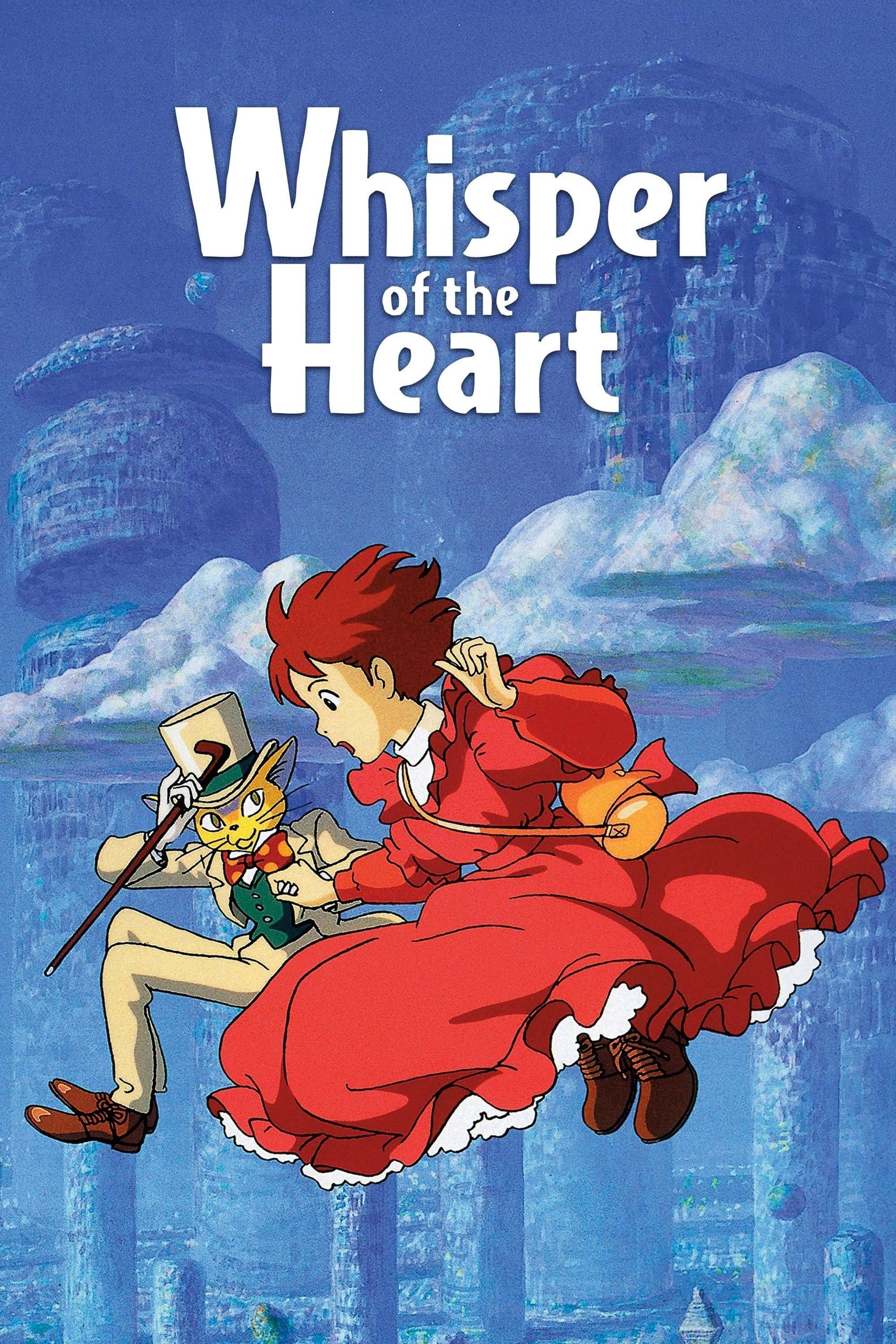
The late Yoshifumi Kondō directed this adaptation of Aoi Hiiragi’s manga, with a screenplay by Hayao Miyazaki. It follows a book-loving student, a violin apprentice, and the antique-shop figure known as the Baron. Yuji Nomi composed the score, and a key musical scene centers on songwriting and instrument craft. Location work maps train lines, footpaths, and neighborhood overlooks in western Tokyo.
‘Kiki’s Delivery Service’ (1989)
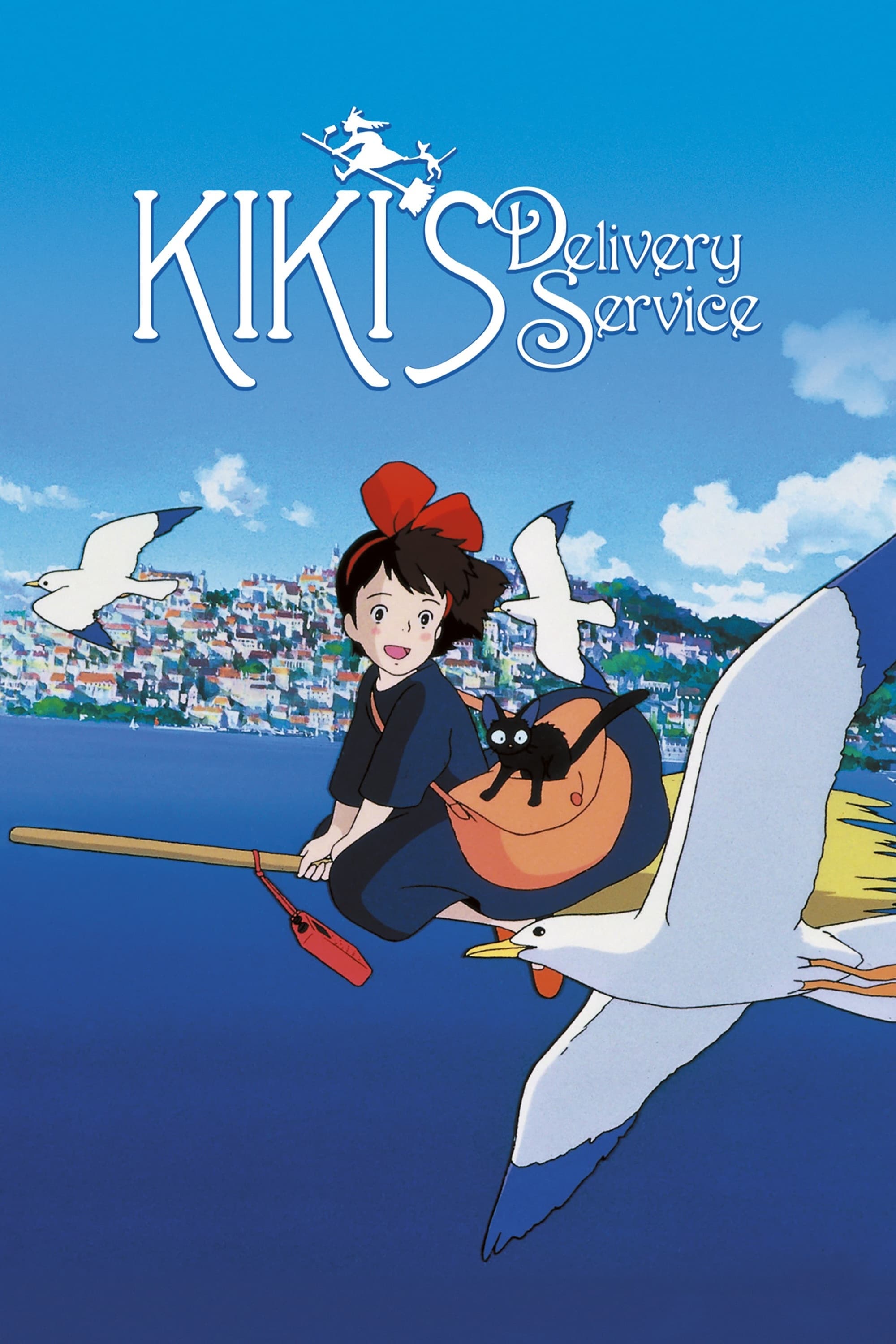
Hayao Miyazaki’s film adapts Eiko Kadono’s novel about a young witch who starts a flying courier service in a seaside city. The production created a pan-European port town through research sketches and architectural composites. Joe Hisaishi’s music features waltzes and warm orchestration. The film highlights apprenticeship, small-business logistics, and everyday customer service.
‘The Tale of the Princess Kaguya’ (2013)
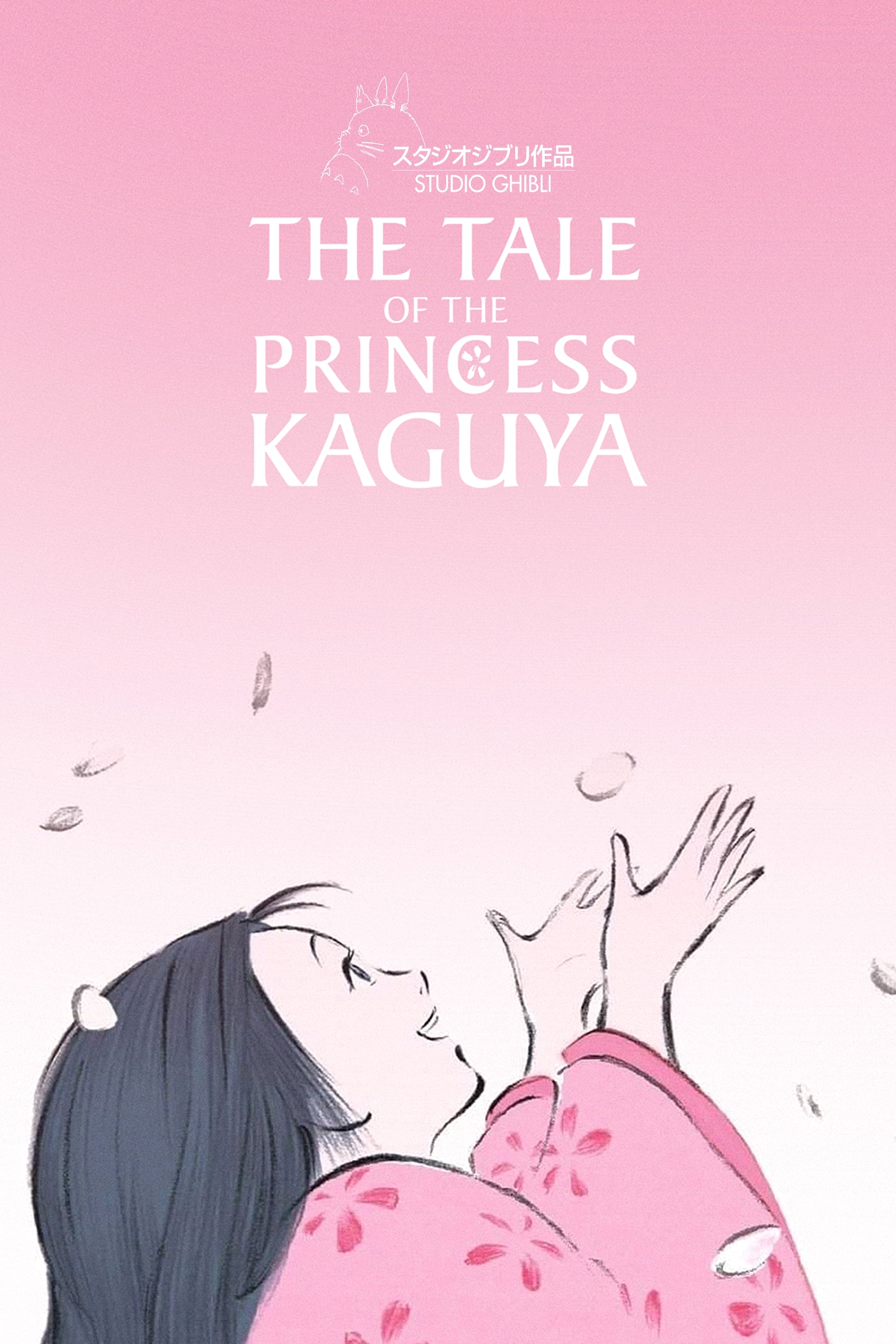
Isao Takahata reimagines the classic ‘Taketori Monogatari’ with a brush-and-wash aesthetic. The production relied on hand-drawn lines that intentionally show texture, paired with watercolor-like fills. Joe Hisaishi’s score uses delicate motifs and chamber writing. The narrative tracks a girl discovered in a bamboo shoot as she navigates courtly expectations and questions of identity.
‘Castle in the Sky’ (1986)
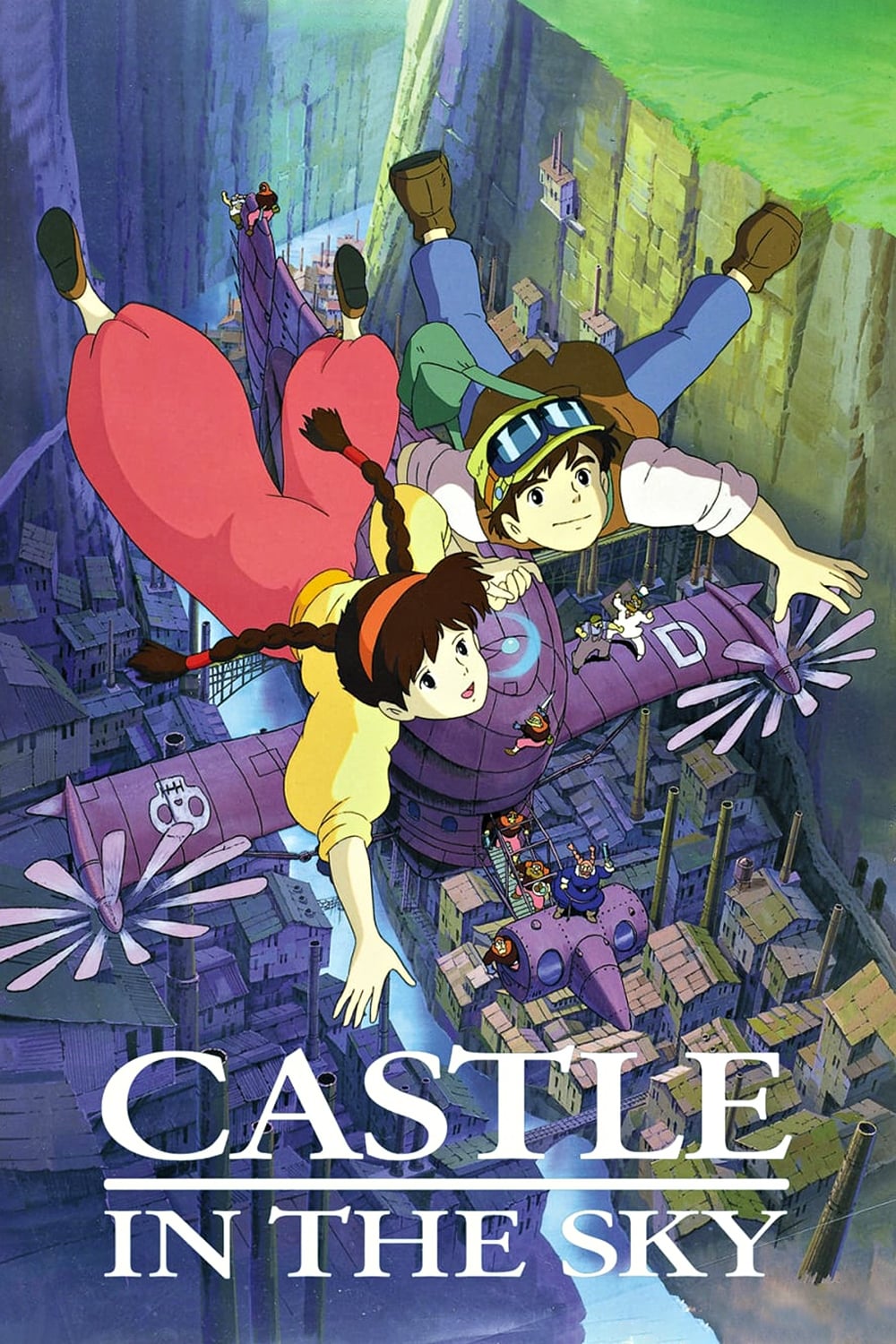
Written and directed by Hayao Miyazaki, this adventure follows two children seeking a fabled floating city called Laputa. It features elaborate machinery, steam-age mining towns, and sky-pirate airships. Joe Hisaishi’s score includes a widely recognized main theme arranged for both orchestra and synthesizer. The film established the studio’s hallmark approach to flight, devices, and hand-animated effects.
‘My Neighbor Totoro’ (1988)
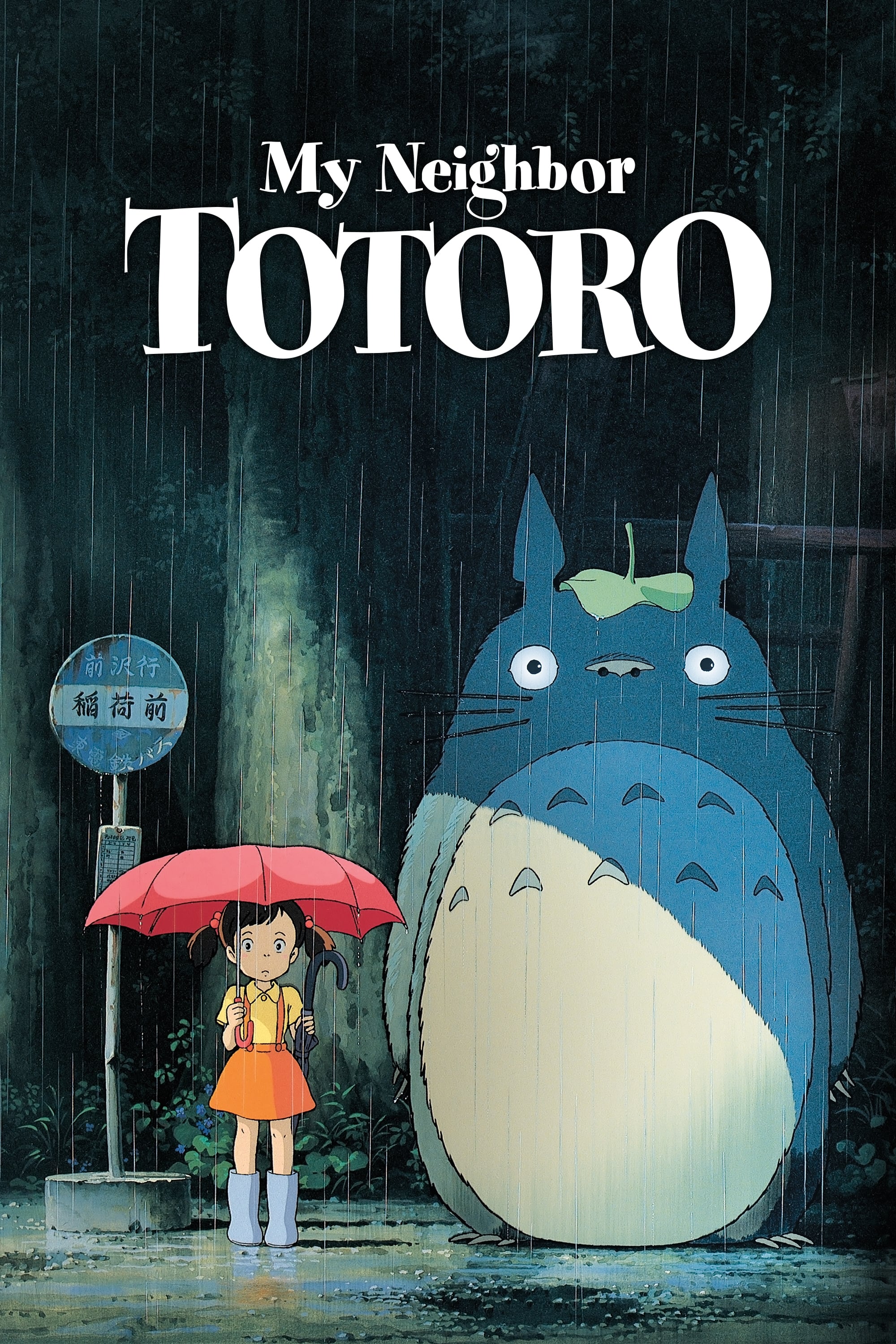
Hayao Miyazaki’s countryside story centers on two sisters who encounter forest spirits after moving to a new home. The film introduced the studio’s mascot character and placed emphasis on children’s play spaces and seasonal changes. Joe Hisaishi’s music provides playful leitmotifs and gentle lullabies. Backgrounds meticulously depict tatami rooms, yard tools, and rural bus stops.
‘Howl’s Moving Castle’ (2004)

Adapted from Diana Wynne Jones’s novel, this Hayao Miyazaki film features a walking castle assembled from pipes, gears, and timber. The production used hand-drawn character animation with digital compositing for moving structures. Joe Hisaishi’s waltz theme anchors the score, with multiple orchestrations across the film. The story threads magic with wartime technology, aviation, and domestic spaces.
‘Princess Mononoke’ (1997)
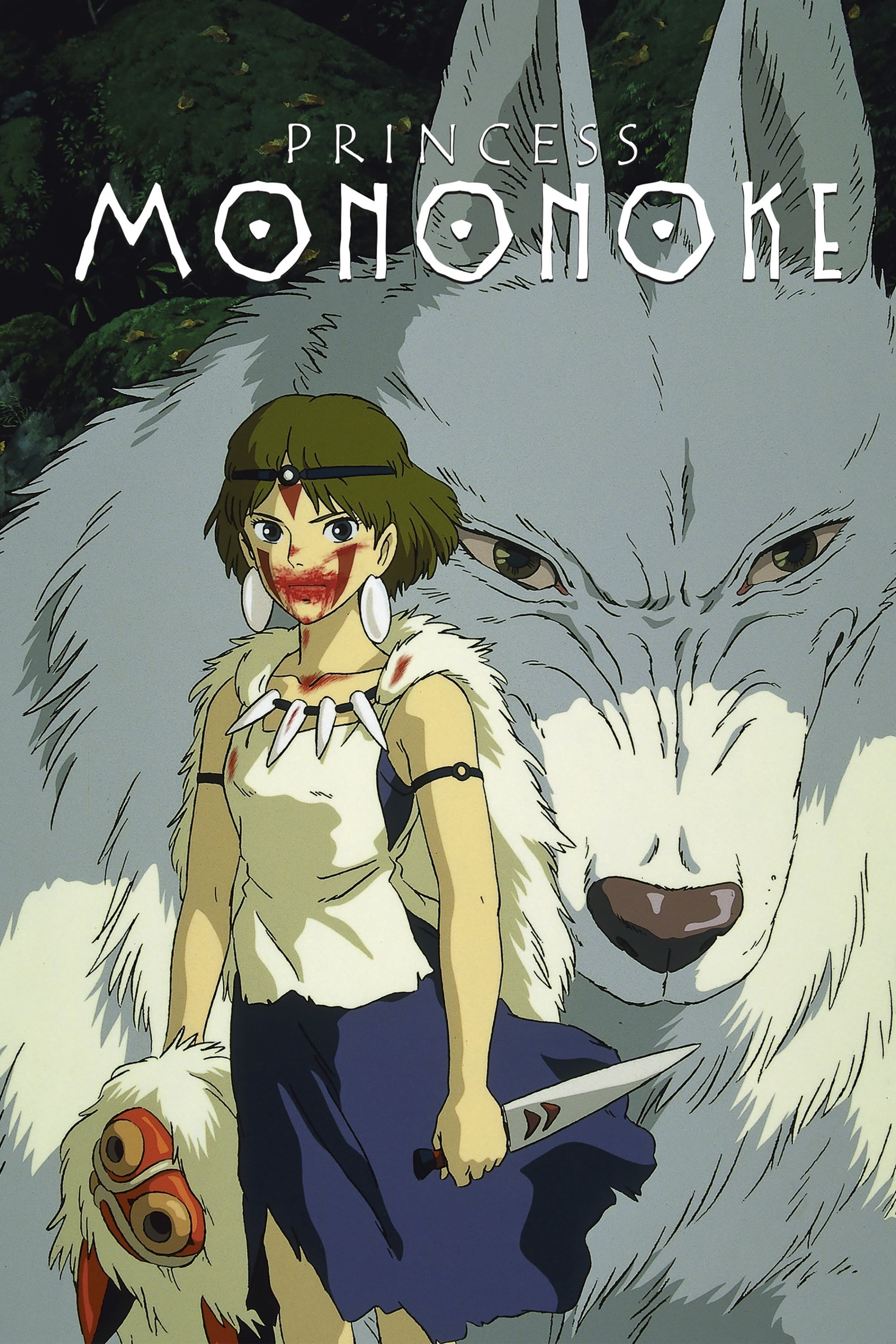
Hayao Miyazaki’s historical fantasy follows Prince Ashitaka, the wolf-raised San, and the iron-working settlement of Tatara. The production combined hand-drawn animation with limited CG support for complex camera moves. Joe Hisaishi’s symphonic score features powerful brass and choral writing. The film was a domestic box-office milestone for the studio and expanded its international profile.
‘Grave of the Fireflies’ (1988)
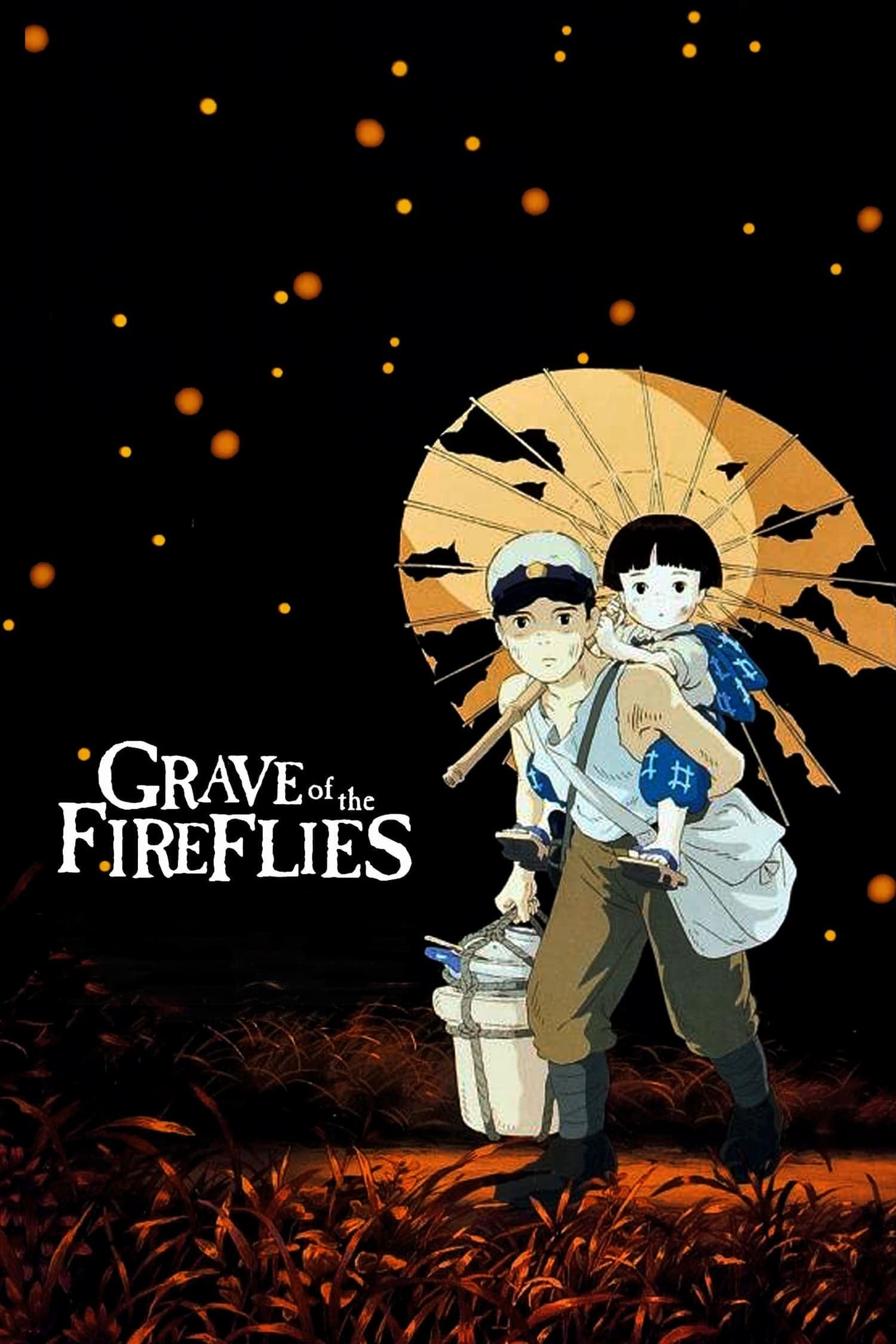
Isao Takahata’s drama adapts Akiyuki Nosaka’s semi-autobiographical story about two siblings displaced by wartime air raids. The film is known for its carefully observed everyday objects, from ration tins to handmade lanterns. Michio Mamiya composed the score, which remains restrained to match the realism. The production ran concurrently with ‘My Neighbor Totoro’, sharing crew resources while pursuing a very different tone.
‘Spirited Away’ (2001)
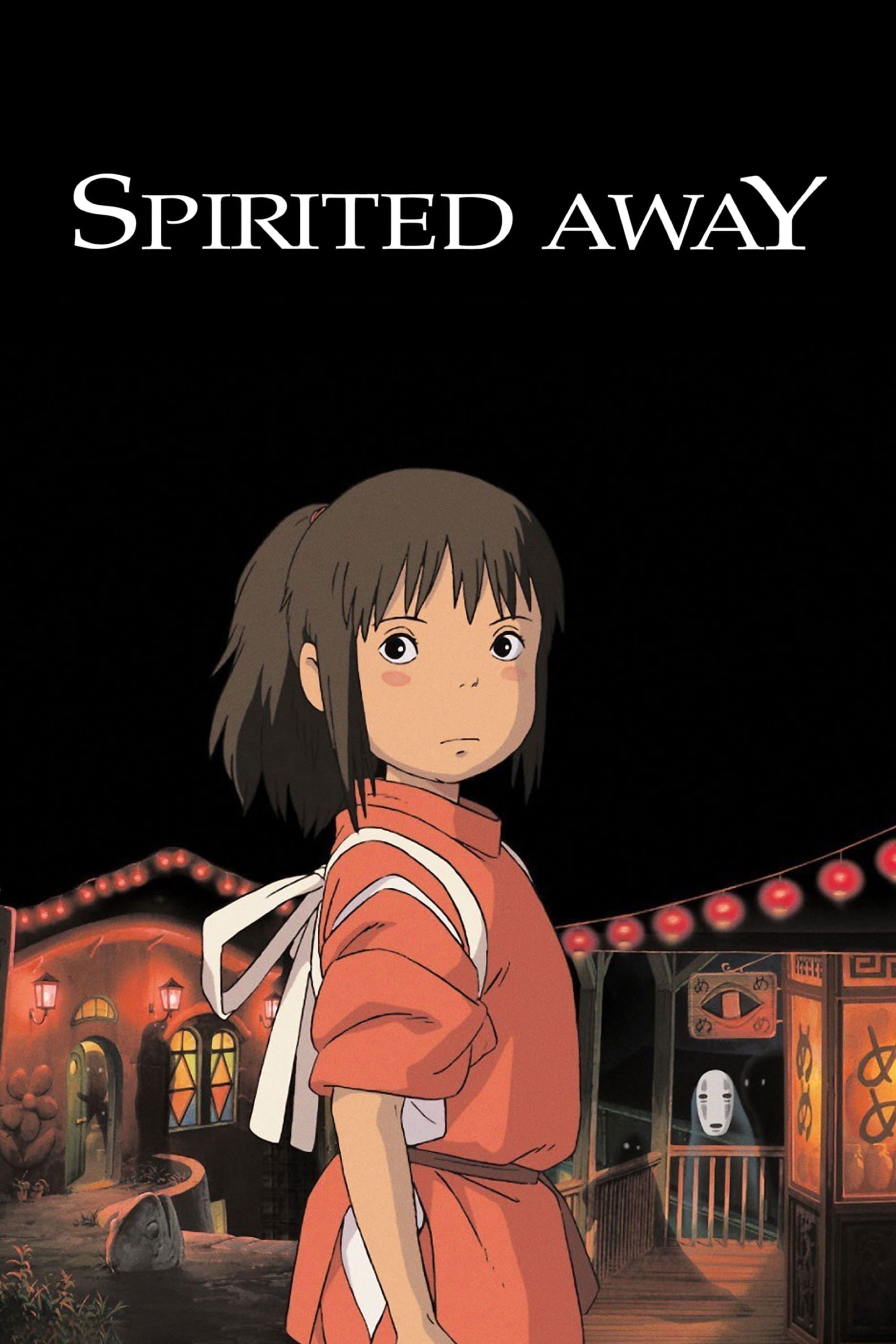
Written and directed by Hayao Miyazaki, this fantasy follows a girl who works at a bathhouse for spirits after her parents are transformed. Joe Hisaishi’s score features piano-led themes and lush orchestration. The film won the Academy Award for Best Animated Feature and became a watershed international hit for the studio. World-building details include bathhouse workflows, spirit clientele, tickets, tokens, and rail journeys across a flooded plain.
Share your own Ghibli order—and which details you love most about each film—in the comments!