Actors Who’ve Played the Same Role Across 10+ Years

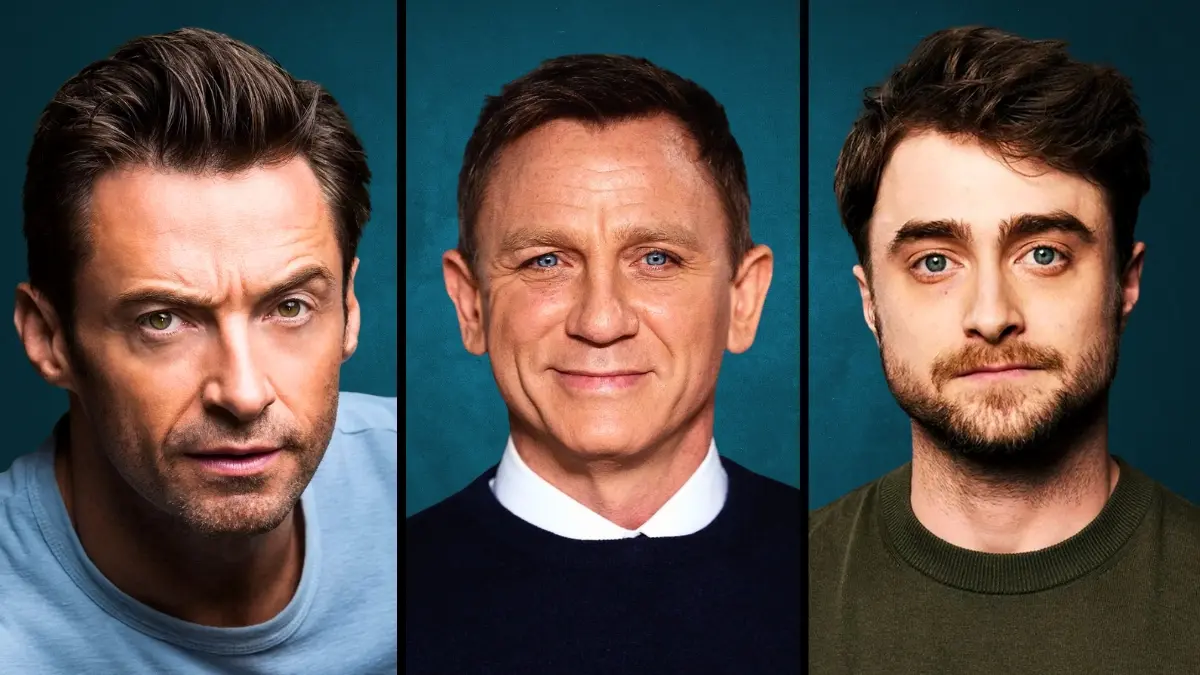

Some performances don’t just define a movie or a show-they come to anchor whole eras of pop culture. This list rounds up male actors who kept returning to the same character for at least a decade, spanning sequels, reboots, crossovers, or even a move from big screen to streaming. You’ll find franchise cornerstones, genre-shifting icons, and a few marathon runs that stretched across multiple generations of fans.
Hugh Jackman – Wolverine
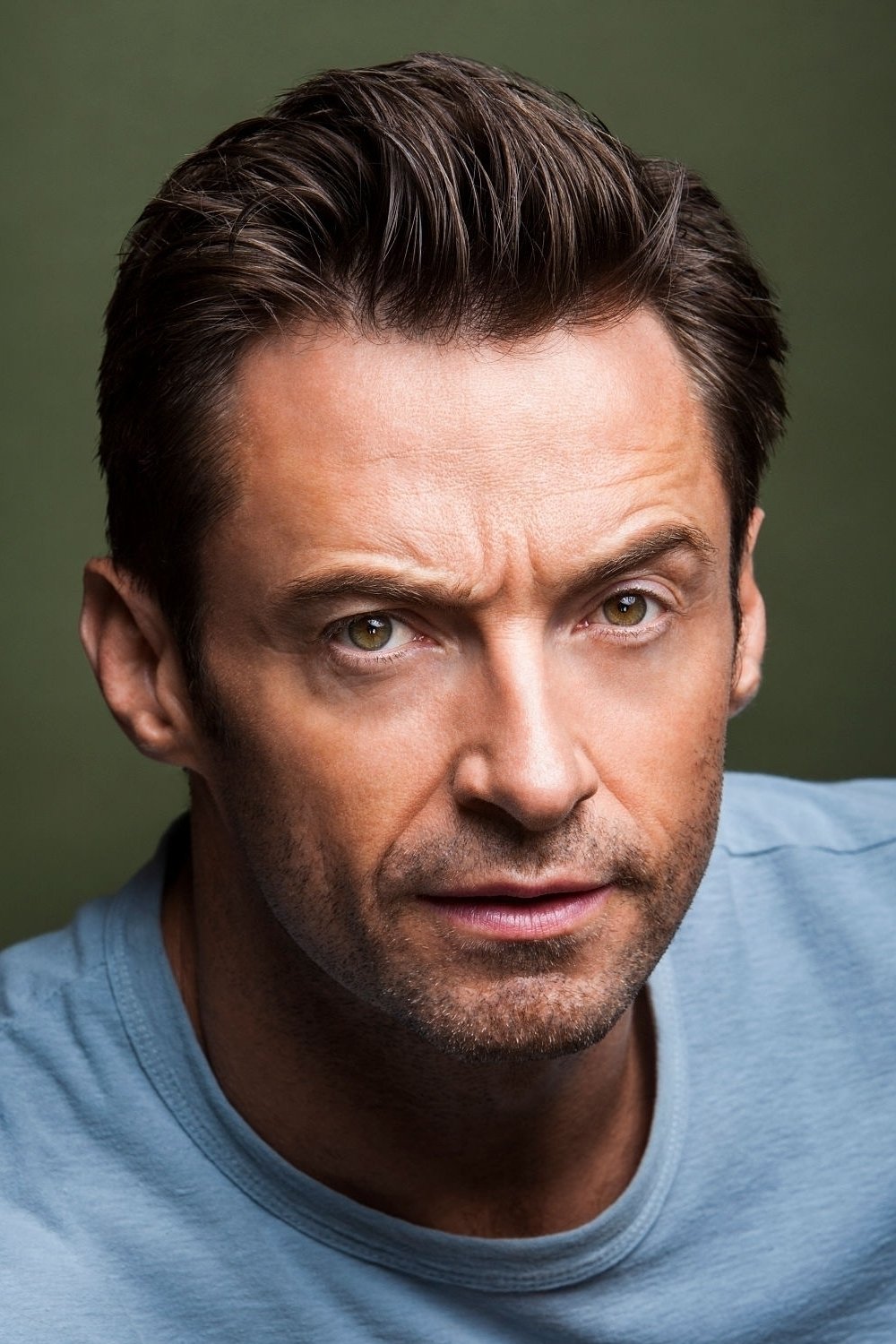
Hugh Jackman first unsheathed the claws in the ensemble launch of the modern X-Men film era and then headlined multiple solo entries like ‘The Wolverine’ and ‘Logan’. Across more than nine appearances-including cameos-he played the character through reboots, timelines, and a multiverse return in ‘Deadpool & Wolverine’. The role covered over two decades of releases and marketing cycles. Jackman’s run bridged the pre- and post-shared-universe phases of superhero filmmaking.
Tom Cruise – Ethan Hunt
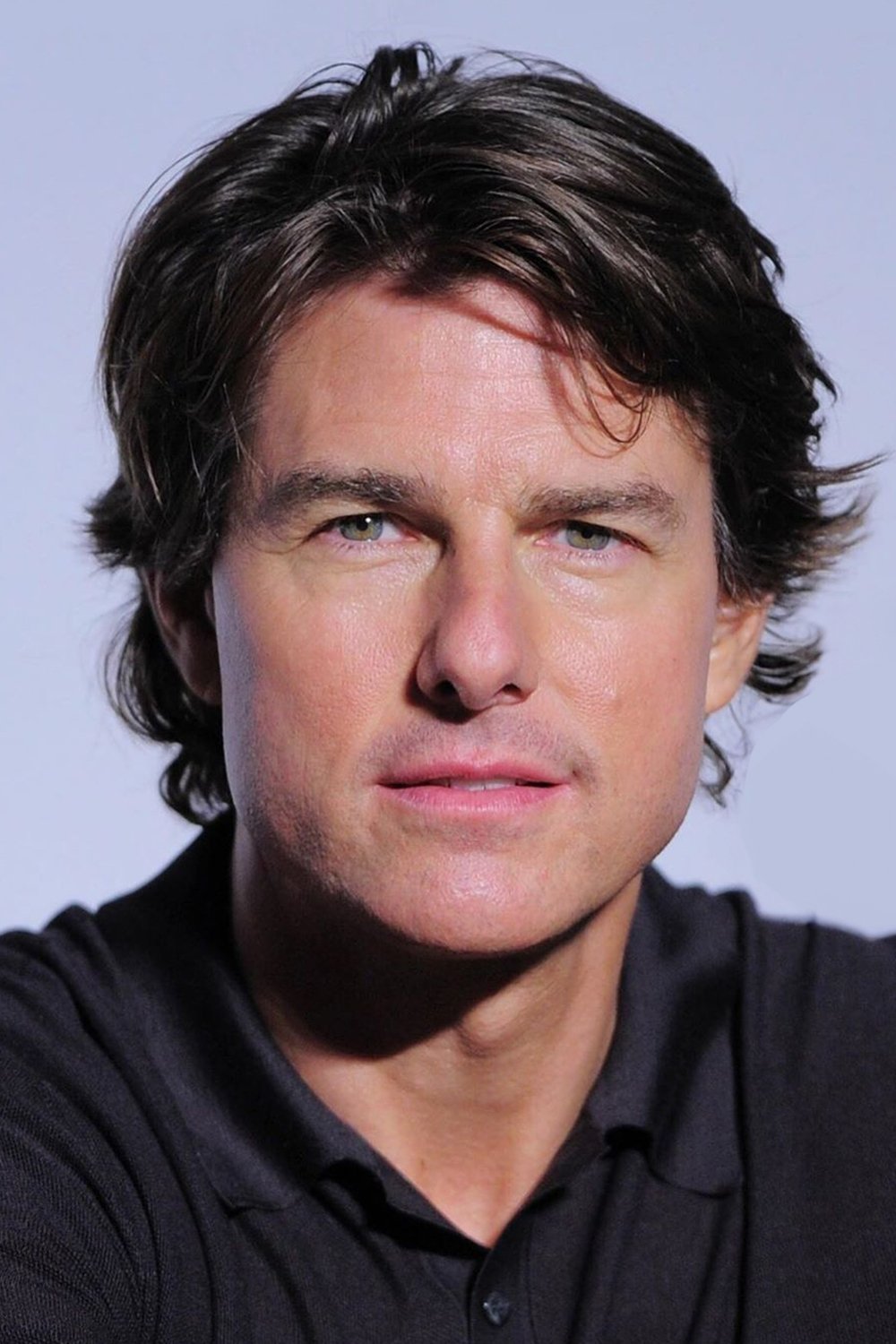
Tom Cruise has led the ‘Mission: Impossible’ series through seven released films, evolving the IMF agent from undercover specialist to globe-trotting team anchor. The character’s continuity carries across recurring allies, masked deceptions, and escalating stunt set pieces. Cruise’s tenure spans more than two decades of box-office summers and holiday tentpoles. The role expanded into multipart storytelling with ‘Mission: Impossible – Dead Reckoning’.
Daniel Craig – James Bond
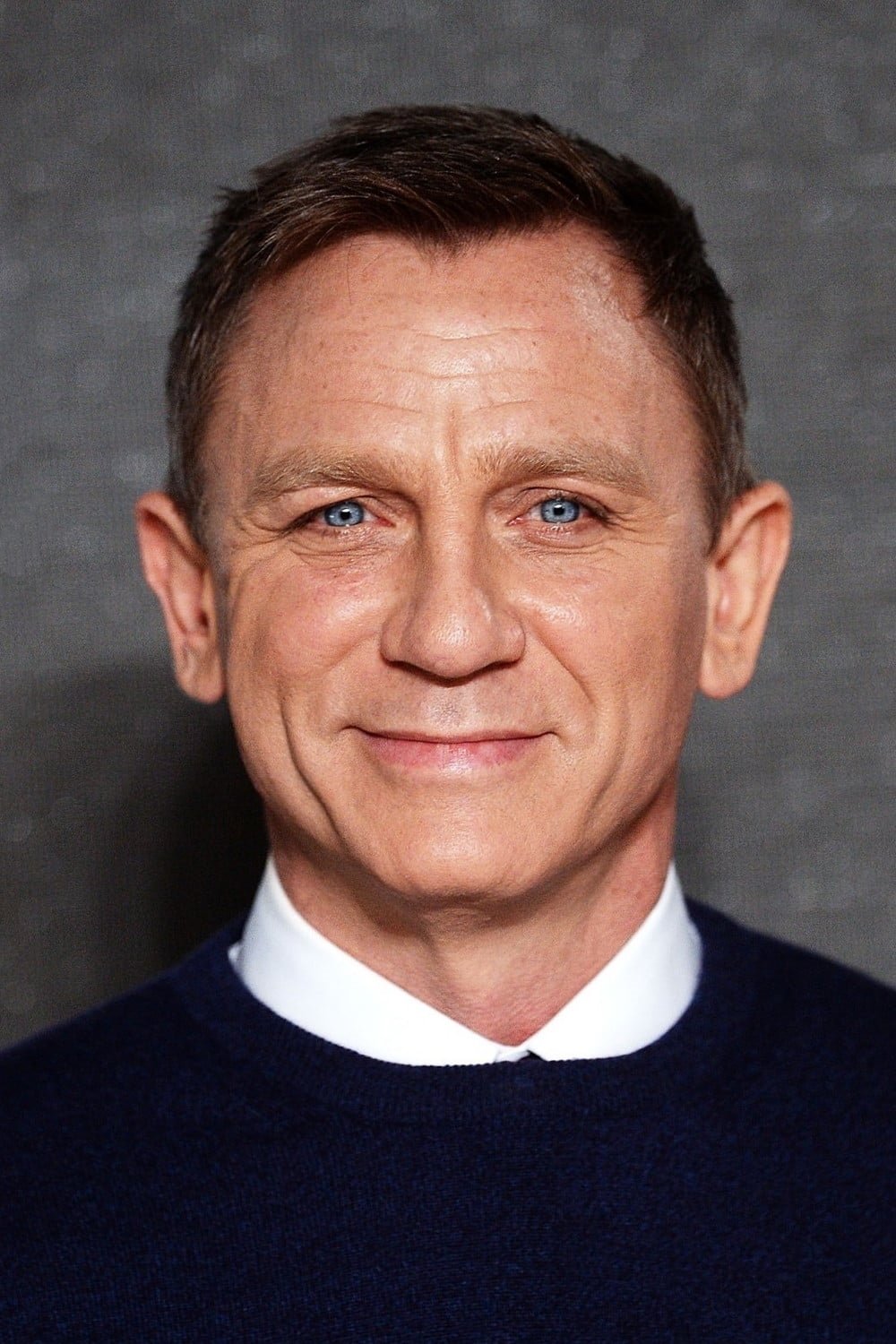
Daniel Craig introduced a tougher, serialized take on 007 starting with ‘Casino Royale’, continuing through four more chapters to ‘No Time to Die’. His arc threaded an origin story, organization-wide antagonists, and a personal throughline seldom seen in earlier eras. The run stretched over a decade and a half, including globe-spanning productions and prestige award campaigns. Craig’s Bond era also crossed into IMAX exhibition and franchise-wide brand partnerships.
Robert Downey Jr. – Tony Stark/Iron Man
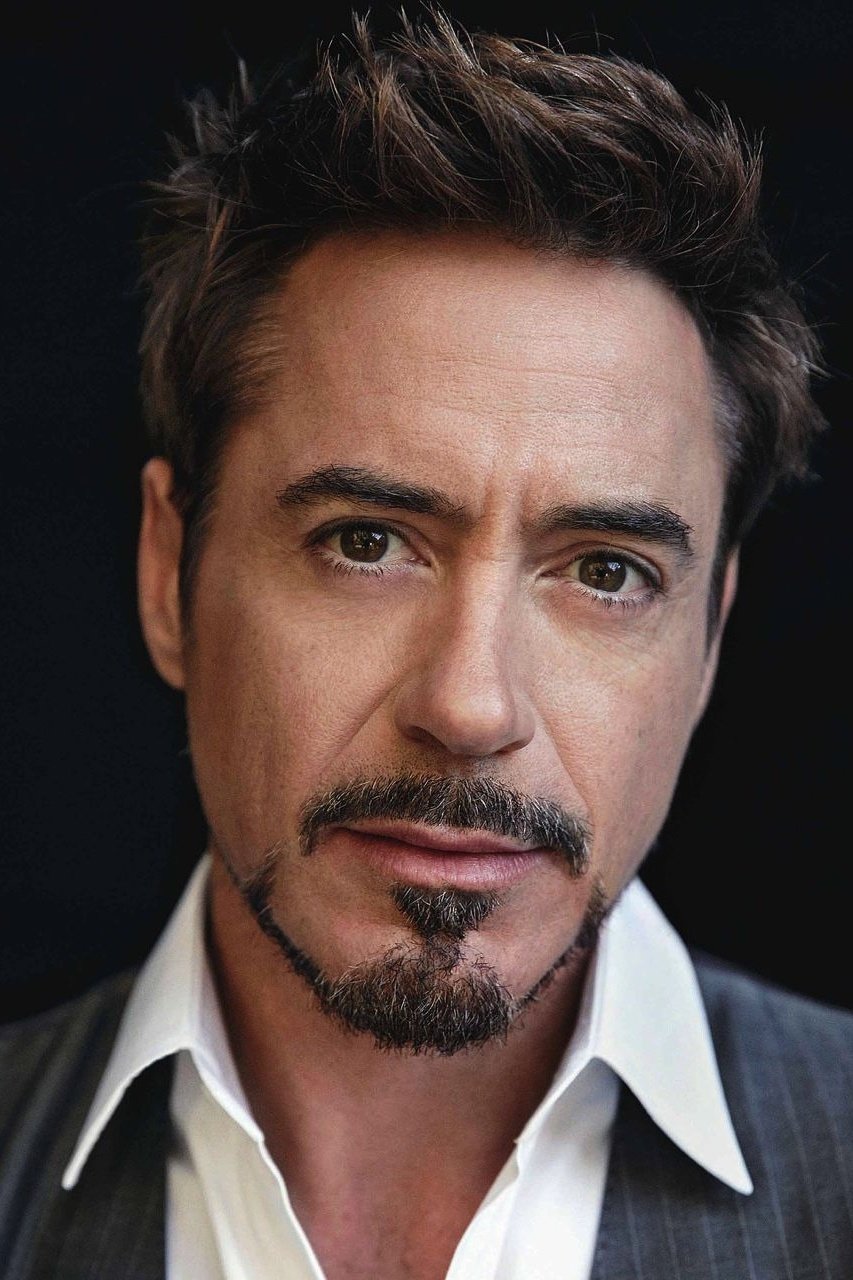
Robert Downey Jr. launched the modern shared-universe model with ‘Iron Man’ and sustained it through ensemble entries like ‘The Avengers’ and appearances in ‘Spider-Man: Homecoming’. He portrayed Stark across a continuous narrative that linked solo storylines to crossover events and epilogues. The role lasted well over a decade, including post-credits tags and voice or hologram moments that extended the character’s footprint. Stark became a connective thread for multiple phases of interconnected releases.
Sylvester Stallone – Rocky Balboa
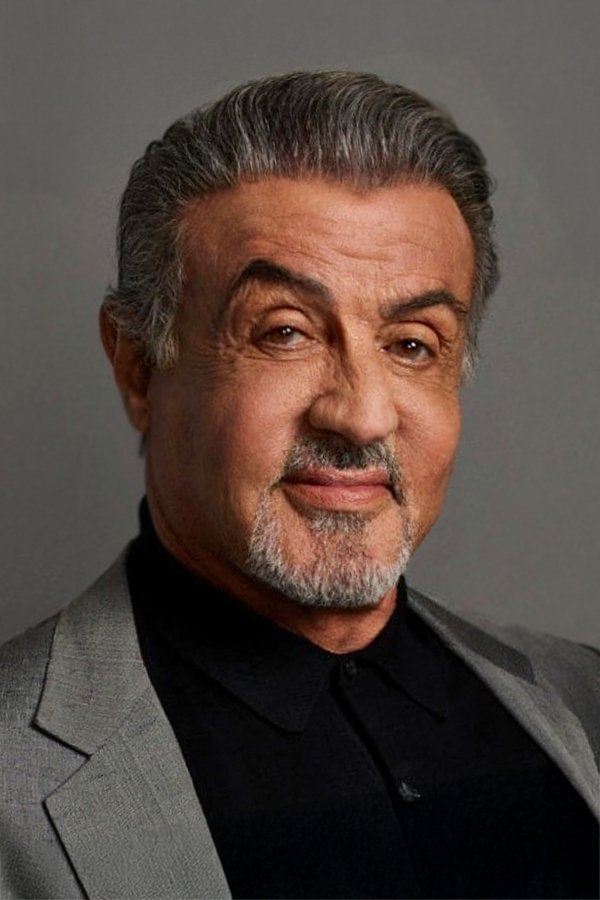
Sylvester Stallone began as the underdog fighter in ‘Rocky’ and later transitioned the character into a mentor for a new generation in ‘Creed’ and ‘Creed II’. Over eight films, Rocky’s life moved from title bouts to training montages to legacy-building. The portrayal spanned more than four decades and crossed from classic trilogy pacing to modern spinoff framing. Stallone’s continuity linked multiple franchises within the same boxing universe.
Harrison Ford – Indiana Jones
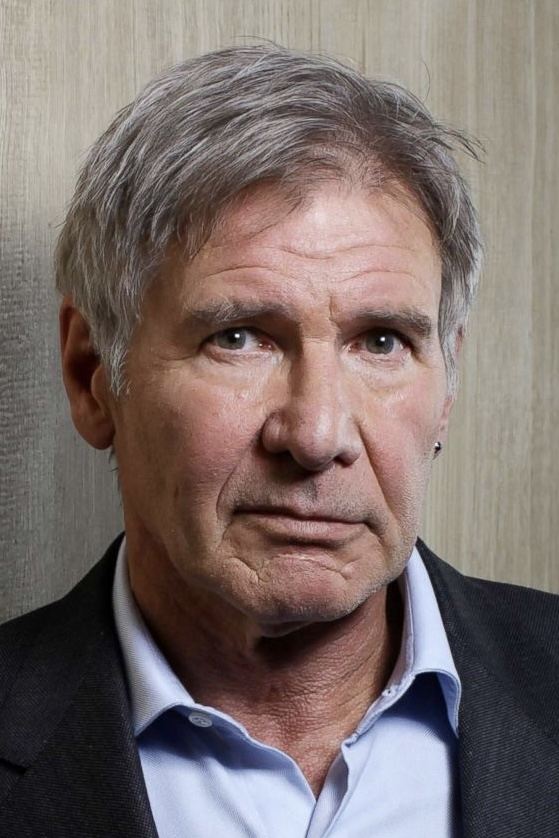
Harrison Ford’s archaeologist-adventurer first cracked the whip in ‘Raiders of the Lost Ark’ and returned for three sequels plus ‘Indiana Jones and the Dial of Destiny’. The character’s timeline covered pulp serial homages, Cold War intrigue, and later-life adventures. Ford’s tenure extended across generations of moviegoers, merchandising waves, and video-game tie-ins. The role’s long tail included theme-park attractions and renewed streaming availability.
Mark Hamill – Luke Skywalker
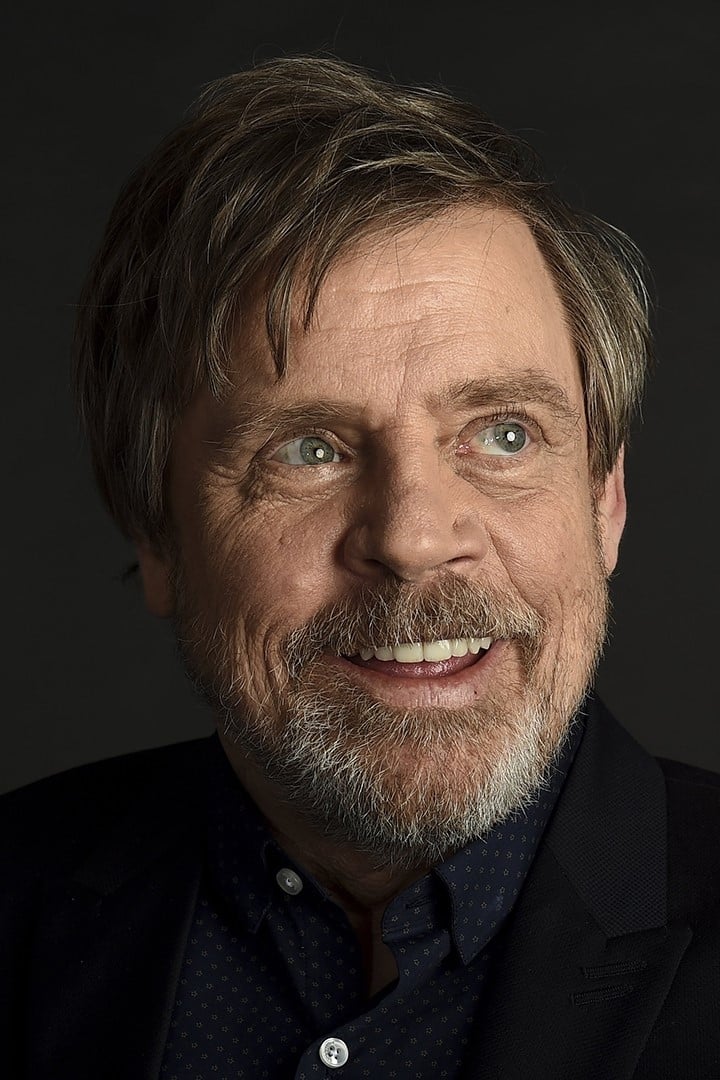
Mark Hamill debuted Luke Skywalker in the original ‘Star Wars’ trilogy and returned for the sequel era, along with appearances in series like ‘The Mandalorian’ and ‘The Book of Boba Fett’. His portrayal spanned theatrical releases and streaming, expanding the character’s legacy through mentorship and cameos. The run covered more than four decades of fandom, special editions, and franchise anniversaries. Luke’s presence threaded theatrical sagas with the live-action television timeline.
Keanu Reeves – Neo
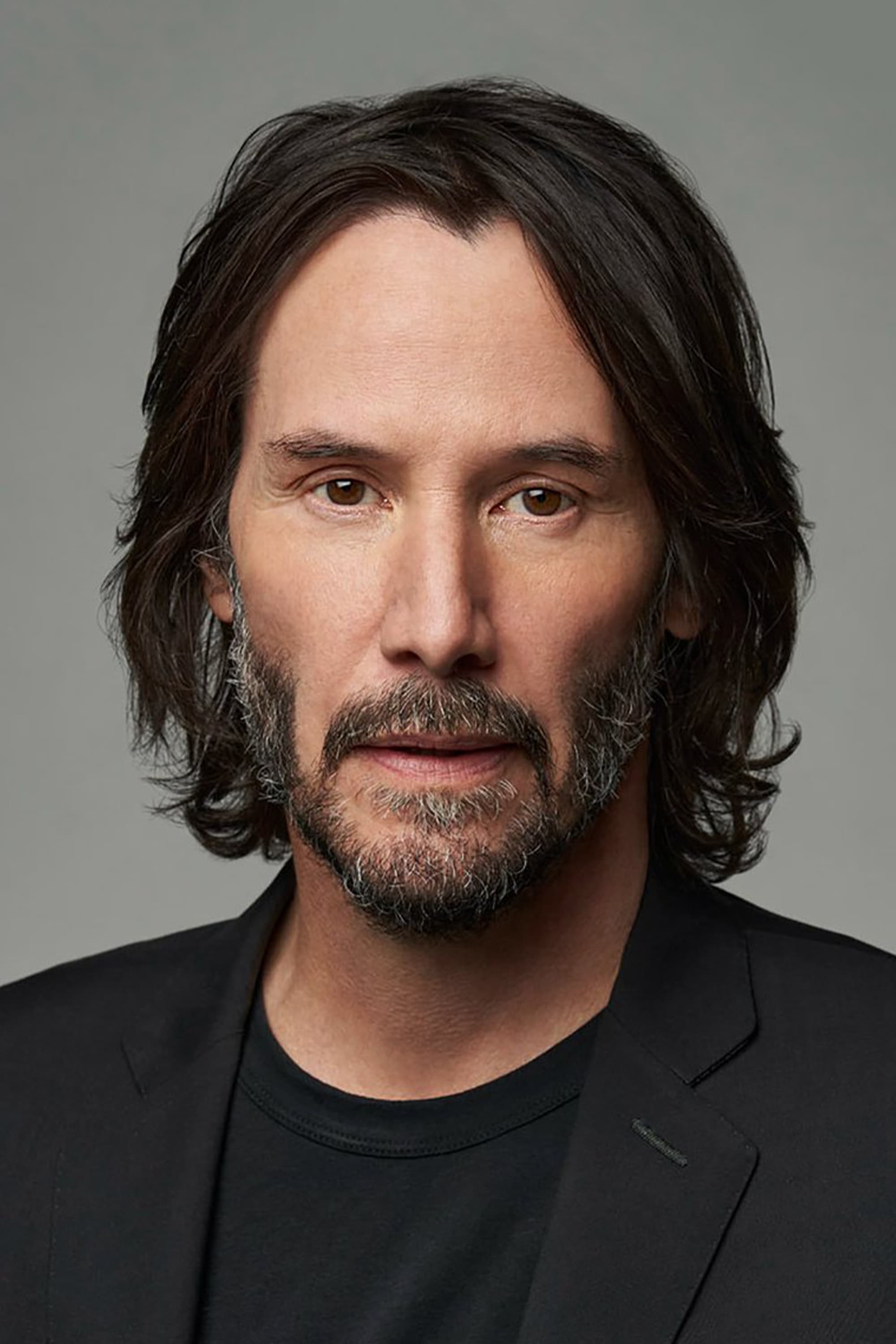
Keanu Reeves led ‘The Matrix’ trilogy and later revisited the role in ‘The Matrix Resurrections’. The character journey encompassed cyberpunk mythology, bullet-time innovations, and a meta-textual return. Reeves’ tenure crossed multiple technological eras of filmmaking and distribution. Neo’s story expanded from theatrical phenomena to legacy sequel world-building.
Arnold Schwarzenegger – The Terminator
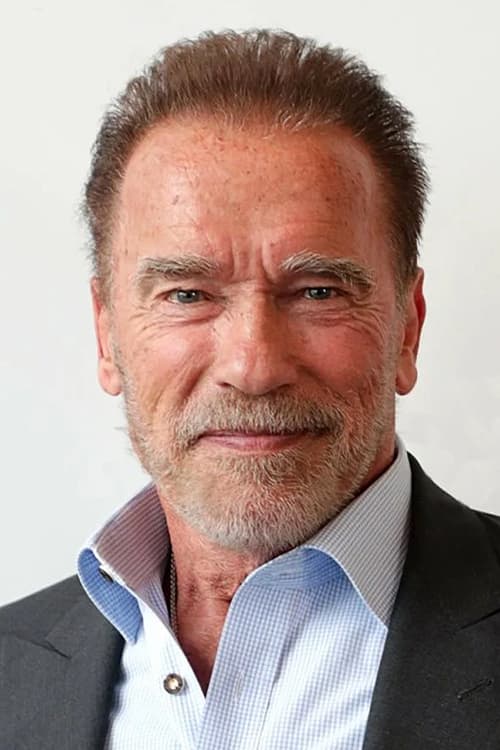
Arnold Schwarzenegger’s T-800 appeared across multiple entries from ‘The Terminator’ through ‘Terminator: Dark Fate’. The role evolved from antagonist to protector to reimagined guardian within branching timelines. Schwarzenegger’s portrayal stretched over three decades of reboots and continuity resets. The character also extended into television crossover nods, home media restorations, and gaming tie-ins.
Patrick Stewart – Jean-Luc Picard
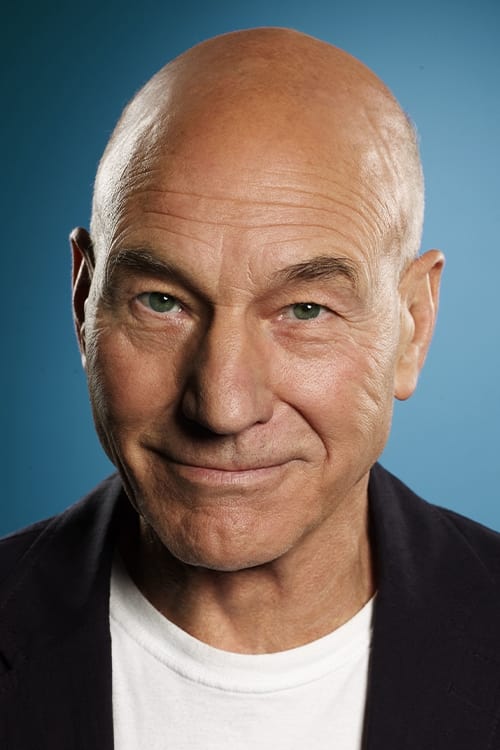
Patrick Stewart captained the Enterprise on ‘Star Trek: The Next Generation’, moved into feature films, and returned to the role in the streaming era with ‘Star Trek: Picard’. His portrayal connected episodic exploration with serialized arcs and character retrospectives. The run traversed broadcast syndication, theatrical exhibitions, and prestige streaming formats. Stewart’s Picard unified multiple generations of the franchise into a single character’s long-form journey.
Vin Diesel – Dominic Toretto
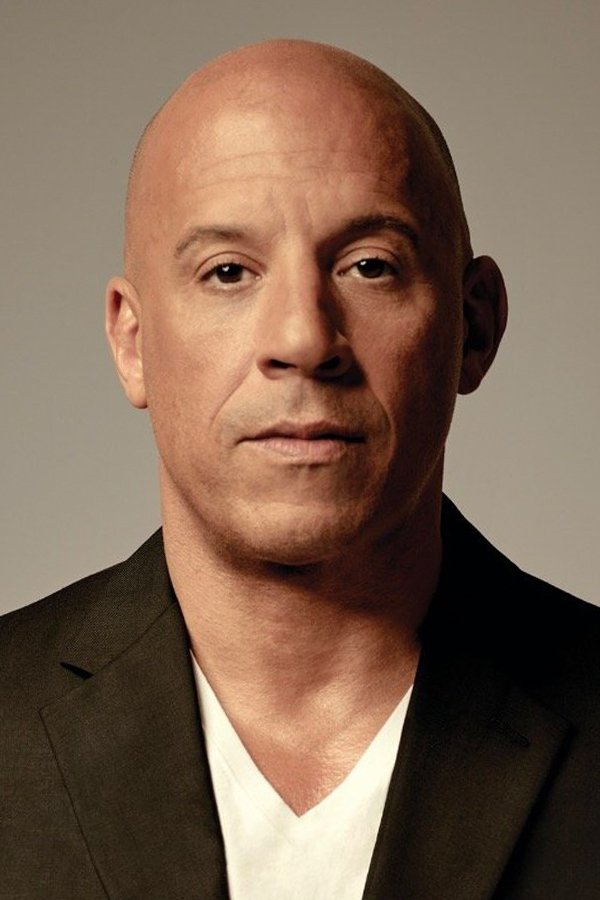
Vin Diesel’s street racer turned crew leader has fronted the ‘Fast & Furious’ saga across numerous installments, from undercover heists to globe-trotting operations. The character’s continuity includes ensemble expansions, family-centric storylines, and crossovers with spinoffs. Diesel’s tenure spans more than two decades of evolving action styles and release strategies. Toretto’s arc connects the franchise’s early street-culture roots to large-scale franchise mythology.
Daniel Radcliffe – Harry Potter
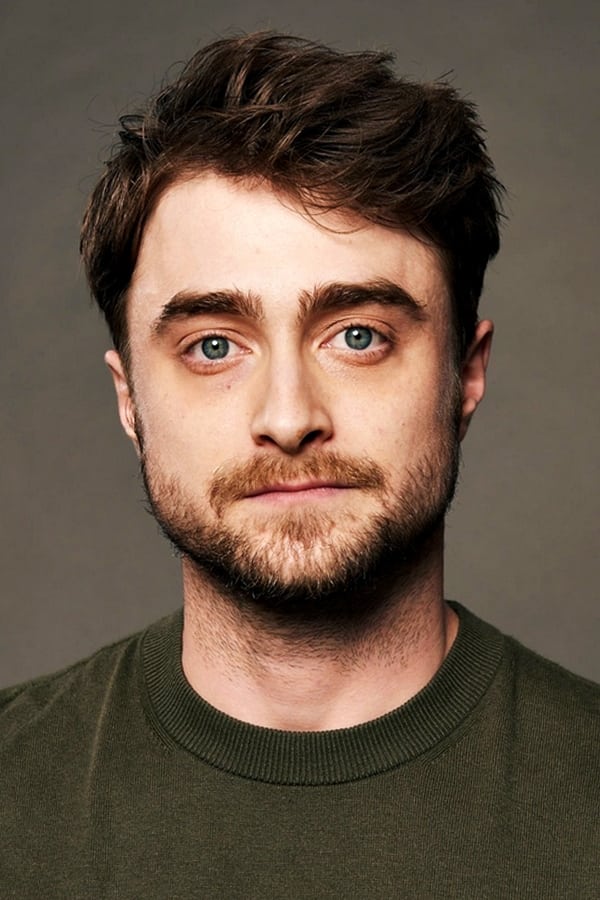
Daniel Radcliffe portrayed the title wizard across eight films in the ‘Harry Potter’ series, covering the character’s journey from school newcomer to the saga’s climactic battles. The role unfolded over a full decade of book-to-screen adaptations and coordinated global premieres. Radcliffe’s tenure aligned with a consistent ensemble, expanding settings, and maturing themes. The performance anchored tie-in media that ranged from video games to studio-tour experiences.
Share your favorite long-running performance in the comments and tell us which role you think defined an era!