Ambitious Movie Flops That Were Actually Ahead of Their Time


Some films enter theaters with bold ideas yet struggle to connect with audiences upon release, only to gain appreciation later for their innovation and forward thinking. These movies pushed boundaries in style, storytelling and technology, paving the way for future filmmakers. Although they initially failed at the box office, their impact grew as viewers recognized their originality and influence. Here are the films that fell short commercially but proved to be important and visionary works.
‘Blade Runner’ (1982)
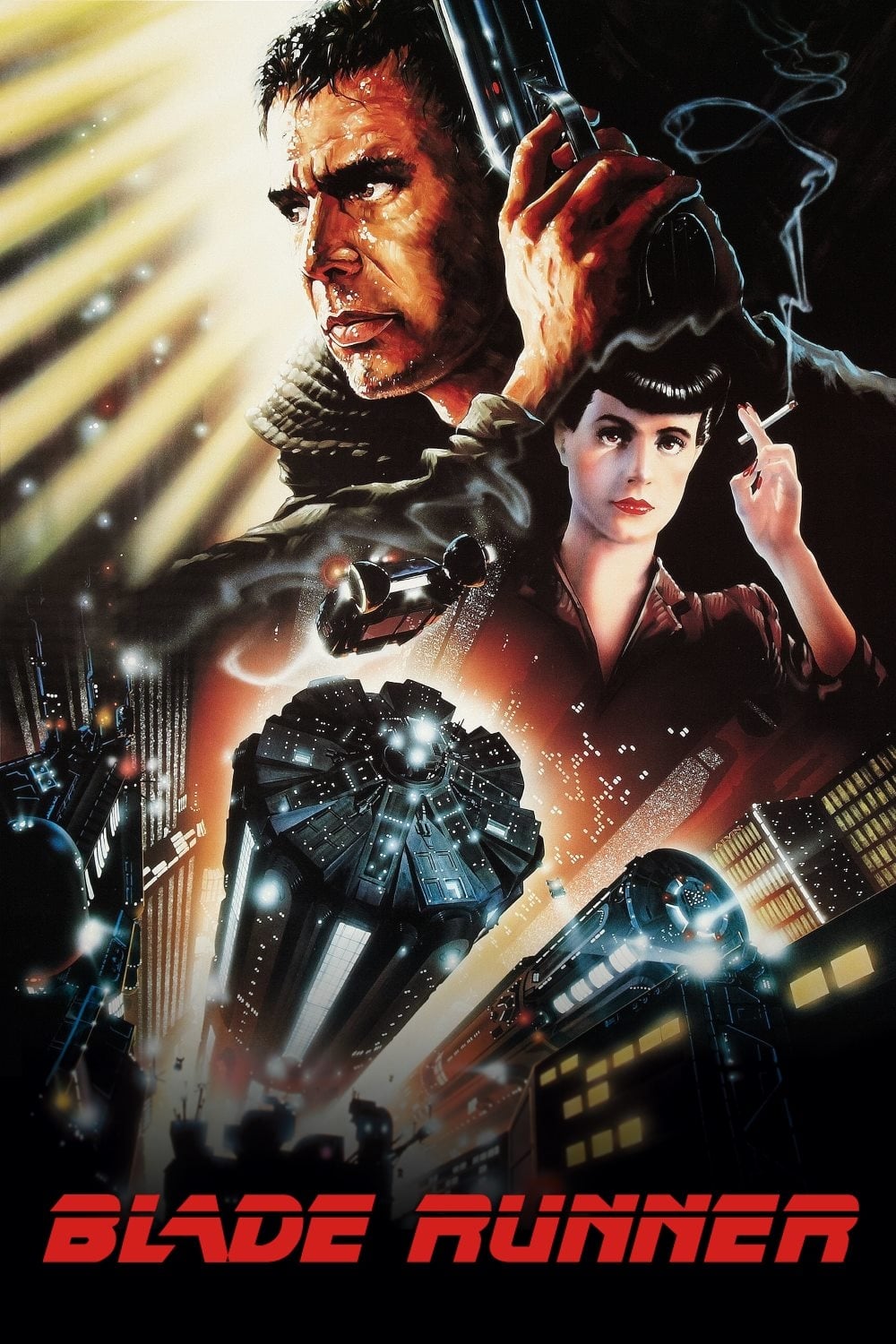
This film introduced a visually dense world that explored artificial life and urban decay through groundbreaking production design. Its complex themes drew from philosophical and literary influences that later became staples of sci fi storytelling. Audiences eventually embraced its atmospheric style and layered narrative as technology caught up with its ideas. Its influence expanded as directors used its imagery in future dystopian films.
‘The Thing’ (1982)
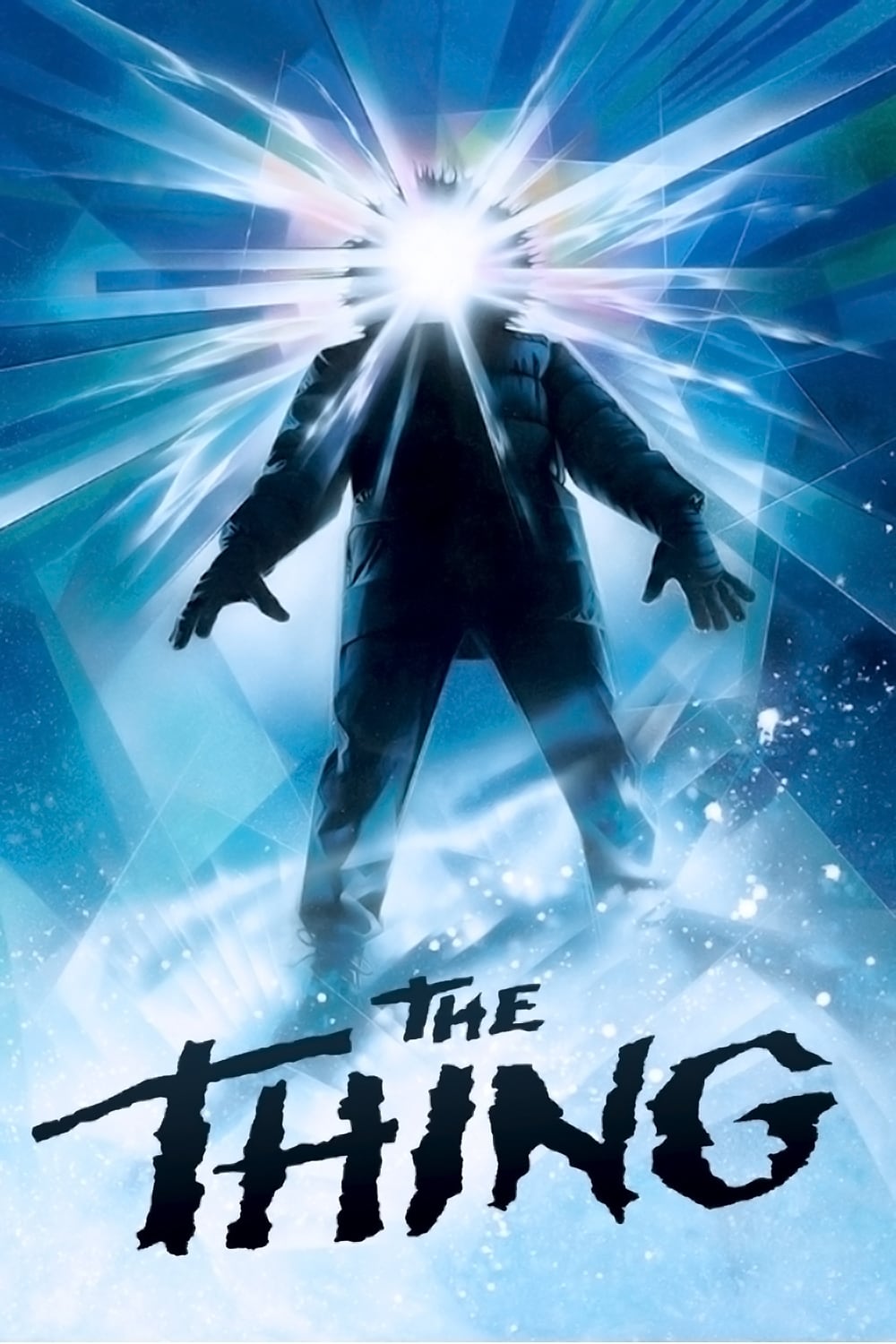
This film delivered groundbreaking practical effects that created a visceral sense of tension and transformation. Its bleak tone and paranoia driven story were initially overshadowed by competing releases that leaned toward more upbeat themes. Over time viewers appreciated its craftsmanship and psychological depth. Its creature design later became a benchmark for horror films.
‘Tron’ (1982)
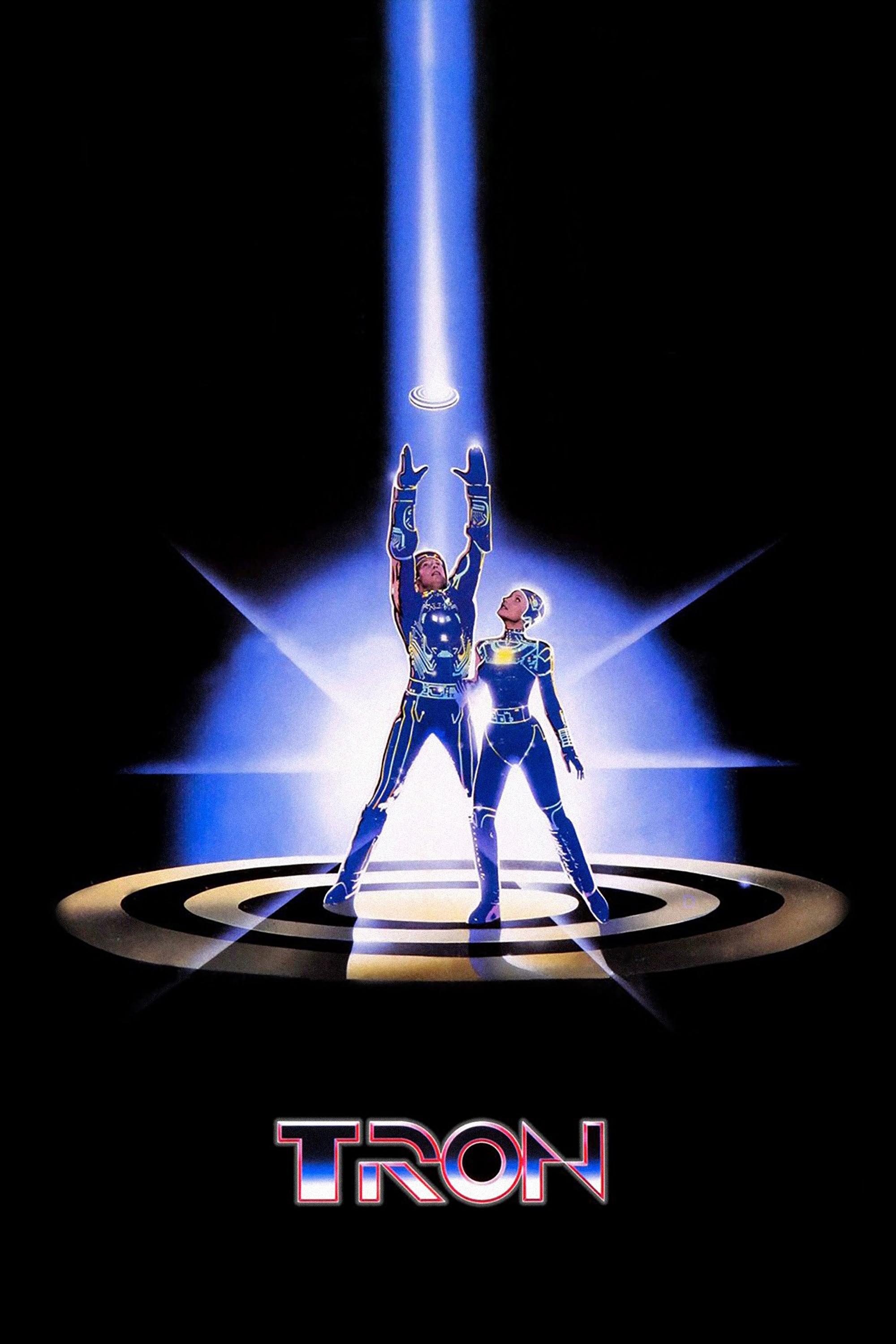
This production incorporated early computer generated imagery to create a digital realm that felt completely new for its era. Audiences were unfamiliar with its technical approach, which made the film misunderstood during release. Later generations recognized its pioneering visual techniques. Its aesthetic influenced video game culture and digital world building in cinema.
‘Dune’ (1984)
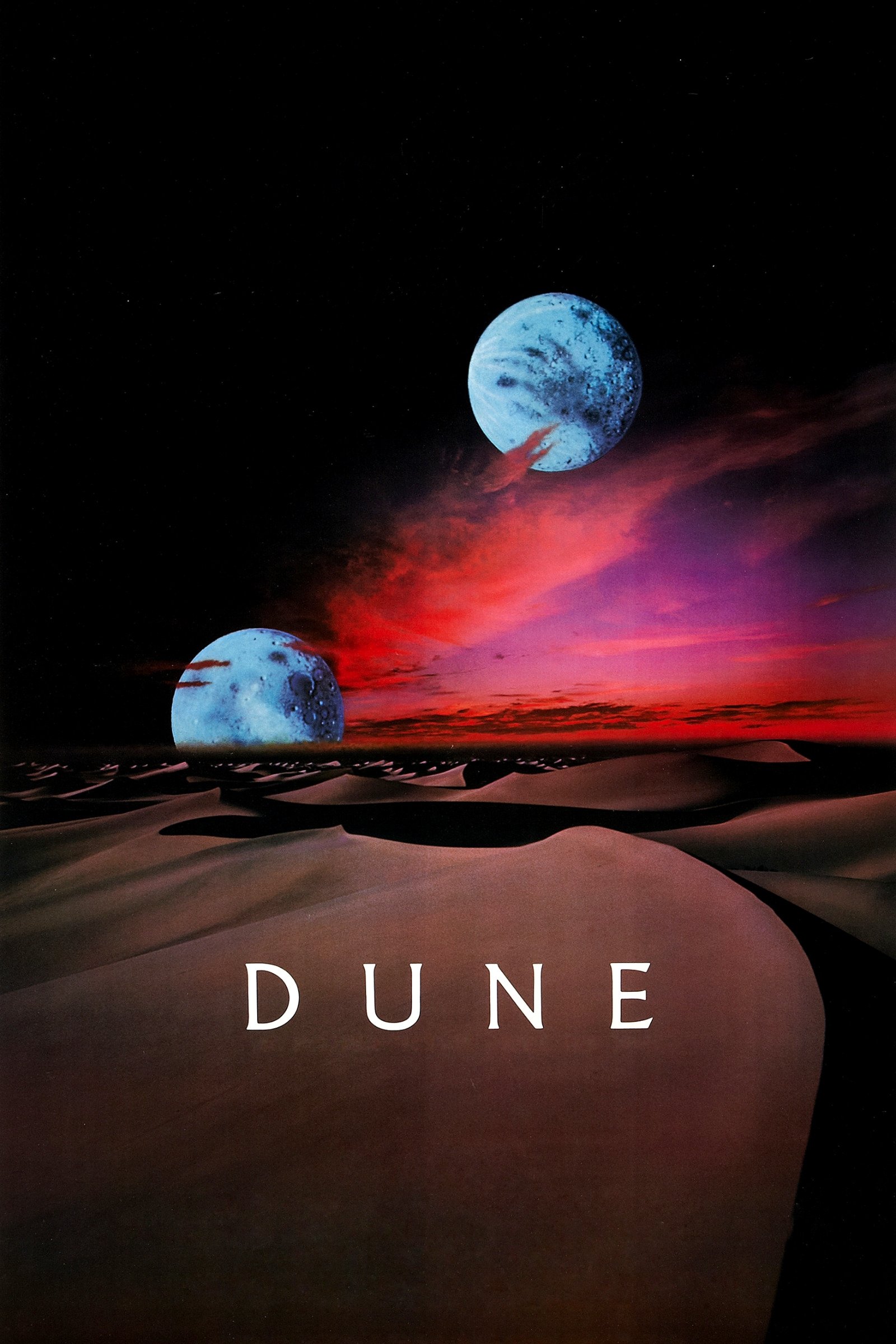
This adaptation presented an extensive universe filled with political intrigue and ecological themes. Its dense plot and stylized visuals initially confused audiences. Over time viewers realized how bold its world building was. Its concepts later inspired filmmakers exploring complex science fiction societies.
‘Brazil’ (1985)
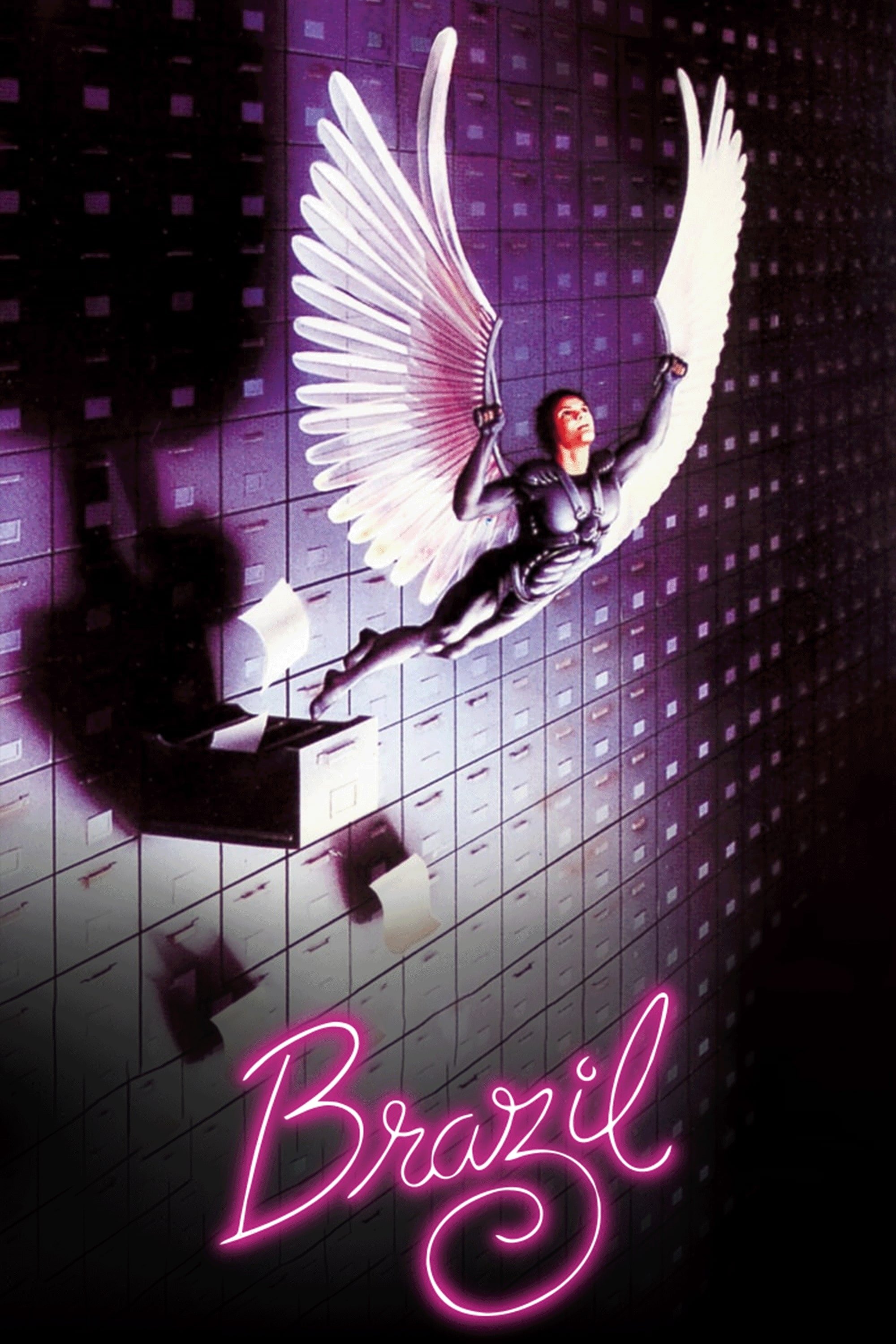
This film blended surrealist imagery with a bureaucratic dystopia that felt both absurd and insightful. Its unconventional structure made it difficult to market to mainstream audiences. Later its critique of systems and conformity resonated with viewers. Its artistic design became influential in satiric sci fi storytelling.
‘The Adventures of Buckaroo Banzai Across the 8th Dimension’ (1984)

This film combined pulp adventure, sci fi motifs and unconventional humor into one eclectic package. Its mixture of genres proved perplexing for early audiences. Eventually fans appreciated its offbeat world and playful tone. Its style inspired creators who enjoy genre blending.
‘Howard the Duck’ (1986)
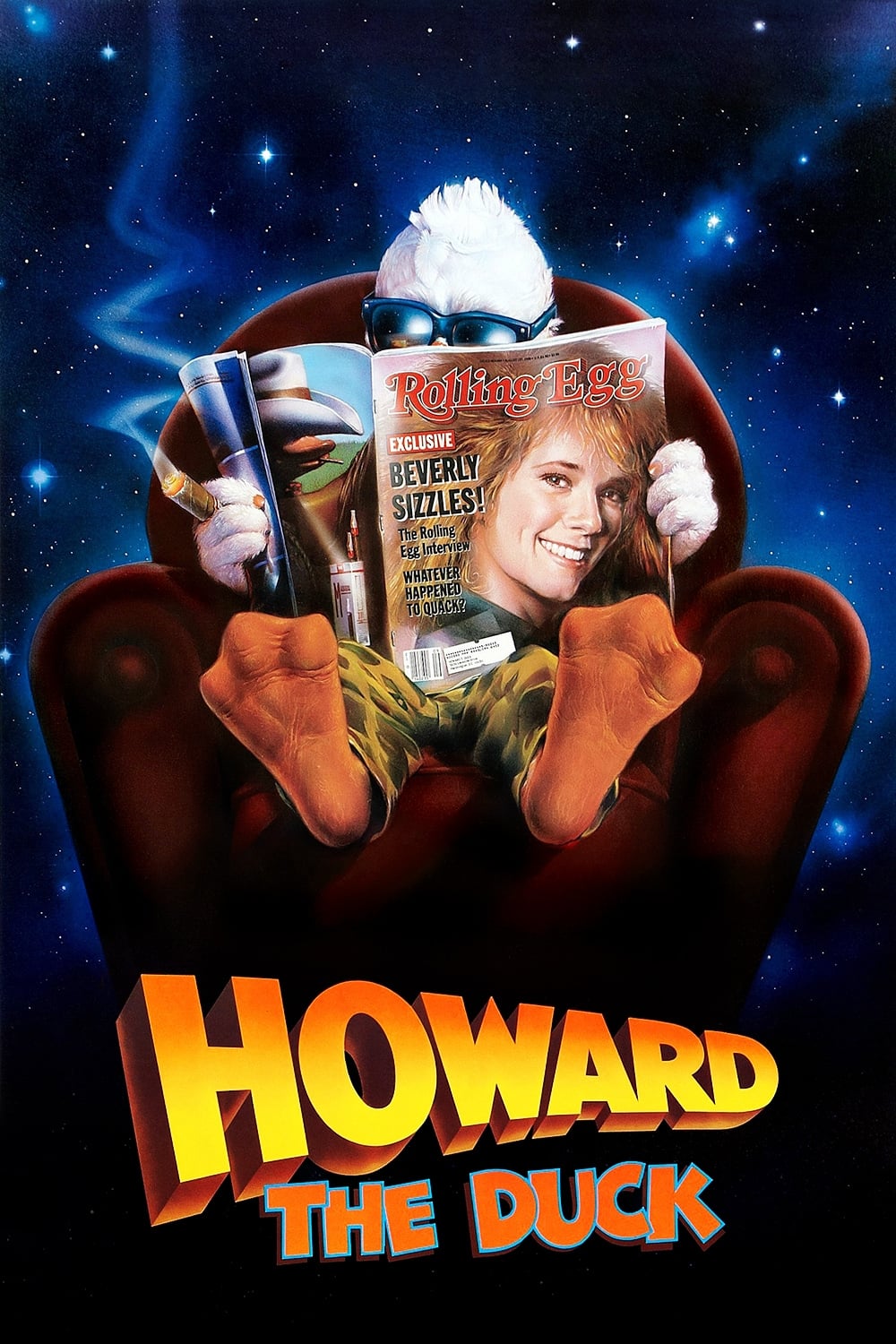
This film used animatronics and comic book influences to build an unusual fantasy adventure. Audiences struggled with its quirky tone and hybrid genre approach. Appreciation grew as viewers recognized its practical effects and offbeat creativity. Its legacy influenced discussions about early comic based cinema.
‘Big Trouble in Little China’ (1986)
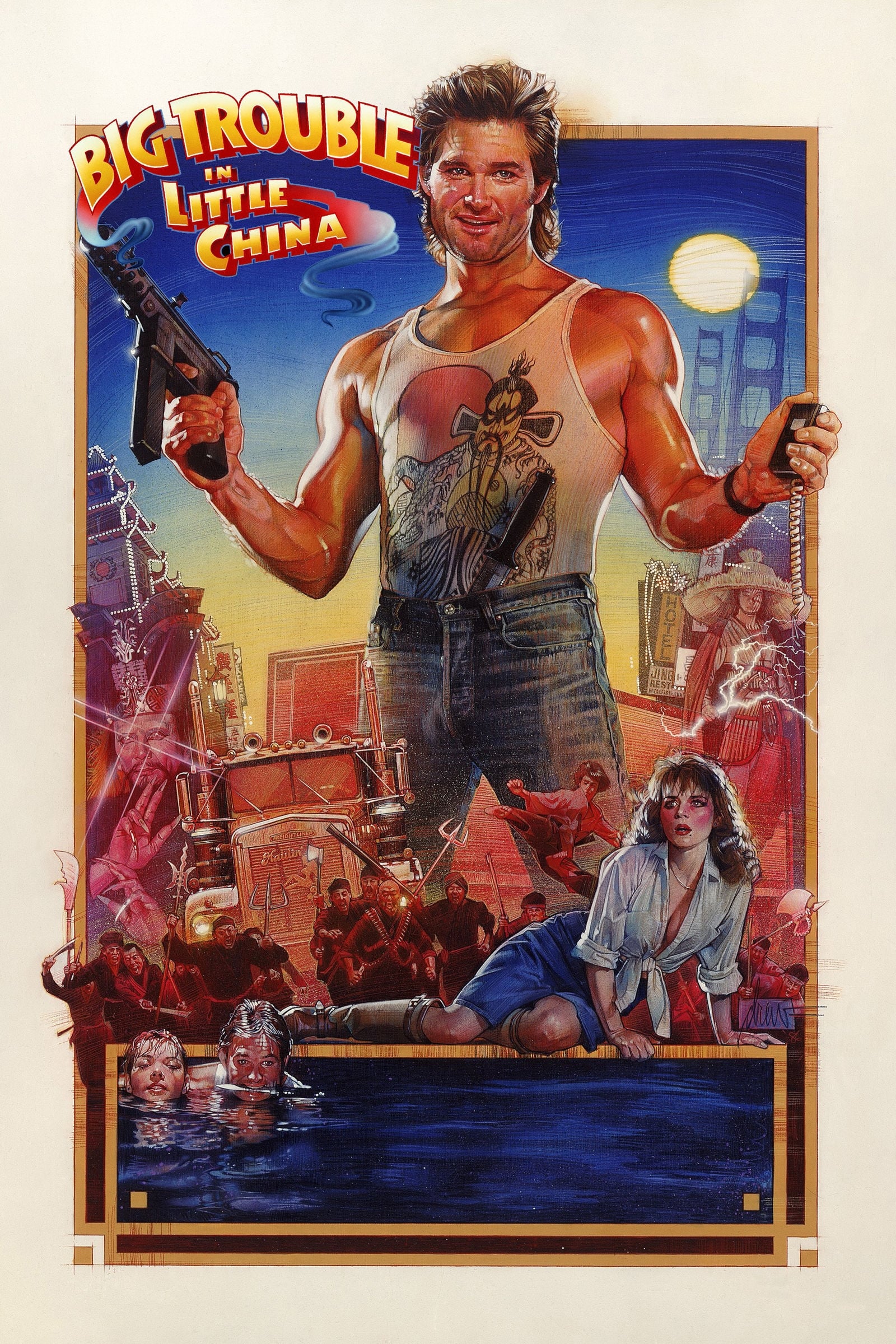
This film mixed martial arts fantasy with supernatural elements using elaborate sets and action choreography. It struggled in theaters due to marketing challenges. Later audiences enjoyed its playful reinterpretation of mythic characters. Its energetic style influenced future action comedies.
‘Labyrinth’ (1986)
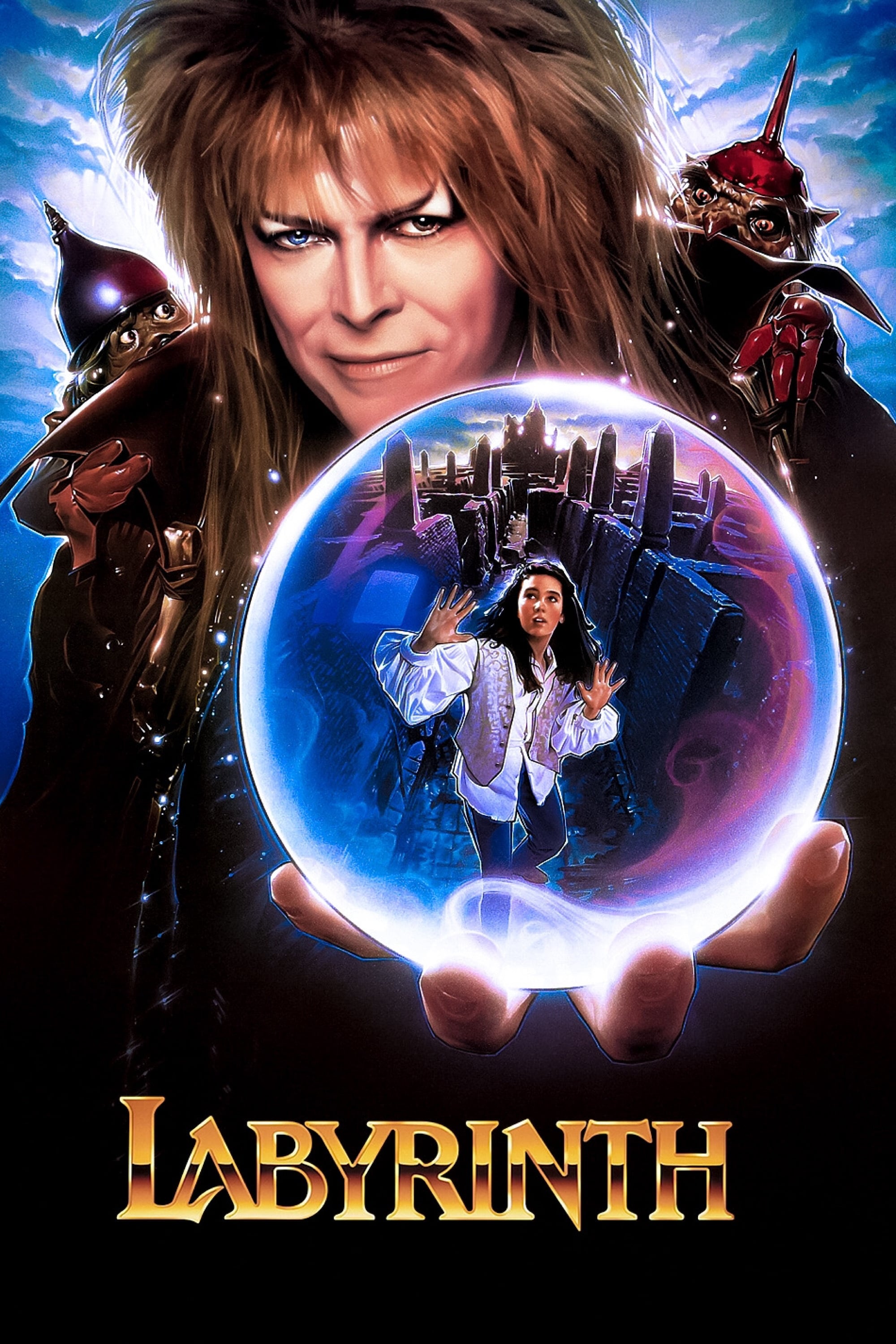
This production showcased imaginative creature work and musical storytelling. Its unusual blend of puppetry and fantasy initially limited its audience. Over time viewers admired its artistry and emotional themes. Its characters became iconic in fantasy culture.
‘The Last Starfighter’ (1984)
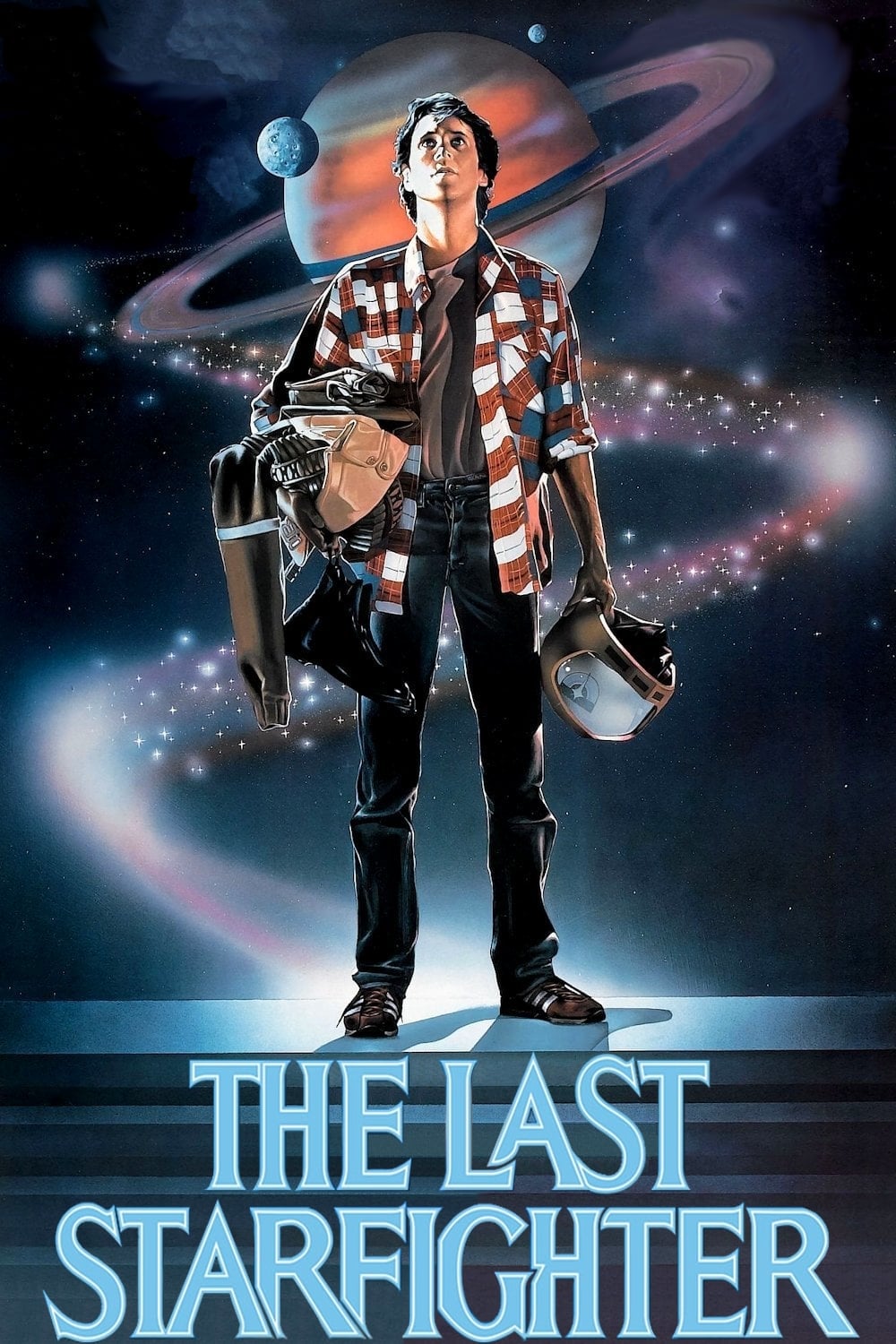
This film used early computer generated effects to create space battles that felt advanced for the time. Audiences were not yet accustomed to fully digital environments. Eventually the film was praised for its forward looking visual approach. Its premise helped inspire stories linking gaming and adventure.
‘The Black Cauldron’ (1985)

This animated feature introduced darker themes and ambitious visual designs that differed from traditional releases. Its tone surprised audiences expecting lighter material. Later viewers valued its artistry and experimental direction. It influenced future explorations of darker animated storytelling.
‘Flash Gordon’ (1980)
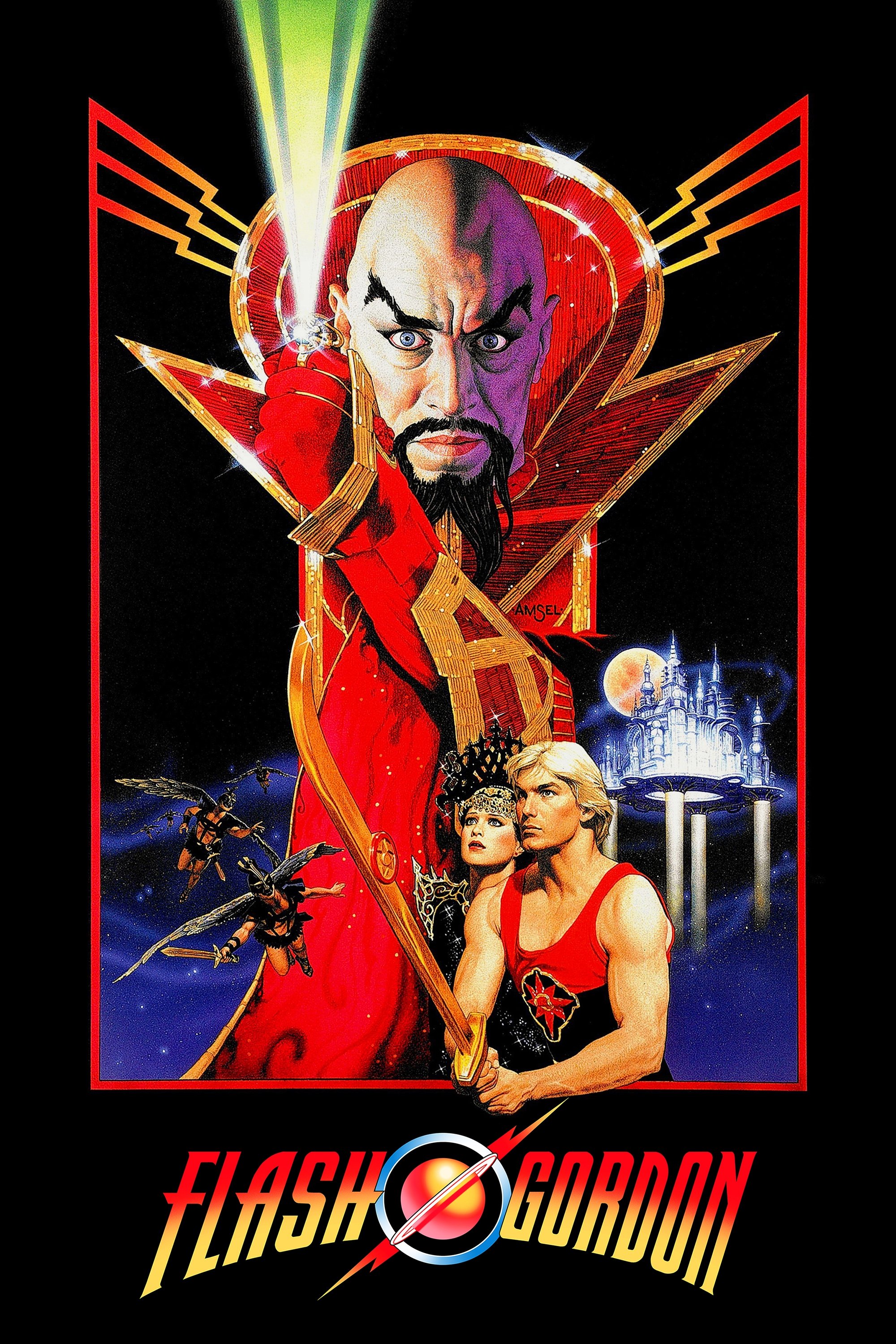
This film embraced bold color palettes and operatic production design. Its stylized tone did not align with mainstream tastes at release. Over time audiences embraced its distinctive aesthetic. Its visual choices influenced later retro inspired sci fi projects.
‘The Iron Giant’ (1999)
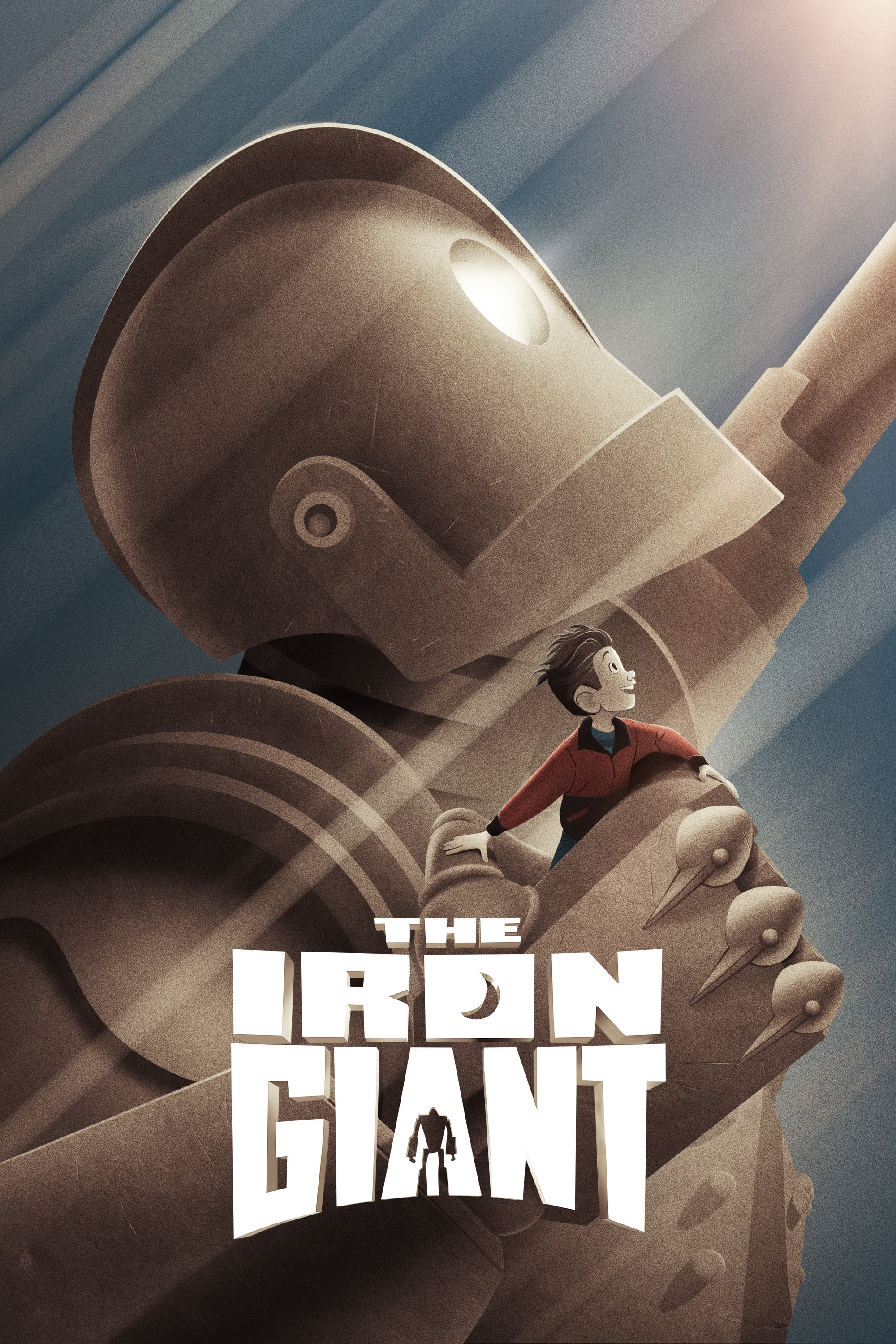
This animated film arrived with a thoughtful story about technology and empathy. It failed to gain attention due to limited marketing. Later it became appreciated for its emotional depth and character design. Its themes influenced later animated features focusing on friendship and identity.
‘The Fountain’ (2006)
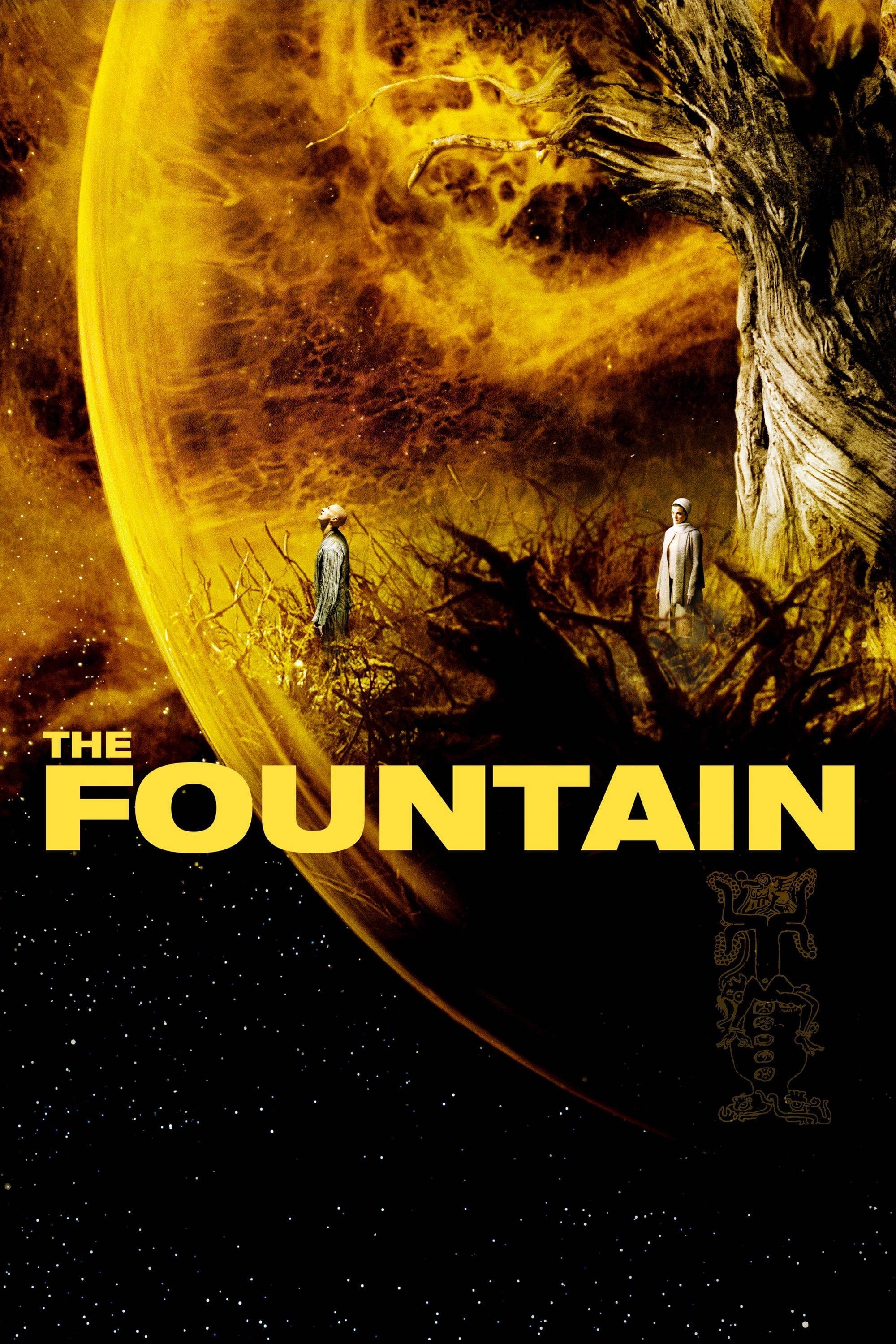
This film presented interconnected timelines exploring mortality through symbolic imagery. Its abstract structure challenged mainstream expectations. Over time viewers appreciated its visual ambition and thematic cohesion. Its approach influenced later nonlinear science fiction dramas.
‘Children of Men’ (2006)
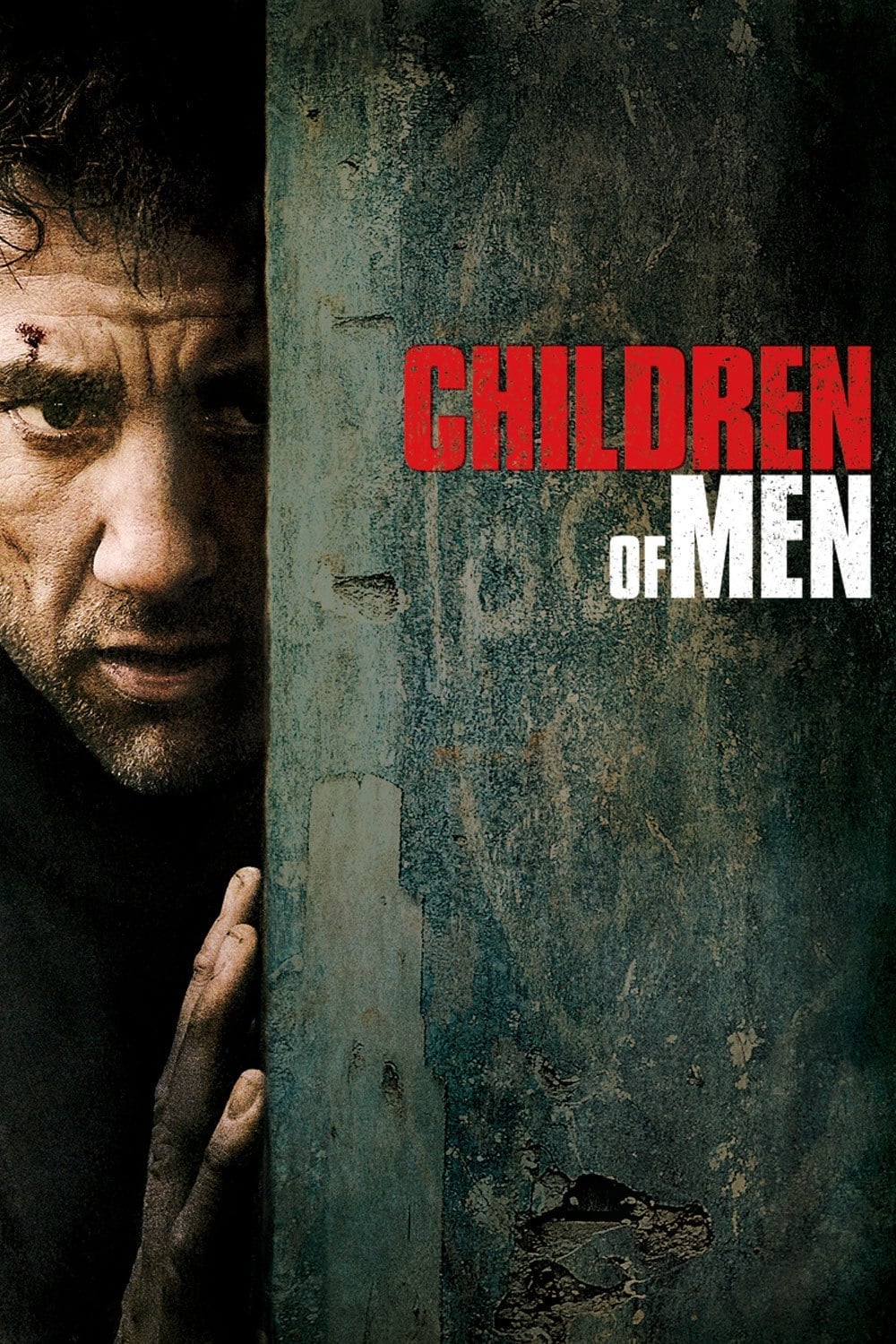
This production used long take cinematography to portray societal collapse in a grounded way. Early audiences did not fully connect with its bleak setting. Later it earned recognition for its innovative camerawork and timely themes. Its techniques influenced modern action filmmaking.
‘Speed Racer’ (2008)
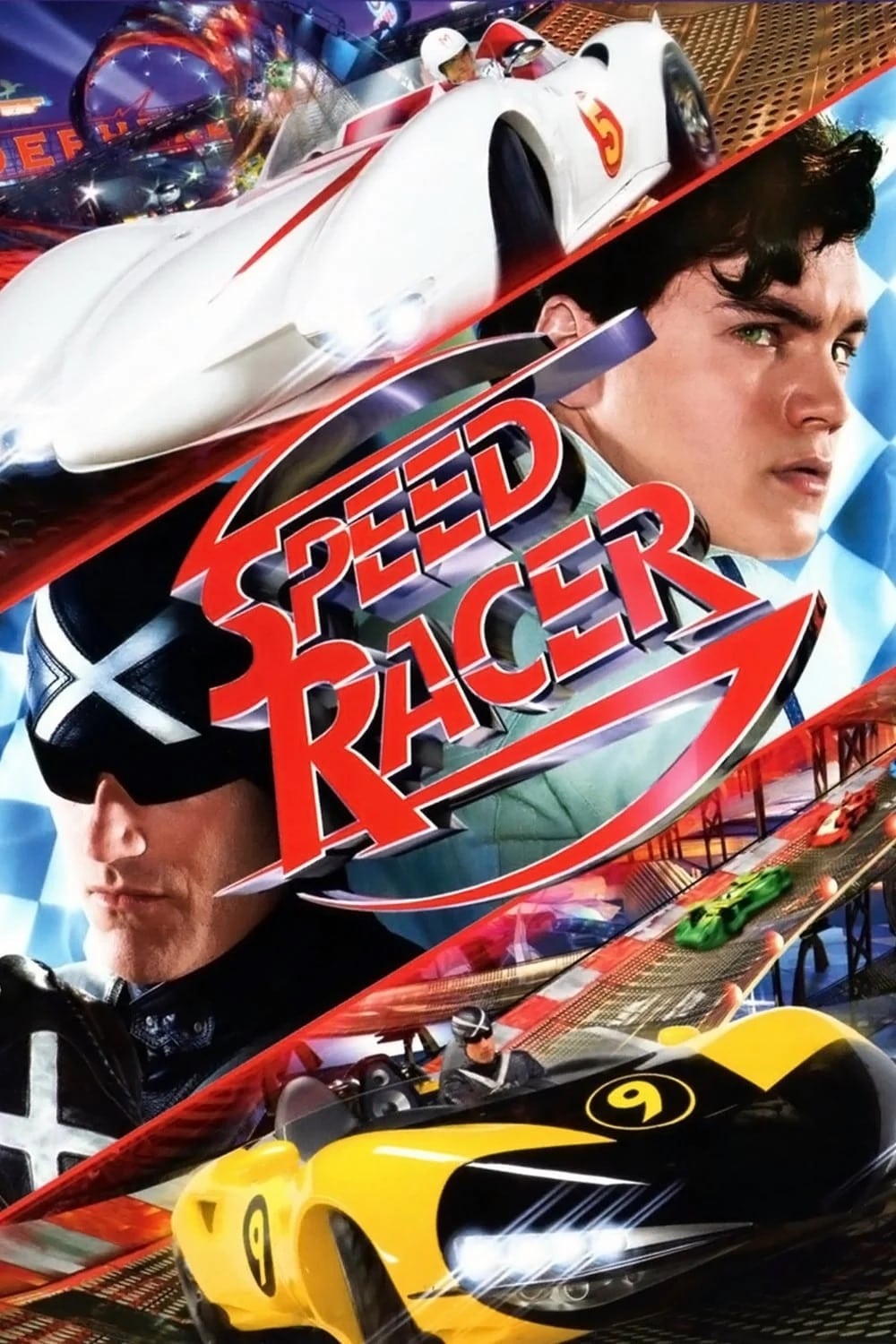
This film created a hyperstylized digital world using vibrant colors and motion driven editing. The unfamiliar look confused viewers during its release. With time audiences recognized its technical experimentation. Its visual style influenced discussions about digital aesthetics in action cinema.
‘A.I. Artificial Intelligence’ (2001)
This film blended emotional storytelling with futuristic concepts about machine consciousness. Audiences struggled with its unusual pacing. Later viewers valued its thematic complexity and visual detail. Its narrative informed later depictions of artificial life.
‘Cloud Atlas’ (2012)
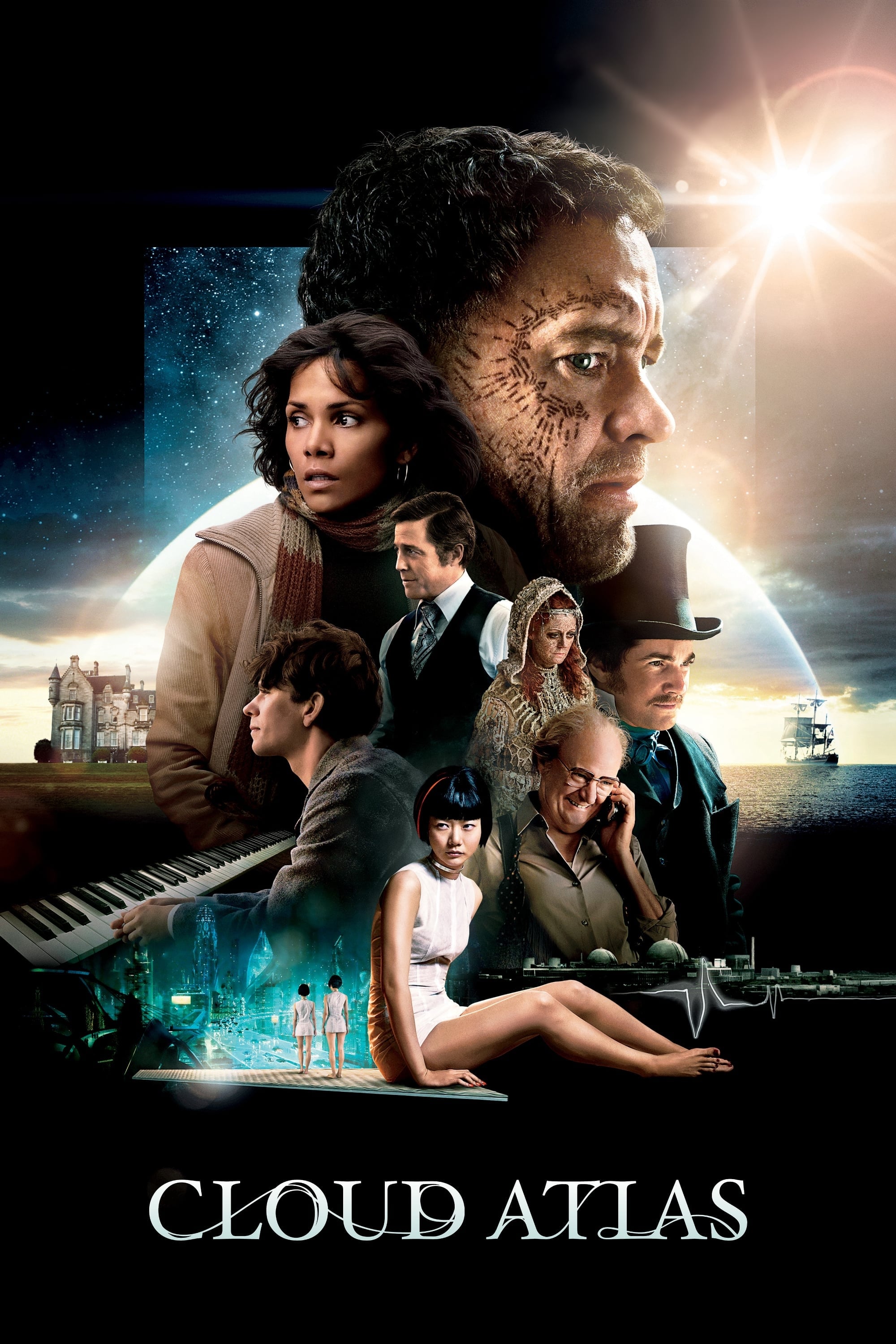
This production interwove multiple timelines to explore recurring themes of connection. Its ambitious structure required close attention that many viewers missed at release. Later audiences appreciated its scope and interlinked storytelling. Its approach influenced epics that combine multiple narratives.
‘John Carter’ (2012)
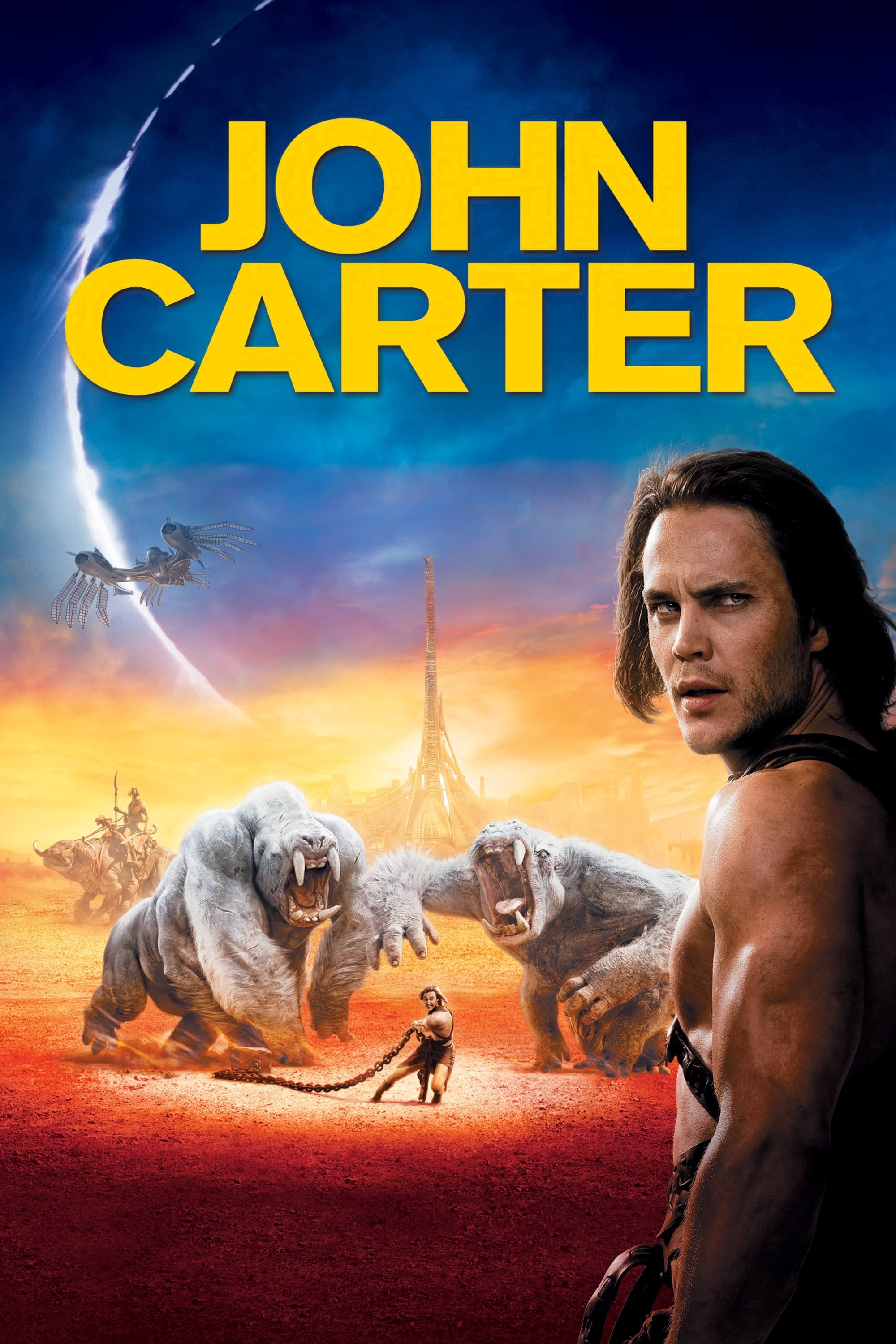
This film adapted early planetary adventure literature with large scale effects. Marketing issues led to confusion about its premise. Later viewers recognized the influence its source material had on future sci fi works. Its world building earned respect among genre fans.
‘The BFG’ (2016)

This film used advanced motion capture to bring a giant character to life. Its gentle tone made it difficult to position in a blockbuster landscape. Over time audiences appreciated its detailed visual work. Its techniques influenced later effects driven character films.
‘Tomorrowland’ (2015)
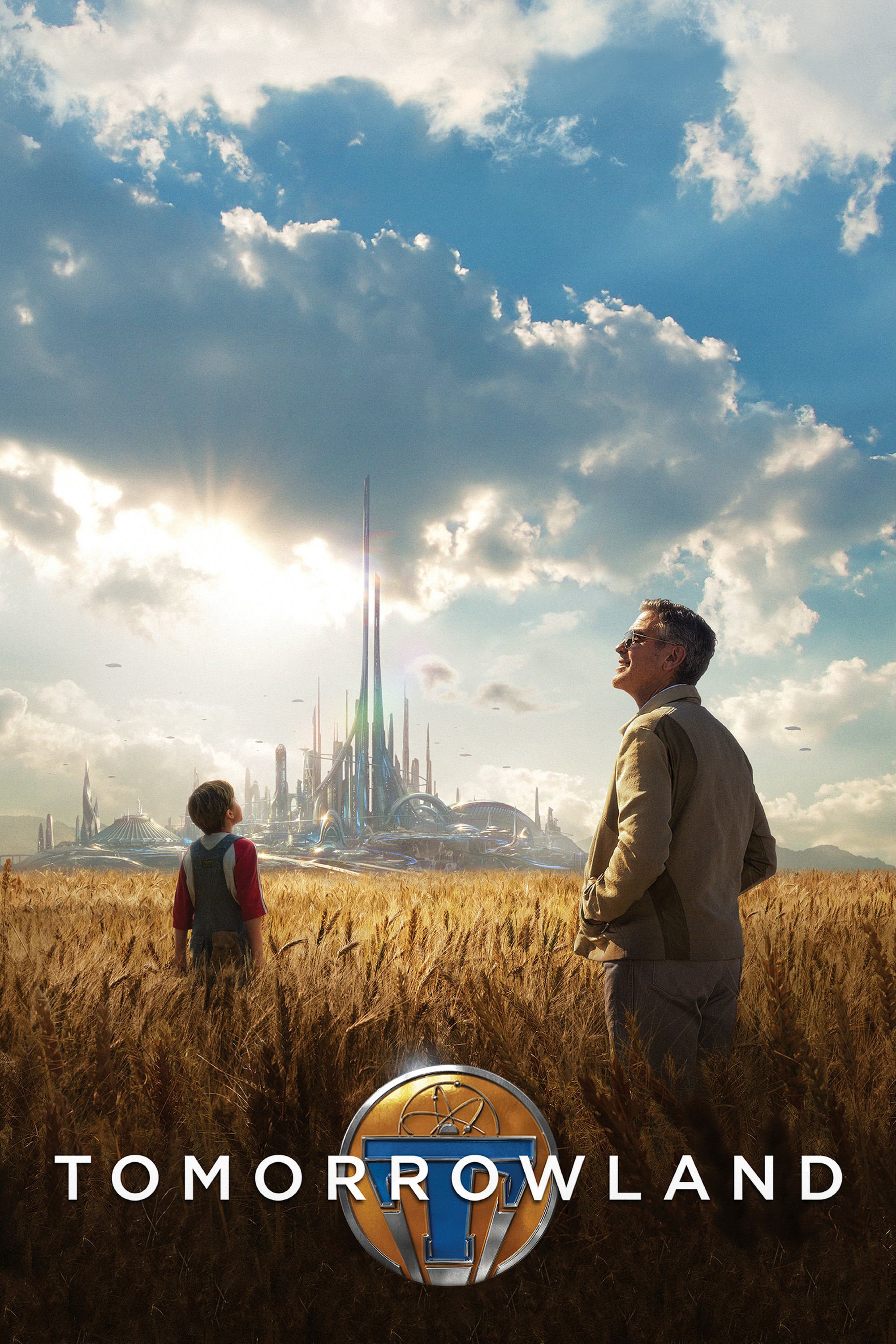
This film presented an optimistic vision of innovation tied to futurist design. Its message proved challenging to market in a competitive landscape. Later viewers valued its imaginative settings and thematic focus on creativity. Its production design influenced discussions about hopeful sci fi storytelling.
‘Waterworld’ (1995)
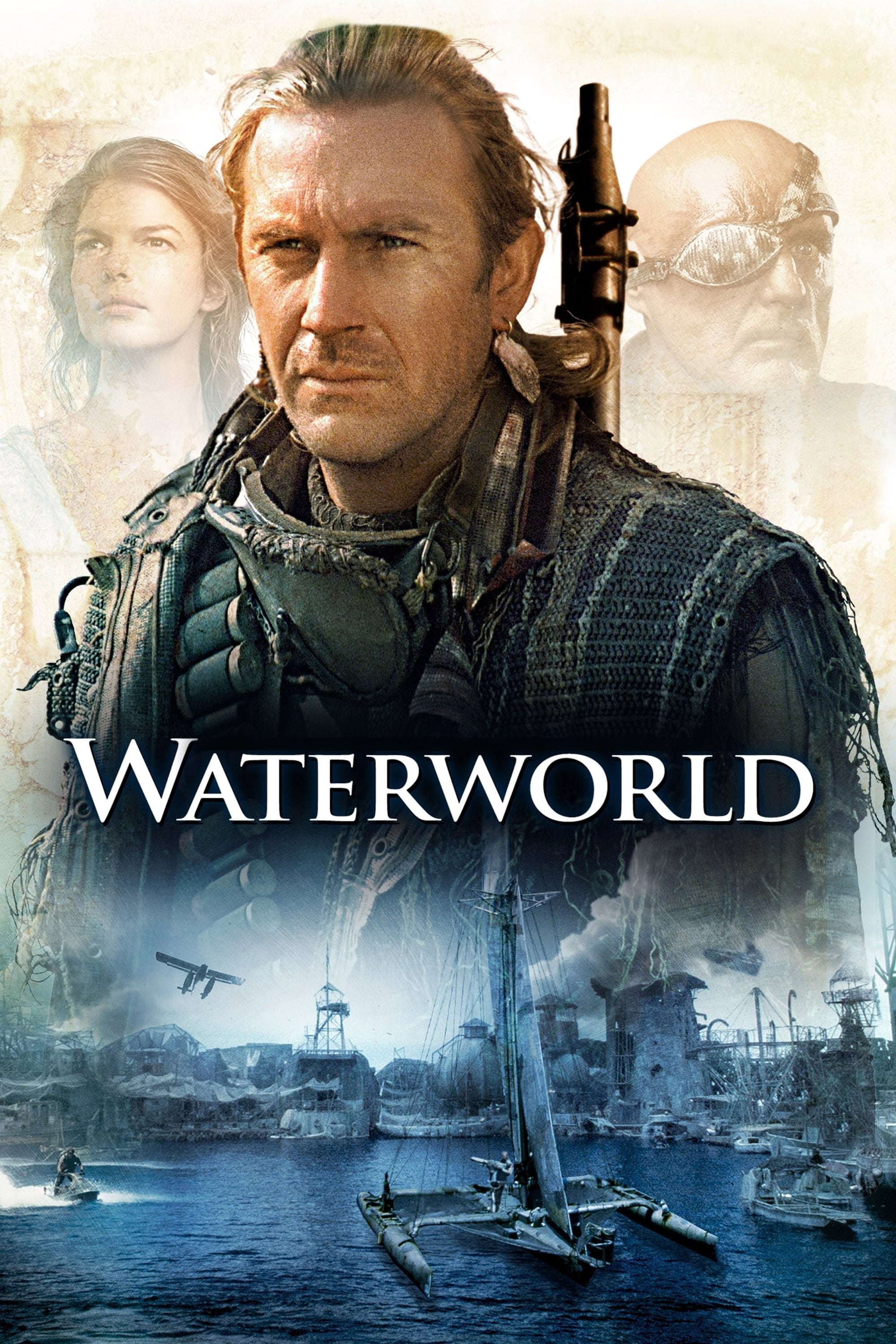
This film built extensive floating sets and practical environments for its aquatic society. Its high production costs overshadowed its inventive world building. Later audiences recognized the scale of its craftsmanship. Its approach influenced later post apocalyptic adventure films.
‘Hugo’ (2011)

This film blended historical storytelling with advanced 3D technology. Its quiet tone made it less commercially appealing. Over time viewers appreciated its craftsmanship and homage to early cinema. Its creative design supported future uses of immersive visual techniques.
‘The Prestige’ (2006)
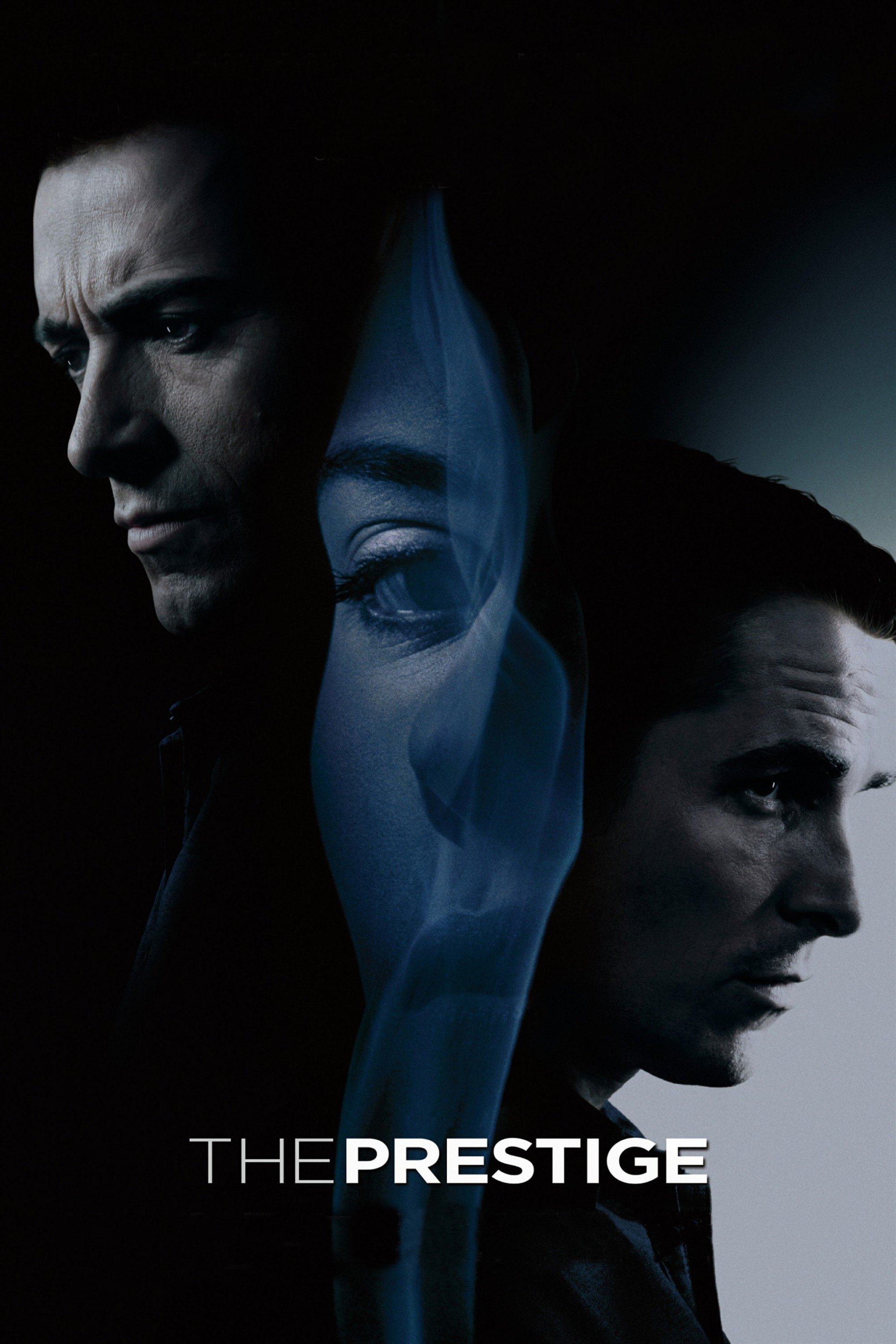
This film layered themes of rivalry and scientific exploration through a carefully structured narrative. Its complex plot initially confused some audiences. Later viewers valued its precise storytelling and atmospheric design. Its structure influenced later mystery driven dramas.
‘Scott Pilgrim vs. the World’ (2010)
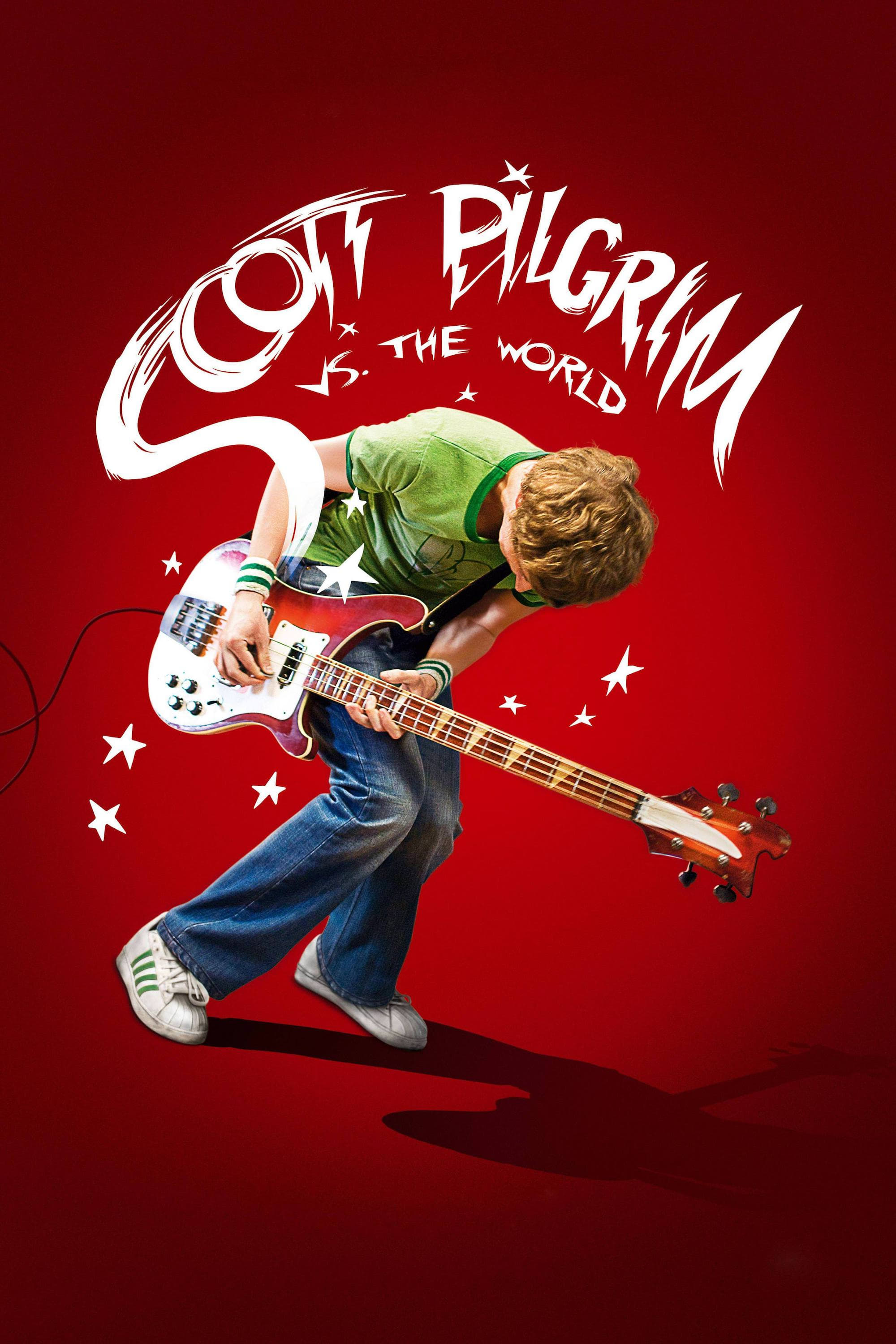
This film used stylized editing, graphic elements and musical sequences to reinterpret comic book storytelling. Its unconventional format limited its early reach. Over time its energetic style gained appreciation. Its visual approach influenced many action comedies.
‘The Fall’ (2006)
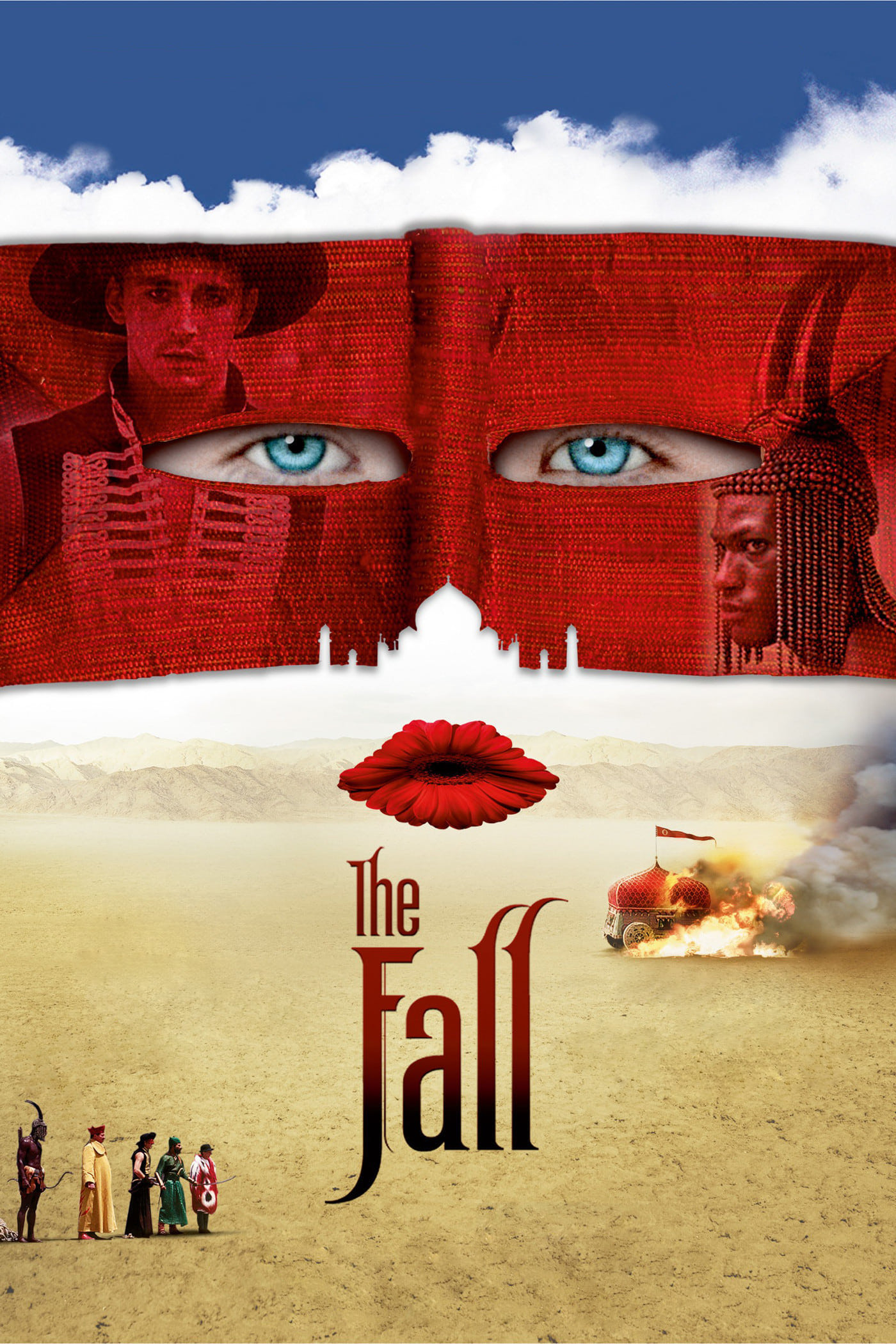
This film used global locations and vivid imagery to support its story about imagination. Its art driven presentation made it a niche release. Later audiences admired its visual ambition and emotional core. Its aesthetic inspired filmmakers who embrace practical location based artistry.
‘The Assassination of Jesse James by the Coward Robert Ford’ (2007)
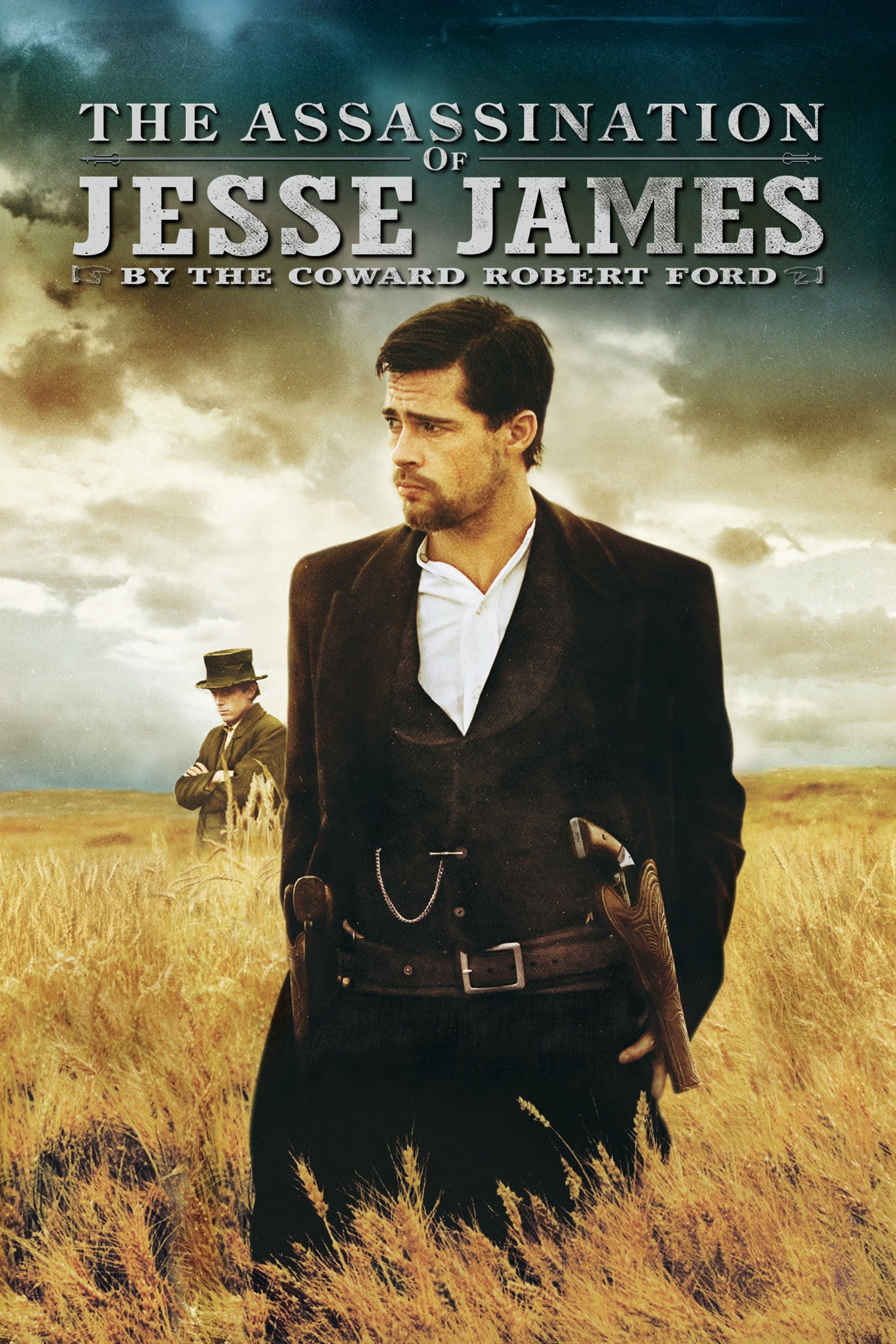
This film applied lyrical cinematography and character driven storytelling to a historical narrative. Its slow pace affected early reception. Viewers later valued its atmospheric design and detailed performances. Its visual style influenced modern westerns.
‘The Nice Guys’ (2016)
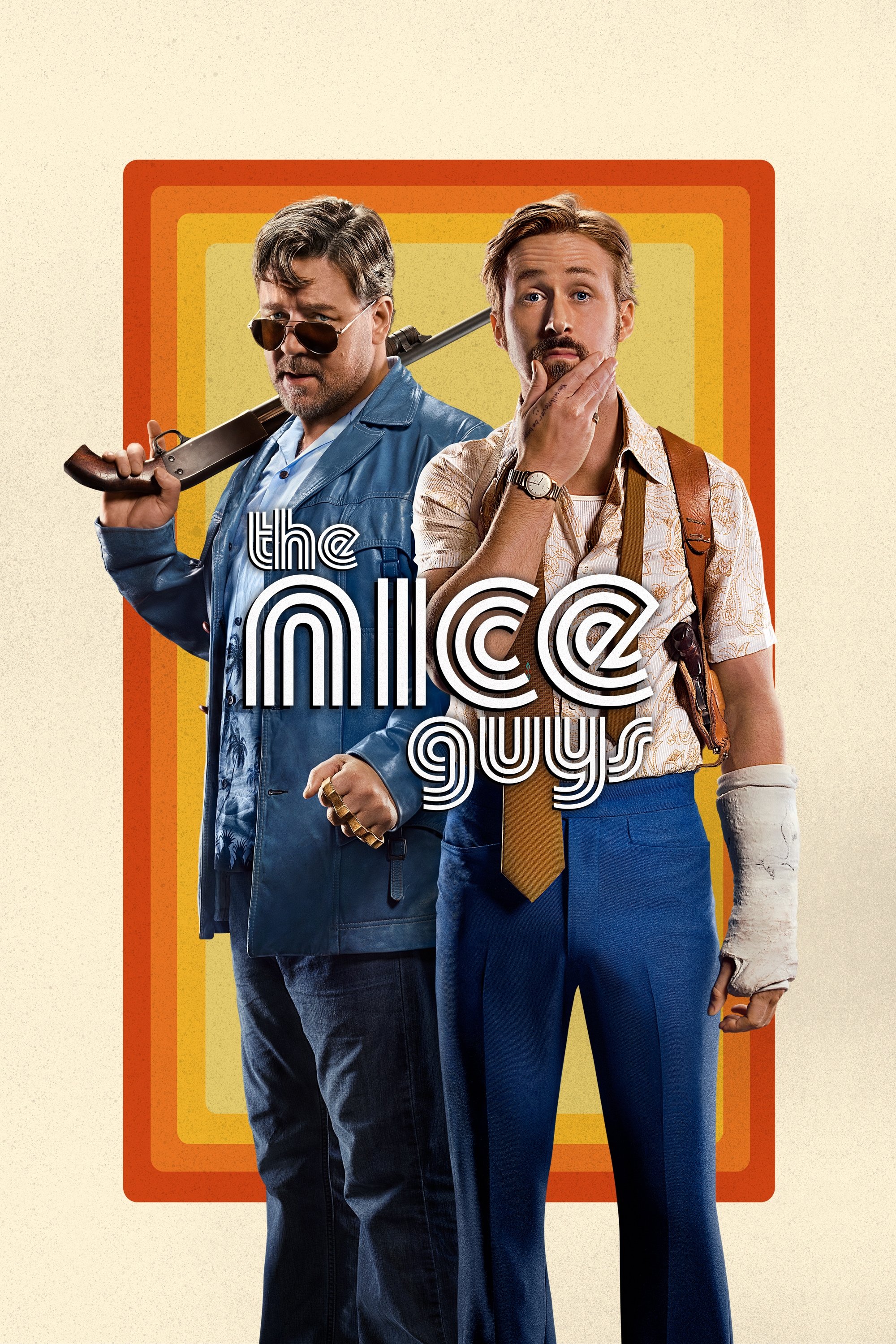
This film blended comedy and detective elements with period inspired design. It struggled commercially despite strong craftsmanship. Over time audiences enjoyed its chemistry driven narrative. Its structure influenced later buddy detective stories.
‘Atlantis: The Lost Empire’ (2001)

This animated film incorporated stylized architecture and linguistic world building inspired by historical research. Audiences used to musical formats found it unusual. Later its adventurous tone and unique visuals earned appreciation. Its design influenced later animated action adventures.
‘Treasure Planet’ (2002)
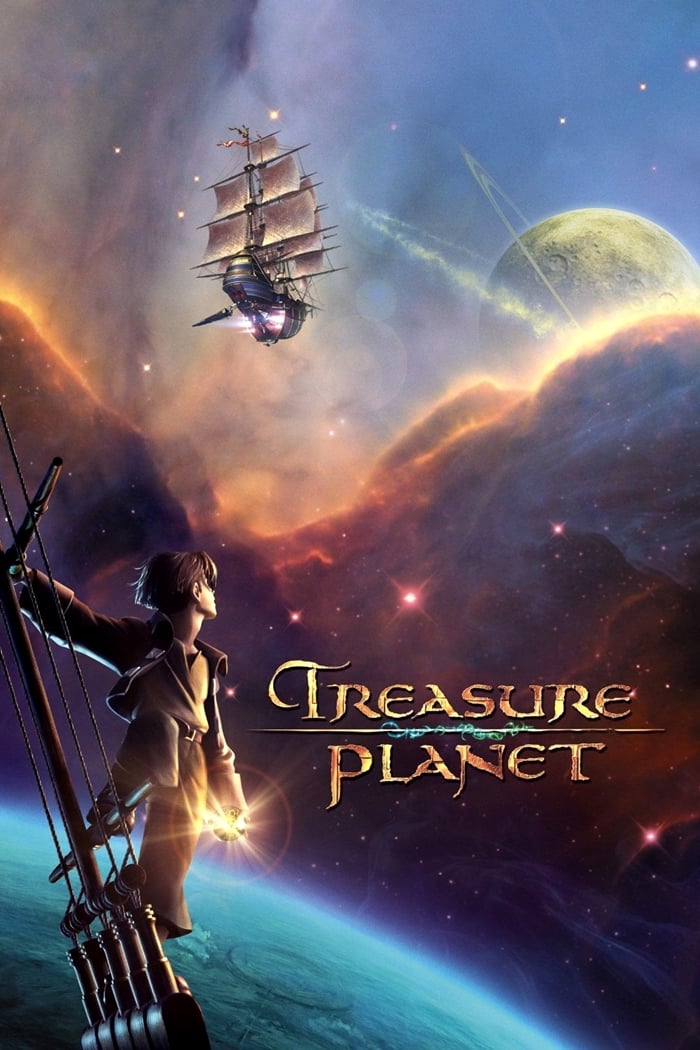
This film mixed traditional animation with digital techniques to create a sci fi reinterpretation of a classic tale. Marketing difficulties limited its success. Over time viewers valued its hybrid animation and imaginative technology. Its approach supported future experimental animated features.
‘The Village’ (2004)
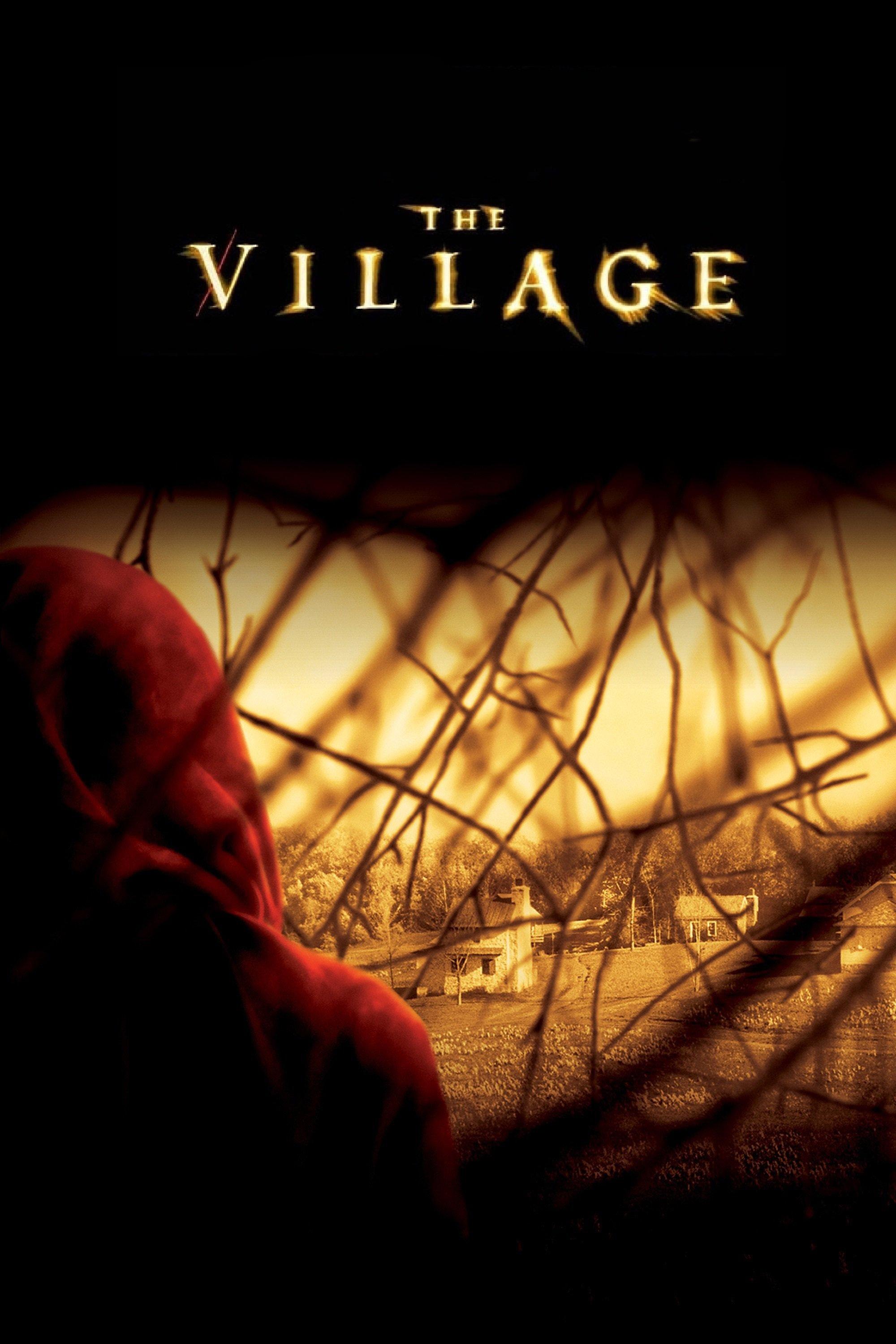
This film presented a period community with psychological themes tied to fear and isolation. Audiences expected a different type of story and misunderstood its focus. Later its atmosphere and thematic depth gained recognition. Its narrative ideas influenced later psychological dramas.
‘Dark City’ (1998)
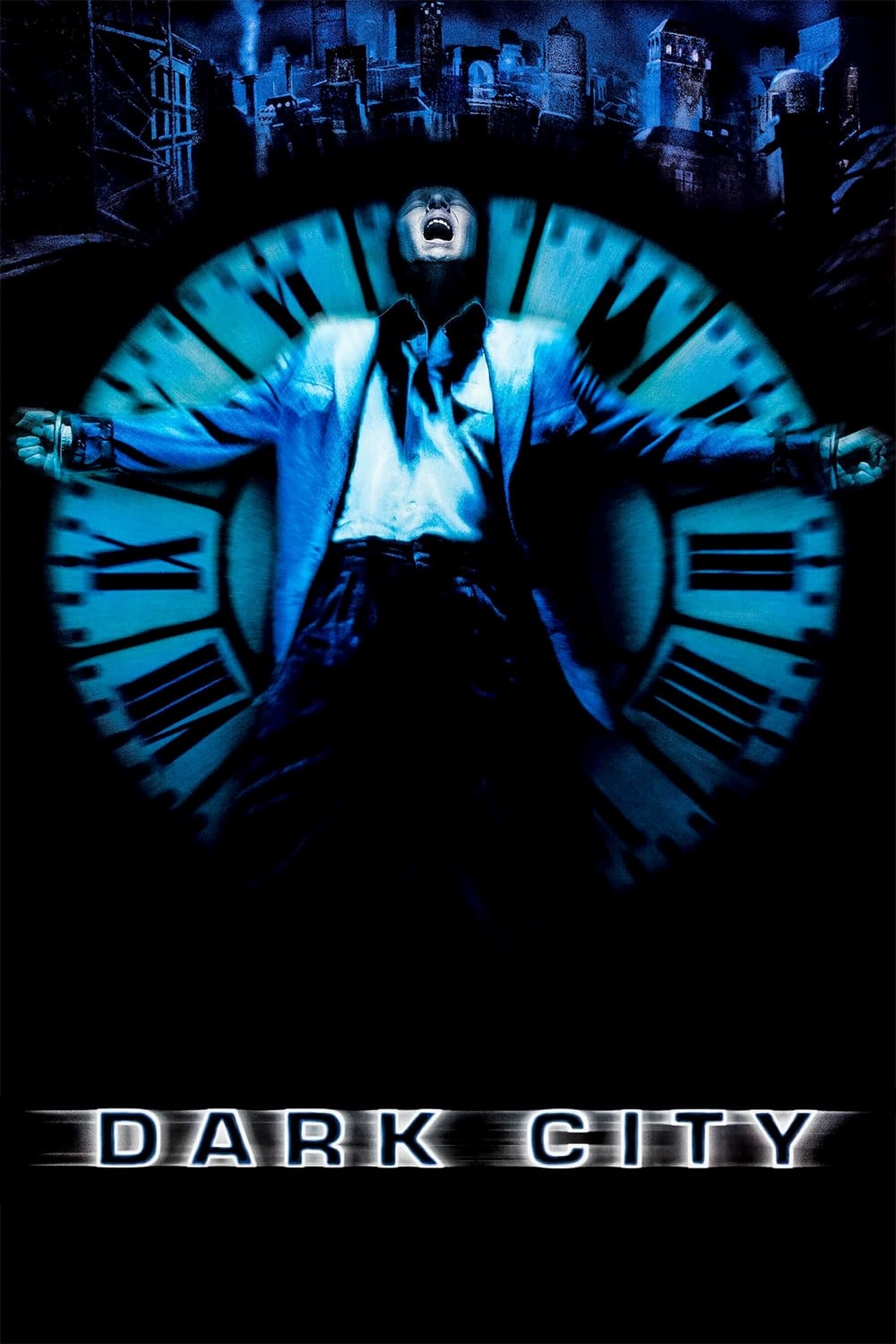
This film constructed a shifting urban world using imaginative production design. Its release was overshadowed by competing titles with similar themes. Later viewers appreciated its originality and visual sophistication. Its concepts informed later explorations of identity and reality.
‘Strange Days’ (1995)
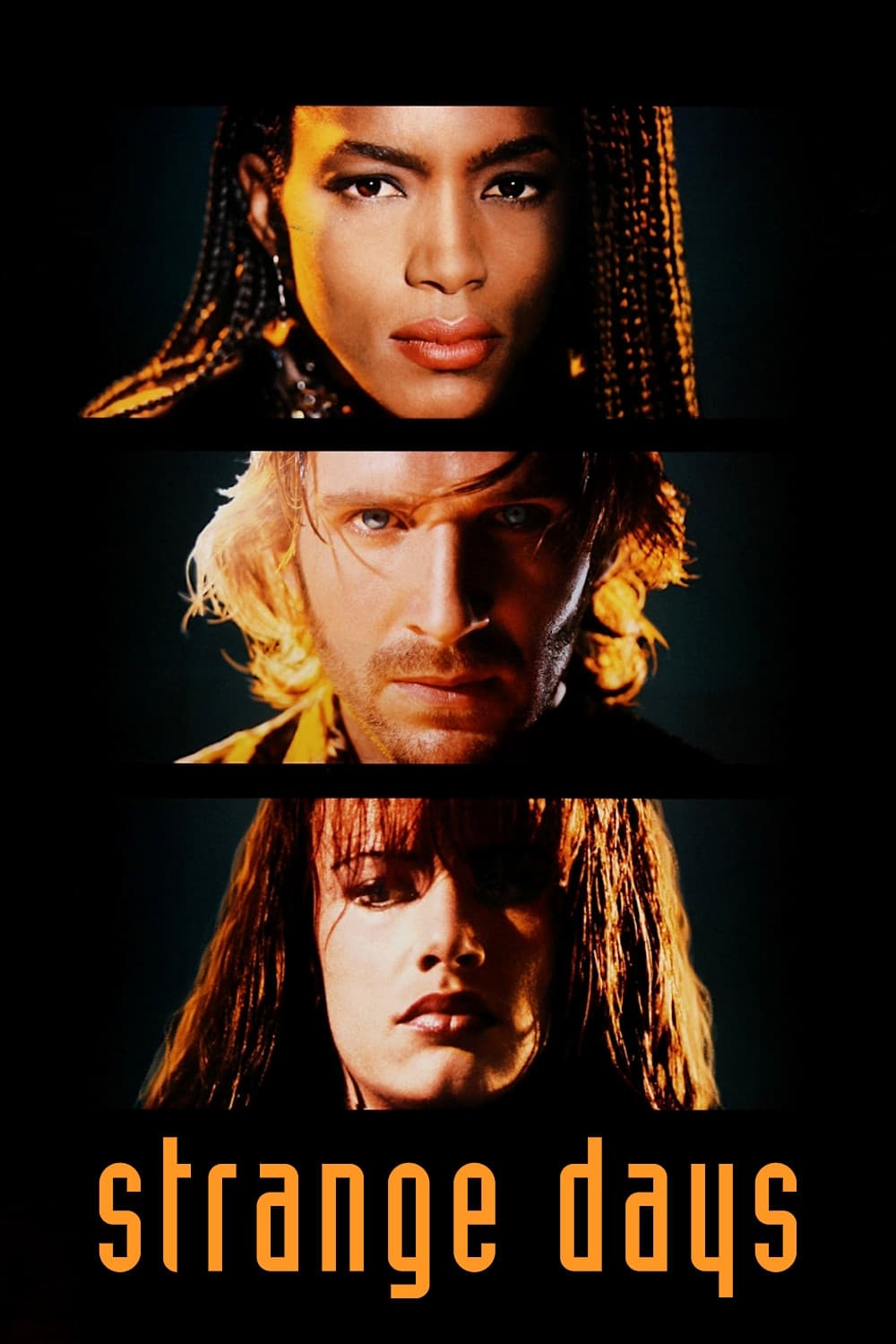
This film combined near future technology with social commentary and immersive camera techniques. Its themes proved ahead of its time. Later audiences recognized its bold depiction of memory technology. Its ideas influenced later sci fi works exploring virtual experiences.
‘The Cable Guy’ (1996)
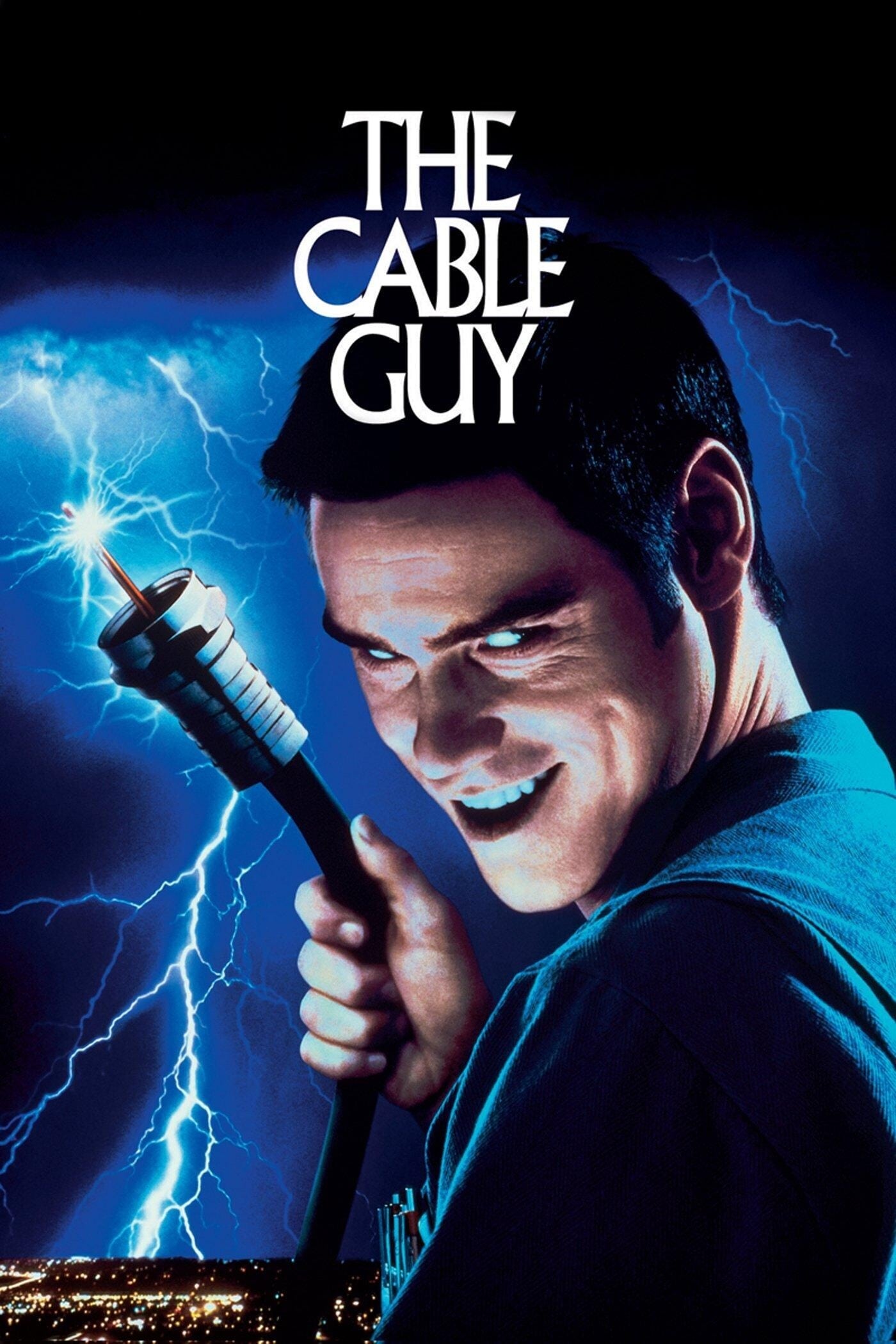
This film applied a darker comedic style that contrasted with expectations for its lead actor. Audiences were unprepared for its tone. Later viewers valued its commentary on media obsession. Its style influenced later black comedies.
‘Meet the Robinsons’ (2007)

This animated film used inventive time travel concepts tied to themes of innovation. Its release faced strong competition. Later audiences appreciated its positive message and creative designs. Its world building influenced future family oriented sci fi features.
‘The Hudsucker Proxy’ (1994)
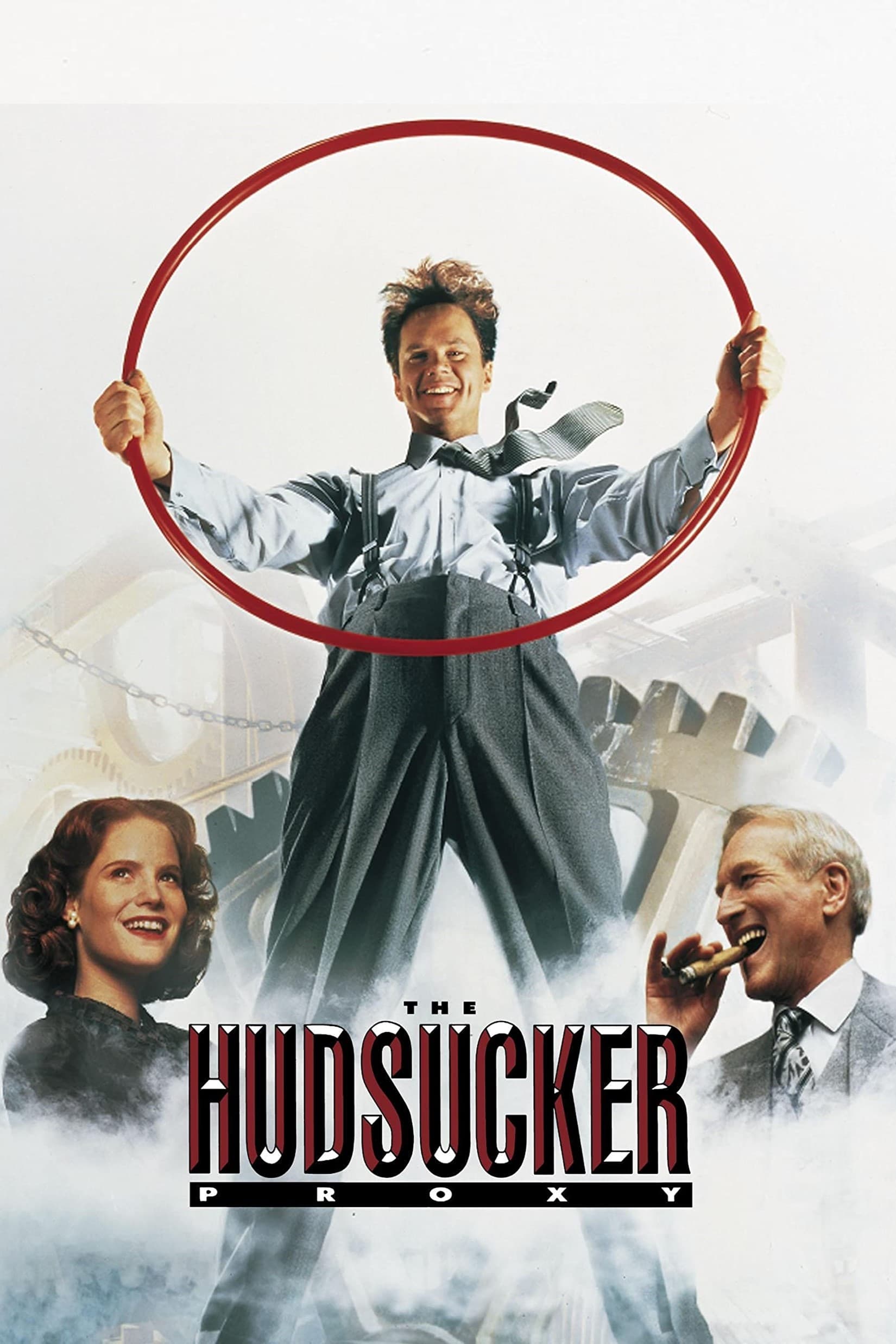
This film blended stylized period design with rapid fire dialogue. Its unusual tone made box office success difficult. Later its craftsmanship and production detail earned admiration. Its visual style influenced retro inspired storytelling.
‘Only Lovers Left Alive’ (2013)

This film reimagined vampire mythology through a focus on culture and creativity. Its quiet pacing limited mainstream appeal. Later audiences valued its atmospheric design and thematic richness. Its approach inspired later character driven supernatural films.
‘Mortal Engines’ (2018)
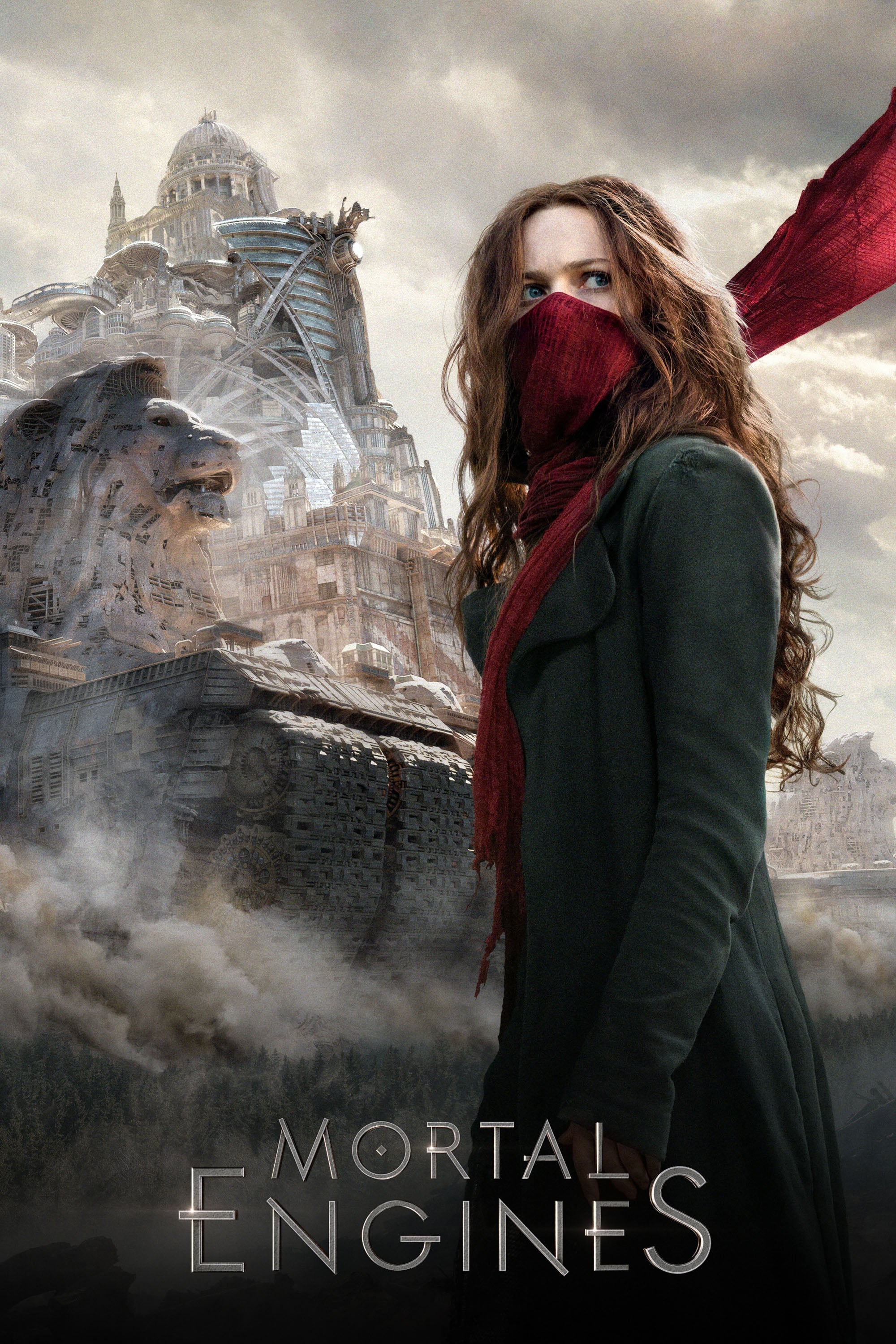
This film introduced mobile cities and large scale effects to depict a reimagined future. Marketing challenges reduced interest during release. Over time viewers recognized its ambitious world building. Its designs influenced discussions about large scale practical and digital integration.
‘The New World’ (2005)
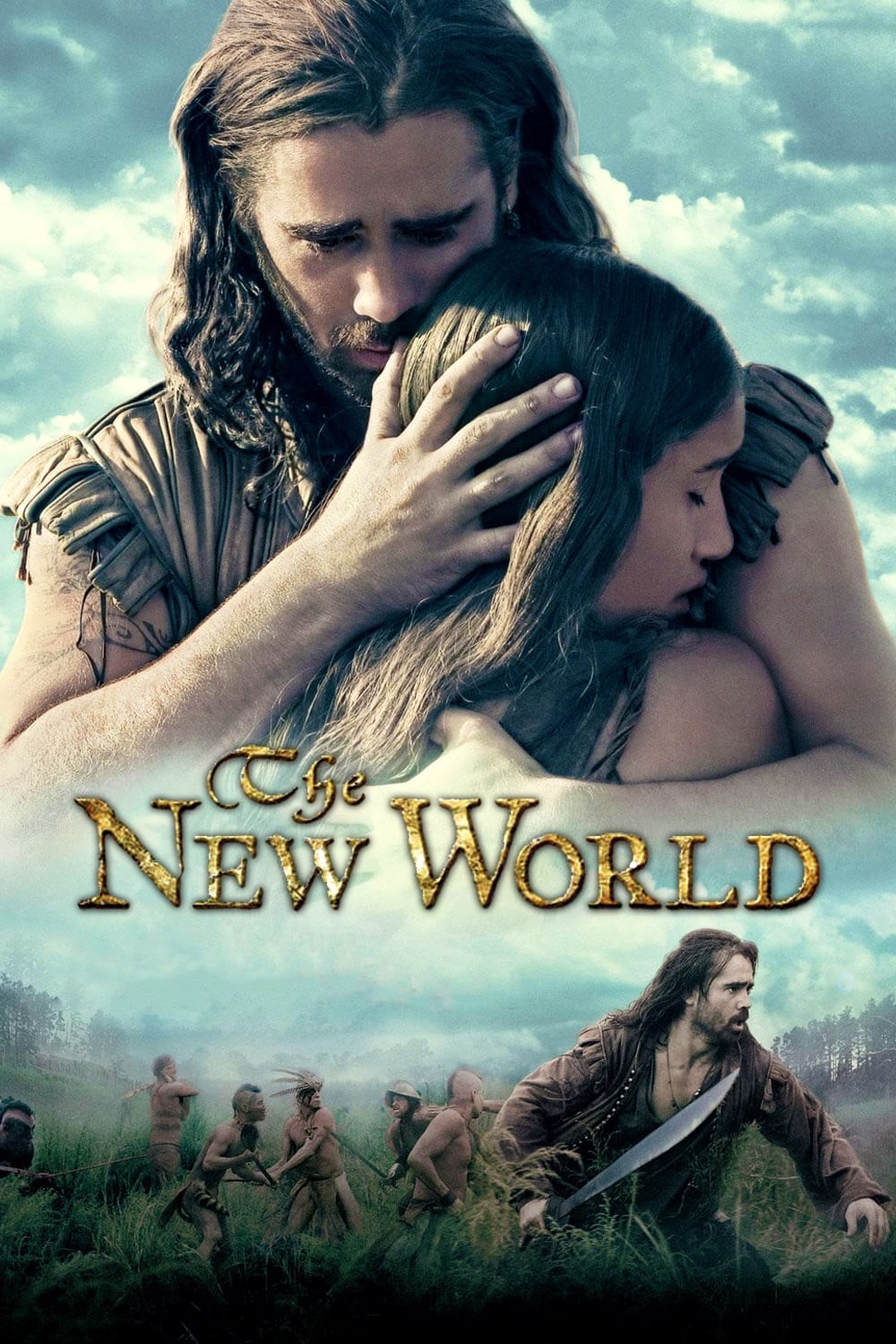
This film used natural lighting and immersive camerawork to portray early colonial encounters. Its meditative pacing limited immediate appeal. Later viewers valued its visual authenticity and thematic layers. Its techniques influenced filmmakers seeking organic cinematography.
‘Annihilation’ (2018)
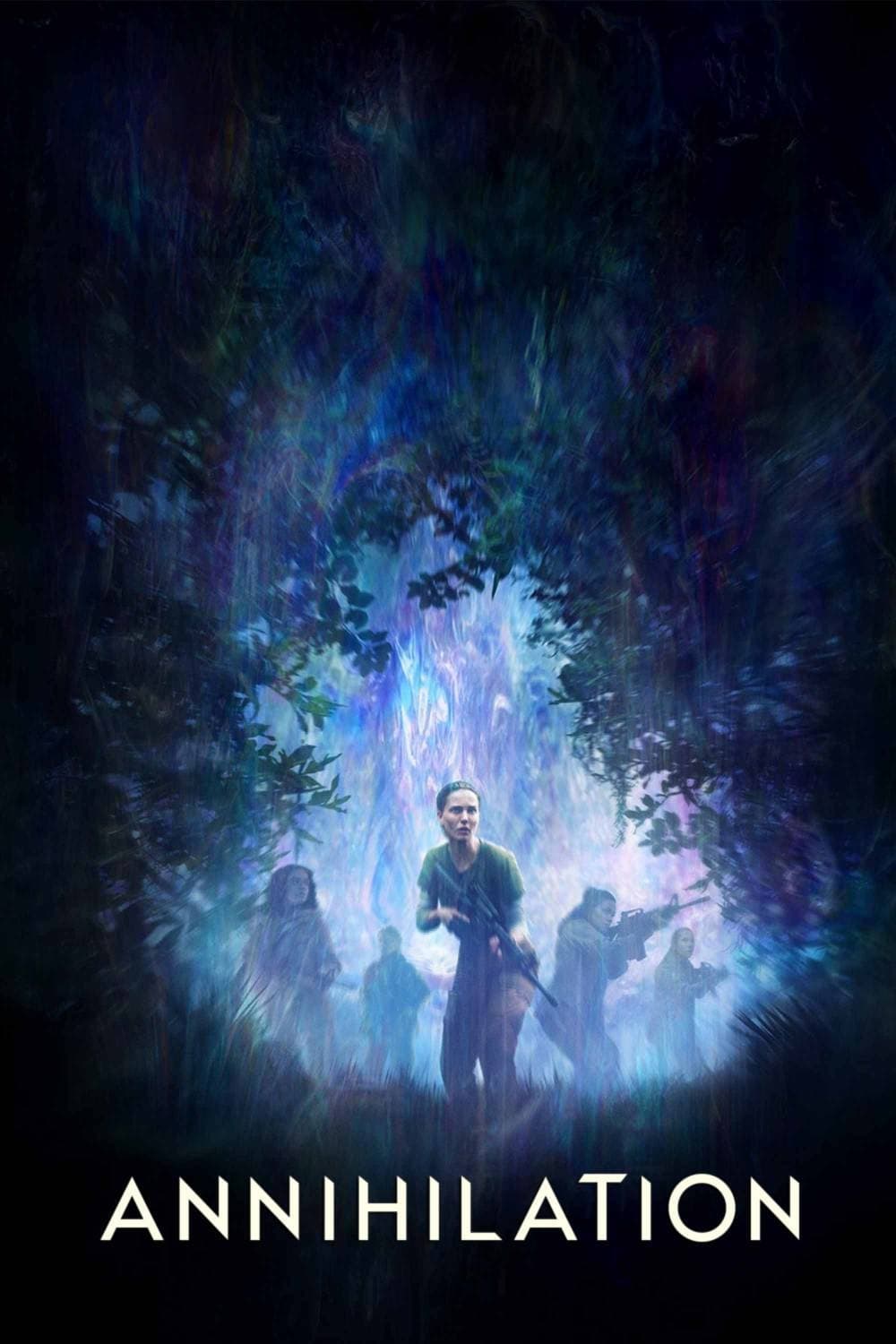
This film blended surreal imagery with scientific themes about transformation. Its abstract tone led to a limited theatrical run. Later audiences appreciated its bold visuals and atmospheric structure. Its approach informed later science fiction that embraces ambiguity.
‘Edge of Tomorrow’ (2014)
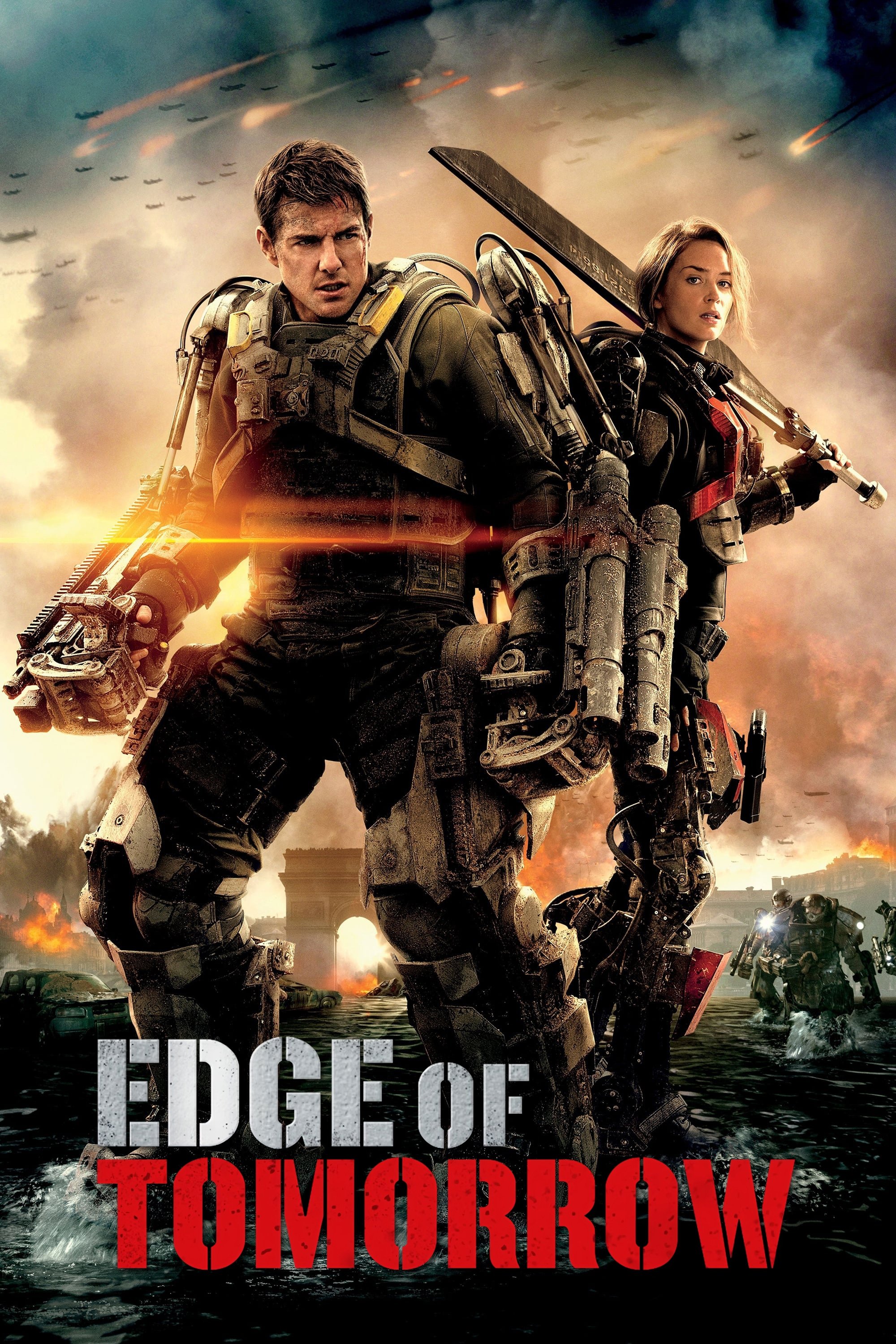
This film built a time loop narrative around military sci fi elements with detailed choreography. Its marketing caused confusion about its premise. Later viewers recognized its strong world building and tightly constructed action. Its innovative structure influenced future time loop films.
Share your thoughts on which ambitious flops you believe deserved more appreciation in the comments.