Movie Roles Where Actresses Lied To Our Faces



Sometimes the most unforgettable performances are the ones where a character’s lies pull us in and make us question everything we think we know. This list looks at actresses who played characters that deceived people on screen, whether it was the audience, other characters, or both. Each entry highlights a specific role where the story hinged on a well delivered falsehood or a carefully maintained double life. These performances show how convincing a lie can be when it serves the plot and keeps viewers guessing right up to the end.
Rosamund Pike

In ‘Gone Girl’, Rosamund Pike plays Amy Dunne, who stages her own disappearance and plants elaborate evidence to frame her husband. The character keeps meticulous diaries that mislead police and media while she hides in plain sight. The film details how she alters her appearance, rehearses a backstory, and manipulates timelines to sell the hoax. Her return includes another fabricated account that closes the investigation and traps those around her.
Amy Adams
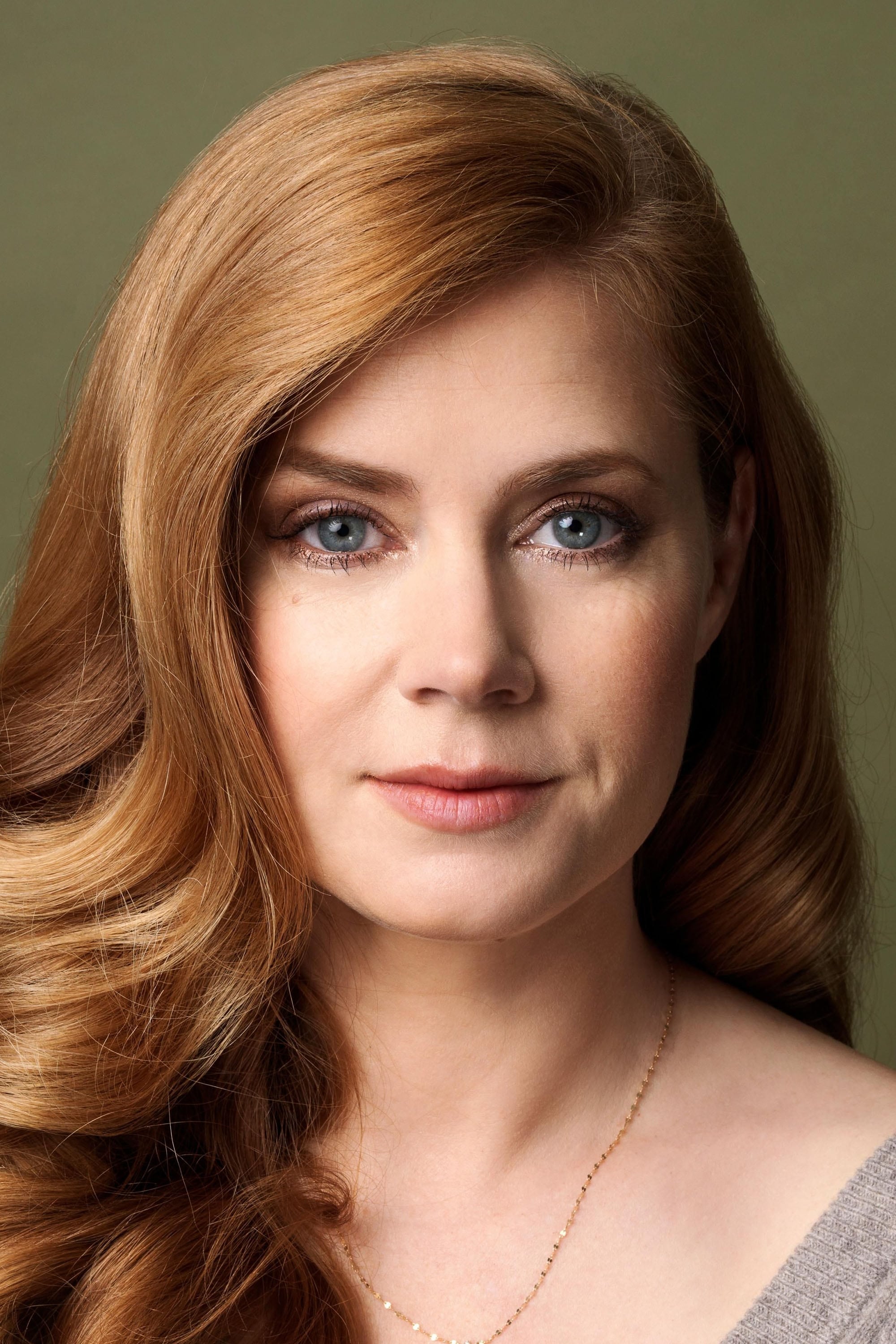
In ‘American Hustle’, Amy Adams portrays Sydney Prosser, a con artist who invents a British alter ego to gain trust from marks and officials. The character keeps the accent and persona even in high pressure situations with federal agents. She uses forged documents and staged meetings to make the scheme look legitimate. The plot shows how her double life complicates loyalties and blurs the line between the scam and the truth.
Emma Stone

In ‘Easy A’, Emma Stone’s Olive Penderghast pretends to have a scandalous social life to boost her visibility at school. The story shows how a single invented story spreads through rumors and grows into a false reputation. She accepts gift cards and favors to continue the act for classmates who want to borrow the lie. The consequences include disciplinary action and lost friendships before she publicly corrects the record.
Sharon Stone
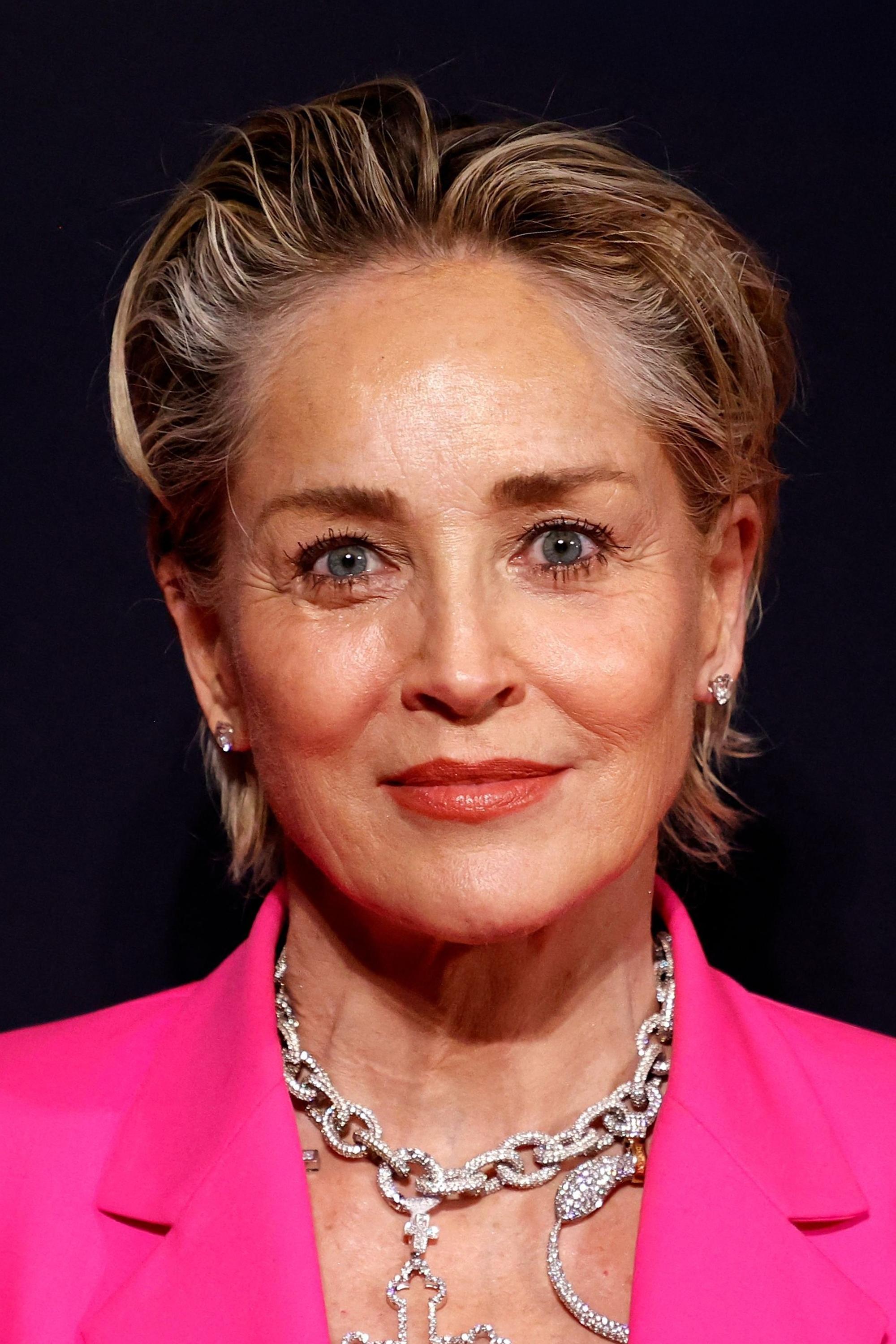
In ‘Basic Instinct’, Sharon Stone plays Catherine Tramell, a crime novelist who toys with investigators while concealing crucial facts. The character deflects questions with provocative interviews and carefully chosen answers. The film tracks how she plants suggestions that point suspicion in different directions. Her published work mirrors real events and keeps detectives unsure of what is fiction and what is confession.
Nicole Kidman
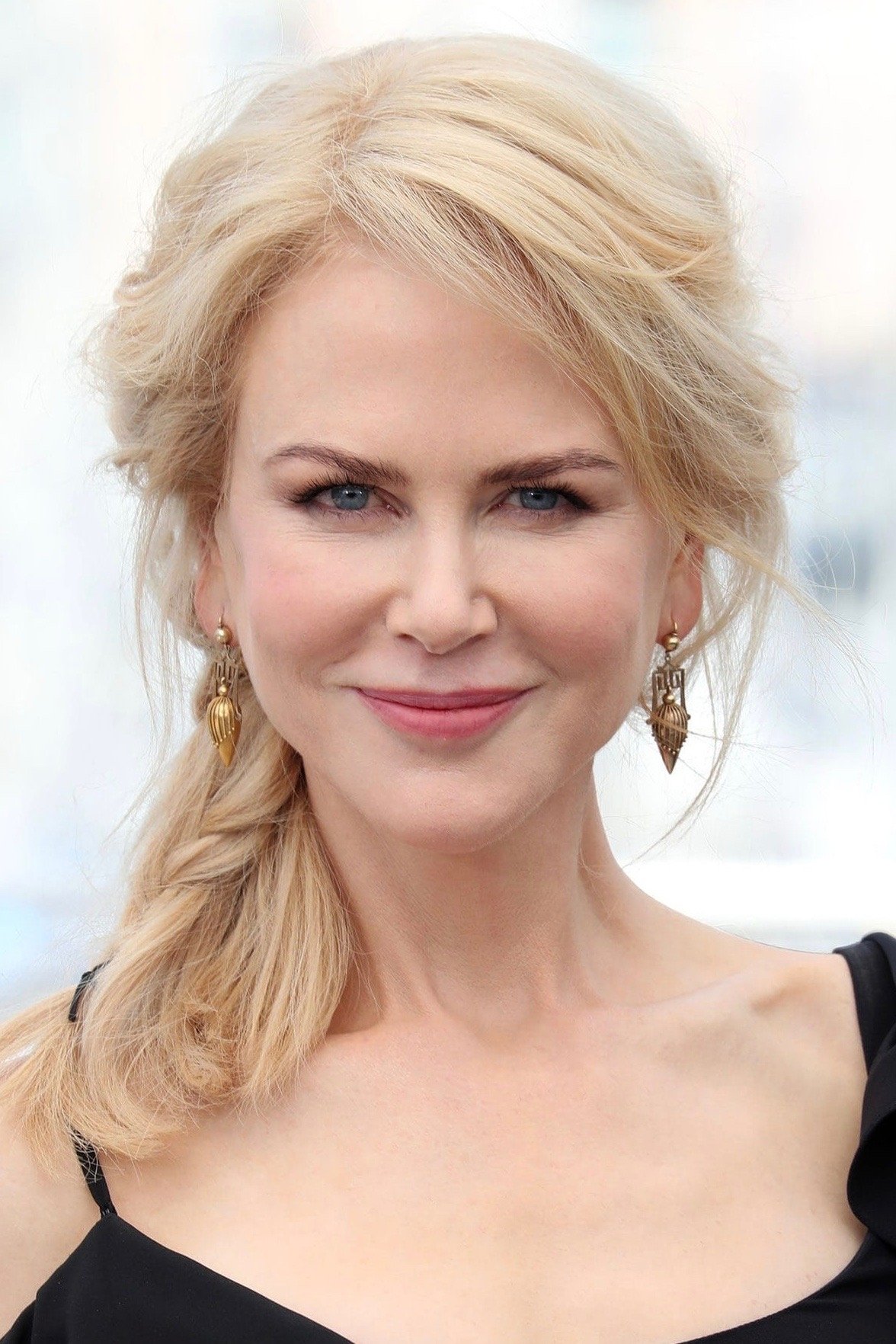
In ‘Big Little Lies’, Nicole Kidman’s Celeste hides the reality of domestic abuse from friends and authorities. The character presents a polished image while secretly documenting injuries for a possible legal case. Therapy sessions reveal how she rehearses explanations to avoid exposing the truth. The series follows how breaking the silence reshapes relationships and legal outcomes for everyone involved.
Viola Davis

In ‘How to Get Away with Murder’, Viola Davis plays Annalise Keating, a defense attorney who withholds evidence and constructs narratives to protect clients and allies. The character coordinates stories among students to keep investigations off balance. Courtroom scenes show her using carefully timed reveals to discredit witnesses. The ongoing plot tracks how each cover story triggers new complications she must manage.
Tatiana Maslany
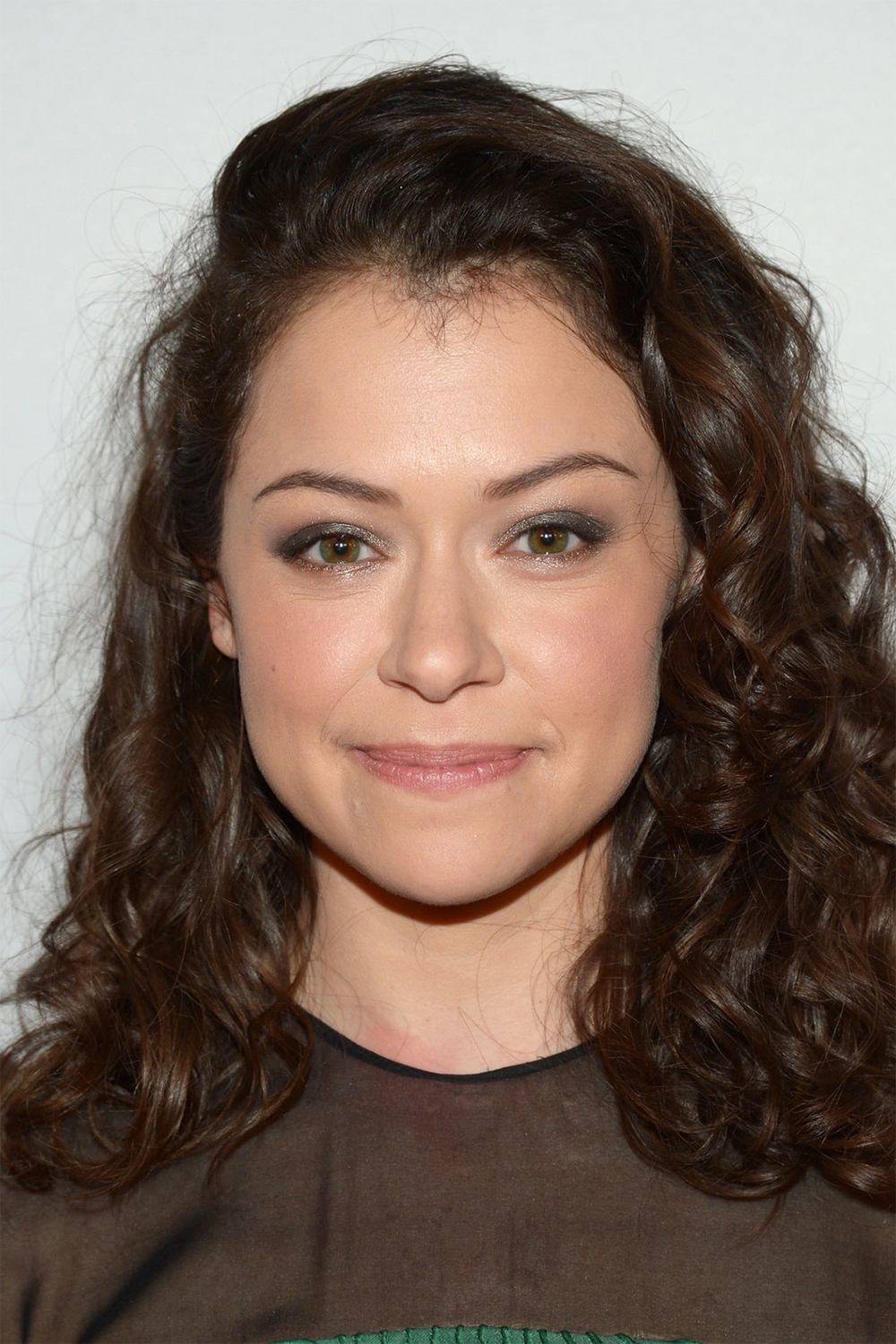
In ‘Orphan Black’, Tatiana Maslany plays multiple clones who routinely impersonate one another to survive. Characters swap identities to infiltrate labs, evade surveillance, and extract information. Episodes map out elaborate handoffs, passwords, and mannerisms that sell each substitution. The series uses these deceptions to uncover the origins of the cloning program and expose those controlling it.
Eva Green
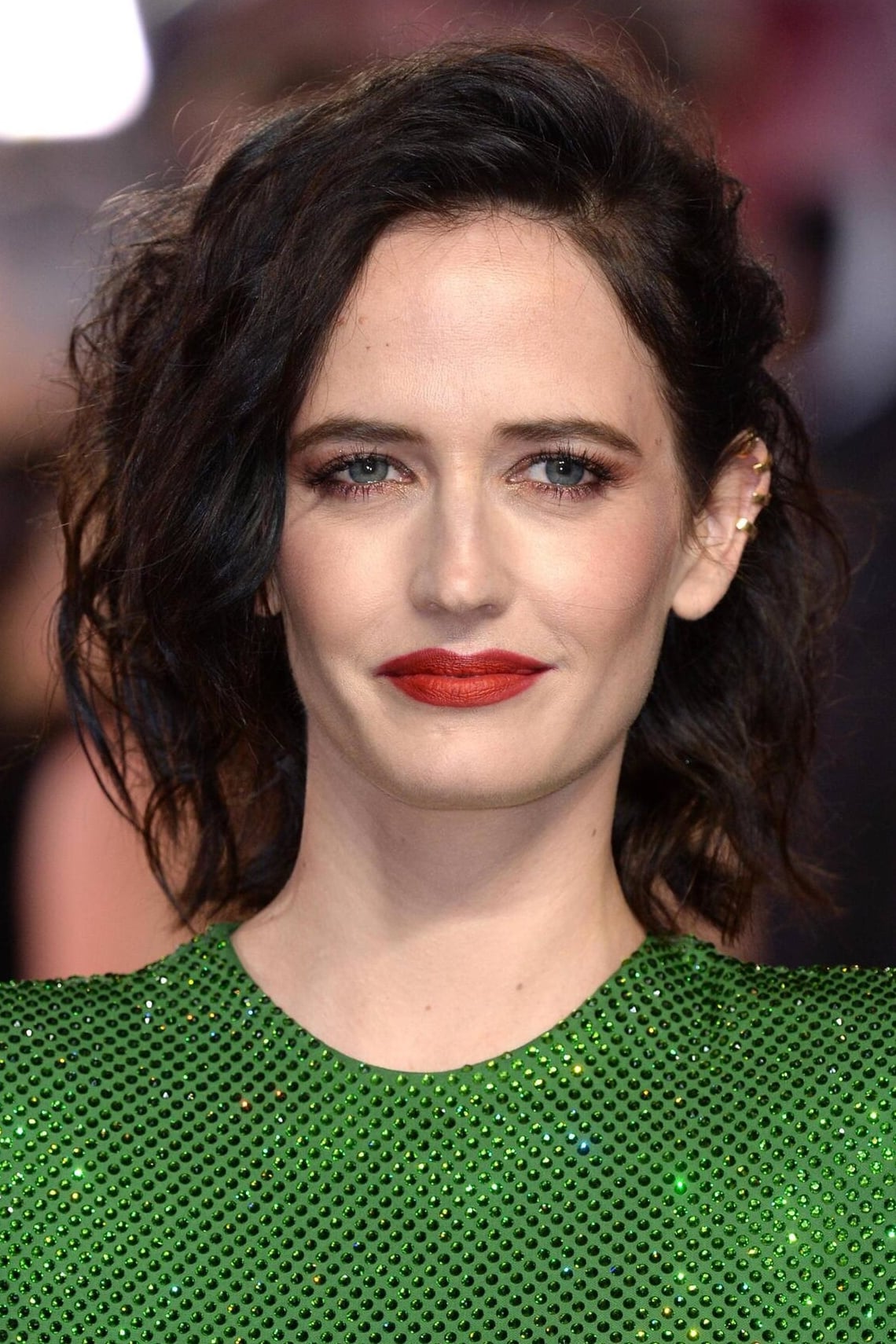
In ‘Casino Royale’, Eva Green’s Vesper Lynd cooperates with James Bond while secretly working under coercion. The character negotiates funds during a high stakes game and then redirects the money to free a captive partner. Scenes detail how she operates separate phones and leaves coded messages to manage both sides. Her final actions reveal the leverage used against her and set up ongoing conflicts.
Patricia Arquette
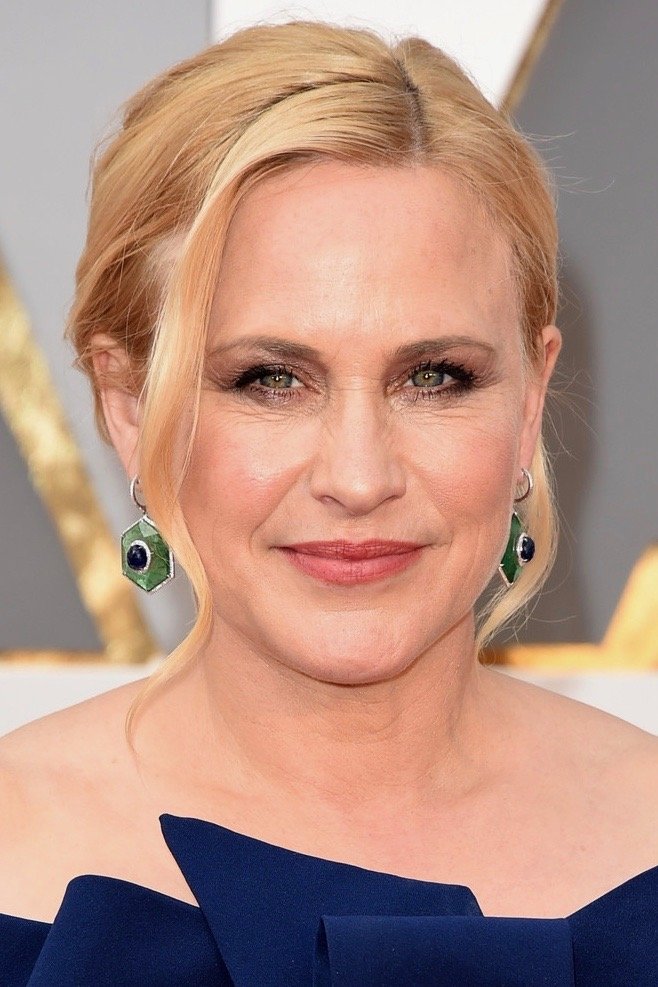
In ‘The Act’, Patricia Arquette portrays Dee Dee Blanchard, who fabricates illnesses for her daughter to secure sympathy and support. The character moves between hospitals and charities while presenting falsified medical histories. The series shows controlled diets, unnecessary medications, and staged symptoms as part of the deception. Legal and medical records become central to uncovering the truth behind the household.
Sarah Paulson
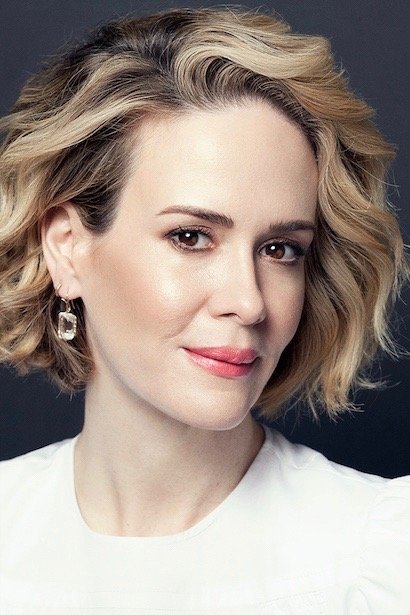
In ‘American Horror Story: Roanoke’, Sarah Paulson plays an actress in a reenactment series whose retelling shapes what viewers believe happened in a haunted house case. The season alternates between interviews and dramatizations that intentionally blur fact and performance. Production decisions inside the show within a show amplify misleading details for ratings. Later episodes revisit scenes to expose how editing and staging distorted events.
Charlize Theron
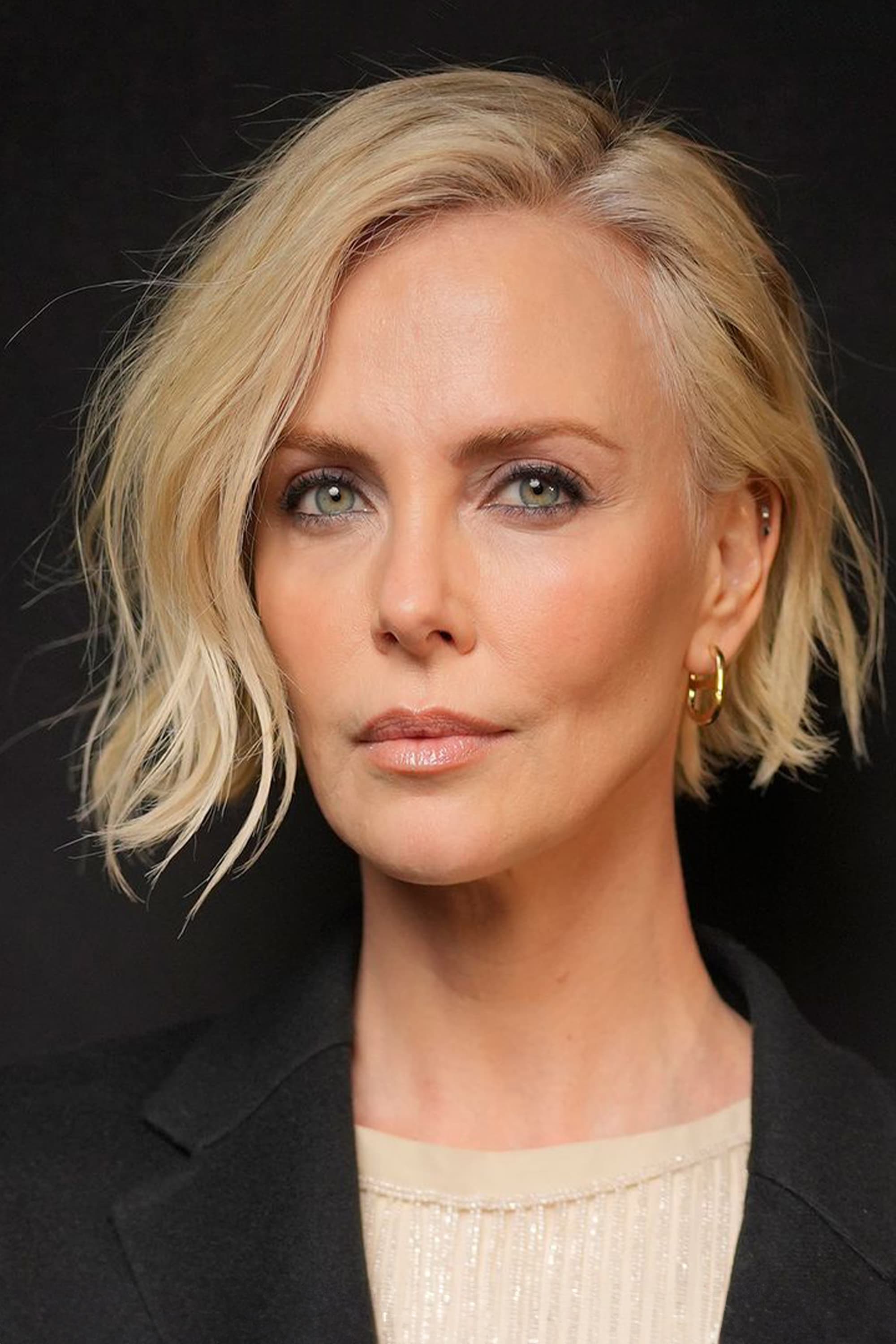
In ‘Atomic Blonde’, Charlize Theron’s Lorraine Broughton operates as a spy whose reports mask her real agenda. The film follows debriefings where her statements contradict surveillance and field evidence. She navigates Berlin with forged identities and plays rival agencies against each other. The final handoff reveals a layered operation that relied on continuous misdirection.
Jodie Comer

In ‘Killing Eve’, Jodie Comer’s Villanelle lies to handlers, targets, and allies to maintain freedom of movement. The character cycles through false names, professions, and costumes to get close to marks. Episodes detail staged deaths, faked injuries, and planted clues that frame others. Each deception resets the pursuit and widens the gap between investigators and the truth.
Kate Winslet
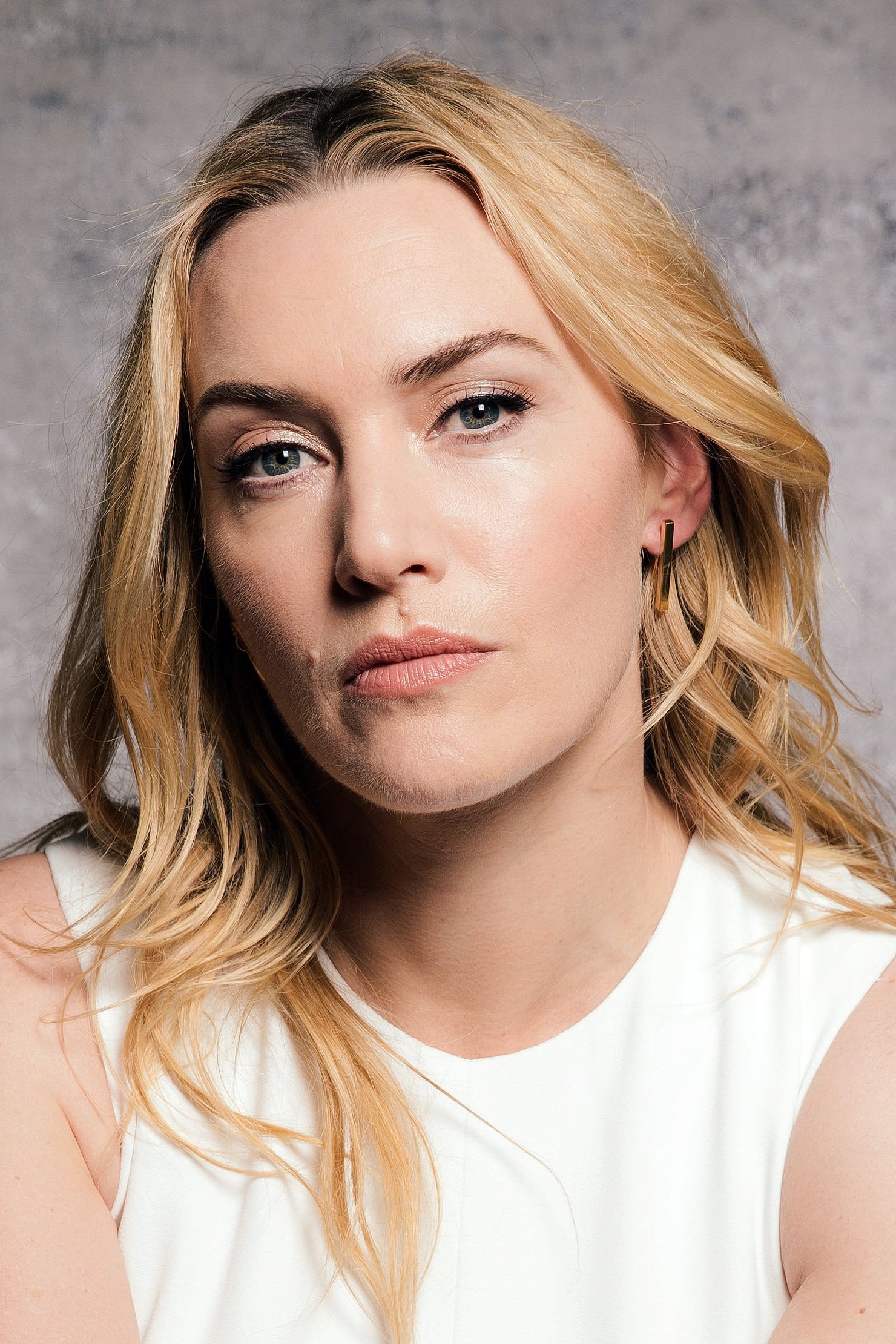
In ‘The Reader’, Kate Winslet’s Hanna Schmitz conceals her illiteracy and allows a court to accept a false narrative of her actions. The character signs a report she did not write, which changes sentencing outcomes. Prison scenes track how she learns to read as part of a long attempt to understand the consequences. Letters and recordings become key artifacts in reconstructing what actually happened.
Blake Lively

In ‘A Simple Favor’, Blake Lively’s Emily fakes her death to escape financial and legal troubles. The character uses multiple birth identities and insurance policies to structure the plan. Evidence like a burned car and staged phone activity misleads family and police. The story unravels the scheme through bank trails, old yearbooks, and conflicting testimonies.
Carey Mulligan

In ‘Promising Young Woman’, Carey Mulligan’s Cassie uses calculated ruses to confront people involved in a past assault case. The character adopts different looks and stories to gain access to targets. She records conversations, sets up meetings, and manipulates expectations to collect admissions. Each setup reveals how institutions and individuals handled the original incident.
Julia Roberts
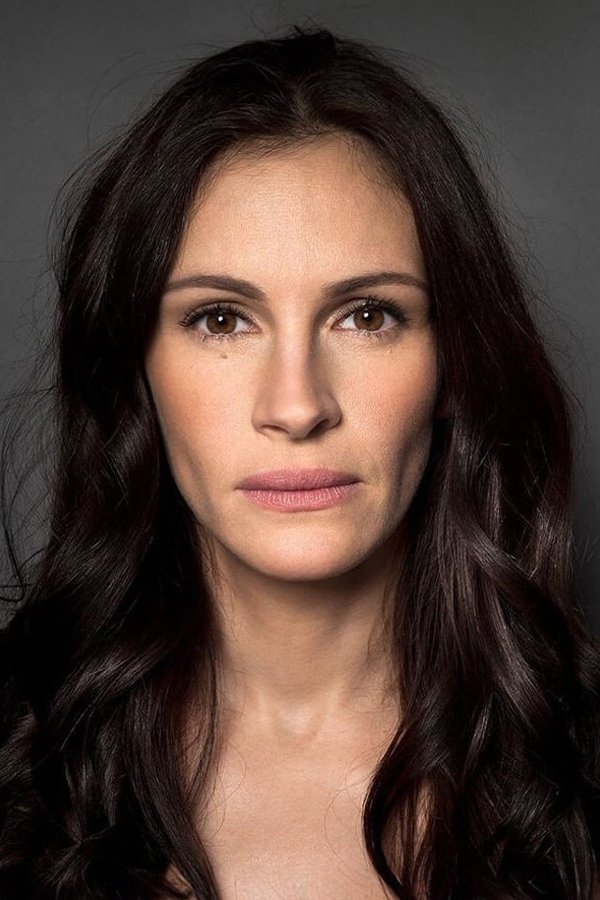
In ‘Duplicity’, Julia Roberts plays a former CIA officer who teams with a former MI6 agent to run a corporate espionage scam. The character embeds herself inside a rival firm with a fabricated backstory and controlled leaks. She coordinates fake documents and staged meetings to redirect research secrets. Confession scenes reveal planted mistrust that lets the partners profit while their employers chase decoys.
Glenn Close
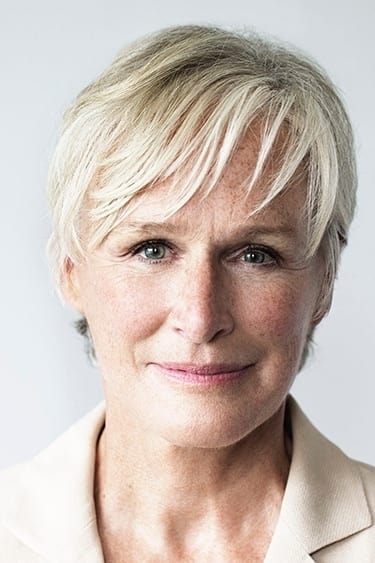
In ‘Dangerous Liaisons’, Glenn Close’s Marquise de Merteuil scripts romantic traps and fabricated letters to damage reputations. She directs an accomplice to seduce targets while she feeds false accounts to society figures. The story tracks copied handwriting, swapped notes, and timed confessions that shift blame. Public exposure arrives through written evidence that turns the social game against her.
Anne Hathaway

In ‘The Hustle’, Anne Hathaway’s Josephine Chesterfield runs high end cons that depend on elaborate personas. The character cycles through fake titles, accents, and forged credentials to access wealthy marks. She uses rigged demonstrations and staged accomplices to secure transfers and jewelry. The plot follows training sequences and double crosses that test each cover identity.
Rachel Weisz

In ‘The Favourite’, Rachel Weisz’s Sarah Churchill manages court politics with controlled information and strategic omissions. She speaks for the crown while redirecting petitions and correspondence to maintain influence. The character edits letters and leverages private meetings to shape decisions. Rival tactics expose conflicting stories and move access to someone who copies her methods.
Tilda Swinton
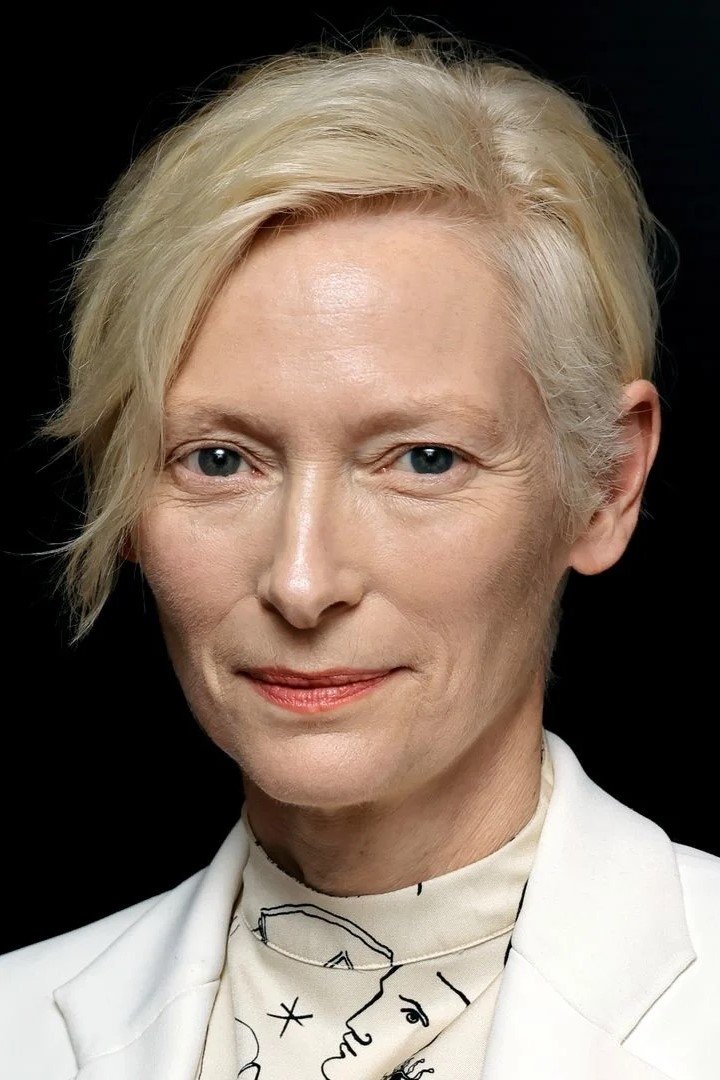
In ‘Michael Clayton’, Tilda Swinton’s corporate counsel oversees a defense strategy that hides internal knowledge of a harmful product. The character rehearses statements and instructions for witnesses to keep depositions on script. She authorizes surveillance and containment plans that sanitize paper trails. A leaked memo and a recorded conversation connect planned damage control to the outcome of the case.
Julianne Moore
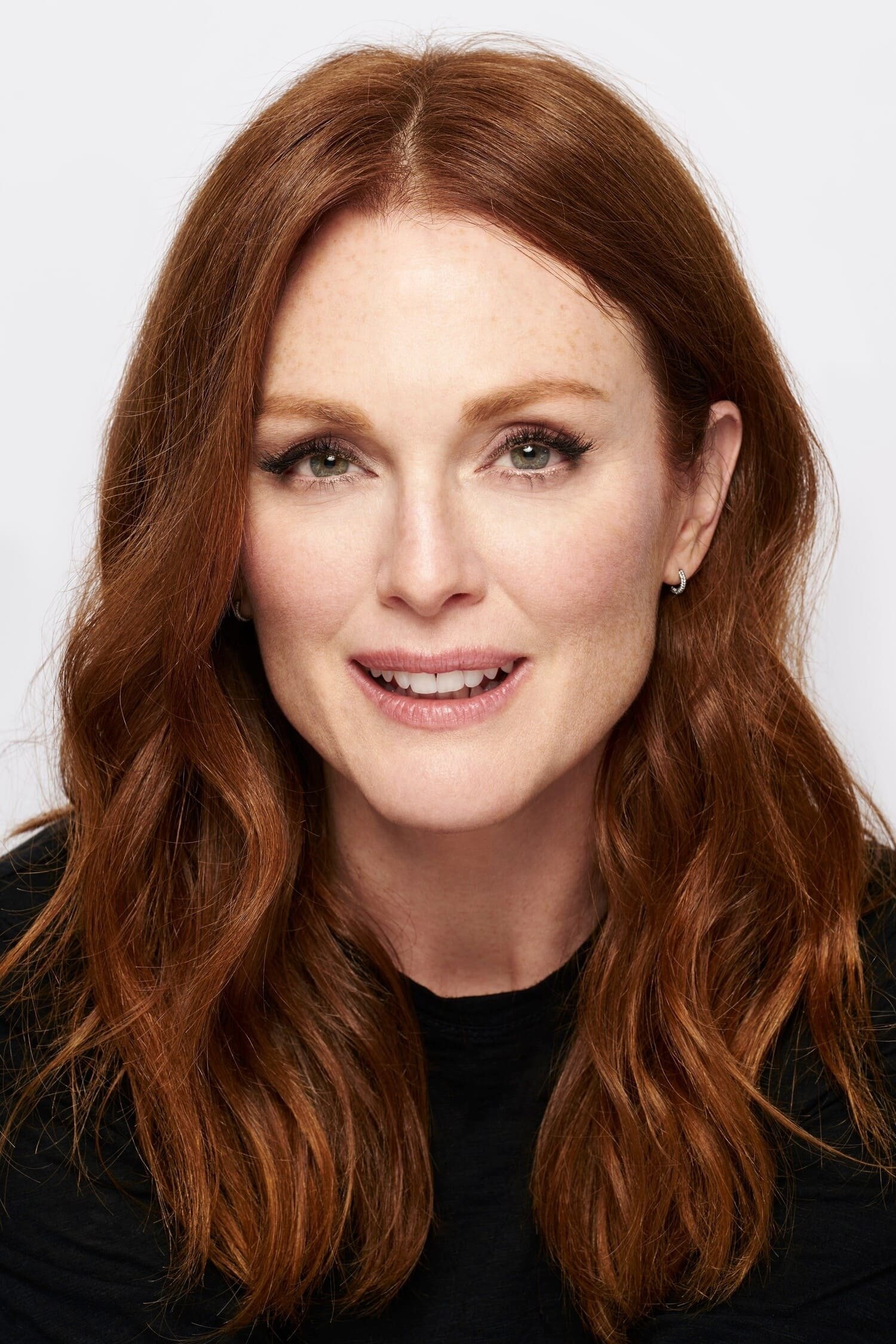
In ‘Sharper’, Julianne Moore’s character orchestrates layered romances and inheritance plays through false identities. She presents different names and histories to each target while laundering proceeds through art deals. The scheme uses doctored wire transfers, staged arrests, and planted confidences. A final reversal catalogs the forged pieces and tracks the money as it changes hands.
Kristen Bell

In ‘The Good Place’, Kristen Bell’s Eleanor Shellstrop hides her true life story to avoid being sent away from a perfect afterlife neighborhood. She fabricates volunteer work and borrows ethics lessons to pass as the assigned soulmate. Episodes show forged questionnaires, coached introductions, and swapped name tags to keep the mistake running. Later audits pull activity logs that undercut the cover.
Laura Linney
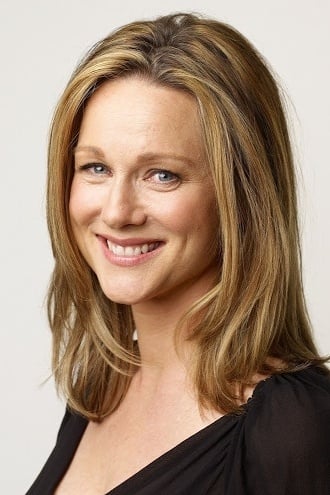
In ‘The Truman Show’, Laura Linney’s character performs as a spouse while delivering product cues and scripted lines to keep a hidden broadcast on track. She uses preset catchphrases and camera blocks to steer conversations. Production notes and props support the illusion inside the household. A crisis reveals her off screen status and maps the boundaries of the constructed town.
Natalie Dormer

In ‘Game of Thrones’, Natalie Dormer’s Margaery Tyrell manages public image with carefully staged charity and rehearsed testimony. She counters accusations with prepared answers and witness coordination. Marriage alliances and private bargains give her leverage to pivot narratives. Records of illicit charges and confessions test the limits of her negotiated stories.
Rooney Mara
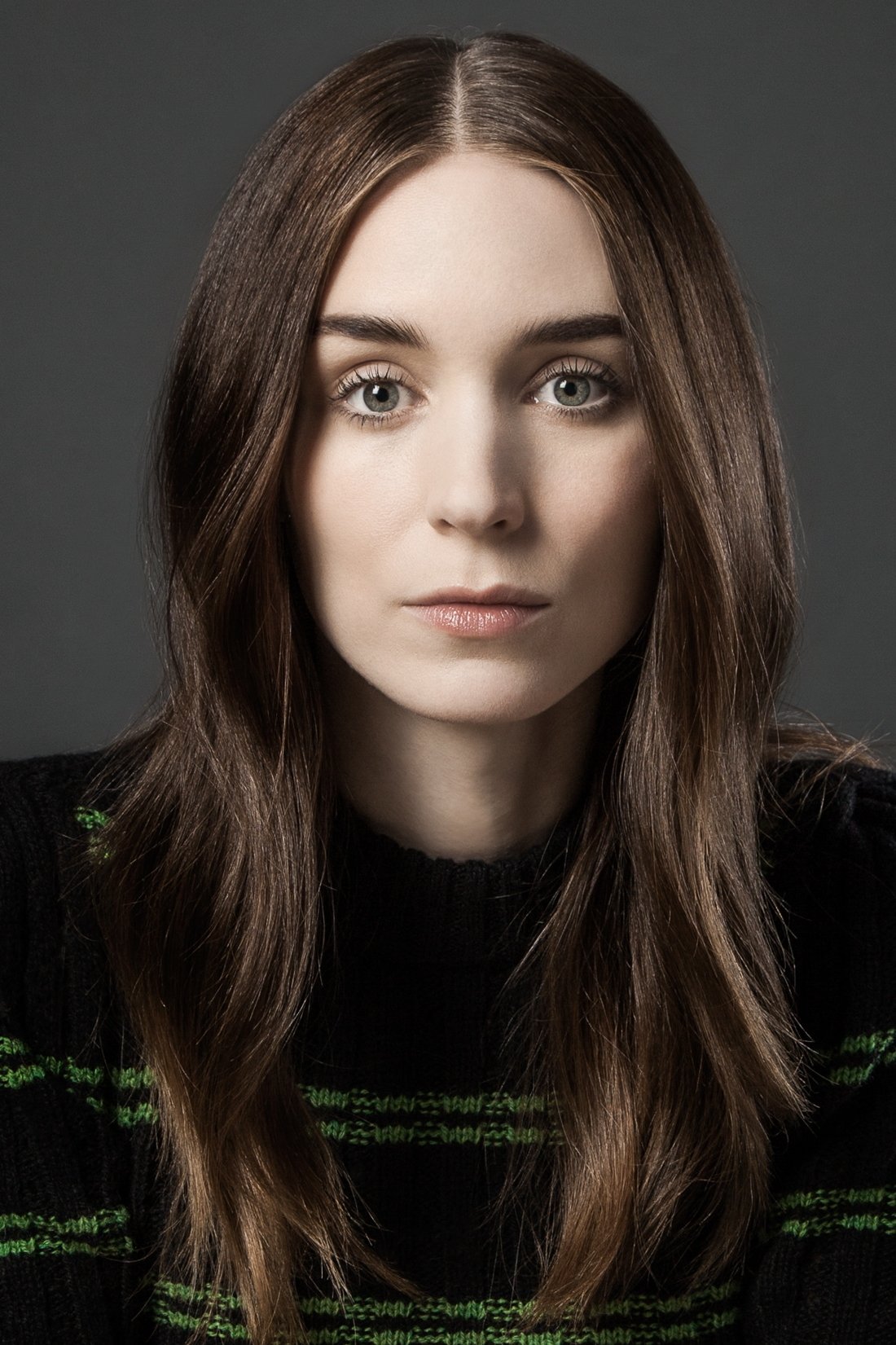
In ‘Side Effects’, Rooney Mara’s Emily Taylor presents symptoms that lead doctors toward a specific treatment plan. She withholds key facts and follows a schedule that produces expected reactions for observers. Clinical notes, prescriptions, and monitored sessions become tools in a larger setup. A pattern of coincidences pushes investigators to reexamine who designed the outcome.
Priyanka Chopra Jonas

In ‘Quantico’, Priyanka Chopra Jonas’s Alex Parrish operates under shifting cover while investigating a terror plot. Training flashbacks reveal aliases, dead drops, and rehearsed alibis. She uses encrypted messaging and coordinated media statements to redirect suspicion. Case files track planted evidence and time stamped footage that complicate her clearance.
Alia Bhatt

In ‘Raazi’, Alia Bhatt’s Sehmat Khan is an undercover operative who marries into a military family to gather intelligence. She cycles through household routines while photographing documents and relaying codes. The character memorizes schedules and uses small interruptions to mask transmissions. Intercepts and map coordinates tie her reports to events across the border.
Gal Gadot

In ‘Red Notice’, Gal Gadot’s character builds cons around forged artifacts and choreographed betrayals. She manipulates rival thieves and law enforcement with swapped packages and false tips. The plan hinges on mislabelled evidence lockers and rewritten provenance records. Final reveals connect museum security logs and private collections to the larger scheme.
Zendaya

In ‘Euphoria’, Zendaya’s Rue Bennett lies to family, friends, and sponsors about sobriety and whereabouts. She hides stashes, changes phone histories, and uses decoy meetings to avoid accountability. Episodes document text patterns, home searches, and clinic records that fail to align. Confrontations force reconciliations of timelines that expose each cover story.
Saoirse Ronan

In ‘Atonement’, Saoirse Ronan’s Briony Tallis gives a statement that misidentifies a suspect and alters multiple lives. She compounds the error by supporting a narrative with typed drafts and staged certainty. Wartime records and personal letters later challenge the version she put into circulation. A retrospective account catalogs the evidence that contradicts what she first claimed.
Jennifer Lawrence
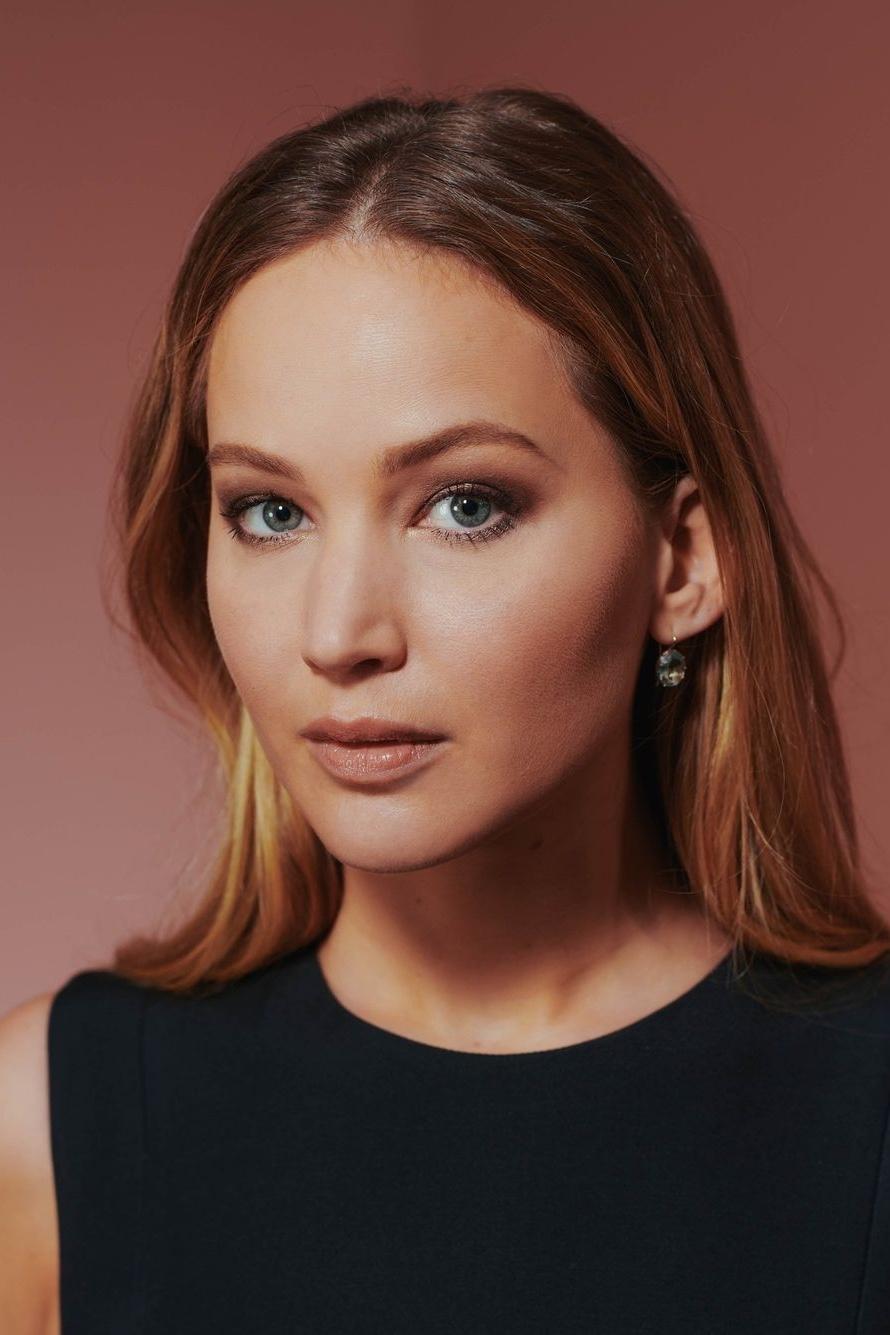
In ‘Red Sparrow’, Jennifer Lawrence’s Dominika Egorova trains as an operative who uses false identities to extract intelligence. The character runs honey traps, trades coded signals, and feeds competing agencies tailored half truths. Debriefings and polygraph scenes show how she layers backstories to pass scrutiny. The final exchange hinges on forged evidence and a substituted traitor that redirect blame.
Margot Robbie

In ‘Focus’, Margot Robbie’s Jess Barrett joins a crew that stages pickpocket swarms and long cons. Training sequences break down scripted distractions, prearranged collisions, and sleight of hand that enable wallet and watch lifts. She partners on a high stakes bet that exploits a mark’s priming across an entire day. The operation relies on rehearsed tells, synchronized spotters, and a planted signal from the stands.
Sandra Bullock
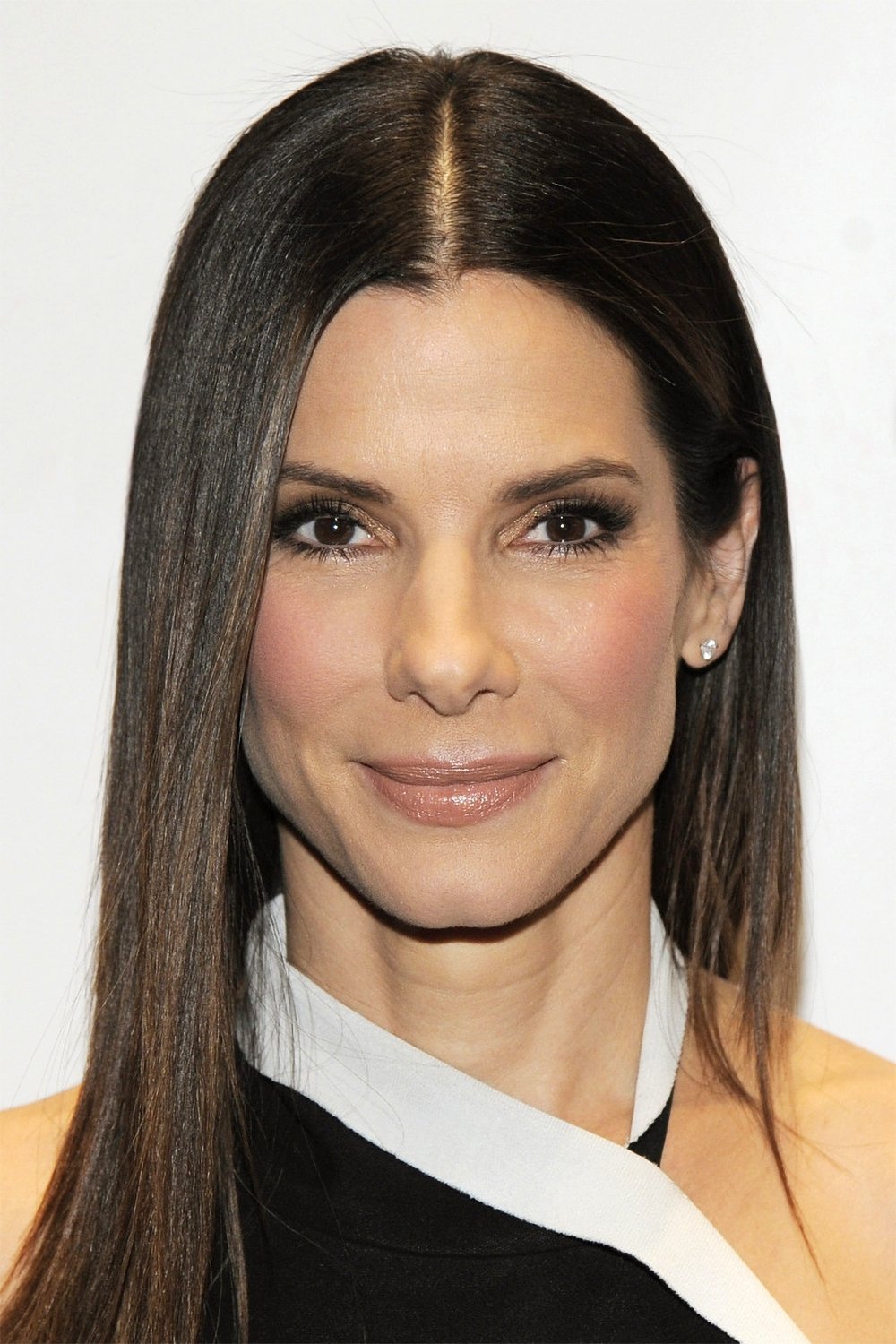
In ‘The Proposal’, Sandra Bullock’s Margaret Tate orchestrates a sham engagement to avoid immigration issues. The plan requires staged family interactions, synchronized stories about how the couple met, and paperwork that will be tested in an interview. Scenes track improvised answers when officials probe their living arrangements. A final meeting forces the pair to align timelines to satisfy authorities.
Melissa McCarthy
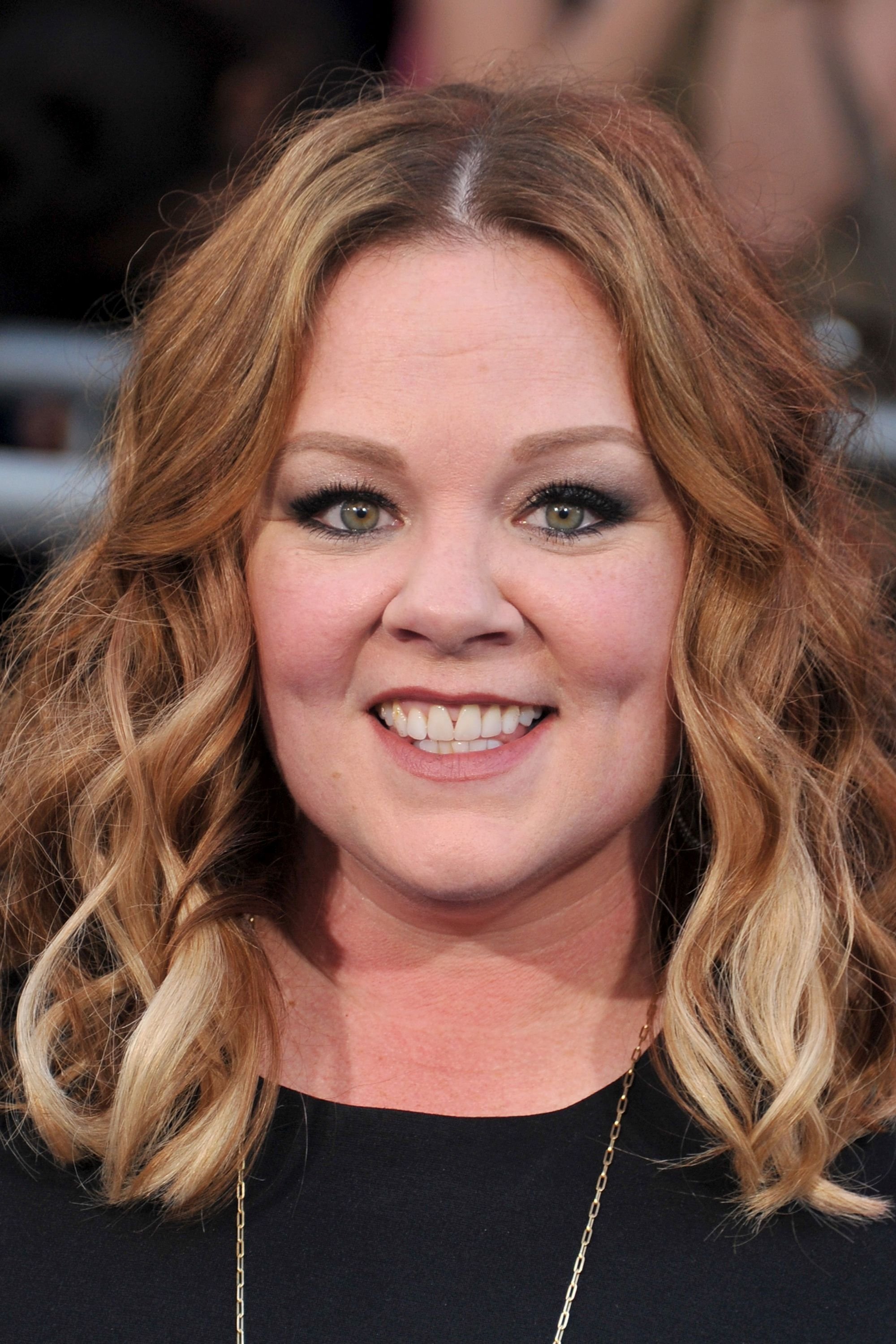
In ‘Can You Ever Forgive Me?’, Melissa McCarthy’s Lee Israel fabricates letters attributed to famous authors and sells them to collectors. She studies voice, paper stock, and typewriter quirks to make the forgeries plausible. The scheme expands to altering genuine letters by adding enticing postscripts. Investigators connect provenance gaps, authentication tests, and repeated sellers to expose the pattern.
Keri Russell

In ‘The Americans’, Keri Russell’s Elizabeth Jennings lives under a deep cover marriage while running active missions. She rotates wigs, passports, and dead drops to maintain separate identities. Tradecraft includes brush passes, coded radio traffic, and emergency exfiltration plans. Case agents assemble surveillance logs and intercepted messages that slowly converge on her network.
Lena Headey
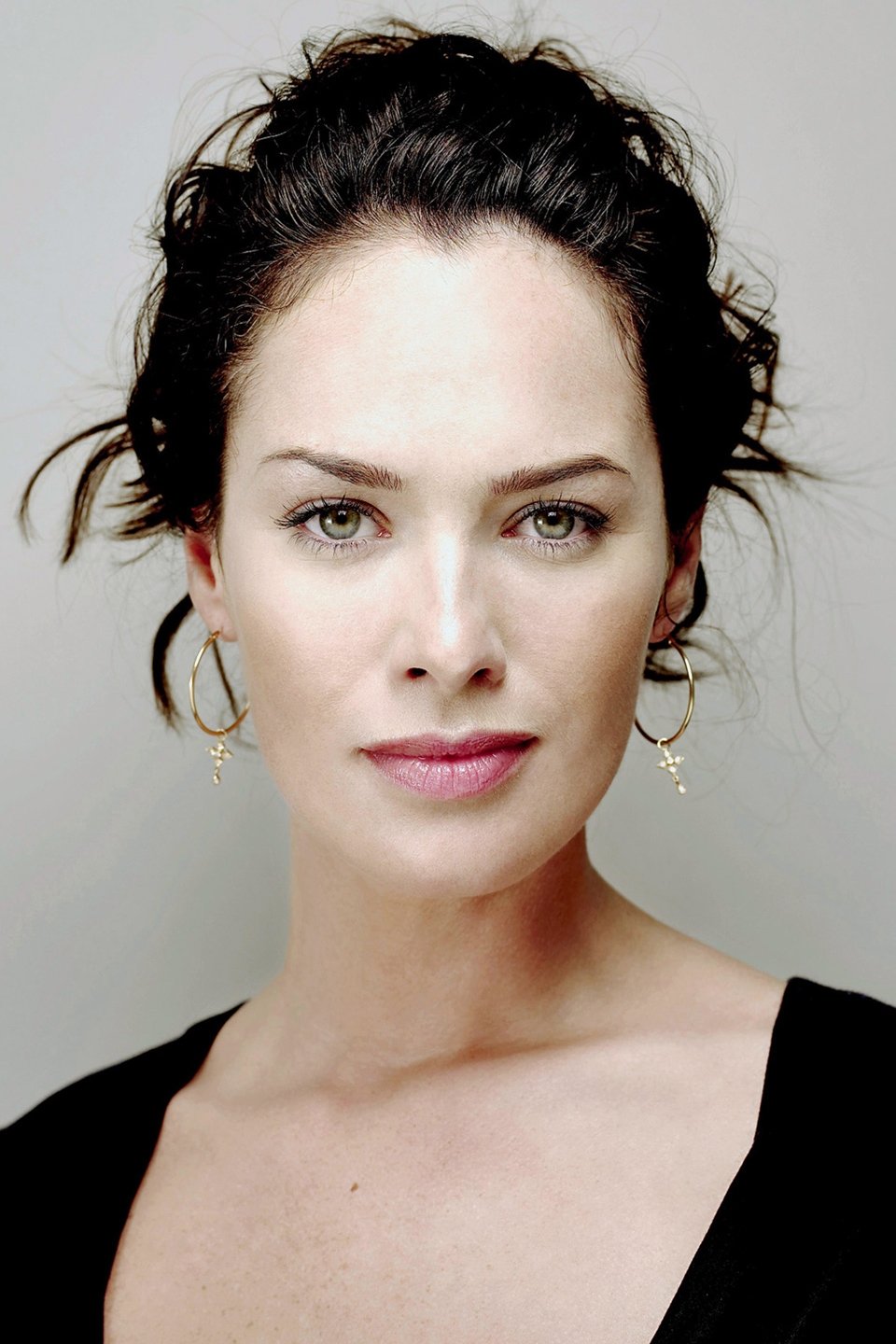
In ‘Game of Thrones’, Lena Headey’s Cersei Lannister steers court narratives with sworn statements and coerced confessions. She seeds rumors through intermediaries and edits testimonies to tilt trials. Alliances shift as she promises favors and withholds information from councils. Public ceremonies become stages where vows and oaths mask coordinated betrayals.
Robin Wright
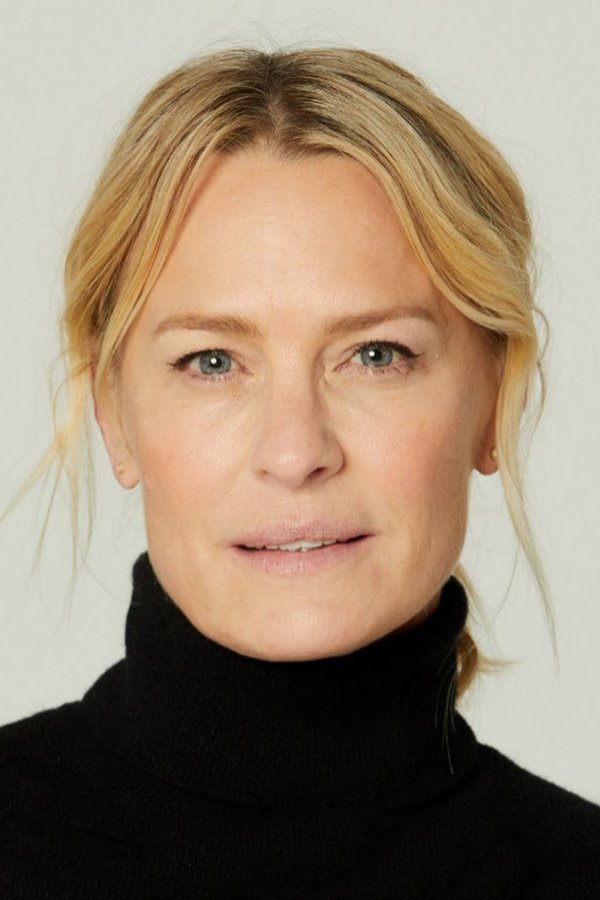
In ‘House of Cards’, Robin Wright’s Claire Underwood manages political stories with embargoed leaks and carefully worded interviews. Staffers coordinate talking points that divert attention from pending votes. She uses private meetings to trade policy concessions for favorable coverage. Internal memos and donor records outline the hidden exchanges that support each public stance.
Isabelle Fuhrman
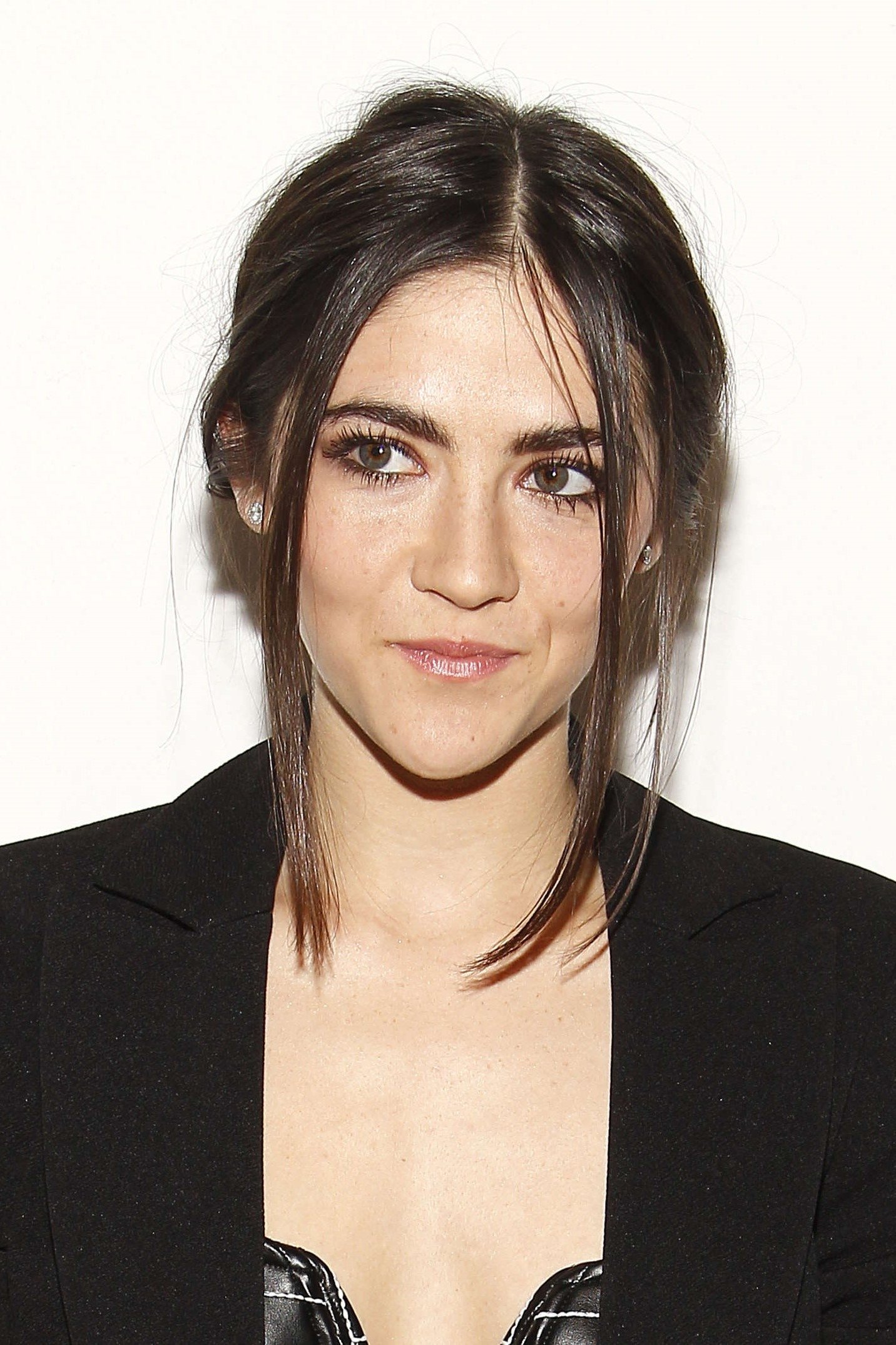
In ‘Orphan’, Isabelle Fuhrman’s Esther poses as a child while concealing an adult identity. She forges drawings, mimics mannerisms, and manipulates medical routines to fit adoption expectations. Household incidents are staged to implicate others and deflect suspicion. A medical file and a background check finally connect her to earlier cases.
Julia Garner
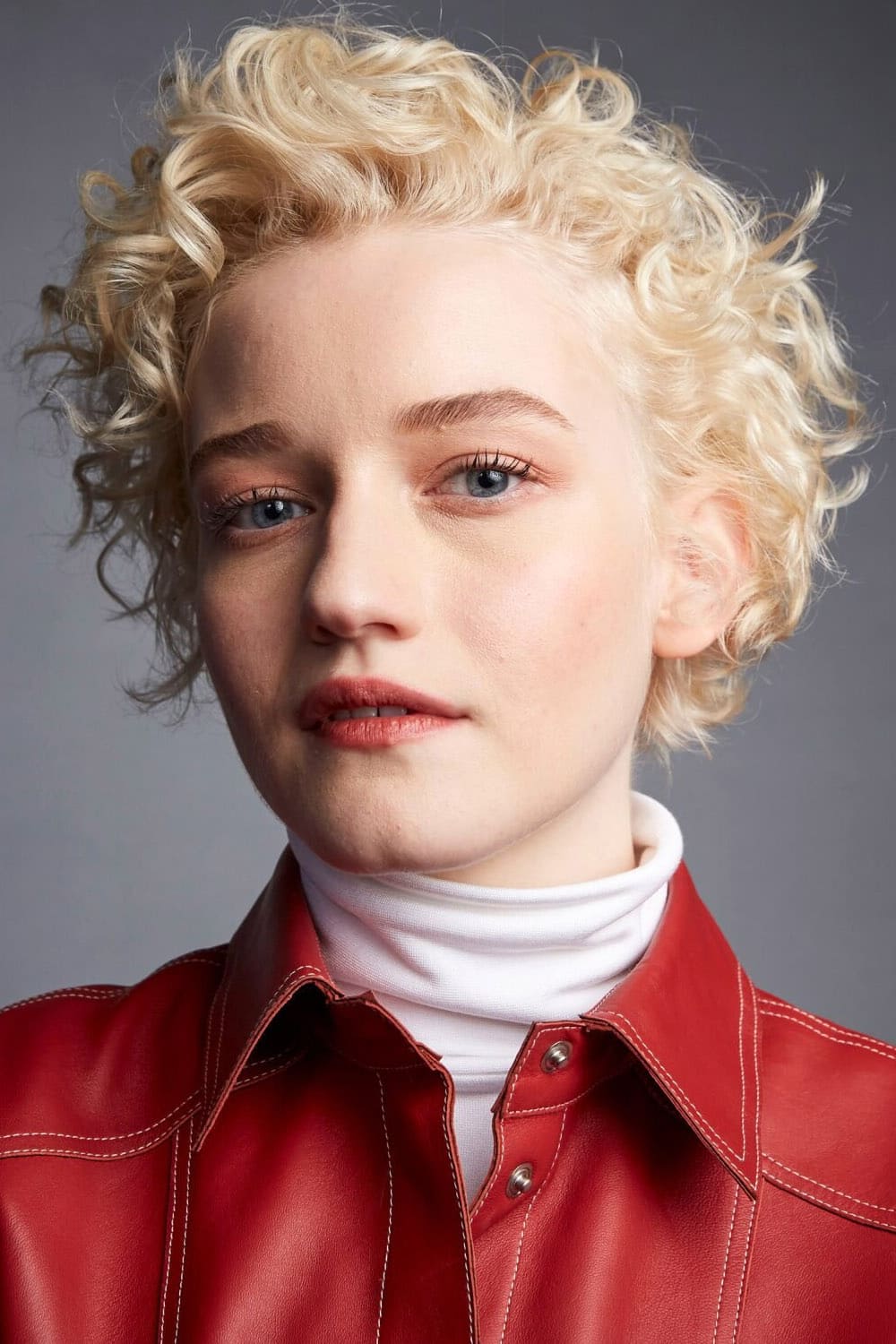
In ‘Inventing Anna’, Julia Garner’s Anna Sorokin secures hotel suites and loans by posing as a wealthy heiress. She deploys wire transfer promises, delayed payments, and forged financial letters. Hospitality staff and bankers receive curated references that confirm her invented status. Investigations match invoices, travel records, and bank correspondence to map the fraud.
Amanda Seyfried

In ‘The Dropout’, Amanda Seyfried’s Elizabeth Holmes promotes a blood testing device while concealing its limitations. She restricts lab access, shifts demonstrations to third party machines, and imposes strict nondisclosure rules. Investor decks present projected capabilities as present reality. Regulatory complaints and whistleblower reports assemble calibration logs and proficiency tests that contradict the claims.
Reese Witherspoon
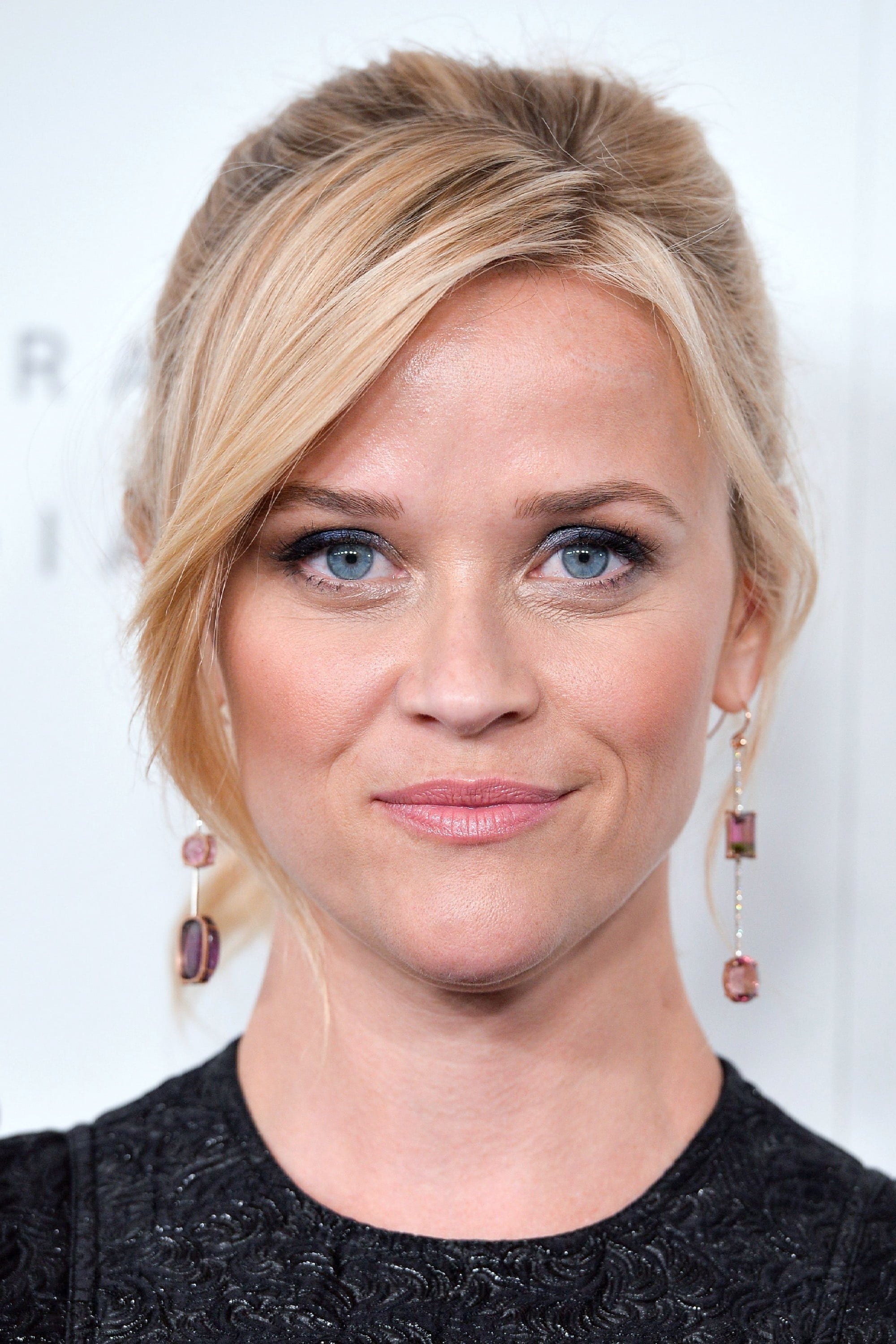
In ‘Big Little Lies’, Reese Witherspoon’s Madeline keeps an affair secret while coordinating school and community events. She manages text trails, alibis, and hurried explanations during close calls. Confidences with friends require selective omissions that complicate group dynamics. Later revelations force reconciliations of who knew what and when.
Marion Cotillard

In ‘Allied’, Marion Cotillard’s Marianne Beauséjour operates in wartime under a contested identity. She navigates embassy scrutiny, countersigns with handlers, and keeps a domestic cover intact. Tests are set to verify her allegiance using planted details and timed questions. A final check traces coded messages and compromised safe houses back to her file.
Cate Blanchett

In ‘Blue Jasmine’, Cate Blanchett’s Jasmine presents a curated past to maintain social standing after financial collapse. She withholds legal troubles, invents job plans, and recasts relationships in conversations with new acquaintances. Attempts at employment rely on inflated credentials and rehearsed scripts. Bank statements and court records ultimately frame the truth behind her stories.
Sutton Foster
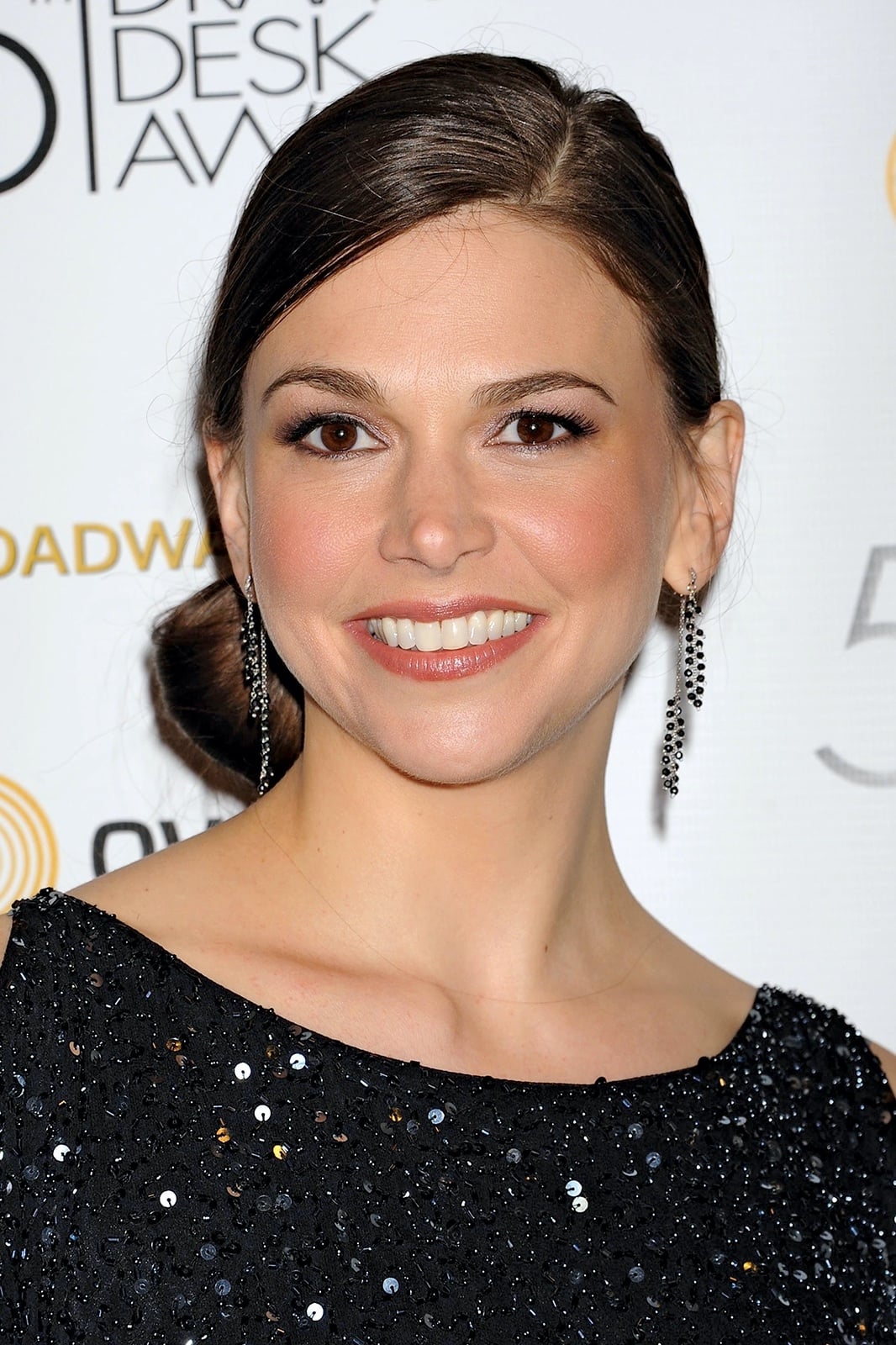
In ‘Younger’, Sutton Foster’s Liza Miller claims a younger age to restart a publishing career. She maintains the ruse with altered social media, wardrobe choices, and revised timelines for school and marriage. Coworker friendships and romances require constant improvisation to keep details consistent. HR documents, birthdays, and family visits create repeated tests of her cover.
Share your picks for the most convincing on screen lies by actresses in the comments.