Black Actresses Who Faced Ageism

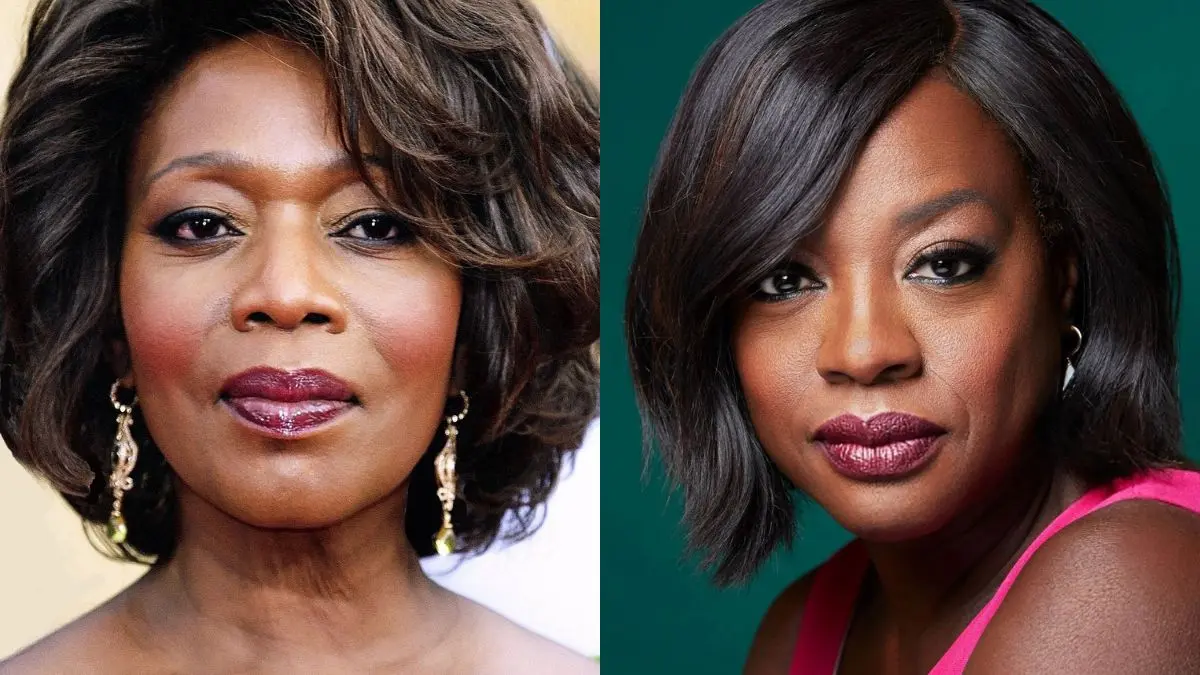

Hollywood has long struggled with inclusive representation regarding both race and age. Black actresses frequently encounter a unique set of challenges where the scarcity of roles increases significantly as they mature in the industry. This double standard often forces talented performers to accept supporting parts or typecast roles while their white counterparts continue to secure leading vehicles. The following women have navigated these systemic hurdles while speaking out about the reality of aging in entertainment.
Viola Davis
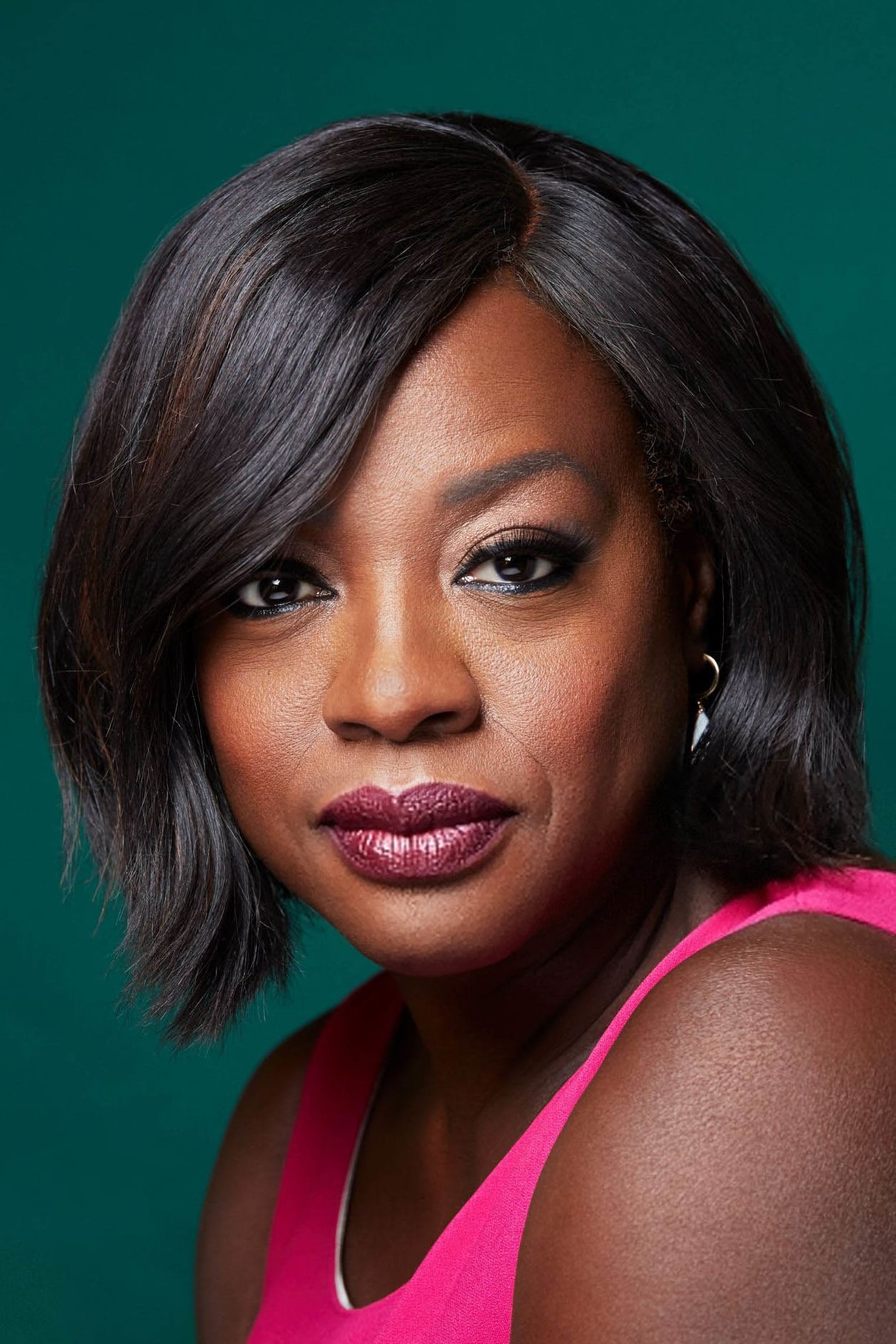
Viola Davis has frequently addressed the pay gap and opportunity deficit for women of color over fifty. She achieved massive success later in her career after years of working in theater and smaller film roles. Davis noted that while she is often compared to Meryl Streep the opportunities provided to them remain vastly different. Her role in ‘Fences’ showcased her immense talent and proved that complex narratives about older Black women resonate with global audiences.
Halle Berry
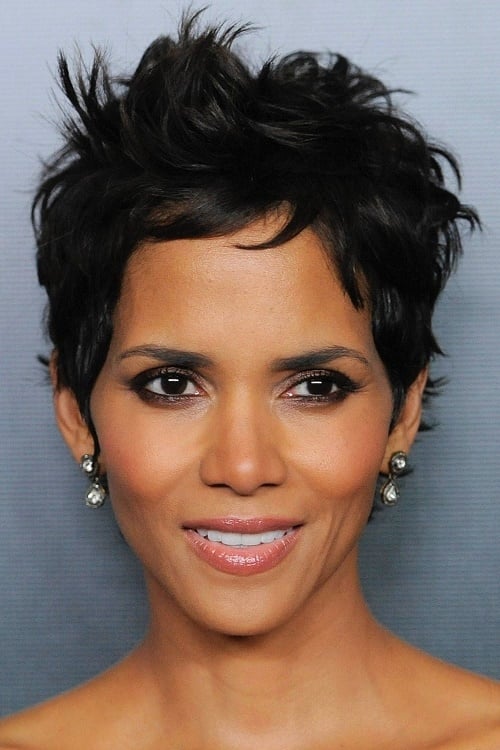
Halle Berry has been vocal about the pressure to maintain a youthful appearance to remain employable in major blockbuster franchises. She famously discussed the difficulty of finding scripts that portray women over forty as sensual and multidimensional beings. The actress fought against the industry tendency to discard women once they are no longer viewed as traditional ingénues. Her work in ‘Bruised’ was a direct response to the claim that older actresses cannot handle physically demanding action roles.
Angela Bassett
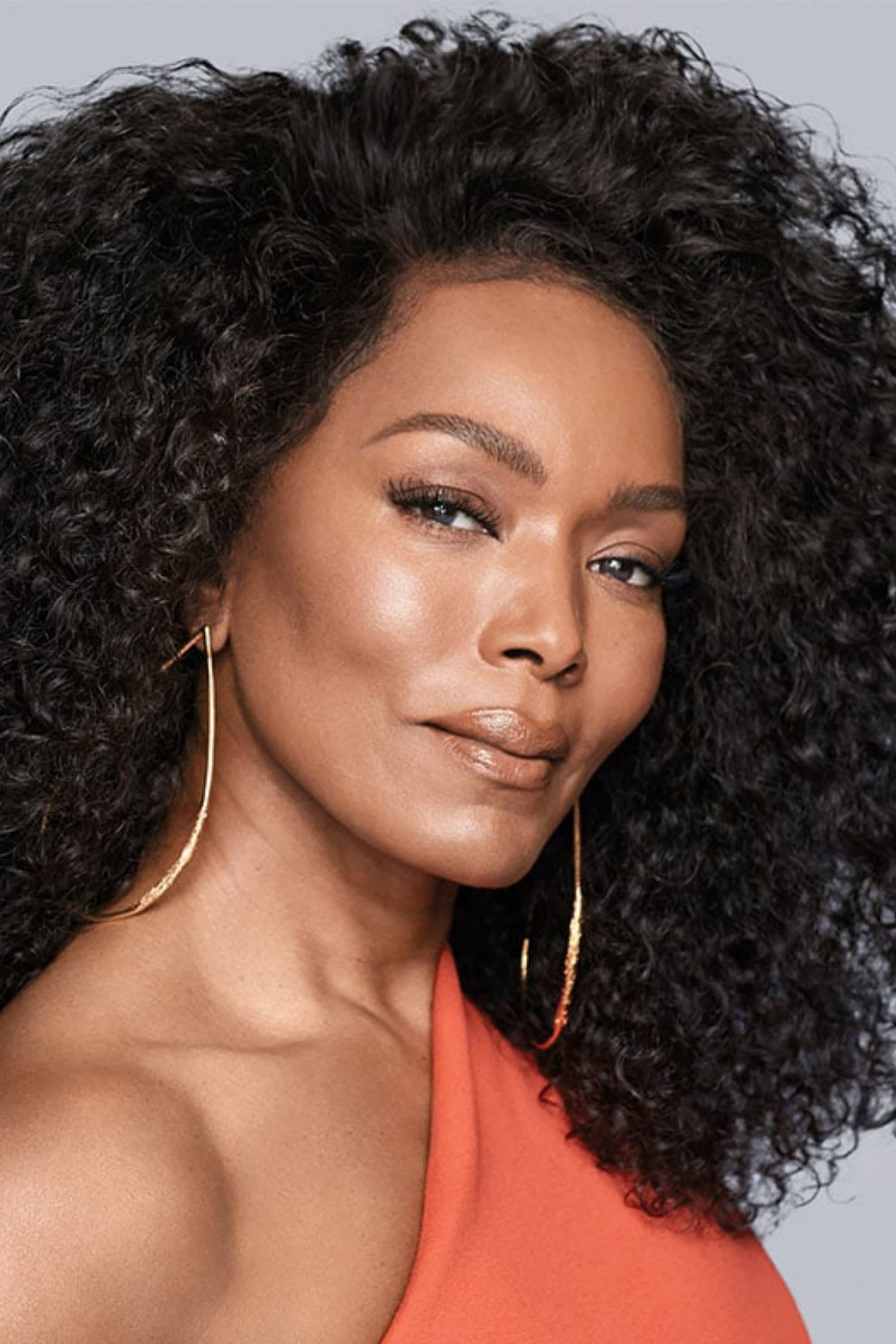
Angela Bassett often faces questions about her ageless appearance rather than her dramatic range. She has spoken about the struggle to find roles that go beyond the stoic mother figure or the angry Black woman trope. The industry often overlooked her for romantic leads in her forties and fifties despite her proven box office draw. Her resurgence in ‘Black Panther’ highlighted the power and grace of matriarchal figures when given proper screen time.
Taraji P. Henson
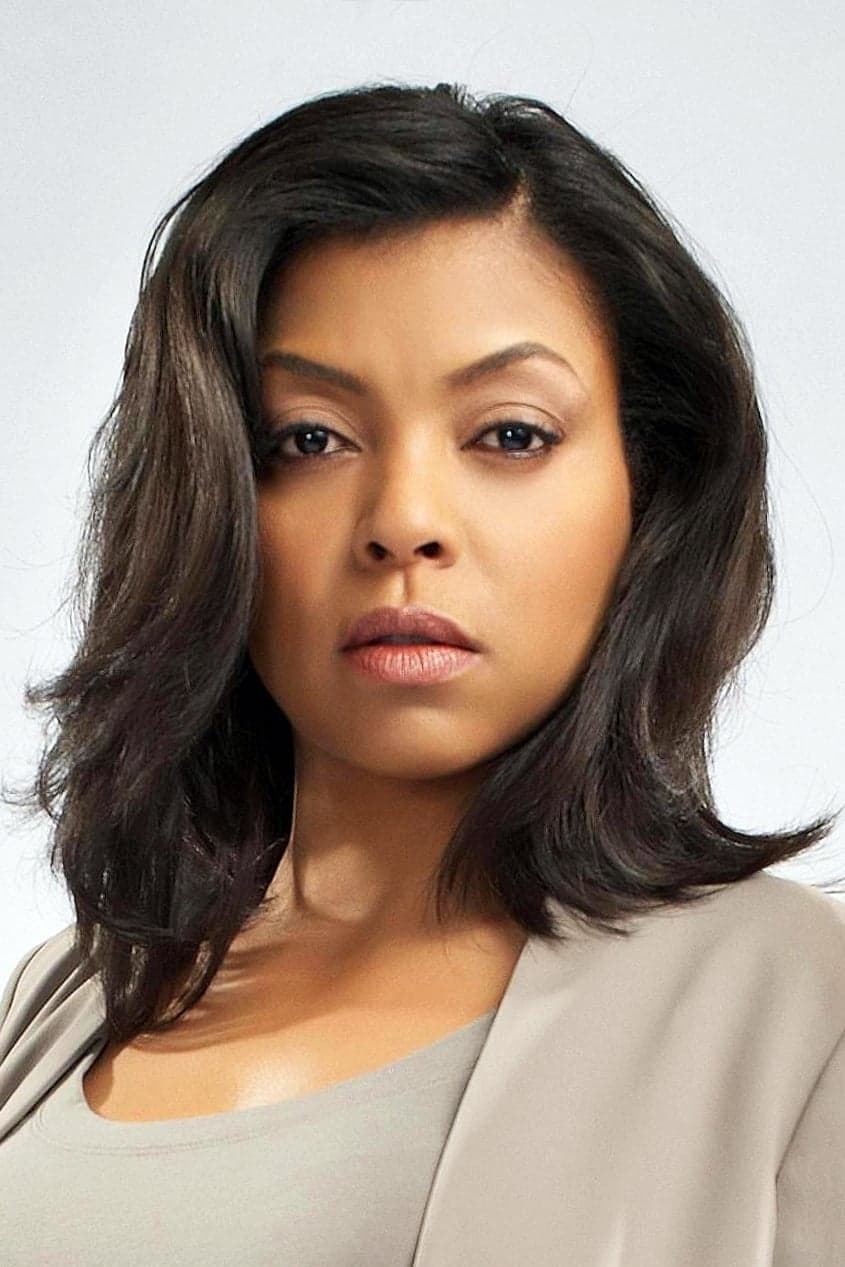
Taraji P. Henson has consistently advocated for fair pay and better roles for aging Black actresses. She revealed that she was paid significantly less than her co-stars in ‘The Curious Case of Benjamin Button’ despite her pivotal role. Henson argues that the industry tries to devalue veteran actresses by treating them as replaceable commodities. Her success in ‘Empire’ demonstrated that a mature woman could carry a hit network television show for multiple seasons.
Whoopi Goldberg
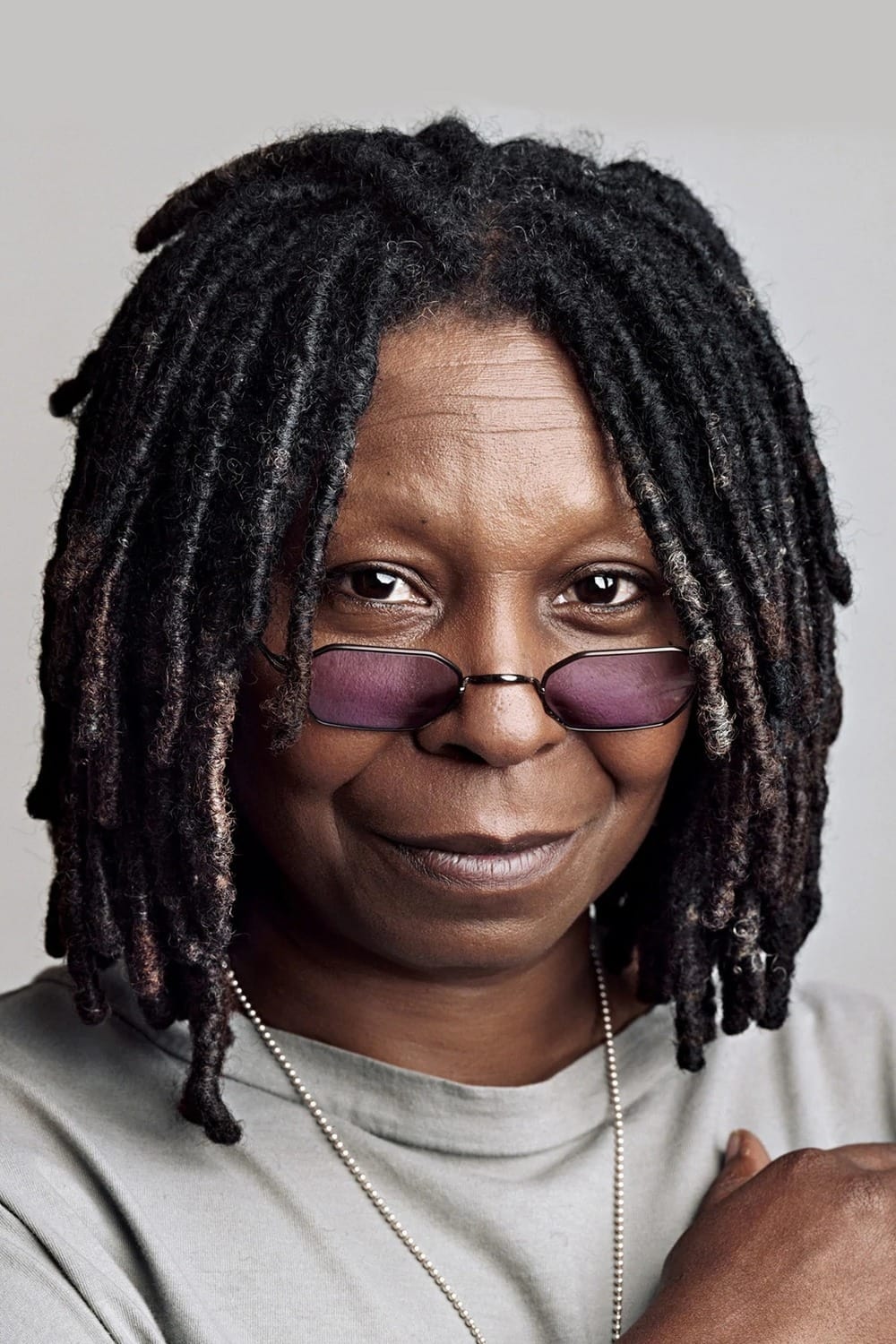
Whoopi Goldberg transitioned from being the highest-paid actress in the world to a talk show host partly due to a lack of film offers. She experienced a sharp decline in leading role opportunities as she moved away from the comedy hits of the nineties. Goldberg has noted that Hollywood rarely writes scripts for older Black women that do not center on trauma or servitude. She paved the way for others by creating her own opportunities when the studio system stopped calling.
Alfre Woodard
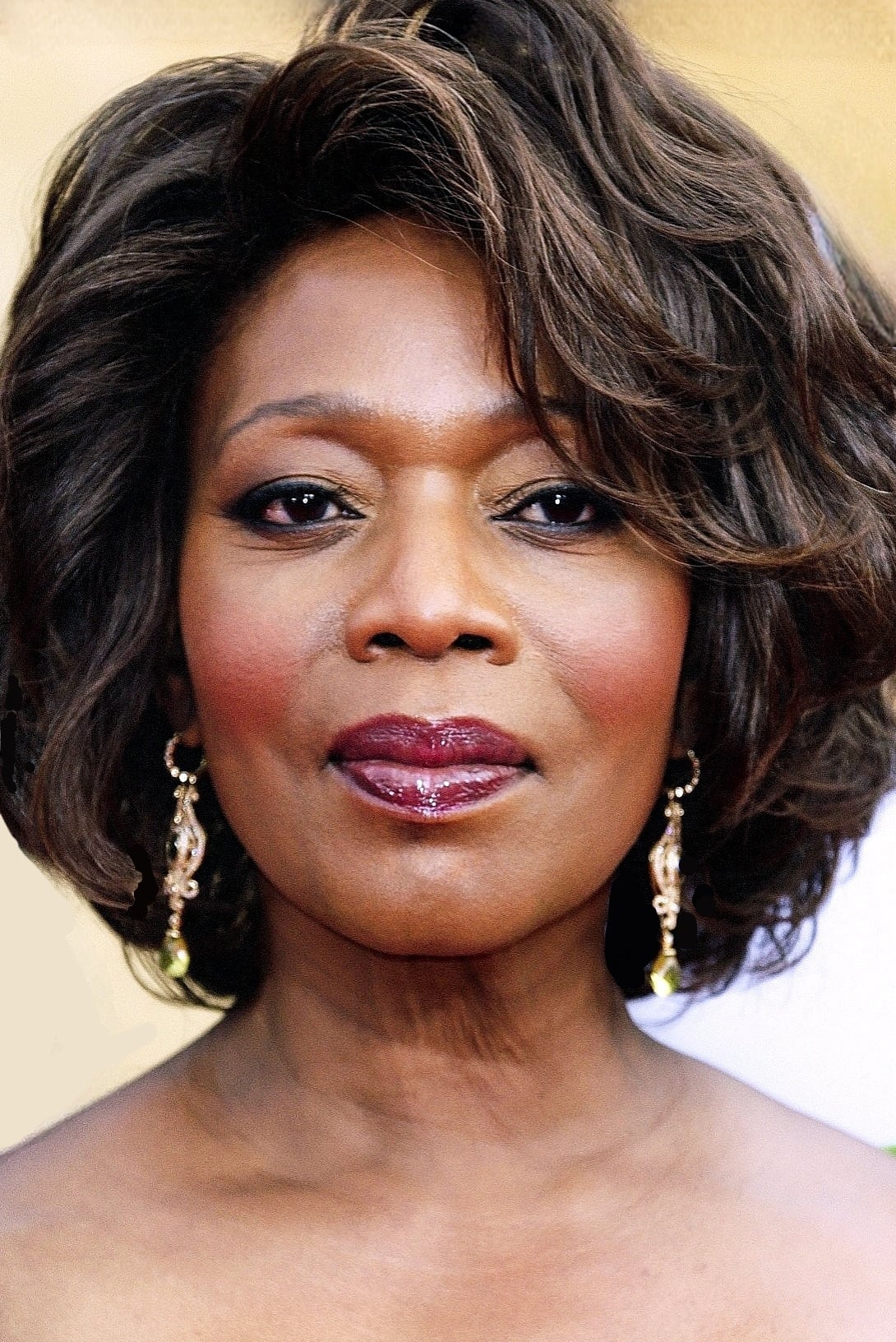
Alfre Woodard has maintained a steady career but has criticized the lack of leading lady status granted to Black women of her generation. She often found herself cast in supporting roles that supported white protagonists despite having more experience and accolades. Woodard has pointed out that narratives surrounding older Black women are often limited to historical dramas or slave narratives. Her performance in ‘Clemency’ was a rare example of a film centering on the complex internal life of a mature Black professional.
Jenifer Lewis
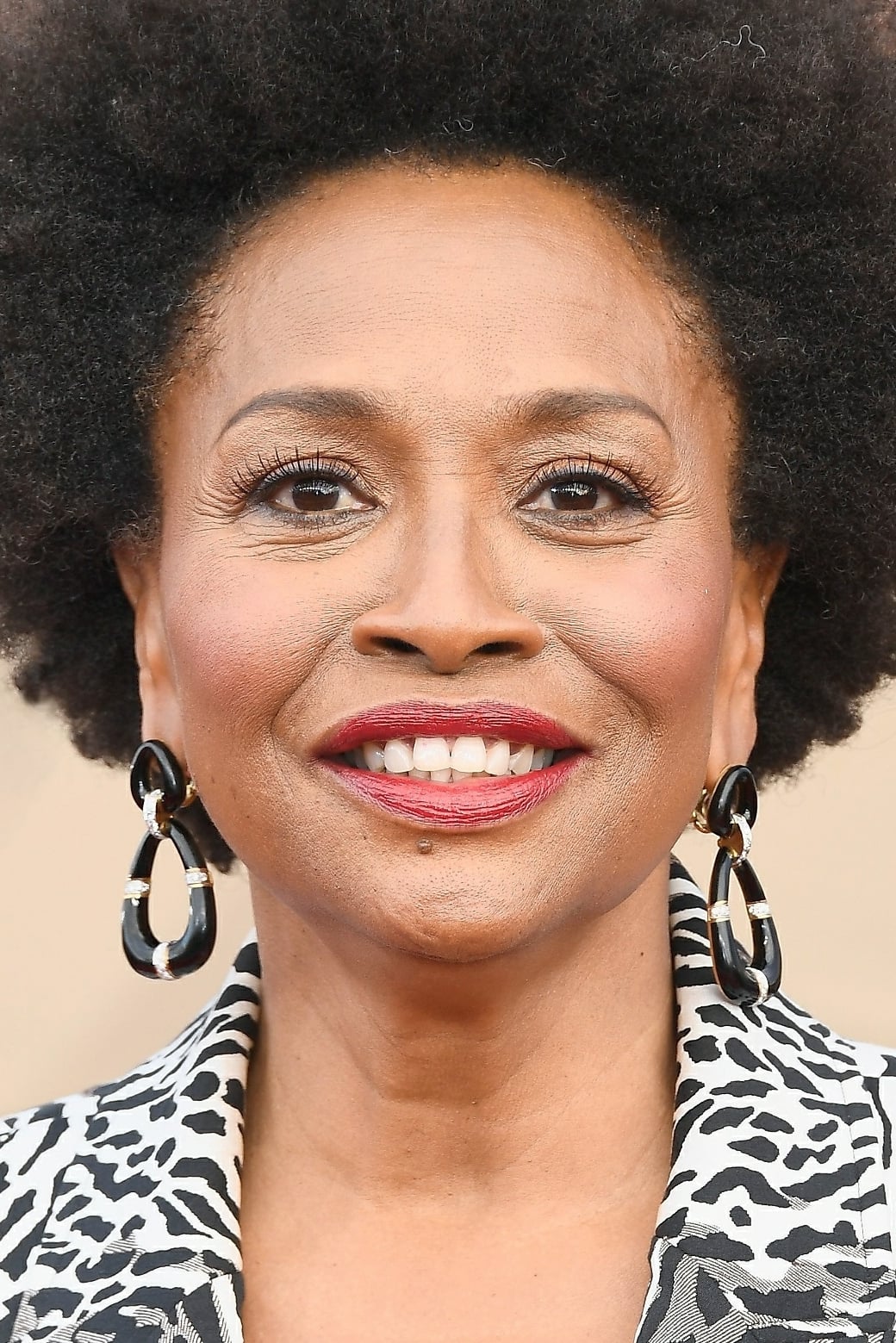
Jenifer Lewis is famously known as the mother of Black Hollywood because she was cast in maternal roles at a very young age. She played the mother of Tupac Shakur in ‘Poetic Justice’ despite being only a few years older than the actor. This typecasting forced her into a specific box that limited her ability to play romantic leads or peers to her male counterparts. Lewis has used her memoir and interviews to highlight how the industry ages Black women prematurely.
Cicely Tyson

Cicely Tyson refused to accept roles that she felt were demeaning to Black women which often left her without work for long periods. She faced extreme ageism and racism throughout her career but returned to prominence in her eighties. Tyson proved that talent does not diminish with age through her powerful work in ‘The Trip to Bountiful’ and ‘How to Get Away with Murder’. Her career trajectory serves as a stark reminder of the decades of potential work lost to systemic bias.
Nia Long
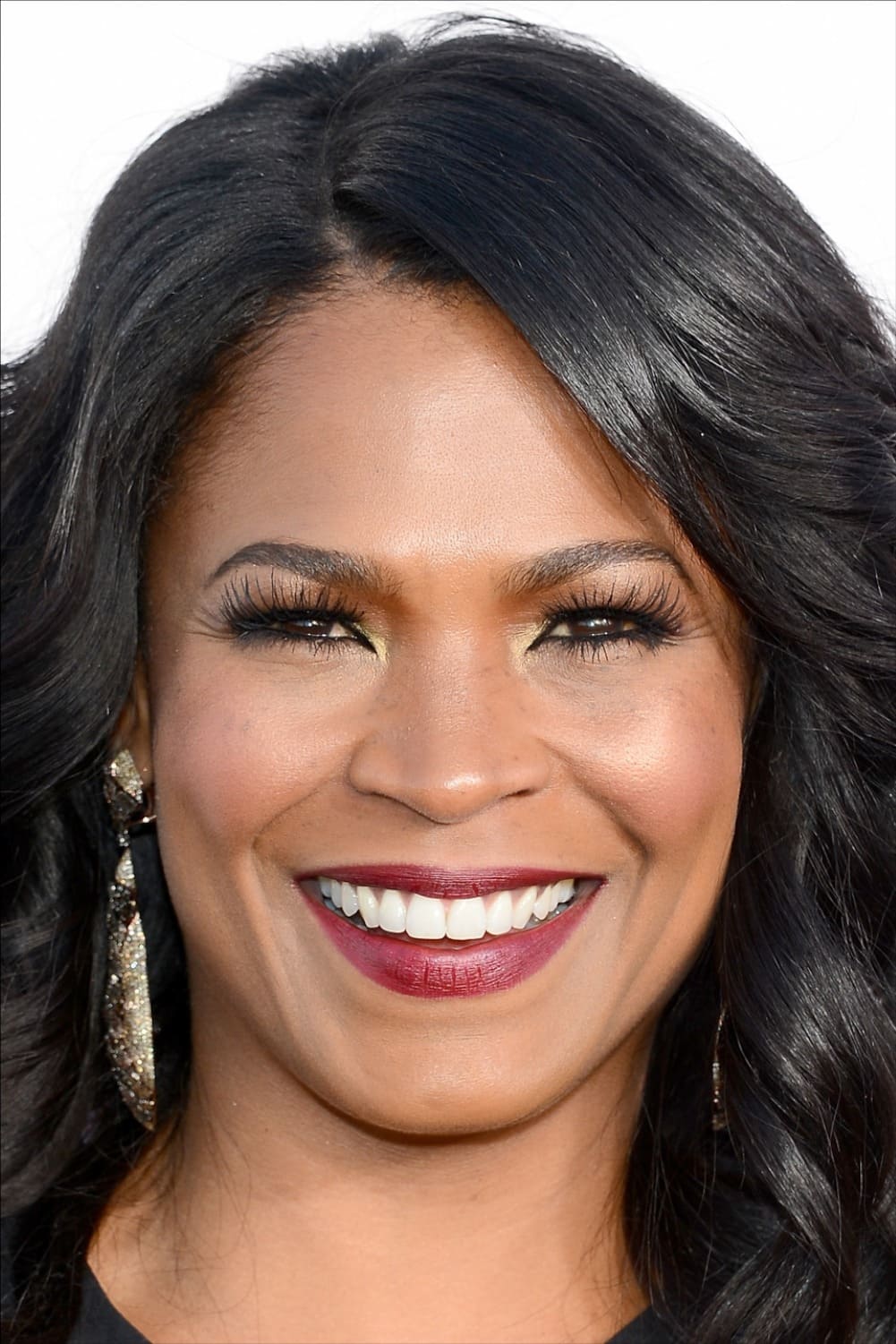
Nia Long became a staple of Black cinema in the nineties but found it difficult to transition into mature roles within the mainstream system. She has expressed frustration with the industry obsessing over youth and overlooking the beauty of women in their forties. Long noted that she was frequently passed over for roles in favor of younger women or white actresses. She continues to push for projects that explore the sexuality and vibrancy of middle-aged women.
Regina King
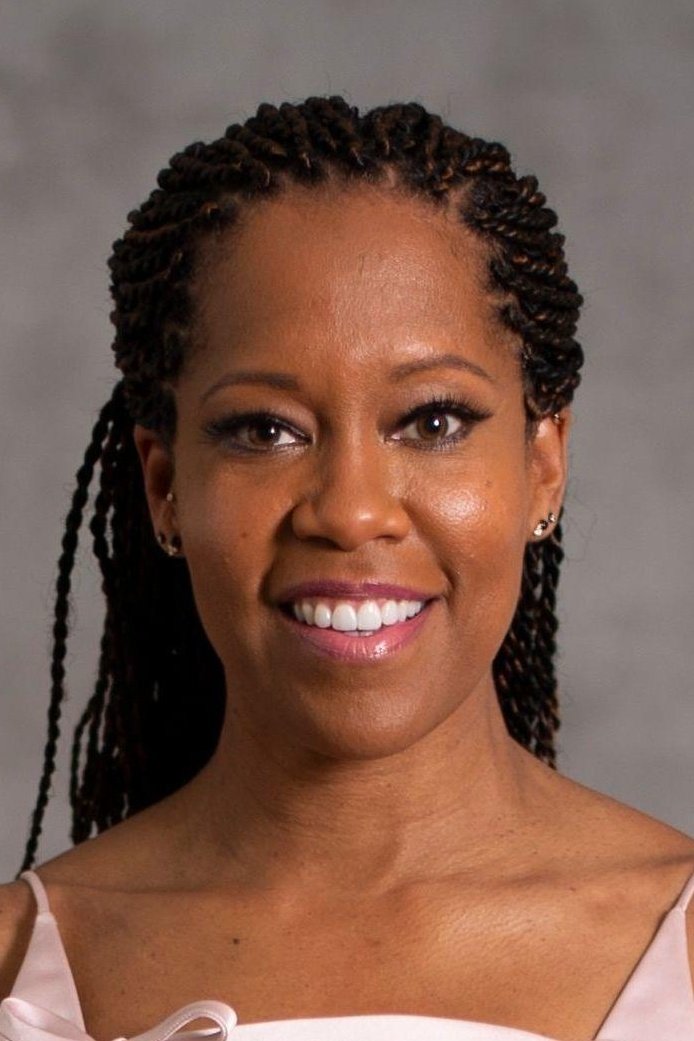
Regina King worked steadily as a child and teen actor but faced a quiet period before reinventing herself as a powerhouse dramatic lead. She noted that the industry struggles to see actors transition from one phase of life to the next without pigeonholing them. King took matters into her own hands by directing and producing content to ensure her voice remained heard. Her Oscar win for ‘If Beale Street Could Talk’ validated her persistence in an industry that often ignores women in mid-life.
Gabrielle Union
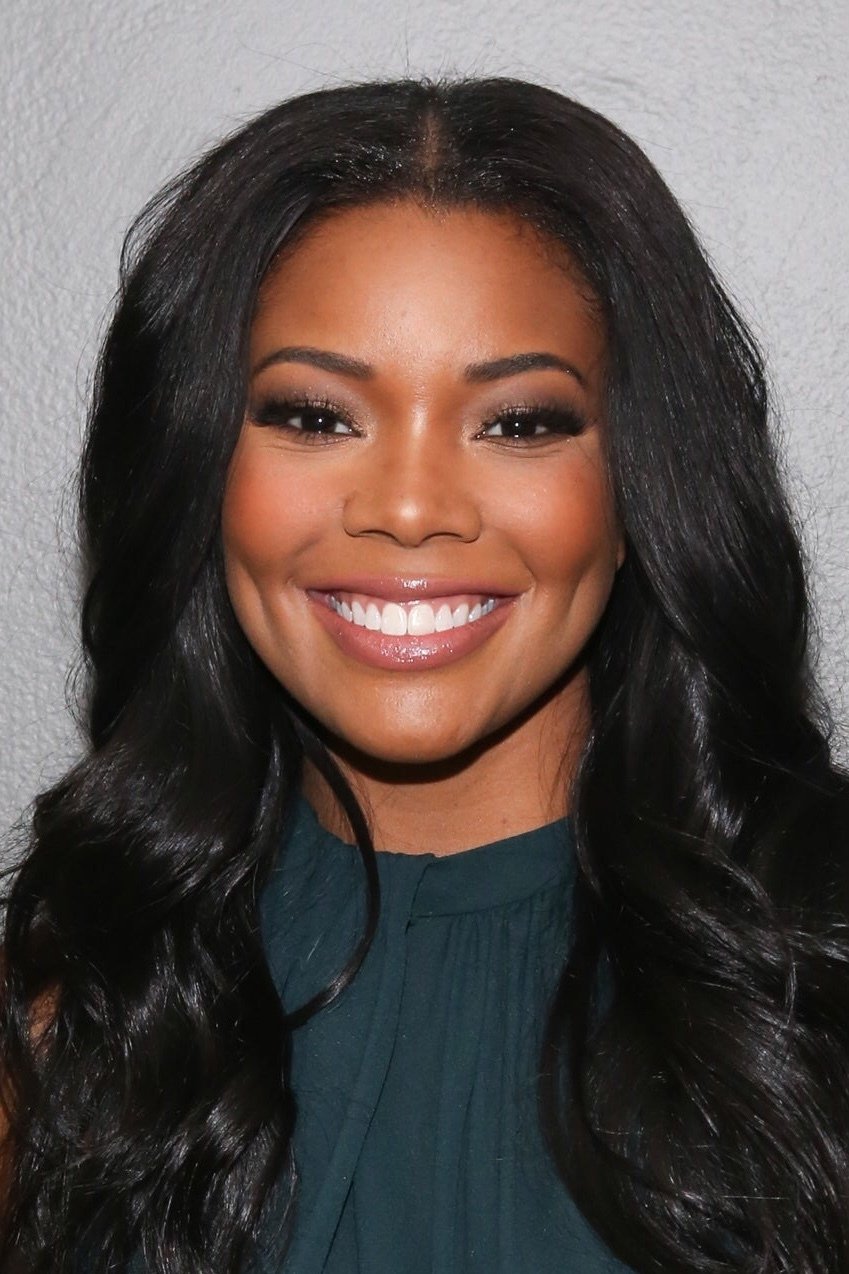
Gabrielle Union has been open about the fierce competition for the few spots available to Black actresses. She described the feeling of being discarded by studios once she could no longer play the high school cheerleader archetype. Union argues that ageism attempts to pit women against each other for scraps of representation. She has since moved into producing to create vehicles for herself and other marginalized voices.
Thandiwe Newton

Thandiwe Newton has criticized the sexualization of young actresses and the subsequent discarding of them as they age. She found that her complex heritage and age made casting directors unsure of where to place her in traditional narratives. Newton revitalized her career with ‘Westworld’ by playing a sentient android that defied simple categorization. She advocates for the idea that an actress gains more power and skill with age rather than losing value.
Octavia Spencer
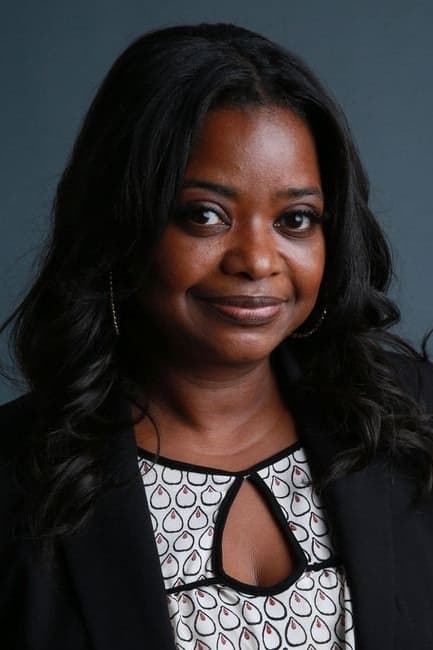
Octavia Spencer spent years playing minor roles with names like Nurse or Check-In Girl before her breakthrough. She has discussed the difficulty of breaking out of the character actor box to become a lead star later in life. Spencer highlights that physically diverse and older women are rarely seen as the heroes of their own stories. Her success in ‘The Shape of Water’ and ‘Ma’ broke the mold for what types of roles women over forty can inhabit.
Loretta Devine
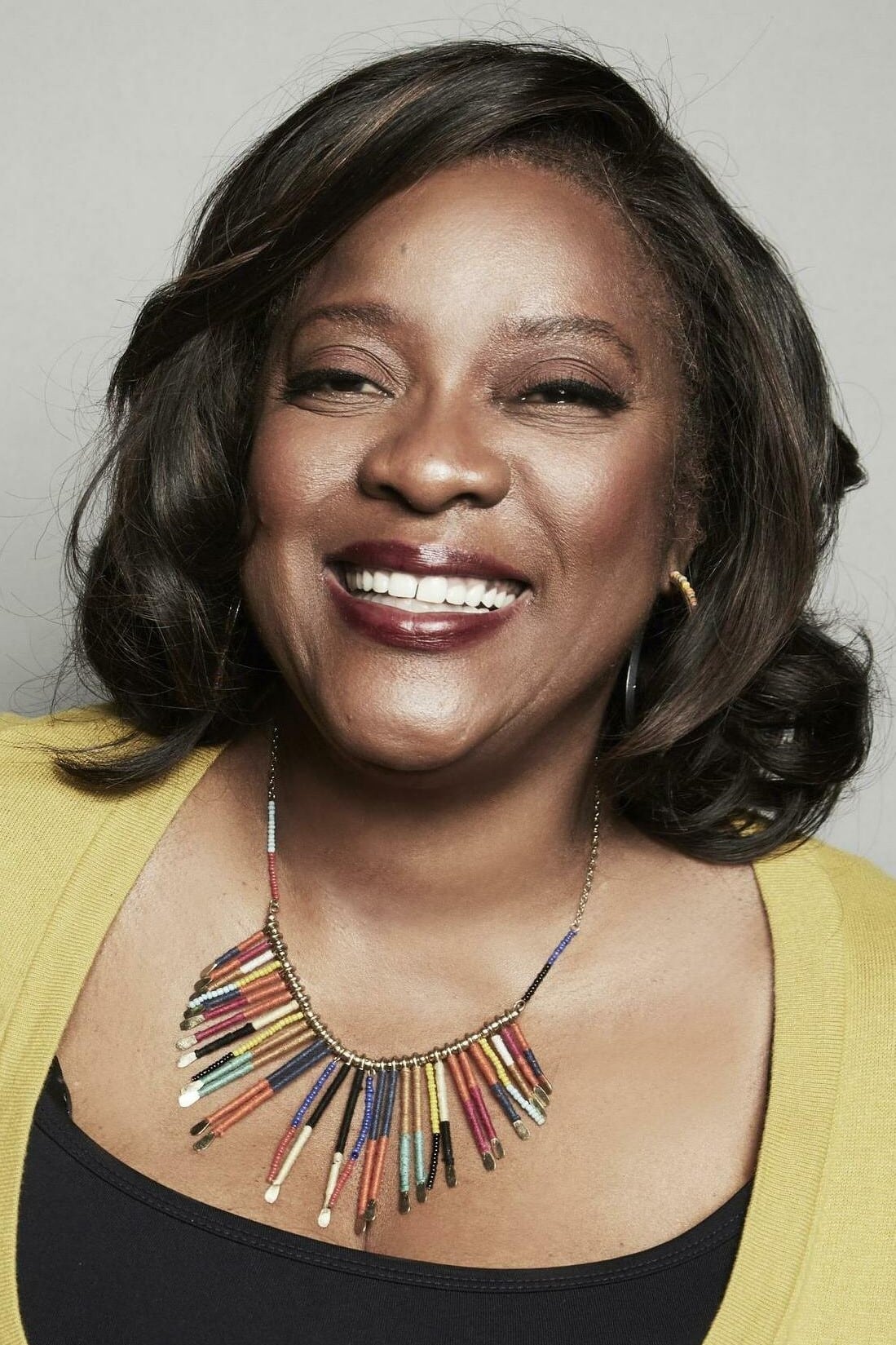
Loretta Devine faced similar challenges to Jenifer Lewis by being cast as a matriarch often before her time. Her distinct voice and presence made her a favorite for character roles but limited her access to glamorous leading parts. Devine has worked consistently but often in supporting capacities that support the emotional arcs of younger characters. She remains a testament to longevity despite the industry rarely offering her the spotlight she deserves.
Vanessa Williams
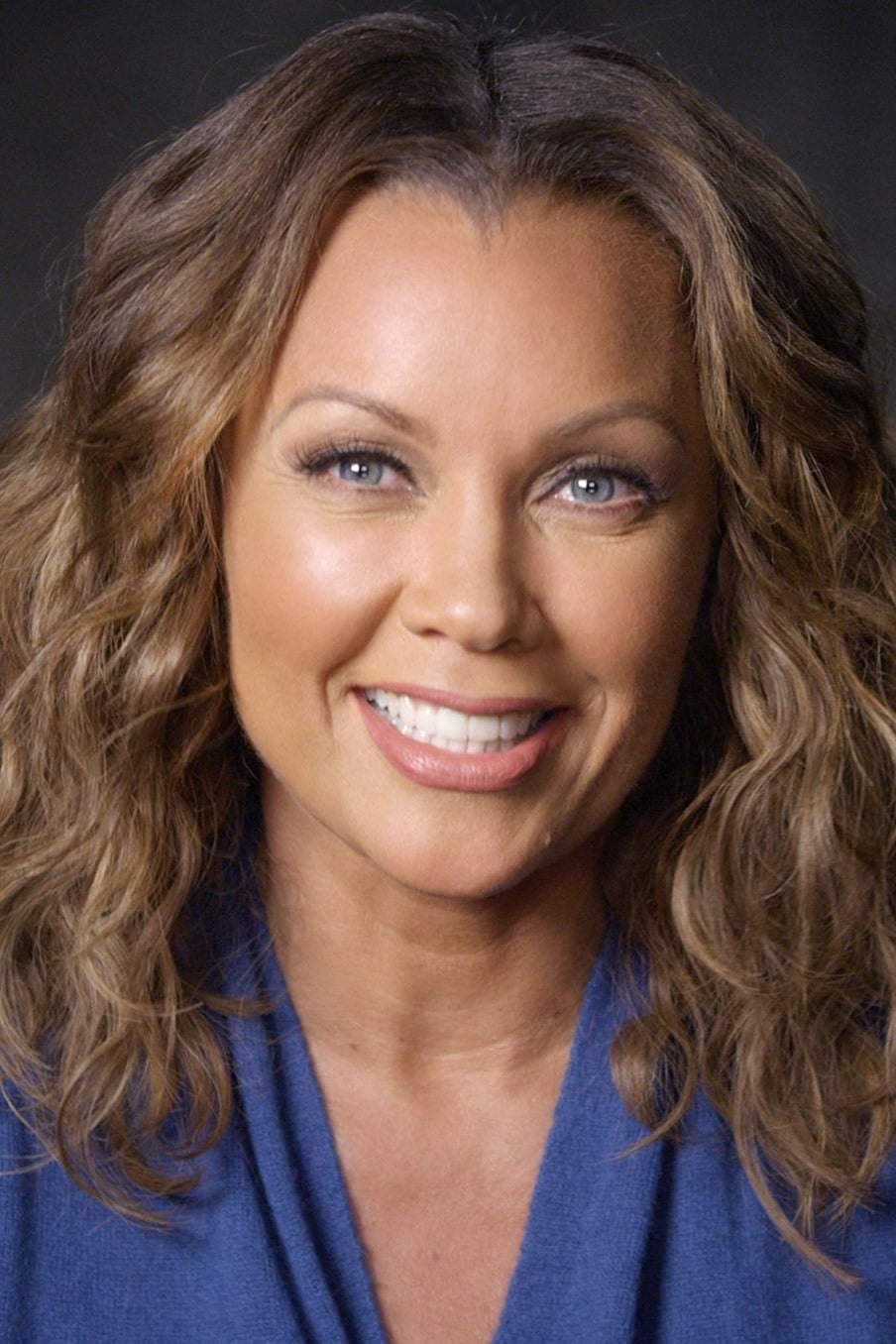
Vanessa Williams transitioned from the music industry to acting and faced scrutiny regarding her looks and age throughout her career. She has spoken about the pressure to maintain a specific image to remain viable in television roles like ‘Desperate Housewives’. Williams noted that scripts for women her age often lack depth or rely on stereotypes about fading beauty. She continues to work in theater and television to challenge the perception of what a woman over fifty can do.
Please share your thoughts on this topic and other actresses who deserve recognition in the comments.