Black Actresses Who Withdrew from Movies Because of Political Reasons

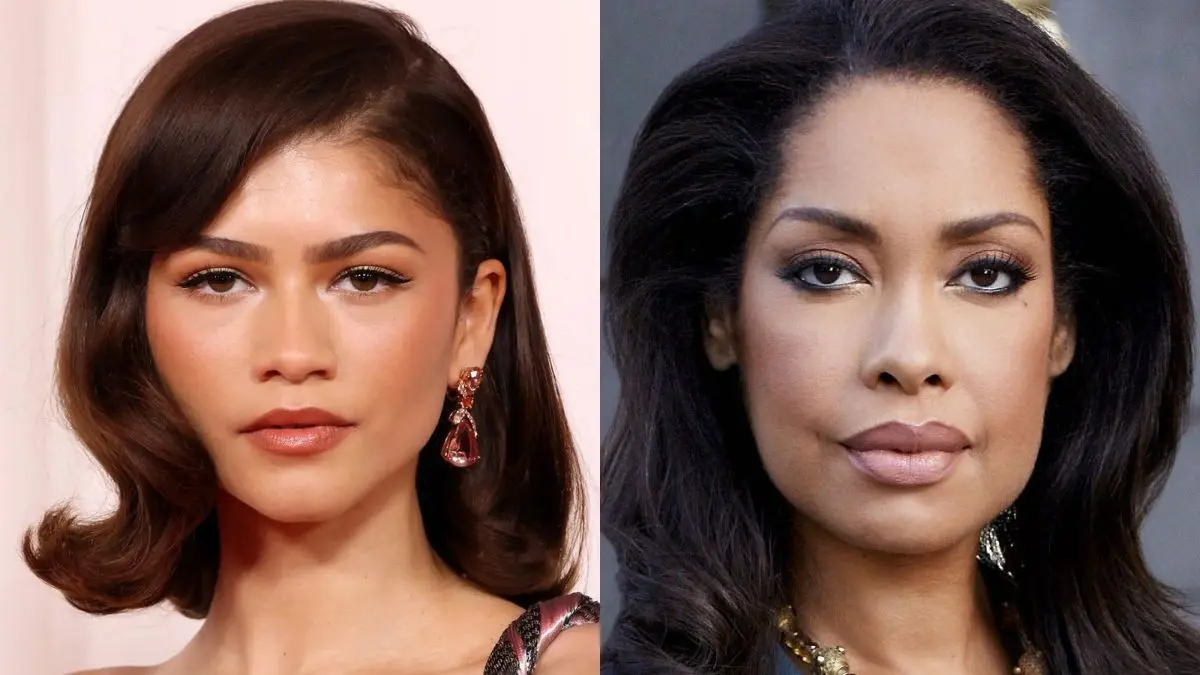

Throughout the history of cinema, Black actresses have faced the difficult challenge of navigating an industry often filled with racial stereotypes and pay disparities. Many have taken bold stands by walking away from lucrative projects or refusing roles that compromised their dignity, historical accuracy, or moral beliefs. These decisions often came at a personal cost but paved the way for better representation and more authentic storytelling on screen. Here are fifteen Black actresses who withdrew from movies or turned down roles for political and ethical reasons.
Zendaya

In 2014, Zendaya was cast to play the late R&B legend Aaliyah in a Lifetime biopic but decided to withdraw from the project shortly after the announcement. The actress cited the lack of production value and the absence of the Aaliyah family’s blessing as her primary reasons for leaving. She felt morally uncomfortable proceeding with a film that did not respect the wishes of the late singer’s estate or honor her legacy properly. Zendaya’s departure highlighted the importance of ethical storytelling and obtaining family approval when depicting real-life figures.
Halle Berry
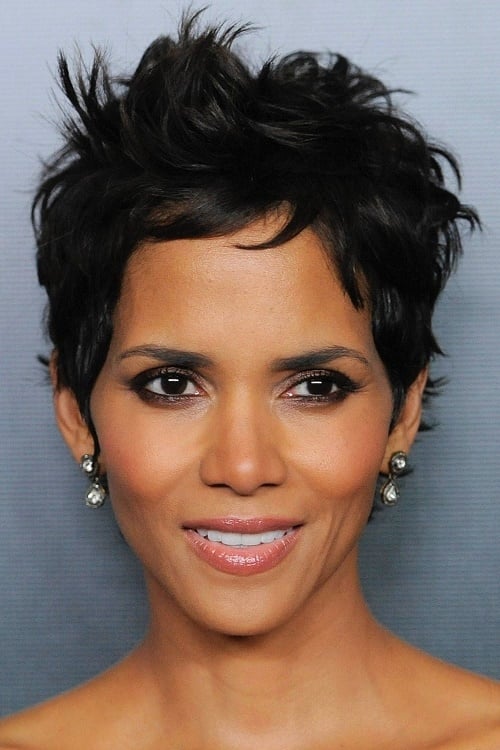
Halle Berry was preparing to star in an upcoming film where she would portray a transgender man, a role she initially defended. However, after facing significant backlash from the LGBTQ+ community and engaging in critical conversations, she announced her withdrawal from the project. Berry acknowledged that the story should be told by a member of the trans community to ensure authenticity and proper representation. Her decision was widely praised as a moment of listening and learning regarding casting politics in Hollywood.
Lupita Nyong’o
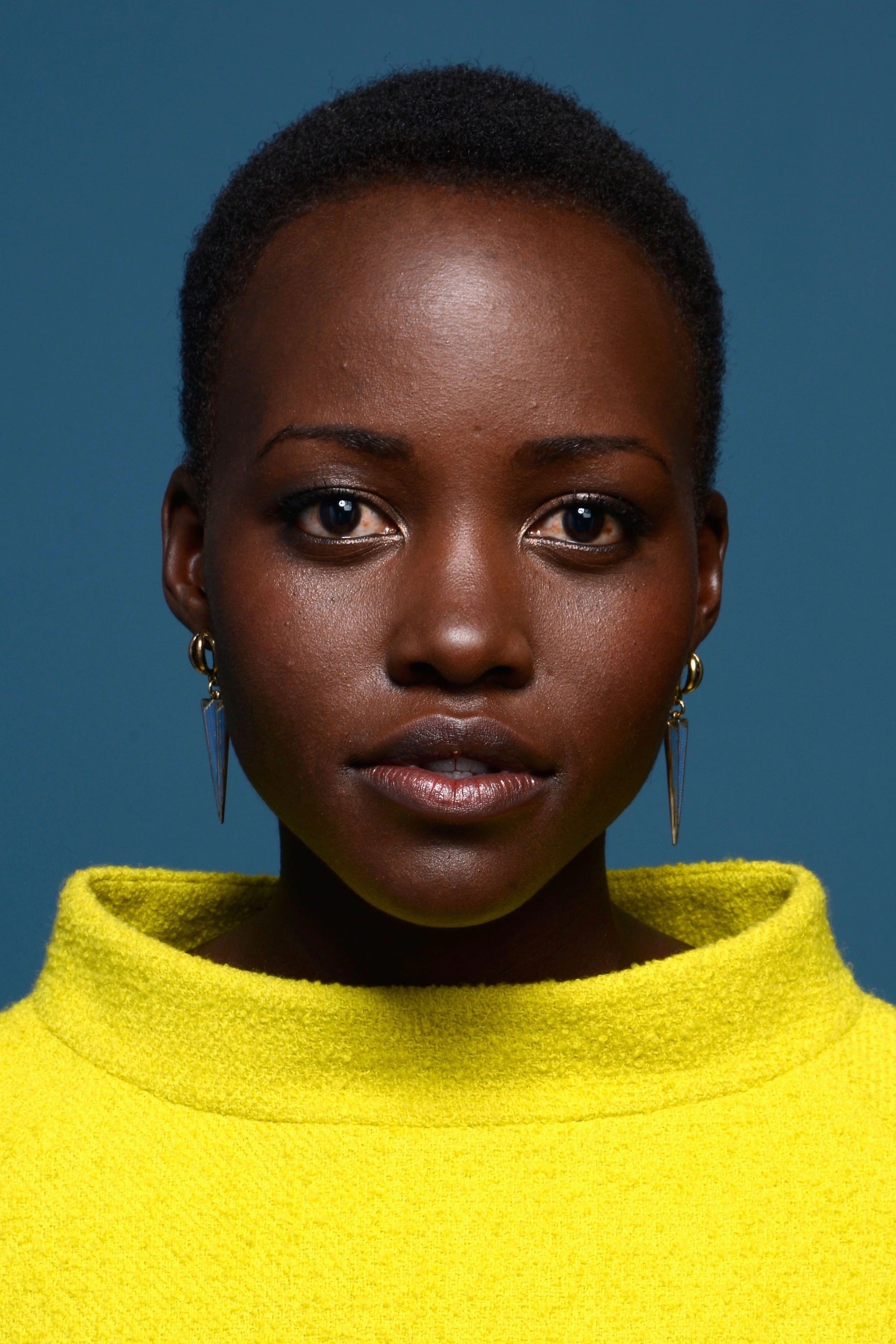
Oscar winner Lupita Nyong’o was attached to star in ‘The Woman King’ alongside Viola Davis but quietly exited the project before production began. While she described the departure as amicable, reports indicated she felt the role was not right for her after producing a documentary about the Agojie warriors. The historical controversy surrounding the tribe’s involvement in the slave trade reportedly created a moral conflict for the actress. Her choice underscored the complexities of portraying historical figures who have complicity in painful chapters of history.
Thandiwe Newton

Thandiwe Newton was originally cast as one of the leads in the 2000 blockbuster ‘Charlie’s Angels’ but chose to walk away from the film. She revealed later that her decision was driven by uncomfortable encounters with the film’s director and studio head, involving racial stereotyping and objectification. Newton refused to play a character that was being rewritten to fit a “street” stereotype rather than the educated woman originally in the script. Her exit opened the door for Lucy Liu but remained a significant stance against Hollywood’s narrow view of Black women.
Amandla Stenberg
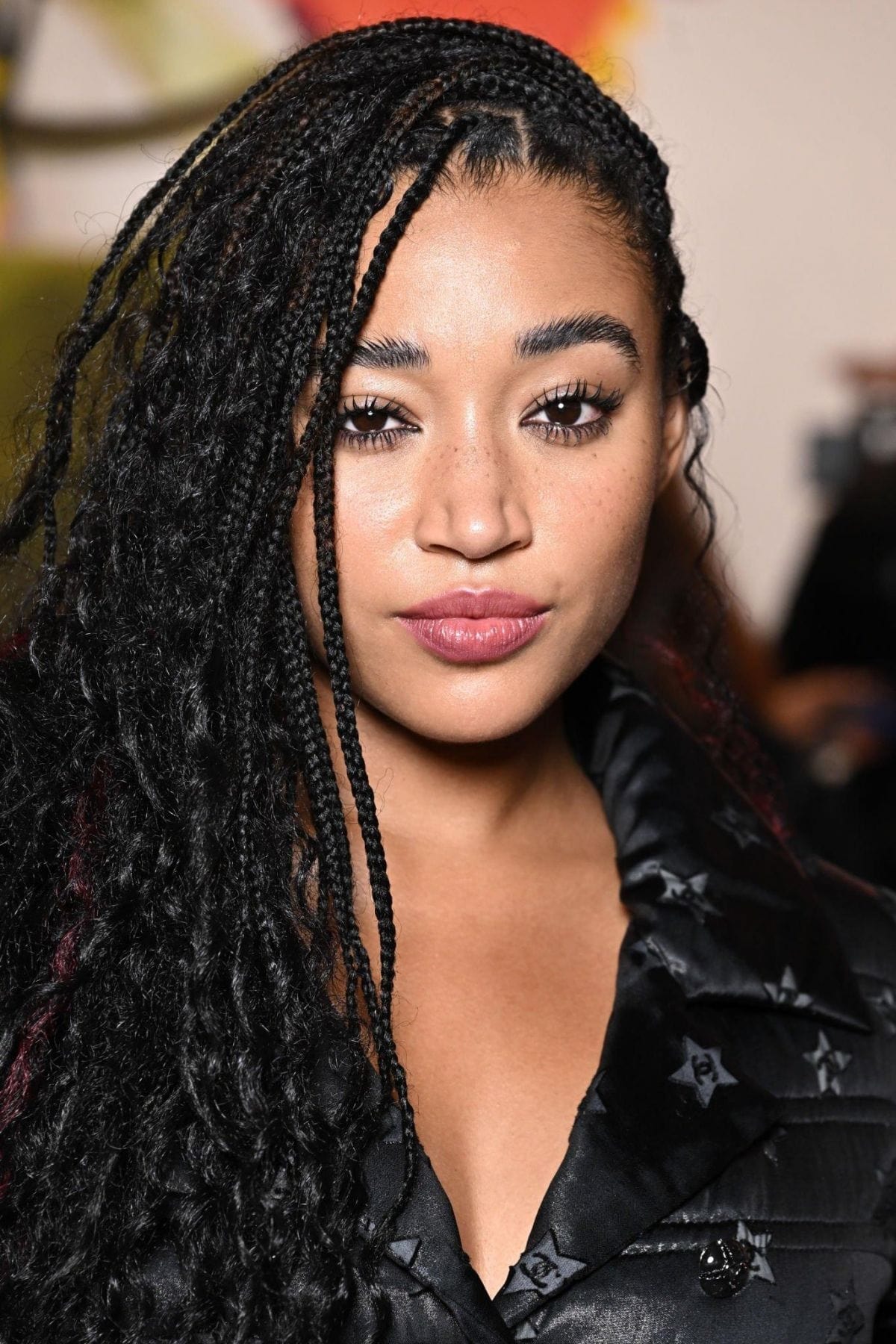
Amandla Stenberg walked away from the audition process for the role of Shuri in the Marvel blockbuster ‘Black Panther’. The actress believed that a dark-skinned actor should portray the African princess to accurately reflect the demographics and colorism discussions pertinent to the film. Stenberg acknowledged her own light-skinned privilege and felt that taking the space would be politically and culturally insensitive. Her decision allowed Letitia Wright to take the role, which became a fan favorite.
Angela Bassett
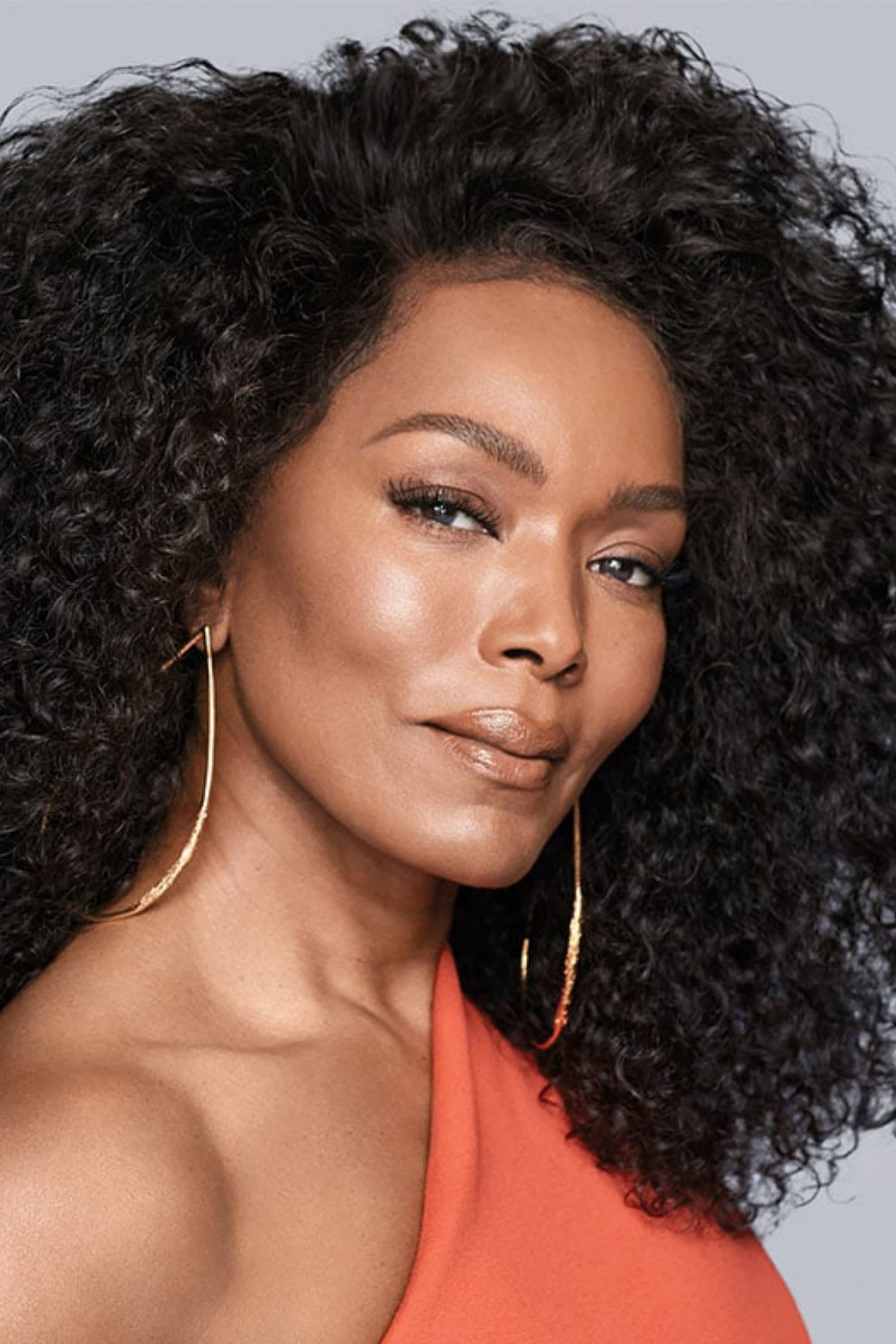
Angela Bassett famously turned down the lead role of Leticia Musgrove in ‘Monster’s Ball’, a part that eventually won Halle Berry an Academy Award. Bassett refused the role because she found the character’s depiction demeaning and stereotypical, specifically objecting to the explicit sexual content required. She stated that she was not interested in playing a prostitute on film simply for the sake of an award. Her refusal was a testament to her commitment to portraying Black women with dignity and strength.
Cicely Tyson

The legendary Cicely Tyson built her career on refusing roles that she felt degraded Black women, such as drug addicts or maids without agency. She notably turned down the lead role in the film ‘Claudine’ because she did not want to play an unmarried mother living with a man, believing it reinforced negative stereotypes. Tyson’s strict criteria for her roles often left her out of work for long periods, but she remained steadfast in her activism through art. She dedicated her life to ensuring her characters displayed resilience and pride.
Dorothy Dandridge
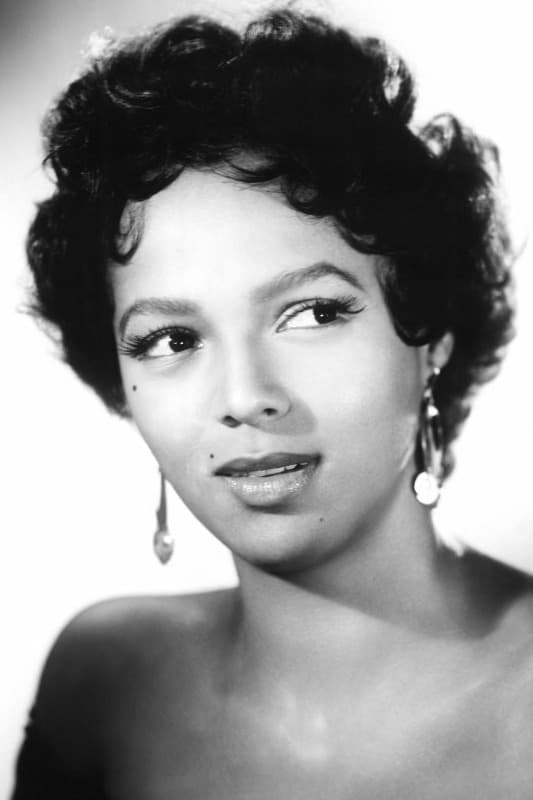
Dorothy Dandridge, the first Black woman nominated for a Best Actress Oscar, turned down the supporting role of Tuptim in ‘The King and I’. She was advised that playing a slave would be a step backward after her success in ‘Carmen Jones’ and refused the part on principle. Although the decision may have stalled her momentum in a segregated industry, it reflected her desire to be seen as a leading lady rather than a subordinate. Dandridge consistently fought against the limited and subservient roles offered to women of color in the 1950s.
Lena Horne
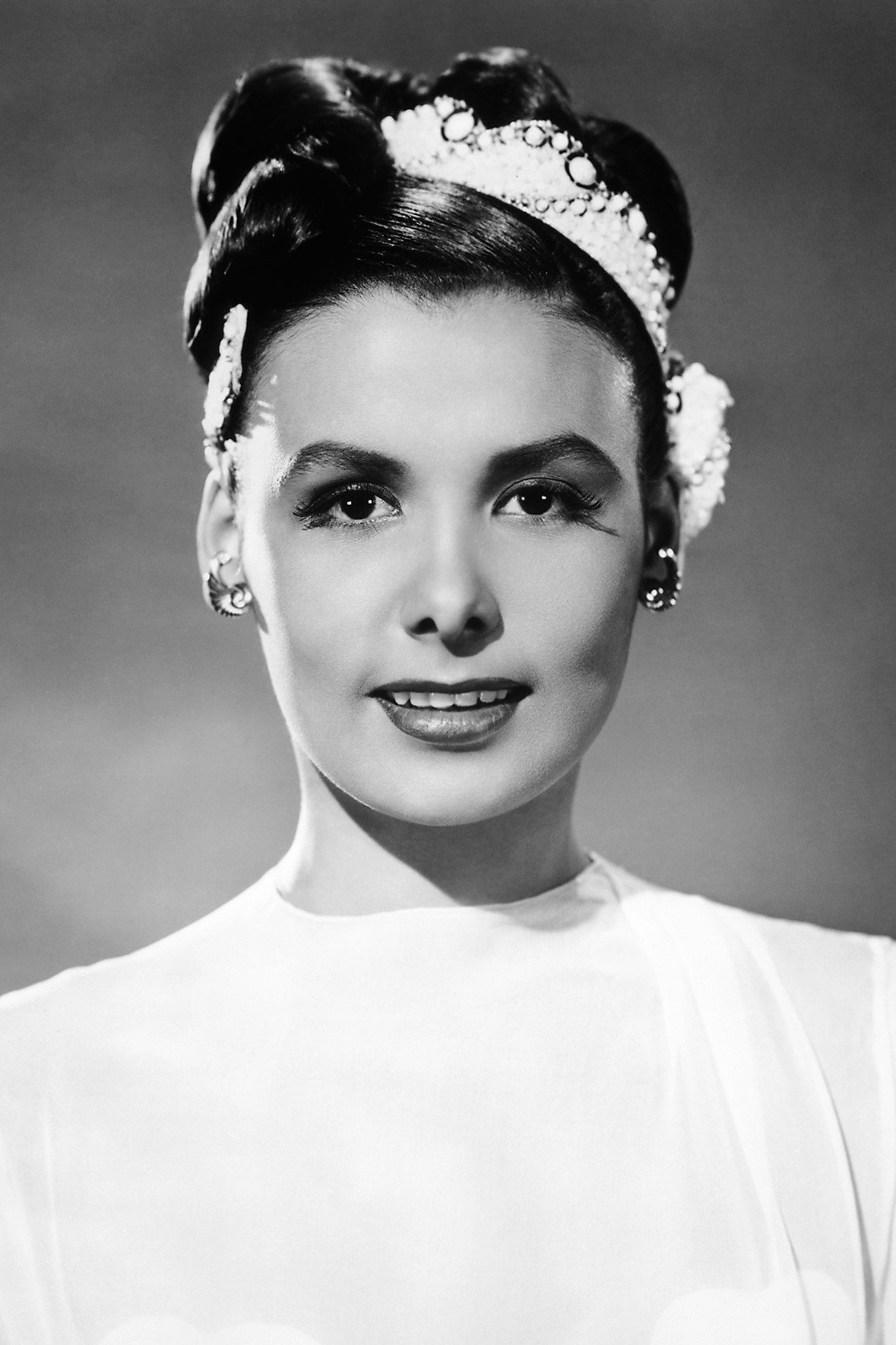
Lena Horne was a pioneer who famously signed a contract with MGM that specifically stipulated she would never have to play a maid. She withdrew from consideration for numerous roles that required her to play subservient characters, limiting her filmography but preserving her dignity. Horne also refused to perform for segregated audiences during World War II, effectively withdrawing her labor from the military entertainment complex when Black soldiers were mistreated. Her career was defined by her refusal to compromise her identity for studio approval.
Ruby Dee
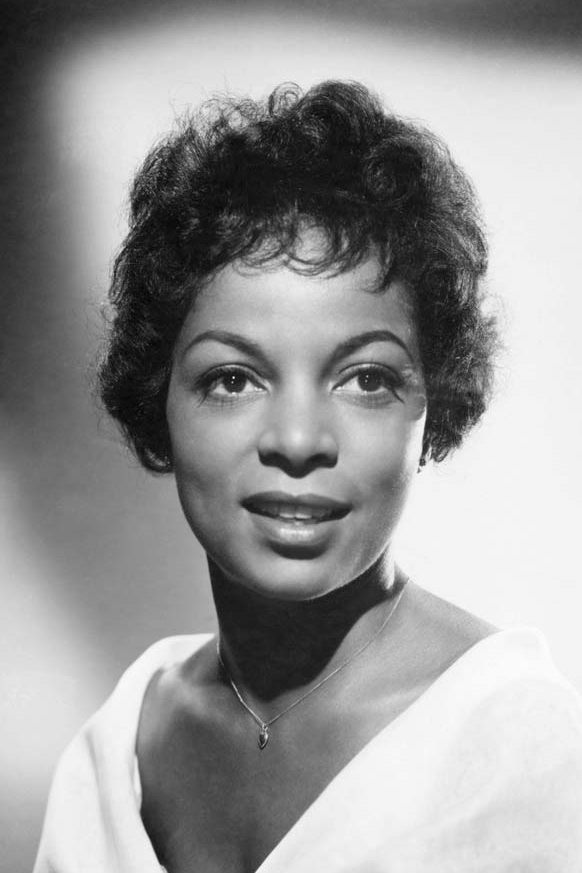
Ruby Dee was an actress and civil rights activist who consistently turned down roles that depicted Black women as mammies or servants. She and her husband Ossie Davis were deeply involved in the political struggles of their time, which influenced their artistic choices. Dee actively sought out roles that offered complexity and humanity, often working in independent Black cinema when Hollywood offered nothing but caricatures. Her withdrawal from the mainstream stereotype machine helped establish a new standard for Black character actors.
Tiffany Haddish
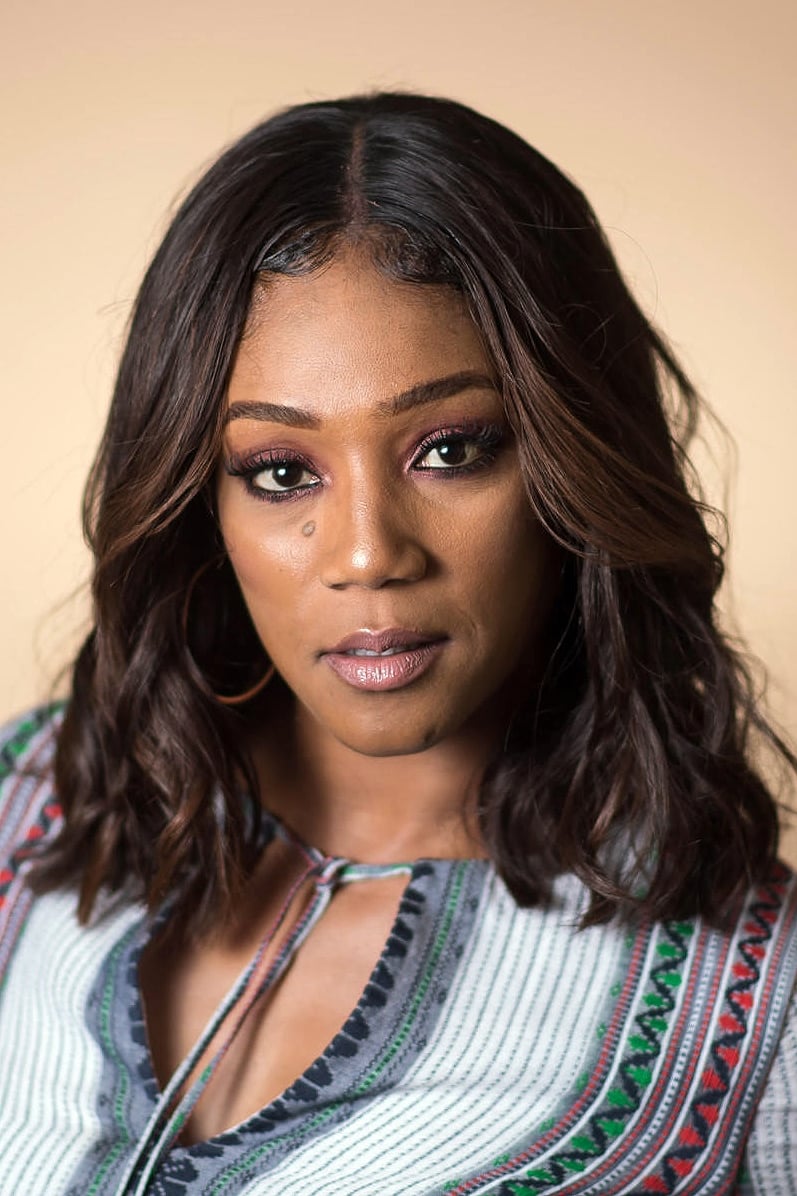
Comedian Tiffany Haddish turned down a role in the film ‘Top Five’ because the script called for a sexual scene she felt was degrading and unnecessary. She also famously declined to audition for ‘Get Out’ because she did not want to participate in a film depicting Black trauma in a horror setting. Haddish has been vocal about maintaining her brand and refusal to compromise her morals for a paycheck. Her choices reflect a modern agency where Black actresses feel empowered to say no to material that doesn’t align with their values.
Gina Torres
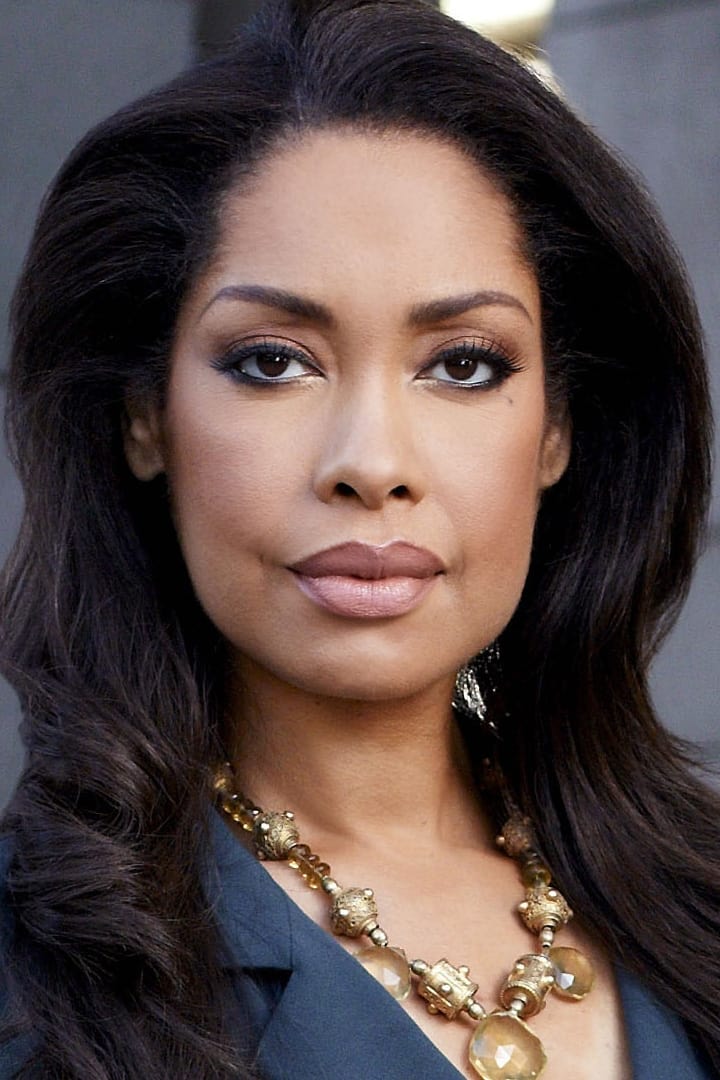
Gina Torres has publicly stated that she refuses to audition for or accept roles that depict her as a slave. The actress made a conscious decision to avoid narratives focused solely on Black subjugation and trauma, preferring stories of empowerment. By withdrawing her name from consideration for these common historical dramas, she limits her pool of potential work but maintains control over her image. Torres continues to advocate for futuristic and contemporary roles that imagine Black women in positions of power.
Butterfly McQueen
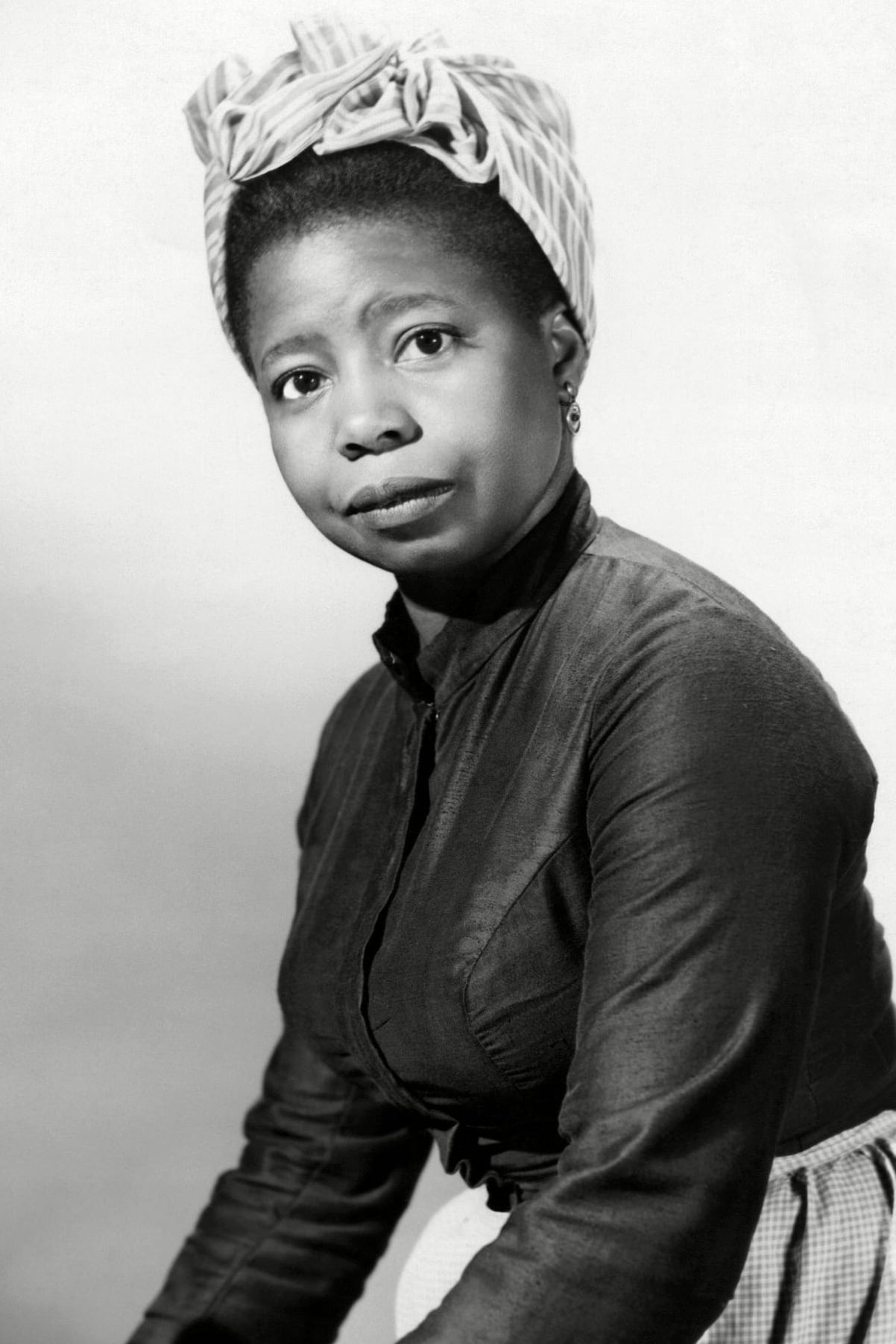
Best known for playing Prissy in ‘Gone with the Wind’, Butterfly McQueen eventually withdrew from the film industry almost entirely due to the lack of dignified roles. She grew tired of being typecast as a maid and refused to continue playing characters that she felt were insulting to her people. McQueen transitioned into other fields, including nursing, rather than submit to the demeaning requirements of Hollywood casting directors. Her departure was a quiet but powerful protest against the industry’s inability to see Black women as anything other than servants.
Eartha Kitt
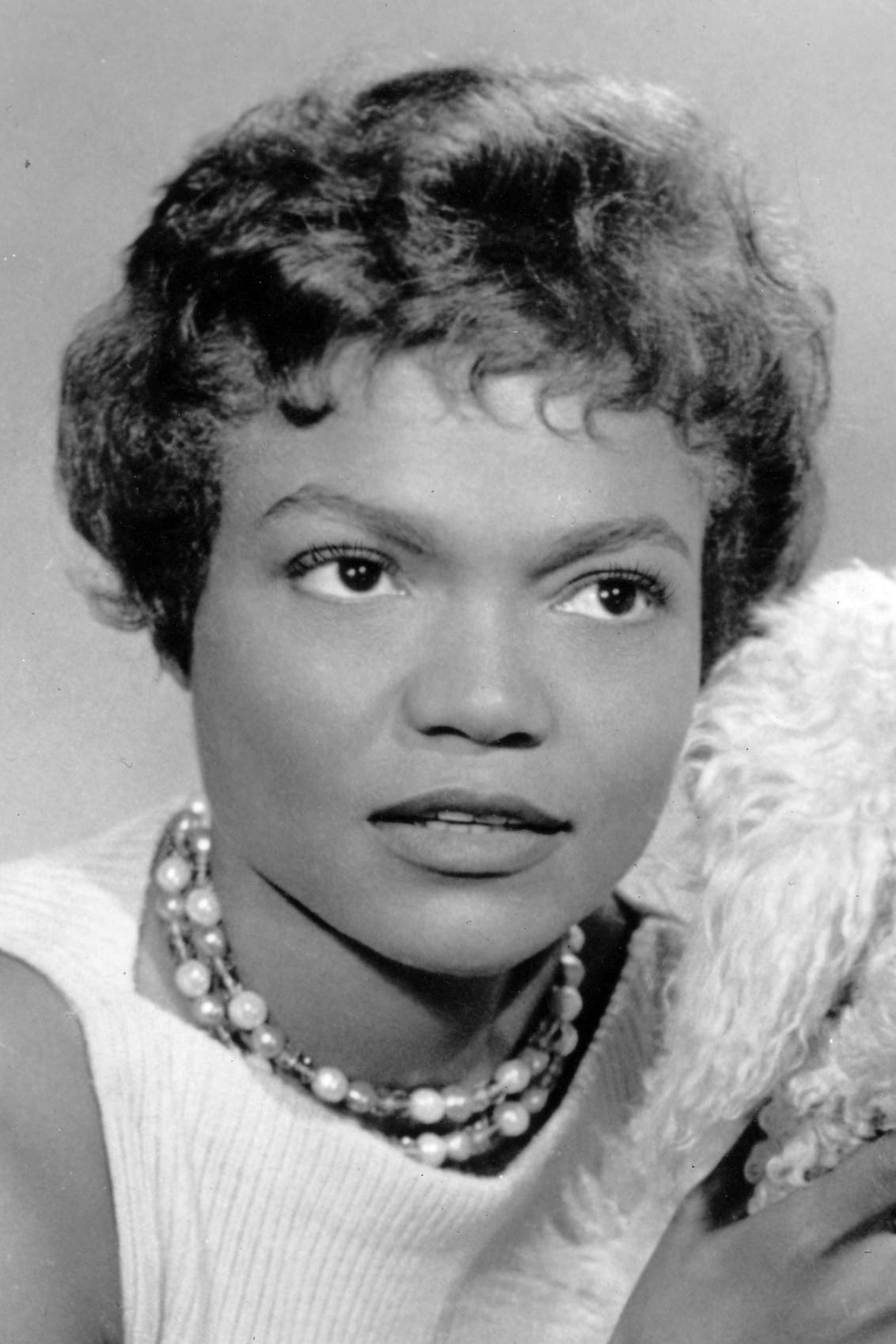
While Eartha Kitt’s withdrawal from movies was forced, it was a direct result of her political activism. After speaking out against the Vietnam War during a White House luncheon in 1968, she was effectively blacklisted from the American entertainment industry for over a decade. Kitt refused to silence her political opinions to save her career, choosing instead to work in Europe until the political climate shifted. Her story is a stark reminder of the professional consequences Black actresses have faced for speaking truth to power.
Janet Jackson
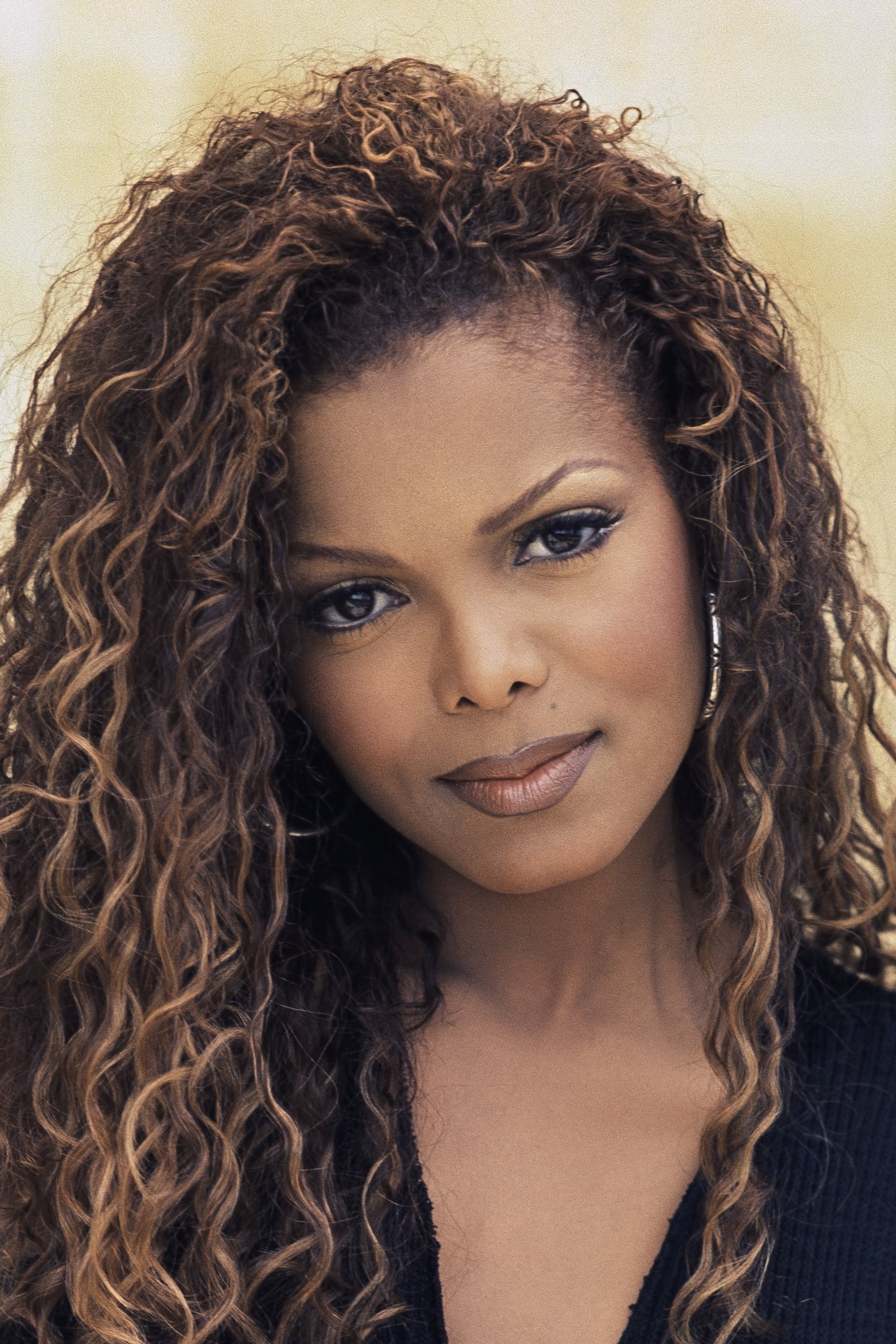
Janet Jackson was set to star in a biopic about Lena Horne, a project that was highly anticipated. However, following the controversy surrounding her 2004 Super Bowl performance, Lena Horne reportedly refused to allow Jackson to play her. Jackson withdrew from the project out of respect for Horne’s wishes and the pressure surrounding the incident. The situation illustrated the complex politics of respectability and image that Black female entertainers must navigate.
Which of these decisions do you think had the biggest impact on the film industry? Share your thoughts in the comments.