Famous Black Actresses Who Are Advocating Free Speech

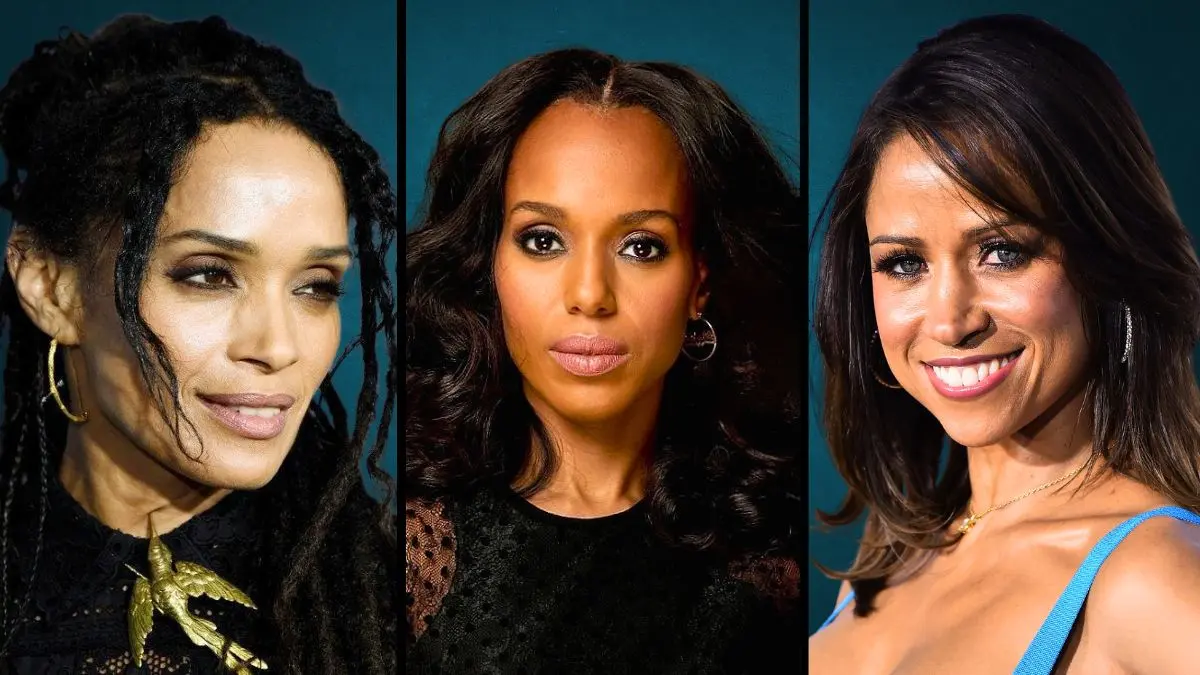

Free speech and open expression have become pivotal topics in Hollywood as artists fight for control over their narratives and the right to voice unpopular opinions. Many Black actresses are at the forefront of this movement by challenging censorship and demanding transparency from major studios. These women utilize their platforms to speak truth to power regarding industry blacklisting and the suppression of authentic storytelling. They demonstrate that the right to speak freely is essential for artistic integrity and social progress.
Whoopi Goldberg
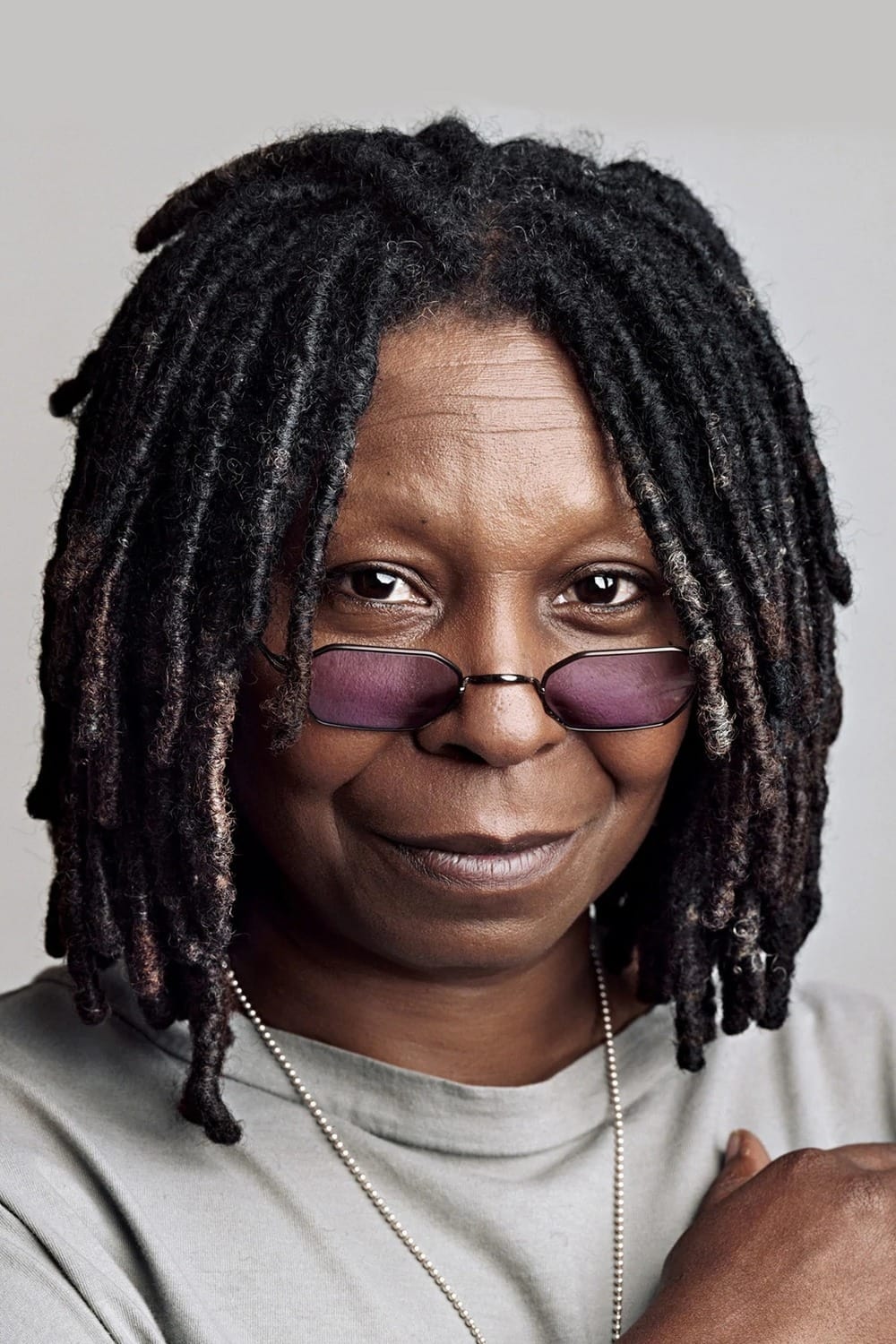
Whoopi Goldberg utilizes her prominent position on ‘The View’ to consistently defend the principles of free expression regardless of political correctness. She often argues that comedians must have the liberty to push boundaries without fear of immediate censorship or career destruction. Her career has been defined by her refusal to conform to societal expectations regarding what a lead actress should say or do. Goldberg maintains that open dialogue is essential for a functioning society even when the opinions expressed are unpopular or controversial.
Stacey Dash
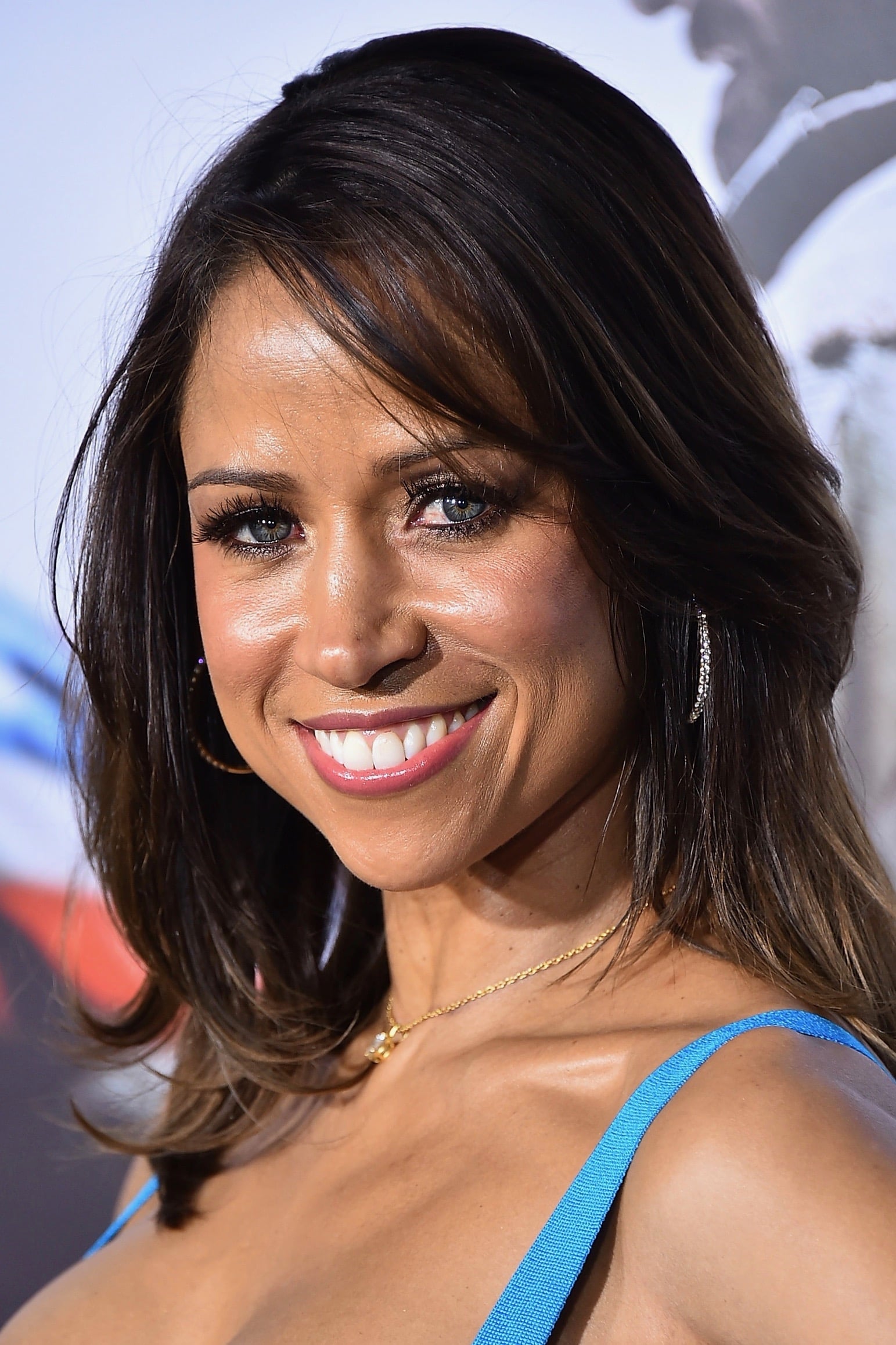
Stacey Dash gained significant attention for pivoting from her role in ‘Clueless’ to becoming a vocal political commentator who challenges Hollywood liberalism. She frequently argues that the entertainment industry suppresses conservative voices and creates an environment where dissent is punished. Dash advocates for the right to hold differing political views without facing professional retaliation from casting directors or producers. Her willingness to speak against the grain highlights the complexities of ideological diversity within the acting community.
Mo’Nique
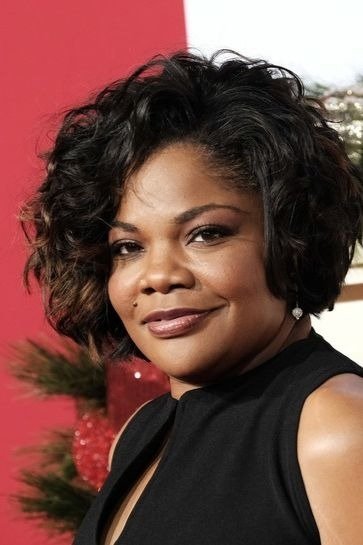
Mo’Nique has become a fierce advocate for pay equity and the right to speak out against powerful studio executives without fear of being blacklisted. She publicly detailed her conflict with Netflix and other industry titans to expose the pressures placed on Black women to accept less than they are worth. Her refusal to remain silent about her treatment by ‘Precious’ director Lee Daniels sparked a massive conversation about the cost of honesty in Hollywood. She continues to champion the idea that an artist must maintain their voice and dignity above all else.
Gabrielle Union
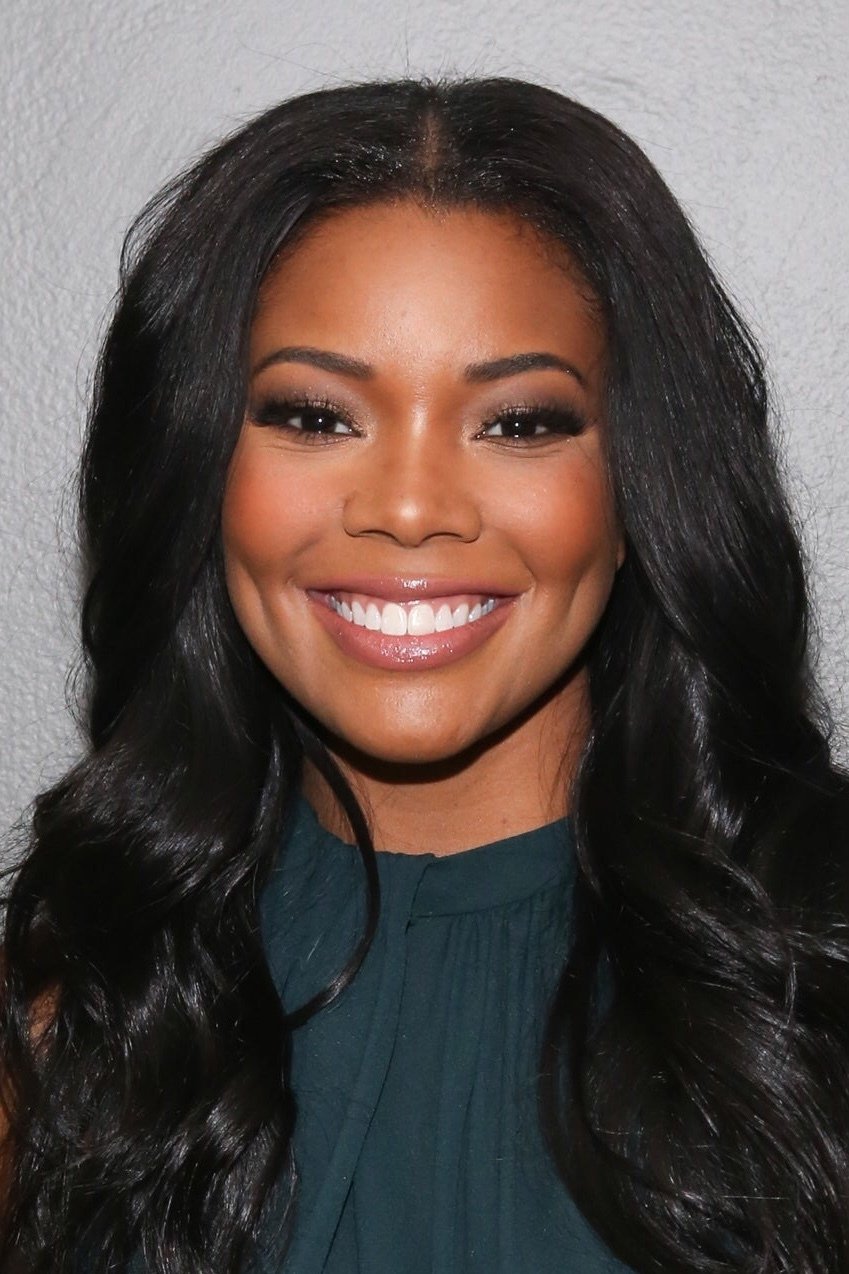
Gabrielle Union took a significant professional risk by speaking out against the toxic workplace culture she experienced as a judge on ‘America’s Got Talent’. Her willingness to expose racial insensitivity and censorship at a major network demonstrated her commitment to truth over job security. Union uses her production company to champion stories that might otherwise be silenced or sanitized by mainstream media gatekeepers. She argues that true free speech involves protecting whistleblowers who try to improve institutional standards.
Amanda Seales
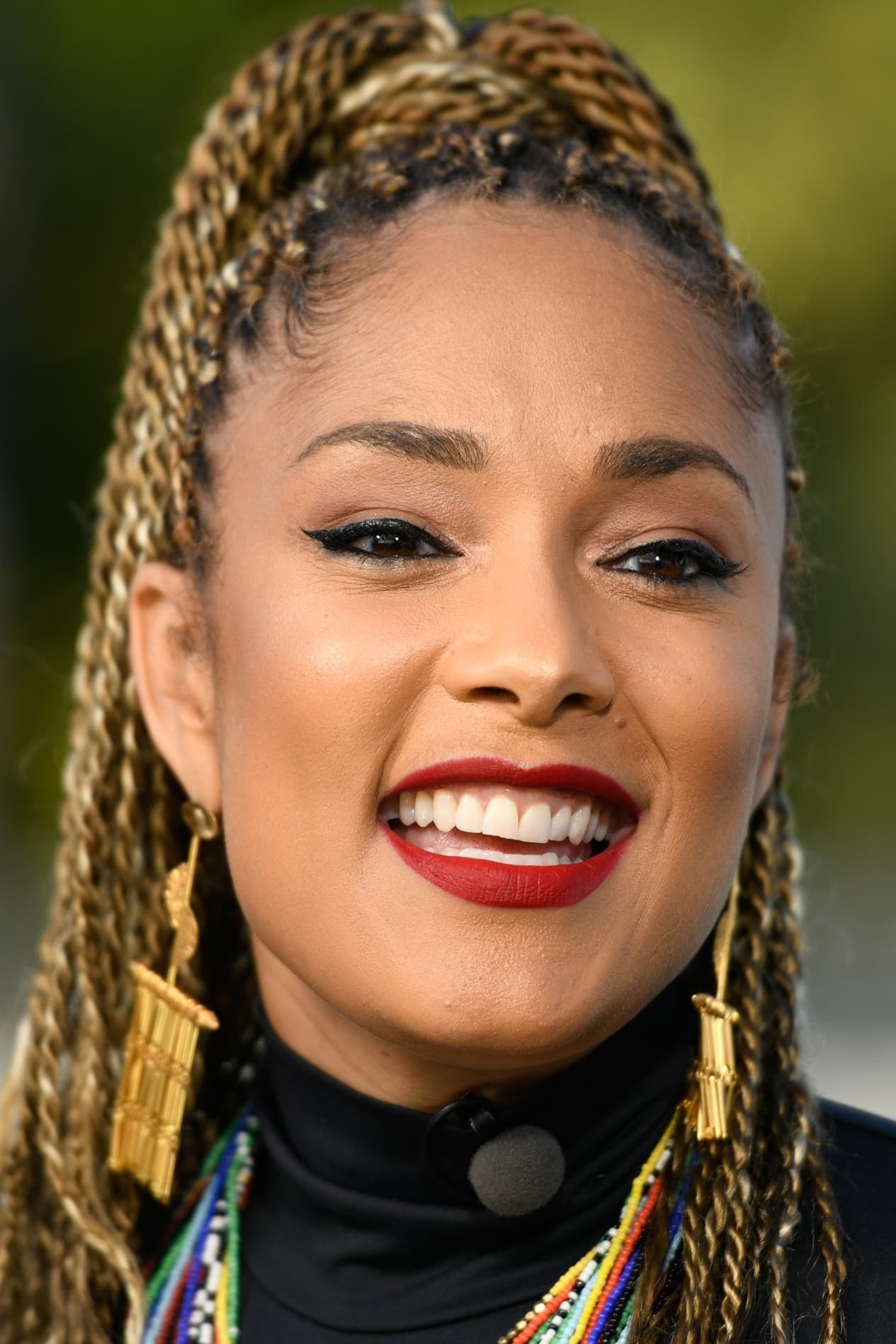
Amanda Seales uses her comedy and social media platforms to address uncomfortable truths about race and politics that many in the industry avoid. The ‘Insecure’ actress frequently criticizes the performative nature of Hollywood activism and demands substantive changes rather than empty gestures. Seales insists on her right to define her own identity and rejects attempts by publicists to tone down her messaging for mass appeal. Her advocacy centers on the freedom to be intellectually honest regardless of the discomfort it causes.
Viola Davis
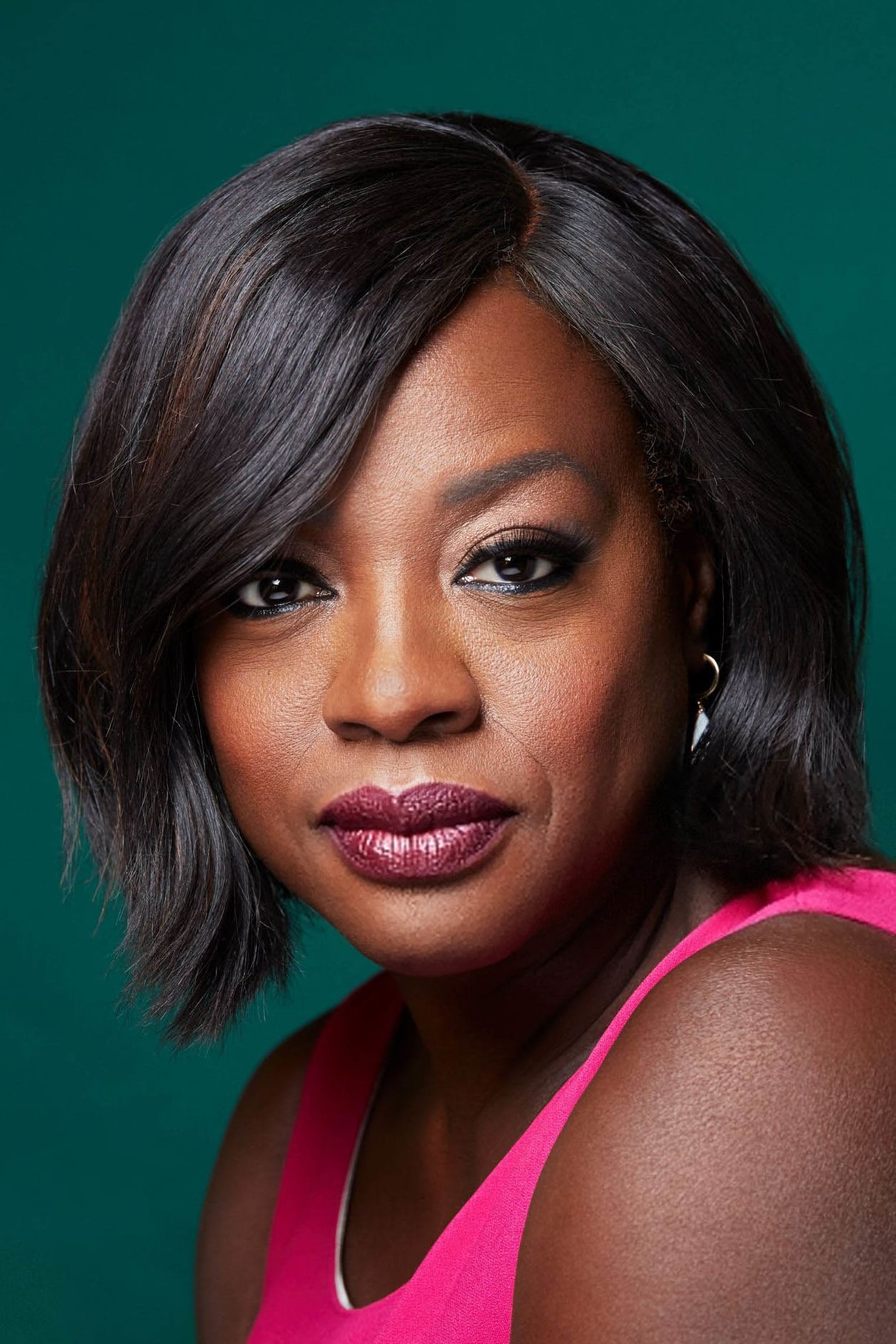
Viola Davis advocates for the freedom of Black artists to portray complex and flawed characters without the burden of being role models. She argues that true artistic freedom means shedding the expectation that Black women must always be strong or respectable on screen. Her speeches often touch on the need for the industry to greenlight authentic narratives that have historically been ignored or suppressed. Davis believes that limiting the types of stories that can be told is a form of censorship that impoverishes the cultural landscape.
Erykah Badu
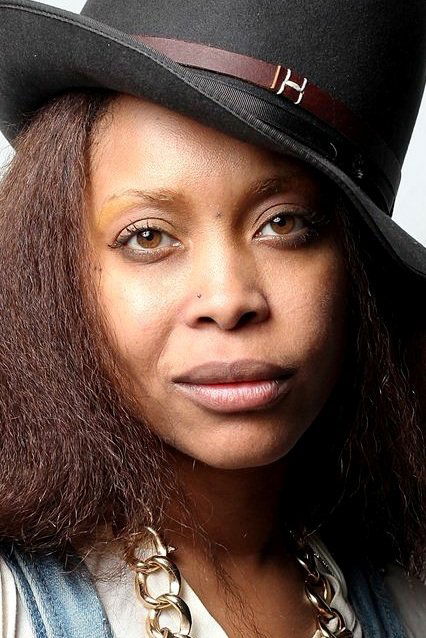
Erykah Badu often sparks controversy with her radical approach to empathy and her refusal to participate in cancel culture mentalities. The ‘The Cider House Rules’ actress and singer frequently defends her right to see the humanity in everyone regardless of public opinion. She challenges groupthink by asking difficult questions and refusing to apologize for her independent thought process. Badu views free speech as a spiritual practice that requires total honesty even when it leads to significant backlash.
Jada Pinkett Smith
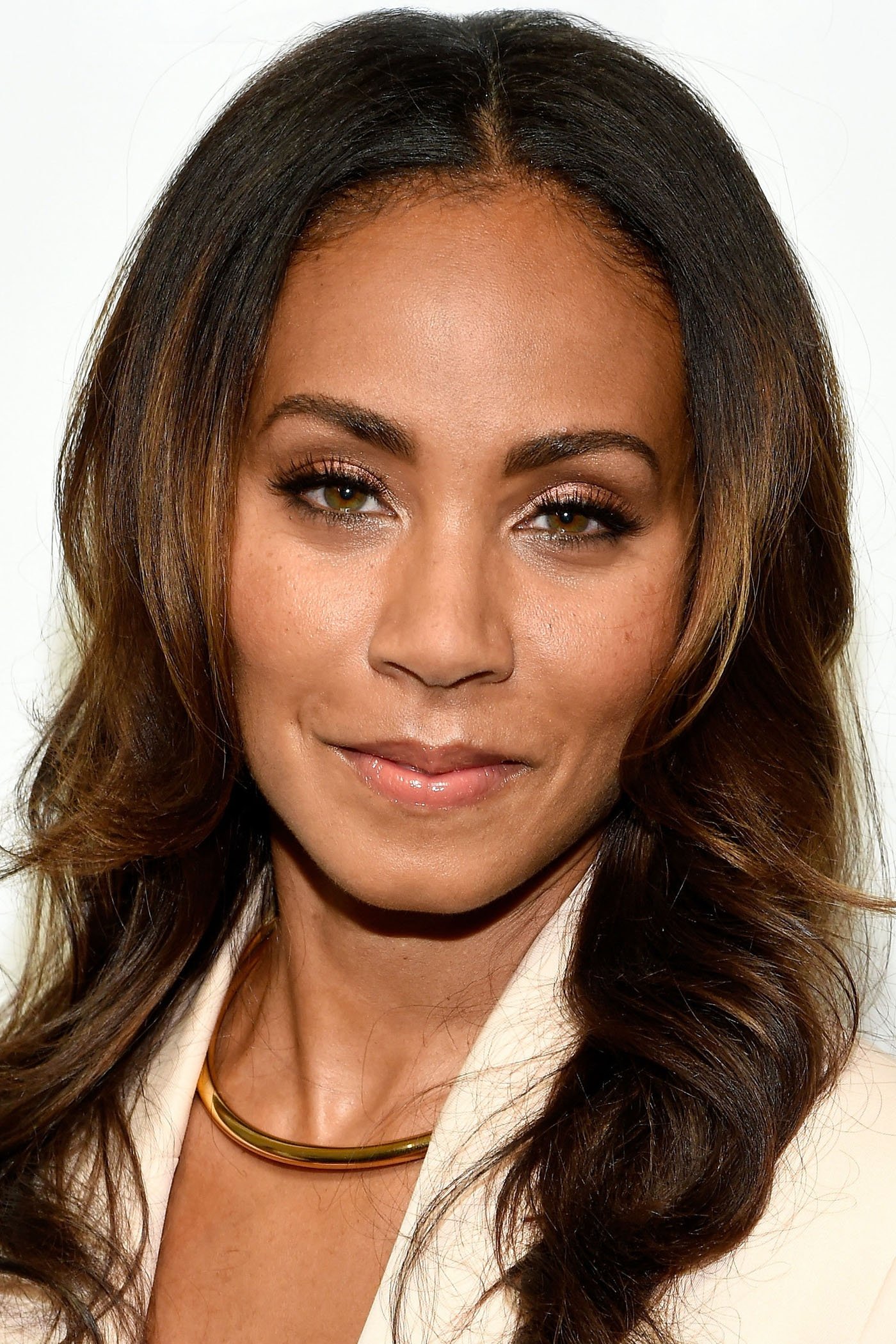
Jada Pinkett Smith created ‘Red Table Talk’ as a sanctuary for unfiltered conversations that mainstream television often deems too risky or raw. She invites guests to discuss polarizing topics ranging from addiction to infidelity in an effort to break down shame and silence. Smith champions the idea that healing can only occur when people are free to speak their truth without judgment or editing. Her platform demonstrates the power of open dialogue to dismantle societal taboos.
Taraji P. Henson
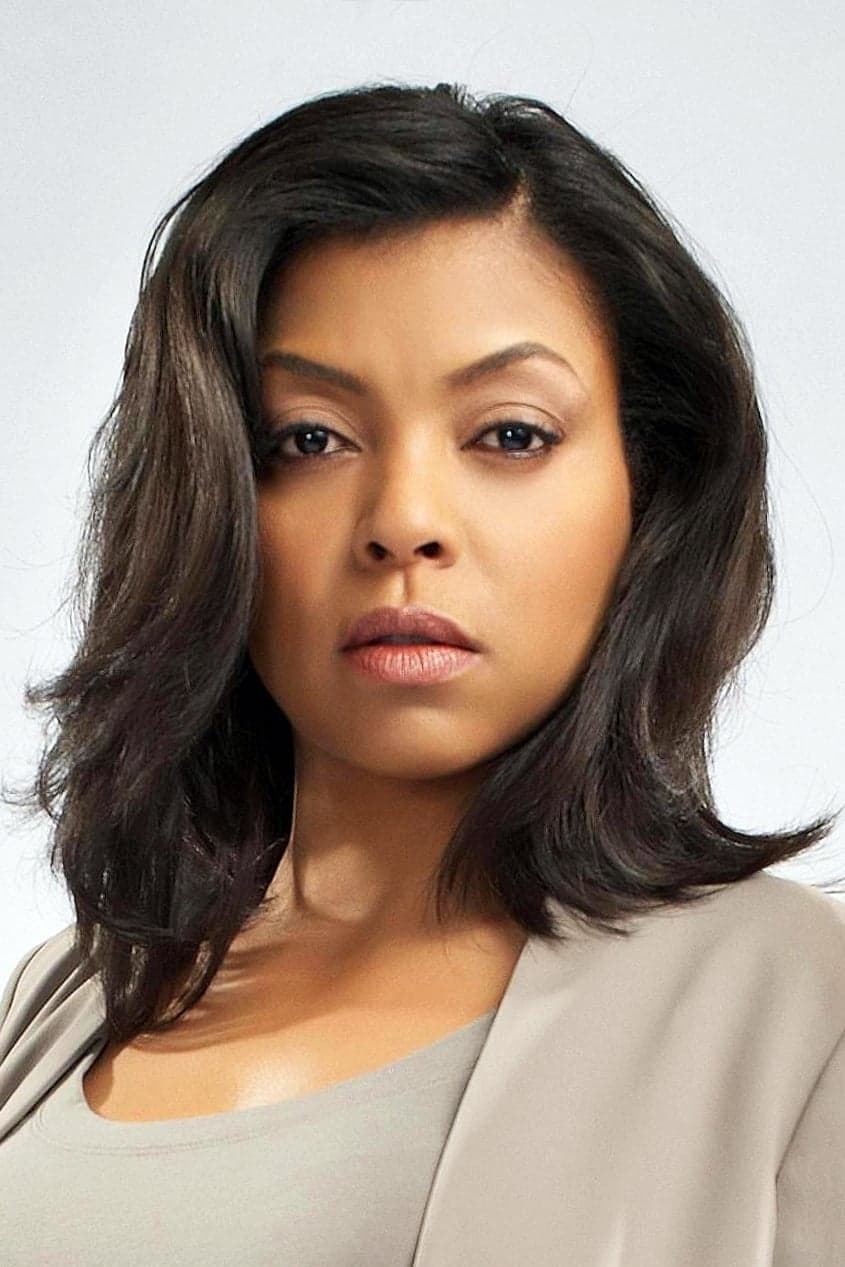
Taraji P. Henson has been incredibly vocal about the pay disparity in Hollywood and the silencing of women who demand their fair share. She revealed the stark differences in her compensation compared to co-stars to highlight the economic censorship that devalues Black talent. Henson advocates for transparency in negotiations so that actresses can speak freely about their worth without being labeled as difficult. Her candor has encouraged many others to break the code of silence regarding industry contracts.
Kerry Washington
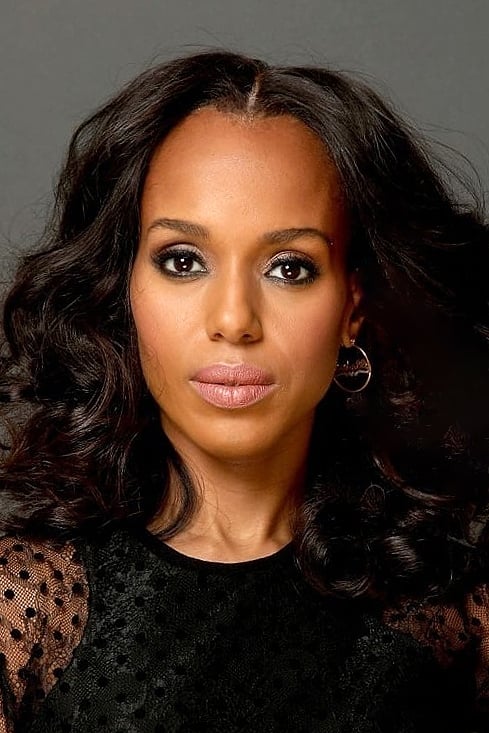
Kerry Washington uses her fame to advocate for political speech and the protection of civil liberties through organizations like the ACLU. The ‘Scandal’ star argues that artists have a responsibility to use their visibility to amplify the voices of those who are systematically silenced. She frequently speaks on the importance of the First Amendment and the right to protest against government overreach. Washington believes that democracy thrives only when citizens are free to criticize their leaders without fear.
Rosario Dawson
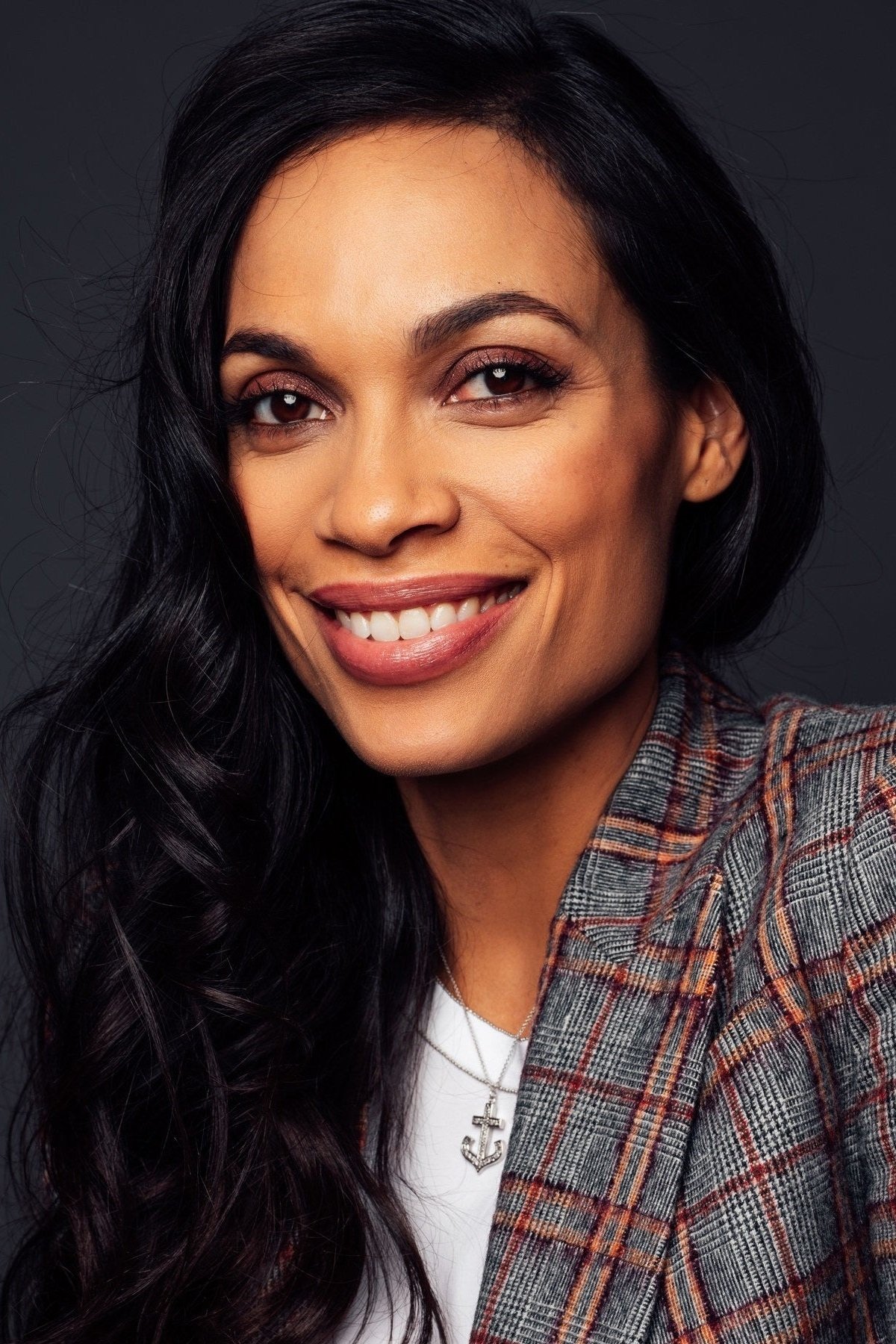
Rosario Dawson is a dedicated activist who has been arrested while protesting for causes she believes in and asserts her right to physical and verbal dissent. She emphasizes that free speech is not just about words but also about the action of occupying space and demanding change. Dawson encourages her fans to participate in the democratic process and to never let corporations dictate their political engagement. Her career choices reflect a commitment to projects that challenge the status quo and provoke critical thinking.
Tiffany Haddish
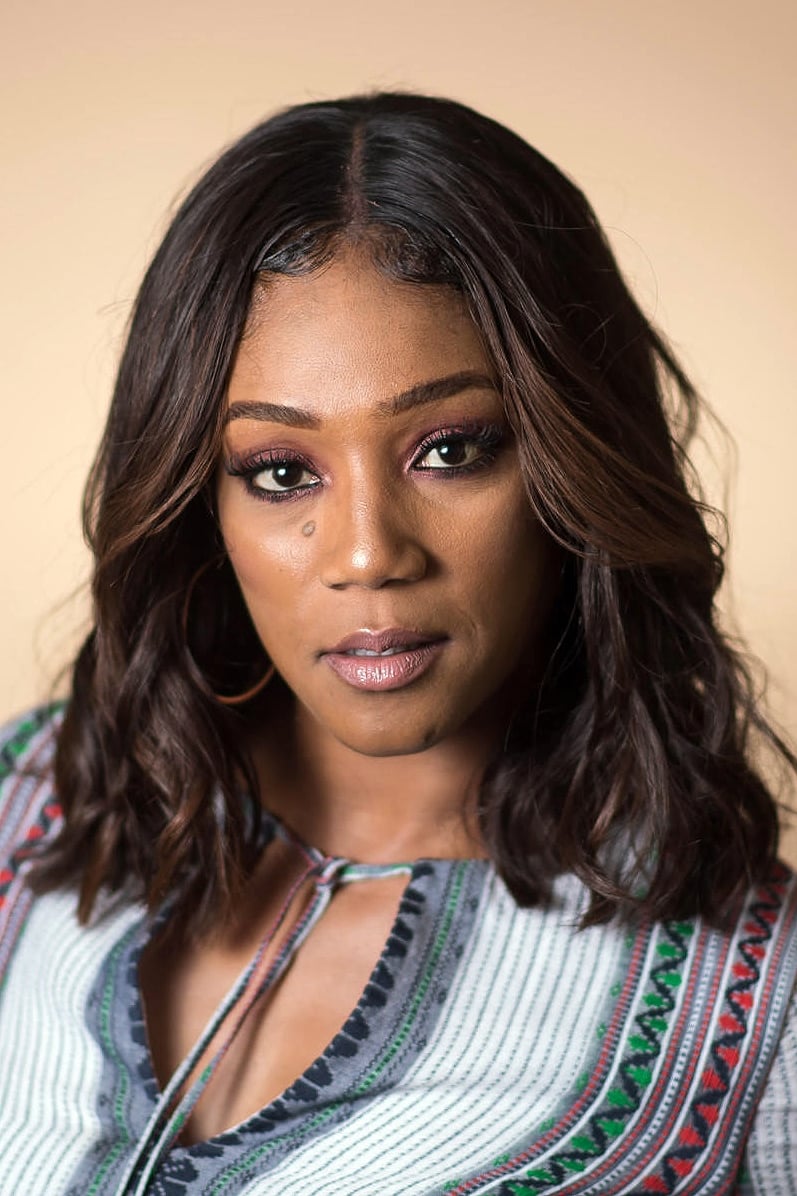
Tiffany Haddish prizes authenticity and refuses to filter her personality or her past to suit Hollywood elitism. The ‘Girls Trip’ star speaks openly about her experiences in foster care and her struggles with homelessness to destigmatize these issues. She advocates for the freedom to be loud and unpolished in spaces that typically demand quiet assimilation. Haddish believes that comedy is a protected form of speech that allows society to process trauma through laughter.
Wanda Sykes
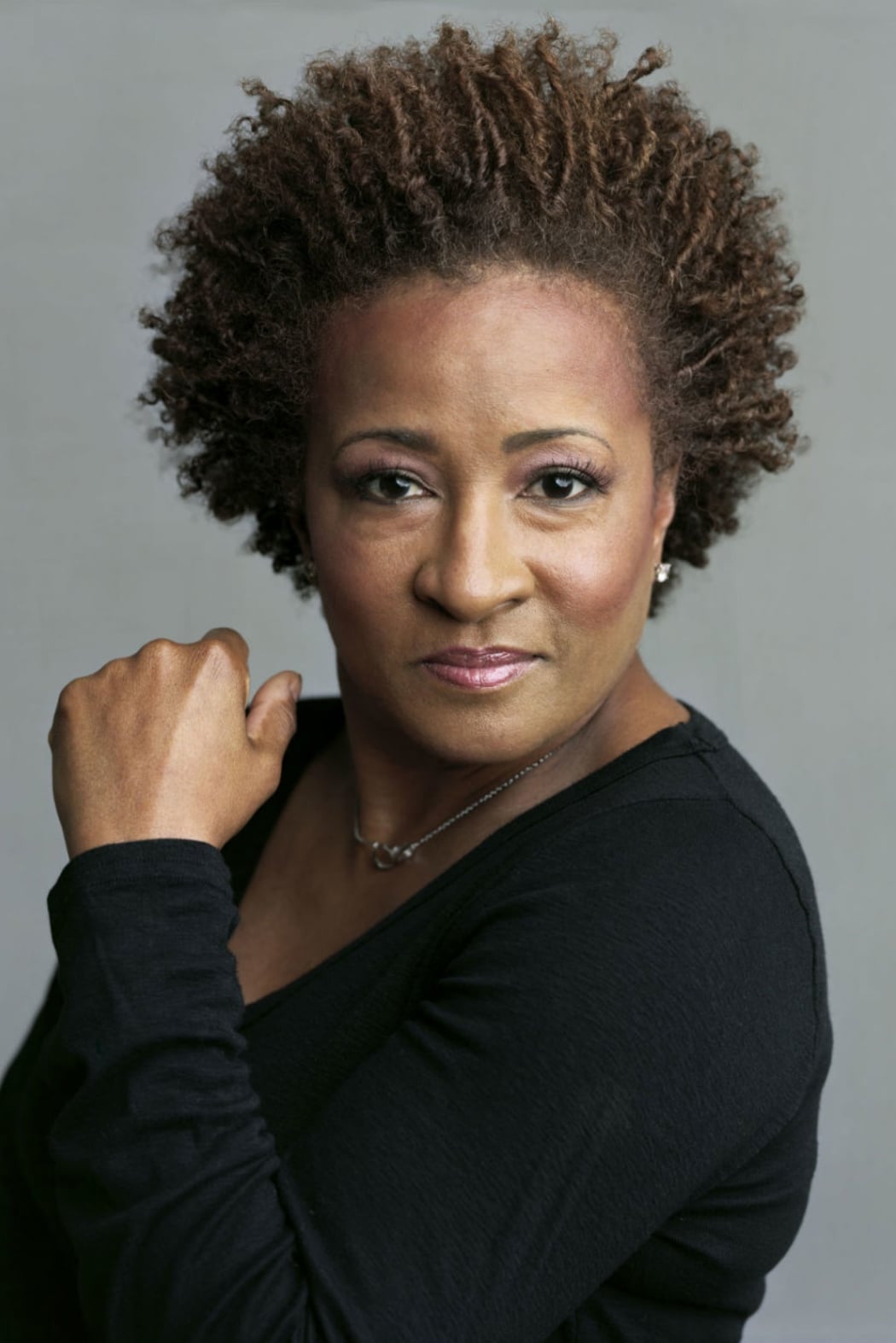
Wanda Sykes consistently defends the role of the comedian as a truth-teller who must be allowed to critique society without censorship. She argues that the current climate of hypersensitivity threatens the art form of stand-up comedy and its ability to hold power accountable. Sykes uses her humor to address political hypocrisy and social injustice while maintaining that the stage should be a free speech zone. She asserts that audiences have the right to tune out but not to silence the artist.
Leslie Jones
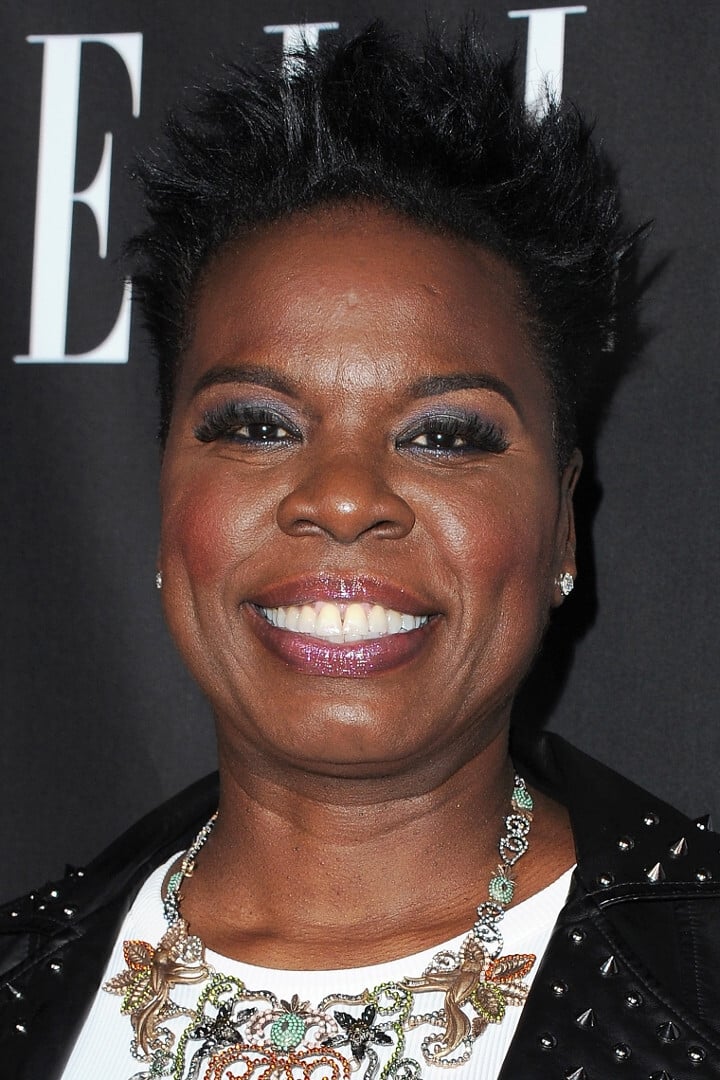
Leslie Jones faced an onslaught of online harassment and censorship attempts but refused to be driven off social media platforms permanently. She advocates for better regulation to protect the speech of victims while simultaneously defending her own right to clap back at trolls. The ‘Ghostbusters’ actress highlights the difference between free speech and hate speech designed to silence marginalized voices. Her resilience has made her a symbol of fighting for one’s space in the digital public square.
Raven-Symoné
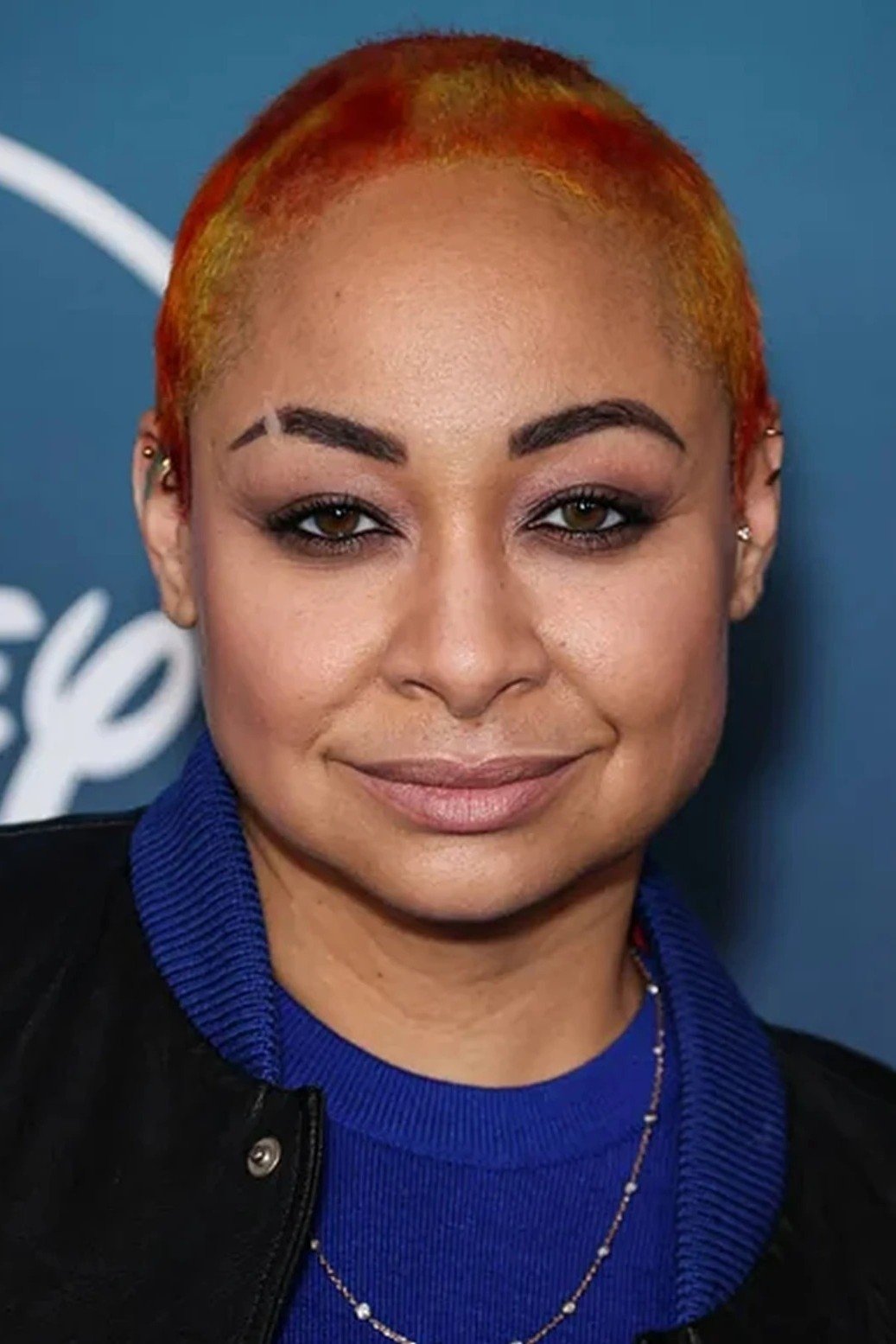
Raven-Symoné frequently discusses the nuances of cancel culture and the importance of allowing people to grow and learn from their mistakes. She argues against the trend of digging up past statements to destroy careers and instead promotes a culture of forgiveness and evolution. The former child star believes that rigid policing of language stifles genuine conversation and understanding between different groups. She uses her platform to express unpopular opinions that challenge the consensus of her peers.
Yara Shahidi
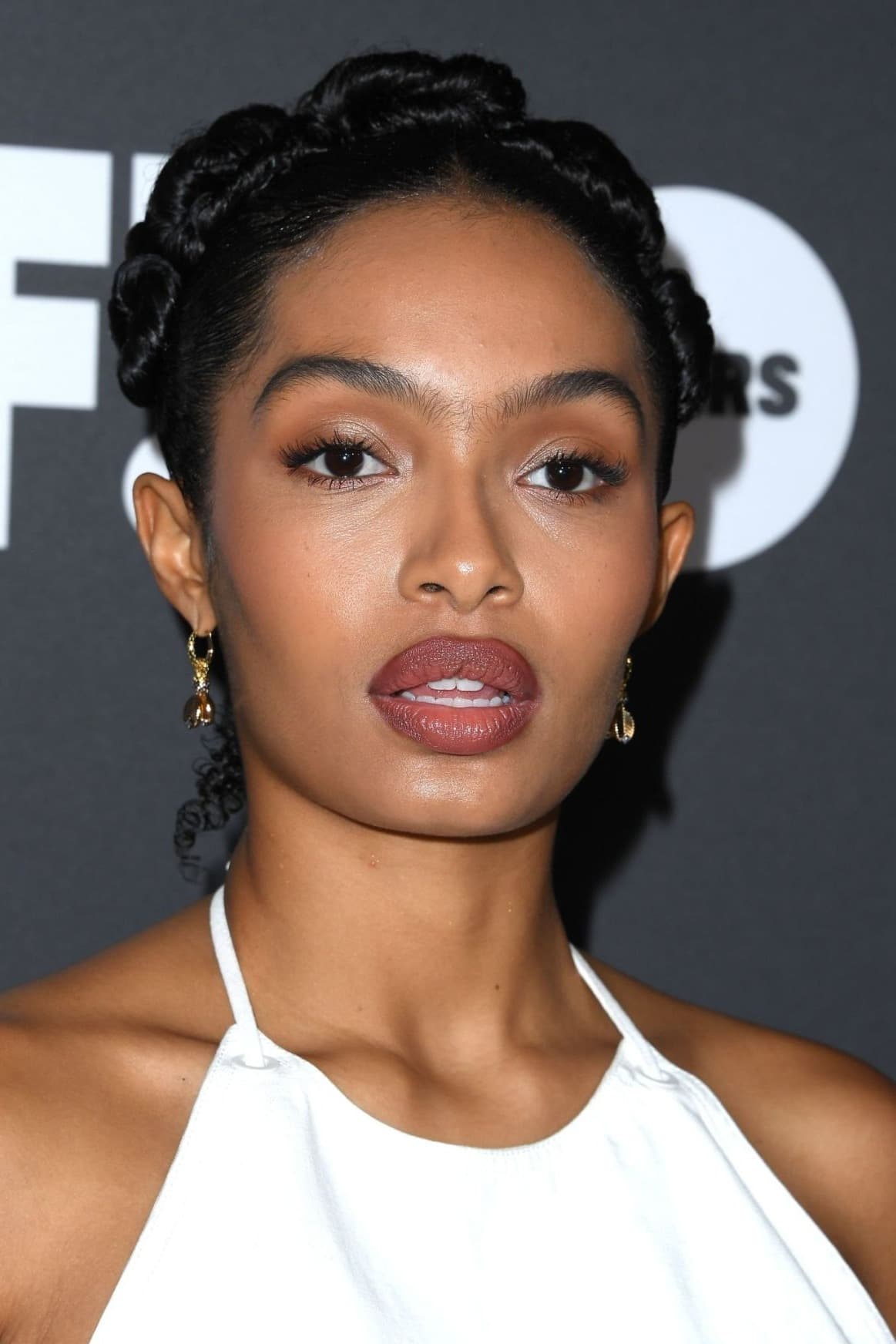
Yara Shahidi advocates for the political empowerment of Generation Z and the importance of voting as the ultimate form of free speech. The ‘Grown-ish’ star founded organizations to educate young people on how to use their voices to shape public policy. She argues that educational systems often censor history and that students must seek out the truth to become informed citizens. Shahidi promotes the idea that knowledge is the fuel for effective and liberated expression.
Amandla Stenberg
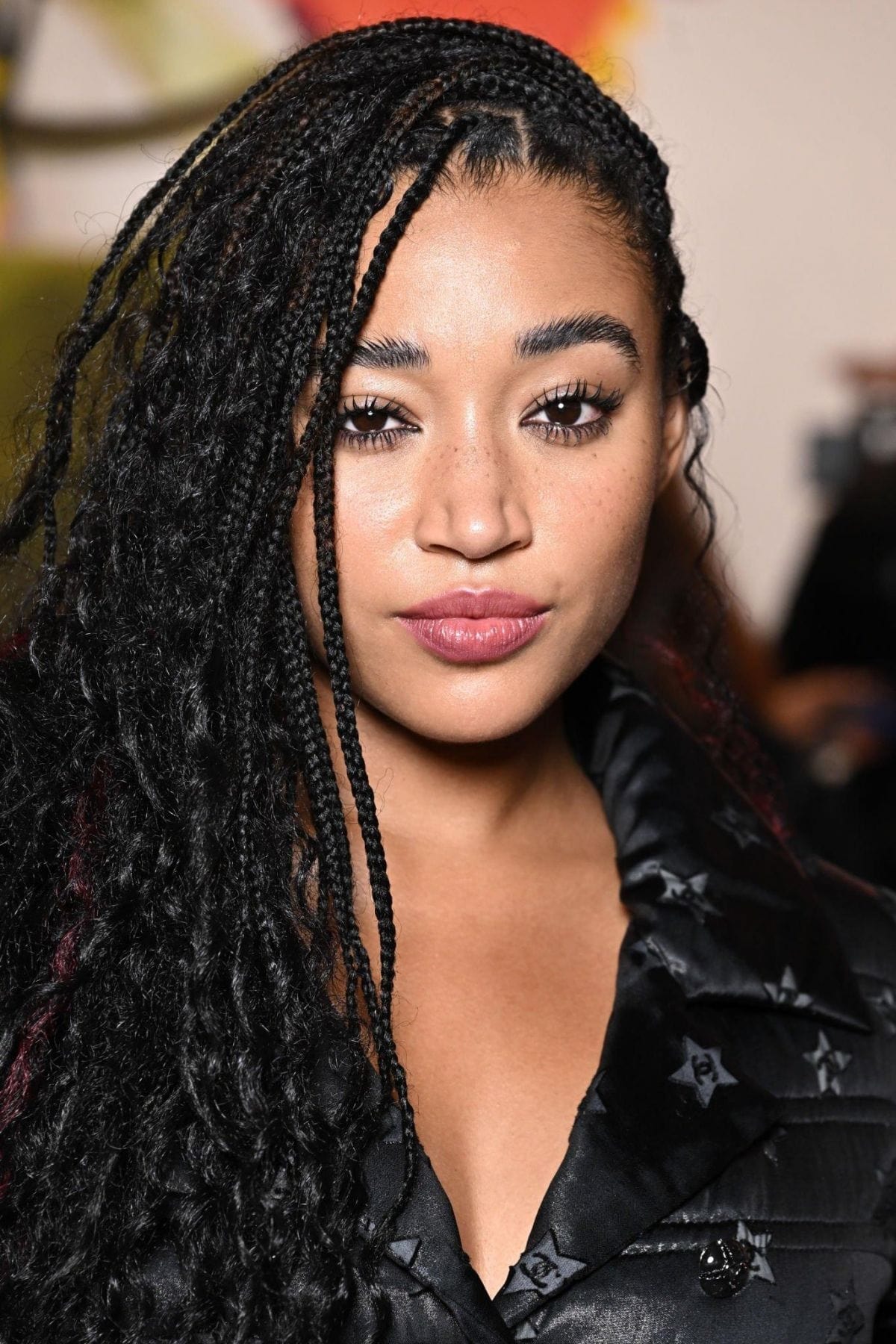
Amandla Stenberg has been a vocal critic of cultural appropriation and the way the media attempts to silence Black women who defend their heritage. She uses video essays and social media to articulate complex ideas about identity and the ownership of cultural expression. Stenberg argues that free speech includes the right to critique how one’s culture is commodified by the dominant group. She refuses to back down when her intellectual assertiveness is met with hostility or dismissal.
Zendaya

Zendaya exerts tight control over her public image and career choices to ensure she is not pigeonholed by industry stereotypes. She advocates for the right of young actors to have agency over their contracts and the narratives they help create. The ‘Euphoria’ star uses her leverage to push for more inclusive casting and storytelling that reflects the real world. She believes that true creative freedom involves the power to say no to projects that do not align with her values.
Issa Rae
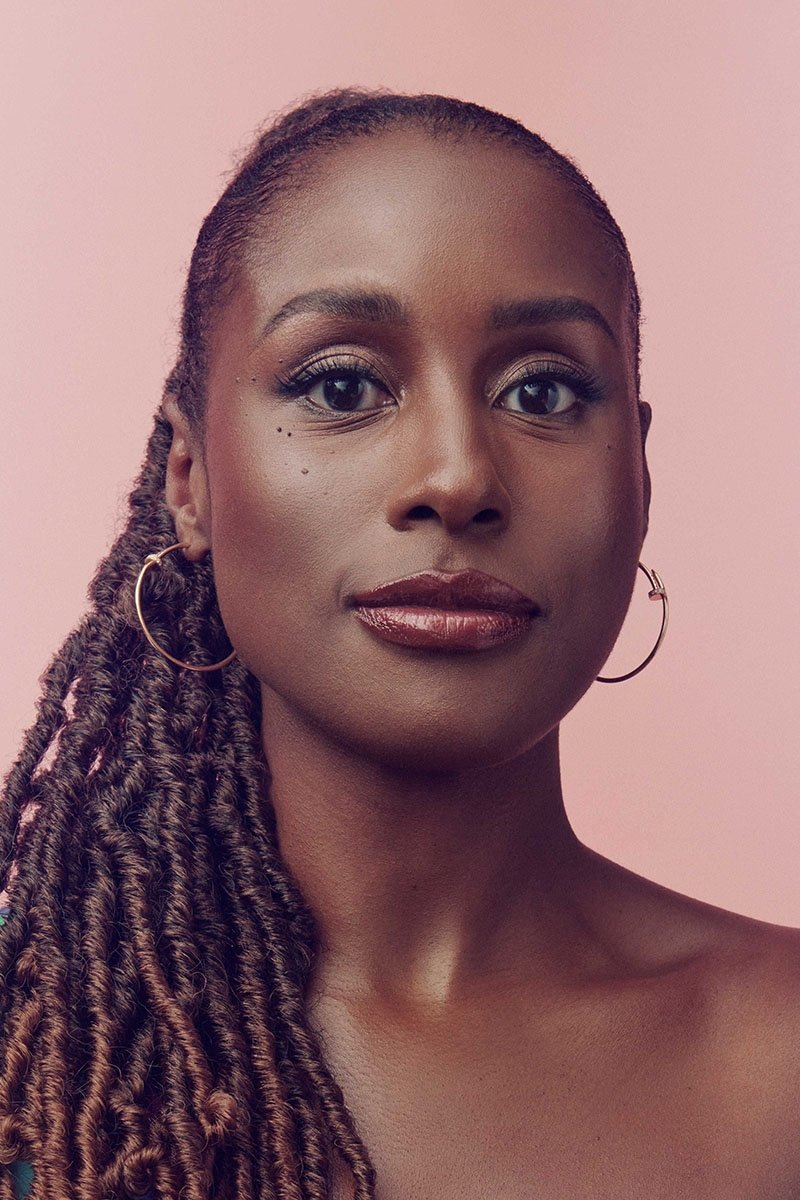
Issa Rae broke barriers by creating content that focuses on the awkward and mundane aspects of Black life rather than trauma or exceptionalism. She advocates for the freedom to tell mediocre or ordinary stories without the pressure to represent an entire race. The ‘Insecure’ creator champions the idea that diverse representation is a form of free speech that counters the single story often told by Hollywood. Rae works to create pathways for other creators to tell their own specific truths.
Michaela Coel
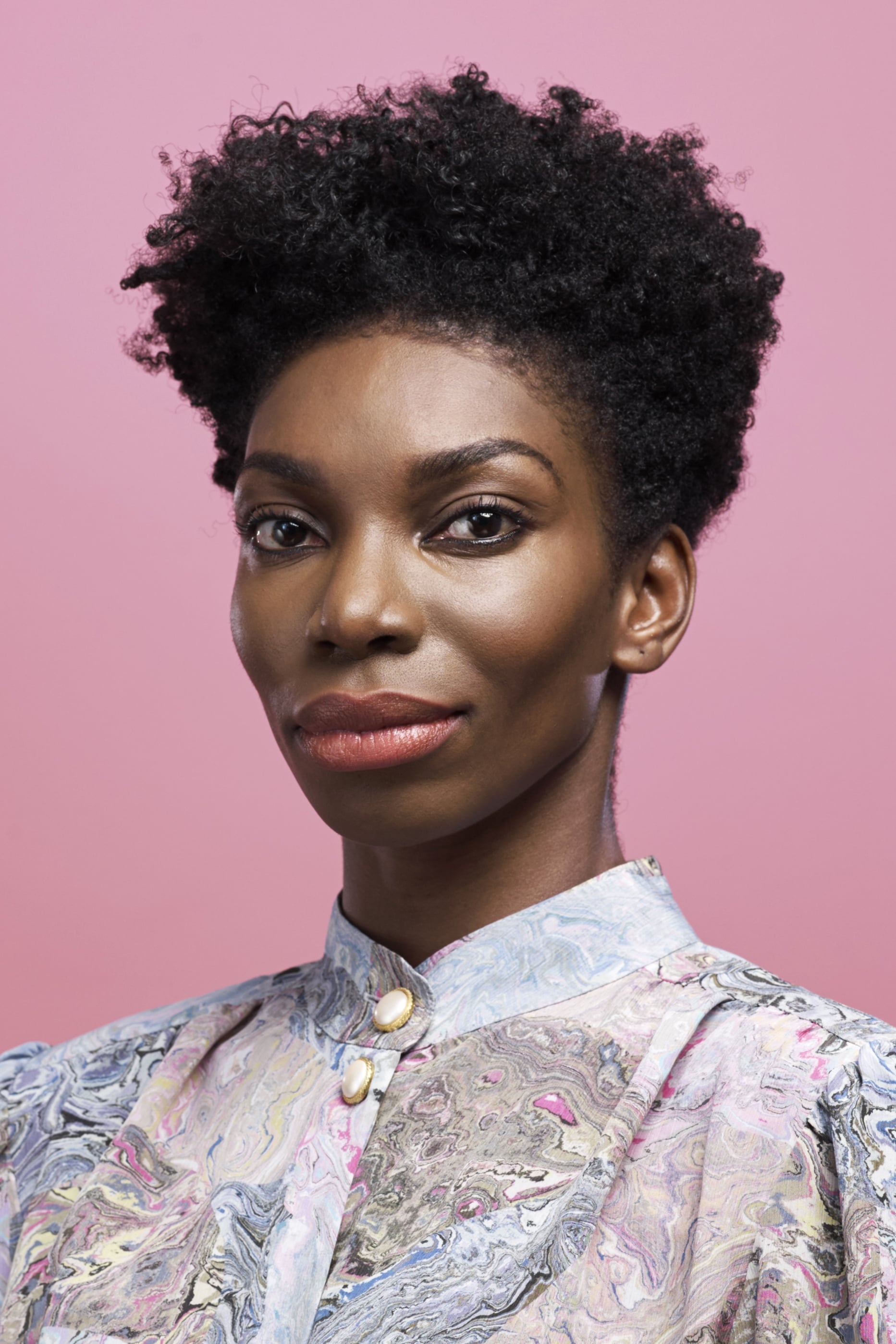
Michaela Coel turned down a massive deal from Netflix because they refused to allow her to retain the copyright to her work. She became a powerful symbol for creative ownership and the right of writers to control their own intellectual property. The ‘I May Destroy You’ creator argues that losing ownership is a form of silencing that prevents artists from fully benefitting from their voice. Her stance reshaped conversations about how networks treat creator rights in the streaming era.
Laverne Cox
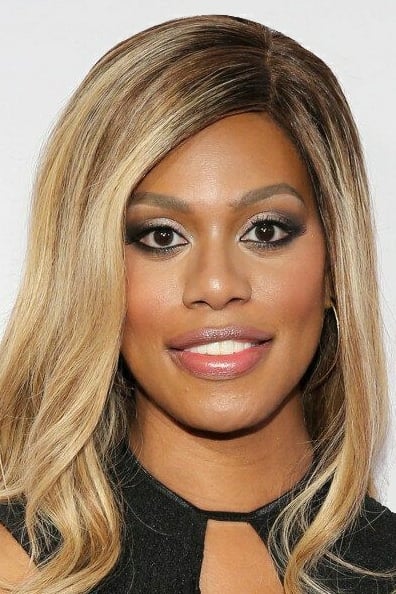
Laverne Cox uses her platform to advocate for the rights of transgender individuals to exist and speak openly about their lives. The ‘Orange Is the New Black’ star argues that legislative attempts to ban drag or discussion of gender in schools are direct attacks on free speech. She emphasizes that visibility is a radical act of expression that challenges the erasure of trans people from history. Cox champions the right to self-definition as a fundamental human liberty.
Indya Moore
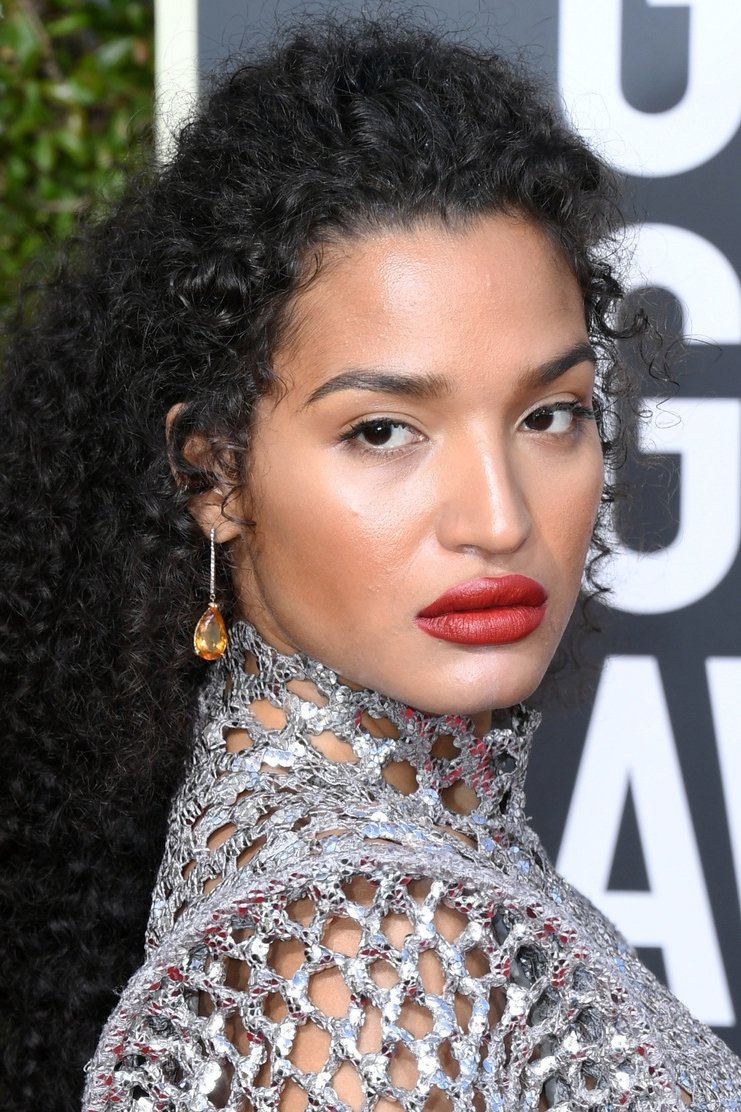
Indya Moore is known for their outspoken activism regarding the rights of marginalized communities and the intersection of capitalism and social justice. The ‘Pose’ star frequently critiques the fashion and entertainment industries for performative allyship that lacks substance. Moore argues that free speech must include the voices of the most vulnerable who are often shut out of mainstream discourse. They use their social media to amplify grassroots movements and radical political thought.
Keke Palmer

Keke Palmer is celebrated for her candid social media presence where she addresses industry exploitation and personal boundaries. She advocates for the right of artists to speak directly to their audience without the filter of publicists or media outlets. Palmer recently discussed the importance of owning one’s digital footprint and refusing to be silenced by industry standards of professionalism. She believes that honesty and transparency are the best tools for navigating fame.
Lisa Bonet
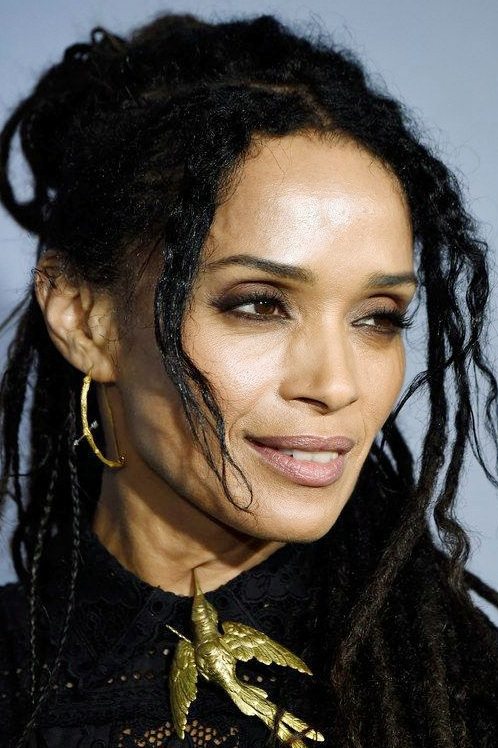
Lisa Bonet has always maintained a mysterious and independent persona that resists the commercial demands of the celebrity machine. She advocates for the freedom to live outside of the public eye and to make medical and lifestyle choices that differ from the mainstream. Her career choices reflect a commitment to artistic integrity over commercial success or relevance. Bonet represents the right to privacy and the freedom to disconnect as a valid form of expression.
Letitia Wright
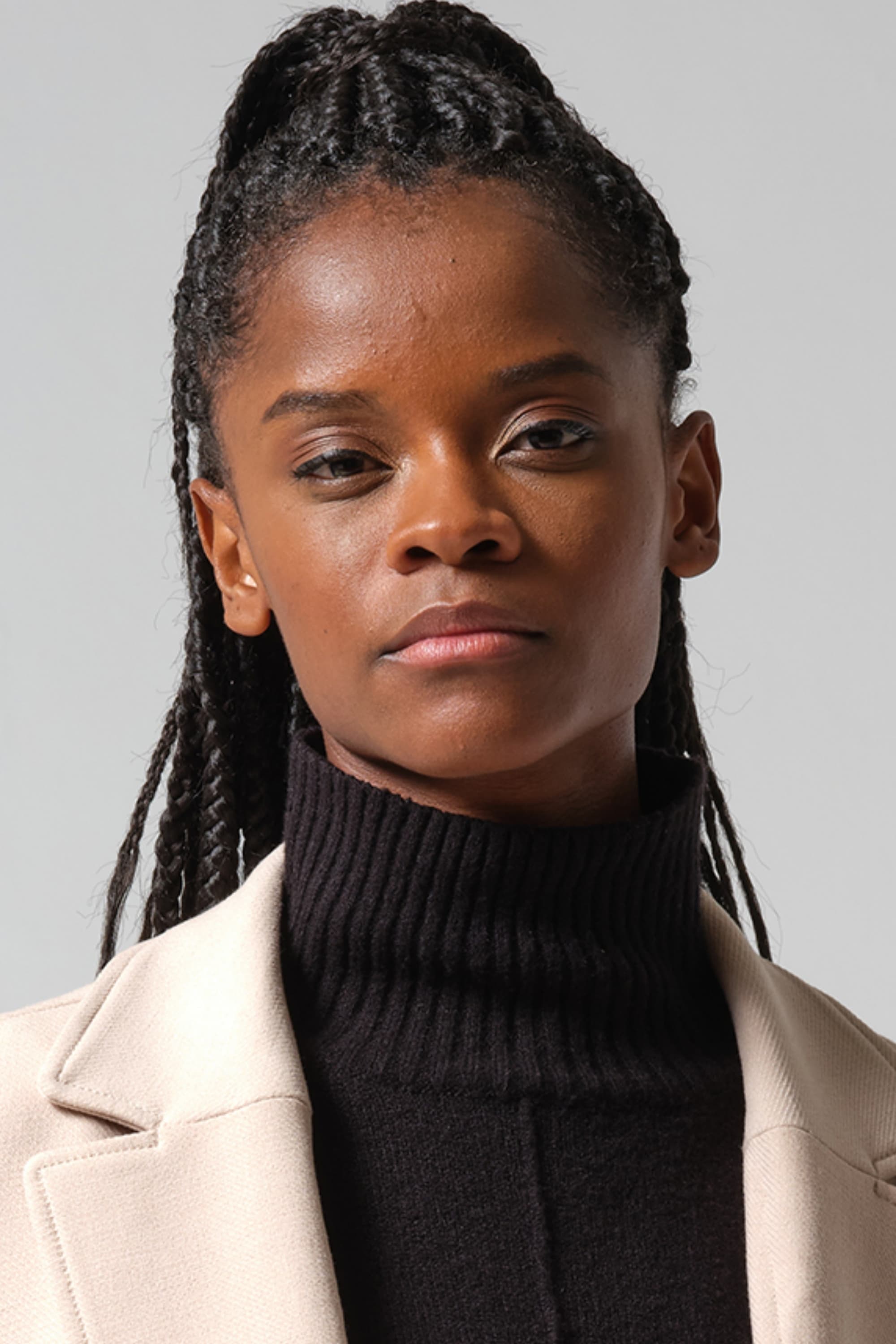
Letitia Wright faced significant backlash for sharing questions regarding vaccine mandates and subsequently spoke out about the right to ask questions. The ‘Black Panther’ star argued that immediate condemnation of dissenting views creates a dangerous environment for free inquiry. She expressed frustration that asking questions was equated with malice and emphasized the need for open debate. Her situation highlighted the tension between public health consensus and individual freedom of speech.
Eartha Kitt
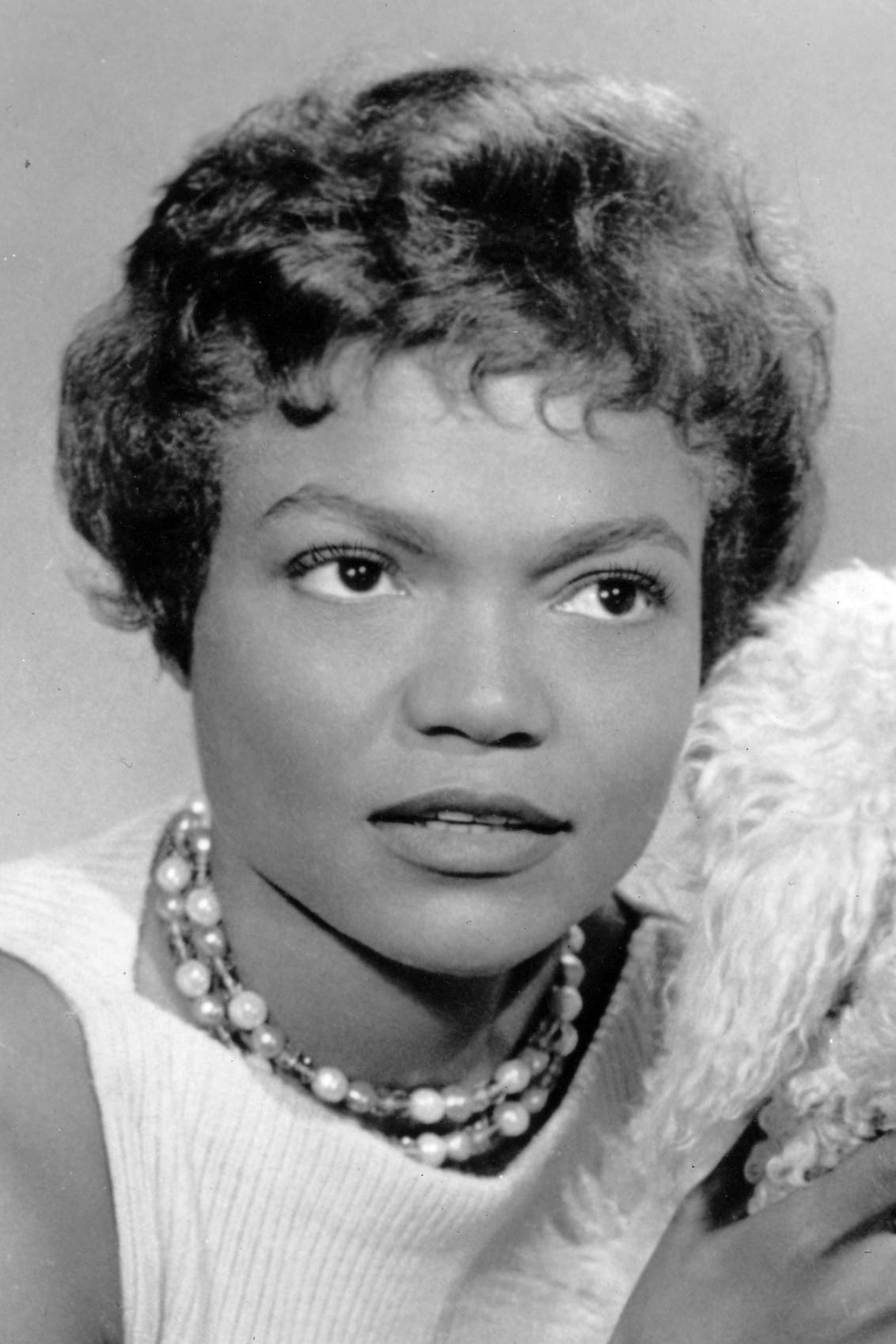
Eartha Kitt is a historical icon of free speech who was famously blacklisted after criticizing the Vietnam War directly to Lady Bird Johnson at the White House. She refused to compromise her anti-war stance even when it cost her work in the United States for many years. Kitt maintained that an artist has a duty to speak the truth regardless of the venue or the audience. Her legacy is one of unshakeable courage in the face of governmental and industrial silencing.
Queen Latifah
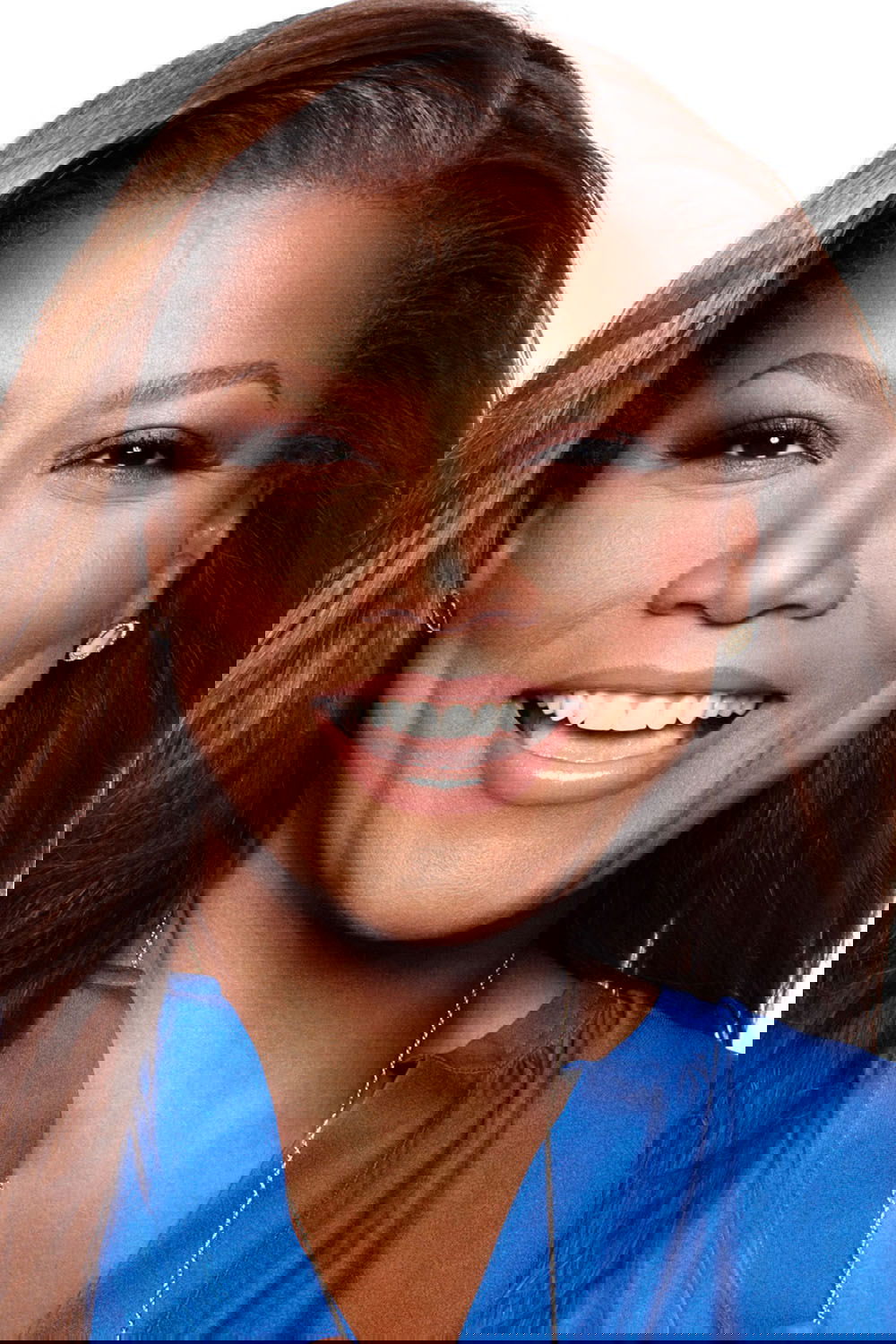
Queen Latifah has spent her career breaking barriers in music and film while advocating for the empowerment of women to control their own destinies. She champions the right of female artists to demand respect and to reject misogynistic language in hip-hop and Hollywood. Latifah uses her production company to give a voice to diverse creators who are often ignored by major studios. She believes that economic independence is the key to true freedom of speech for Black women.
Jenifer Lewis
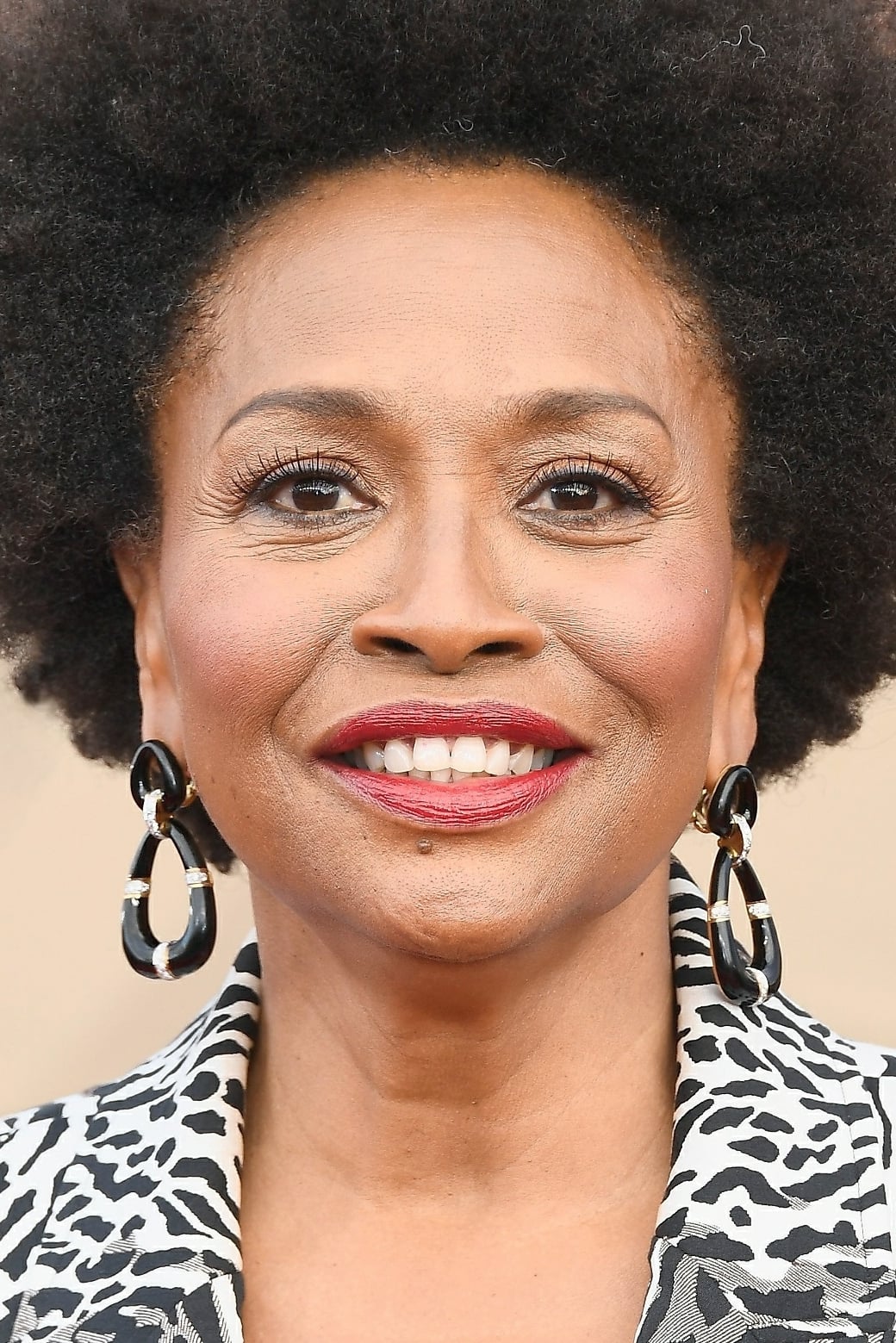
Jenifer Lewis is known as the Mother of Black Hollywood and is unapologetically vocal about her struggles with bipolar disorder and sex addiction. She advocates for the destigmatization of mental health issues by speaking rawly and honestly about her own journey. Lewis argues that secrets make people sick and that speaking the truth is the only path to wellness. Her memoirs and interviews are testaments to the power of radical self-disclosure.
Sheryl Lee Ralph

Sheryl Lee Ralph advocates for the respect and fair treatment of veteran actors and educators through her work and public speaking. The ‘Abbott Elementary’ star uses her resurgence in popularity to speak out about the ageism and neglect often faced by older Black actresses. She emphasizes the importance of listening to the wisdom of those who have paved the way. Ralph believes that every generation has a responsibility to speak up for the value of the one before it.
Yvette Nicole Brown
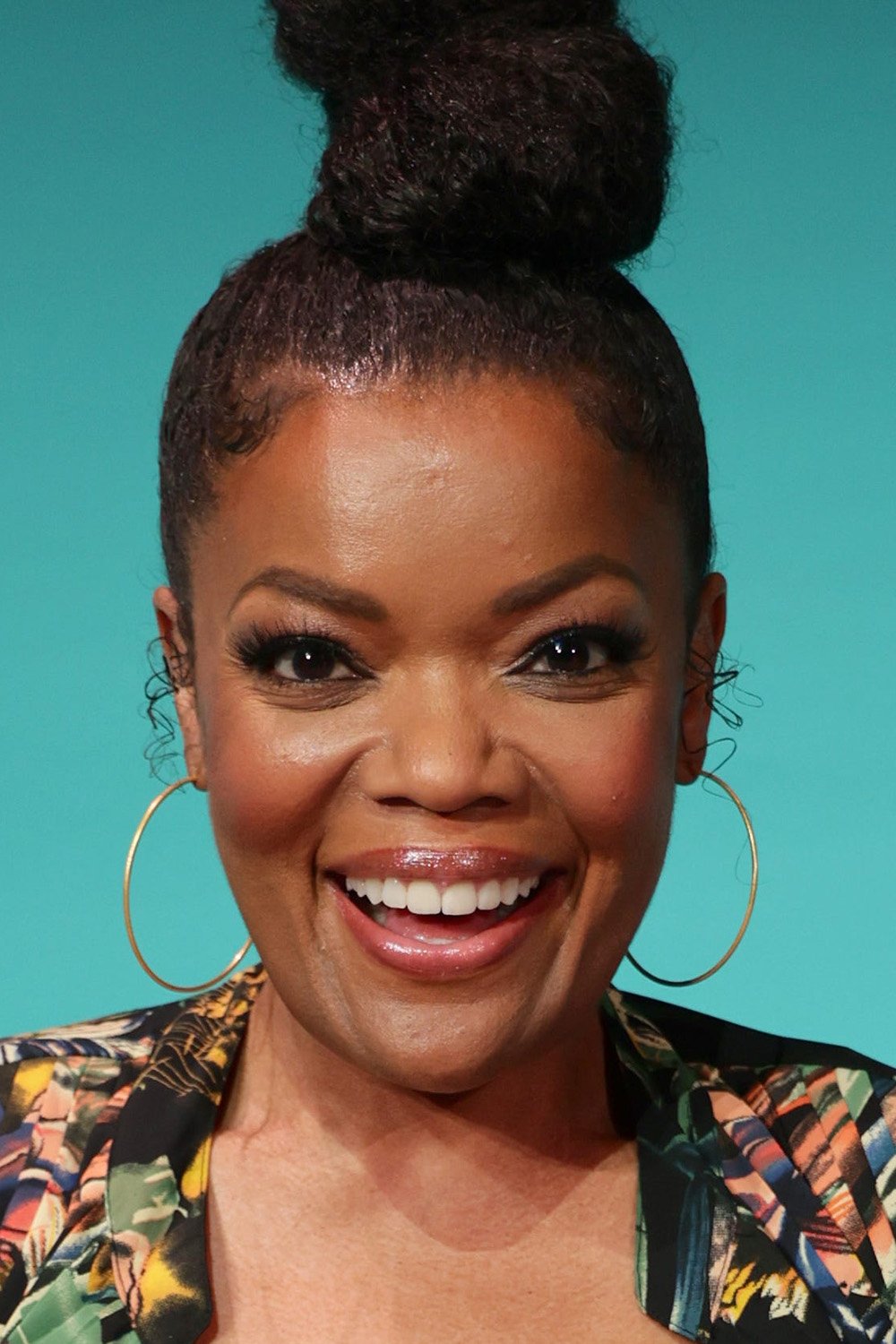
Yvette Nicole Brown uses her voice to promote kindness and civic engagement while frequently serving as a host and moderator for difficult conversations. She advocates for the right to disagree without being disagreeable and promotes civil discourse in an increasingly polarized world. Brown often speaks about the importance of voting rights and the suppression of Black voters in the South. She believes that the most powerful form of speech is the ballot.
Regina King
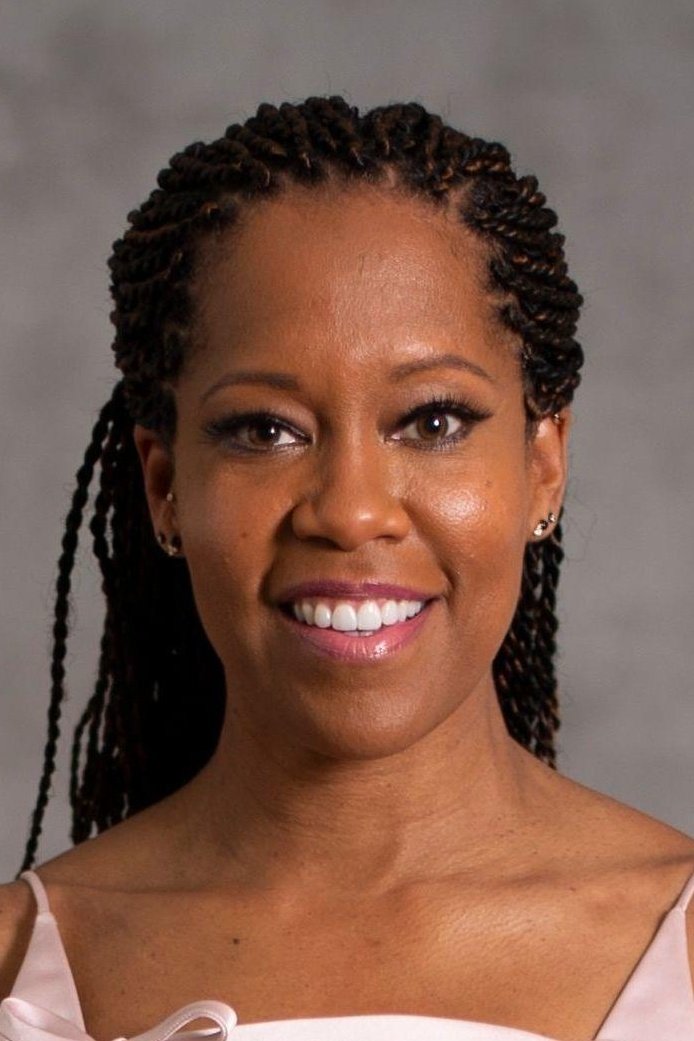
Regina King has transitioned from actor to director to ensure that she has the final say in how Black stories are visualized and told. She advocates for the presence of Black voices behind the camera to prevent the distortion of the narrative by outside perspectives. King made a vow to ensure gender parity in her production crews as a way of putting her money where her mouth is. She argues that true expression requires control over the means of production.
Tracee Ellis Ross
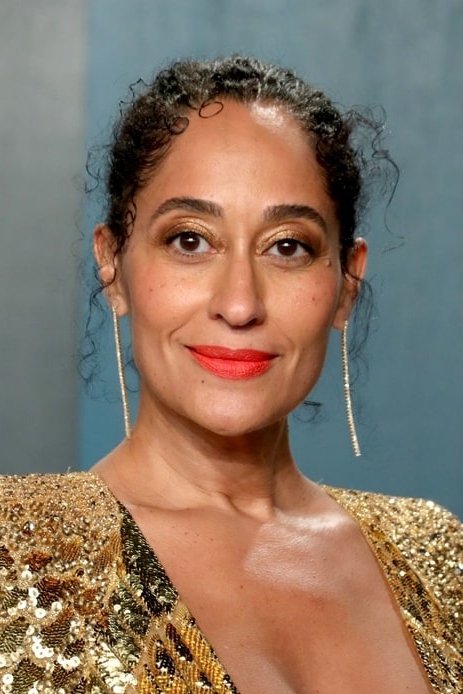
Tracee Ellis Ross advocates for the expression of Black joy as a revolutionary act in a media landscape that often fetishizes Black trauma. The ‘Black-ish’ star uses her platform to celebrate natural hair and beauty standards that defy Eurocentric norms. She argues that living authentically and happily is a form of speech that challenges systemic oppression. Ross encourages women to take up space and to be loud in their self-love.
Janelle Monáe
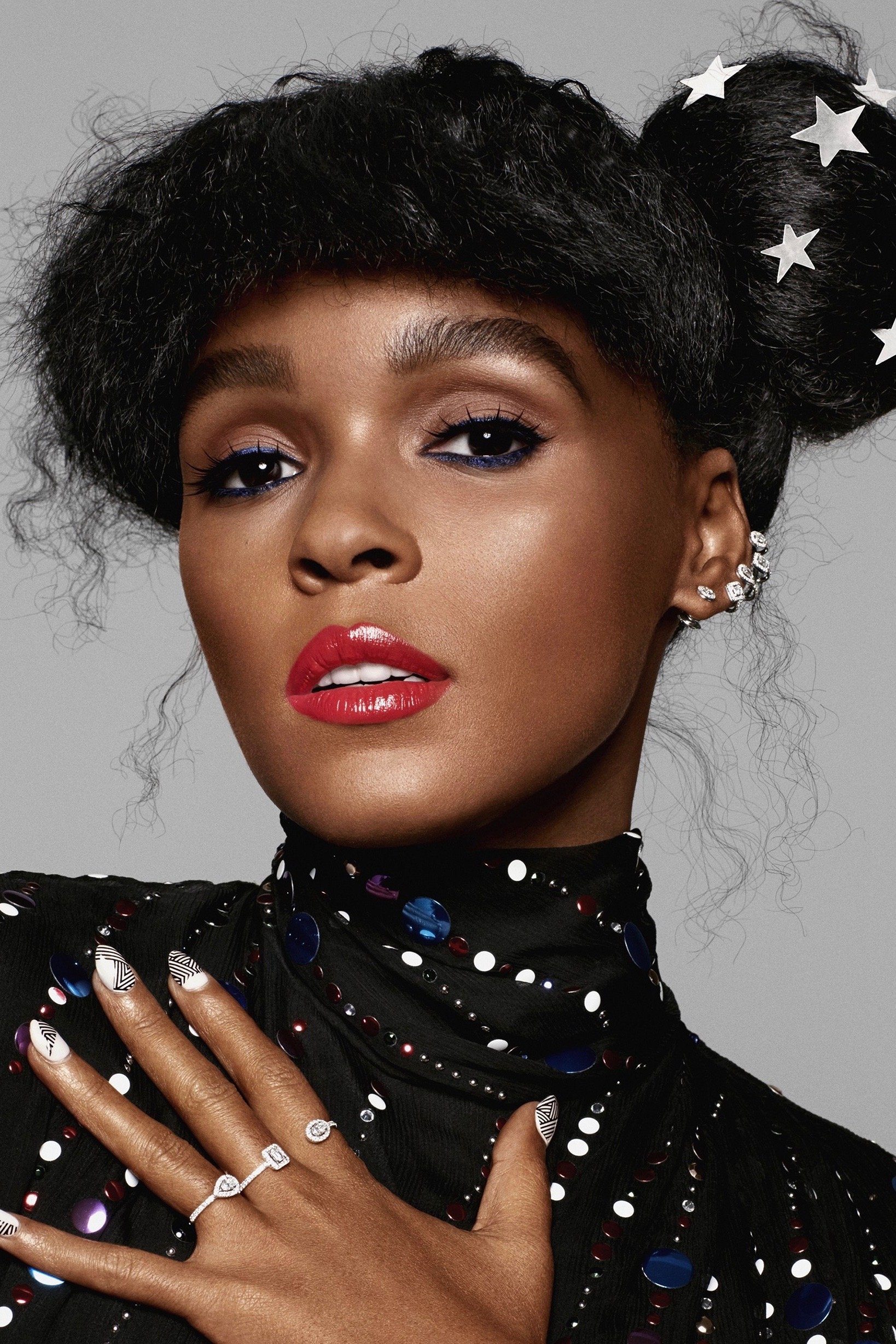
Janelle Monáe uses science fiction and performance art to explore concepts of gender fluidity and sexual identity that challenge binary thinking. She advocates for the freedom to exist outside of labels and to define oneself on one’s own terms. Monáe argues that art should be a tool for liberation that disturbs the comfortable and comforts the disturbed. Her work is a constant declaration of the right to be different.
Tessa Thompson
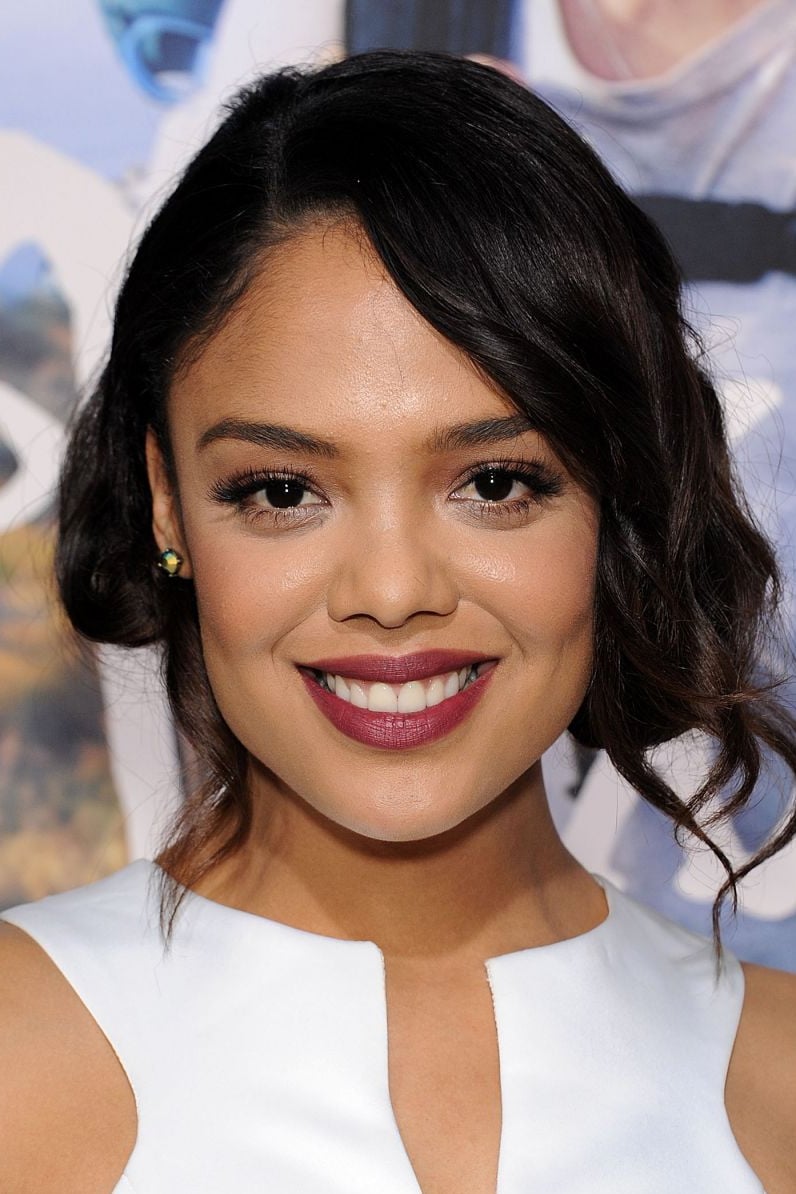
Tessa Thompson is a vocal proponent of inclusion riders which are contractual clauses that demand diversity in casting and crew. She advocates for systemic changes that force the industry to allow more voices into the room where decisions are made. Thompson argues that free speech is limited when only a homogenous group holds the power to greenlight stories. She works to dismantle the gatekeeping that prevents marginalized artists from being heard.
Lupita Nyong’o
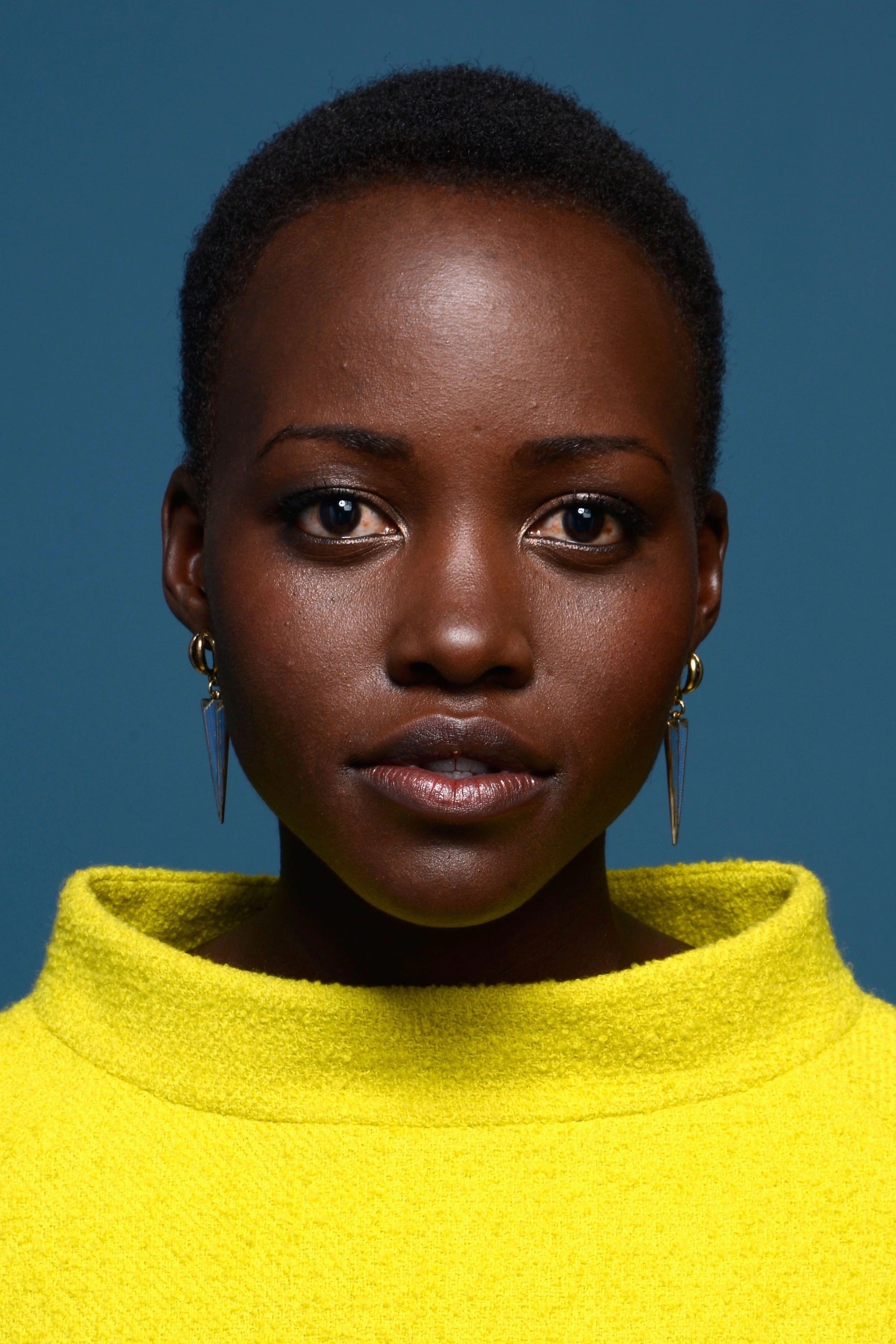
Lupita Nyong’o has spoken eloquently about colorism and the industry’s preference for lighter skin tones which silences the beauty of dark-skinned women. She wrote a children’s book to encourage young girls to value their own skin and to reject societal standards that tell them they are unworthy. Nyong’o advocates for representation that allows all children to see themselves reflected on screen. She believes that self-acceptance is the foundation of finding one’s voice.
Danai Gurira
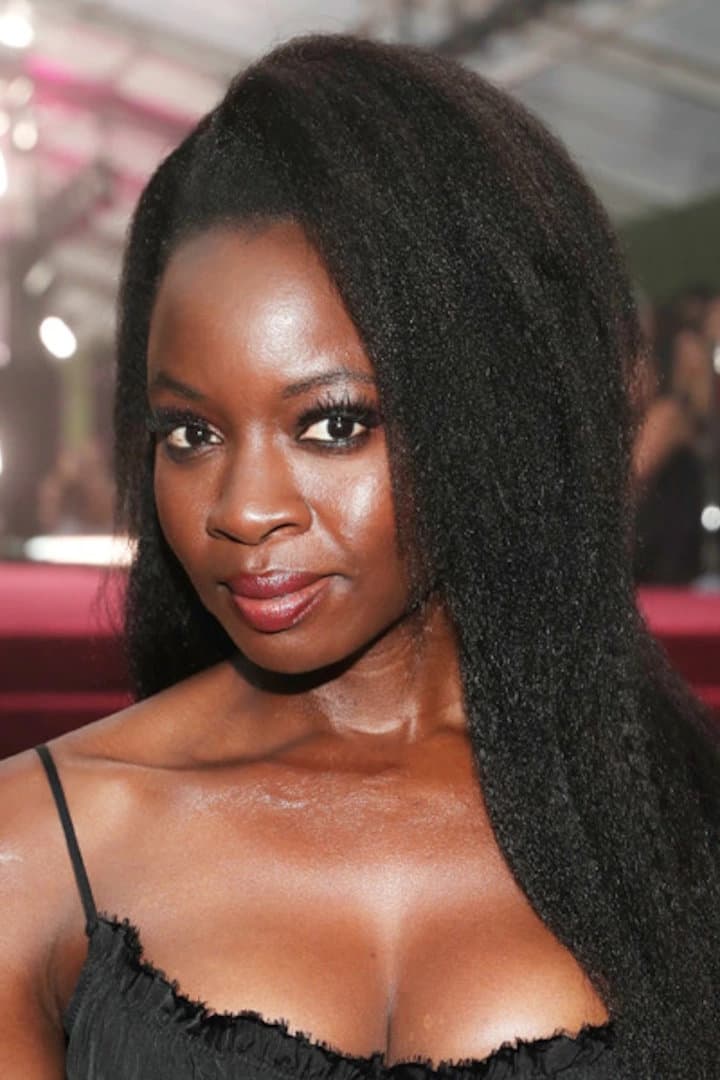
Danai Gurira writes plays and films that center on African women to counter the western-centric narratives that dominate global media. The ‘Black Panther’ star advocates for the right of African artists to tell their own history without colonial interference. She argues that storytelling is a form of preserving culture and that erasing these stories is a violation of human rights. Gurira fights to ensure that African voices are heard on the world stage.
Alfre Woodard
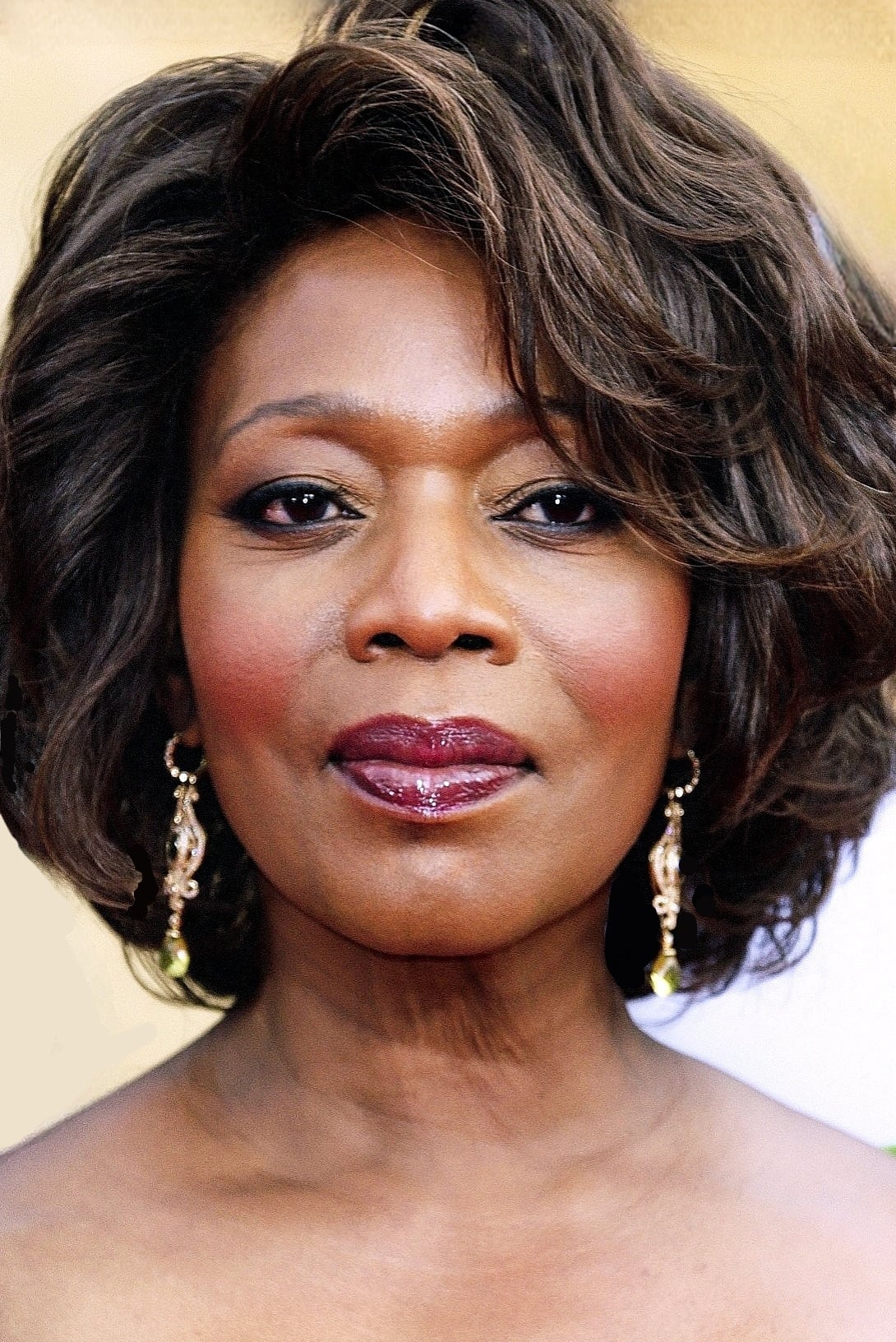
Alfre Woodard has been a long-time activist who uses her status to bring attention to global issues such as poverty and HIV/AIDS. She advocates for the responsibility of artists to use their freedom of speech to shine a light on injustice. Woodard organizes peers in the industry to engage in political education and direct action. She believes that silence in the face of suffering is complicit.
Angela Bassett
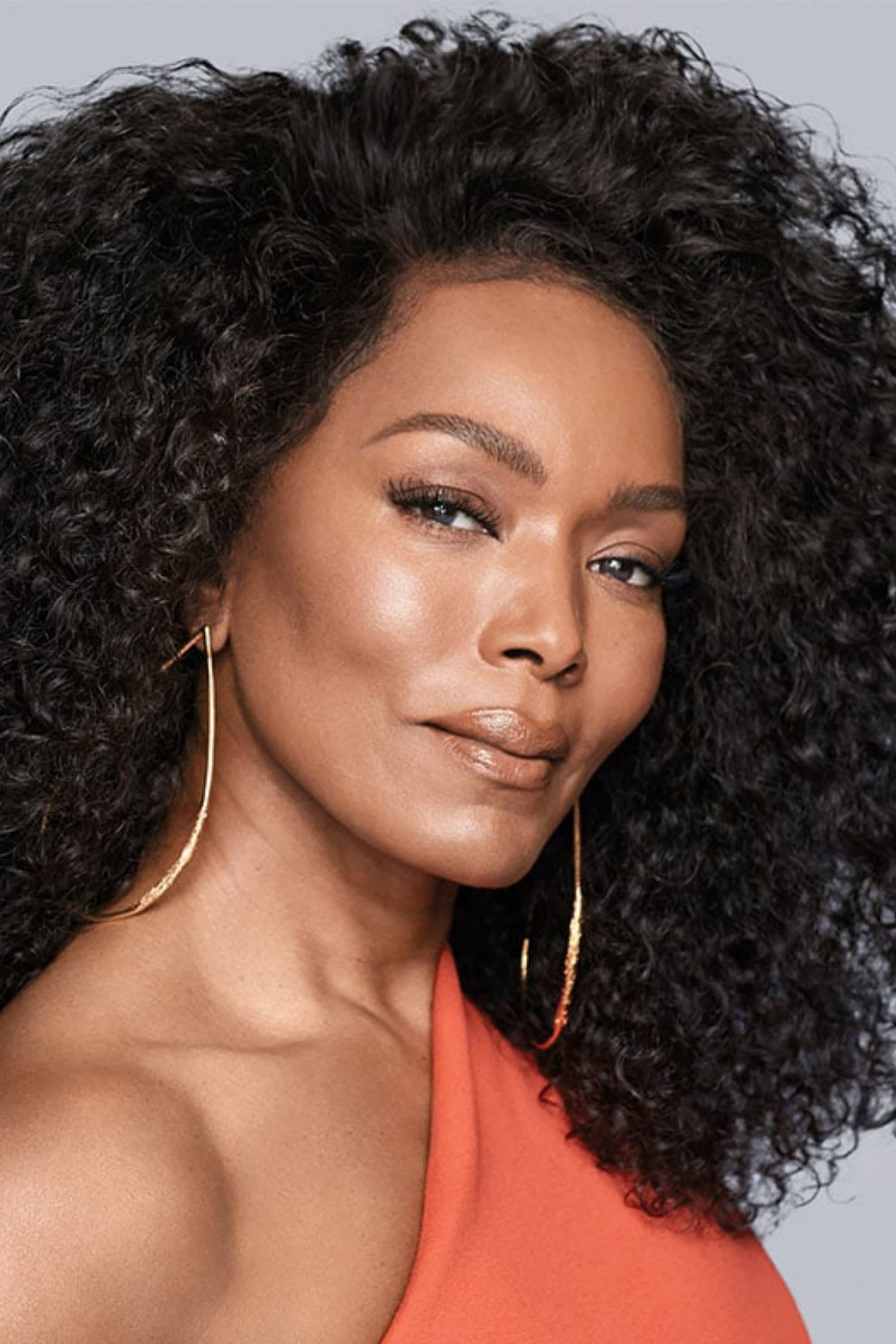
Angela Bassett advocates for the portrayal of dignified and powerful Black women to counter negative stereotypes in the media. She has famously turned down roles that she felt were demeaning or that silenced the strength of the characters she was meant to play. Bassett argues that an actor’s choice of roles is their most potent form of speech. She demands that the industry recognize the complexity and humanity of Black women.
Cicely Tyson

Cicely Tyson famously refused to play drug addicts, prostitutes, or maids during an era when those were the only roles available to Black women. She viewed her career as a platform for civil rights and used her refusal of work as a loud statement against Hollywood racism. Tyson advocated for the idea that an artist’s integrity is worth more than a paycheck. Her legacy is built on the power of saying “no” to demeaning narratives.
Lena Horne
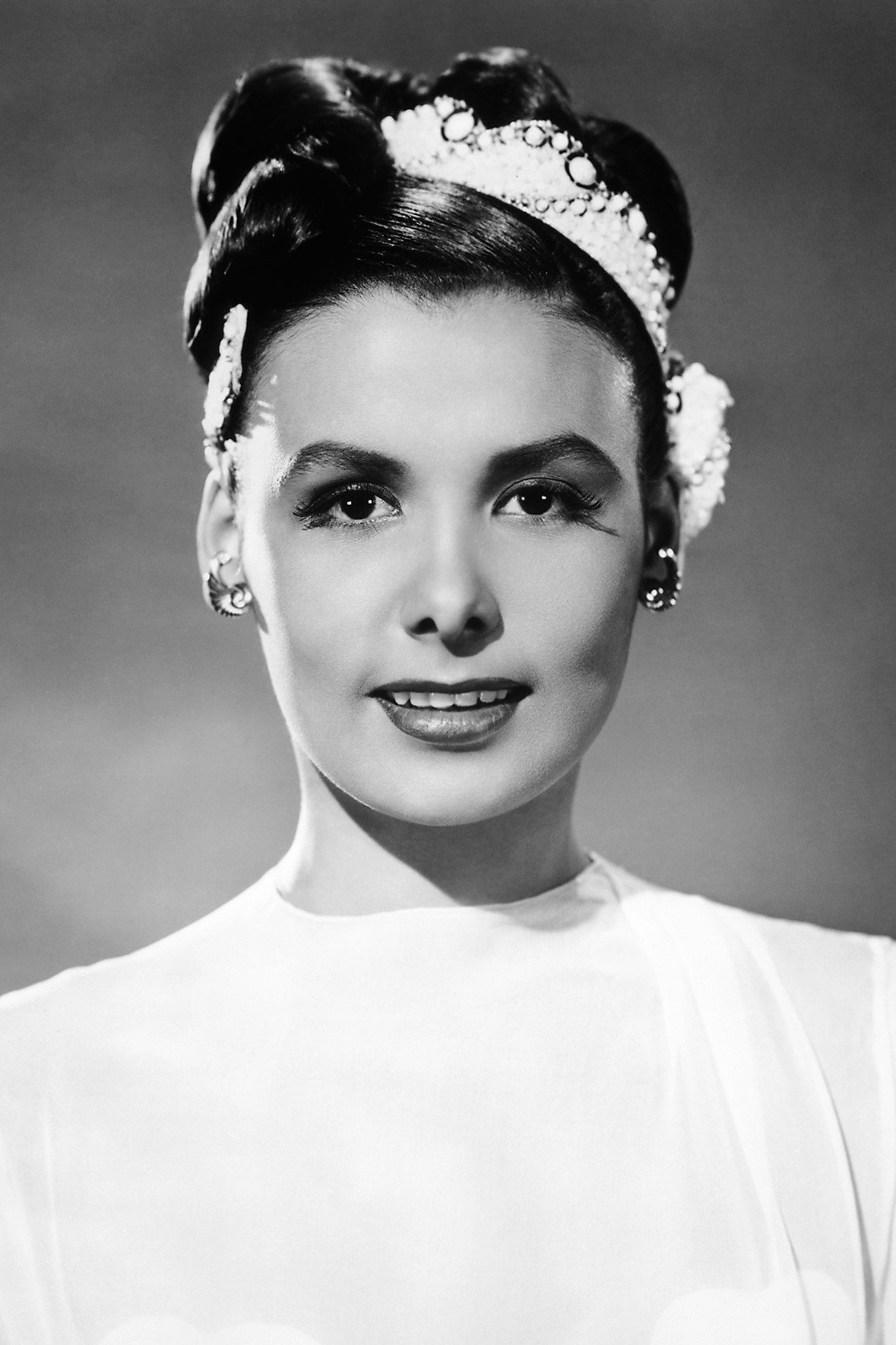
Lena Horne was a trailblazer who fought for the right to perform in integrated venues and refused to accept second-class citizenship. She famously threw a lamp at a patron who made a racist remark and consistently spoke out against segregation in the entertainment industry. Horne used her voice to file complaints and to demand dignity for Black performers during the Jim Crow era. She proved that glamour and activism could coexist.
Halle Berry
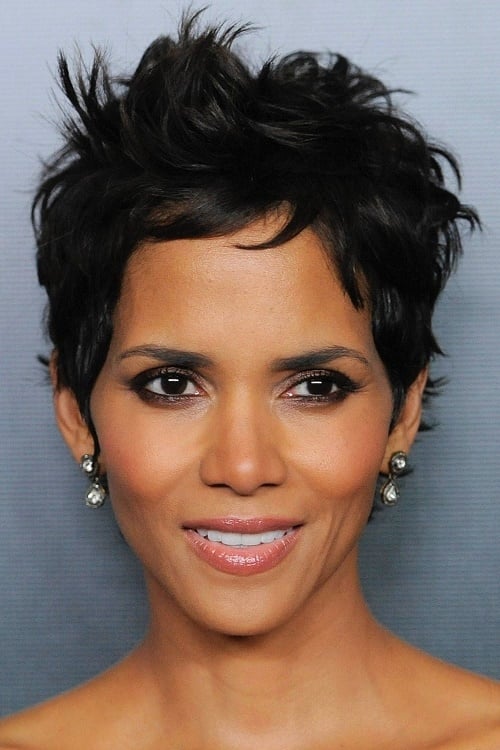
Halle Berry has spoken openly about the “Oscar curse” and the lack of opportunities that followed her historic win. She advocates for a reality check regarding the progress of diversity in Hollywood and refuses to let the industry rest on its laurels. Berry uses her directorial debut to tell stories about disgraced women who fight for redemption. She fights for the right of older actresses to remain visible and relevant.
Vivica A. Fox
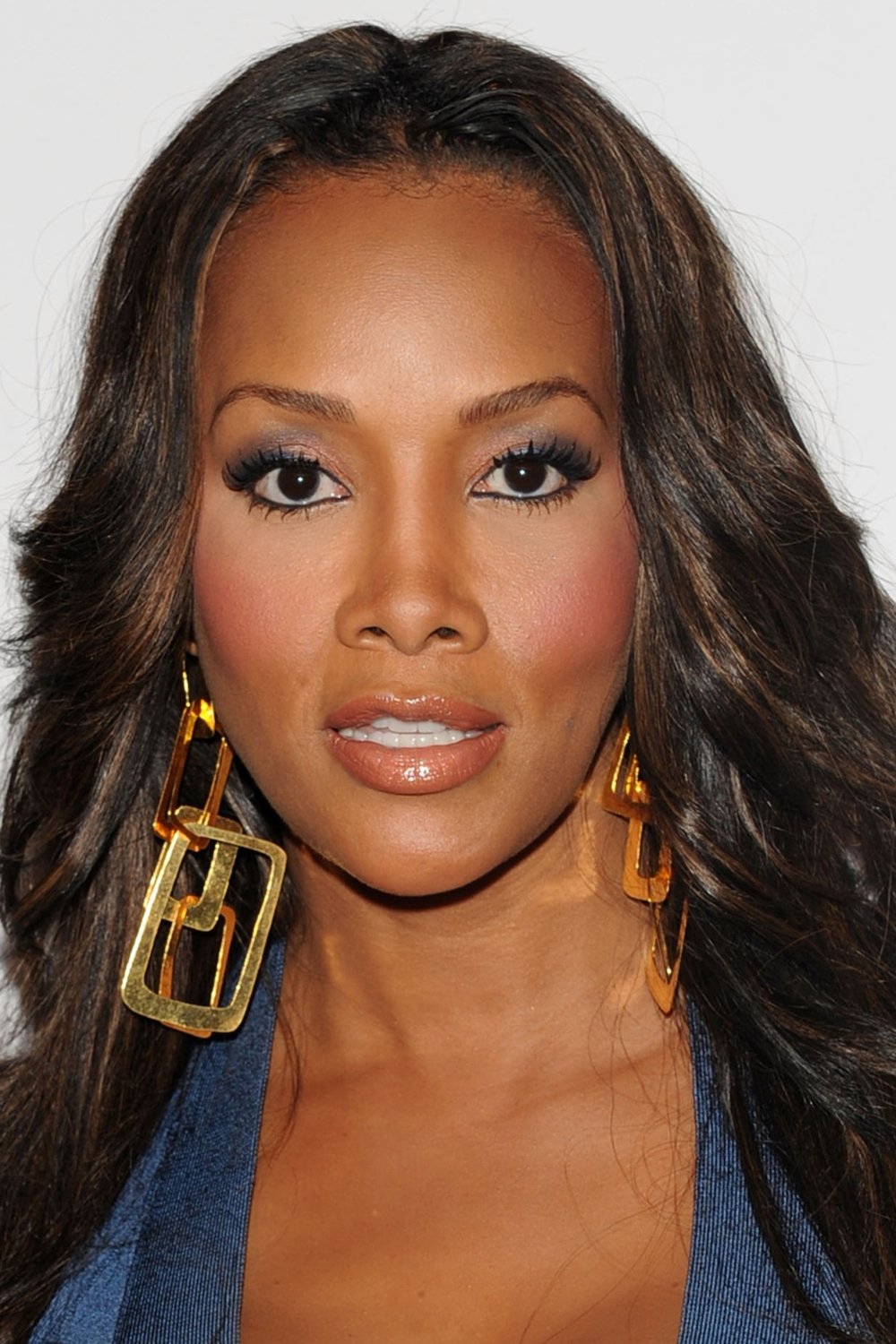
Vivica A. Fox is known for her unfiltered opinions on pop culture and her willingness to address personal and professional feuds publicly. She advocates for the right to defend oneself against public scrutiny and to set the record straight without PR intervention. Fox believes that women are often told to be quiet and polite but that success requires boldness. She encourages women to own their narratives completely.
Oprah Winfrey
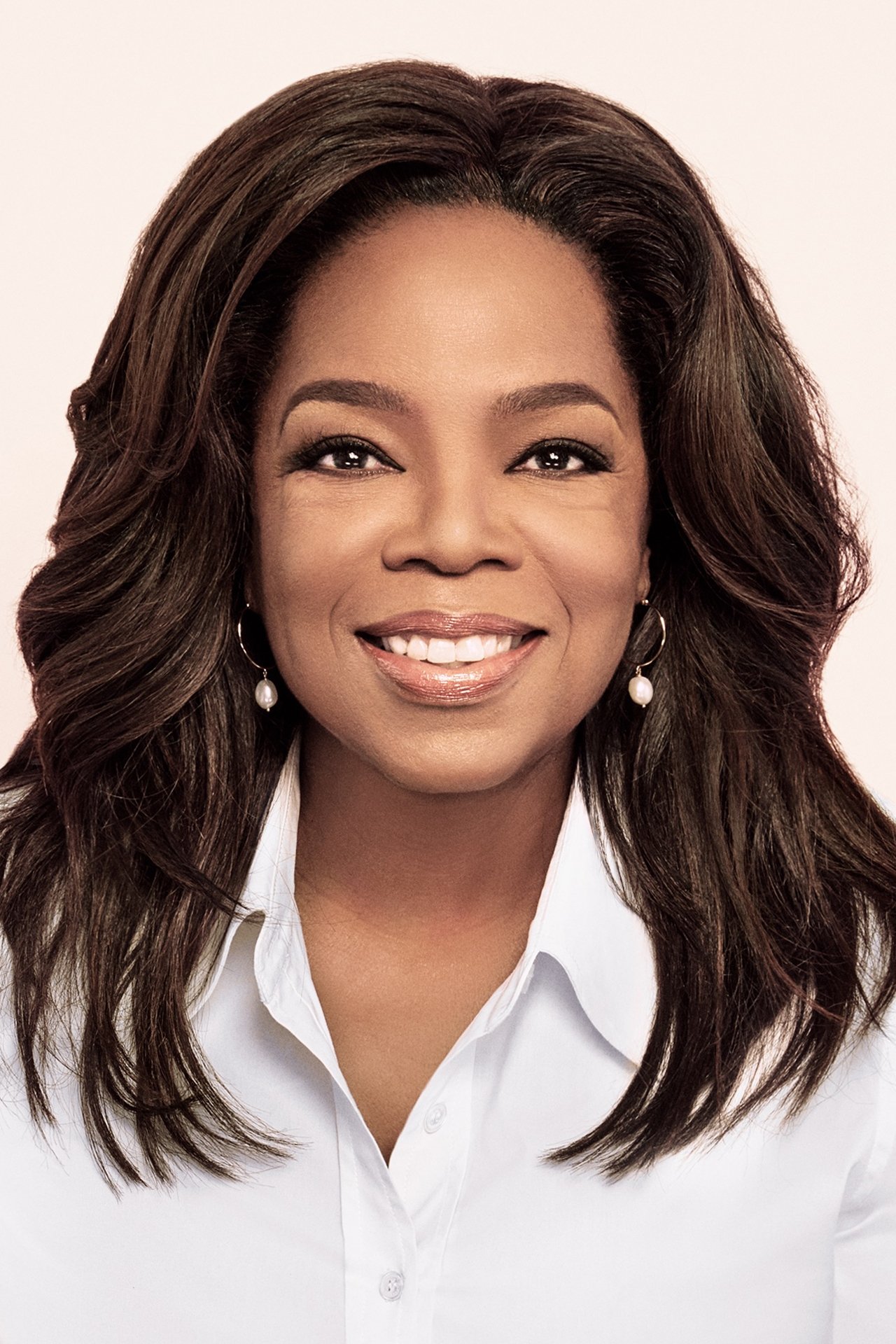
Oprah Winfrey built an empire on the premise of free speech and the power of sharing personal stories to facilitate healing. She fought the beef industry in a major lawsuit that tested the limits of free speech regarding food safety and won. Winfrey advocates for the power of the press and the importance of literature through her book club which elevates diverse authors. She demonstrates that owning the platform is the ultimate guarantee of free expression.
What do you think about the way these actresses are using their platforms? Share your thoughts in the comments.