‘Spider-Noir’ Star Teases Explosive Finale Twist That Completely Changes Sandman’s Future


Jack Huston has been talking about his experience playing Flint Marko in the Prime Video series Spider-Noir, and he says the biggest moment for him came during the show’s huge finale fight.
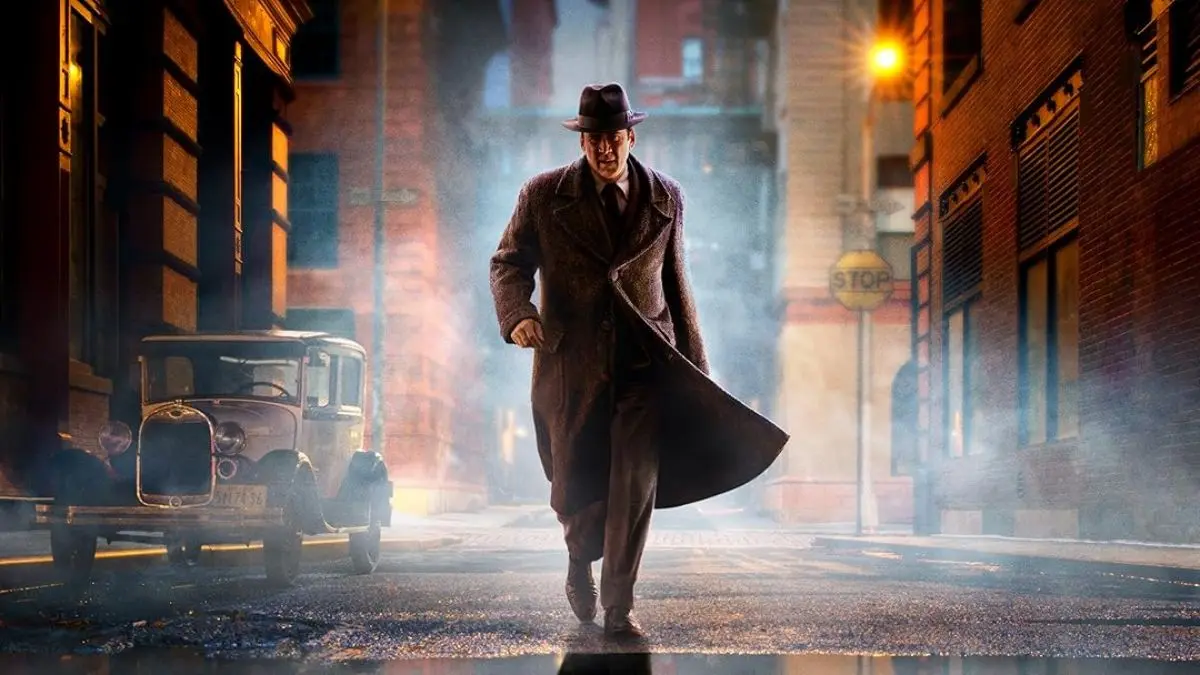
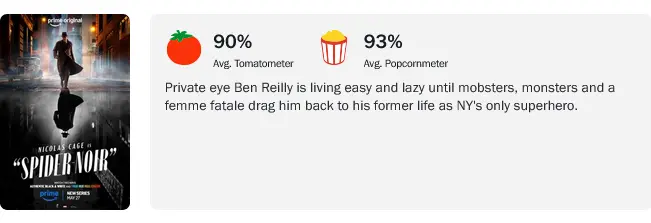
The series is a dark reimagining of the Spider-Man universe set in 1930s New York, where Nicolas Cage plays a retired private investigator version of The Spider. In this version of the story, Sandman is not just a villain but a layered and emotional character caught between loyalty, love, and survival.
The comments come from an interview with Collider, where Huston broke down how the finale fight and his character’s journey fit into the larger tone of the series. According to the show’s co-creators Oren Uziel and Steve Lightfoot, Spider-Noir takes inspiration from classic film noir while mixing in comic book storytelling, giving familiar Marvel characters a very different emotional weight and visual style.
Huston explained that what drew him to the project was how unusual it felt compared to standard superhero stories. He said the series is shaped like a classic noir film, built around mood, moral conflict, and damaged people trying to survive in a harsh world. He also shared that his family background in filmmaking, especially his grandfather John Huston’s legacy in noir cinema, made the project feel personal to him. He described the experience as something he never thought he would get to do in his career.
One of the key creative choices in Spider-Noir is that it can be watched in both black and white and color. Huston said he watched the entire series twice, once in black and white and then again in color. He explained that both versions feel different. The black and white version feels more authentic to classic noir, with strong shadows and a raw emotional tone. The color version, on the other hand, reveals how much detail went into the production design and costumes.
He pointed out that even small choices like lipstick colors or costume shades had to be carefully planned so they would work in both formats. Something that looked perfect in color could look completely different in black and white. Huston said this dual approach made the series feel like two separate viewing experiences, even though it was the same story.
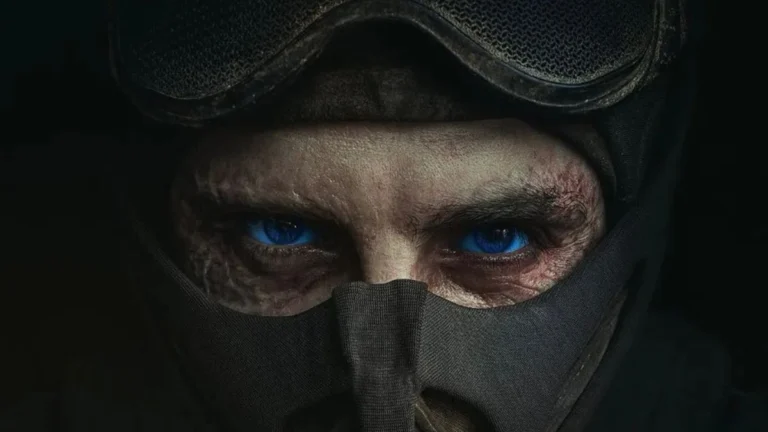
A major highlight for Huston was the finale fight scene, which brings together The Spider, Sandman, and Megawatt in a large-scale showdown. He said it felt like a “pinch-me moment” while filming because of the scale and location. The production shot across major studio backlots, including Universal, Warner Bros., and Sony spaces, which gave the experience a classic Hollywood feeling. He described it as stepping into places where legendary films were once made.
Huston said the fight was not just action-heavy but also emotionally important for his character. Flint Marko’s story reaches a breaking point in this sequence, especially through his connection with Cat Hardy, played by Li Jun Li. Cat is the femme fatale of the story and a major emotional influence on Flint’s choices throughout the season.
According to Huston, Flint is not a simple villain. He is a tortured man who struggles with identity and emotional pain. He described him as someone who believes he is not worthy of love but still deeply cares for Cat. That conflict becomes central to his actions in the final fight. Huston said Flint would do anything for her, even though he feels she never fully lets him into her life.
He also spoke about how Sandman was created on screen using mostly practical effects. The production used prosthetics for Flint’s transformation into Sandman, with different stages depending on how far the character had changed. Huston said the makeup process was intense but helped him stay grounded in the role because everything was physical and in-camera. Only the movement of sand was added digitally.
The actor also reflected on working with Nicolas Cage, who plays The Spider. He described Cage as highly energetic, deeply knowledgeable about film history, and fully committed to the role. Huston said working with him raised everyone’s performance level because Cage approached every scene with enthusiasm and creativity. He also shared that their first week of filming involved a major fight sequence on a rooftop, which set the tone for their on-screen rivalry.
Huston said Cage’s passion for acting made the long shoot more exciting rather than exhausting. Even during difficult production days, Cage maintained strong focus and energy, which inspired the rest of the cast.
Beyond the action and noir style, Huston emphasized that Spider-Noir works because it treats its characters as real people rather than simple heroes and villains. He said the show is set during a difficult historical period that adds weight to every decision the characters make. The Great Depression and post-war struggles shape their world and force them into morally complicated situations.
Huston also spoke about the nightclub set in the series, calling it one of the most impressive environments he has ever worked in. He said it felt so real that he wished it existed in real life, capturing the atmosphere of classic noir settings.
When asked about the future of the series, Huston said he has no information about a possible second season. He explained that continuation would depend on how the show performs. Still, he expressed interest in exploring where Flint Marko and Cat Hardy’s relationship could go next, especially since the series leaves some emotional threads open.
He also reflected on his own creative future, sharing that he is working more on directing. He recently completed his film Day of the Fight and is preparing another project focused on Joseph Merrick, also known as The Elephant Man. Huston said he feels deeply connected to telling human stories that deal with pain, resilience, and kindness.
He explained that his upcoming film aims to explore parts of Merrick’s life that have not been widely shown on screen, particularly his childhood and final years. He described it as a project rooted in compassion and emotional truth, saying he hopes it can have a meaningful impact on audiences.
Have something to add? Let us know in the comments!