Famous Hollywood Actresses Who Are Advocating Free Speech


Freedom of expression remains a central topic in Hollywood as actresses leverage their platforms to champion the right to speak openly. These women utilize their public profiles to challenge censorship and advocate for political dissent or artistic liberty. Their efforts range from fighting against restrictive contracts to speaking out against cancel culture and industry blacklisting. Many have faced significant professional risks to ensure that diverse voices and controversial opinions can still be heard. This list highlights the figures who have made the protection of speech a priority in their careers.
Susan Sarandon
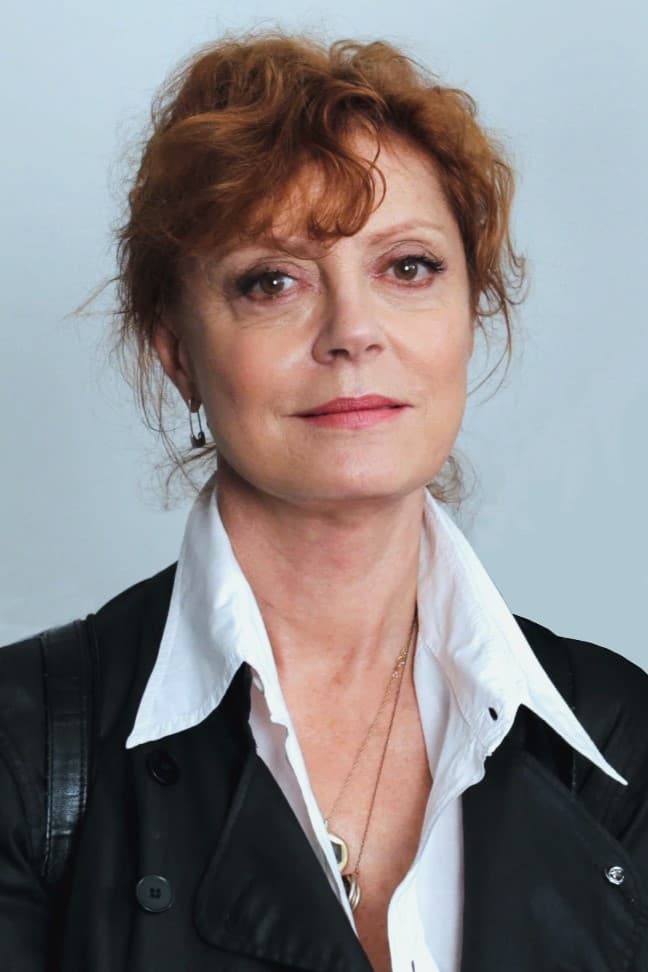
Susan Sarandon has spent decades using her celebrity status to advocate for political causes and the right to dissent. She frequently attends protests and rallies to speak out against war and government overreach. The actress consistently defends the importance of questioning authority regardless of the political climate. Sarandon maintains that true democracy requires an open exchange of ideas even when those ideas are unpopular. Her commitment to free speech often puts her at odds with mainstream Hollywood narratives.
Rose McGowan
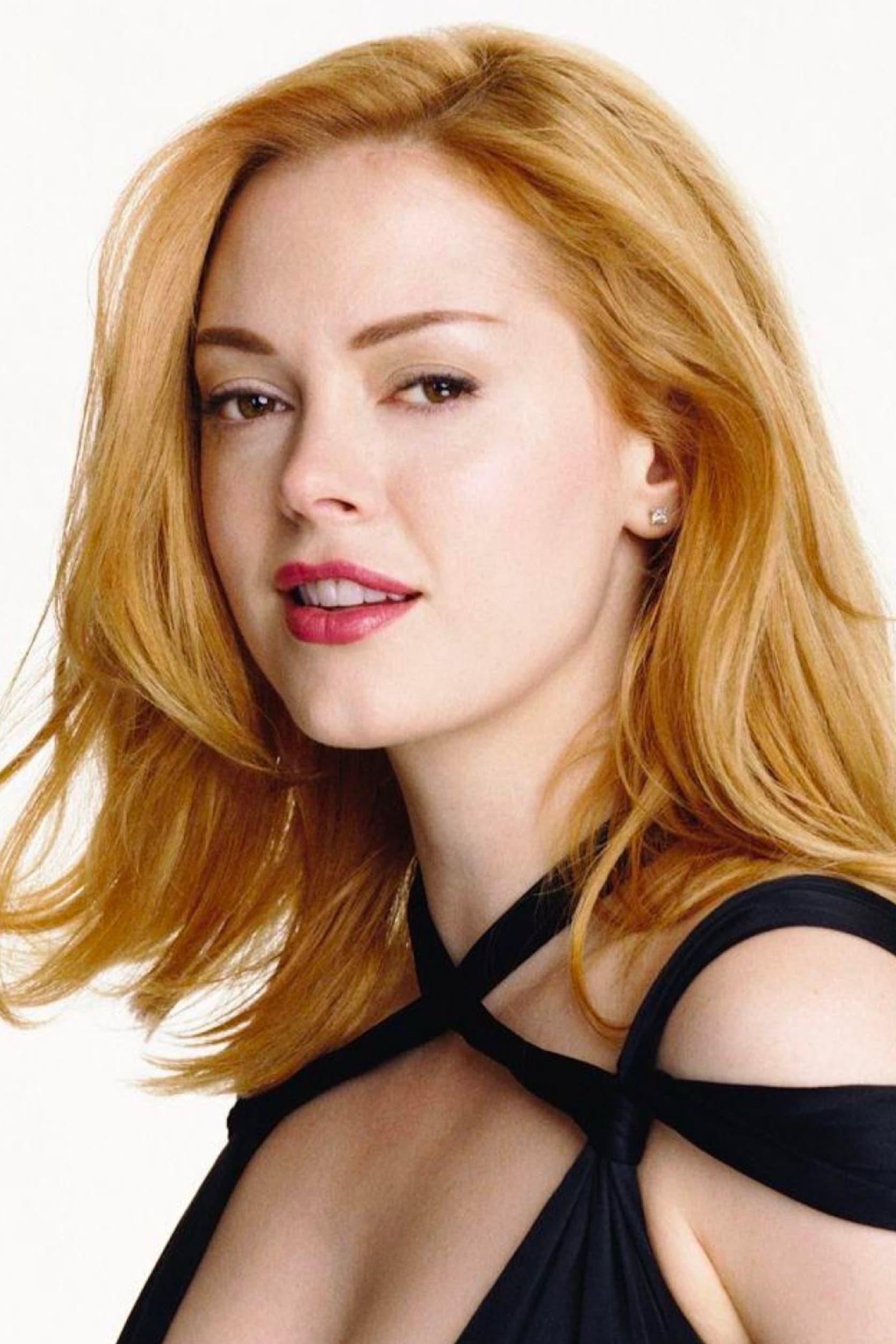
Rose McGowan became a central figure in the fight against silence within the entertainment industry. She challenged the use of non-disclosure agreements that prevented victims of abuse from speaking their truth. Her memoir outlines her battle to reclaim her voice after years of alleged suppression by powerful studio executives. McGowan continues to use social media as an unfiltered platform to expose corruption and hypocrisy. She argues that the right to speak is the most powerful tool for dismantling systemic oppression.
Gina Carano
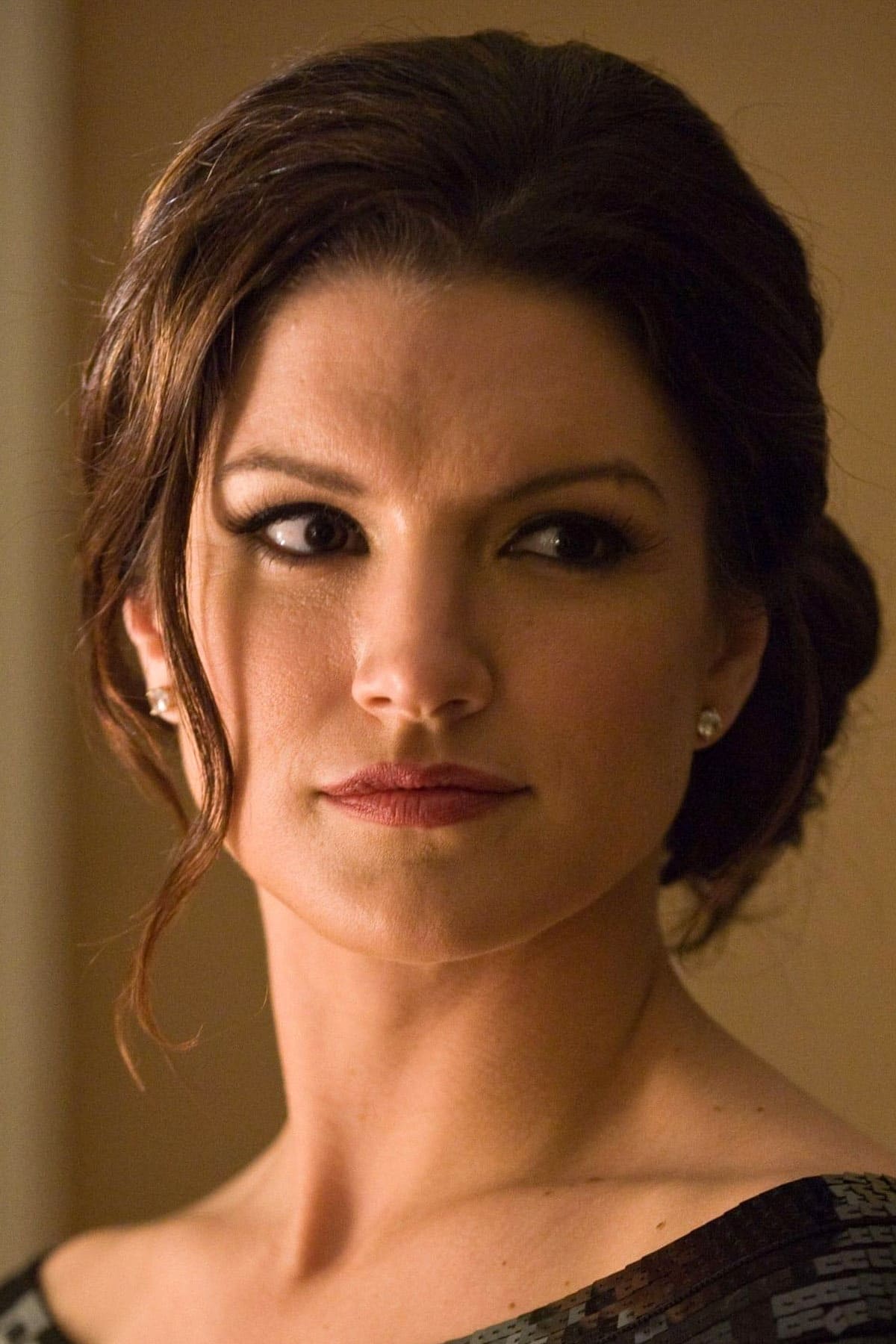
Gina Carano became a prominent figure in the debate surrounding political speech and employment rights in Hollywood. After being dismissed from a major franchise due to her social media posts, she filed a lawsuit arguing against discriminatory termination. Carano contends that artists should not lose their livelihoods for expressing personal political views. She has since partnered with alternative media companies to produce content that she claims is free from censorship. Her case has sparked widespread discussion about the boundaries of acceptable speech for public figures.
Cate Blanchett
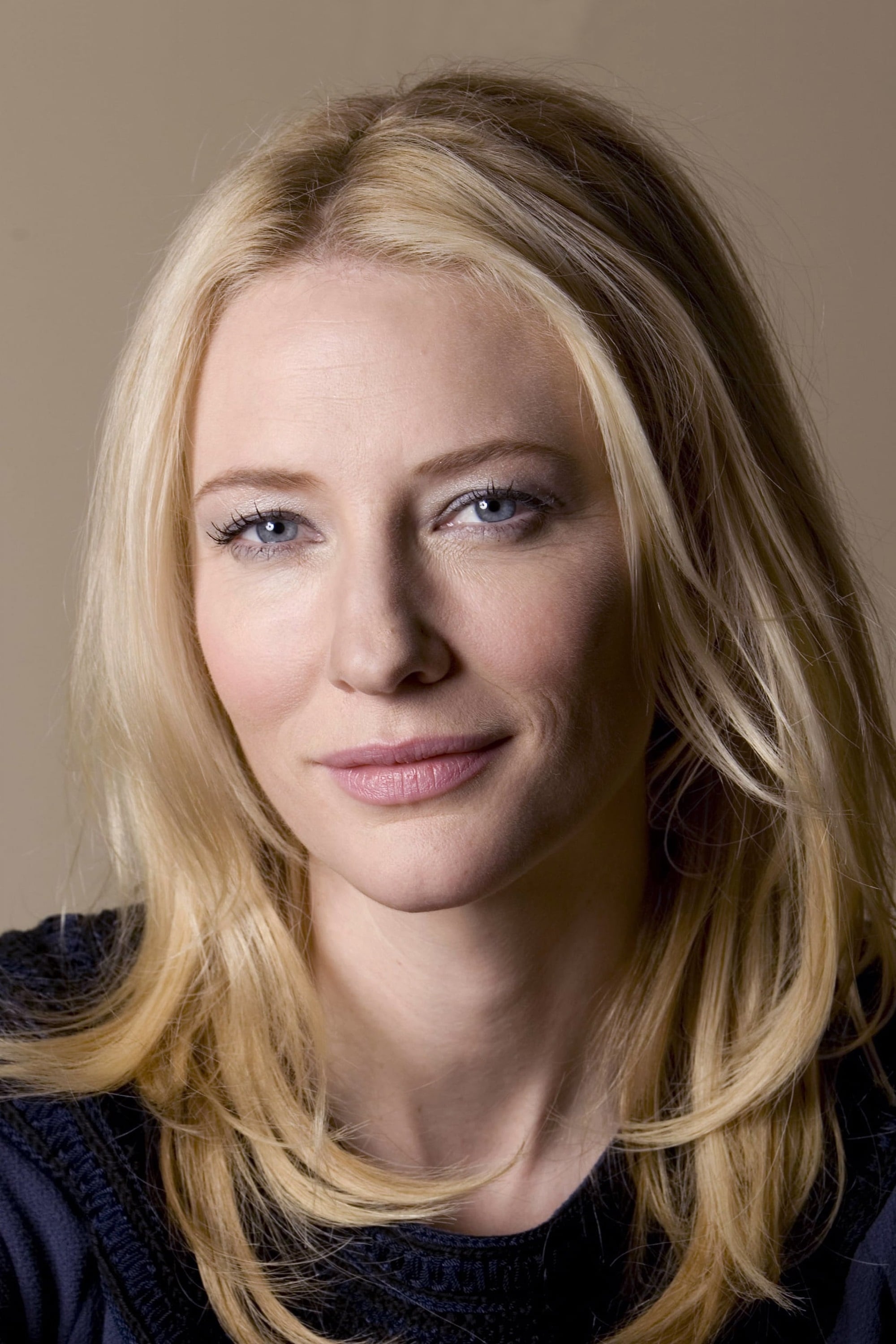
Cate Blanchett has voiced concerns regarding the sanitization of art and the importance of engaging with difficult topics. During the promotion of ‘Tár’, she argued that films should not be treated as educational sermons but rather as provocations. She believes that retrospective censorship of historical works sets a dangerous precedent for artistic expression. Blanchett advocates for trusting the audience to interpret complex characters and controversial narratives. She warns that fearing offense can stifle the creative risks necessary for great cinema.
Jennifer Aniston
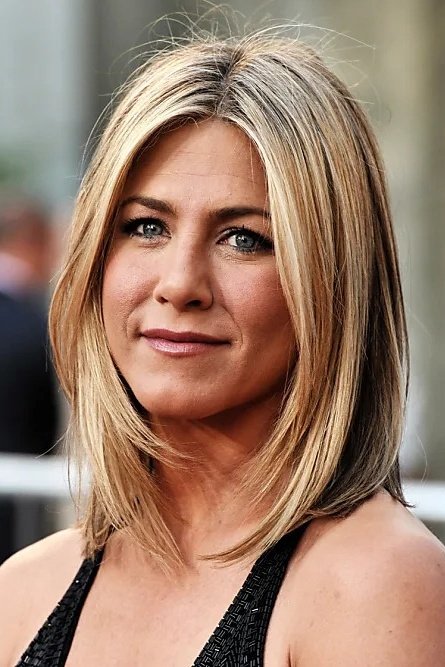
Jennifer Aniston has spoken publicly about the changing landscape of comedy and the challenges of performing in a sensitive cultural climate. She noted that comedians today face restrictions that did not exist during the filming of ‘Friends’. Aniston suggests that the fear of being cancelled has made it difficult for writers to make jokes about human folly. She argues that comedy requires a level of freedom to explore stereotypes and social absurdities without immediate condemnation. Her comments highlight the tension between evolving social norms and creative liberty.
Helena Bonham Carter
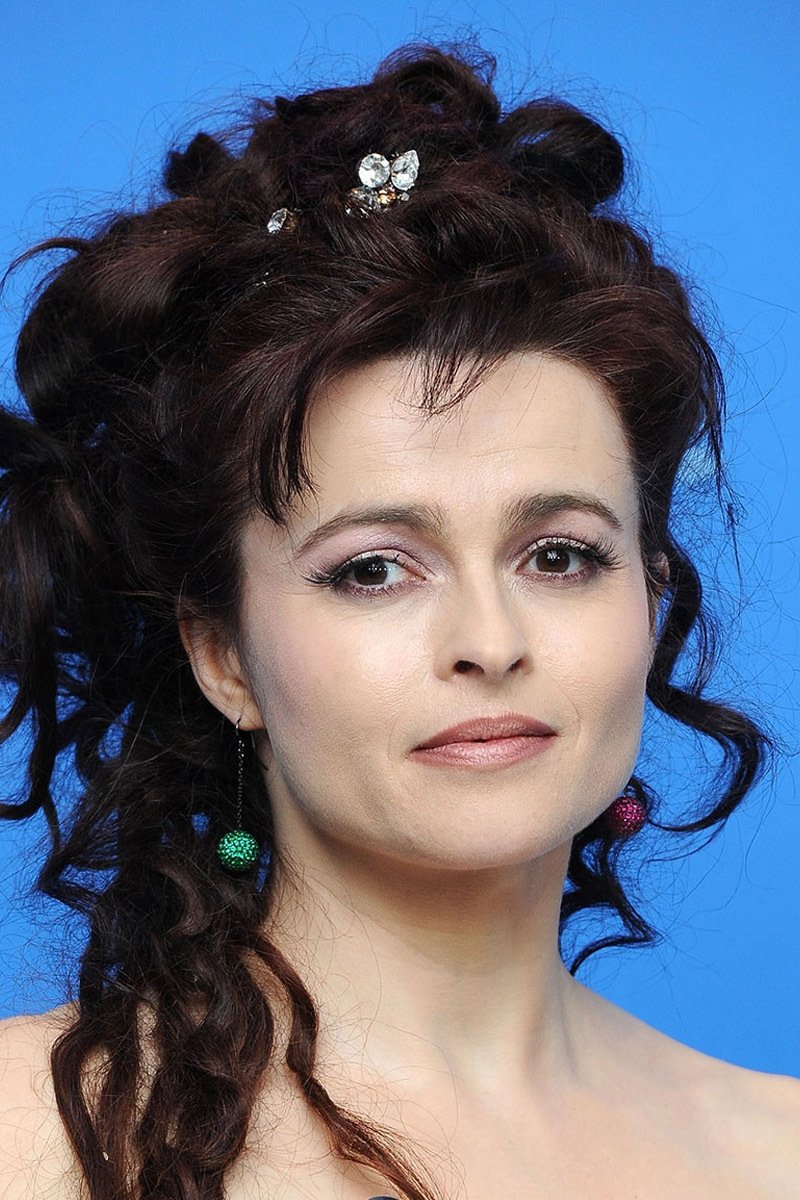
Helena Bonham Carter has criticized what she perceives as a witch hunt culture that targets individuals for their personal opinions. She has defended fellow creatives who faced public backlash and argued against the destruction of careers based on internet mob mentality. The actress believes that separating the art from the artist is essential for a thriving culture. Bonham Carter asserts that freedom of speech must include the right to hold views that others might find objectionable. She emphasizes forgiveness and complexity over judgment and exclusion.
Judi Dench
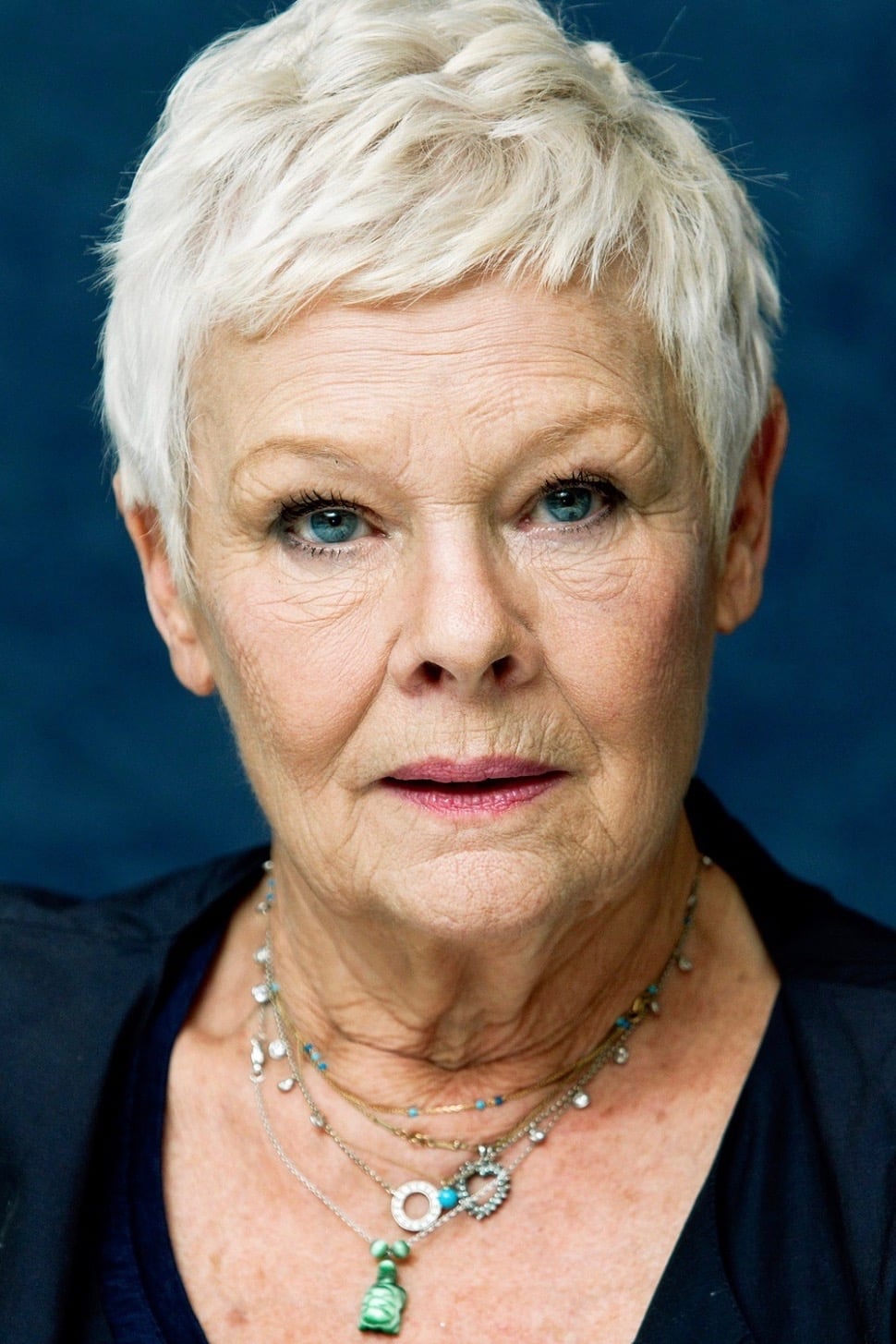
Judi Dench has expressed skepticism regarding the increasing use of trigger warnings in theater and film. She believes that audiences should be prepared to be shocked or challenged by art without preemptive disclaimers. The actress has also defended the right of historical dramas like ‘The Crown’ to dramatize events without heavy-handed regulation. Dench argues that viewers are intelligent enough to distinguish between fact and fiction. Her stance prioritizes the integrity of the artistic experience over the desire to protect sensibilities.
Sharon Stone
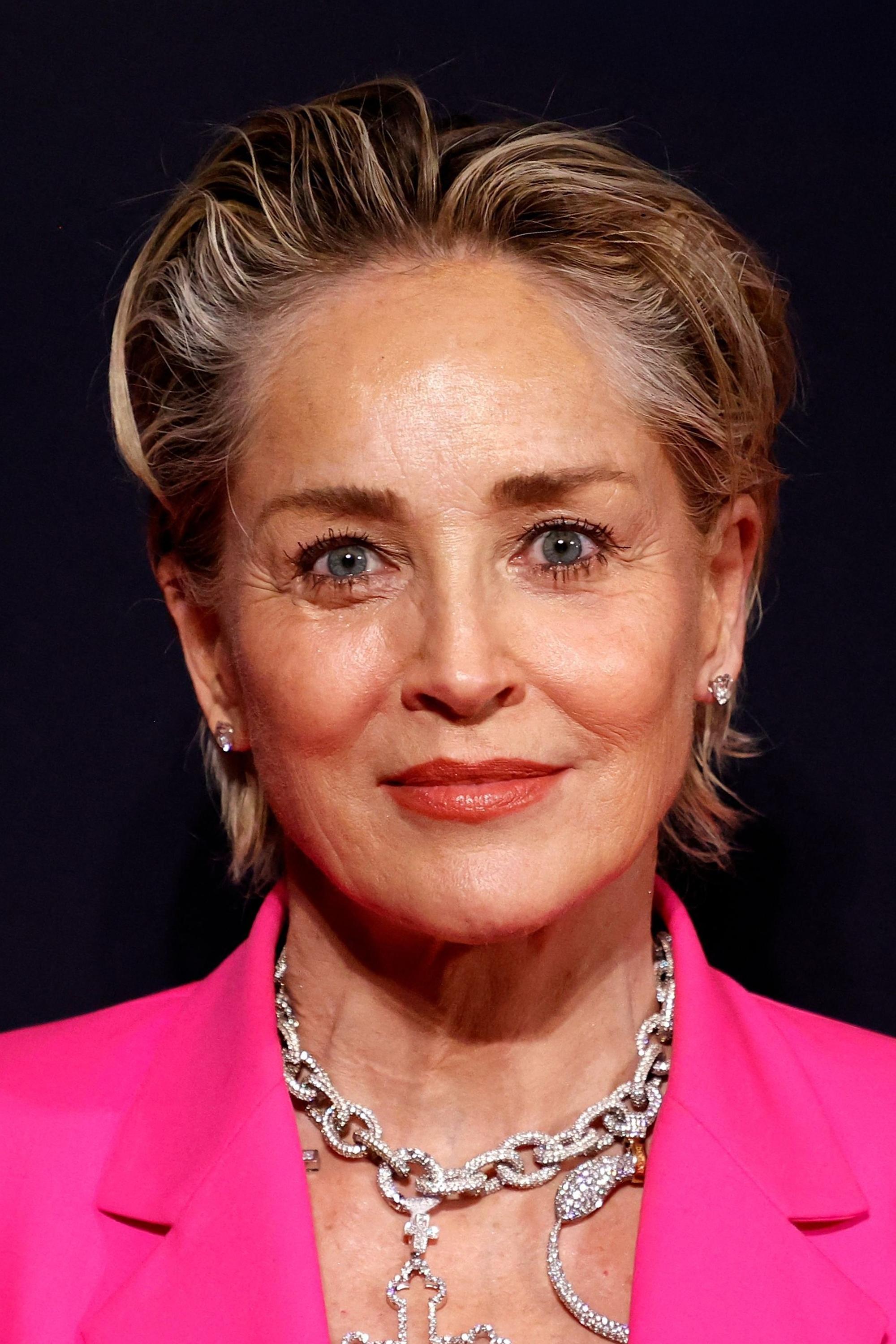
Sharon Stone is known for her unyielding candor and refusal to adhere to industry expectations of female silence. She has written extensively about the difficulties she faced when trying to assert creative control over her roles. Stone advocates for the right of women to speak openly about their aging bodies and sexual agency. She frequently critiques the studio system for attempting to muzzle actresses who demand better treatment. Her memoir serves as a testament to the power of reclaiming one’s narrative.
Angelina Jolie
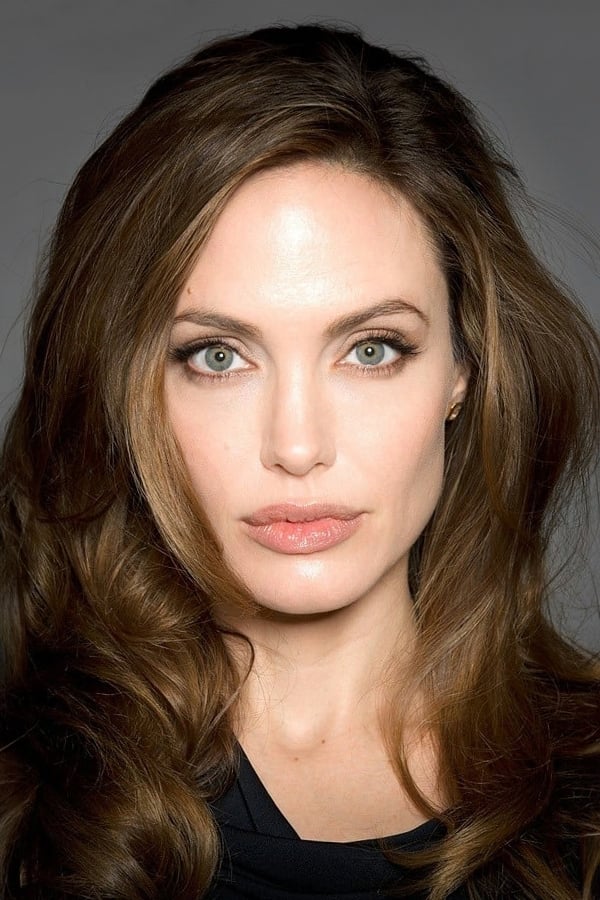
Angelina Jolie utilizes her role as a special envoy to advocate for the rights of refugees and women globally. She emphasizes that freedom of speech is a fundamental human right that is often the first to be stripped away by authoritarian regimes. Jolie produces films that highlight stories of journalists and activists who risk their lives to speak the truth. She argues that artistic freedom cannot exist without the political freedom to criticize governments. Her work connects the struggle for expression in Hollywood to broader international human rights issues.
Jane Fonda
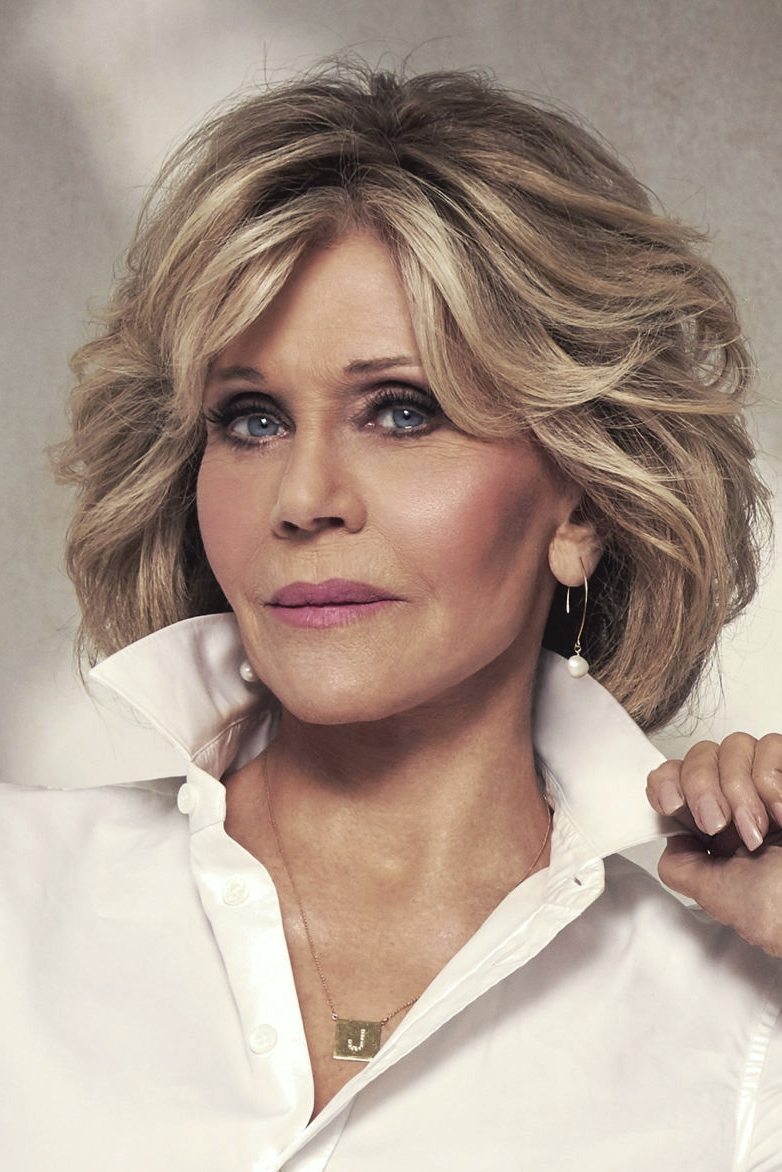
Jane Fonda has a long history of exercising her right to free speech through anti-war activism and civil disobedience. She has been arrested multiple times for protesting climate inaction and demands that citizens use their voices to hold leaders accountable. Fonda acknowledges that her outspoken nature has cost her work in the past but refuses to remain silent. She encourages younger generations to view protest as a vital form of patriotic expression. Her legacy is built on the idea that celebrity platforms should be used to amplify marginalized messages.
Shailene Woodley
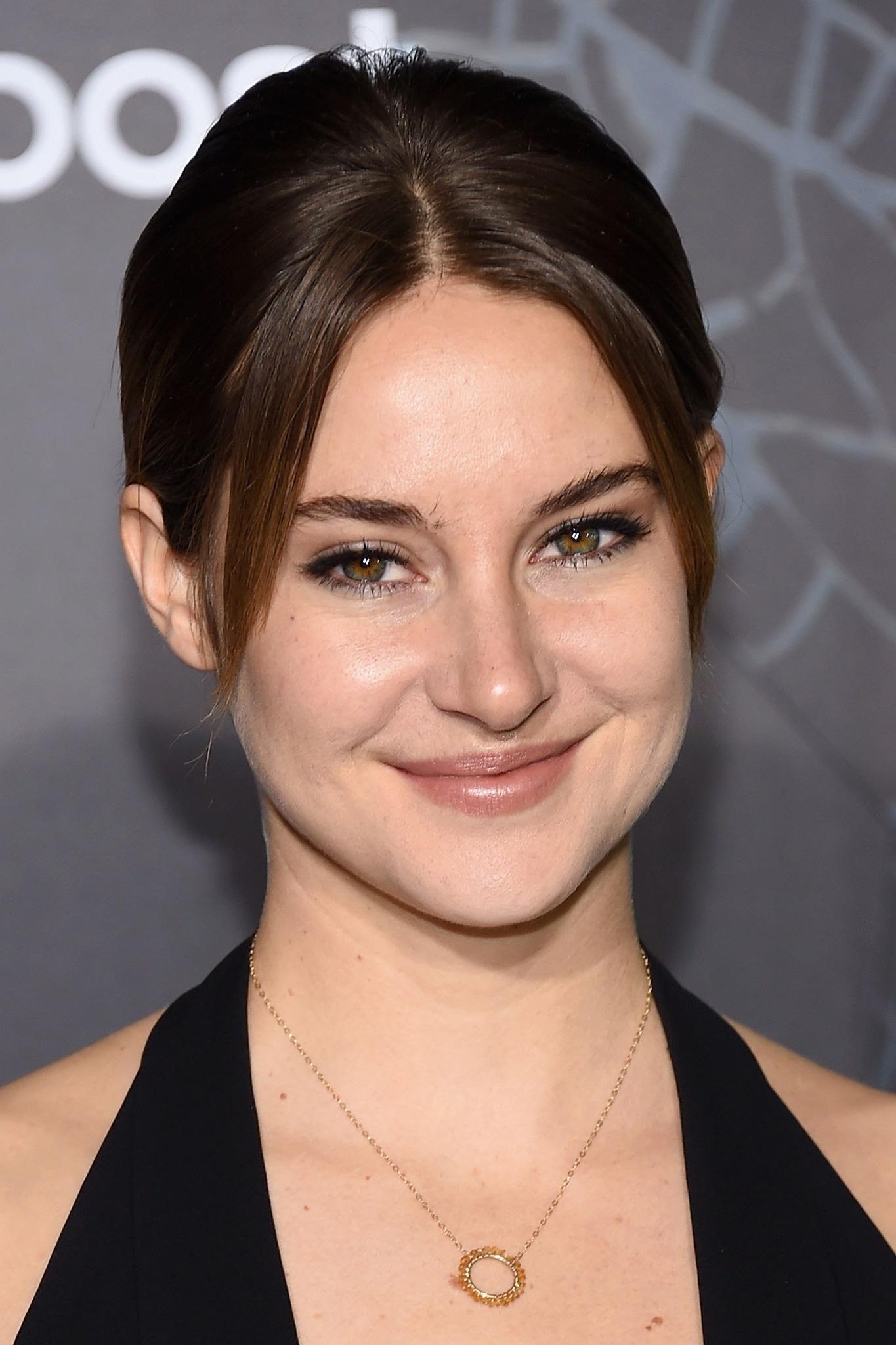
Shailene Woodley actively participates in protests concerning environmental rights and indigenous sovereignty. She was arrested while livestreaming a demonstration to ensure the event was documented without media bias. Woodley argues that independent journalism and citizen reporting are crucial for a free society. She uses her social media channels to bypass traditional gatekeepers and share unfiltered information. The actress believes that physical presence at protests is the ultimate form of free speech.
Rosario Dawson
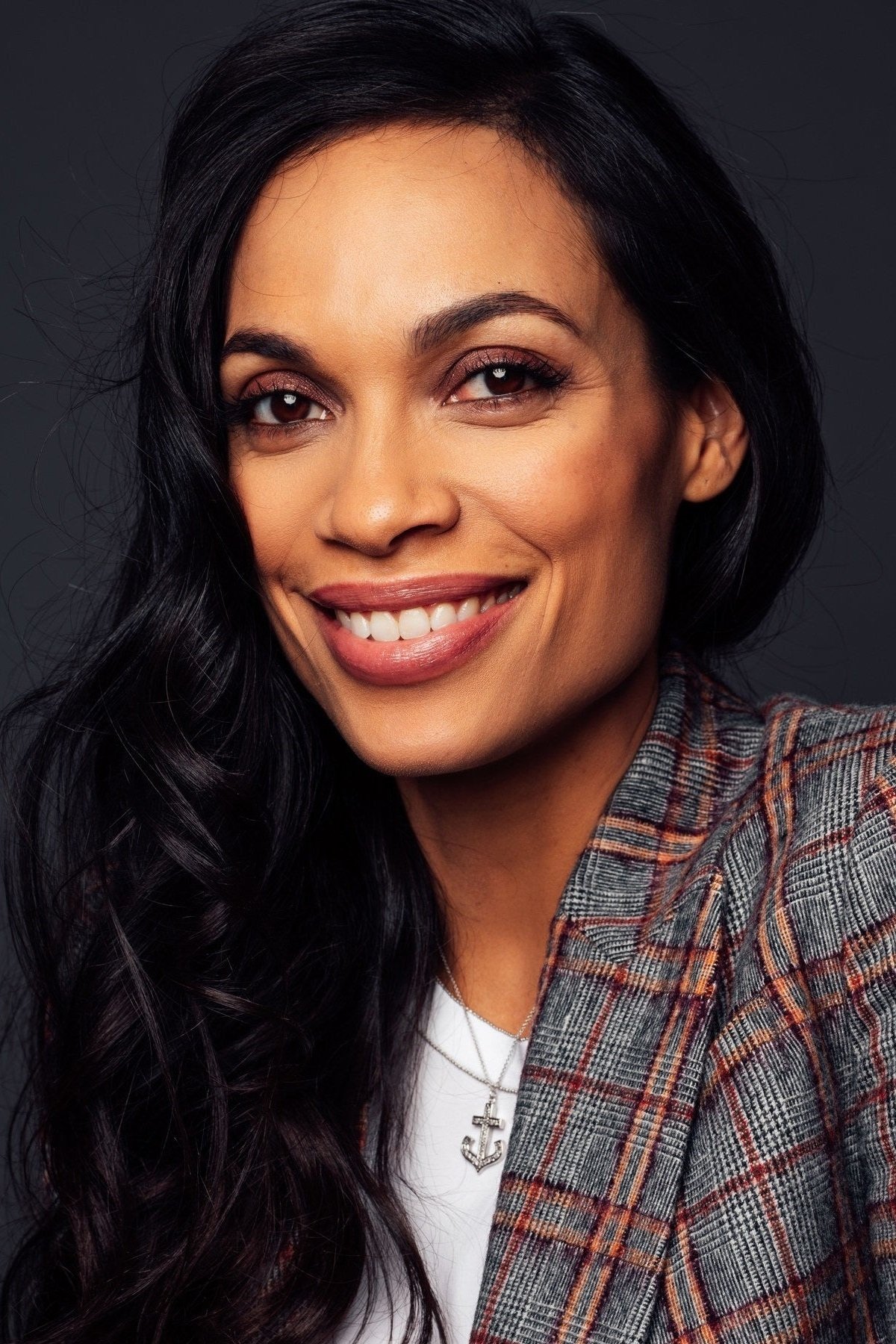
Rosario Dawson engages in political activism and consistently encourages voter participation and civic engagement. She co-founded organizations dedicated to amplifying Latino voices and protecting the right to vote. Dawson has been arrested for protesting and argues that civil disobedience is a necessary tool for democracy. She speaks out against voter suppression laws that silence minority communities. Her advocacy focuses on ensuring that every citizen has the ability to express their political will.
Patricia Arquette
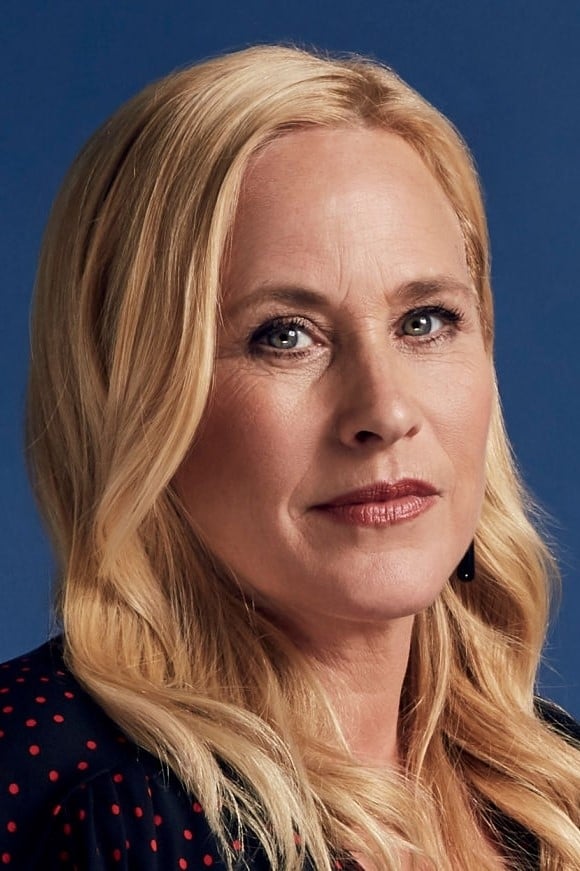
Patricia Arquette used her Oscar acceptance speech to demand equal pay and rights for women in the United States. She continues to advocate for the passage of the Equal Rights Amendment and labor protections. Arquette believes that economic inequality is a form of silencing that prevents women from fully participating in society. She frequently lobbies Congress and speaks at rallies to push for legislative change. Her activism highlights the connection between economic power and the freedom to speak without fear.
Viola Davis
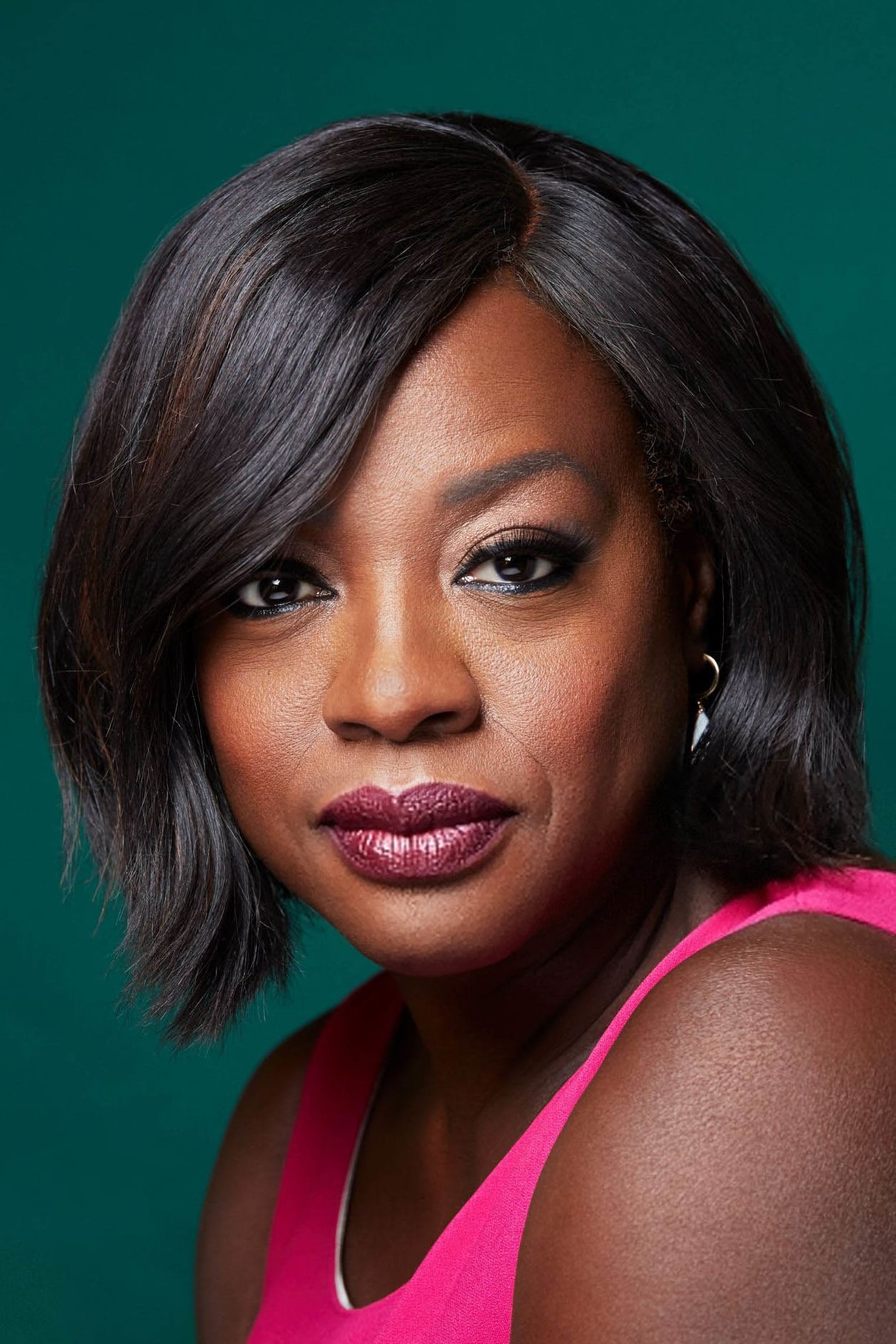
Viola Davis advocates for the representation of Black women in Hollywood and the freedom to tell authentic stories. She has criticized the industry for filtering Black narratives through a white lens. Davis founded her own production company to ensure that creators have the liberty to explore diverse experiences. She argues that true artistic freedom involves the resources and support to produce work without compromise. Her speeches often address the systemic barriers that silence artists of color.
Meryl Streep
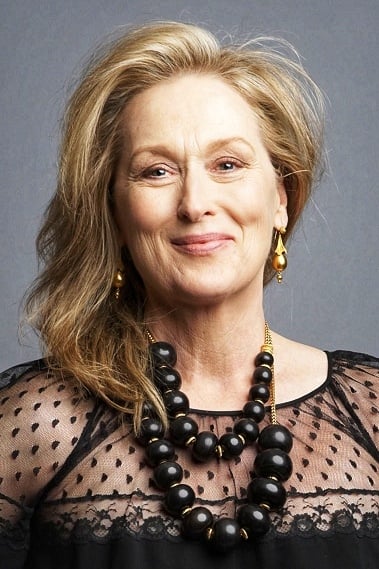
Meryl Streep has used major award show platforms to critique political leaders and defend the freedom of the press. She famously argued that the powerful must be held to account by a robust and protected journalism sector. Streep supports organizations that protect writers and artists from persecution. She believes that actors have a responsibility to embody empathy and speak up against bullying. Her advocacy reinforces the role of the arts in challenging authority.
Reese Witherspoon
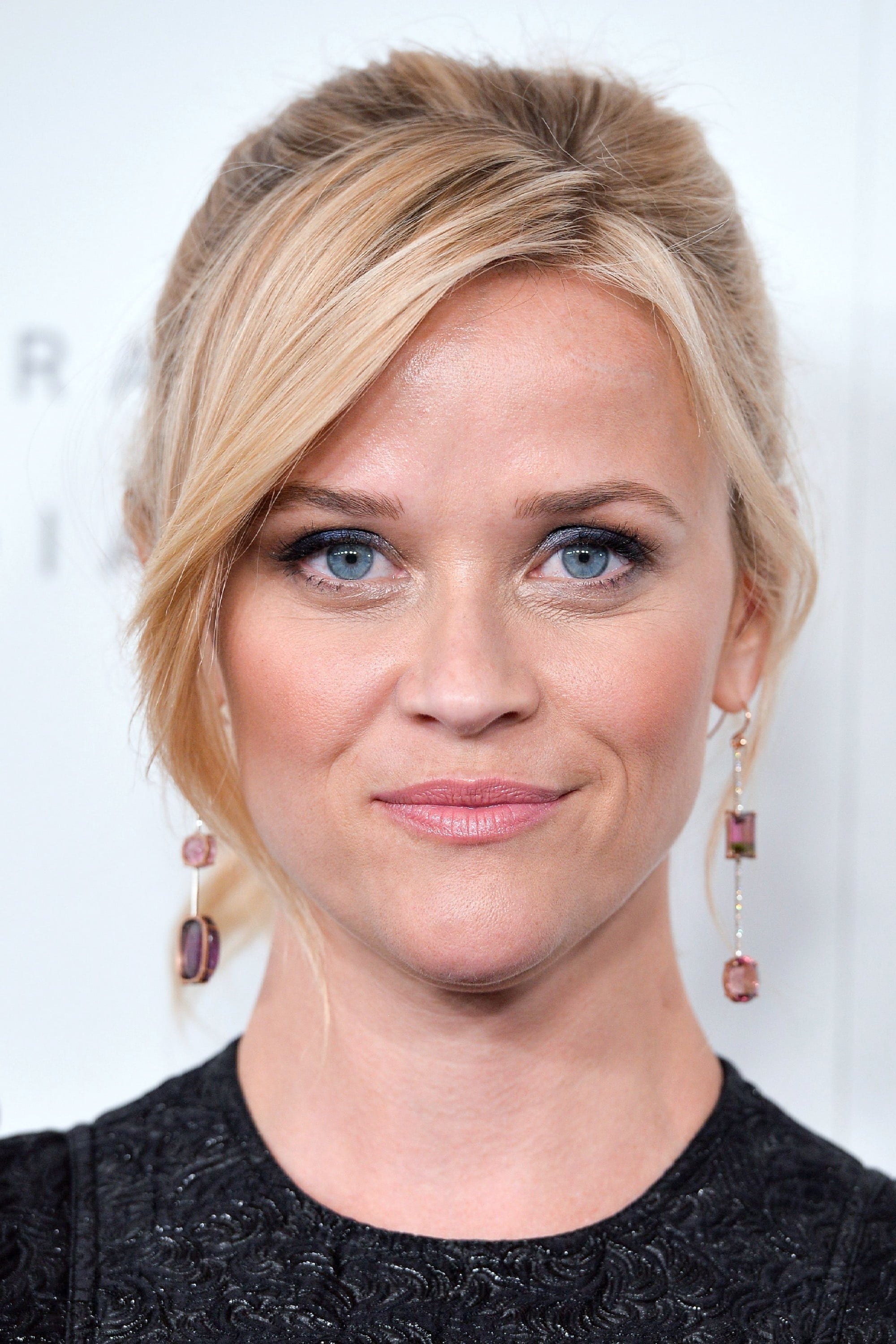
Reese Witherspoon founded a media company to circumvent the traditional studio system that she felt limited female voices. She advocates for the right of women to be the architects of their own stories rather than passive participants. Witherspoon pushes for increased ownership of intellectual property by authors and creators. She argues that financial independence is the key to creative freedom. Her work has shifted the industry dynamic regarding who gets to approve and distribute content.
Natalie Portman
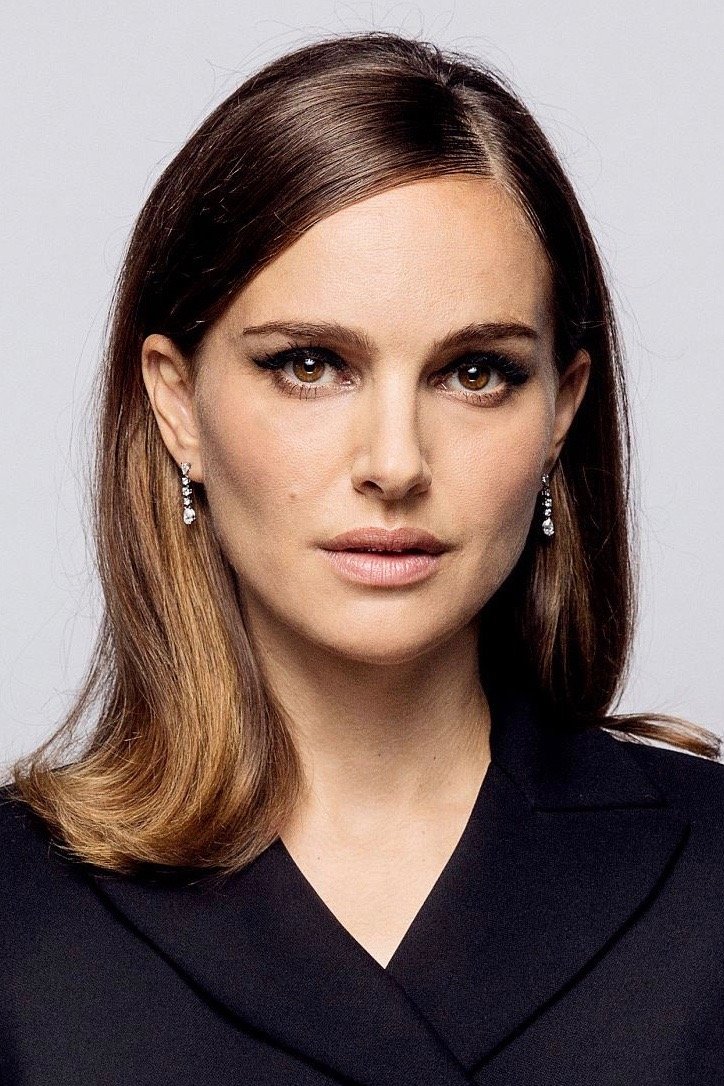
Natalie Portman has spoken out against gender discrimination and the lack of female directors in the industry. She famously wore a cape embroidered with the names of snubbed female filmmakers to a red carpet event. Portman advocates for the Time’s Up movement which seeks to end harassment and silence in the workplace. She argues that safety and equity are prerequisites for true freedom of expression. Her protests are often subtle but visually impactful statements on exclusion.
Emma Watson
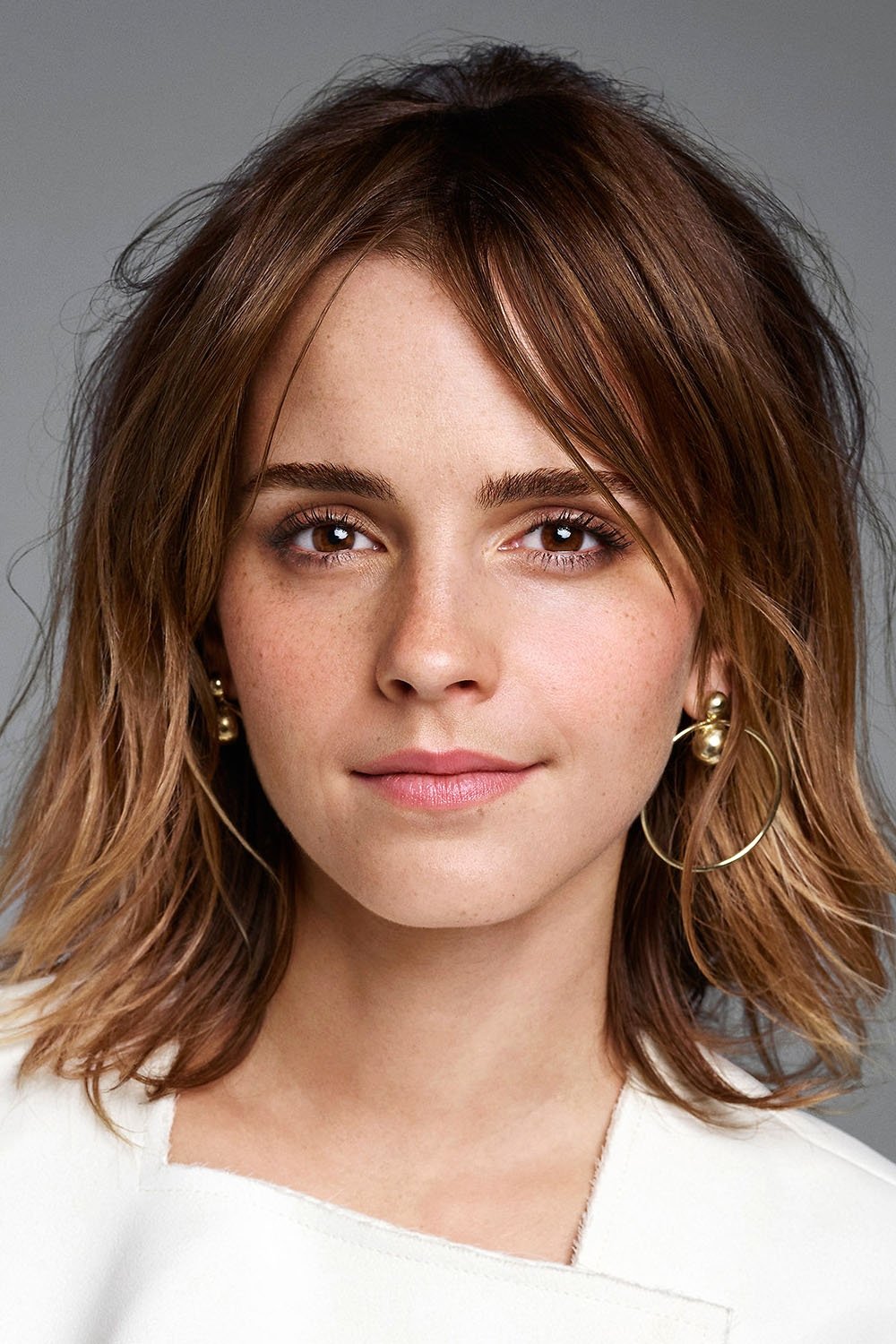
Emma Watson serves as a UN Women Goodwill Ambassador and advocates for the HeForShe campaign. She speaks globally about the necessity of gender equality and the right of women to define their own identities. Watson has promoted literature that challenges patriarchal norms through her feminist book club. She argues that freedom of speech includes the right to access diverse educational materials. Her activism focuses on breaking down gender stereotypes that limit expression.
Scarlett Johansson
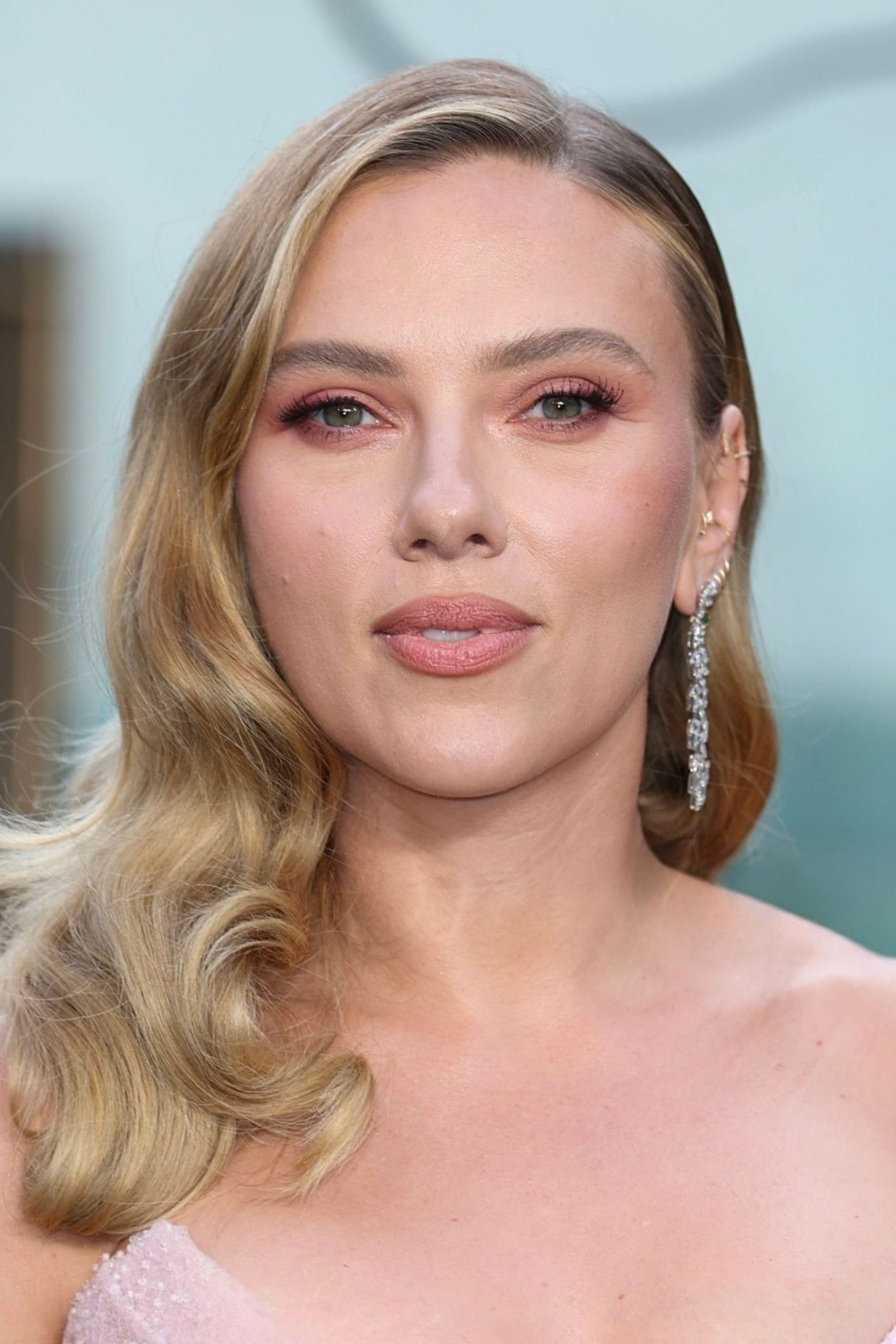
Scarlett Johansson has defended her right to accept diverse roles and questioned the rigidity of casting politics. She has stated that as an actor she should be allowed to play any person or tree or animal. Johansson argues against the trend of judging artistic choices through a strictly political lens. She believes that the job of an actor is to empathize with experiences different from their own. Her comments have sparked debate about the boundaries of representation and artistic license.
Evangeline Lilly
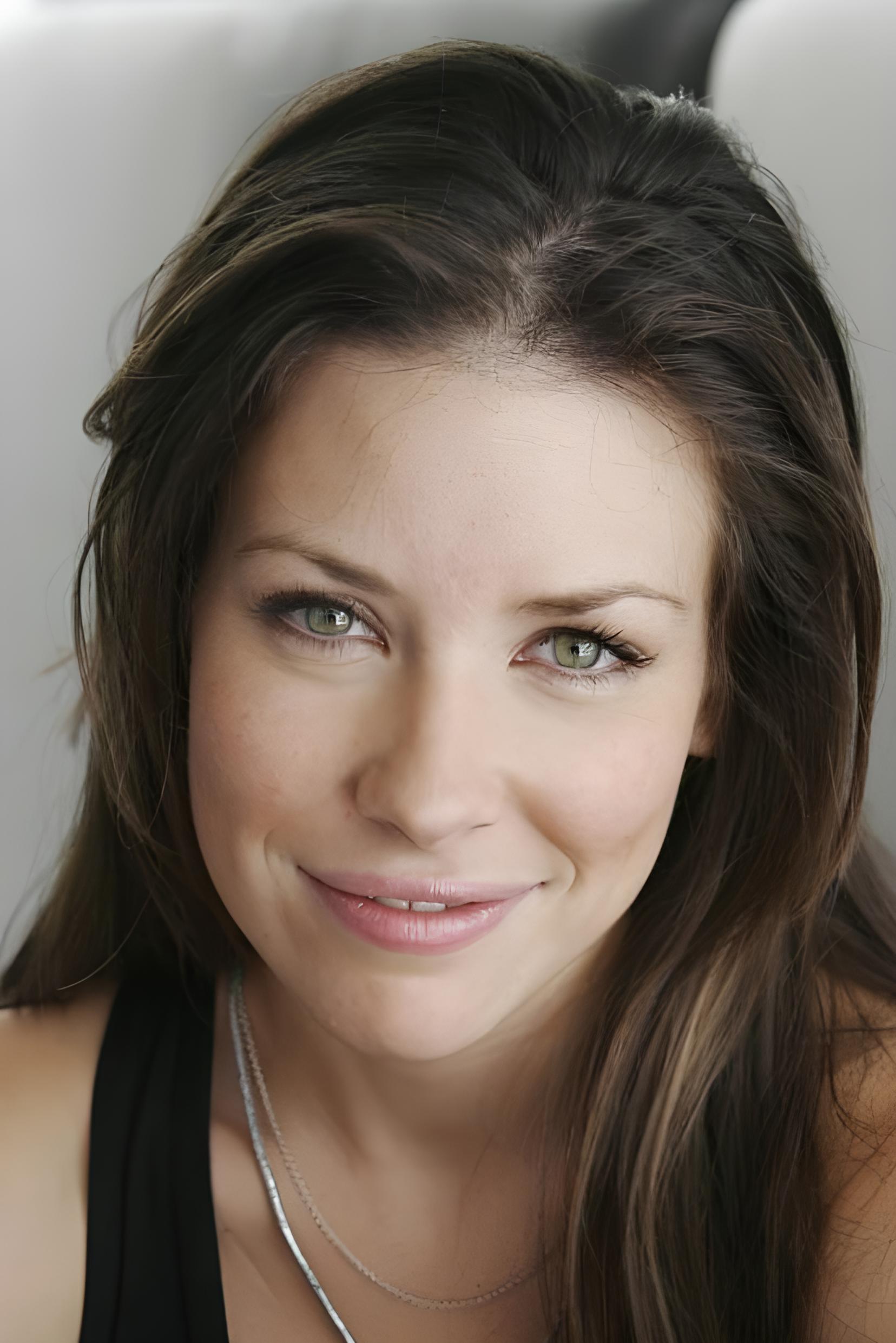
Evangeline Lilly has used her social media platforms to express controversial views regarding bodily autonomy and medical mandates. She attended rallies to support what she termed the right to choose and questioned government restrictions. Lilly argues that individuals should not be villainized for asking questions about public policy. She contends that open debate is essential for a healthy society even during crises. Her stance highlights the friction between public safety consensus and individual expression.
Drea de Matteo
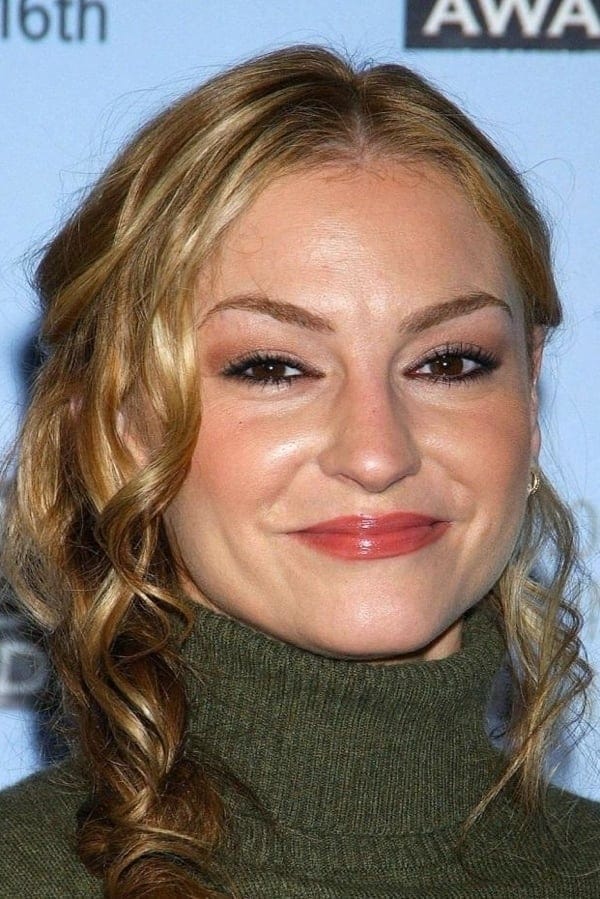
Drea de Matteo has been a vocal critic of industry mandates and the social ostracization of those with differing medical views. She launched a brand to support independent artists and those she claims were cast out of Hollywood. De Matteo argues that the entertainment industry has become intolerant of dissenting opinions. She advocates for a return to a rebellious and anti-establishment ethos in art. Her platform is dedicated to uninhibited speech and non-compliance.
Samaire Armstrong
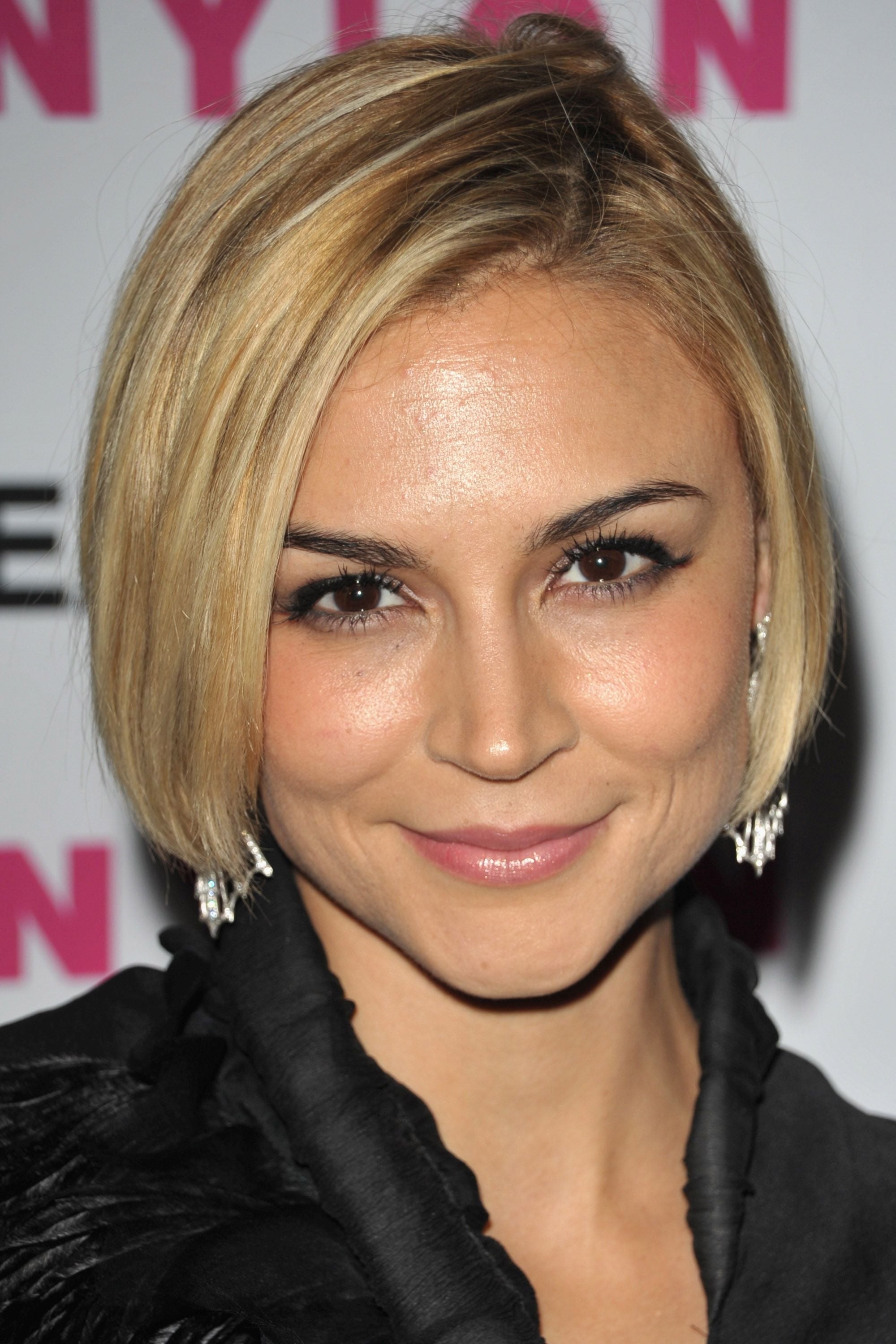
Samaire Armstrong uses her platform to share conservative political views that are often minority opinions in Hollywood. She ran for local office to challenge policies she believed were harmful to her community. Armstrong argues that the entertainment industry engages in bias against those who lean right politically. She frequently posts videos critiquing mainstream media narratives. Her activism centers on the right to express conservative values without professional retaliation.
Stacey Dash
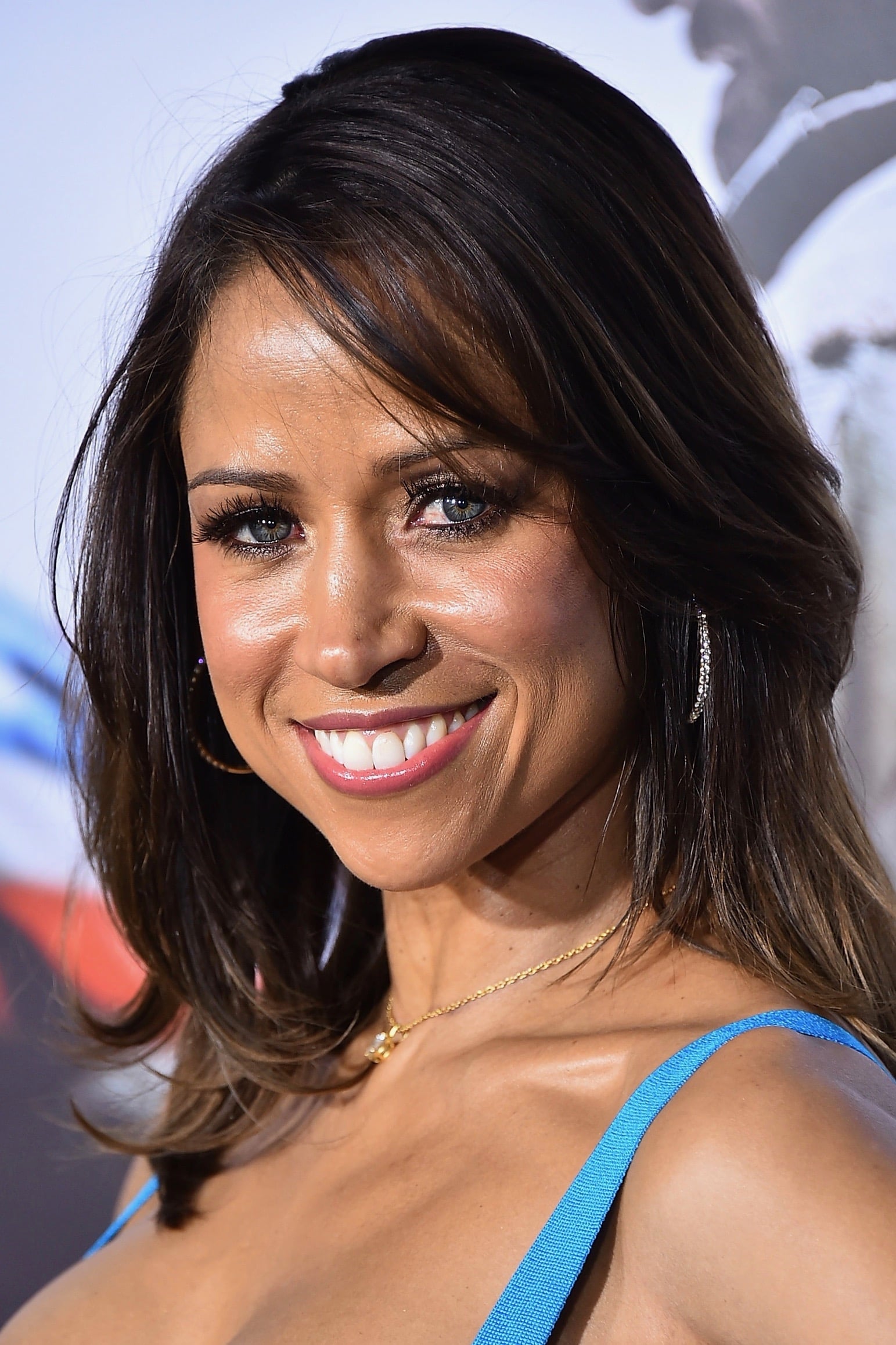
Stacey Dash has worked as a political commentator and frequently expresses views that challenge the Hollywood status quo. She has faced significant backlash for her opinions on race and politics but continues to speak her mind. Dash argues that true diversity must include diversity of thought and political affiliation. She criticizes the pressure on black actors to adhere to a specific political ideology. Her career illustrates the polarization that can occur when actors step into political punditry.
Patricia Heaton
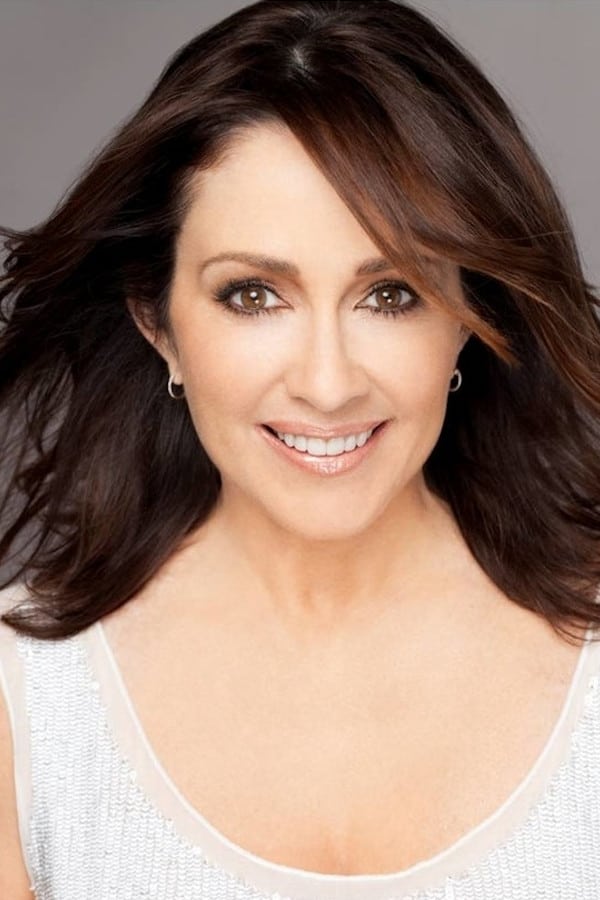
Patricia Heaton is open about her Christian faith and pro-life views in an industry that is largely secular and liberal. She advocates for the protection of free speech on college campuses and supports organizations dedicated to civil liberties. Heaton argues that tolerance must extend to religious perspectives and traditional values. She uses her social media to highlight instances of what she perceives as media bias. Her presence offers a counter-narrative to the standard Hollywood viewpoint.
Debra Messing
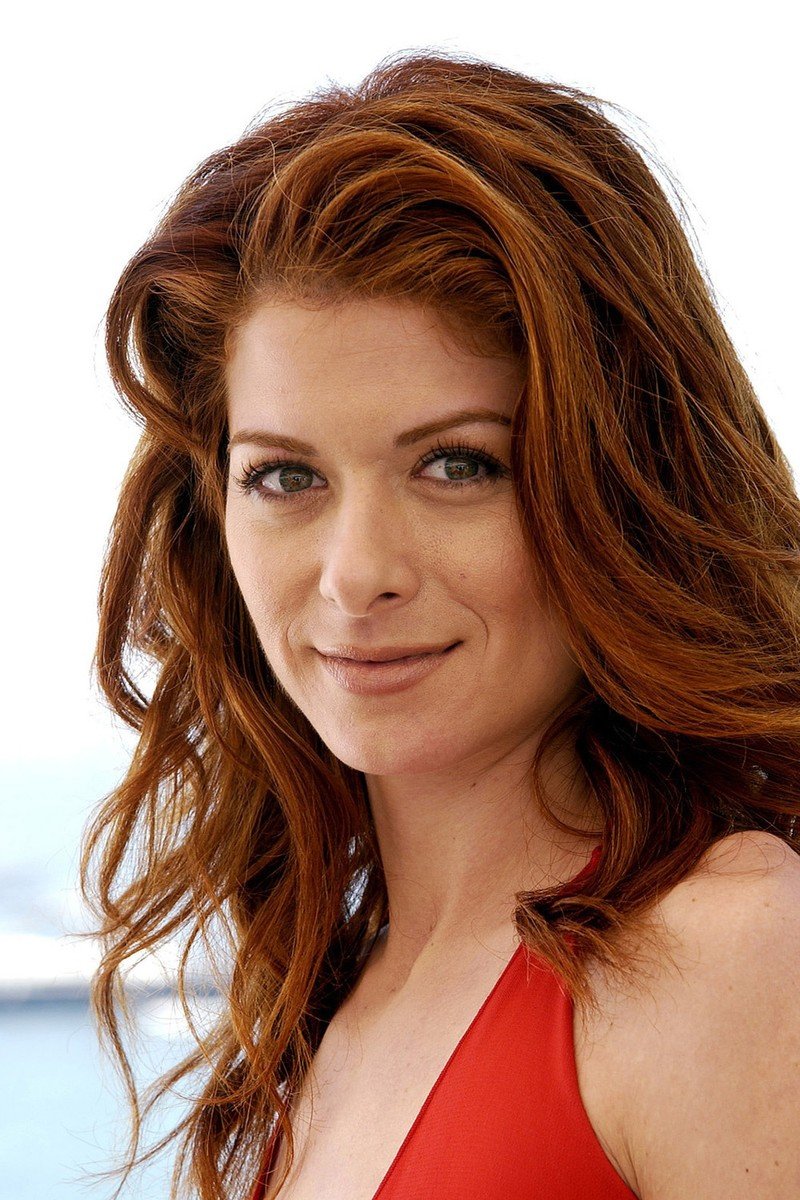
Debra Messing is a prolific activist who uses her social media to organize political action and disseminate information. She advocates for LGBTQ+ rights and challenges politicians who oppose equality legislation. Messing argues that celebrities have a moral obligation to use their reach for social good. She frequently engages in heated debates online to defend her positions. Her approach demonstrates the use of fame as a megaphone for political advocacy.
Alyssa Milano
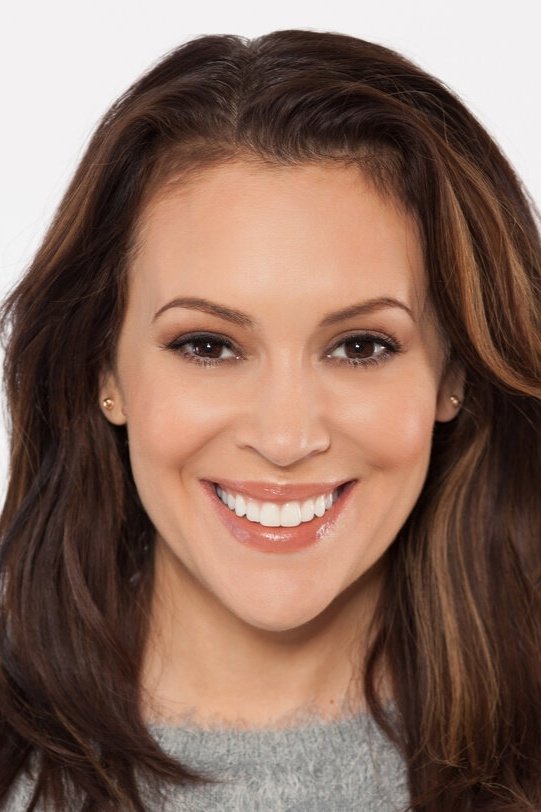
Alyssa Milano utilizes her platform to organize protests and advocate for legislative changes regarding reproductive rights and voting access. She testified at hearings and uses digital media to mobilize her fanbase for political causes. Milano argues that the First Amendment empowers citizens to demand redress from their government. She believes that silence in the face of injustice is complicity. Her activism is characterized by direct confrontation and constant engagement.
Florence Pugh
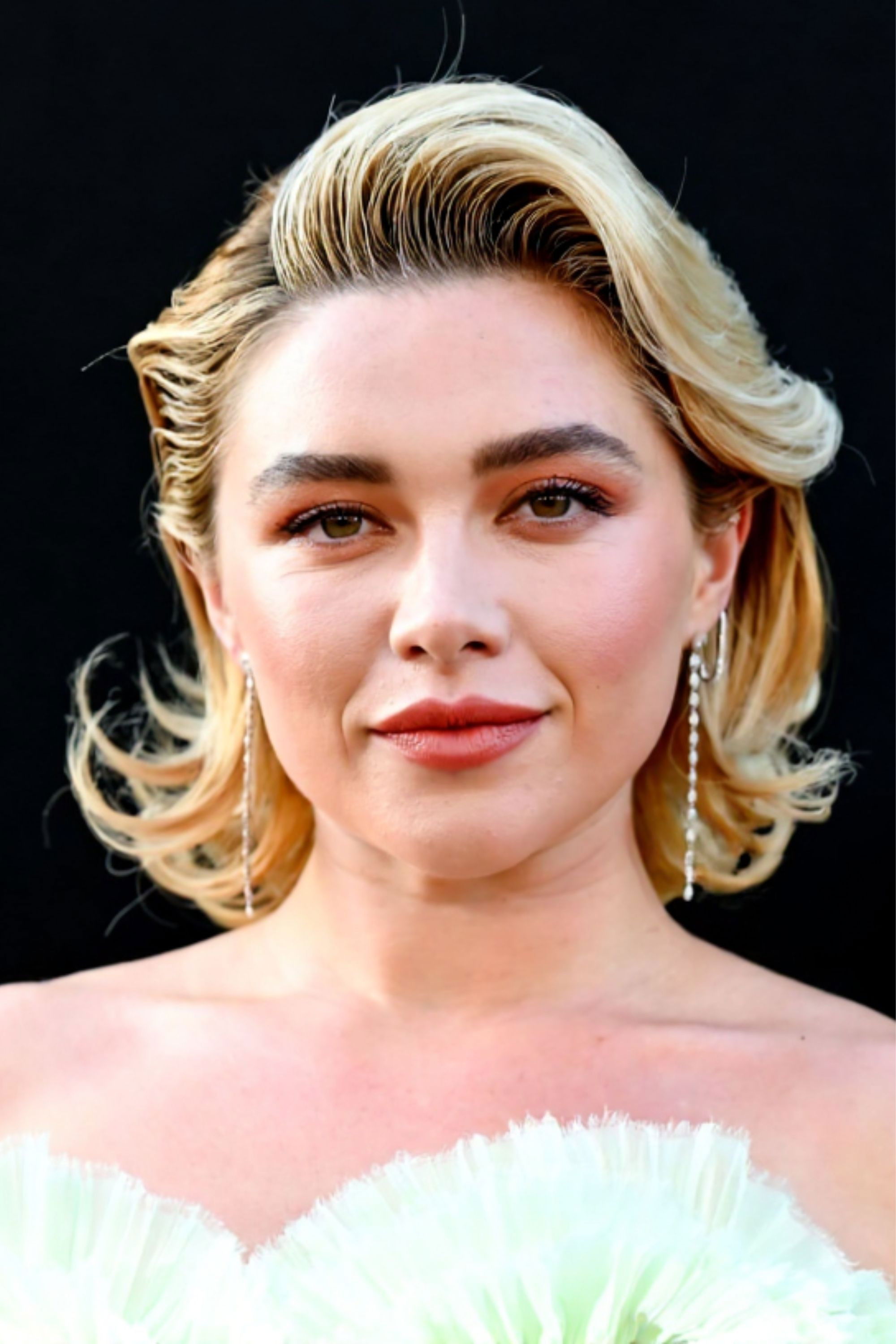
Florence Pugh has spoken out against body shaming and the policing of women’s bodies on social media. After receiving backlash for a sheer dress, she posted a lengthy statement defending her right to wear what she wants. Pugh argues that women should not have to edit themselves to make others comfortable. She criticizes the entitlement that the public feels to comment on celebrity bodies. Her stance is a defense of physical self-expression.
Jameela Jamil
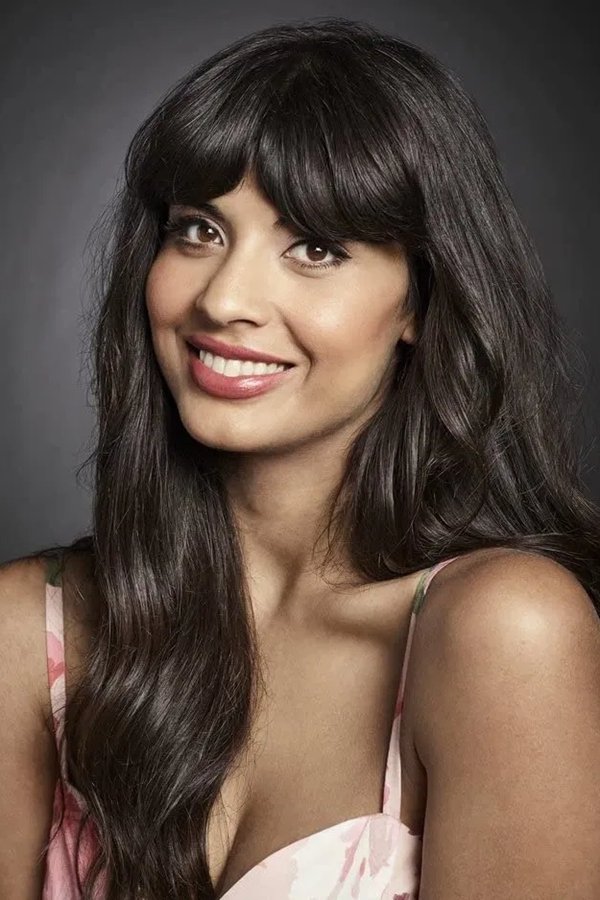
Jameela Jamil advocates against toxic diet culture and the media’s role in perpetuating unhealthy body standards. She founded the I Weigh community to create a safe space for people to express their worth beyond physical appearance. Jamil is critical of celebrities who promote weight loss products without transparency. She argues that advertising standards need to change to protect the mental health of the audience. Her work focuses on the right to exist without constant scrutiny and judgment.
Evan Rachel Wood
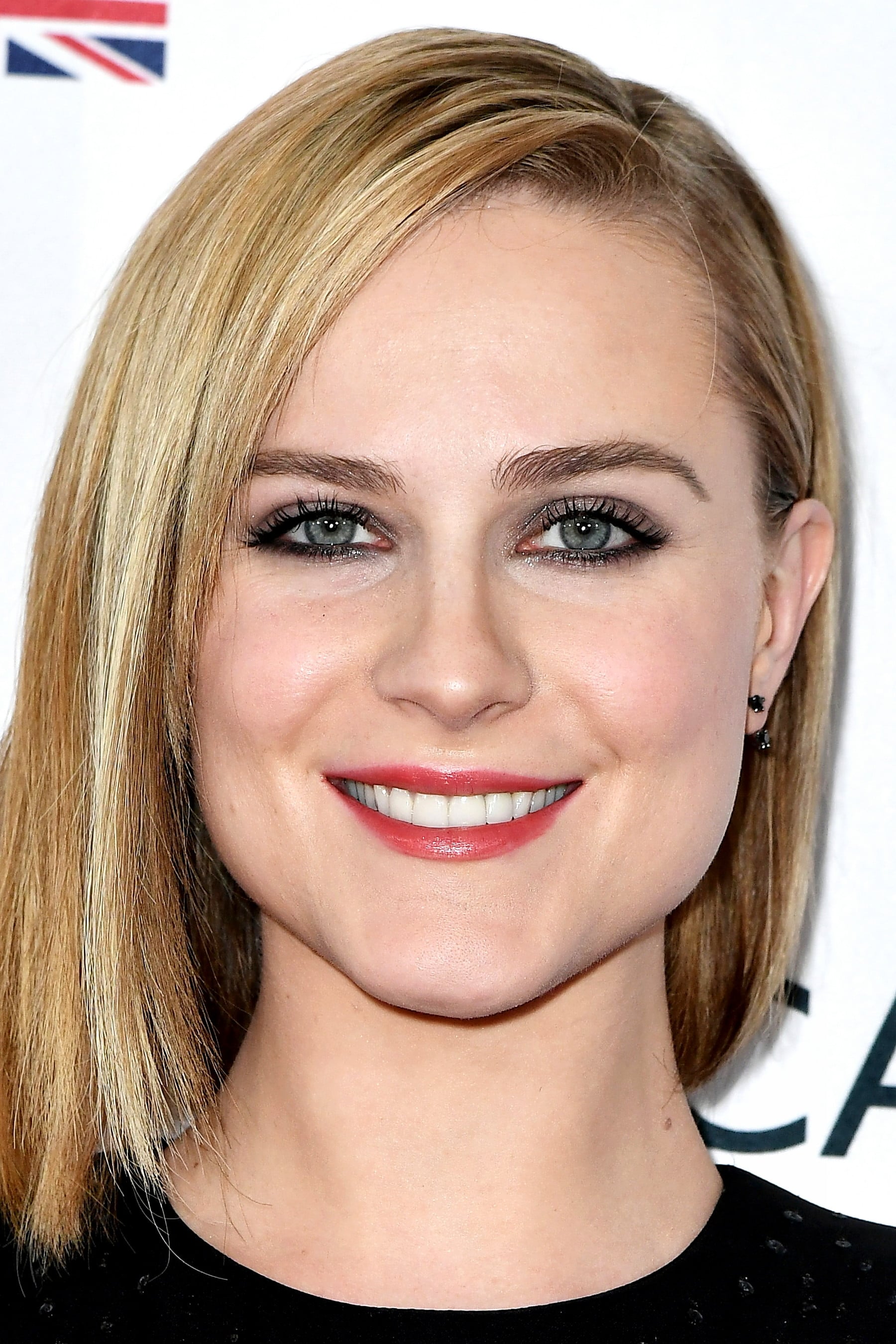
Evan Rachel Wood was instrumental in the creation of the Phoenix Act which extended the statute of limitations for domestic violence cases. She testified before legislators to share her own story of abuse and advocate for legal reform. Wood argues that victims need legal protection to safely speak out against their abusers. She emphasizes that breaking the silence is the first step toward justice. Her advocacy bridges the gap between personal testimony and legislative action.
Gabrielle Union
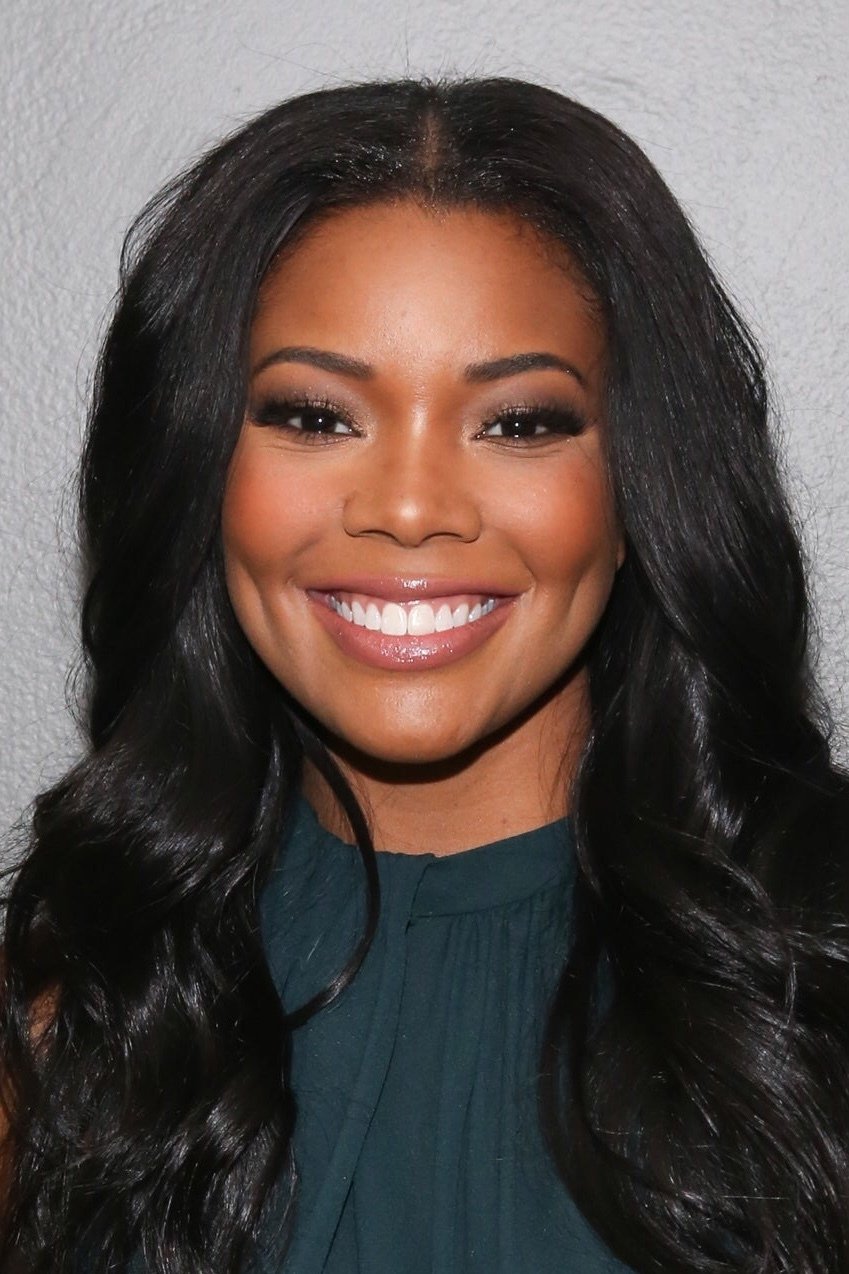
Gabrielle Union filed a harassment complaint against a major network and spoke out about the toxic work environment she experienced. She highlighted issues of racism and intimidation that were allegedly ignored by human resources. Union advocates for the right of employees to report misconduct without fear of losing their jobs. She argues that non-disclosure agreements are often used to cover up bad behavior. Her actions sparked a wider conversation about workplace culture in media.
Thandiwe Newton

Thandiwe Newton reclaimed the original spelling of her name after decades of using an anglicized version for the industry. She speaks openly about the abuse she faced early in her career and the complicity of the system. Newton advocates for the agency of actors to define their own identities and boundaries. She argues that the industry strips performers of their autonomy. Her return to her birth name was a symbolic act of reclaiming her voice.
Ashley Judd
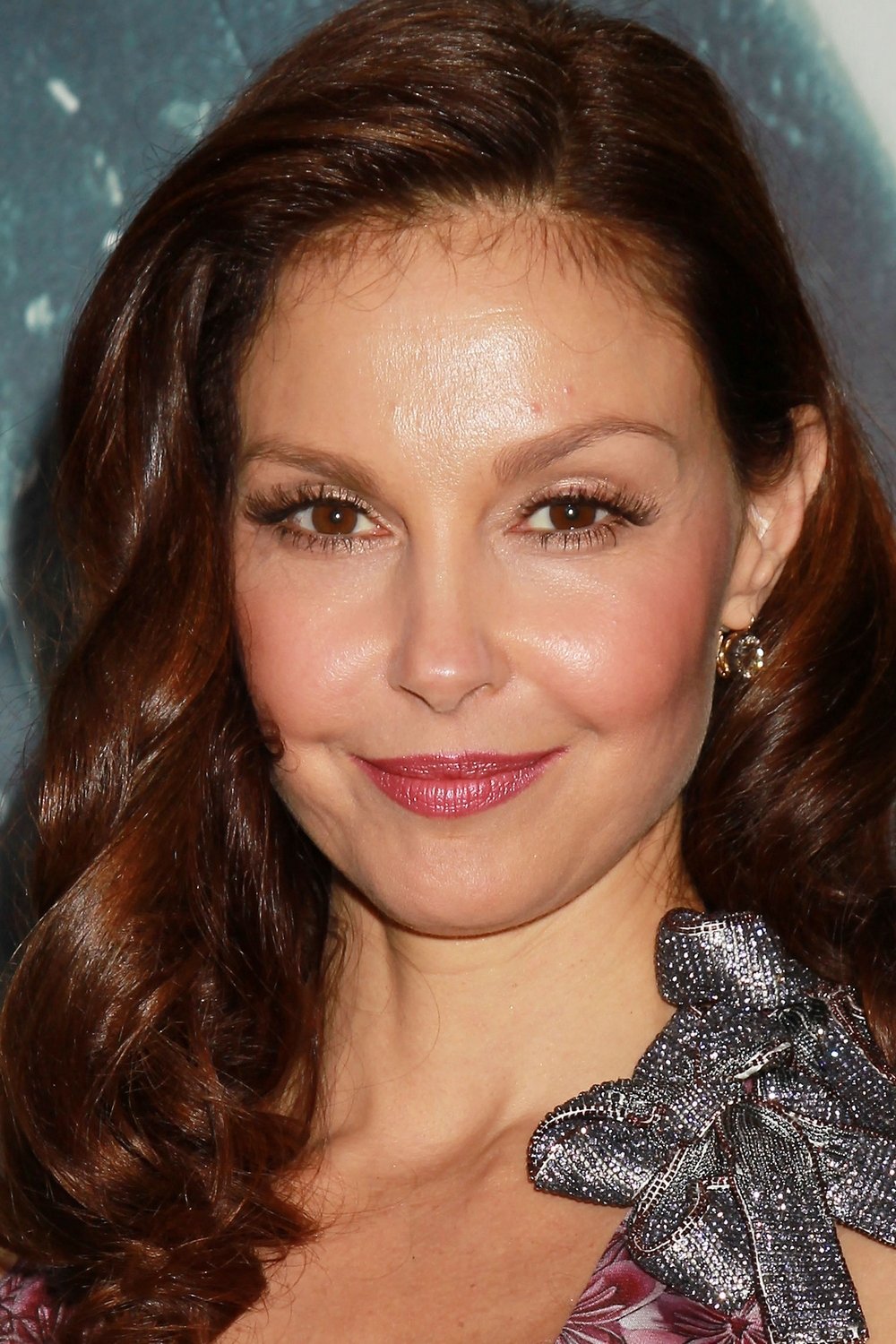
Ashley Judd was one of the first women to go on the record with allegations against Harvey Weinstein. She has since become a global advocate for the rights of survivors of sexual violence. Judd argues that the shame surrounding abuse is a tool used to silence victims. She frequently speaks at international forums about the importance of believing women. Her courage in speaking out helped ignite a global movement against harassment.
Mira Sorvino
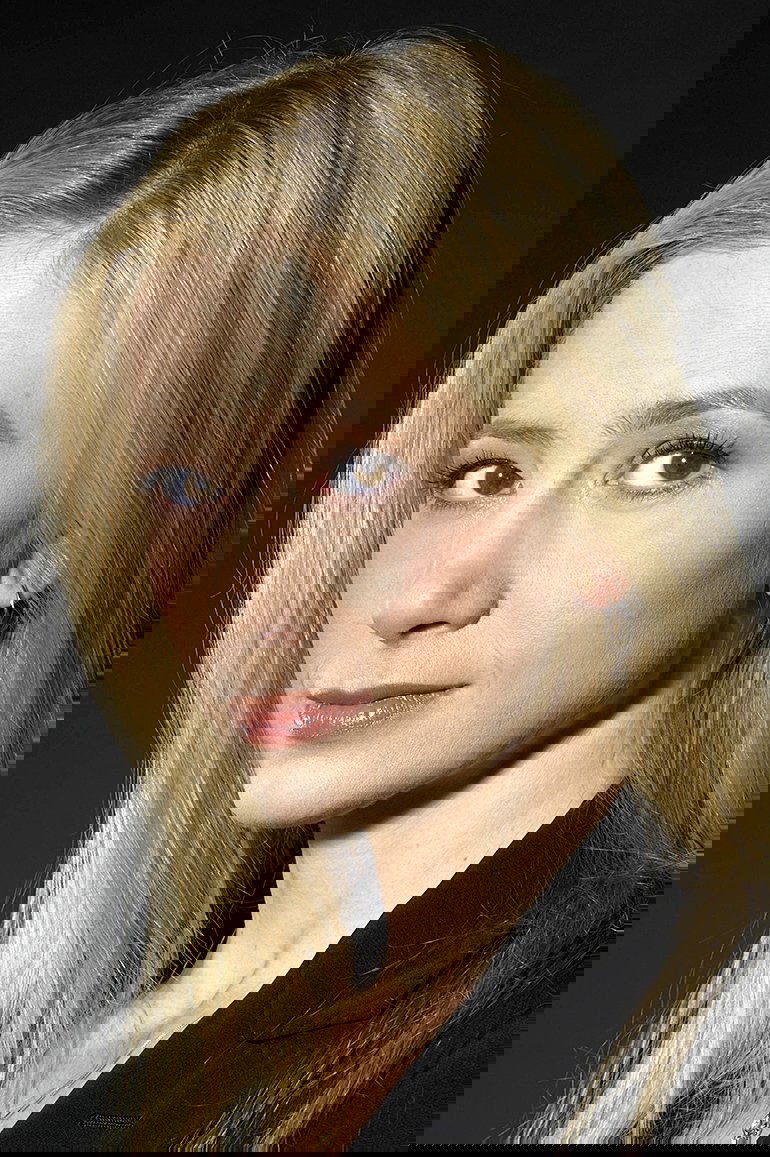
Mira Sorvino advocates for stronger laws against human trafficking and sexual violence. She spoke out about being blacklisted in Hollywood after rejecting unwanted advances. Sorvino argues that the industry colluded to silence women who refused to comply with predatory demands. She works with the UN to protect the rights of vulnerable populations. Her advocacy seeks to dismantle the power structures that enable exploitation.
Jessica Chastain
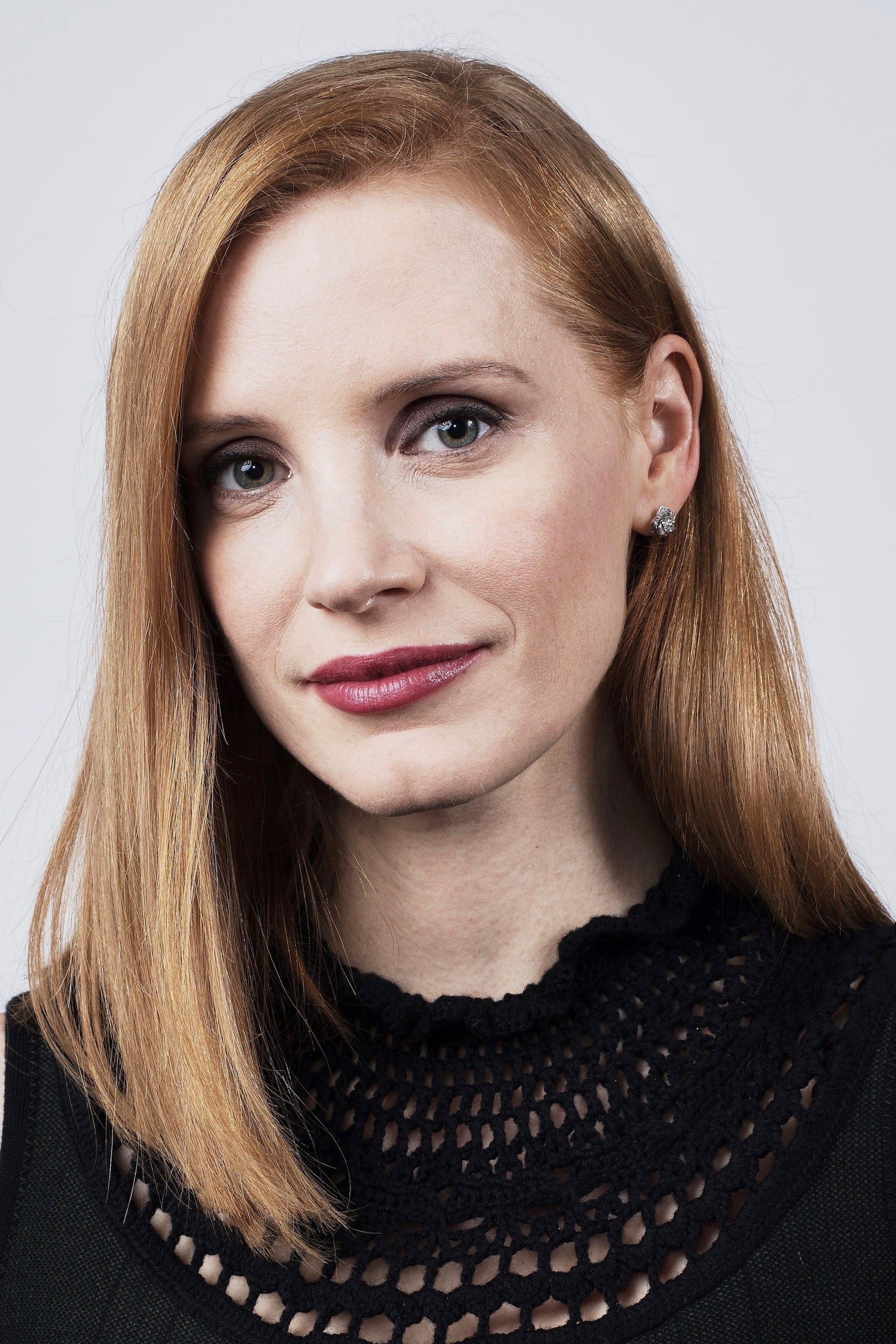
Jessica Chastain is a vocal advocate for pay equity and ensures her contracts include riders that guarantee fair wages for her co-stars. She speaks out against the gender gap in film criticism and production. Chastain argues that financial transparency is a form of free speech that empowers workers. She uses her production company to champion female directors and writers. Her advocacy is practical and focused on structural changes.
Kerry Washington
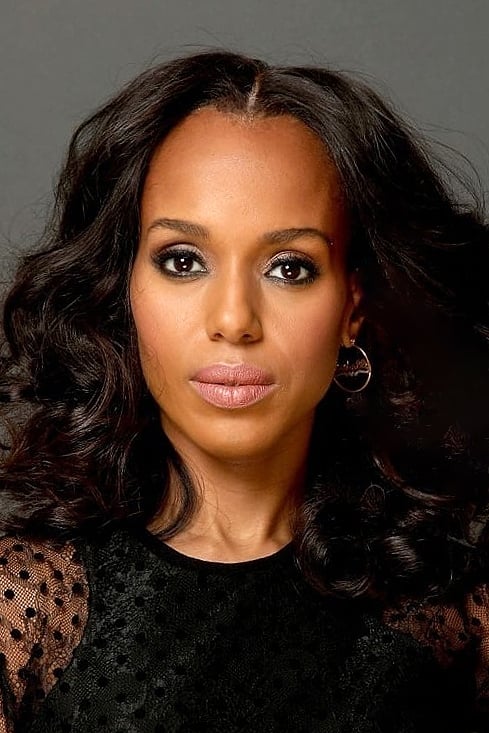
Kerry Washington works with the ACLU and other organizations to protect civil rights and constitutional liberties. She produces documentaries that explore the legal battles for freedom and justice. Washington argues that democracy relies on the active participation of informed citizens. She uses her celebrity to educate her audience on their rights. Her work emphasizes the importance of legal protection for free speech.
Charlize Theron
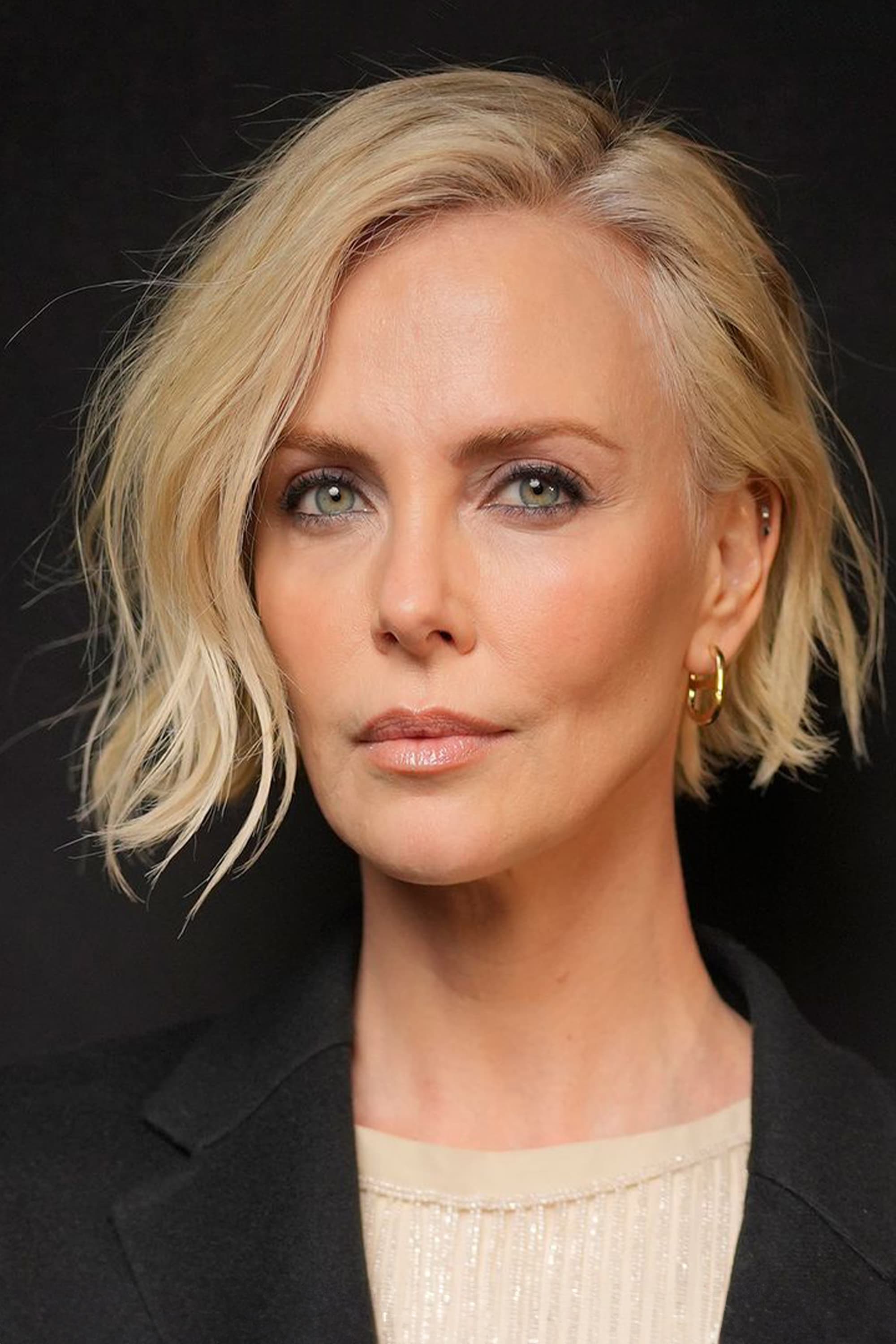
Charlize Theron uses her outreach project to fight HIV/AIDS and advocate for the sexual health rights of youth in Africa. She speaks candidly about the need to break taboos surrounding sex education. Theron argues that silence and stigma are the greatest enemies of public health. She pushes for open conversations to save lives. Her advocacy challenges conservative cultural norms that restrict information.
Laverne Cox
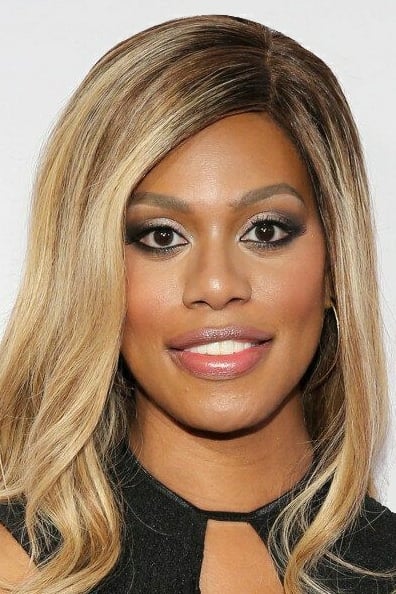
Laverne Cox is a prominent advocate for the transgender community and uses her platform to educate the public on trans rights. She speaks about the violence faced by trans women of color and the need for accurate media representation. Cox argues that existing in public as a trans person is a radical act of free speech. She encourages others to live authentically despite societal pressure. Her visibility has shifted the cultural conversation regarding gender identity.
Fran Drescher
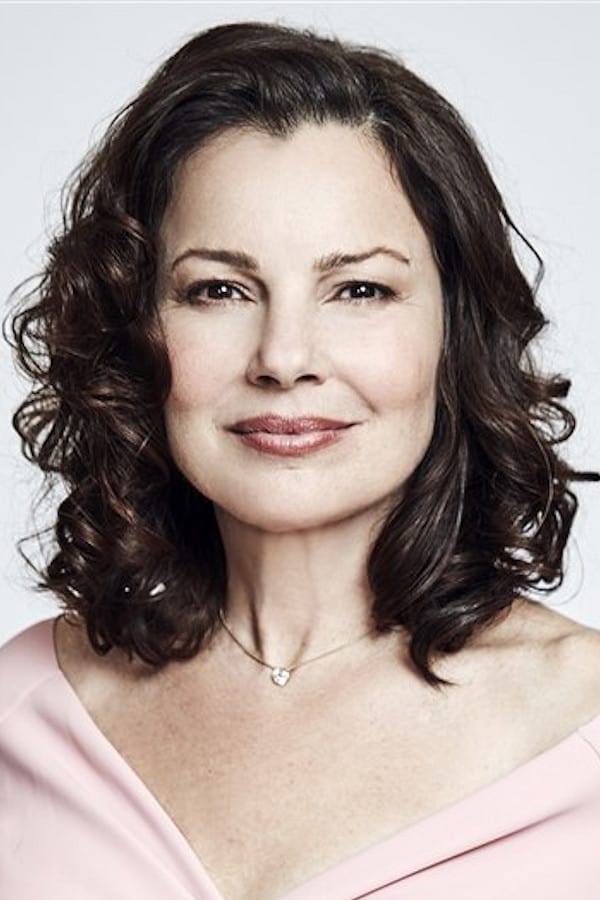
Fran Drescher serves as a union president and led a major strike to secure better protections for actors. She delivered fiery speeches condemning corporate greed and the threat of artificial intelligence. Drescher advocates for the human right to control one’s own likeness and voice. She argues that labor unity is the only way to protect the future of the profession. Her leadership emphasized collective bargaining as a form of expression.
Jamie Lee Curtis
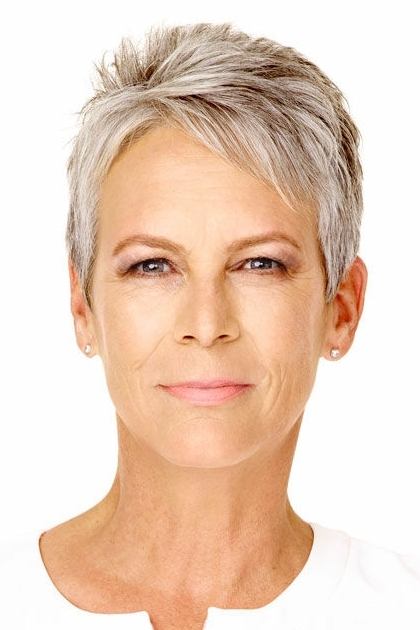
Jamie Lee Curtis has become a vocal supporter of the strike movement and the rights of creative laborers. She speaks about the importance of acknowledging the collaborative nature of filmmaking. Curtis argues that technology should not replace human expression in the arts. She uses her social media to amplify the demands of writers and background actors. Her advocacy focuses on the dignity of the artist.
Tilda Swinton
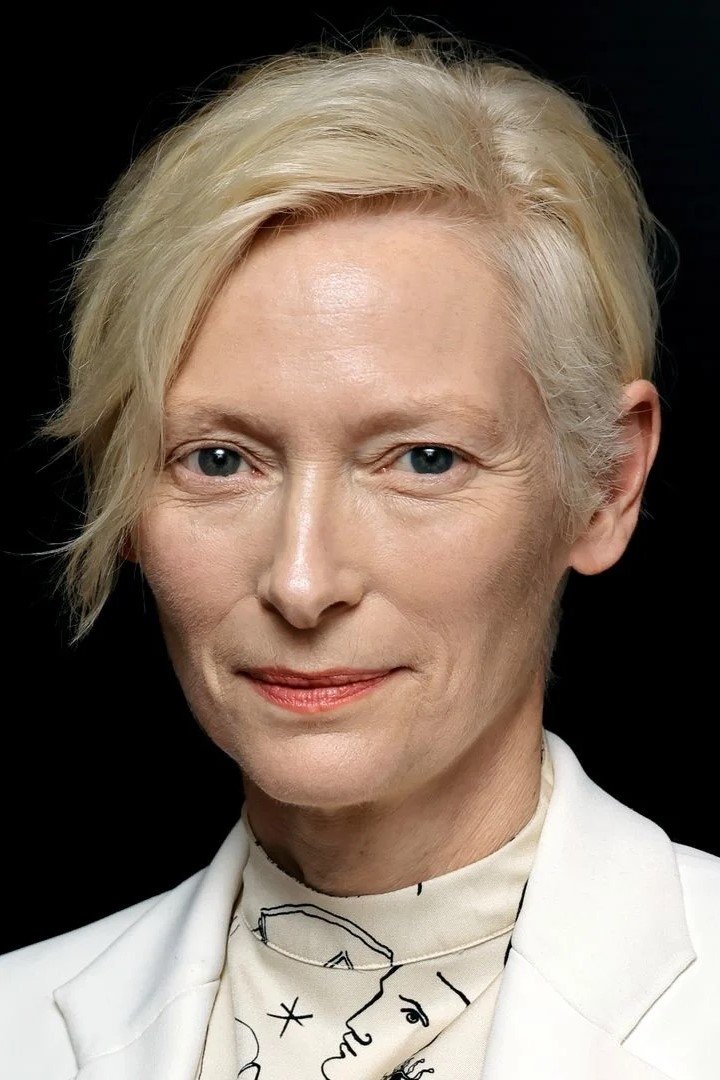
Tilda Swinton is a champion of independent cinema and the preservation of film heritage. She speaks out against the homogenization of culture by large streaming algorithms. Swinton argues that audiences need access to strange and challenging films to keep their minds open. She has helped establish film festivals that prioritize artistic merit over commercial viability. Her work defends the fringe and the avant-garde.
Sigourney Weaver
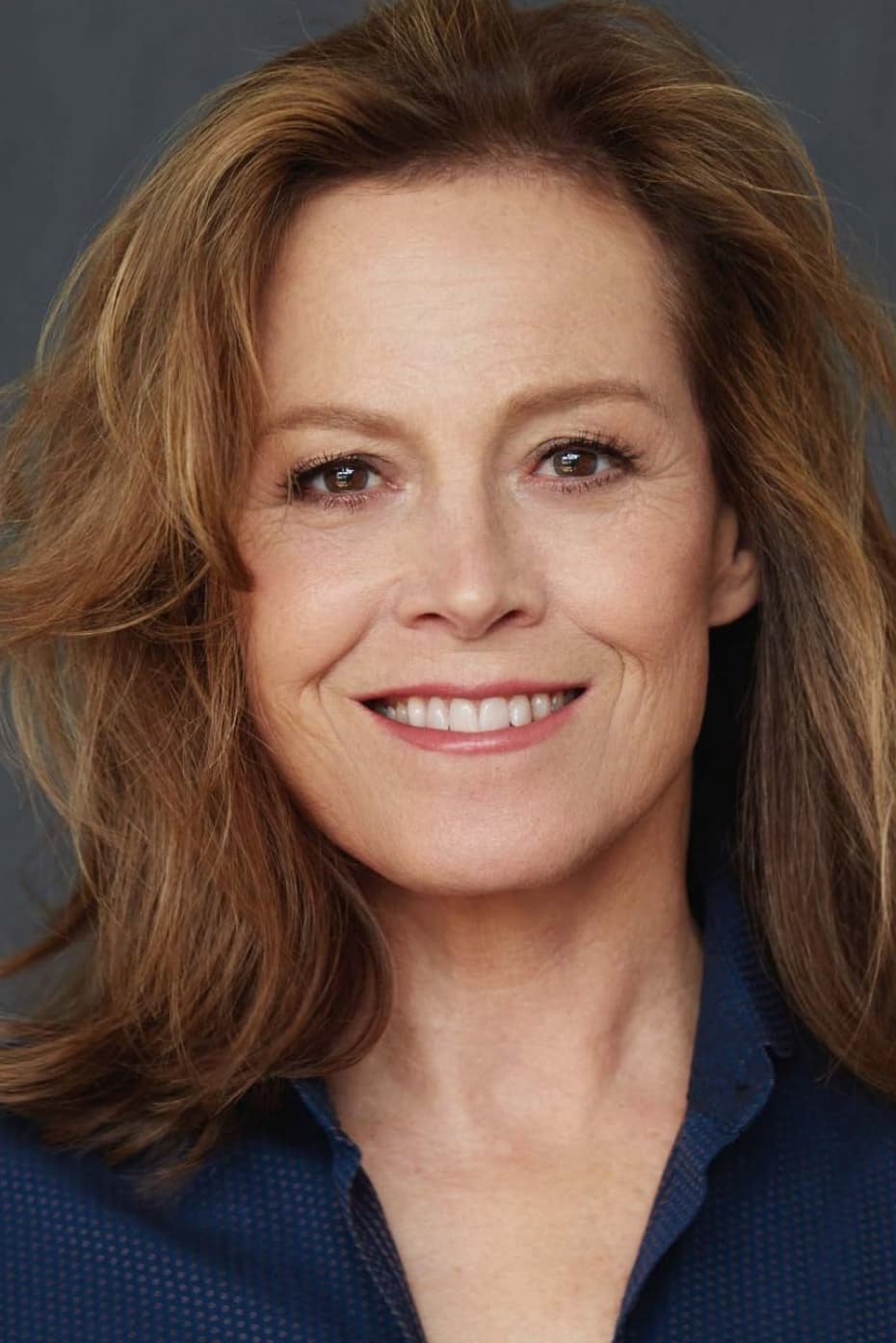
Sigourney Weaver advocates for environmental conservation and the importance of listening to scientific consensus. She uses her voice to narrate documentaries about the natural world and climate change. Weaver argues that the planet cannot speak for itself and requires human advocates. She criticizes political inaction and disinformation regarding environmental crises. Her speech is dedicated to the preservation of the earth.
Whoopi Goldberg
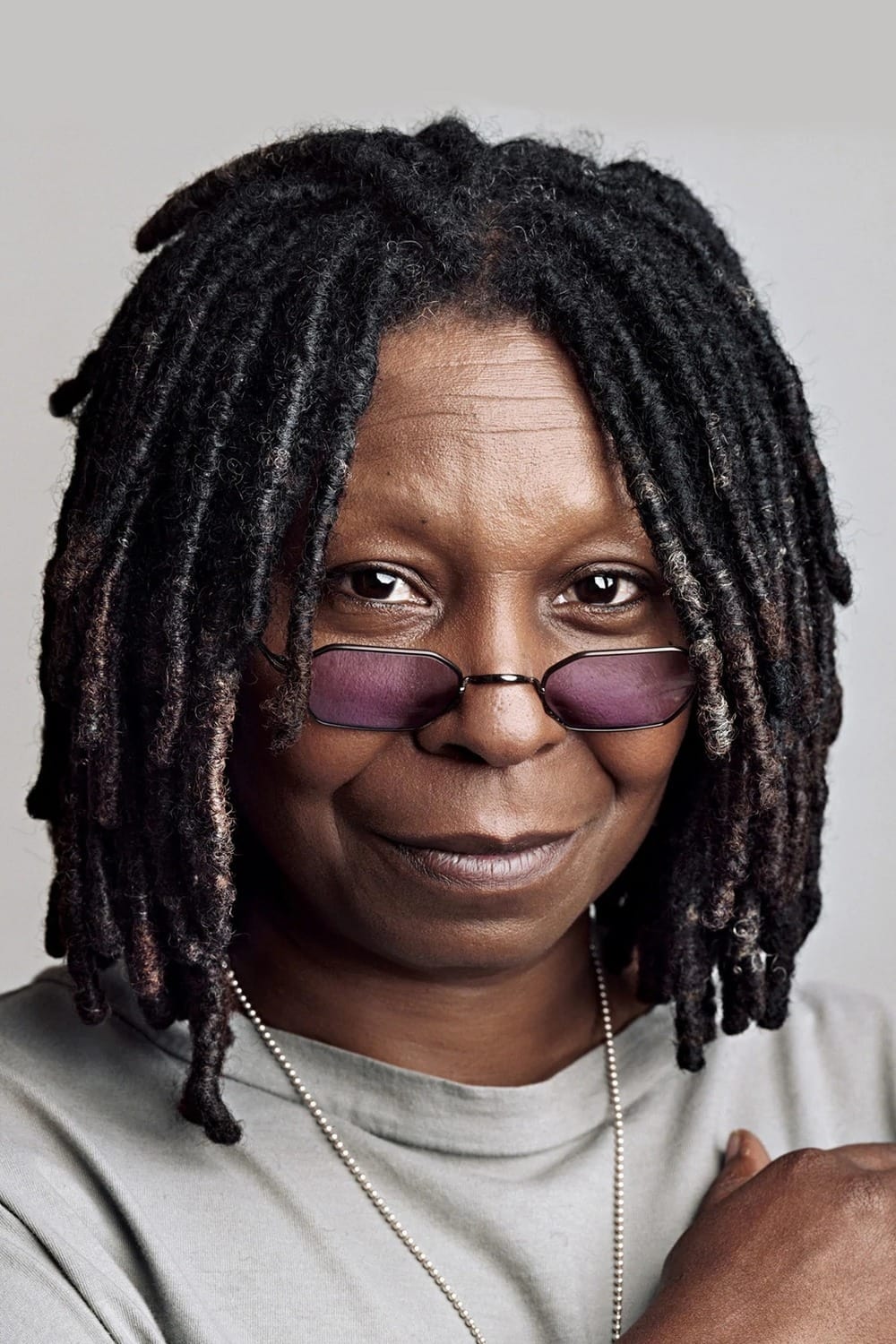
Whoopi Goldberg uses her position as a talk show moderator to debate hot-button issues daily. She consistently defends the right of comedians to push boundaries and offend. Goldberg argues that the answer to bad speech is more speech rather than censorship. She often plays devil’s advocate to ensure multiple viewpoints are represented. Her career is defined by her refusal to be boxed in by expectations.
Oprah Winfrey
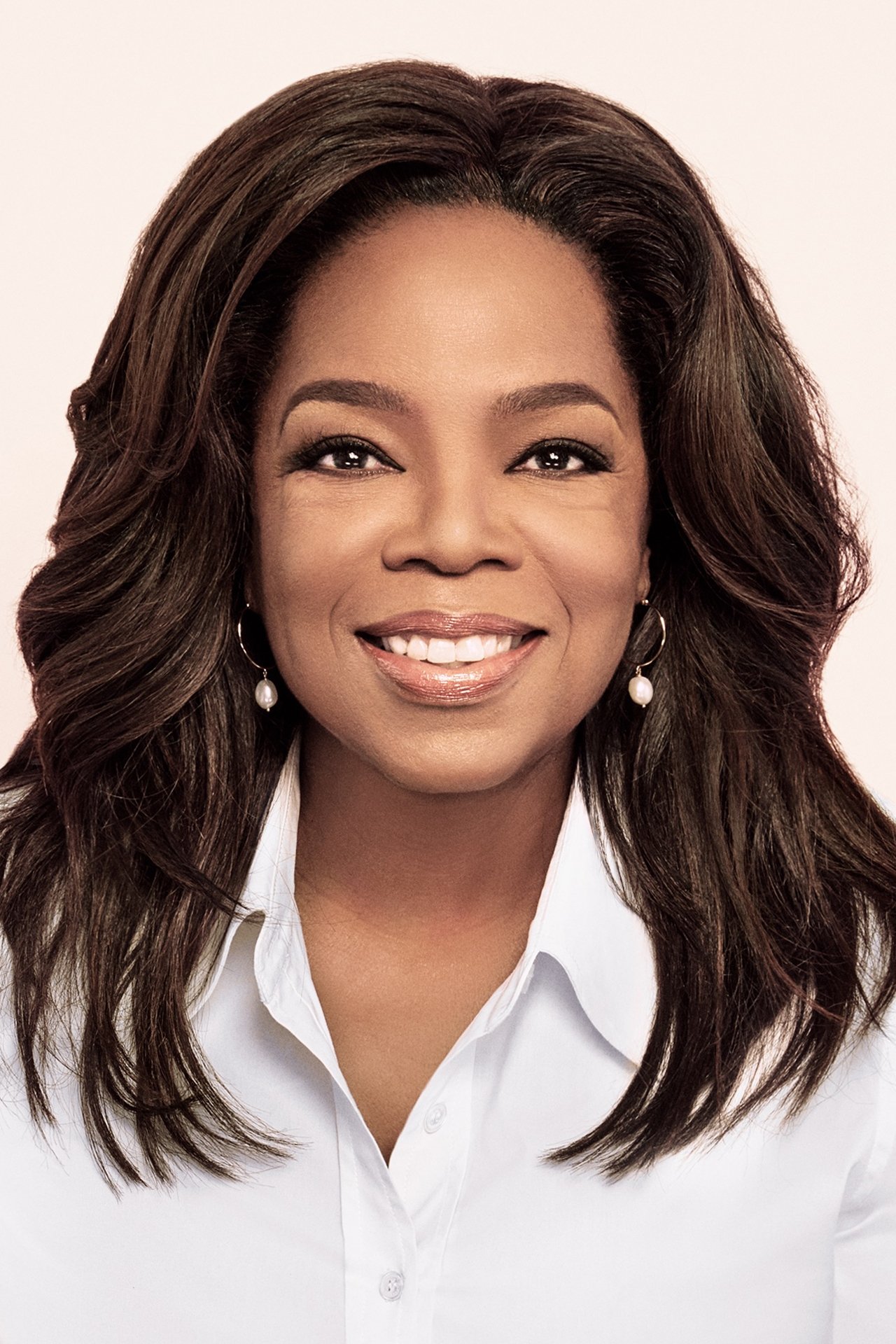
Oprah Winfrey built an empire on the power of conversation and the sharing of personal truth. She provided a platform for millions of people to tell their stories to a global audience. Winfrey advocates for the power of voice to heal trauma and bridge divides. She argues that everyone has a story that is worthy of being heard. Her influence has democratized the talk show format.
Julianne Moore
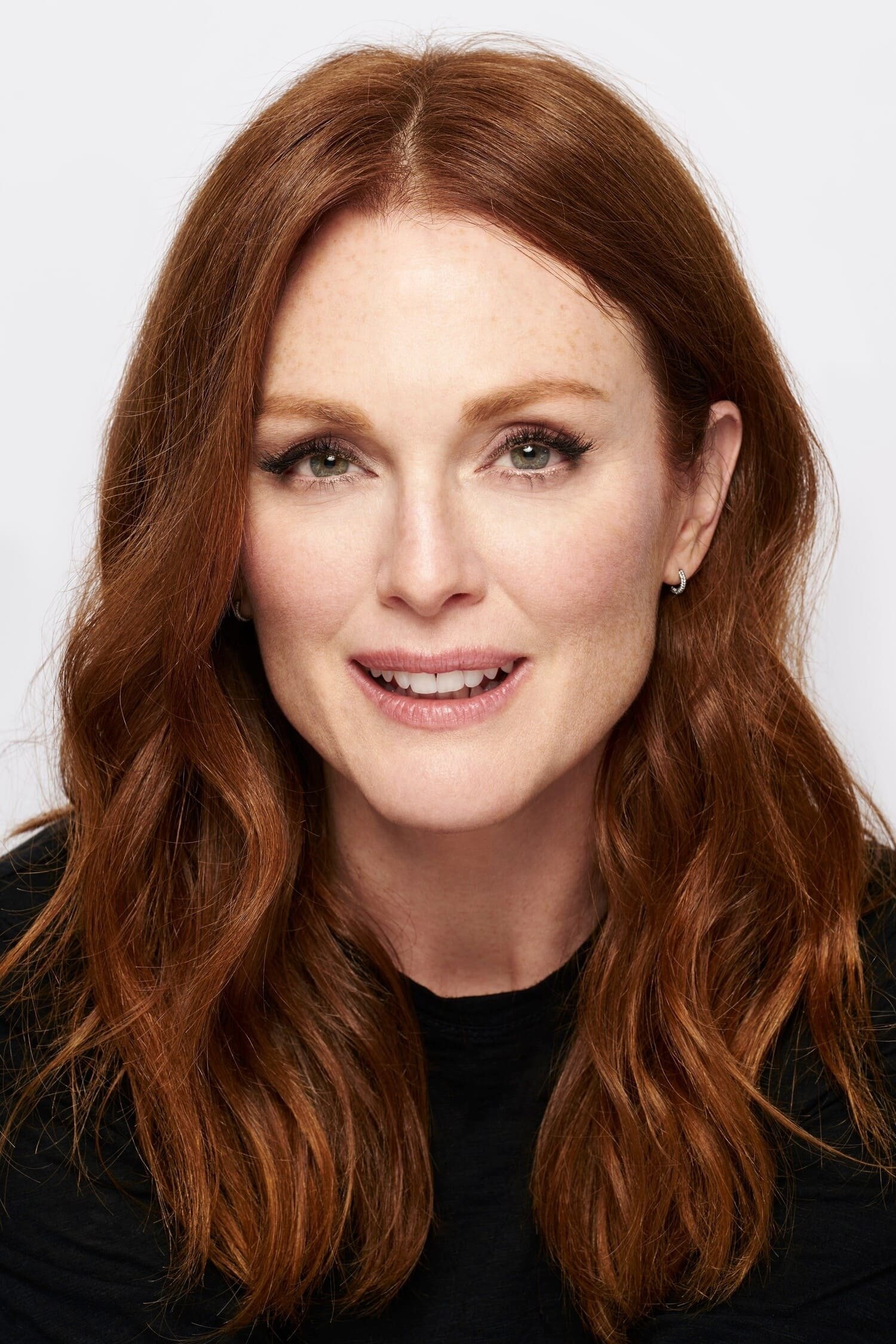
Julianne Moore is a leading voice in the movement for gun safety legislation and leads the Creative Council for Everytown. She argues that the First Amendment does not conflict with the need for public safety regulation. Moore organizes fellow artists to speak out against gun violence. She believes that freedom from fear is necessary for true freedom of expression. Her advocacy challenges the interpretation of rights in modern society.
Share your thoughts on these actresses and their stance on free speech in the comments.