Gay Actresses Who Withdrew from Movies Because of Political Reasons

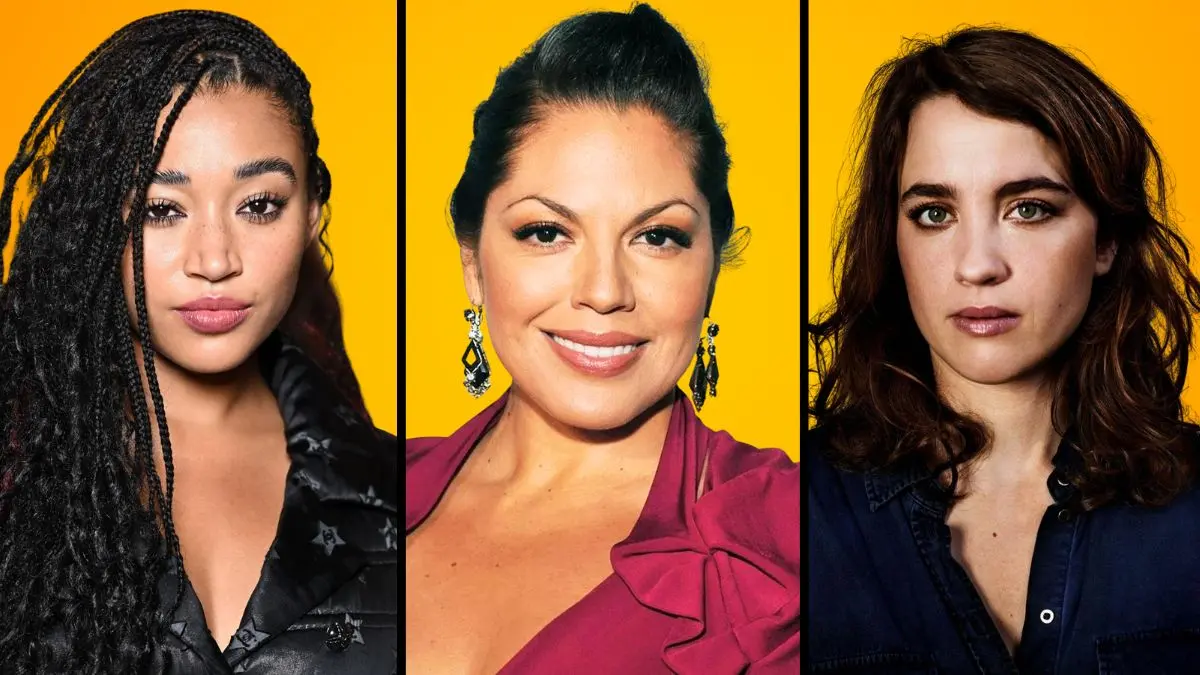

The intersection of entertainment and activism has often prompted performers to make difficult career choices based on their personal convictions. For many LGBTQ+ actresses, the decision to step away from a specific role, a promotional tour, or even the entire film industry involves weighing professional risks against moral imperatives. These departures range from protesting systemic abuse and lack of representation to running for public office or supporting labor strikes. The following list highlights women who have prioritized their political and social values over their screen careers.
Adèle Haenel
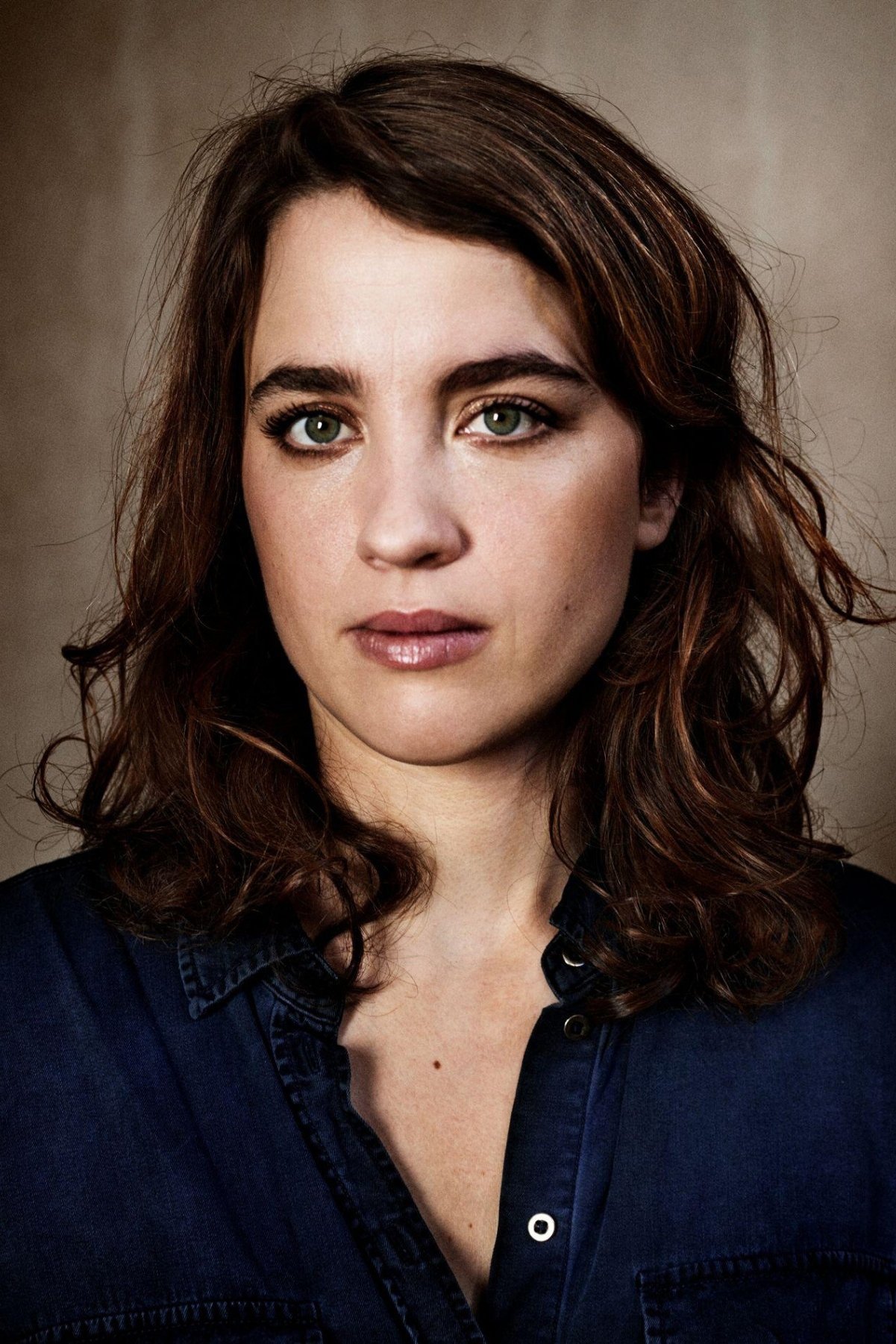
The award-winning French actress announced her retirement from the film industry in 2023 to denounce what she described as the general complacency towards sexual aggressors in the business. Haenel had previously walked out of the César Awards in protest when Roman Polanski won Best Director, sparking a national conversation about the #MeToo movement in France. She stated that her departure was a political act intended to refuse collaboration with a system she viewed as patriarchal and racist. Instead of cinema, she chose to focus her energy on theatre and direct political activism.
Cynthia Nixon
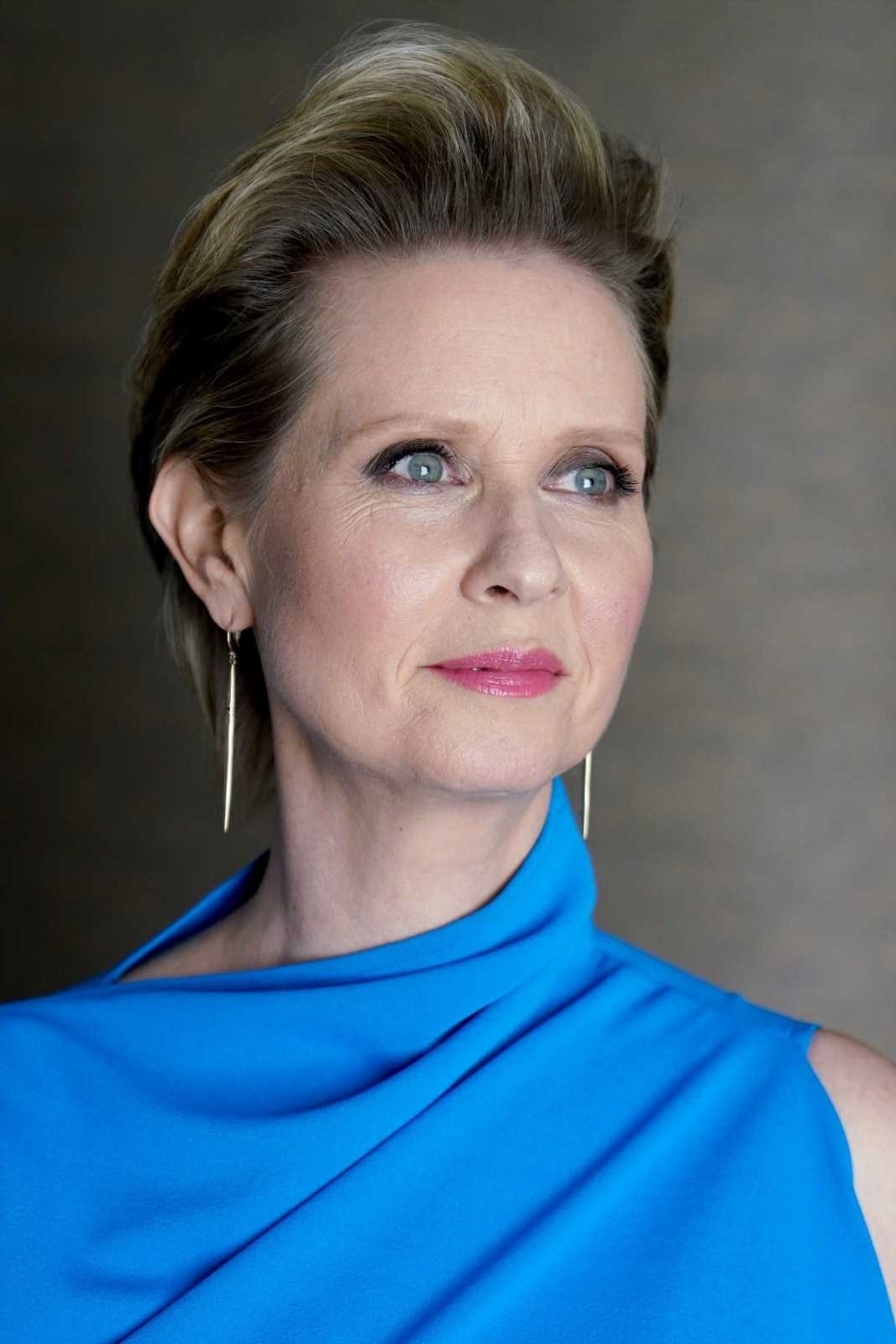
Best known for her role in ‘Sex and the City’, Nixon stepped away from acting in 2018 to launch a progressive campaign for Governor of New York. Her platform focused heavily on income inequality, renewable energy, and universal healthcare, challenging the Democratic establishment from the left. Although she returned to acting later, her hiatus was a deliberate withdrawal to effect direct political change rather than just advocating from the sidelines. She continues to balance her career with vocal activism for LGBTQ+ rights and public education.
Angelica Ross
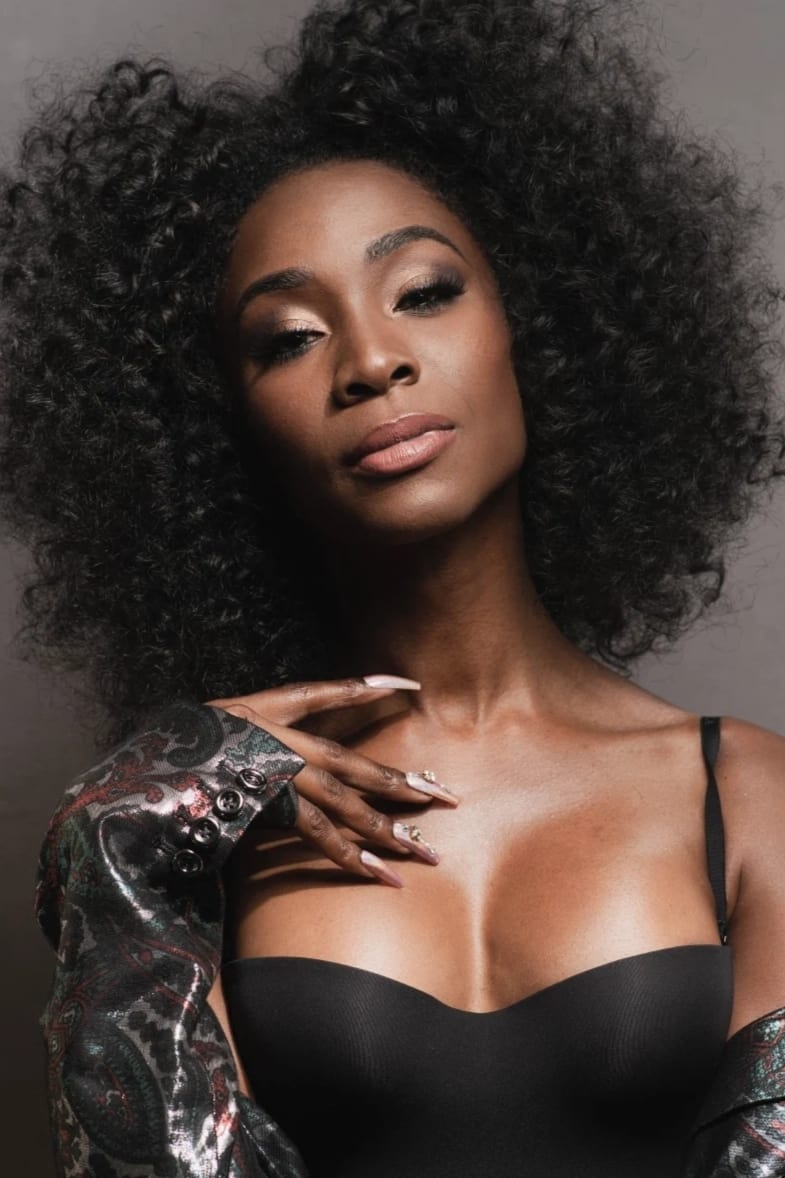
After starring in ‘Pose’ and ‘American Horror Story’, Ross announced in 2023 that she was leaving Hollywood to pursue a career in politics. The transgender actress and advocate cited the industry’s performative allyship and her own mistreatment on set as catalysts for her departure. She revealed plans to return to Georgia to work with local organizations and eventually run for office to fight for black and trans rights. Ross emphasized that she could no longer work within a system that she felt exploited her community without offering true respect or equity.
Amandla Stenberg
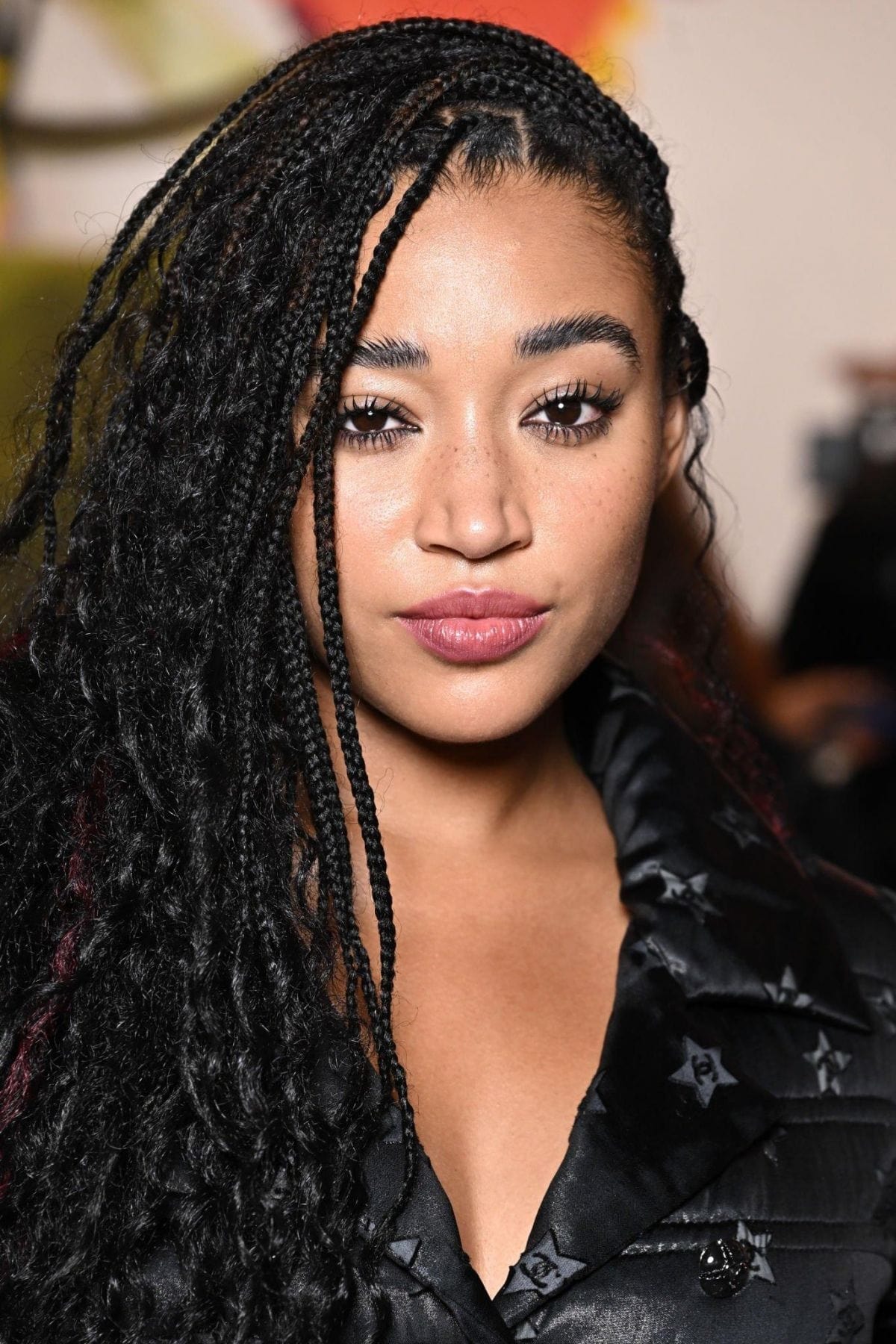
Stenberg withdrew from the audition process for the blockbuster film ‘Black Panther’ because she believed the role should go to a dark-skinned actor. The biracial actress recognized the issue of colorism in Hollywood and felt her casting would take space away from someone who better represented the film’s African setting. She publicly stated that while the decision was difficult, it was a necessary political stance to support accurate and fair representation. Her choice sparked a wider dialogue about privilege and casting ethics within the industry.
Rose McGowan

McGowan effectively quit the mainstream acting profession to become a full-time activist and director, describing Hollywood as a “cult” that protects abusers. As one of the first and most vocal accusers of Harvey Weinstein, she dismantled her own career to expose the systemic sexual misconduct in the film business. Her withdrawal was a protest against the “monster machine” of the industry that she claimed silences victims and perpetuates misogyny. She has since focused on her memoir and documentary work to advocate for social justice.
Wanda Sykes
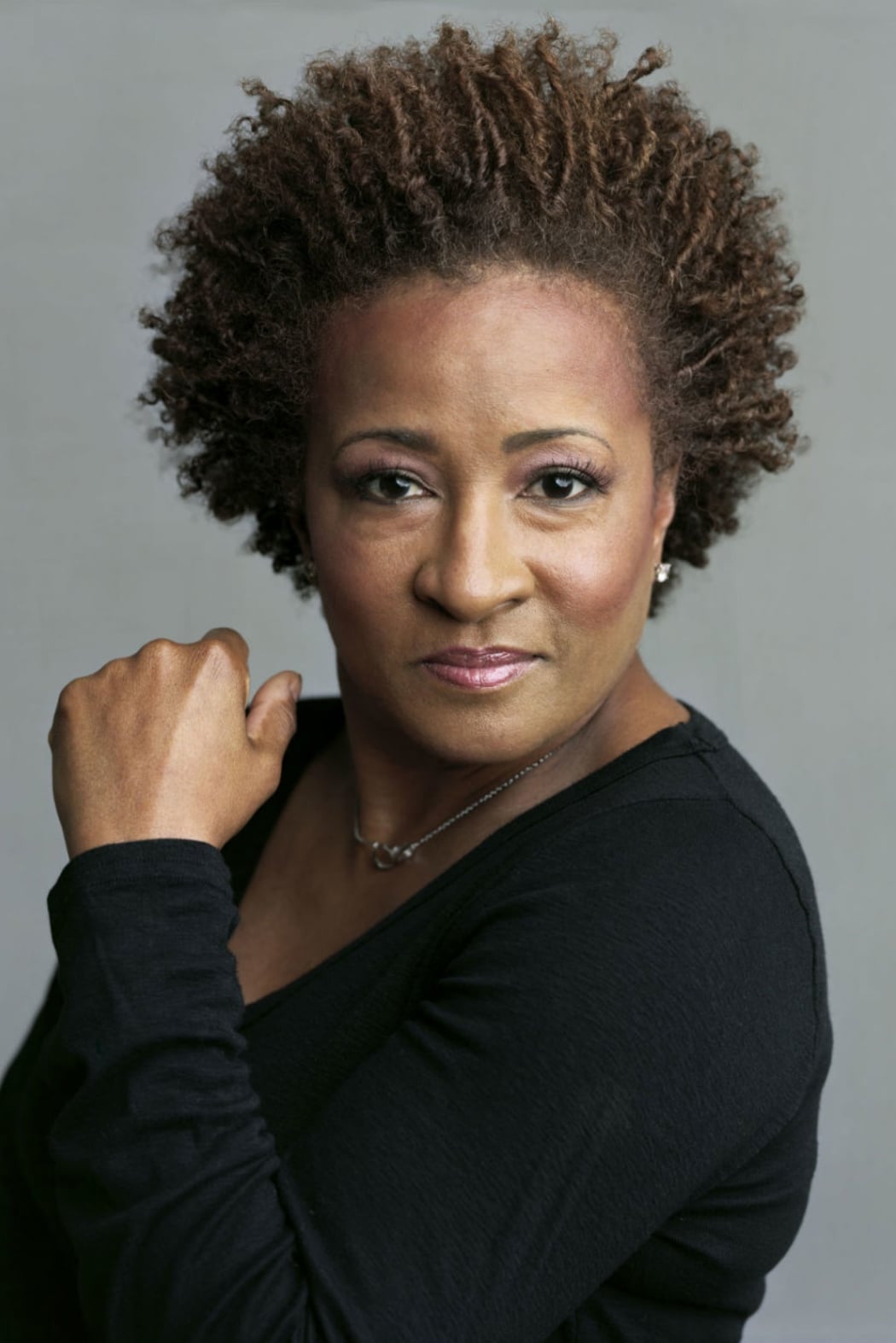
The comedian and actress quit the revival of ‘Roseanne’ immediately after the show’s star, Roseanne Barr, posted a racist tweet about Valerie Jarrett. Sykes, who was a consulting producer on the series, stated that the political and racial implications of the comment made her continued involvement impossible. Her swift resignation was a key factor that led the network to cancel the show and retool it without Barr. Sykes maintained that her integrity and opposition to racism were more important than a successful sitcom.
Drew Barrymore
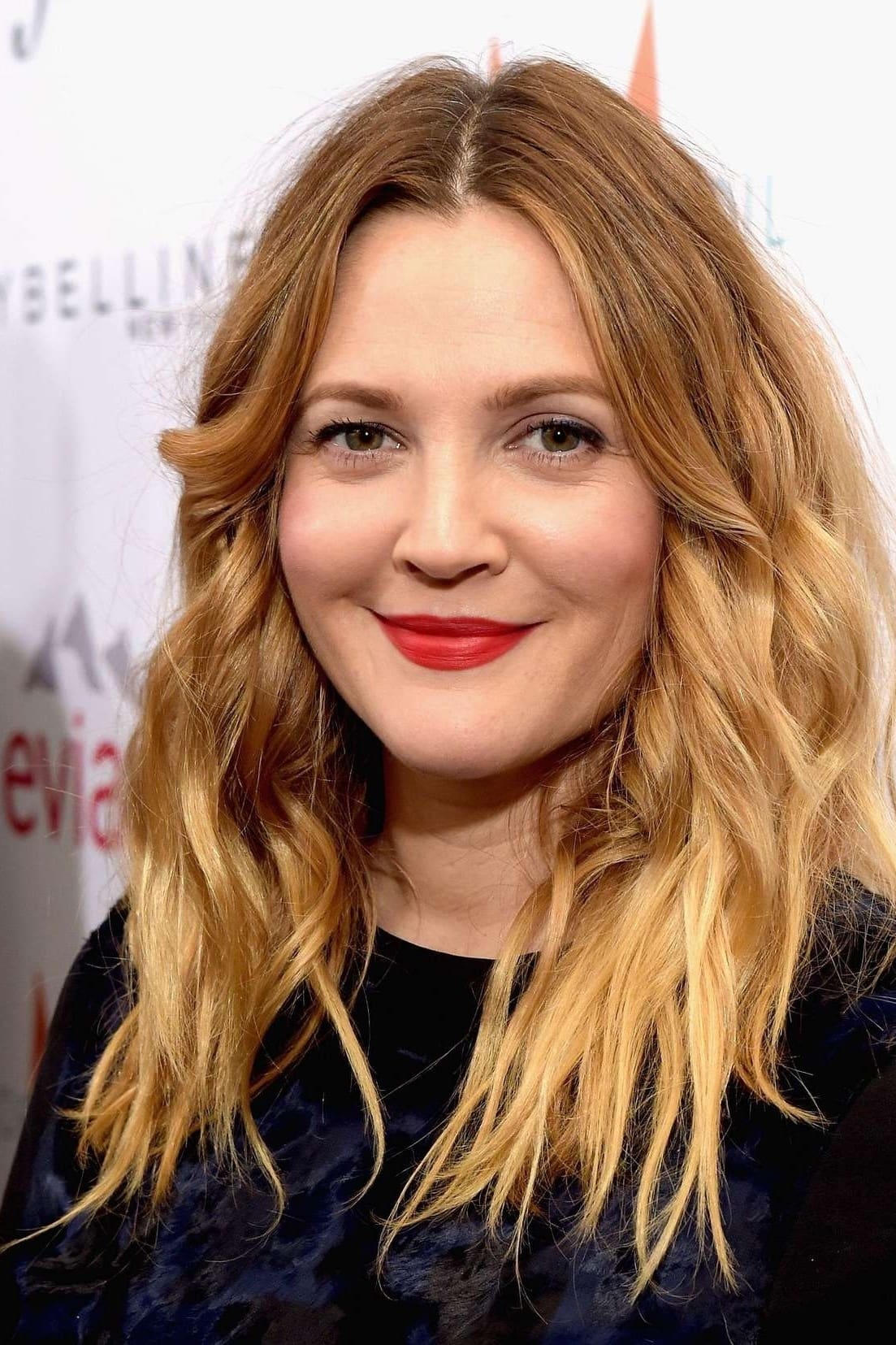
Barrymore withdrew from hosting the MTV Movie & TV Awards in 2023 to show solidarity with the Writers Guild of America strike. Although she is bisexual and a prominent figure in the industry, she chose to step down from the high-profile gig to respect the labor movement and the writers fighting for fair pay. Her decision forced the event to go on without a host, significantly amplifying the visibility of the strike. She later returned to her talk show but faced backlash, highlighting the complex political landscape of labor relations in Hollywood.
Raven-Symoné
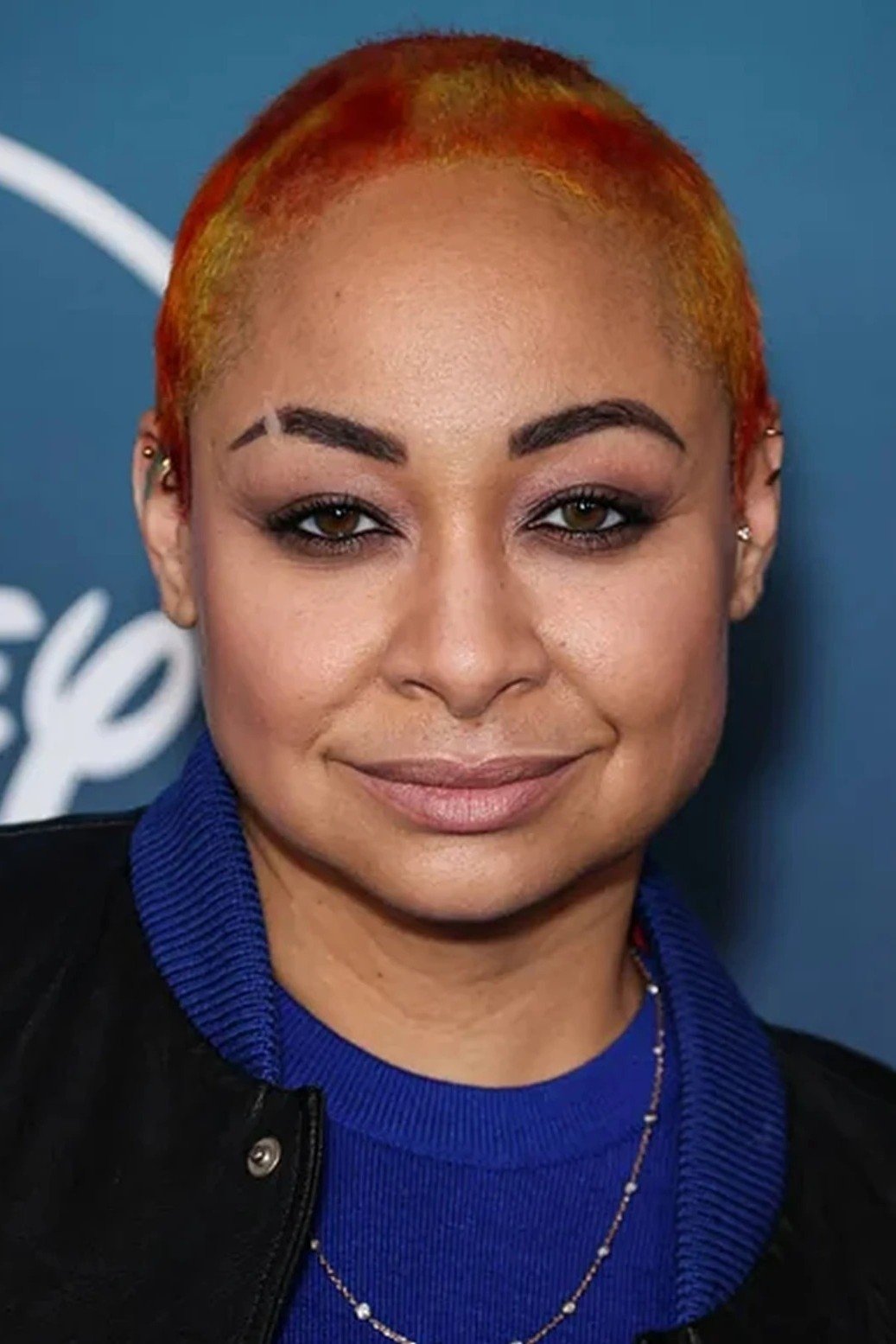
The ‘Raven’s Home’ star led a cast walkout from the Disney studios to protest Florida’s “Don’t Say Gay” bill and the company’s initial lack of opposition to it. She and her colleagues ceased production to demand that Disney take a stronger political stance against legislation that marginalized LGBTQ+ youth. The walkout was a direct withdrawal of labor intended to pressure a major corporation into political action. Her activism helped push the company to eventually condemn the bill publicly.
Sophie Turner

Turner, who has explored queer relationships and refused to label her sexuality, vowed not to work in any US state with restrictive anti-abortion laws. Following the overturning of Roe v. Wade, she joined other actresses in signing a letter that pledged to boycott productions in states like Georgia and Louisiana. This commitment potentially limits her casting opportunities but aligns her career with her reproductive rights advocacy. She stated that she could not in good conscience contribute to the economy of a state that denies women bodily autonomy.
Miriam Margolyes
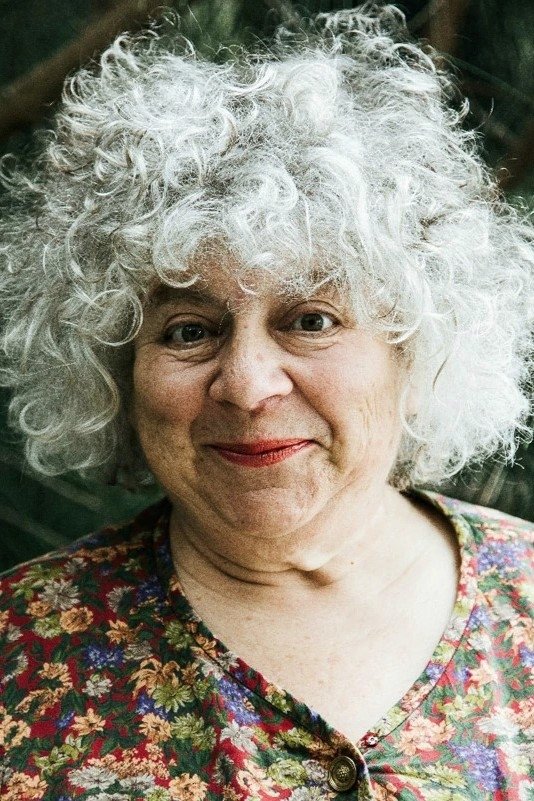
The veteran character actress has claimed that her vocal support for Palestine and criticism of Israel have caused her to be “blacklisted” from certain roles and projects. Margolyes, who is a lesbian, has never shied away from expressing her political views, even when warned they would damage her career. She has effectively been withdrawn from consideration for some mainstream movies due to her refusal to censor her political opinions. She continues to work but acknowledges the professional cost of her activism.
Evan Rachel Wood

Wood’s career trajectory shifted significantly as she dedicated herself to activism and authoring the Phoenix Act to extend the statute of limitations for domestic violence. While she did not retire, she stepped back from the typical Hollywood grind to focus on legislative change and naming her abuser. Her documentary ‘Phoenix Rising’ documented this transition from actress to political figure. She has stated that her advocacy work is now her primary focus, often taking precedence over commercial film roles.
Mara Wilson
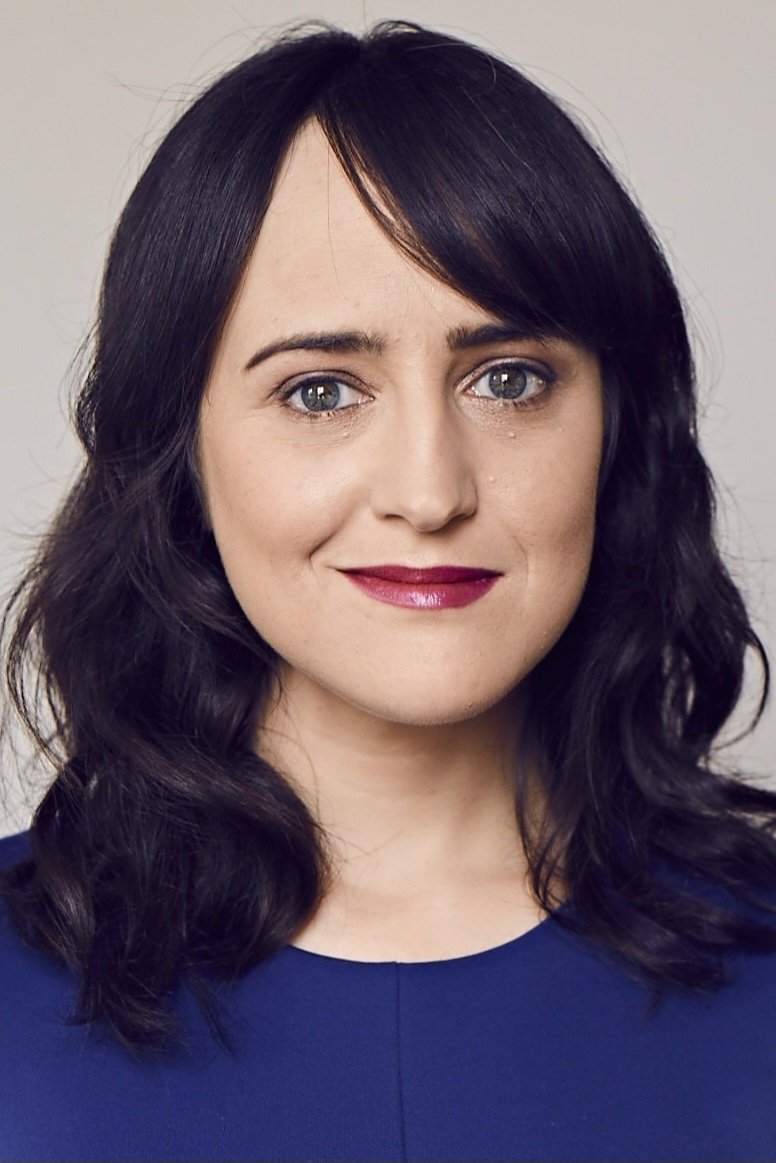
Known for her childhood roles in ‘Matilda’ and ‘Mrs. Doubtfire’, Wilson quit film acting as a young adult due to the industry’s toxic obsession with image and its treatment of young women. She later came out as bisexual and has written extensively about the exploitation of child stars, framing her retirement as a rejection of Hollywood’s superficial values. Her withdrawal was a reclaiming of her autonomy and a refusal to participate in a system she found damaging. She now focuses on writing and voice work, free from the physical scrutiny of on-camera acting.
Indya Moore
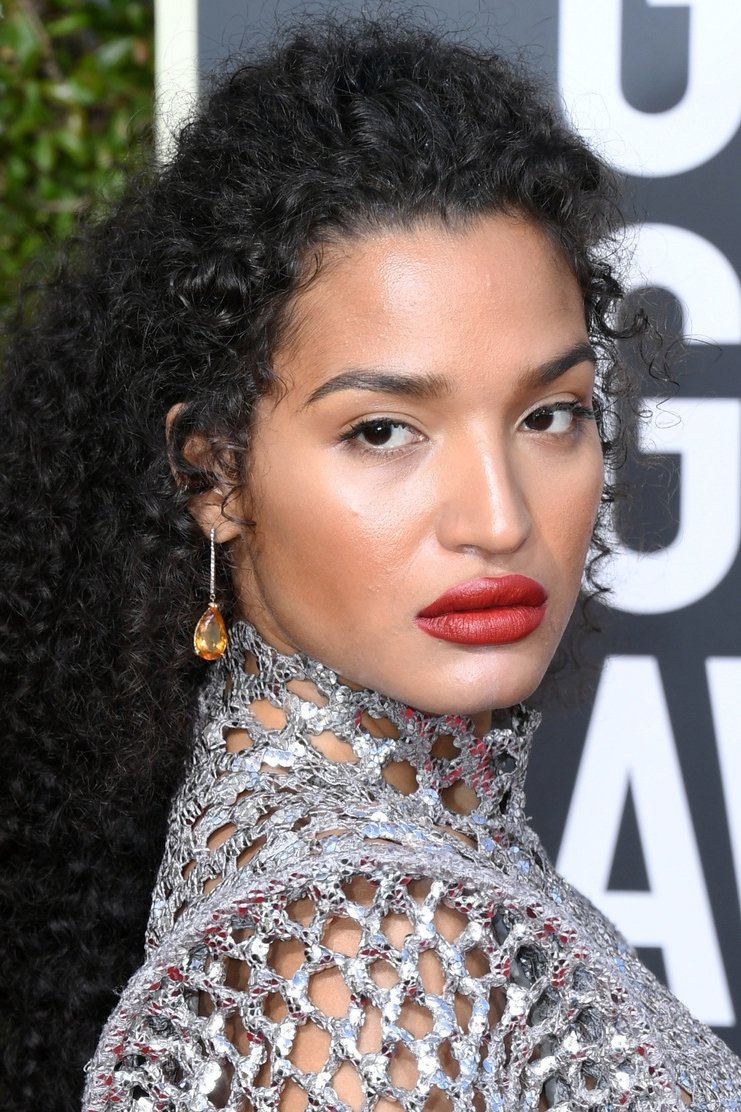
The ‘Pose’ star has frequently threatened to leave the industry and has withdrawn from specific fashion and acting opportunities that did not align with their political values. Moore, who is trans and non-binary, has criticized the industry for capitalizing on trans trauma while failing to provide material support to the community. They have expressed a desire to walk away from Hollywood entirely to focus on mutual aid and social work. Their career choices are consistently filtered through a lens of anti-capitalist and anti-racist activism.
Ruby Rose
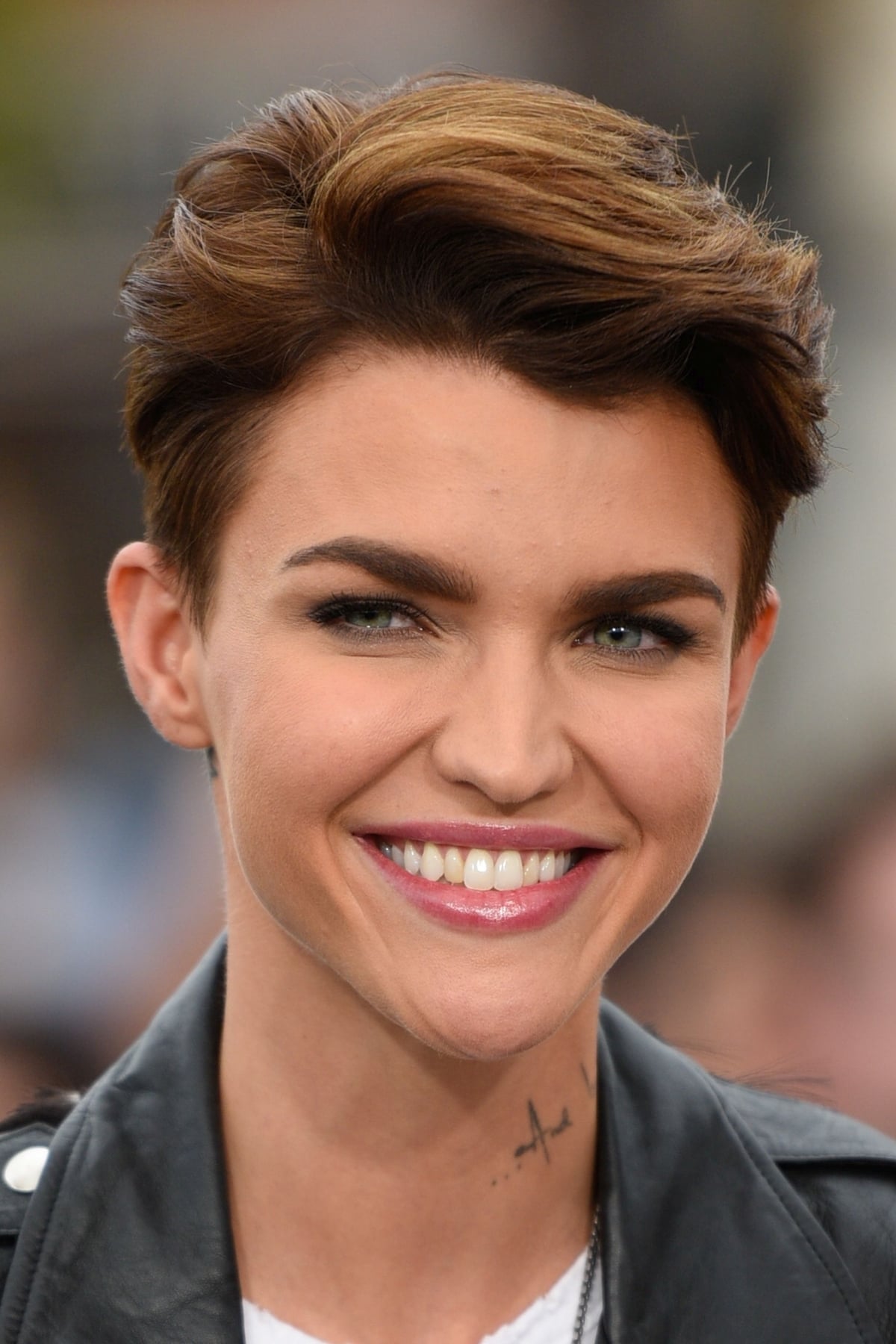
Rose left the lead role of ‘Batwoman’ after just one season, a shocking move that she attributed to a combination of injury and a toxic work environment. Her departure became a larger conversation about labor conditions and the treatment of queer actors in superhero franchises. She later detailed allegations of unsafe working conditions, turning her exit into a whistleblowing event against the studio. Her refusal to stay in a high-profile role under such conditions was a stand for worker safety and mental health.
Rosie O’Donnell
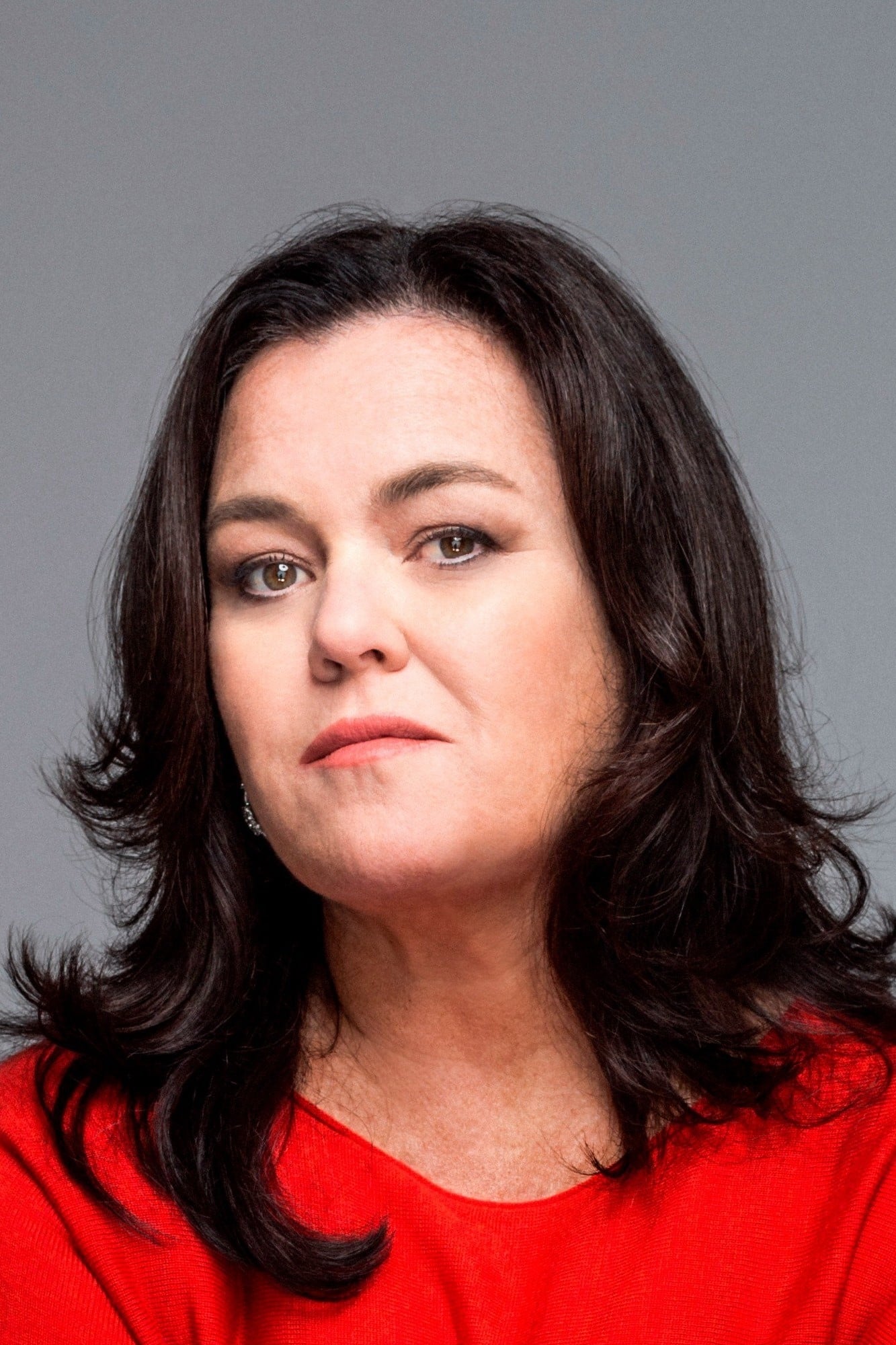
O’Donnell has exited her talk show positions multiple times due to heated political conflicts, most notably leaving ‘The View’ after on-air clashes about the Iraq War and later the Trump administration. Her refusal to remain in a format that she felt stifled her progressive political voice led to her withdrawing from one of the most visible platforms on television. She has often sacrificed mainstream likeability to maintain her stance on LGBTQ+ rights and anti-war politics. Her career breaks have largely been defined by these ideological battles.
Susan Sarandon
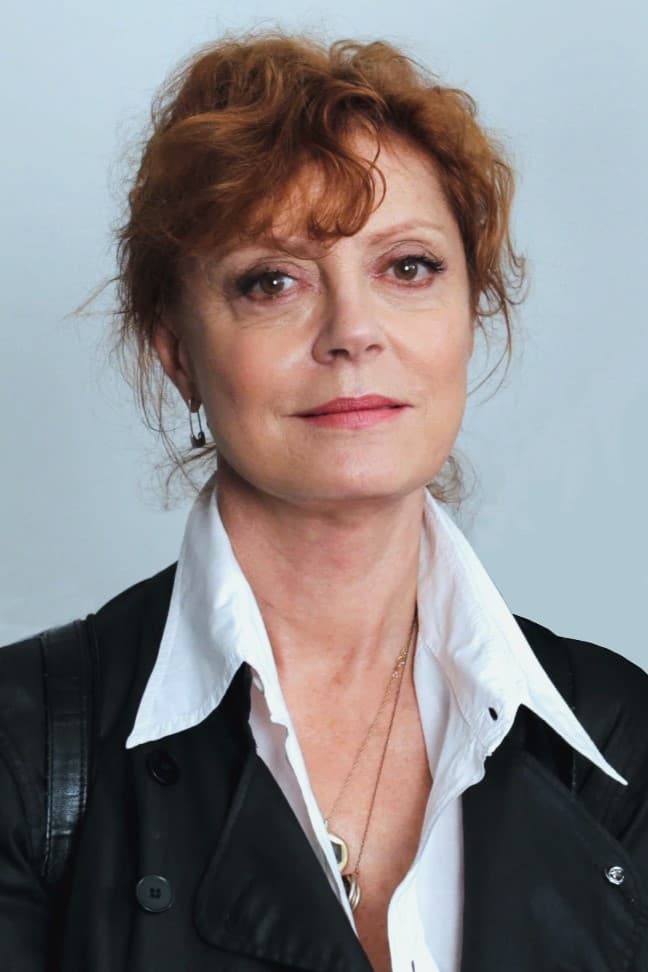
While not strictly retiring, Sarandon has stated that her outspoken political activism has caused her to lose roles and be dropped by her agency. The bisexual actress has been a fixture at protests for decades, but her recent comments on foreign policy led to a significant professional backlash. She has accepted this forced withdrawal from certain mainstream circles as the price of her freedom of speech. She continues to prioritize her political conscience over maintaining her status in the industry.
Amber Heard
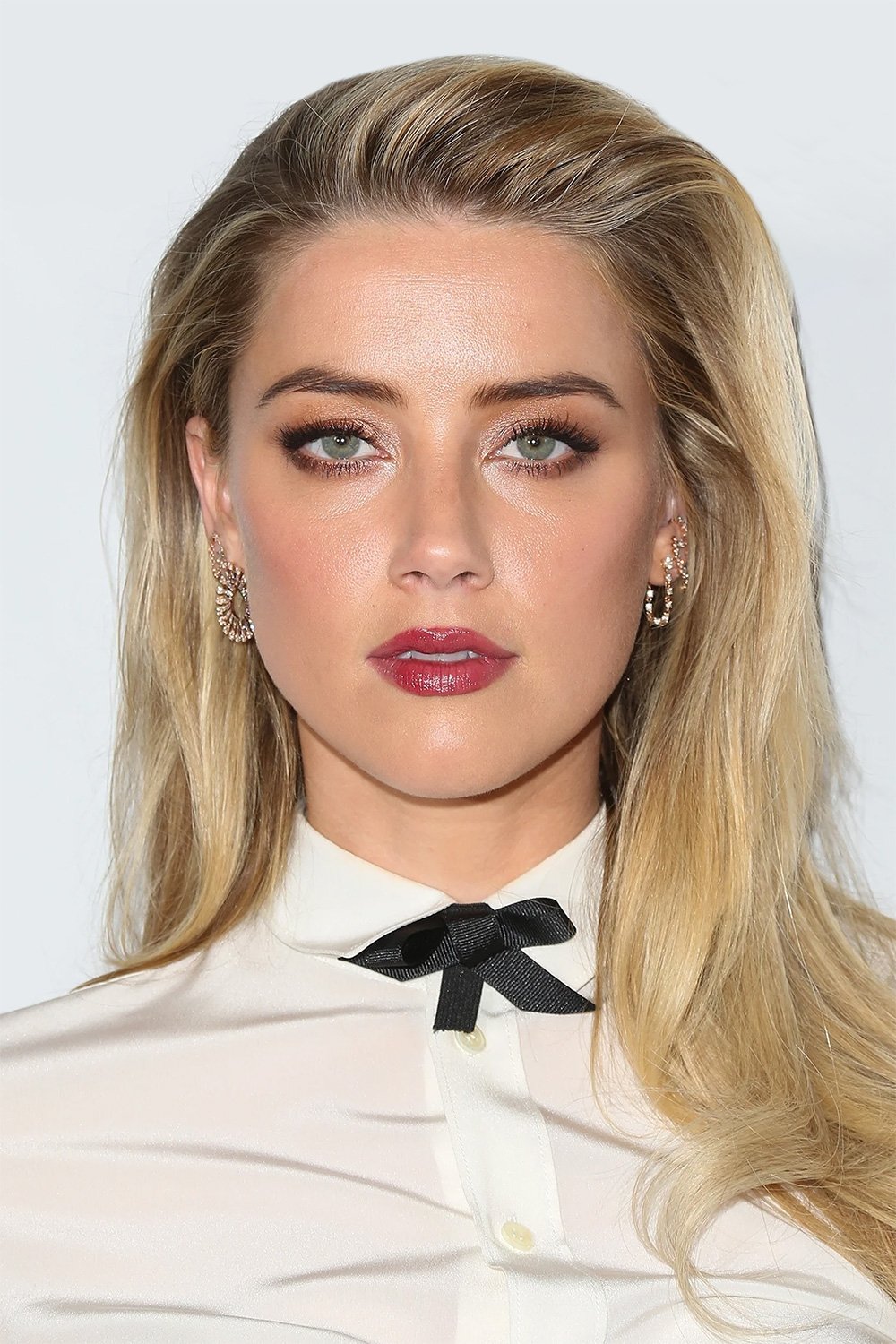
Following a highly politicized and televised legal battle, Heard sold her California home and withdrew to Spain, effectively stepping away from Hollywood. Her departure was driven by the intense misogynistic harassment she faced and the industry’s response to her abuse allegations. While she has filmed a small independent project, her removal from the mainstream Los Angeles scene was a reaction to the social and political climate surrounding domestic violence survivors. She sought refuge away from the American media ecosystem that she felt had vilified her.
Jen Richards
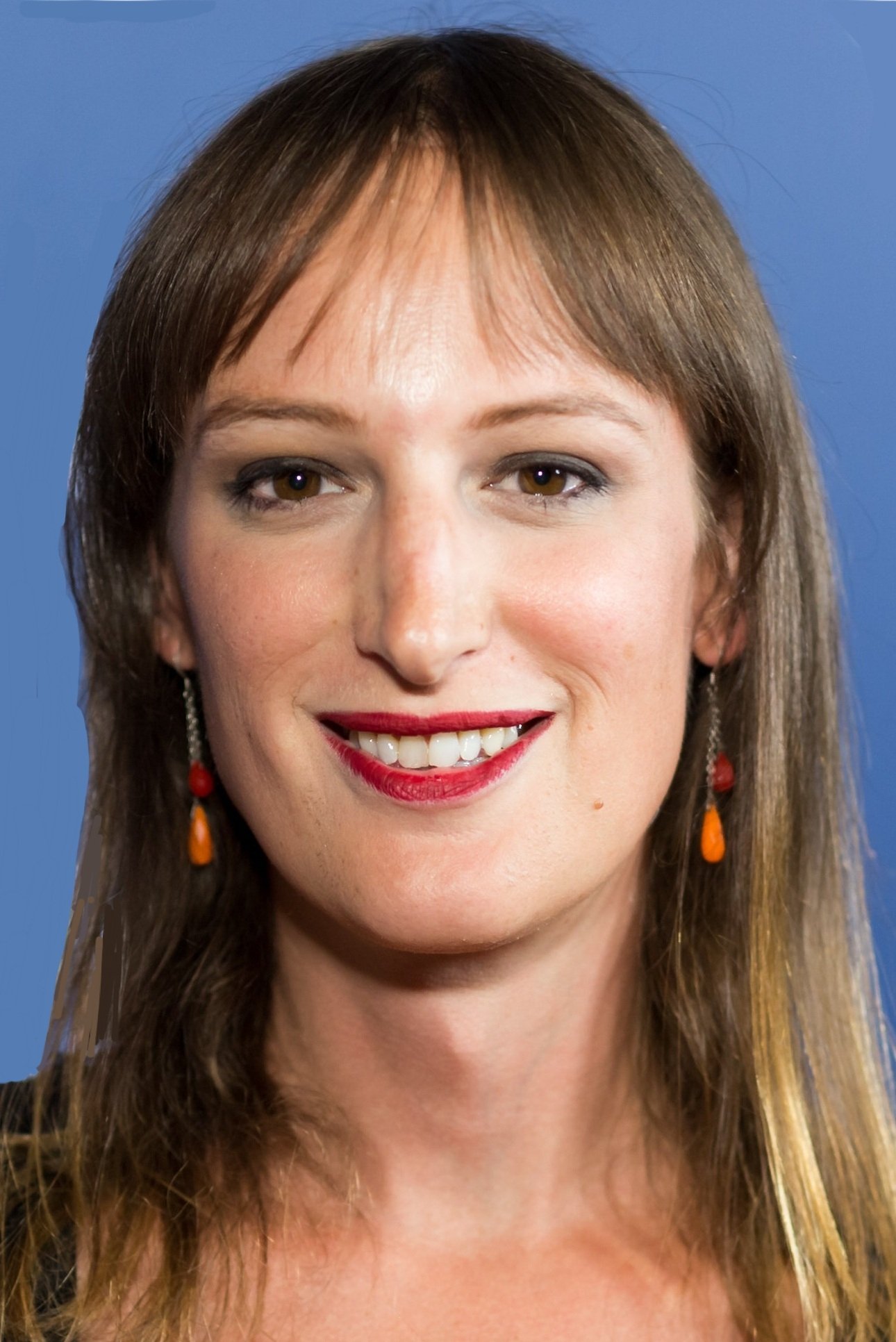
Richards, a trans actress and activist, has a policy of withdrawing from or refusing roles that depict trans women as tragic victims or punchlines. She has written publicly about turning down work that perpetuates harmful stereotypes, effectively limiting her own casting pool for political reasons. Her goal is to force the industry to write better, more humanizing characters for trans women. She argues that bad representation has real-world political consequences for the safety of trans people.
Hannah Gadsby
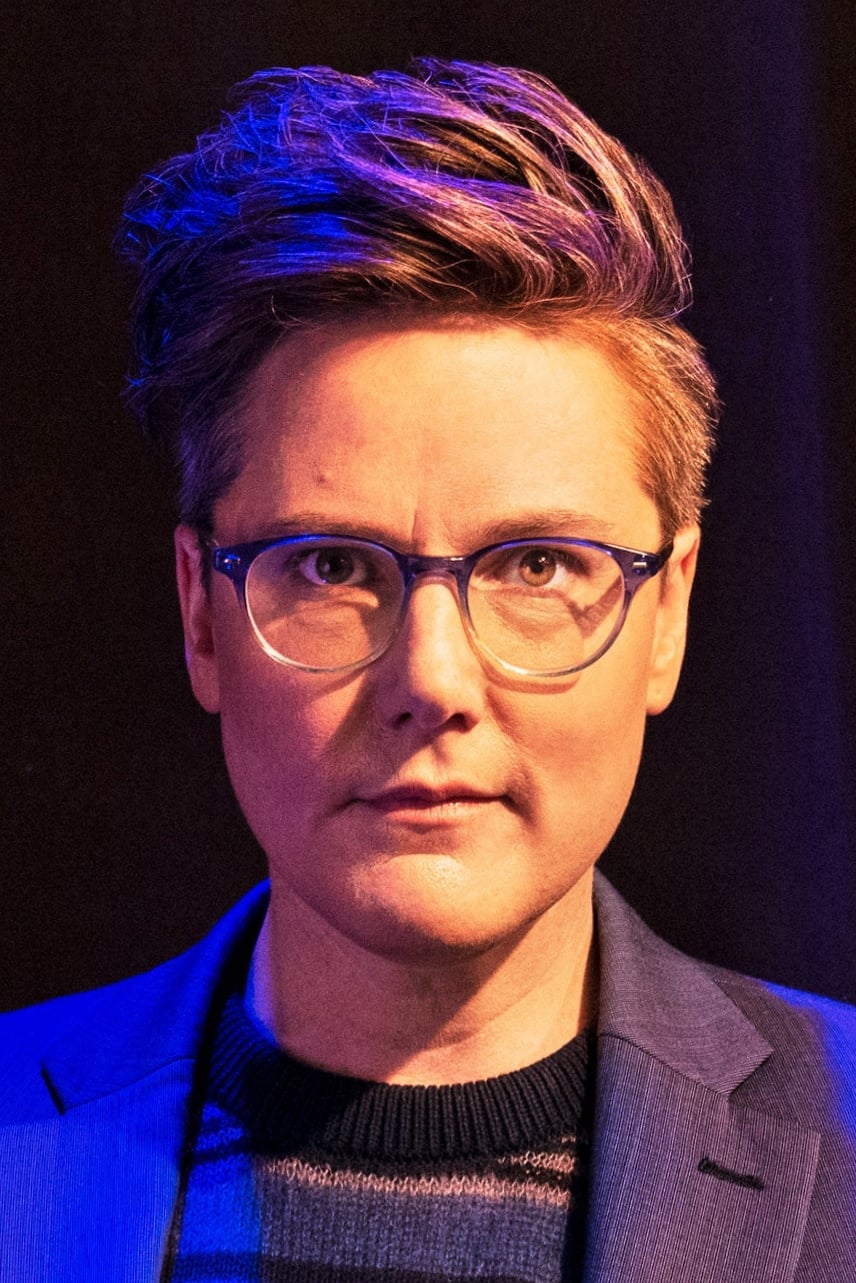
In her groundbreaking special ‘Nanette’, the lesbian comedian vowed to quit comedy, arguing that the genre forced her to marginalize her own trauma for the comfort of audiences. While she eventually returned with a new show, the initial withdrawal was a powerful political statement about the limits of self-deprecating humor and the need for new storytelling forms. She refused to continue performing in a way that she felt upheld patriarchal structures. Her “quitting” was a performance art piece that challenged the entire industry’s expectations.
Cynthia Erivo
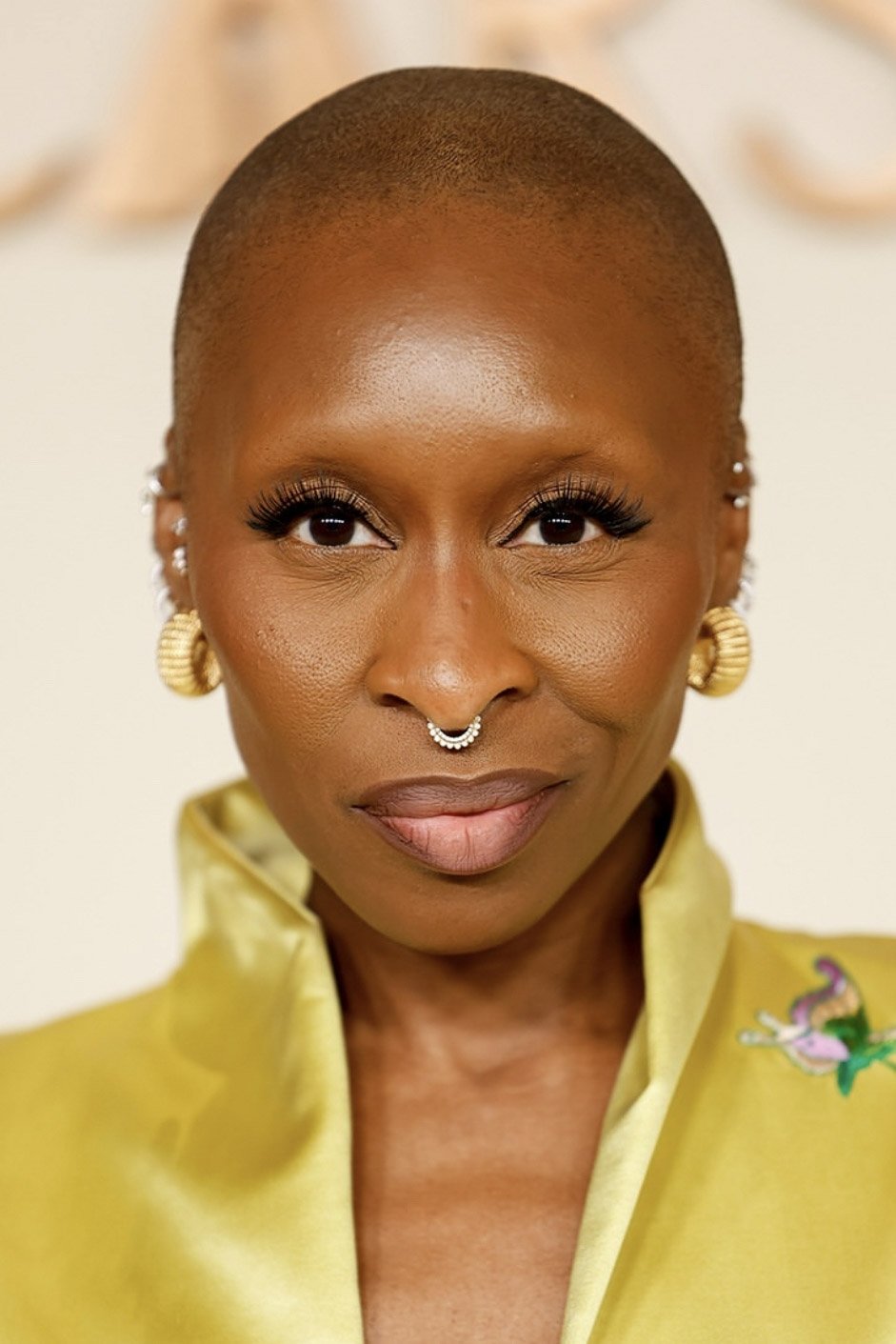
Erivo declined an invitation to perform at the BAFTAs in 2020 after the nominations revealed a complete lack of actors of color in the main categories. The queer actress stated that she could not serve as the entertainment for an event that did not recognize the work of people like her. Her refusal was a direct boycott intended to highlight the systemic racism within the British film academy. She chose to use her absence as a form of protest rather than accepting the visibility of a performance slot.
Stephanie Beatriz
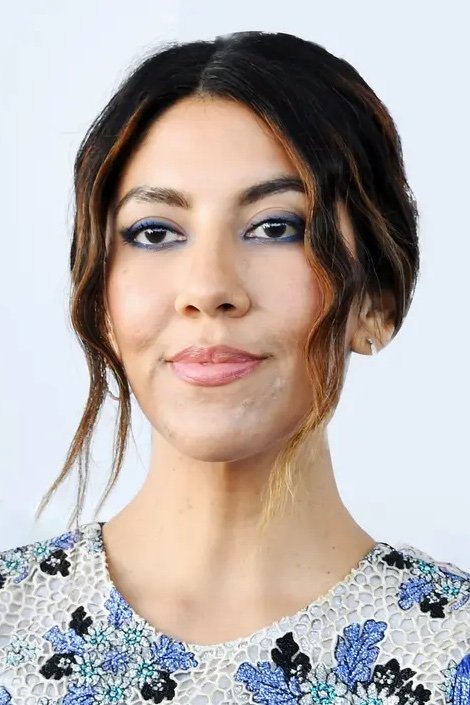
Beatriz and the cast of ‘Brooklyn Nine-Nine’ scrapped several completed episodes of their final season following the protests over the murder of George Floyd. The bisexual actress supported the decision to rewrite the season to address police brutality and systemic racism, effectively withdrawing the original work they had created. She acknowledged that the show could not continue as a lighthearted cop comedy without addressing the political reality of policing in America. This creative reset was a significant political admission by the show’s stars.
Ellen DeGeneres
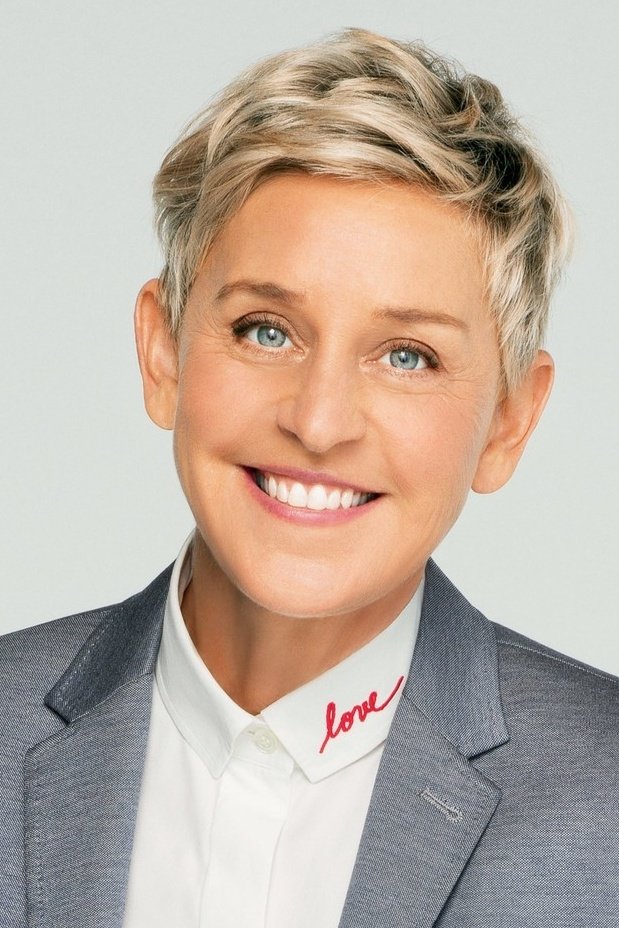
DeGeneres ended her long-running talk show following an internal investigation into a toxic workplace culture, which became a major cultural and political controversy. While not a voluntary political protest, her withdrawal from the show was the result of a shift in acceptable workplace standards and employee accountability. The “cancel culture” discourse surrounding her exit highlighted the changing power dynamics in Hollywood. She stepped away from the limelight as her brand of “kindness” was scrutinized against the reality of her production’s environment.
Portia de Rossi
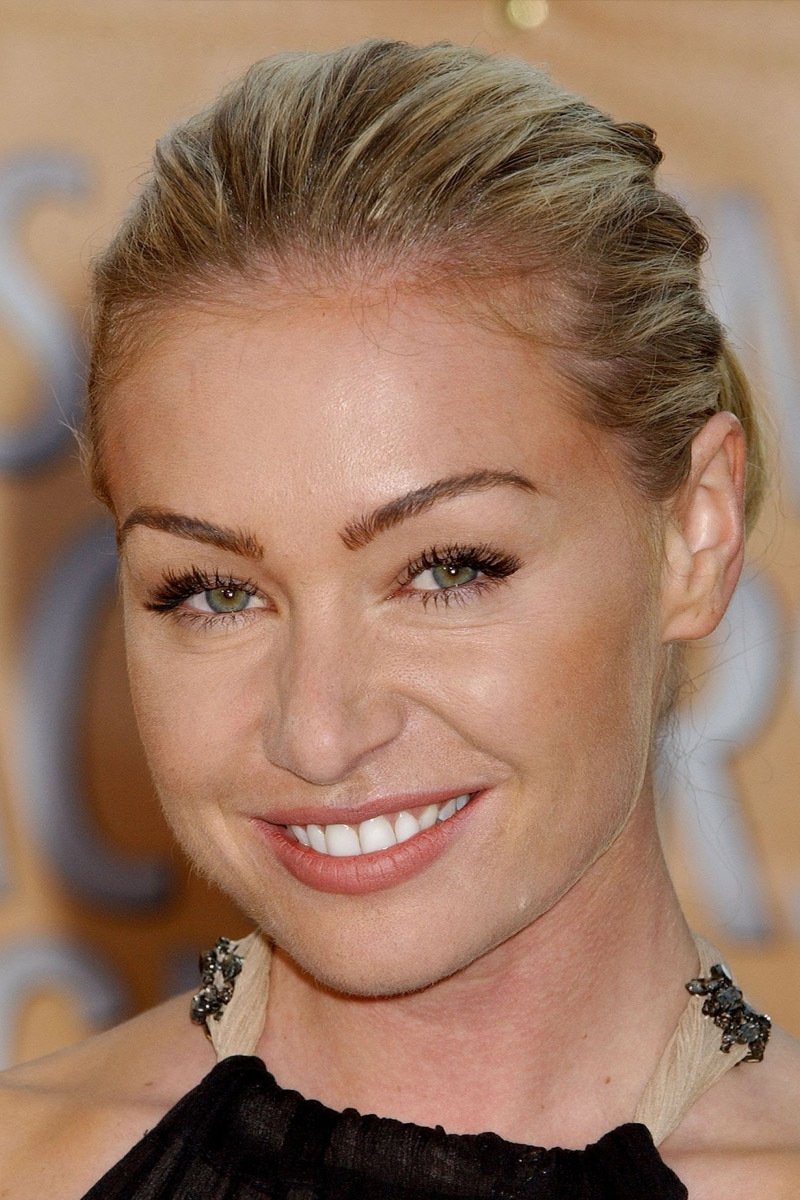
De Rossi retired from acting to start an art curation business, citing a desire to escape the press cycle and the specific pressures placed on women in Hollywood. While largely a personal career pivot, she has spoken about the relief of leaving the “machine” that demands actresses maintain a certain image and participate in the promotional circus. Her departure was a rejection of the industry’s expectations for women over 40. She only briefly returned for ‘Arrested Development’ at the creator’s personal request before withdrawing again.
Lily Tomlin
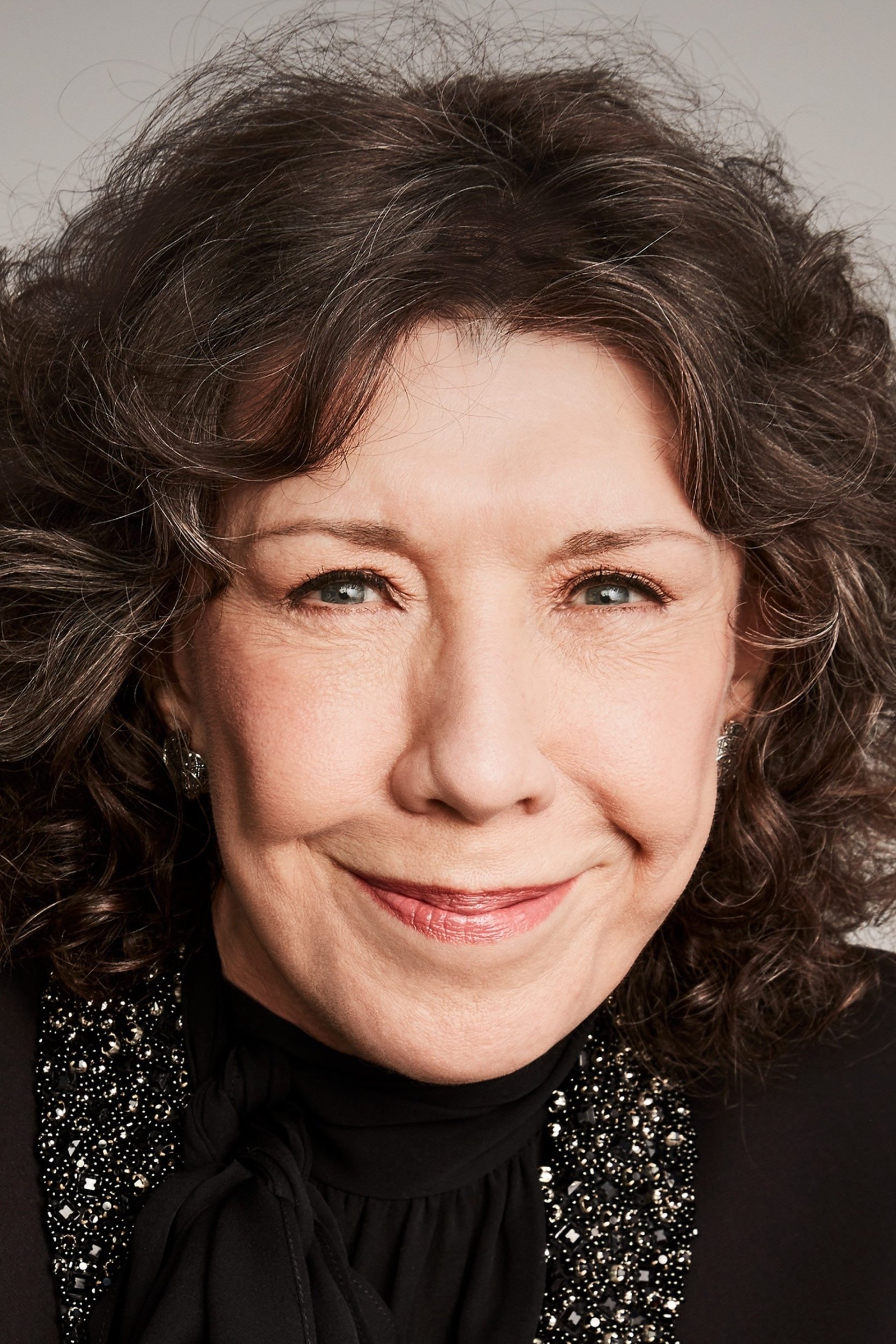
The legendary lesbian actress has been arrested multiple times for participating in climate change protests, occasionally disrupting her work schedule to prioritize activism. While she hasn’t quit acting entirely, she has prioritized “Fire Drill Fridays” and civil disobedience over professional commitments at times. She has stated that the climate crisis is more urgent than any movie role and encourages others to risk arrest for the cause. Her willingness to put her body on the line demonstrates a prioritization of politics over professional safety.
Sara Ramirez
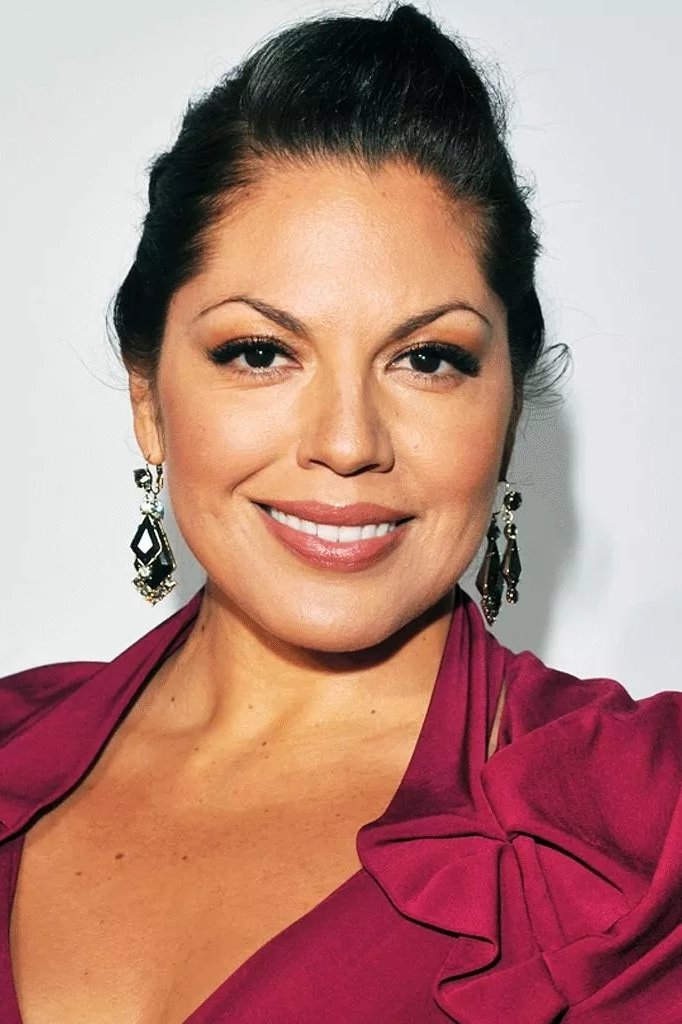
Ramirez faced intense backlash for their portrayal of the non-binary character Che Diaz in ‘And Just Like That’, leading to reports that they would not return for the third season. The departure was mired in the “culture war” discourse surrounding the character’s “wokeness” and the actor’s own pro-Palestine social media posts. While the official reasons were murky, the exit was heavily influenced by the political polarization of the audience and the industry’s reaction to their outspoken views. It marked a withdrawal from a high-profile role due to the intersection of character and real-world politics.
Please share your thoughts on whether these actresses made the right decision to prioritize their principles over their careers in the comments.