Hispanic Actors Who Faced Ageism

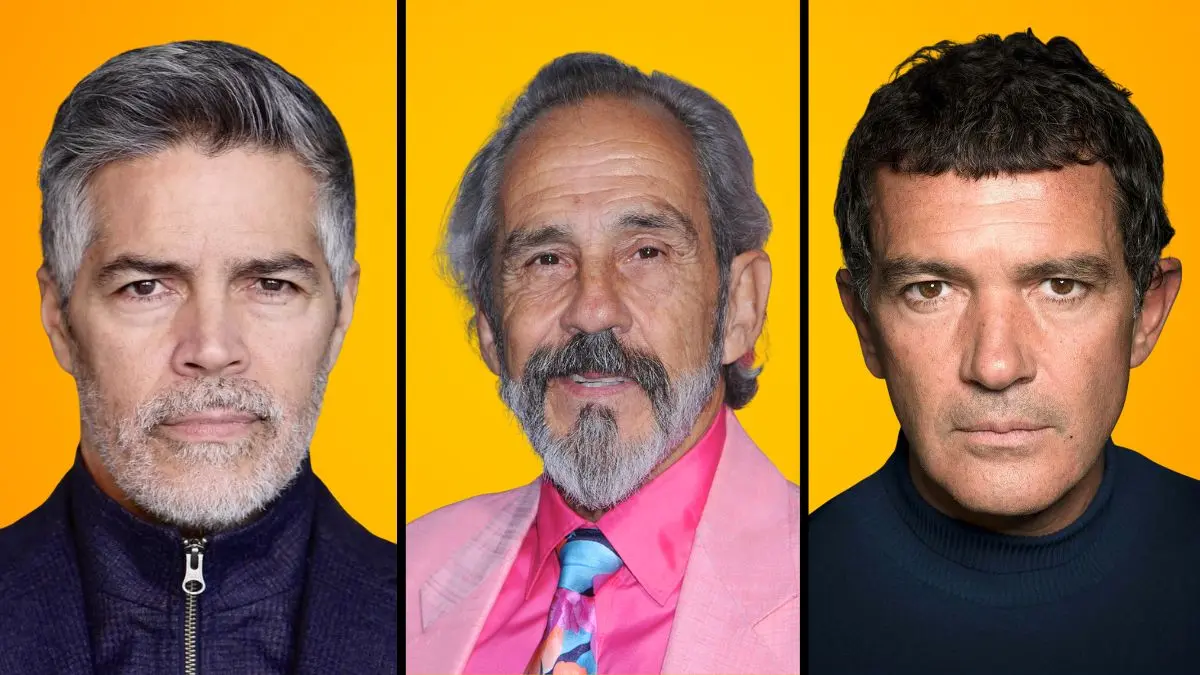

The entertainment industry is notorious for its focus on youth, often sidelining talented performers as they mature. For Hispanic male actors, this challenge is frequently compounded by limiting stereotypes that pigeonhole them into specific archetypes like the “Latin Lover” or the “criminal,” which tend to vanish or become caricatures with age. Many of these screen legends have had to fight tooth and nail to secure dignified, substantial roles in their later years, battling a system that often fails to value their experience. The following actors have navigated these complex dynamics, speaking out against typecasting or reinventing their careers to survive Hollywood’s shifting tides.
Antonio Banderas
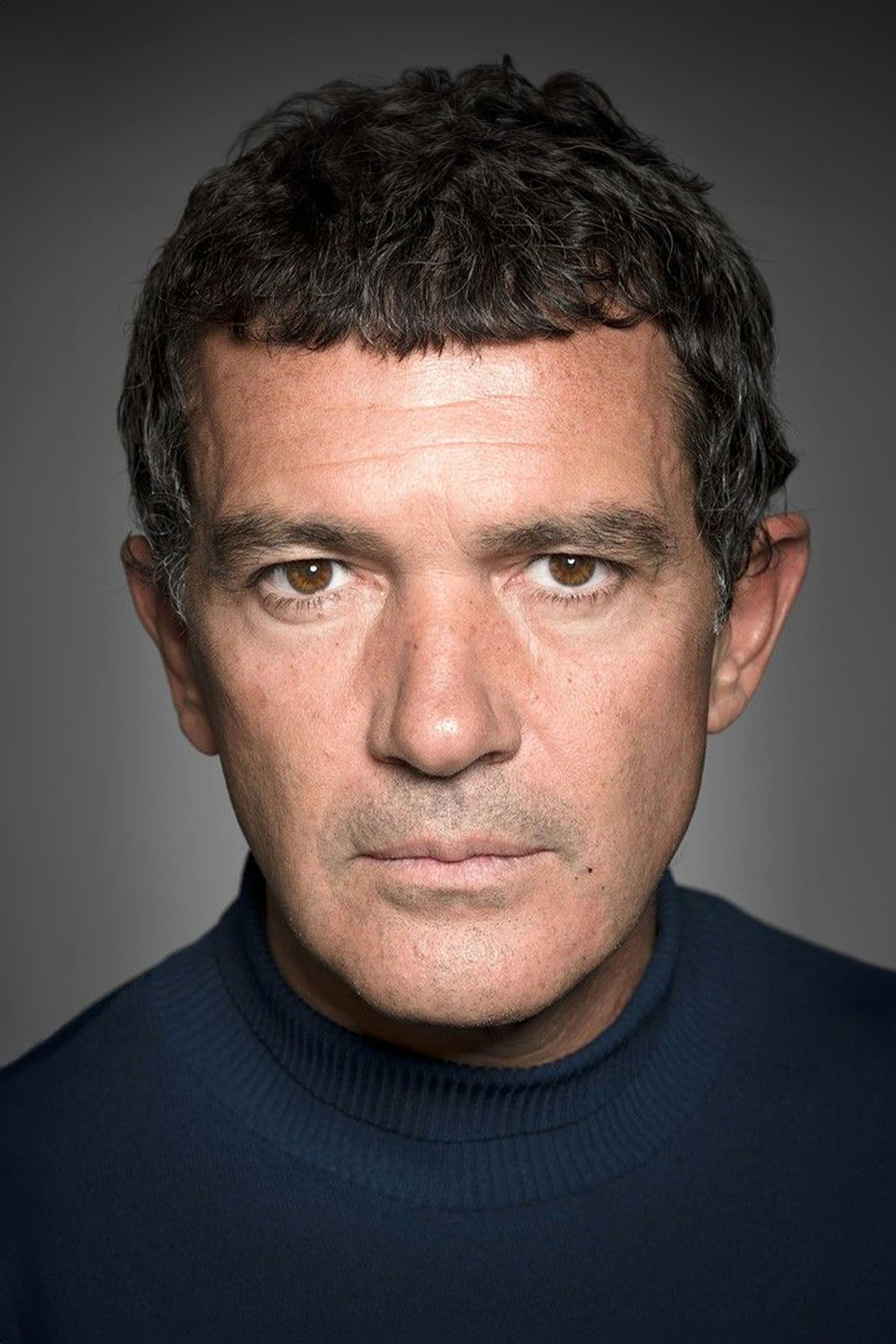
Once Hollywood’s quintessential “Latin Lover,” Banderas faced the difficult task of transitioning away from the heartthrob image that defined his early American career. He has spoken candidly about the industry’s harshness toward aging performers, noting that while men have it slightly easier than women, the pressure remains immense. Banderas reinvented himself through prestige dramas like ‘Pain and Glory’, using his own aging process to inform deeply vulnerable performances. His career evolution highlights the struggle to find complex leading roles for older Hispanic men in a youth-obsessed market.
Edward James Olmos
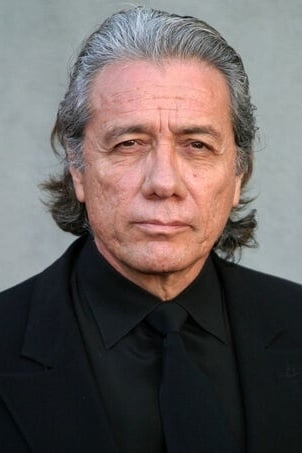
A veteran of the screen, Olmos has been vocal about the scarcity of roles for Latinos, particularly as they age into elder statesman figures. Throughout his career, he frequently took on roles much older than his actual age, such as in ‘Stand and Deliver’, effectively bypassing the “young lead” phase to secure work. He has criticized the industry for failing to tell the authentic stories of older Latino men, often relegating them to background background characters. His longevity is a testament to his refusal to accept the limited box Hollywood attempted to place him in.
John Leguizamo
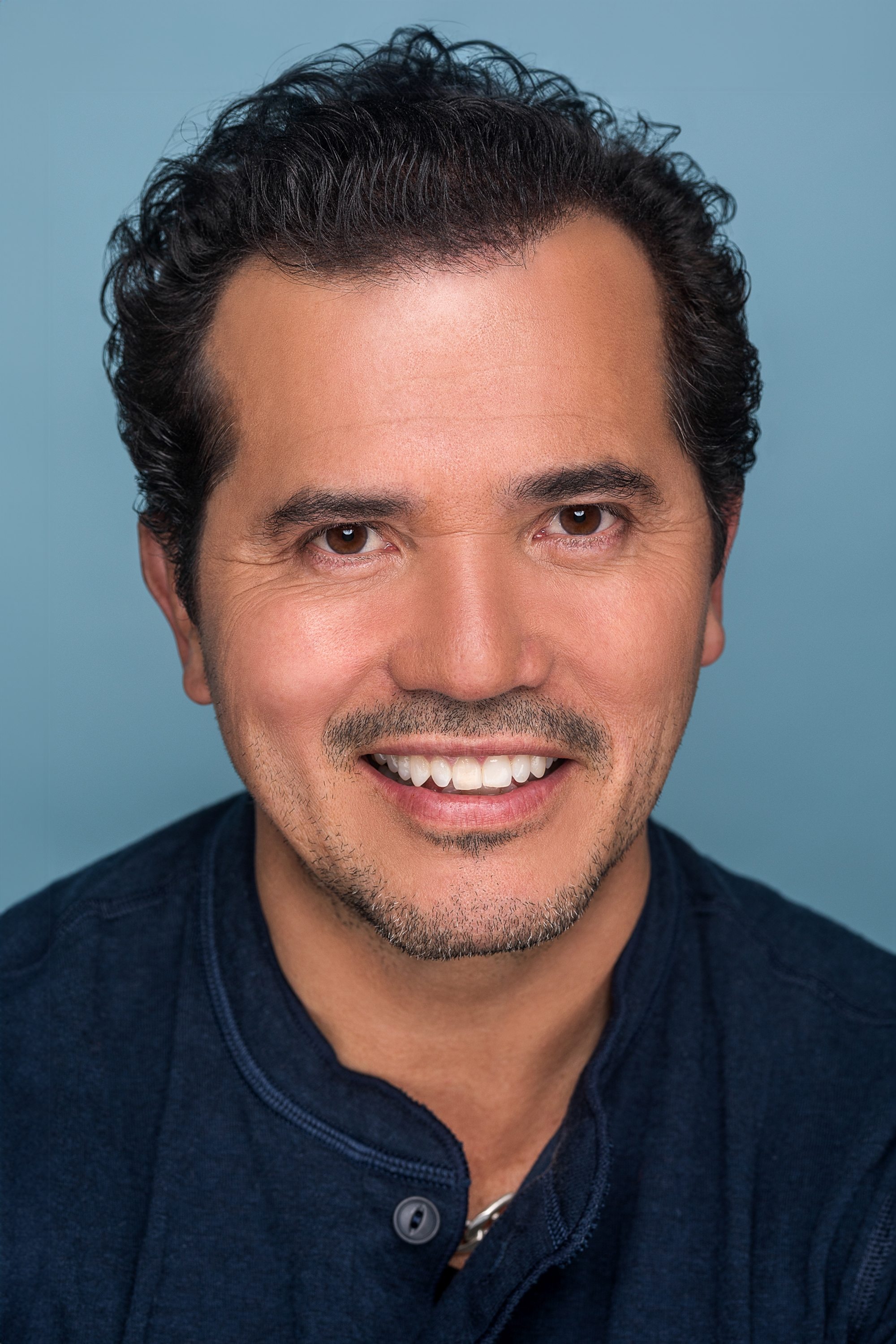
Leguizamo has built a career on exposing Hollywood’s systemic exclusion of Latinos, including the specific erasure of older Hispanic voices. He has frequently discussed how studios ignore the buying power and stories of the mature Latino demographic. By writing his own stage shows and films, he created opportunities that the industry refused to offer him as he moved past his younger years. His advocacy highlights the intersection of ageism and racism that veteran actors face when seeking greenlights for their projects.
Andy Garcia
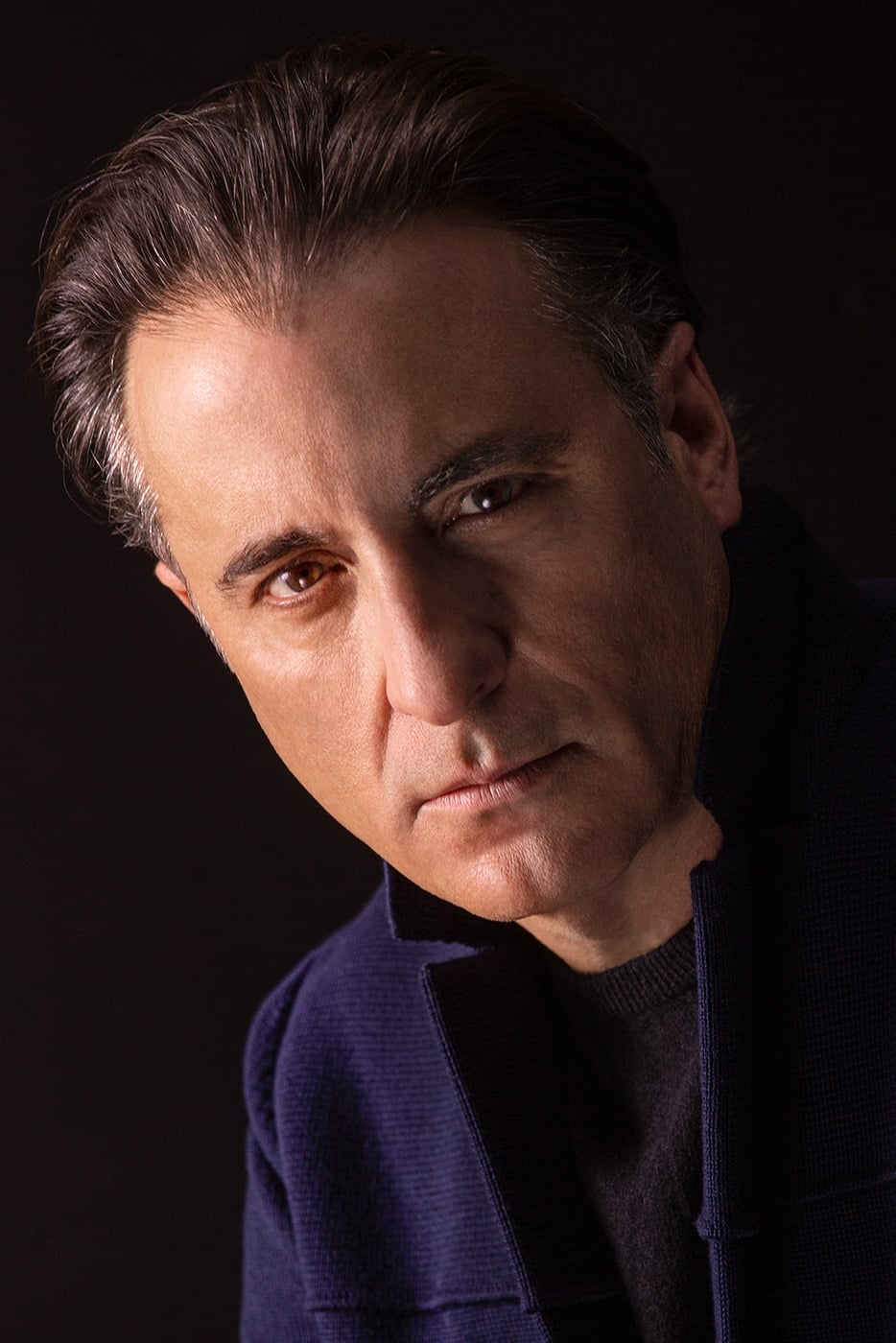
Known for his suave intensity in the 80s and 90s, Garcia navigated a period where leading man offers began to dwindle as he entered his 50s. He shifted his focus towards producing and directing to ensure he could continue telling meaningful stories that featured dignified roles for men his age. Garcia has noted that while he broke barriers early on, the industry still struggles to see older Latino actors as viable romantic leads or action stars. His recent resurgence demonstrates the enduring appeal of veteran talent despite casting directors’ bias toward youth.
Jimmy Smits
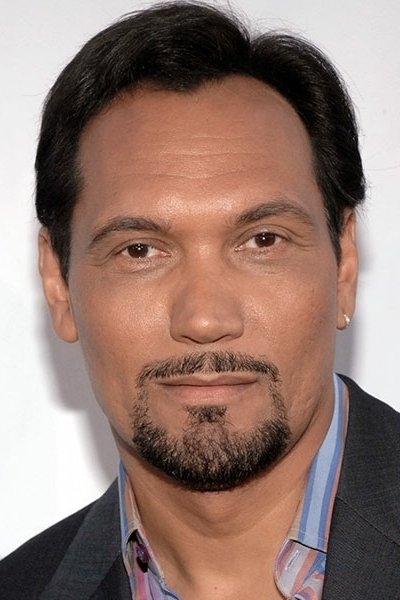
Smits shattered barriers with his roles in ‘L.A. Law’ and ‘NYPD Blue’, but he has had to constantly adapt to remain visible as a veteran actor. He has spoken about the importance of the “Latino voice” and the difficulty of finding roles that go beyond the stereotypical patriarch in his later years. Smits successfully pivoted to authority figures in shows like ‘Sons of Anarchy’ and ‘In the Heights’, combating the industry’s tendency to retire actors who no longer fit a youthful demographic. His career path illustrates the necessity of reinvention to survive age-related career stalls.
Esai Morales
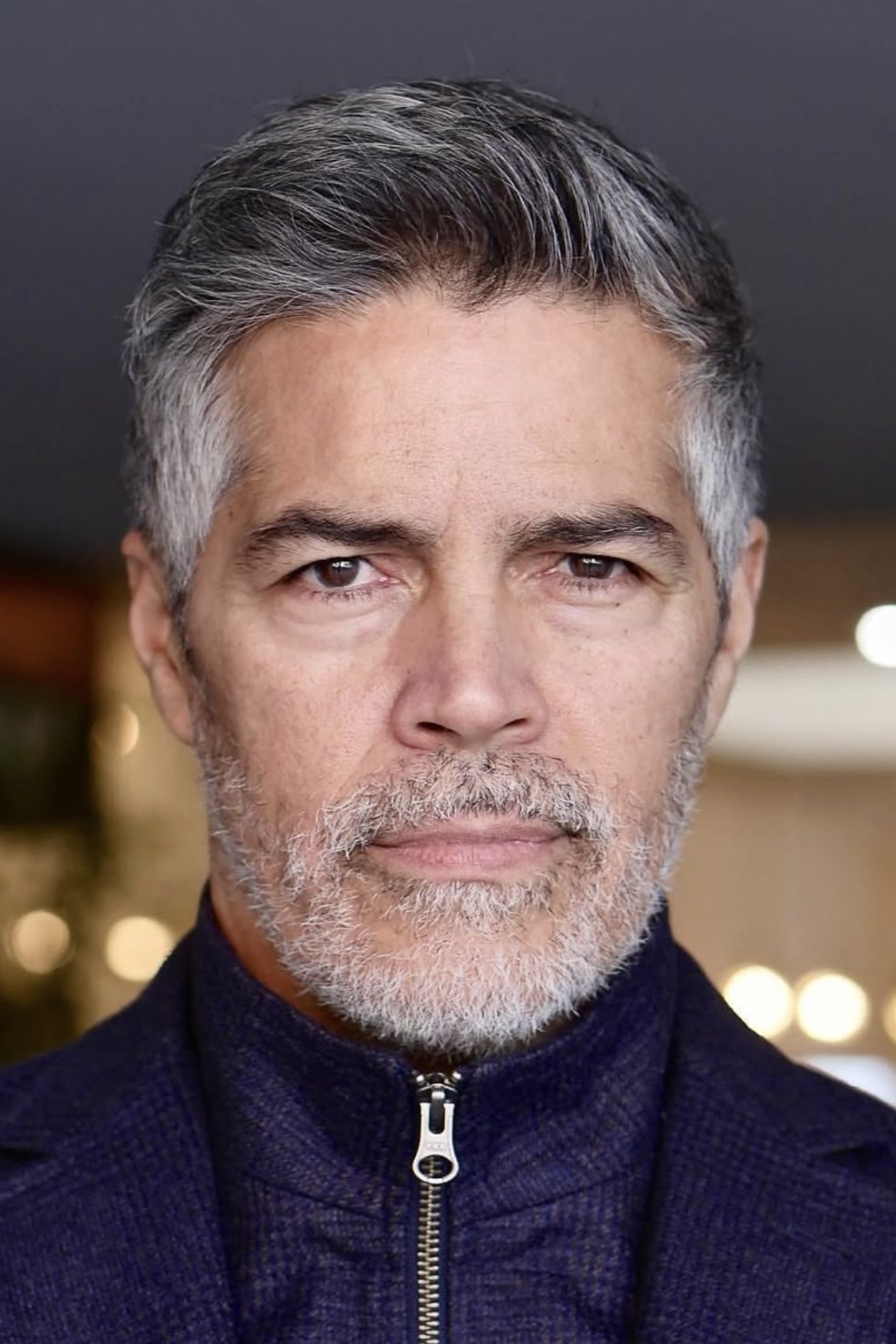
Bursting onto the scene as a troubled youth in ‘La Bamba’, Morales faced the challenge of shaking off the “bad boy” image as he matured. He has been a staunch advocate for better representation, criticizing how the industry often offers older Latino actors one-dimensional roles as cartel leaders or politicians. Morales actively sought out characters with moral complexity to avoid the typecasting that often traps aging Hispanic performers. His recent villainous turns in major franchises show his refusal to fade into the background.
Danny Trejo
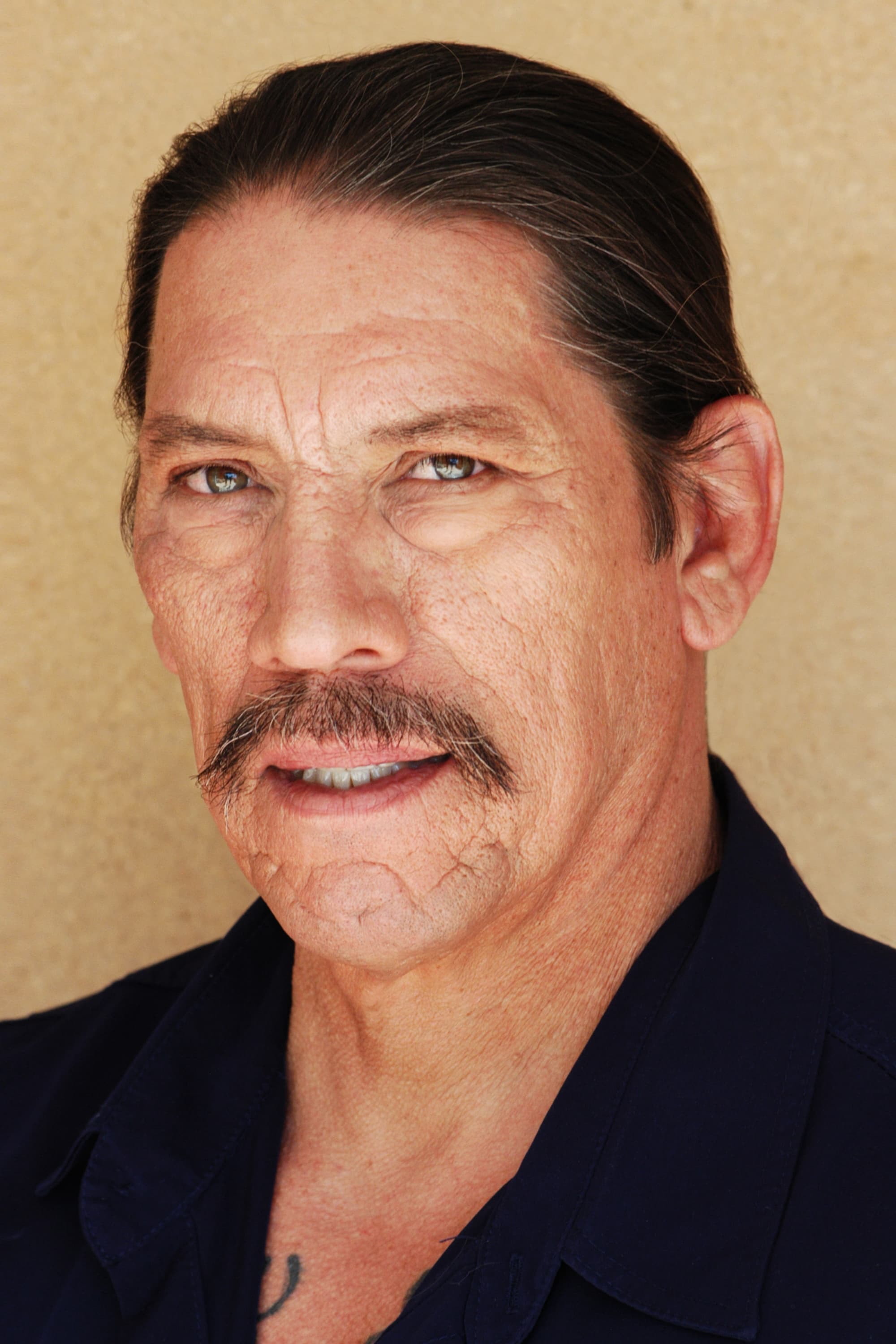
Trejo’s career is unique because he found fame later in life, yet he still faces the industry’s rigid categorization of older Latino men. Often cast as the “tough guy” or “inmate,” he has had to work prolifically to maintain his visibility, often joking about the limited range of roles offered to someone with his look and age. He embraced his niche to survive, turning his weathered appearance into a brand when leading roles were nonexistent. His experience underscores how Hollywood commodifies the “hardened older criminal” trope for Latino actors.
Benicio del Toro
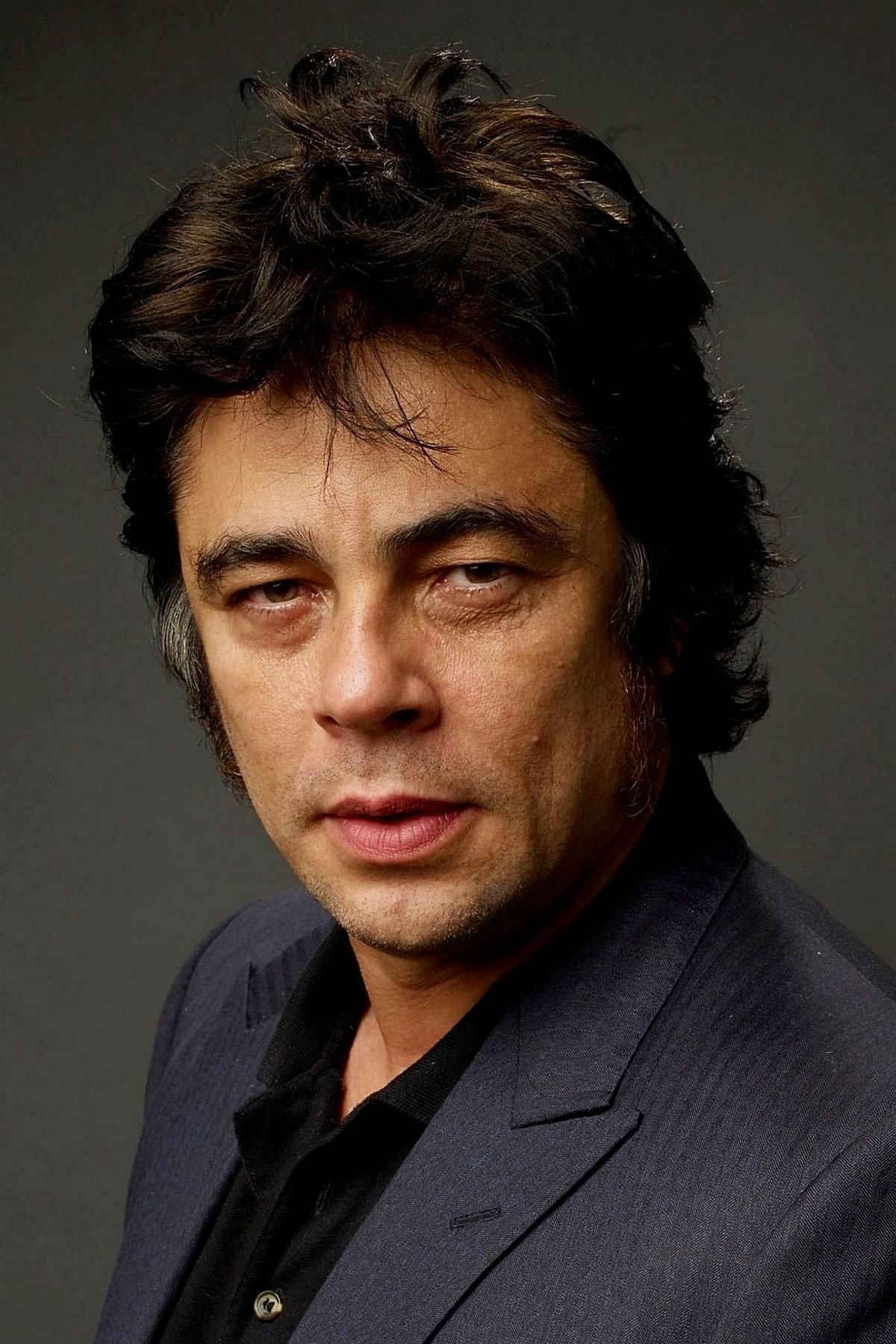
Del Toro has always favored character roles over traditional leading man parts, a strategy that has shielded him somewhat from the “aging heartthrob” curse. However, he still faces the industry’s narrowing scope for Latino men, often being called upon to play mysterious or dangerous figures rather than varied human stories. As he has aged, the scarcity of non-genre roles for Hispanic men of his caliber has become more apparent. He remains a powerhouse, forcing the industry to reckon with his talent despite its bias against older minority leads.
Cheech Marin
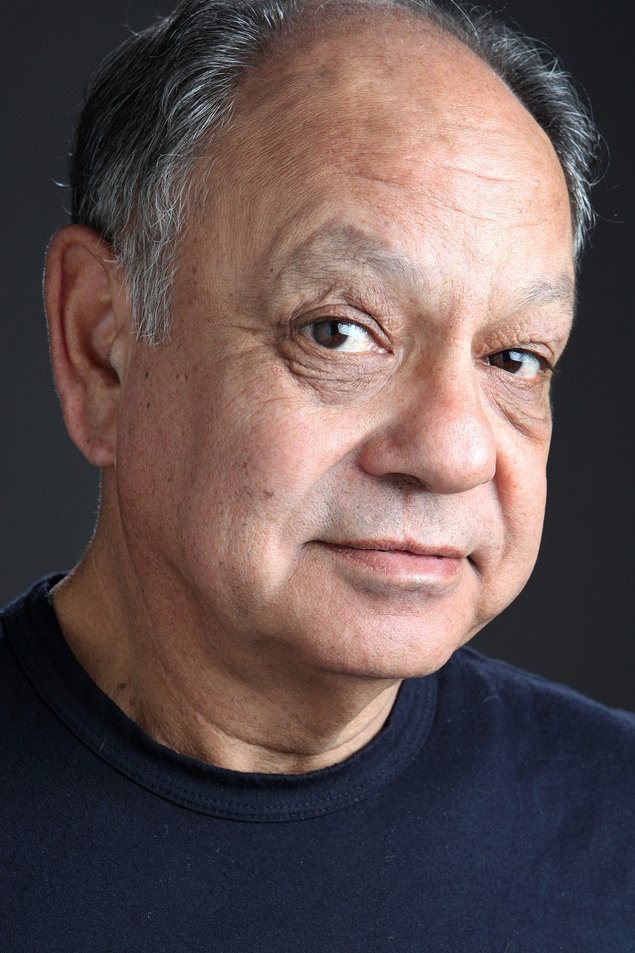
Starting as a counterculture icon, Marin faced a significant hurdle when he outgrew the “stoner” comedy persona that made him famous. He struggled to be taken seriously as a dramatic actor in his middle years, eventually finding a niche in supporting roles that played on his likeability. Marin has discussed the difficulty of finding work that didn’t rely on his past stereotypes, eventually carving out a space as a beloved elder figure. His journey reflects the difficulty of shedding a youthful brand in an industry that prefers to freeze actors in time.
George Lopez
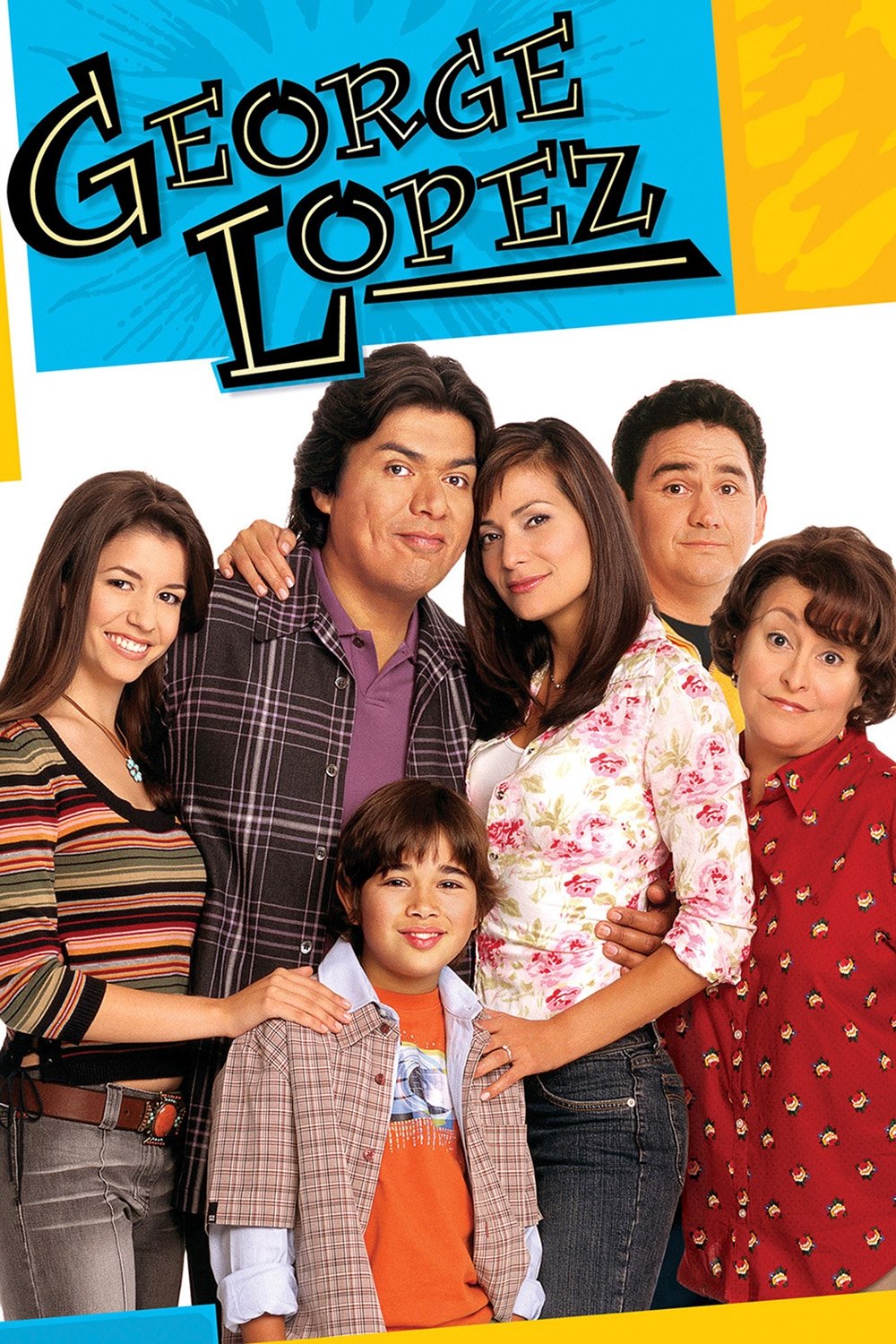
Lopez has used comedy to address the harsh realities of aging in a business that often ignores the Latino community. He has frequently joked about and criticized the way Hollywood replaces older actors or cancels shows centered on mature Hispanic families. His sitcoms have been among the few to portray the life of a middle-aged Latino father, fighting against the invisibility of that demographic on television. Lopez continues to create his own content to ensure men of his age and background are represented.
Javier Bardem
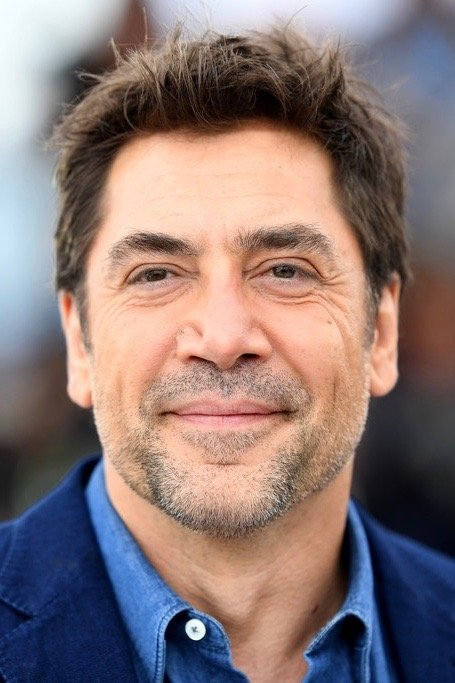
While an international superstar, Bardem faces the Hollywood tendency to cast him as the villain as he ages, rather than the romantic lead he plays in Europe. He has resisted the industry’s push to categorize him solely by his accent and age, choosing roles that subvert expectations. Bardem has acknowledged that American cinema offers fewer nuanced roles for men over 50 compared to European cinema. He combats this by carefully selecting projects that allow him to display range beyond the scary older antagonist.
Alfred Molina
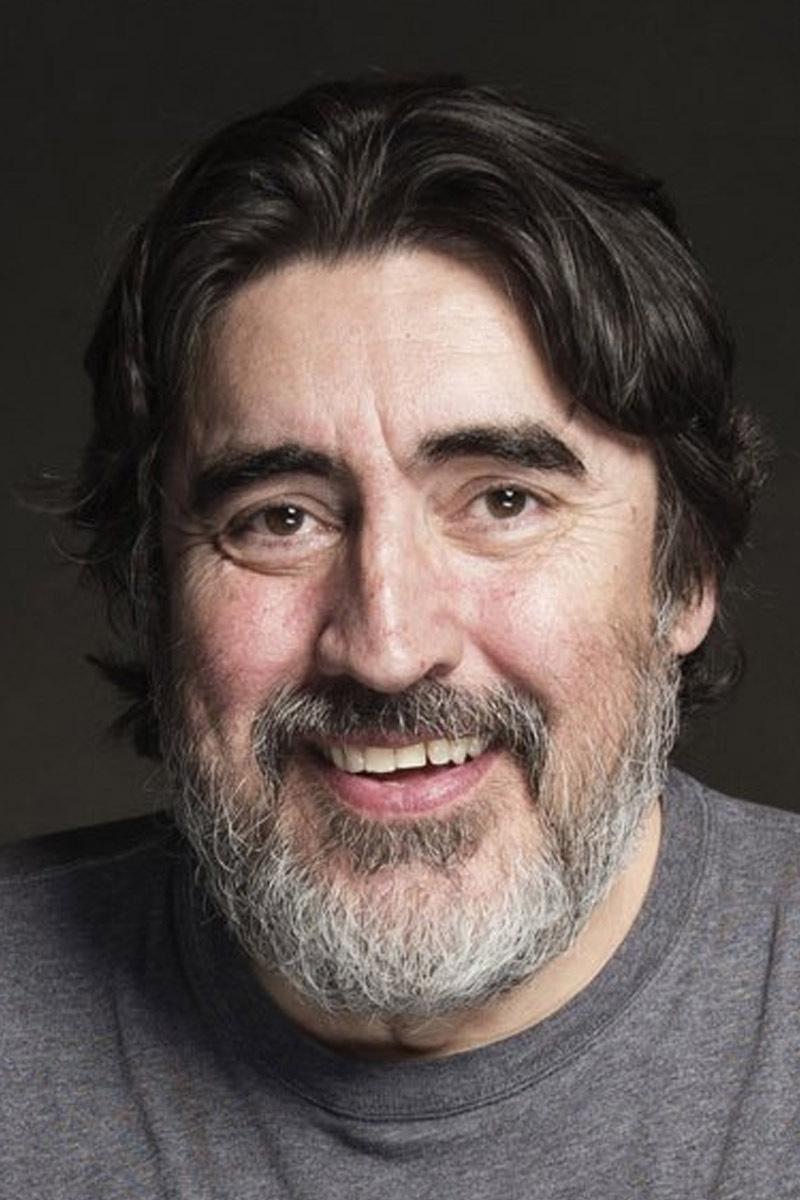
Molina has played a vast array of ethnicities, but as a man of Spanish descent, he has faced the industry’s shifting typologies for older “ethnic” men. He transitioned from playing lovers and villains to authority figures, often discussing the freedom and limitations of character acting. He has openly embraced his changing physical appearance to secure roles, refusing to chase youth through artificial means. Molina’s career proves that versatility is the best defense against the industry’s desire to retire actors past a certain prime.
Tony Plana
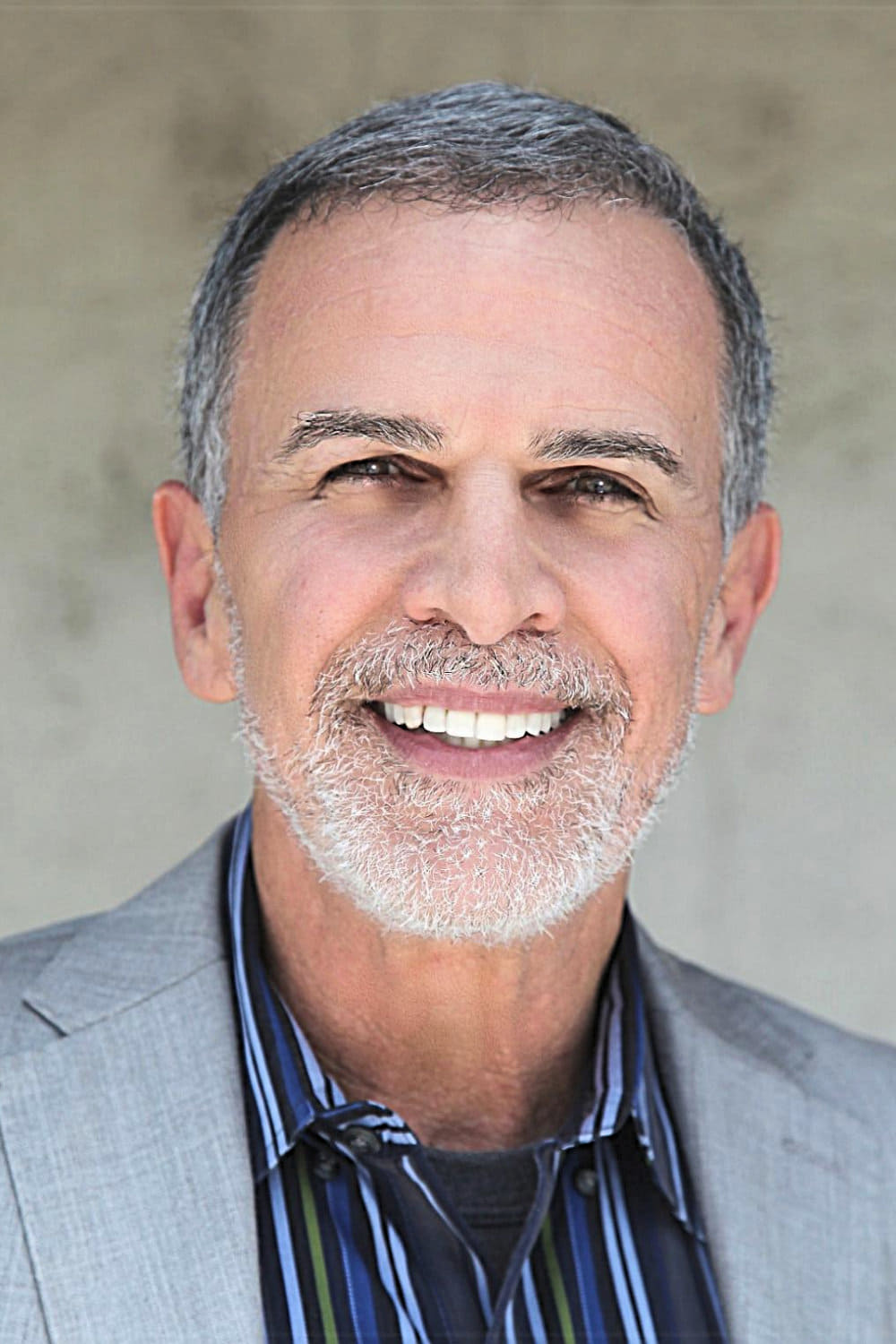
Best known as the father in ‘Ugly Betty’, Plana has spent decades fighting for roles that portray older Latino men with dignity and intelligence. He has faced the industry’s habit of casting veteran Hispanic actors solely as gardeners or struggling immigrants, regardless of their training. Plana has used his platform to advocate for more diverse storytelling that includes the perspectives of the older generation. His work emphasizes the need for father figures who are professional and complex, rather than stereotypes.
Pepe Serna
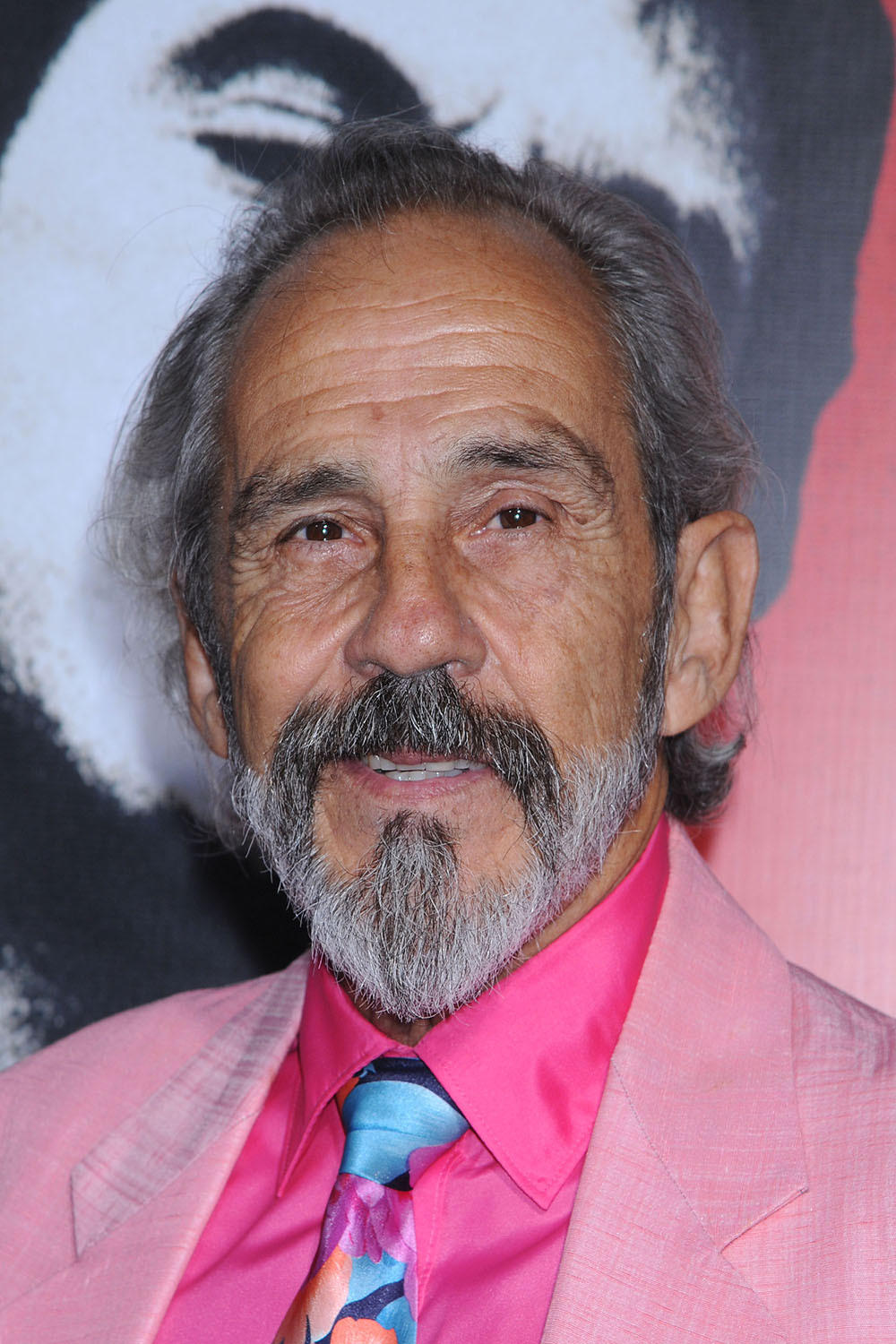
With over a hundred credits, Serna is a veteran who has seen the industry’s treatment of Latinos change slowly over decades. He has discussed the struggle of moving from “thug” roles in his youth to finding substantial work as a senior citizen. Serna often had to create his own one-man shows to demonstrate his range, as casting directors rarely called him for leads. His endurance highlights the blue-collar reality of aging Latino actors who must hustle continuously to remain visible.
Luis Guzmán
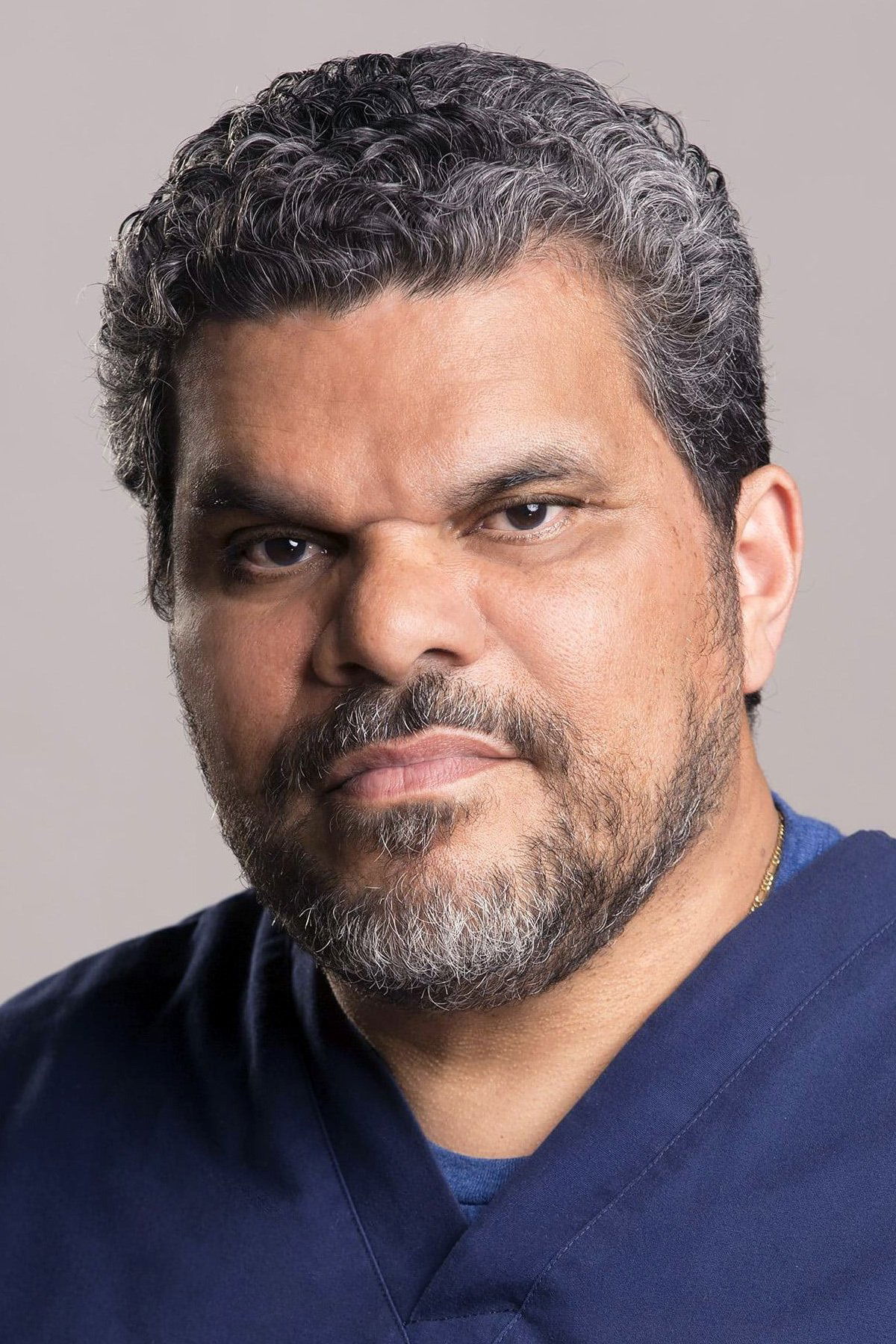
Guzmán has made a career out of being the “sidekick” or the “heavy,” roles that often come with an expiration date as physicality wanes. He successfully transitioned into playing endearing father figures and comedic relief, combating the industry’s tendency to discard character actors. Guzmán has spoken about the importance of authentic representation and the lack of scripts written for guys who look like him. He defied the odds by becoming more popular with age, challenging the conventional beauty standards of Hollywood.
Emilio Rivera
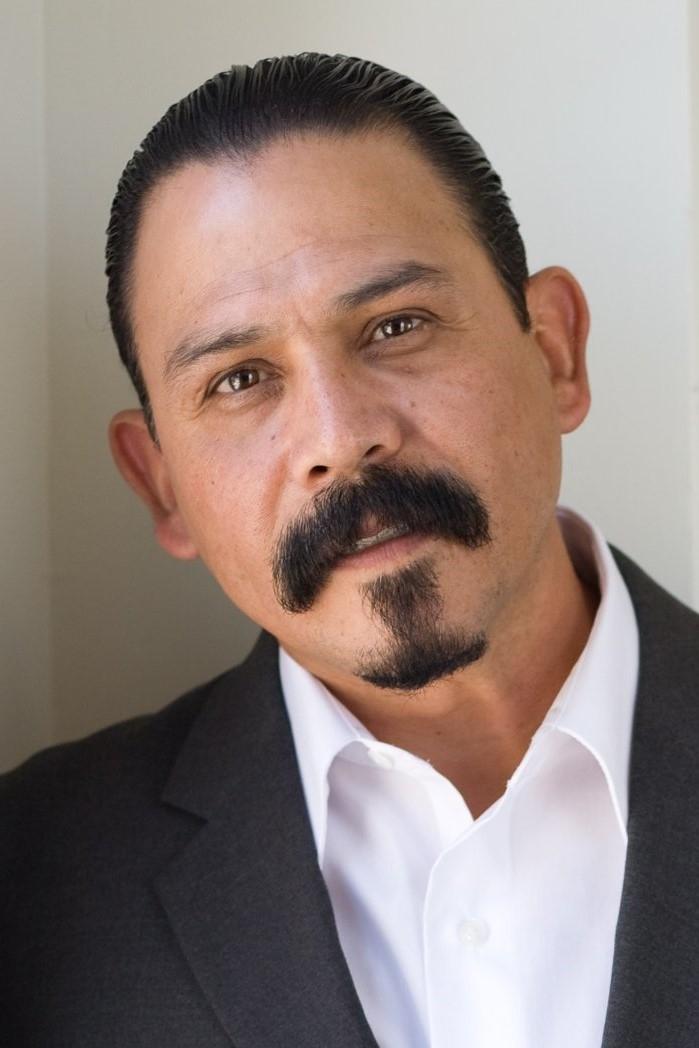
Rivera faced intense typecasting as a gang member for decades, a role that became harder to sustain as he matured. He fought to bring depth to these characters, eventually landing roles that explored the regret and wisdom of aging out of a life of crime. Rivera has been vocal about the need for stories that show the evolution of these characters, rather than just their violent youth. His career serves as a bridge, humanizing a demographic often dehumanized and discarded by screenwriters.
Raymond Cruz
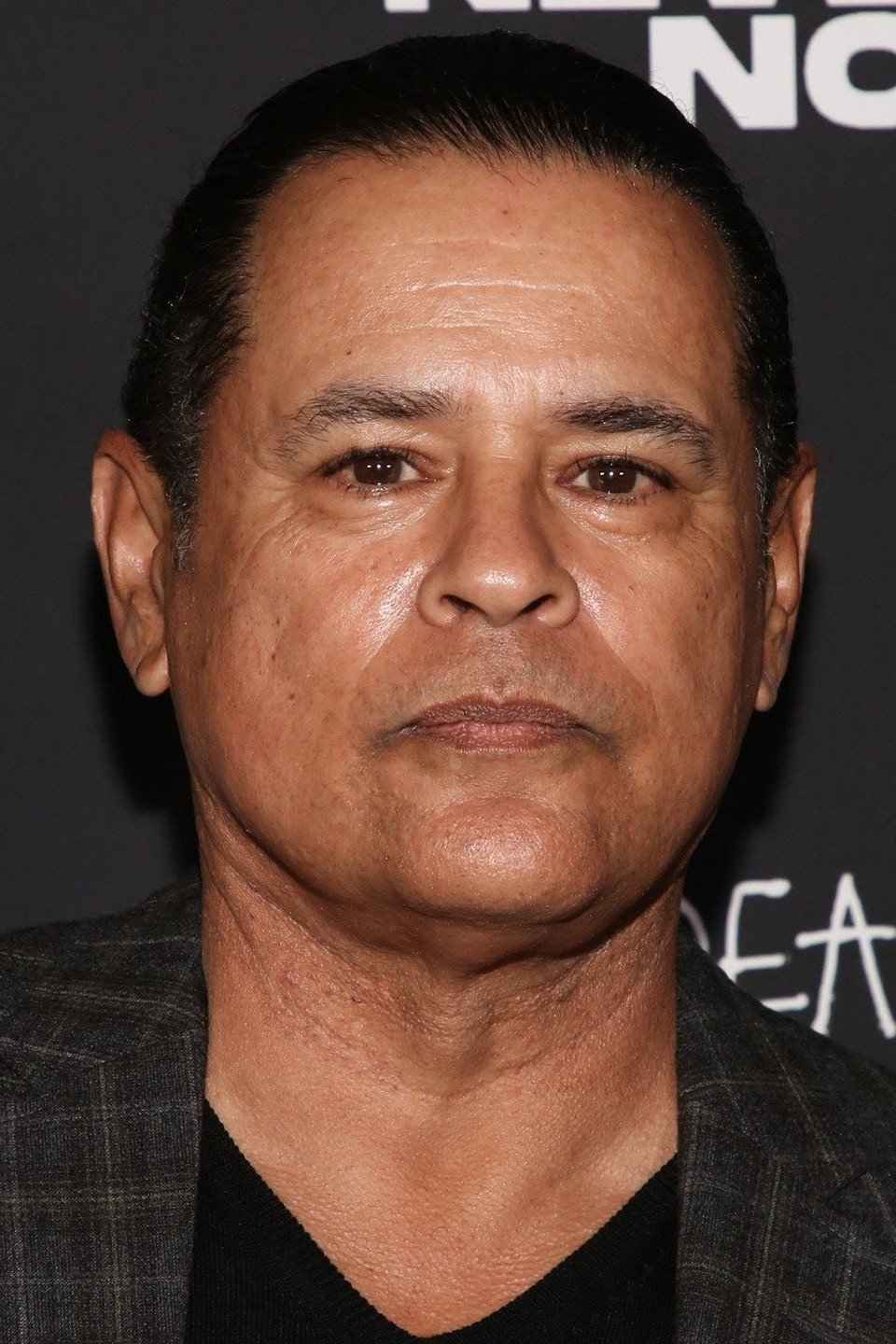
Known for intense, volatile roles, Cruz has had to navigate the industry’s desire to see him repeat the same performance for thirty years. As he aged, he sought to play characters with more psychological depth, refusing to be limited to the “young gangster” archetype. He has discussed the challenge of finding writers who understand the Latino experience beyond the street level. Cruz’s ability to maintain a steady career is a victory against an industry that often treats Latino actors as disposable trends.
Clifton Collins Jr.
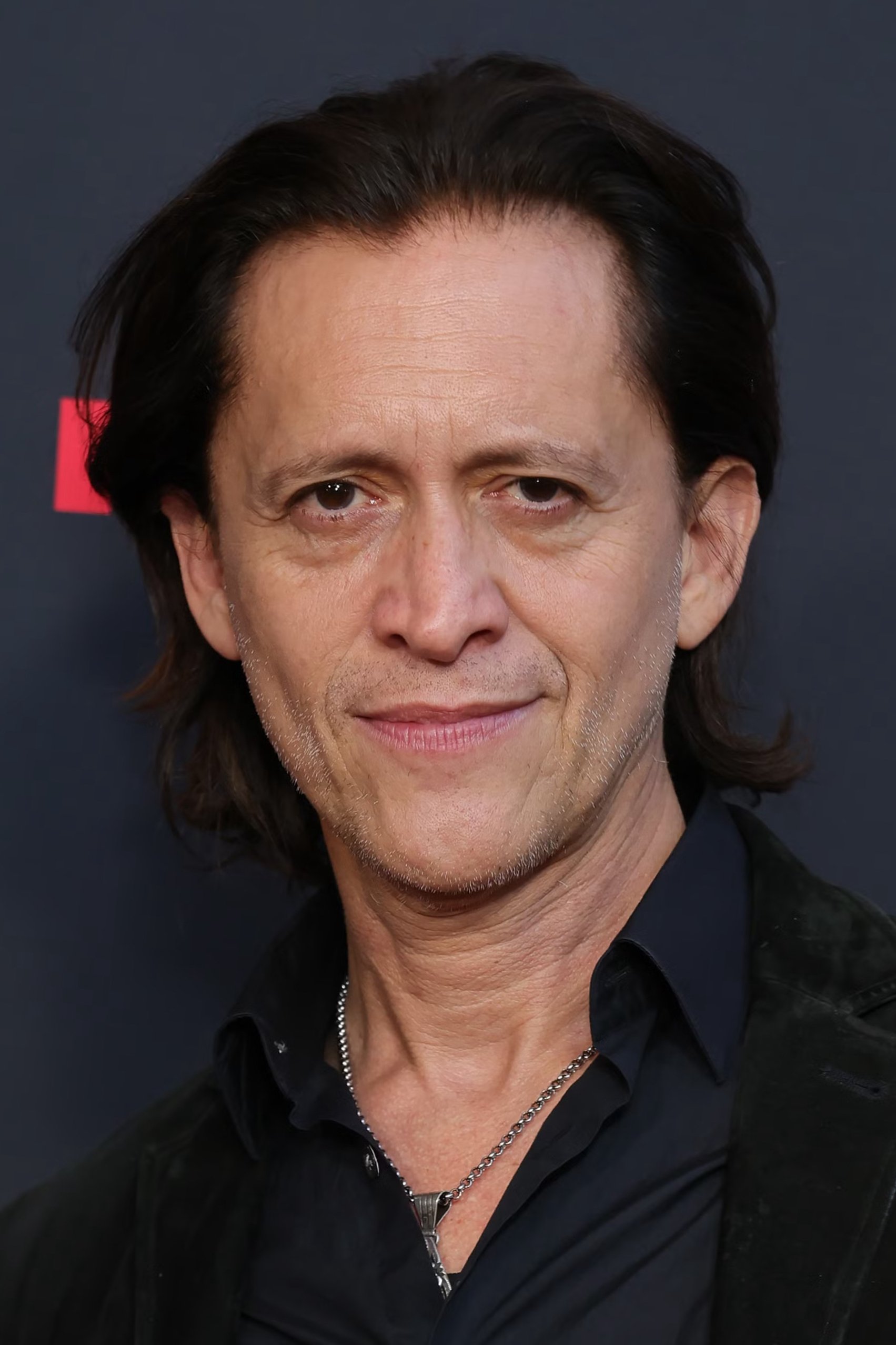
Collins has been a chameleon in the industry, yet he has struggled to receive the leading man recognition afforded to his white peers. He has faced the “ethnic best friend” ceiling, which becomes harder to break as an actor gets older. His starring role in ‘Jockey’ was a rare showcase of his talent in a mature, lead role, proving what he could do when given the chance. His career underscores the industry’s failure to bet on older Latino talent for prestige projects.
Demián Bichir
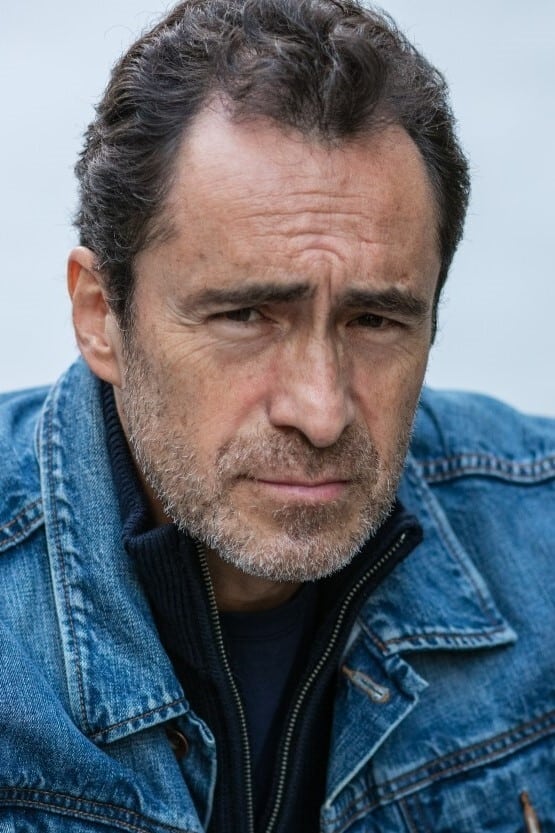
After a successful career in Mexico, Bichir faced the challenge of starting over in Hollywood as a middle-aged man. He encountered an industry that often wanted to cast him in stereotypical supporting roles despite his Oscar-nominated talent. Bichir has fought for characters that defy simple categorization, playing everything from gardeners to detectives to avoid being boxed in. His journey highlights the difficulty for established international stars to find respect and substantial screen time in the US market as they age.
Eugenio Derbez
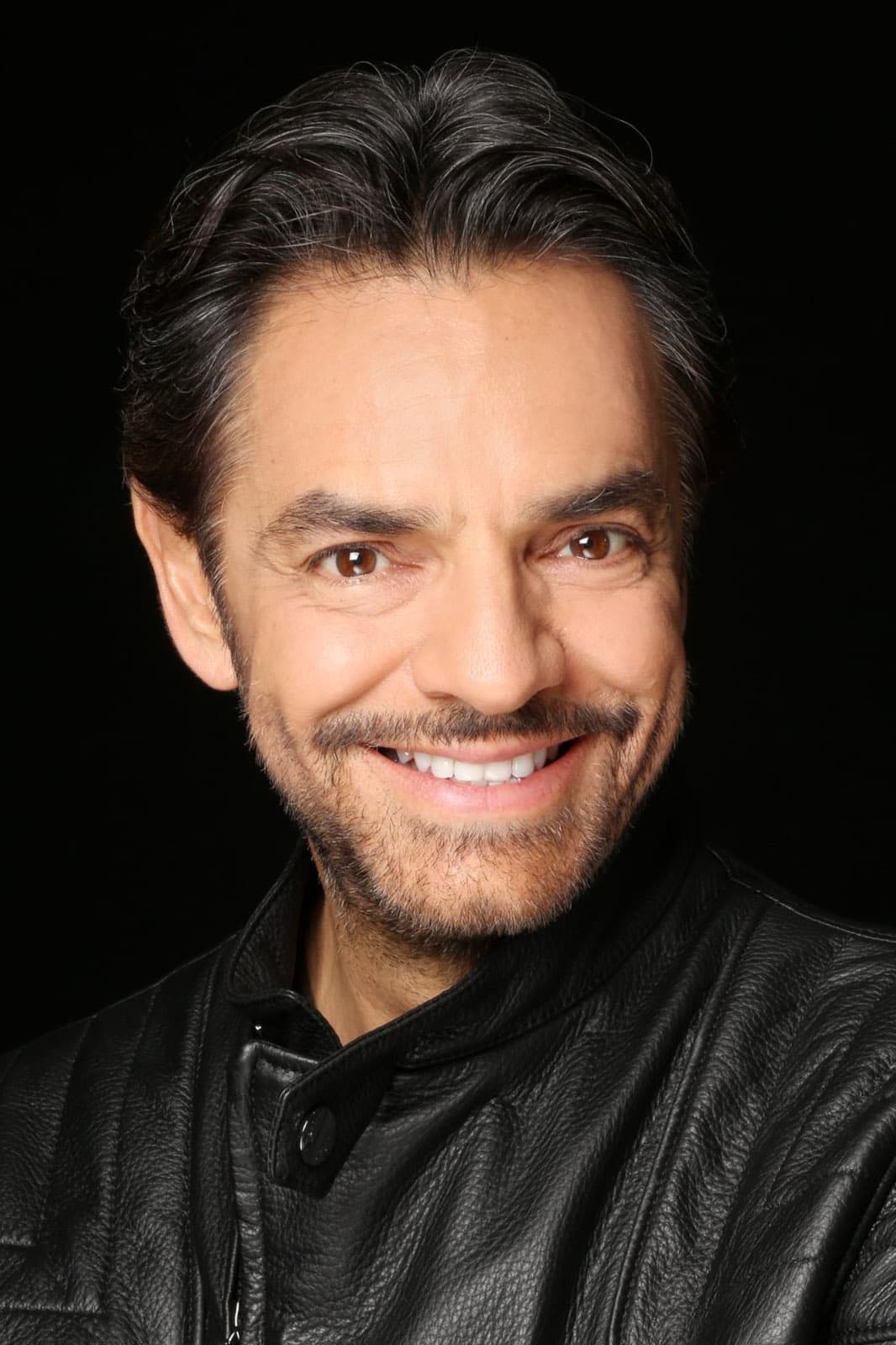
Derbez arrived in Hollywood as a massive star in Mexico but had to grapple with being seen as a “newcomer” in his 50s. He faced skepticism from executives who didn’t believe an older Latino man could carry a global comedy blockbuster. To combat this, he began producing his own films, such as ‘Instructions Not Included’, proving the massive audience demand for his work. His success was a direct rebuttal to the ageist and exclusionary practices of major studios.
Pedro Pascal
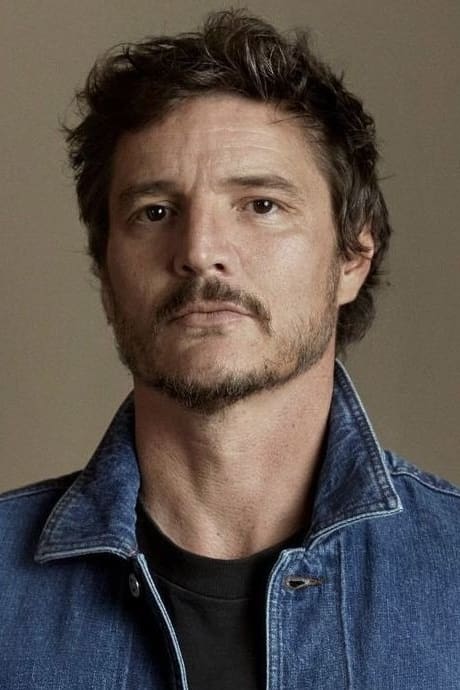
Pascal’s rise to superstardom came later in life, a rarity in an industry that prefers to discover stars in their twenties. He spent years toiling in guest spots and theater, facing the “ambiguous ethnicity” casting trap before breaking through. His success challenges the narrative that Latino actors have a short shelf life or must break out young to succeed. He represents a changing tide, though his journey highlights the decades of overlooked talent that many of his peers endure.
Lou Diamond Phillips
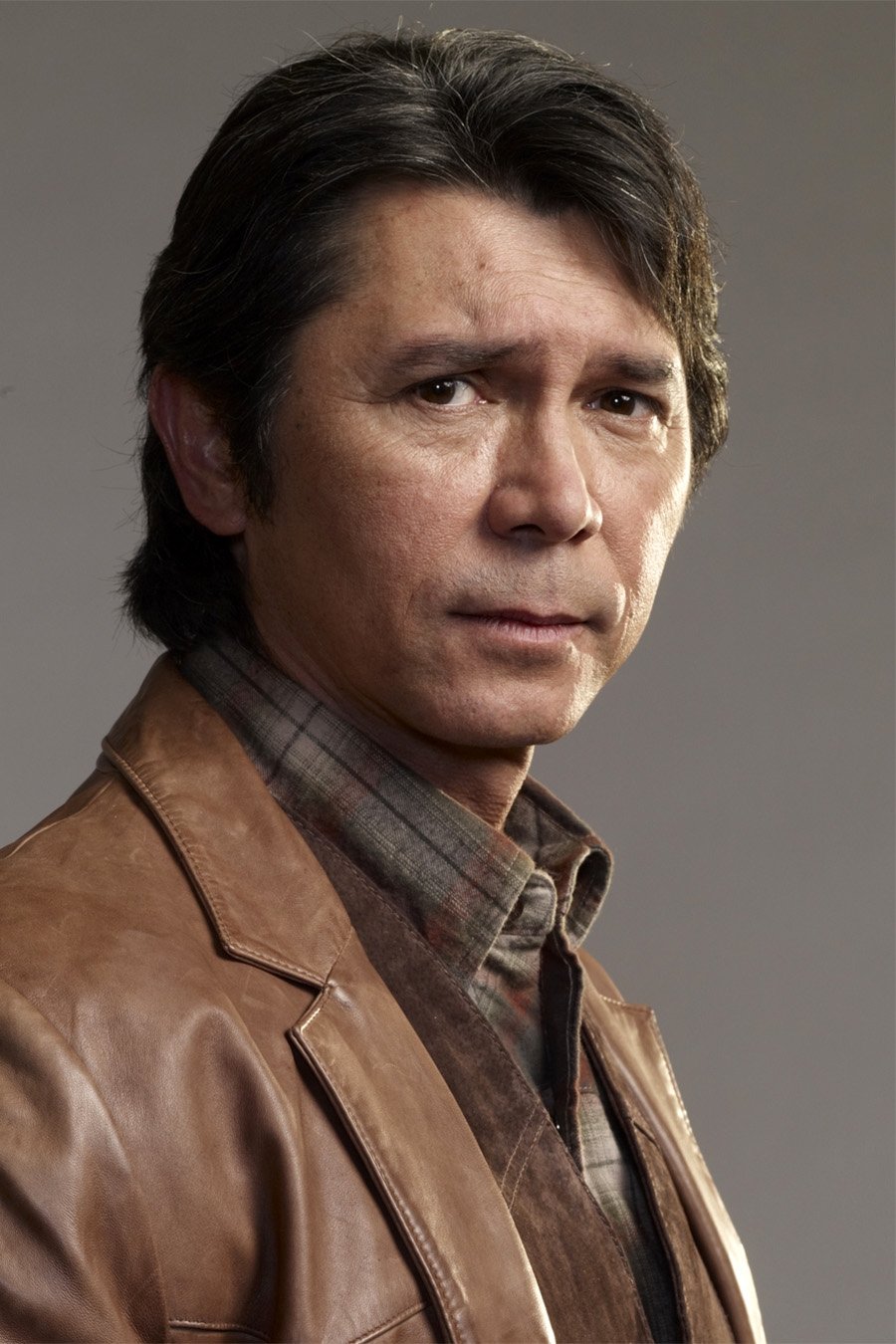
While of mixed heritage, Phillips is culturally identified as a Latino icon by many fans and has faced the specific pigeonholing associated with it. He exploded onto the scene in ‘La Bamba’ and ‘Stand and Deliver’ but had to fight to remain relevant as the “young rebel” roles dried up. He transitioned into television and character work, often discussing the ebb and flow of a long career in a fickle industry. Phillips has navigated the “exotic” label for decades, finding ways to age gracefully in a business that often discards ambiguity.
Benjamin Bratt
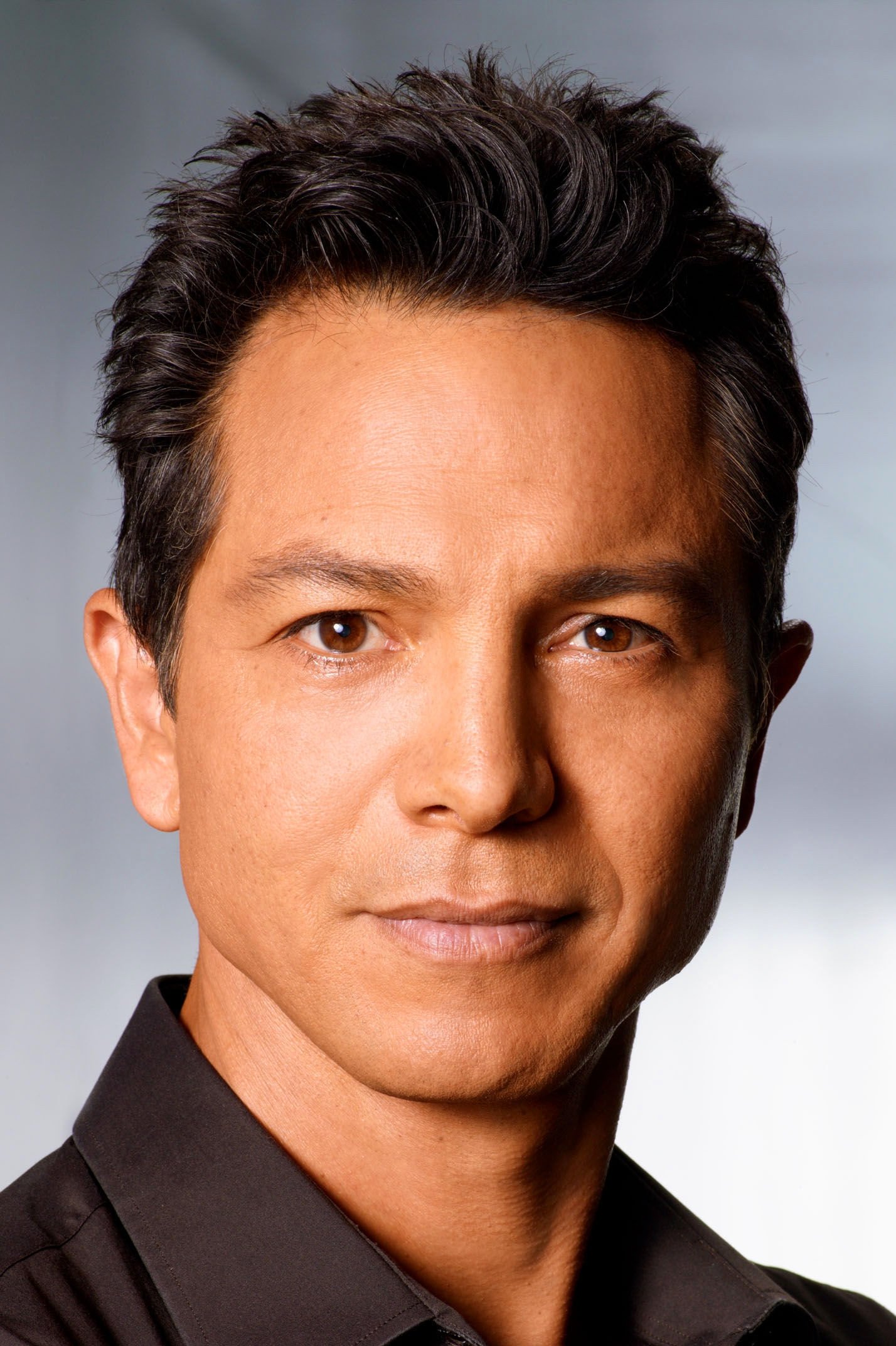
Bratt was one of the few Latino actors to achieve traditional leading man status in the 90s, but maintaining that position required constant maneuvering. As he aged, he moved towards voice acting and ensemble television roles to avoid the diminishing opportunities for solo leads. He has acknowledged the industry’s slow progress and the need for more producers of color to create roles for veteran actors. Bratt’s shift to producing highlights his proactive approach to the scarcity of mature roles.
Giancarlo Esposito
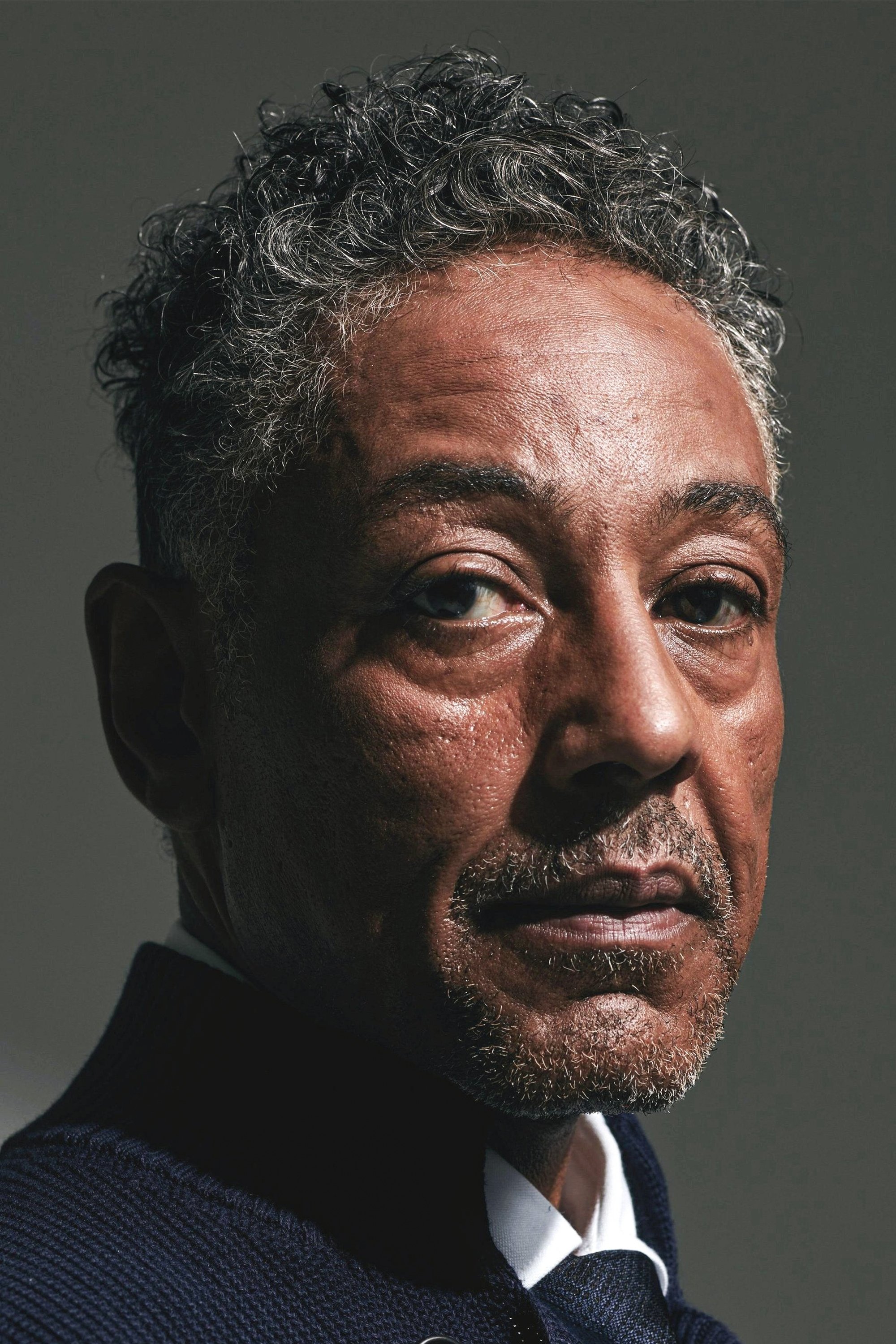
Esposito worked for decades as a journeyman actor before finding a new level of fame as a villain in his later years. He faced the dual challenges of race and age, often being cast in nondescript support roles until he redefined his image. He has spoken about the struggle to be seen as a lead and the liberation of finally being offered complex, intellectual roles. His career resurgence is a stark reminder of how much talent is overlooked until it fits a specific, often villainous, mold.
Jacob Vargas
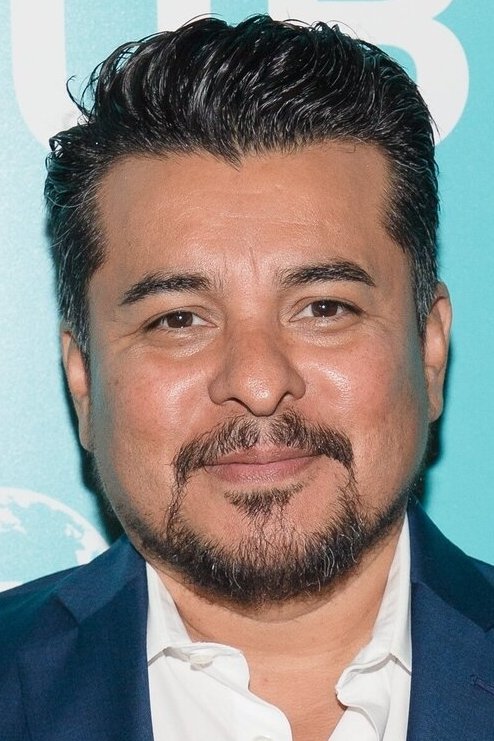
Vargas has been acting since he was a child, literally growing up on screen and facing the difficult transition from “street kid” to adult actor. He navigated the industry’s awkward phase where former child stars are often discarded, especially those of color. Vargas managed to secure regular work by embracing character roles, acknowledging the grind required to stay employed. His longevity serves as a guide for younger actors facing the same industry hurdles.
Jesse Borrego
Borrego burst onto the scene in ‘Blood In Blood Out’ but found that the industry struggled to find a place for him as he matured. He remained committed to independent cinema and theater, where roles for older Latinos were more abundant and authentic. He has spoken about the importance of preserving culture through art when Hollywood turns a blind eye. His career is a testament to the artistic integrity required to survive when mainstream doors close due to age and typecasting.
Benito Martinez
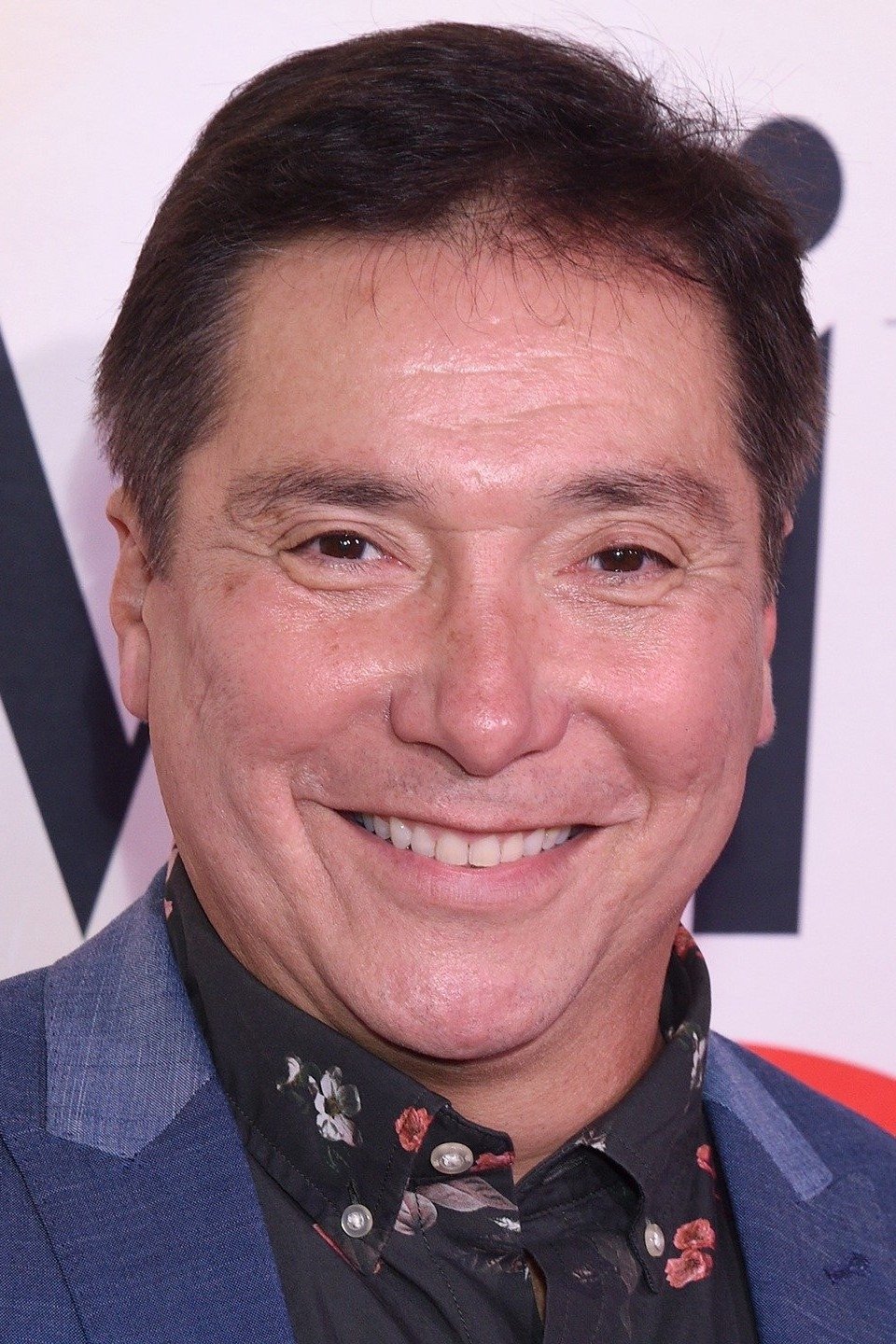
Martinez is a familiar face on television, often playing politicians, police captains, or fathers. He has successfully navigated the “suit” roles that are often the only option for aging Latino actors who aren’t cast as criminals. He has consistently delivered grounded performances that elevate limited material, fighting for the humanity of his characters. Martinez’s steady work illustrates the limited but vital niche available to veteran Hispanic actors in procedural dramas.
Yul Vazquez
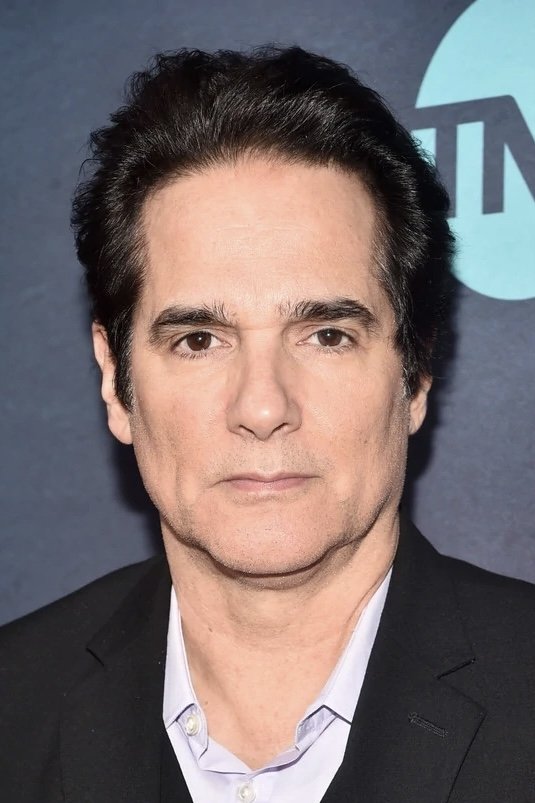
Vazquez has built a reputation as a scene-stealer, often playing eccentric or intense characters that defy easy categorization. As he has aged, he has leaned into these quirks to avoid the generic “older Hispanic male” roles that the industry offers. He has managed to work across genres, from comedy to gritty drama, keeping his career vital by refusing to be bored or boring. His path highlights the necessity of distinctive character work to combat ageist casting.
Nestor Carbonell
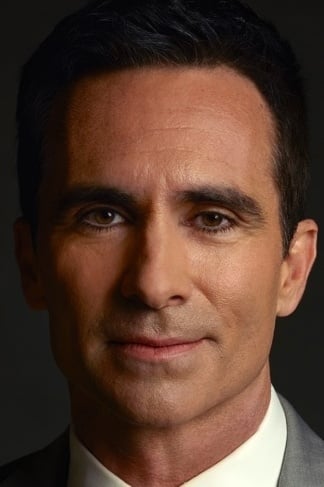
Carbonell has often played characters of ambiguous ethnicity, which allowed him to work steadily, but he still faces the industry’s youth bias. He transitioned from the “young professional” roles in sitcoms to darker, more complex figures in dramas like ‘Bates Motel’. He has used his ageless appearance to his advantage but has also moved into directing to ensure his longevity. Carbonell represents the actor who must constantly diversify his skillset to remain in the game.
Tony Dalton

Dalton found massive success in Mexico before breaking into the US market in his 40s with ‘Better Call Saul’. He faced the challenge of being a “new” face to American audiences despite being a veteran, requiring him to prove himself all over again. His charismatic performance broke the mold of the stoic cartel member, showing that older actors can bring fresh energy to tired tropes. His late crossover success highlights the global talent pool that Hollywood often ignores until late in the game.
Damián Alcázar
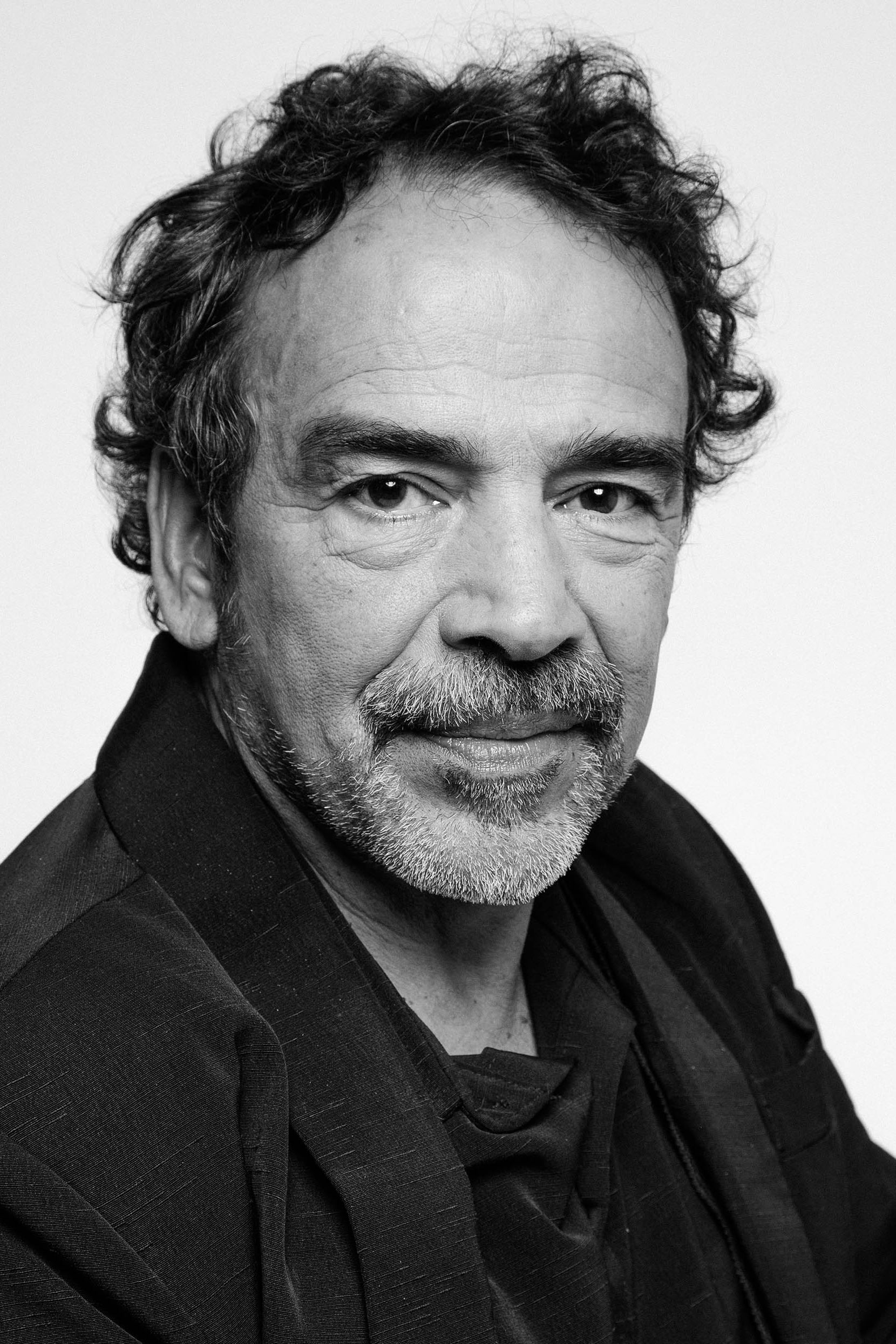
Alcázar is a giant of Mexican cinema who has faced the typical limitations when working in Hollywood productions. He is often cast in small roles that do not utilize his immense range, a common problem for foreign actors aging into the US system. He continues to prioritize Spanish-language projects where he can play complex leads rather than American stereotypes. His career underscores the disparity between the respect afforded to actors at home versus their treatment in Hollywood.
Gael García Bernal
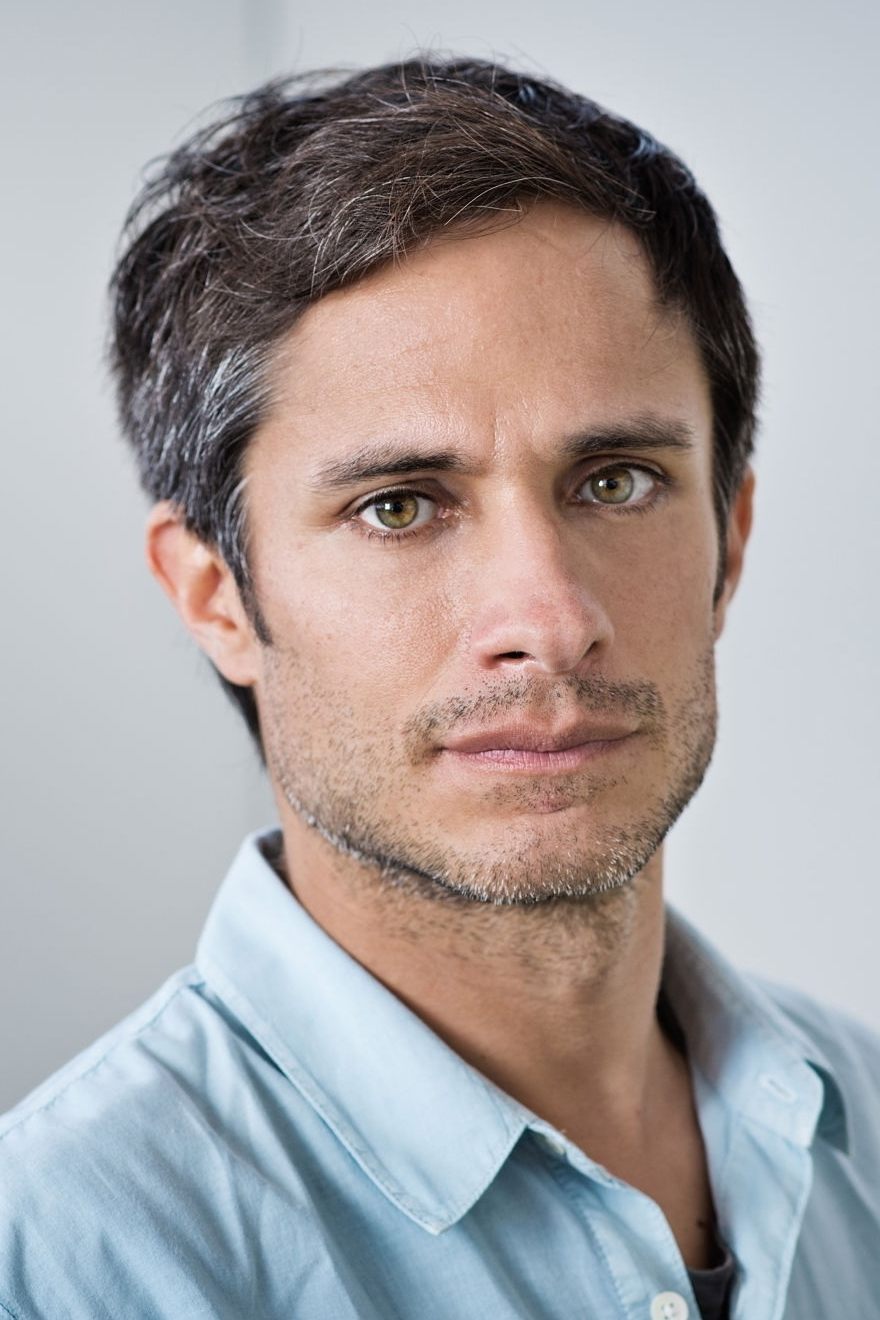
Bernal captured global attention as a young heartthrob, and his transition into middle age has been a deliberate rebellion against that image. He has chosen offbeat, experimental, and socially conscious roles that challenge the industry’s desire to keep him in a “sexy” box. Bernal has stepped behind the camera to tell stories that matter, refusing to let his career be defined by fading youth. His choices reflect a conscious effort to mature on his own terms.
Diego Luna
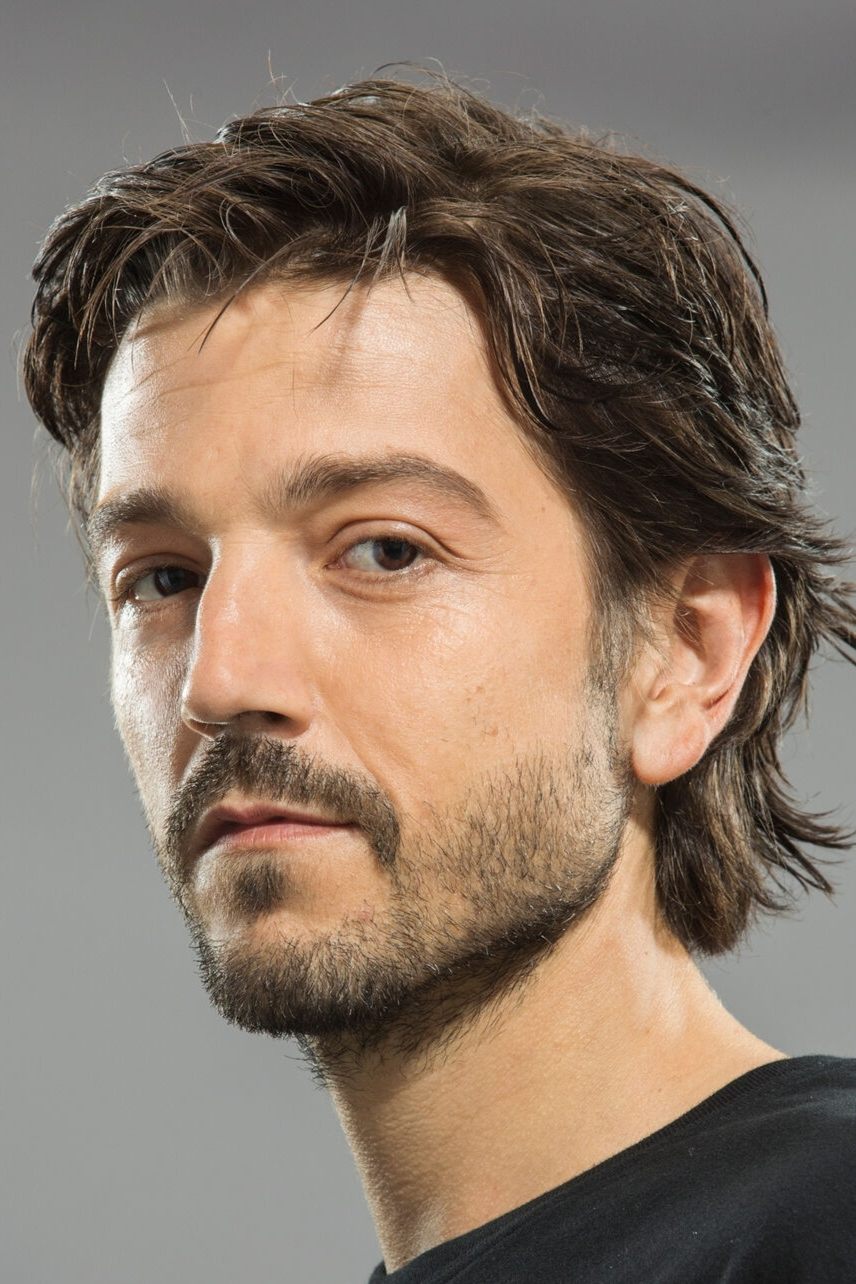
Like his frequent collaborator Bernal, Luna grew up in the public eye and had to navigate the transition from child star to adult filmmaker. He has fought against the tokenization of Latino actors, using his platform to produce content that highlights diverse voices. Luna’s role in ‘Andor’ allowed him to lead a massive franchise as a mature actor, a rarity in a genre dominated by youth. He continues to push for roles that allow Latino men to be heroes rather than just sidekicks.
Amaury Nolasco
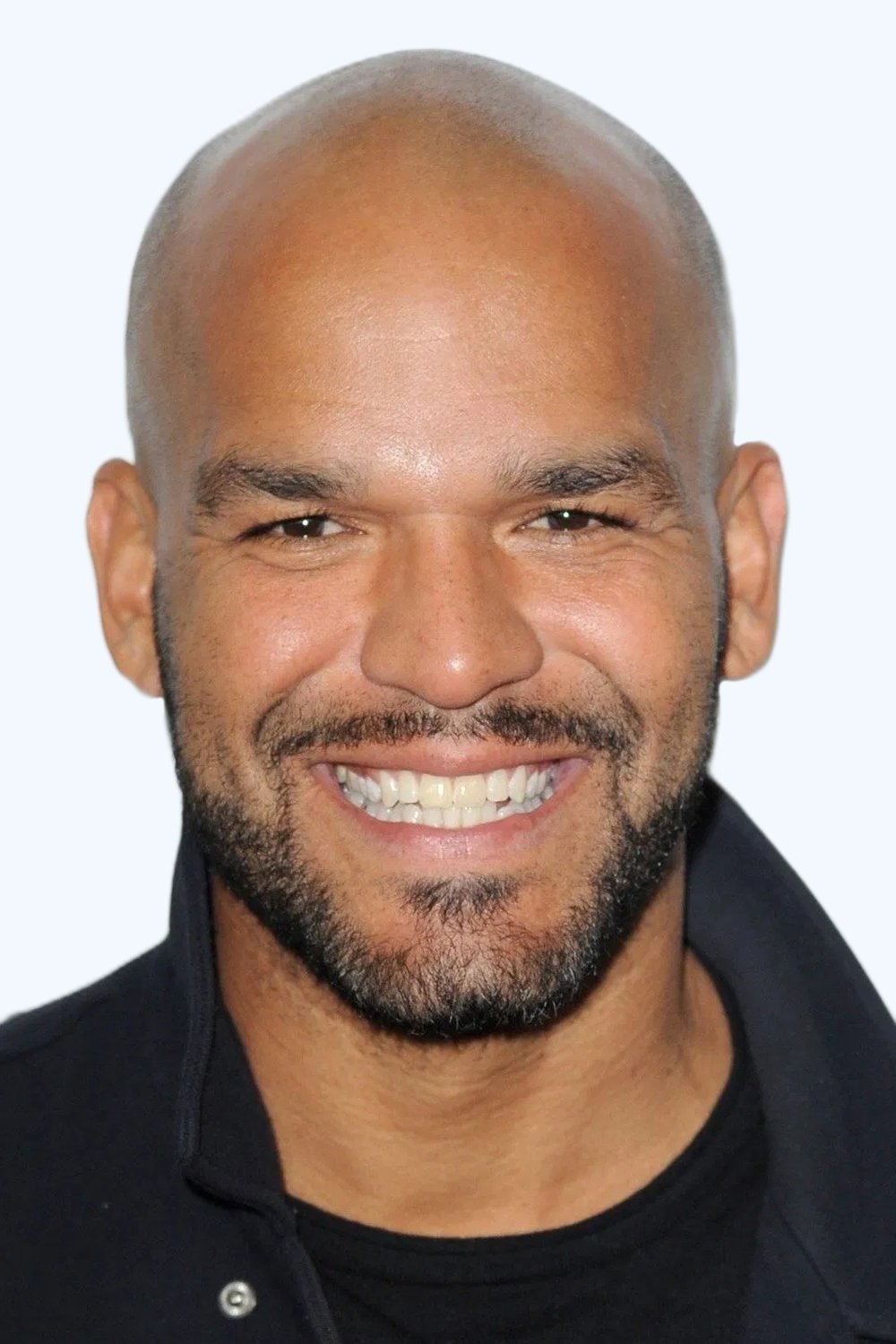
Best known for ‘Prison Break’, Nolasco became a recognizable face but faced the danger of being stuck in “inmate” or “thug” roles forever. As he aged, he sought out comedic and dramatic roles to broaden his perception in the industry. He has managed to find work in various procedurals, often playing the charming but tough operative. His career reflects the constant hustle to find variety in a limited casting pool.
David Zayas
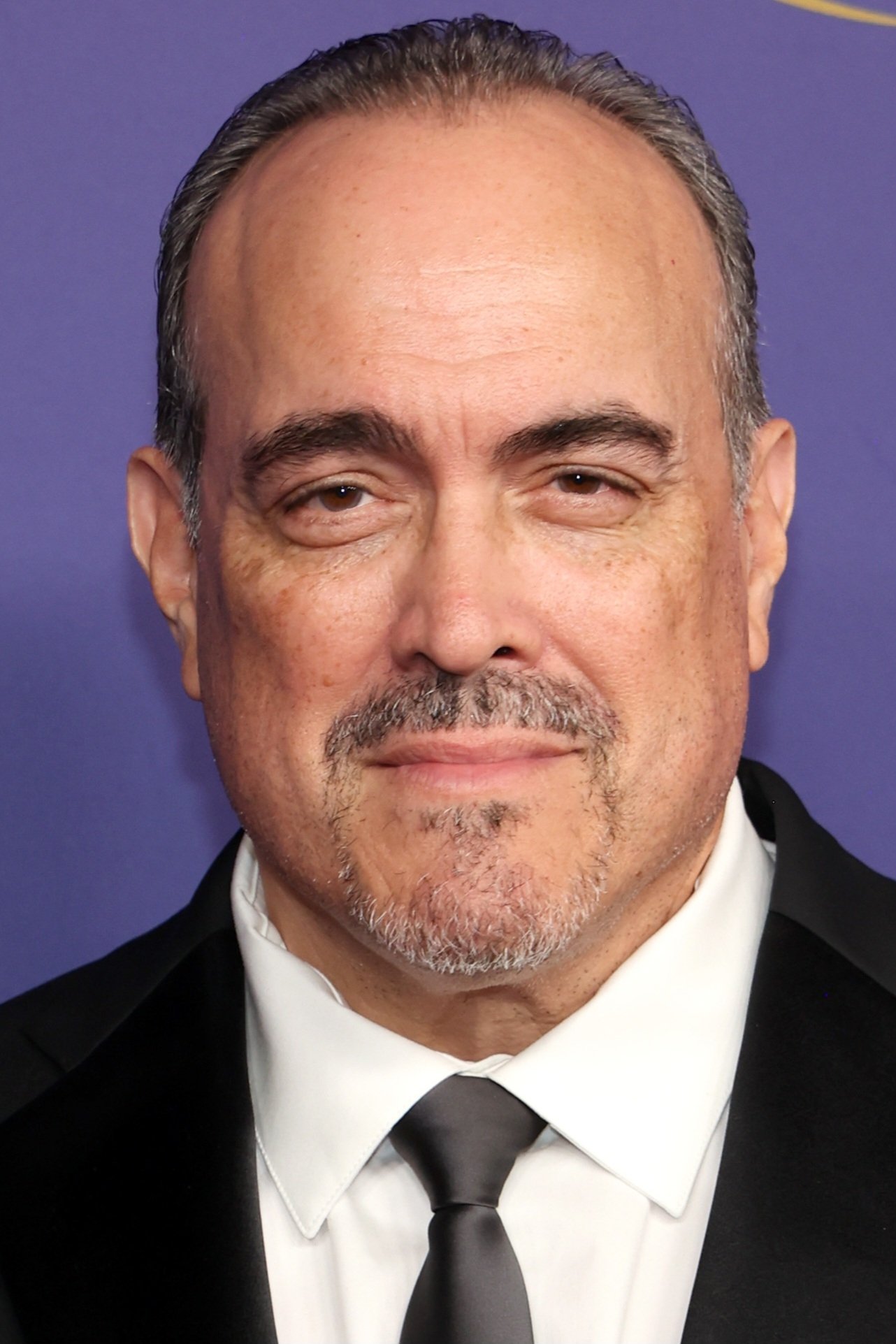
Zayas transitioned from a real-life police officer to playing them on screen, most notably in ‘Dexter’. He faced the risk of being permanently typecast as the “cop,” a role that limits an actor’s range as they get older. He has branched out into theater and villainous roles to keep his career fresh and challenge casting directors’ perceptions. Zayas remains a staple of New York filming, proving the value of authenticity over youth.
Kirk Acevedo
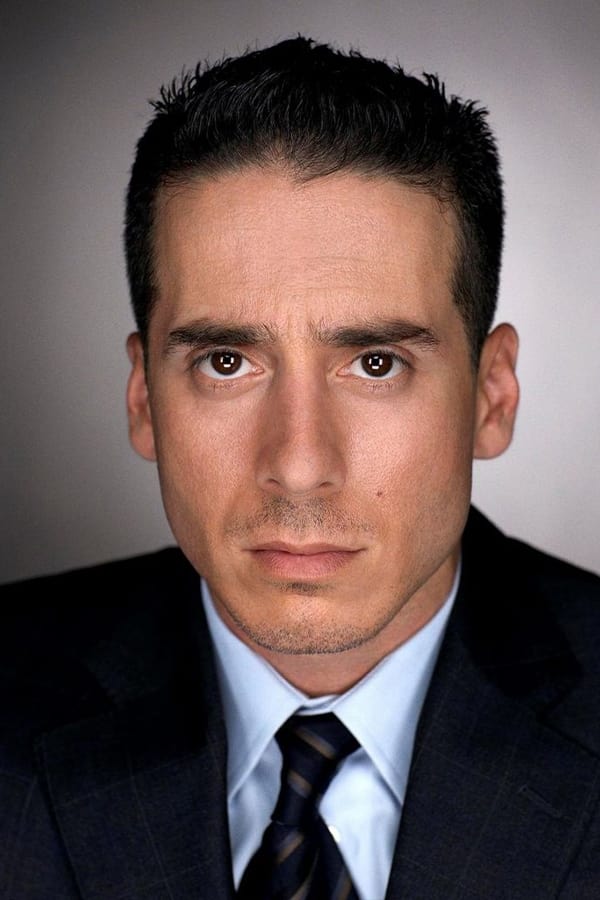
Acevedo has been a regular on television for decades, often playing intense, street-smart characters. He has had to navigate the physical toll of these roles and the industry’s reluctance to cast him in softer, white-collar parts as he aged. He has spoken about the need for resilience and the reality of the “hustle” for Latino actors. His career highlights the difficulty of breaking out of the “tough guy” box once established.
Enrique Murciano
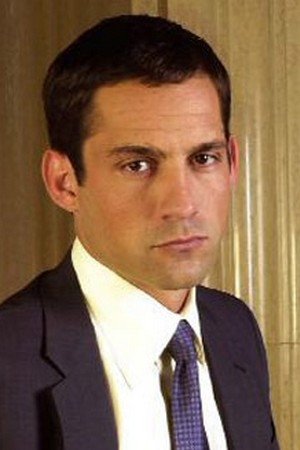
Murciano found early success as a heartthrob in ‘Without a Trace’ but had to adjust as the industry moved on to the next generation of young talent. He has continued to work in ensemble casts, bringing a veteran presence to various crime dramas. He has faced the typical narrowing of roles, often playing authority figures or fathers. His journey illustrates the quiet persistence required to maintain a career after the initial flush of fame fades.
Jay Hernandez

Hernandez started as a teen dream in ‘Crazy/Beautiful’ and faced the daunting task of proving he could handle adult, gritty material. He successfully landed the lead in ‘Magnum P.I.’, a rare win for a Latino actor stepping into an iconic role previously held by a white actor. He faced skepticism about his age and fit for the role but won audiences over. His success challenges the industry’s hesitation to bank on Latino leads for major network franchises.
Wilmer Valderrama
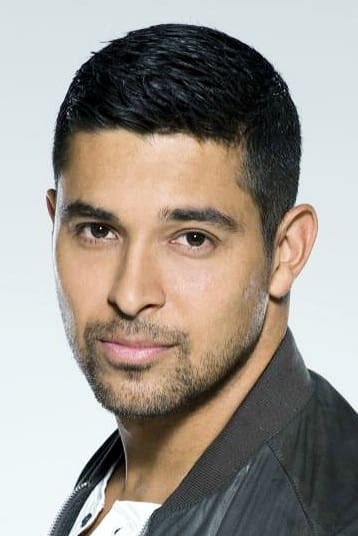
Valderrama became a household name as “Fez,” a role that was both a blessing and a curse due to its heavy caricature. He spent years working to shed the comedic, foreign exchange student image to be taken seriously as a dramatic actor in his 30s and 40s. His role in ‘NCIS’ marked a significant victory, allowing him to play a competent, dangerous agent. He continues to advocate for accurate representation, fighting the industry’s tendency to infantilize Latino men.
Freddie Prinze Jr.
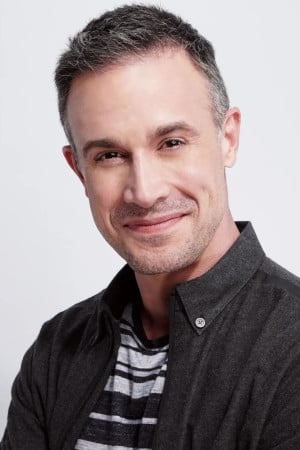
Prinze Jr. was the face of teen rom-coms in the late 90s, a genre that typically has a strict expiration date for its male leads. He stepped away from the spotlight as roles dried up, focusing on writing and voice work where his age and appearance were less scrutinized. He has spoken about the burnout and the hollow nature of fame in his youth. His transition to a behind-the-scenes creative force allowed him to age out of the “heartthrob” pressure on his own terms.
Michael Peña
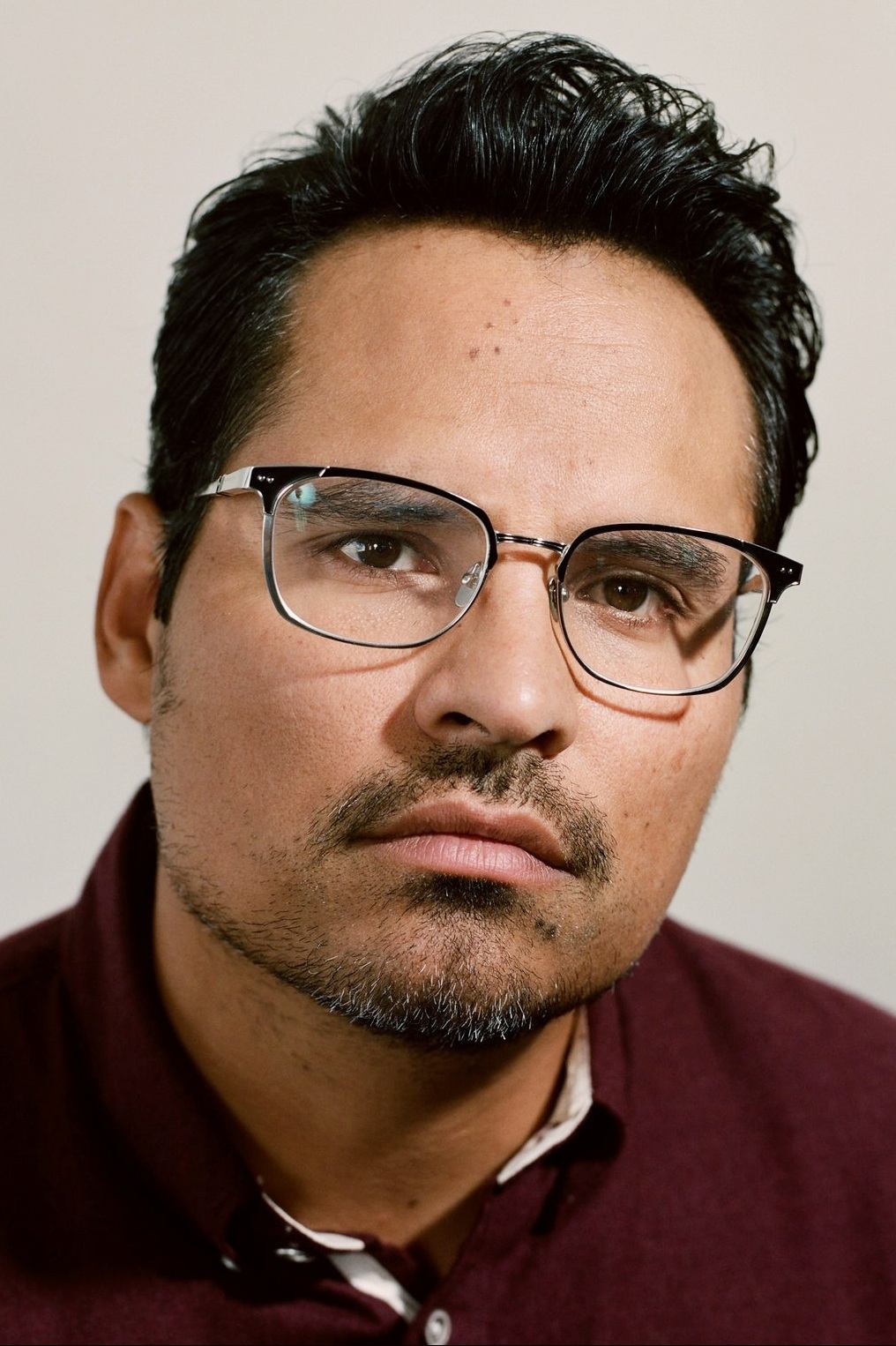
Peña has built a solid career as a character actor who can play anything, but he often faces the industry’s cap on how high a “character guy” can rise. He has oscillated between dramatic roles and comedic sidekicks, often stealing the show but rarely getting the girl or the glory. As he ages, he continues to work steadily, though often in supporting capacities. His career is a testament to the talent required to shine from the sidelines.
Oscar Isaac
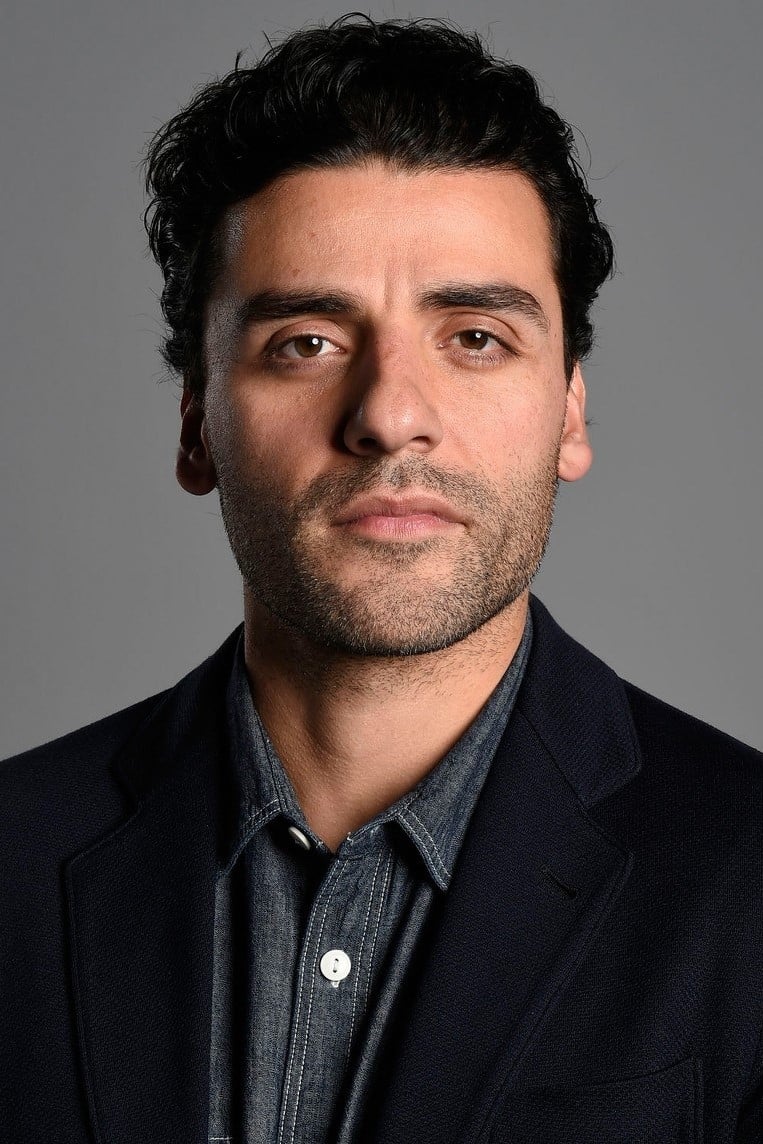
Isaac is currently at the peak of his powers, but he had to navigate a long period of “ambiguous” casting before breaking out. He has transitioned into roles that grapple with fatherhood and legacy, such as in ‘Dune’, embracing his maturity. He has been vocal about the importance of diverse storytelling and refusing to be pigeonholed. Isaac represents the hope that the next generation of aging Latino actors will have a wider canvas to play on.
In an industry that relentlessly chases the next big thing, these actors have demonstrated remarkable resilience and talent to maintain their place in the spotlight. Share your favorite performances by these legendary actors in the comments.