Latino Actors Taking a Stand Against AI

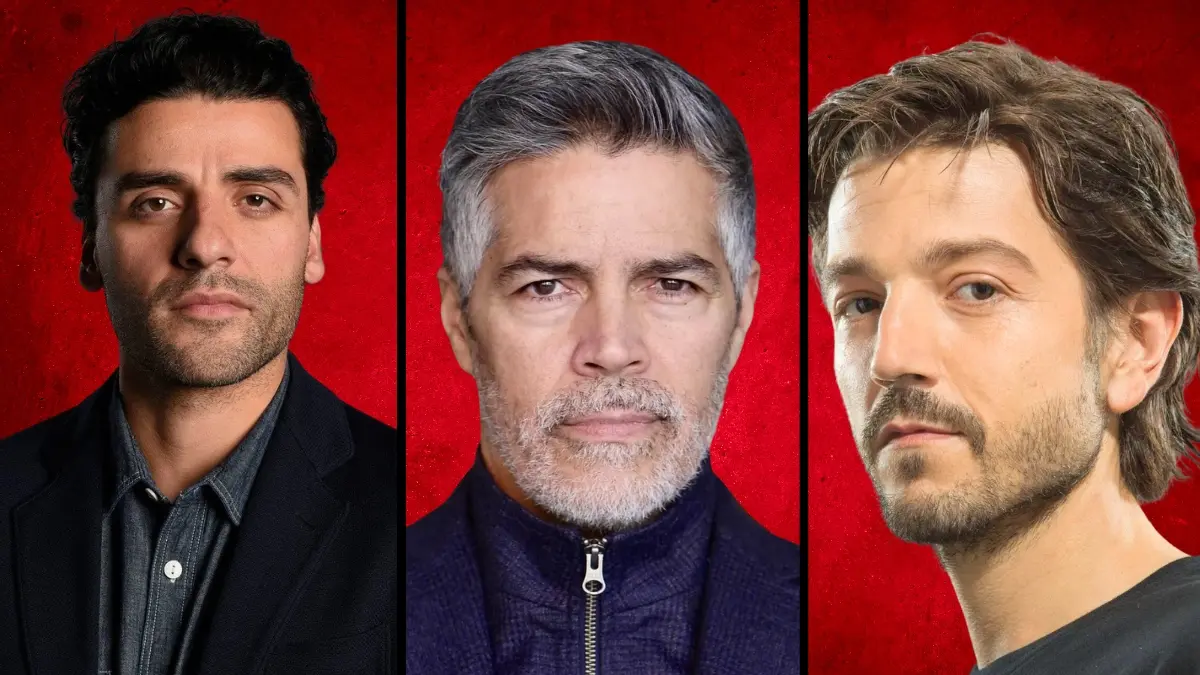

Artificial intelligence has become a central point of contention in the entertainment industry regarding the ownership of digital likenesses. Many performers fear that studios will use technology to replicate their voices and faces without proper compensation or consent. Latino actors have been particularly vocal about preserving human artistry and ensuring that their distinct cultural identities are not mimicked by algorithms. The following individuals have supported the movement to regulate AI in film and television through union activities or public advocacy.
John Leguizamo
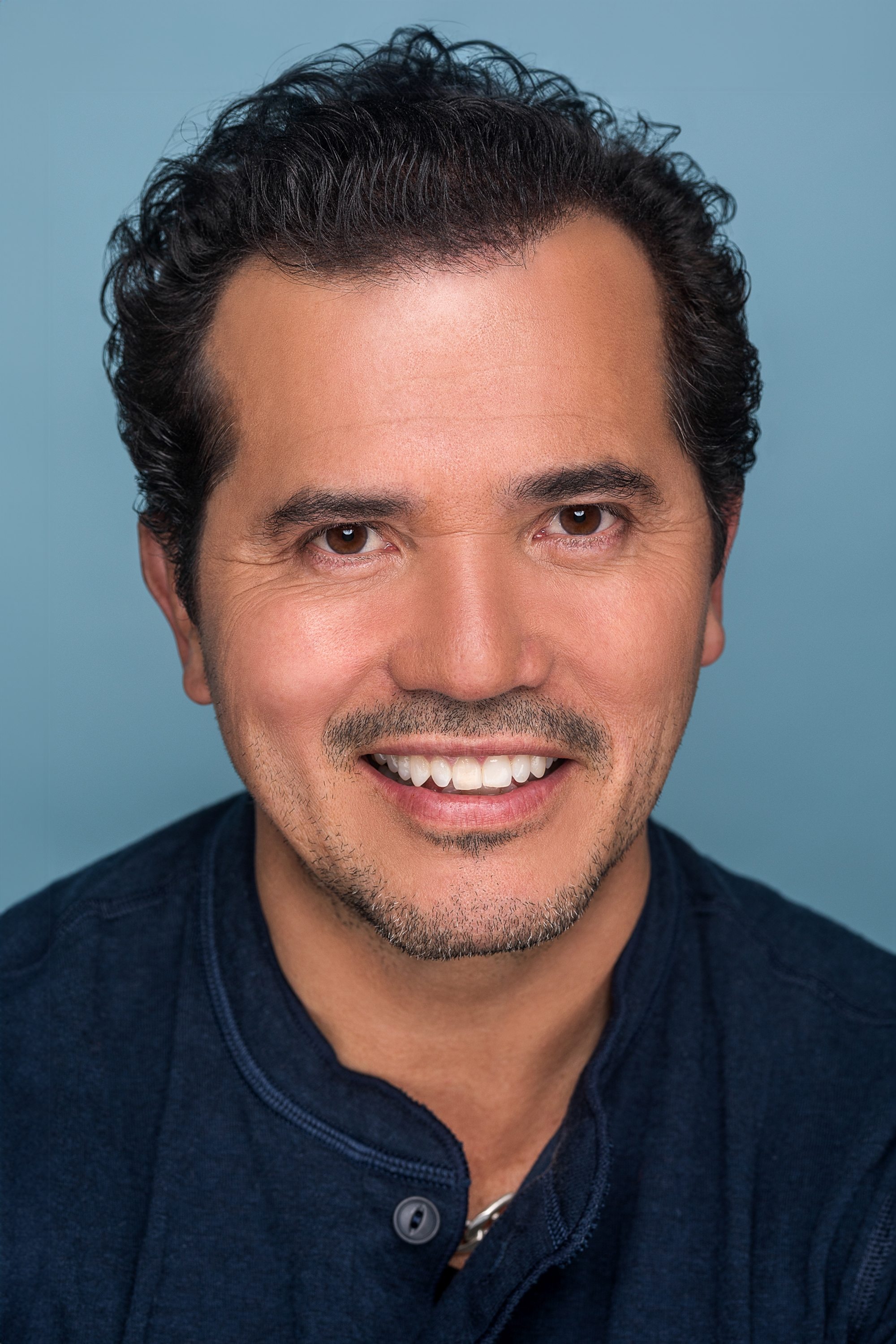
John Leguizamo has spent decades advocating for better representation of Latino communities in media. He joined the picket lines to demand stronger protections against the unauthorized use of digital replicas. The actor believes that artificial intelligence threatens to erase the nuance and soul that human performers bring to their roles. Leguizamo consistently pushes for contracts that ensure technology serves rather than replaces the artist. His stance reflects a broader commitment to labor rights and creative integrity.
Pedro Pascal
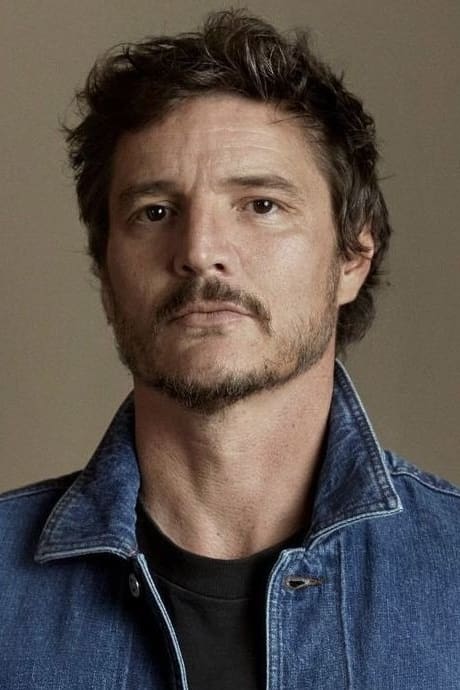
Pedro Pascal gained massive popularity through his emotionally resonant performances in genre television. He stood in solidarity with his union to ensure that background actors would not be replaced by digital scans. The actor recognizes that the rise of generative AI poses an existential threat to the profession of acting. Pascal supports regulations that prevent studios from using a performer’s image in perpetuity without fair pay. His participation in the labor movement highlighted the need for strict boundaries on technological overreach.
Oscar Isaac
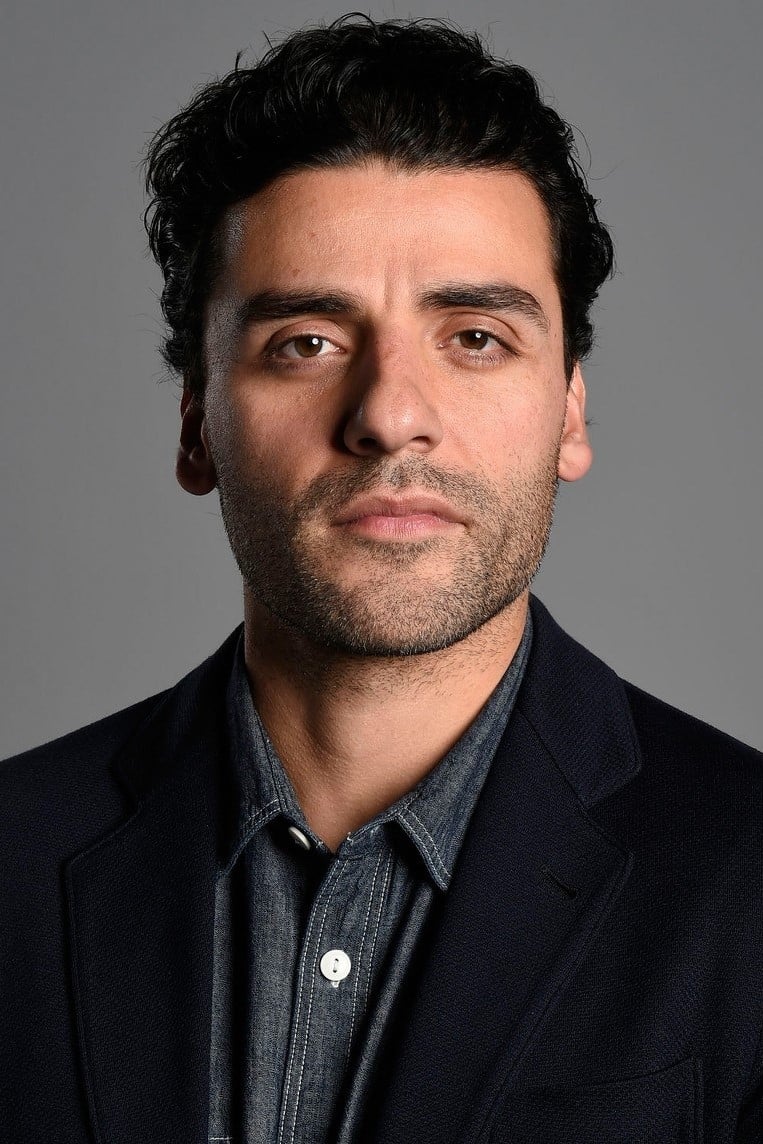
Oscar Isaac has built a career playing complex characters in both independent films and blockbuster franchises. He has expressed concern over the potential for studios to own an actor’s digital likeness forever. The actor supports the fight for consent and compensation regarding any digital alteration of a performance. Isaac values the tangible human connection in filmmaking that algorithms simply cannot replicate. He remains a steadfast supporter of protecting the rights of future generations of performers.
Diego Luna
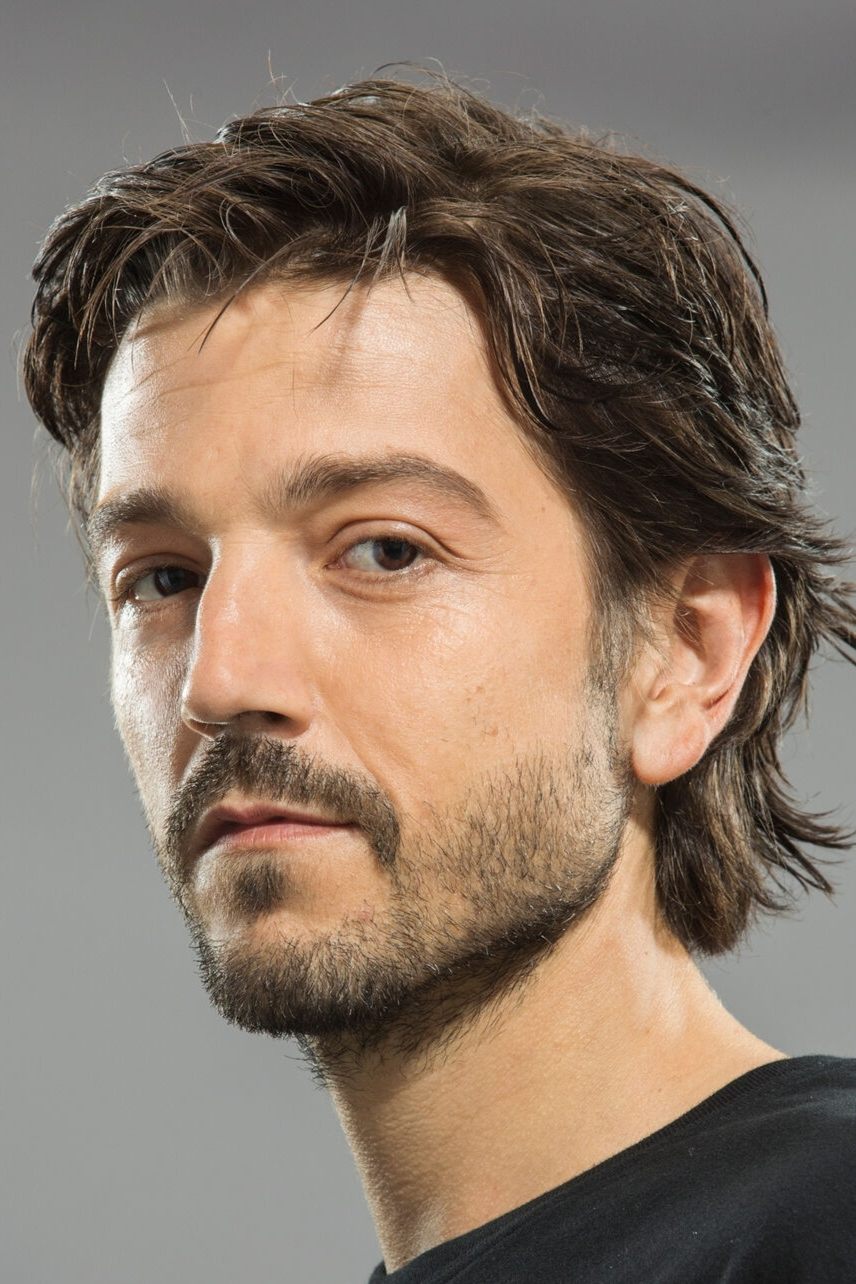
Diego Luna has been a major force in international cinema and the ‘Star Wars’ universe. The actor has spoken about the importance of maintaining the human element in storytelling. He believes that relying on artificial intelligence undermines the emotional truth that actors strive to convey. Luna supported the collective efforts to establish guardrails around the use of synthetic performers. His advocacy centers on preserving the dignity of the acting profession against automation.
Gael García Bernal
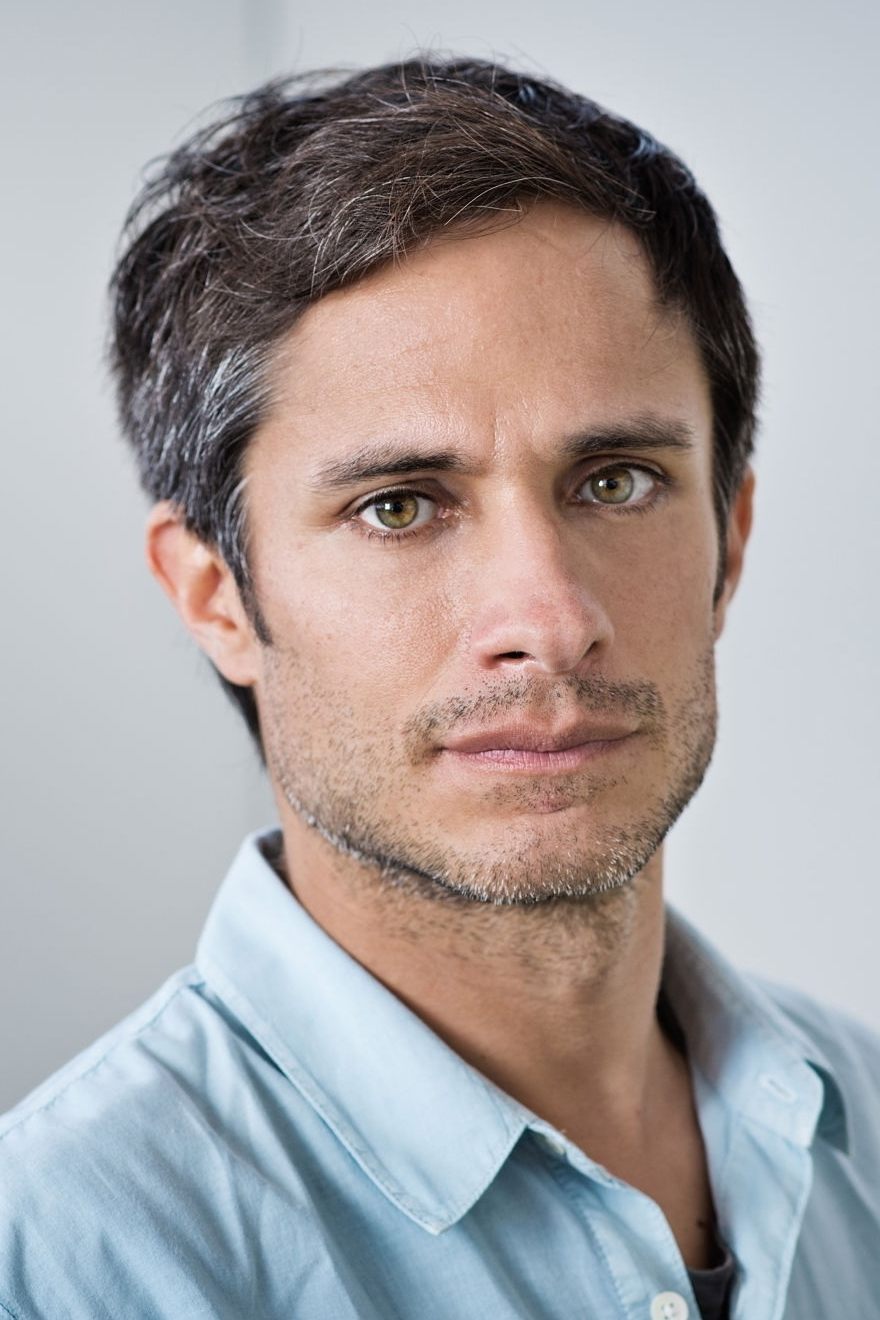
Gael García Bernal is known for his work in thought-provoking films that often tackle social issues. He views the unregulated use of artificial intelligence as a danger to artistic expression and labor rights. The actor stood with his peers to demand that human creativity remains the core of the entertainment industry. Bernal argues that digital approximations lack the spirit and unpredictability of a real performance. He continues to champion the rights of artists to control their own images.
Edward James Olmos
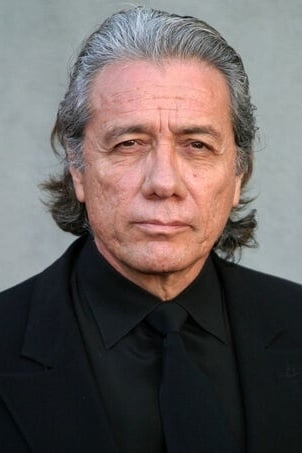
Edward James Olmos is a veteran actor and activist who has long fought for Latino civil rights. He views the encroachment of AI as another battlefront for protecting the working class in Hollywood. The actor warns that technology could be used to exploit performers if left unchecked by strong union contracts. Olmos advocates for strict consent protocols to prevent the misuse of an actor’s legacy. His experience provides a historical perspective on the importance of labor unions in navigating technological shifts.
Danny Trejo
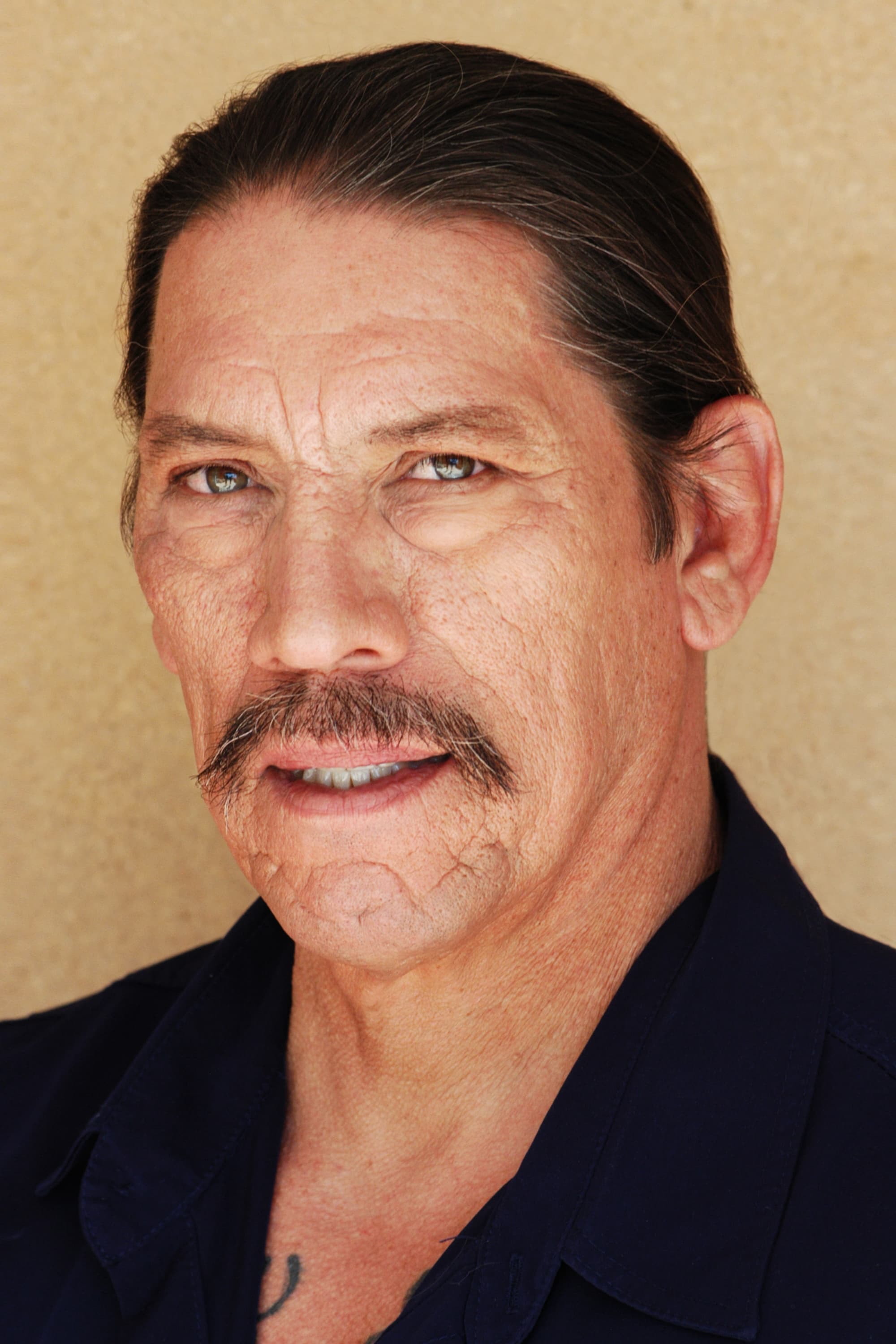
Danny Trejo famously overcame significant hardships to become one of the most recognizable faces in action cinema. He showed up on picket lines to support background actors who are most vulnerable to AI replacement. The actor believes that a hard day of work deserves fair pay rather than a one-time scanning fee. Trejo insists that the gritty realism of cinema comes from real people rather than computer-generated imagery. His presence in the labor movement underscores the physical reality of the acting profession.
Esai Morales
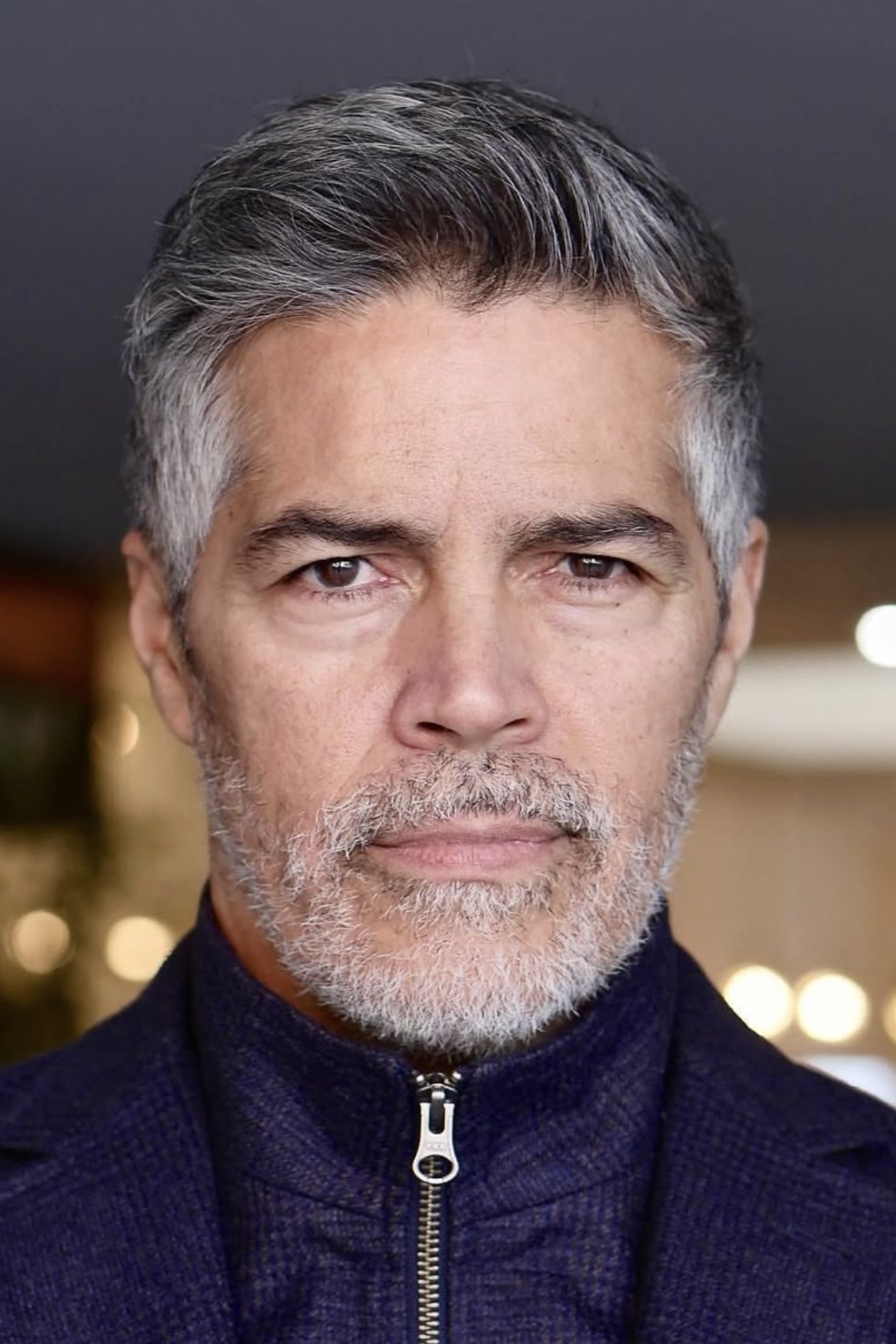
Esai Morales has served in leadership positions within the actors’ union and deeply understands contract negotiations. He has been a vocal proponent of securing rights that specifically address the capabilities of new technology. The actor argues that without specific language in contracts studios will exploit digital loopholes. Morales fights to ensure that an actor’s image remains their personal property regardless of technological advancements. His technical knowledge of the industry helps frame the argument against unchecked AI usage.
Michael Peña
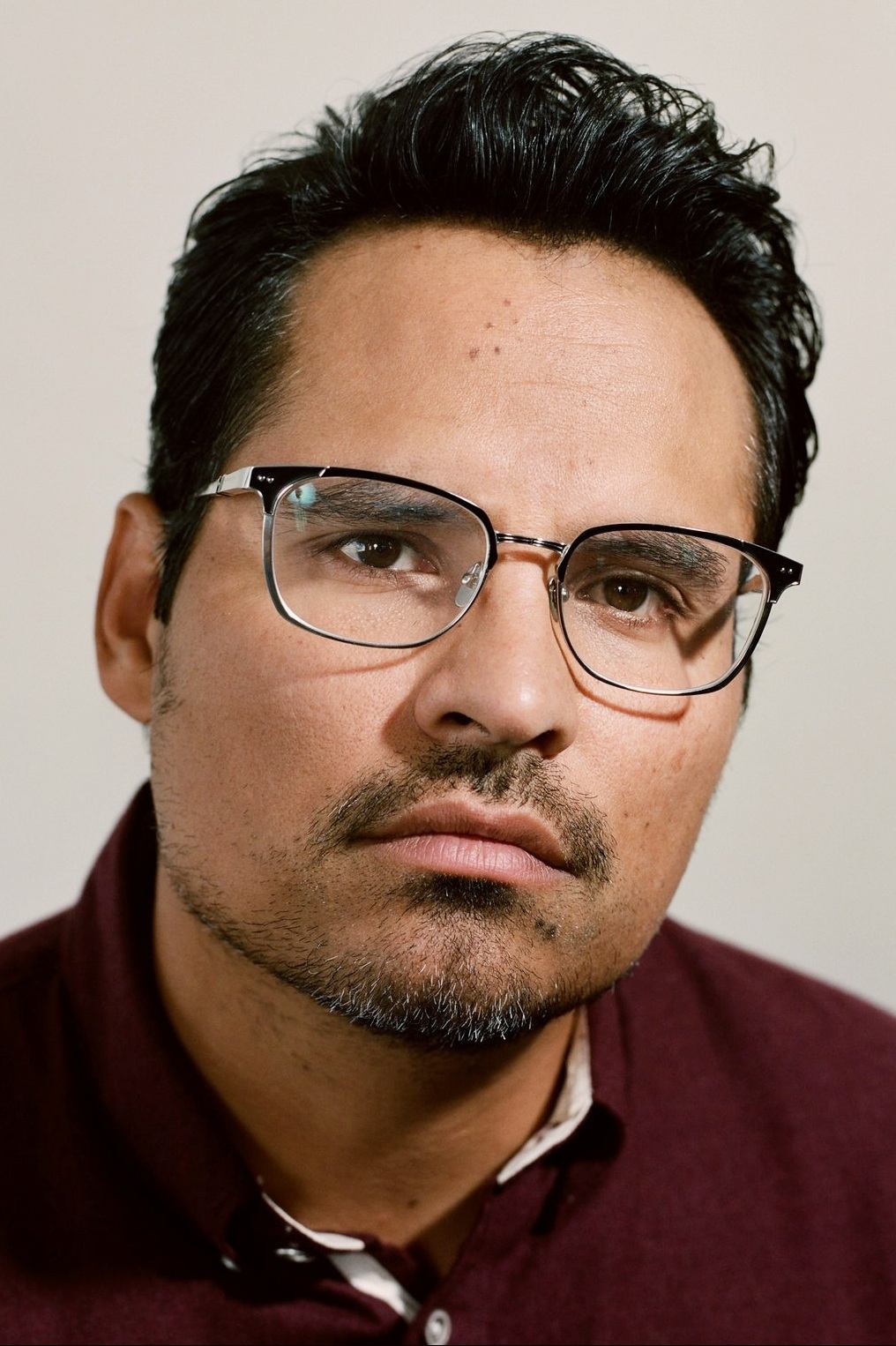
Michael Peña has demonstrated incredible range through his work in dramatic films and comedies. He supported the industry-wide strike that sought to limit the use of artificial intelligence in production. The actor understands that comedy requires timing and humanity that a machine cannot authentically generate. Peña believes that protecting background actors from digital replication is essential for the ecosystem of Hollywood. He stands with the collective effort to keep human performance at the center of entertainment.
Wilmer Valderrama
Wilmer Valderrama has evolved from a sitcom star to a leading man in procedural dramas. He uses his platform to advocate for the fair treatment of actors in the digital age. The actor supports measures that require explicit consent for any use of a performer’s digital double. Valderrama believes that the industry must adapt to technology without sacrificing the livelihood of its workers. His advocacy focuses on modernizing labor agreements to reflect the realities of AI.
Laz Alonso
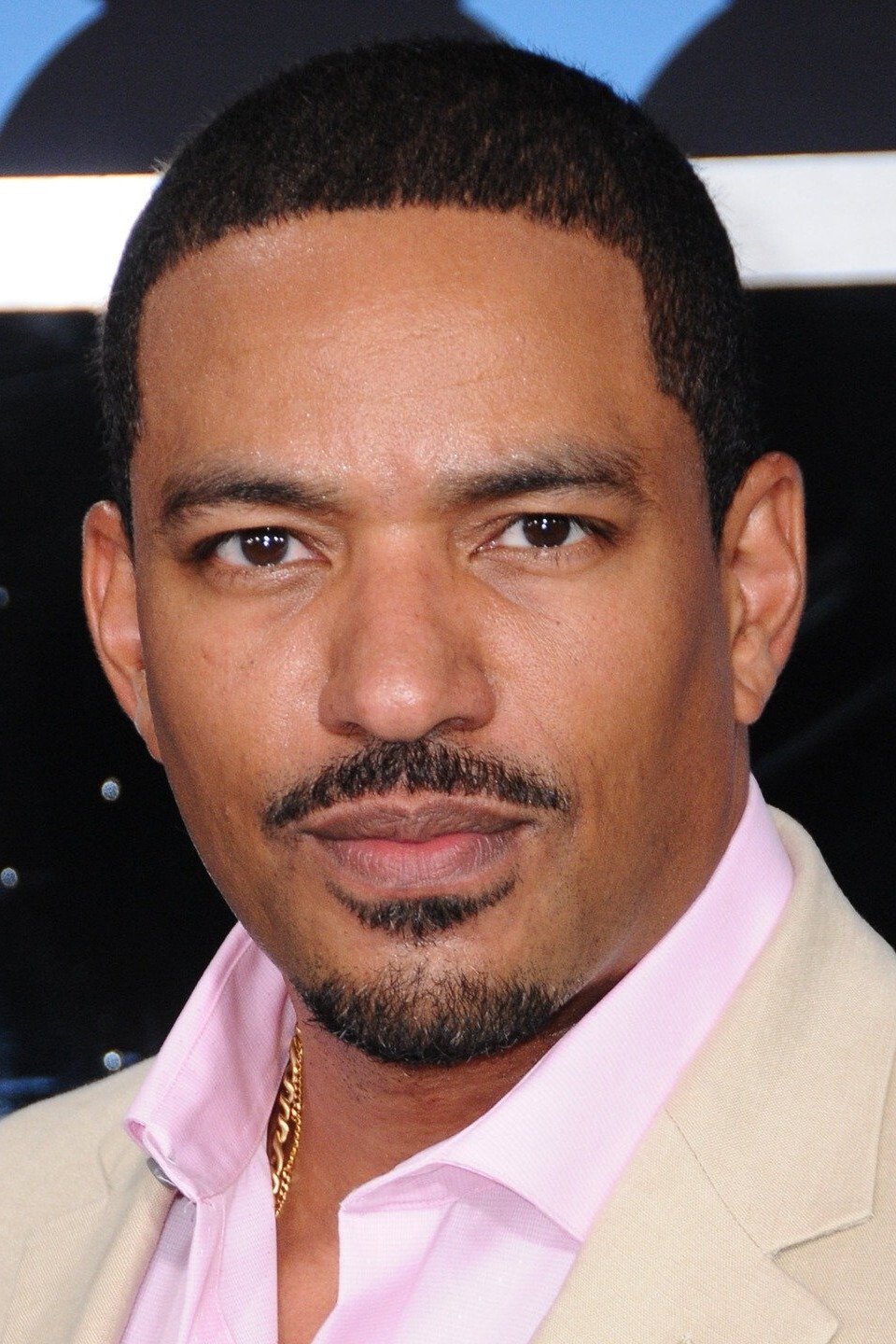
Laz Alonso plays a character in ‘The Boys’ who fights against corrupt corporate interests. He mirrors this sentiment in real life by opposing corporate overreach regarding AI rights. The actor has been vocal about the need for transparency when studios use digital tools. Alonso insists that fans want to see real performances rather than synthetic fabrications. He supports the union’s efforts to draw a hard line against the replacement of human actors.
Harvey Guillén
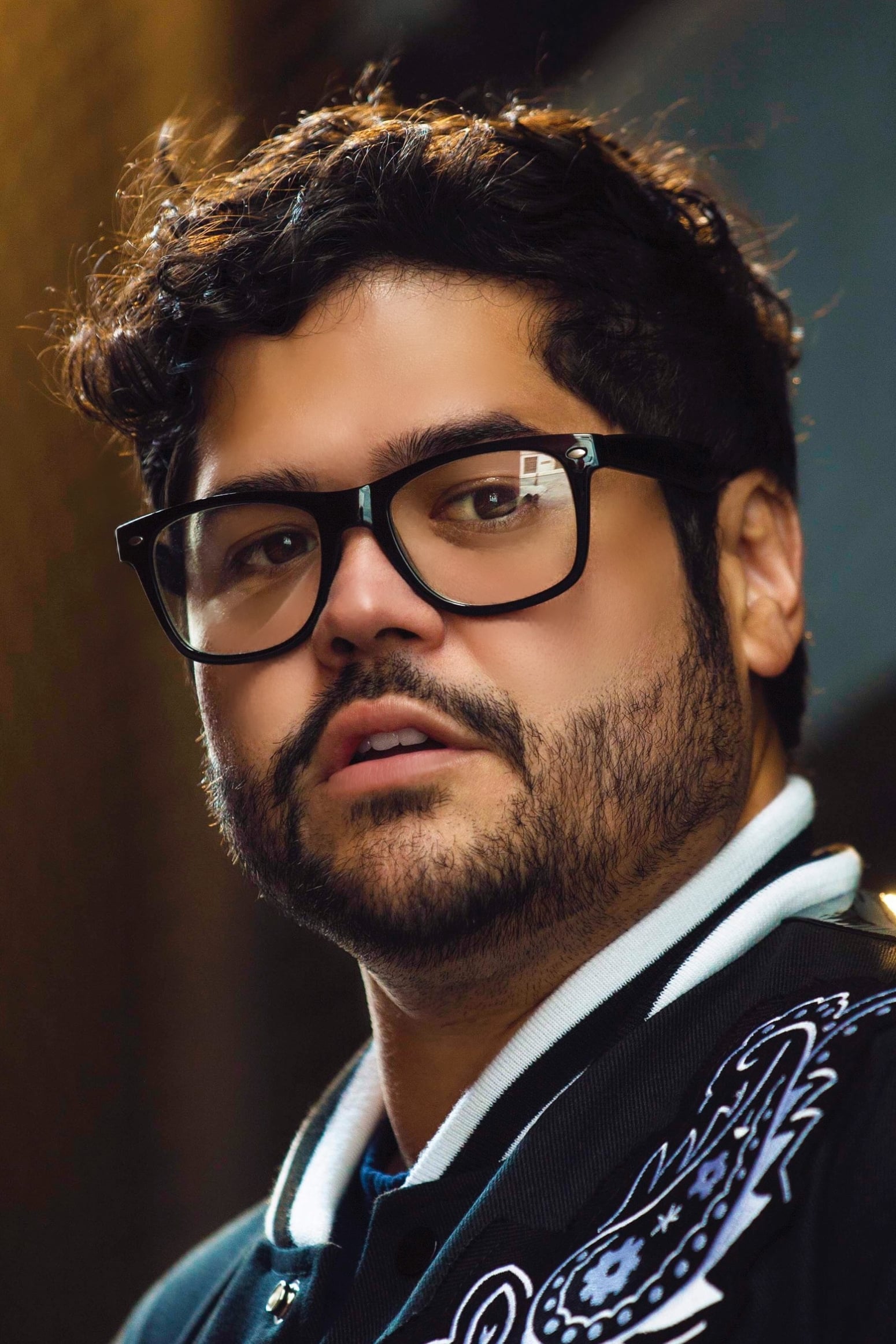
Harvey Guillén captivated audiences with his role in the vampire mockumentary ‘What We Do in the Shadows’. He was a frequent presence on the picket lines demanding protection against AI exploitation. The actor emphasizes that diverse bodies and voices must be protected from algorithmic erasure. Guillén believes that technology should assist production but never replace the actor. His activism highlights the intersection of representation and labor rights in the digital era.
Xolo Maridueña
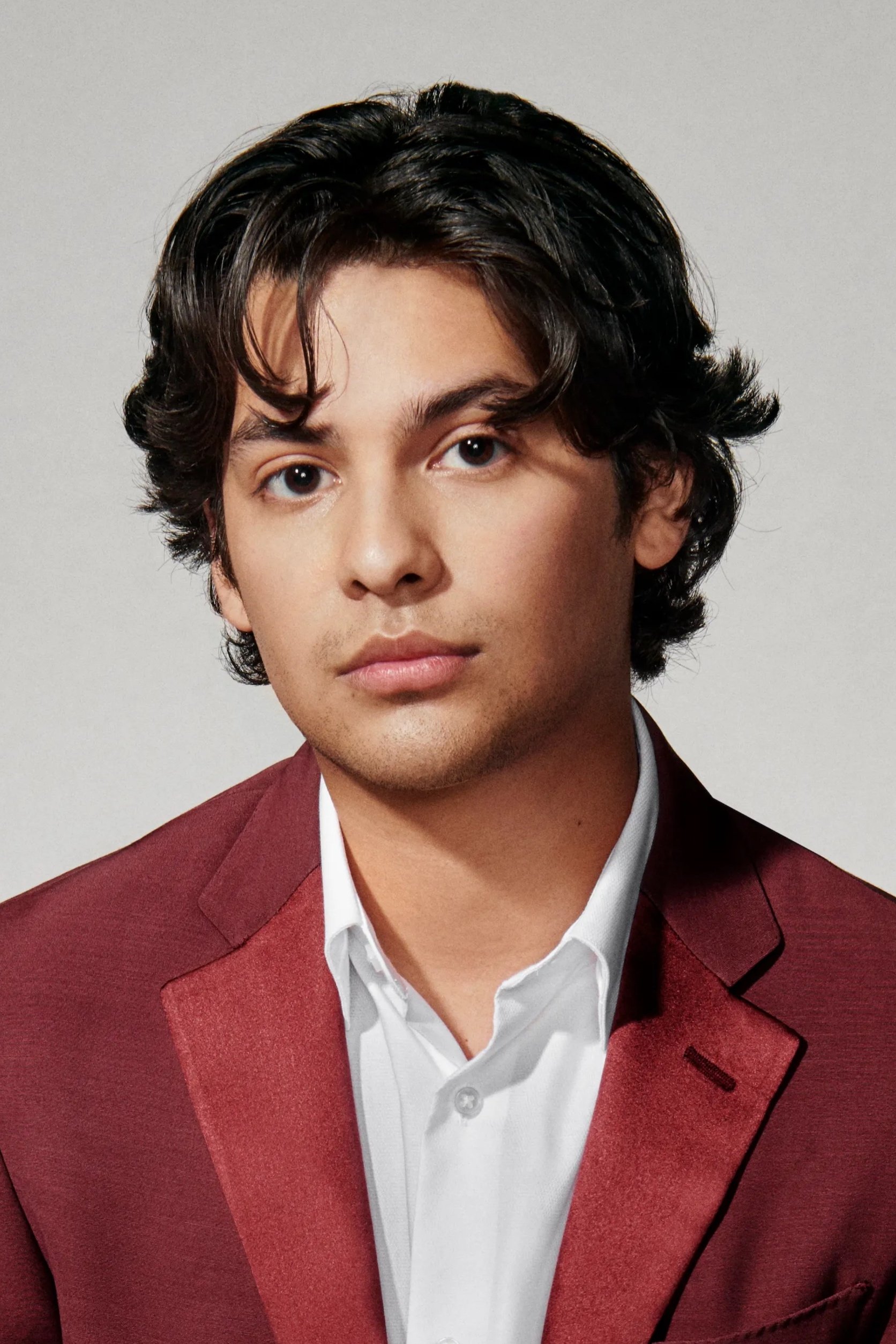
Xolo Maridueña represents a younger generation of actors facing a rapidly changing industry landscape. The ‘Blue Beetle’ star acknowledges that his career could be impacted by digital replication if regulations are not enforced. He supports the movement to ensure that young actors do not sign away their rights early in their careers. Maridueña values the authenticity of performance and the physical effort acting requires. He stands with his peers in demanding a future where technology respects human talent.
George López
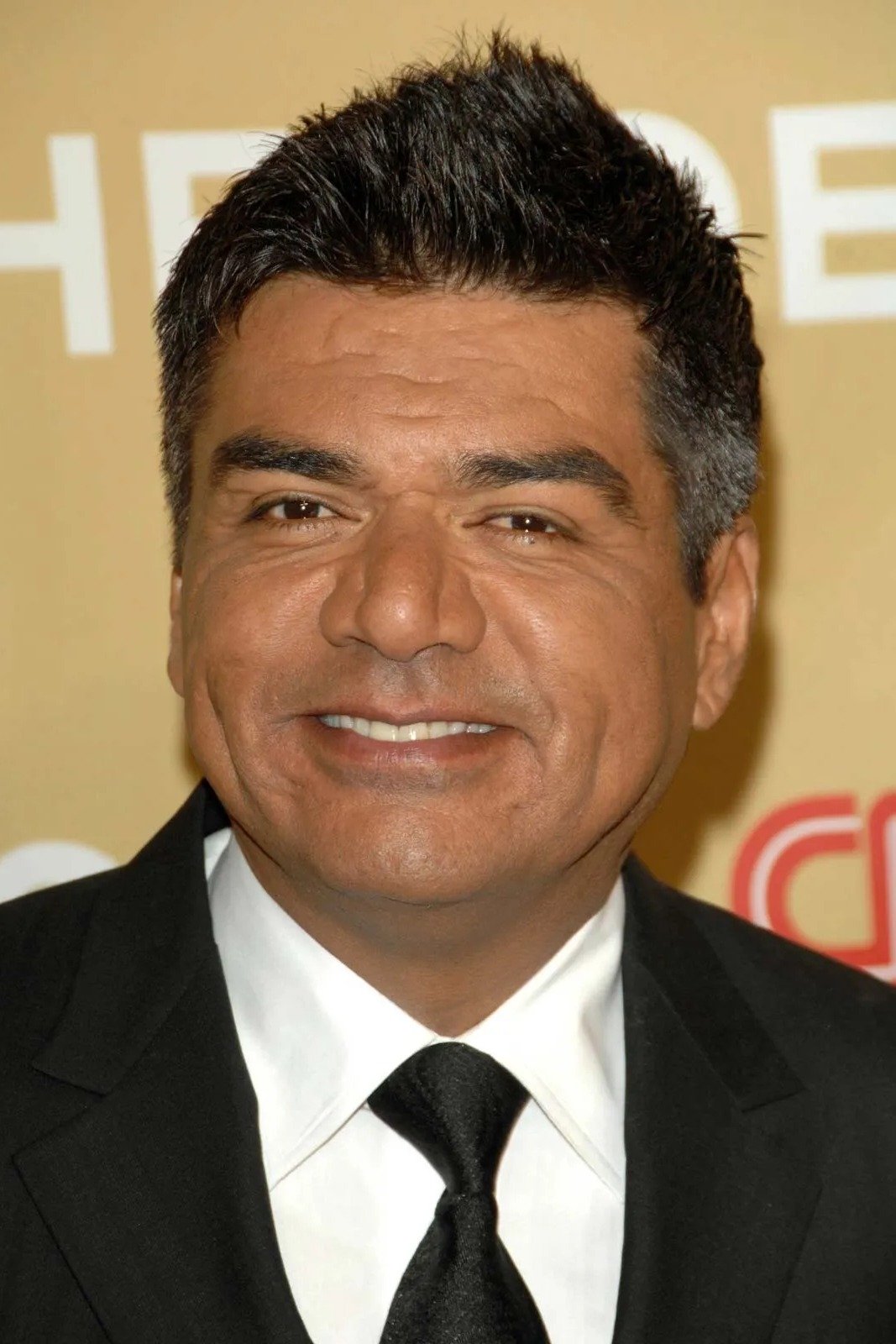
George Lopez has built a legacy in comedy and television that relies on his unique voice and perspective. He views the potential for AI to write scripts or generate performances as an insult to the craft. The comedian supports the protection of writers and actors from automation that mimics their style. Lopez argues that humor is a distinctly human trait that machines fail to replicate effectively. He remains a strong advocate for the human element in all forms of entertainment.
Lin-Manuel Miranda
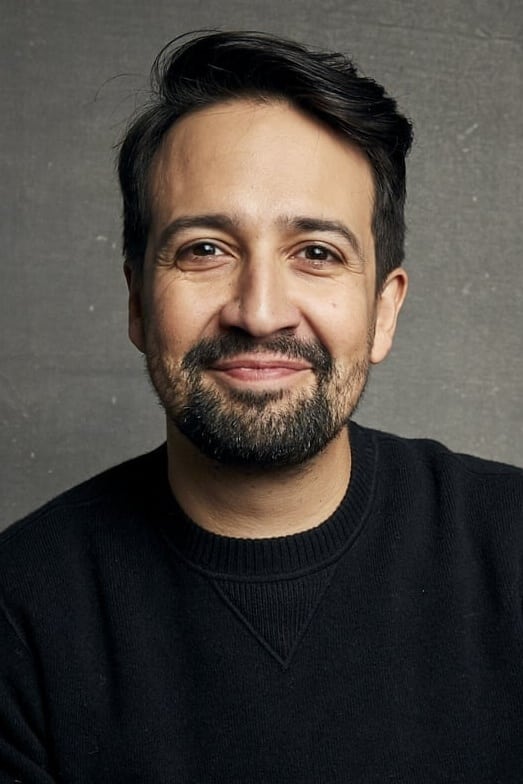
Lin-Manuel Miranda revolutionized musical theater and film with his distinct creative voice. He staunchly opposes the use of artificial intelligence to generate lyrics or replicate performances without permission. The writer and actor believes that copyright and likeness laws must evolve to protect creators. Miranda champions the idea that art is a reflection of human experience that cannot be programmed. His support for labor protections extends to ensuring AI is a tool rather than a replacement.
Anthony Ramos
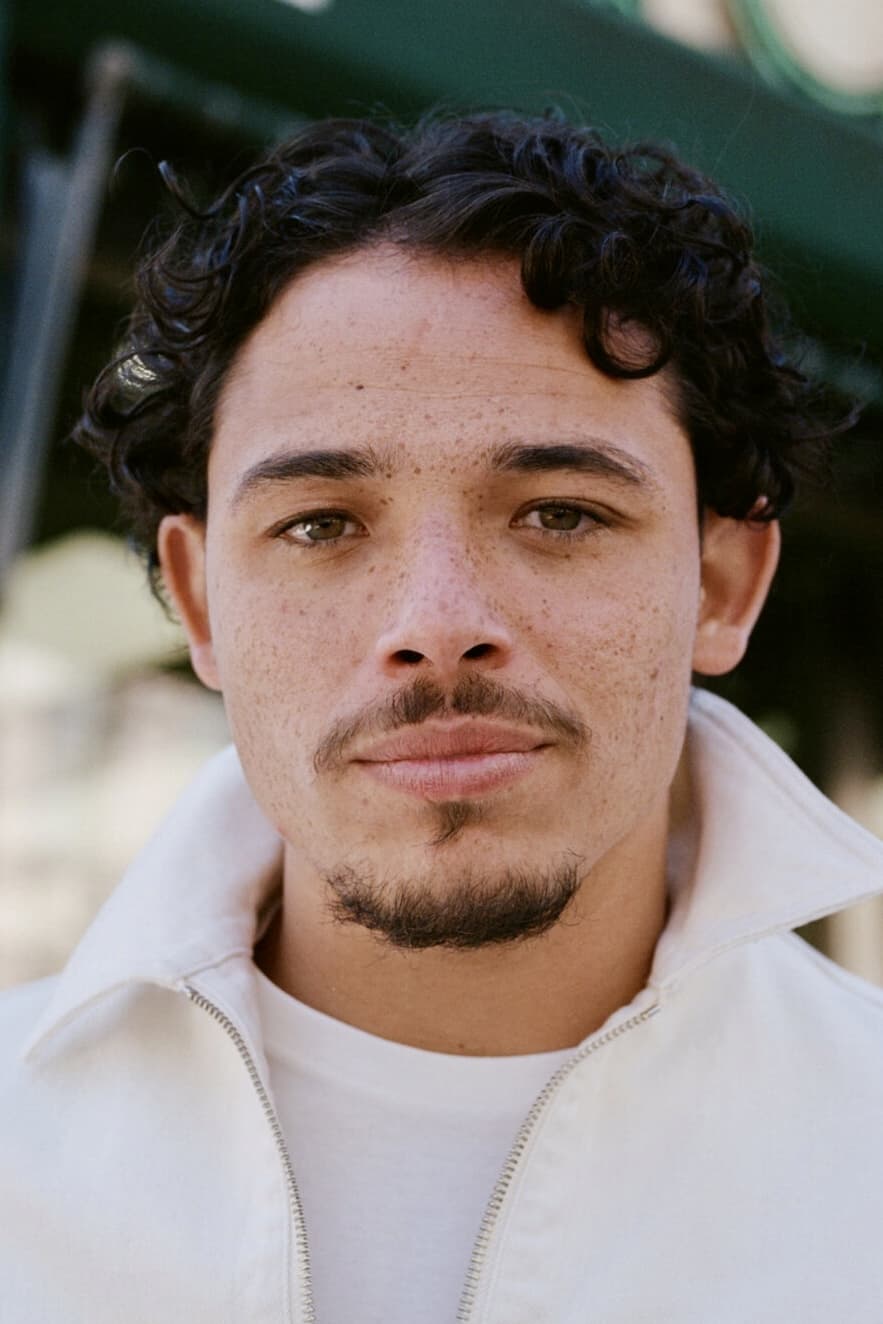
Anthony Ramos broke out in ‘Hamilton’ and has since taken on major film roles. He supports the fight against studios using digital scans to cut costs on background talent. The actor believes that every performer contributes to the energy of a scene and cannot be replaced by pixels. Ramos advocates for fair compensation structures that account for the use of digital assets. He stands firm in the belief that human connection is the currency of the entertainment business.
Wilson Cruz
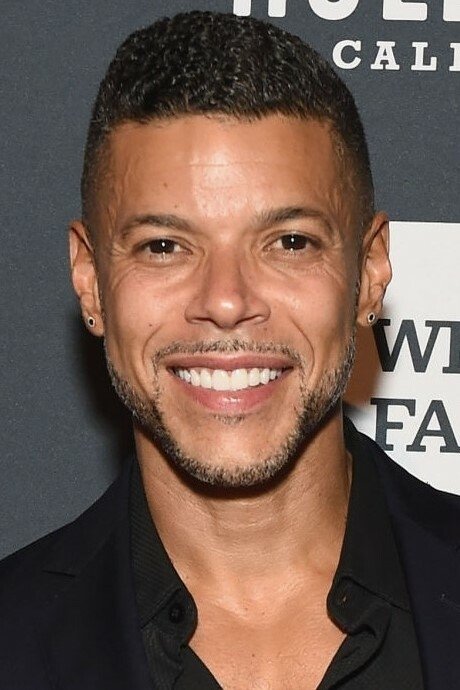
Wilson Cruz has been a trailblazer for LGBTQ+ representation and a staunch union activist. He views the battle against AI as a fight for the visibility and ownership of one’s own identity. The actor argues that marginalized communities are most at risk of having their likenesses exploited by technology. Cruz advocates for strict contractual language that prevents the unauthorized use of an actor’s image. His leadership focuses on protecting the most vulnerable members of the union.
Gabriel Luna
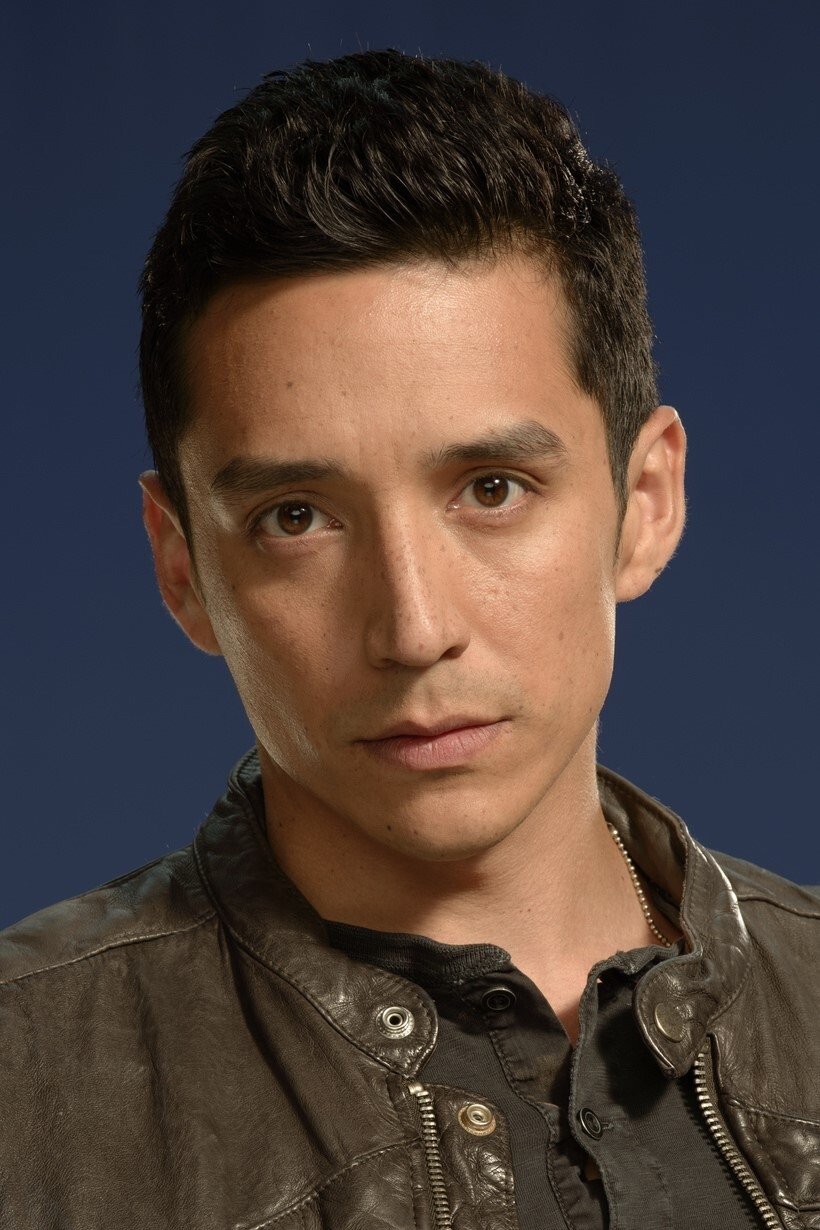
Gabriel Luna played a futuristic cyborg in ‘Terminator: Dark Fate’ but opposes the actual dehumanization of actors. He understands the technical side of visual effects but draws a line at replacing performance. The actor supports the union’s mandate to secure consent for any digital alteration. Luna believes that the soul of a character comes from the actor’s choices rather than computer processing. He advocates for a balance where visual effects enhance rather than supplant human work.
Diego Boneta
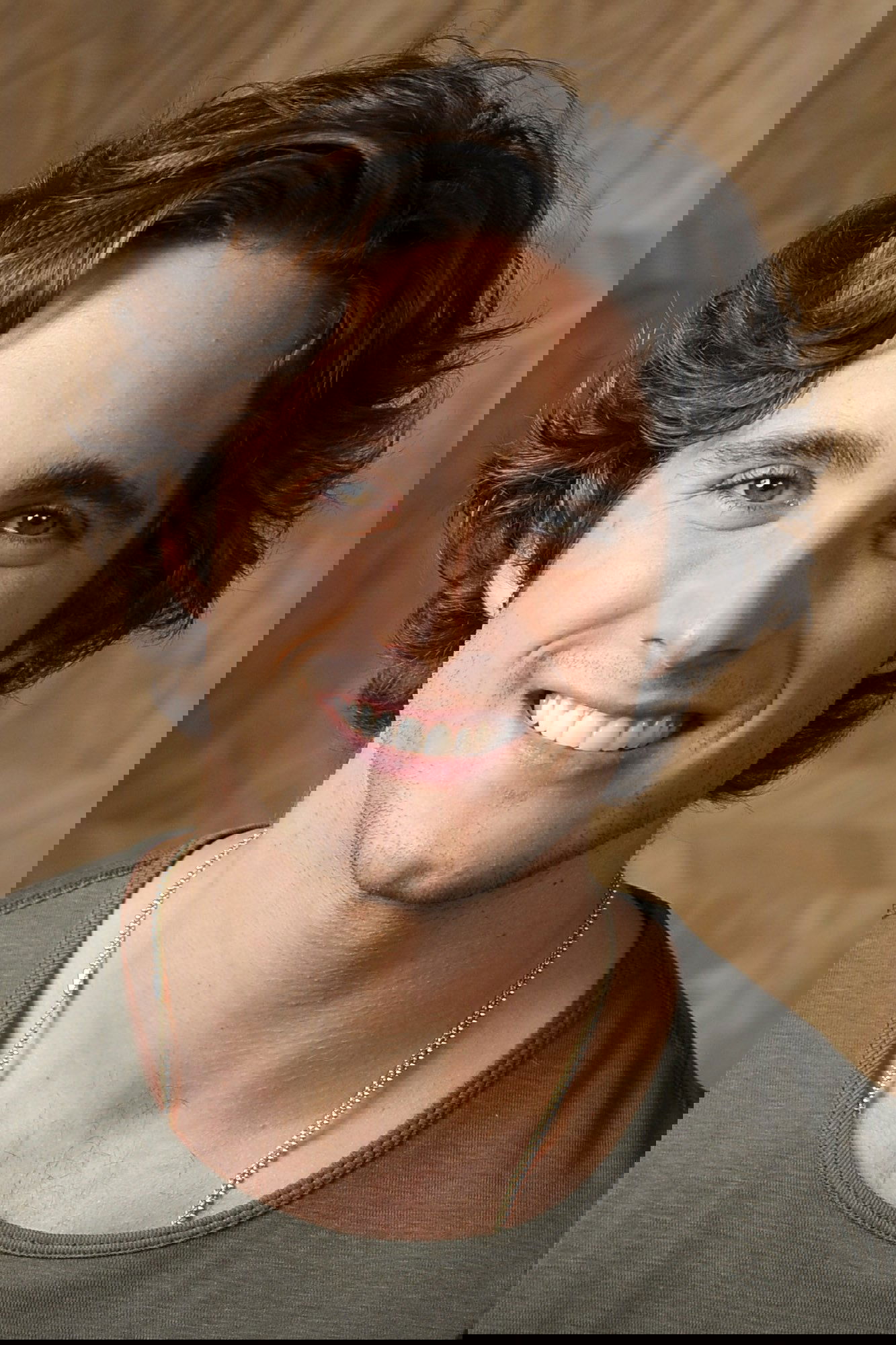
Diego Boneta has achieved international fame and understands the value of his global brand. He supports regulations that prevent studios from using an actor’s likeness in different languages or regions without pay. The actor recognizes that AI dubbing and deepfakes pose a threat to international performers. Boneta believes in the sanctity of the original performance and the actor’s right to control it. He stands with the global acting community in seeking unified protections.
Eugenio Derbez
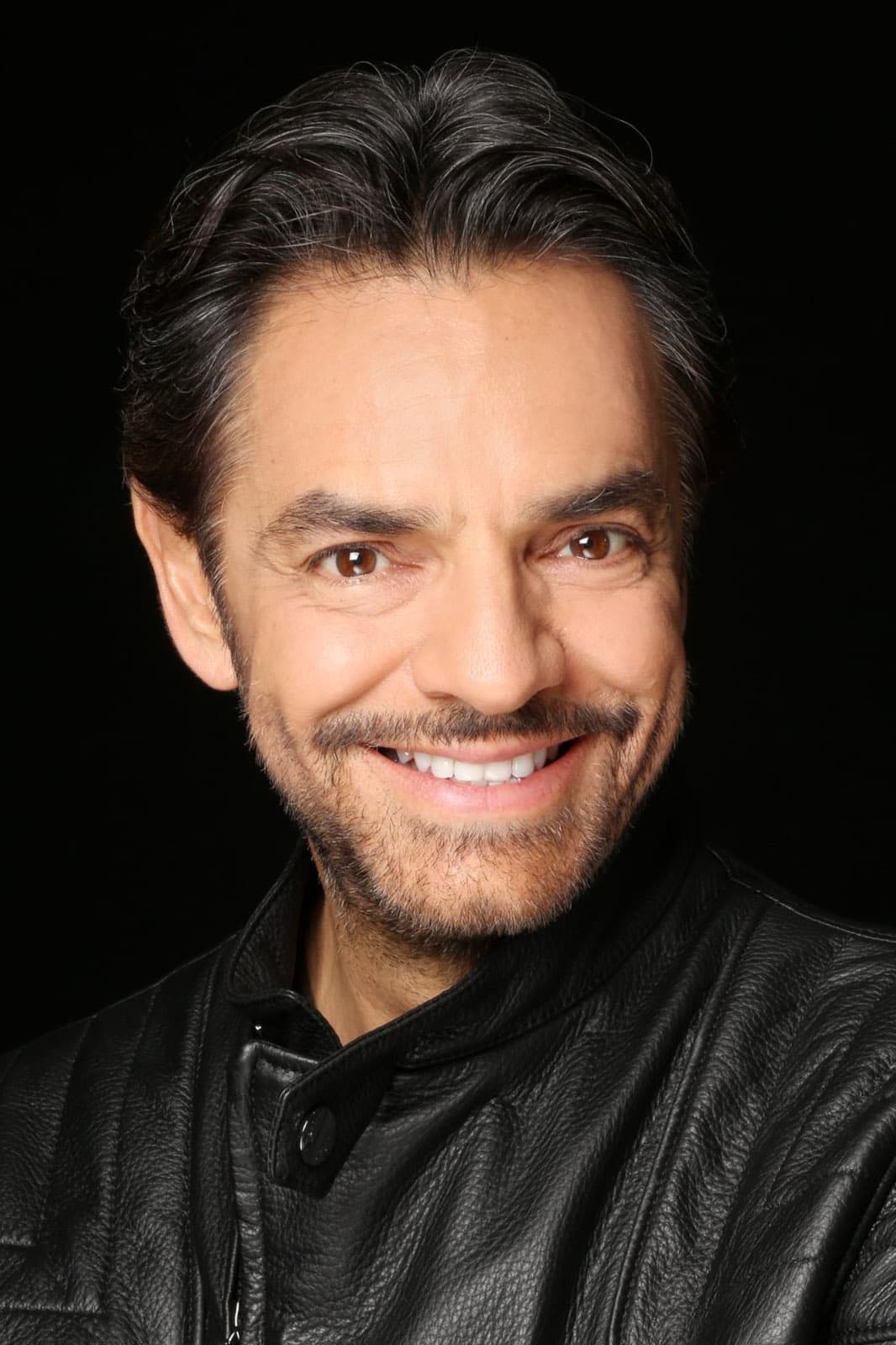
Eugenio Derbez is a massive star who writes, directs, and acts in his own productions. He values the creative process and opposes the use of AI to bypass human writers and performers. The actor believes that comedy and drama require a human touch that algorithms lack. Derbez supports the collective action taken to ensure that technology does not dictate the terms of employment. His experience as a creator informs his stance on preserving artistic integrity.
Manuel Garcia-Rulfo
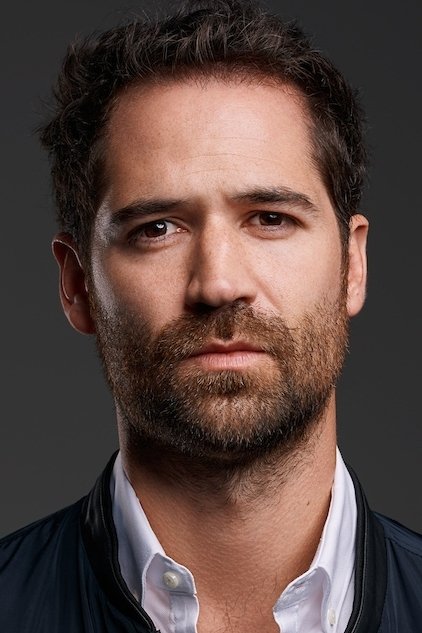
Manuel Garcia-Rulfo leads the cast of ‘The Lincoln Lawyer’ and has seen his profile rise significantly. He supported the strike mandates that focused on securing residual payments and AI protections. The actor believes that streaming and technology should not be excuses to underpay talent. Garcia-Rulfo advocates for a system where actors share in the success that their digital likenesses help generate. He remains committed to the principles of fair labor in a digital marketplace.
J. D. Pardo
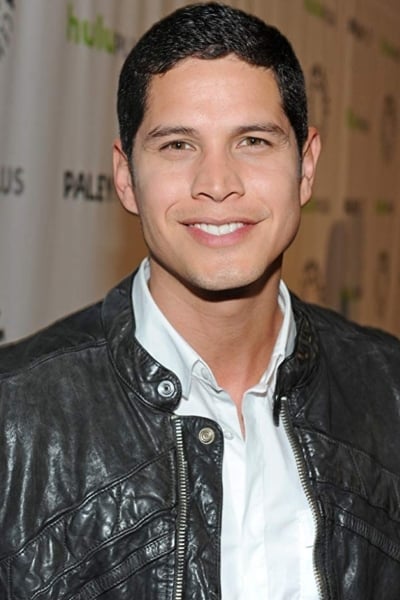
JD Pardo spent years working on the gritty drama ‘Mayans M.C.’ alongside a tight-knit cast. He joined the picket lines to fight for the future of the industry and against digital overreach. The actor believes that the physical presence of an actor is irreplaceable in storytelling. Pardo supports the demand for informed consent regarding any use of digital replicas. His stance is rooted in the belief that acting is a craft that requires human dedication.
Clayton Cardenas
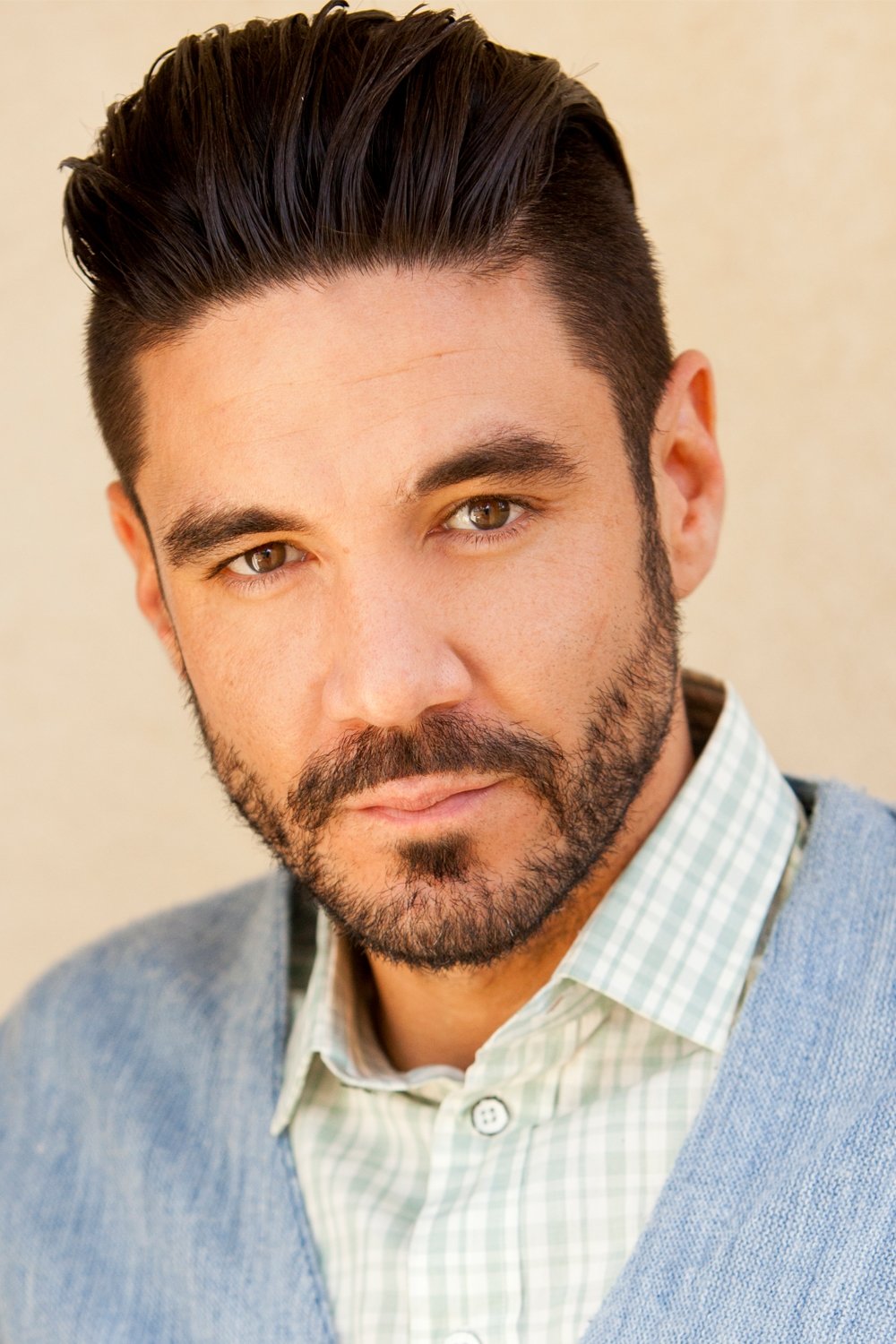
Clayton Cardenas is another member of the ‘Mayans M.C.’ cast who was vocal during labor disputes. He expressed concern that background actors and day players would be eliminated by AI scans. The actor argues that the industry serves as a ladder that requires entry-level roles to remain human. Cardenas supports the union’s efforts to block the creation of digital zombies from living actors. He advocates for preserving the pathways that allow new talent to enter the profession.
Emilio Rivera
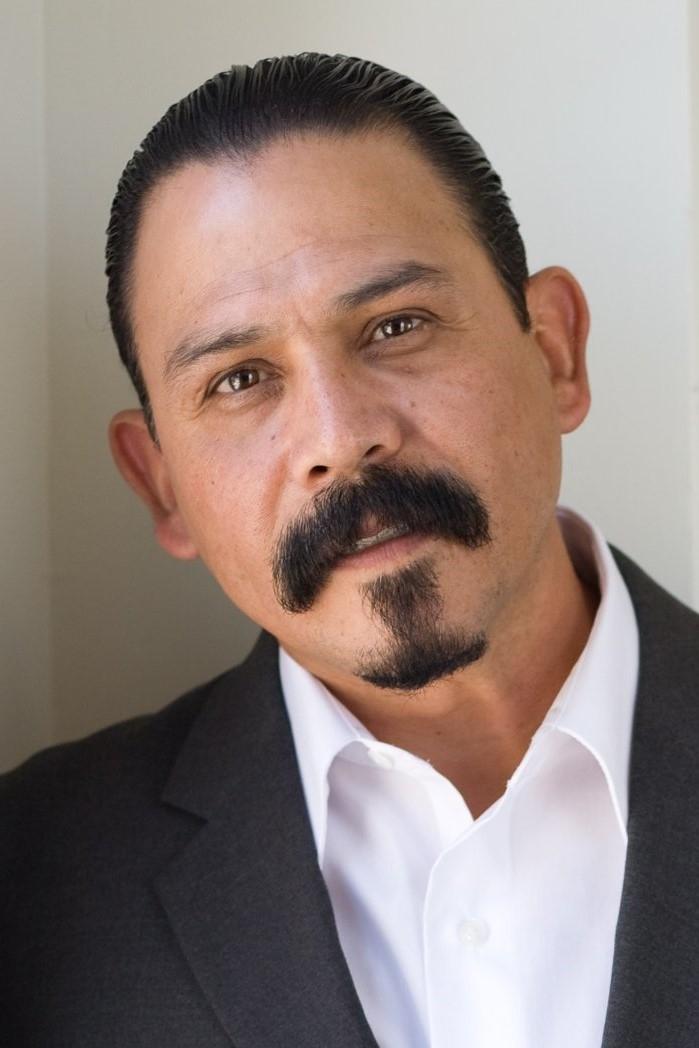
Emilio Rivera has a long career playing intense and memorable characters. He has spoken out about the need to protect the working-class actor from being made obsolete by technology. The actor believes that the industry is losing its heart by trying to automate performance. Rivera supports the fight for contracts that explicitly forbid the unauthorized use of an actor’s face. His perspective is shaped by years of grinding in an industry that is becoming increasingly corporate.
Richard Cabral
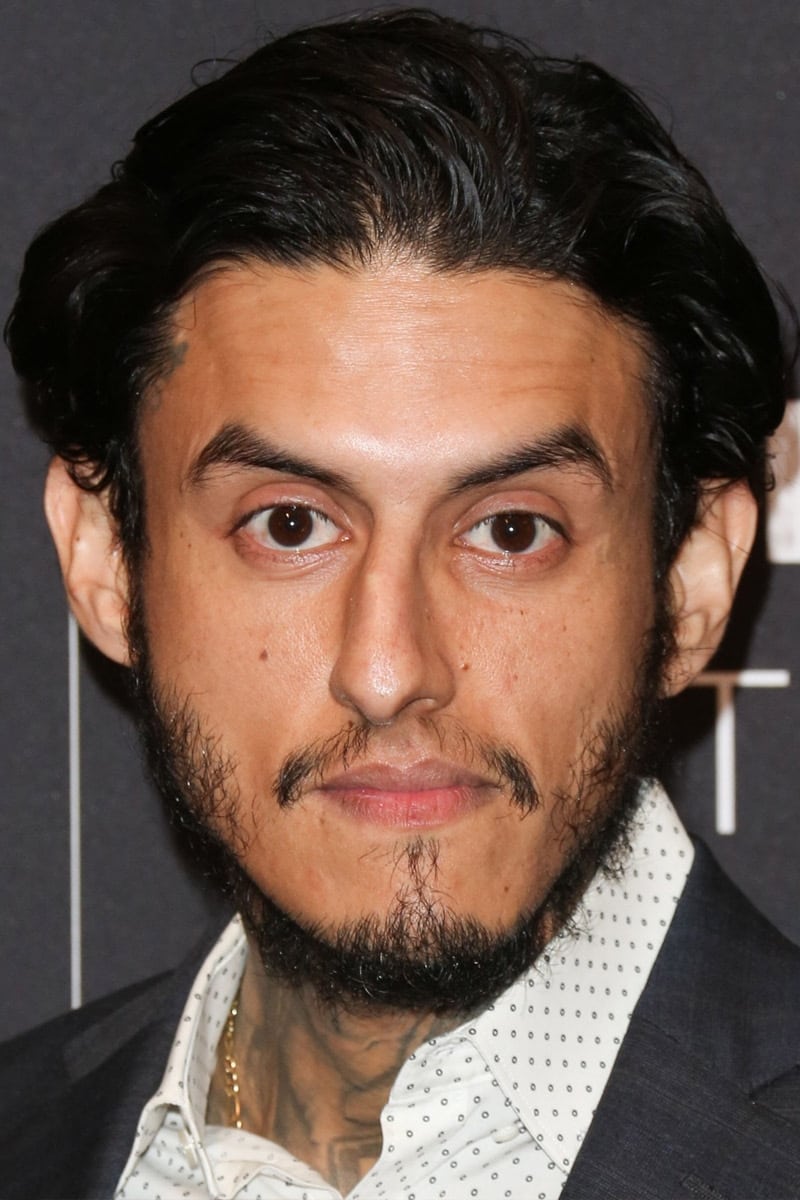
Richard Cabral brings a raw authenticity to his roles that stems from his real-life experiences. He believes that artificial intelligence cannot replicate the pain and joy that a human actor channels. The actor supports the movement to keep storytelling in the hands of human beings. Cabral argues that audiences connect with flaws and vulnerability rather than digital perfection. He advocates for the preservation of the human spirit in film and television.
Kirk Acevedo
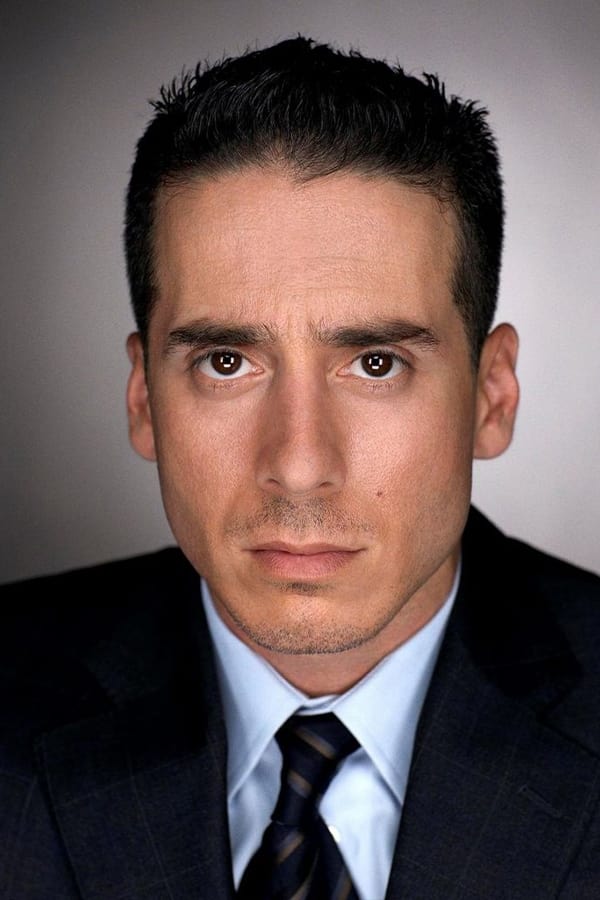
Kirk Acevedo is known for his intense roles in ‘Oz’ and ‘Band of Brothers’. He frequently uses social media to voice his support for labor rights and his skepticism of corporate tech trends. The actor believes that AI is a tool used by studios to devalue the labor of artists. Acevedo supports strict regulations that prevent the normalization of digital acting. He is a vocal defender of the traditional craft of acting against automation.
Jacob Vargas
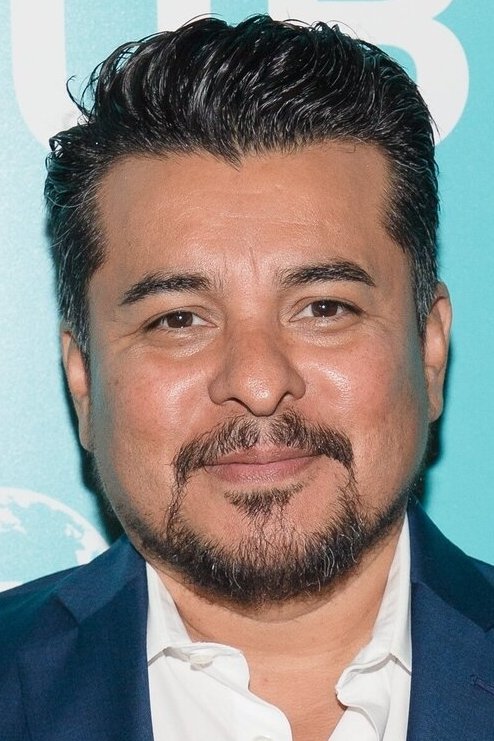
Jacob Vargas has been a working actor since the nineties and has seen the industry change dramatically. He supports the union’s stance that new technology requires new protections for workers. The actor believes that AI threatens the middle-class actor who relies on residuals and recurring work. Vargas advocates for a future where technology is regulated to protect human dignity. He stands with his colleagues in demanding fair treatment in the digital age.
Jesse Garcia
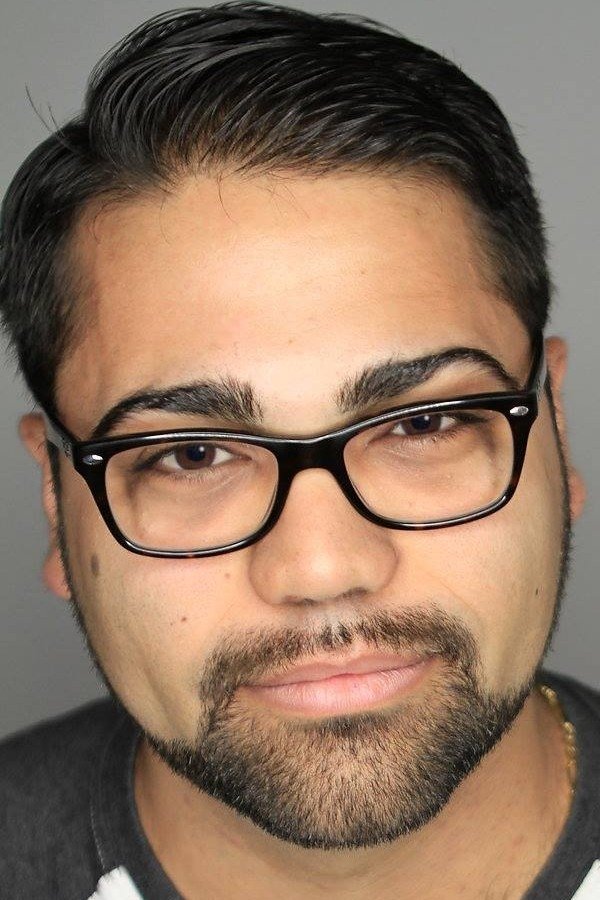
Jesse Garcia starred in ‘Flamin’ Hot’ and has been a steady presence in independent film. He recognizes that independent cinema relies on human connection which AI cannot synthesize. The actor supports the push for clear guidelines on how generative AI is used in production. Garcia believes that the art form suffers when cost-cutting technology takes precedence over talent. He remains an advocate for the importance of human storytelling.
Clifton Collins Jr.
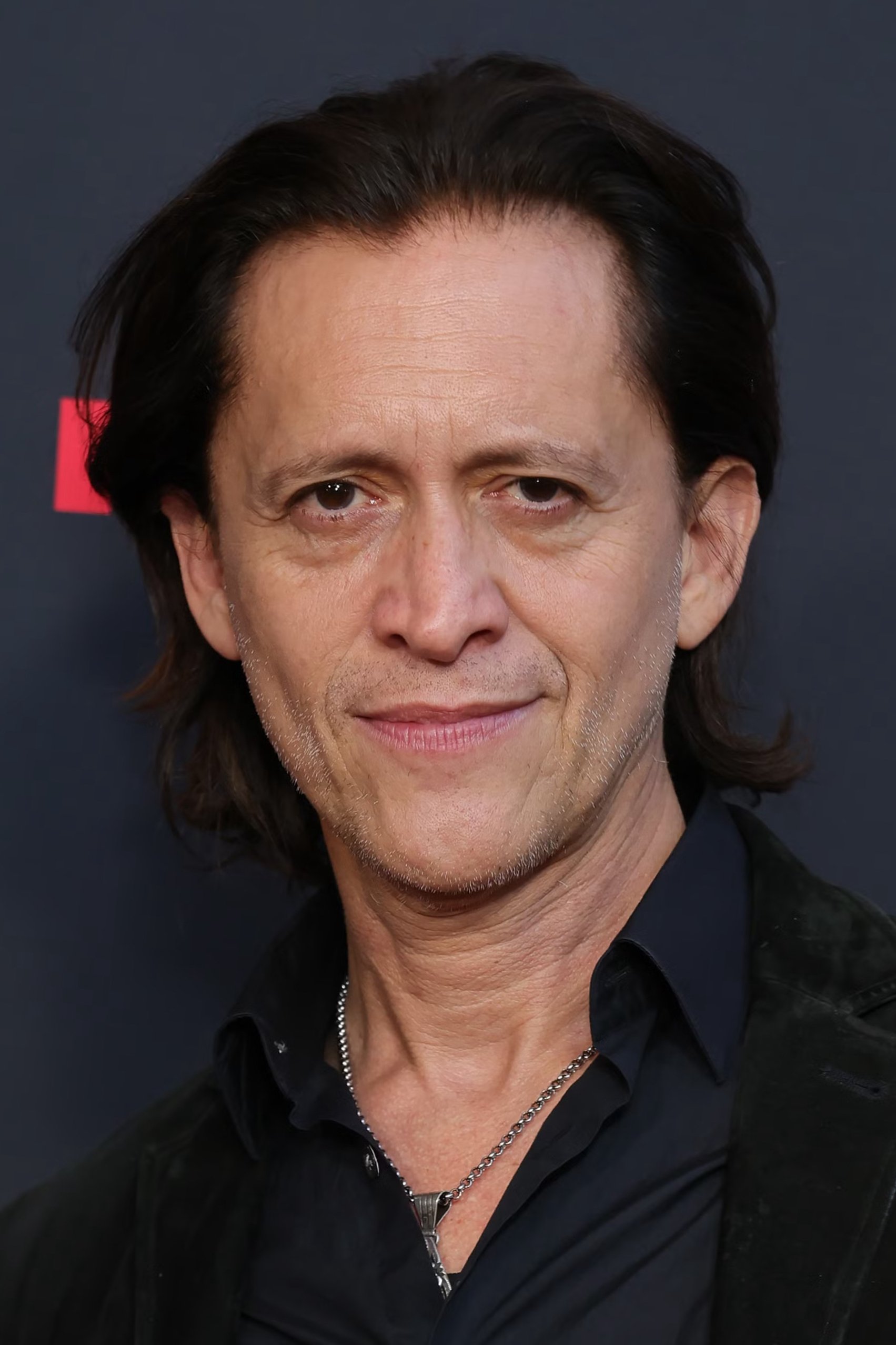
Clifton Collins Jr. is a celebrated character actor who disappears into his diverse roles. He values the craft of character building and views AI as a shortcut that cheats the audience. The actor supported the strike to ensure that his extensive body of work could not be fed into a machine. Collins Jr. advocates for the rights of actors to own their creative output completely. He believes that the nuances of a performance are personal property.
Wagner Moura
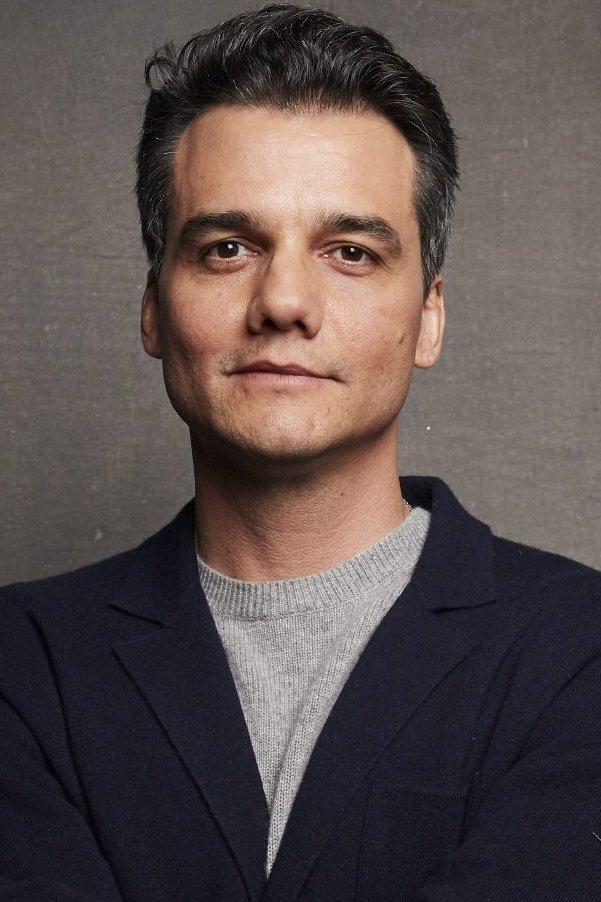
Wagner Moura gained global recognition for his portrayal of Pablo Escobar in ‘Narcos’. He is a strong supporter of artistic freedom and labor rights within the global entertainment industry. The actor believes that AI regulation is necessary to prevent the exploitation of performers across borders. Moura supports the idea that an actor’s likeness is their livelihood and must be protected. His advocacy extends to ensuring that international actors are not left behind in the digital transition.
Tell us which of these actors’ perspectives on technology resonates most with you in the comments.