Hispanic Actresses Who Are Pro-AI

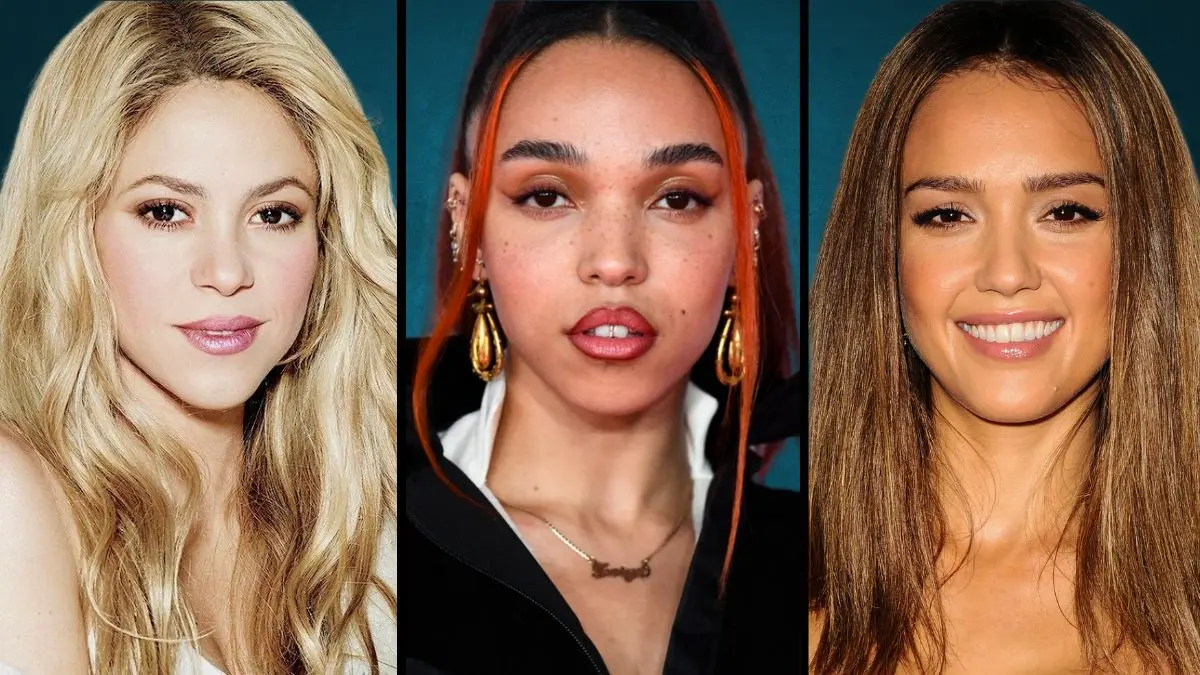

The intersection of technology and entertainment has created a new wave of dialogue in Hollywood, with artificial intelligence taking center stage. While some performers approach the digital revolution with caution, a growing number of Hispanic actresses are embracing the potential of AI through investments, creative experiments, and forward-thinking roles. These women are not only redefining their careers but are also leveraging their platforms to explore how technology can enhance storytelling, education, and business. From producing sci-fi epics to funding tech startups, these actresses are positioning themselves at the forefront of the AI conversation.
Jennifer Lopez

The multi-hyphenate star has taken a pragmatic and optimistic approach to artificial intelligence, particularly following her role in the sci-fi thriller ‘Atlas’ (2024). In the film, Lopez plays a data analyst who must learn to trust an AI program to save humanity, a narrative she believes mirrors the potential for human-AI collaboration in the real world. During the press tour, she publicly stated that while the technology can be scary, it also has the potential to “go really right” when humans remain in the driver’s seat. Lopez serves as a producer on projects that explore these futuristic themes, signaling her willingness to engage with complex technological concepts rather than shy away from them. Her balanced perspective highlights the importance of regulation while acknowledging the immense benefits AI can bring to society.
Shakira

Beyond her global dominance in music, Shakira has established herself as a savvy tech investor with a keen interest in the future of education and automation. She has invested in various tech startups, including a reported involvement with Acumen, a company focused on accelerating AI solutions. The Colombian icon is also a major advocate for STEM education through her Barefoot Foundation and has partnered with Code.org to encourage children to learn coding, the fundamental language of AI. Her portfolio includes early investments in gaming giants like Rovio, demonstrating her long-term vision for digital entertainment. Shakira’s business moves suggest she views technology as a powerful equalizer and a crucial tool for the next generation.
Eva Longoria
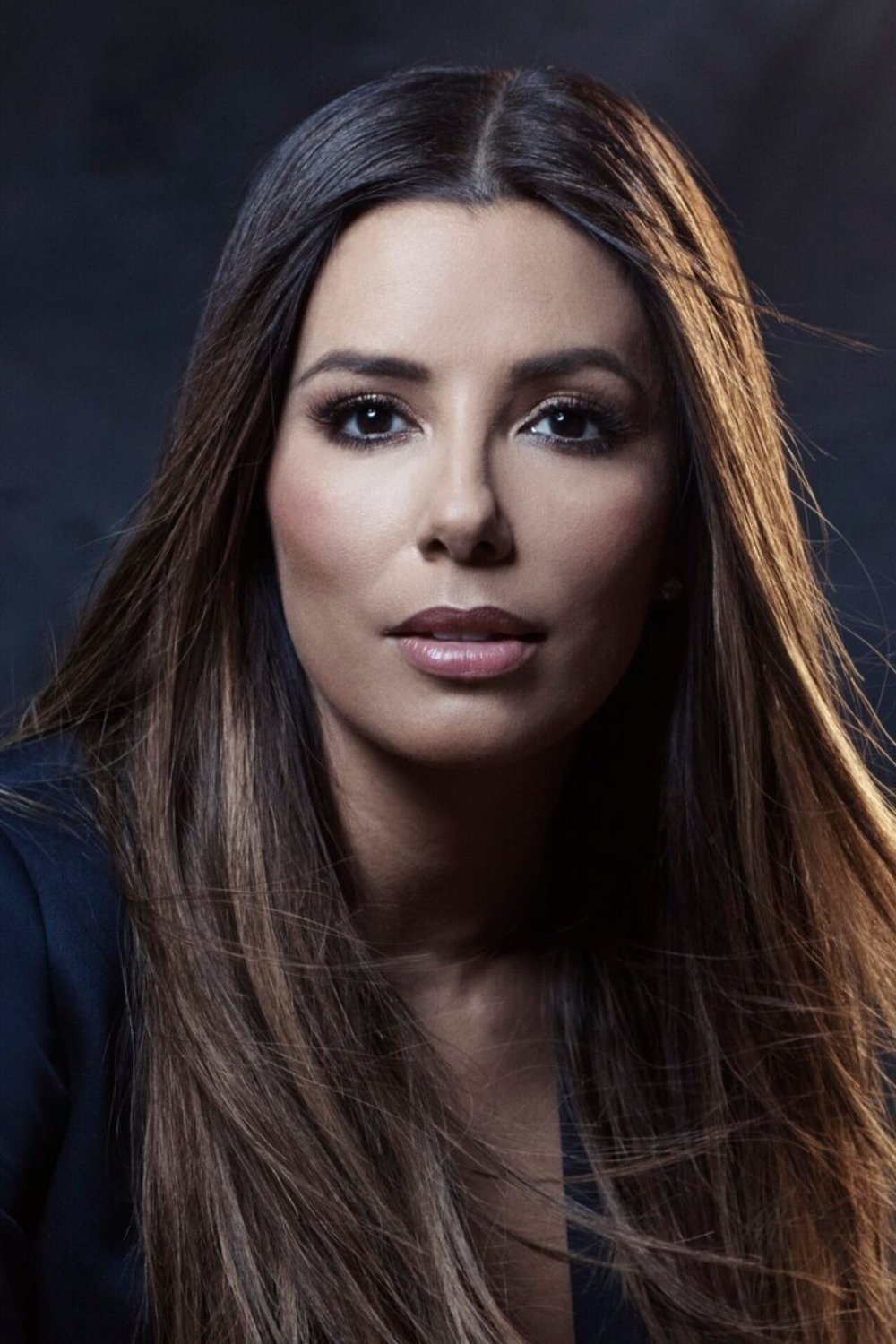
Eva Longoria is one of the most prominent tech investors in Hollywood, with a master’s degree that focused on STEM diversity and a portfolio filled with tech ventures. She has consistently championed the inclusion of Latinas in the technology sector and has invested in platforms that utilize algorithms to democratize media consumption. Longoria co-founded the digital media company Raze, which leverages mobile-first technology to reach Latino audiences, showcasing her understanding of data-driven content strategies. Her production work often highlights underrepresented voices, and she has spoken about the importance of mastering new tools to stay competitive in a changing landscape. Longoria’s “geek” status is well-earned, as she actively seeks out innovations that can scale social impact.
Sofía Vergara

The ‘Modern Family’ star successfully pivoted from acting to becoming a business tycoon by embracing digital transformation and new media technologies. Vergara co-founded Raze alongside Eva Longoria and has invested in tech-forward companies like Influur, a platform that uses data to connect creators with brands. Her lingerie brand, EBY, utilizes subscription models and digital algorithms to optimize customer experiences and support micro-financing for women. Vergara’s ability to monetize her brand through digital channels demonstrates a practical application of AI-driven marketing tools. She remains a powerful example of how actresses can utilize tech ecosystems to build independent empires.
FKA Twigs
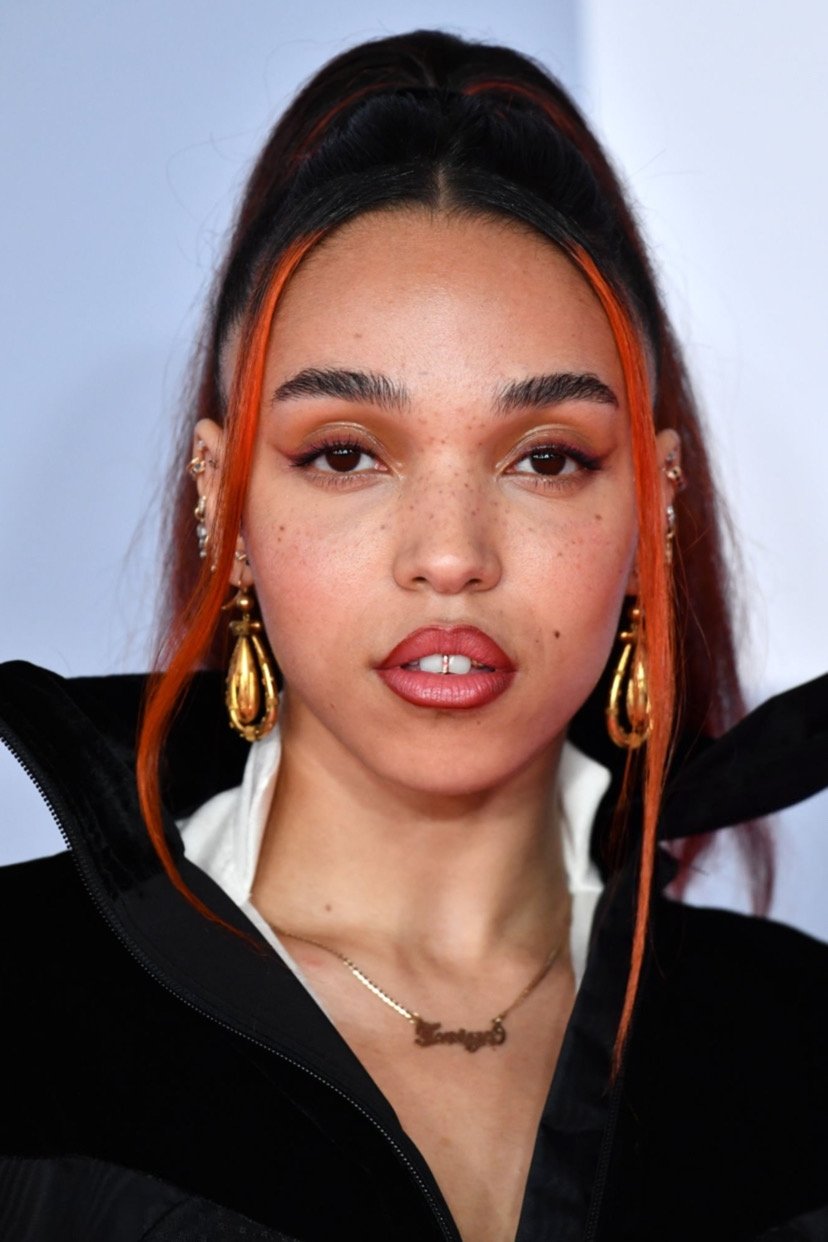
Although often categorized as a musician, the British-Jamaican-Spanish artist has acted in films like ‘Honey Boy’ (2019) and upcoming ‘The Crow’ (2024), and she has made headlines for her groundbreaking use of AI. In testimony to the U.S. Senate, she revealed that she created her own “deepfake” AI digital twin to handle press interactions and social media duties. She views this customized AI not as a threat, but as a tool that allows her to reclaim her time for creative work while maintaining her digital presence. This proactive step allows her to control her own likeness and rights, setting a precedent for how artists can harness AI for agency rather than exploitation. Her stance is one of the most radically pro-active uses of AI by a performer to date.
Zoe Saldaña
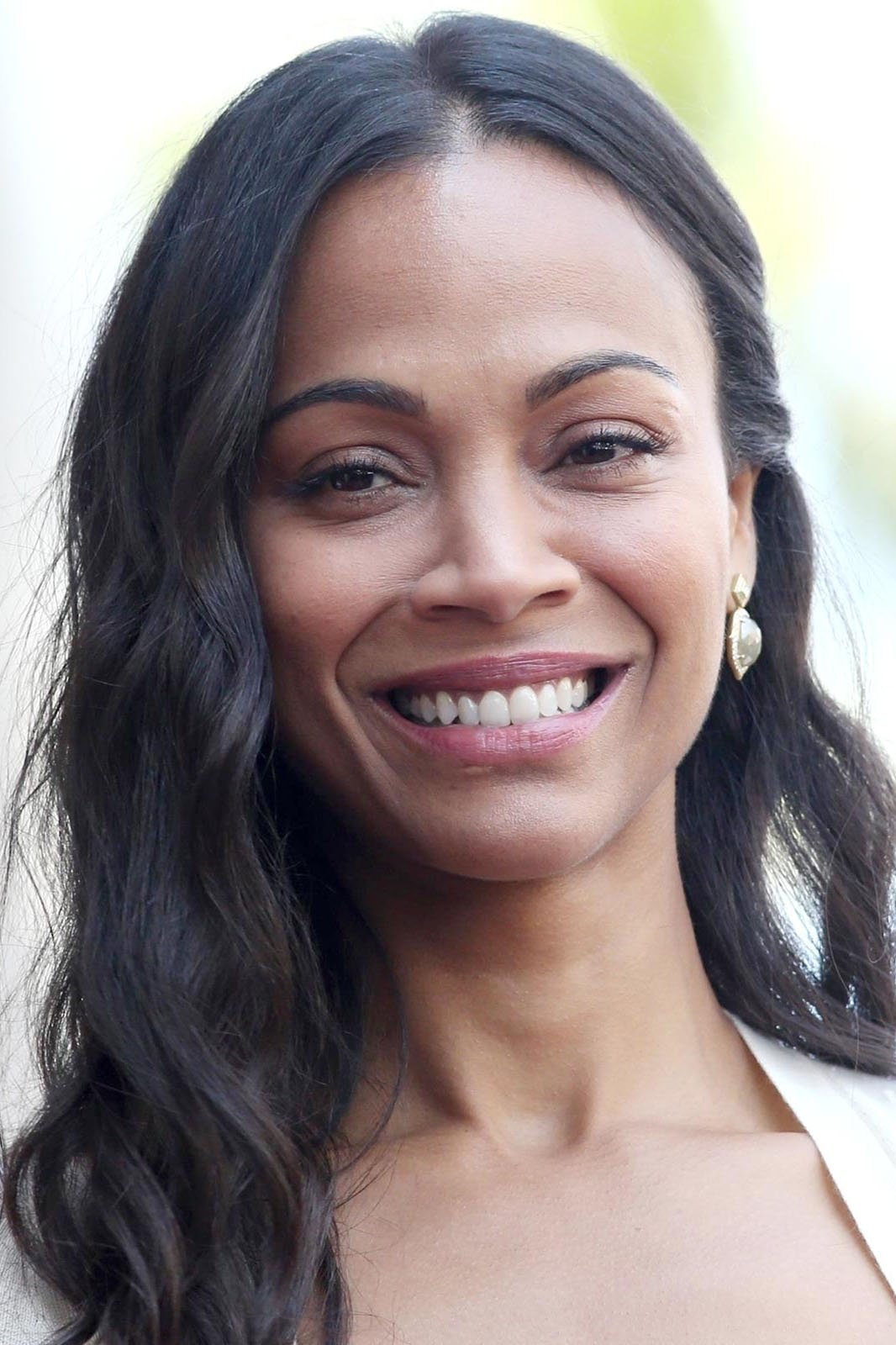
As the queen of sci-fi cinema, Zoe Saldana has spent much of her career inhabiting worlds defined by advanced technology, from ‘Avatar’ (2009) to ‘Star Trek’ (2009). Beyond her roles, she founded BESE, a digital media platform that uses modern tech to tell the untold stories of American diversity. Saldana has invested in various tech startups, including the financial app Public, showing her comfort with the fintech world. Her work in motion capture for the role of Neytiri in ‘Avatar’ was a pioneering embrace of the digital translation of human performance, a precursor to modern AI acting tools. She continues to champion projects that push the boundaries of visual effects and digital storytelling.
Jessica Alba

Jessica Alba is a powerhouse entrepreneur who has built a billion-dollar business with The Honest Company, which relies heavily on data analytics and digital commerce. Her investment portfolio extends into the tech world, with stakes in companies like Headspace and Managed by Q, showing a broad interest in software solutions. In the entertainment realm, she produced and was attached to star in the AI-focused police procedural ‘Girl 10’, which explored the legal rights of synthetic humans. Alba’s career trajectory proves that she views technology as a fundamental pillar of modern business. Her willingness to explore AI themes in fiction aligns with her real-world focus on innovation.
Ana de Armas

Ana de Armas delivered one of the most empathetic portrayals of artificial intelligence in cinema history as Joi in ‘Blade Runner 2049’ (2017). Her performance humanized the concept of a digital companion, allowing audiences to see the emotional potential of AI relationships. While she has not been a vocal tech investor, her willingness to inhabit such a complex digital character helped shift the cultural narrative around AI from “monster” to “partner.” She continues to select roles in high-concept action and sci-fi films that rely on cutting-edge filmmaking technology. Her work stands as a testament to the artistic possibilities of merging human acting with digital concepts.
Lupita Nyong’o
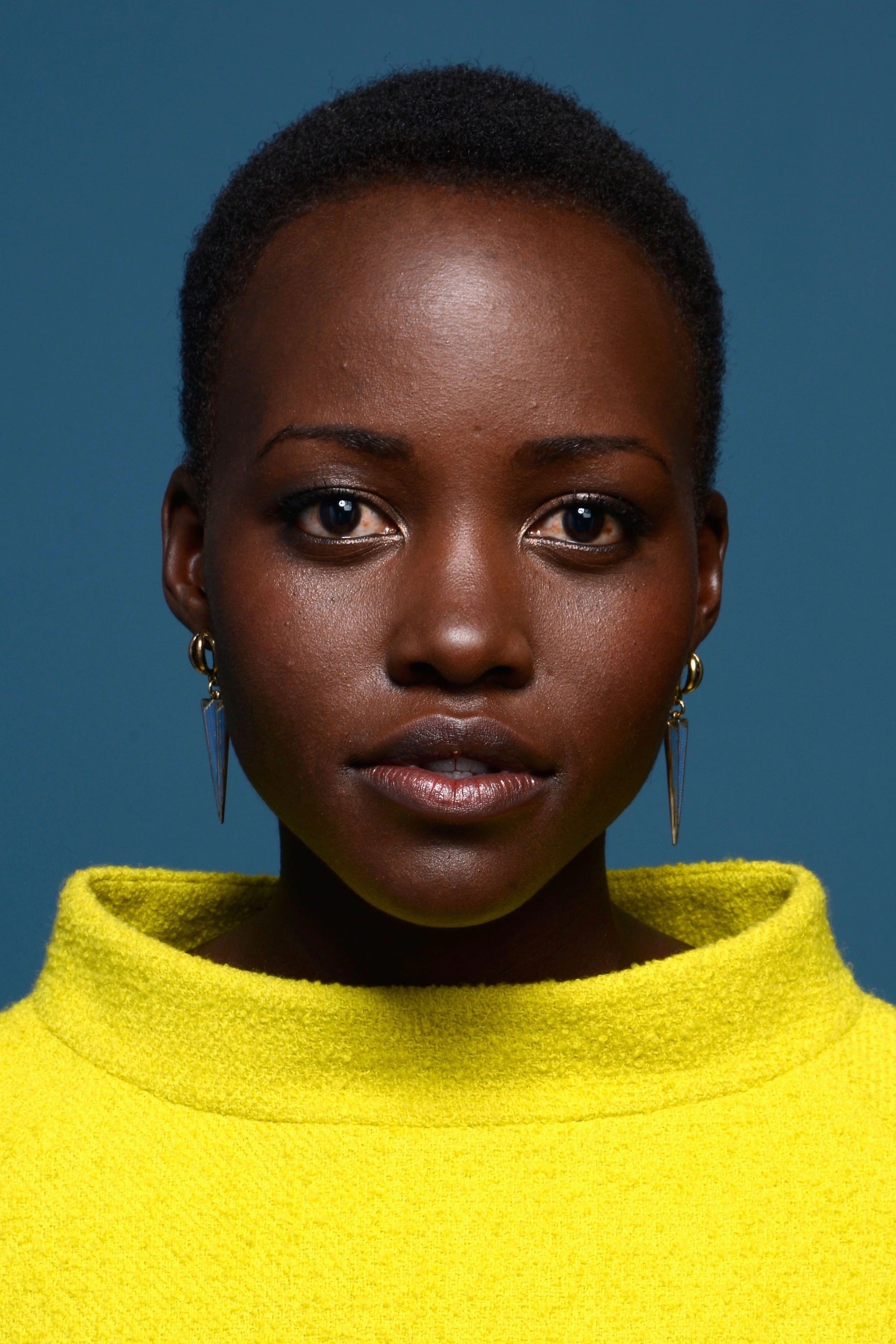
Born in Mexico to Kenyan parents, Lupita Nyong’o has embraced digital performance art through her work in the ‘Star Wars’ sequels and her recent voice role in ‘The Wild Robot’ (2024). In ‘The Wild Robot’, she voices a machine that learns to adapt and care for living creatures, a role that required her to explore the intersection of programming and emotion. Nyong’o has spoken about the challenge and reward of finding the “soul” within a technological character. Her embrace of motion capture technology, first as Maz Kanata, demonstrates her comfort with the tools that are reshaping the acting profession. She views these technologies as new mediums for expression rather than replacements for human talent.
Rosa Salazar

Rosa Salazar became a global icon for digital performance with her lead role in ‘Alita: Battle Angel’ (2019), where she played a cyborg with a fully CGI face driven by her actual expressions. The role required total immersion in performance capture technology, which uses AI-assisted algorithms to translate human nuance onto a digital avatar. Salazar has been a vocal advocate for the artistry of motion capture, arguing that it is a valid and powerful form of acting. Her enthusiasm for the “Alita” character and the tech behind it has garnered a massive cult following. She represents a new generation of actresses who see no barrier between their physical selves and their digital augmentations.
Morena Baccarin

Brazilian-American actress Morena Baccarin is a familiar face in genre television, having voiced the artificial intelligence Gideon in ‘The Flash’ (2014–2023). Her voice work provided the personality for a futuristic AI that guided the heroes, a role that required her to balance robotic precision with warmth. Baccarin also starred in the reimagined ‘V’ (2009), delving into themes of advanced alien technology and manipulation. She has consistently chosen projects that explore the relationship between humans and future tech. Her ongoing work in the sci-fi genre suggests a comfort and fascination with where technology is taking storytelling.
Genesis Rodriguez

Genesis Rodriguez, the daughter of legendary singer El Puma, lent her voice to the character Honey Lemon in Disney’s ‘Big Hero 6’ (2014), a film that celebrates robotics and chemical engineering. Her character is a brilliant chemistry whiz who uses advanced tech to fight crime, promoting a positive image of women in STEM. Rodriguez has spoken fondly of the role and its ability to inspire young girls to take an interest in science and technology. The film itself is a love letter to the potential of benevolent AI, symbolized by the healthcare robot Baymax. Rodriguez’s participation in such a pro-science narrative highlights her support for technological optimism.
Anya Taylor-Joy

With Argentine roots, Anya Taylor-Joy tackled the subject of artificial life early in her career in the sci-fi thriller ‘Morgan’ (2016). She played a bio-engineered being with rapidly evolving intelligence, a role that required her to simulate the uncanny growth of a synthetic mind. She has continued to work in visually ambitious films like ‘Furiosa: A Mad Max Saga’ (2024), which rely heavily on practical and digital effects. Her distinct acting style often complements the surreal and heightened realities created by modern filmmaking tech. Taylor-Joy’s choices reflect a curiosity about the definition of humanity in an increasingly manufactured world.
Eiza González

Eiza González has quickly become a staple of high-tech blockbuster cinema, with roles in ‘Alita: Battle Angel’ (2019) and the sci-fi series ‘3 Body Problem’ (2024). In ‘3 Body Problem’, she plays a nanotech expert who engages with hyper-advanced virtual reality headsets that are indistinguishable from real life. Her character’s arc is deeply entwined with the potential and danger of cutting-edge physics and computing. González has embraced the physical and digital demands of these roles, often working in green-screen environments that require significant imagination. Her career path indicates a strong preference for forward-looking narratives that grapple with scientific advancement.
Selena Gomez

Selena Gomez has transitioned from child star to a major business mogul with investments in the mental health tech unicorn Wondermind. The platform uses digital tools to democratize access to mental health resources, showing a “tech-for-good” application of software. Gomez has also invested in the delivery startup Gopuff, further cementing her status as a player in the tech economy. While she is protective of her image, her business ventures rely heavily on app-based ecosystems and digital community building. She understands the power of technology to scale personal connection and wellness solutions.
Bella Thorne
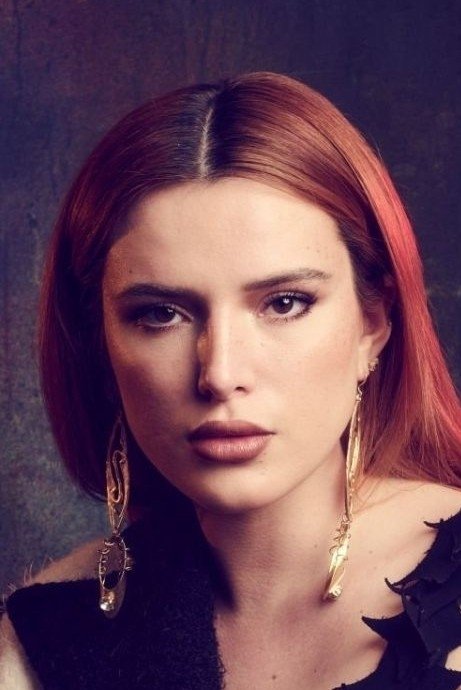
Bella Thorne, of Cuban descent, was one of the first major Hollywood stars to fully embrace the creator economy and direct-to-consumer digital platforms. She famously broke records on OnlyFans, leveraging the platform’s technology to bypass traditional Hollywood gatekeepers and monetize her fanbase directly. Thorne has also co-founded a cannabis brand and uses sophisticated social media marketing that relies on algorithmic reach. Her career is a testament to the power of digital disruption and the use of tech platforms to gain financial independence. She represents the “pro-creator” side of the tech revolution, using every digital tool available to maximize her brand.
Lele Pons

As a Venezuelan-American digital native, Lele Pons built her entire career on the back of social media algorithms, first on Vine and then on Instagram and YouTube. She is a pioneer of short-form digital content, heavily utilizing editing software, filters, and digital effects that laid the groundwork for current AI content creation tools. Pons creates content that often plays with visual effects and digital distortions for comedic effect. Her success is proof of the viability of a career built entirely on new media technology. She continues to evolve with the platforms, embracing new features and trends as they emerge.
Aubrey Plaza

Aubrey Plaza, who is of Puerto Rican heritage, starred in the 2019 reboot of ‘Child’s Play’, which reimagined the classic horror doll as a malfunctioning AI smart home device. The film offered a satirical look at our over-reliance on connected technology, but Plaza’s involvement brought a cool, modern edge to the story. She has also voiced characters in digital-first productions and maintains a dry, internet-savvy persona that resonates with the tech generation. Her work often deconstructs pop culture tropes, including the obsession with smart gadgets. Plaza’s role choices reflect a willingness to engage with the dark humor of our technological future.
Justina Machado

Justina Machado had an early brush with the concept of artificial beings in Steven Spielberg’s masterpiece ‘A.I. Artificial Intelligence’ (2001). Although her role was supporting, being part of such a seminal film placed her in the orbit of the most serious cinematic exploration of AI ethics. In recent years, she has starred in ‘The Horror of Dolores Roach’, a series that began as a podcast, showcasing her adaptability to new digital storytelling formats. Machado has consistently advocated for Latino representation across all media platforms, including streaming services that rely on algorithmic recommendation engines. Her career longevity proves her ability to adapt to the shifting technological landscape of Hollywood.
Alice Braga
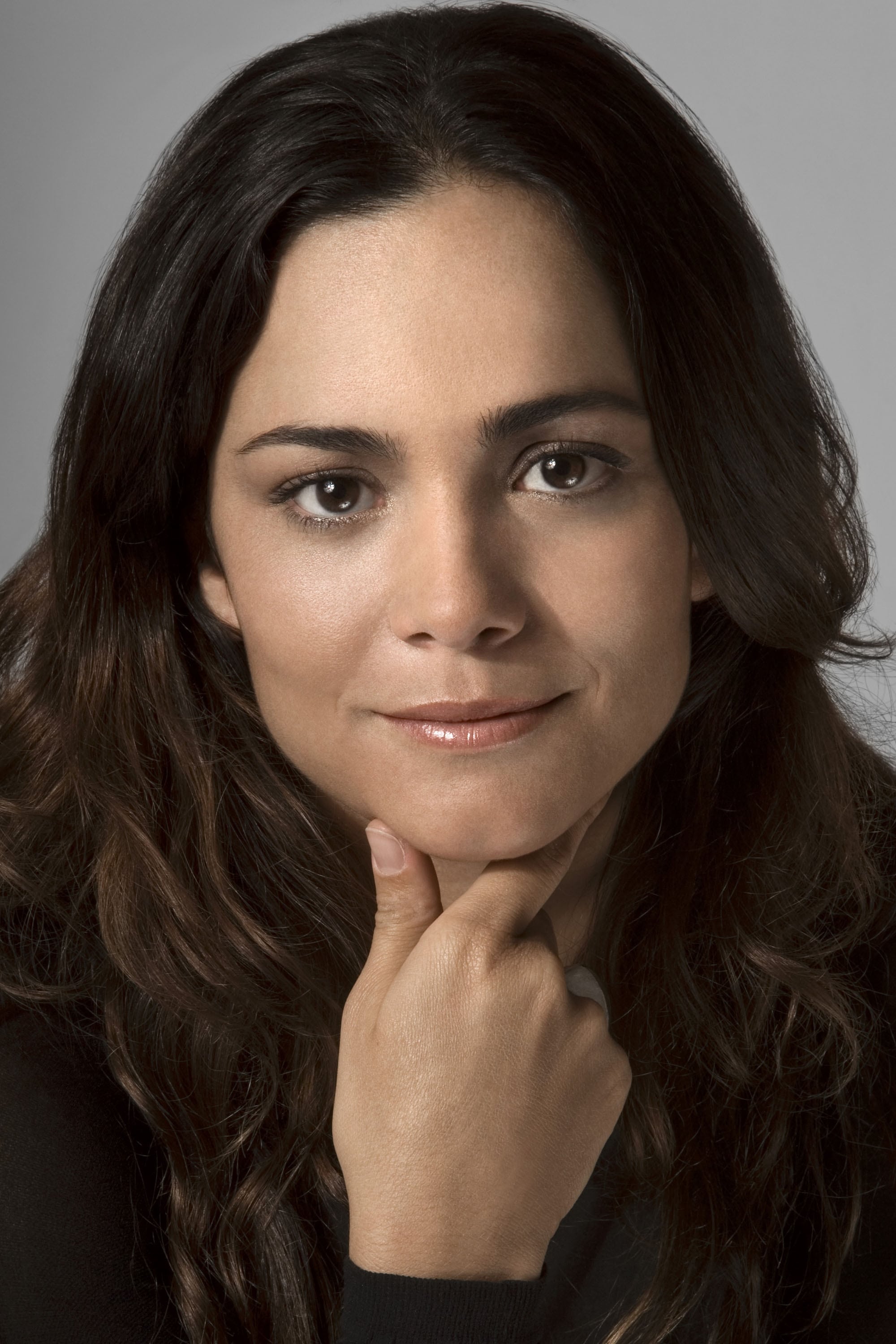
Brazilian actress Alice Braga has starred in some of the most successful sci-fi films of the last two decades, including ‘I Am Legend’ (2007), ‘Elysium’ (2013), and ‘Hypnotic’ (2023). In ‘Hypnotic’, she navigates a reality-bending plot that deals with mind control and constructed constructs, themes that run parallel to the capabilities of generative AI. Her role in ‘Elysium’ dealt with advanced medical technology and transhumanism. Braga’s consistent presence in future-set films highlights her comfort with high-concept technological narratives. She brings a grounded humanity to stories that are often dominated by CGI and futuristic concepts.
Please share your favorite performance by these tech-savvy actresses in the comments!