
Michael B. Jordan Reveals He Needed Therapy After Playing Killmonger in ‘Black Panther’

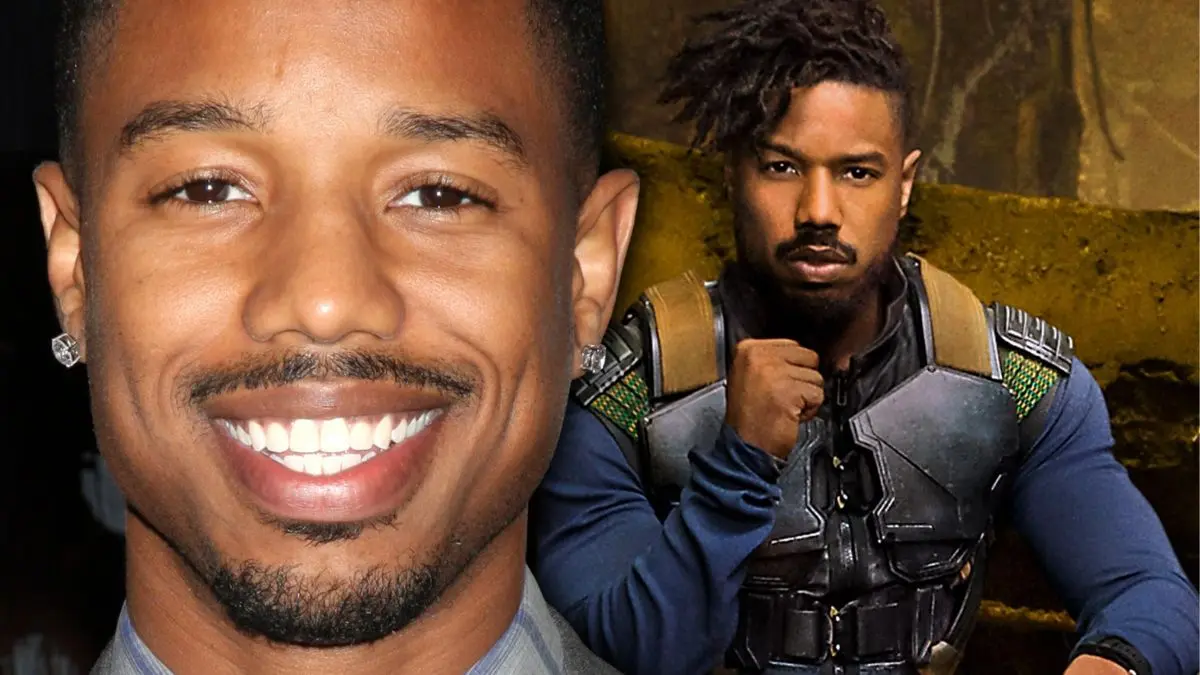

Michael B. Jordan recently spoke about the personal impact of playing Erik Killmonger in Black Panther, revealing that the role was so intense it led him to seek therapy.
In an interview with CBS Sunday Morning, Jordan explained how the character affected him even after filming ended.
“It kind of stuck with me for a bit. I went to therapy, talked about it, found a way to kind of just decompress,” he said. Jordan admitted that taking time to separate himself from the role was a learning process. “I was still learning that I needed to decompress from a character,” he added.
Killmonger is a character shaped by trauma, betrayal, and abandonment, and Jordan immersed himself in that mindset while filming. “He had a lot of betrayal, a lot of failed systems around him that shaped him and his anger and his frustration,” the actor said.
He even isolated himself from his family during the shoot to better connect with Killmonger’s experience. “I didn’t really speak to my family that much. I was kind of isolated a bit… tried to live like he would have lived for a bit,” Jordan shared.
The character’s story is one of revenge and conflict. Killmonger, a former Navy SEAL, aims to avenge his father’s death and challenge T’Challa, played by Chadwick Boseman, for the throne of Wakanda. His father was executed by King T’Chaka for smuggling vibranium out of Wakanda.
For Jordan, therapy became more than just a way to process the role—it led to self-discovery and personal growth. “Talking is really important… It definitely helped me throughout the years and to this day of trying to be a good communicator and a well-rounded person, inside and out,” he said. He stressed that seeking help is nothing to be ashamed of. “That’s something I’m not ashamed of at all and very proud of.”
Jordan also reflected on the nature of acting, calling it a “solo journey” that requires reflection and emotional care. “Therapy is necessary… especially for men,” he said. He added that the role’s complexity and moral ambiguity drew him in: “You can blur those lines and be a little less on-point, morally.”
Jordan’s openness highlights the emotional toll that playing intense characters can take and the importance of processing those experiences in healthy ways.
Have something to add? Let us know in the comments!