Gay Actresses Who Faced the Most Backlash from the Audiences

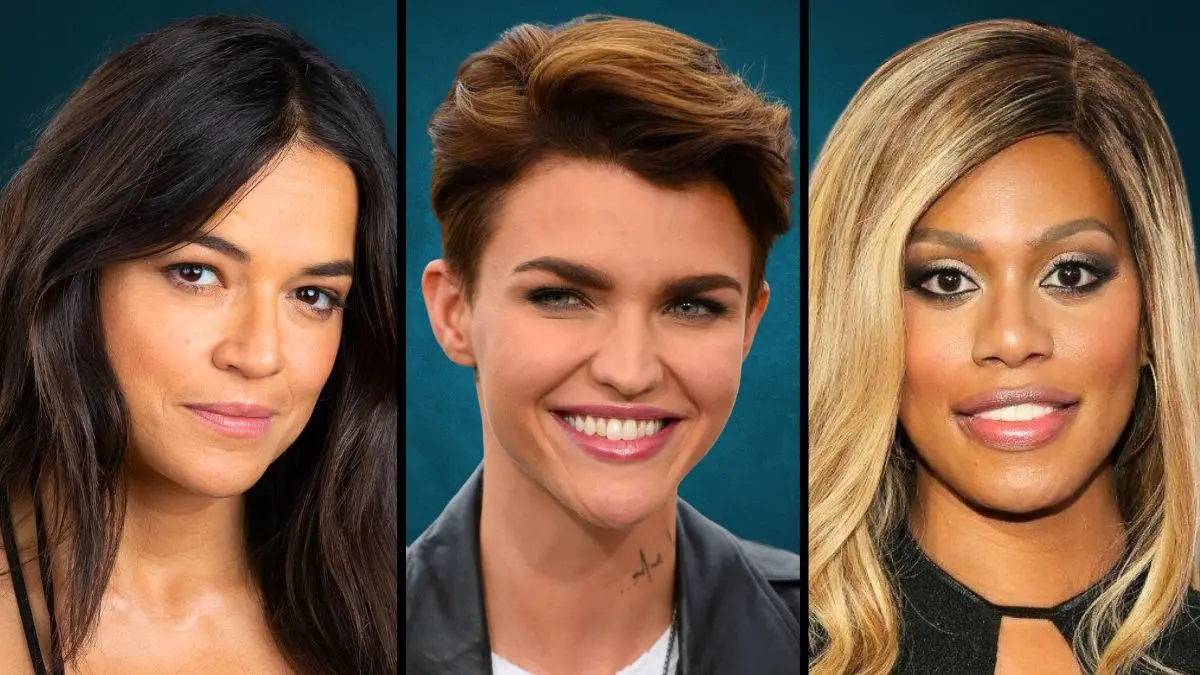

Public scrutiny has frequently targeted women in Hollywood who openly identify as part of the LGBTQ+ community. This hostility often manifests as professional blacklisting, online harassment, or intense media invasion of their private lives. The following individuals navigated significant public and industry pushback regarding their sexuality or relationships.
Ellen DeGeneres
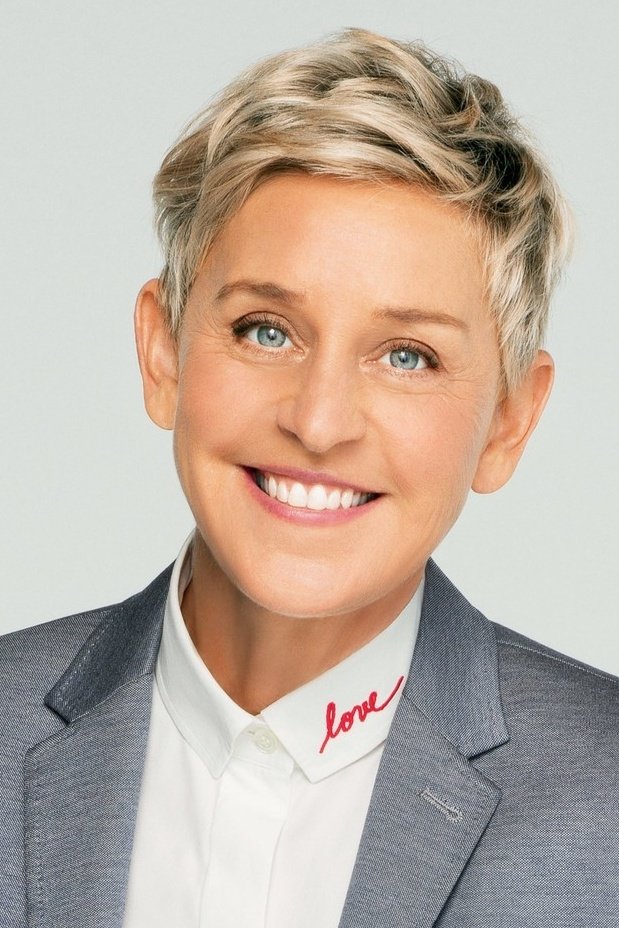
The comedian and actress faced immediate and severe consequences after her character came out in the sitcom ‘Ellen’. Advertisers pulled funding from the show while conservative groups organized boycotts against the network. She endured a period of professional isolation where Hollywood studios refused to hire her for several years. This historic moment eventually paved the way for greater representation despite the initial career damage she suffered.
Anne Heche
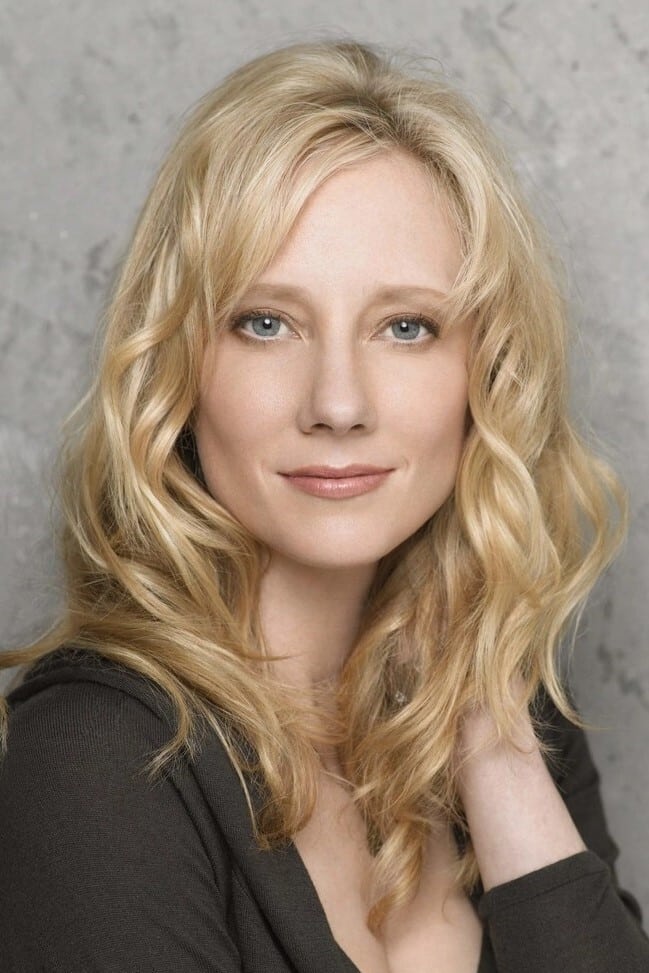
Heche experienced an industry blackout after she went public with her relationship with Ellen DeGeneres in the late 1990s. Fox executives famously threatened to terminate her contract if she brought DeGeneres to the premiere of ‘Volcano’. She claimed that major studios stopped casting her in leading roles for over a decade due to the romance. Her experience highlighted the severe homophobia present in the film industry during that era.
Kristen Stewart
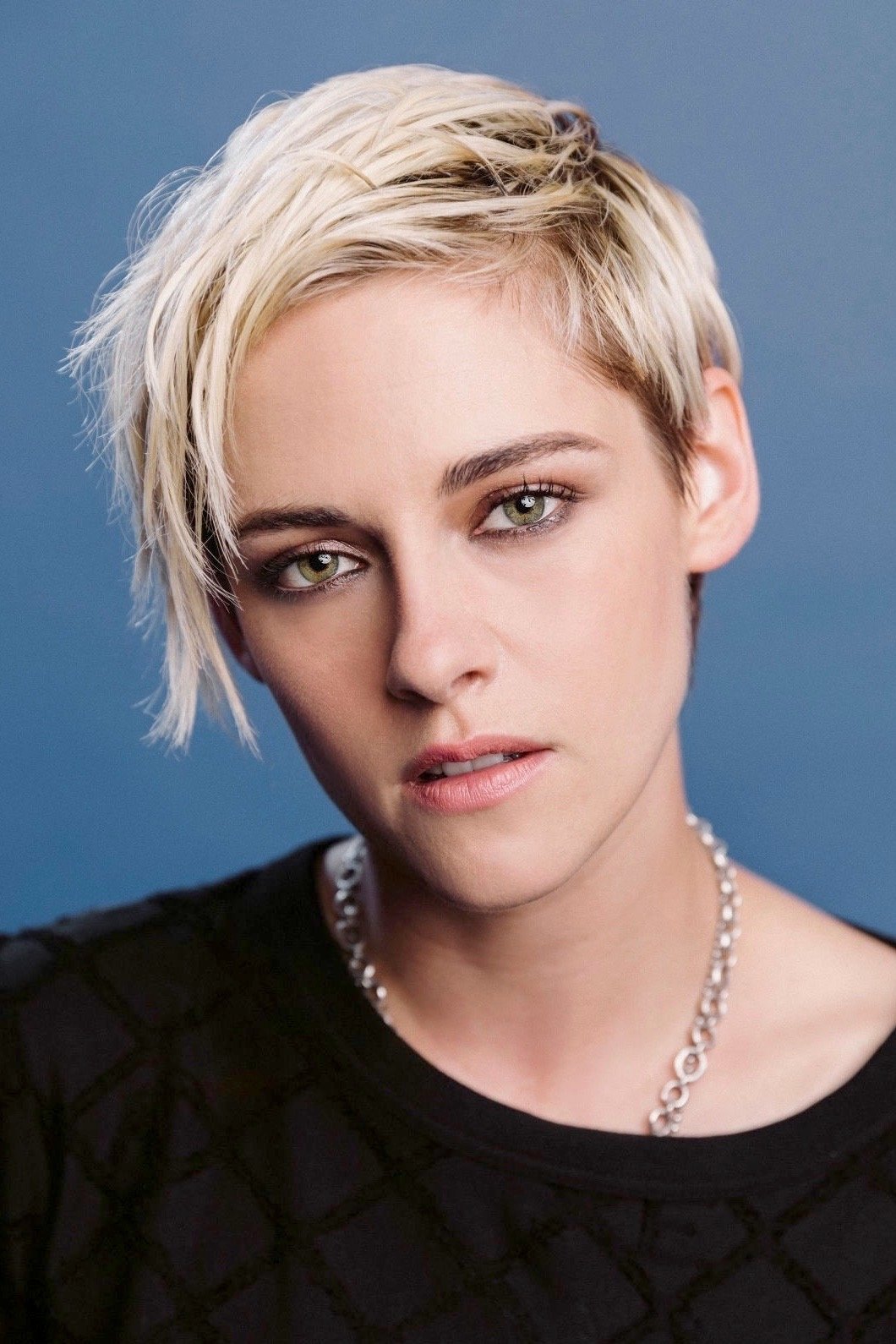
The ‘Twilight’ star faced immense public scrutiny regarding her sexuality and her relationships with women after dating Robert Pattinson. She received advice from industry figures to hide her girlfriend to preserve her chances of being cast in mainstream franchise films. Stewart eventually rejected these warnings and openly embraced her identity despite the lingering judgment. Her refusal to conform to traditional Hollywood standards sparked debates about privacy and authenticity.
Ruby Rose
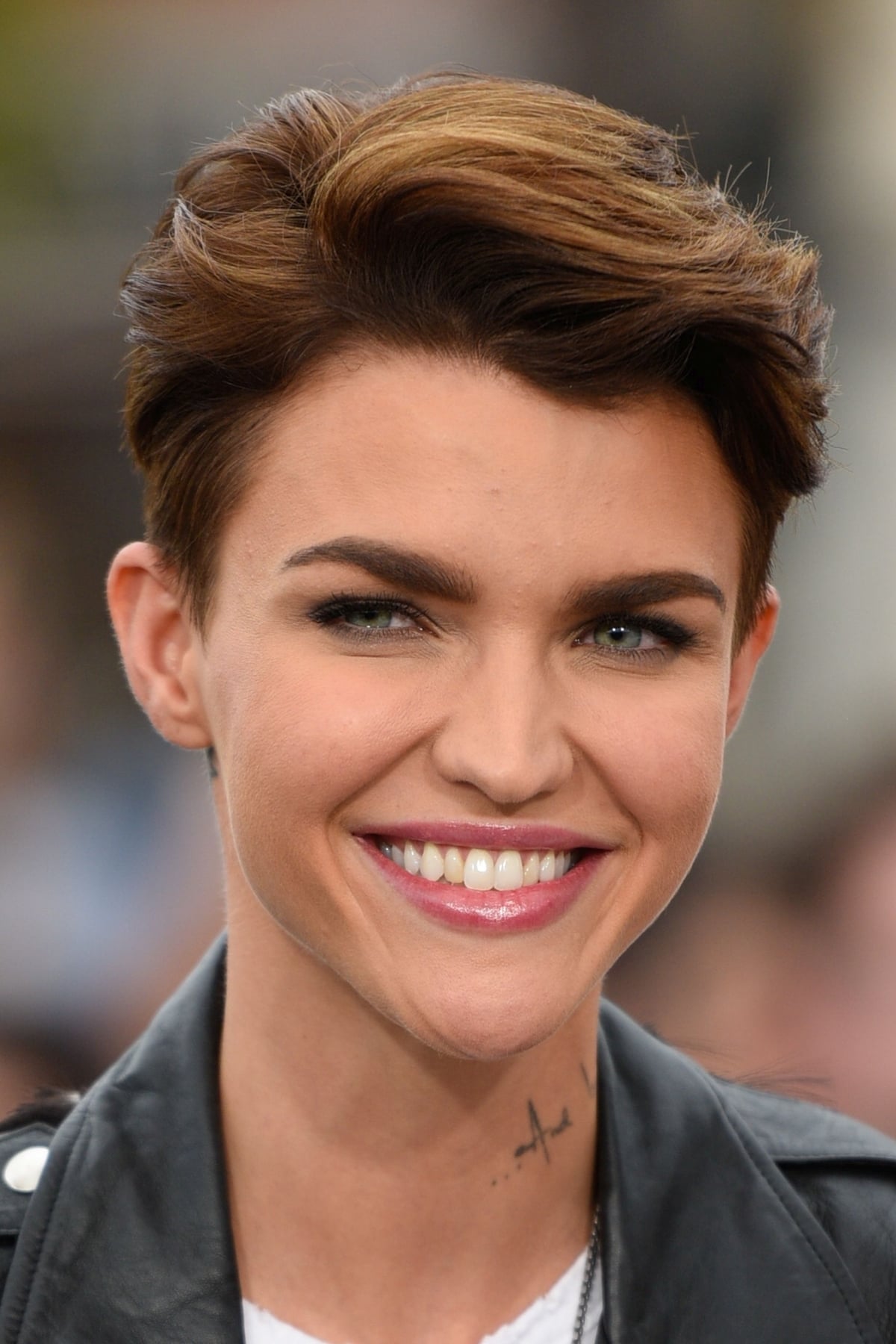
Casting directors selected Rose to play the titular character in the series ‘Batwoman’, which sparked an immediate wave of online toxicity. Critics on social media argued that she was not lesbian enough or Jewish enough to portray the comic book hero accurately. The intensity of the harassment forced her to disable her Twitter account and limit her social media presence. This backlash highlighted the gatekeeping that often occurs within fandom communities regarding casting choices.
Amber Heard
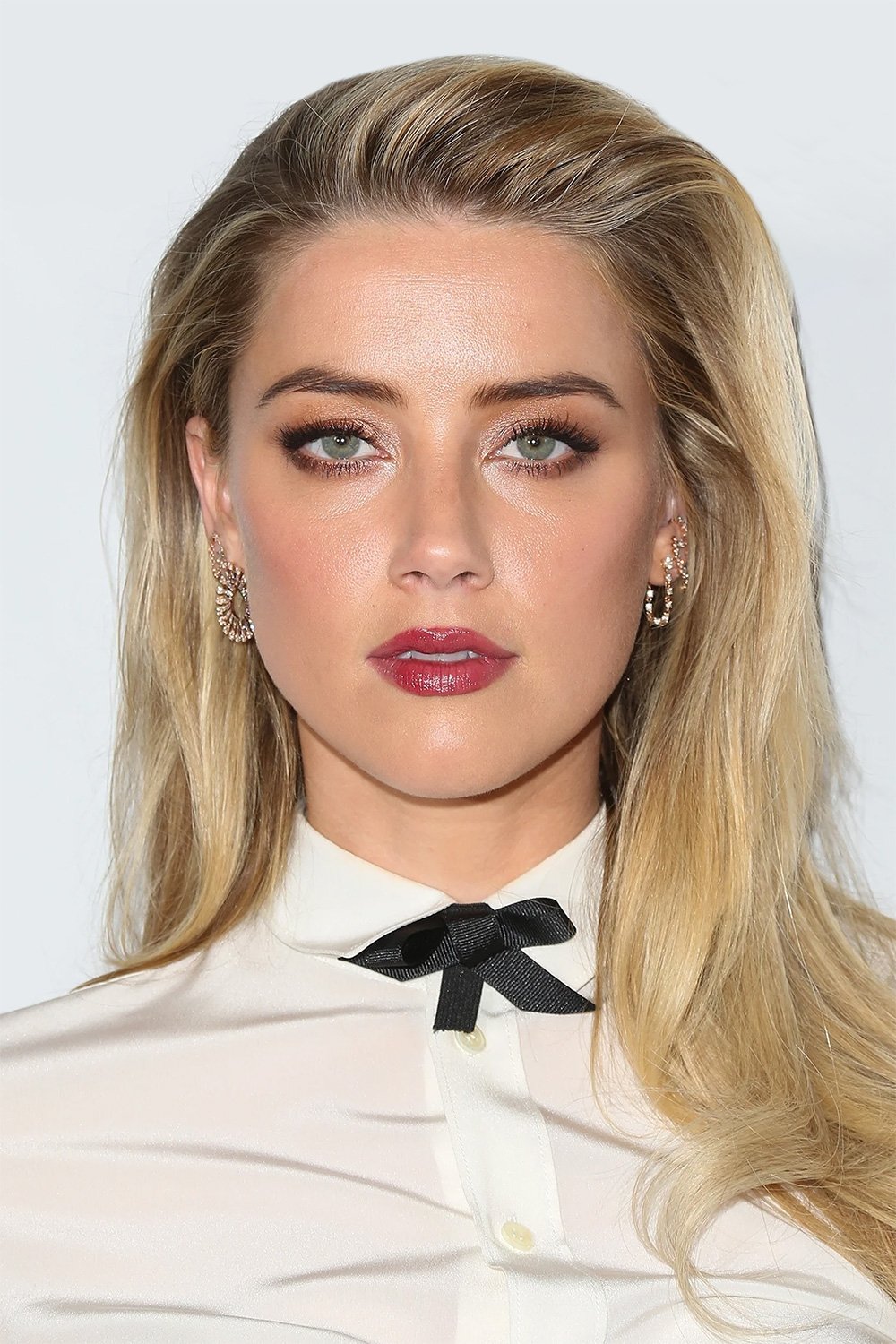
Heard faced a unique form of biphobic backlash throughout her high-profile legal battles and career. Media outlets and online commentators frequently used her bisexuality to characterize her as untrustworthy or promiscuous. This stigmatization persisted despite her early openness about her identity before her marriage to Johnny Depp. The actress became a lightning rod for online vitriol that often attacked her gender and sexual orientation simultaneously.
Jameela Jamil
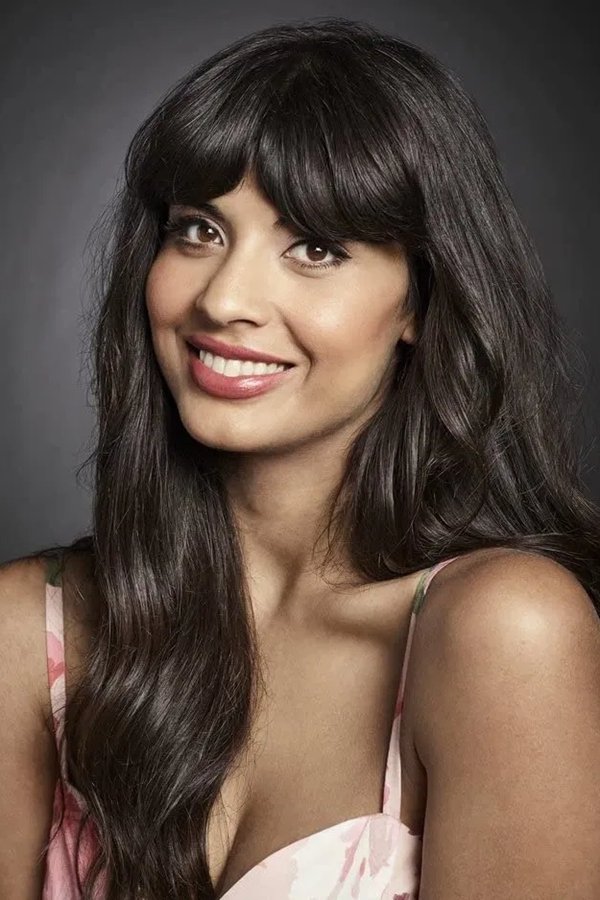
The ‘The Good Place’ actress felt forced to come out as queer after facing criticism for her involvement in the ballroom competition show ‘Legendary’. Twitter users accused her of appropriating ballroom culture and taking space away from LGBTQ+ individuals. Jamil expressed frustration that she had to reveal her sexuality under pressure rather than on her own terms. The incident sparked a conversation about the ethics of forcing public figures to disclose their private identities.
Rebel Wilson
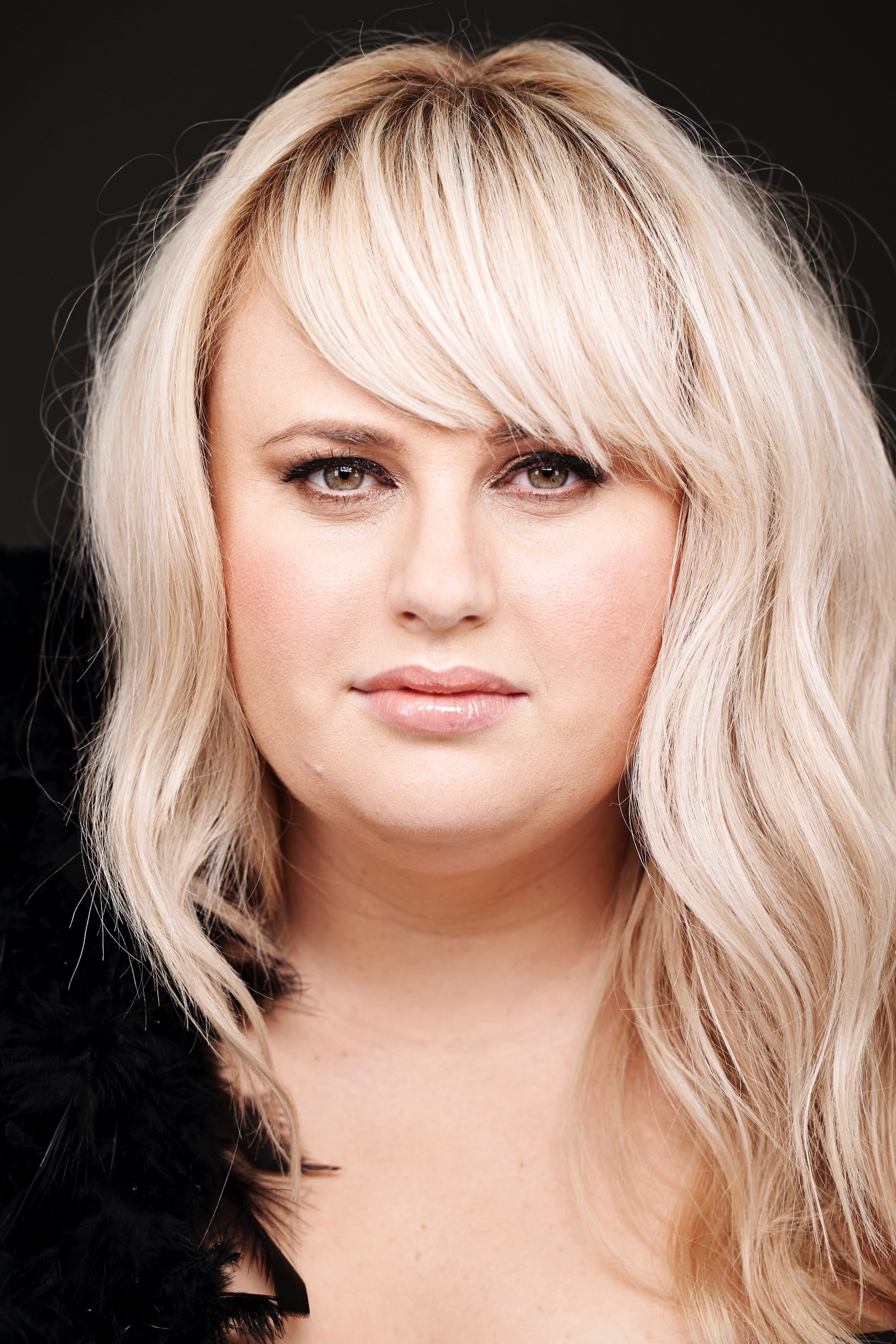
An Australian newspaper threatened to publish details about Wilson’s relationship with a woman before she had publicly disclosed it. The actress chose to announce the news herself on Instagram to regain control over her own narrative. Public outcry ensued against the publication for attempting to out her without consent. This situation demonstrated that media outlets still attempt to weaponize celebrity outings for headlines.
Shannon Purser

Fans of the show ‘Riverdale’ accused Purser of queerbaiting after a heated shipping war involving the characters Betty and Veronica. The online harassment became so severe that the actress felt compelled to come out as bisexual to defend herself. She expressed disappointment that the community forced her hand before she was ready to share that part of herself. Her experience served as a cautionary tale about the toxicity of entitlement within fandom culture.
Cynthia Nixon
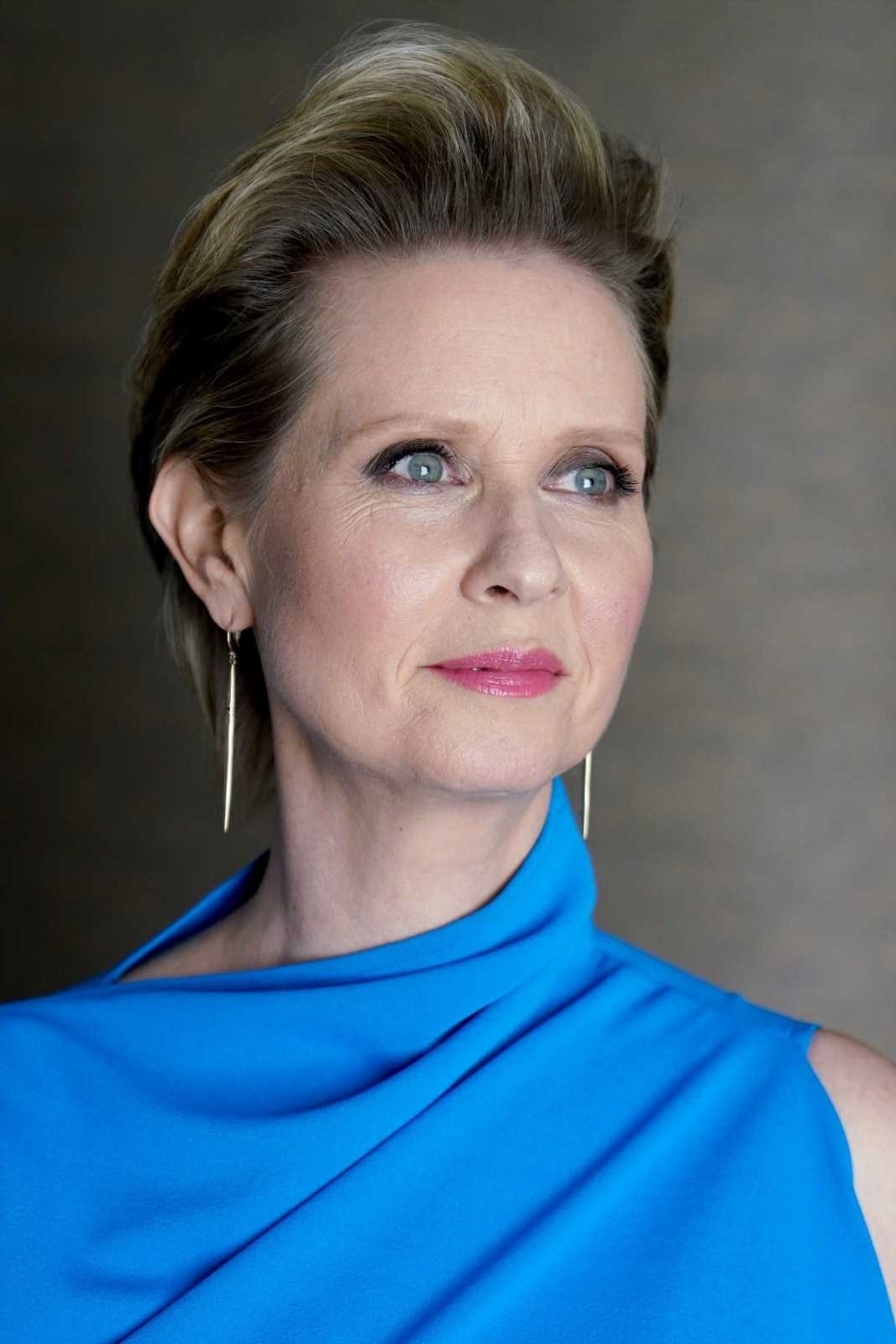
Nixon faced a storm of criticism during an interview where she described her lesbian identity as a choice. LGBTQ+ activists argued that her comments could damage the fight for equal rights by implying sexuality is voluntary. The ‘Sex and the City’ star later clarified that for her specifically, it felt like a choice, but she understood the distinction for others. This controversy followed her into her political career when she ran for Governor of New York.
Jodie Foster
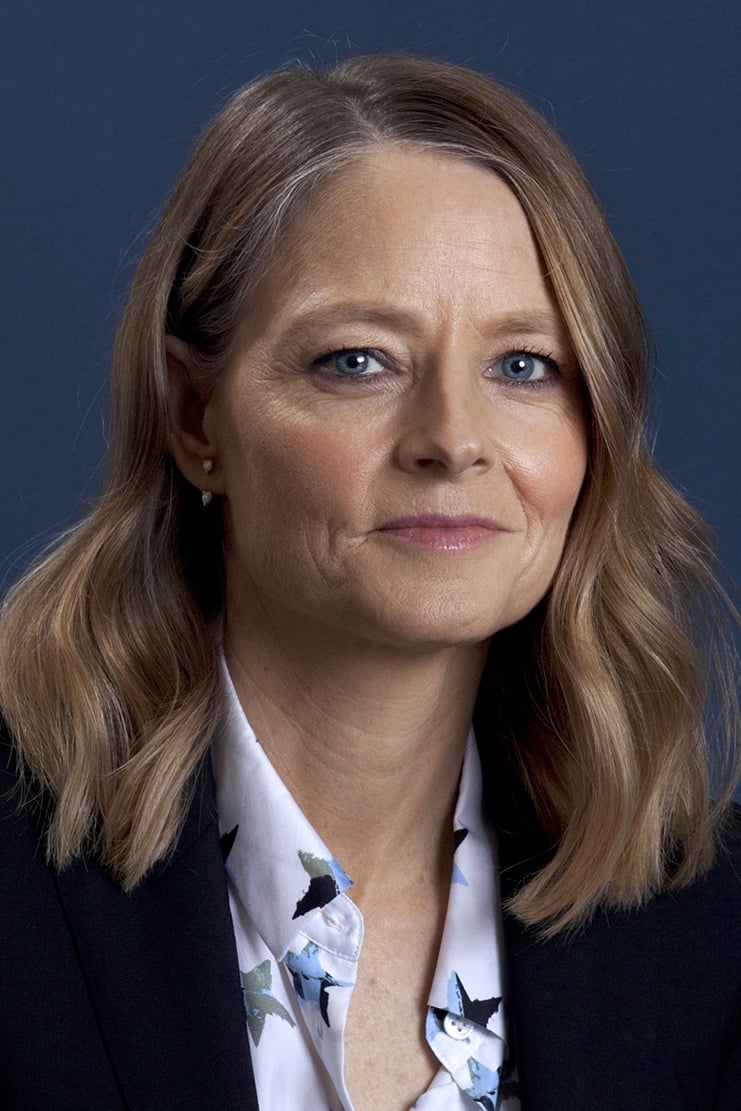
Foster endured decades of speculation and pressure to address her sexuality publicly while maintaining strict privacy. She faced criticism from activists in the 1990s who felt she had a duty to come out and support the community during the AIDS crisis. Her eventual acknowledgment came years later during a Golden Globes speech where she emphasized her right to privacy. The backlash she faced illustrated the tension between personal boundaries and political responsibility.
Raven-Symoné
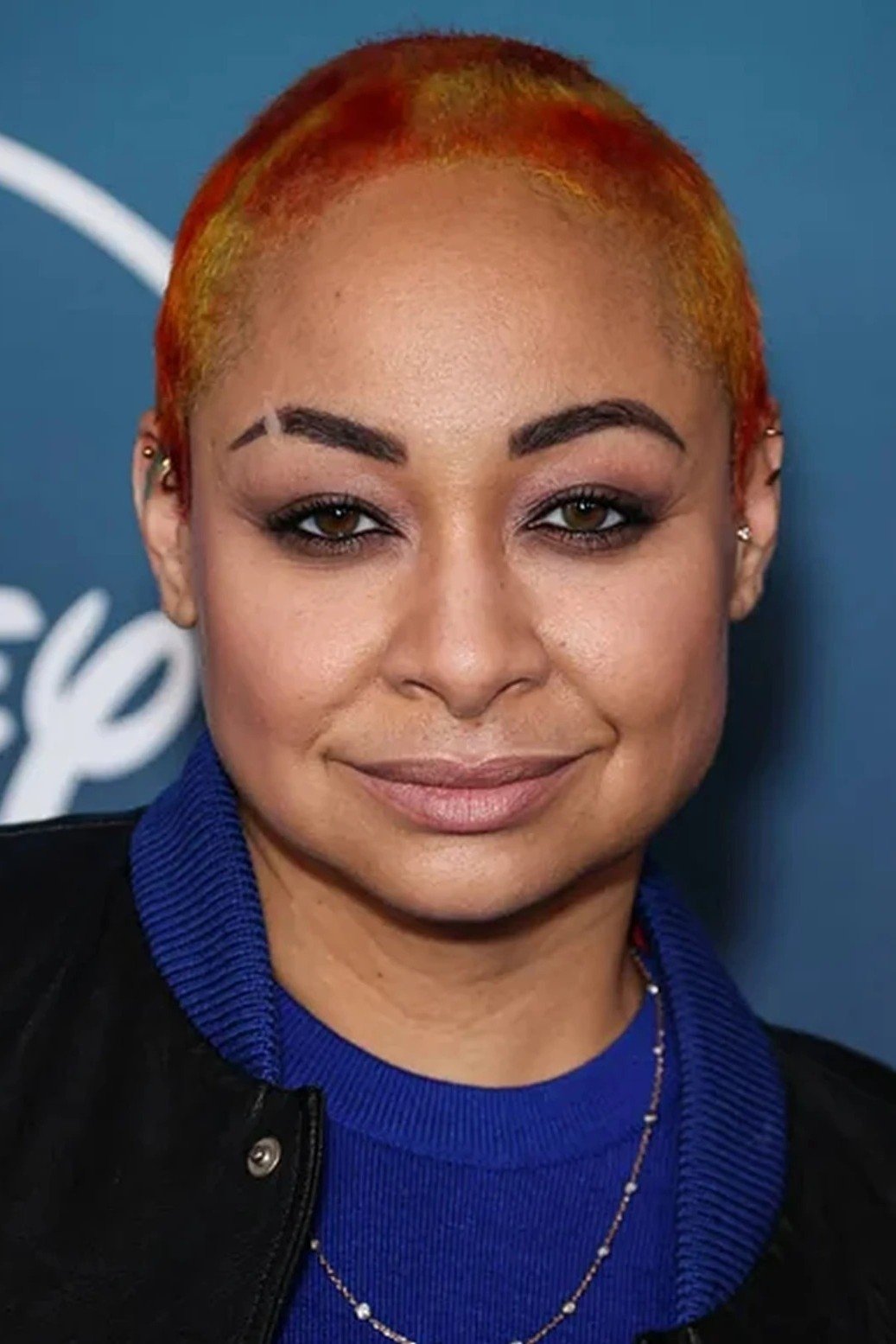
The former child star sparked controversy during an interview with Oprah Winfrey where she rejected labels and refused to identify as African-American or gay. Social media users and cultural critics attacked her for appearing to distance herself from her heritage and community. She clarified that she prefers to view herself as a human who loves humans without categorizing her identity. The backlash underscored the public desire for celebrities to fit into clearly defined social categories.
Evan Rachel Wood
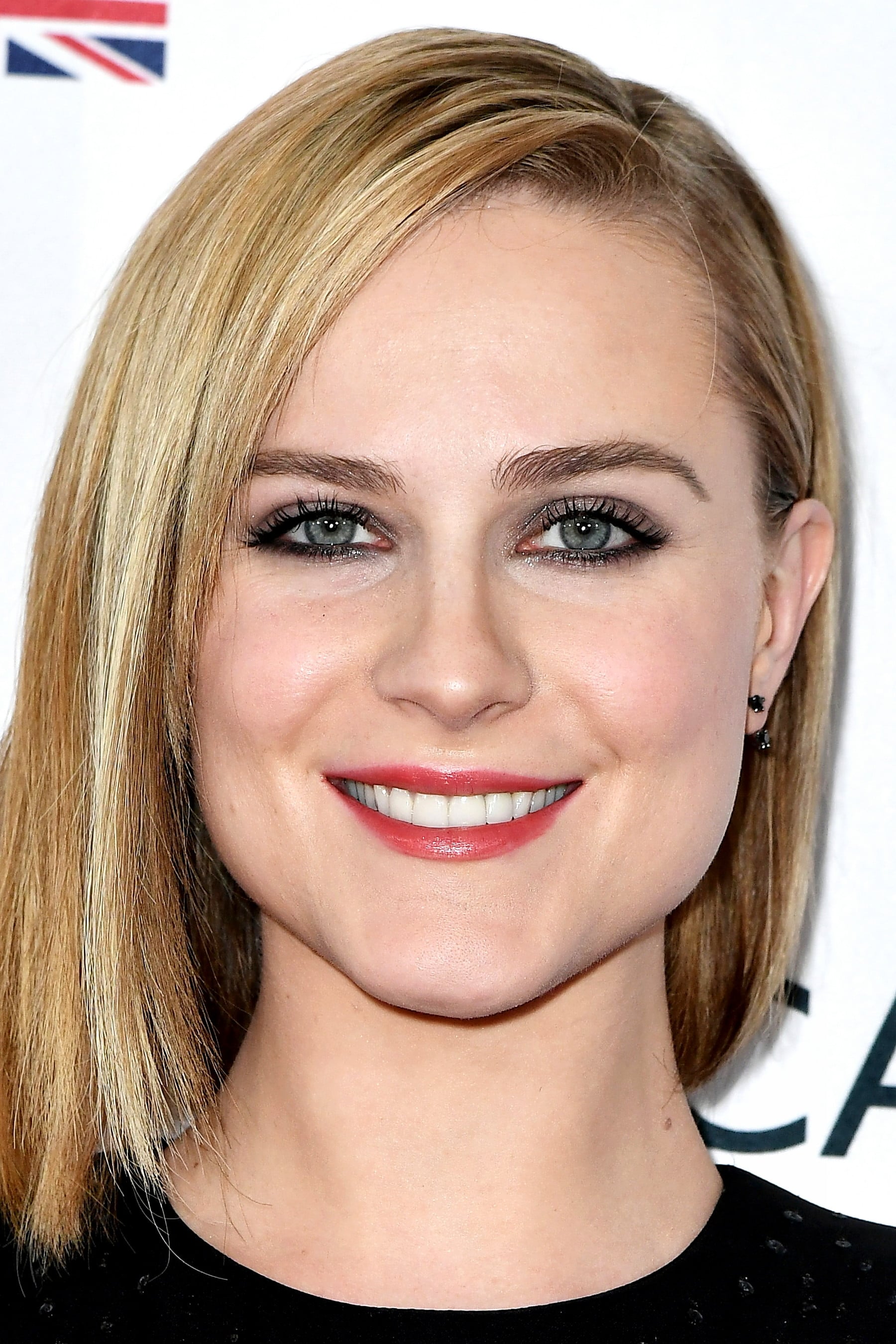
Wood has frequently spoken about the biphobia she encountered after coming out in 2011. She noted that people often treated her sexuality as a phase or assumed she was straight when dating men. The actress faced skepticism from both heterosexual and LGBTQ+ communities regarding the validity of her identity. Her advocacy has focused on dismantling the specific stigmas that bisexual individuals face in media and society.
Lindsay Lohan
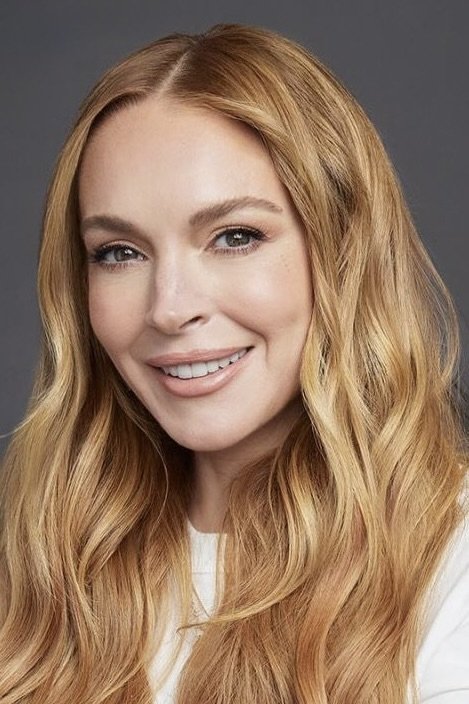
Lohan faced intense tabloid scrutiny during her relationship with DJ Samantha Ronson in the late 2000s. The paparazzi coverage was relentless and often framed her relationship as a symptom of her personal struggles rather than a valid romance. Industry insiders questioned her stability and reliability during this period of high visibility. The media narrative frequently overshadowed her acting work and focused almost exclusively on her personal life.
Michelle Rodriguez
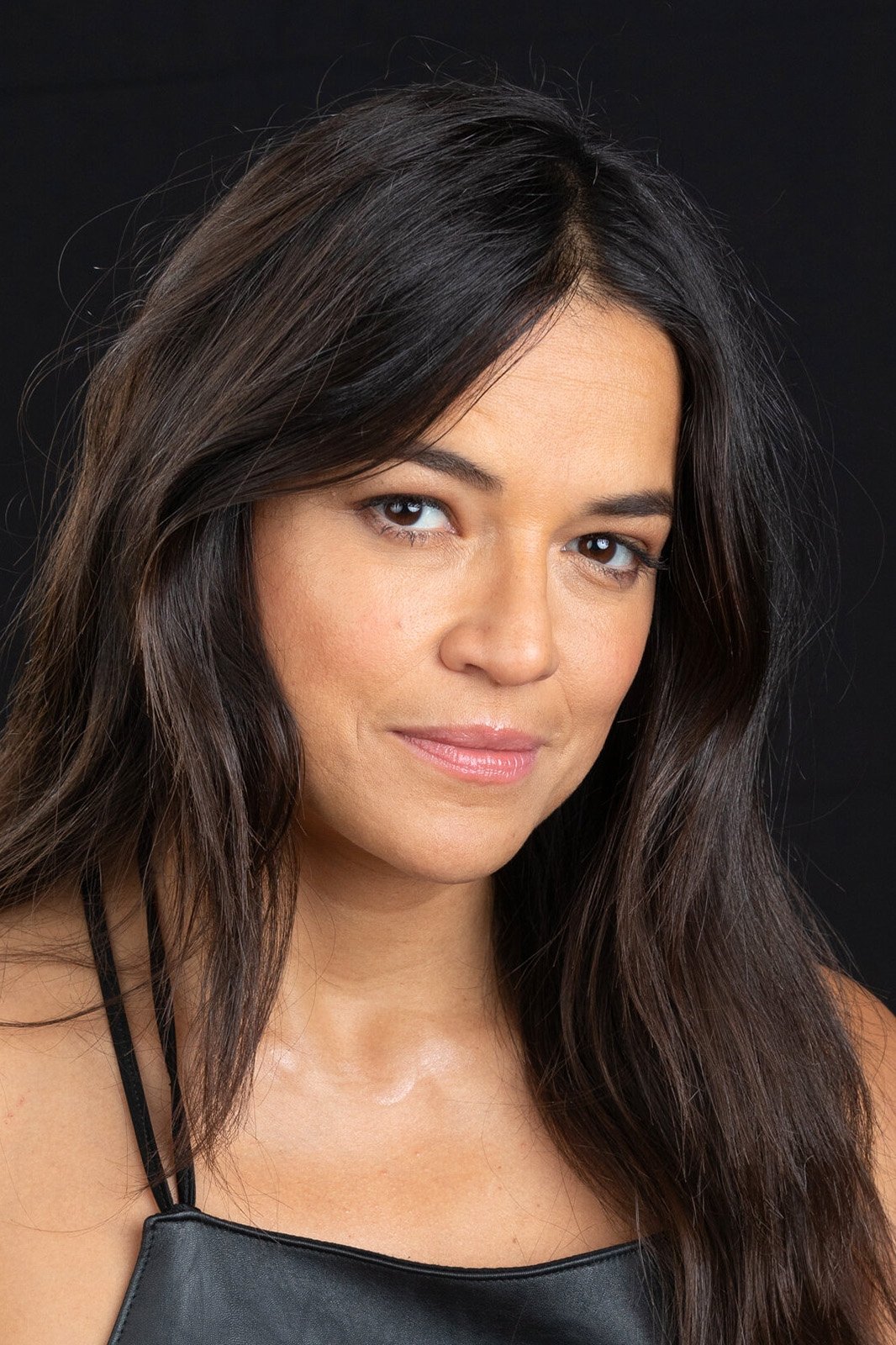
Rodriguez faced questions and criticism regarding her sexual orientation for years before confirming she is bisexual. She challenged the media’s obsession with her dating life and criticized the pressure to fit into a specific box. The ‘Fast & Furious’ star often expressed frustration with the lack of understanding surrounding bisexuality. Her defiance against labeling caused friction with press outlets that sought a definitive coming-out story.
Sarah Paulson
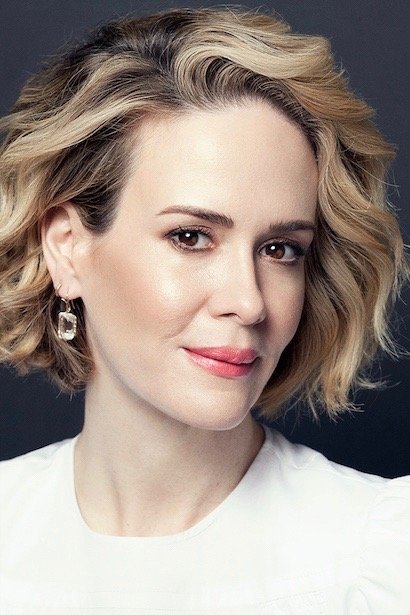
Paulson faced judgment and ageist commentary regarding her relationship with fellow actress Holland Taylor. The significant age difference between the two women became a frequent topic of tabloid gossip and online discussion. Paulson defended her partner and their bond against those who labeled the relationship inappropriate. She has continued to champion the idea that love should not be bound by generational expectations.
Amandla Stenberg
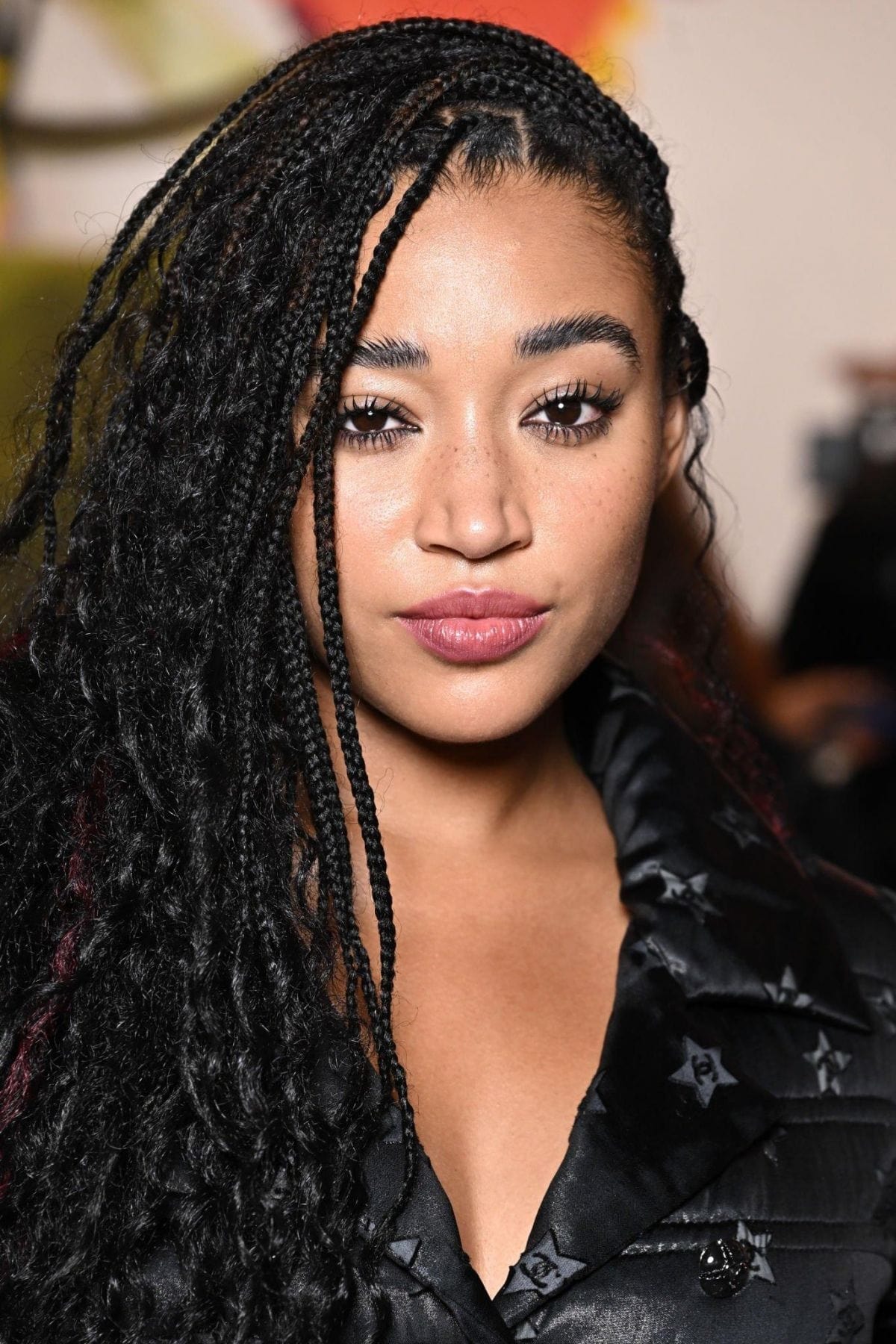
Stenberg has navigated waves of racist and homophobic harassment throughout her career, particularly after joining the ‘Star Wars’ franchise in ‘The Acolyte’. Trolls targeted her non-binary and gay identity while organizing review-bombing campaigns against her projects. She responded by releasing a music video that addressed the discourse and the exhaustion of dealing with bigotry. The backlash she faces highlights the intersectional discrimination directed at queer women of color.
Tessa Thompson
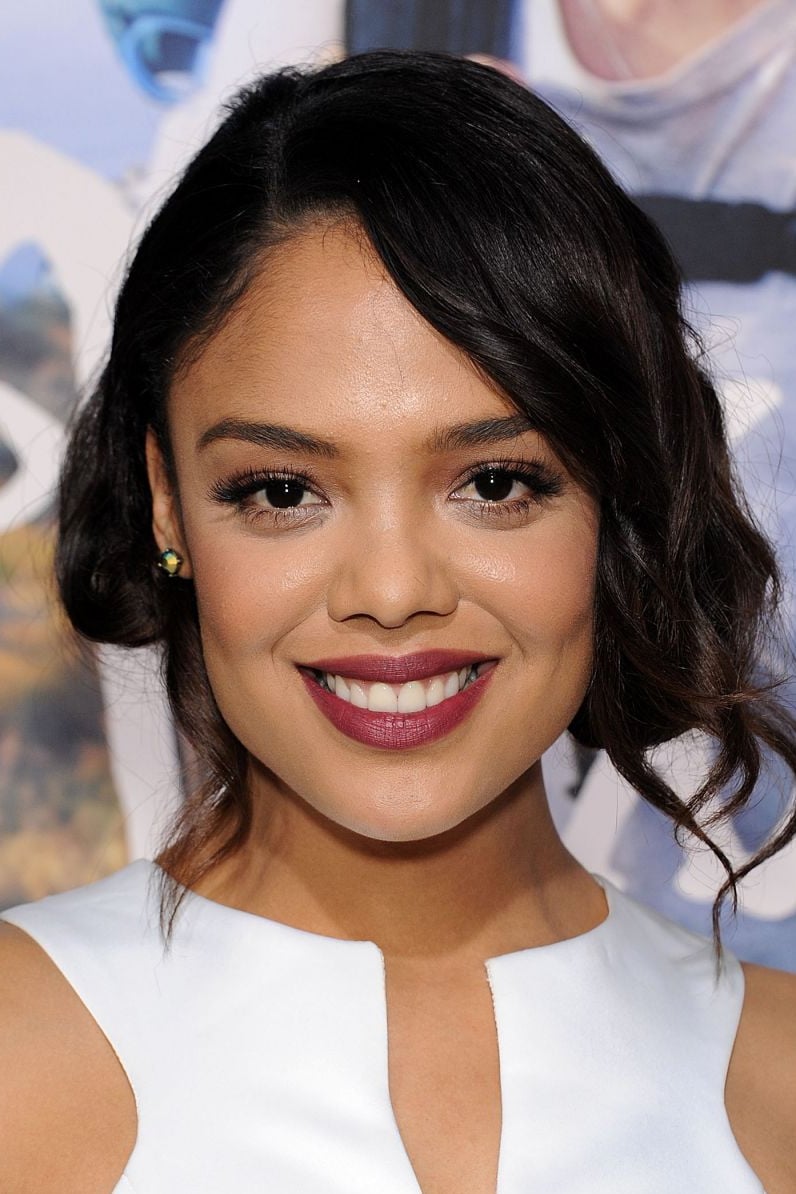
Thompson faced confusion and erasure after confirming her attraction to both men and women. She expressed disappointment when a scene confirming her character Valkyrie’s bisexuality was cut from ‘Thor: Ragnarok’. Fans and critics debated whether Disney was suppressing queer representation in its major franchises. Thompson had to navigate the corporate restrictions of Marvel while trying to remain authentic to her character and herself.
Dove Cameron
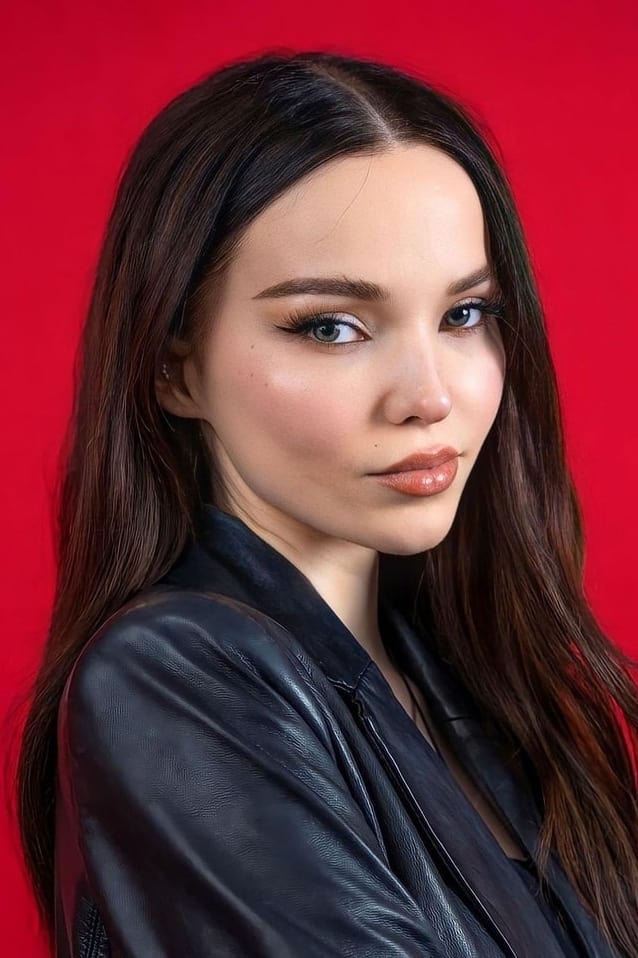
Cameron faced accusations of queerbaiting when she released music that hinted at same-sex attraction before officially coming out. Critics on TikTok and Twitter analyzed her aesthetic and lyrics to determine if she was exploiting the community for profit. She eventually clarified her queer identity on the cover of a magazine to silence the speculation. The incident revealed the skepticism that young female artists face when exploring their sexuality in the public eye.
Rowan Blanchard
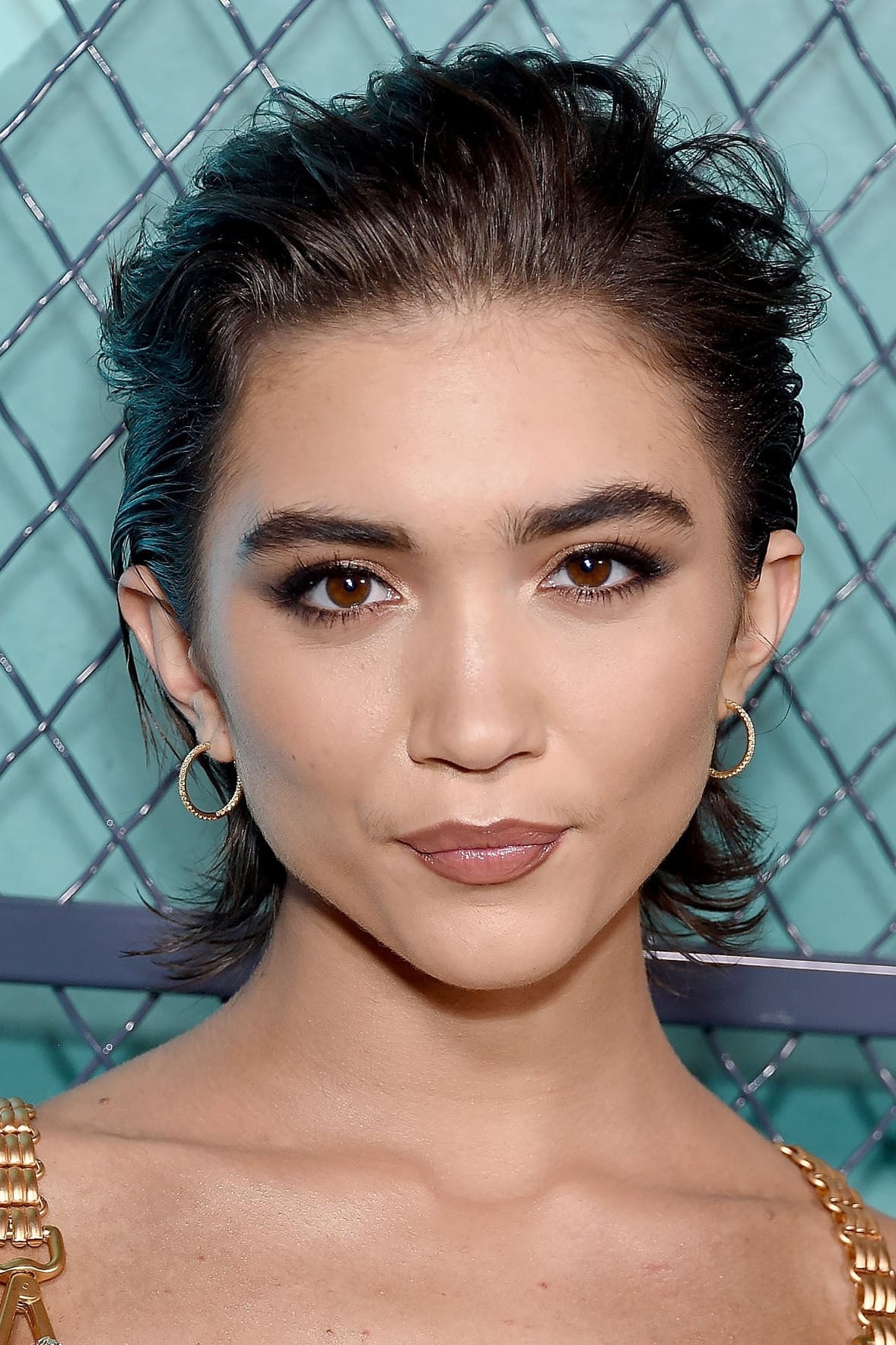
The ‘Girl Meets World’ actress identified as queer as a teenager and faced immediate pushback from conservative audiences. Some fans of her Disney Channel show argued that she was too young to understand her sexuality or influence her young fanbase. Blanchard used her platform to advocate for intersectional feminism despite the criticism. She consistently challenged the notion that young people lack the agency to define their own identities.
Anna Paquin
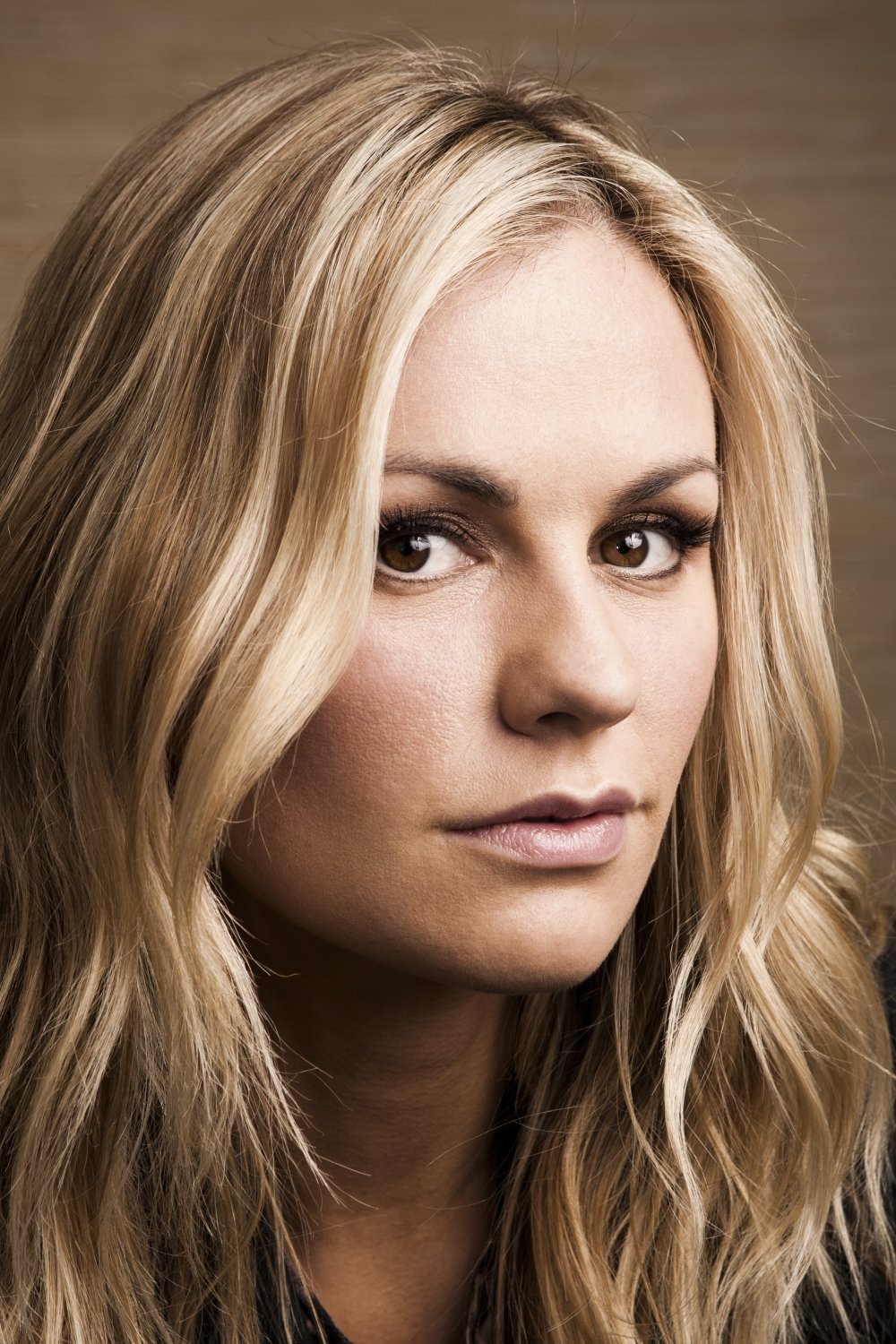
Paquin faced backlash and erasure after marrying her ‘True Blood’ co-star Stephen Moyer. Many people assumed she was no longer bisexual because she was in a heterosexual marriage. She famously declared her bisexuality in a PSA, which drew ire from those who felt it was unnecessary. Paquin has spent years defending the validity of her orientation regardless of her partner’s gender.
Bella Thorne
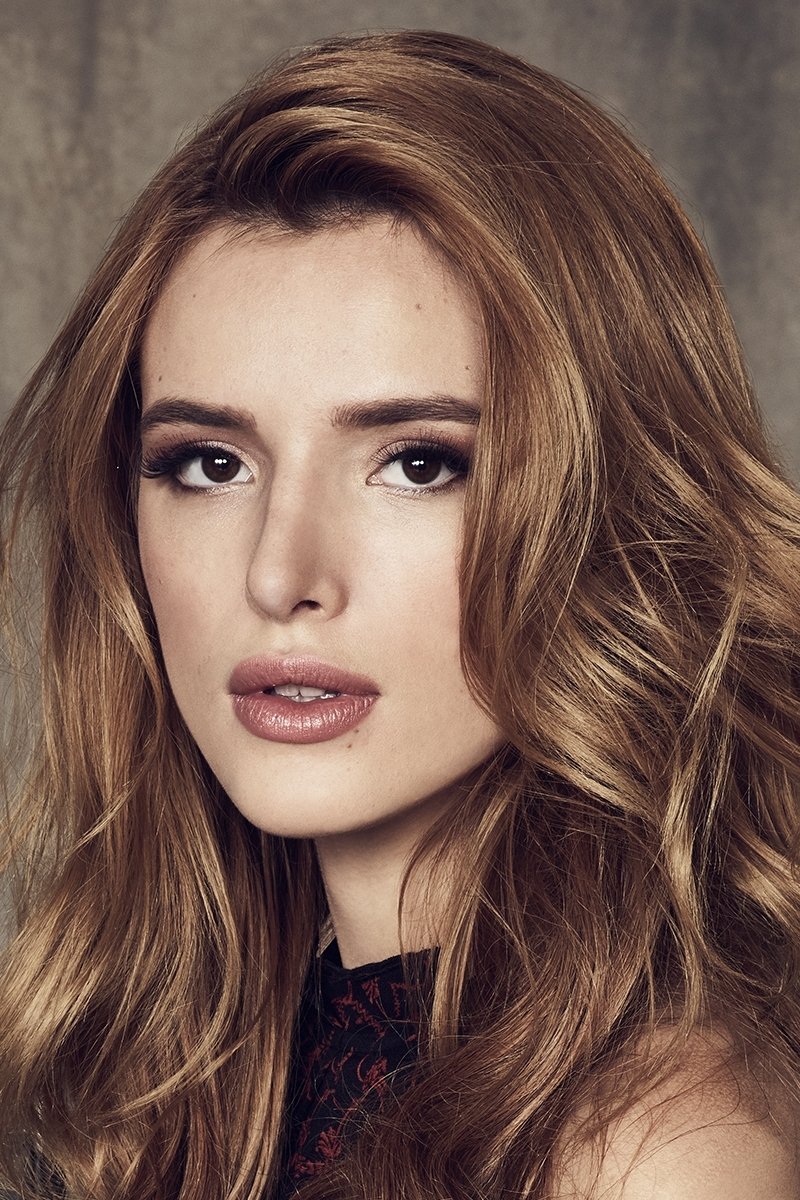
Thorne received criticism for the way she monetized her image and public persona after coming out as pansexual. Her launch of an OnlyFans account caused a site-wide policy change that negatively impacted sex workers. The LGBTQ+ community and sex workers alike expressed anger at her actions which they felt exploited the platform. This controversy complicated the public perception of her advocacy and openness about her sexuality.
Jane Lynch
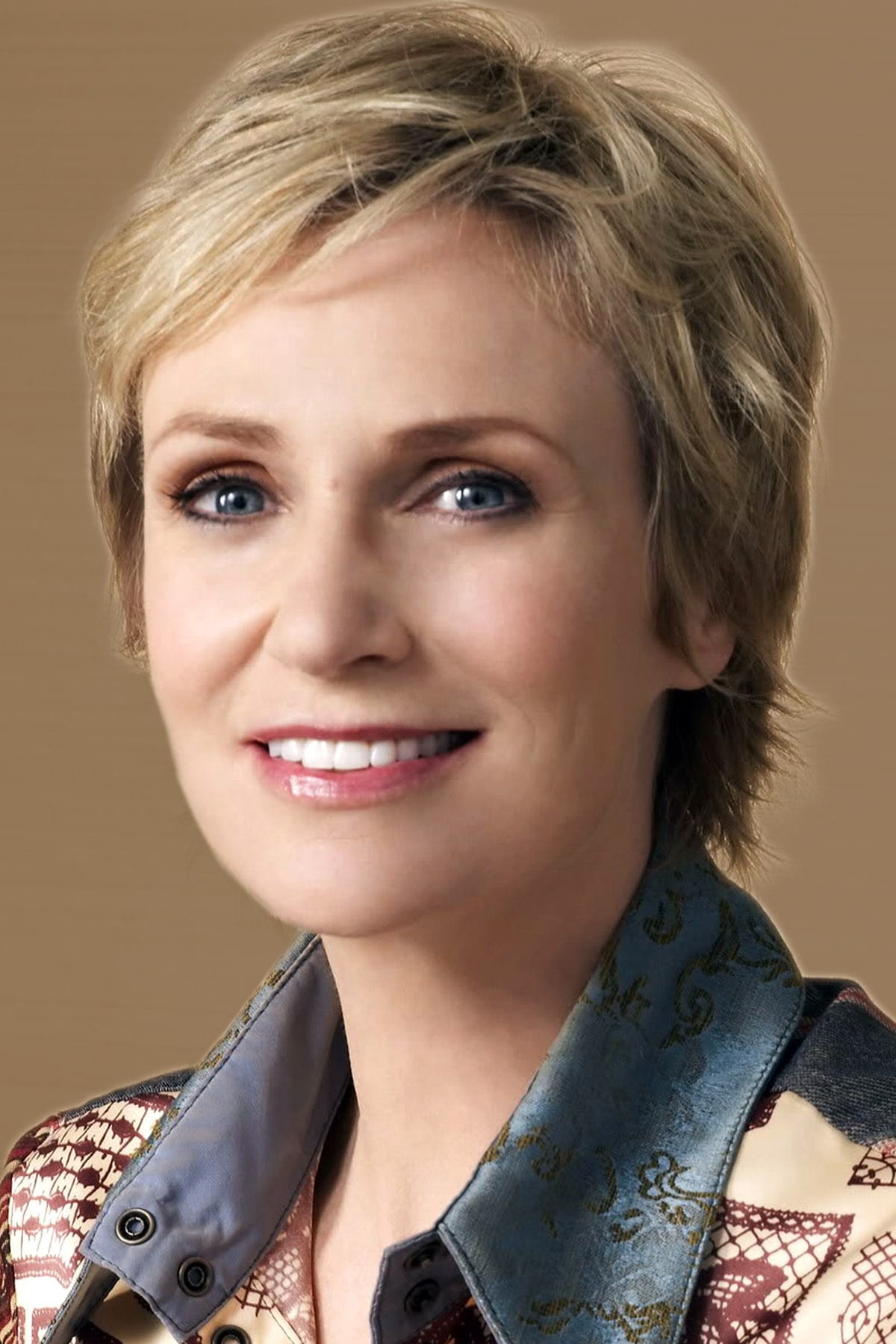
Lynch spent years fearing that coming out would typecast her and ruin her career in Hollywood. She eventually embraced her identity but acknowledged the valid fears that keep many actors in the closet. The actress faced internal pressure and industry warnings that she would only be offered lesbian roles. Her career success proved those warnings wrong, but the initial resistance was significant.
Kelly McGillis
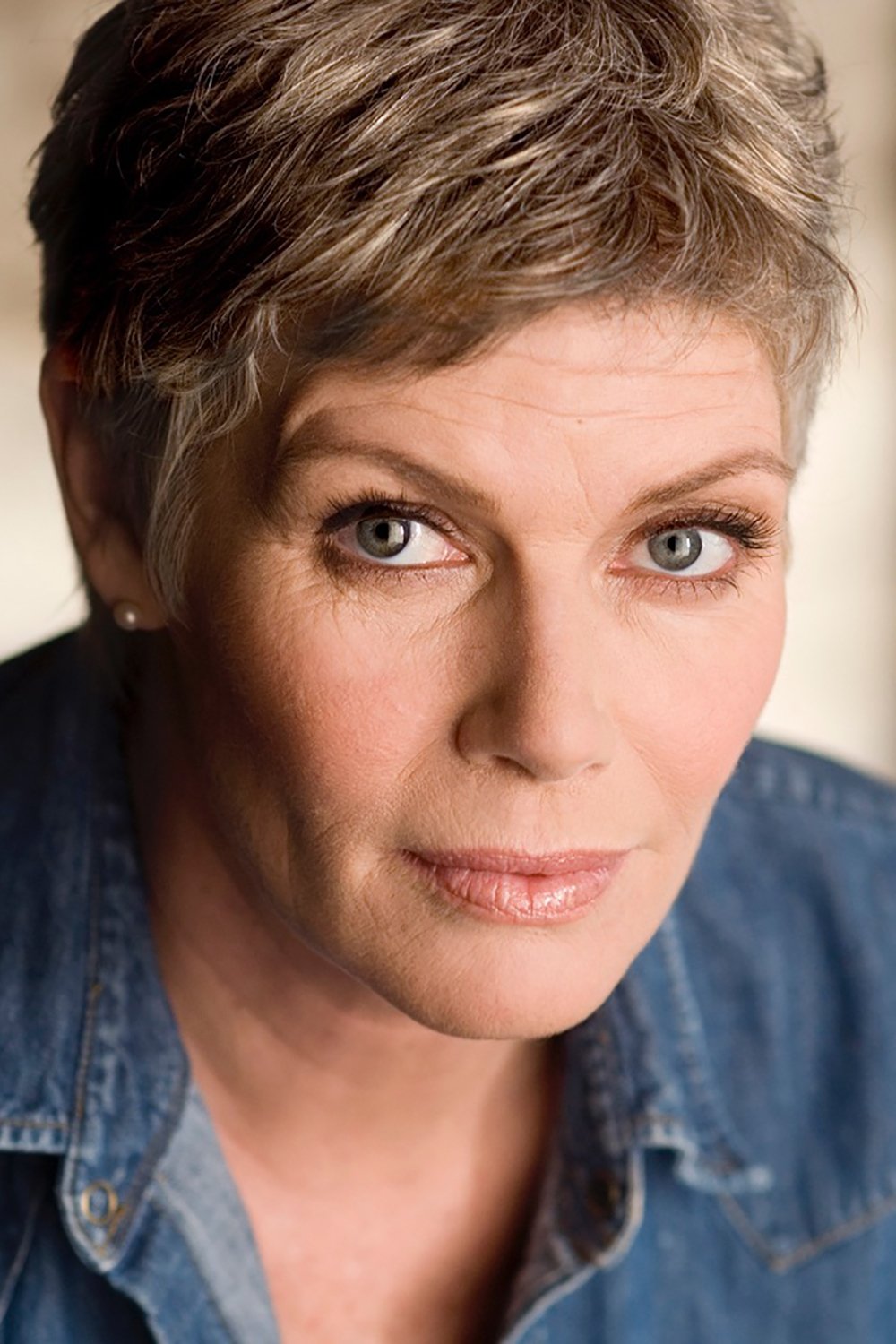
The ‘Top Gun’ actress came out later in life and faced a quiet shunning from the industry that once celebrated her as a sex symbol. She was notably absent from the sequel ‘Top Gun: Maverick’, leading to discussions about ageism and homophobia. McGillis stated she was old and fat and looked her age, which she felt Hollywood rejected. Her transition from leading lady to an out lesbian character actor came with a loss of mainstream opportunities.
Rosie O’Donnell
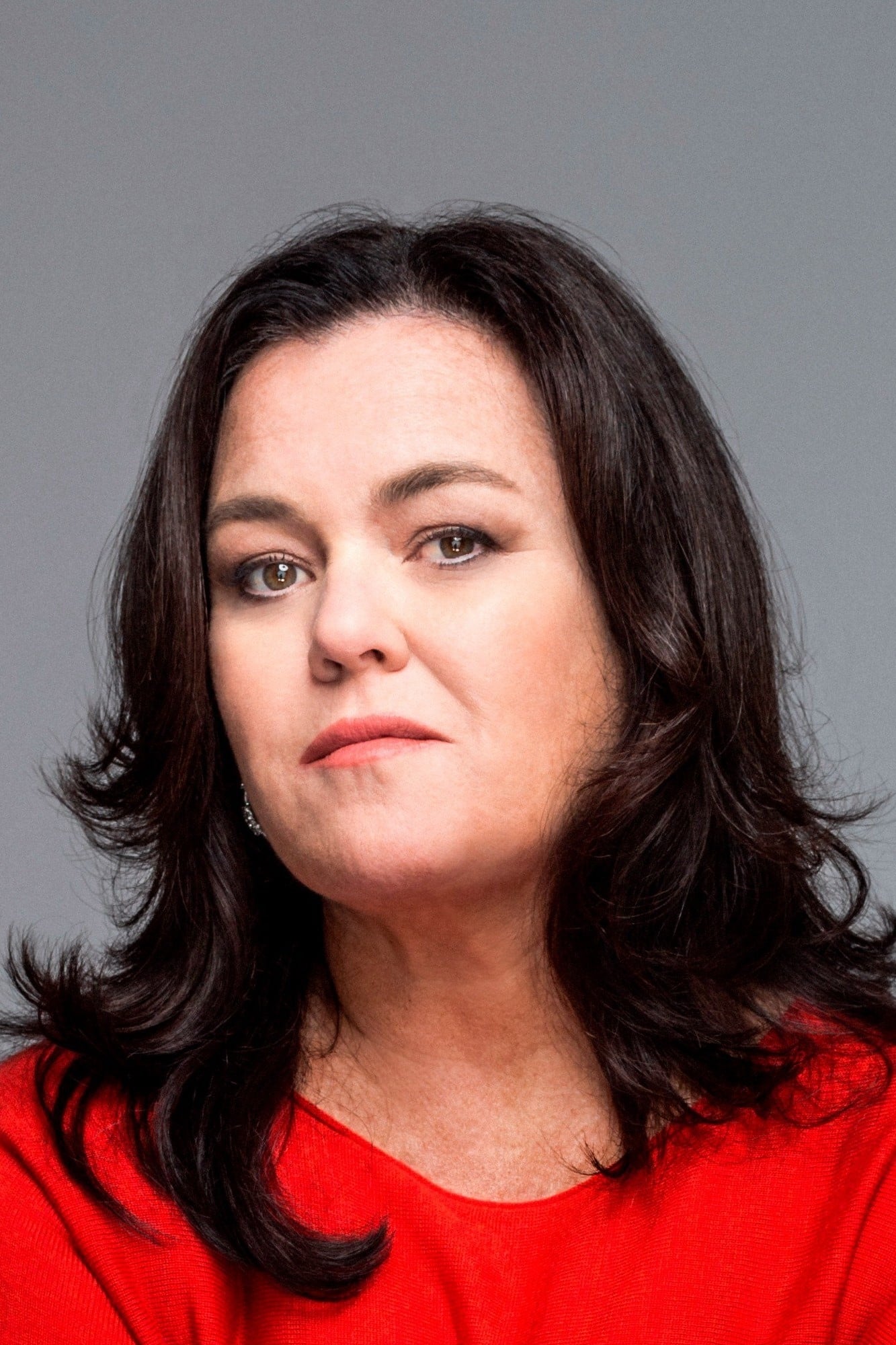
O’Donnell faced a massive conservative backlash when she came out during her talk show and advocated for gay adoption. She engaged in public feuds with political figures who attacked her character and her lifestyle. The scrutiny intensified her polarizing reputation and affected her standing with mainstream audiences. Despite the hate, she remained a vocal advocate for family rights within the LGBTQ+ community.
Wanda Sykes
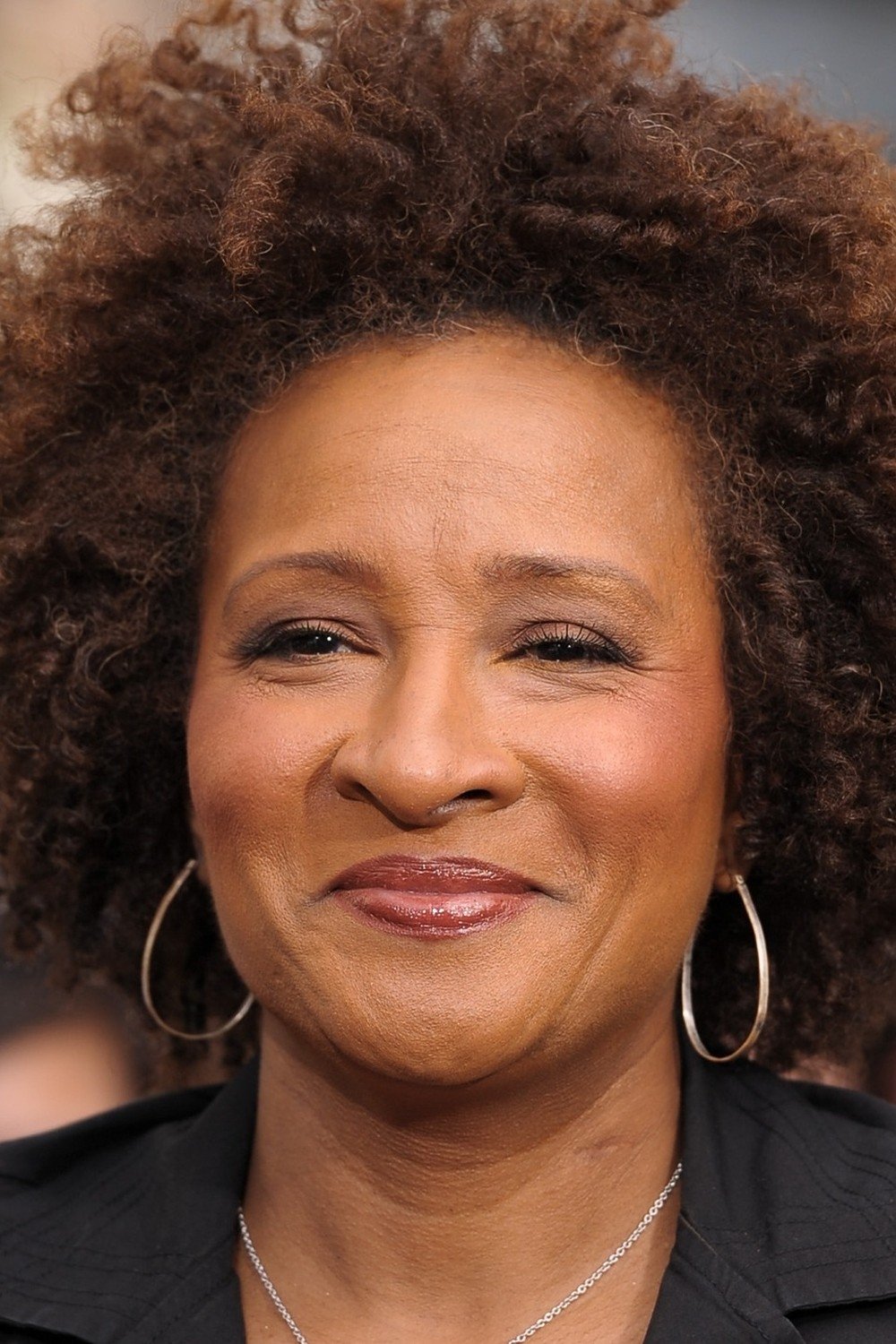
Sykes came out publicly during a rally against Proposition 8 in California, which sought to ban same-sex marriage. She faced immediate backlash from conservative fans who had enjoyed her comedy without knowing her sexuality. The comedian refused to apologize or retreat and incorporated her identity into her stand-up routines. Her career shifted as she became a more prominent activist figure in the face of political opposition.
Miriam Margolyes
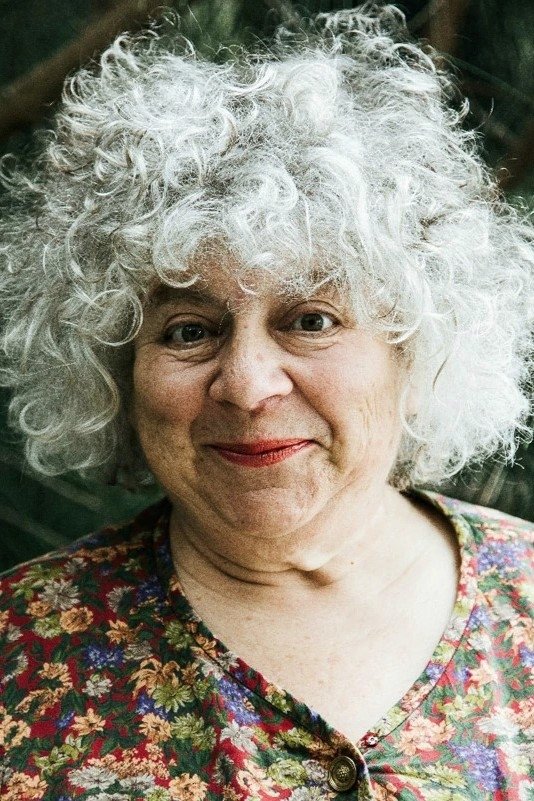
Margolyes has faced criticism for her unfiltered comments and refusal to conform to polite society standards. While an out lesbian for decades, her candid remarks often alienate both conservative viewers and younger progressive audiences. She has been accused of being insensitive or out of touch regarding modern identity politics. Her refusal to self-censor creates continuous friction with the media and the public.
Lea DeLaria
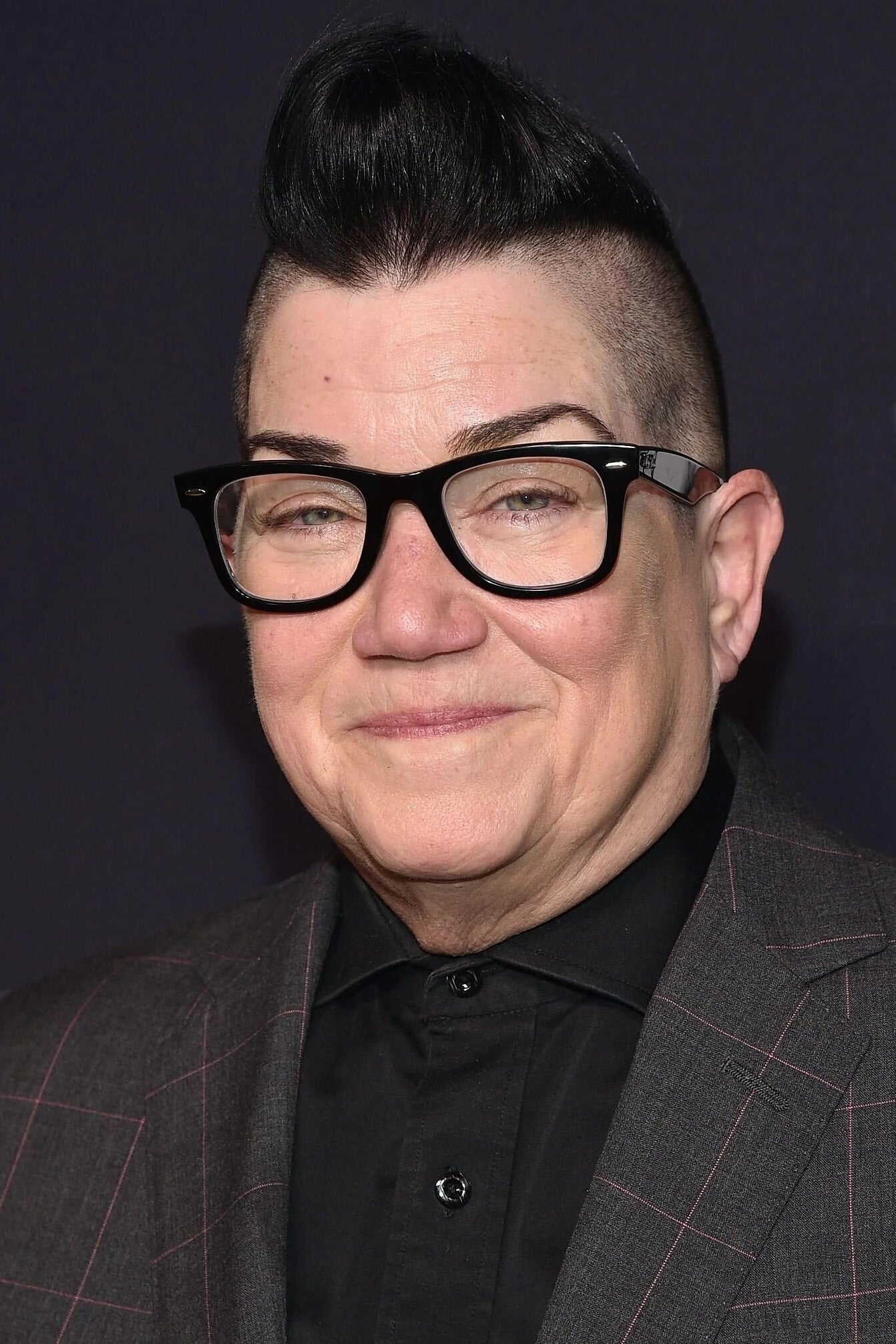
The ‘Orange Is the New Black’ star faced backlash for her aggressive confrontation of a preacher on the New York City subway. A video of the incident went viral and sparked debate about the appropriate way to handle public homophobia. Critics argued her behavior was too combative while supporters praised her for standing up for herself. DeLaria has long dealt with criticism for her butch identity and refusal to soften her image.
Holland Taylor
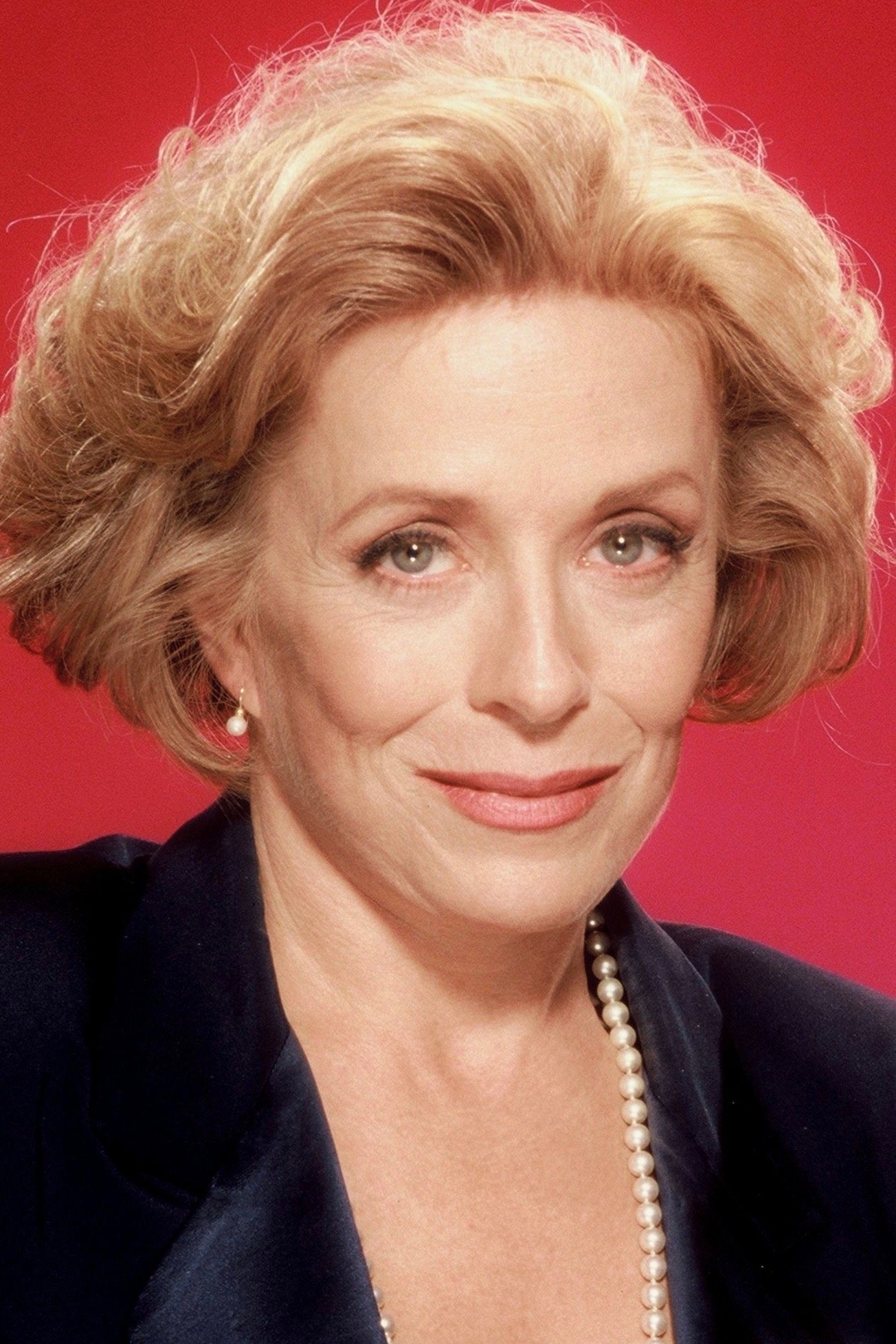
Taylor faced scrutiny when she began dating Sarah Paulson due to the significant age gap between them. Media outlets focused sensationally on the dynamic rather than the legitimacy of their commitment. She maintained her dignity by refusing to engage with the tabloid narratives surrounding her personal life. The relationship brought her sexuality into the spotlight after decades of a successful but private career.
Saffron Burrows
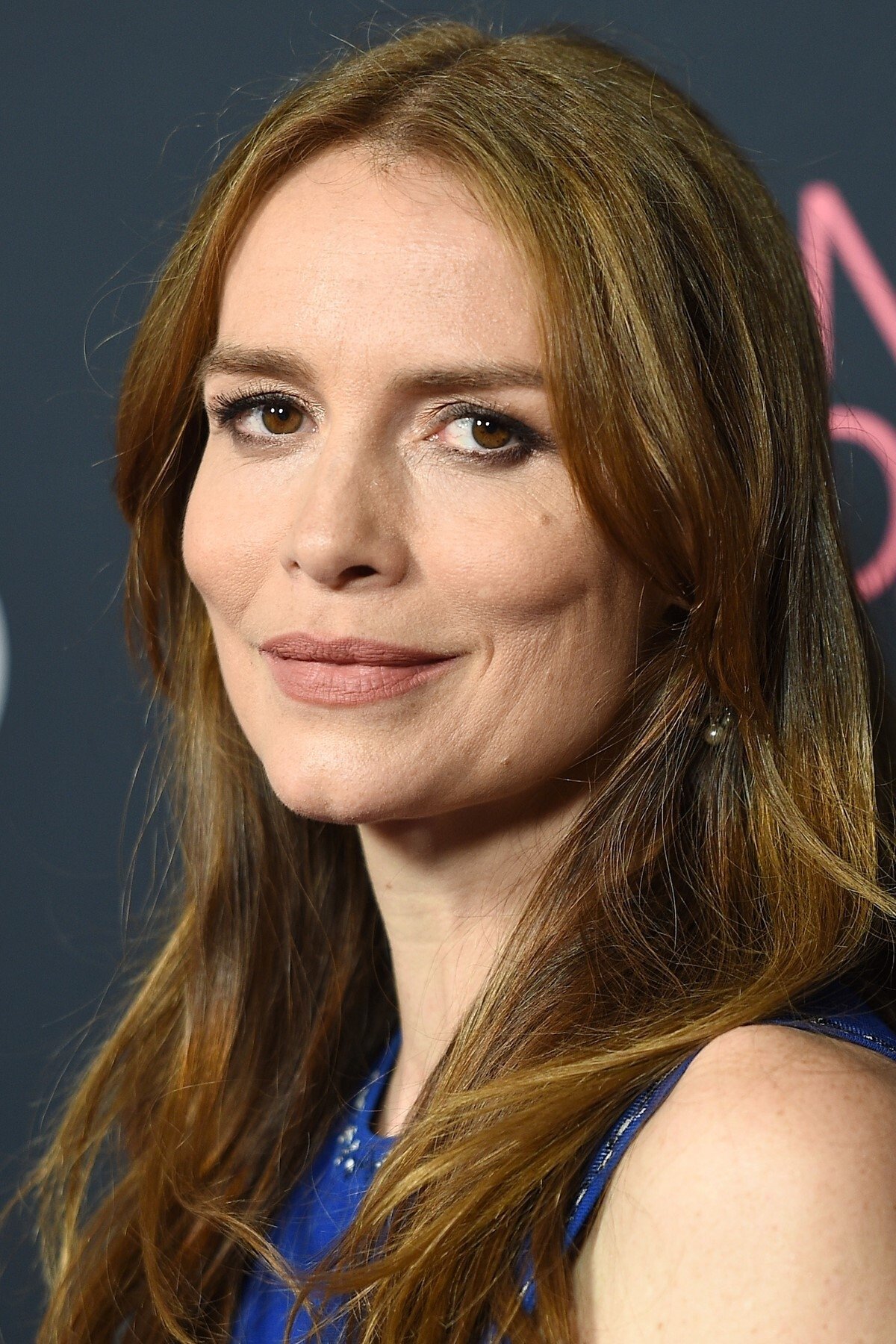
Burrows faced criticism for avoiding labels and keeping her relationships with women private for many years. She eventually revealed she had married a woman after previously being known for relationships with men. The media scrutiny focused on her past denials and the perceived secrecy of her life. Her experience reflected the pressure on public figures to provide a transparent timeline of their romantic history.
Portia de Rossi
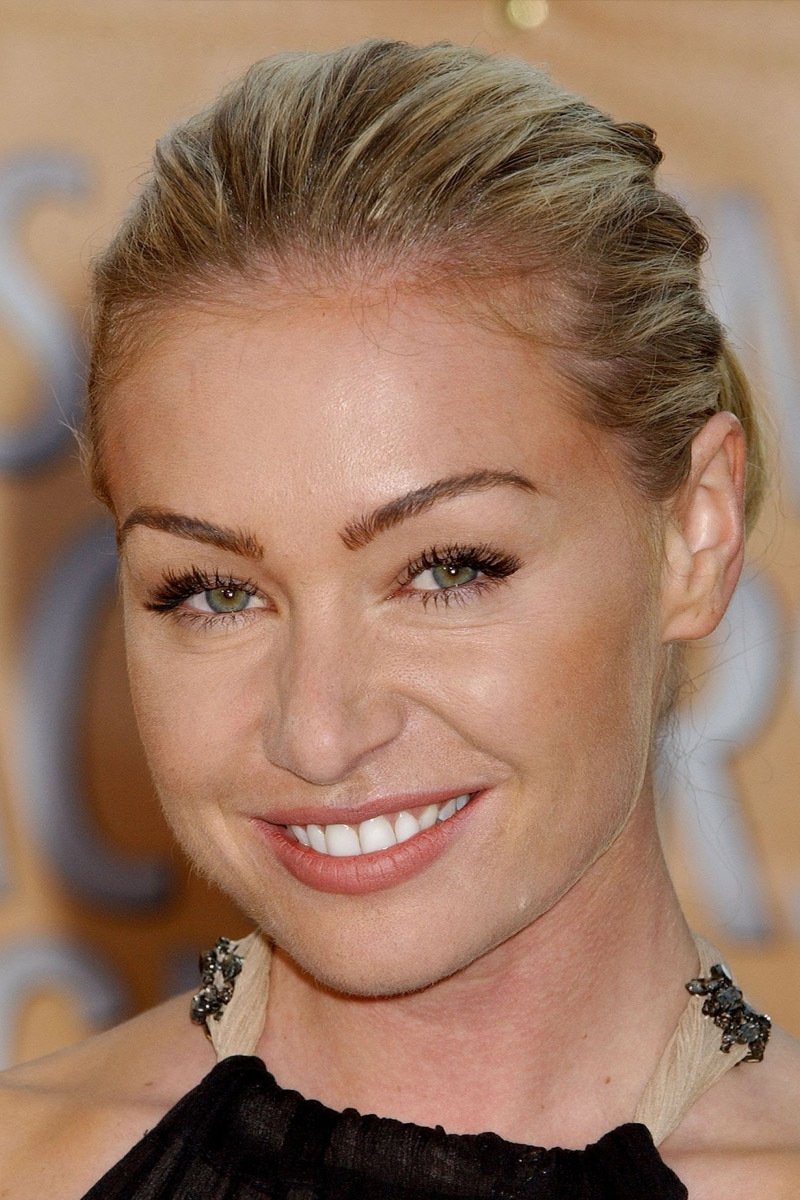
De Rossi struggled with an eating disorder and the fear of being outed while starring on ‘Ally McBeal’. She famously hid her sexuality to protect her career during a time when gay characters were rare on television. The actress faced internal turmoil and external pressure to maintain a heterosexual public image. Her eventual marriage to Ellen DeGeneres brought her full acceptance but only after years of painful concealment.
Kristanna Loken
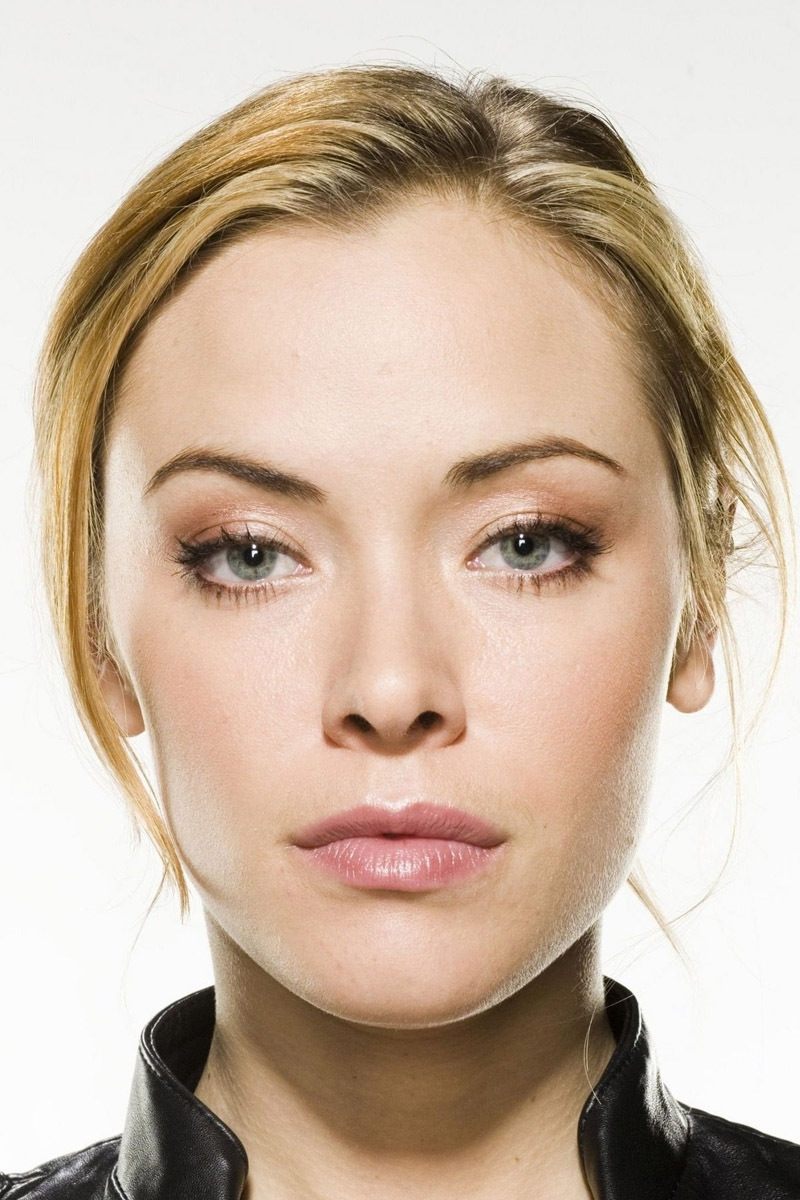
Loken faced tabloid speculation and industry side-eye after openly dating Michelle Rodriguez. The ‘Terminator 3’ actress dealt with the stigma of being in a high-profile same-sex relationship in the early 2000s. Media coverage often fetishized the relationship rather than treating it with respect. This era of coverage highlighted the voyeuristic lens through which Hollywood viewed lesbian relationships.
Meredith Baxter

The ‘Family Ties’ mother shocked audiences when she came out as a lesbian later in life. She faced a backlash from fans who could not reconcile her TV persona with her real-life identity. Tabloids sensationalized her past marriages to men and accused her of living a lie. Baxter used the opportunity to educate the public on late-in-life self-discovery despite the criticism.
Lily Tomlin
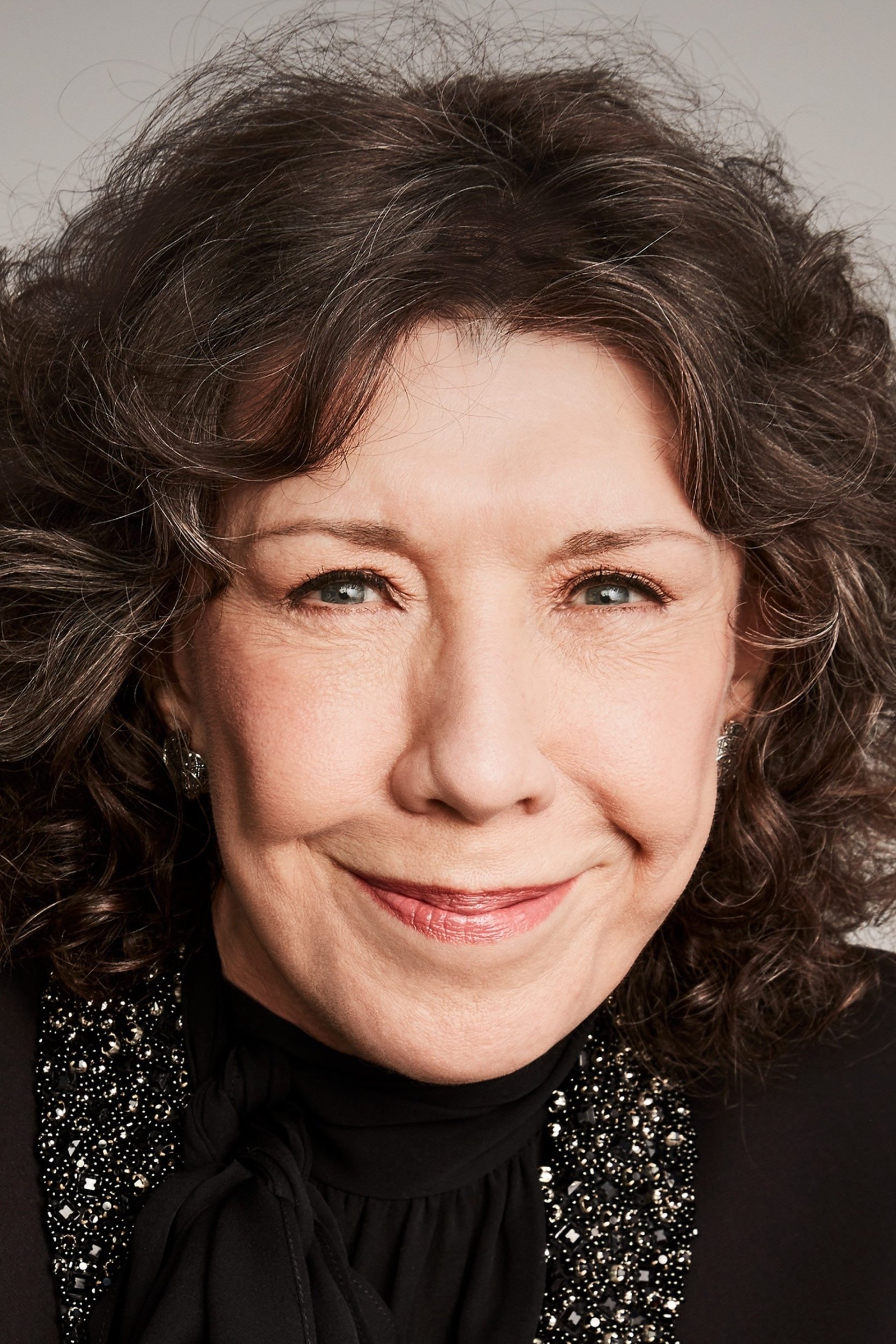
Tomlin turned down the cover of Time magazine in the 1970s because she did not want to be the face of the gay rights movement. She faced retrospective criticism from activists who felt she could have made a bigger impact earlier. The actress maintained that she wanted her work to be judged separately from her private life. Her caution reflected the very real professional dangers of coming out during that decade.
Sandra Bernhard
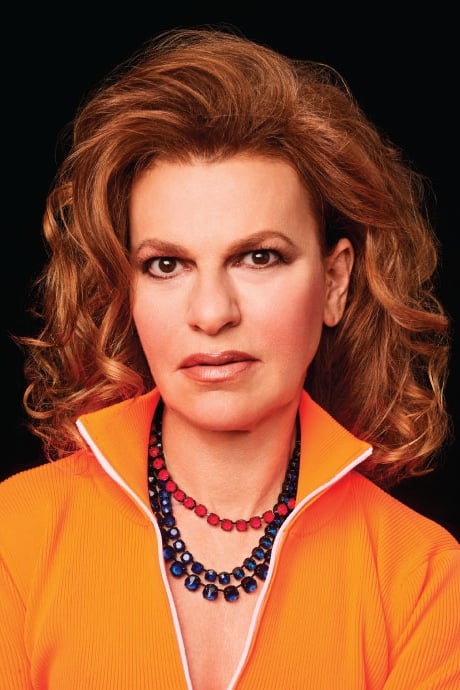
Bernhard faced confusion and hostility for her ambiguous relationship with Madonna and her aggressive comedic style. She frequently played with the concept of sexuality in a way that frustrated mainstream audiences who wanted clear labels. Her refusal to be categorized led to accusations of being difficult or abrasive. She remains a polarizing figure for her subversion of traditional celebrity behavior.
Michaela Jaé Rodriguez
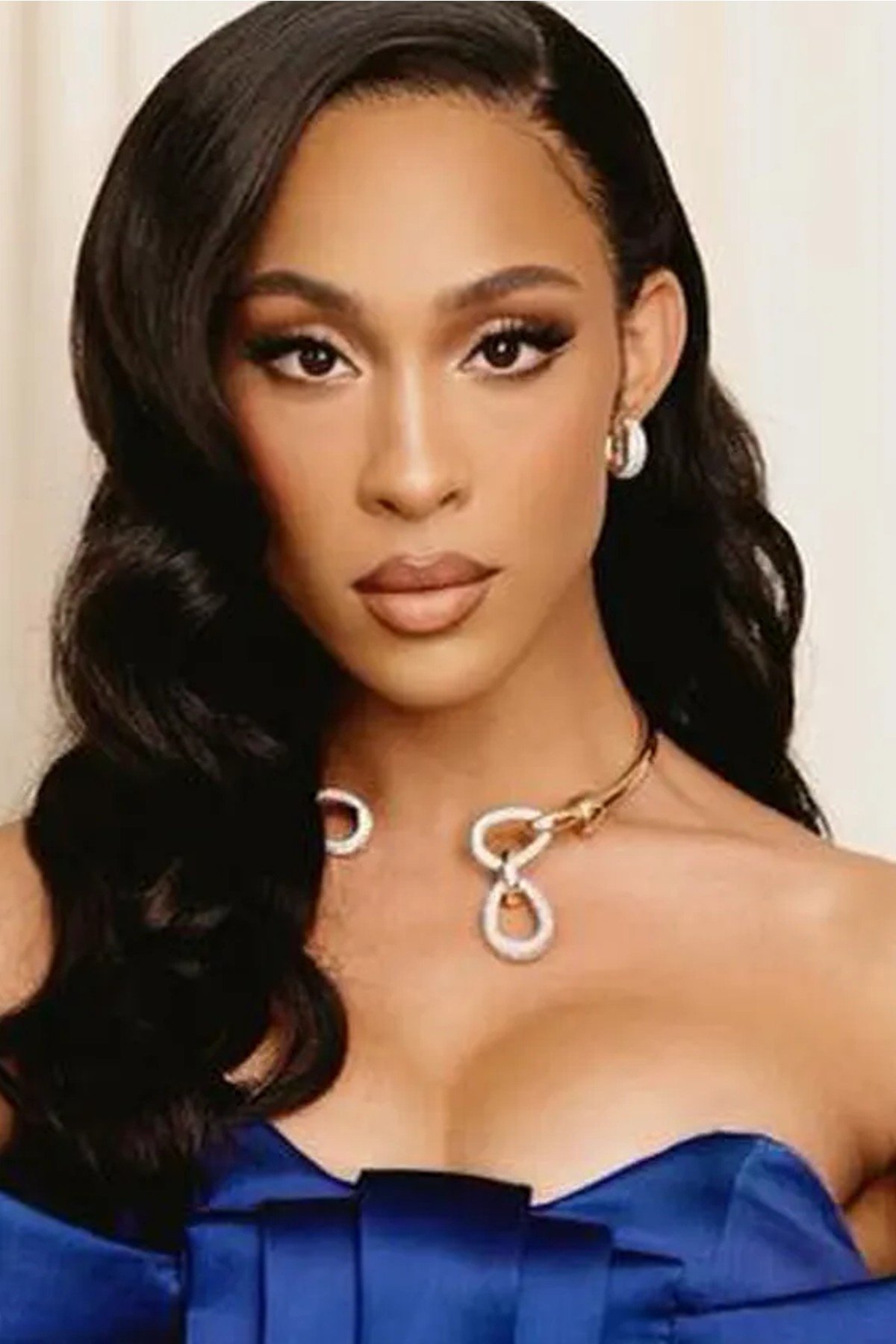
Rodriguez faced a disheartening lack of recognition when her historic Golden Globe win was not televised. As the first trans actress to win the award, the moment was overshadowed by the boycott of the ceremony. She also faces the constant backlash directed at trans women in the entertainment industry. Her struggle highlights the systemic barriers that prevent full celebration of queer achievements.
Hunter Schafer
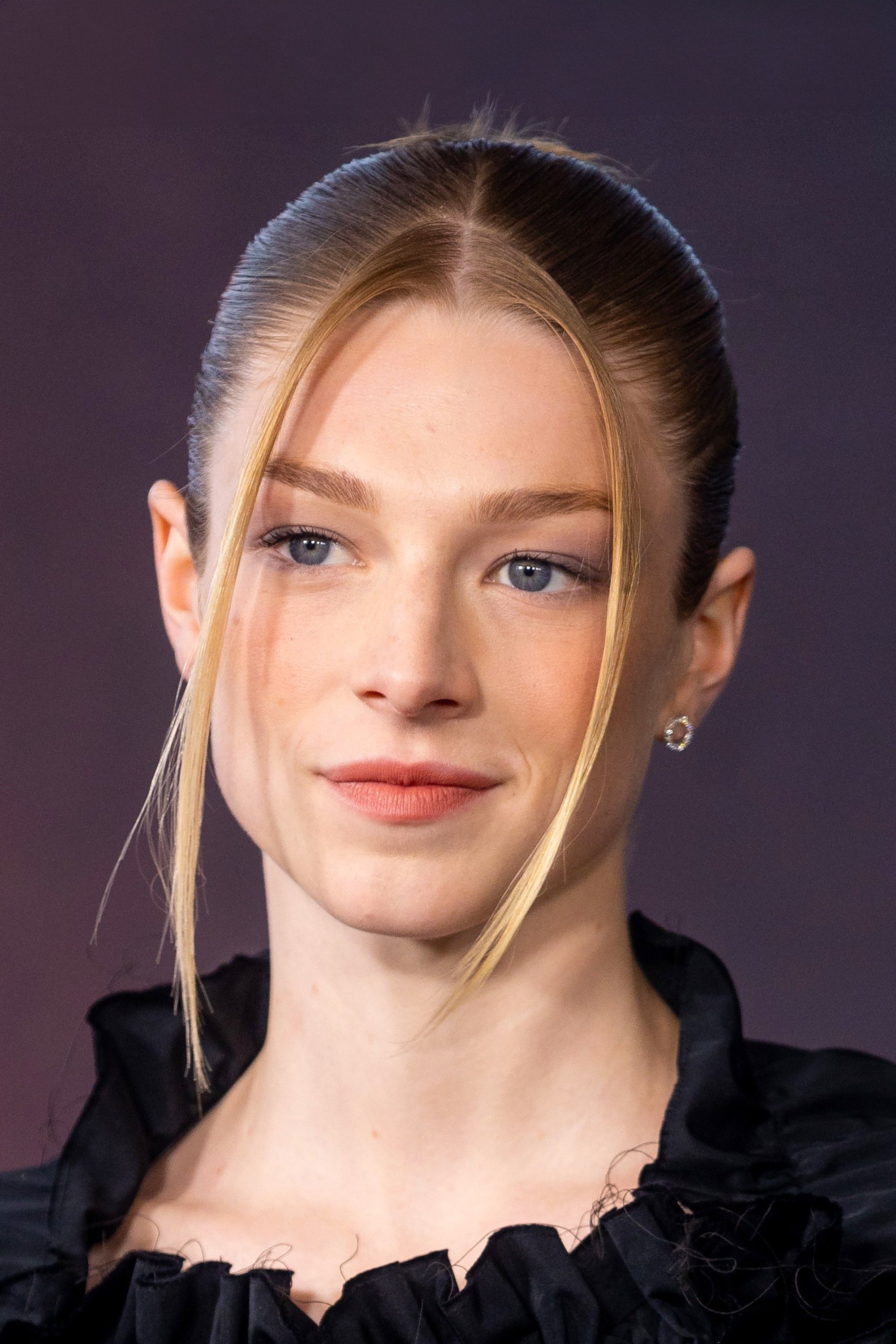
The ‘Euphoria’ actress faced intense backlash from within the LGBTQ+ community after liking a post that some interpreted as transmedicalist. Twitter users accused her of turning against non-binary individuals and upholding harmful gatekeeping. Schafer later clarified her stance but the incident demonstrated the volatility of online discourse. She continues to navigate the high expectations placed on trans public figures.
Laverne Cox
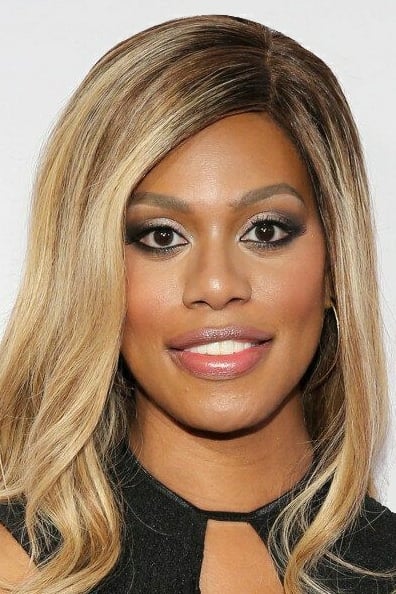
Cox has been the target of persistent transphobic harassment and deadnaming by media outlets and online trolls. She famously faced an attack in a Los Angeles park that was motivated by anti-trans bias. The actress bears the burden of being a primary educator on trans issues for the general public. This role exposes her to constant vitriol from those opposed to transgender rights.
Ariana DeBose
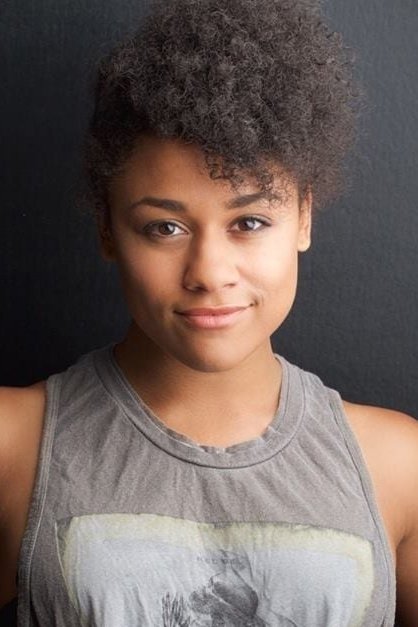
DeBose faced a viral wave of mockery following her rap performance at the BAFTA awards. While not exclusively homophobic, much of the criticism carried undertones of misogynoir and dismissal of her queer identity. She deactivated her Twitter account after the relentless bullying and memes overshadowed the event. The incident proved how quickly social media can turn a performance into a target for mass ridicule.
Stephanie Beatriz
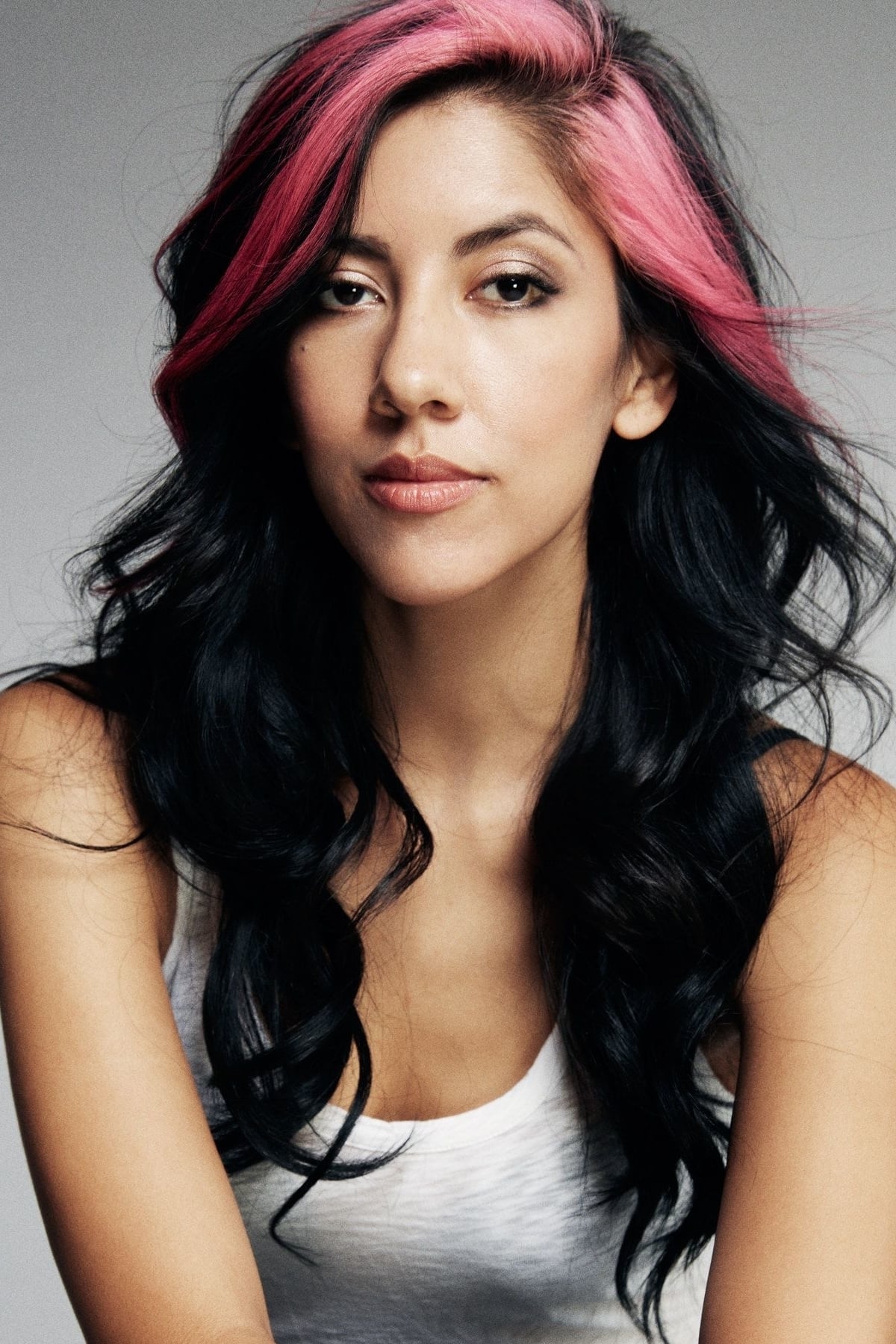
Beatriz faced bisexual erasure from fans who assumed she was straight because she married a man. She consistently has to remind the public and the media that her marriage does not negate her queer identity. The ‘Brooklyn Nine-Nine’ star uses her platform to fight against the invisibility that many bisexual women experience. Her advocacy addresses the specific backlash that comes from occupying a middle ground in sexuality.
Halsey
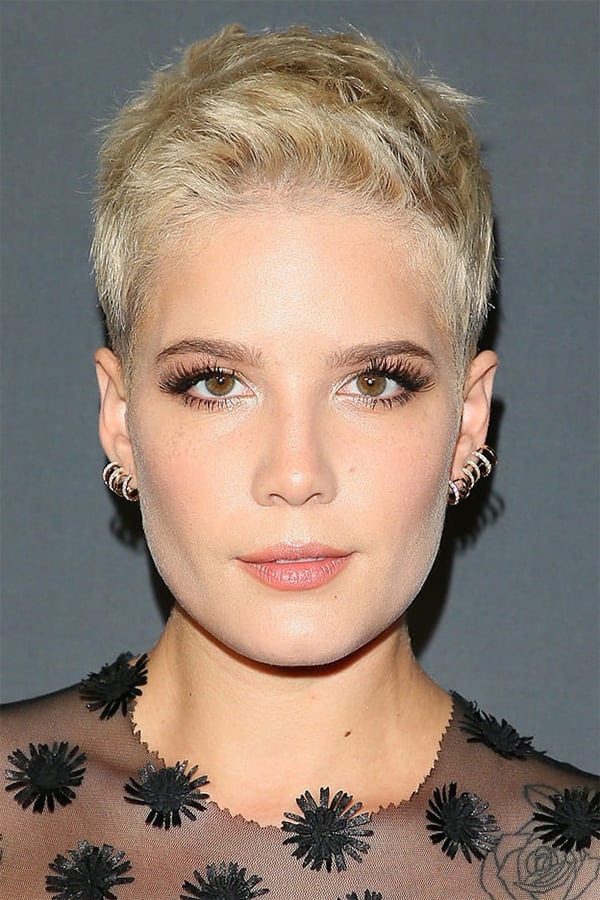
Halsey has faced skepticism regarding her bisexuality and her validity within the LGBTQ+ community. Critics have accused her of performing queerness for marketing purposes while dating men. The singer and actress has aggressively defended her identity against these erasure attempts. She represents the ongoing struggle for bisexual women to be taken seriously in both music and acting spheres.
Share your thoughts on these stories and the impact of industry backlash in the comments.