Movie Sequels That Recast Characters and Pretended You Wouldn’t Notice

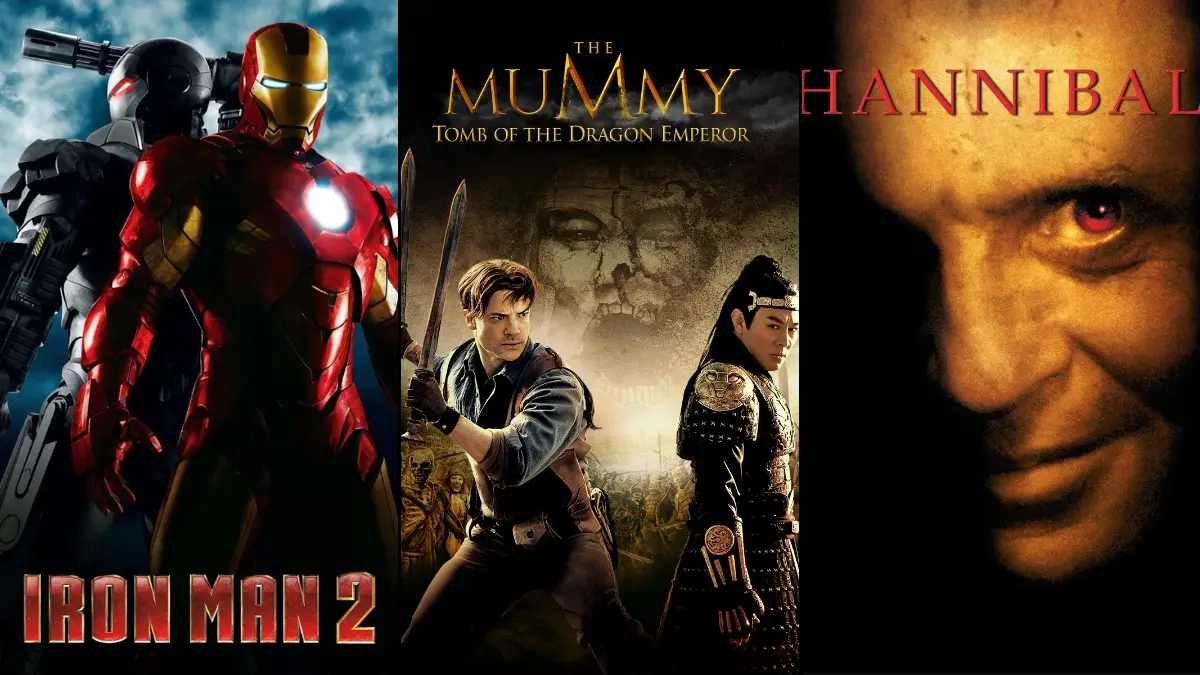

Movie franchises often face the challenge of bringing back the same cast for every installment but scheduling conflicts or financial disputes sometimes make this impossible. When a lead actor or a supporting player leaves a series the production must decide whether to write the character out or find a new performer to step into the role. Many sequels choose to move forward with a different actor while hoping the audience will simply accept the change as part of the cinematic experience. These transitions can range from subtle shifts in appearance to radical transformations that are impossible to ignore. This list explores several notable examples of movie sequels that recast their characters and continued the story without looking back.
‘Batman Forever’ (1995)
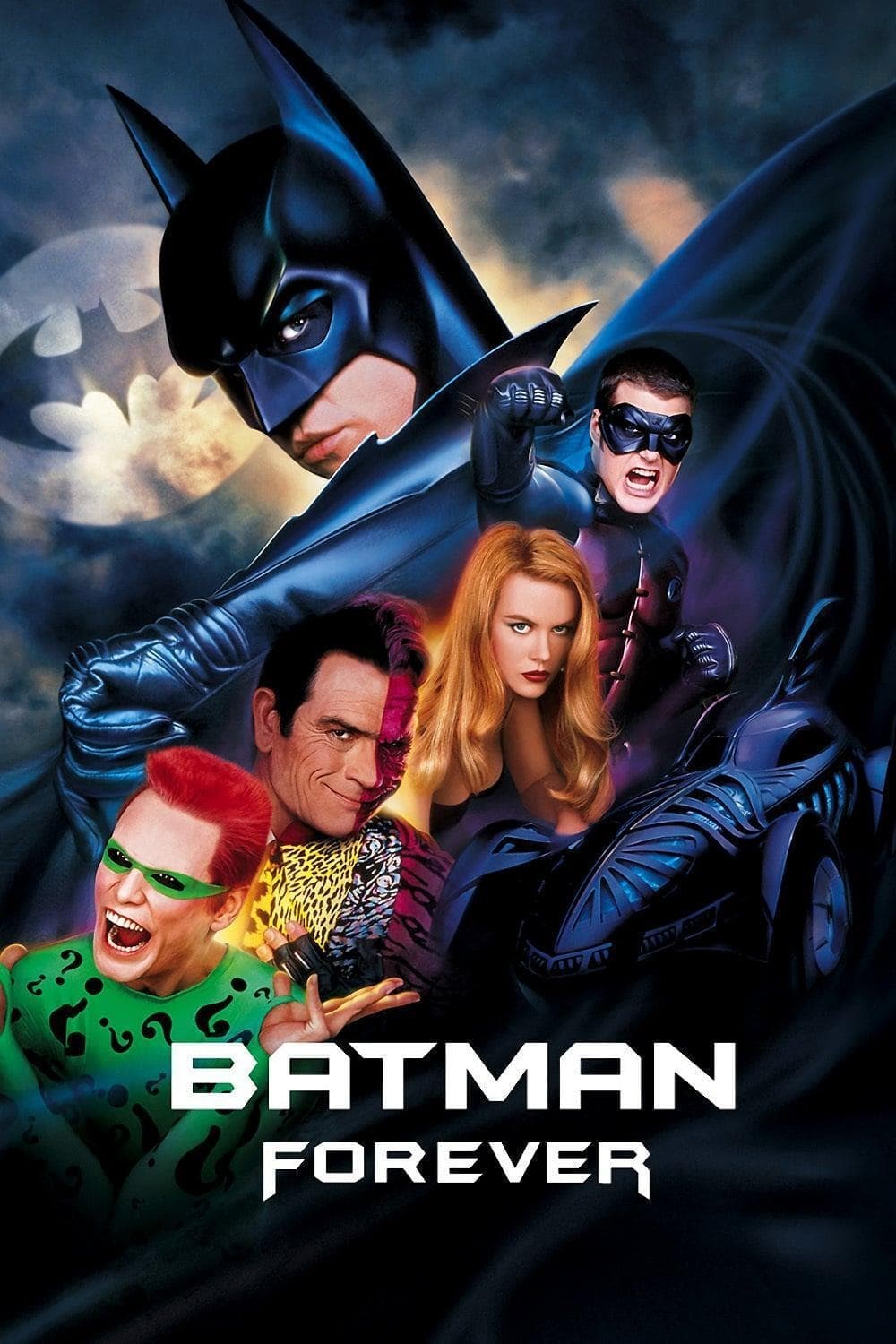
Val Kilmer took over the role of Bruce Wayne from Michael Keaton who played the character in the first two films of the series. Director Joel Schumacher took the helm for this installment and opted for a more vibrant aesthetic compared to the previous entries. The film introduces Chris O’Donnell as Robin and centers on Batman fighting Two-Face and the Riddler. Despite the change in lead actor the story continues the established continuity of the caped crusader in Gotham City. Kilmer brought a different physical presence to the role that focused more on the psychological burden of being a superhero.
‘Iron Man 2’ (2010)
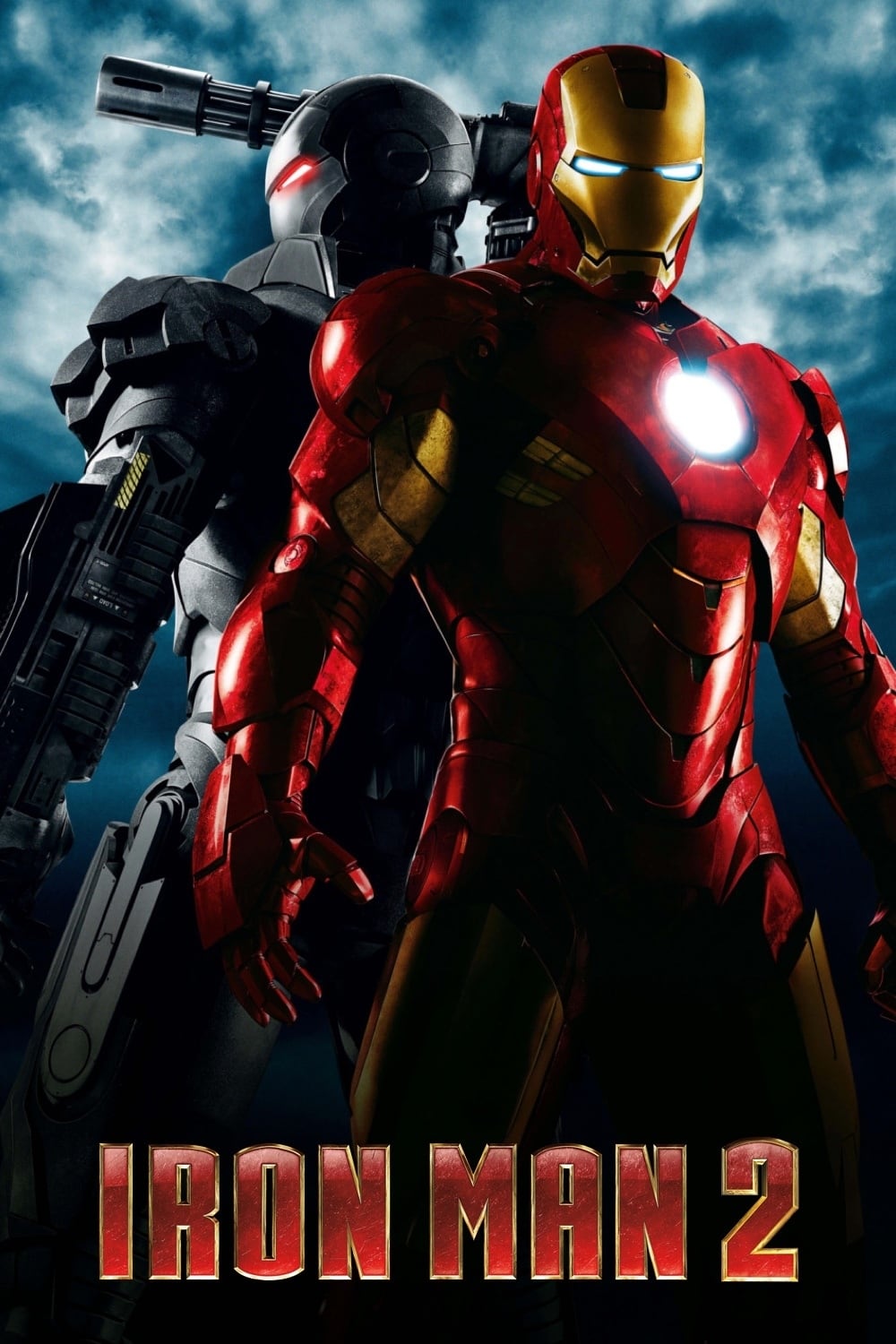
Don Cheadle replaced Terrence Howard in the role of James Rhodes for this Marvel Cinematic Universe sequel. The transition occurred after contract negotiations with Howard failed and led to a permanent change for the character who later became War Machine. Cheadle made his debut in the film and famously acknowledged the switch with a brief line about being there now and moving on. The sequel follows Tony Stark as he deals with his declining health and the threat of Ivan Vanko. Cheadle’s portrayal became a staple of the franchise as he appeared in many subsequent Marvel films.
‘The Mummy: Tomb of the Dragon Emperor’ (2008)
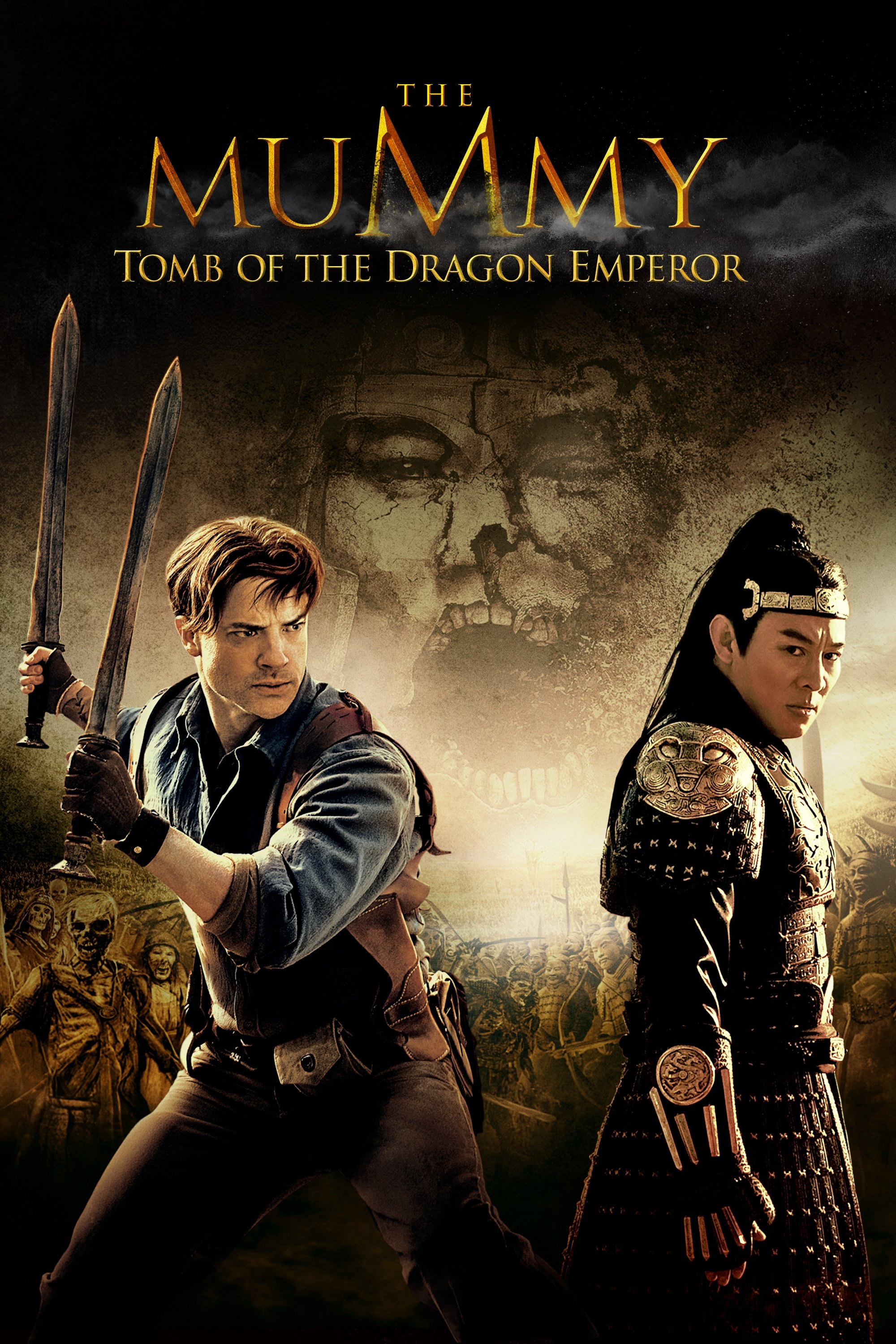
Maria Bello stepped into the role of Evelyn Carnahan O’Connell after Rachel Weisz declined to return for the third film. The movie moves the setting from Egypt to China where the O’Connell family faces a resurrected terracotta army. Fans noted the significant difference in the portrayal of the character compared to the first two films in the franchise. The production proceeded with the new casting to maintain the central family dynamic established in ‘The Mummy’ and ‘The Mummy Returns’. Bello attempted to give the character a more adventurous and combat ready edge for this final outing.
‘The Dark Knight’ (2008)
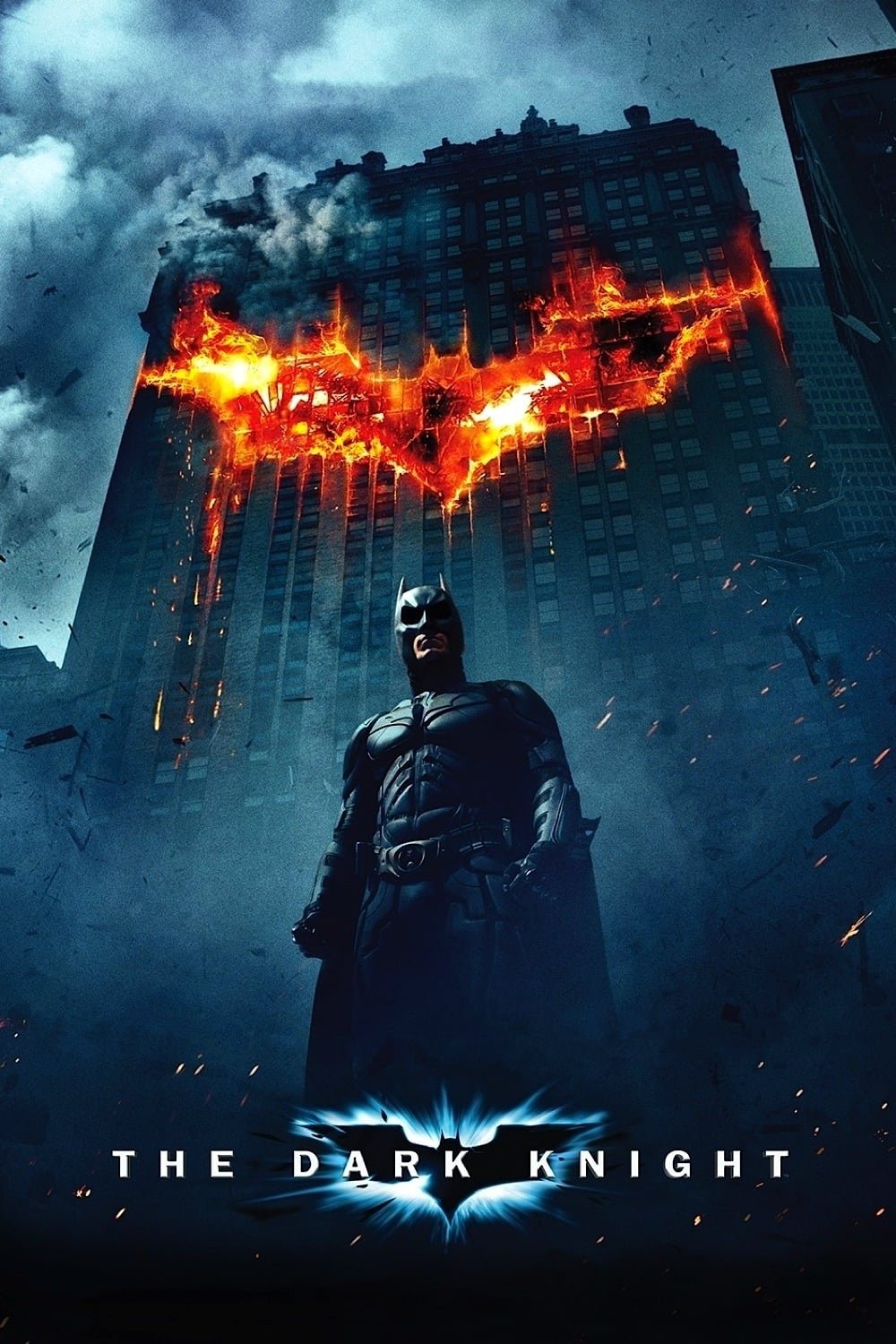
Maggie Gyllenhaal assumed the role of Rachel Dawes from Katie Holmes who appeared in ‘Batman Begins’. The casting change happened because Holmes chose to pursue other projects instead of returning for the sequel directed by Christopher Nolan. Gyllenhaal portrayed the character as a determined assistant district attorney caught in a love triangle with Bruce Wayne and Harvey Dent. This transition is often cited as a seamless shift despite the physical differences between the two actresses. Her performance brought a fresh maturity to the role as the stakes for the character escalated significantly.
‘Back to the Future Part II’ (1989)
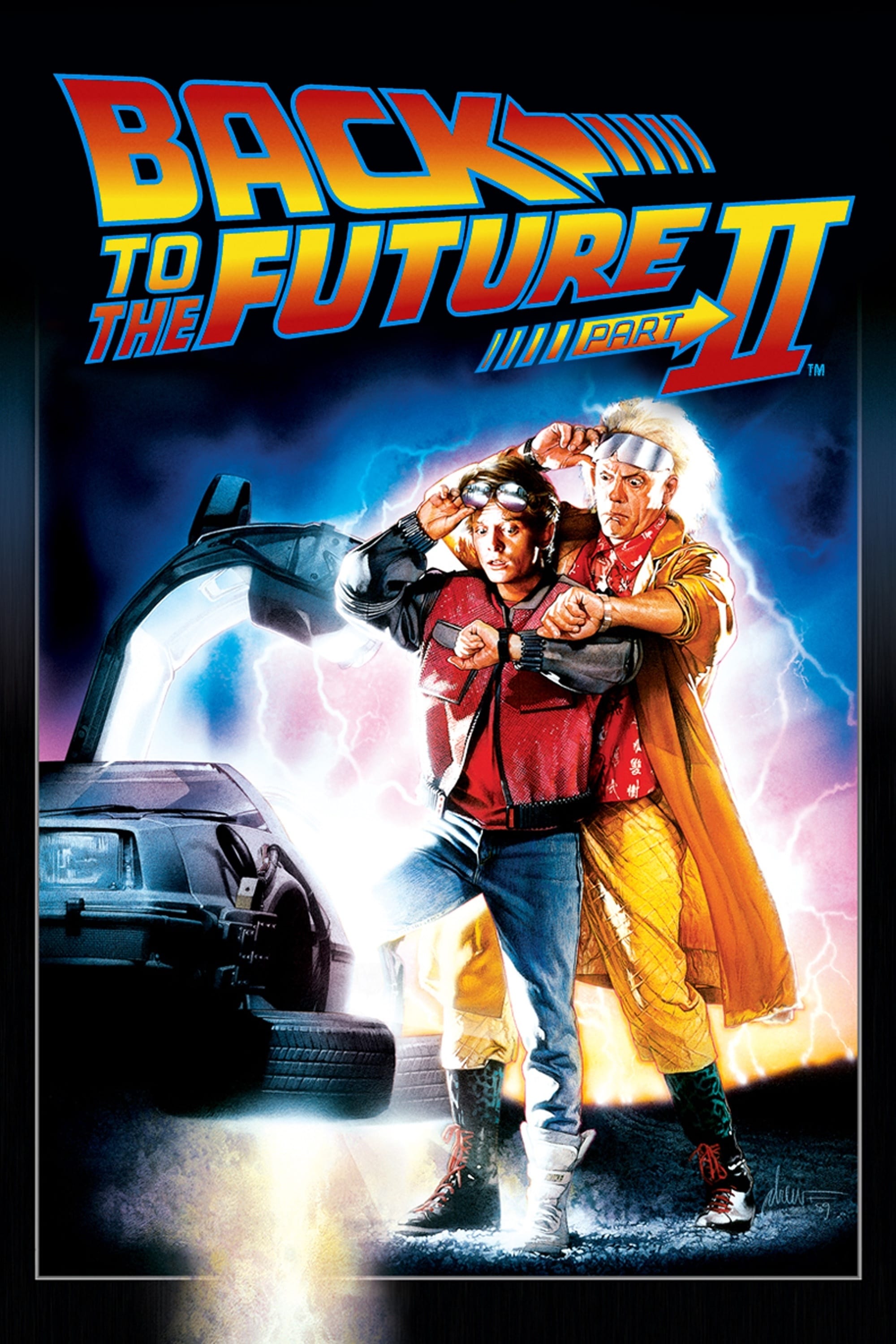
Elisabeth Shue replaced Claudia Wells as Jennifer Parker because Wells had to step away from acting for personal family reasons. The sequel opens with a re shot version of the ending from the first film to ensure the transition appeared continuous for the audience. Shue went on to play the character in both the second and third installments of the time traveling trilogy. The change is one of the most famous examples of a recast designed to look as similar as possible to the original. This continuity allowed the production to pick up exactly where the previous story left off.
‘The Twilight Saga: Eclipse’ (2010)
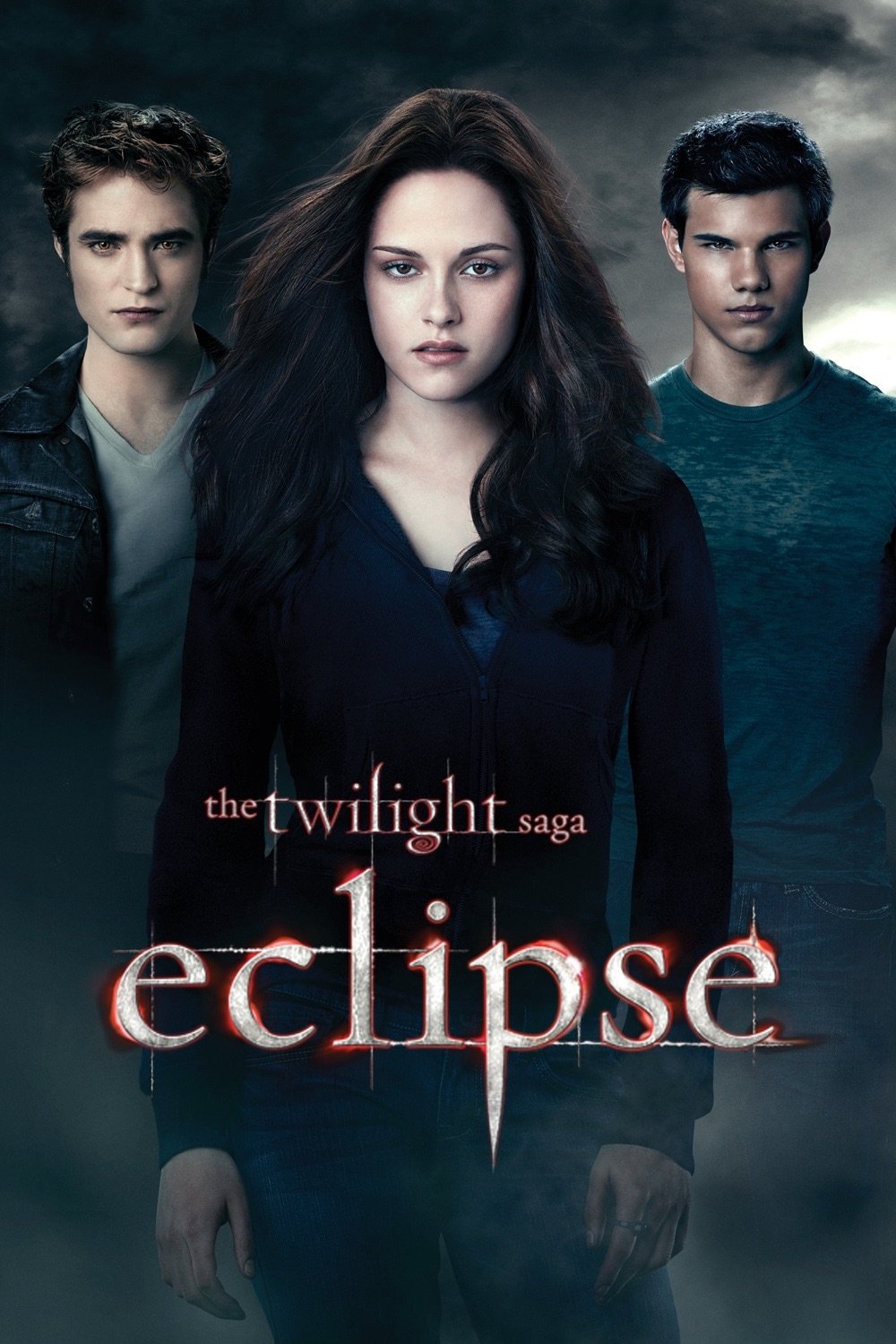
Bryce Dallas Howard took over the role of the vampire Victoria from Rachelle Lefevre for the third installment of the series. Summit Entertainment stated that scheduling conflicts caused the change while Lefevre expressed surprise at the decision to recast her. Howard brought a different energy to the vengeful antagonist as she hunted the protagonists through the forests of the Pacific Northwest. The switch occurred just as the character became a more prominent threat in the overarching narrative. The film features an intense battle sequence that serves as the climax for Victoria’s long running story arc.
‘Hannibal’ (2001)
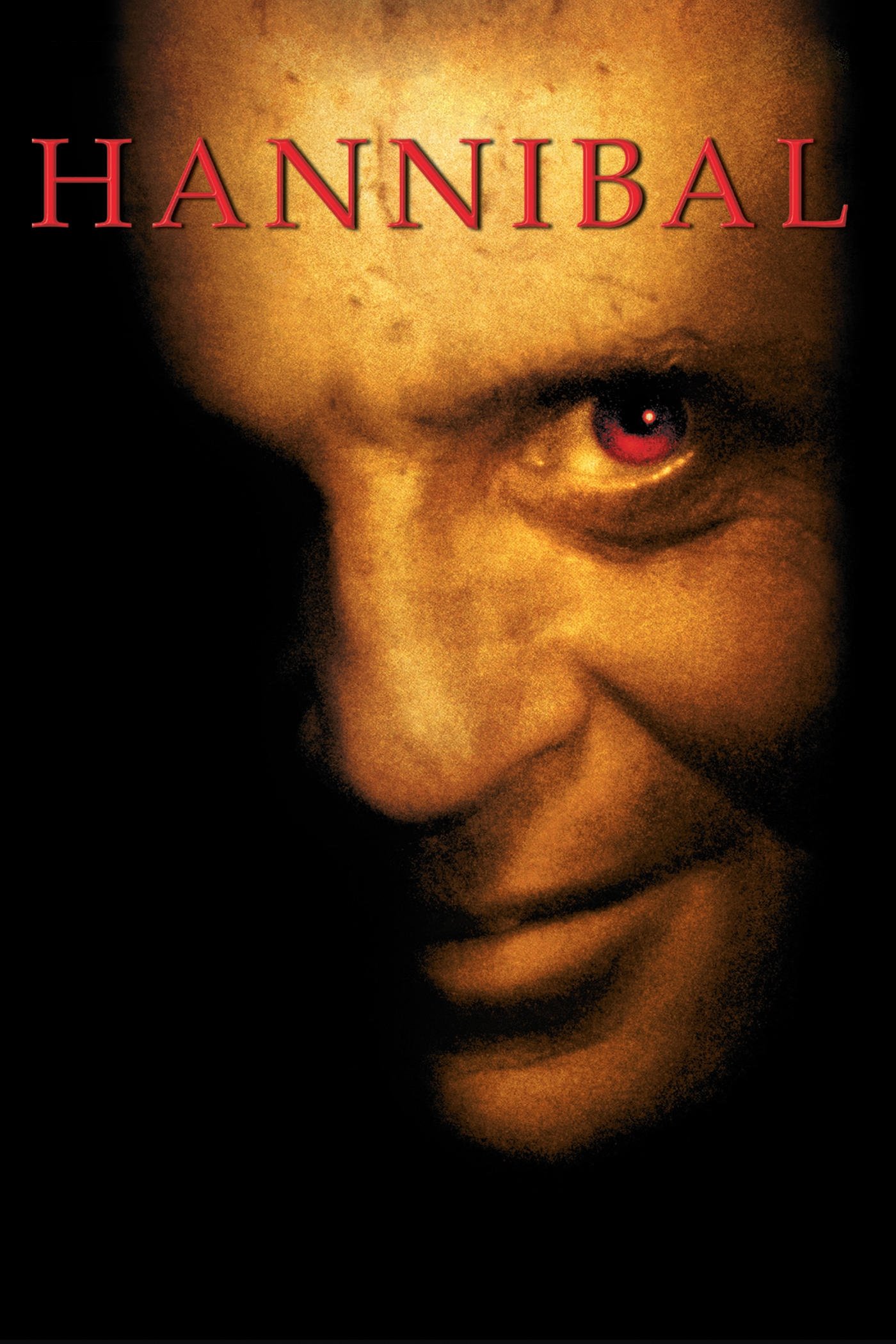
Julianne Moore played Clarice Starling in this sequel to ‘The Silence of the Lambs’ taking over for Jodie Foster. Foster chose not to reprise the iconic role which left the production searching for a new lead to face Anthony Hopkins as Hannibal Lecter. The film explores Starling’s career ten years after her initial encounter with the cannibalistic serial killer. Moore provided a more weary and hardened version of the character that reflected the passage of time within the story. The movie remains a notable example of a sequel attempting to follow up a critically acclaimed performance with a new star.
‘Harry Potter and the Prisoner of Azkaban’ (2004)
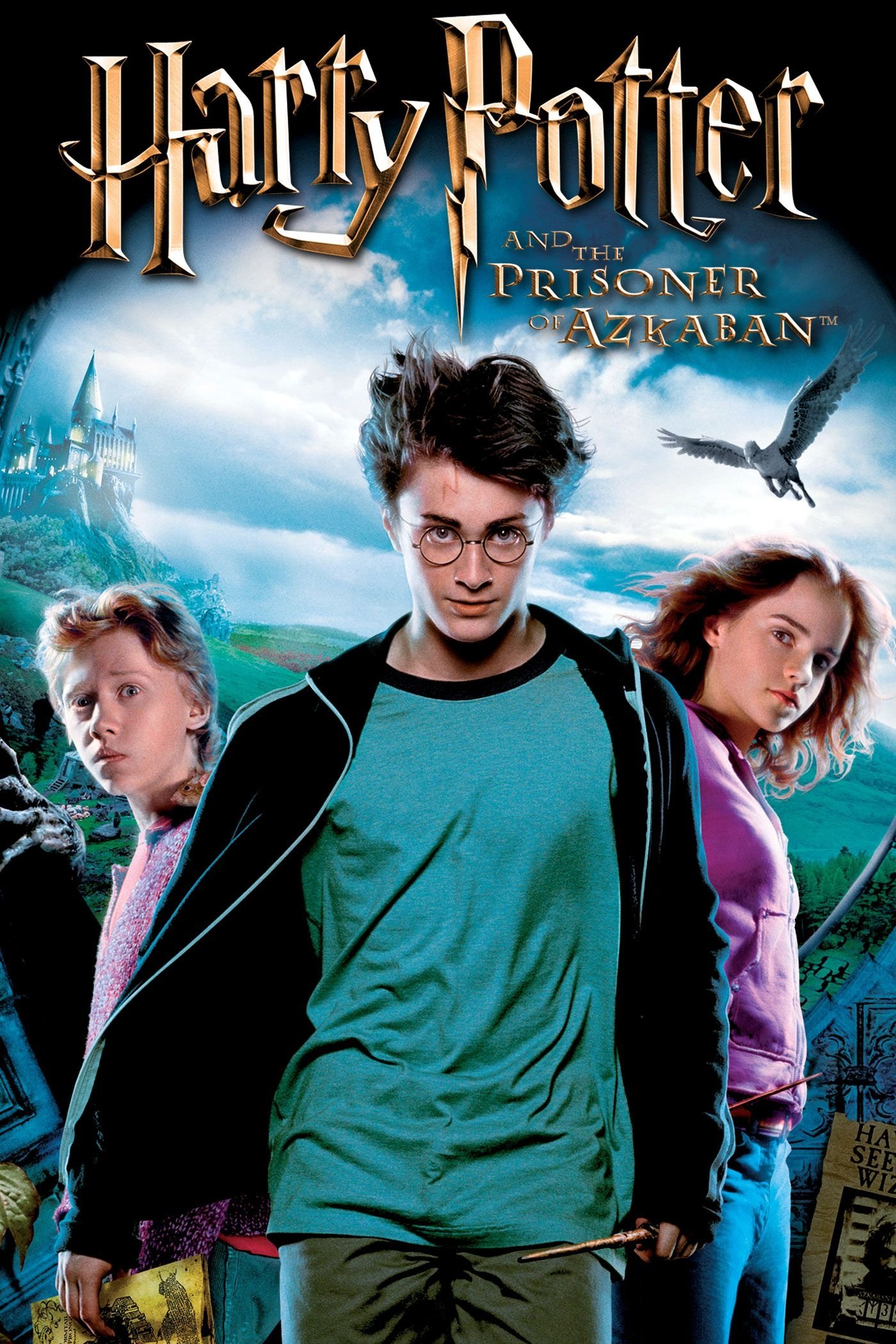
Michael Gambon took over the role of Albus Dumbledore following the passing of Richard Harris who played the headmaster in the first two films. Director Alfonso Cuaron encouraged Gambon to bring his own interpretation to the character rather than imitating the previous performance. The result was a more energetic and eccentric version of Dumbledore that persisted throughout the remainder of the eight film series. This recast was necessary due to tragic circumstances but remains one of the most discussed shifts in modern cinema. Gambon’s portrayal eventually became the definitive version of the character for many young viewers.
‘National Lampoon’s European Vacation’ (1985)
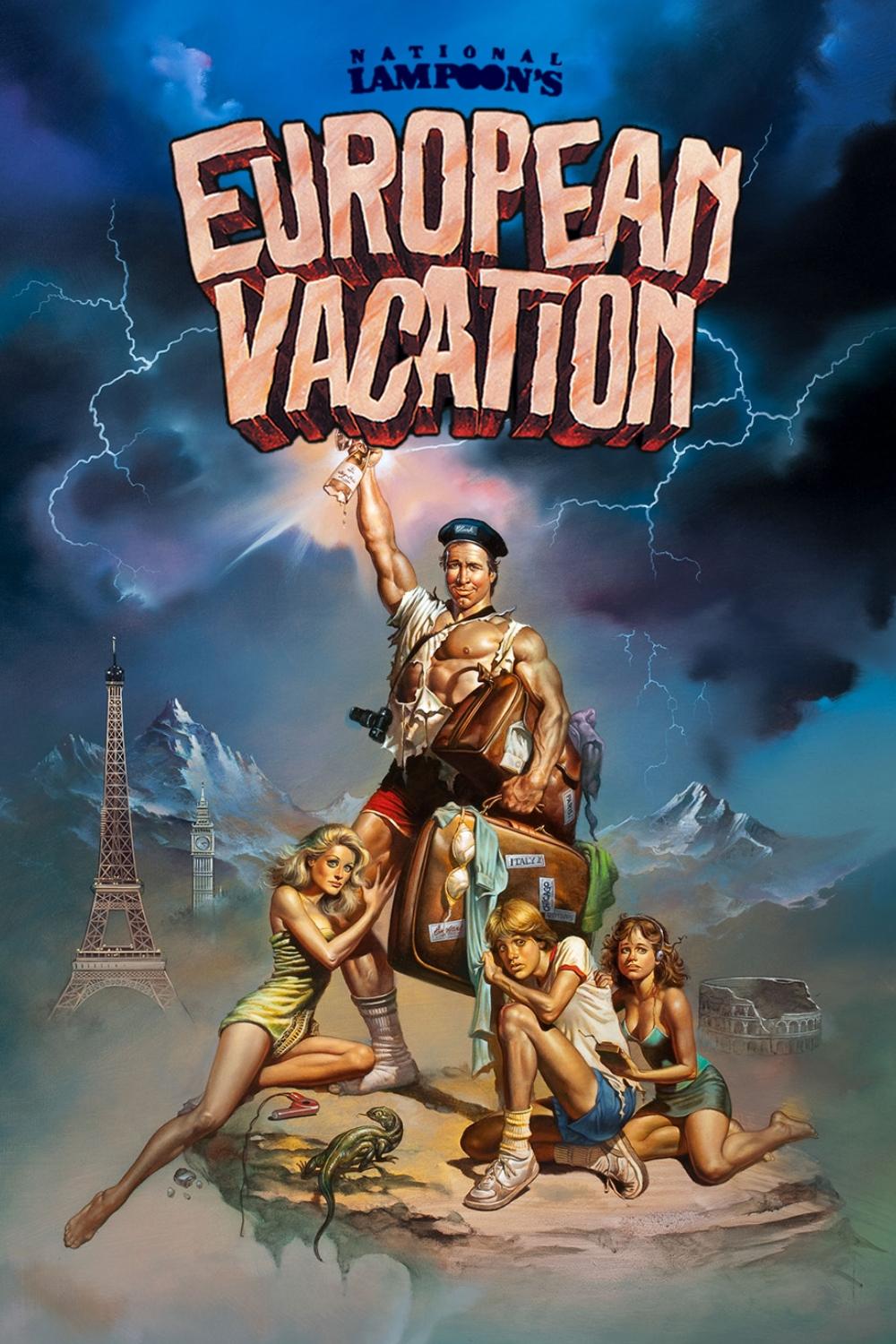
Jason Lively and Dana Hill took over the roles of Rusty and Audrey Griswold from Anthony Michael Hall and Dana Barron. The franchise established a running joke by casting different actors to play the Griswold children in almost every subsequent sequel. Each film treated the new actors as if they had always been the same characters despite obvious differences in age and appearance. This tradition continued through ‘National Lampoon’s Christmas Vacation’ and ‘Vegas Vacation’ with various young stars. The constant shuffling of the cast became a hallmark of the family comedy series.
‘The Matrix Revolutions’ (2003)
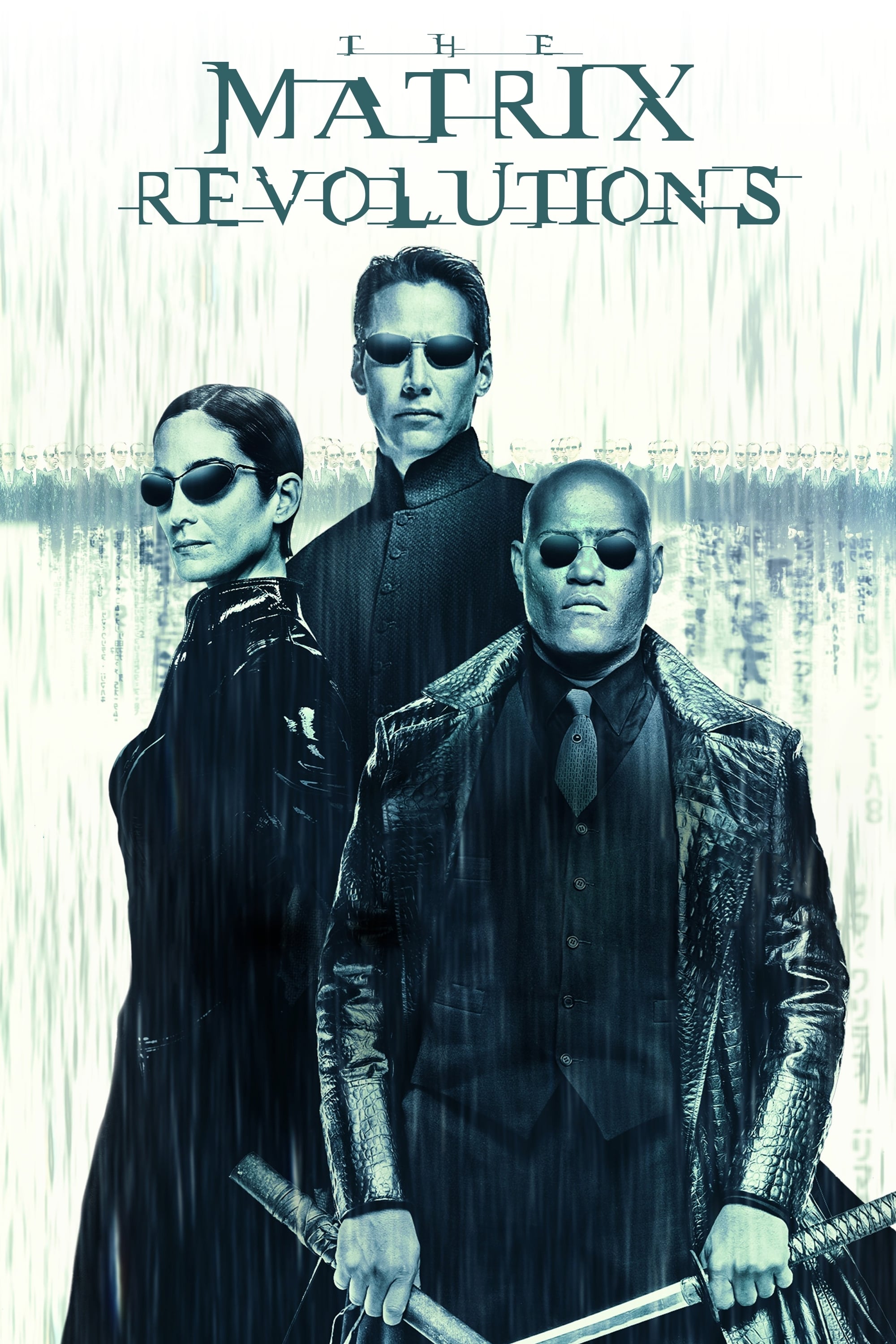
Mary Alice replaced Gloria Foster as the Oracle in the final chapter of the original trilogy after Foster passed away during production. The filmmakers incorporated the change into the plot by explaining that the Oracle had lost her original shell and assumed a new form. This creative choice allowed the character to remain a central guide for Neo during the climax of the war against the machines. The transition was handled with a specific dialogue exchange that acknowledged the change within the rules of the simulated world. This allowed ‘The Matrix’ to maintain its internal logic while respecting the legacy of the original actress.
‘RoboCop 3’ (1993)
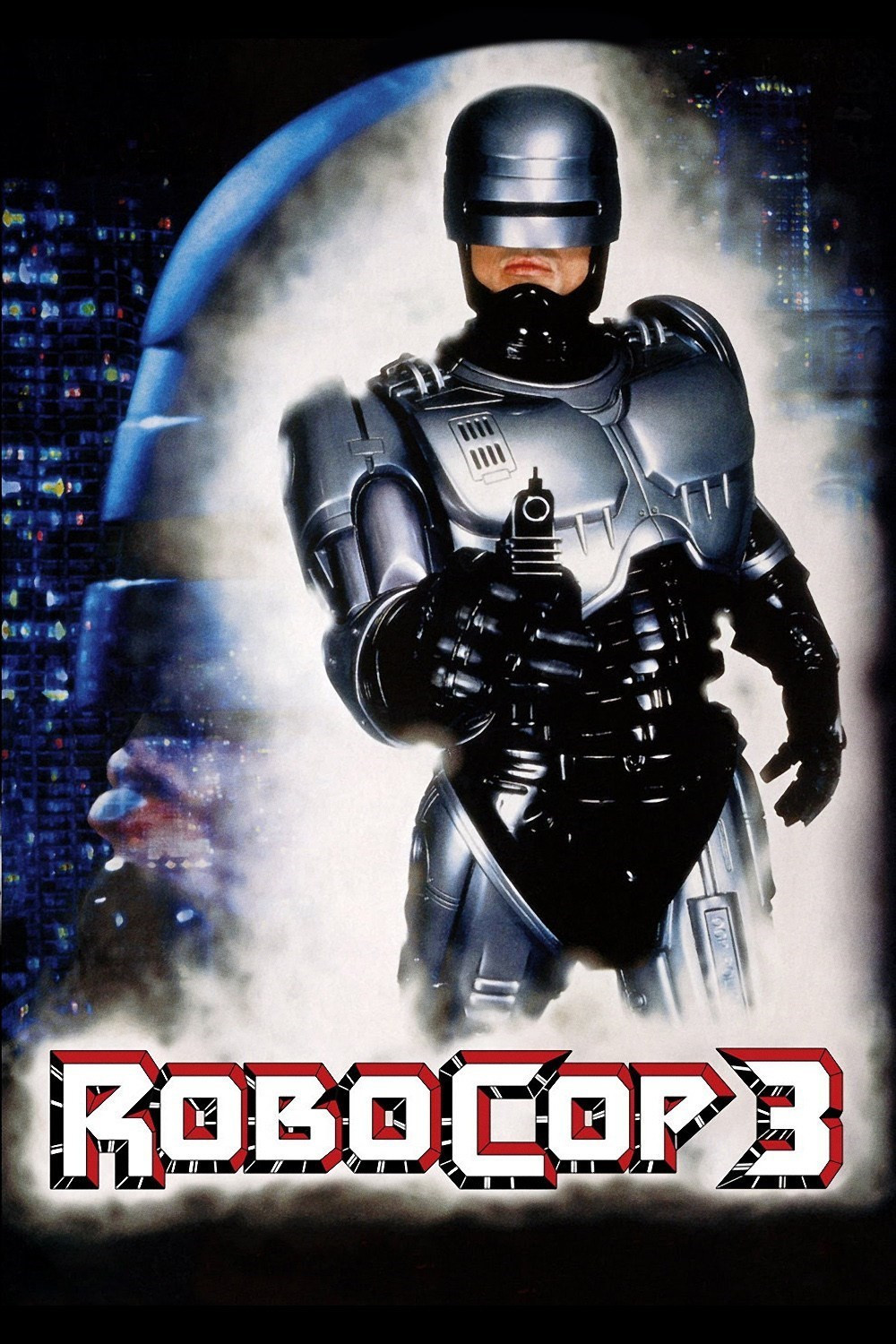
Robert John Burke took over the role of Alex Murphy from Peter Weller who played the cyborg lawman in the first two films. Weller was busy filming ‘Naked Lunch’ and could not return to the high tech suit for the third installment. The movie attempted to maintain the same visual look for the character while introducing new gadgets like a flight pack. Despite the change in lead actor the story continues the battle for the future of Old Detroit against the OCP corporation. Burke’s performance focused on the humanity still residing within the machine as he defended citizens from corporate greed.
‘Batman & Robin’ (1997)
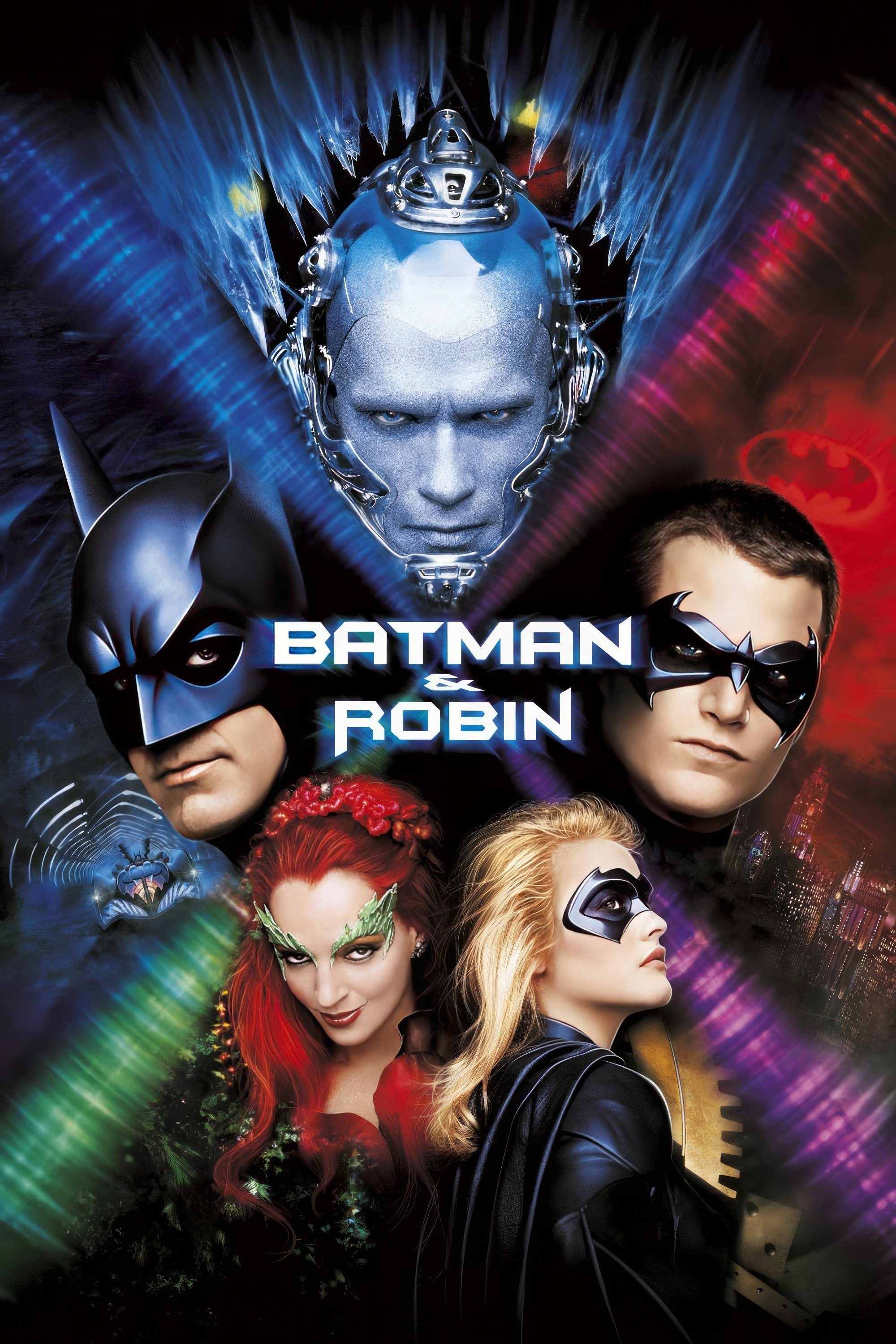
George Clooney became the third actor to portray Bruce Wayne in the original film series following Val Kilmer. The production maintained the same supporting cast including Chris O’Donnell as Robin and Michael Gough as Alfred Pennyworth to provide continuity. Clooney brought a more lighthearted and suave approach to the character as he faced off against Mr Freeze and Poison Ivy. This film ended the initial run of Batman movies before the series was eventually rebooted by Christopher Nolan years later. The recast highlighted the shifting tone of the franchise toward a more campy and colorful style.
‘The Exorcist III’ (1990)
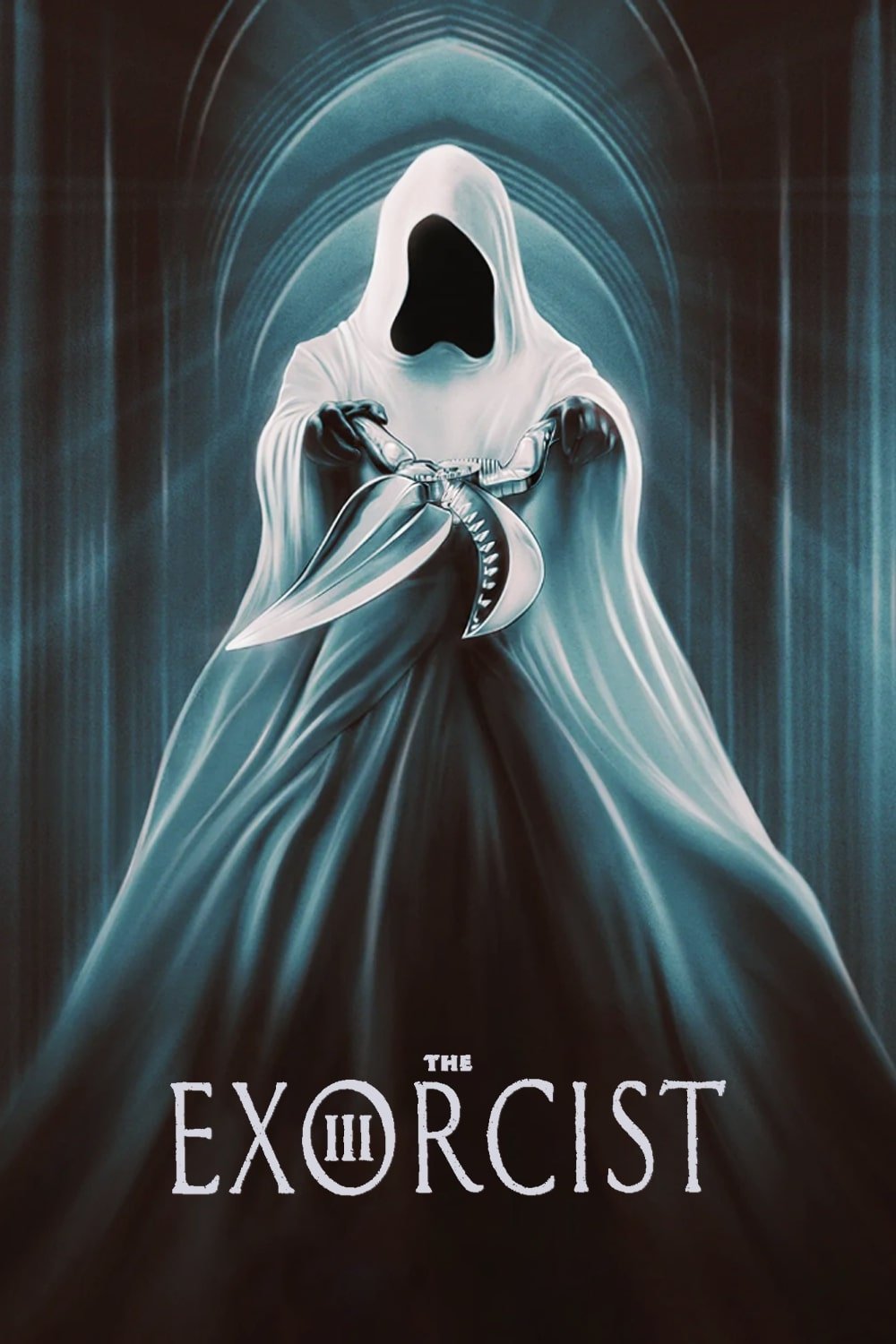
George C Scott took over the role of Lieutenant William F Kinderman from Lee J Cobb who appeared in the original 1973 film. The sequel ignores the events of the second movie and acts as a direct follow up to the first story. Kinderman investigates a series of gruesome murders that seem to be connected to the long dead Gemini Killer. The transition between actors was necessary because Cobb had passed away years before the production of the third installment began. Scott’s commanding presence provided a new depth to the detective character as he confronted supernatural horrors.
‘Diary of a Wimpy Kid: The Long Haul’ (2017)
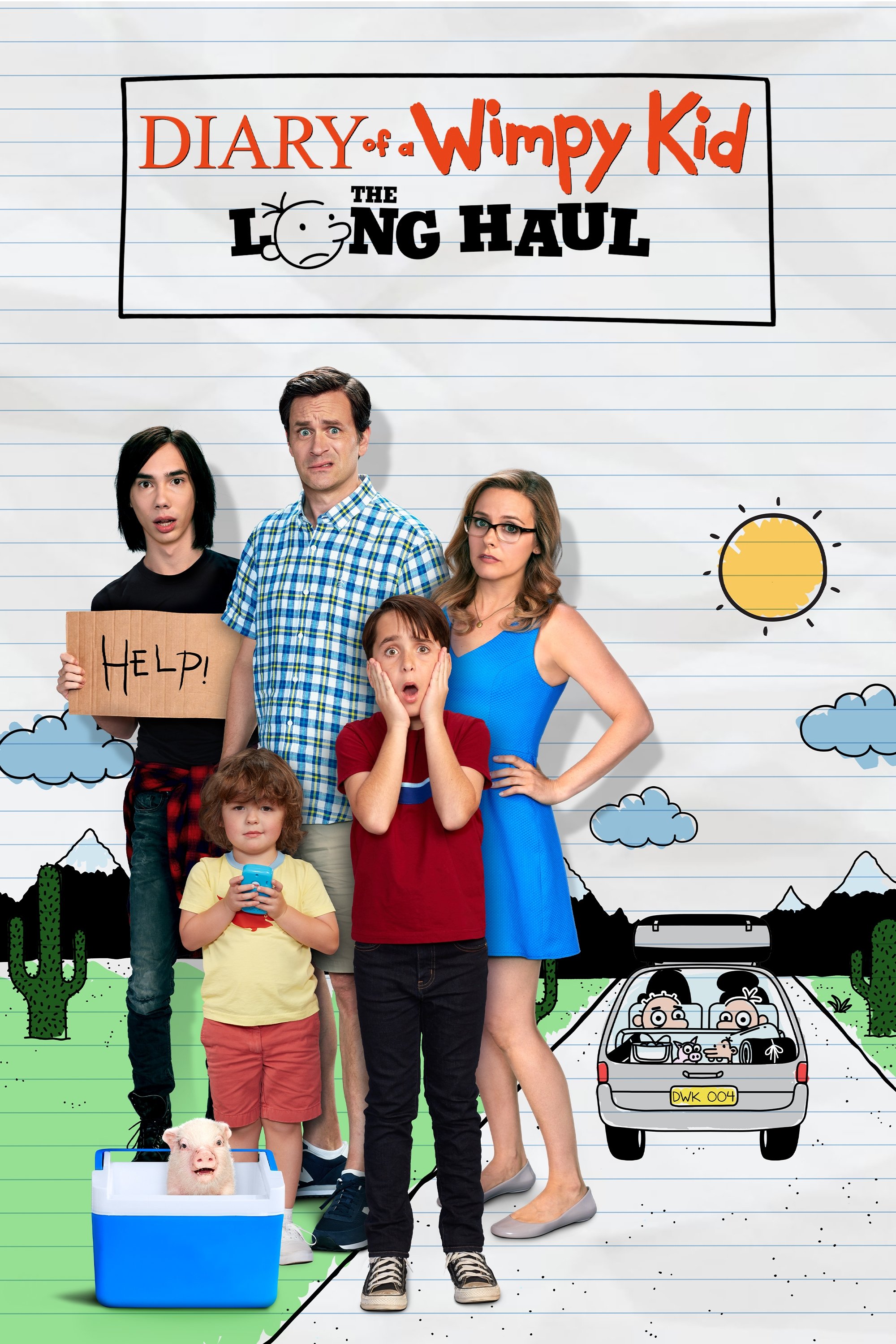
Jason Drucker replaced Zachary Gordon as Greg Heffley in this fourth installment of the film franchise. The entire central cast was replaced with younger actors to account for the original stars aging out of their middle school roles. The movie follows the Heffley family on a road trip that quickly devolves into a series of comedic disasters. This complete casting overhaul was met with significant discussion from fans who had grown accustomed to the original performers over three previous movies. The film tried to recapture the youthful energy of the earlier entries with a fresh set of faces.
‘Evil Dead II’ (1987)
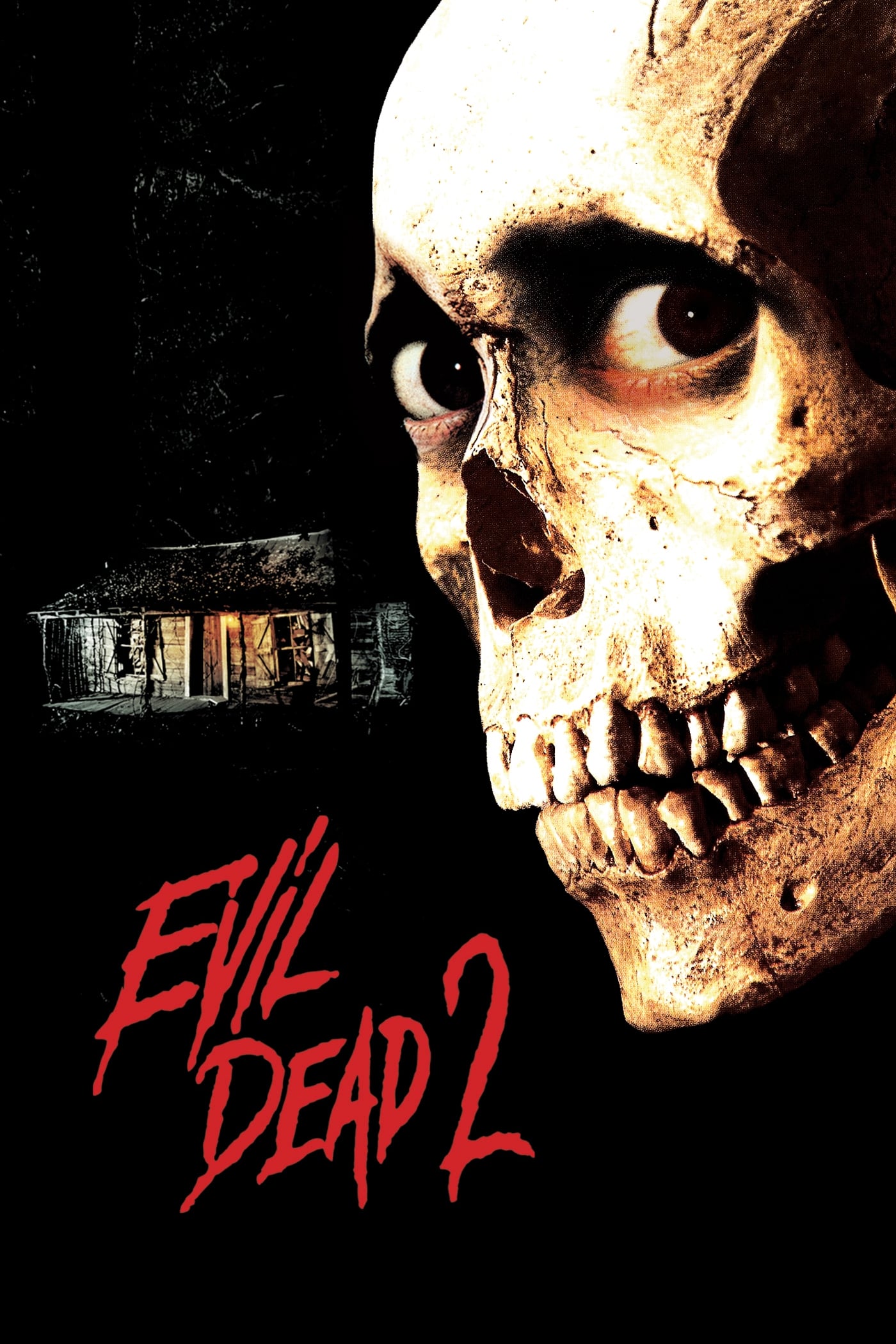
Denise Bixler took over the role of Linda from Betsy Baker who played the character in the original 1981 film. The sequel starts with a reimagined summary of the first movie that features only Ash and Linda traveling to the cabin. This recap uses new footage with Bixler because the production could not secure the rights to the original film for the opening sequence. The character of Linda is quickly possessed and decapitated which remains a pivotal moment in the horror comedy franchise. This creative workaround allowed Sam Raimi to continue the story while effectively rebooting the premise.
‘George of the Jungle 2’ (2003)
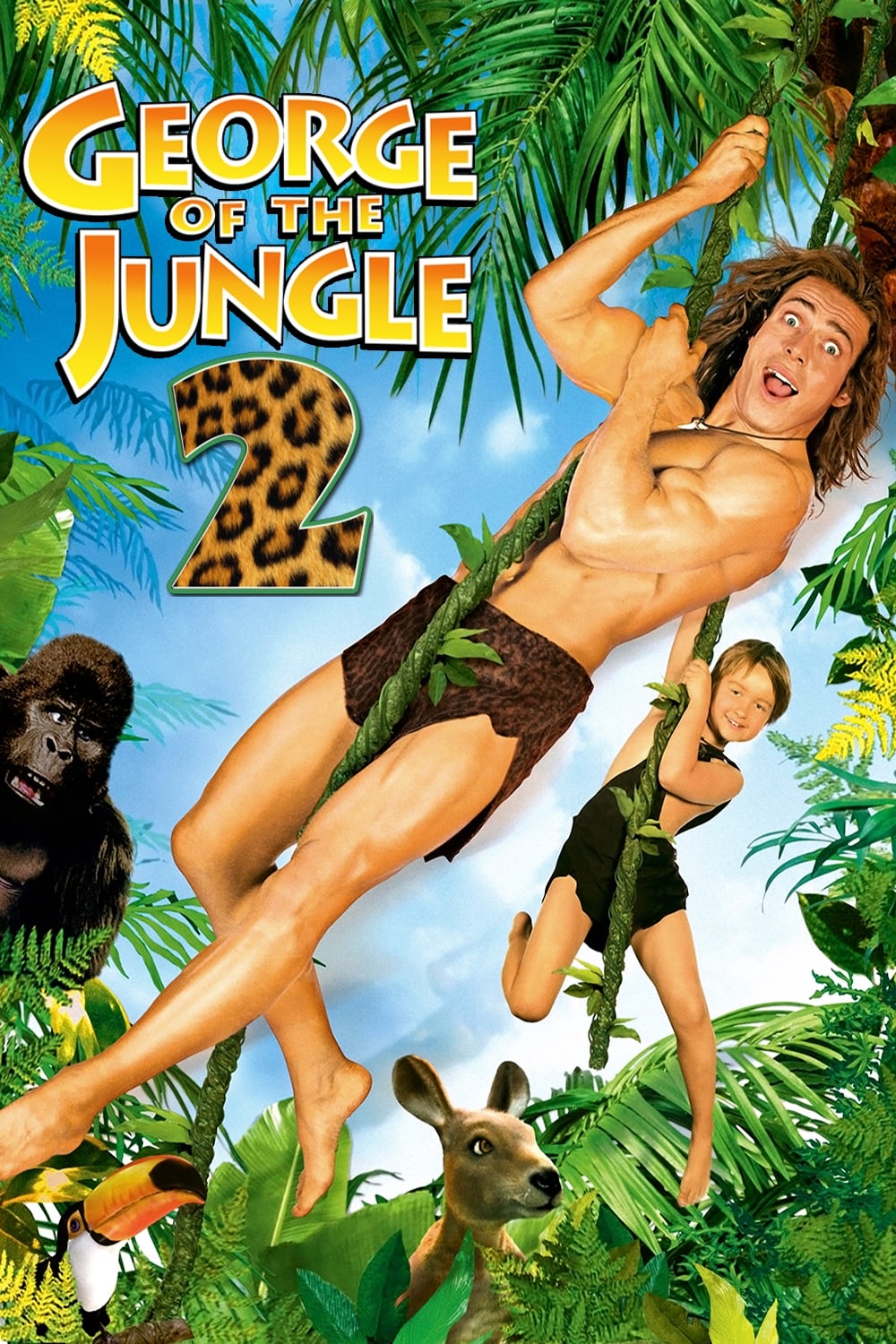
Christopher Showerman replaced Brendan Fraser as the titular character in this direct to video sequel. The film openly acknowledges the recast with a narrator mentioning that the studio was too cheap to bring back the original star. Showerman portrayed George as he tries to save Ape Mountain from his meddling mother in law and a rival suitor. The sequel maintains the slapstick tone of the first film while leaning into the absurdity of the lead actor change. It remains one of the few sequels that mocks its own casting decisions for comedic effect.
‘Red Dragon’ (2002)
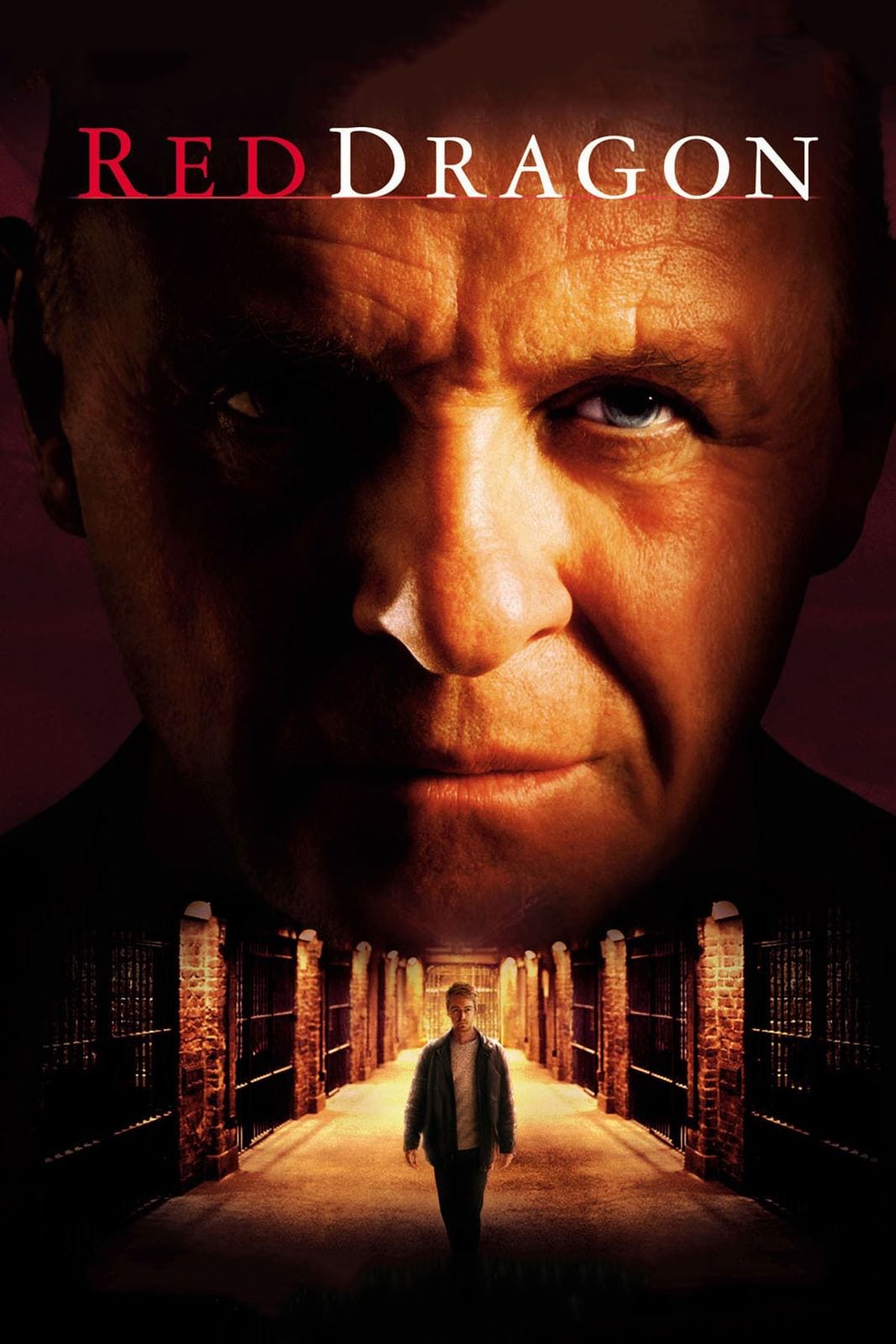
Edward Norton took over the role of Will Graham who was originally played by William Petersen in the 1986 film ‘Manhunter’. While both films are based on the same novel ‘Red Dragon’ serves as a prequel to ‘The Silence of the Lambs’ within the Hopkins timeline. The film features Anthony Hopkins returning as Hannibal Lecter to assist the FBI in catching a new serial killer known as the Tooth Fairy. This casting choice aligned the character with the established visual style and cast of the newer films in the series. Norton’s portrayal offered a more intellectual and fragile interpretation of the gifted profiler.
‘The Scorpion King 2: Rise of a Warrior’ (2008)
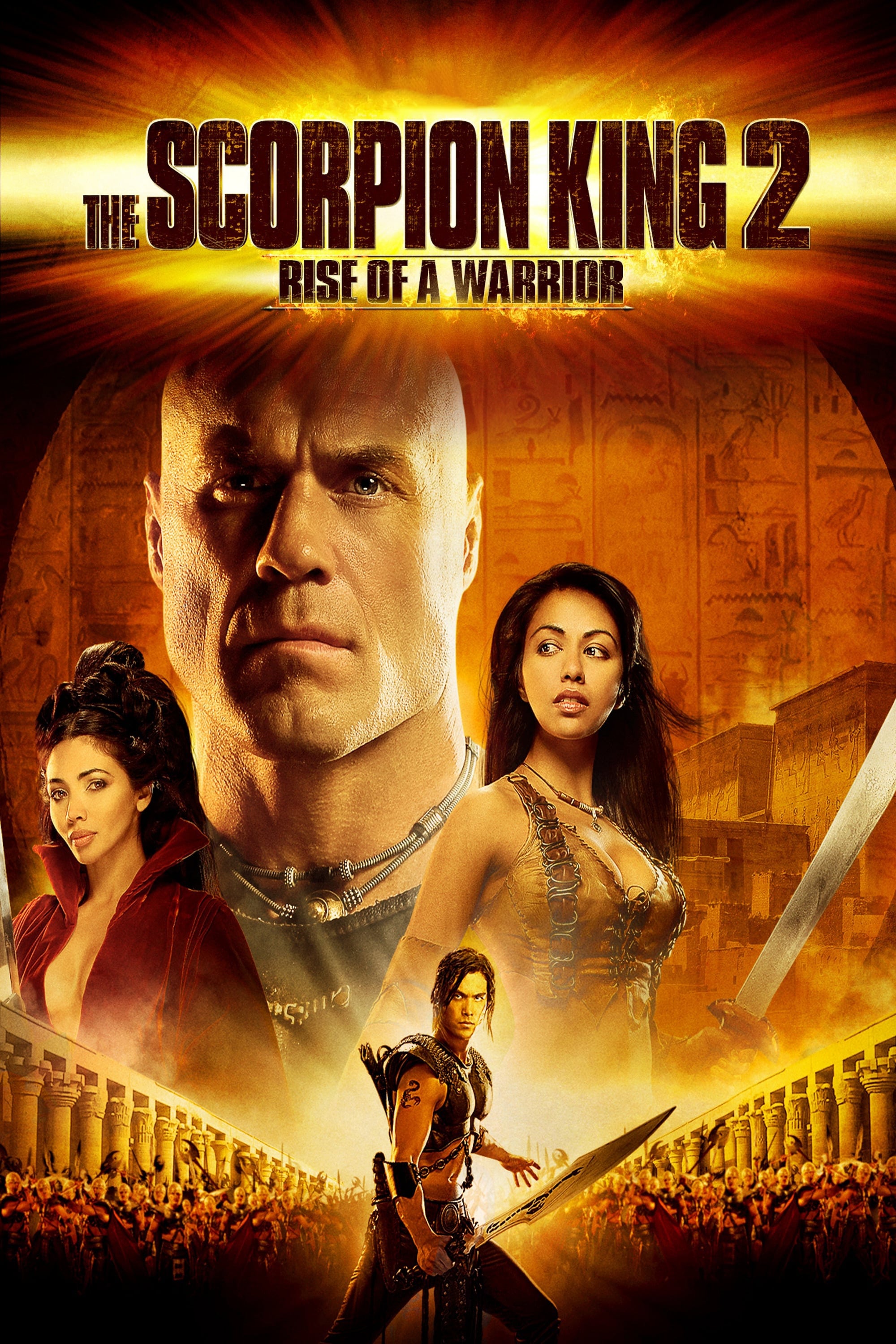
Michael Copon took over the role of Mathayus from Dwayne Johnson who played the character in the first film. The movie serves as a prequel that follows a younger version of the Akkadian warrior as he seeks vengeance for his father. This casting change allowed the studio to continue the franchise with a lower budget while exploring the origin story of the desert hero. The film maintains the action adventure spirit of the series despite the absence of its original star. It focuses on the early training and trials that shaped the future king.
‘Child’s Play 3’ (1991)

Justin Whalin took over the role of Andy Barclay from Alex Vincent who played the character in the first two films. The story jumped forward several years to feature an older version of Andy as he enters a military academy. Chucky returns to hunt his original victim after being inadvertently resurrected in a toy factory. Whalin portrayed the teenage Andy as he struggles to protect a new group of children from the possessed doll. This change in lead actor allowed the series to explore how the character had been affected by his traumatic past.
‘The Empire Strikes Back’ (1980)
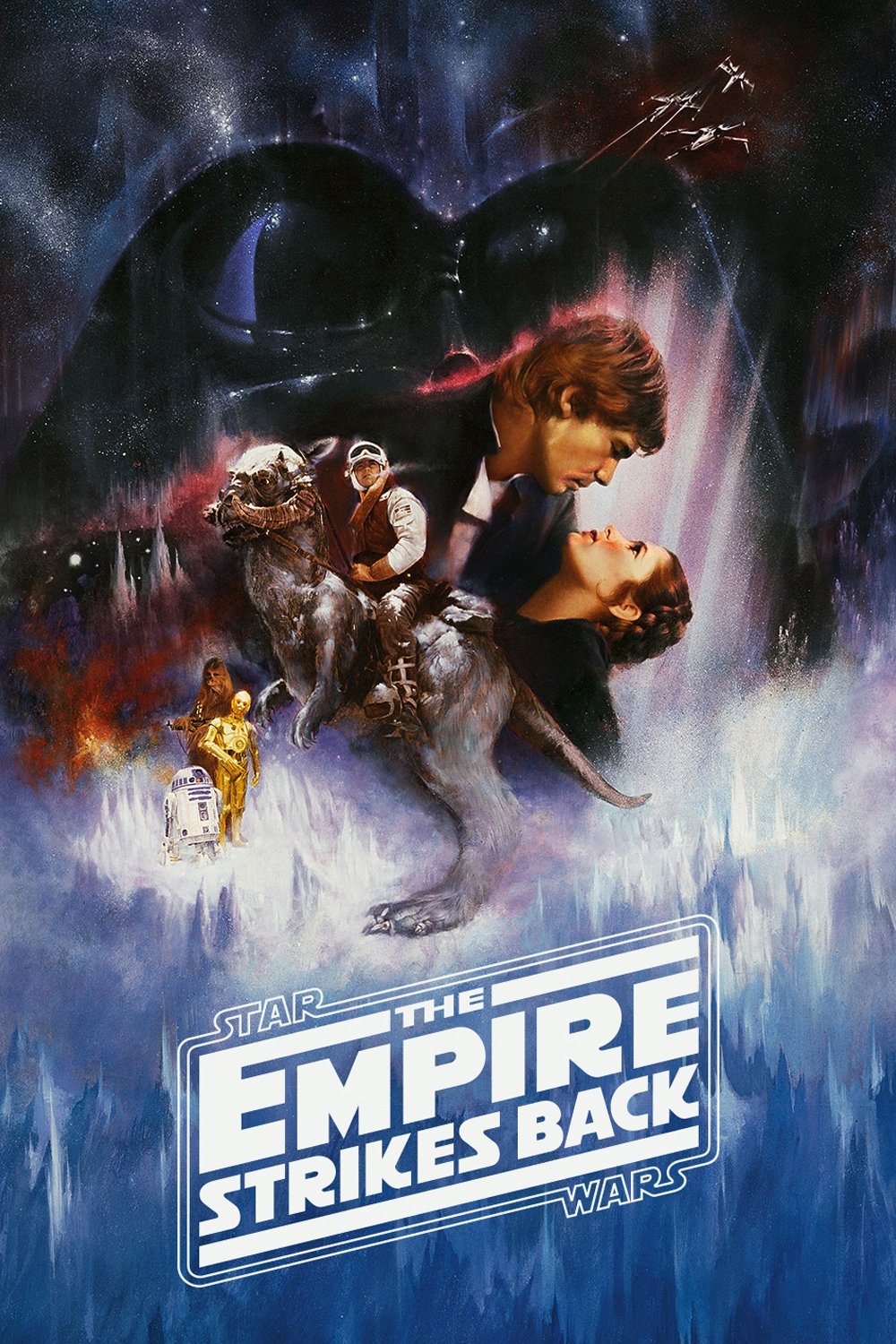
Clive Revill originally provided the voice for the Emperor while a different actress wore a mask with superimposed chimpanzee eyes for the visual appearance. In the updated versions of the film Ian McDiarmid was inserted to play the character and provide continuity with ‘Return of the Jedi’ and the prequel trilogy. This change was part of George Lucas’s effort to unify the visual language of the entire space opera saga. The transition ensured that the primary antagonist of the series remained consistent across all his cinematic appearances. This alteration is one of many digital changes made to the original films over several decades.
‘The Avengers’ (2012)
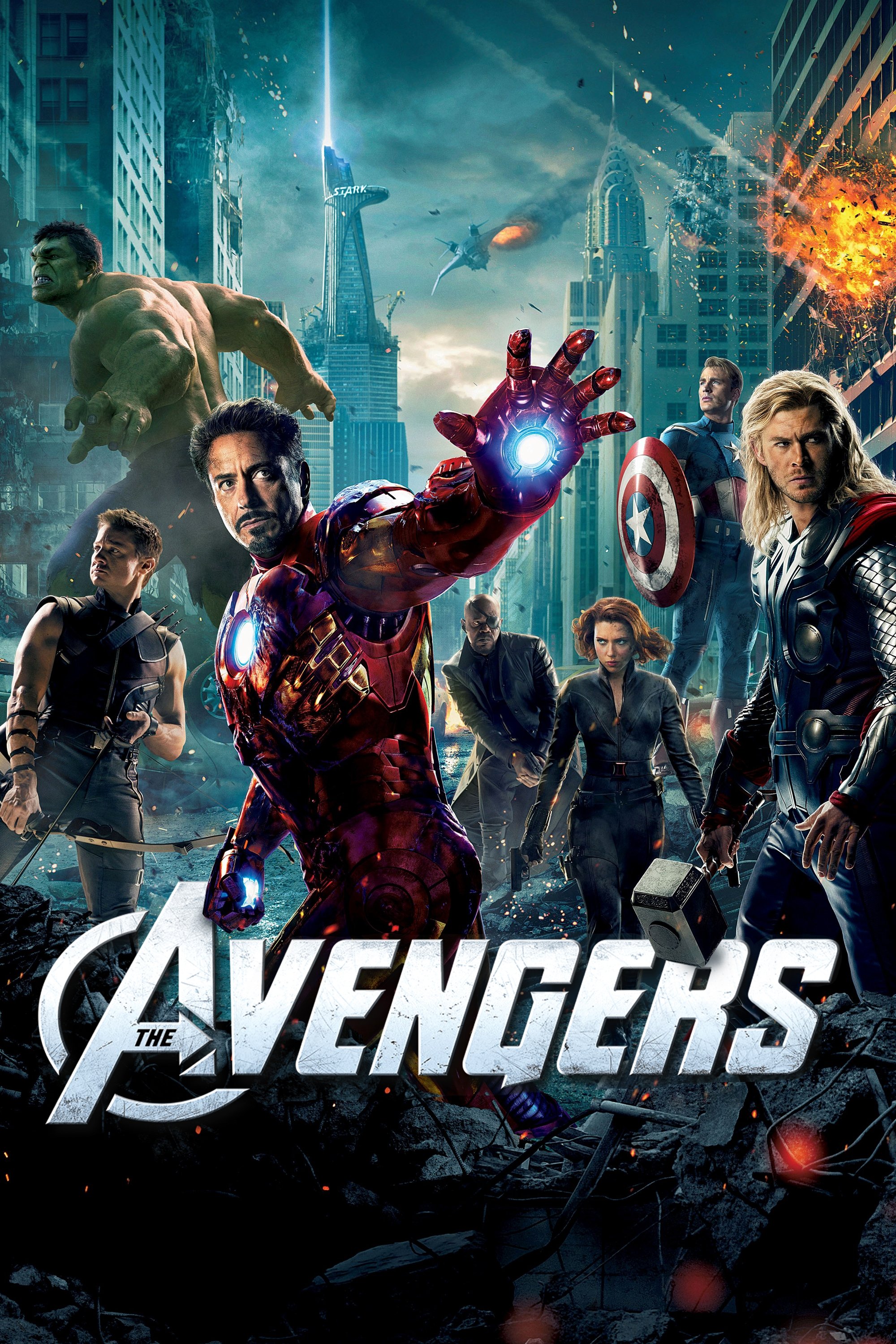
Mark Ruffalo stepped into the role of Bruce Banner after Edward Norton played the character in the 2008 film ‘The Incredible Hulk’. The transition was announced after Marvel Studios decided to move in a different creative direction for the ensemble superhero film. Ruffalo utilized motion capture technology to portray both Banner and the Hulk providing a new level of physical nuance to the role. This change became permanent as Ruffalo continued to play the character throughout several subsequent films in the shared universe. His version of the character became a fan favorite for his quiet intelligence and internal struggle.
‘Guardians of the Galaxy’ (2014)
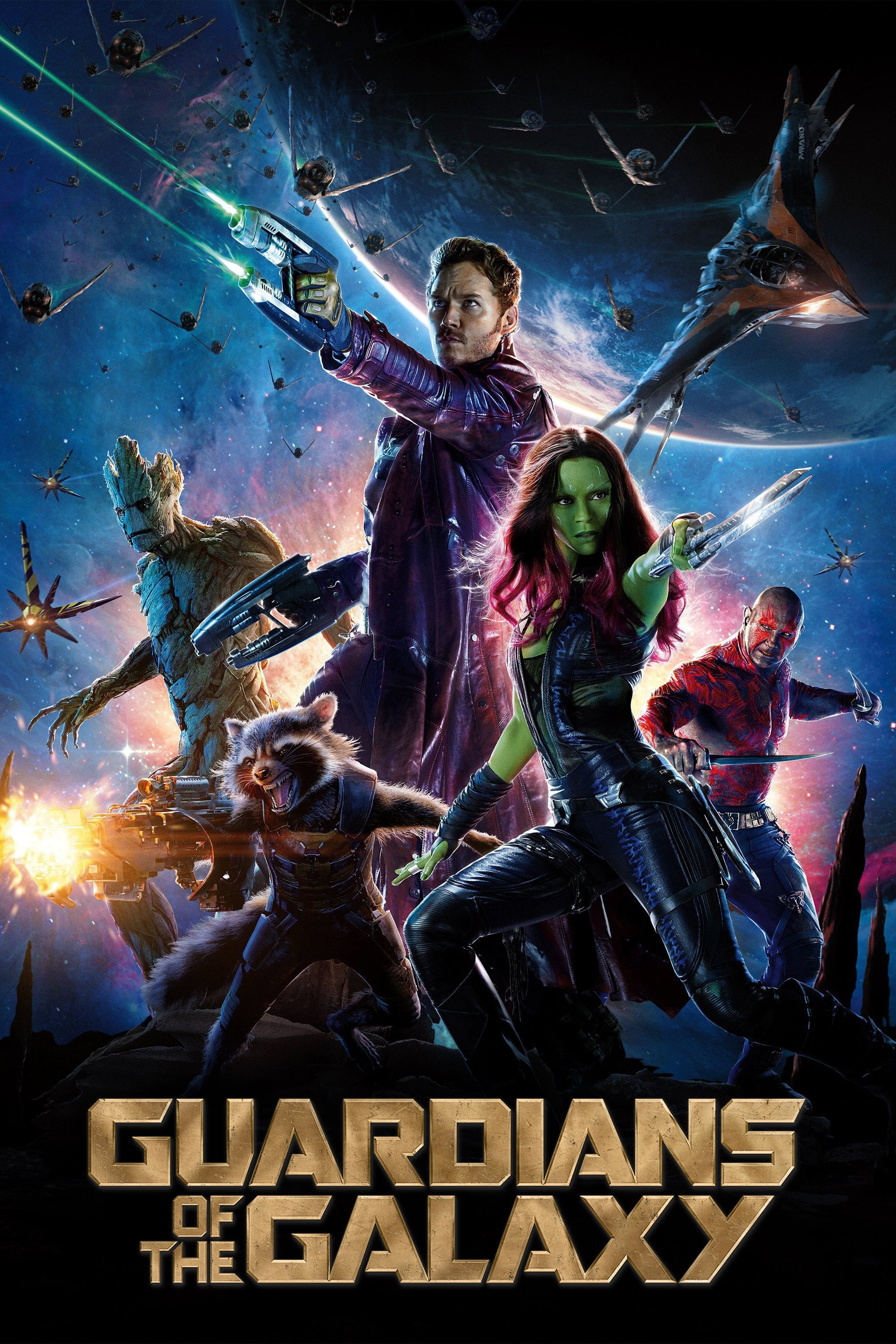
Josh Brolin made his debut as Thanos in this film after the character was first seen in a brief cameo during ‘The Avengers’. The earlier appearance featured Damion Poitier in practical makeup but the role was recast when the character required a more significant presence. Brolin provided the voice and motion capture performance for the powerful villain as he sat on his floating throne. This casting choice solidified the direction for the character who would eventually become the primary threat for the entire superhero team. The transition allowed for a more detailed and expressive digital performance as the character’s importance grew.
Share your thoughts on the most surprising movie character recasts in the comments.