Actresses Who Brought Multiple Characters to Life in One Movie


Actresses throughout cinematic history have frequently embraced the challenge of playing more than one role within a single feature film. This demanding feat often requires significant physical transformations, distinct vocal shifts, and the ability to interact with themselves through technical trickery. From classical Hollywood dramas involving identical twins to modern science fiction epics spanning multiple timelines, these performances showcase the versatility and technical skill of the performers. The following list highlights notable instances where actresses successfully portrayed multiple characters in a single production.
Cate Blanchett

In the film ‘Manifesto’ (2015), Cate Blanchett portrays thirteen distinct characters, each delivering a different artistic manifesto. These roles range from a homeless man and a factory worker to a conservative mother and a news anchor. Every segment uses a unique setting and persona to represent various art movements, such as Dadaism and Pop Art. Blanchett filmed the entire project in just twelve days, utilizing diverse accents and heavy prosthetics.
Noomi Rapace
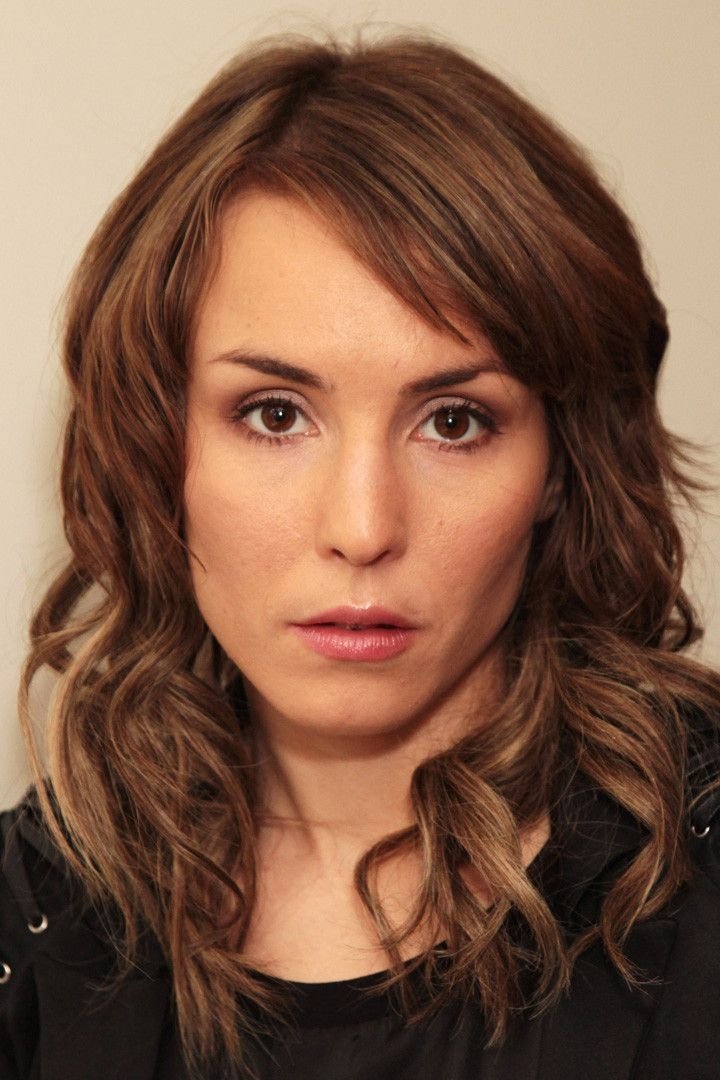
‘What Happened to Monday’ (2017) features Noomi Rapace playing seven identical sisters living in a dystopian society with a strict one-child policy. Each sister is named after a day of the week and is only permitted to leave their apartment on her corresponding day. When Monday disappears, the remaining six must navigate a dangerous conspiracy while maintaining their shared identity. Rapace used green-screen technology and specialized earpieces to coordinate her movements and dialogue between the different personalities.
Tilda Swinton
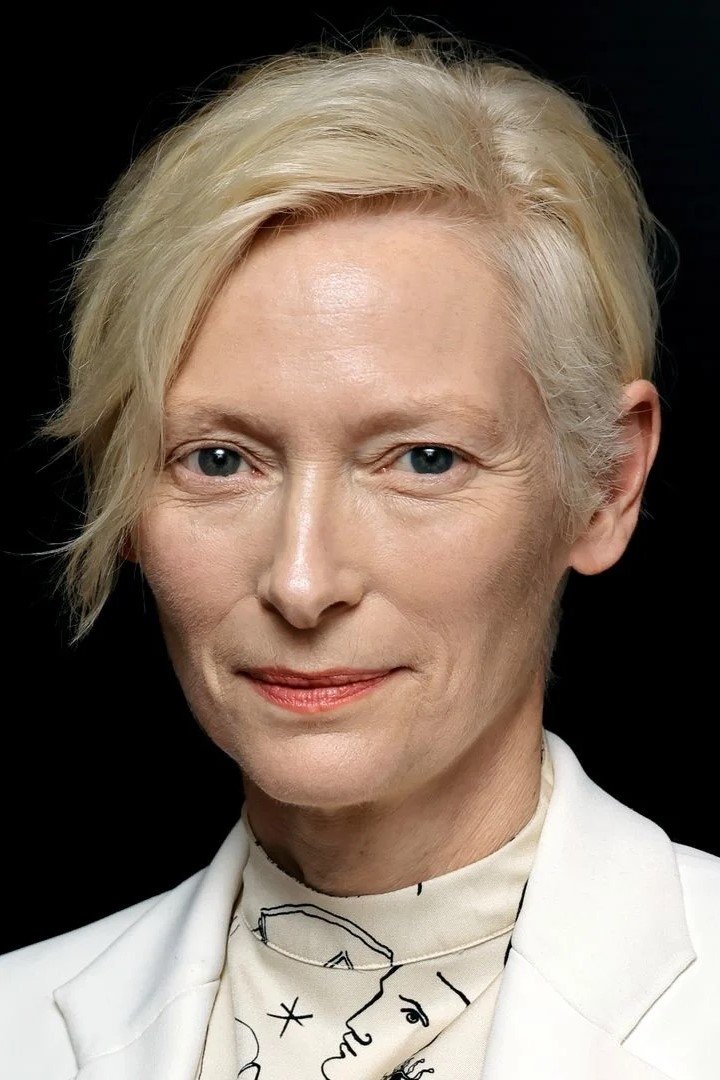
Tilda Swinton took on three separate roles in the 2018 reimagining of ‘Suspiria’. She played the lead choreographer Madame Blanc, the ancient matron Helena Markos, and an elderly male psychoanalyst named Dr. Jozef Klemperer. Swinton performed the role of Klemperer under the pseudonym Lutz Ebersdorf and spent hours in the makeup chair to achieve the transformation. This performance demonstrated her ability to inhabit characters across different ages, genders, and physicalities.
Lupita Nyong’o
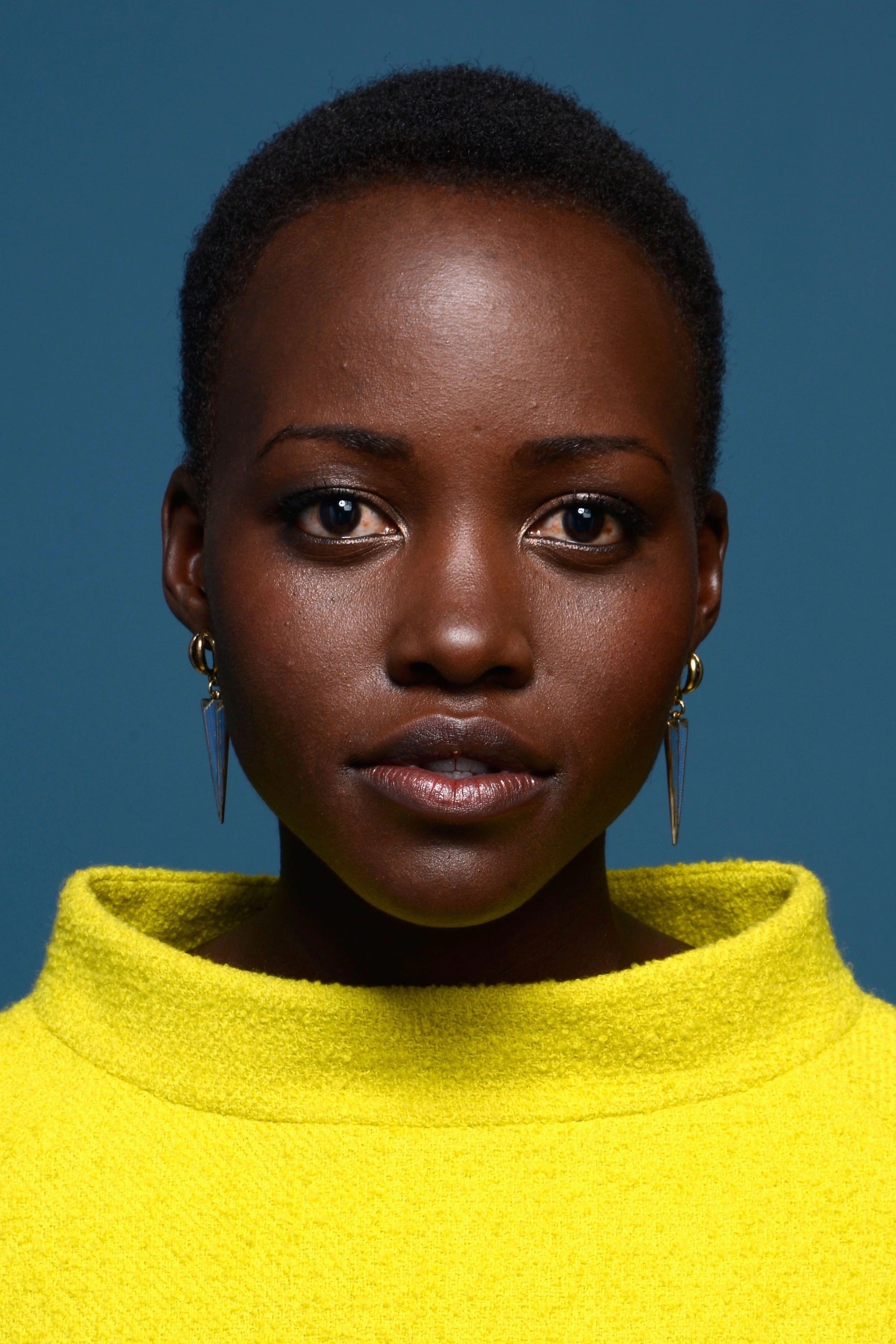
In the psychological horror film ‘Us’ (2019), Lupita Nyong’o plays both the protagonist Adelaide Wilson and her sinister doppelgänger, Red. The story follows a family attacked by a group of “Tethered” doubles who emerge from an underground facility. Nyong’o developed a distinct, rasping voice for Red, inspired by the medical condition spasmodic dysphonia. Her dual performance explores themes of privilege and the shadow self through two contrasting perspectives.
Priyanka Chopra Jonas

Priyanka Chopra set a record in the romantic comedy ‘What’s Your Raashee?’ (2009) by playing twelve different characters. Each character represents one of the twelve signs of the zodiac, and the protagonist must meet each one to find a potential bride. Chopra utilized different costumes, makeup, and mannerisms to ensure that each woman felt like a unique individual. This ambitious undertaking required the actress to manage twelve distinct personalities within a single narrative framework.
Meg Ryan
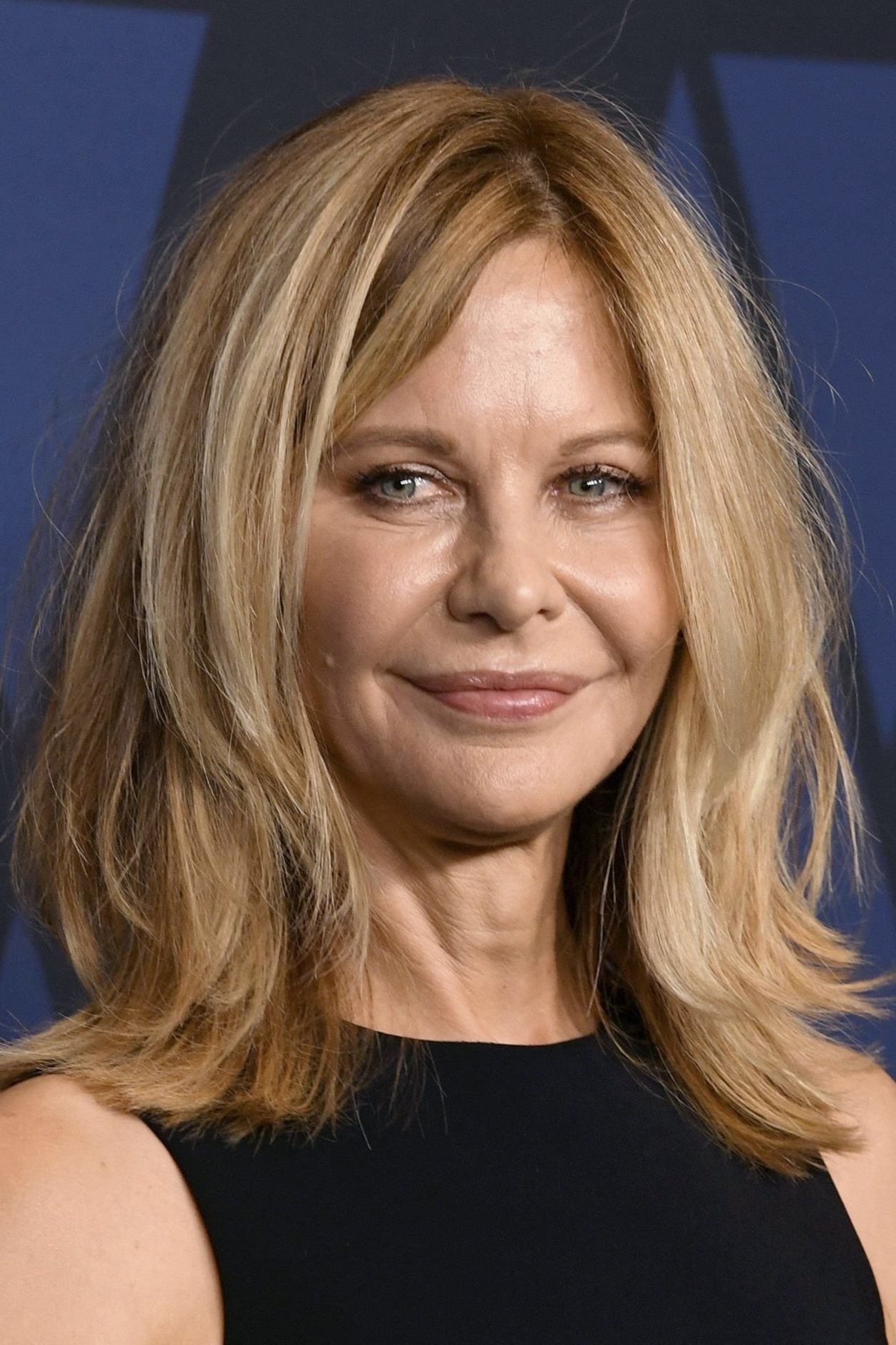
In the surrealist comedy ‘Joe Versus the Volcano’ (1990), Meg Ryan portrays three different women who encounter the main character during his journey. She first appears as DeDe, a high-strung secretary, then as the socialite Angelica, and finally as the adventurous Patricia. While the characters are sisters or half-sisters, Ryan gives each a specific personality and visual style. Her triple role serves as a thematic element regarding the protagonist’s personal evolution.
Vanessa Hudgens

‘The Princess Switch’ (2018) stars Vanessa Hudgens as both Stacy DeNovo, a baker from Chicago, and Lady Margaret Delacourt, the Duchess of Montenaro. The plot centers on the two women discovering they look exactly alike and deciding to trade places for a few days. Hudgens utilizes different accents, with Stacy having an American accent and Margaret possessing a formal British one. The film’s success led to sequels where Hudgens introduced even more characters into the same universe.
Lindsay Lohan
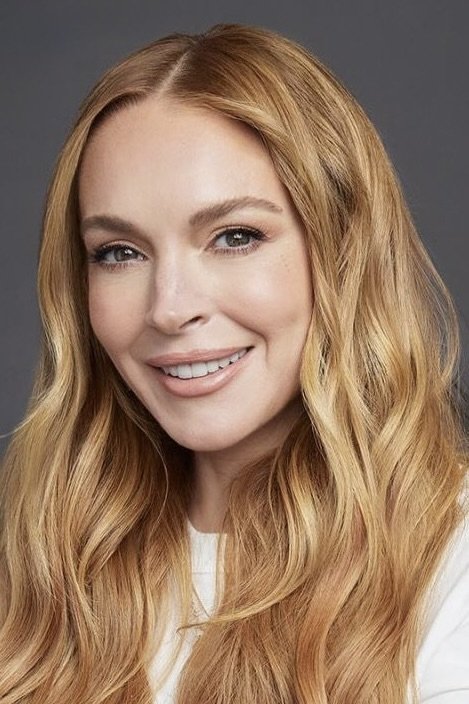
Lindsay Lohan played the dual roles of Hallie Parker and Annie James in the 1998 remake of ‘The Parent Trap’. The characters are identical twins separated at birth who discover each other at a summer camp and plot to reunite their parents. Lohan had to learn a British accent for the character of Annie and used a body double for scenes where both twins appeared on screen. This breakout performance established her as a major child star in the late 1990s.
Hayley Mills
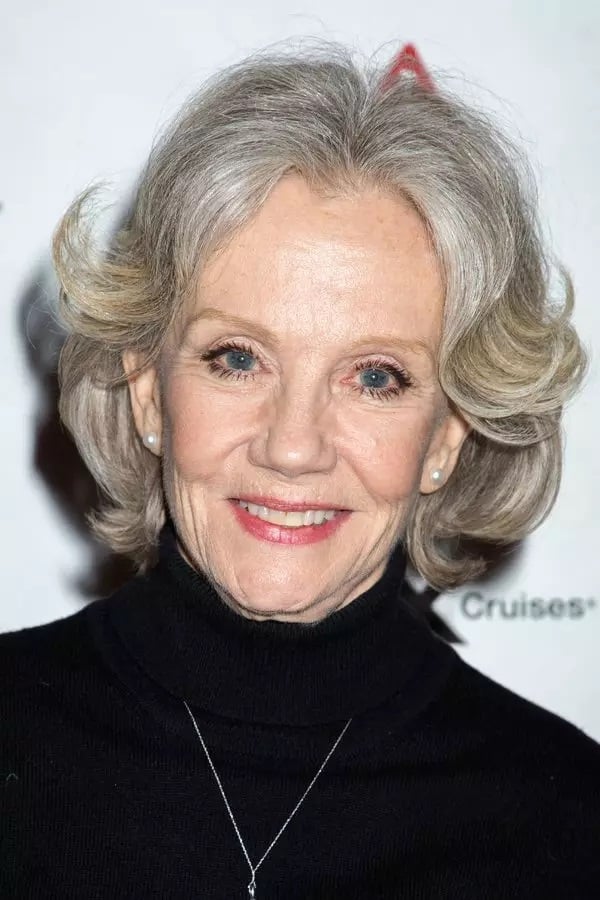
Before the remake, Hayley Mills played the original Susan Evers and Sharon McKendrick in ‘The Parent Trap’ (1961). The production utilized split-screen technology and “sodium vapor” processes to allow Mills to interact with herself. She portrayed the twins with subtle differences to distinguish the California girl from the refined Bostonian. The film earned Mills a Special Academy Juvenile Award for her contribution to the year’s cinema.
Bette Davis

In the thriller ‘Dead Ringer’ (1964), Bette Davis portrays identical twins Edith and Margaret, one of whom murders the other to take over her life. This was not her first time playing twins, as she also starred as sisters in the 1946 film ‘A Stolen Life’. Davis excelled at portraying the moral contrast between the siblings, often using distinct facial expressions and body language. These roles allowed her to showcase her range within the noir and melodrama genres.
Olivia de Havilland
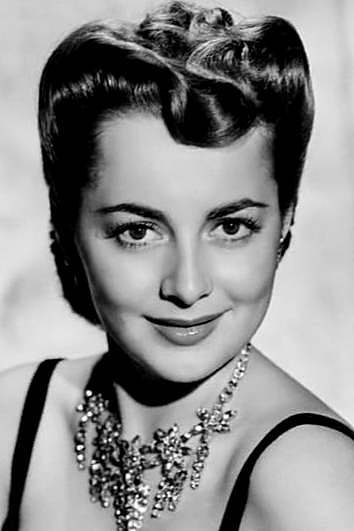
Olivia de Havilland starred as twin sisters Ruth and Terry Collins in the psychological thriller ‘The Dark Mirror’ (1946). One sister is kind and gentle, while the other is a manipulative murderer, forcing a detective and a psychologist to determine which is which. De Havilland used subtle psychological cues rather than heavy makeup to differentiate the two women. The film is noted for its early use of sophisticated cinematic effects to show both sisters in the same frame.
Lily Tomlin
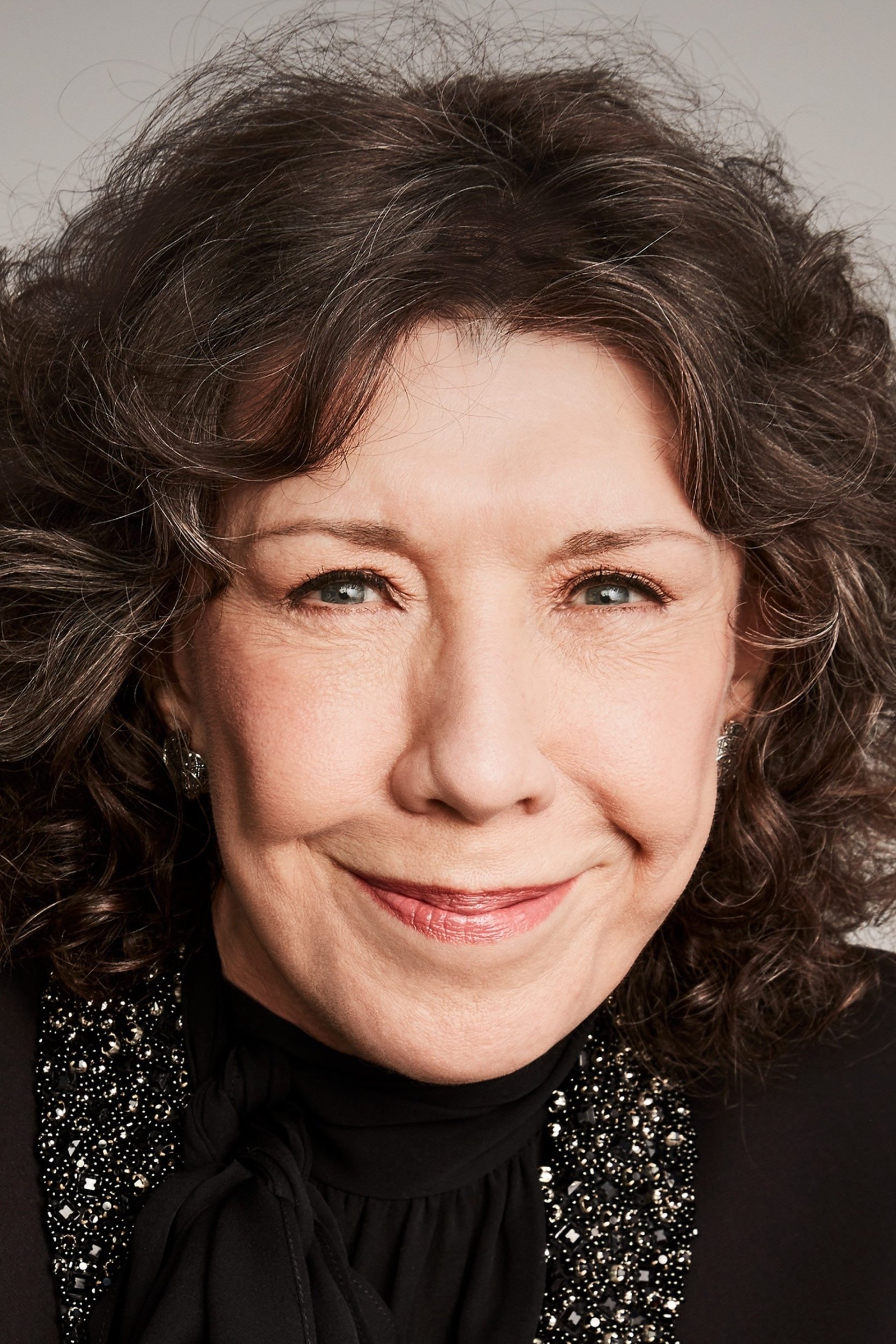
The comedy ‘Big Business’ (1988) features Lily Tomlin as one half of two sets of identical twins who were mismatched at birth. Alongside Bette Midler, Tomlin plays characters from vastly different socioeconomic backgrounds who eventually meet in New York City. Her roles as Rose Ratliff and Rose Shelton required her to play both a corporate executive and a rural woman. The film relies heavily on physical comedy and the confusion caused by the overlapping identities.
Bette Midler
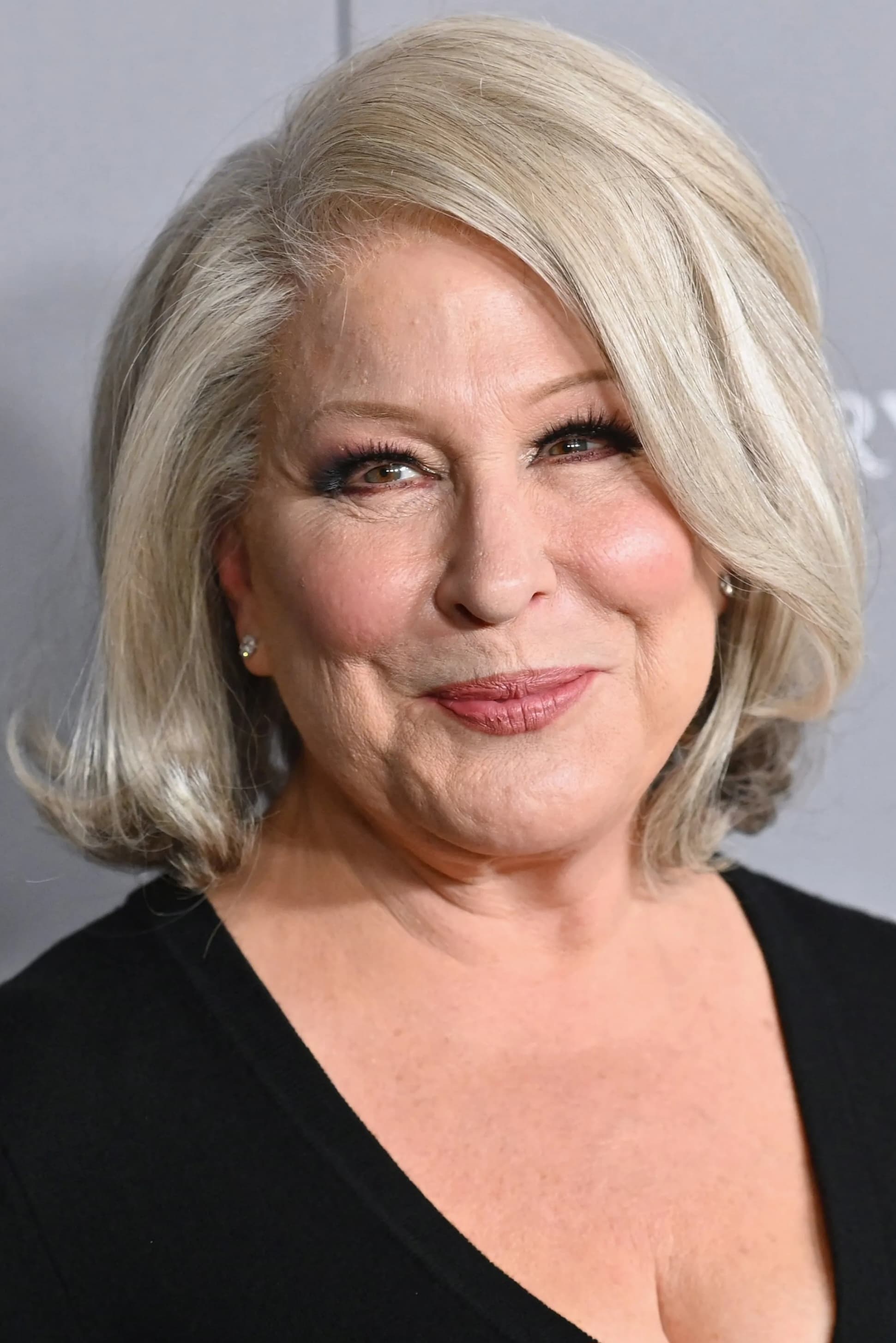
Bette Midler stars opposite Lily Tomlin in ‘Big Business’ (1988), playing the characters Sadie Shelton and Sadie Ratliff. Like her co-star, Midler portrays one twin raised in a wealthy urban environment and another raised in a small country town. The plot reaches a climax when all four women end up at the same hotel, leading to a series of mistaken identity gags. Midler’s energetic performance is central to the film’s farcical humor.
Halle Berry
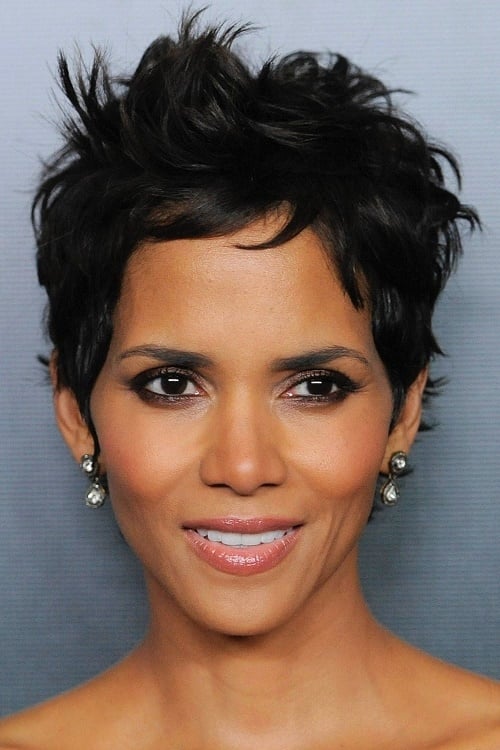
Halle Berry took on six different roles across various time periods in the ambitious epic ‘Cloud Atlas’ (2012). Her characters included a native woman in 1849, a journalist in the 1970s, and a futuristic visionary named Meronym. Some of her roles required extensive prosthetics, including playing a male character and an elderly woman. The film uses these recurring actors to suggest the interconnectedness of souls throughout history.
Bae Doona
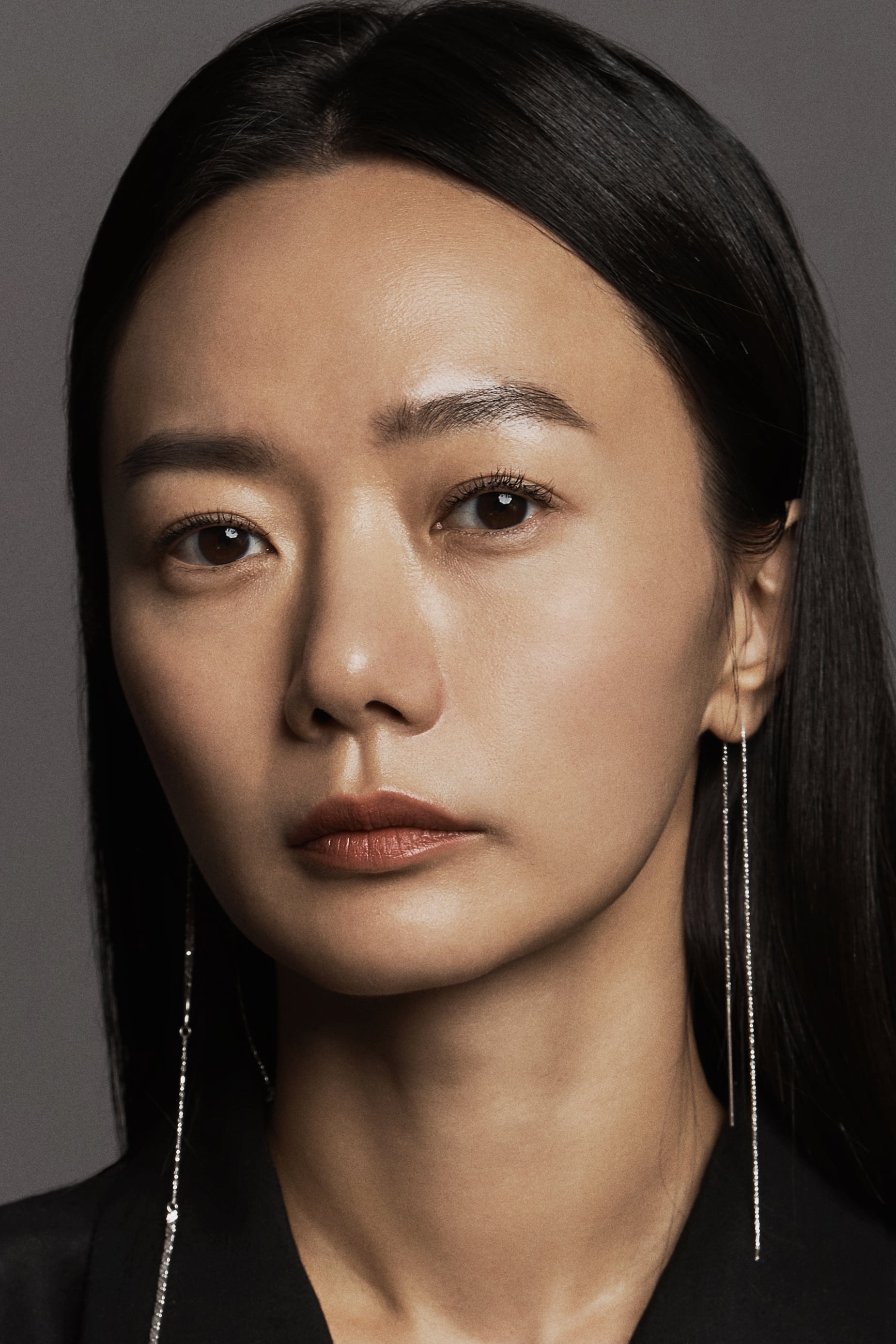
Bae Doona appears in several segments of ‘Cloud Atlas’ (2012), most notably playing the clone Sonmi-451 in a dystopian future. She also portrays an American woman in the 19th century and a Mexican worker in a different timeline. Her performance as Sonmi-451 is the emotional core of the film’s futuristic sequence, detailing a rebellion against a corporate regime. Like her castmates, she underwent significant physical transformations to fit the various settings.
Susan Sarandon
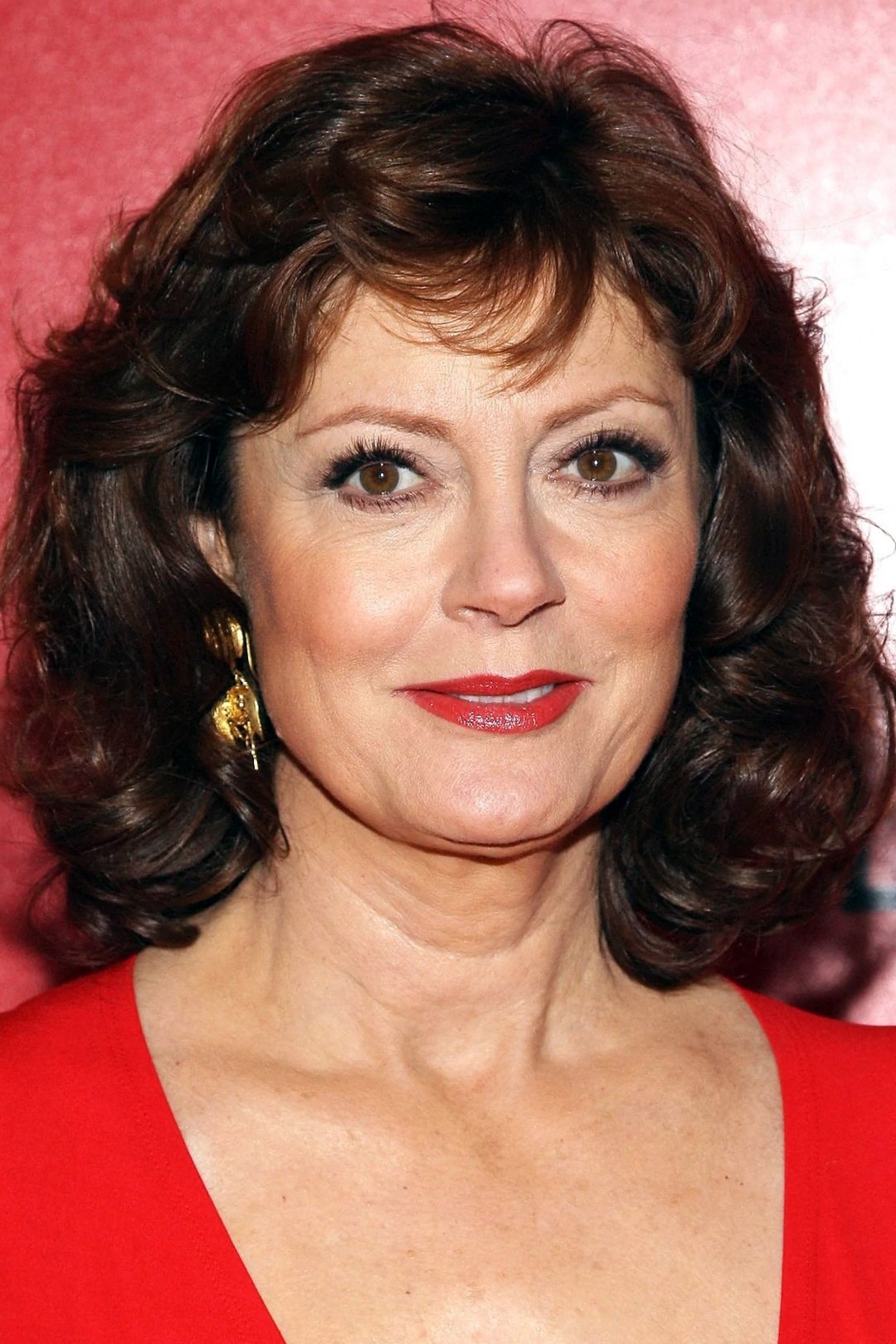
In ‘Cloud Atlas’ (2012), Susan Sarandon portrays four distinct characters that vary in age and ethnicity. She appears as Madame Horrox in the 19th century and later as a scientist and a religious leader in the distant future. Sarandon’s roles contribute to the film’s exploration of how individual actions ripple through time. Her presence adds a seasoned gravitas to the ensemble cast navigating the complex narrative.
Zhou Xun

Zhou Xun played three characters in ‘Cloud Atlas’ (2012), contributing to the film’s global perspective on human experience. She portrays a clone named Yoona-939, a man in the 1970s segment, and a forest-dweller in the post-apocalyptic future. Her roles required her to perform in English, a language she was not fully fluent in at the time of filming. The variety of her characters highlights the film’s theme of universal human struggle.
Kangana Ranaut
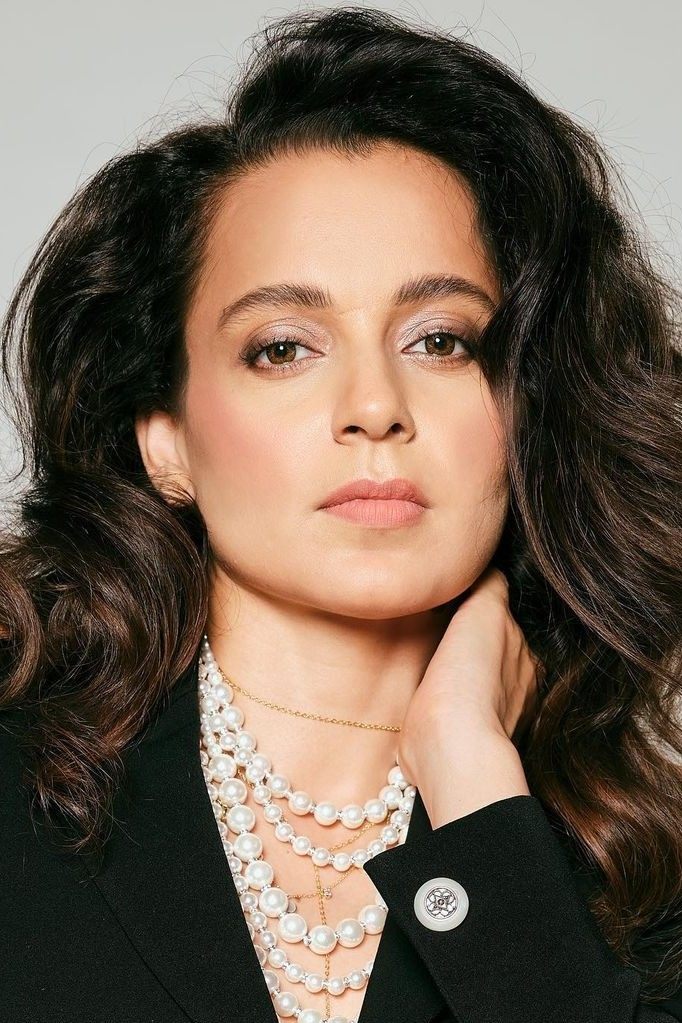
Kangana Ranaut delivered a dual performance in the Bollywood sequel ‘Tanu Weds Manu Returns’ (2015). She reprised her role as the rebellious Tanu while also playing Datto, a young Haryanvi athlete who becomes a new love interest for the male lead. Ranaut adopted a specific dialect and changed her physical appearance significantly to play the tomboyish Datto. The performance was widely praised for making the two characters feel like entirely separate people.
Deepika Padukone

In the musical epic ‘Om Shanti Om’ (2007), Deepika Padukone plays two characters across two different lifetimes. In the first half, she is Shantipriya, a 1970s film star involved in a tragic romance. In the second half, she appears as Sandy, a modern-day woman who resembles the deceased actress. This debut role required Padukone to balance the glamour of old cinema with a contemporary persona.
Emma Thompson

‘Dead Again’ (1991) features Emma Thompson in a dual role that spans two different eras. She plays Margaret Strauss, a woman murdered in the 1940s, and Grace, a modern woman with amnesia who may be Margaret’s reincarnation. The film is a neo-noir mystery that uses these parallel lives to solve a decades-old crime. Thompson’s performance is key to the movie’s tension as her modern character begins to recall the past.
Sheryl Lee
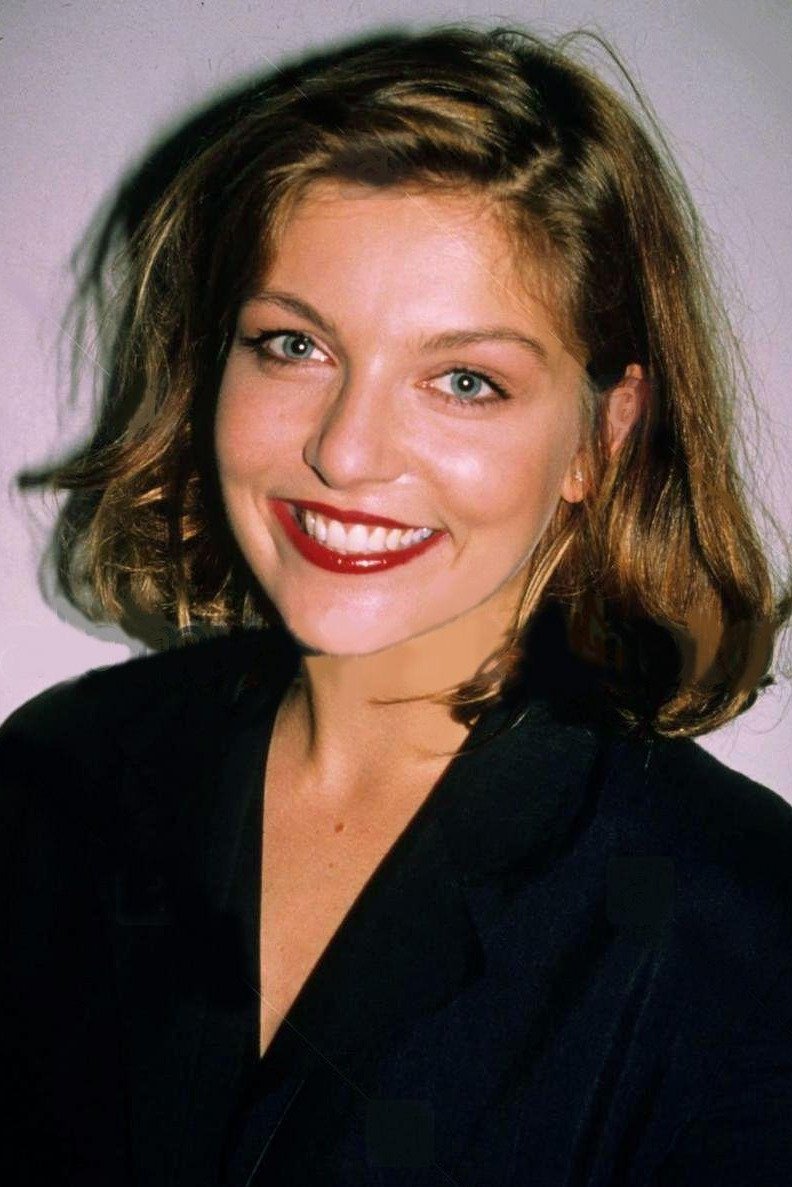
Sheryl Lee portrayed both Laura Palmer and her cousin Maddy Ferguson in ‘Twin Peaks: Fire Walk with Me’ (1992). While Laura is the central mystery of the series, Maddy was introduced to allow Lee to play a living character within the story. Lee brought a different energy to Maddy, portraying her as more grounded and observant compared to the doomed Laura. The two characters are visually distinguished by their hair color and personal styles.
Patricia Arquette
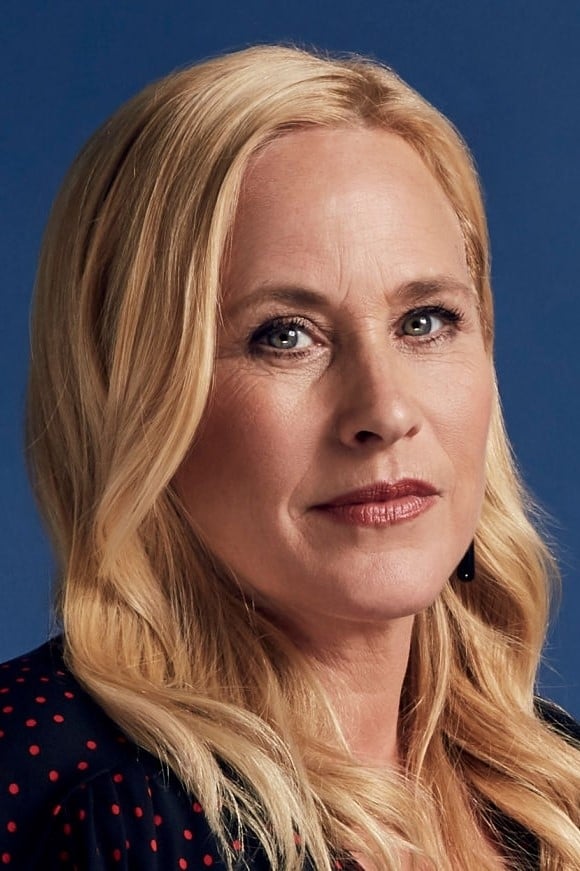
Patricia Arquette played two versions of a similar archetypal woman in David Lynch’s ‘Lost Highway’ (1997). She first appears as Renee Madison, a brunette whose husband is convicted of her murder. Later, she reappears as Alice Wakefield, a blonde femme fatale involved in a criminal underworld. The shift between these characters reflects the film’s non-linear and dream-like narrative structure.
Sarah Snook
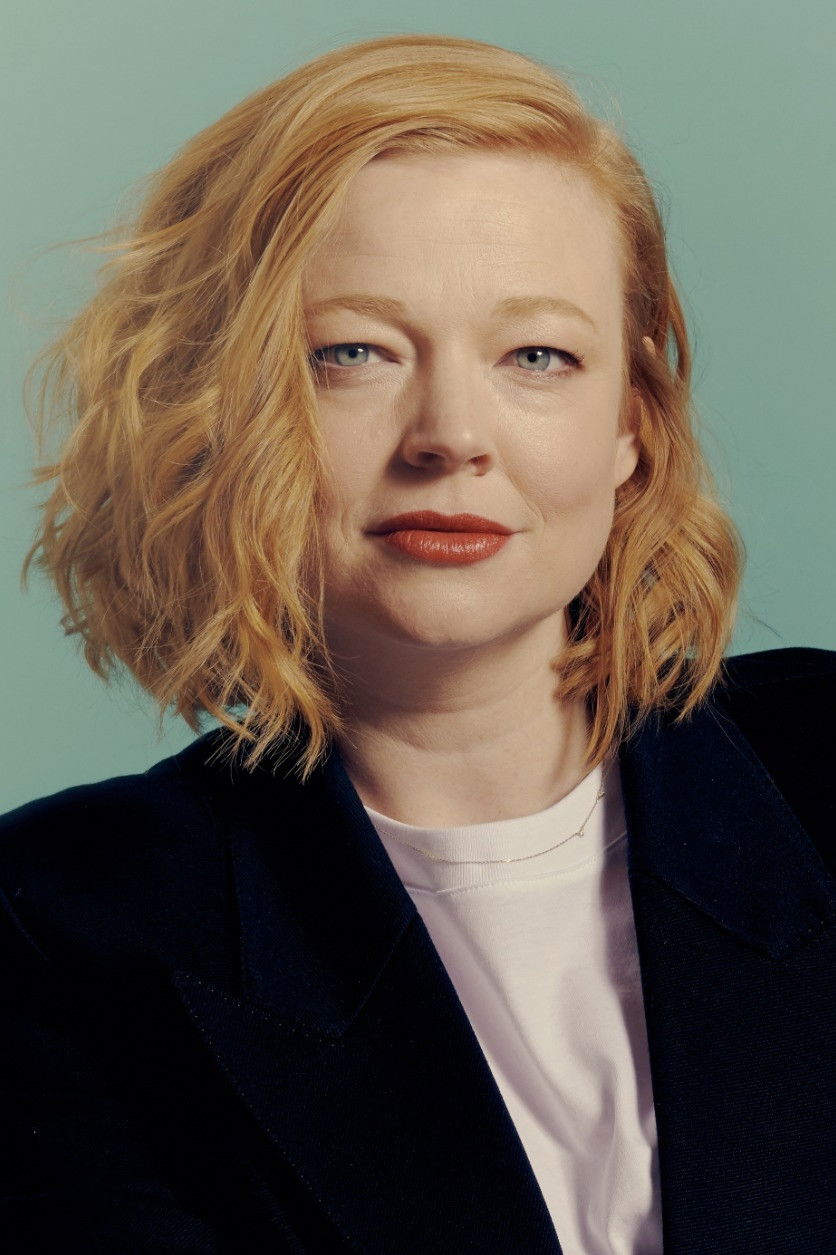
In the science fiction film ‘Predestination’ (2014), Sarah Snook plays a character who undergoes a complex gender and identity transition. The narrative involves time travel and the discovery that several central characters are actually the same person at different stages of life. Snook had to portray the character as both a woman named Jane and a man named John. Her performance involved significant physical changes and a deep psychological exploration of self-identity.
Mia Goth

Mia Goth took on dual roles in the 2022 slasher film ‘X’, playing both the protagonist Maxine Minx and the elderly antagonist Pearl. While Maxine is an aspiring adult film star, Pearl is the repressed owner of the farmhouse where the characters are staying. Goth underwent intensive prosthetic applications to appear as the aged Pearl, often filming scenes for both characters in the same day. The two roles serve as a thematic reflection on youth, aging, and ambition.
Blake Lively

Blake Lively played twins Emily Nelson and Hope McLanden in the mystery-thriller ‘A Simple Favor’ (2018). While the film focuses on Emily’s sudden disappearance, the introduction of her past and her sister adds a layer of complexity to the plot. Lively utilized a sophisticated, high-fashion aesthetic for Emily, which contrasted with the darker secrets of her sibling. The dual roles are essential to the film’s final twists and character reveals.
Deborah Kerr
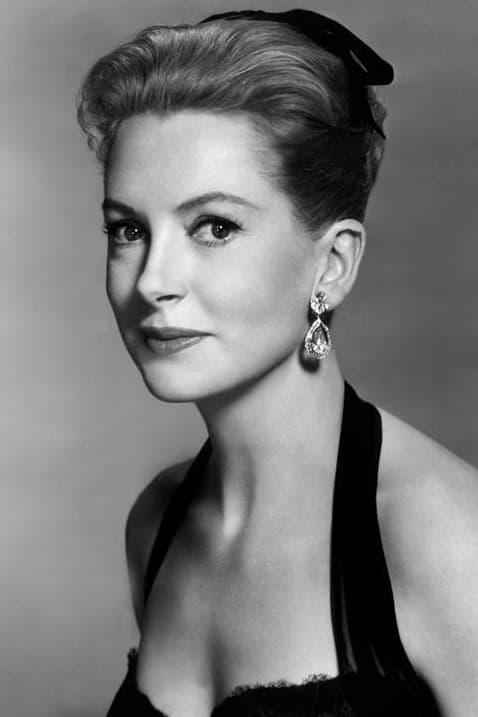
‘The Life and Death of Colonel Blimp’ (1943) features Deborah Kerr playing three different women across several decades. She portrays Edith Hunter, Barbara Wynne, and Angela “Johnny” Cannon, each representing the “ideal woman” for the protagonist at different stages of his life. Kerr’s characters serve as the emotional tether for the film’s journey through British history and personal change. This triple role showcased her ability to adapt to different social eras and temperaments.
Brigitte Helm

In the silent masterpiece ‘Metropolis’ (1927), Brigitte Helm plays both the saintly Maria and her malevolent robotic double. The robot Maria is created to sow discord among the working class and lead them toward a violent uprising. Helm’s performance is noted for the sharp contrast between Maria’s gentle movements and the robot’s jerky, predatory body language. This dual role remains one of the most iconic examples of early cinematic science fiction.
Kim Novak
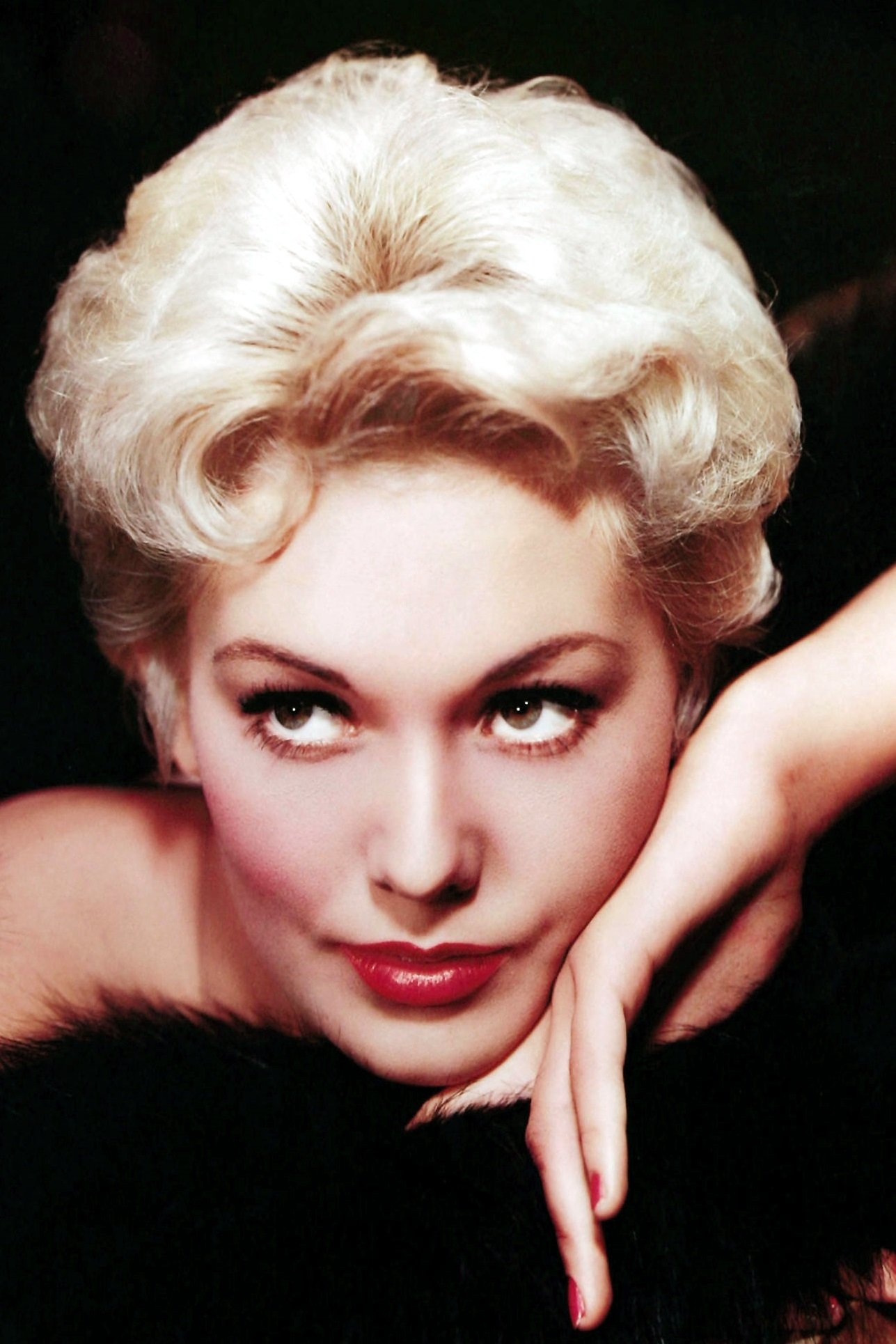
Kim Novak famously played the dual roles of Madeleine Elster and Judy Barton in Alfred Hitchcock’s ‘Vertigo’ (1958). The plot involves a detective who becomes obsessed with a woman and later tries to remake another woman into her image. Novak had to portray the ethereal, mysterious Madeleine and the more down-to-earth, vulnerable Judy. Her performance explores themes of identity, performance, and the male gaze.
Rachel Weisz
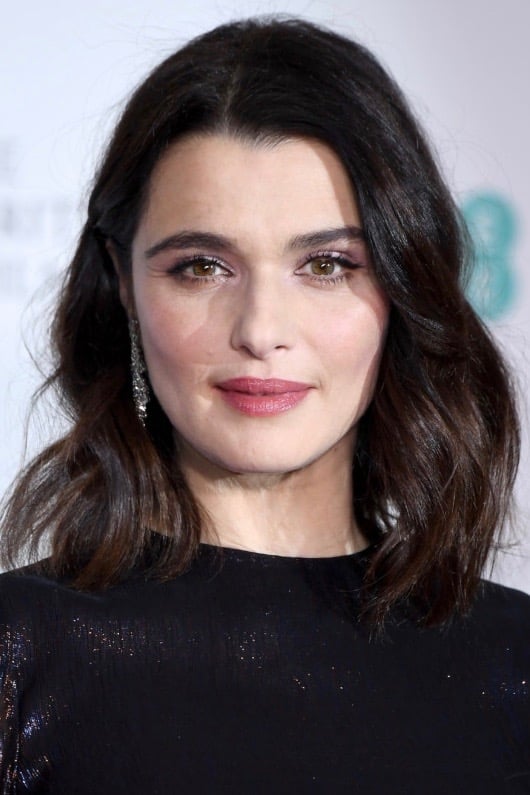
Rachel Weisz played two roles in the Darren Aronofsky film ‘The Fountain’ (2006). She portrays Izzi Creo, a woman dying of cancer in the present day, and Queen Isabel in a fictionalized 16th-century Spain. Her characters are the driving force behind the protagonist’s quest to conquer death across three different timelines. Weisz provides a consistent emotional center for the film’s complex and spiritual narrative.
Raffey Cassidy

‘Vox Lux’ (2018) features Raffey Cassidy in two roles that highlight the passage of time and the cycle of celebrity. In the first half of the film, she plays the young version of the protagonist, Celeste, who survives a school tragedy. In the second half, she plays Celeste’s teenage daughter, Albertine, while Natalie Portman takes over the role of the adult Celeste. This casting choice creates a visual link between the mother’s past and the daughter’s present.
Michelle Yeoh

In ‘Everything Everywhere All at Once’ (2022), Michelle Yeoh plays countless versions of Evelyn Wang across the multiverse. While the primary Evelyn is a stressed laundromat owner, other versions include a martial arts star, a chef, and a woman with hot dog fingers. Yeoh had to switch between these personas rapidly, often during intense action sequences. Her performance earned her the Academy Award for Best Actress for its emotional depth and physical variety.
Jamie Lee Curtis
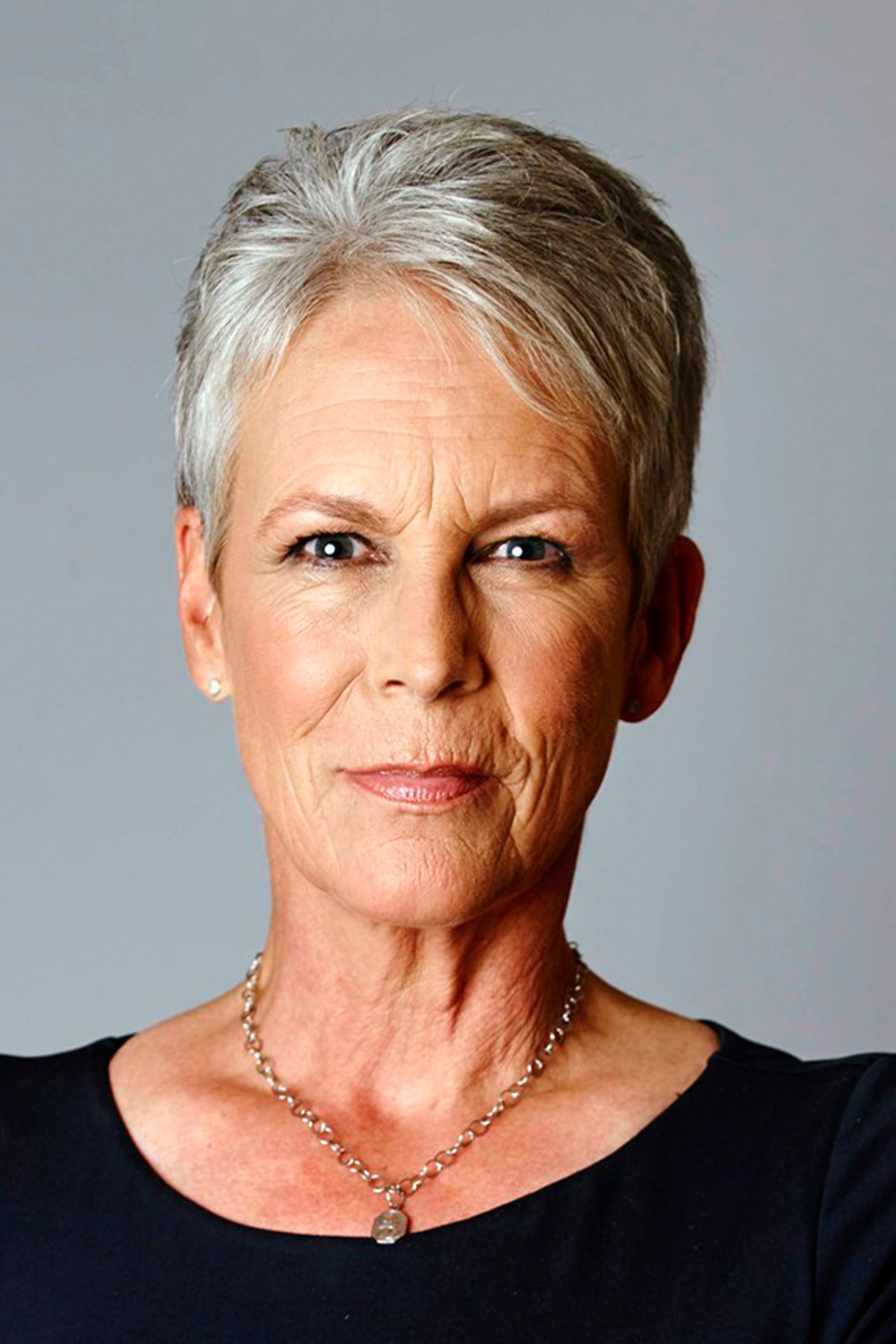
Jamie Lee Curtis plays several versions of Deirdre Beaubeirdre in ‘Everything Everywhere All at Once’ (2022). She appears as a stern IRS auditor in the main universe, but her multiversal counterparts range from a romantic partner to a formidable warrior. Curtis utilized different costumes and physical comedy to distinguish the various iterations of her character. Her performance won an Academy Award for Best Supporting Actress.
Stephanie Hsu
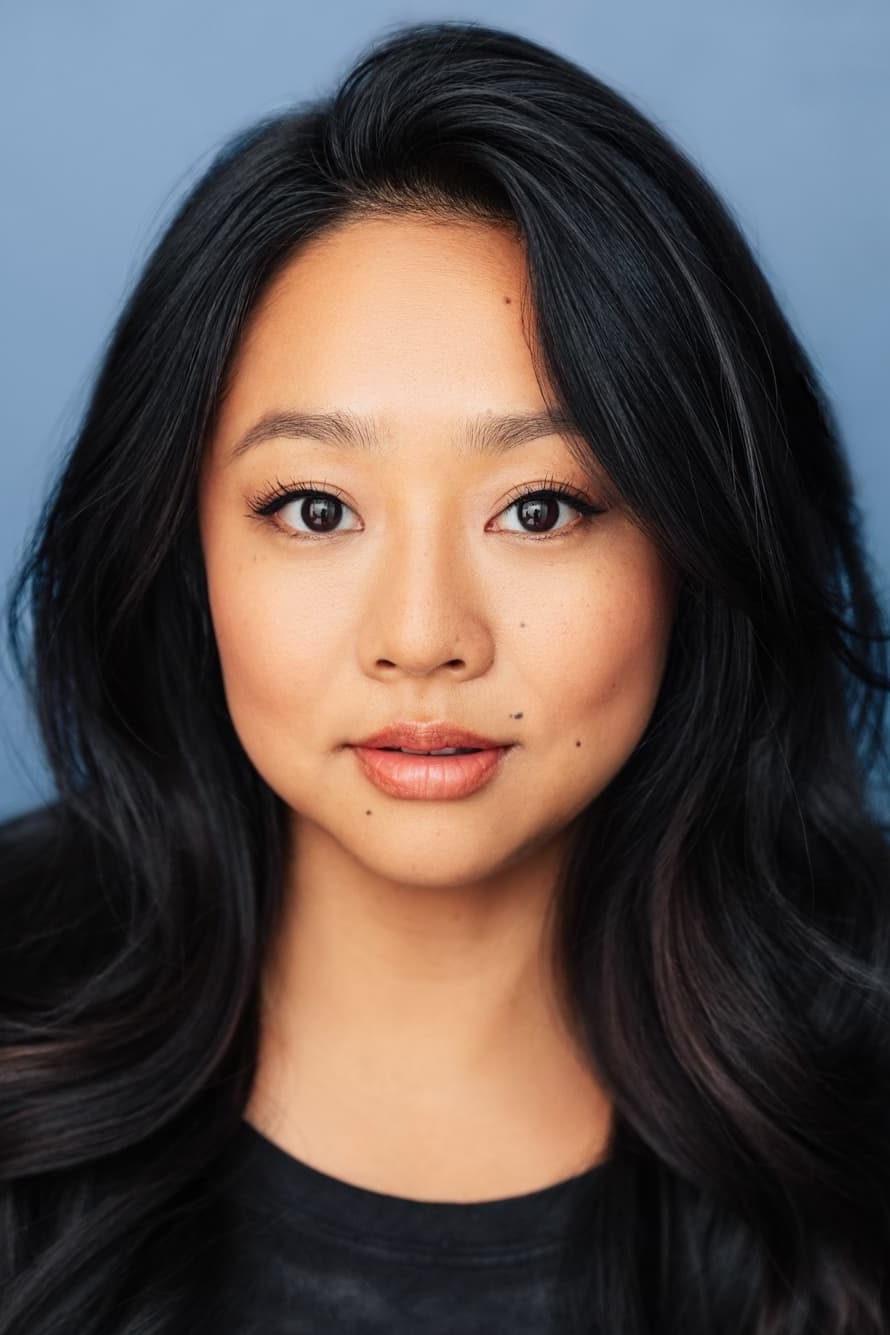
Stephanie Hsu took on the dual roles of Joy Wang and the multiversal villain Jobu Tupaki in ‘Everything Everywhere All at Once’ (2022). As Jobu Tupaki, Hsu displayed an array of extravagant costumes and personalities, reflecting a character who experiences all universes simultaneously. This contrasted with her grounded performance as Joy, a daughter struggling to connect with her mother. The conflict between these two identities drives the emotional stakes of the film.
Helena Bonham Carter
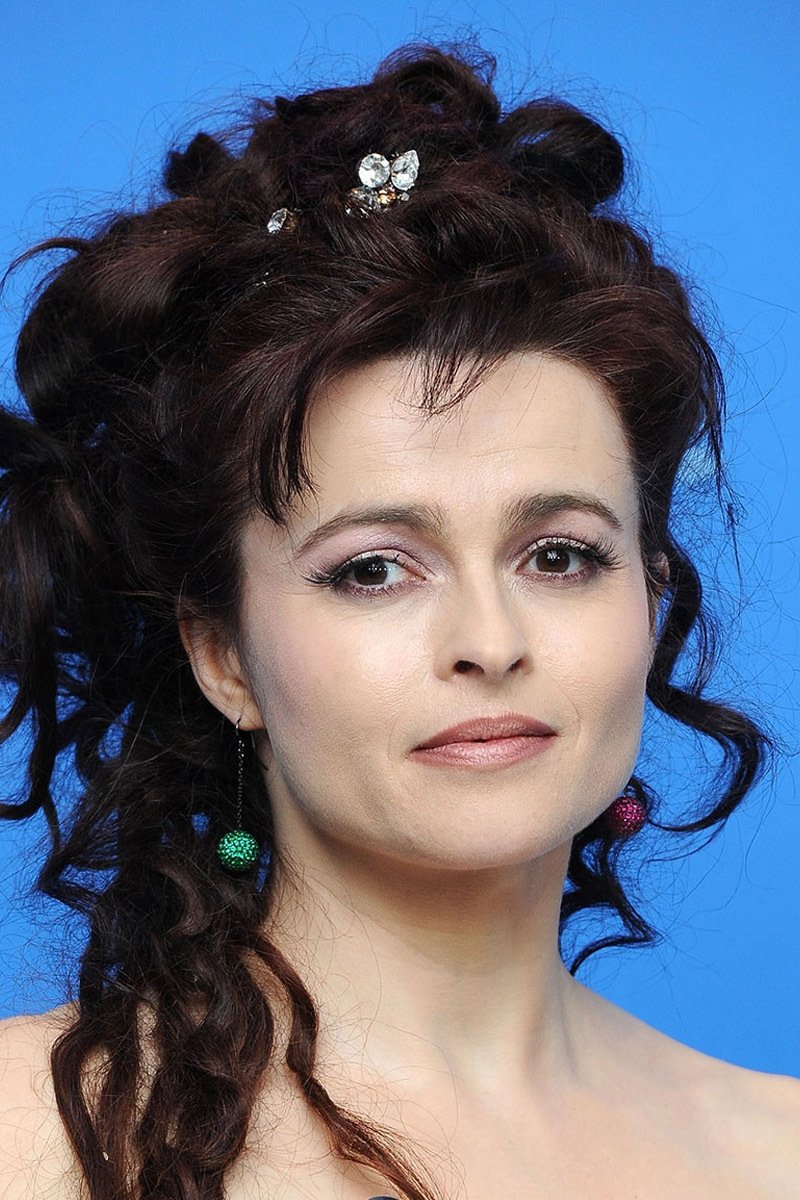
In ‘Big Fish’ (2003), Helena Bonham Carter plays two characters who represent different facets of the protagonist’s life story. she portrays The Witch, a terrifying figure from a tall tale, and Jenny, a woman from the protagonist’s past. Through heavy makeup and distinct acting styles, she makes the two characters feel separate yet symbolically linked. Her roles help blur the line between reality and fantasy within the movie’s narrative.
Julianne Moore
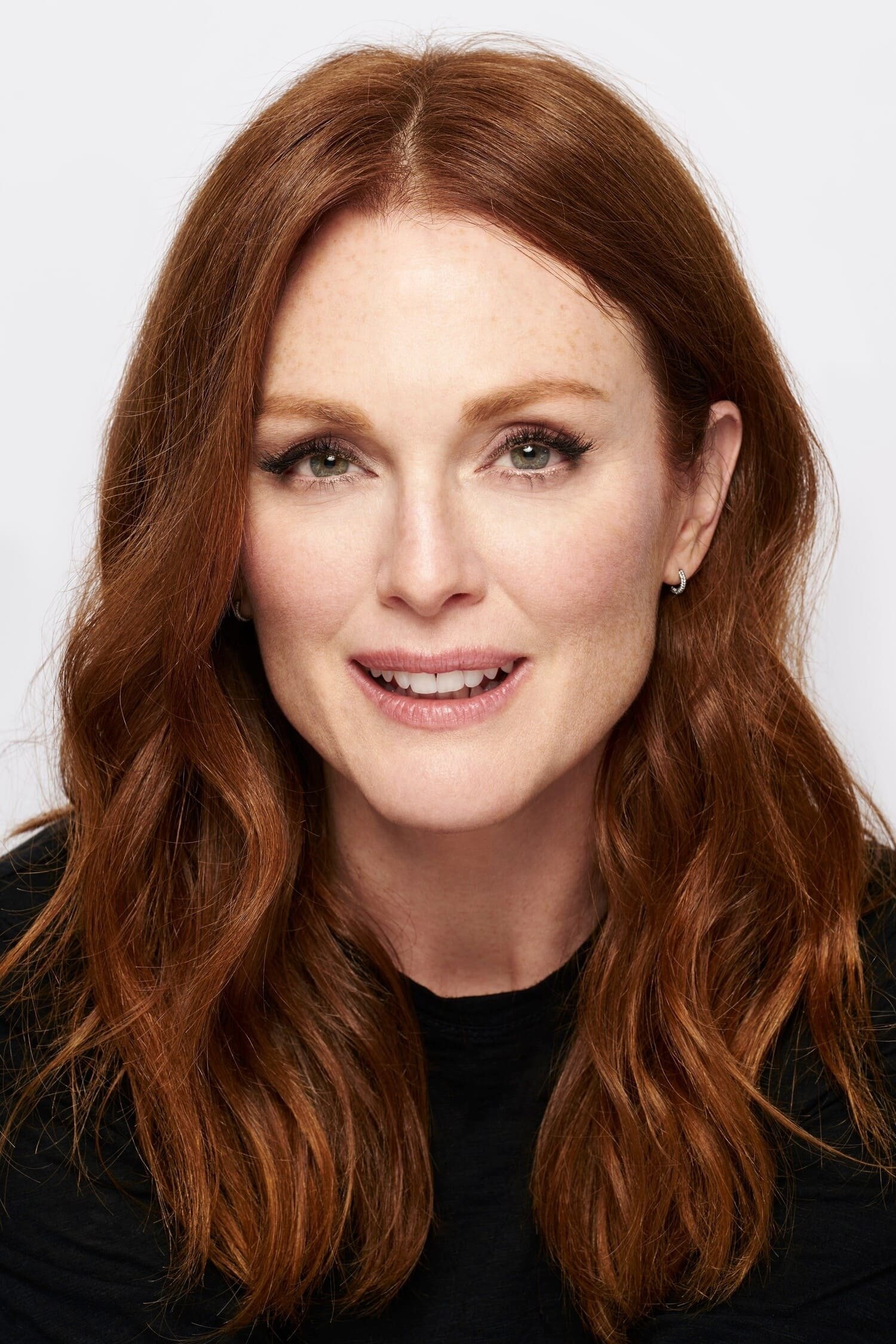
Julianne Moore plays two roles in the film ‘Wonderstruck’ (2017), which tells two stories set fifty years apart. She portrays Lillian Mayhew, a silent film star in the 1920s, and the older version of a character named Rose in the 1970s. For the 1920s segments, Moore performed without dialogue, relying on the expressive style of silent cinema. Her dual presence connects the two timelines and the shared experiences of the film’s young protagonists.
Jessie Buckley
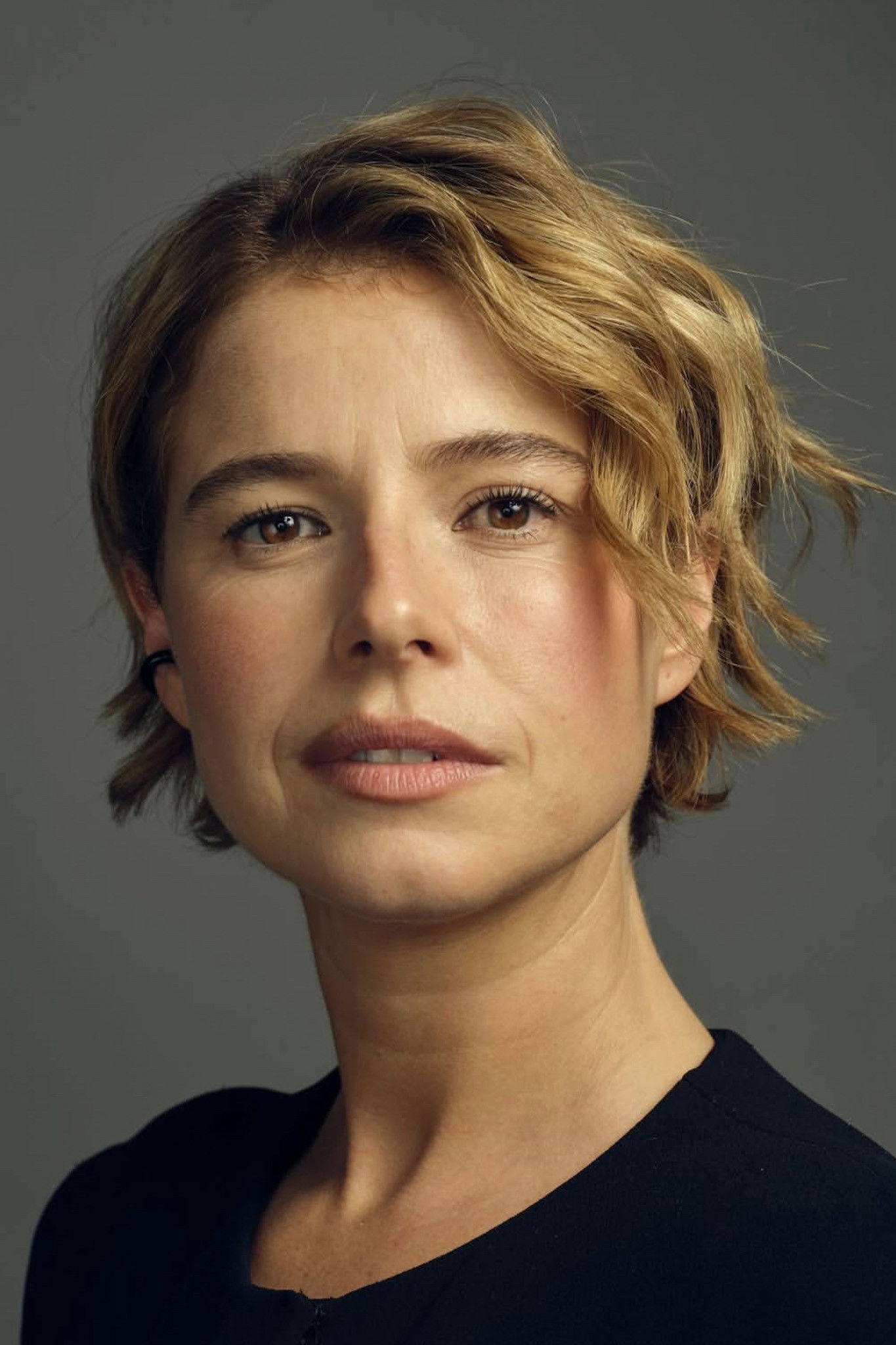
‘I’m Thinking of Ending Things’ (2020) features Jessie Buckley as a character whose identity and name constantly shift throughout the film. While she is primarily “The Young Woman,” she is referred to by names like Lucy, Louisa, and Lucia, with her profession also changing. This fluid identity is a key part of the film’s surrealist exploration of memory and regret. Buckley’s performance remains the anchor of the story even as the reality around her character dissolves.
Naomi Watts
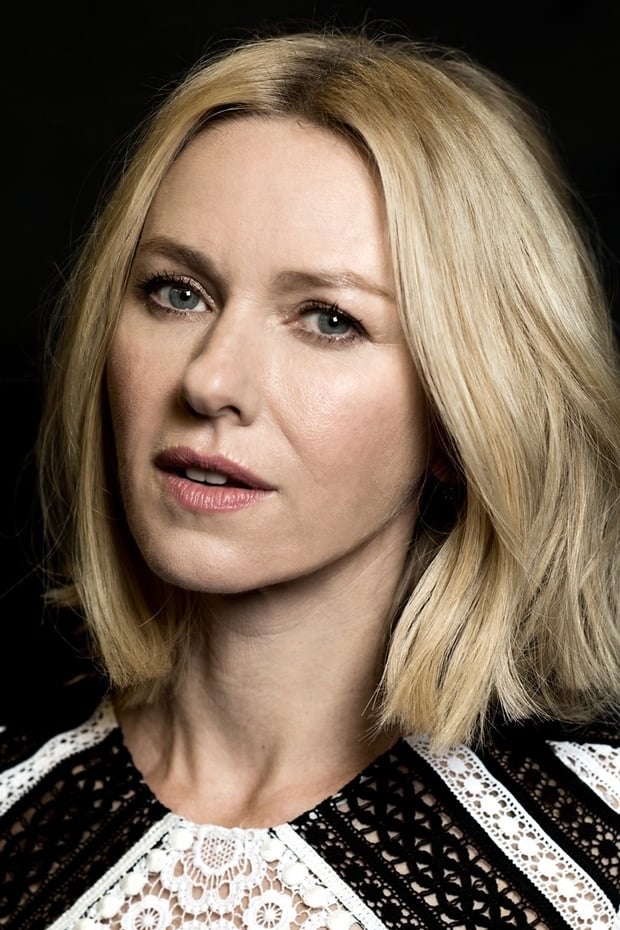
Naomi Watts delivered a breakthrough performance in ‘Mulholland Drive’ (2001) as both Betty Elms and Diane Selwyn. Betty is an aspiring actress arriving in Hollywood with optimism, while Diane is a bitter, failed actress consumed by jealousy. The transition between these two identities occurs during a pivotal moment in the film’s non-linear structure. Watts’ ability to play both extreme innocence and deep despair earned her significant critical acclaim.
Laura Dern
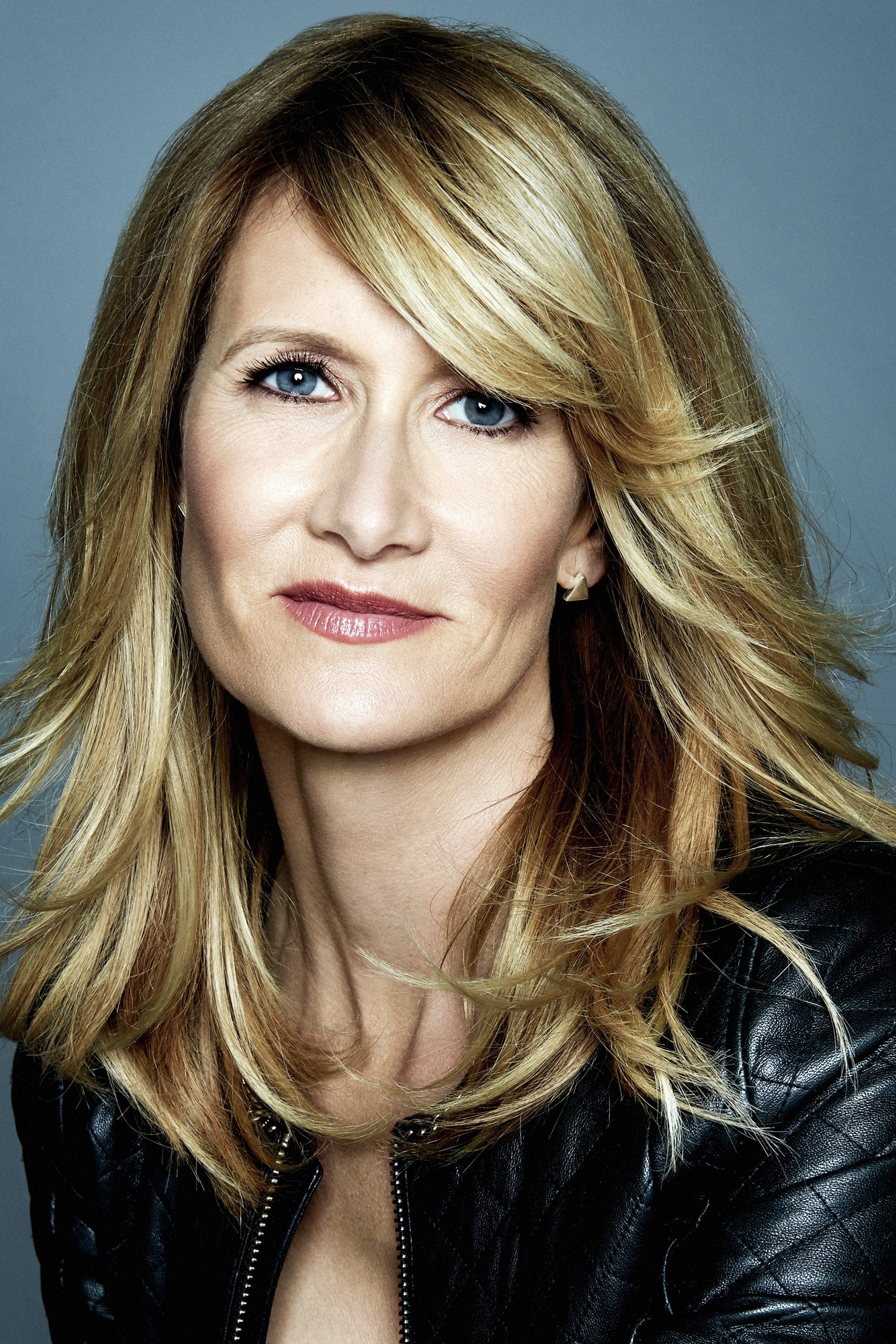
In David Lynch’s ‘Inland Empire’ (2006), Laura Dern plays an actress named Nikki Grace who becomes increasingly lost in the role of Susan Blue. As the film progresses, the boundaries between Nikki’s life and the character she is playing disappear. Dern’s performance is a three-hour journey through fragmented realities and psychological horror. She portrays multiple “versions” of herself and other characters in a highly experimental narrative.
Aishwarya Rai

Aishwarya Rai played the dual roles of Madhumitha and Vaishnavi in the high-budget Indian film ‘Jeans’ (1998). The story involves a father who insists his twin sons must marry twin sisters, leading to a elaborate deception where Rai’s character pretends to have a twin. Her performance required her to act against herself in several complex musical numbers and comedic scenes. The film was noted for its extensive use of visual effects to create the illusion of the two sisters.
Hema Malini

Hema Malini starred in the 1972 classic ‘Seeta Aur Geeta’, playing identical twins who were separated at birth. Seeta is a timid, abused woman, while Geeta is a bold and street-smart performer. The plot follows the twins as they accidentally swap places, allowing Geeta to stand up to Seeta’s cruel relatives. This film is considered a landmark in Bollywood for its portrayal of a strong female lead in dual roles.
Sridevi

In the comedy-drama ‘ChaalBaaz’ (1989), Sridevi plays the dual roles of twin sisters Anju and Manju. Anju is a frightened woman kept in isolation, while Manju is a tough, cigar-smoking girl living in a slum. Sridevi received widespread praise for her ability to maintain two distinct comic energies throughout the film. Her performance in this movie is often cited as one of the best examples of dual roles in Indian cinema.
Rakhee Gulzar
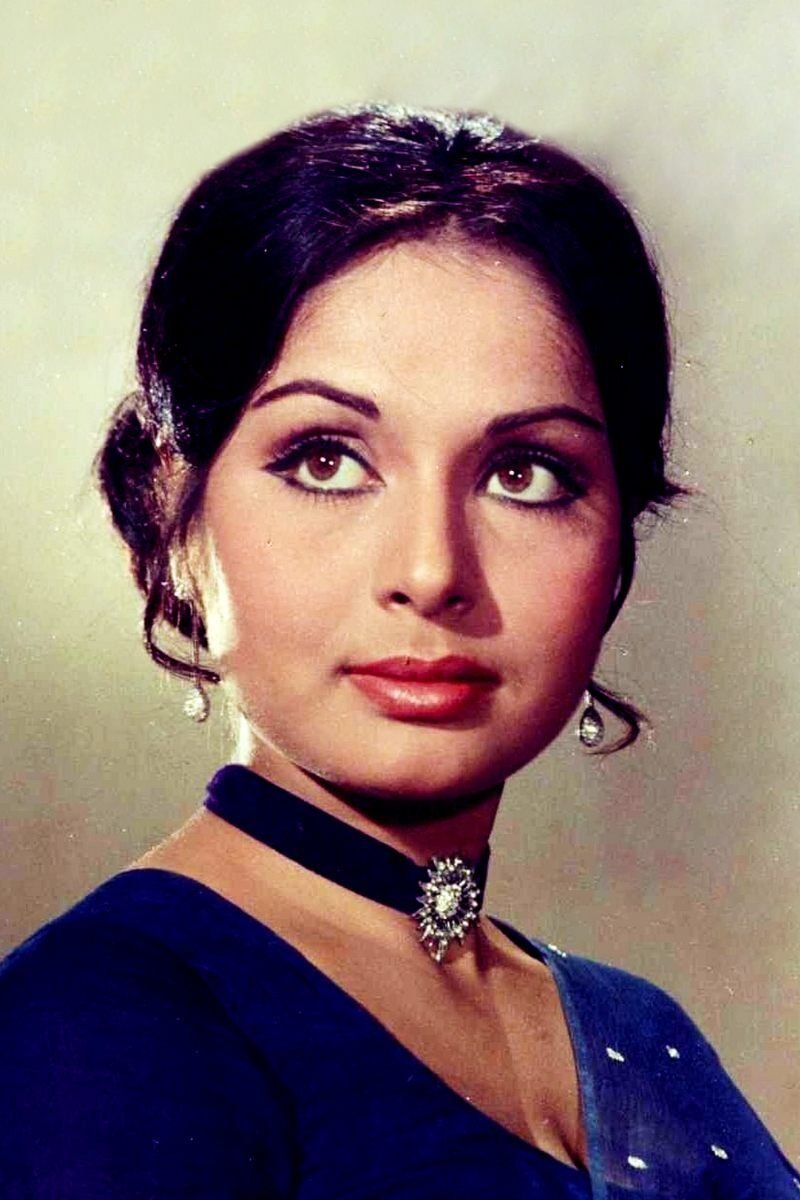
Rakhee Gulzar played twin sisters Kanchan and Kamini in the 1971 film ‘Sharmilee’. The two sisters have opposite personalities, with one being traditional and the other being more modern and outgoing. The plot revolves around the romantic complications that arise when a man falls for one sister but is arranged to marry the other. Rakhee’s performance was essential to the film’s dramatic tension and commercial success.
Julia Roberts
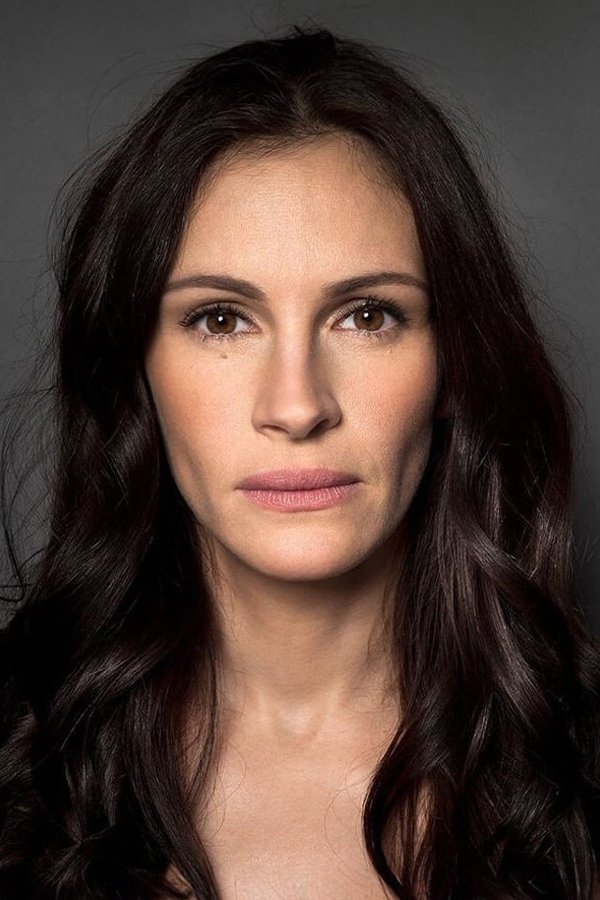
‘Ocean’s Twelve’ (2004) features a meta-performance where Julia Roberts plays her character, Tess Ocean, who is forced to pretend to be the real-life Julia Roberts. This creates a situation where the actress is playing a character who is imitating her own public persona. The sequence involves Tess using “Julia’s” celebrity status to help the crew pull off a heist. It is a rare example of an actress playing a fictional version of herself within a narrative.
Natascha McElhone
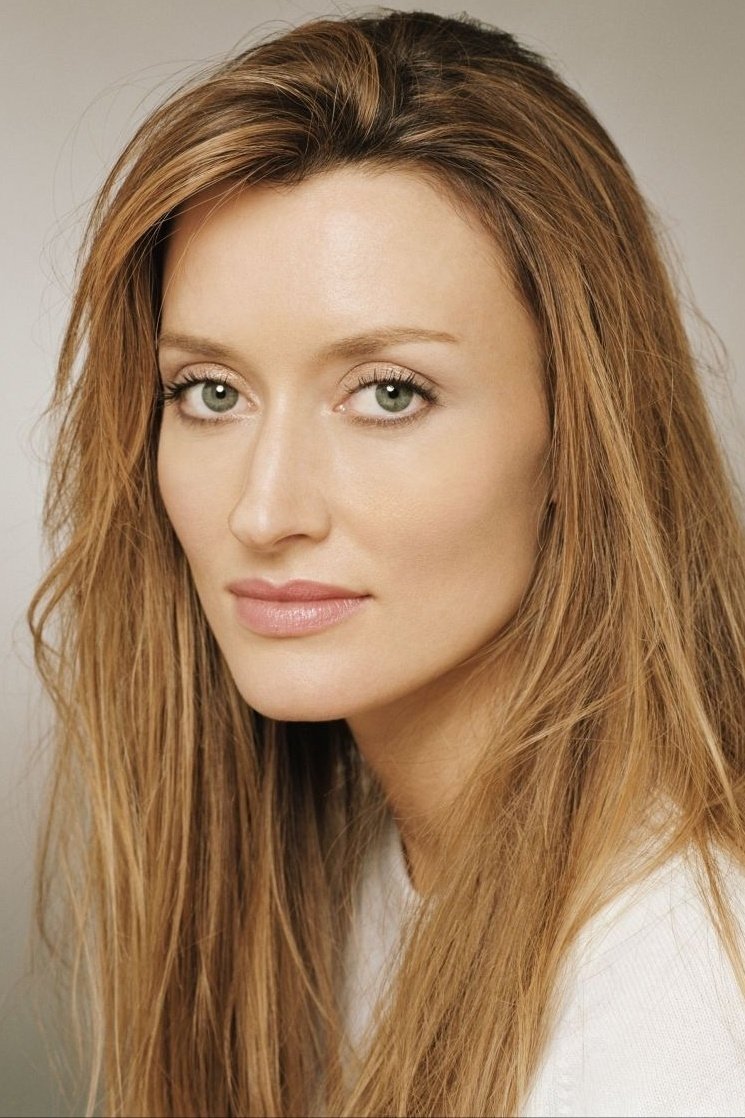
In the science fiction drama ‘Solaris’ (2002), Natascha McElhone plays Rheya, the deceased wife of the protagonist, and a “visitor” who is a physical recreation of her. The visitor is created by a mysterious planet based on the protagonist’s memories and subconscious. McElhone had to portray the visitor as she gradually gains self-awareness and realizes she is not the original Rheya. Her performance explores themes of grief and the nature of human identity.
Isabelle Adjani
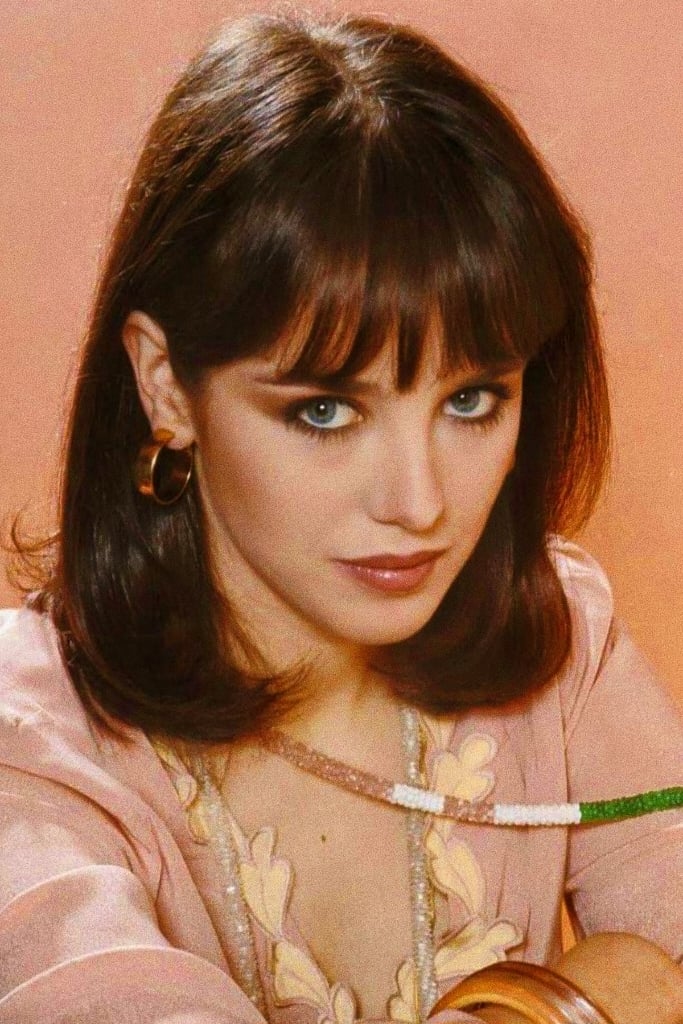
Isabelle Adjani delivered an intense dual performance in the cult horror film ‘Possession’ (1981). She plays Anna, a woman undergoing a violent psychological and supernatural breakdown, and Helen, a serene schoolteacher who resembles her. The two characters represent a stark contrast between chaos and order within the film’s disturbing narrative. Adjani won the Best Actress award at the Cannes Film Festival for this demanding role.
Kajol

Kajol played identical twin sisters Sonia and Naina in the 1998 psychological thriller ‘Dushman’. After Sonia is brutally murdered, the quiet Naina must overcome her fears to seek justice and confront the killer. Kajol had to balance the vivaciousness of the first sister with the trauma-driven transformation of the second. This role was a significant departure from her usual romantic leads and showcased her dramatic range.
Joanne Woodward
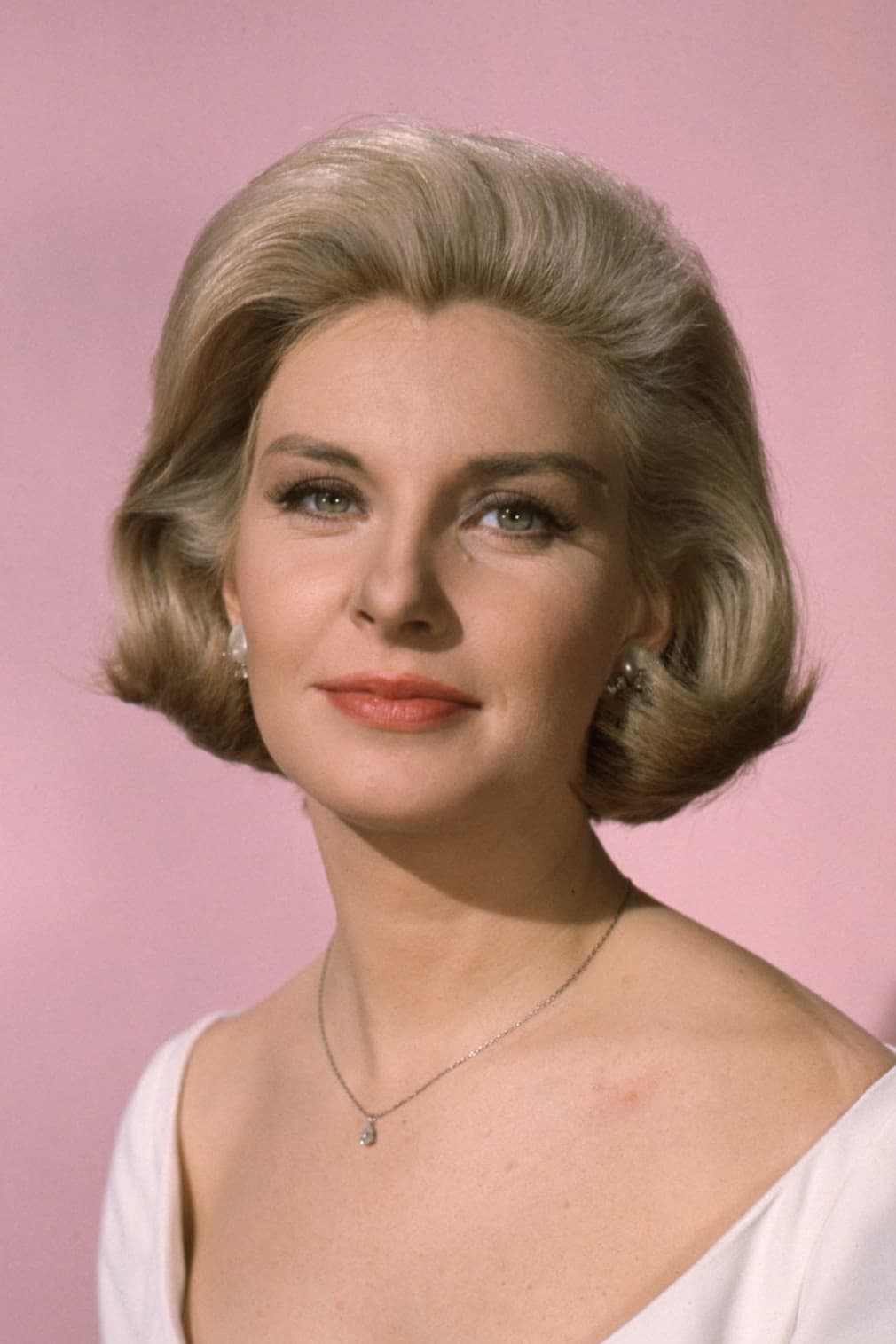
Joanne Woodward won an Academy Award for her performance in ‘The Three Faces of Eve’ (1957). She portrays a woman with dissociative identity disorder who possesses three distinct personalities: the timid Eve White, the wild Eve Black, and the balanced Jane. Woodward utilized different voices and postures to signal the shifts between the identities during clinical sessions. The film was one of the first major productions to explore the concept of multiple personalities.
Elizabeth Hurley
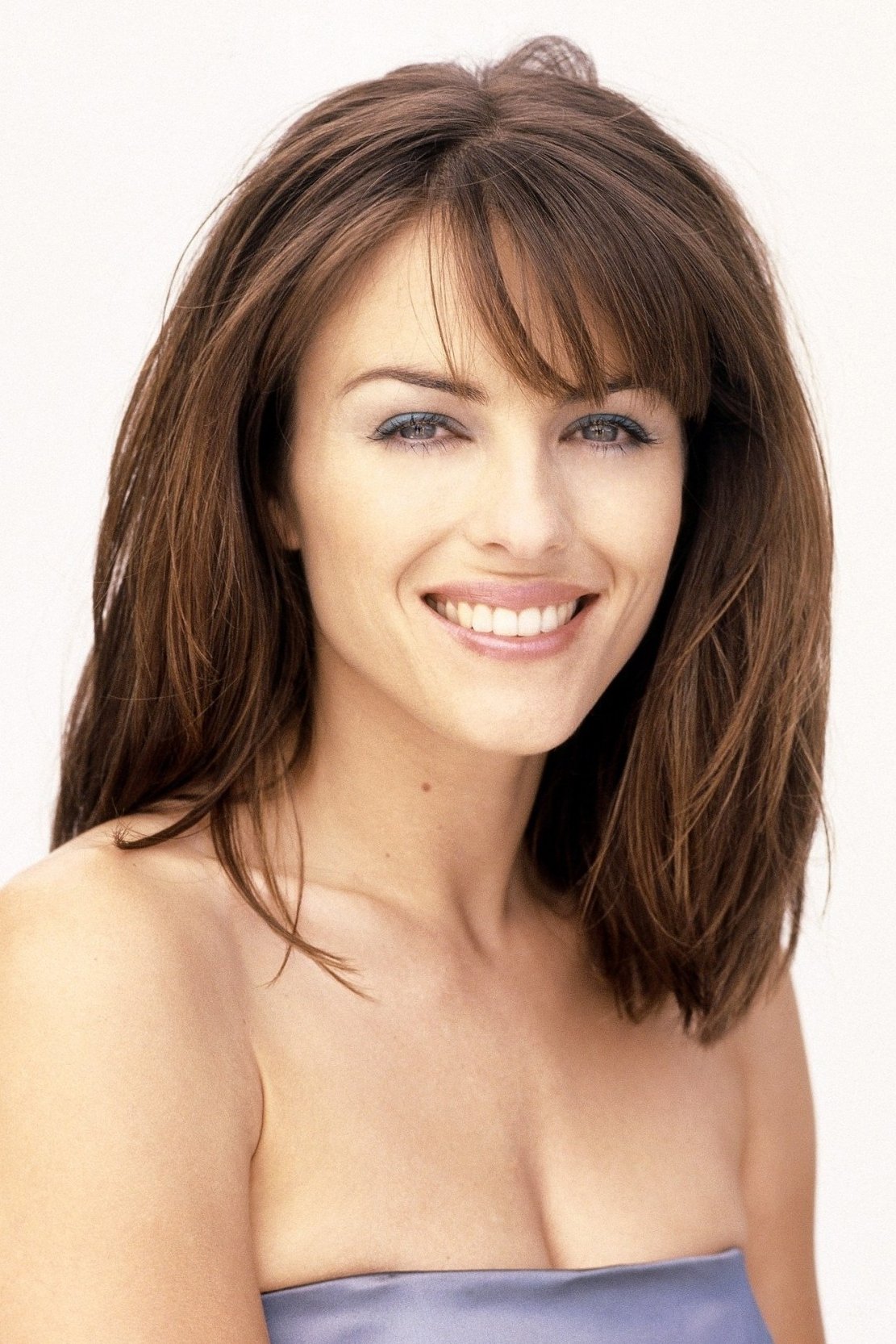
In the 2000 remake of ‘Bedazzled’, Elizabeth Hurley plays the Devil, who appears in numerous different guises throughout the film. As she tempts the protagonist with various wishes, she changes her appearance and persona to match the specific scenario. Her roles include a schoolteacher, a cheerleader, and a high-fashion model, among others. Each transformation is used for comedic effect as she sabotages the protagonist’s desires.
Sigourney Weaver
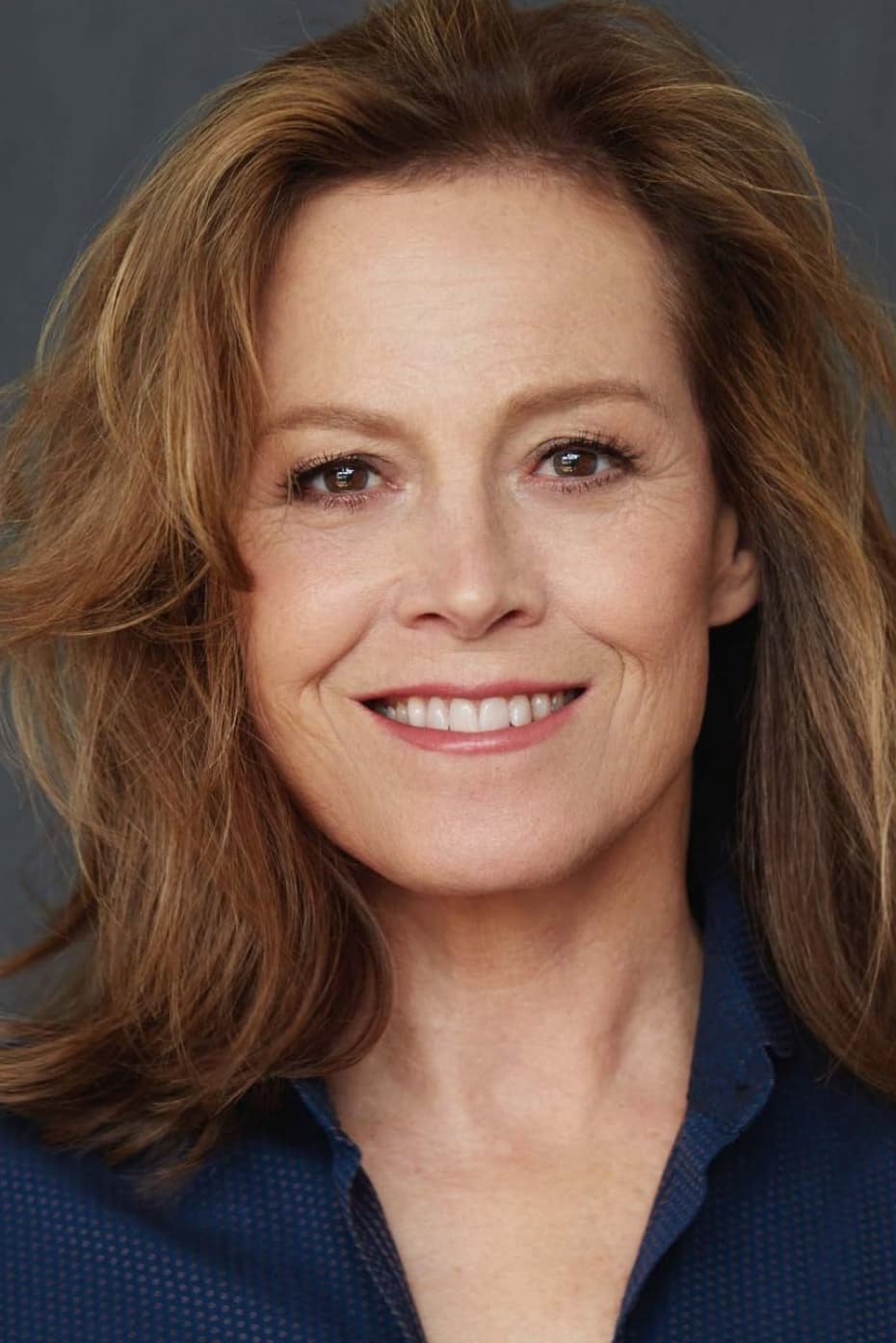
Sigourney Weaver appeared in ‘Avatar: The Way of Water’ (2022) playing two different characters. She reprised her role as Dr. Grace Augustine through video recordings and also portrayed Kiri, Grace’s fourteen-year-old Na’vi daughter. To play the teenage Kiri, Weaver used performance capture technology and spent time with high school students to capture their mannerisms. Her dual role creates a biological and spiritual connection between the two films.
Toni Collette

Toni Collette portrays several versions of the Mother character in the surrealist film ‘I’m Thinking of Ending Things’ (2020). As the story progresses and time becomes fluid, she appears at various ages, from middle-aged to elderly and infirm. Collette’s performance requires rapid shifts in physical health and emotional state as the protagonist’s reality shifts. Her work contributes to the film’s unsettling atmosphere and exploration of the aging process.
Please share which of these impressive multi-character performances is your favorite in the comments.