Gay Actors Who Were Real-Life Heroes

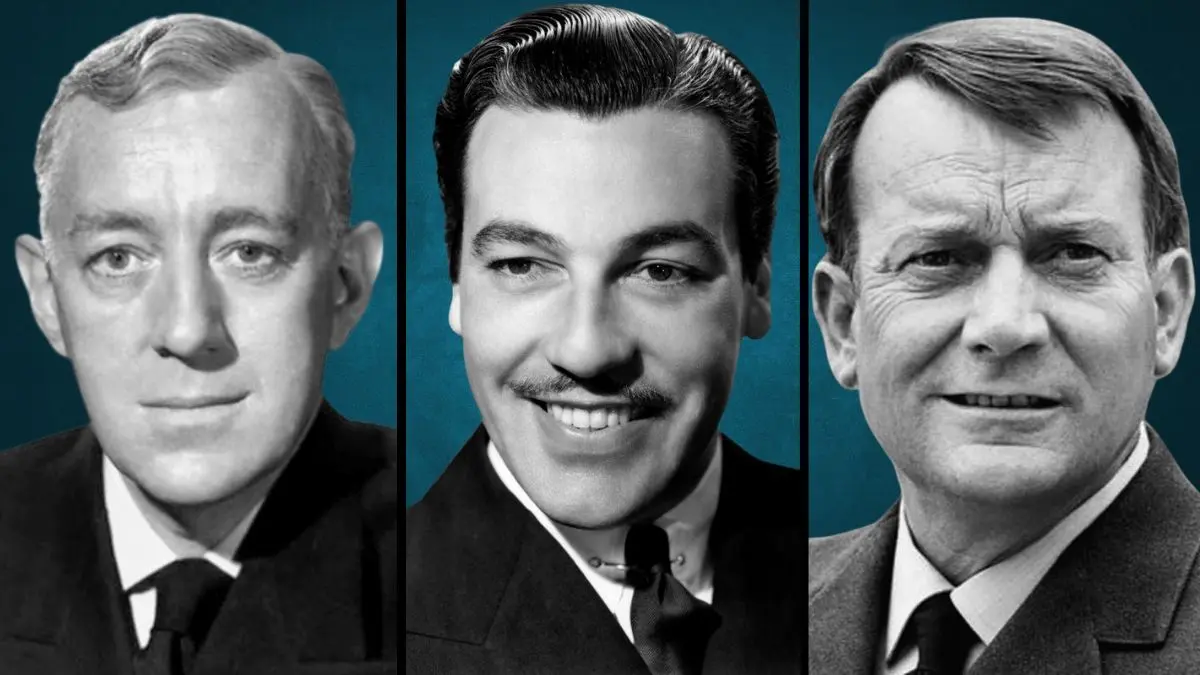

Many famous men in Hollywood history led double lives because of their sexuality but they also served their countries with distinction. This list highlights gay and bisexual actors who showed immense courage in the face of war or fought tirelessly for civil rights. These individuals proved that bravery knows no orientation and their legacies extend far beyond their performances on screen.
Alec Guinness
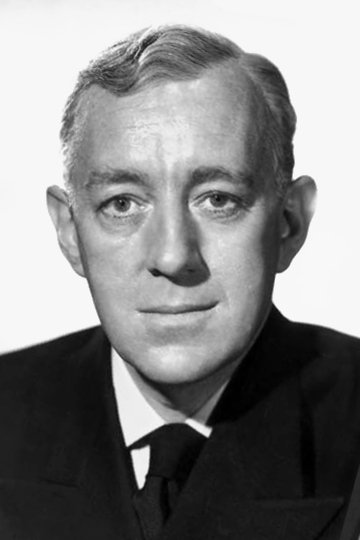
The acclaimed actor known for ‘Star Wars’ (1977) joined the Royal Navy Volunteer Reserve in 1941. He commanded a landing craft during the invasion of Sicily and later ferried supplies to Yugoslav partisans. His ship was caught in a hurricane and he successfully navigated through a shipwreck. Guinness was knighted in 1959 for his contributions to the arts but his wartime service remained a point of quiet pride.
Dirk Bogarde
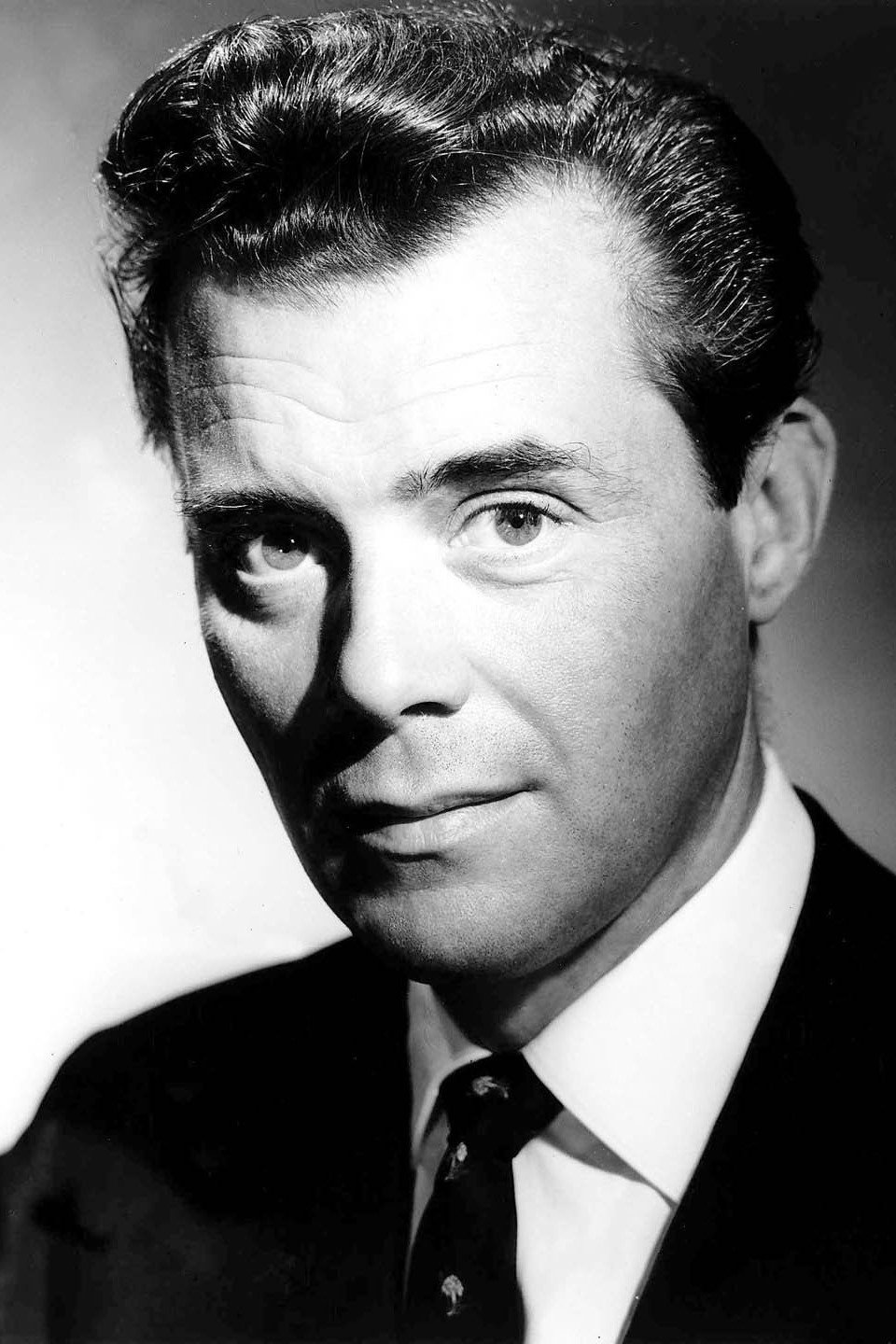
Bogarde served as an intelligence officer in the British Army during World War II. He was one of the first Allied officers to enter the Bergen-Belsen concentration camp after its liberation. The horrors he witnessed there haunted him for the rest of his life and profoundly influenced his acting. He reached the rank of Major and received seven medals for his brave service in Europe and the Pacific.
Rock Hudson
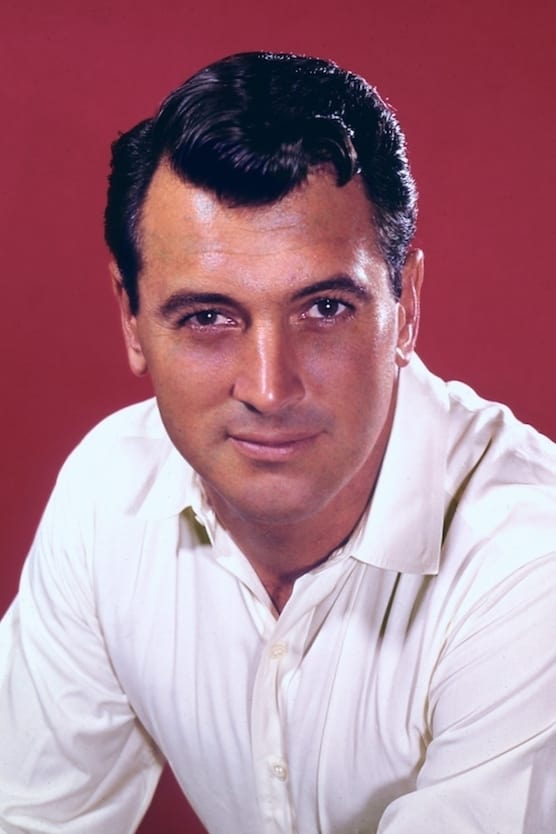
Before he became a Hollywood heartthrob the actor enlisted in the United States Navy in 1944. He served as an aircraft mechanic in the Philippines and worked on engines for the Aviation Repair and Overhaul Unit. Hudson received an honorable discharge in 1946 before launching his film career. His service remained a vital part of his life story long before his diagnosis brought HIV awareness to the world.
Cesar Romero
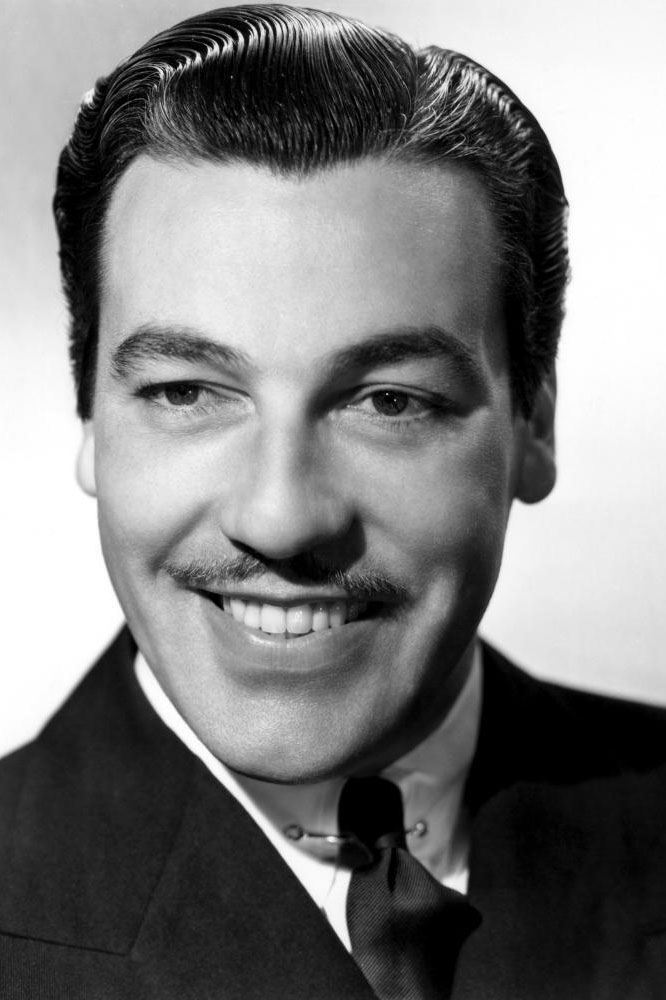
The ‘Batman’ (1966) star enlisted in the United States Coast Guard in 1942 despite being at the peak of his career. He served in the Pacific Theater aboard the USS Cavalier during the invasions of Tinian and Saipan. Romero refused an officer commission and chose to work alongside the regular crew as a Boatswain’s Mate. He helped hoist injured soldiers from the water and saw heavy combat action.
Denholm Elliott
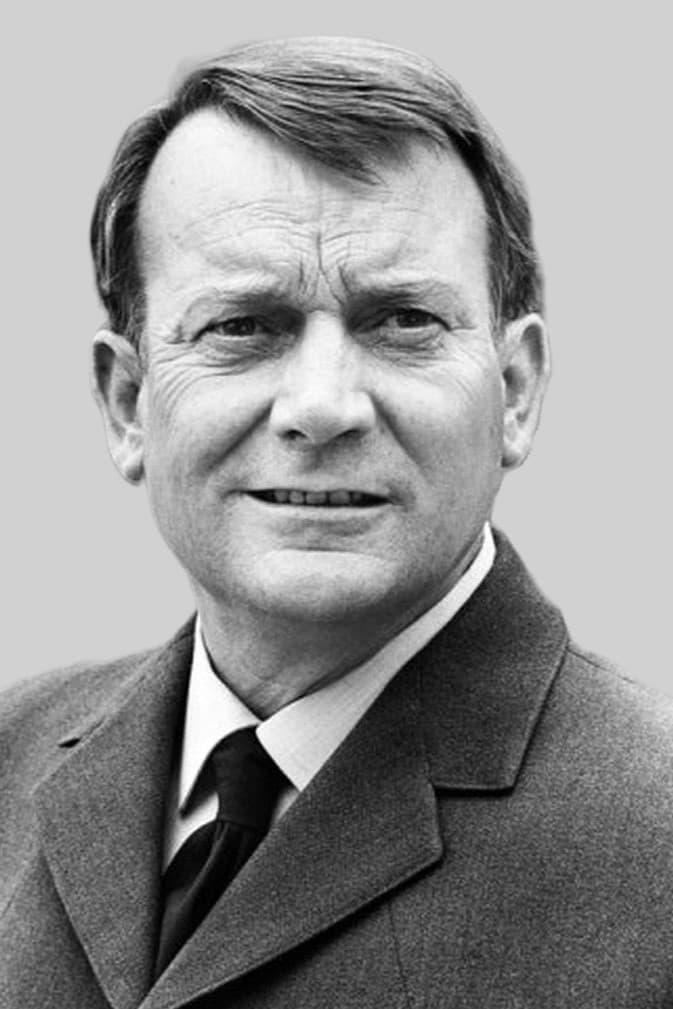
This celebrated character actor joined the Royal Air Force during World War II as a radio operator and gunner. His bomber was shot down over Germany in 1942 and he spent the rest of the war in a prisoner of war camp. Elliott organized amateur theater productions within the camp to keep morale high among his fellow prisoners. His resilience during captivity shaped his future career on stage and screen.
Tyrone Power
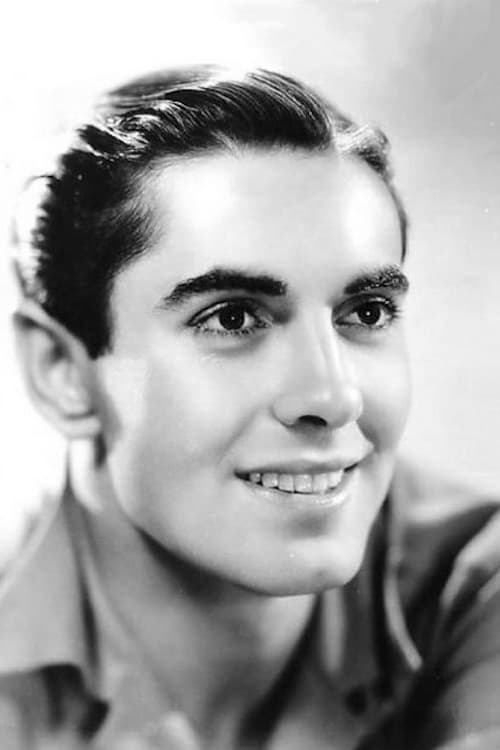
Power was one of the biggest stars in the world when he enlisted in the United States Marine Corps in 1942. He completed flight training and flew cargo planes carrying wounded soldiers and supplies in the Pacific theater. The actor saw action during the battles of Iwo Jima and Okinawa while piloting hazardous missions. He remained a Marine reservist until his death and was buried with full military honors.
James Whale
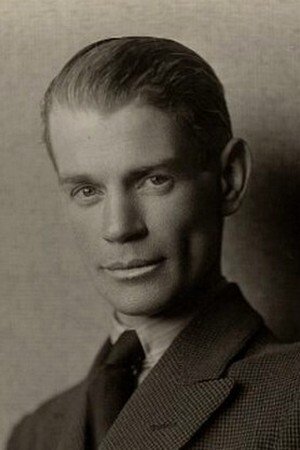
The director of ‘Frankenstein’ (1931) and ‘The Invisible Man’ (1933) began his career as an officer in the British Army during World War I. He was captured on the Western Front in 1917 and spent over a year in a German prisoner of war camp. Whale discovered his talent for directing while staging plays for other prisoners. His harrowing experiences in the trenches influenced the anti-war themes in his later films.
Robert Flemyng
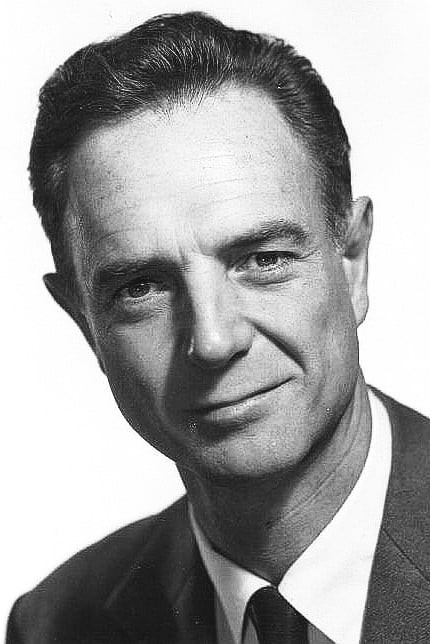
Flemyng halted his acting career to join the Royal Army Medical Corps at the outbreak of World War II. He rose to the rank of Colonel and was awarded the Military Cross for gallantry in action. The actor was also appointed an Officer of the Order of the British Empire for his distinguished service. He returned to the stage and screen after the war as a highly decorated hero.
Ernest Thesiger
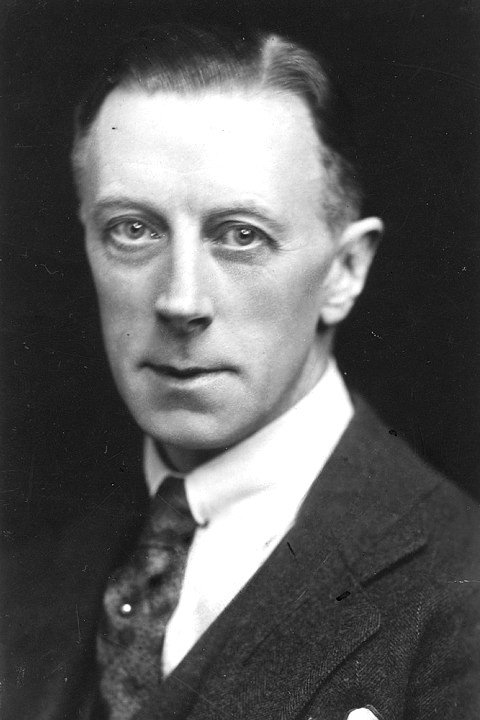
Best known for ‘The Bride of Frankenstein’ (1935) this actor volunteered for the British Army at the start of World War I. He served in the trenches on the Western Front with the Queen Victoria’s Rifles. Thesiger was severely wounded in action and was medically evacuated back to England. He later used his needlework skills to help rehabilitate other disabled soldiers.
Cary Grant
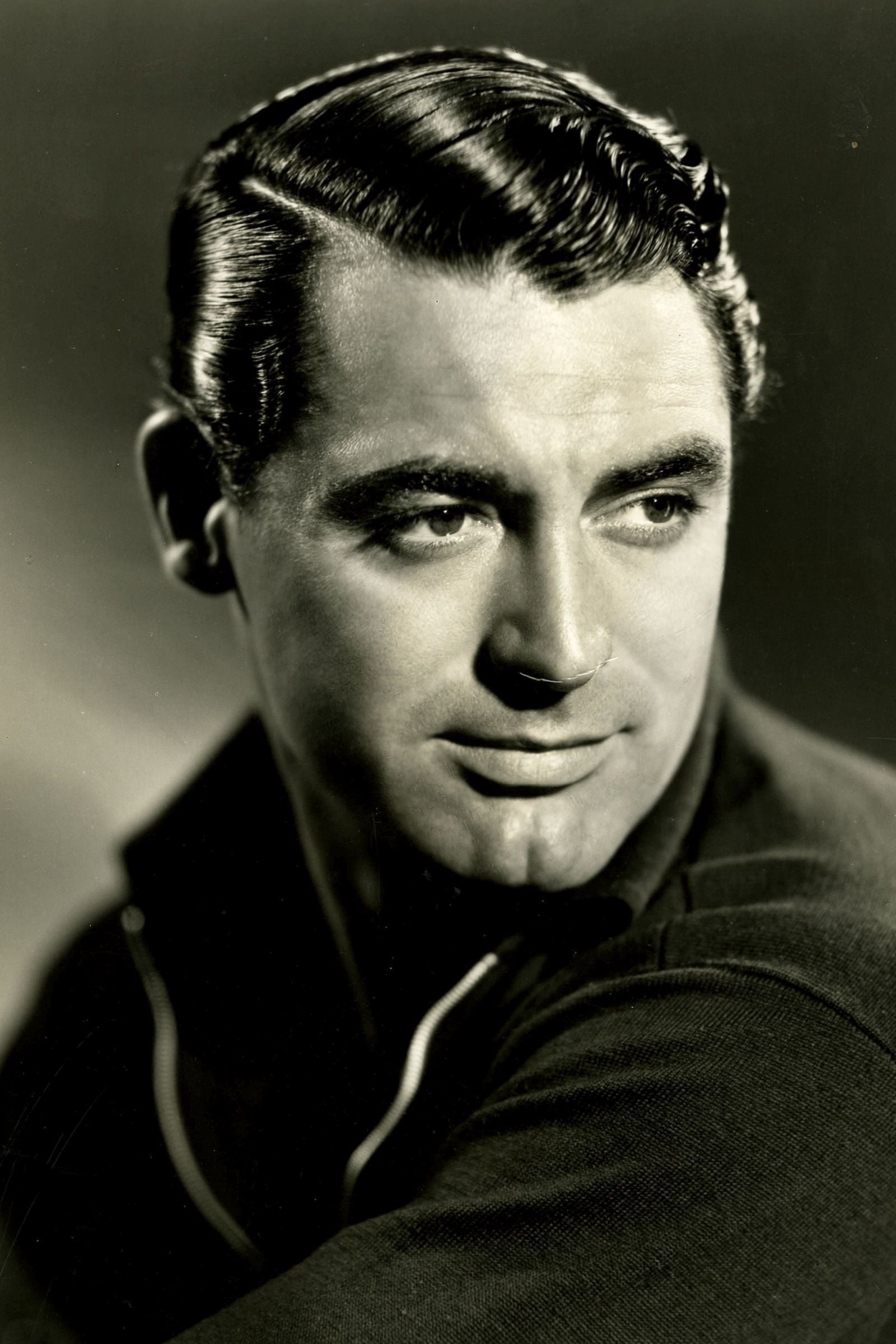
Grant worked as a spy for the British government during World War II. He was tasked with monitoring Nazi sympathizers within the Hollywood community and reporting his findings to British intelligence. The actor donated his entire salaries from two films to the British War Relief and the American Red Cross. He received the King’s Medal for Service in the Cause of Freedom in 1947.
Laurence Olivier
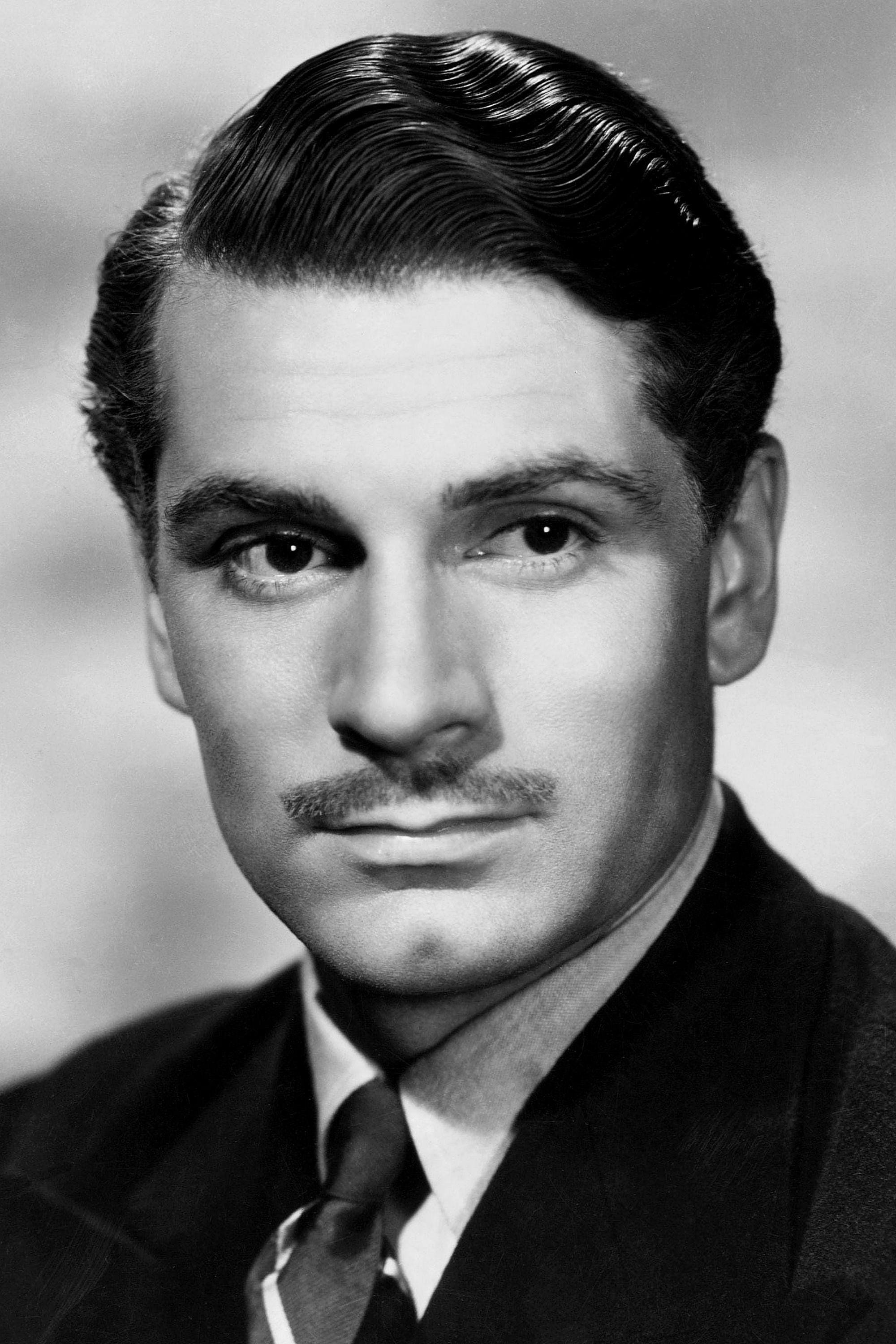
The legendary thespian joined the Fleet Air Arm of the Royal Navy during World War II. He served as a pilot and attained the rank of Lieutenant while flying numerous missions. Olivier was eventually released from active duty to film morale-boosting projects like ‘Henry V’ (1944). His passion for his country was evident in both his military service and his patriotic film work.
Michael Redgrave
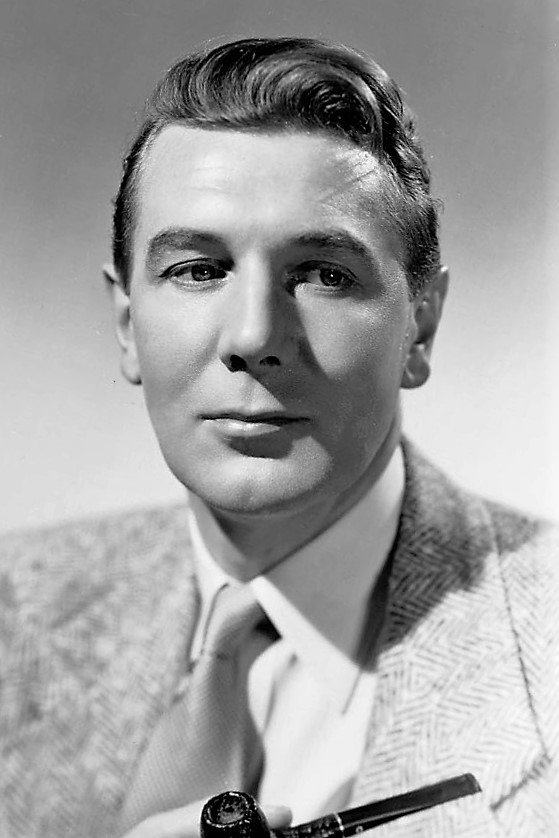
Redgrave enlisted in the Royal Navy in 1941 as an ordinary seaman. He served on the aircraft carrier HMS Illustrious but was eventually discharged due to medical reasons. The actor returned to the stage and continued to support the war effort through the arts. His time in the Navy demonstrated his willingness to serve despite his established fame.
Richard Chamberlain
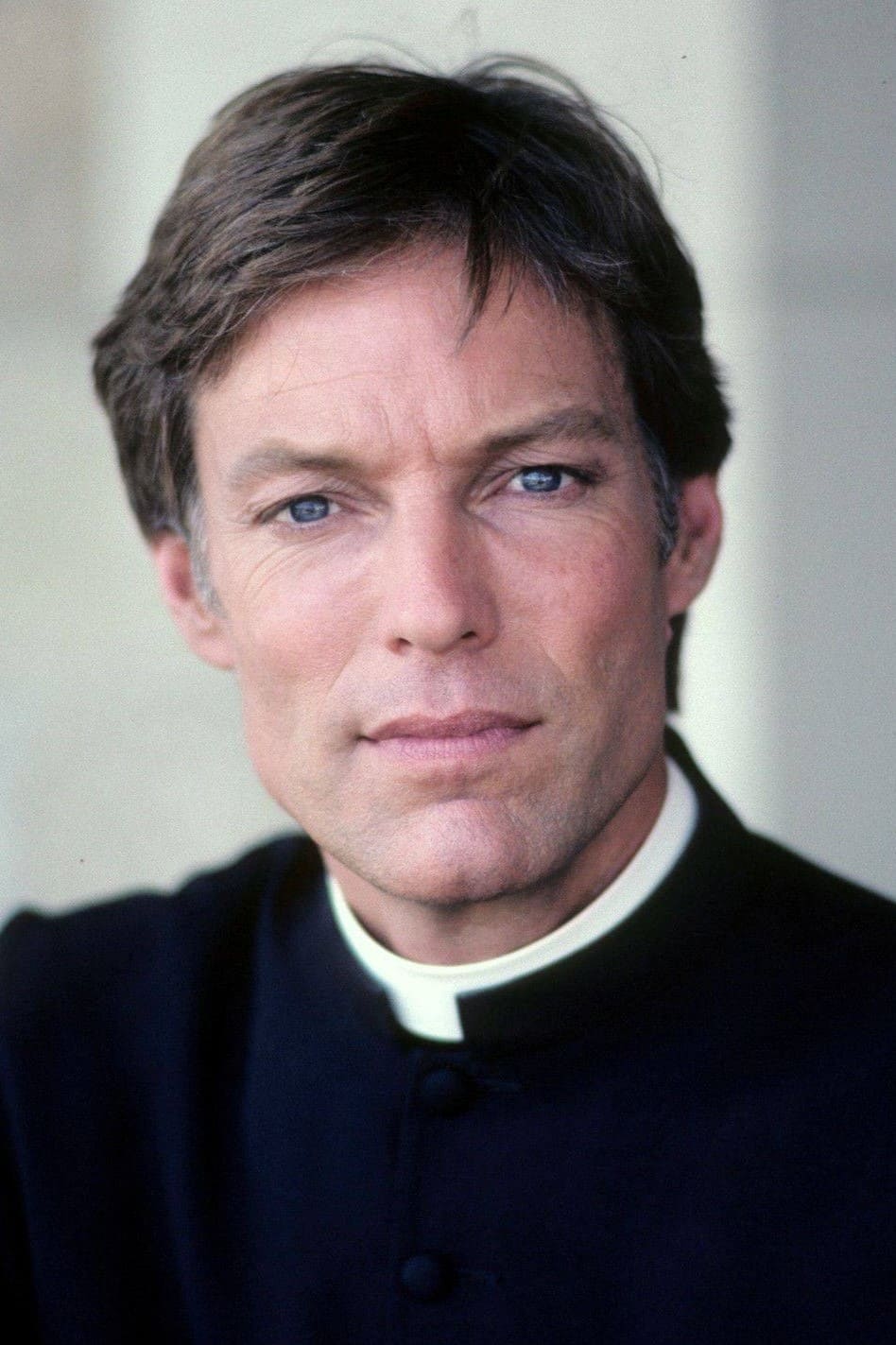
Before becoming the king of television miniseries Chamberlain served in the United States Army. He was drafted during the Korean War era and served his tour of duty in Korea. The experience gave him a disciplined work ethic that he carried into his acting career. He attained the rank of sergeant before his discharge.
Rip Taylor
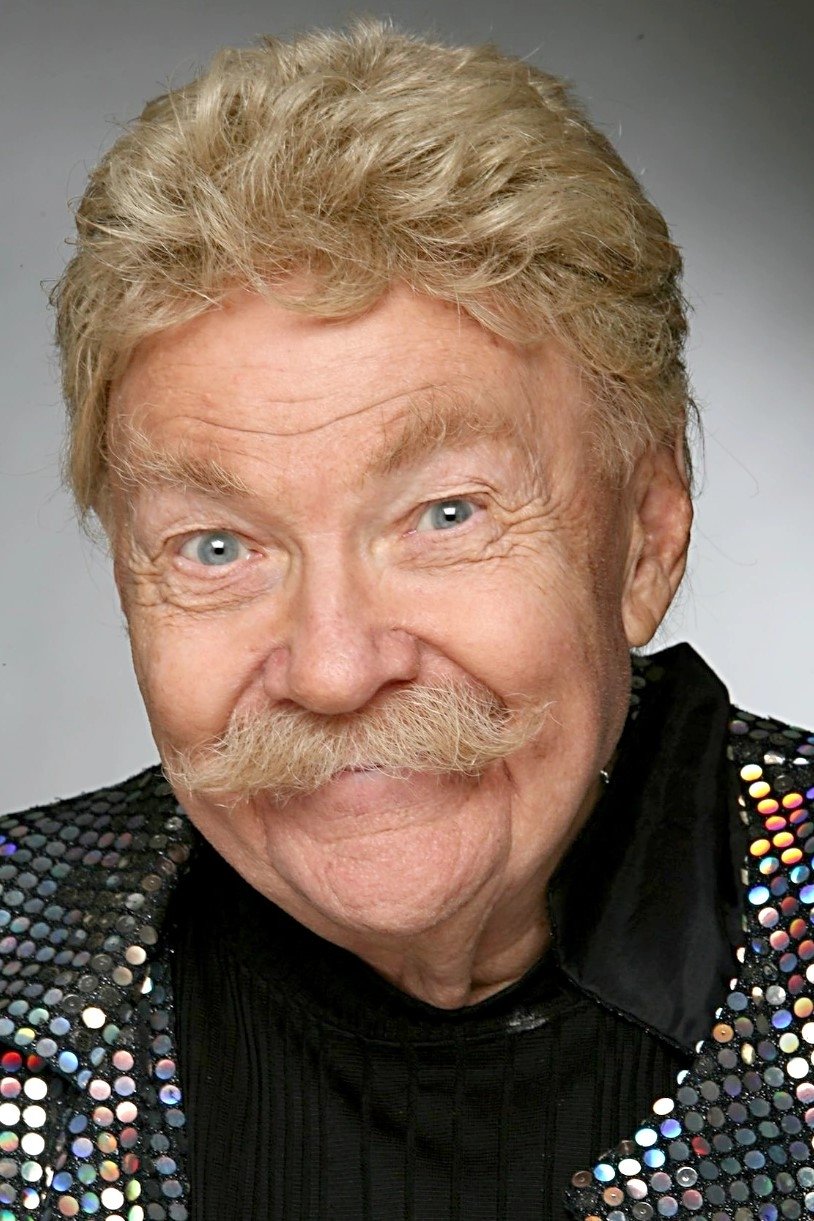
The flamboyant comedian served in the United States Army during the Korean War. He was assigned to the Signal Corps and worked in communications. Taylor often entertained his fellow troops and discovered his love for comedy during his service. He received the National Defense Service Medal and the Good Conduct Medal.
Tab Hunter
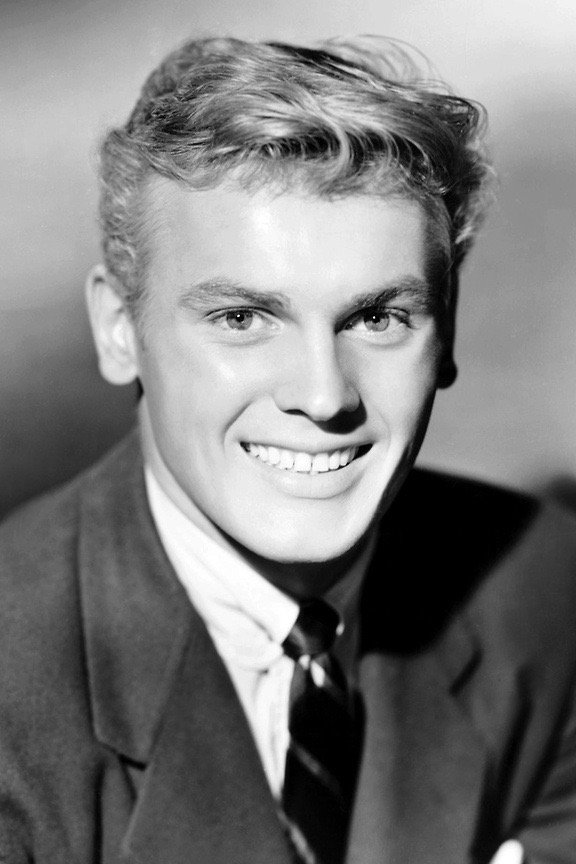
The blonde heartthrob joined the United States Coast Guard at the age of fifteen by lying about his age. He served for two years before his true age was discovered and he was discharged. Hunter spoke fondly of his time in the service and the camaraderie he found there. His military background was a stark contrast to his carefully cultivated image as a teen idol.
Paul Lynde
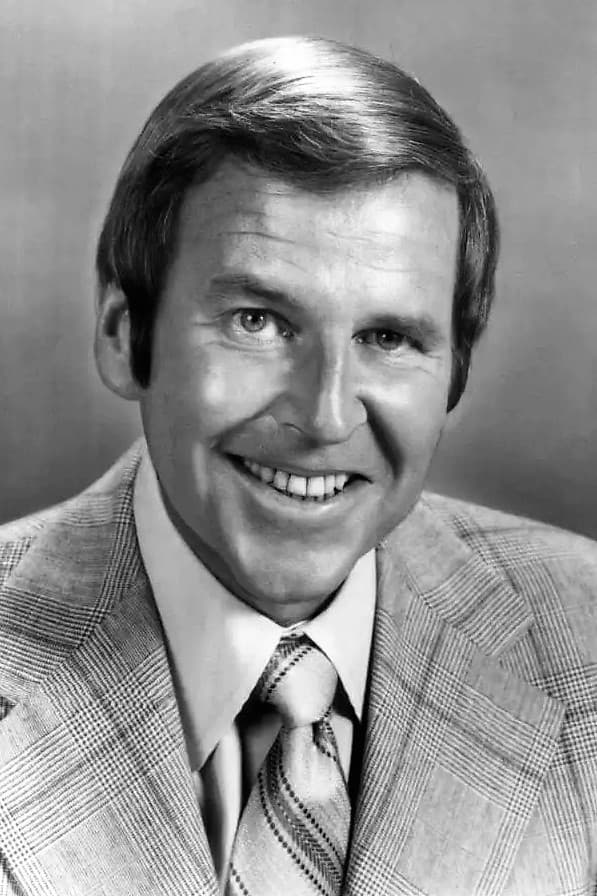
Lynde served in the United States Navy during World War II after graduating from high school. He was stationed aboard the USS Hobby and worked in the supply department. The comedian received an honorable discharge in 1946 and used the GI Bill to study drama. His biting wit was often attributed to his time navigating life in the service.
Farley Granger
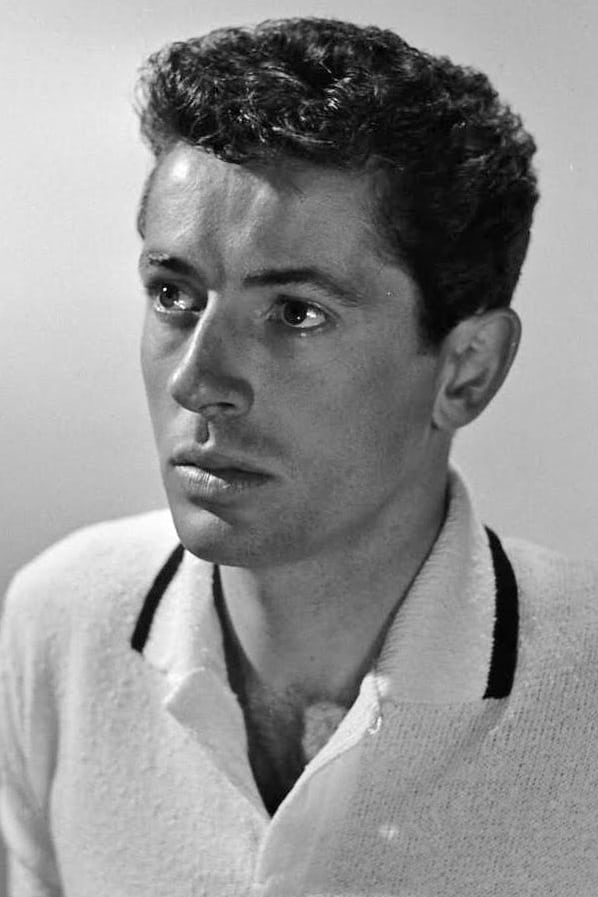
Granger enlisted in the United States Navy in 1944 towards the end of World War II. He was stationed in Honolulu and worked in the special services unit entertainment division. The actor helped boost morale by organizing shows and activities for sailors in the Pacific. He returned to Hollywood after the war to star in several Alfred Hitchcock classics.
George Nader
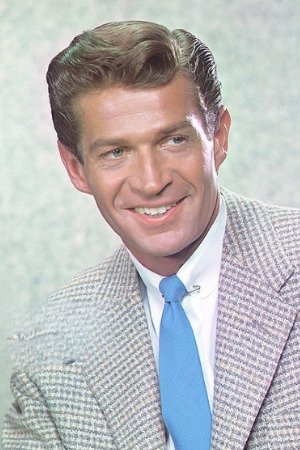
Nader served in the United States Navy during World War II as a communications officer. He saw active duty in the Pacific theater and was present during several major operations. The actor later wrote science fiction novels after an injury forced him to retire from the screen. His service record was exemplary despite the challenges of being a closeted man in the military.
Tom Tryon
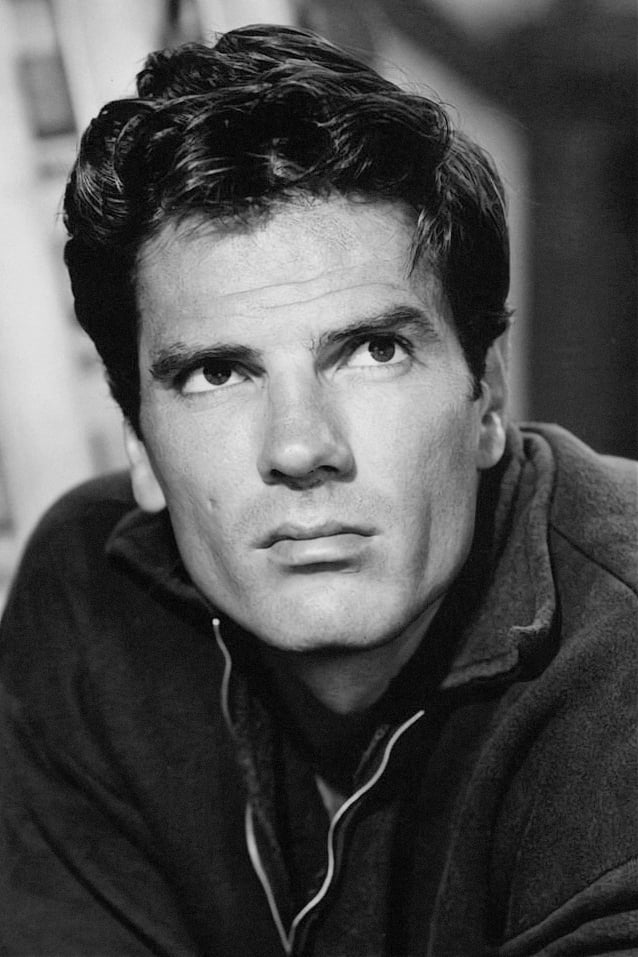
Tryon enlisted in the United States Navy at the age of seventeen and served in the Pacific theater during World War II. He worked as a radio specialist and saw the aftermath of the atomic bomb attacks. The actor later became a successful novelist and wrote about his experiences. His time in the Navy profoundly shaped his worldview and his writing.
Randolph Scott

The western star served in the United States Army during World War I. He was an artillery observer with the 2nd Trench Mortar Battalion in France. Scott learned to handle firearms and ride horses during his service which prepared him for his future film roles. He remained proud of his military contribution throughout his long life.
Ivor Novello
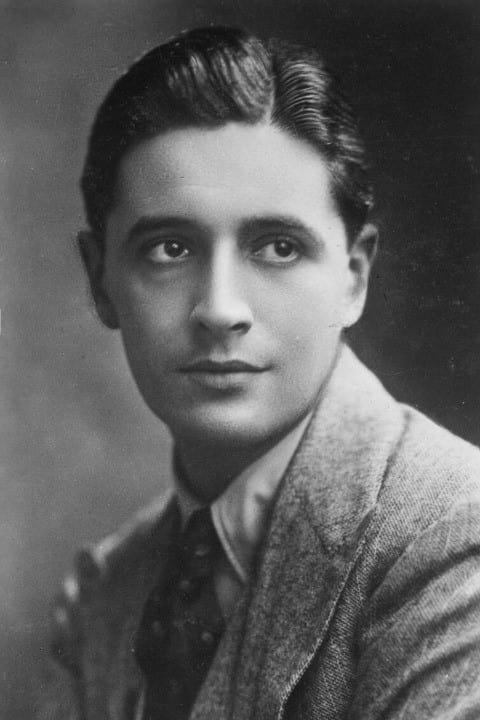
The Welsh composer and actor served as a Sub-Lieutenant in the Royal Naval Air Service during World War I. He worked in the Air Ministry and wrote the patriotic anthem ‘Keep the Home Fires Burning’. His music provided comfort to millions of soldiers and families during the conflict. Novello used his talents to maintain national morale during the darkest days of the war.
Kenneth Williams

The ‘Carry On’ star was drafted into the British Army in 1944. He served in the Royal Engineers Survey Section in Bombay and worked on map-making. Williams joined the Combined Services Entertainment unit towards the end of his service. His time in the army provided him with material for his comedy and introduced him to fellow performers.
Frankie Howerd
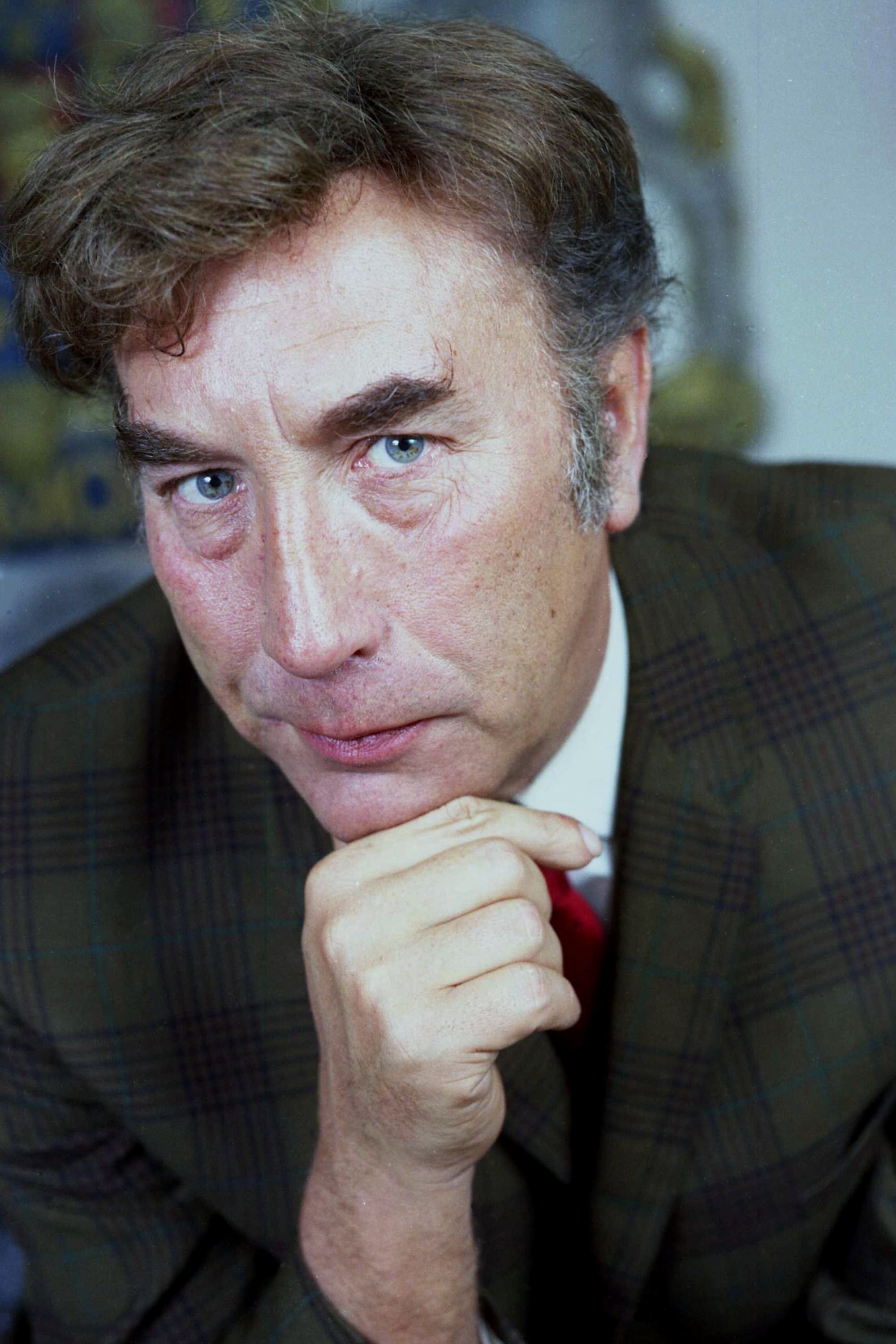
Howerd served in the British Army during World War II as a gunner in the Royal Artillery. He was later promoted to Sergeant and entertained troops across Europe after D-Day. The comedian honed his unique style of stand-up while performing for soldiers near the front lines. He continued to support military charities throughout his career.
Stanley Baxter
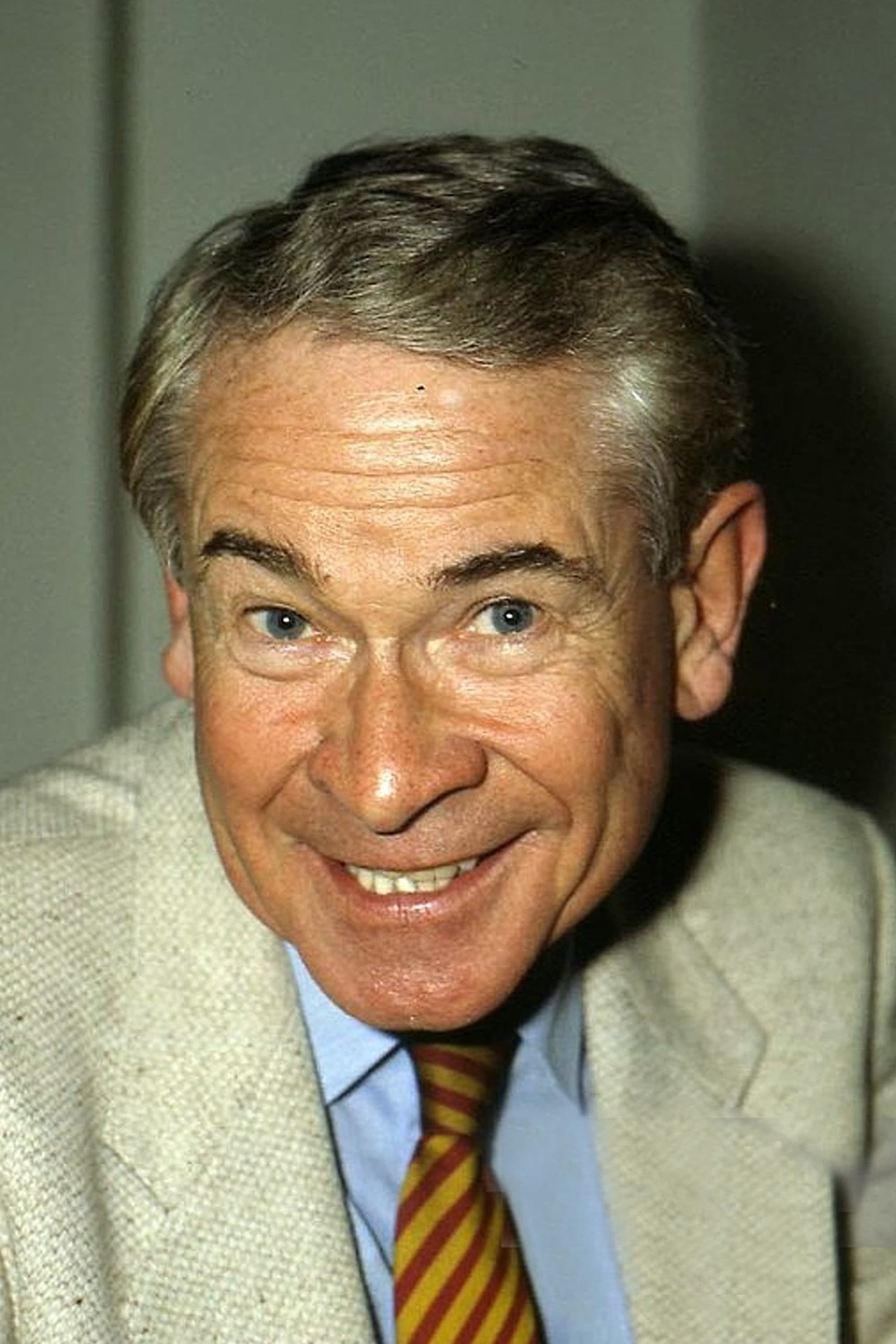
Baxter was called up for National Service and joined the British Army in 1946. He was assigned to the Combined Services Entertainment unit in Southeast Asia. The impressionist and comedian worked alongside other future stars to entertain British troops abroad. His service helped him develop the character acting skills that made him famous.
Gore Vidal
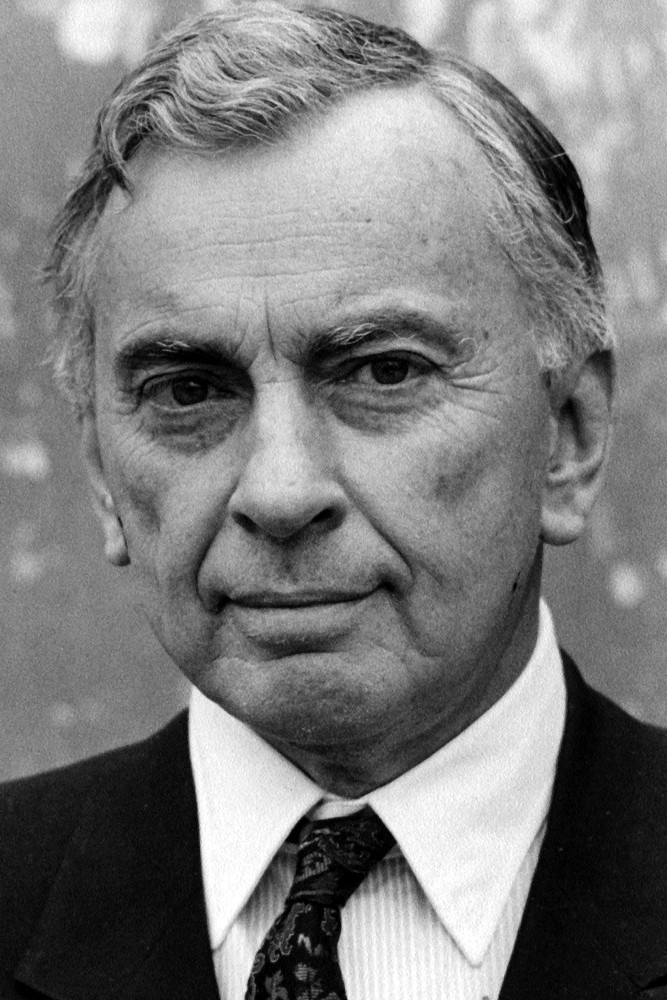
The writer and commentator enlisted in the United States Army in 1943. He served as a warrant officer in the transportation corps in the Aleutian Islands. Vidal used his downtime to write his first novel ‘Williwaw’ (1946) which was based on his wartime experiences. His service gave him a critical perspective on military and political power.
Maurice Evans
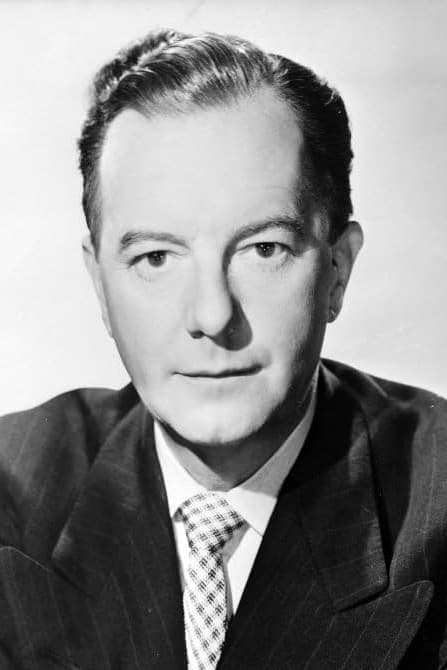
Evans enlisted in the United States Army in 1942 and rose to the rank of Major. He was in charge of the entertainment section for the Central Pacific theater. The Shakespearean actor produced shortened versions of classic plays for troops in remote locations. He received the Legion of Merit for his exceptional service to troop morale.
William Haines
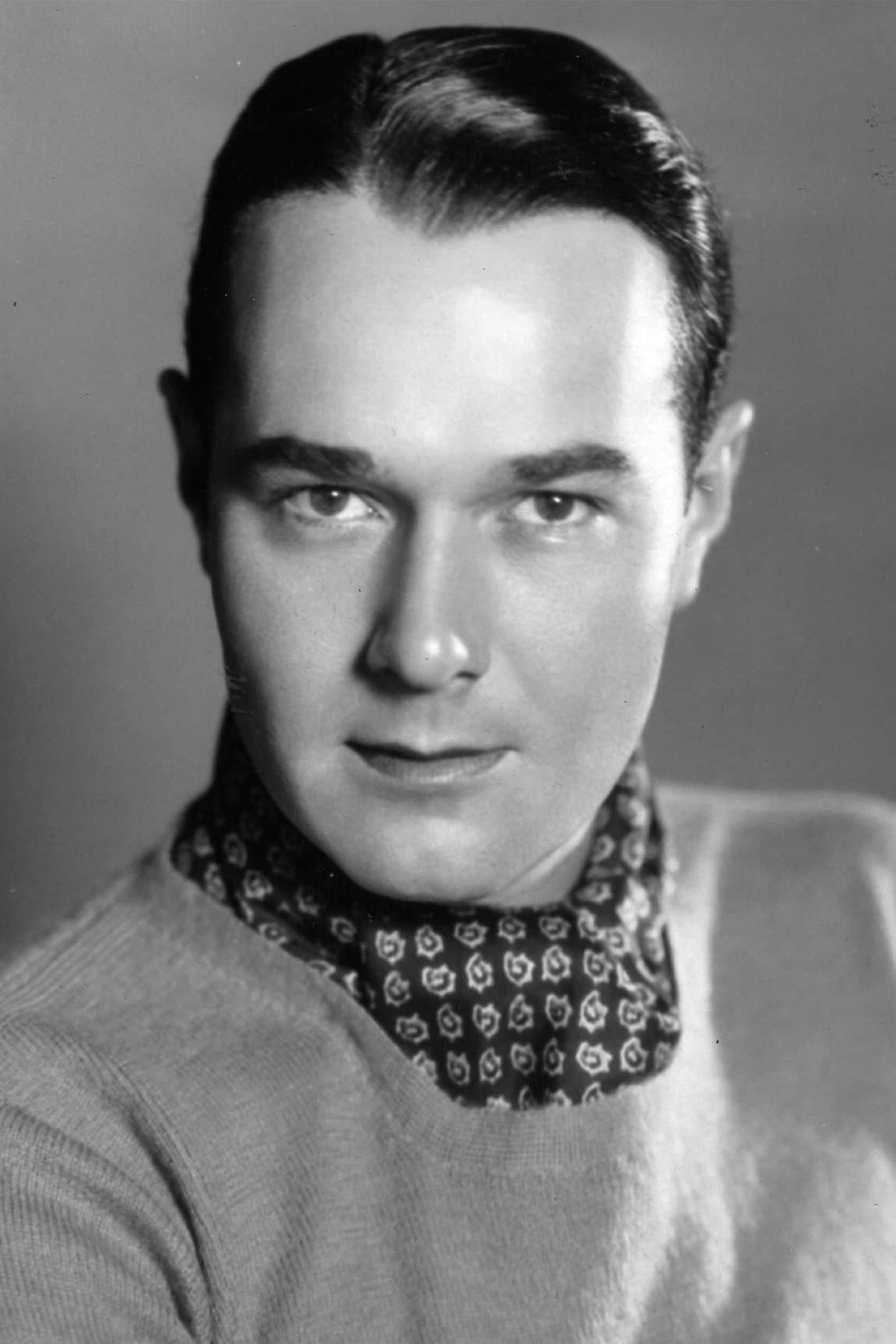
Haines was the first top box office star to be fired for refusing to hide his homosexuality. He served in the United States Army during World War II despite being in his forties. The former actor worked in the camouflage unit and utilized his design skills for the war effort. His integrity in living openly in the 1930s makes him a hero of personal freedom.
Ian McKellen
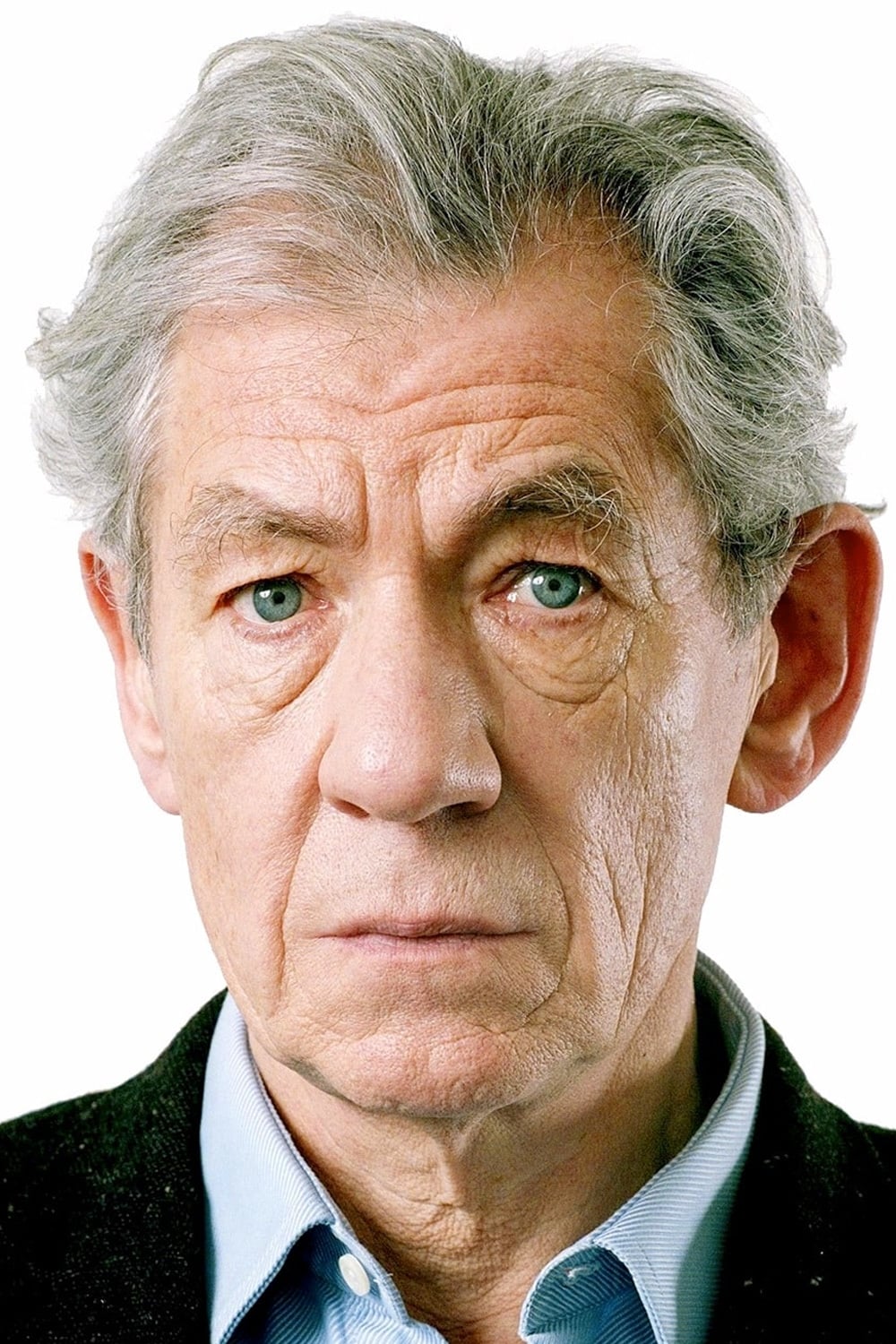
McKellen is a co-founder of Stonewall which lobbies for legal and social equality for LGBT people. He publicly came out in 1988 to fight against Section 28 legislation in the United Kingdom. The actor has spent decades visiting schools to combat bullying and promote inclusion. His activism has changed the political landscape for gay rights globally.
George Takei
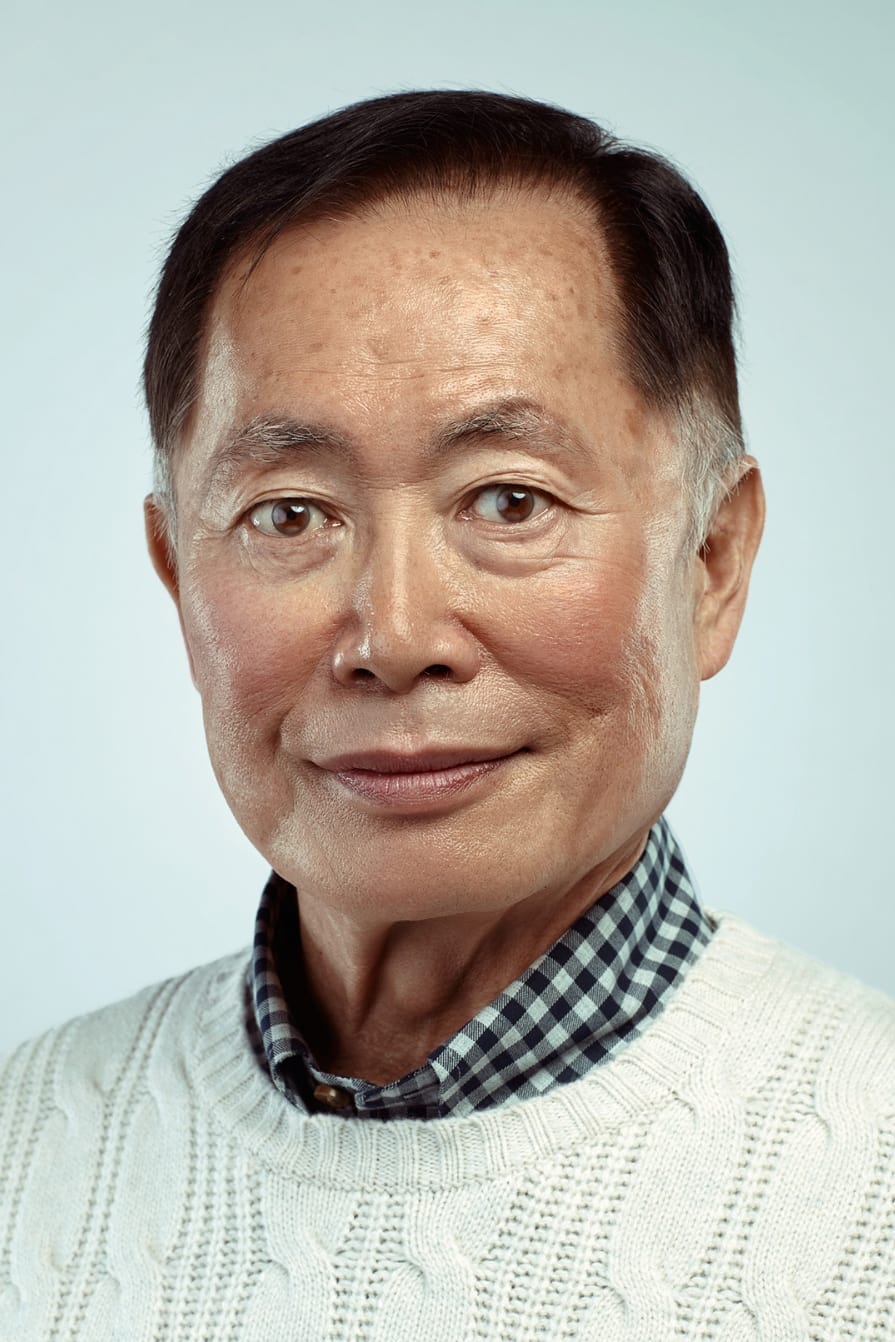
Takei spent his childhood imprisoned in Japanese-American internment camps during World War II. He has dedicated his life to educating the public about this injustice and fighting for civil liberties. The ‘Star Trek’ (1966) actor is also a prominent advocate for marriage equality and LGBT rights. His tireless work ensures that the mistakes of history are not forgotten.
Stephen Fry
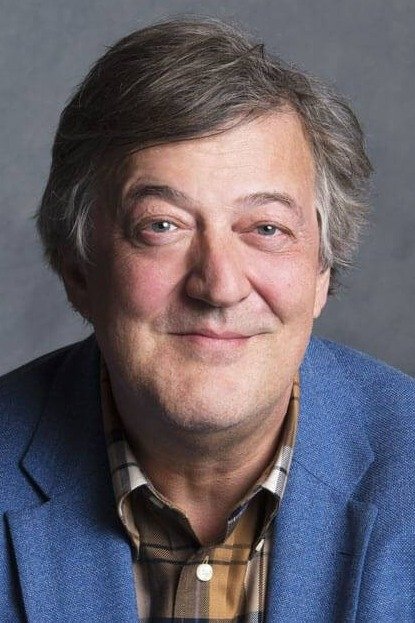
Fry is a vocal champion for mental health awareness and LGBT rights around the world. He has spoken openly about his own struggles with bipolar disorder to reduce stigma. The actor actively campaigns against the persecution of gay people in countries with oppressive laws. His intellect and compassion have made him a vital figure in human rights activism.
Harvey Fierstein
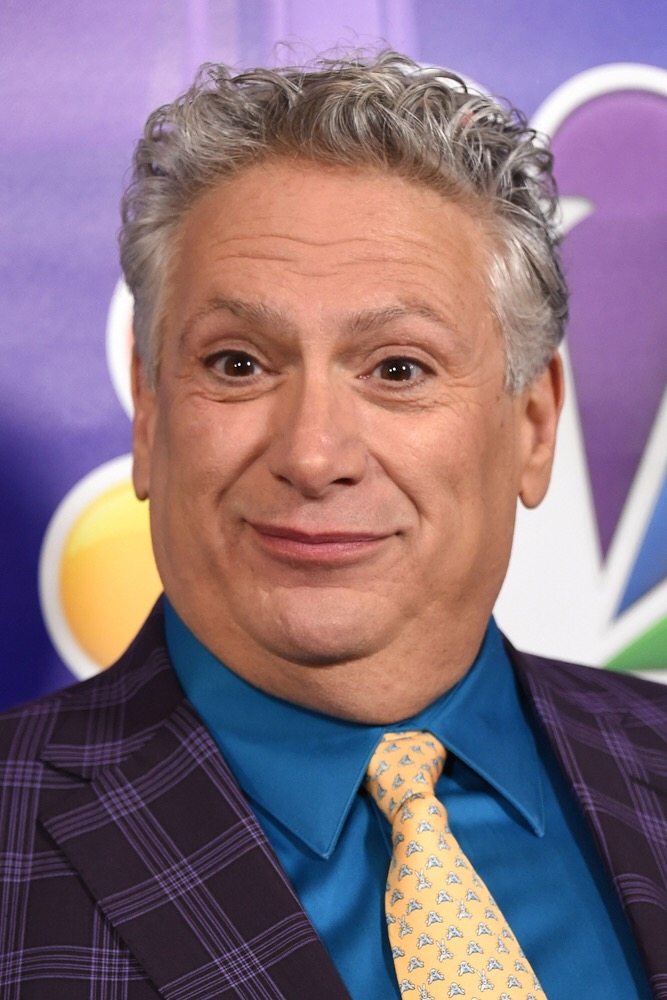
Fierstein was a fierce advocate for visibility during the height of the AIDS crisis. He used his work in theater and film to humanize the struggle of the gay community. The actor challenged Hollywood stereotypes and demanded authentic representation. His voice became a symbol of resilience for a generation facing tragedy.
Wilson Cruz
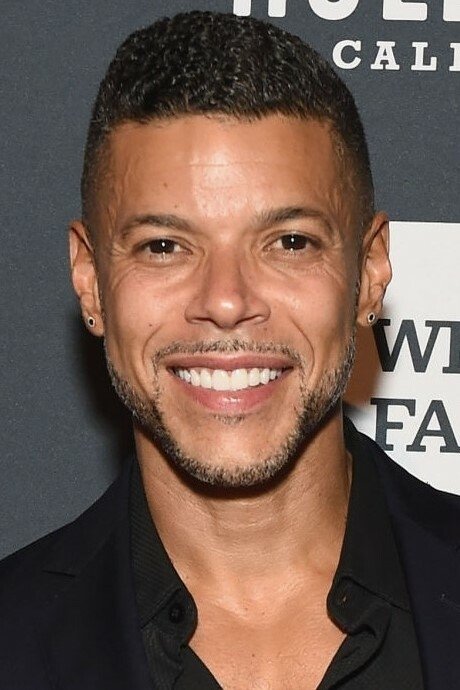
Cruz became the first openly gay actor to play an openly gay character in a leading role on TV in ‘My So-Called Life’ (1994). He has served as a dedicated advocate for LGBT youth and worked extensively with GLAAD. The actor uses his platform to highlight the challenges faced by queer people of color. His pioneering visibility opened doors for countless actors who followed.
Rupert Everett
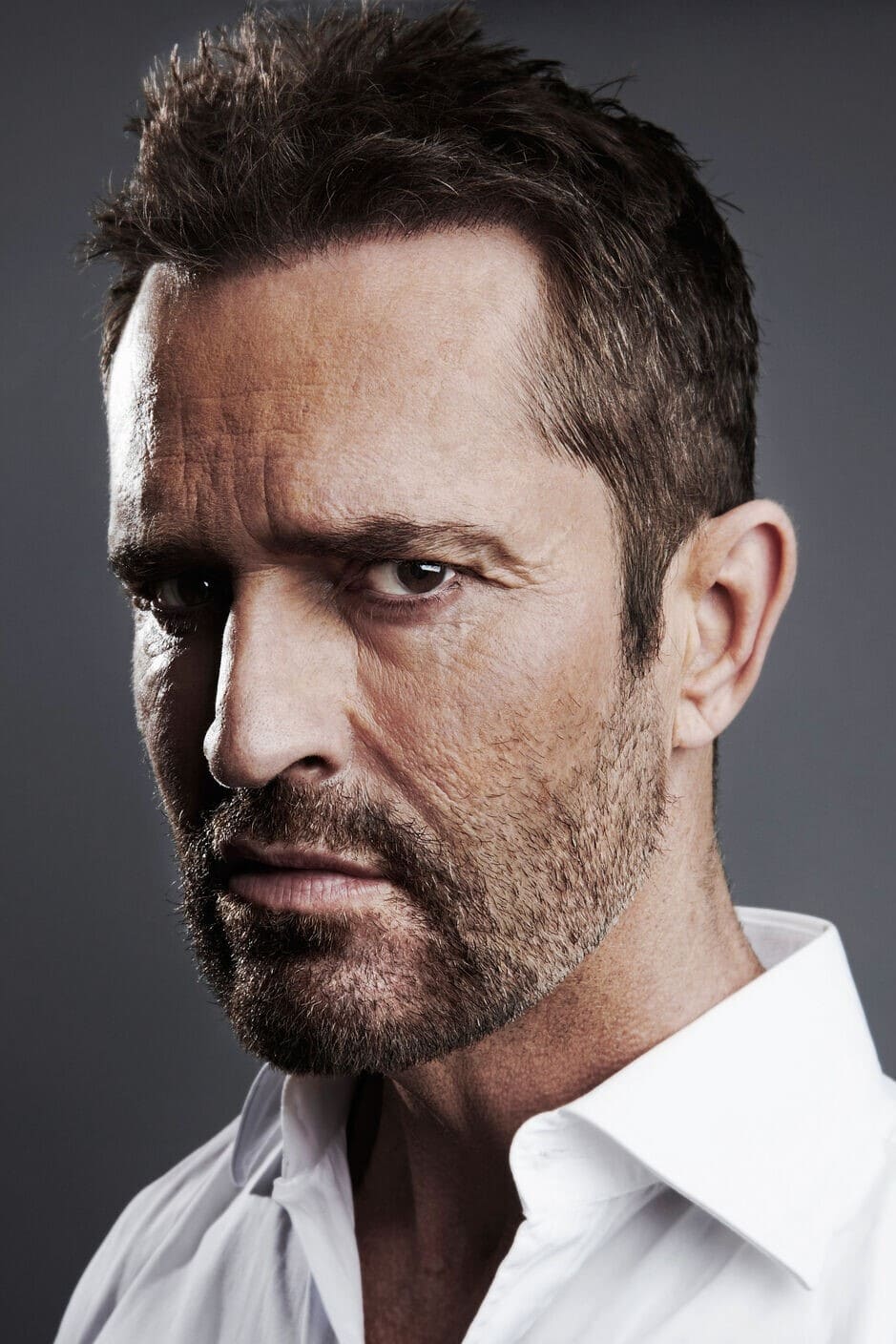
Everett has been a long-time supporter of HIV and AIDS charities. He garnered significant attention for the cause during the 1980s and 1990s when stigma was high. The actor has worked to raise funds and awareness for research and patient care. His consistent advocacy has helped support those living with the virus.
Larry Kramer
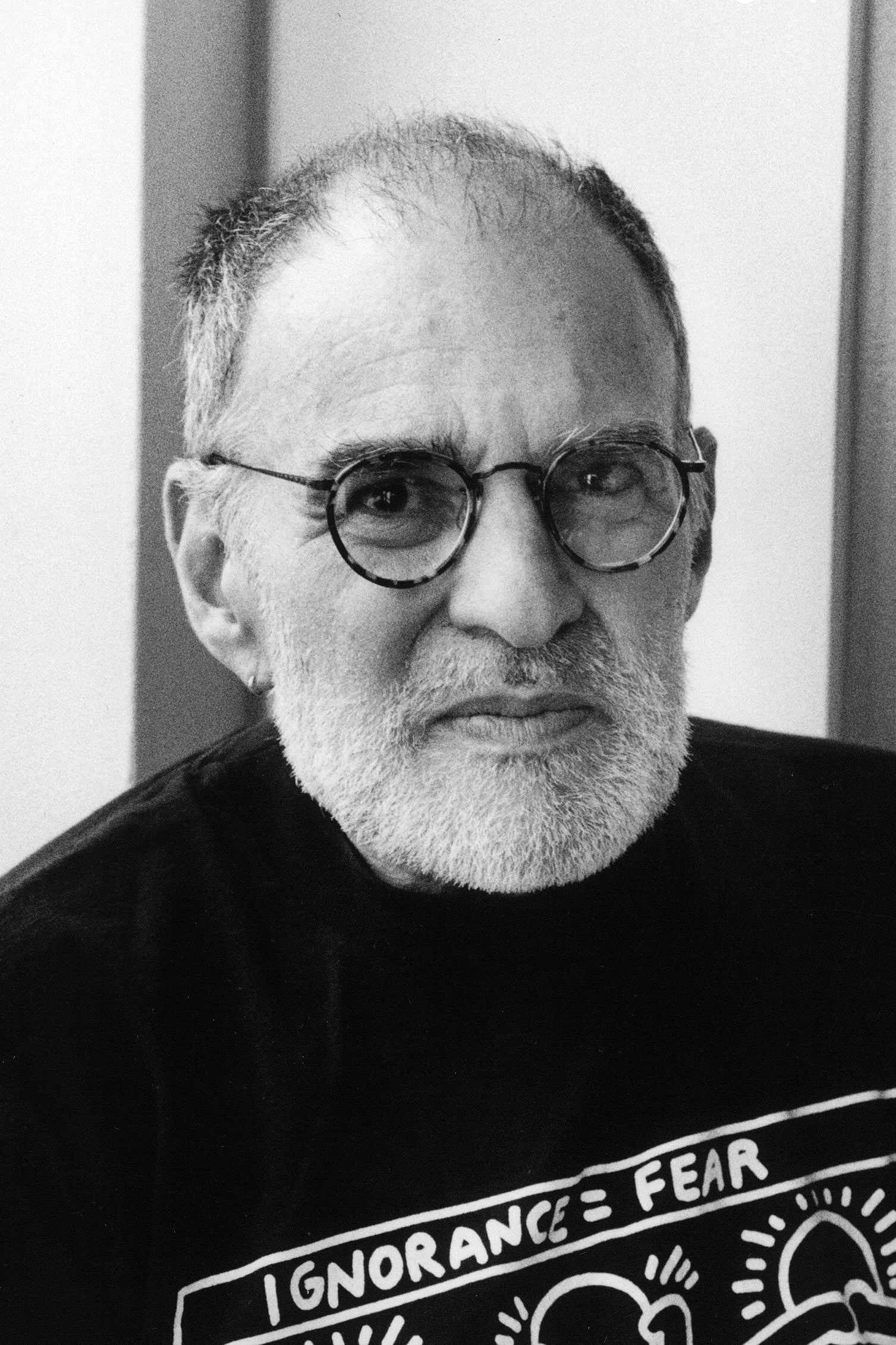
Kramer was a driving force behind the formation of the Gay Men’s Health Crisis and ACT UP. He wrote ‘The Normal Heart’ (1985) to scream for attention to the AIDS epidemic when the government remained silent. His confrontational style of activism saved countless lives by forcing faster drug approvals. He remains a monumental figure in the history of public health activism.
Peter Wildeblood
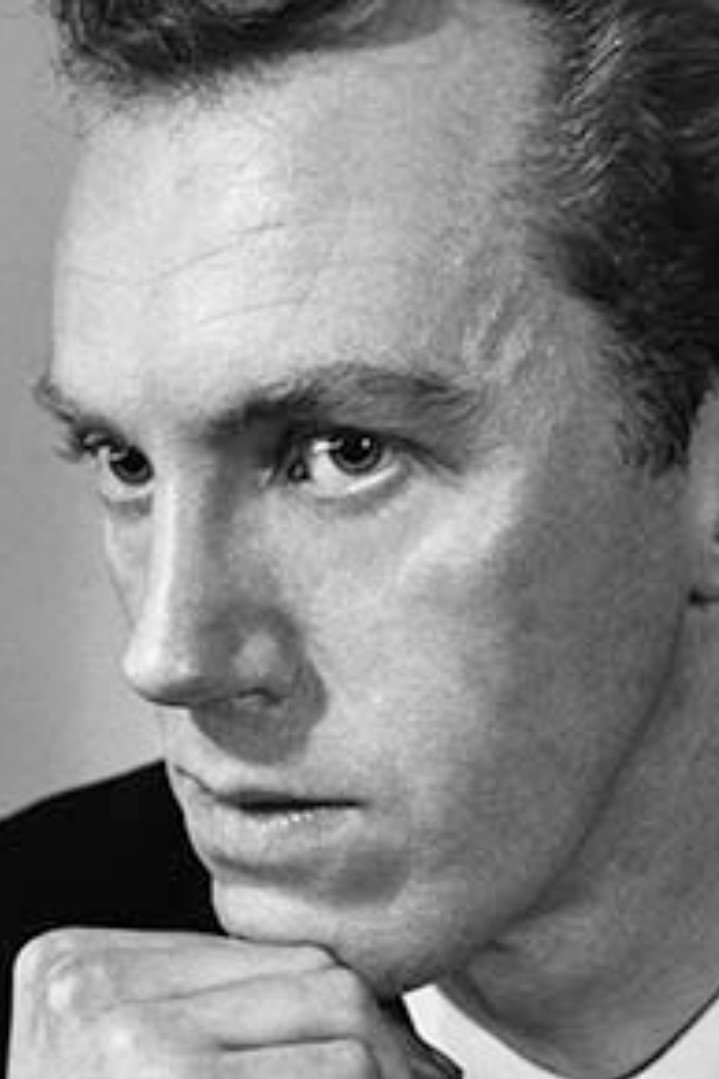
Wildeblood was a journalist and one of the first men in the UK to publicly declare his homosexuality during the 1950s. His book ‘Against the Law’ (1955) detailed his imprisonment and argued for legal reform. His brave testimony before the Wolfenden Committee was instrumental in the partial decriminalization of homosexuality in 1967. He risked everything to change the law for future generations.
Mark Gatiss
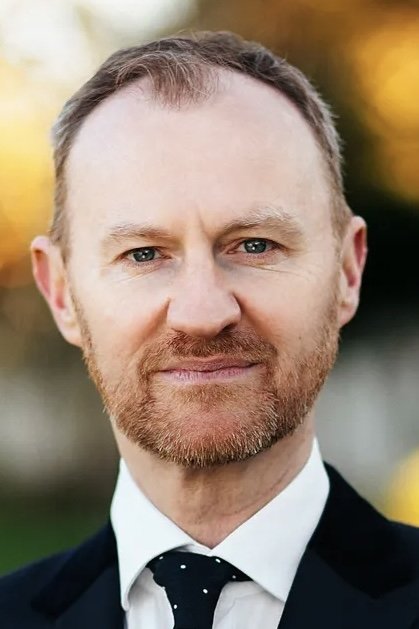
Gatiss has been a prominent voice for LGBT representation in British media. He works to rediscover and celebrate queer history through his writing and documentaries. The ‘Sherlock’ (2010) creator actively supports charities that preserve gay cultural heritage. His work ensures that the stories of the past are accessible to new audiences.
Russell Tovey
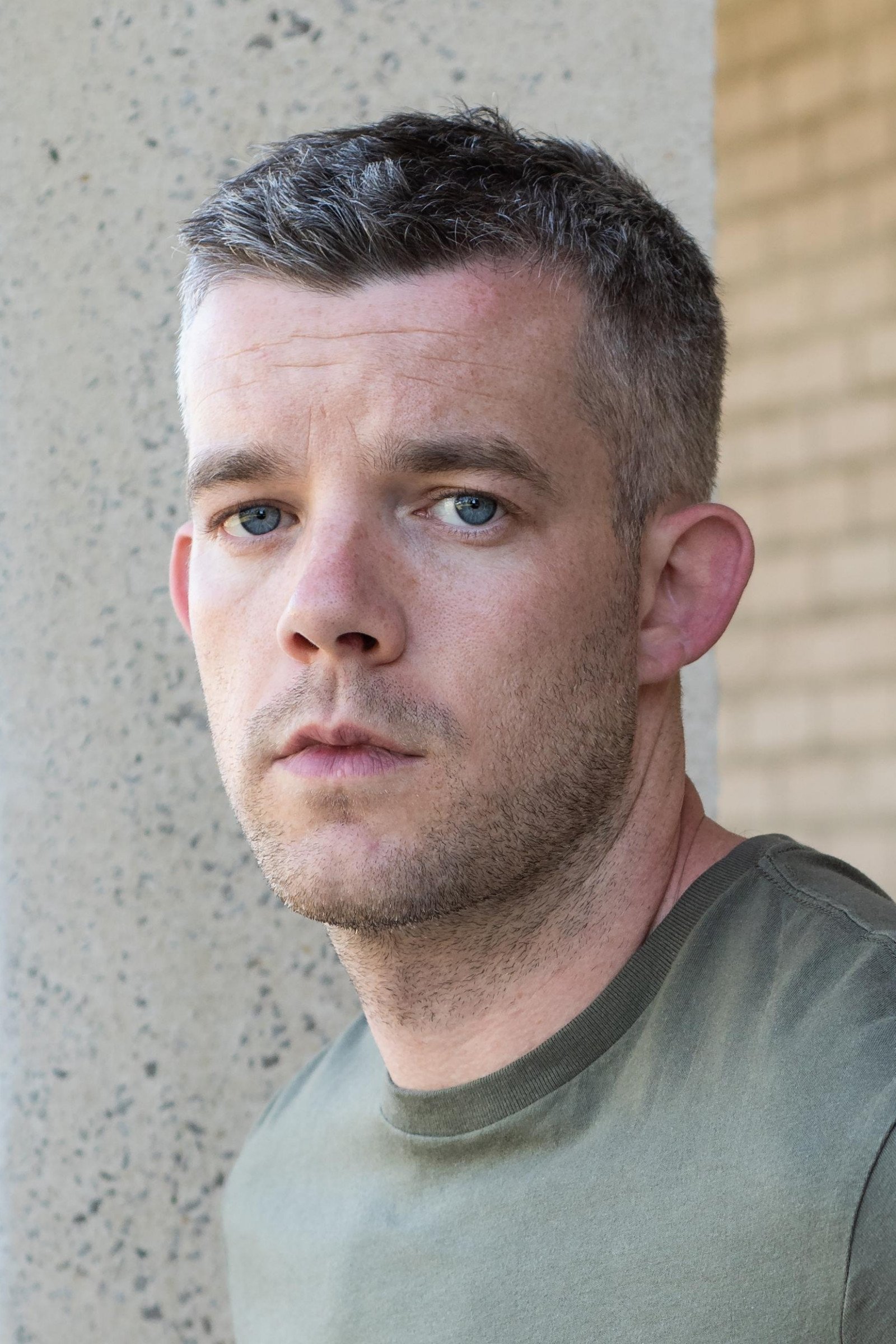
Tovey uses his platform to champion contemporary art and support queer artists. He has spoken openly about growing up gay and the importance of role models. The actor collaborates with various charities to support homeless LGBT youth. His visibility helps normalize gay experiences in mainstream media.
Luke Evans
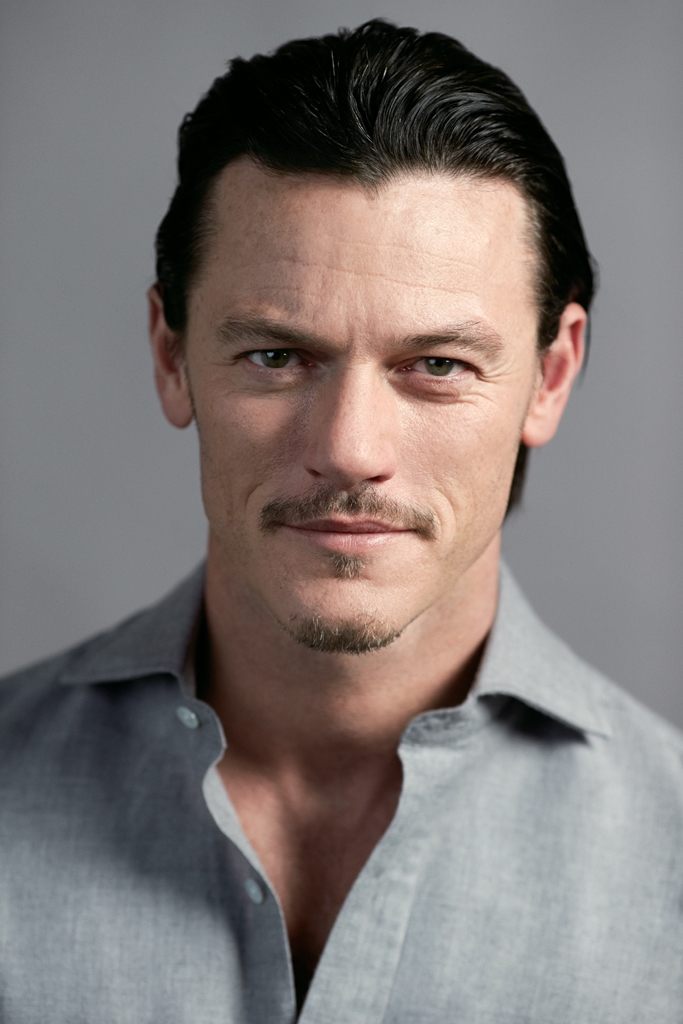
Evans has been open about his sexuality since the beginning of his career in the West End. He consistently supports children’s charities and organizations fighting bullying. The actor proves that an openly gay man can be a successful action star in blockbuster films. His success challenges outdated industry perceptions about masculinity.
Billy Porter
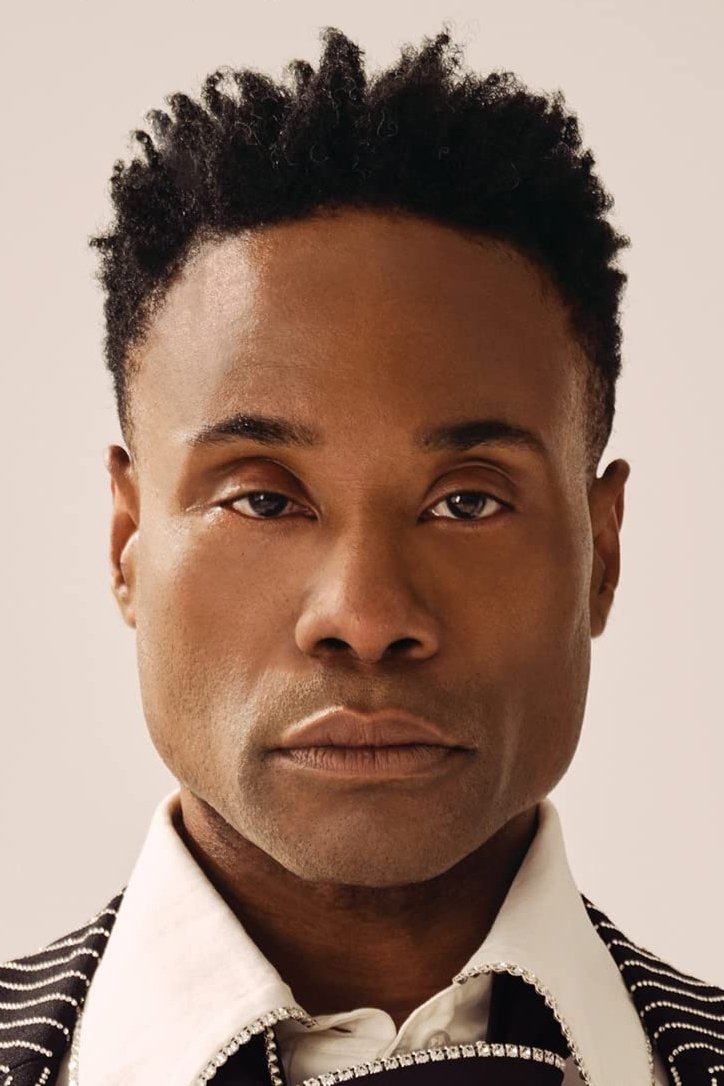
Porter has shattered gender norms on red carpets and in his acting roles. He is a vocal advocate for the rights of black queer people and people living with HIV. The actor uses his fashion and his art to demand political change and social justice. His unapologetic authenticity empowers others to live their truth.
Zachary Quinto
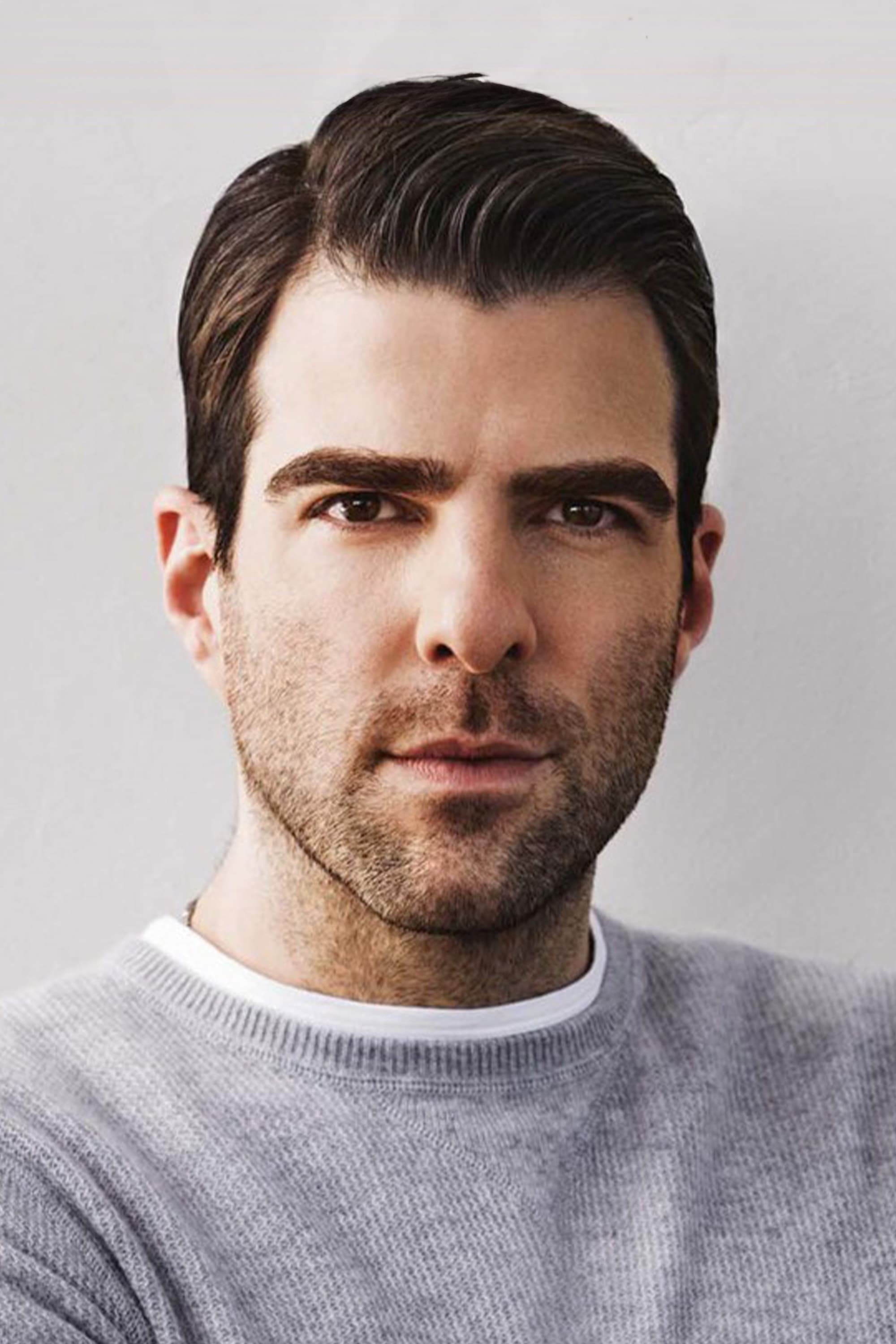
Quinto publicly came out in 2011 to support the fight for marriage equality and combat teen suicide. He produced the ‘It Gets Better’ project to give hope to struggling LGBT youth. The actor continues to work with organizations that provide mental health support to the community. His timely announcement helped shift public opinion in a crucial era.
Matt Bomer
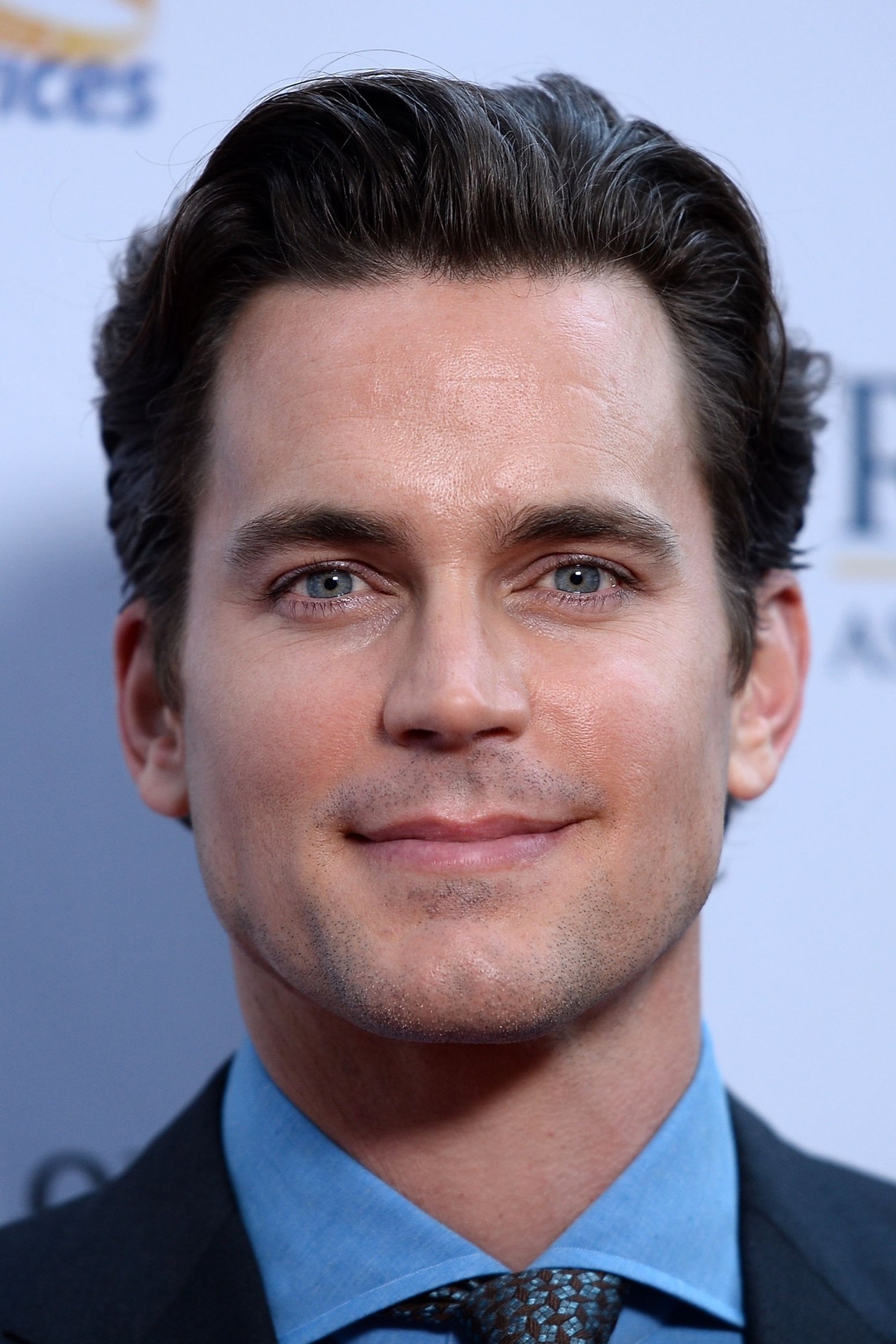
Bomer has received awards for his humanitarian work and advocacy for HIV/AIDS awareness. He serves on the board of the American Foundation for Equal Rights. The actor speaks frequently about the importance of family and equality. His dedication to social causes goes far beyond the red carpet.
Wentworth Miller
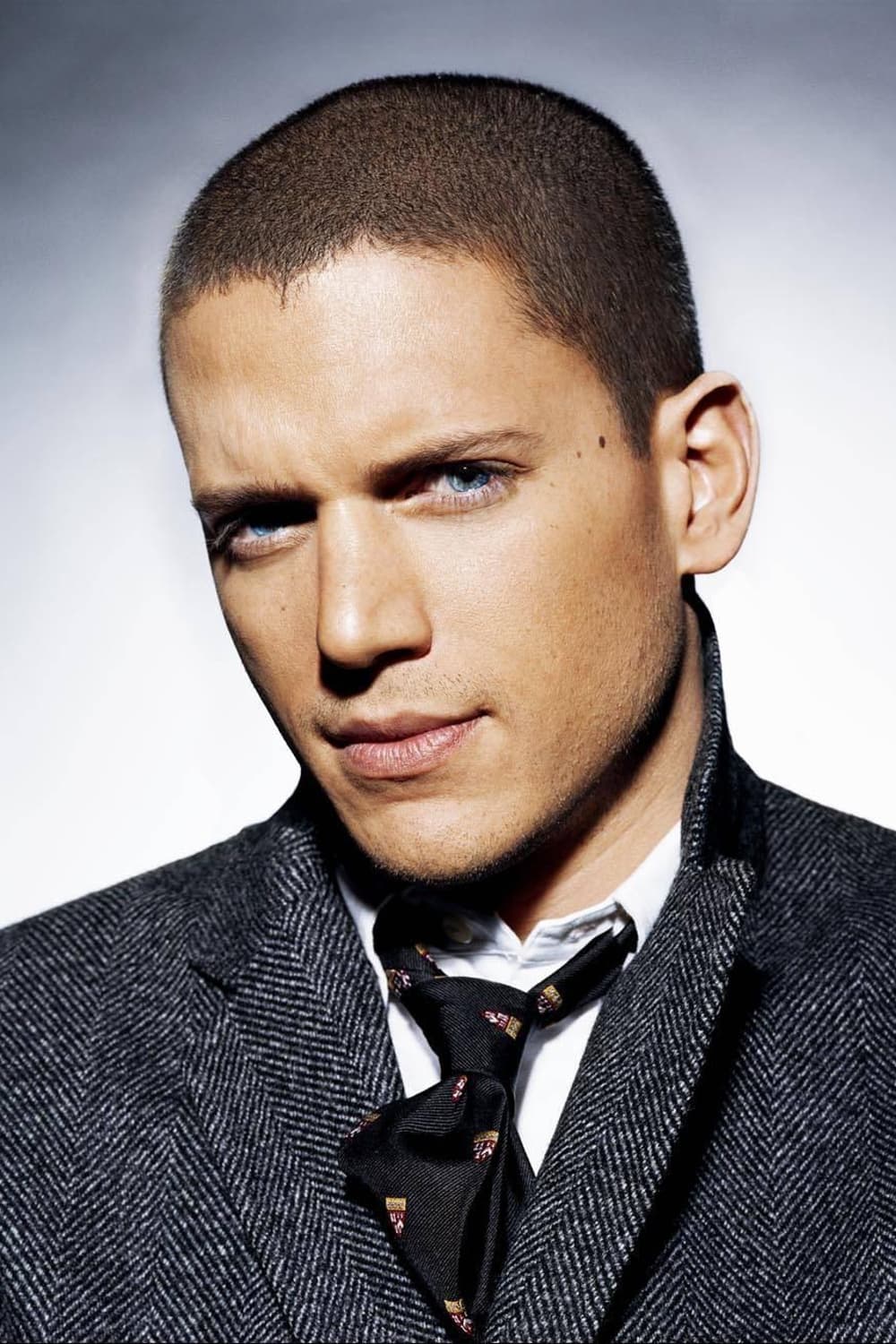
Miller has been a courageous advocate for mental health and suicide prevention. He publicly shared his own history of depression to let others know they are not alone. The actor has worked with the Human Rights Campaign to fight discrimination in Russia. His vulnerability has inspired fans globally to seek help.
Alan Cumming
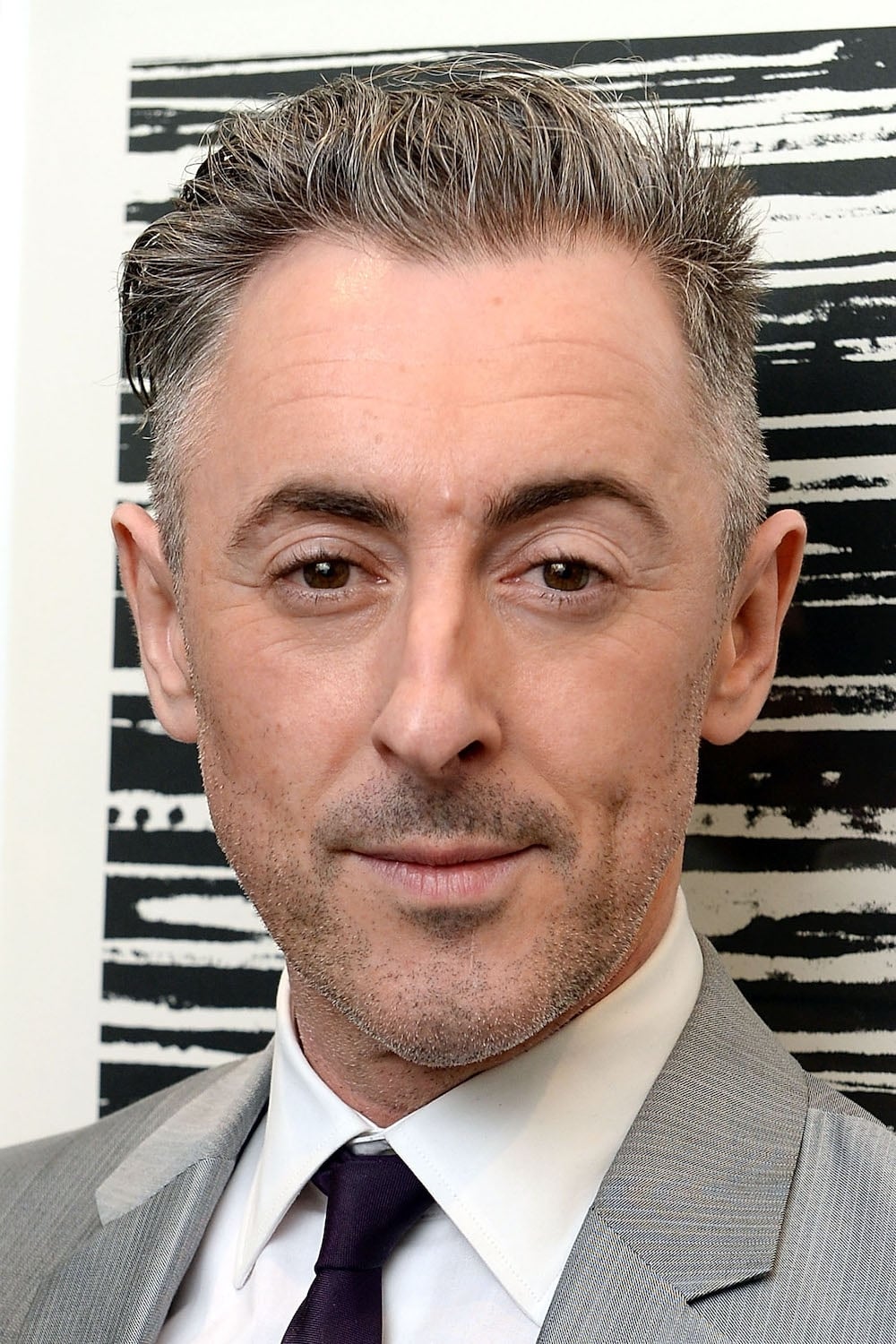
Cumming was appointed an Officer of the Order of the British Empire for his services to film, theater, and the arts, as well as activism. He has campaigned for LGBT rights in Scotland and the United States. The actor supports numerous charities including GLAAD and the Human Rights Campaign. His tireless energy drives many charitable initiatives.
Jesse Tyler Ferguson
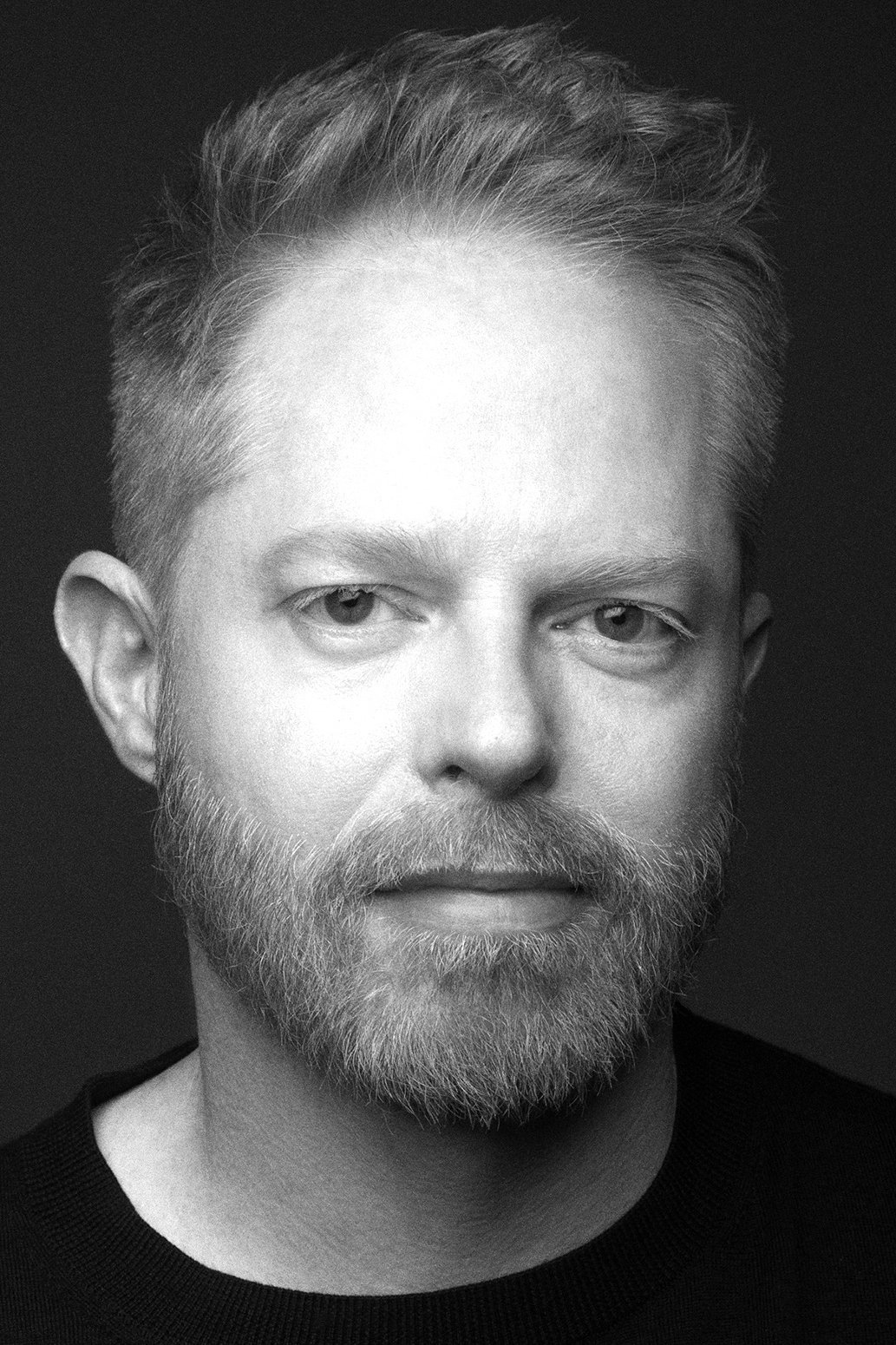
Ferguson co-founded the organization Tie The Knot to advocate for marriage equality. He raised significant funds for the cause through the sale of bow ties and public campaigns. The ‘Modern Family’ (2009) star helped bring the conversation about gay marriage into millions of living rooms. His work contributed to the cultural shift that led to the Supreme Court ruling.
Neil Patrick Harris
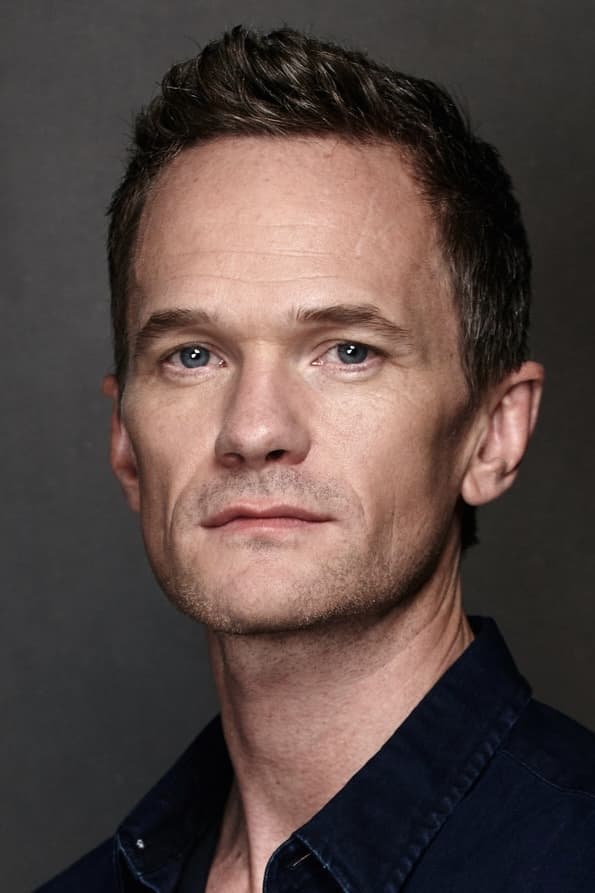
Harris was one of the first major TV stars to come out while appearing in a hit sitcom. He has served as a role model for gay parents and families. The actor actively supports organizations like The Trevor Project and the Elton John AIDS Foundation. His career proved that coming out does not have to end a leading man’s career.
Andrew Scott
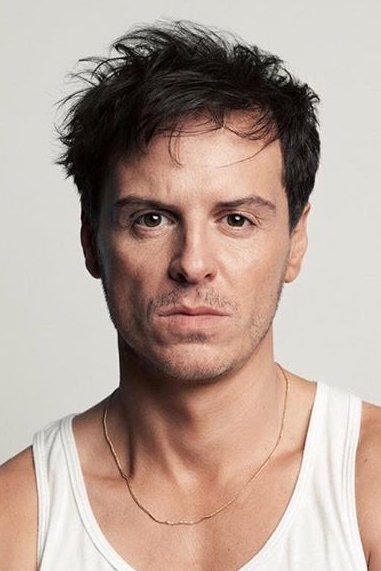
Scott advocates for the inclusion of LGBT people in the arts and education. He has spoken against the church’s stance on homosexuality in Ireland. The actor uses his platform to support youth charities and mental health initiatives. His quiet dignity and talent have made him a powerful representative for the community.
Ben Whishaw
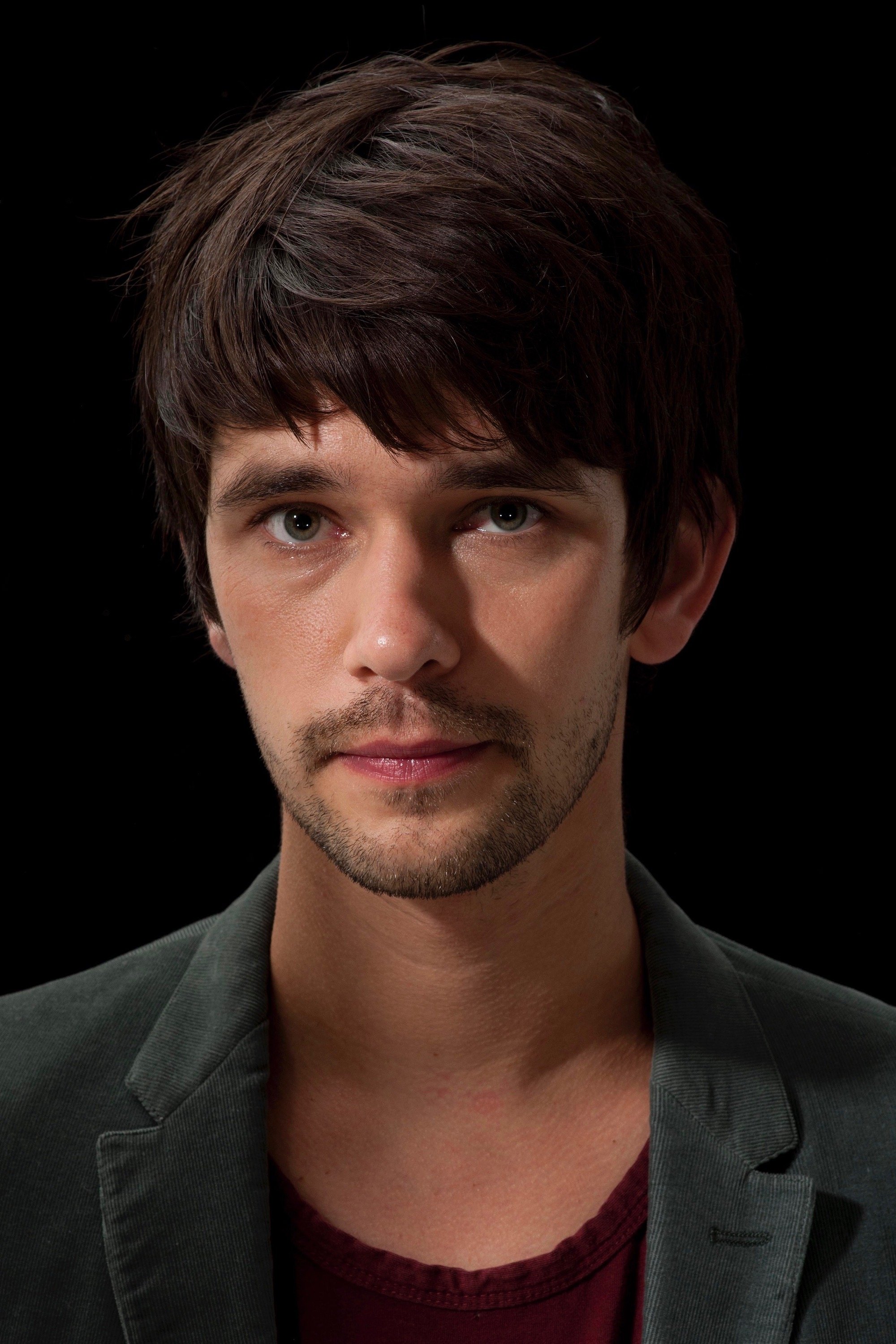
Whishaw brings visibility to queer characters through his sensitive and complex performances. He speaks candidly about the need for privacy and the different ways to be an activist. The actor supports the theater community and encourages diverse storytelling. His work expands the range of gay representation on screen.
Dan Levy
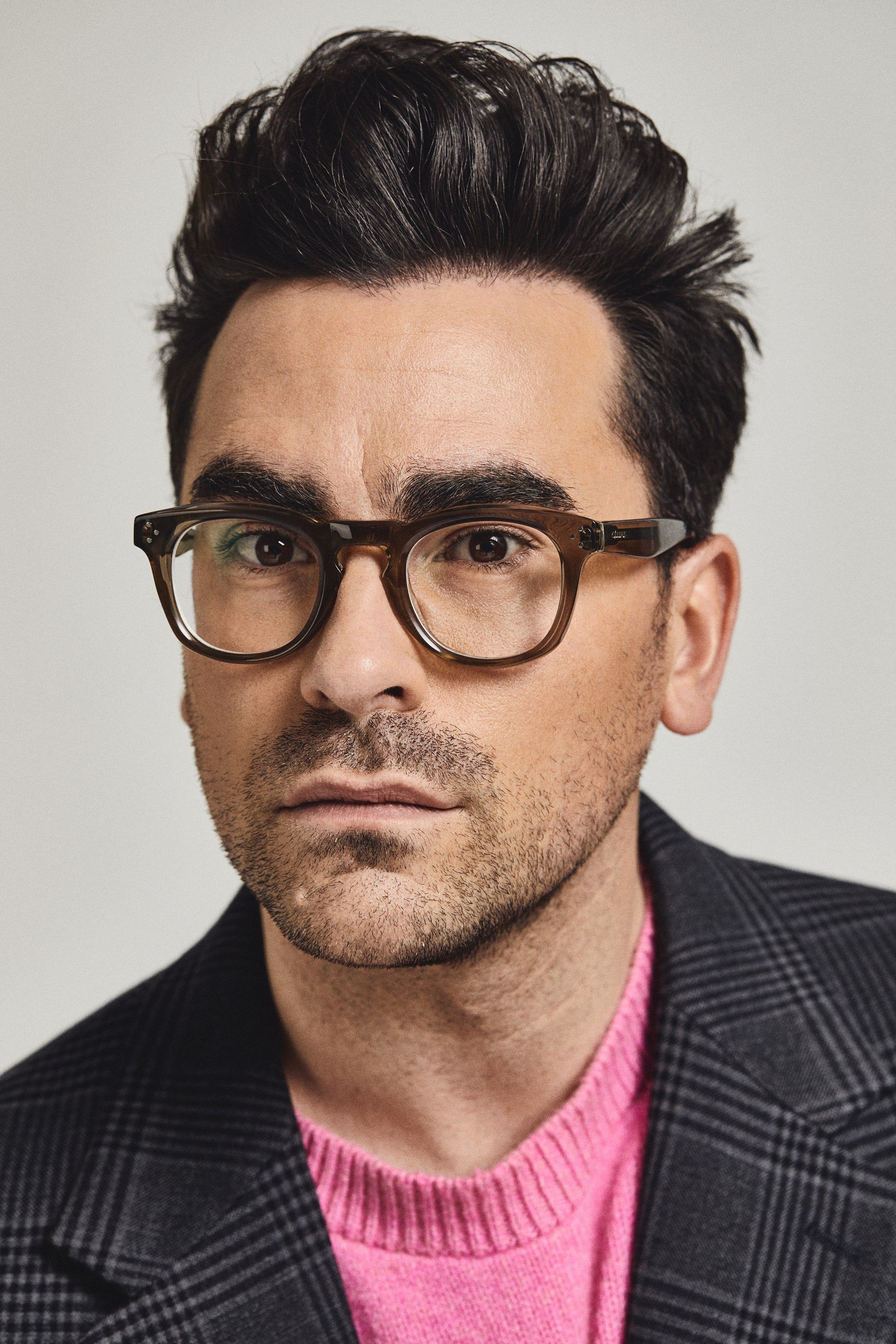
Levy created ‘Schitt’s Creek’ (2015) which presented a world without homophobia. The show became a beacon of hope and comfort for LGBT viewers worldwide. He actively fundraises for food banks and indigenous charities. His creative vision provided a powerful model for acceptance and love.
Cheyenne Jackson
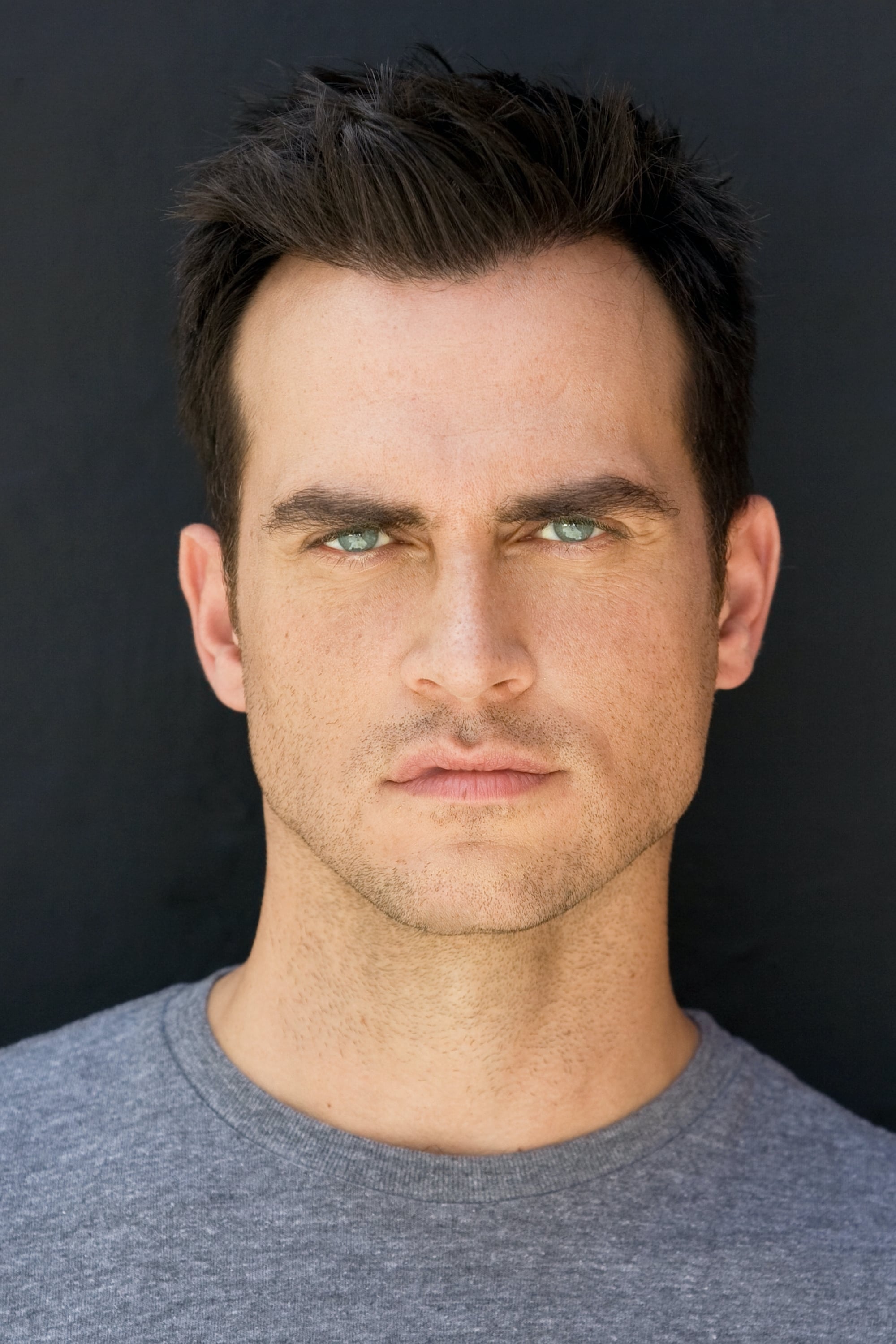
Jackson is an ambassador for amfAR and The Hetrick-Martin Institute. He works to support at-risk LGBT youth and fund AIDS research. The actor speaks openly about his recovery from addiction to help others facing similar battles. His advocacy focuses on health, wellness, and equality.
Please share your thoughts on these courageous individuals in the comments.