Actors You Didn’t Know Had FBI Files

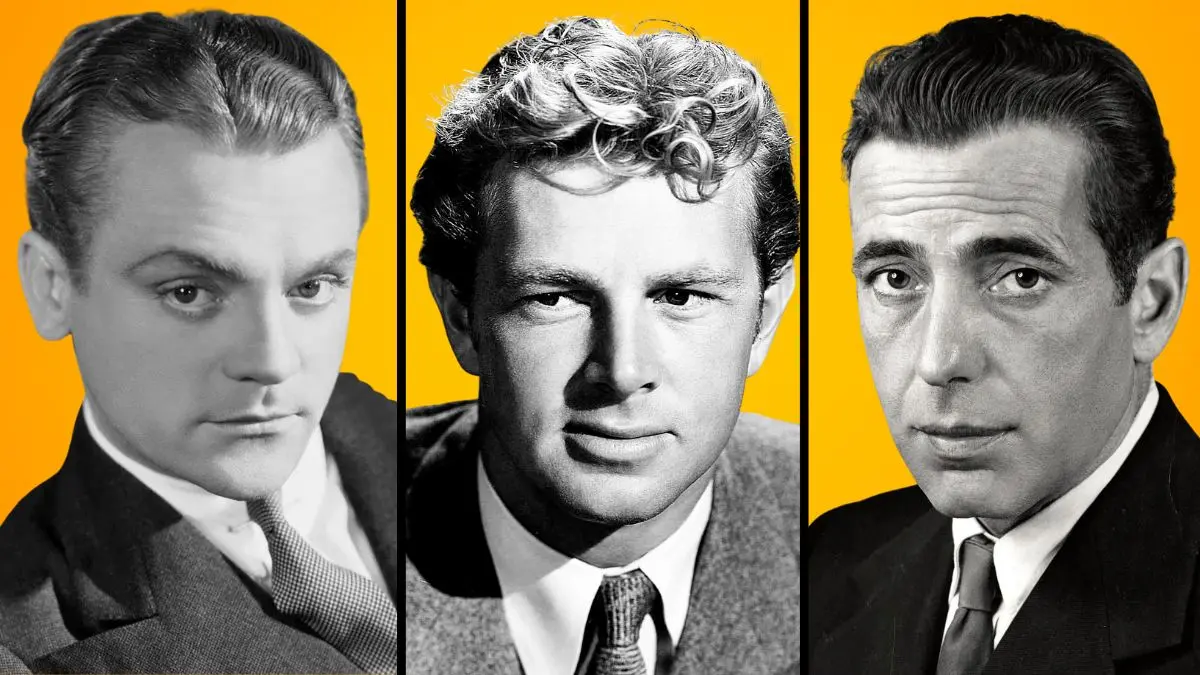

The federal government has a long history of monitoring the activities of high profile individuals within the entertainment industry. Many legendary male actors found themselves under the watchful eye of the bureau for a variety of reasons ranging from political activism to personal associations. These files often remained classified for decades before becoming available to the public through information requests. Learning about the surveillance of these icons provides a unique look at the intersection of Hollywood and national security. This list explores the famous men who were the subjects of official investigation during their careers.
Frank Sinatra
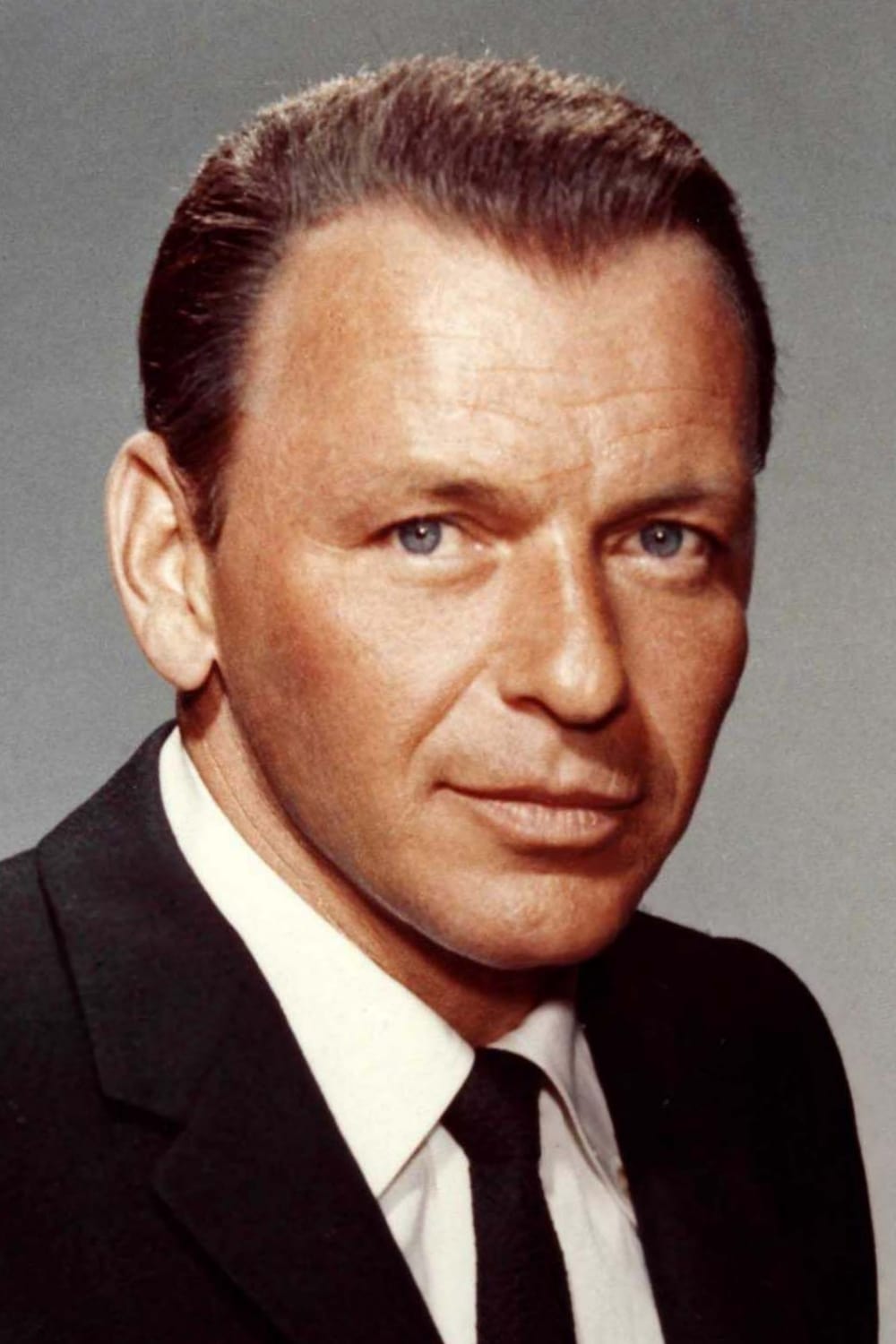
The bureau maintained an extensive file on this legendary performer that spanned several decades. Agents focused on his rumored associations with organized crime figures and high profile members of the Mafia. The surveillance documented his travels and social gatherings to determine if he influenced political figures on behalf of criminal elements. Despite the massive amount of intelligence gathered the agency never pursued formal charges against him. He remained a subject of government interest throughout the peak of his career in films like ‘From Here to Eternity’.
Charlie Chaplin
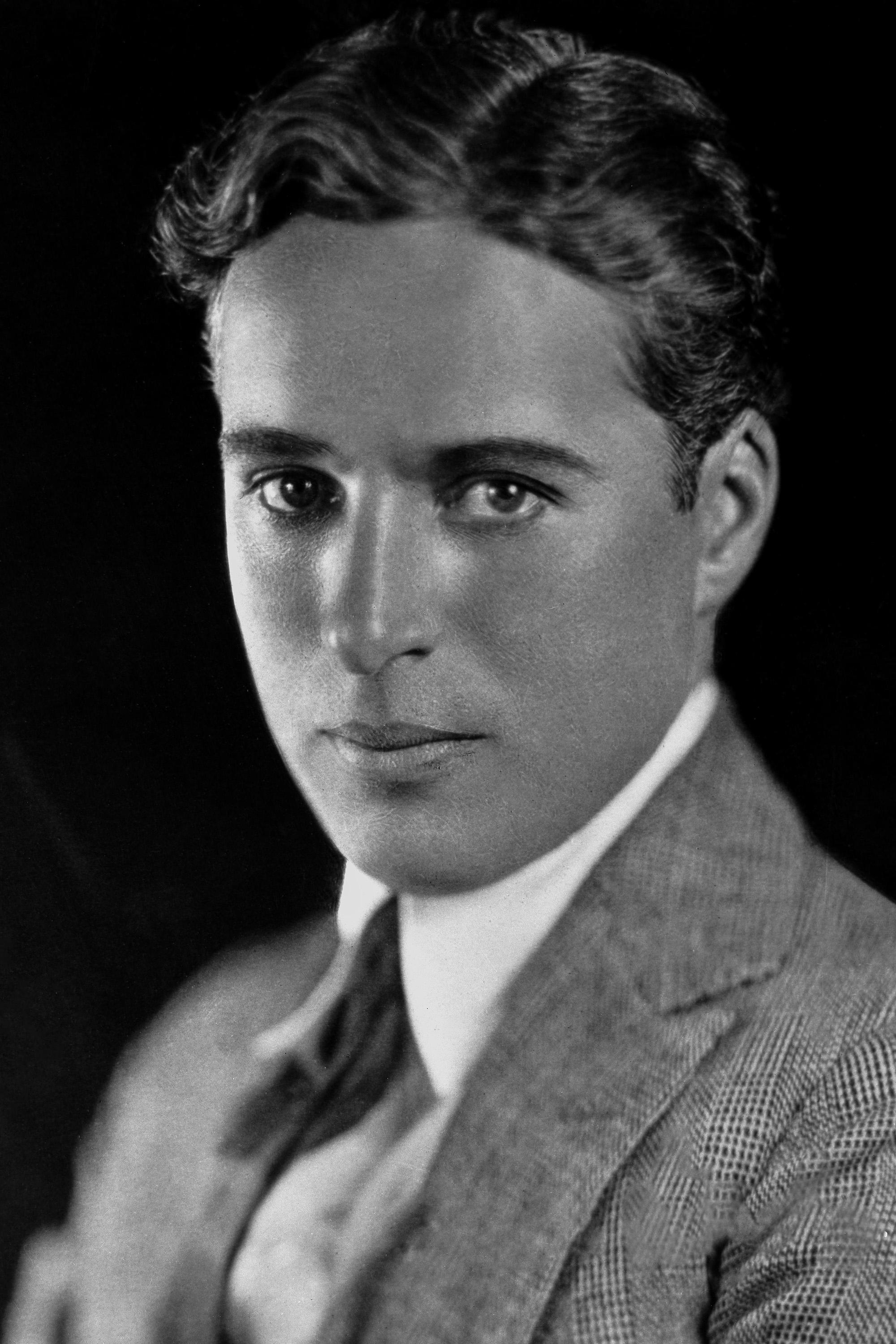
The legendary silent film star was investigated by the bureau for his supposed communist sympathies during the Red Scare. J. Edgar Hoover personally directed efforts to monitor his public statements and private associations for years. This surveillance eventually led to Chaplin being denied re-entry to the United States after a trip to London. He lived out much of his later life in Switzerland away from the reach of American intelligence agencies. His file serves as a primary example of how the government targeted performers for their political beliefs.
Rock Hudson
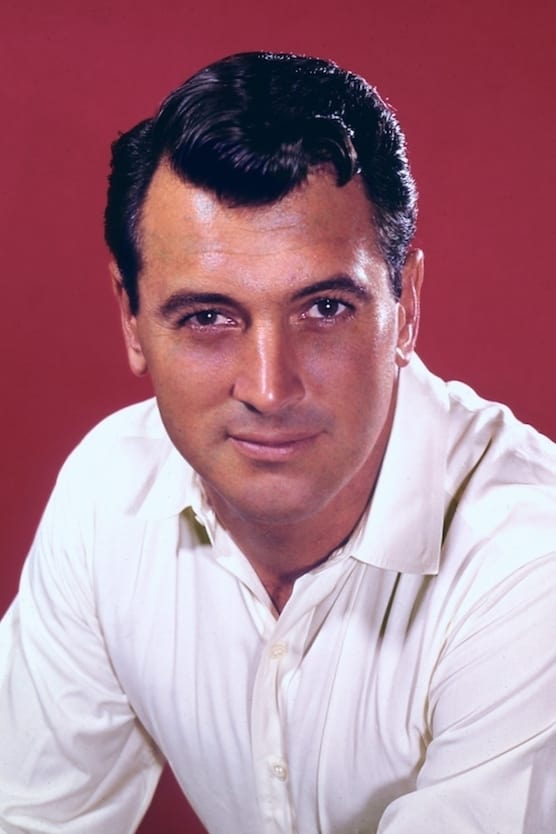
The bureau maintained a file on this actor that focused primarily on his private personal life during the height of his stardom. Agents documented rumors and reports regarding his lifestyle that were considered controversial at the time. This information was gathered during a period when the government monitored the moral conduct of major Hollywood celebrities. The files were eventually released through public records requests after his passing. He starred in iconic films such as ‘Giant’ and ‘Pillow Talk’ while being a subject of federal documentation.
Marlon Brando
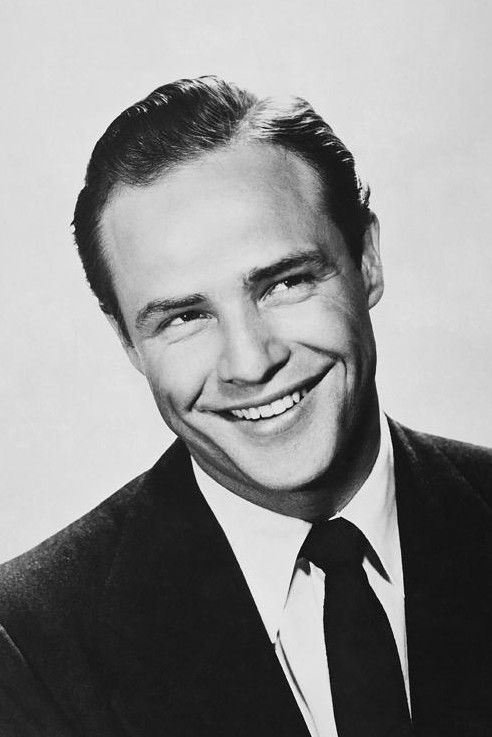
The star of ‘The Godfather’ was monitored due to his vocal support for various social and political movements. Agents kept track of his involvement with the American Indian Movement and his participation in civil rights protests. The bureau recorded his public speeches and travel to determine if he was linked to subversive organizations. His file grew as he used his fame to bring attention to issues that were considered radical by the government. Investigators documented his every move during several key moments in American social history.
Gene Kelly
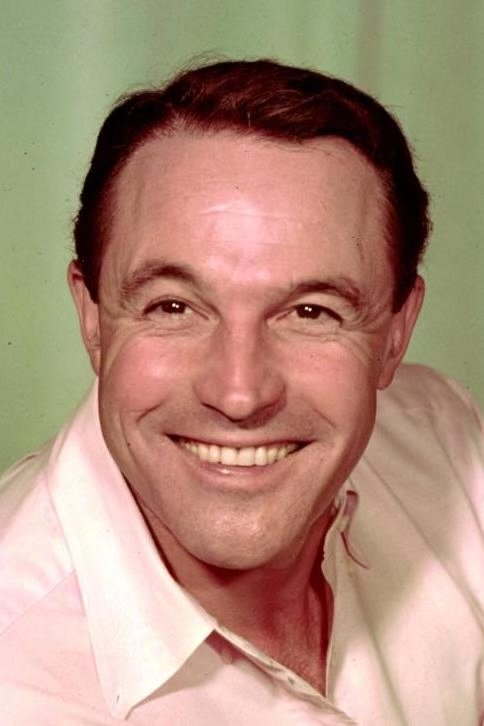
The famous dancer and actor was investigated during the mid twentieth century for his political leanings. The bureau was concerned about his participation in liberal organizations and his associations with blacklisted writers. Agents collected information on his financial contributions and his attendance at various political meetings. Despite the scrutiny he continued to thrive in Hollywood with classic films like ‘Singin in the Rain’. His file is a reflection of the intense political pressure placed on entertainers during the McCarthy era.
John Lennon
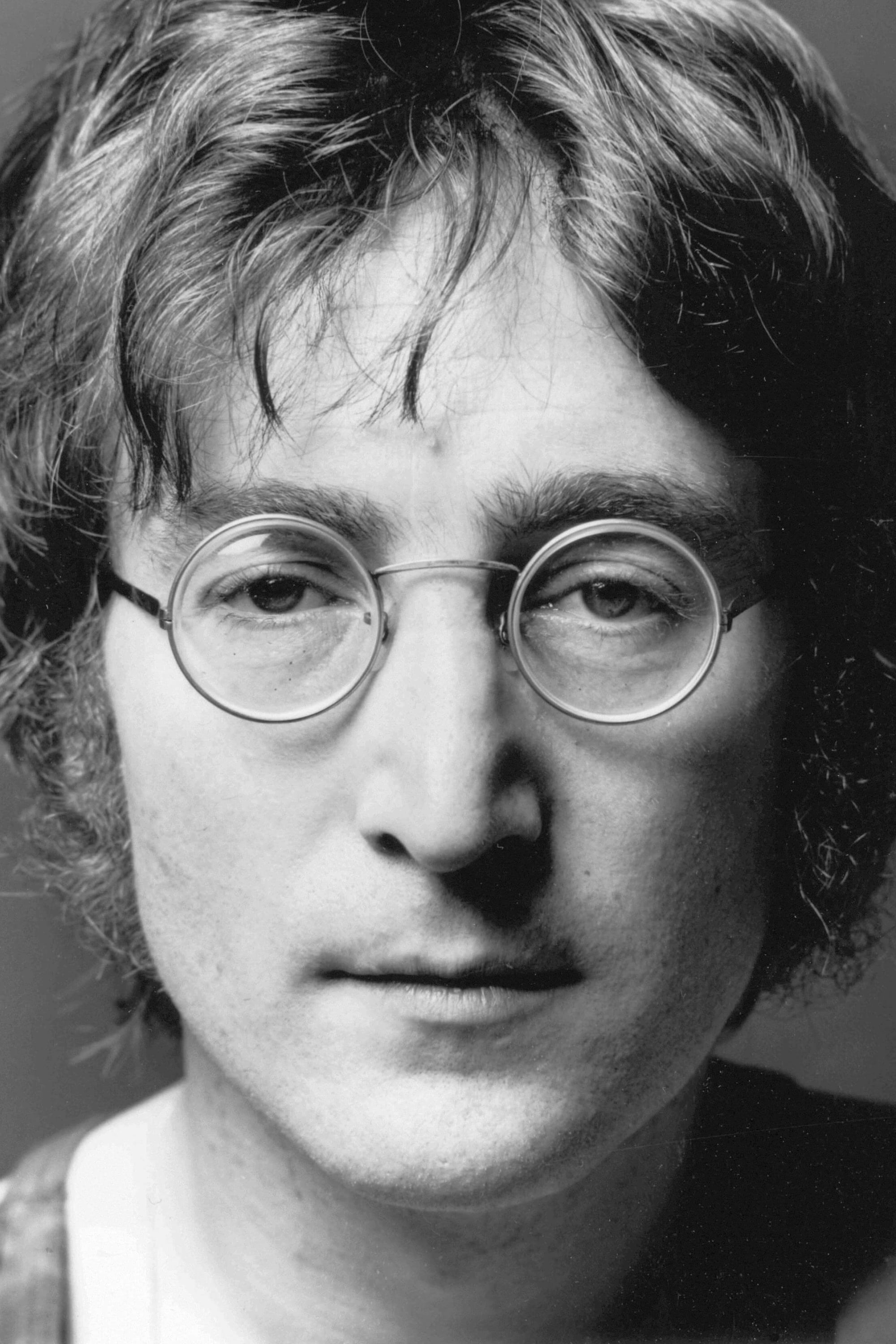
The celebrated performer was the subject of an intense investigation by federal authorities during his time in the United States. Agents monitored his anti war activities and his public influence over the youth culture of the era. The government even attempted to deport him based on information gathered during their surveillance. He appeared in films like ‘A Hard Days Night’ and ‘How I Won the War’ while dealing with government scrutiny. His file remains one of the most famous examples of political monitoring in the entertainment world.
Paul Newman
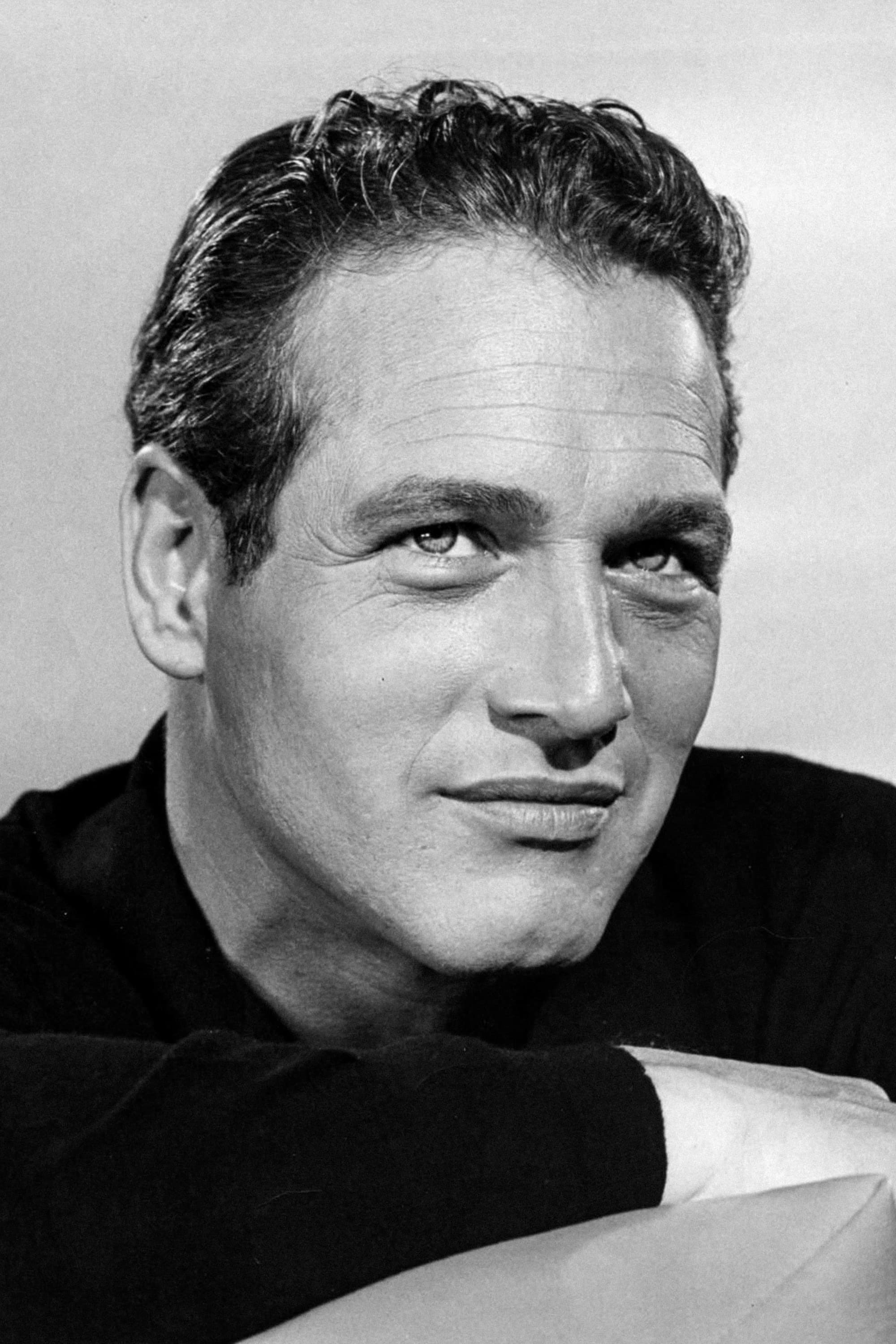
The star of ‘Cool Hand Luke’ was placed on a list of political enemies and monitored by federal agents. His involvement in liberal causes and his opposition to the Vietnam War made him a person of interest to the bureau. Agents documented his donations and his participation in political conventions across the country. The file highlights how the government kept tabs on actors who were seen as influential critics of administration policies. He managed to maintain a legendary career in cinema while being a subject of official government records.
Errol Flynn
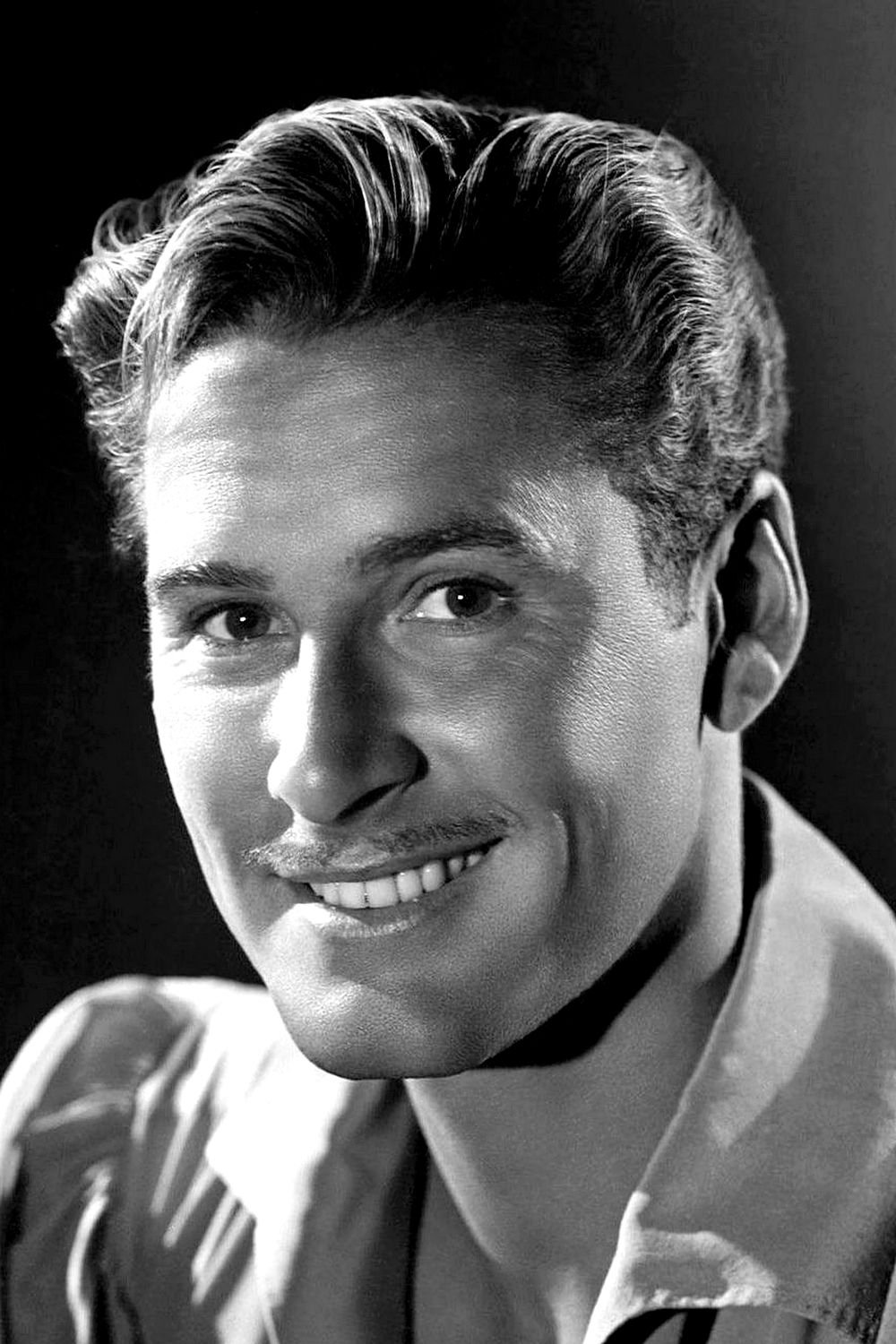
The agency opened a file on the swashbuckling star of ‘The Adventures of Robin Hood’ due to his personal conduct and international travel. Documents suggest that investigators were concerned about his possible connections to foreign intelligence agents during World War II. The bureau collected information about his lifestyle and the various social circles he moved in across different countries. No definitive evidence of espionage was ever discovered in the reports gathered by the agents. The file remains a testament to the level of suspicion directed at Hollywood celebrities with global connections.
Burt Lancaster
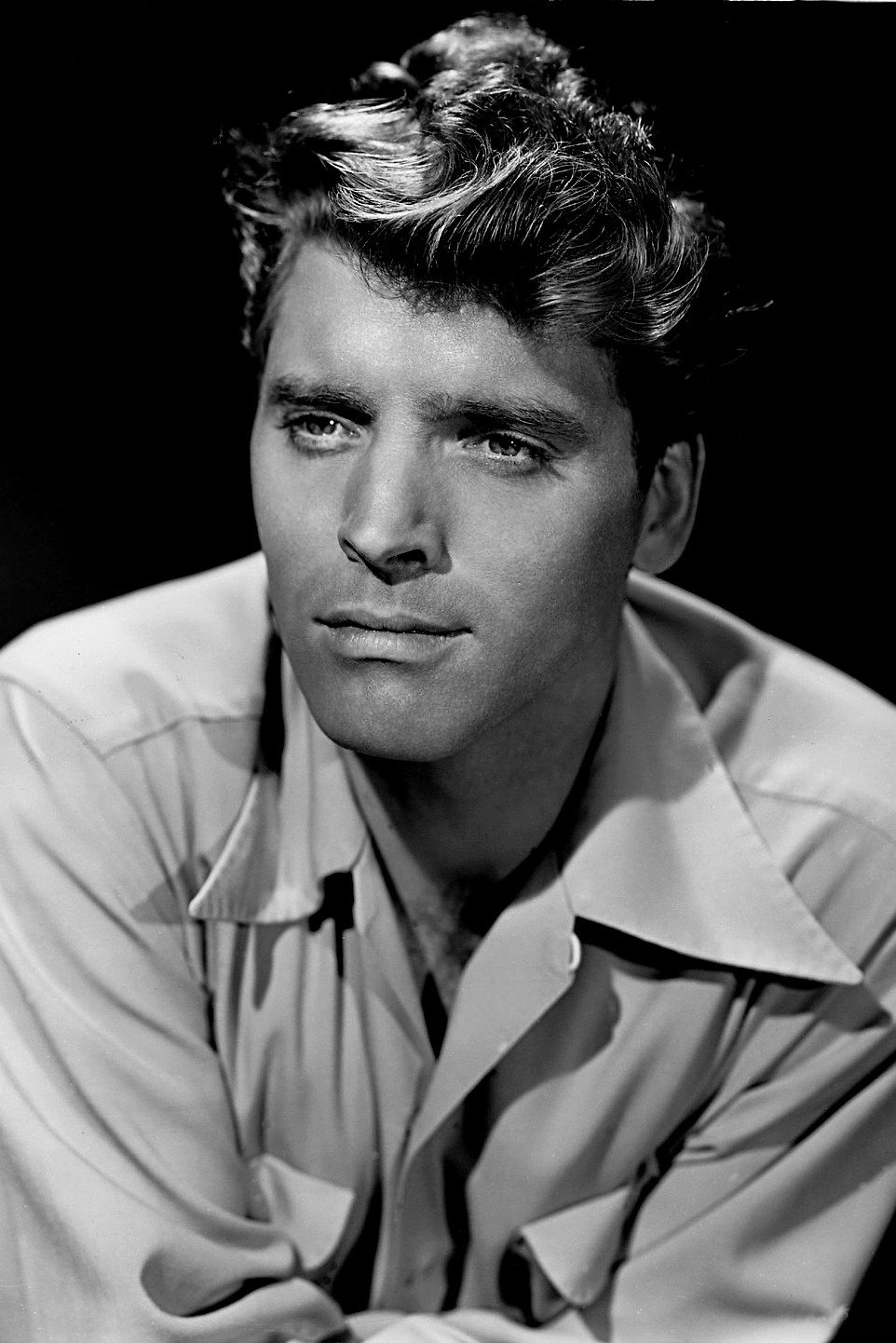
The star of ‘From Here to Eternity’ was monitored for several decades because of his political activism. Agents tracked his support for civil rights and his involvement in groups that were deemed suspicious by the bureau. The file contains reports on his public speeches and his efforts to promote social change through his celebrity status. Investigators were particularly interested in his refusal to cooperate with certain government inquiries during the Cold War. He remained a major force in Hollywood despite the constant documentation of his personal beliefs.
John Wayne
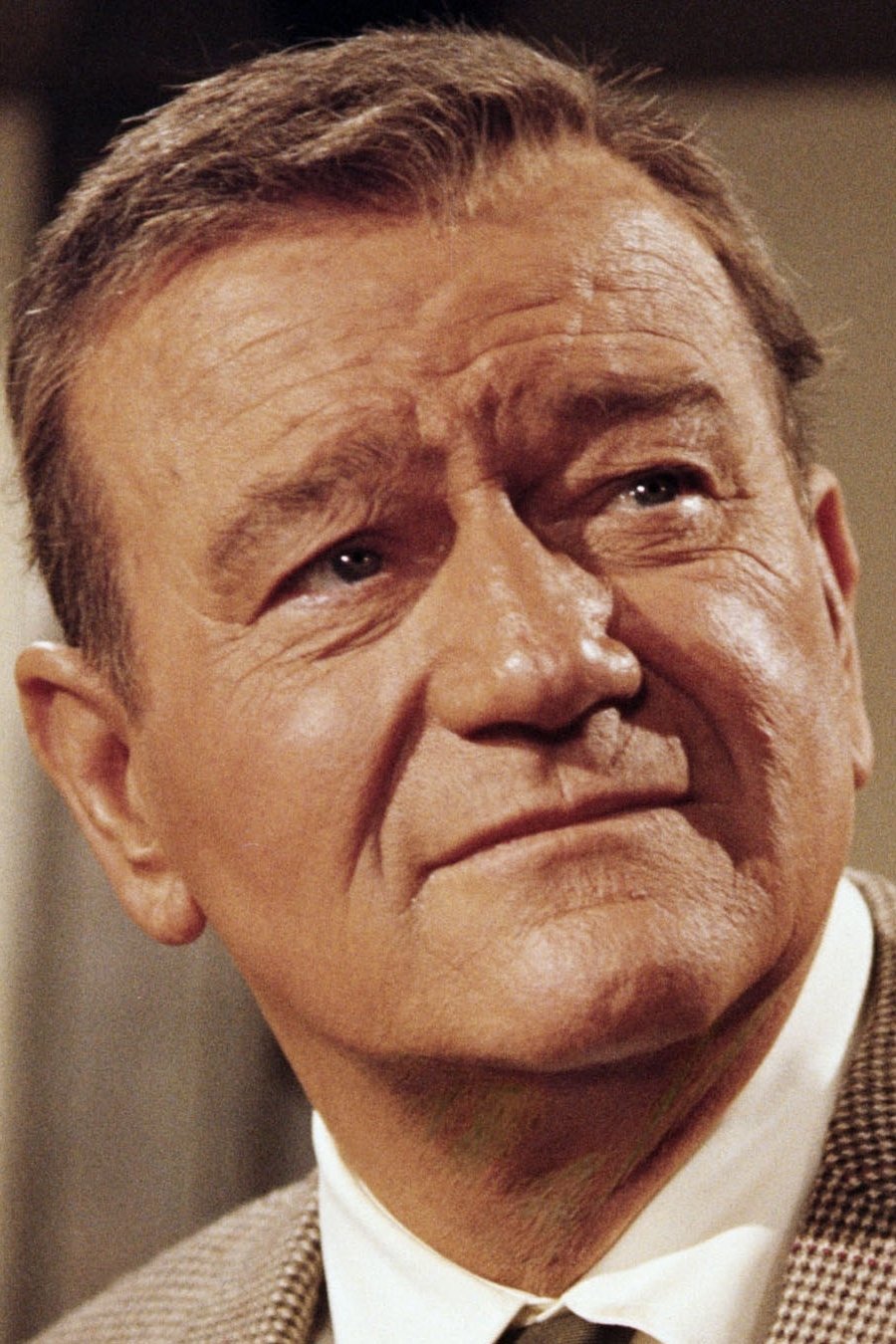
The legendary star of ‘The Searchers’ had a file that focused on his political involvement and public statements. Agents took note of his firm stance on national security issues and his involvement with conservative political groups in Hollywood. The bureau also investigated potential threats made against the actor due to his visibility and influence. Much of the information collected pertained to his role as a public figure during the height of the Cold War. The file demonstrates that even the most patriotic actors were subject to government record keeping.
Groucho Marx
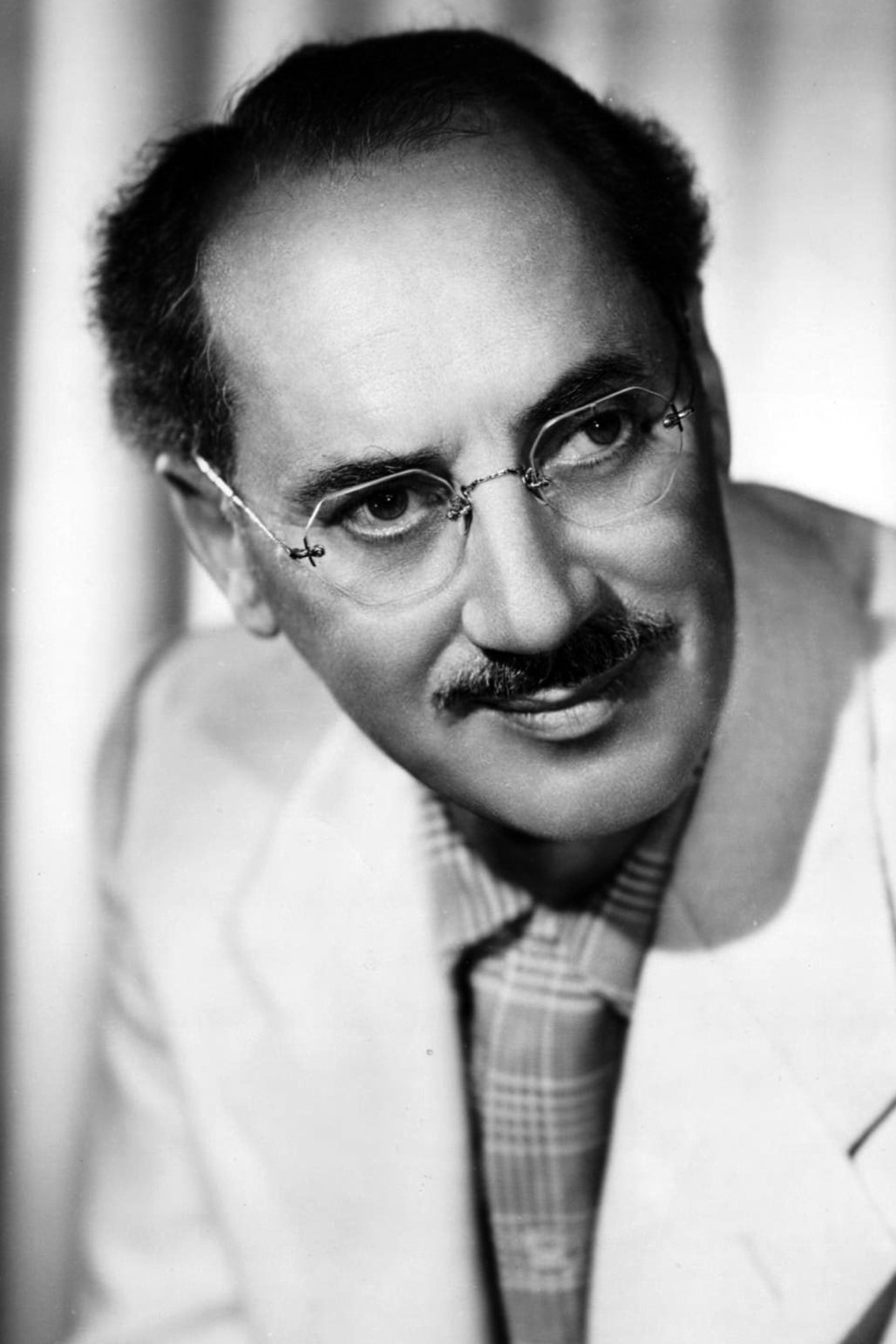
The famous comedian and star of ‘Duck Soup’ was investigated for his satirical humor and political views. The bureau kept a file on him that detailed his perceived leanings toward socialist ideologies. Agents monitored his public appearances and his interactions with other figures who were under government suspicion. The file often highlighted his jokes as evidence of a subversive attitude toward American institutions. His career continued to flourish even as the government kept a wary eye on his comedic output.
Humphrey Bogart
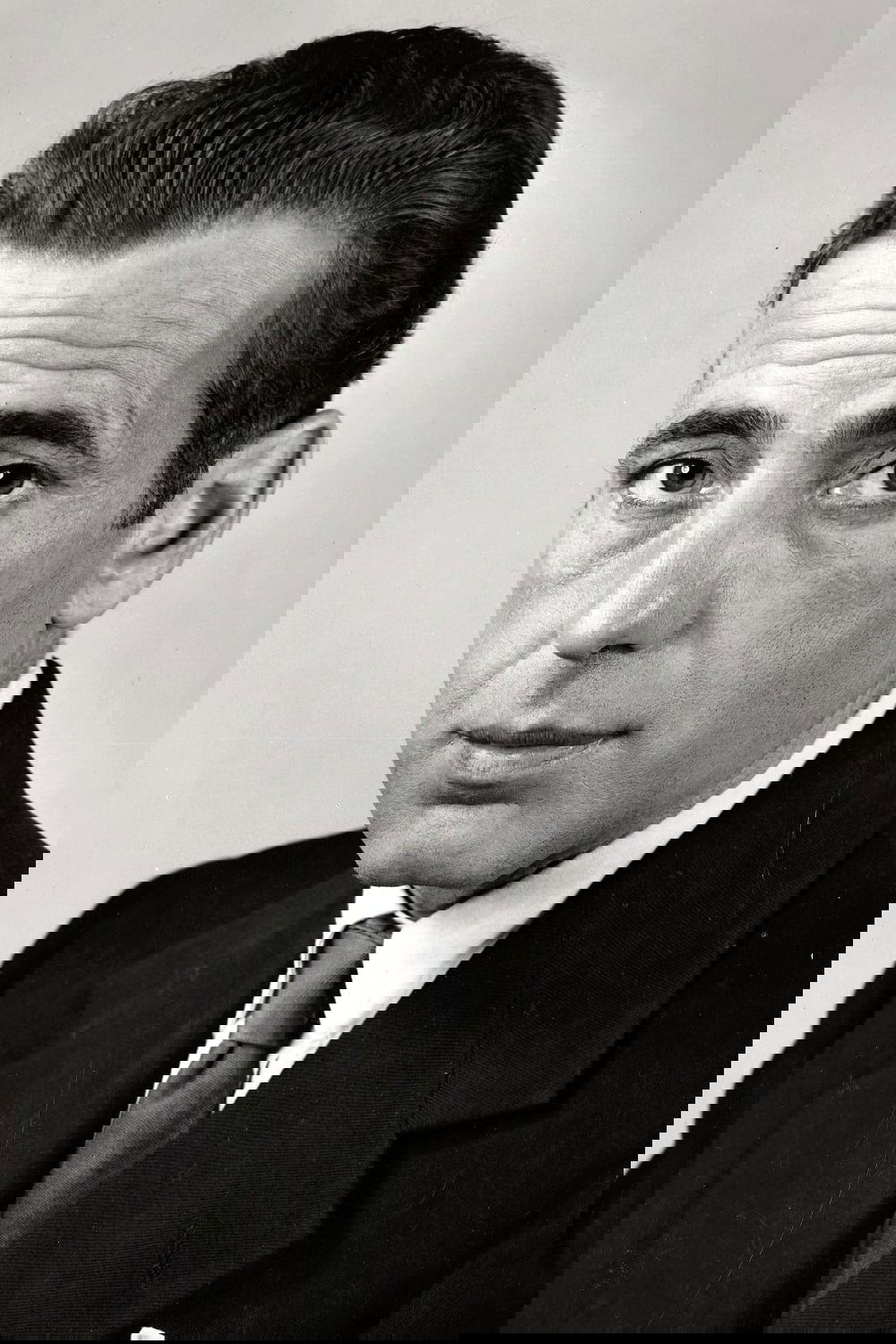
The iconic star of ‘Casablanca’ was monitored after he publicly protested against the House Un-American Activities Committee. He led a group of actors to Washington to support those who had been blacklisted by the industry. The bureau documented his travel and his statements regarding the importance of free speech for performers. Agents were concerned that his influence would encourage others to defy government investigations. His file reflects the tension between the Hollywood community and the government during the late nineteen forties.
James Cagney
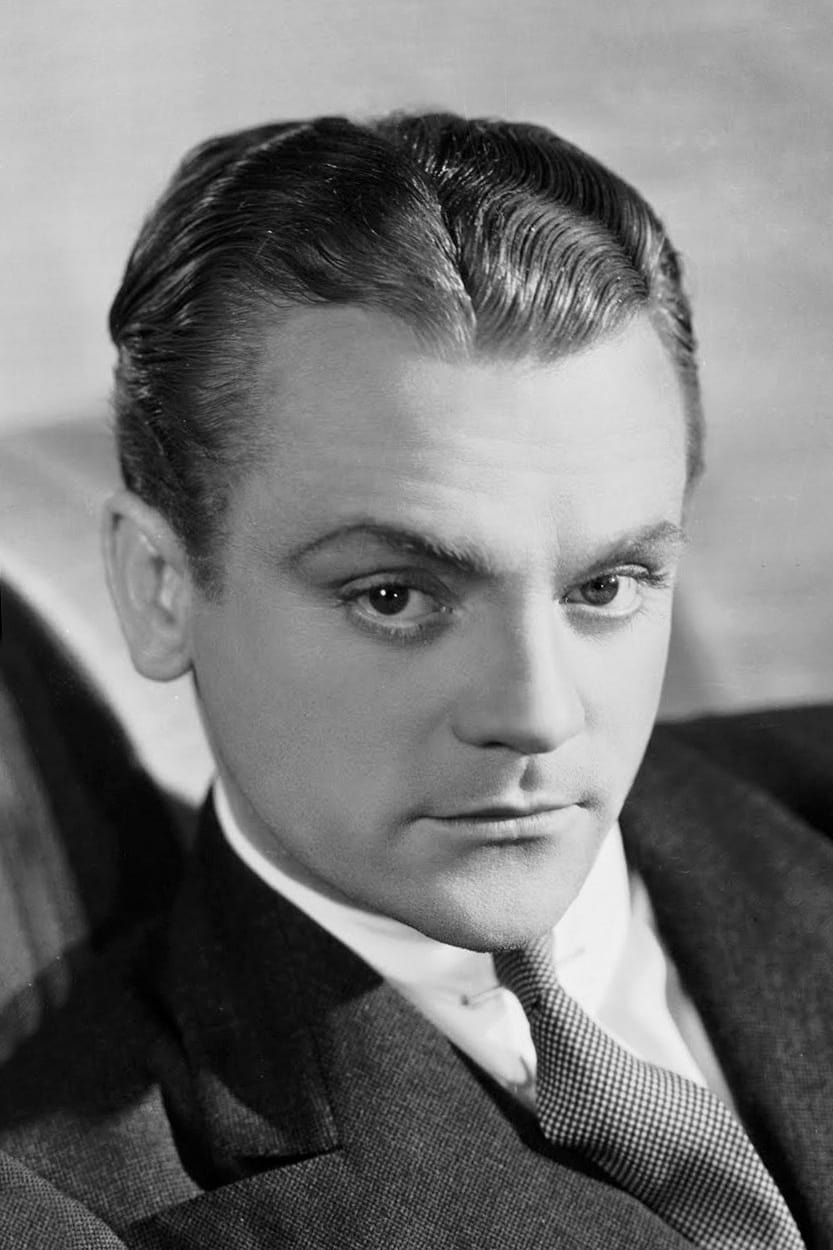
The star of ‘White Heat’ was under surveillance because of his earlier involvement in labor movements and social causes. Agents investigated claims that he had supported organizations linked to radical political groups. The bureau interviewed several people from his past to determine the extent of his political commitment. He eventually addressed these concerns through public statements and work on patriotic films. His file provides a look at how early Hollywood careers were often scrutinized for any sign of radicalism.
Orson Welles
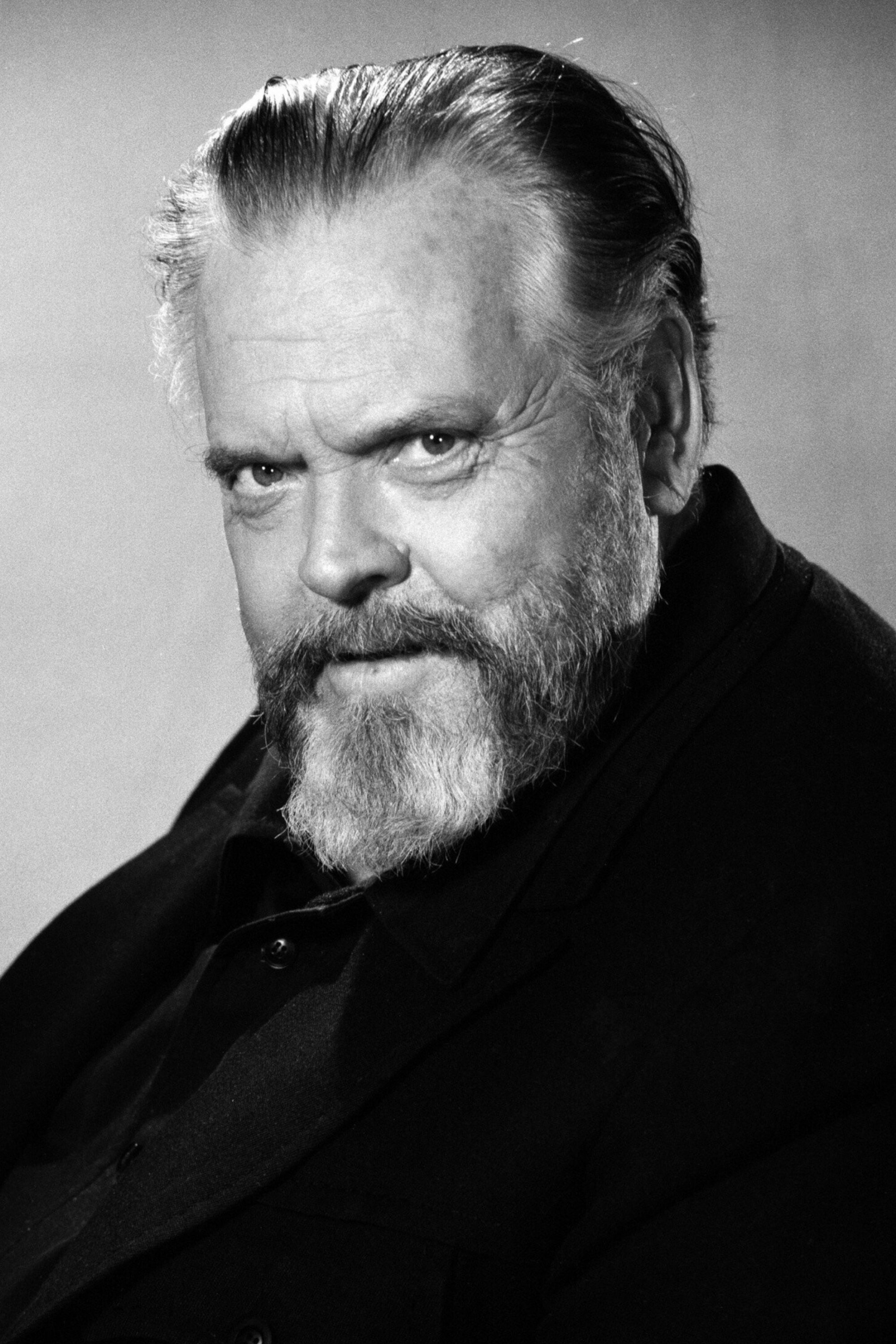
The director and actor of ‘Citizen Kane’ was investigated for many years due to his progressive political views. The bureau considered him a potential threat because of his ability to influence public opinion through media. Agents followed his international travels and monitored his creative projects for subversive themes. His file grew significantly as he moved between countries and continued to speak out on social issues. The documentation shows that the government remained interested in his activities long after his initial rise to fame.
Gregory Peck

The star of ‘To Kill a Mockingbird’ was monitored because of his active role in various humanitarian and political causes. Agents kept records of his support for civil rights and his public opposition to certain government policies. The bureau was interested in the organizations he supported and the people he associated with in political circles. His file suggests that his status as a trusted public figure made him a subject of interest for federal investigators. He remained a respected icon of the industry while his activities were being documented by the government.
Edward G. Robinson
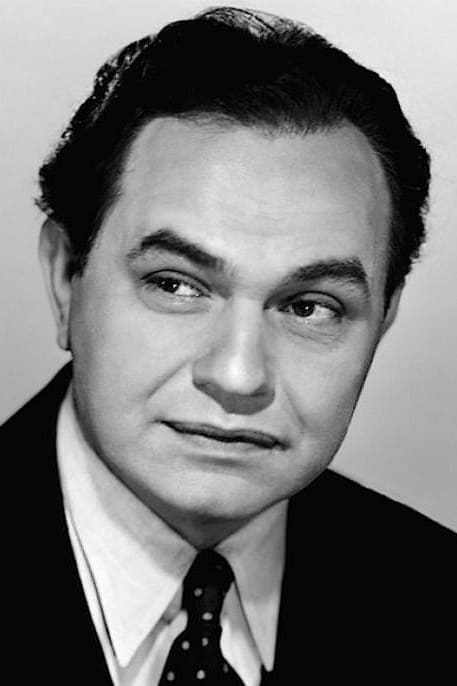
The famous actor known for ‘Little Caesar’ faced significant scrutiny for his alleged ties to radical political groups. The bureau documented his contributions to various social causes and his presence at political rallies. This surveillance led to his inclusion on unofficial blacklists that briefly affected his film career. Agents interviewed numerous associates to gather information about his private political affiliations. He eventually fought to clear his name and resumed his career after a period of intense government pressure.
Sterling Hayden
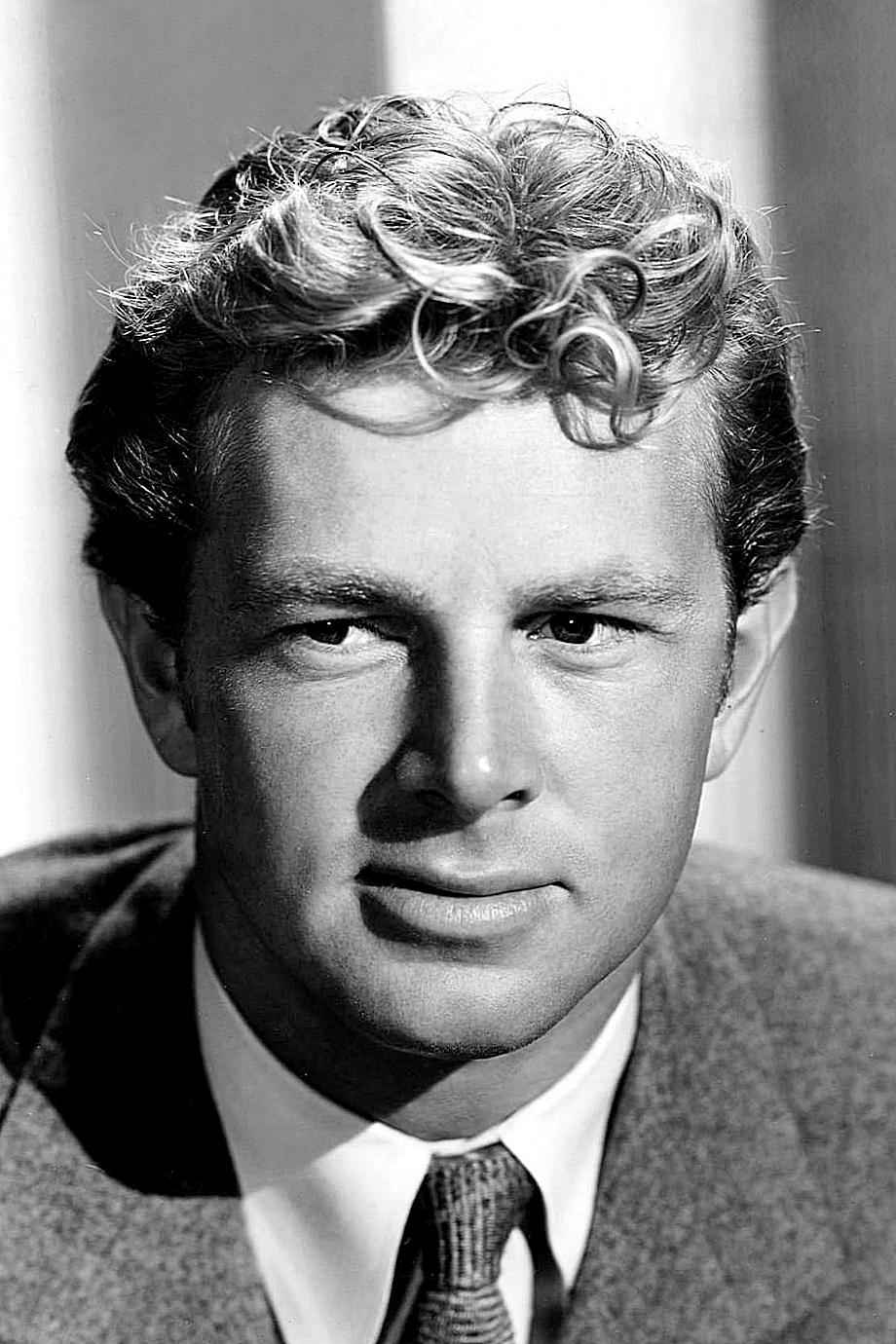
The star of ‘The Asphalt Jungle’ had a file that was deeply tied to his military service and his political evolution. He was monitored because of his brief membership in the Communist Party and his subsequent testimony before government committees. Agents kept track of his personal life and his decision to live a nomadic lifestyle on a boat for several years. The file provides a detailed look at the internal conflict of an actor caught between his convictions and the pressure of the state. His records are among the more personal and detailed files kept on a Hollywood performer.
Zero Mostel
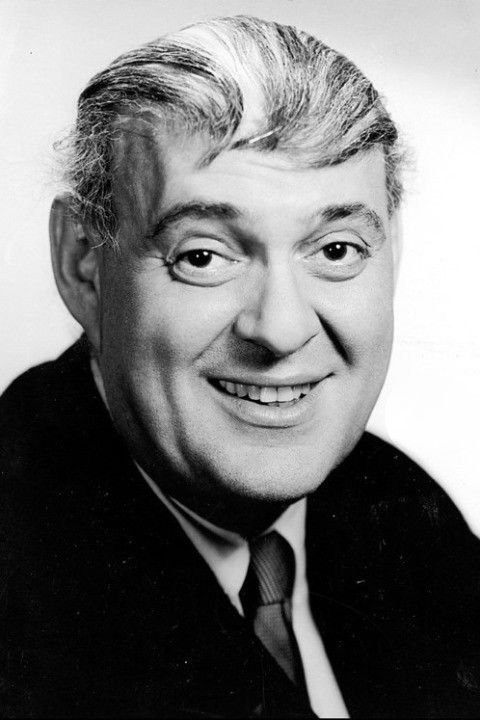
The star of ‘The Producers’ was blacklisted for several years and was a frequent subject of bureau reports. Agents documented his refusal to provide information to government committees and his associations with other blacklisted performers. The file contains records of his professional struggles during the years he was unable to work in major films. Investigators monitored his stage performances and public statements during his period of forced exile from Hollywood. He eventually made a triumphant return to the screen while the records of his past remained in federal archives.
Dalton Trumbo
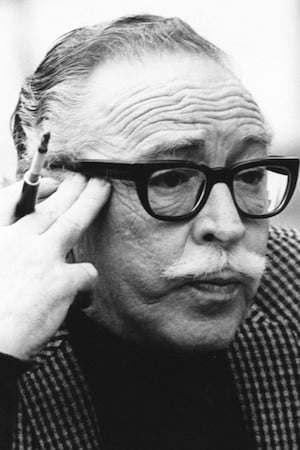
The famous screenwriter and actor was a primary target of government surveillance during the era of the Hollywood Ten. The bureau documented his every move as he fought against the industry blacklist and continued to write under aliases. Agents were interested in his leadership role within the group of performers who resisted government pressure. His file is filled with details about his professional defiance and his eventual success in breaking the blacklist. He appeared in films like ‘Papillon’ while continuing to be a symbol of resistance against government overreach.
Paul Robeson
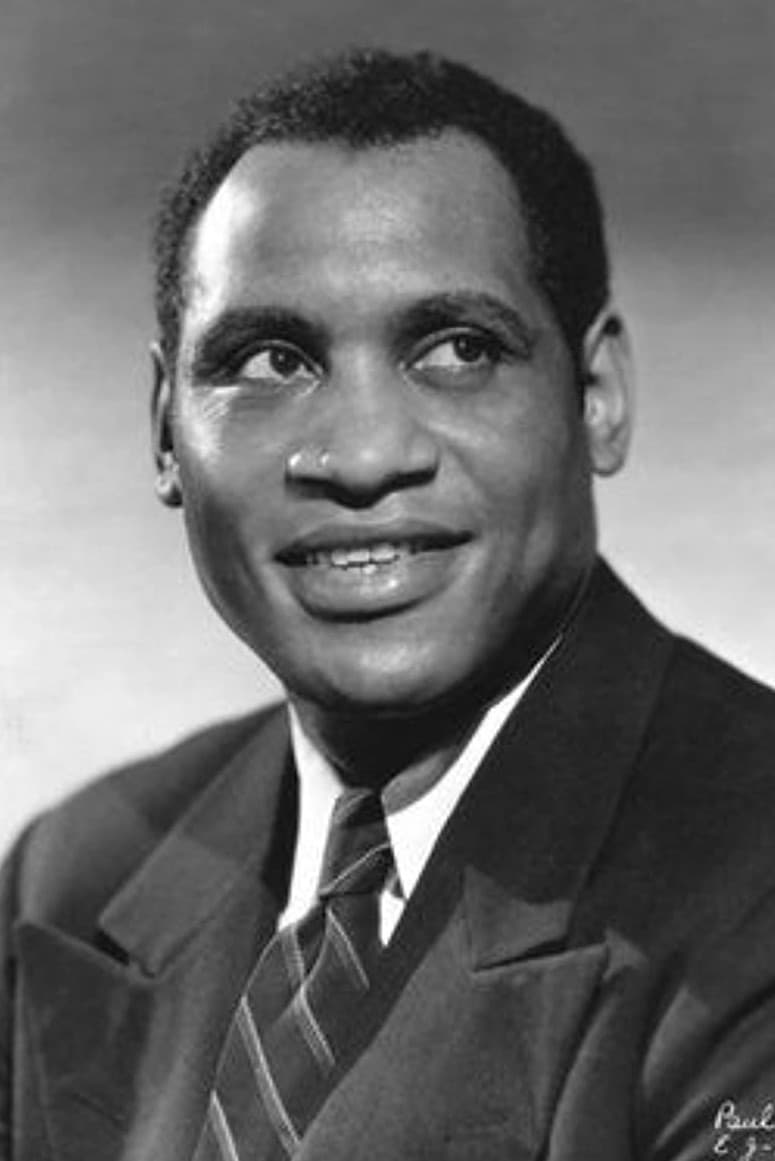
The celebrated actor and singer was subject to some of the most intense surveillance in the history of the bureau. Agents monitored his international travels and his vocal support for Soviet policies and civil rights. The government eventually revoked his passport and worked to dismantle his career both in the United States and abroad. He was a prominent figure in films like ‘Show Boat’ before his career was effectively halted by government intervention. His file is a massive collection of reports documenting his life as a global activist and performer.
Ossie Davis
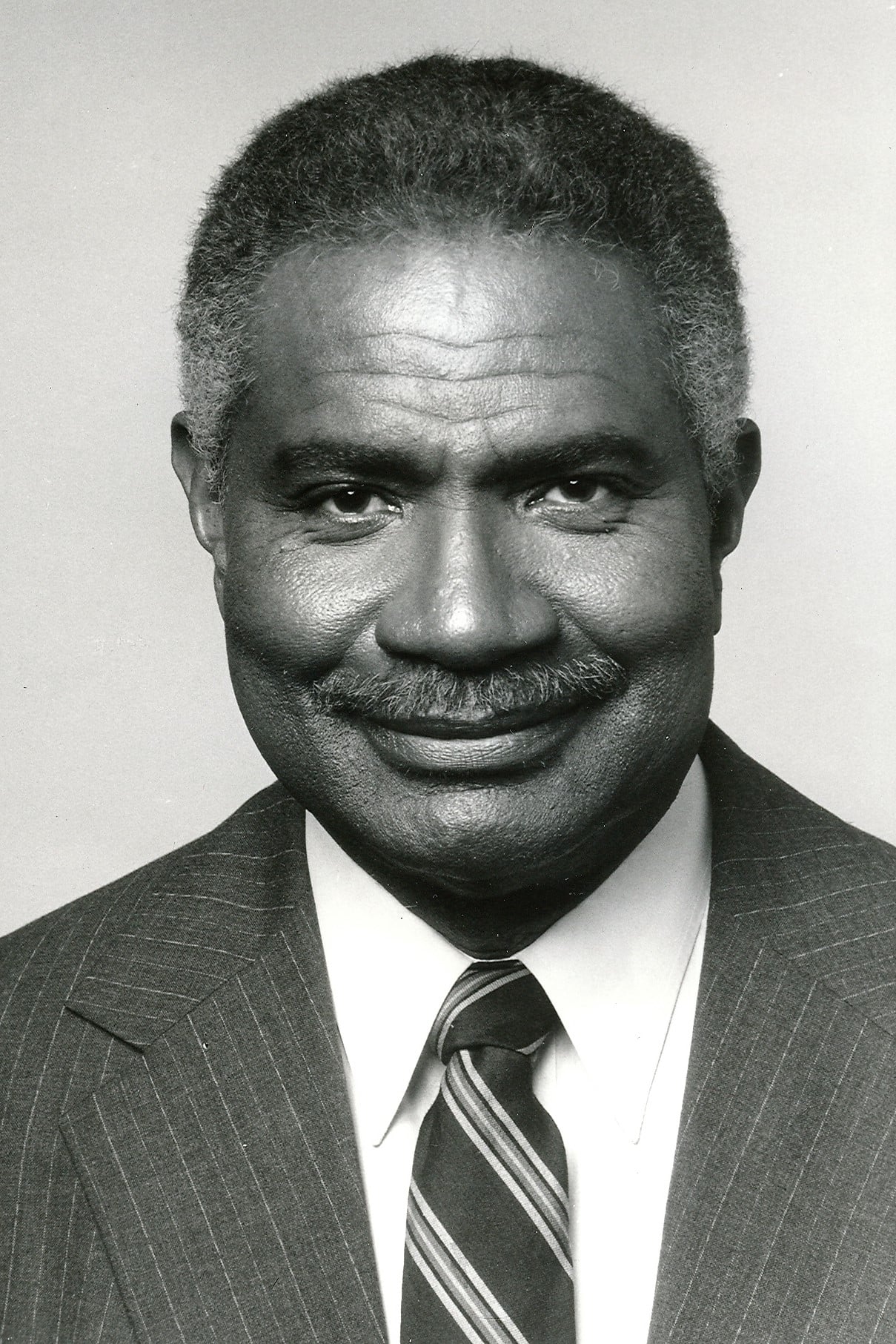
The respected actor and activist was monitored for several decades due to his leadership in the Civil Rights Movement. Agents documented his participation in marches and his associations with other prominent leaders like Martin Luther King Jr. The bureau was interested in how he used his platform as a performer to advance social justice causes. He appeared in numerous films like ‘Do the Right Thing’ while remaining a subject of federal interest. His file provides a clear record of the government surveillance directed at Black entertainers who were also activists.
Harry Belafonte

The legendary performer and actor was under constant surveillance because of his central role in social activism. The bureau monitored his financial support for civil rights organizations and his close relationship with political leaders. Agents followed him to events and documented his public speeches regarding racial equality and justice. His file is extensive and details how the government viewed his influence as a major threat to the status quo. He remained a major figure in films like ‘Carmen Jones’ even as the agents tracked his every move.
Peter Lawford
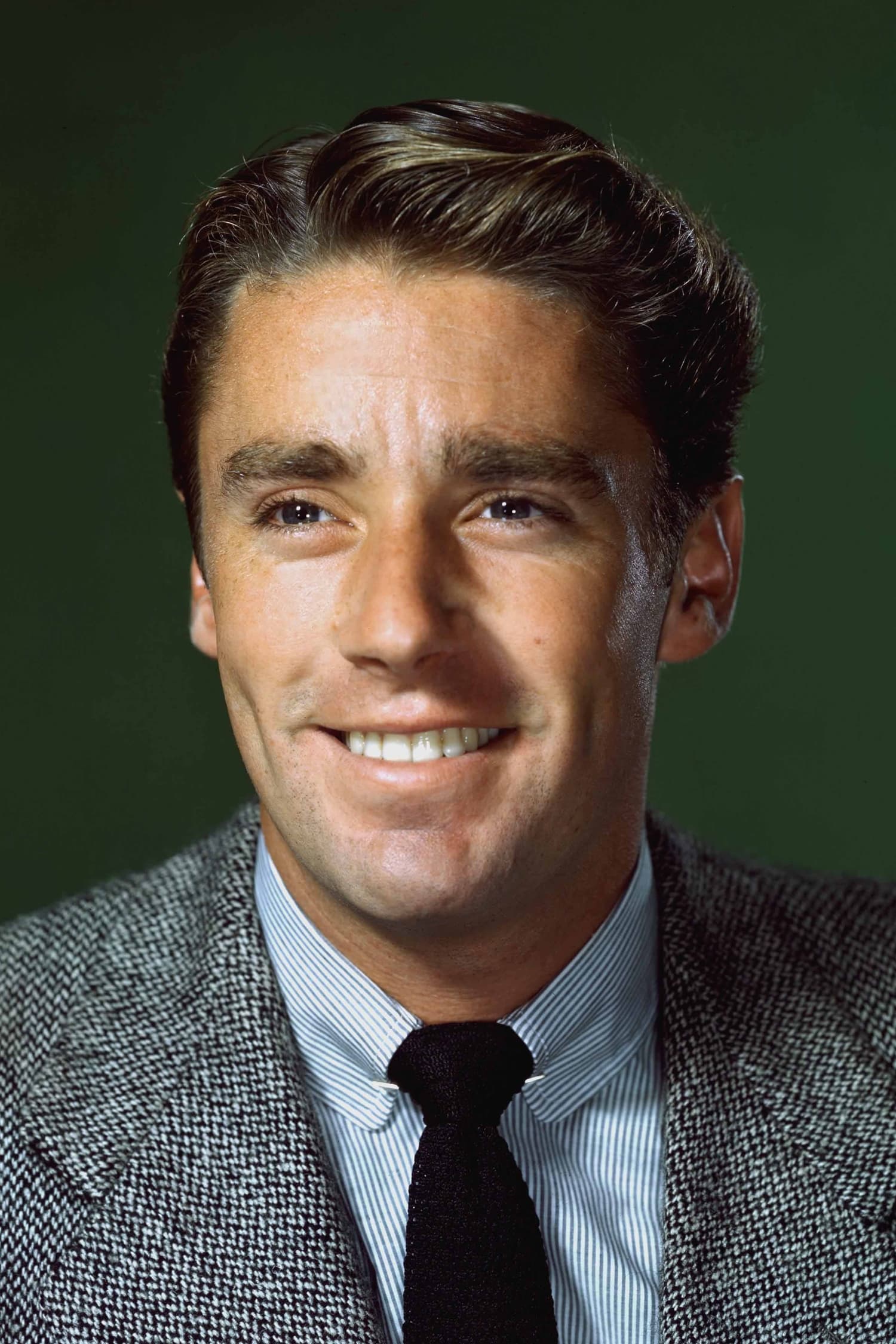
The actor and member of the Rat Pack was of interest to the bureau due to his connection to the Kennedy family. Agents monitored his social life and his role as a bridge between the Hollywood elite and the political establishment. The file contains information about his various associations and the potential for his influence to affect government affairs. Much of the documentation focuses on his personal conduct and the high profile social circles he frequented. He starred in films like ‘Ocean’s 11’ while being part of a larger federal investigation into the lives of the wealthy and powerful.
Sammy Davis Jr.
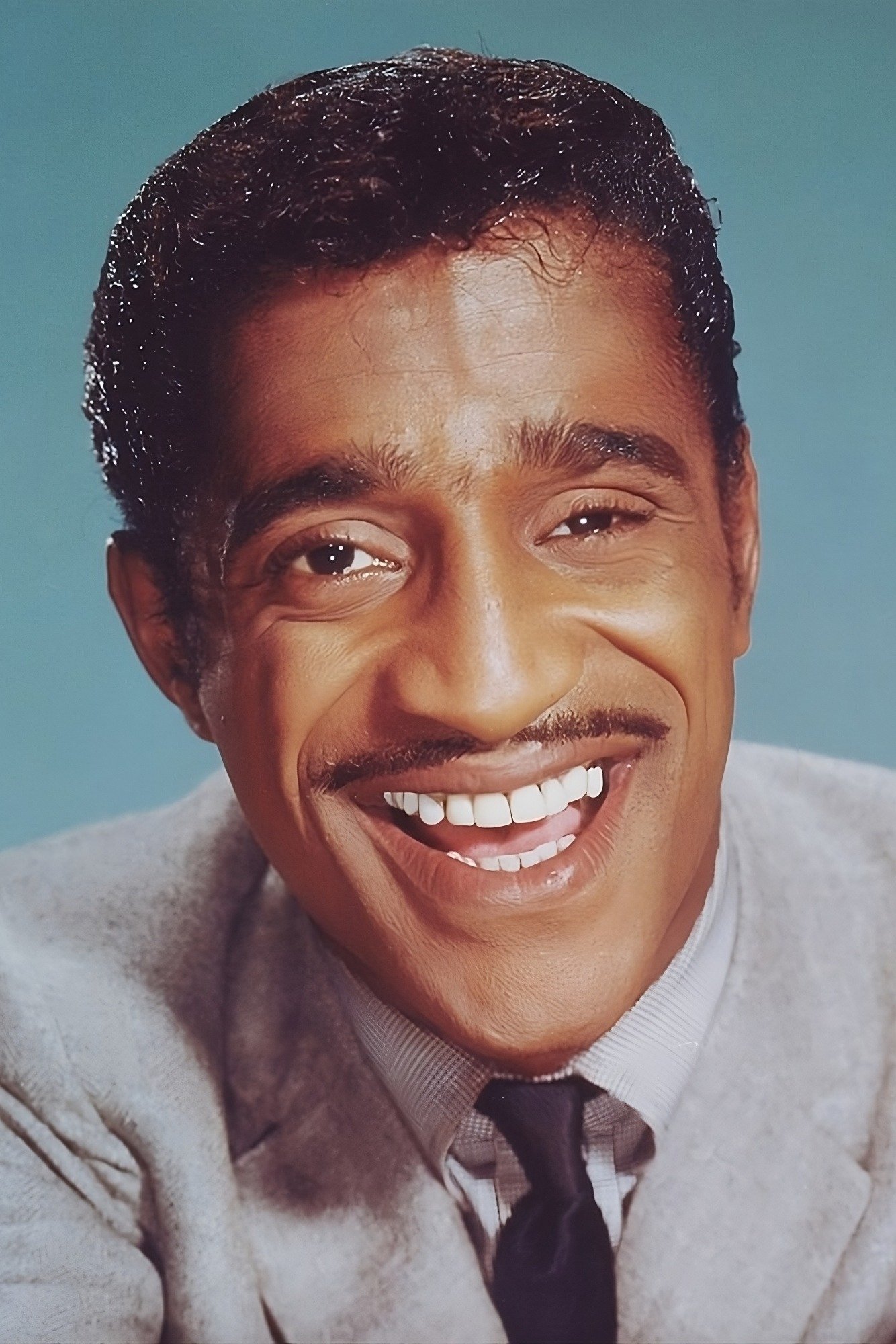
The versatile entertainer was monitored by the bureau for his associations and his personal life. Agents documented his friendship with Frank Sinatra and his involvement with prominent political figures. The file also contains reports on his interactions with individuals suspected of having ties to organized crime. Investigators were interested in how his fame and personal connections could be used to influence public perception. He remained one of the most popular stars in the world despite the persistent interest of federal agents in his private affairs.
Dean Martin
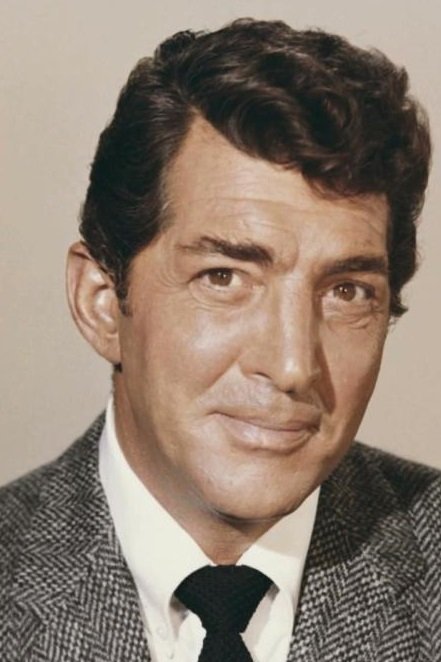
The star of ‘Rio Bravo’ was included in bureau investigations that focused on the social circles of the Rat Pack. Agents collected information on his associations with individuals who were under surveillance for criminal activities. The file documents his travel and the various venues where he performed across the country. While the records do not suggest he was involved in illegal acts they show how closely the government followed his career. He maintained a relaxed public persona while federal agents meticulously documented his professional and personal relationships.
Desi Arnaz
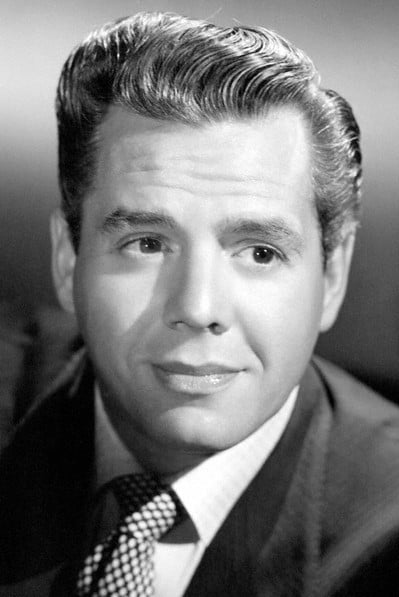
The actor and producer known for ‘I Love Lucy’ was monitored due to his background and his position of power in Hollywood. Agents were interested in his international connections and his influence as a studio head at Desilu Productions. The file contains reports on his travel and his business dealings within the entertainment industry. Investigators also looked into his personal life and the various social organizations he supported. He was a pioneer in television who managed to build an empire while being a subject of federal record keeping.
Mickey Rooney
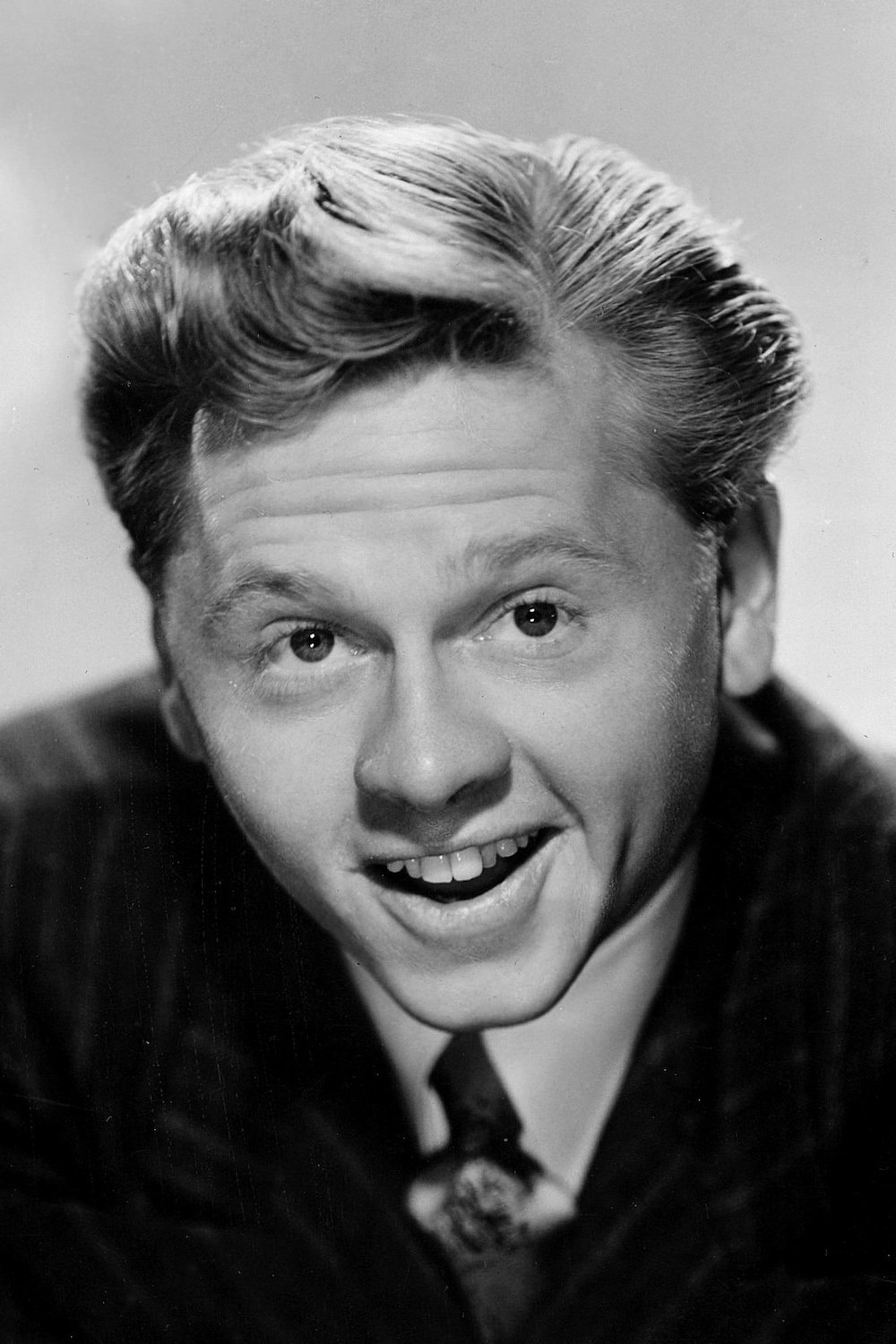
The child star turned veteran actor appeared in a bureau file that documented his various personal and financial challenges. Agents tracked his interactions with individuals suspected of illegal activities and monitored his frequent trips to gambling establishments. The documentation reflects the federal interest in the private lives of major studio stars who might be vulnerable to outside influence. Investigators noted his professional successes in ‘The Human Comedy’ while continuing to monitor his personal conduct. The records provide a look into the ways the government followed the private lives of public icons.
Sidney Poitier
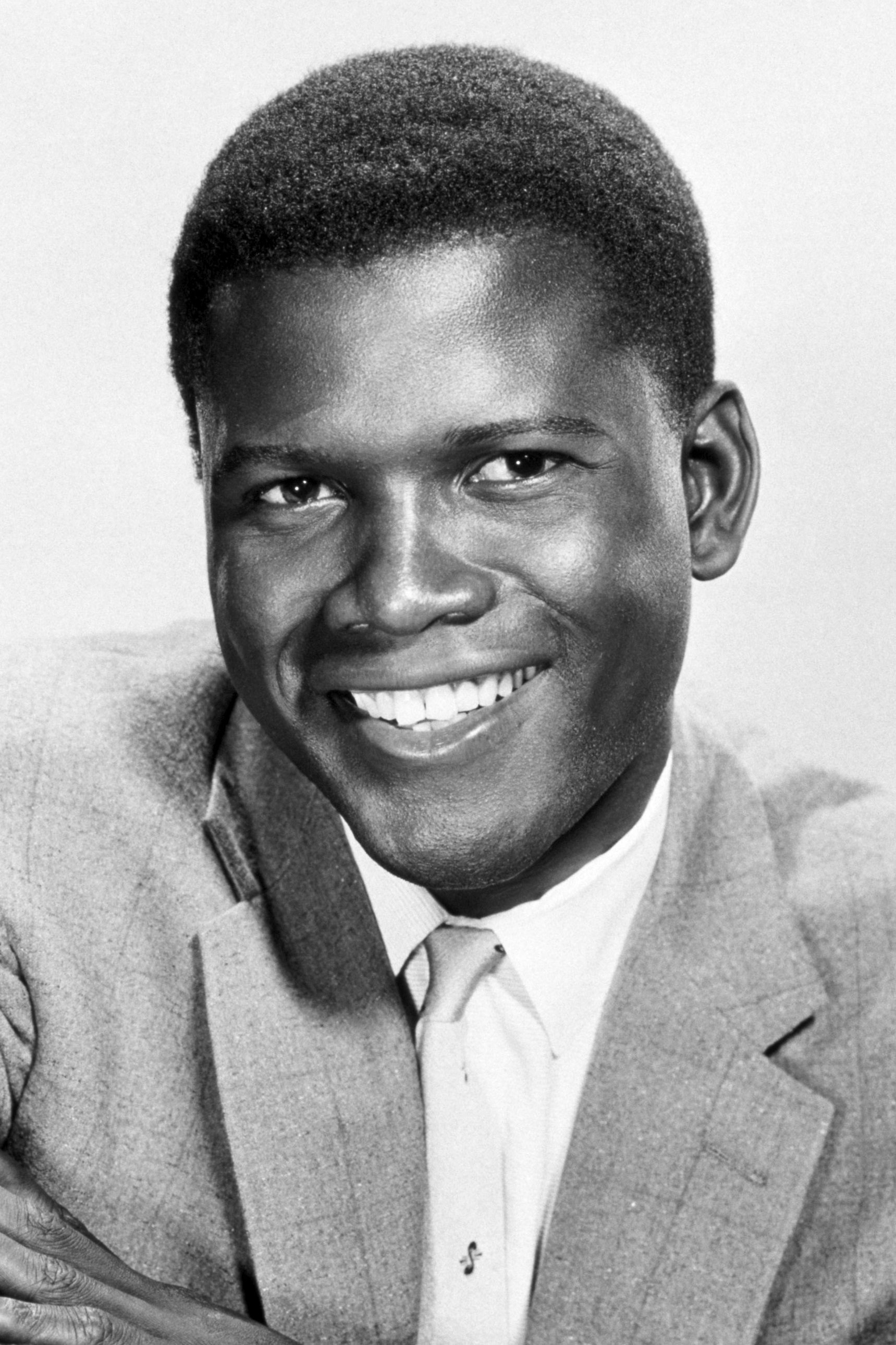
The federal government kept a close watch on this trailblazing actor during the peak of the Civil Rights Movement. Agents were interested in his public support for social justice causes and his associations with other prominent activists. The documents reveal that the bureau monitored his speeches and travel to ensure he was not being influenced by subversive organizations. He continued to lead a distinguished career in films like ‘Lilies of the Field’ despite being under surveillance. His file highlights the scrutiny faced by prominent Black performers during a volatile era in American history.
Burgess Meredith
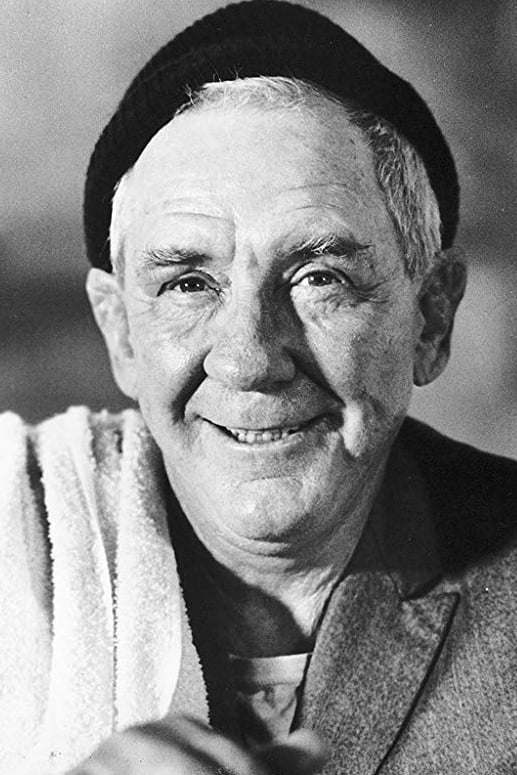
The actor known for his role in ‘Rocky’ was under surveillance for many years because of his political affiliations. The bureau investigated his involvement with various liberal organizations and his past associations with blacklisted individuals. Agents collected information on his professional activities and his public statements regarding government policies. The file contains details about his time on the Hollywood blacklist and his eventual return to mainstream success. He remained a prolific performer even as the government maintained records of his earlier political life.
Henry Fonda
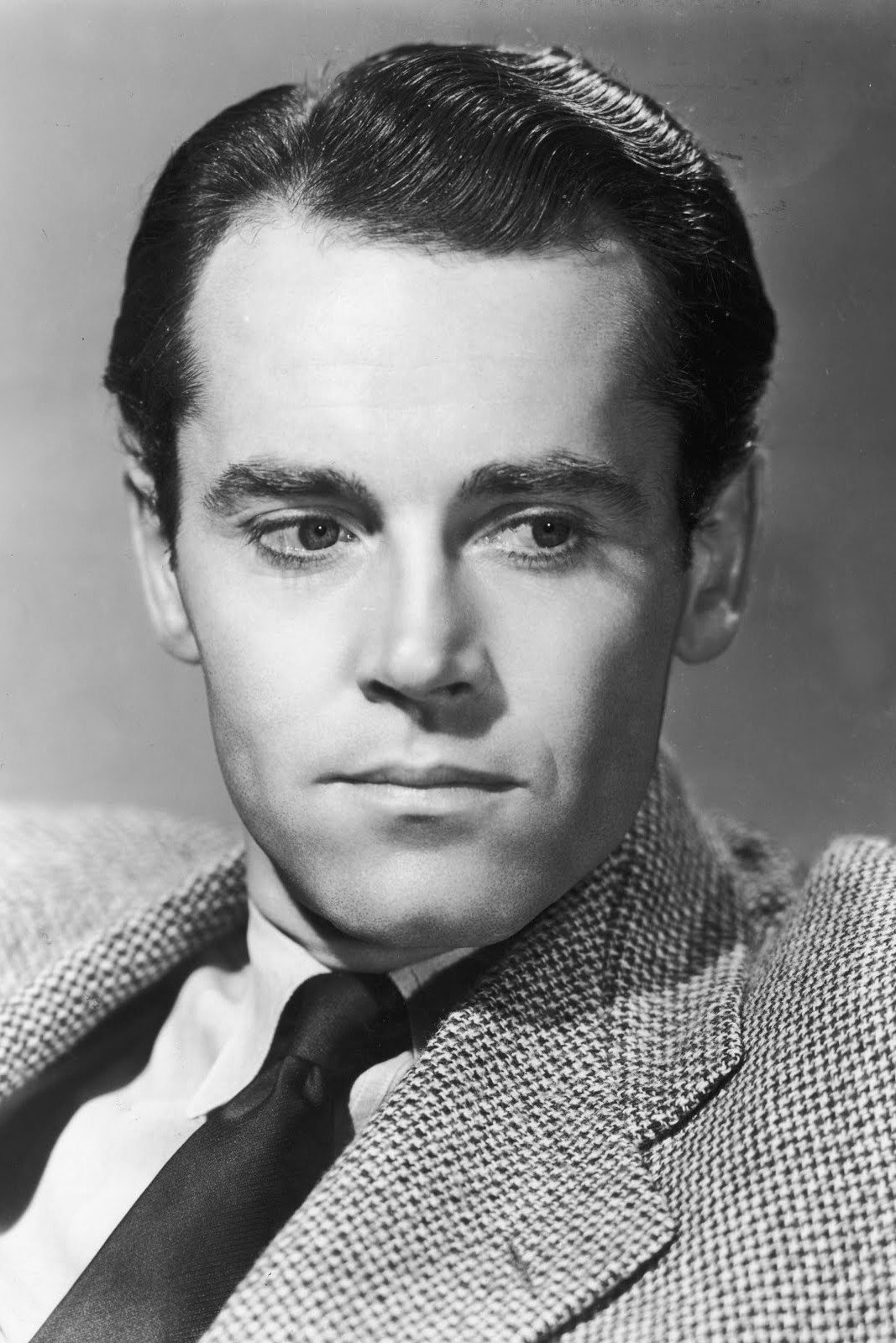
The star of ’12 Angry Men’ was monitored for a period of time due to his support for certain political causes. Agents tracked his involvement in organizations that were critical of government actions during the mid twentieth century. The file includes reports on his public appearances and his interactions with other liberal activists in the film industry. Investigators were interested in whether his public image was being used to promote specific political agendas. He continued to be one of the most respected actors in Hollywood while his files were being maintained by the bureau.
Robert Montgomery
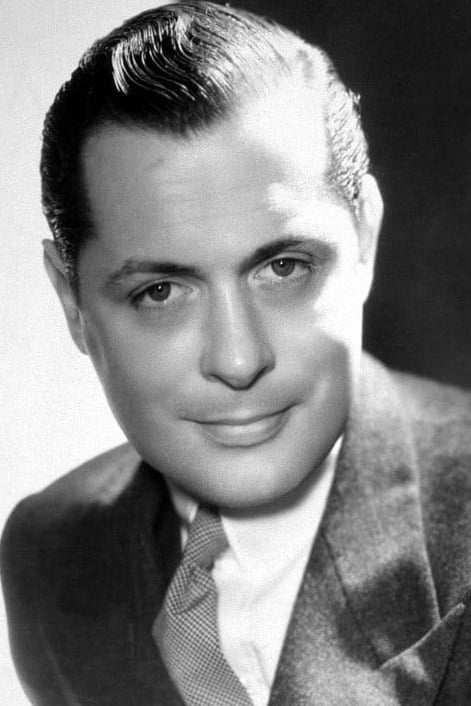
The actor and director was the subject of federal interest due to his role as a media advisor to high level political figures. The bureau monitored his professional transition from Hollywood star to a consultant for the Eisenhower administration. Agents documented his influence on public communication and his associations within the government. The file provides a look at the intersection of celebrity and political strategy during the Cold War. He starred in films like ‘Here Comes Mr. Jordan’ before shifting his focus to the political stage.
Charles Boyer
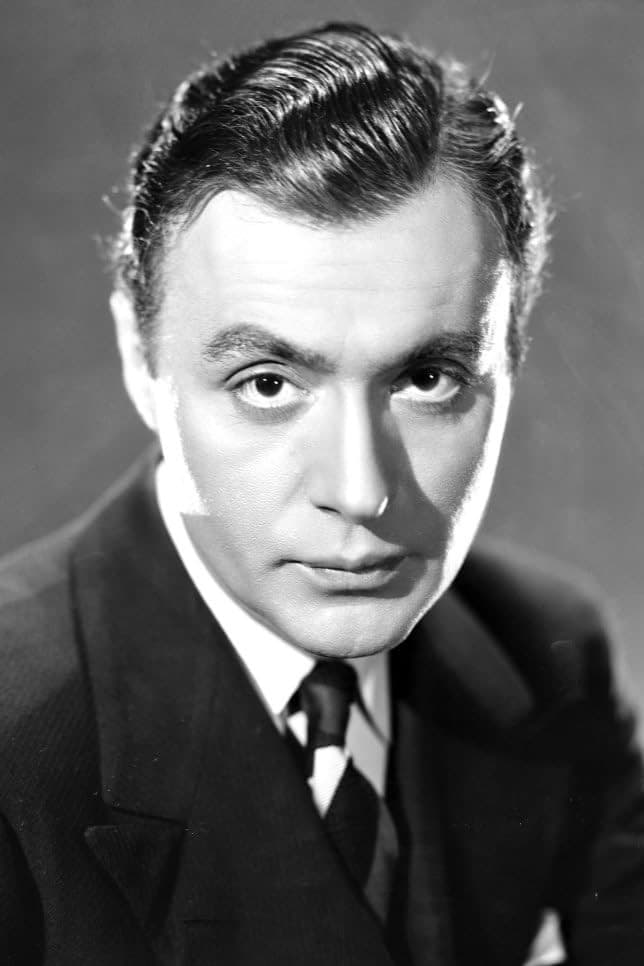
The French-born actor was monitored by federal agents due to his international background and his activities during World War II. The bureau was interested in his work with various refugee organizations and his connections to foreign governments. Agents followed his travel and documented his professional engagements both in Hollywood and abroad. The file reflects the government concern over the potential for foreign stars to act as conduits for international intelligence. He remained a major leading man in films like ‘Gaslight’ despite the persistent surveillance of his activities.
Danny Kaye
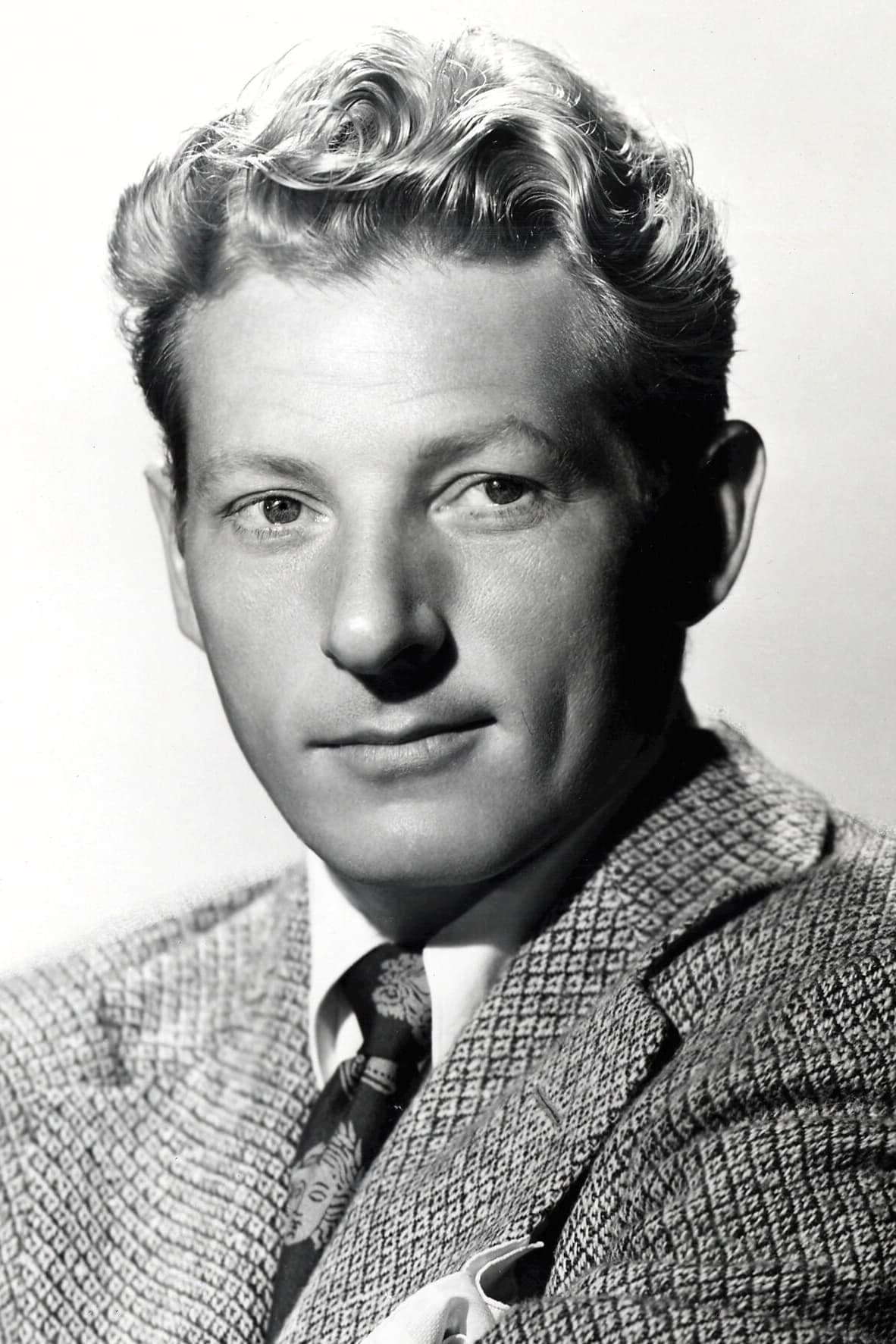
The beloved comedian and actor was investigated for his involvement in various social and humanitarian causes. The bureau was concerned about his associations with organizations that were deemed to be left-leaning. Agents collected reports on his international tours and his performances for diverse audiences around the world. The file highlights the level of scrutiny directed at performers who were active in global charity work. He continued to be a major star in films like ‘The Court Jester’ while the government tracked his personal and professional life.
Burl Ives
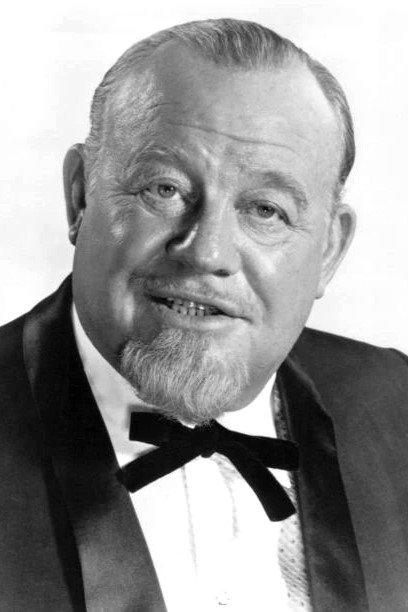
The actor and singer was a subject of investigation during the McCarthy era due to his earlier political associations. The bureau documented his involvement with folk music circles that were often scrutinized for radical ties. Agents followed his professional development and recorded his interactions with other performers who had been blacklisted. The file reflects the pressure he faced to cooperate with government committees in order to save his career. He eventually found success in major films like ‘Cat on a Hot Tin Roof’ after a period of intense government interest.
Melvyn Douglas
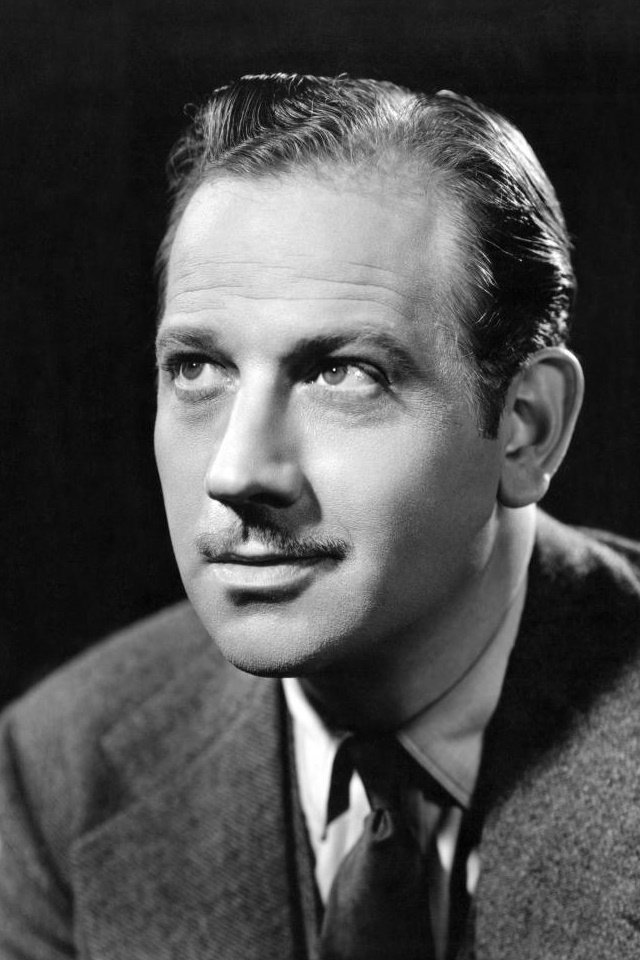
The star of ‘Ninotchka’ was monitored for many years because of his public support for liberal political causes. The bureau documented his involvement in various social justice organizations and his friendship with political figures. Agents were particularly interested in his leadership roles within Hollywood labor groups and political committees. His file contains detailed reports on his speeches and his efforts to organize other performers for political action. He maintained a long and successful career in both film and television despite the constant surveillance.
Lloyd Bridges
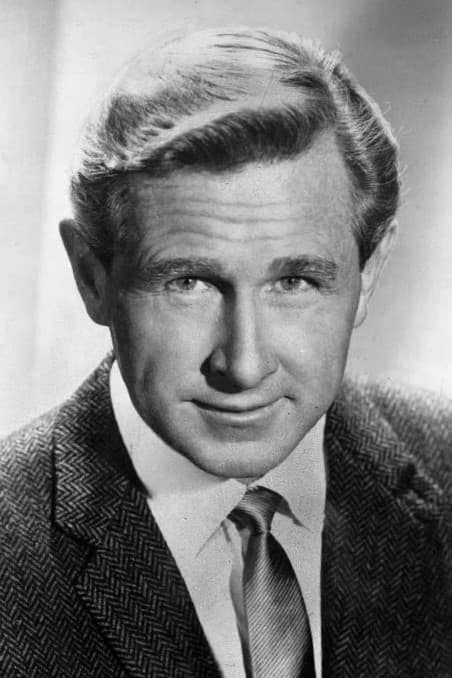
The star of ‘Sea Hunt’ was briefly blacklisted and was the subject of a federal file regarding his past political affiliations. Agents investigated his involvement in a theater group that was suspected of having communist ties. The bureau documented his testimony and his efforts to clear his name within the entertainment industry. The records show how even character actors were subject to intense scrutiny during the height of the Red Scare. He managed to rebuild his career and became a household name while his records remained in government archives.
Will Rogers
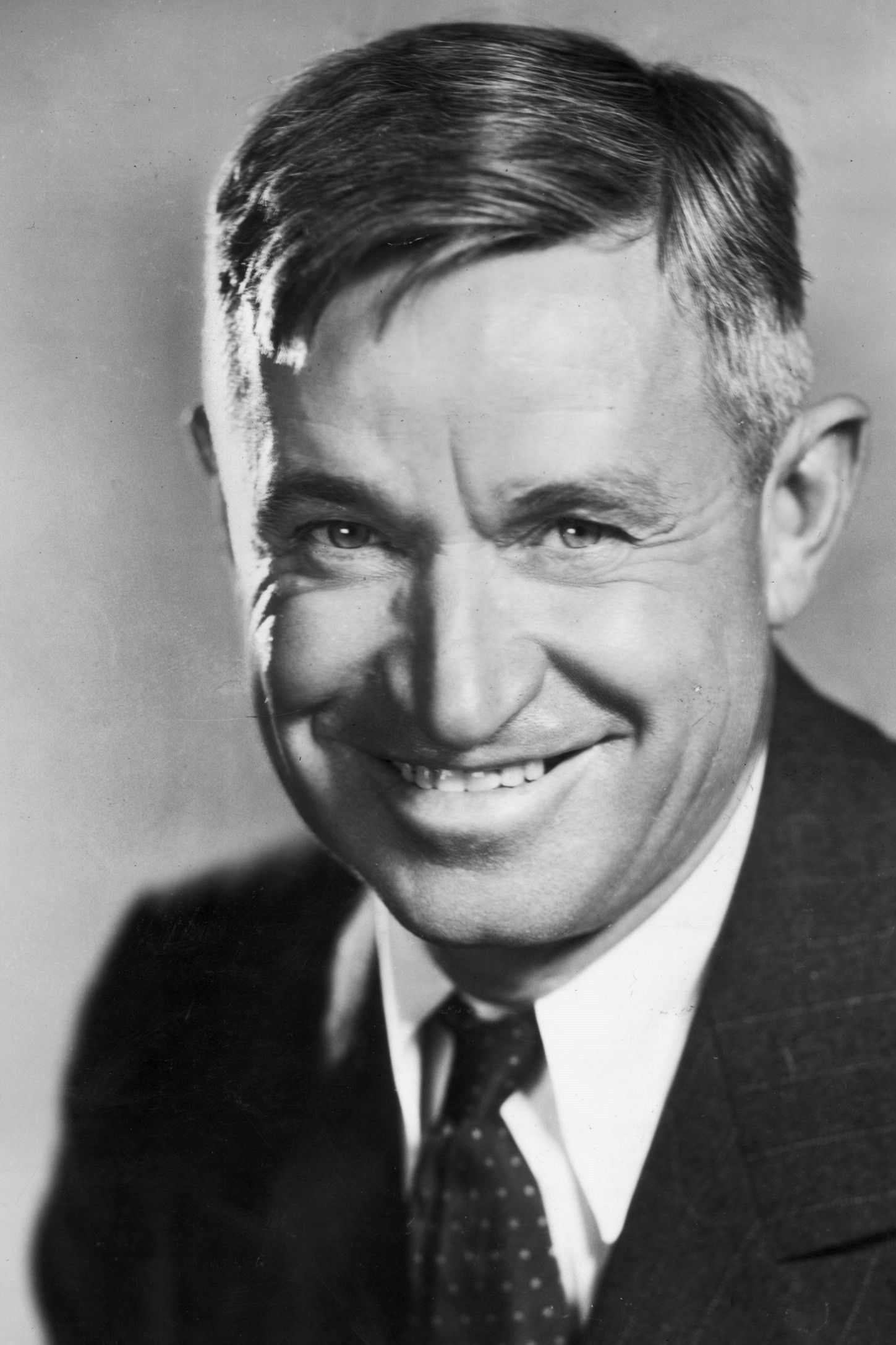
The famous humorist and actor was monitored by the bureau during the early years of the agency history. Agents were interested in his political influence and his ability to sway public opinion through his columns and performances. The file contains reports on his travels and his meetings with high ranking government officials and world leaders. Investigators tracked his commentary for any signs of radicalism or opposition to government policies. His status as a national icon did not prevent him from being a subject of official interest.
Douglas Fairbanks Jr.
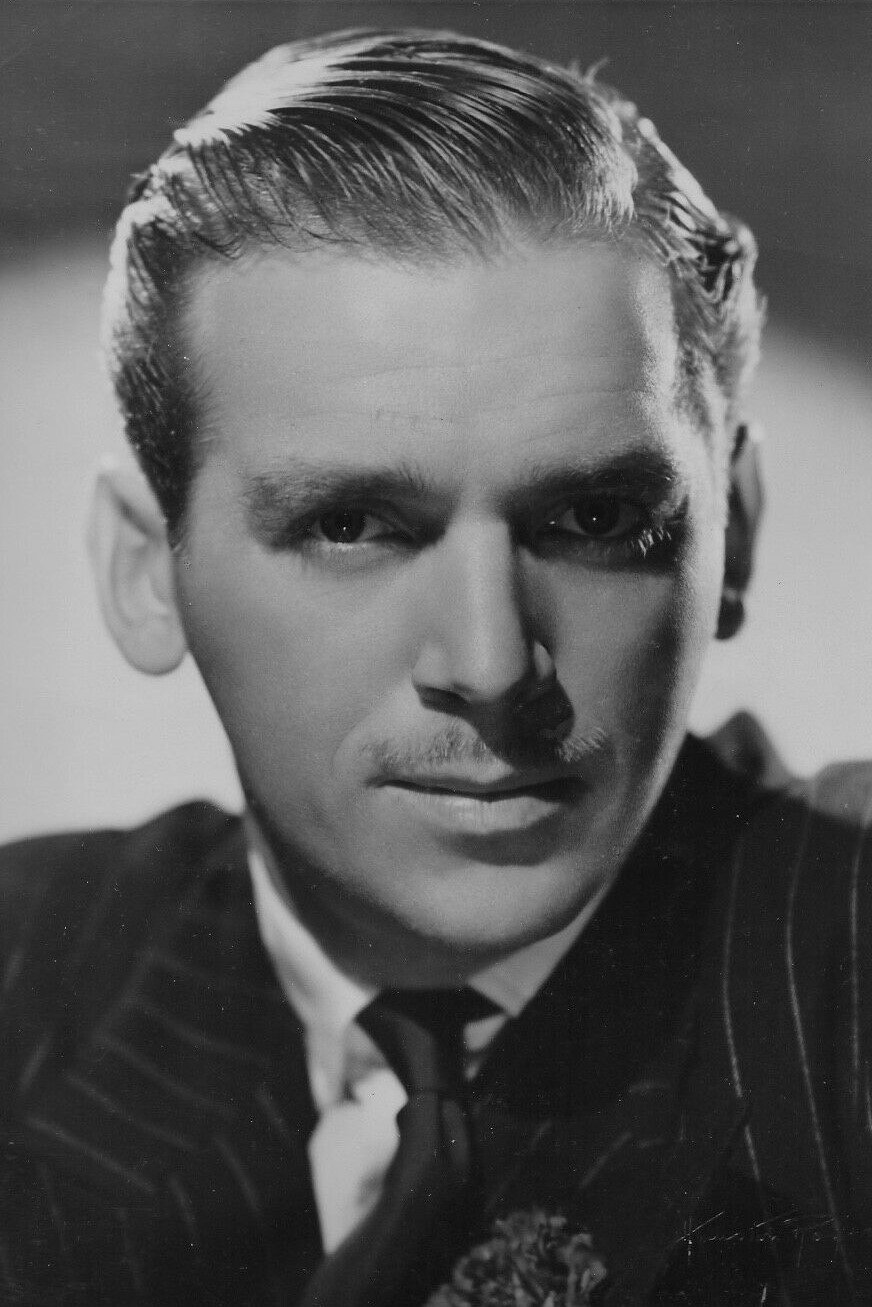
The actor and naval officer had a file that focused on his international connections and his service during World War II. The bureau was interested in his social ties to European royalty and his potential involvement in intelligence matters. Agents documented his travel and his professional activities across several countries. The file reflects the intersection of his Hollywood stardom and his role as a public figure on the international stage. He appeared in films like ‘The Prisoner of Zenda’ while being a person of interest to federal investigators.
William Holden
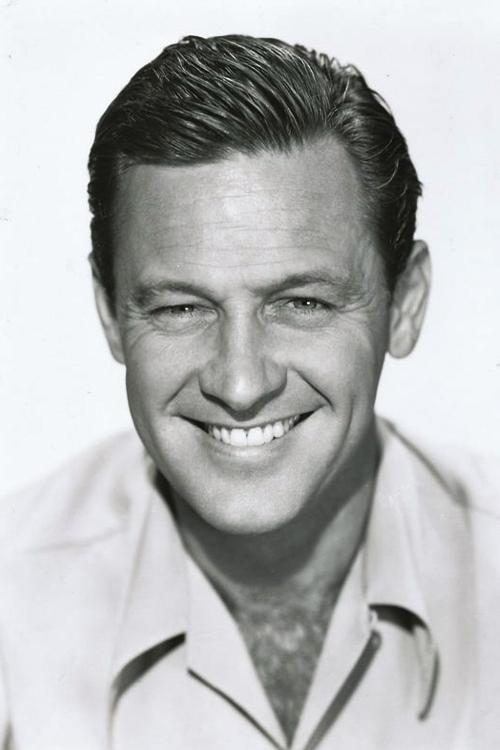
The star of ‘Sunset Boulevard’ was monitored due to his international travel and his associations with various global figures. Agents documented his frequent trips to Asia and Africa and his business interests outside of the United States. The bureau was interested in whether his activities abroad had any implications for national security. The file contains reports on his personal conduct and his interactions with foreign nationals during his travels. He remained one of the biggest stars in the world while the government kept records of his global movements.
Robert Redford
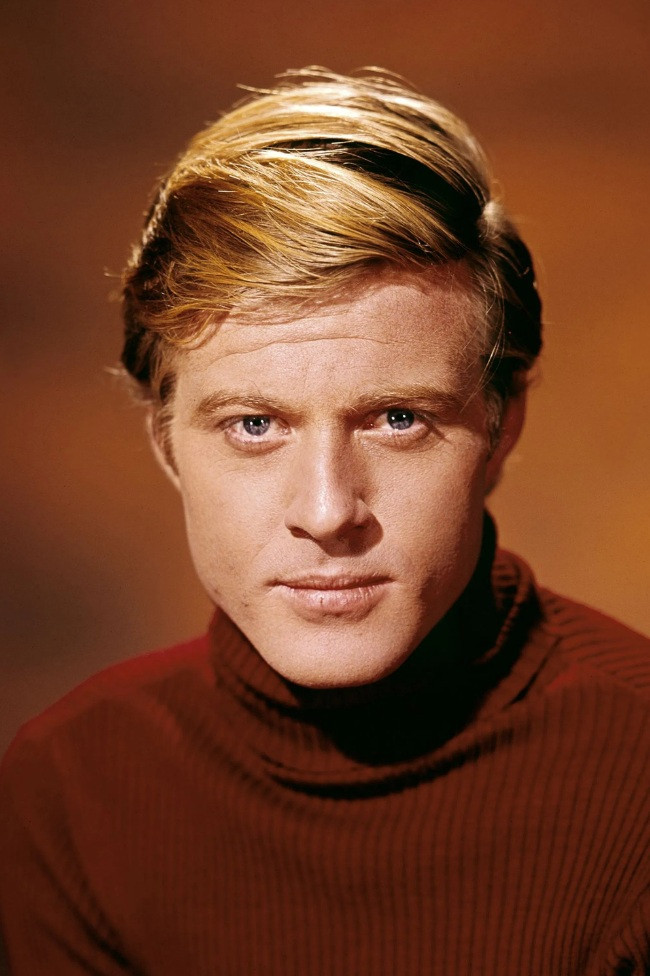
The legendary actor and director was monitored for his involvement in environmental activism and social causes. Agents kept records of his support for various land conservation groups and his public opposition to certain industrial projects. The bureau was interested in how he used his fame to influence public policy and organize protests. The file documents his participation in political rallies and his role as a leader in the independent film community. He starred in iconic films like ‘All the Presidents Men’ while being a subject of federal documentation.
Christopher Lee
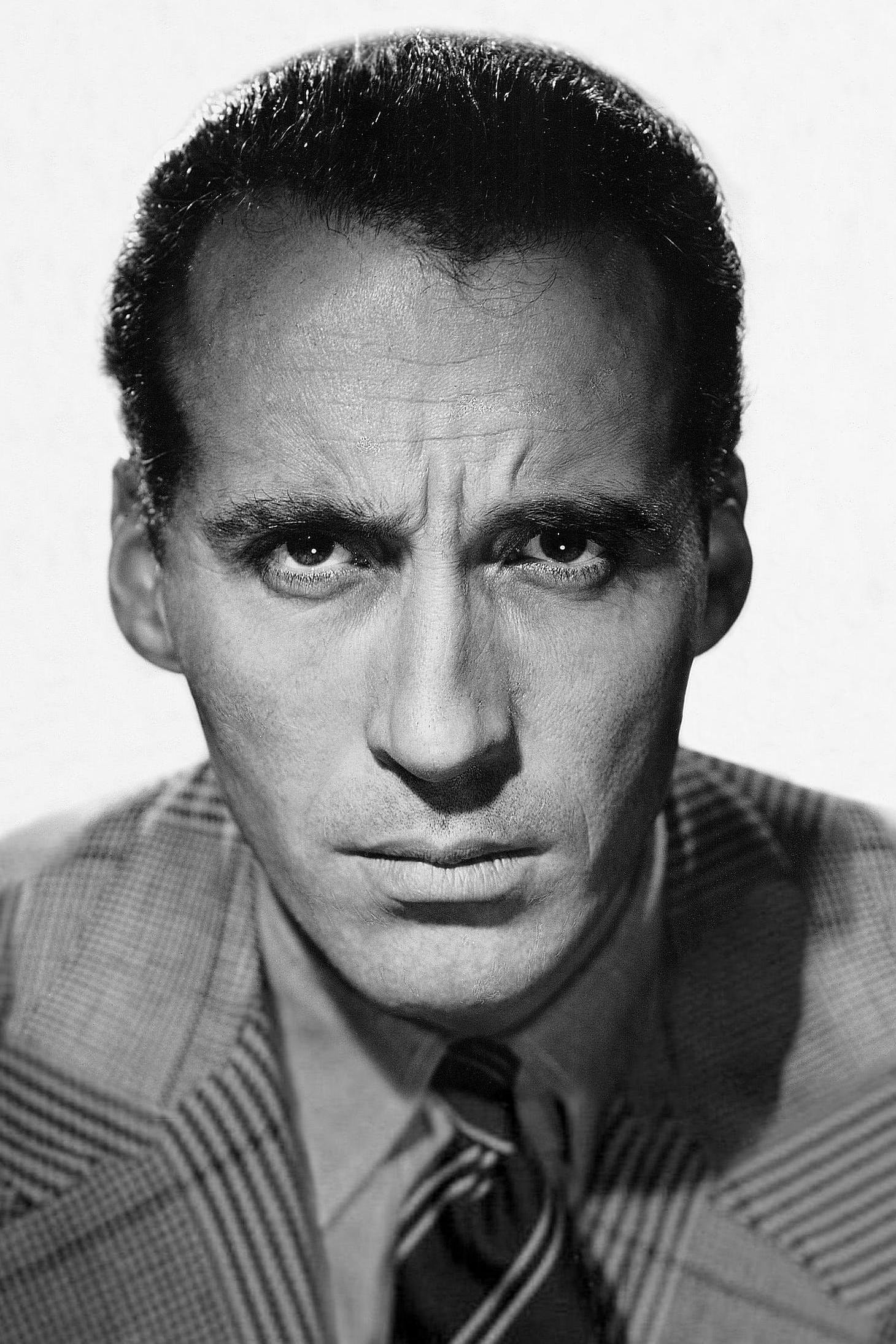
The versatile actor known for ‘The Lord of the Rings’ was of interest to government agencies because of his intelligence background. Reports touched upon his service during World War II and his continued interactions with international figures. Investigators maintained records of his professional engagements and frequent travel across European borders. The file reflects the complex intersection of his cinematic career and his previous military experience. He remained an figure of curiosity for decades before the documents were made available to the public.
George Raft
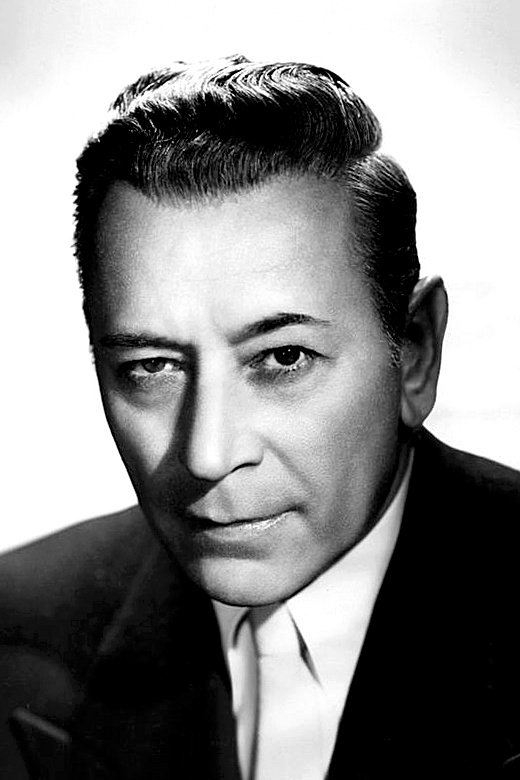
The actor known for his tough guy roles in films like ‘Scarface’ was monitored for his real life ties to organized crime. The bureau documented his friendships with notorious mobsters and his presence at social events hosted by the Mafia. Agents followed his travel and investigated his involvement in various gambling operations. The file contains numerous reports on his interactions with criminal figures and the potential for his influence in Hollywood. He maintained a career as a leading man while the government meticulously tracked his private associations.
Richard Burton

The acclaimed actor was monitored due to his high profile lifestyle and his international travels. The bureau was interested in his associations with political figures and his public statements on social issues. Agents documented his movements across borders and his interactions with other celebrities who were under surveillance. Much of the file focuses on his personal life and the public attention generated by his relationships and professional choices. He starred in films like ‘Who’s Afraid of Virginia Woolf’ while being a subject of federal interest.
Anthony Quinn
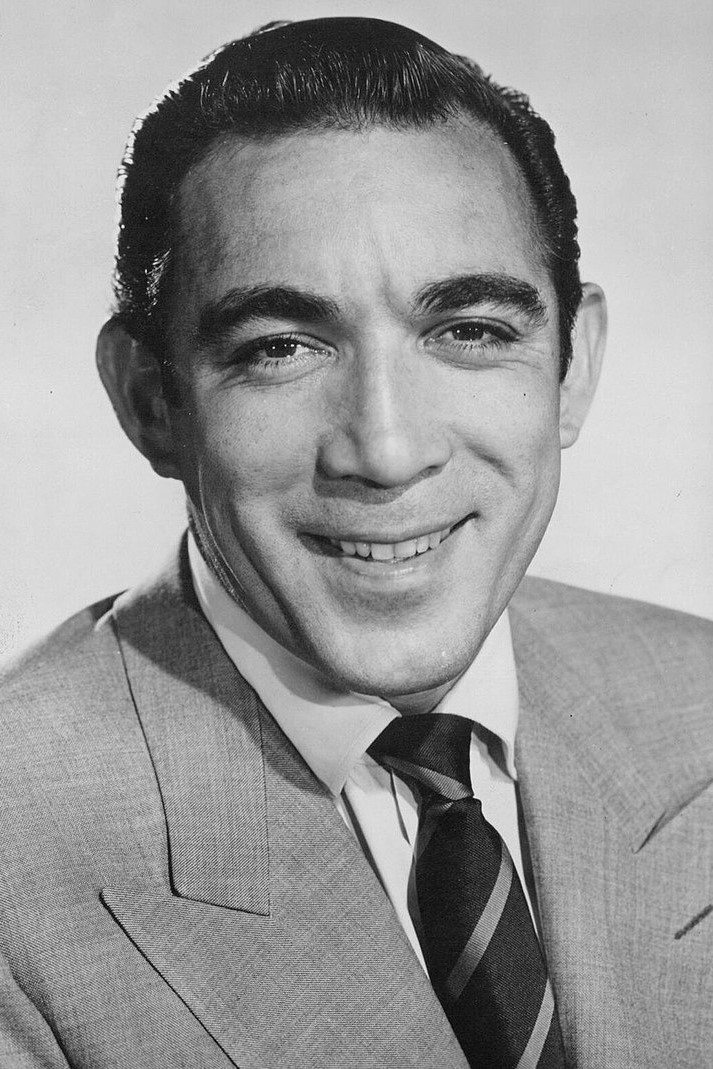
The star of ‘Zorba the Greek’ was investigated due to his political leanings and his support for various international causes. The bureau monitored his travel and his associations with figures who were considered to be politically radical. Agents were interested in his public speeches and his involvement in organizations that promoted social change. The file reflects the level of scrutiny directed at actors with a strong international presence and vocal political opinions. He continued to be a major force in global cinema while the government documented his every move.
Fredric March
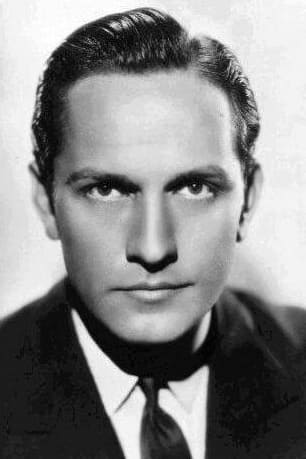
The two-time Academy Award winner was monitored for his involvement in liberal causes and his opposition to government censorship. The bureau documented his participation in organizations that supported civil liberties and artistic freedom. Agents tracked his public appearances and his interactions with other performers who had been blacklisted. The file contains reports on his professional activities and his efforts to protect the rights of actors in Hollywood. He remained a highly respected performer in films like ‘The Best Years of Our Lives’ despite the surveillance.
Lee J. Cobb
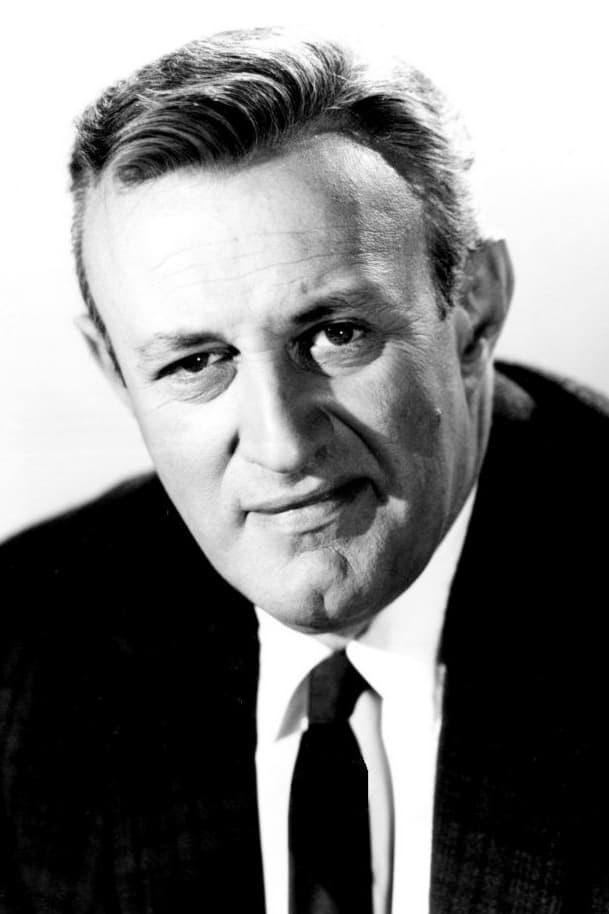
The star of ‘On the Waterfront’ was a subject of investigation during the era of the Hollywood blacklist. The bureau documented his political background and his subsequent cooperation with government inquiries. Agents monitored his professional struggles and his eventual return to the screen in major productions. The file provides a detailed look at the personal and professional cost of government surveillance during the Cold War. He remained a prominent character actor while the records of his political life were maintained in federal archives.
Elia Kazan
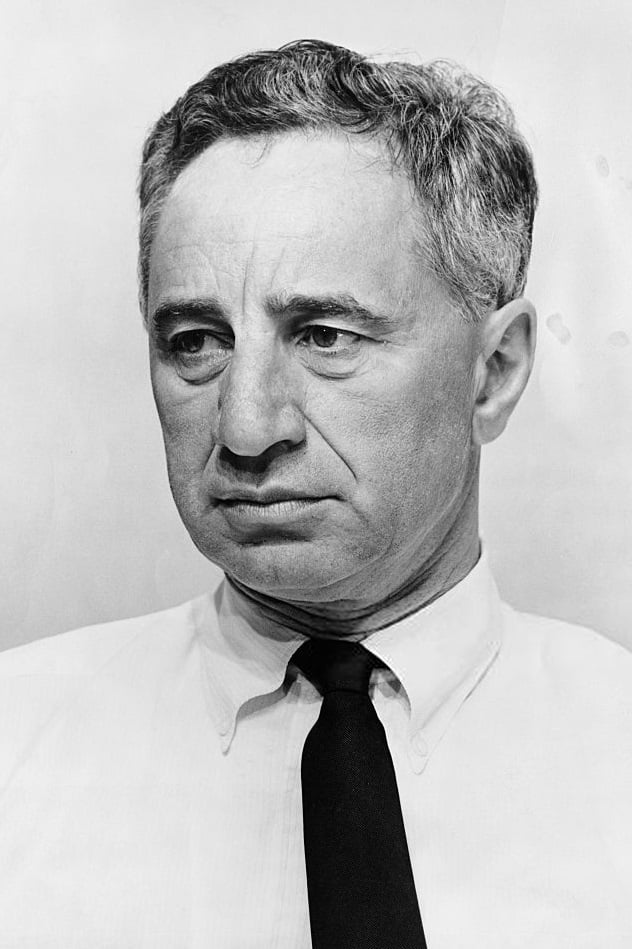
The acclaimed director and actor was monitored due to his past political affiliations and his role as a witness for government committees. The bureau documented his involvement with radical groups in his youth and his subsequent decision to cooperate with investigators. Agents followed his professional success and recorded the public reaction to his political choices. The file reflects the deep divisions within the Hollywood community during a time of intense government pressure. He continued to create influential work while being a central figure in the history of federal surveillance in the arts.
George Carlin
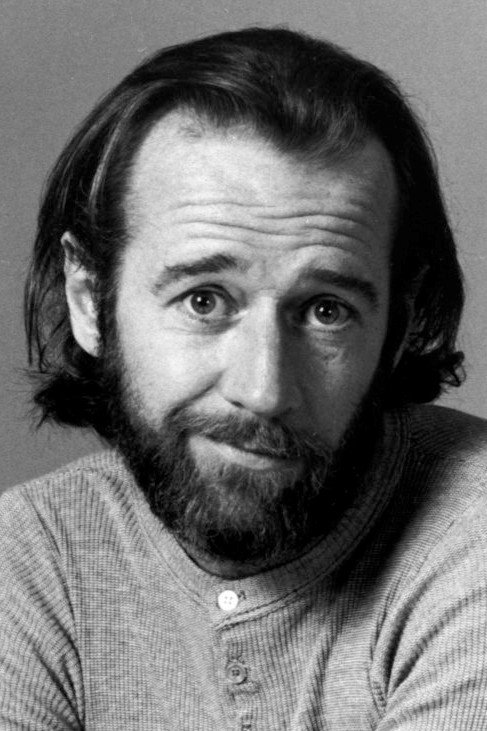
The outspoken comedian and actor was targeted by federal agents after he performed routines that challenged government authority. The bureau kept records of his public appearances and analyzed the content of his performances for potentially subversive messages. Agents were particularly interested in his legal battles regarding freedom of speech and public decency. His file grew as he became a prominent cultural critic through his roles in films and television specials. The documentation serves as a record of the tension between artistic expression and government monitoring during the late twentieth century.
John Belushi
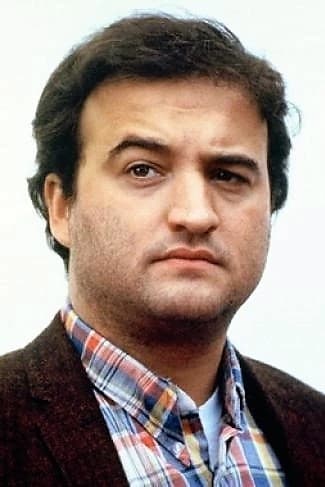
The star of ‘The Blues Brothers’ was the subject of federal interest due to his high profile lifestyle and personal challenges. Agents documented his social circles and his interactions with individuals suspected of illegal activities. The file contains reports on his travel and his professional engagements during the height of his fame on television and in film. Investigators were interested in the potential for his influence on the youth culture of the late nineteen seventies. The records provide a look at the ways the government monitored the private lives of the most popular entertainers of the era.
Share your thoughts on these historical celebrity files in the comments.