African-American Actresses Who Regretted Their Most Famous Roles


Many performers look back on their careers with a mix of pride and reflection regarding the choices they made during different stages of their professional lives. For some African American actresses the roles that brought them the most fame also came with personal or professional regrets due to stereotyping or artistic compromises. These women have often used their experiences to advocate for better representation and more complex storytelling within the entertainment industry. Exploring these stories provides a deeper understanding of the challenges faced by talented women navigating the complex landscape of Hollywood.
Viola Davis
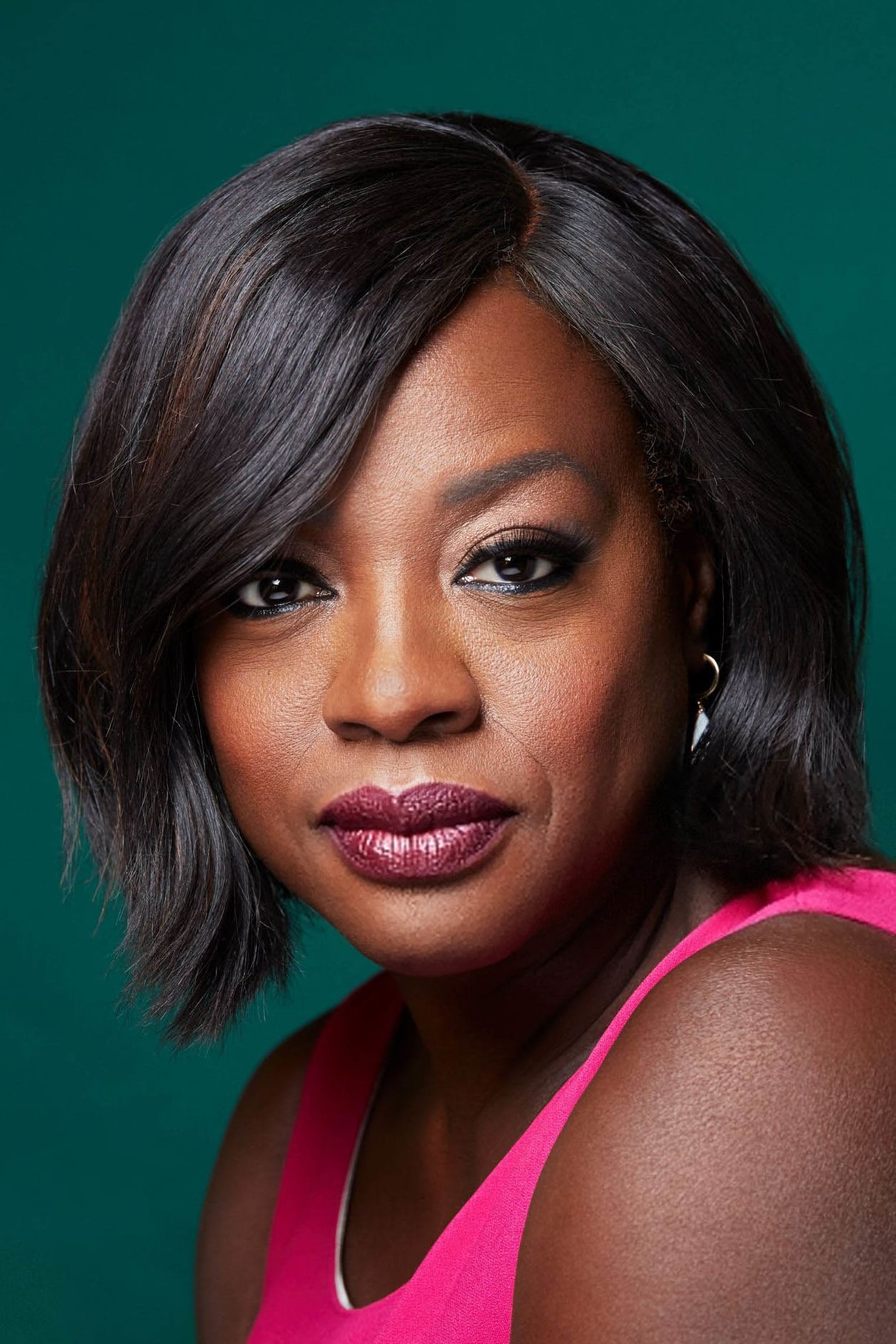
The actress expressed regret over starring in ‘The Help’ because the story did not center the voices of the Black maids enough. She felt that the film focused too much on the white perspective rather than the reality of what it was like to work for white families in the 1960s. The performer mentioned that while the experience with the cast was positive the final product did not reflect the truth she wanted to tell. She has since been vocal about choosing roles that provide more depth and authenticity to the Black experience.
Halle Berry
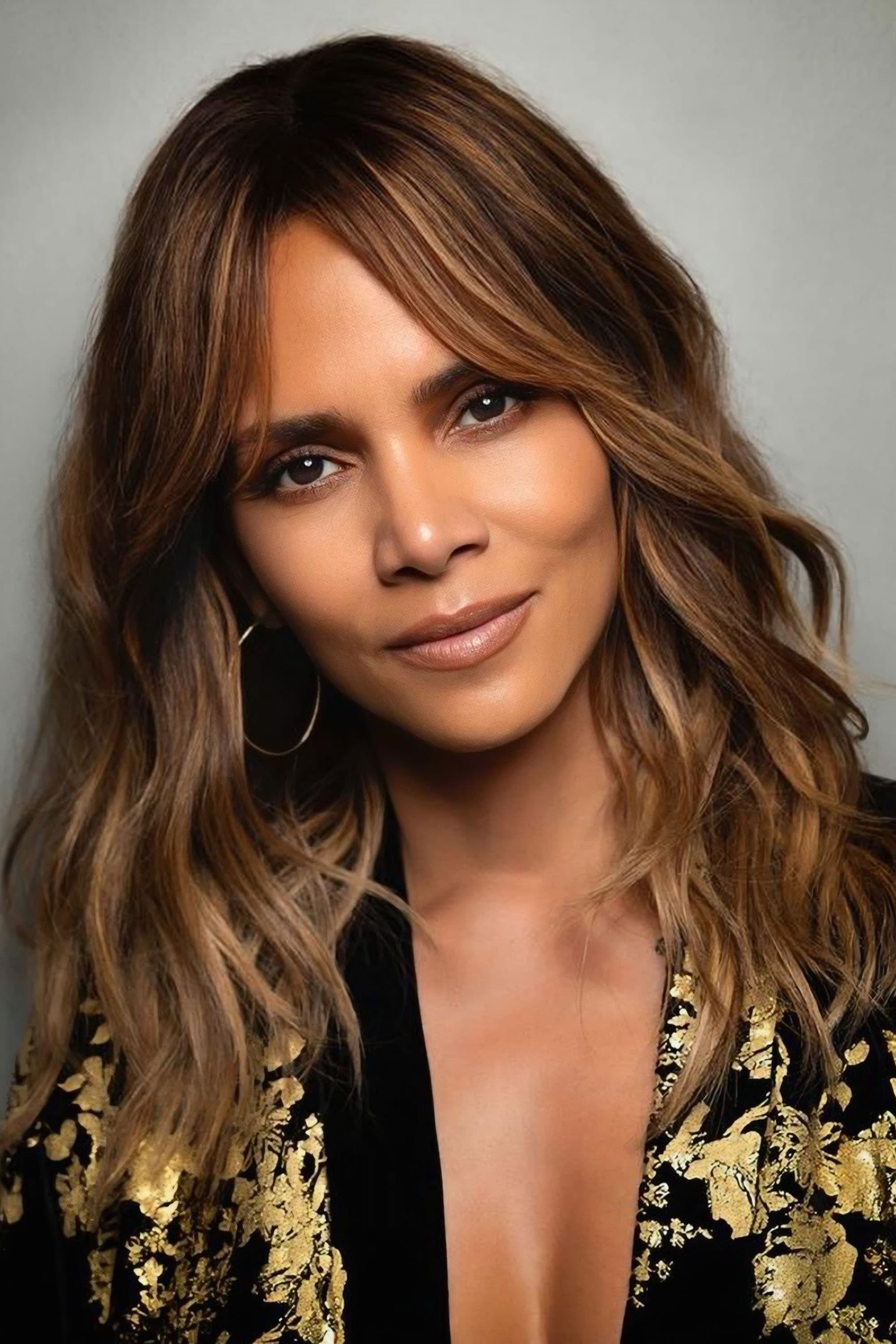
After winning an Academy Award the actress took on the lead role in the superhero film ‘Catwoman’ which was panned by critics. She famously accepted her Razzie Award in person and called the movie a piece of work that did not meet expectations. The film struggled at the box office and is often cited as a low point in her career during that era. She later joked about the project but acknowledged that it was a significant departure from her more acclaimed dramatic roles.
Whoopi Goldberg
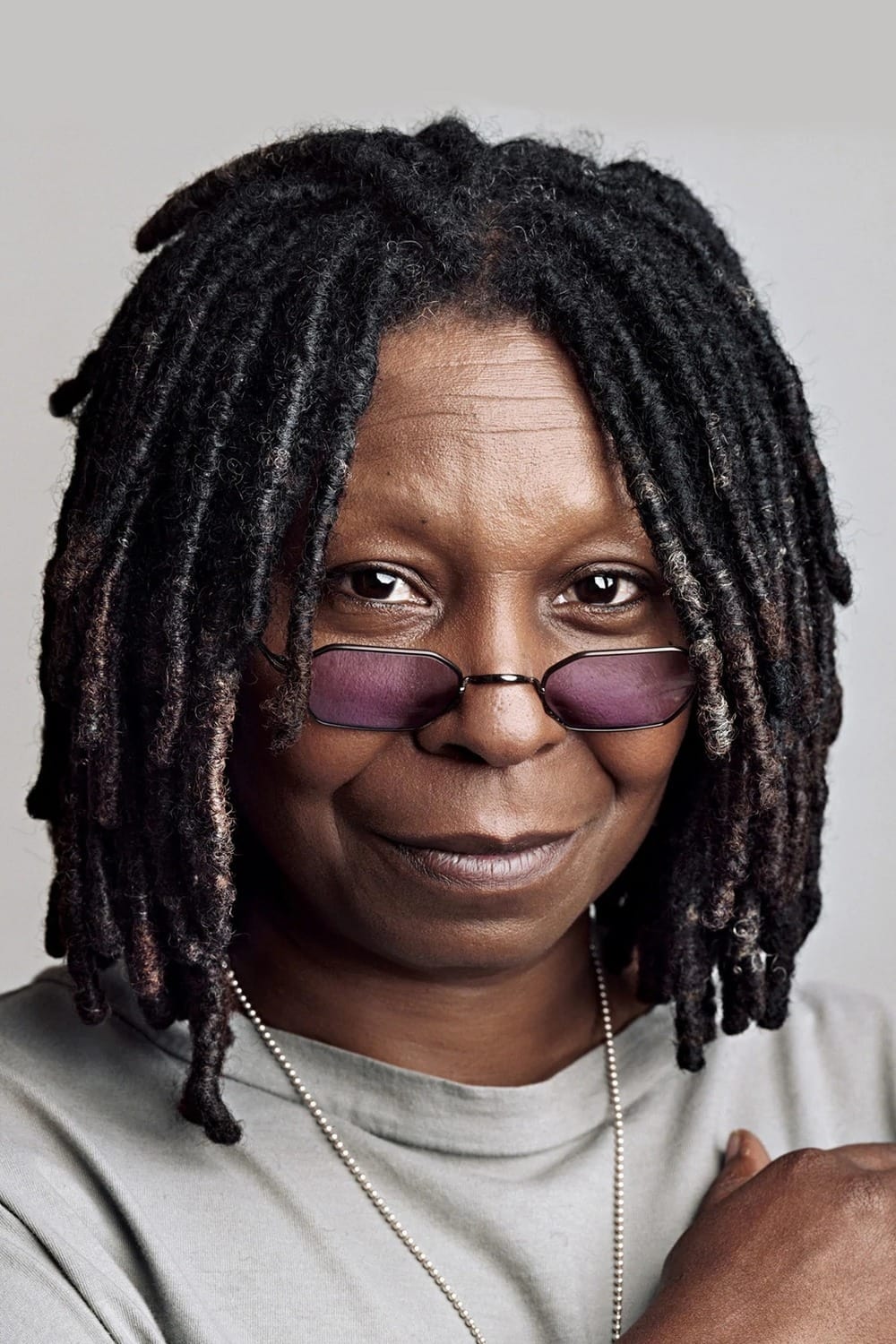
The actress famously tried to exit the production of ‘Theodore Rex’ but was legally forced to complete the project. She expressed significant dissatisfaction with the script and the overall concept of a futuristic buddy cop movie involving a dinosaur. The film eventually bypassed a theatrical release and went straight to home video due to poor test screenings. Goldberg has frequently listed this role as one of the biggest mistakes in her extensive professional career.
Zoe Saldaña
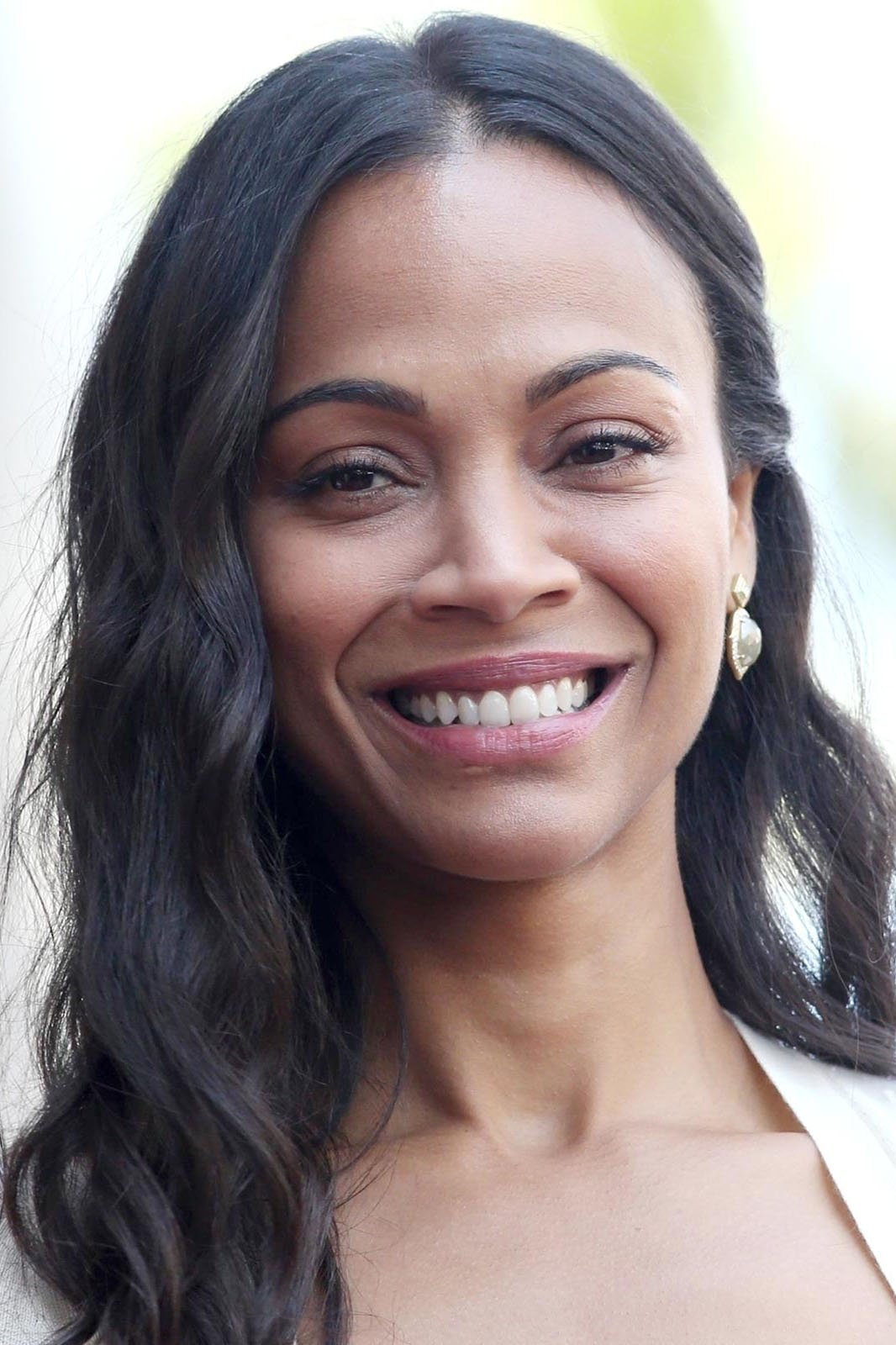
The actress faced significant backlash for her portrayal of singer Nina Simone in the biographical film ‘Nina’ due to the use of skin darkening makeup. She eventually issued a public apology and expressed regret for taking the role that she felt belonged to a different type of actress. She acknowledged that Nina Simone deserved a better representation that respected her physical identity and legacy. The film was widely criticized for its casting choices and failed to gain traction with audiences or critics.
Octavia Spencer
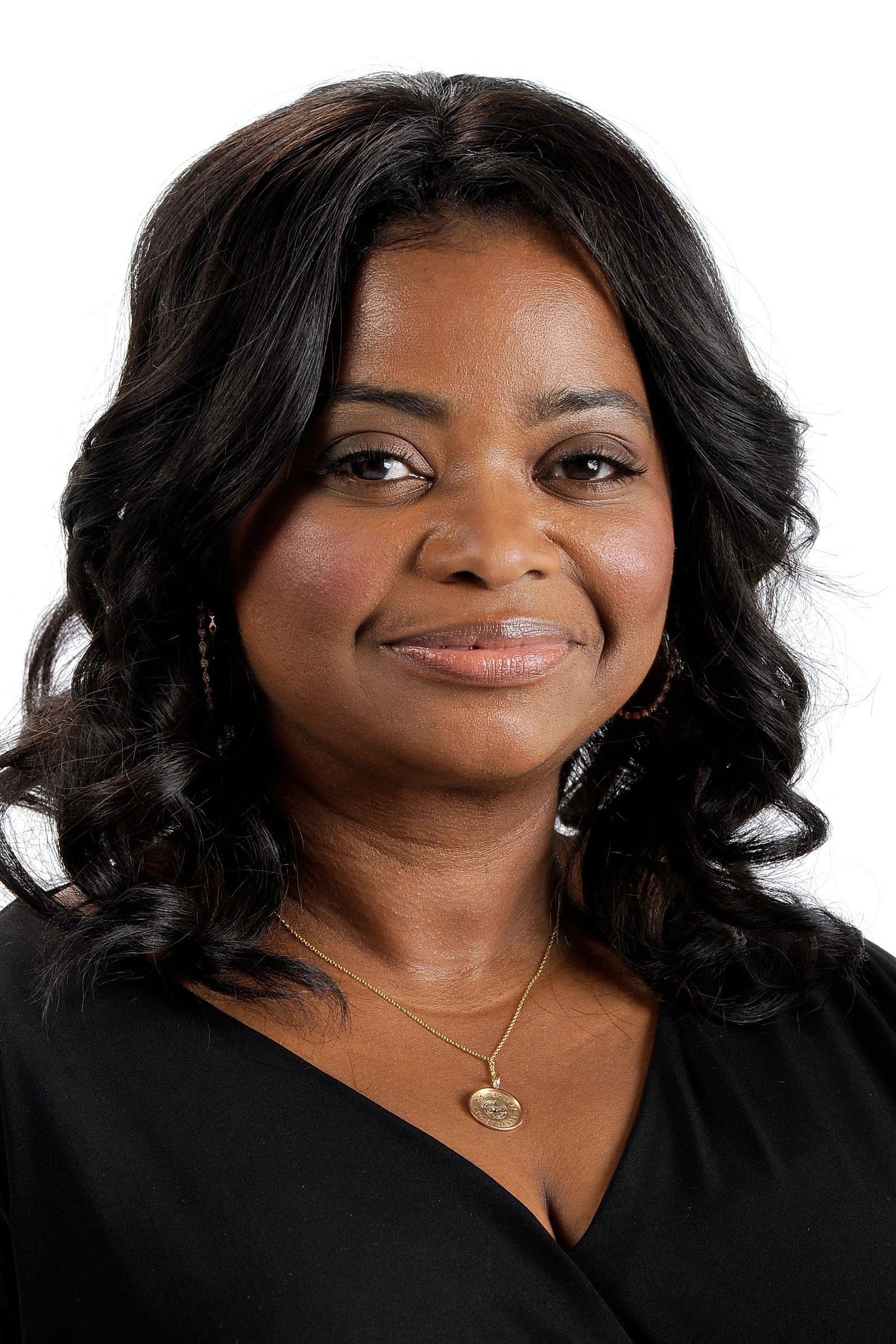
Like her co star the actress has shared mixed feelings about her participation in ‘The Help’ despite winning an award for her performance. She noted that the narrative structure prioritized the experiences of white characters over the Black women who were the central focus of the plot. While she valued the friendships made on set she recognized that the film missed an opportunity to delve deeper into the systemic issues of the era. She has moved toward producing and starring in projects that offer more complex portrayals of historical figures.
Gabrielle Union
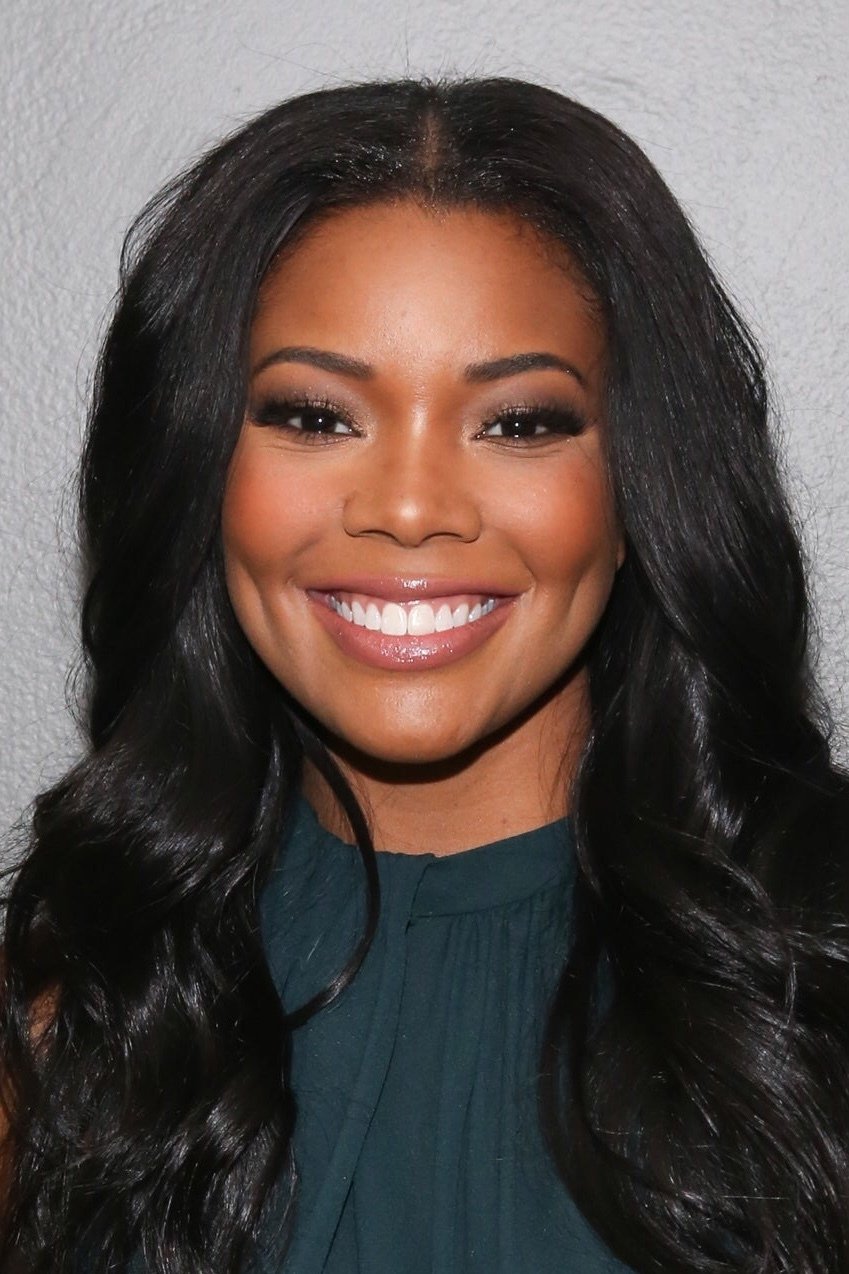
The actress has expressed regret regarding certain creative choices for her character in the cheerleading classic ‘Bring It On’ specifically involving the lack of dialogue. She felt that her character should have been more assertive in confronting the theft of her team’s choreography by the rival squad. In later years she explained that she would have played the role with much more fire and agency if given the chance. She viewed the portrayal as too passive for a character who was defending her community and hard work.
Thandiwe Newton

During her time on the set of ‘Mission: Impossible 2’ the actress experienced significant stress and felt uncomfortable with the filming environment. She described the experience as a nightmare and noted that the director’s approach made her feel insecure about her performance. The role was a major blockbuster opportunity but left her feeling undervalued as a performer in a massive franchise. She has since spoken out about the need for better treatment of actors on high pressure sets.
Vivica A. Fox
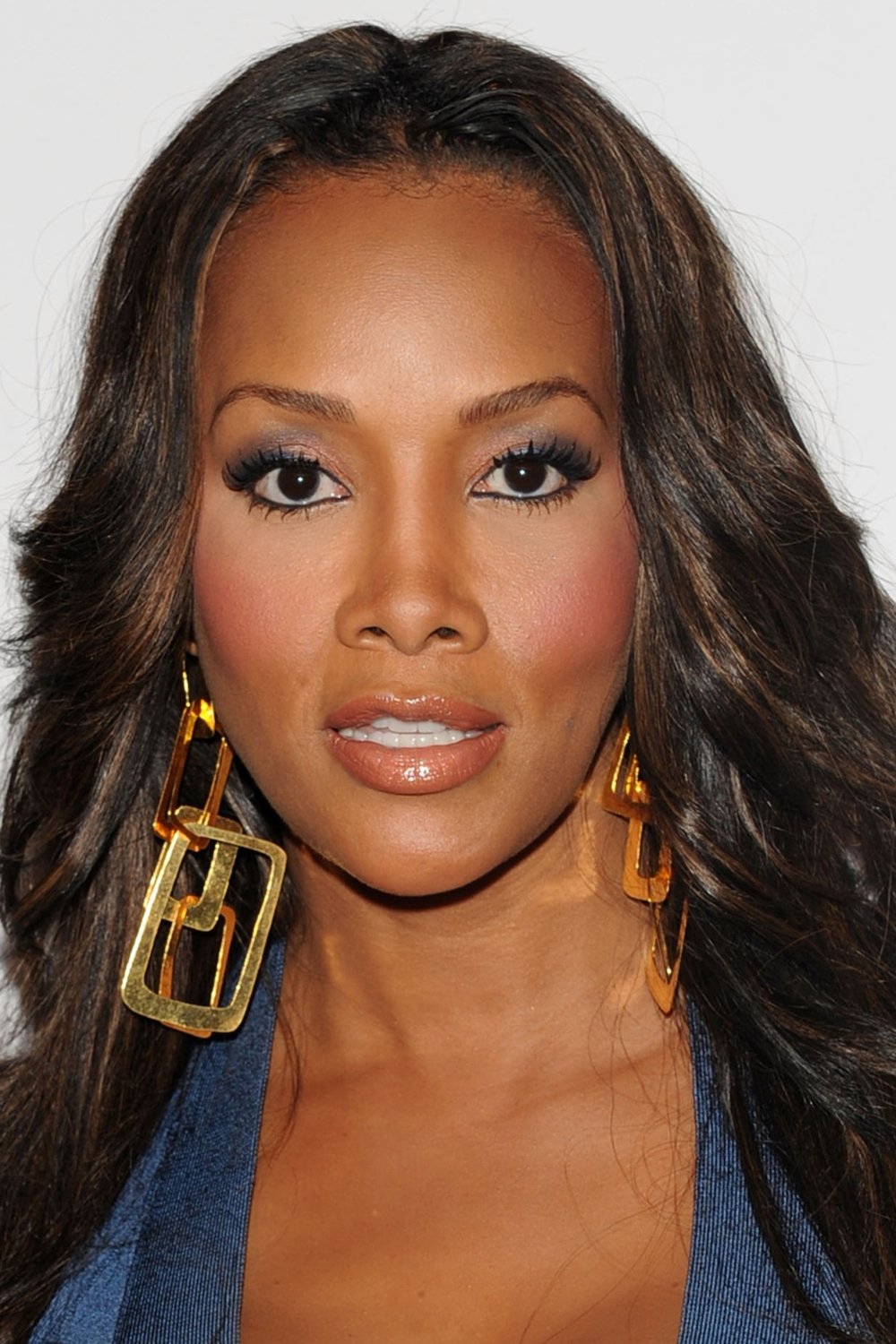
Appearing in ‘Batman & Robin’ as Ms. B. Haven was a role that the actress later looked back on with some disappointment due to the film’s poor reception. The movie is often cited as one of the weakest entries in the superhero genre and faced ridicule for its campy tone and design. While it was a high profile project at the time it did not provide the career momentum typically associated with major franchises. She has acknowledged that the project was a strange experience in her long filmography.
Kelly Rowland
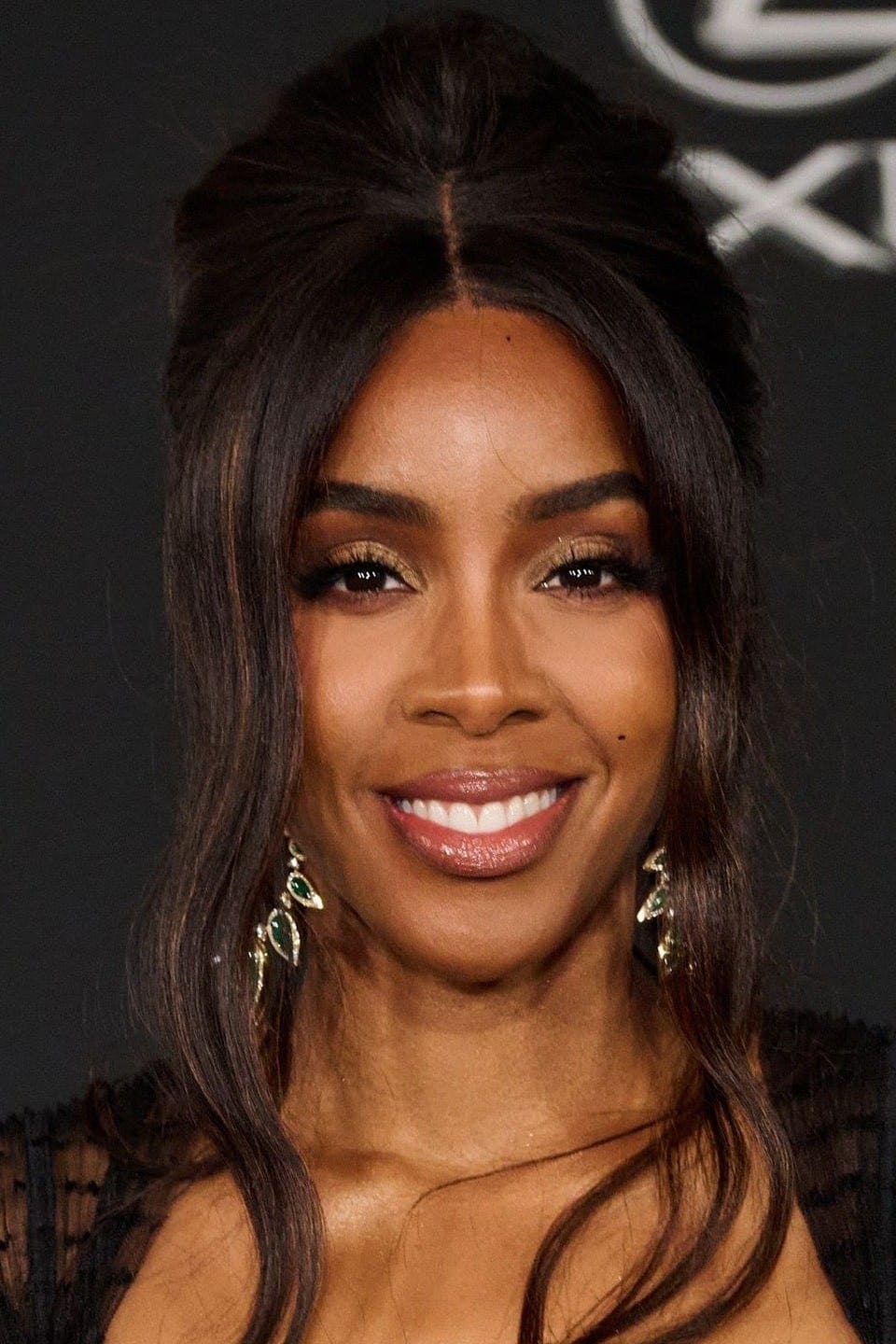
The singer and actress made her film debut in ‘Freddy vs. Jason’ but later expressed some embarrassment over the project. She noted that the horror film was a departure from her brand and that the dialogue was sometimes difficult to deliver with sincerity. While the movie was a commercial success it did not lead her to pursue more roles within the horror genre. She has since focused more on her music career and television appearances that align better with her artistic goals.
Vanessa Williams
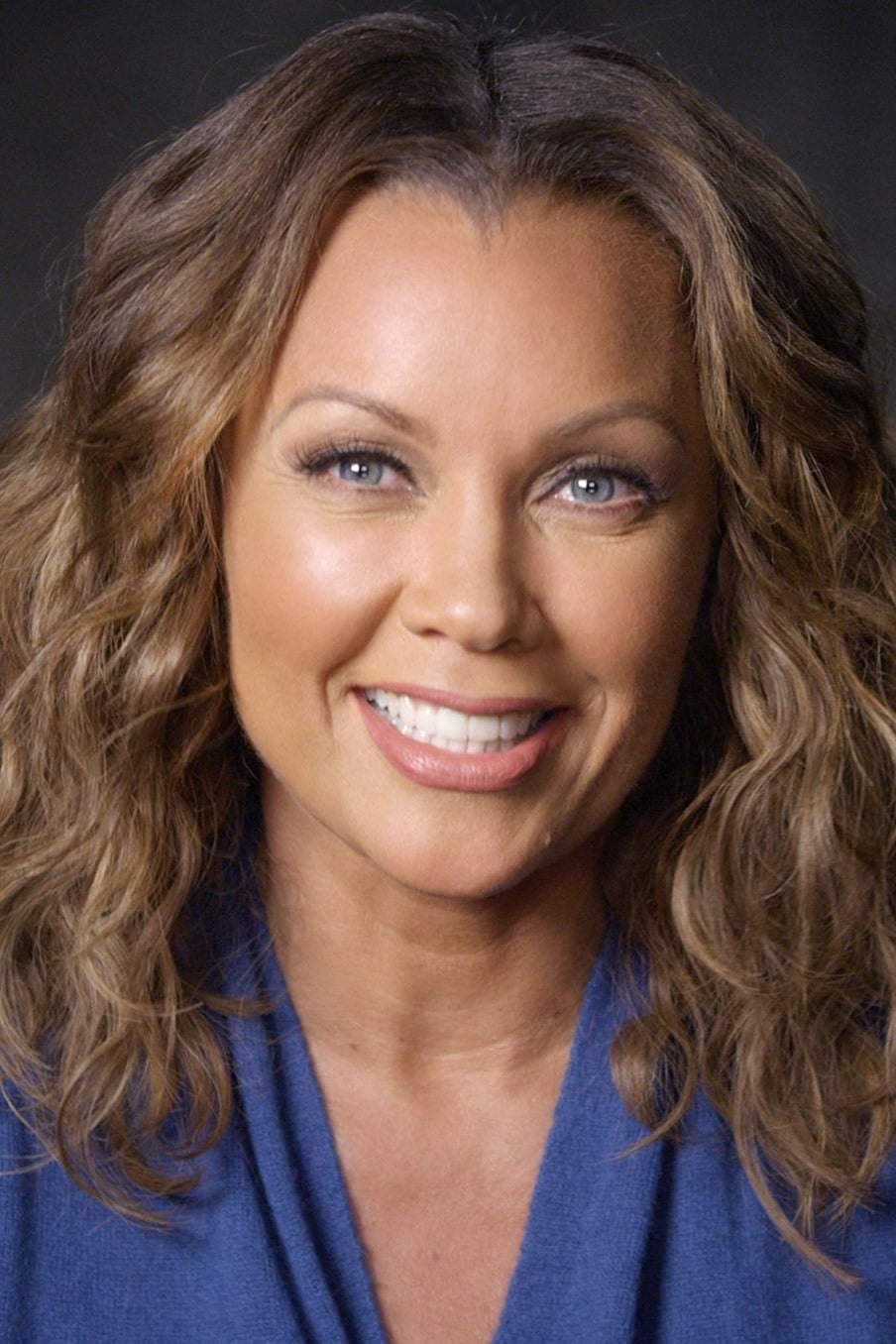
After starring in the action film ‘Eraser’ alongside Arnold Schwarzenegger the actress felt that the role did not offer much in terms of character depth. She noted that she spent much of the film as a damsel in distress rather than a fully realized participant in the action. While the film was a hit at the box office she felt that her talents were underutilized in a typical summer blockbuster format. She has since found more fulfilling work on television shows where her characters were more central to the plot.
Tyra Banks

The supermodel and actress appeared in the film ‘Coyote Ugly’ but later admitted that the experience was not entirely what she expected. She felt that the film focused more on the visual appeal of the cast than on the story or the characters themselves. While the movie became a cult classic she has distanced herself from her acting roles during that period to focus on her business empire. She often reflects on her time in film as a learning experience rather than a highlight of her career.
Amandla Stenberg
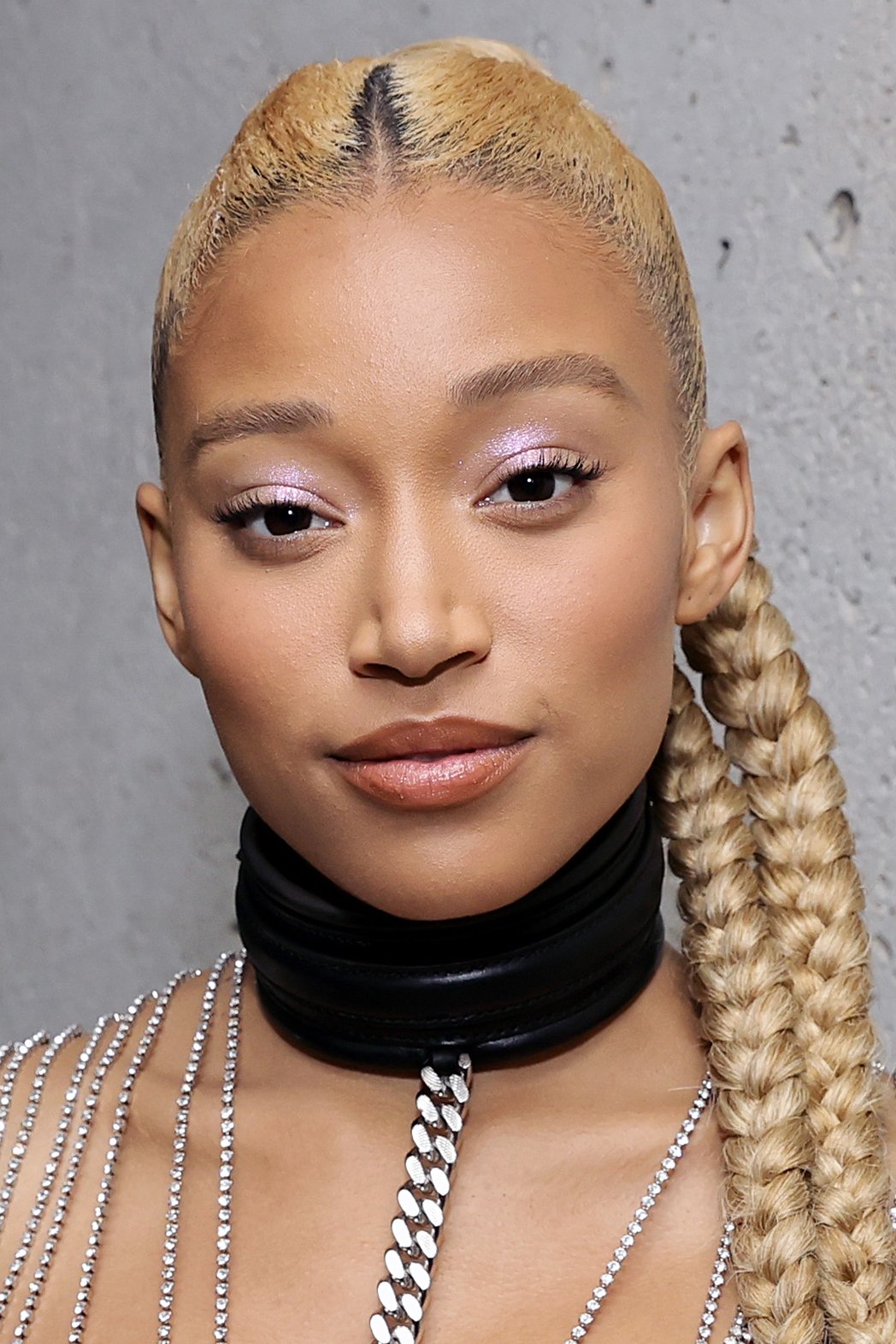
After gaining fame in ‘The Hunger Games’ the actress faced an intense amount of racist backlash from fans who were unhappy with her casting. She expressed that the experience was deeply traumatizing for a young performer and made her question her place in the industry. While she does not regret the performance itself she regrets the toxicity that accompanied her introduction to the world stage. This experience shaped her future career choices as she became a vocal advocate for diversity and inclusion in Hollywood.
Lisa Bonet
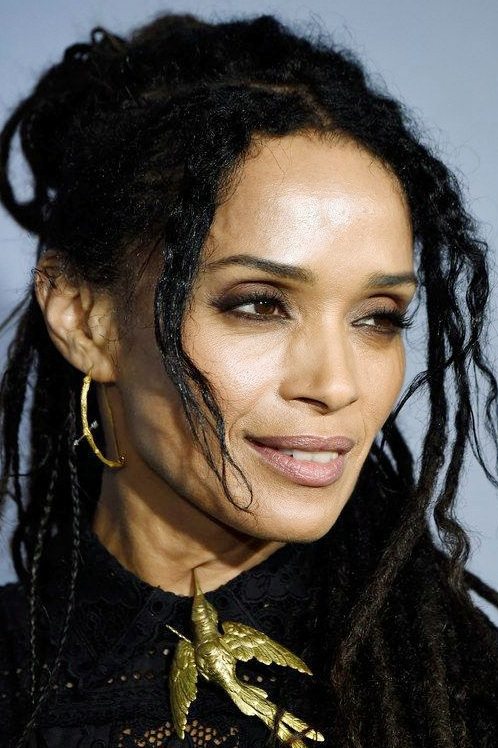
The actress faced significant controversy for her role in the film ‘Angel Heart’ which included explicit scenes that clashed with her image on ‘The Cosby Show’. While she defended her artistic choices at the time she later expressed that the fallout from the film was difficult to navigate. The role effectively ended her time on her hit television show and created a rift with the producers. She has since been very selective about her projects and has avoided the mainstream spotlight for many years.
Janet Jackson
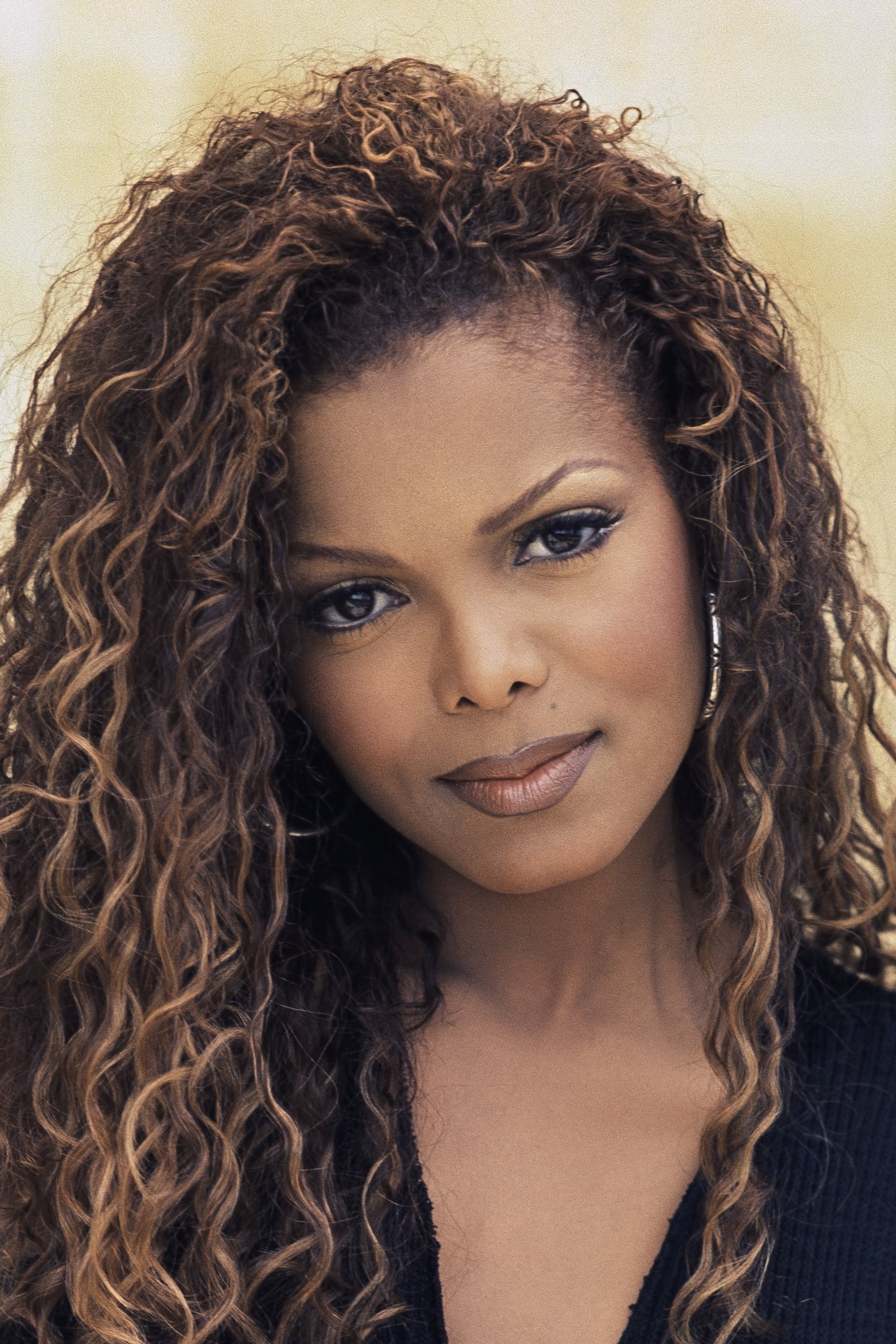
The legendary performer starred in ‘Poetic Justice’ but initially had many reservations about the role and the filming process. She felt immense pressure to transition from a music superstar to a serious lead actress under the direction of John Singleton. While the film is now considered a classic of Black cinema she has spoken about the anxiety and challenges she faced during production. She has limited her film roles in the decades since to focus primarily on her music and world tours.
Tisha Campbell
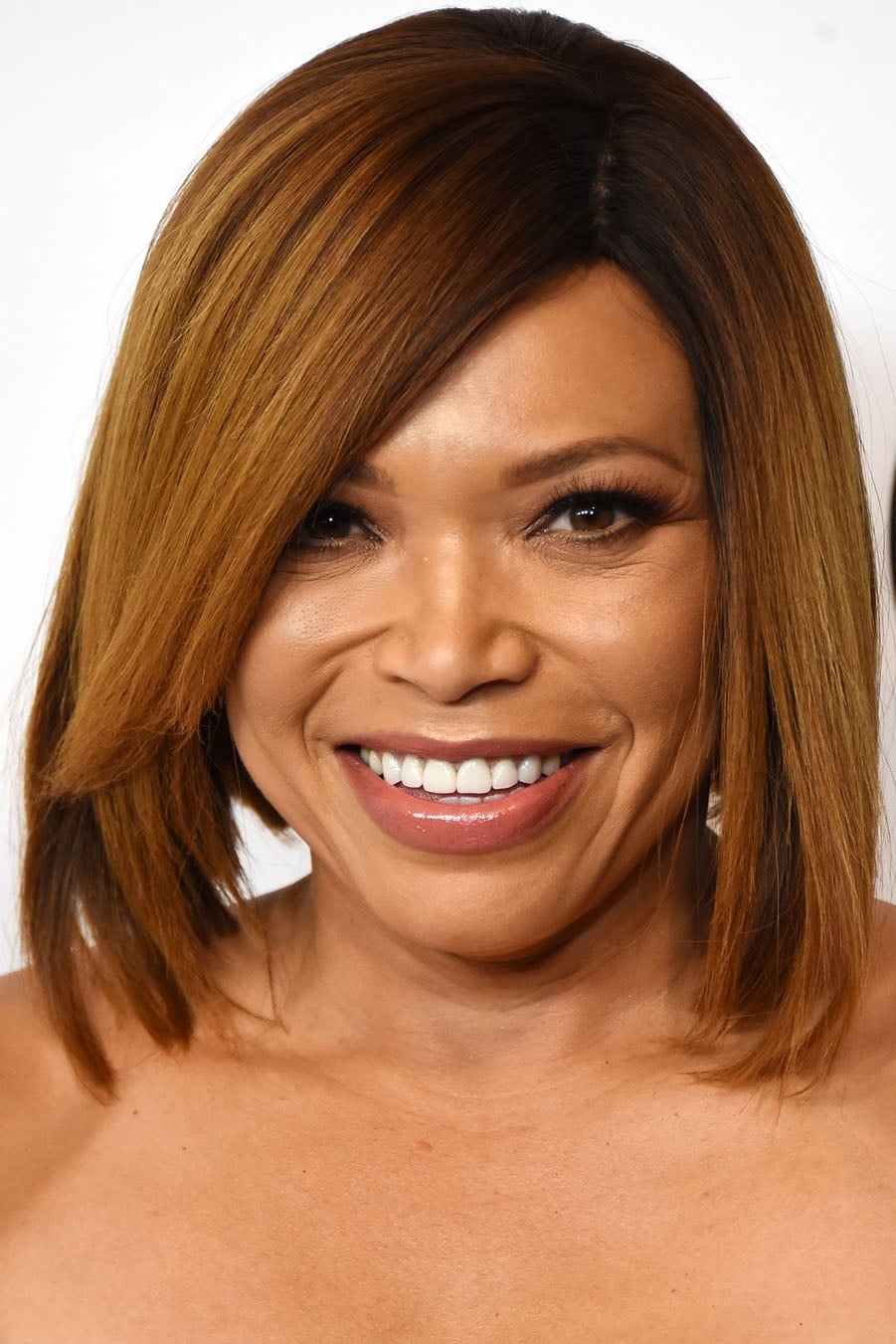
The actress was part of the iconic series ‘Martin’ but left the show under difficult circumstances due to a lawsuit involving the lead actor. She has expressed that the working environment during the final seasons was toxic and deeply regrettable for her mental health. Although she eventually reconciled with the cast for a reunion the memories of the friction on set remain a somber part of her career history. She has since moved on to various successful sitcom roles and reality television appearances.
Tichina Arnold
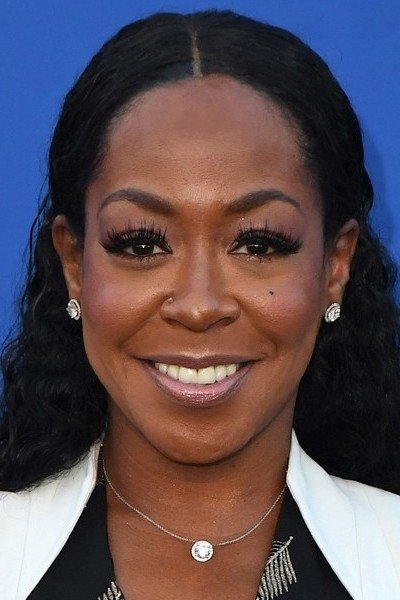
As a lead on the sitcom ‘Martin’ the actress shared in the success but also witnessed the behind the scenes turmoil that plagued the production. She has mentioned that the atmosphere became increasingly strained as the show reached its conclusion. While she cherishes the character of Pamela James she regrets that the show had to end in such a public and painful manner for everyone involved. She continues to be a staple in Black television but remains honest about the difficulties of that era.
Cicely Tyson

In her early career the actress often found herself offered roles that relied on stereotypes or lacked dignity. She famously decided to stop working for several years rather than accept roles that she felt were demeaning to Black women. She expressed regret that the industry at the time did not value the depth of her talent or the complexity of the Black experience. This led her to become a trailblazer who only accepted roles that portrayed Black people with honor and humanity.
Hattie McDaniel
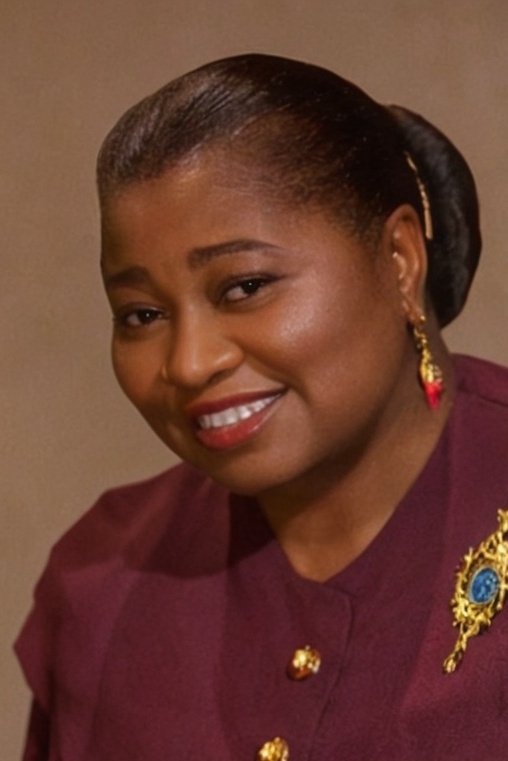
The first African American to win an Academy Award faced immense criticism from her own community for playing a house servant in ‘Gone with the Wind’. She often defended her choice by saying she would rather play a maid than be one but she privately felt the weight of the limited opportunities available to her. She regretted that she was never given the chance to show her range in roles that were not defined by servitude. Her legacy remains a complex mixture of groundbreaking achievement and the limitations of a segregated Hollywood.
Dorothy Dandridge
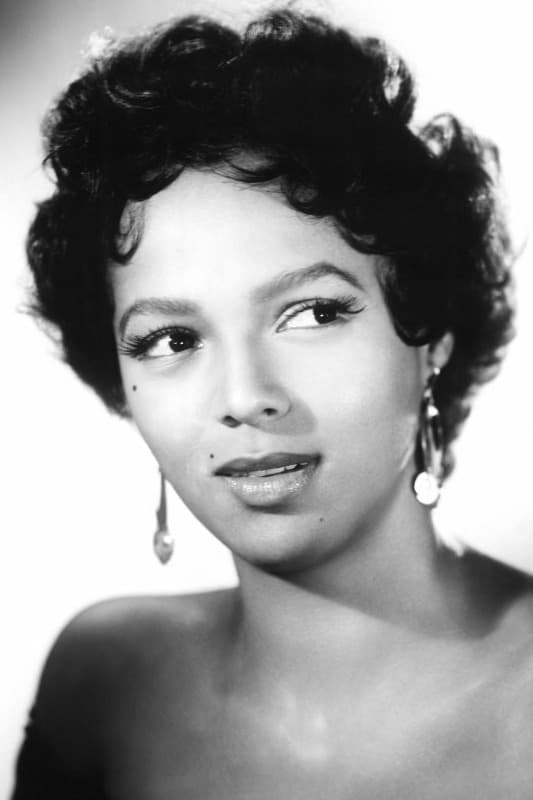
Despite being a major star the actress often regretted the tragic roles she was forced to play in films like ‘Carmen Jones’ and ‘Porgy and Bess’. She felt that the industry only saw her as a tragic figure or a femme fatale rather than a versatile leading lady. The lack of varied opportunities led to significant personal and professional frustration throughout her career. She often spoke about wanting to play roles that were not defined by her race or a tragic end.
Pearl Bailey
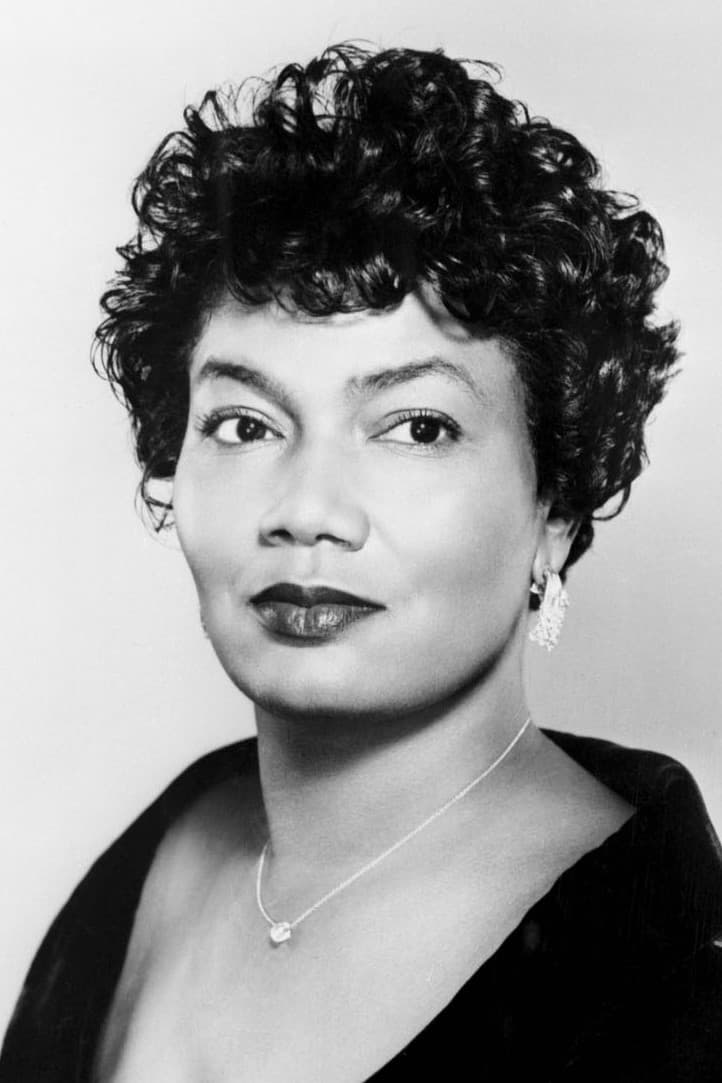
The actress and singer often felt pigeonholed by the types of roles available to her in mainstream Hollywood films. She expressed regret that she was frequently cast as the sassy or wise cracking servant which did not reflect her true capabilities as a performer. While she found success on Broadway she felt that her film career was a series of missed opportunities to do something more meaningful. She was a vocal advocate for better representation but often had to work within the confines of the system.
Leslie Jones
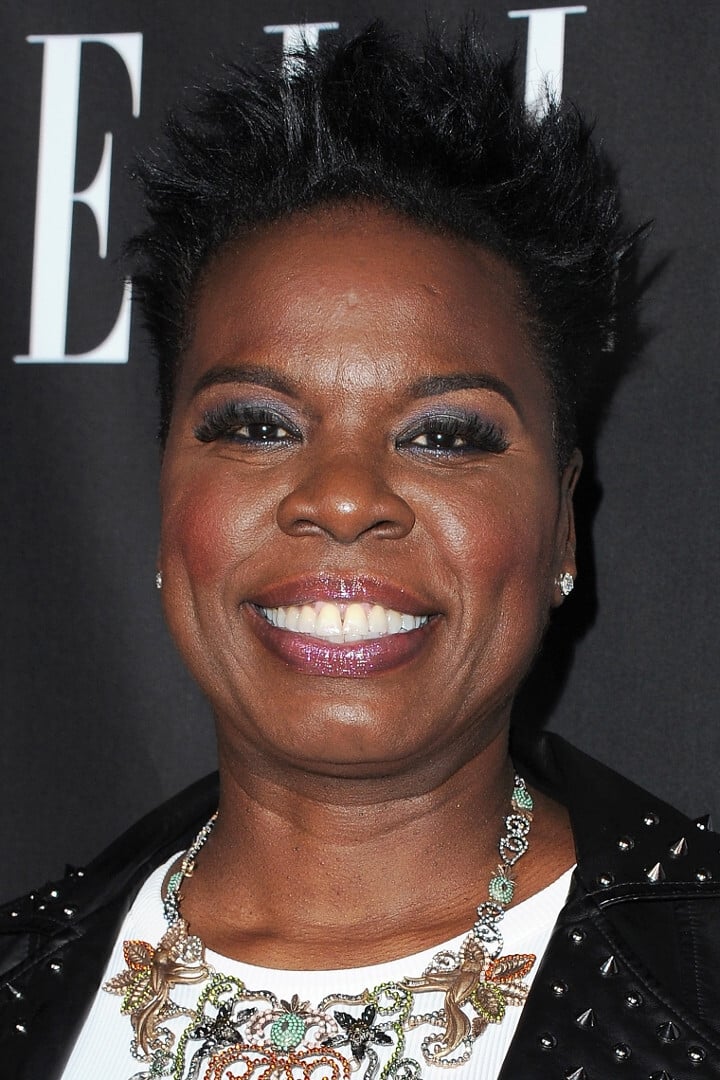
After starring in the reboot of ‘Ghostbusters’ the actress was subjected to a horrific amount of online harassment and racist abuse. She expressed deep regret over how the public responded to her presence in the film and the toll it took on her emotional well being. While she was proud of the work she did with her co stars the experience was marred by the negativity of the internet. She has since used her platform to speak out against cyberbullying and the treatment of Black women in media.
Jennifer Hudson
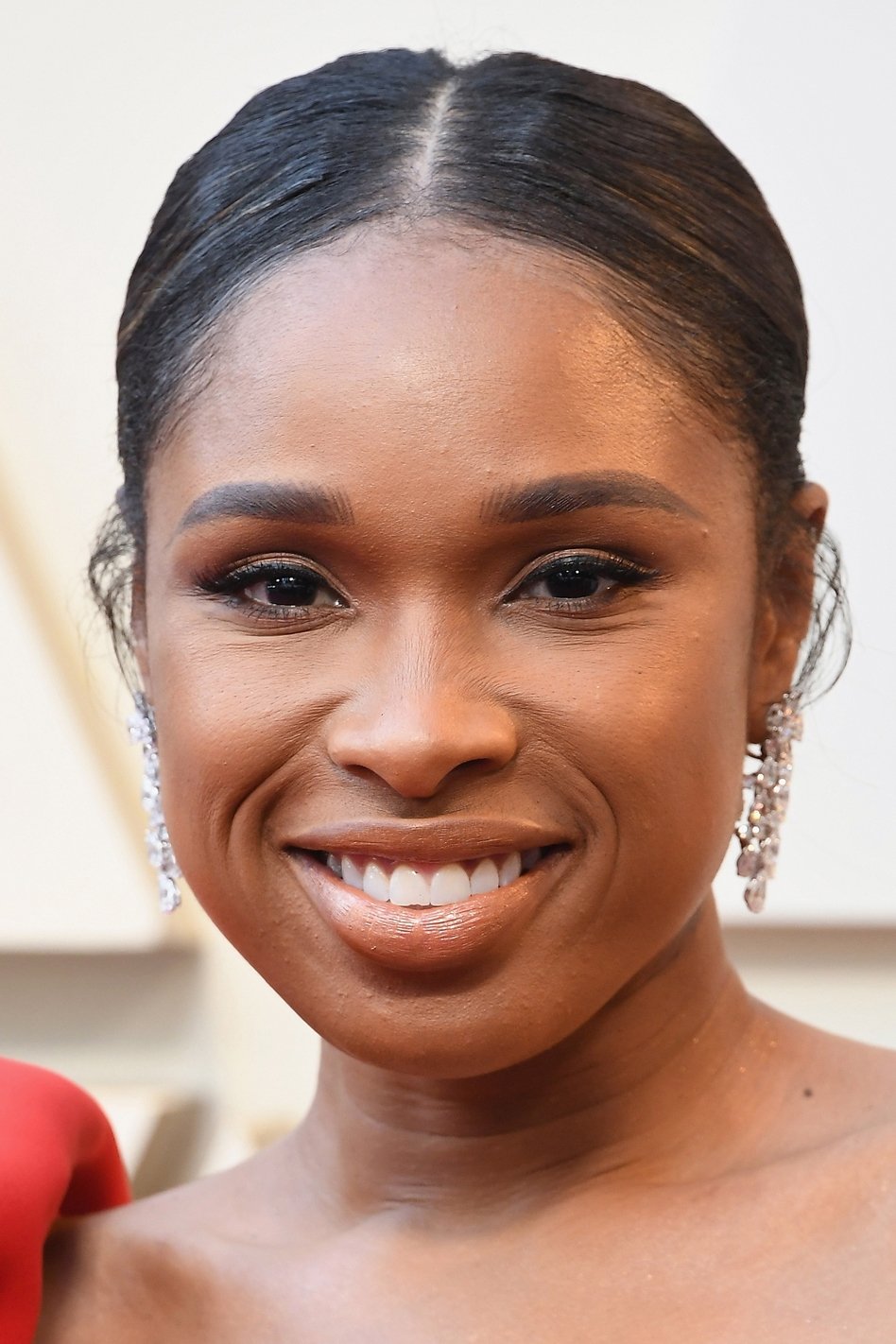
The actress appeared in the first ‘Sex and the City’ movie but some critics and fans felt her role as a personal assistant was beneath her talent. She later expressed that the role was not as substantial as she had hoped following her Oscar winning performance in ‘Dreamgirls’. The character was seen by some as a modern variation of a servant trope which led to discussions about her career trajectory. She has since focused on more powerful roles in biopics and dramatic films that showcase her vocal and acting range.
Mo’Nique
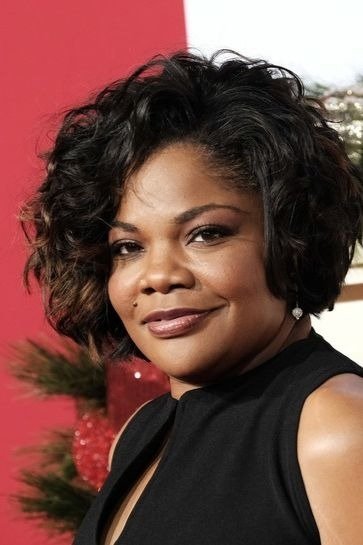
Following her Academy Award win for ‘Precious’ the actress experienced a significant fallout with the industry that she partially attributed to the role and its promotion. She expressed regret over how she was treated by the studio and the director during the awards season. The experience led to a long period where she felt blackballed by major Hollywood productions for standing her ground. She has been very vocal about the lack of fair pay and respect given to Black actresses in high profile roles.
Regina Hall
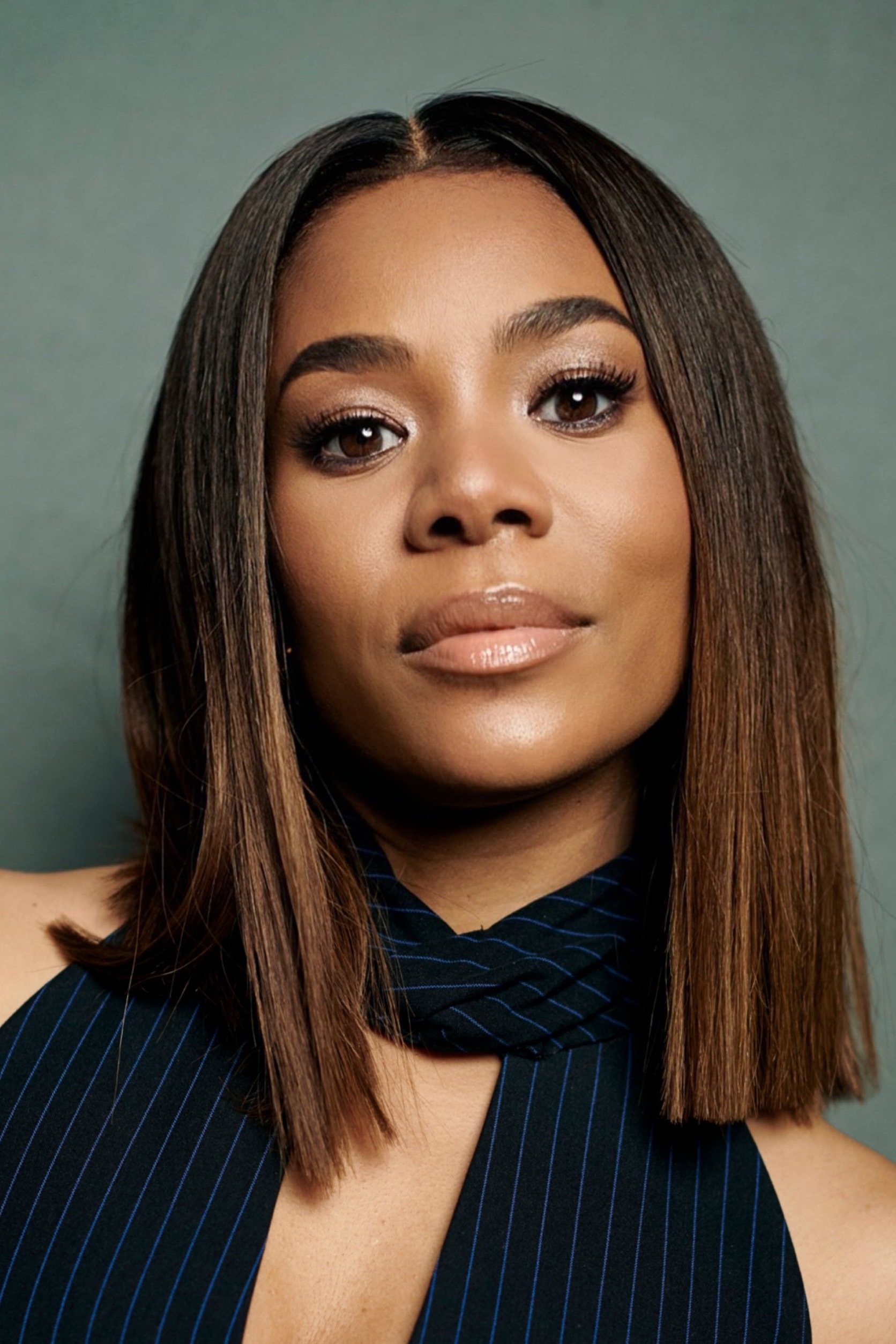
The actress has mentioned that some of her early roles in broad comedies like the ‘Scary Movie’ franchise felt repetitive and sometimes leaned into tropes she outgrew. While she credits the films with launching her career she has expressed a desire to move toward more nuanced and dramatic work. She has successfully transitioned into roles that offer more complexity and has become a respected figure in both comedy and drama. She looks back on those early roles as part of her journey but not as the definitive work of her life.
Kerry Washington
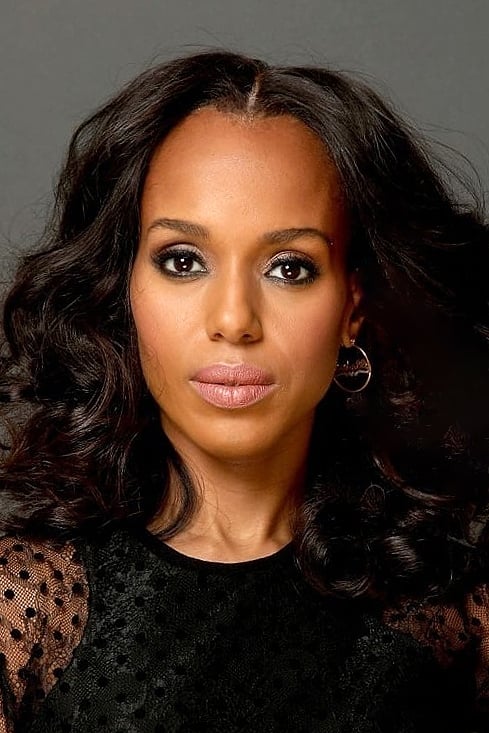
Before her breakout in ‘Scandal’ the actress often felt frustrated by the lack of substantial roles for Black women in Hollywood. She has expressed regret that she had to take certain parts earlier in her career that felt one dimensional or stereotypical just to keep working. She felt that the industry was slow to recognize that Black women could carry a major dramatic series as the lead. This led her to become more involved in producing her own projects to ensure better representation for others.
Danai Gurira
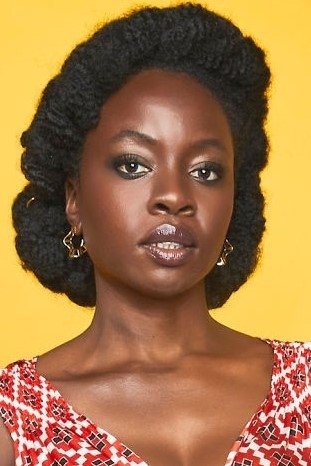
While she is famous for her role in ‘The Walking Dead’ she has spoken about the difficulty of leaving the show and the emotional toll of playing such a battle hardened character for years. She expressed a sense of regret regarding the timing of her exit and the way certain character arcs were handled. The actress has since moved toward writing and starring in projects that explore her African heritage more directly. She values the platform the show gave her but felt it was time to tell different stories.
Issa Rae
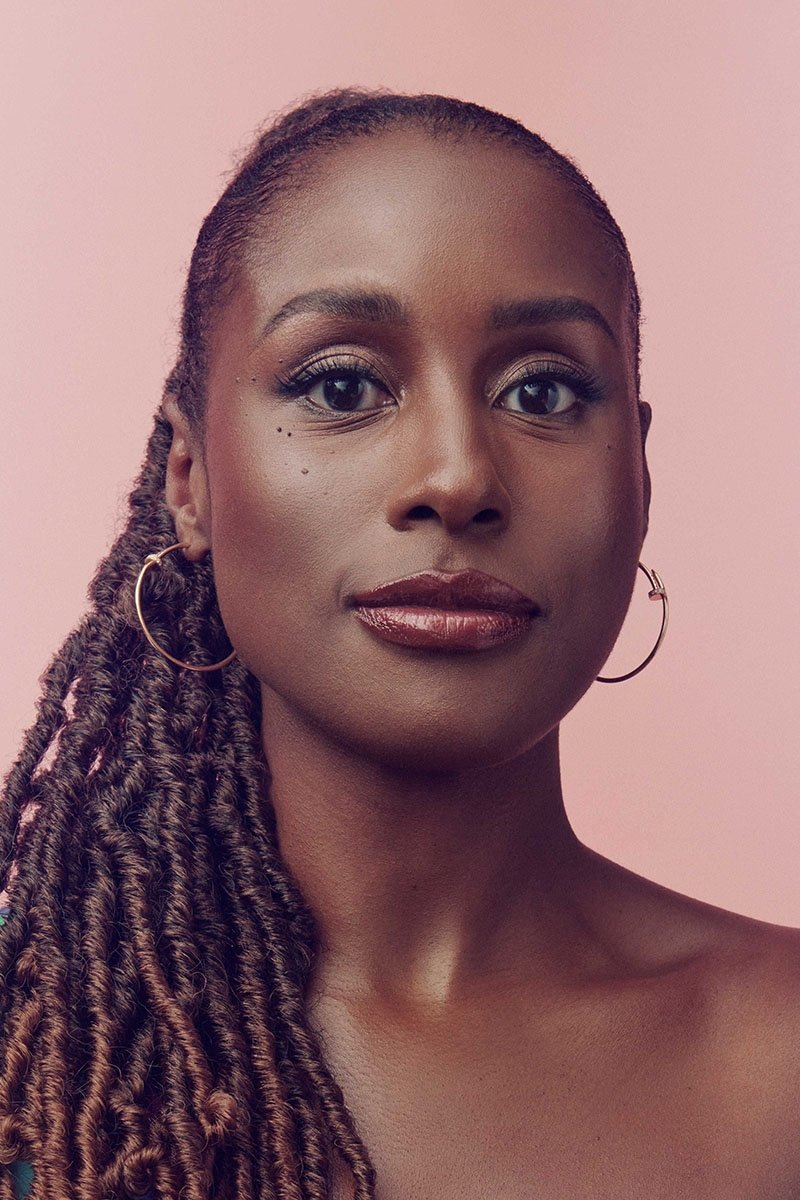
The creator and star of ‘Insecure’ has spoken about her early experiences in the industry where she felt pressured to make her content more palatable for mainstream audiences. She regretted moments where she felt she was compromising her vision to fit into the traditional Hollywood mold. This led her to double down on her unique voice and create stories that were authentically Black and relatable. She has since become a powerhouse producer who prioritizes creative control and cultural authenticity.
Cynthia Erivo
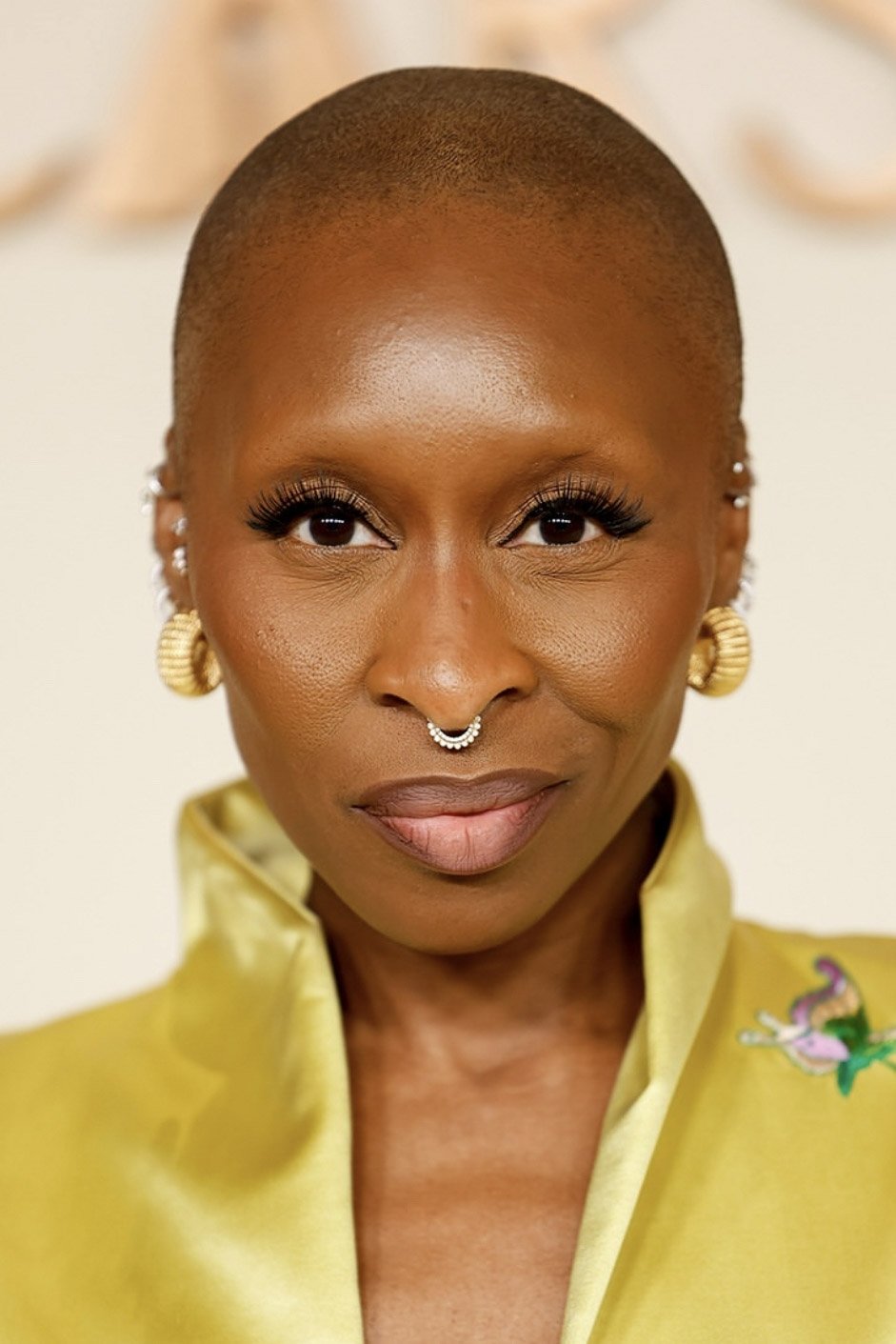
The actress faced criticism for her role in ‘Harriet’ which led to intense public scrutiny and debates about nationality and representation. She has expressed that the negative feedback and the way she was perceived by some in the community was painful to navigate. While she stands by her performances she has reflected on the challenges of being a British actress playing iconic African American figures. She continues to seek out roles that challenge her but remains mindful of the conversations surrounding her work.
Tracee Ellis Ross
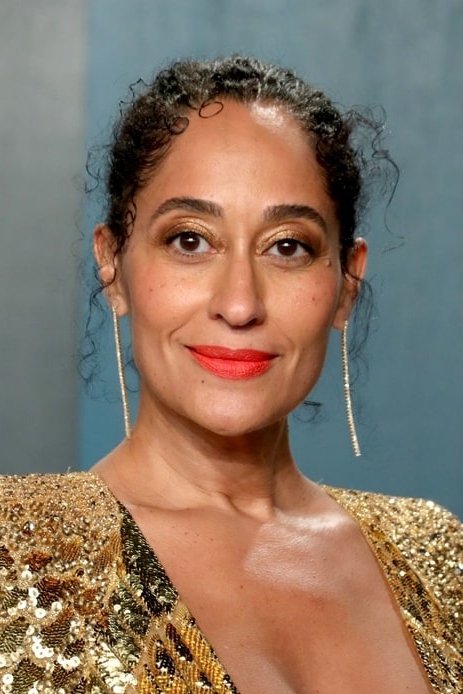
The actress has mentioned that earlier in her career she felt the shadow of her famous mother influenced the roles she was offered. She regretted that it took so long for the industry to see her as an individual talent separate from her family legacy. She has since carved out a massive career on ‘Girlfriends’ and ‘Black-ish’ where she could finally showcase her own comedic and dramatic skills. She remains a champion for women of color in the industry and works to provide better opportunities for the next generation.
Taraji P. Henson

While she received an award nomination for ‘The Curious Case of Benjamin Button’ the actress famously expressed regret over the low salary she was paid compared to her co stars. She felt that the lack of financial respect for her contribution was a bitter part of an otherwise successful project. This experience motivated her to become more vocal about the pay gap for Black actresses in Hollywood. She has since demanded higher pay and better treatment for her work in subsequent major productions.
Jurnee Smollett

The actress has been working since childhood and has reflected on the difficulty of being a child star in an industry that often sexualizes young girls. She expressed regret that she did not always have the agency to choose roles that were truly aligned with her values when she was younger. As an adult she has taken more control over her career and chooses roles that are physically and emotionally demanding. She has become a strong advocate for the protection of young performers on film sets.
Garcelle Beauvais
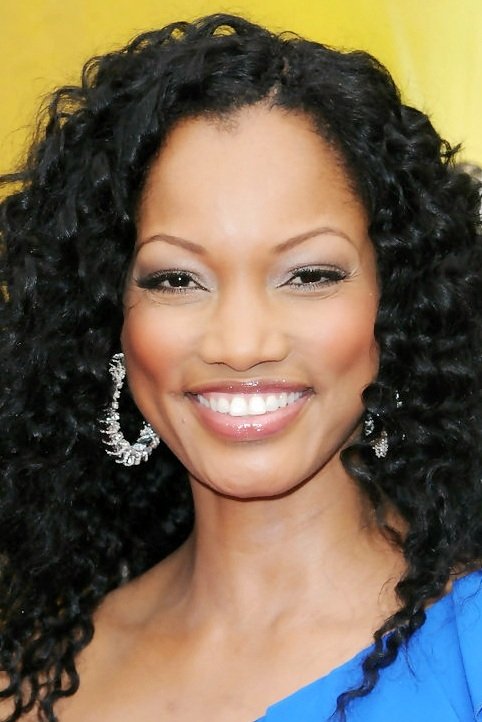
The actress and television personality has spoken about her time on ‘The Jamie Foxx Show’ and how she felt pigeonholed as just the love interest. She regretted that her character did not have more individual development or storylines that did not revolve around the male lead. While the show was a success she felt that she had more to offer as a comedic and dramatic performer. She has since expanded her career into reality television and writing where she can control her own narrative.
Lupita Nyong’o
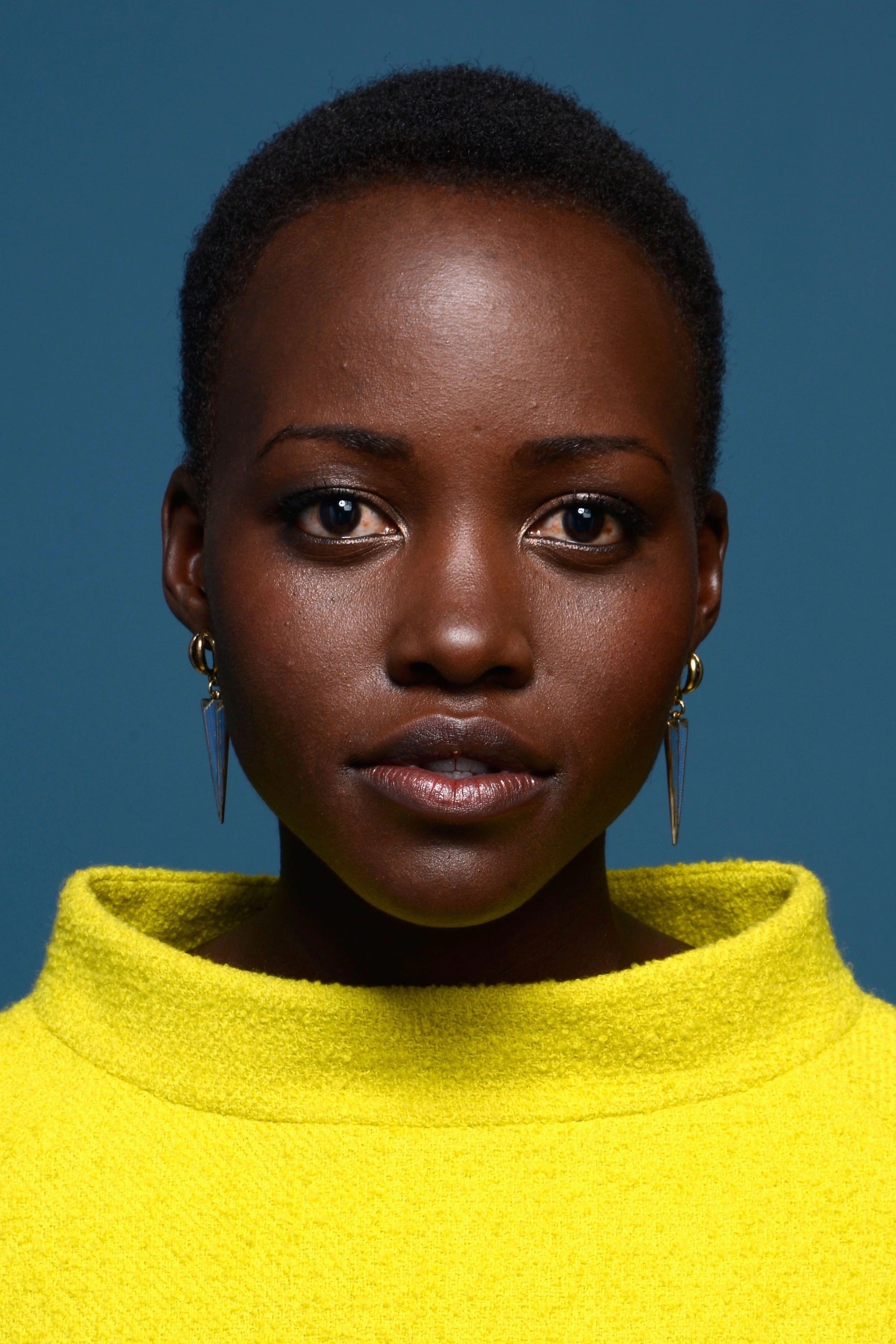
Following her breakthrough in ’12 Years a Slave’ the actress faced a lot of pressure to choose the perfect follow up roles. She has expressed that the intense scrutiny made her feel like she had to be extremely careful with every move she made. She has occasionally regretted the time it took to find roles that felt as meaningful as her debut performance. She has since found a balance by taking on major franchise roles as well as smaller more personal projects.
Zendaya

As a former child star the actress has worked hard to shed her teen idol image and take on more mature roles. She has expressed that she sometimes felt limited by the expectations of being a role model for young children. She regretted that her early career was so tightly controlled and that she did not have the freedom to explore more complex characters sooner. Her later work was a deliberate choice to break away from those past constraints and show her true range.
Nia Long
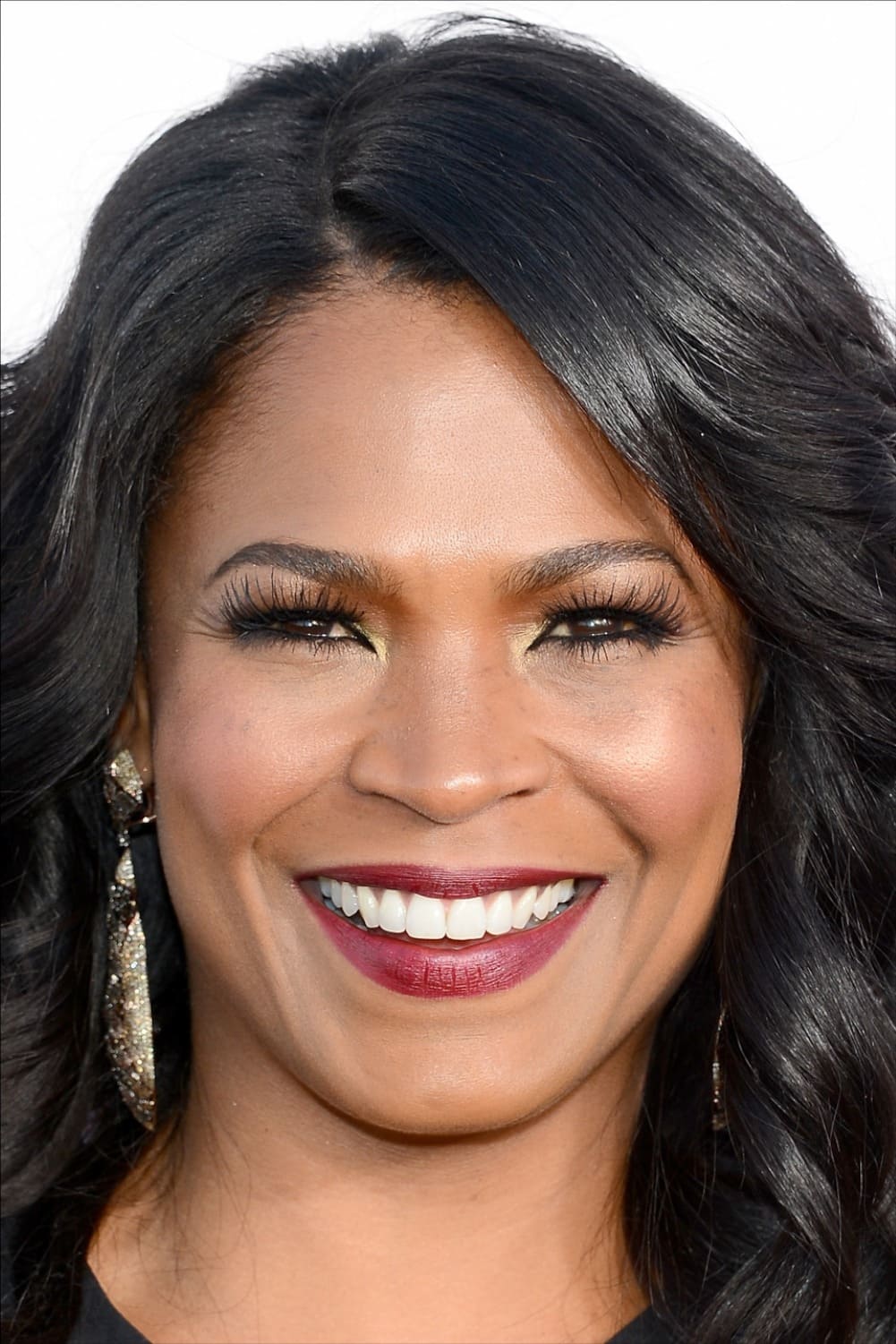
The actress has been a staple in cinema for decades but has expressed frustration with the lack of opportunities in major Hollywood blockbusters. She regretted that she was often overlooked for roles in films that went on to be massive mainstream hits. She felt that the industry frequently categorized her as an actress who only appealed to a specific demographic. She has continued to work steadily and has become a vocal advocate for more diverse casting in all genres of film.
Eartha Kitt
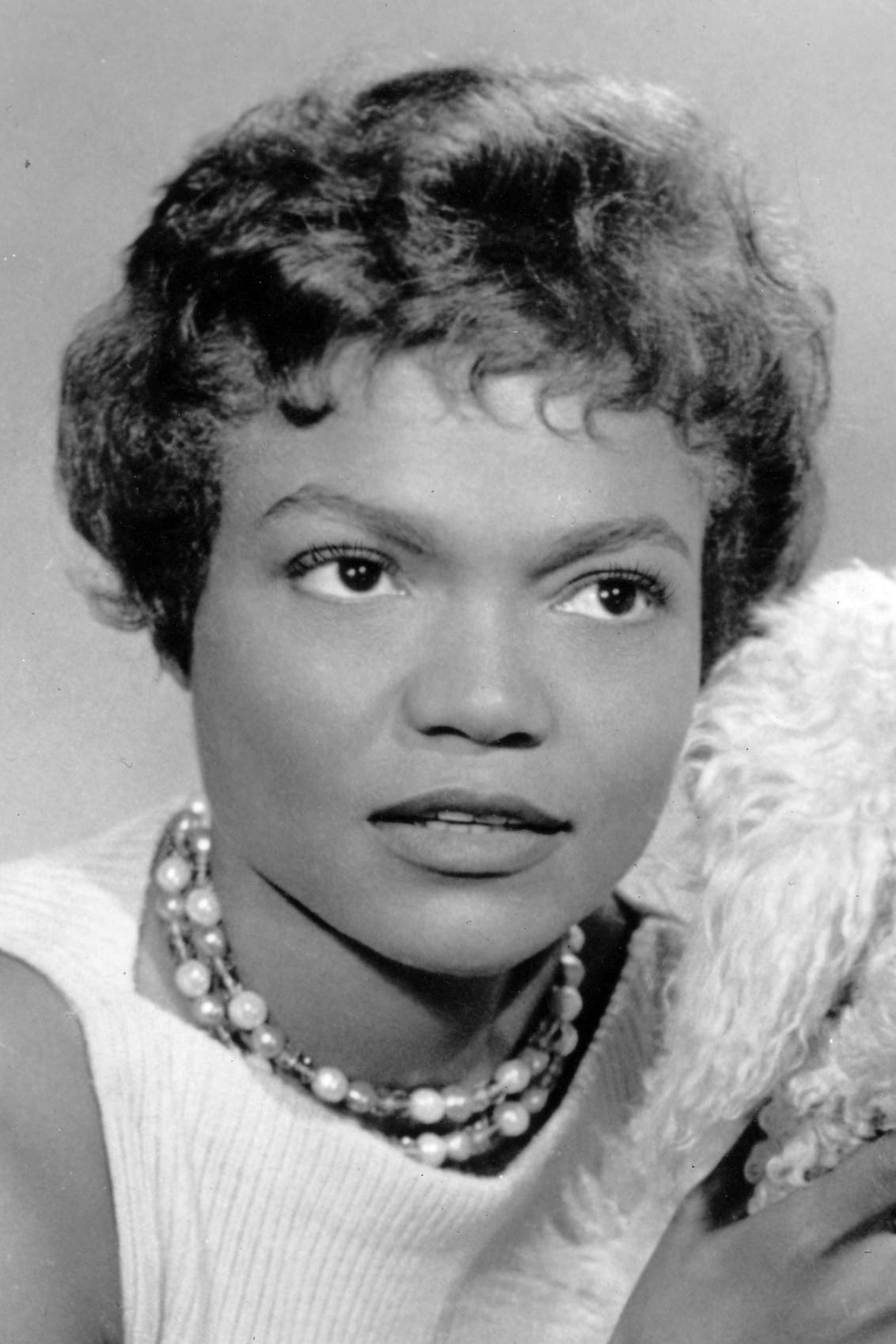
The legendary performer was blacklisted from Hollywood for several years after making political comments at the White House. She expressed regret that her career in the United States was derailed during what should have been her peak years. While she found success in Europe she always felt the loss of the opportunities she could have had in her home country. She eventually returned to American screens but her journey remains a reminder of the political risks faced by performers.
Regina King
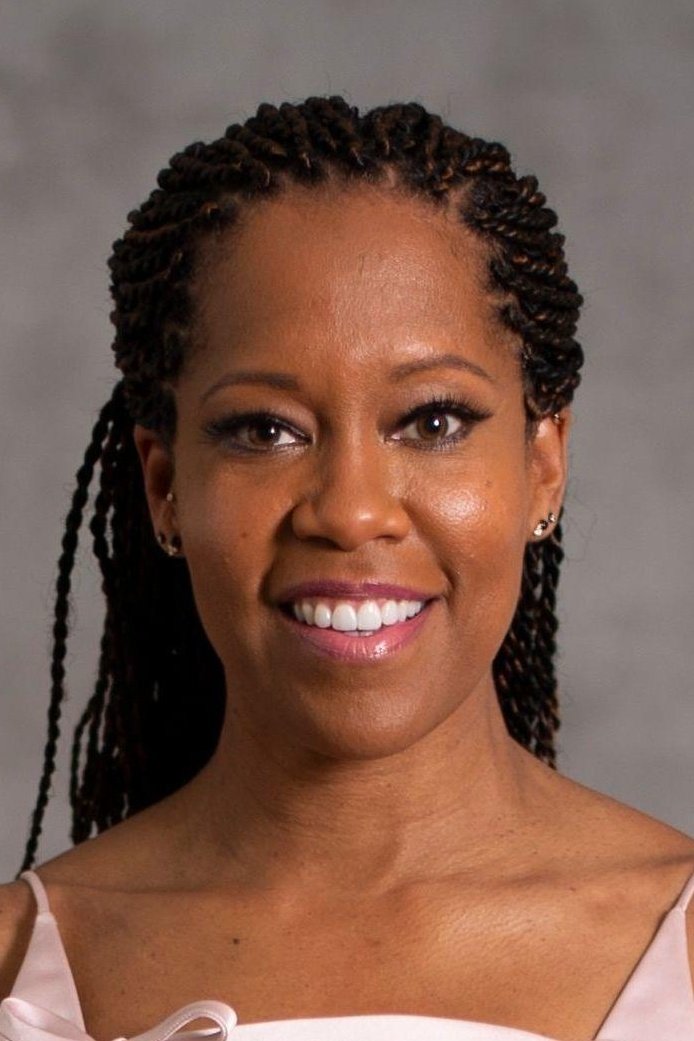
The acclaimed actress and director has reflected on the early years of her career when she was often cast as the best friend or the supporting wife. She regretted that it took the industry so long to recognize her as a leading lady capable of carrying a film or series. Since her career resurgence she has won multiple awards and moved into directing high profile projects. She has expressed that the struggles of her early career helped shape her into the powerhouse she is today.
Tessa Thompson
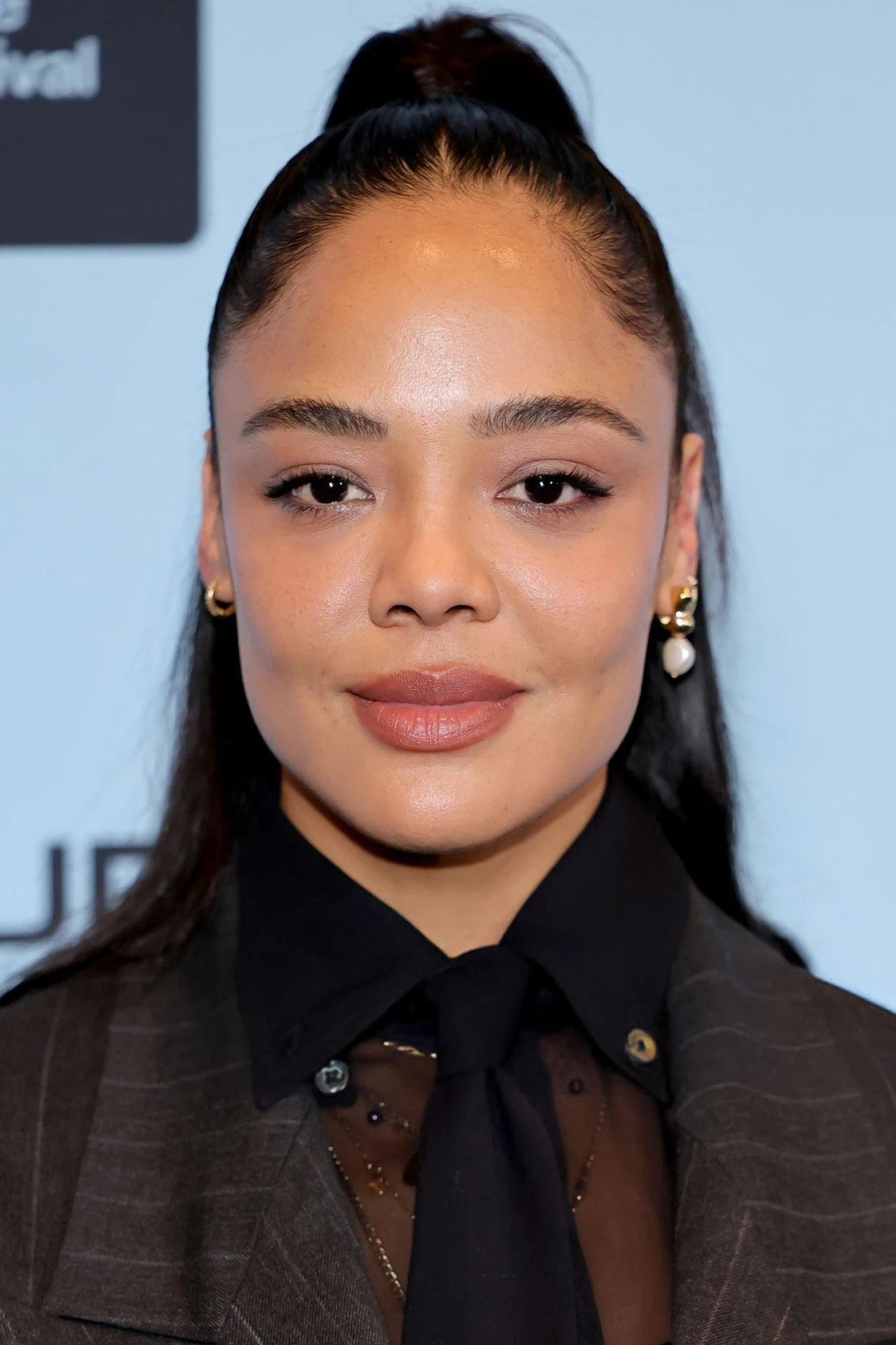
The actress has spoken about the challenges of being a Black woman in major franchises and the pressure to represent a diverse audience. She expressed some regret over how certain aspects of her character’s identity were initially downplayed in ‘Thor: Ragnarok’. She has since worked with the filmmakers to ensure that her character is more fully realized and true to her origins. She remains a key voice in the movement for better representation in large scale cinematic universes.
Meagan Good
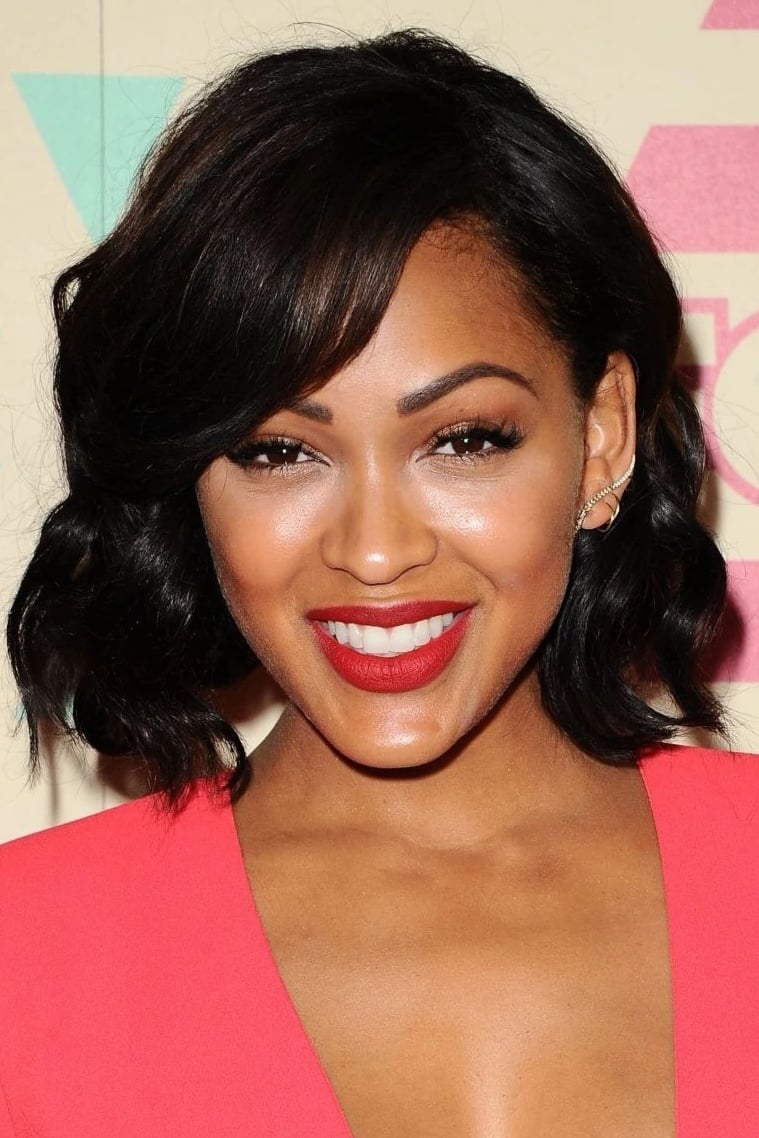
The actress has spoken about being sexualized at a very young age in the film industry and the types of roles that followed. She expressed regret that she was often cast in parts that did not allow her to show her full range as a performer. She felt that her physical appearance often overshadowed her ability to take on more serious or dramatic characters. In recent years she has been more intentional about choosing projects that reflect her growth and personal values.
Share your thoughts in the comments.