African-American Actresses Who Publicly Apologized For The Roles They Played

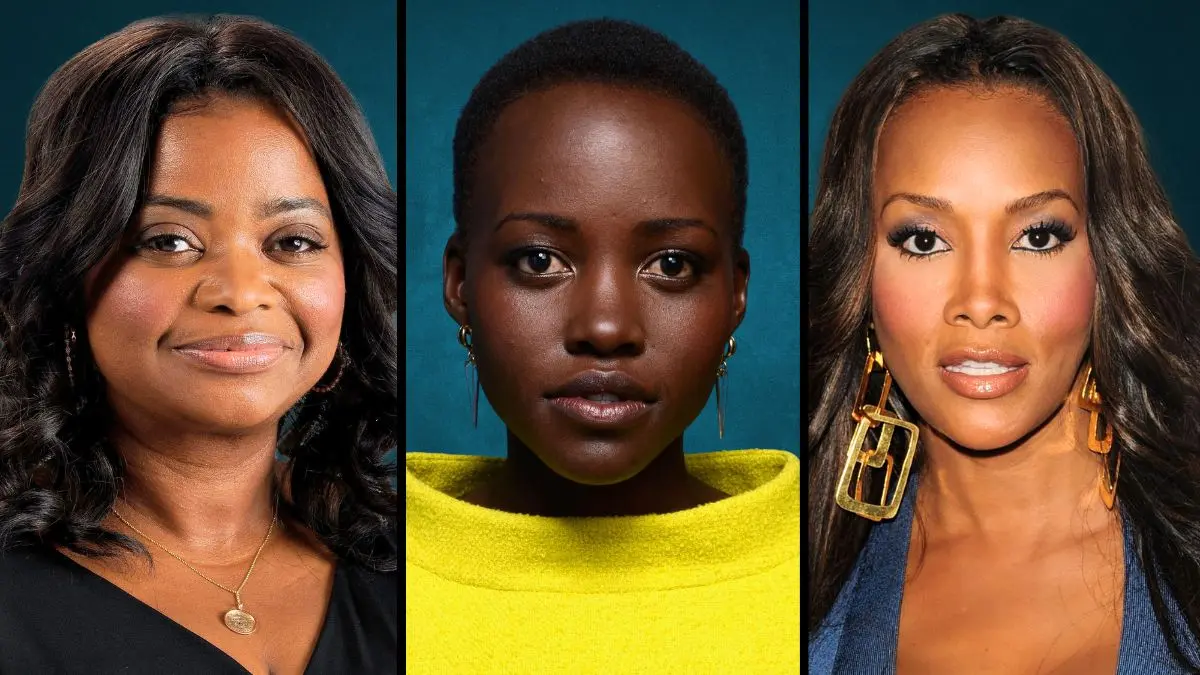

Hollywood history is filled with moments where performers look back on their careers with a fresh perspective and a sense of responsibility. For many Black actresses the decision to take certain roles is often complicated by a lack of opportunities and the pressure to represent a diverse community. Some have chosen to speak out years later to address the problematic nature of their characters or the messages their films conveyed to the public. These public apologies serve as important markers in the ongoing dialogue about representation and equity in the entertainment industry.
Viola Davis
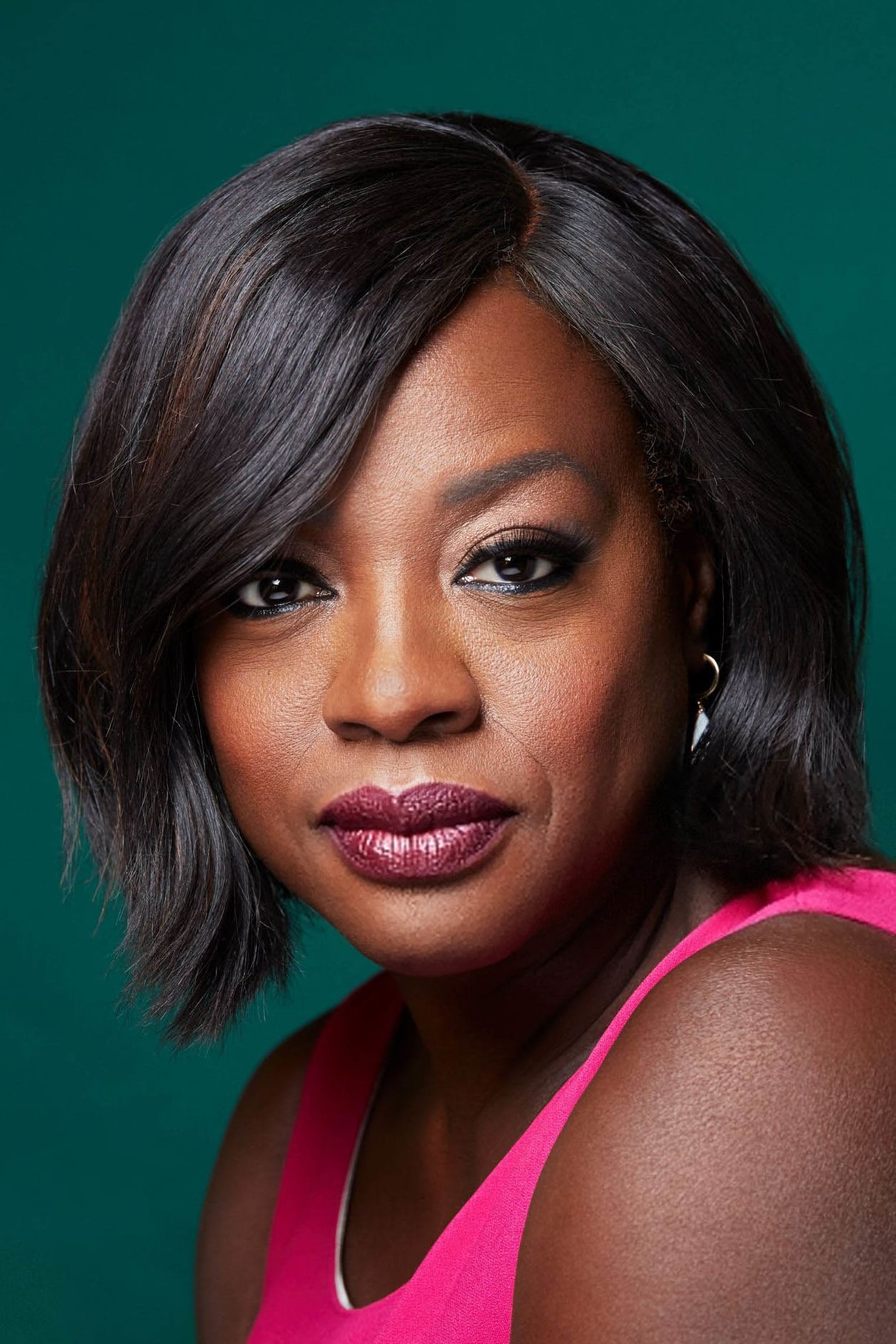
The Academy Award winner expressed deep regret over her participation in the film ‘The Help’ and its limited perspective. She felt that the story focused too much on the white characters and failed to highlight the true voices of the Black domestic workers. While she appreciated the opportunity to work with her talented costars she believed the movie catered primarily to a white audience. She has since used her platform to advocate for more authentic and complex roles for Black women in major productions.
Zoe Saldaña
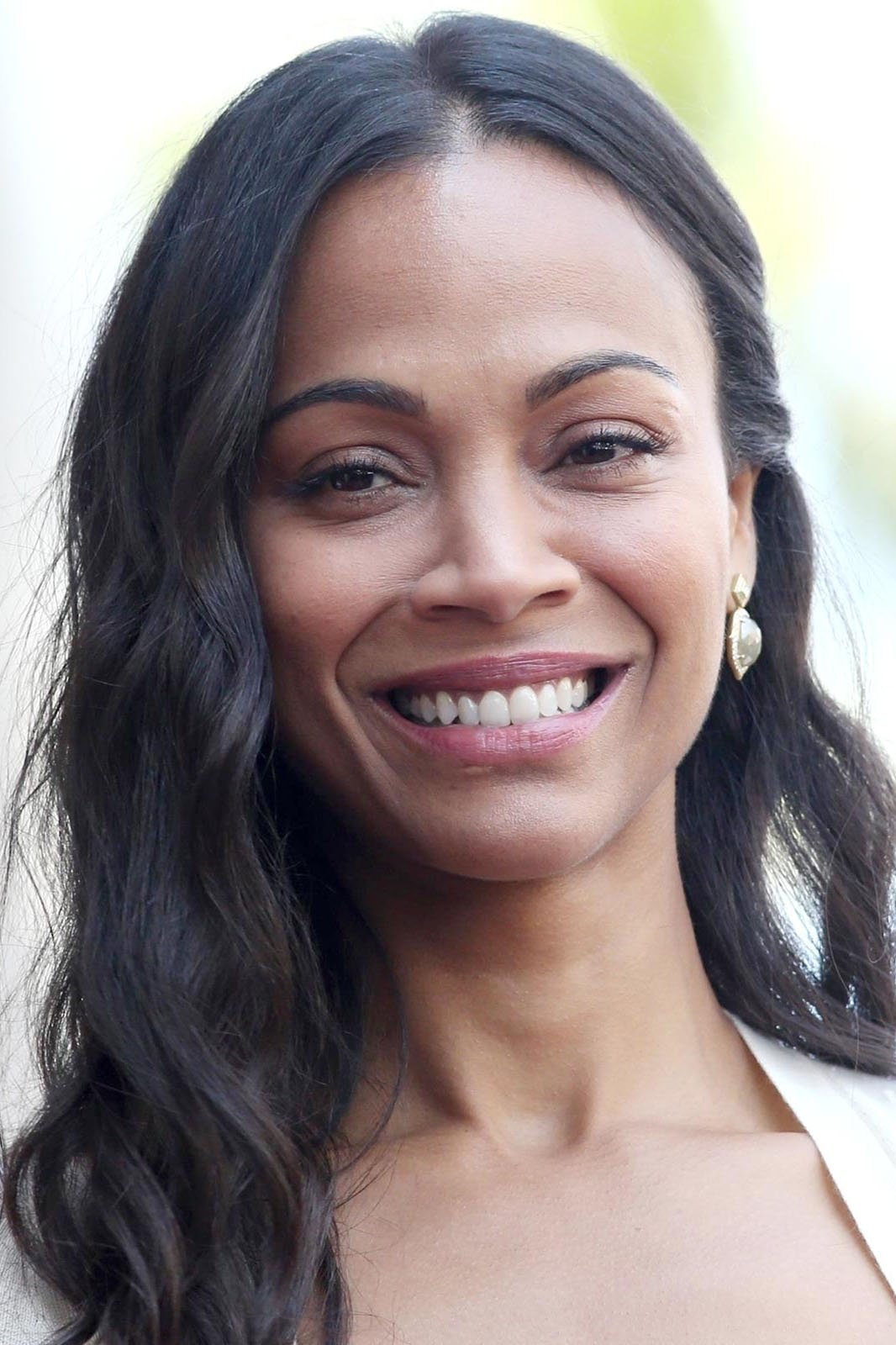
The actress faced significant backlash for her portrayal of the legendary singer in the biopic ‘Nina’ which led to a public apology. She expressed remorse for wearing a prosthetic nose and using skin darkening makeup to resemble the iconic musician more closely. She admitted that she should have used her influence to ensure a more physically accurate actress was cast in the leading role. Her emotional statement highlighted the ongoing issues of colorism and the importance of proper representation within the film industry.
Thandiwe Newton

During a promotional interview the actress offered a tearful apology to darker skinned Black women for her role in the industry. She acknowledged that her lighter skin tone had granted her opportunities that were often denied to her peers with darker complexions. She expressed guilt over being a face that the film industry felt comfortable casting while overlooking equally talented darker performers. This moment sparked a wider conversation about the nuances of colorism and the privilege held by certain actresses in Hollywood.
Gabrielle Union
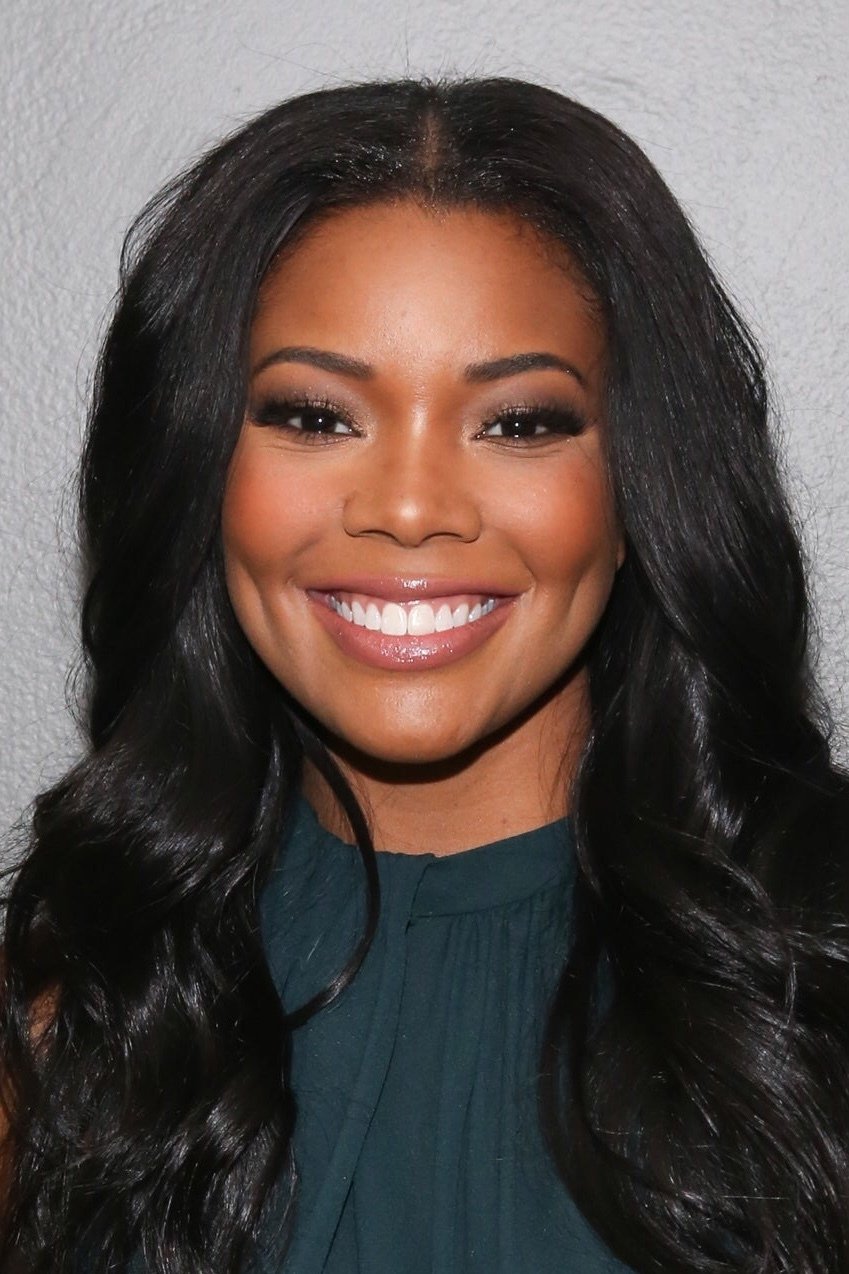
The star of ‘Bring It On’ expressed regret over how her character and her team were handled during the production and marketing of the cheerleading film. She apologized for not fighting harder to give the East Compton Clovers more agency and depth in the story. She felt that her character was silhouetted against the white protagonists without being given a proper voice or background. Her reflections provided valuable insight into the challenges of playing secondary characters in mainstream teen comedies of that era.
Octavia Spencer
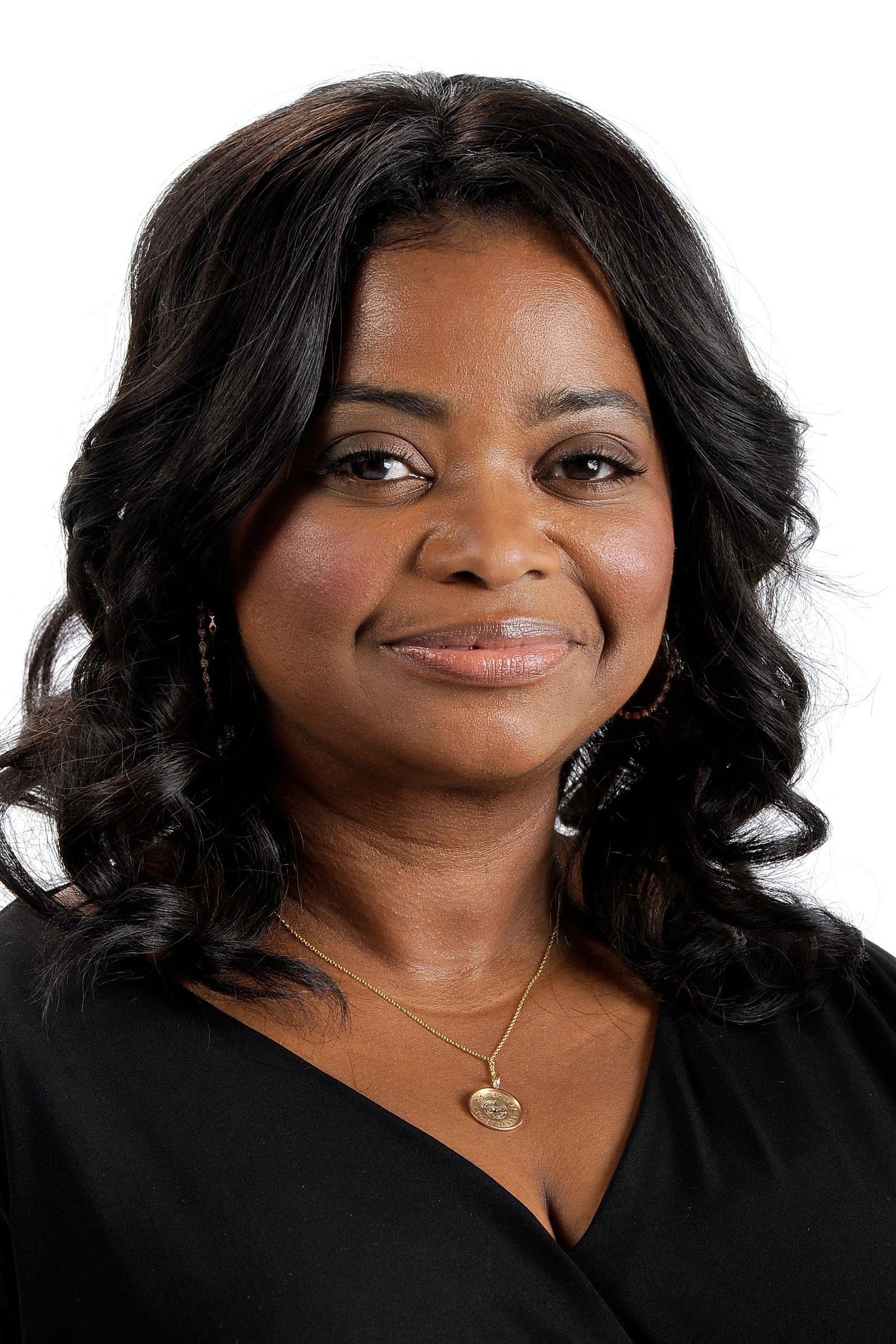
Following the comments made by her colleagues the actress echoed sentiments regarding the limitations of the historical drama ‘The Help’. She acknowledged that while the film was a professional milestone for many it did not fully capture the harsh realities of the era. She expressed a desire for more stories that center the lived experiences of Black women without filtering them through a white lens for comfort. Her honesty helped fans understand the complex relationship that many actors can have with their most famous and successful work.
Amandla Stenberg
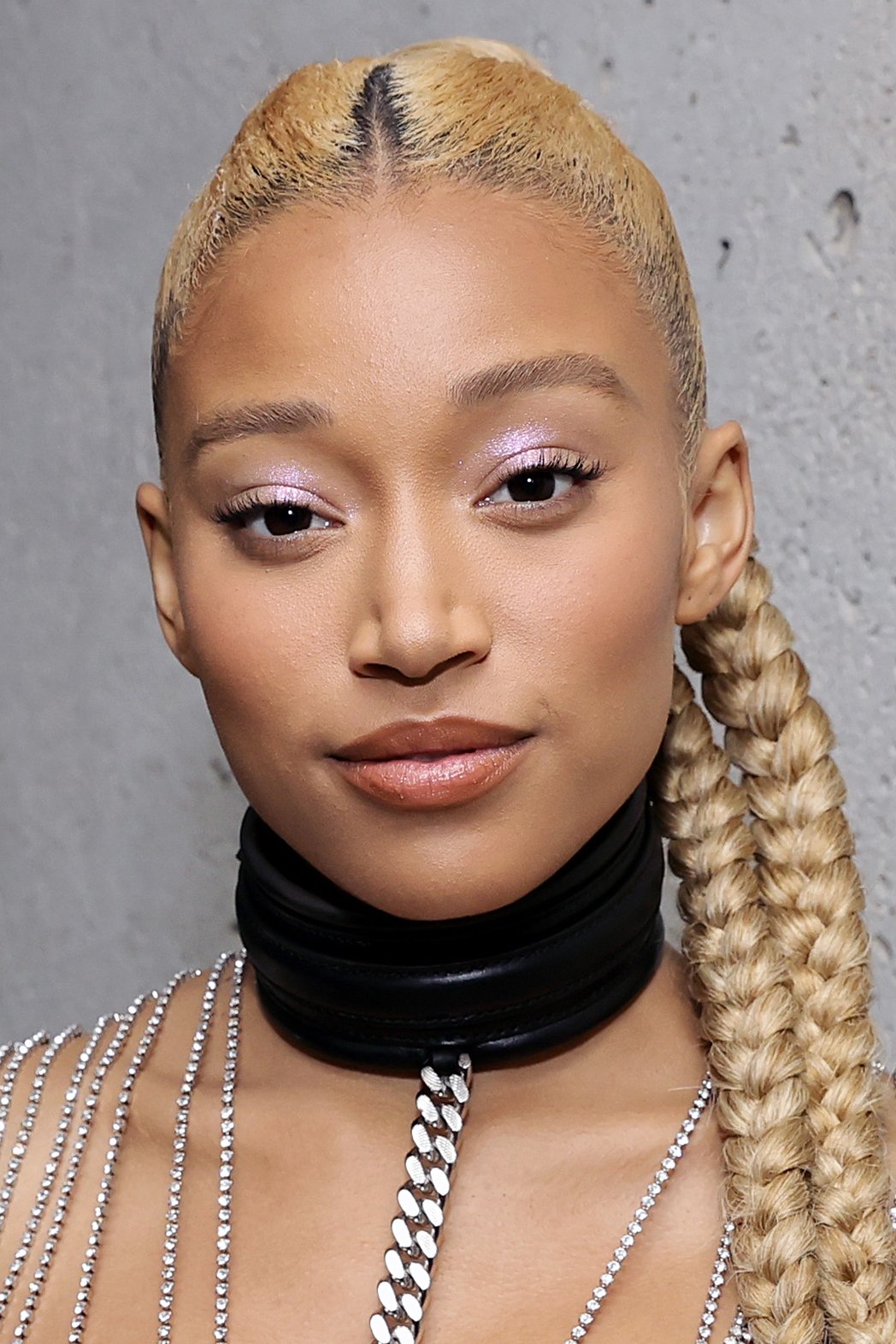
The young actress apologized for her casting in the film ‘The Hate U Give’ after concerns were raised about colorism during the preproduction phase. She recognized that the character in the source material was described as having a much darker complexion than her own. She engaged with critics and fans to discuss how her presence in the role might contribute to the erasure of darker skinned girls in media. Her transparent dialogue with the public demonstrated a high level of accountability and awareness regarding her career choices.
Halle Berry
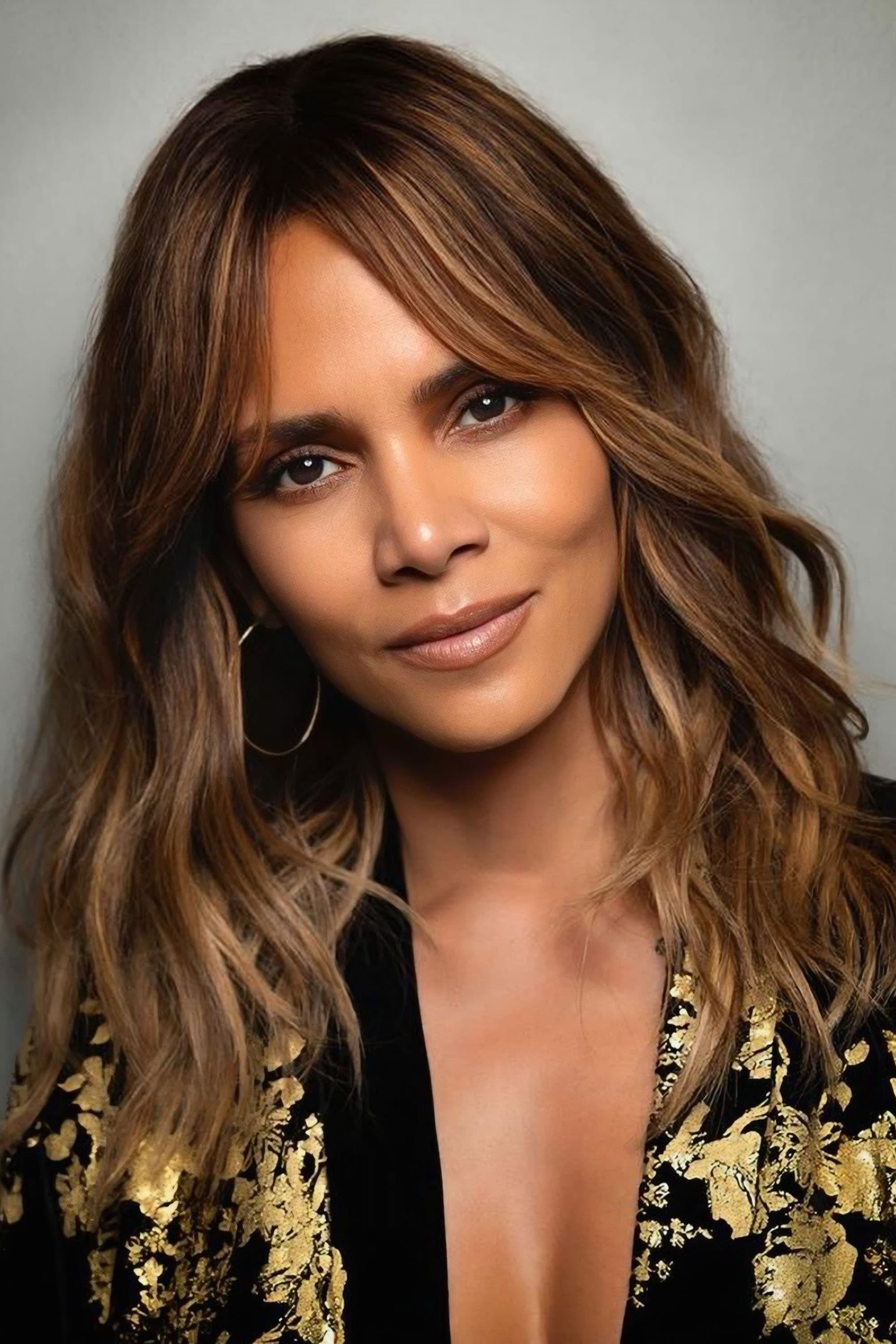
The actress famously accepted a Razzie Award in person and used the stage to mock her own performance in the superhero film ‘Catwoman’. She apologized to her fans for delivering a movie that did not meet their expectations or honor the legacy of the character. She treated the situation with humor while acknowledging that the project was a significant professional misstep for everyone involved. Her willingness to own the failure of the film made her one of the few stars to publicly criticize her own leading role.
Whoopi Goldberg
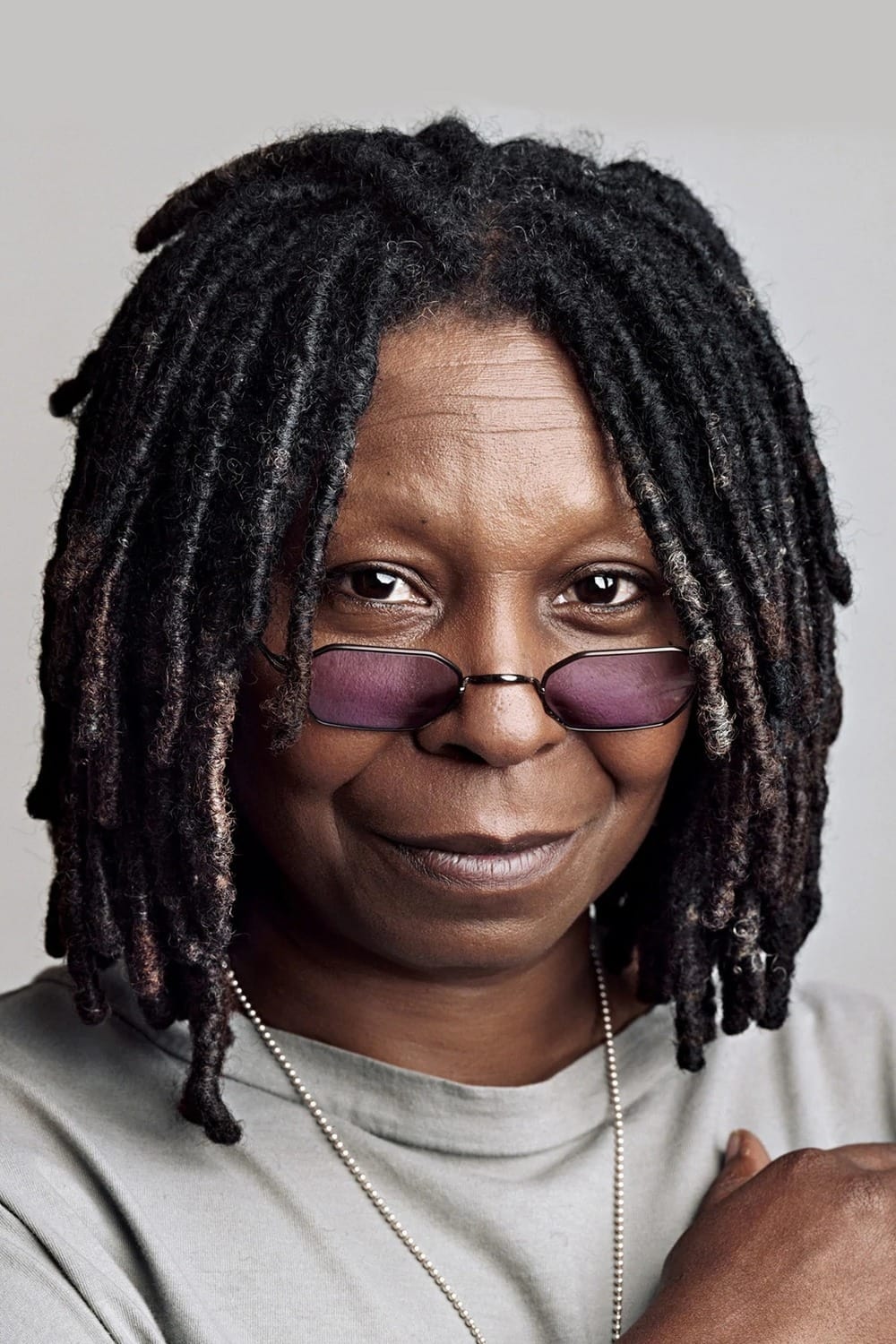
The legendary performer has been open about her intense dislike for the movie ‘Theodore Rex’ and the circumstances of her casting. She attempted to back out of the production but was legally forced to complete the project under the threat of a massive lawsuit. She has since apologized to her audience for the quality of the film and its overall execution. Her experience remains a powerful cautionary tale about the contractual obligations that can trap even the biggest stars in unwanted creative roles.
Maya Angelou
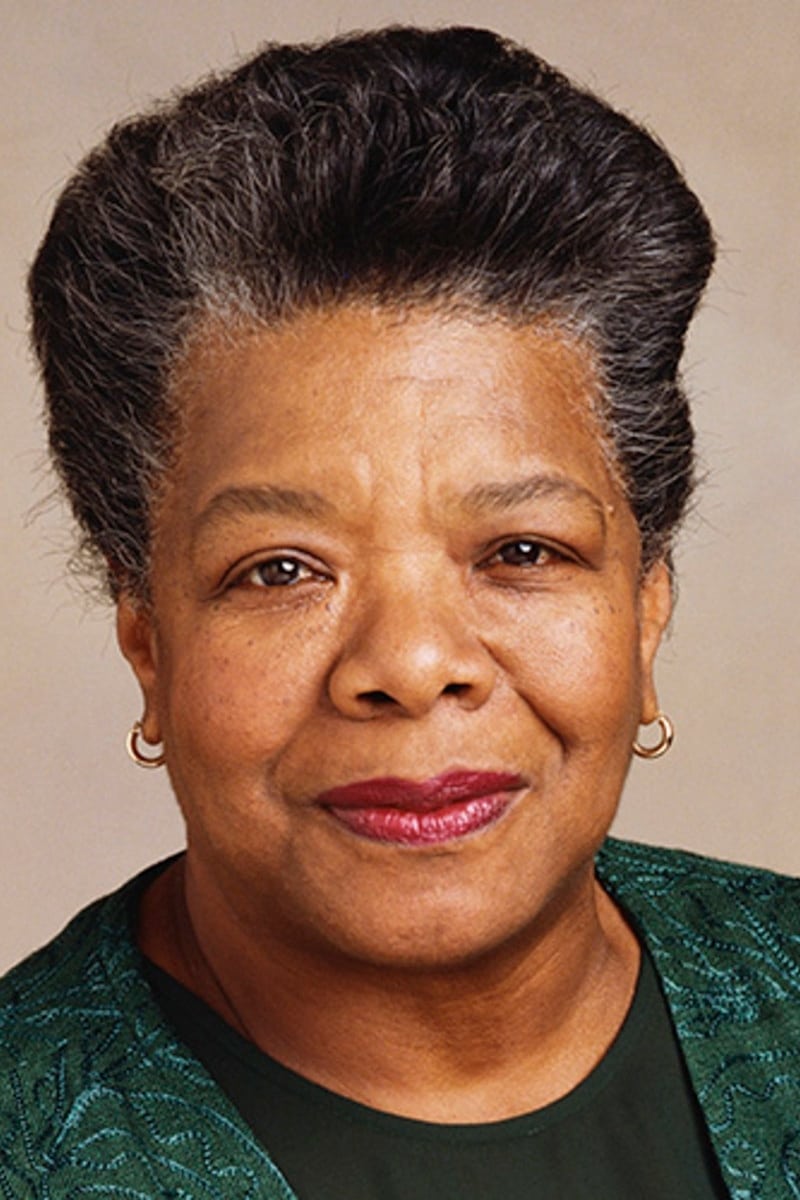
Before becoming a world renowned poet the icon appeared in the film ‘Calypso Heat Wave’ during the height of a specific musical trend. She later expressed regret over the role and the way it utilized her talents in a superficial and reductive manner. She felt the project did not align with her personal dignity or the serious message she wished to share with the world. Her early acting career served as a stepping stone that eventually led her to more meaningful and impactful creative pursuits.
Lupita Nyong’o
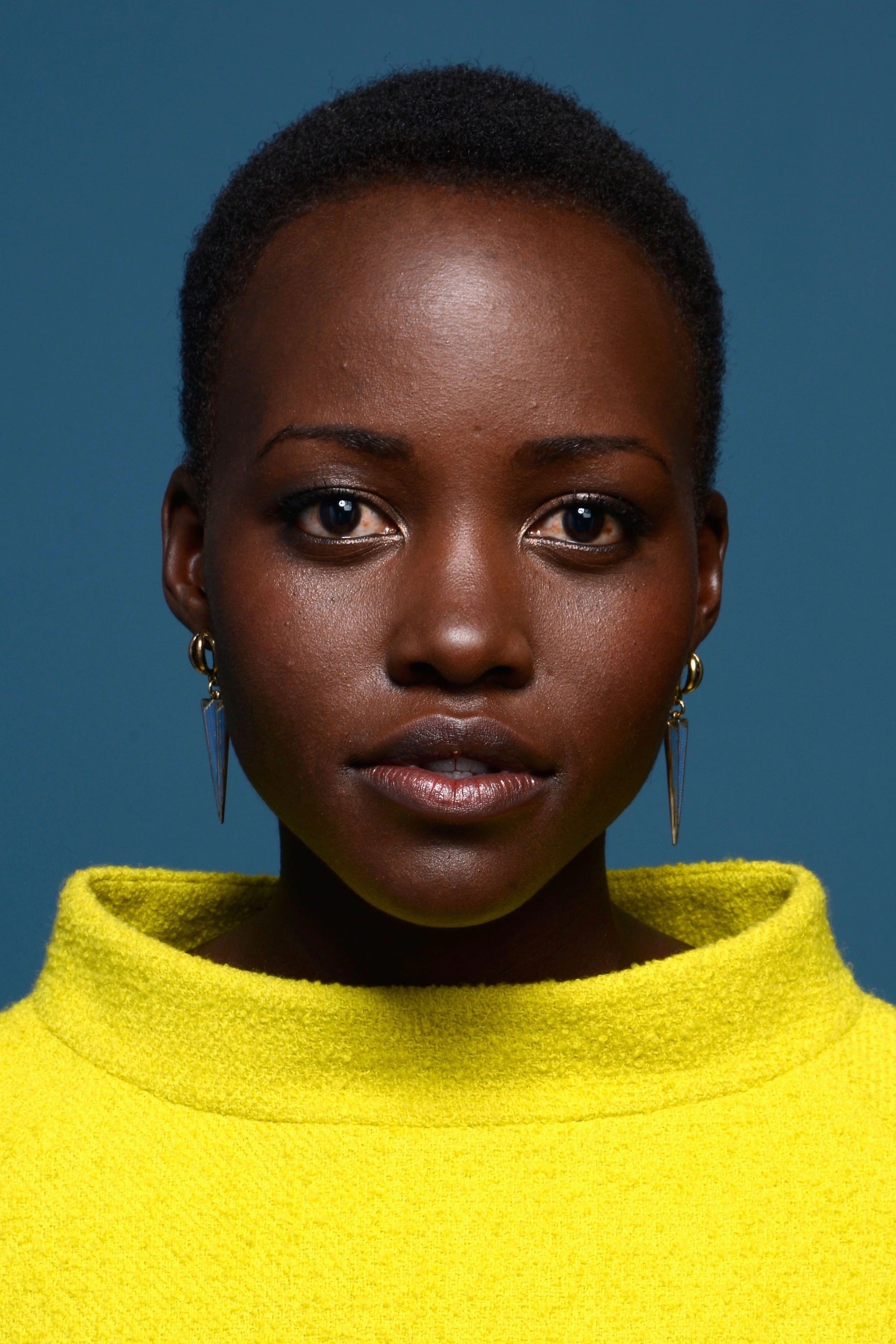
The actress issued a public apology to the disability community regarding her vocal performance in the horror film ‘Us’. She revealed that she had modeled the raspy voice of her character on a specific medical condition known as spasmodic dysphonia. After learning that her portrayal could be seen as offensive or marginalizing to those with the condition she expressed her sincere regrets. She emphasized that her intention was never to cause pain but to create a unique and terrifying character for the screen.
Vivica A. Fox
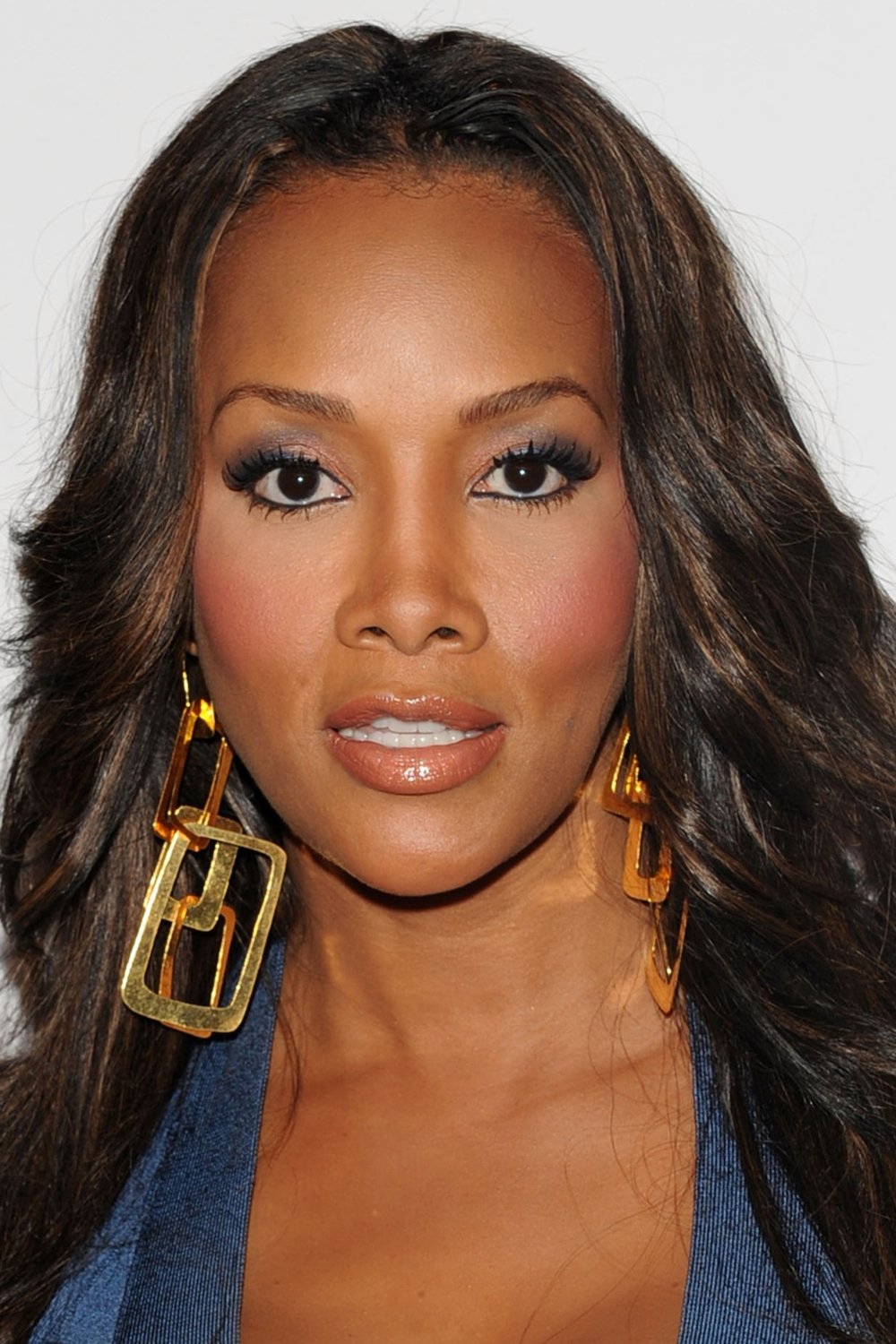
The actress has spoken openly about her regret concerning her participation in the comedy film ‘Boat Trip’. She felt that the film relied on dated stereotypes and did not represent her best work as a professional performer. She apologized to her fans who were disappointed by the project and its approach to humor and characterization. Her reflection showed a maturing perspective on the types of scripts she chose to accept in the years following the release.
Rashida Jones
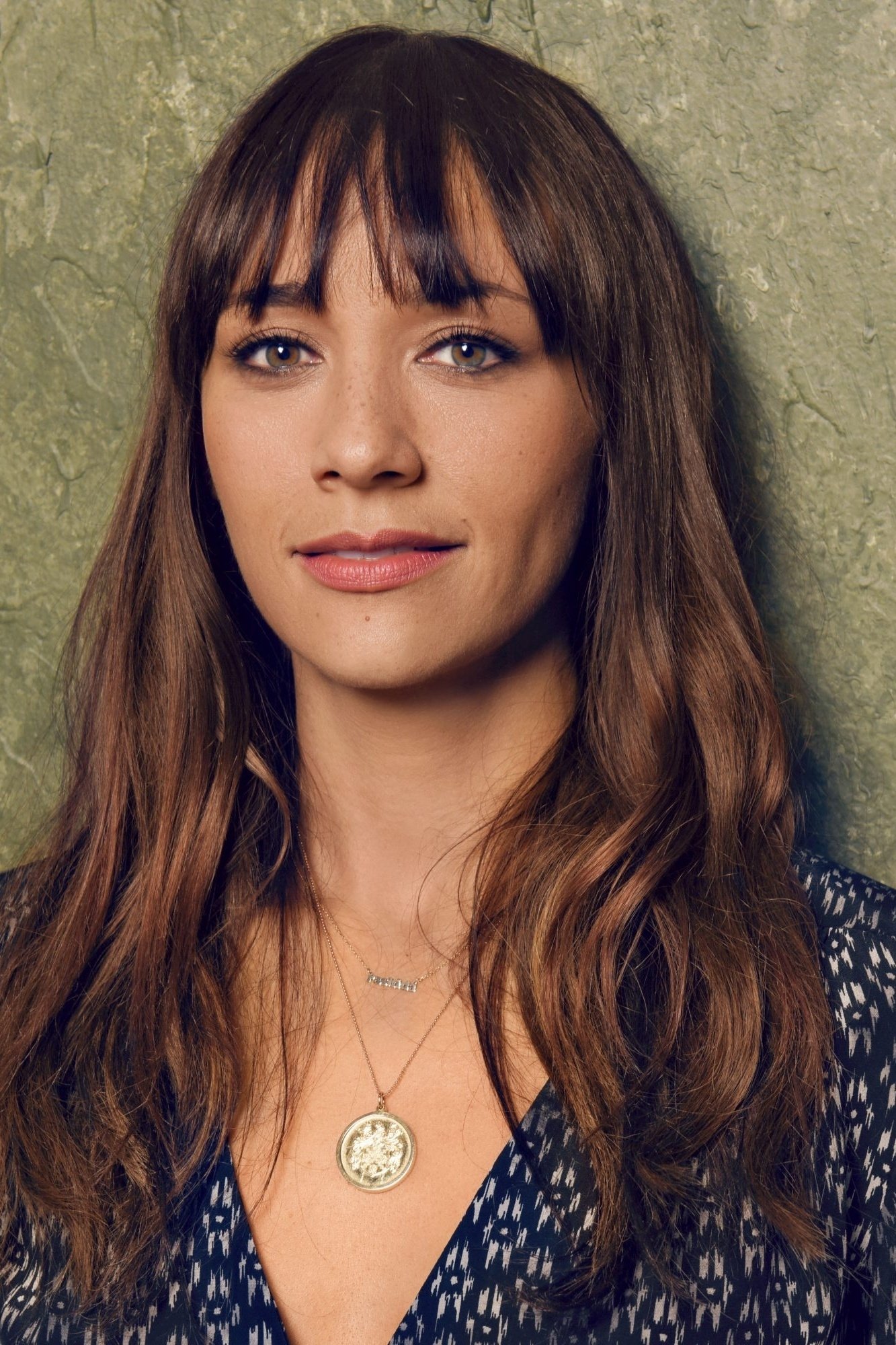
While she was initially involved in the creative process for ‘Toy Story 4’ the actress left the project and apologized for the circumstances surrounding her departure. She clarified that her exit was due to the lack of diversity and equal representation for women and people of color at the production studio. She used the moment to call for a more inclusive environment across the entire animation industry. Her public stance brought much needed attention to the structural issues within major film companies and their creative processes.
Esther Rolle
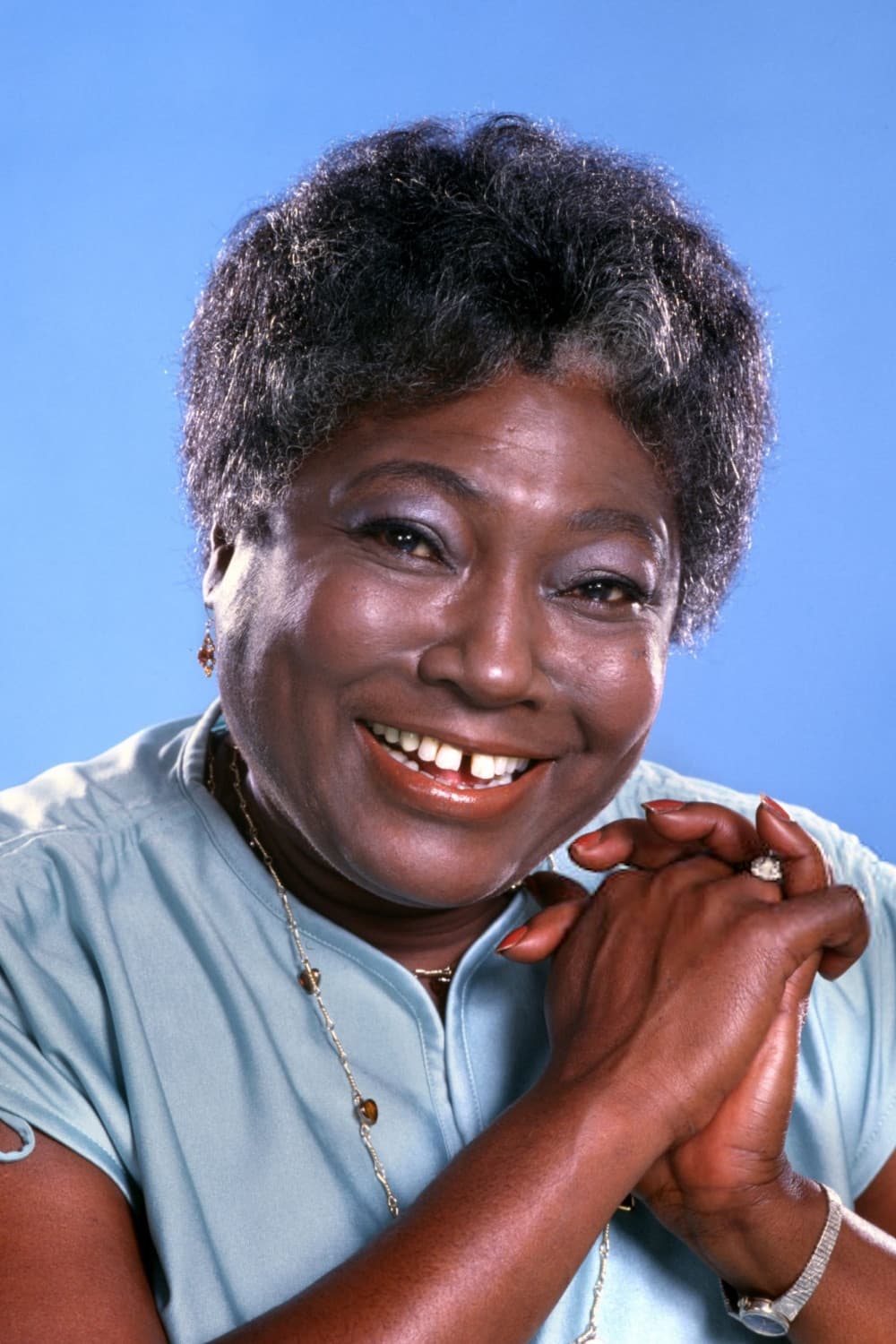
The actress became a household name on the sitcom ‘Good Times’ but eventually expressed deep dissatisfaction with the direction of the program. She criticized the buffoonish portrayal of the eldest son and felt it set a negative example for Black youth watching at home. She apologized for the message the show was sending and even left the series for a period of time in protest. Her commitment to positive representation made her a pioneer for better standards in television writing and character development.
Tyra Banks

The supermodel and actress apologized for several controversial moments and segments from her long running competition show ‘America’s Next Top Model’. She acknowledged that many of the creative choices made during the early seasons would not be acceptable by modern standards of cultural sensitivity. She specifically addressed instances of insensitivity regarding race and the immense pressure placed on young contestants. Her apology came as a response to fans revisiting the series through a more critical and social lens.
Zendaya

The Emmy winning star has been vocal about her status as a light skinned woman and the privileges it affords her in the casting process. She has publicly apologized for the way the industry favors her features over those of darker skinned actresses who are equally talented. She actively works to turn down roles that she feels should be reserved for performers with different lived experiences and complexions. Her stance reflects a new generation of actors who prioritize systemic change and accountability over individual career gains.
Please share your thoughts on these instances of career accountability in the comments.