LGBTQ+ Actors Who Were Quietly Blacklisted in Hollywood

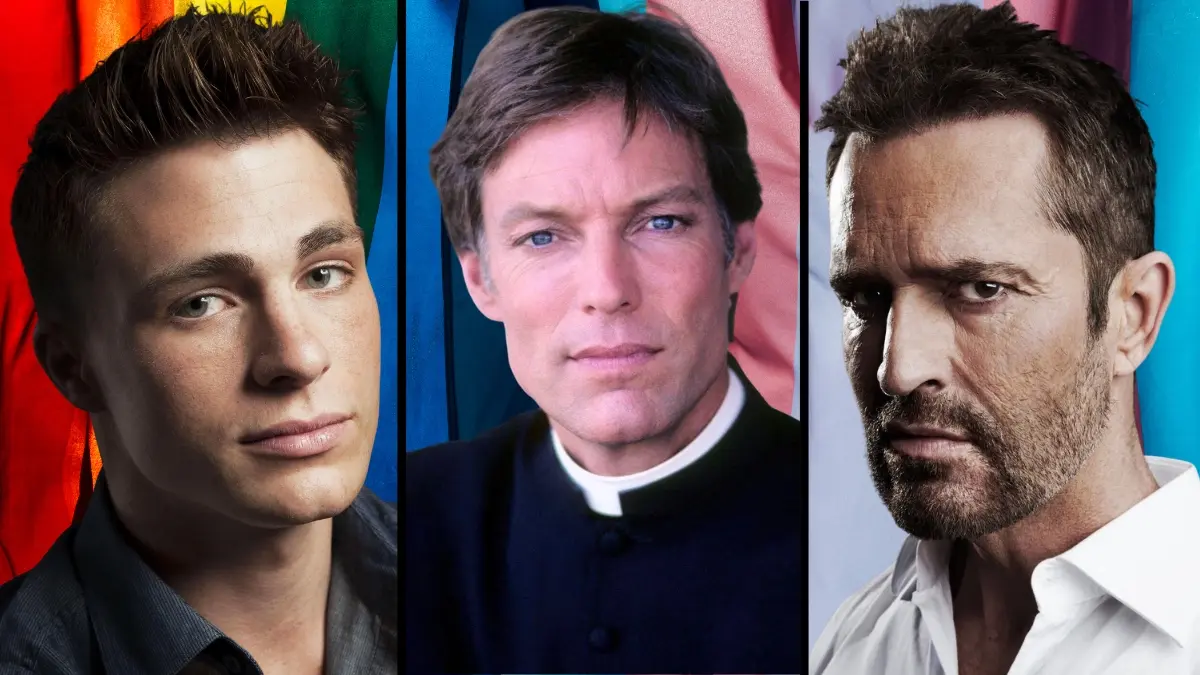

Hollywood history is marked by a complex relationship with the personal lives of its stars, particularly regarding sexual orientation. For decades, the industry maintained a leading man archetype that often excluded performers who were openly queer. Many actors faced a quiet blacklisting or significant career shifts once their sexuality became public knowledge or was suspected by studio heads. This list explores several male actors who encountered professional barriers and lost opportunities within the Hollywood system due to their LGBTQ+ identity.
Rupert Everett
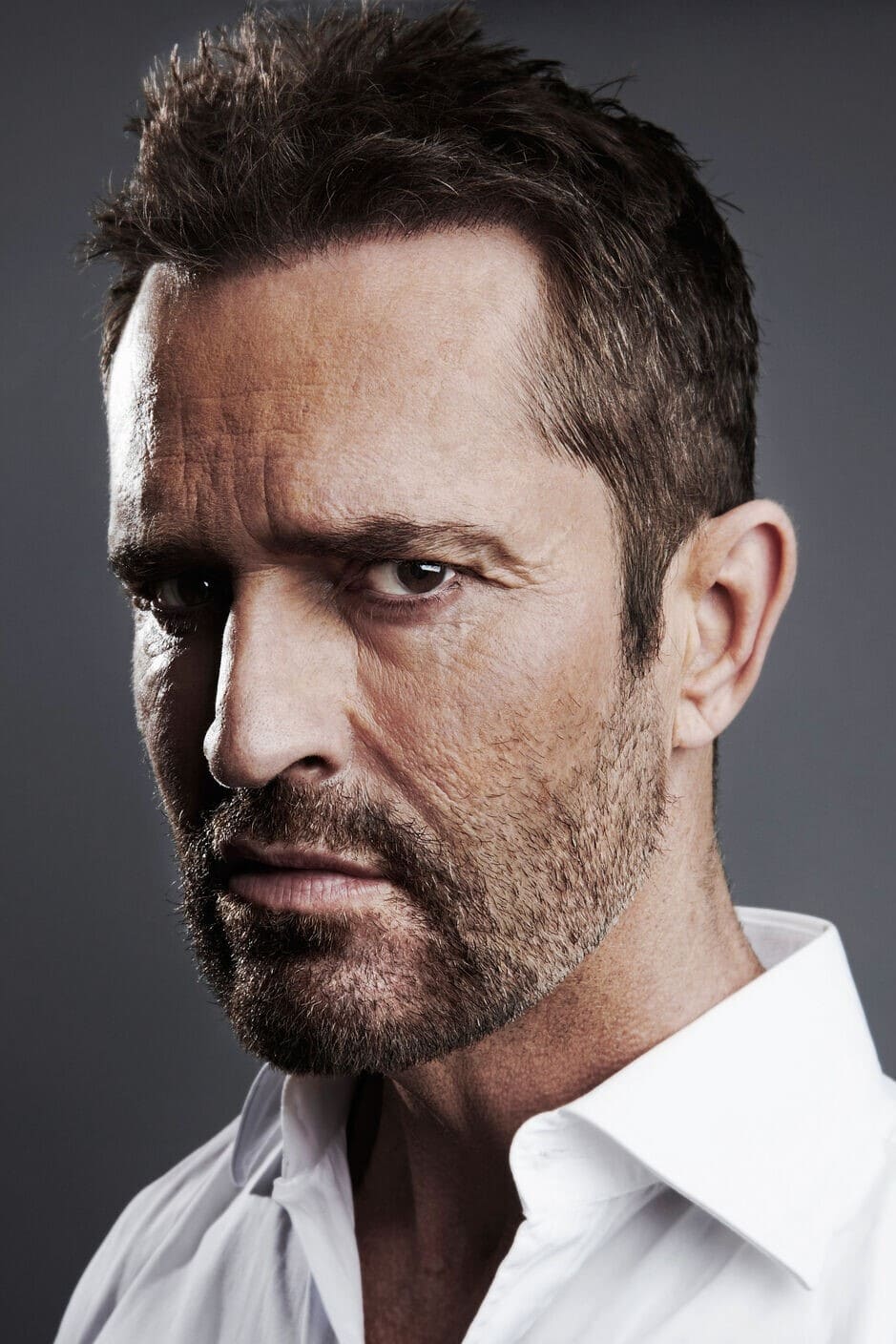
Rupert Everett experienced a significant career surge after his role in ‘My Best Friend’s Wedding’ (1997). However, he has publicly stated that he was later blocked from three or four major film roles by movie studios specifically because of his sexual orientation. Everett described the industry as aggressively heterosexual and noted that directors who wanted to cast him were often overruled by executive decisions. He eventually transitioned toward writing and independent European productions as mainstream Hollywood opportunities diminished. His experiences led him to vocalize the challenges faced by openly gay actors in securing leading roles.
Matt Bomer
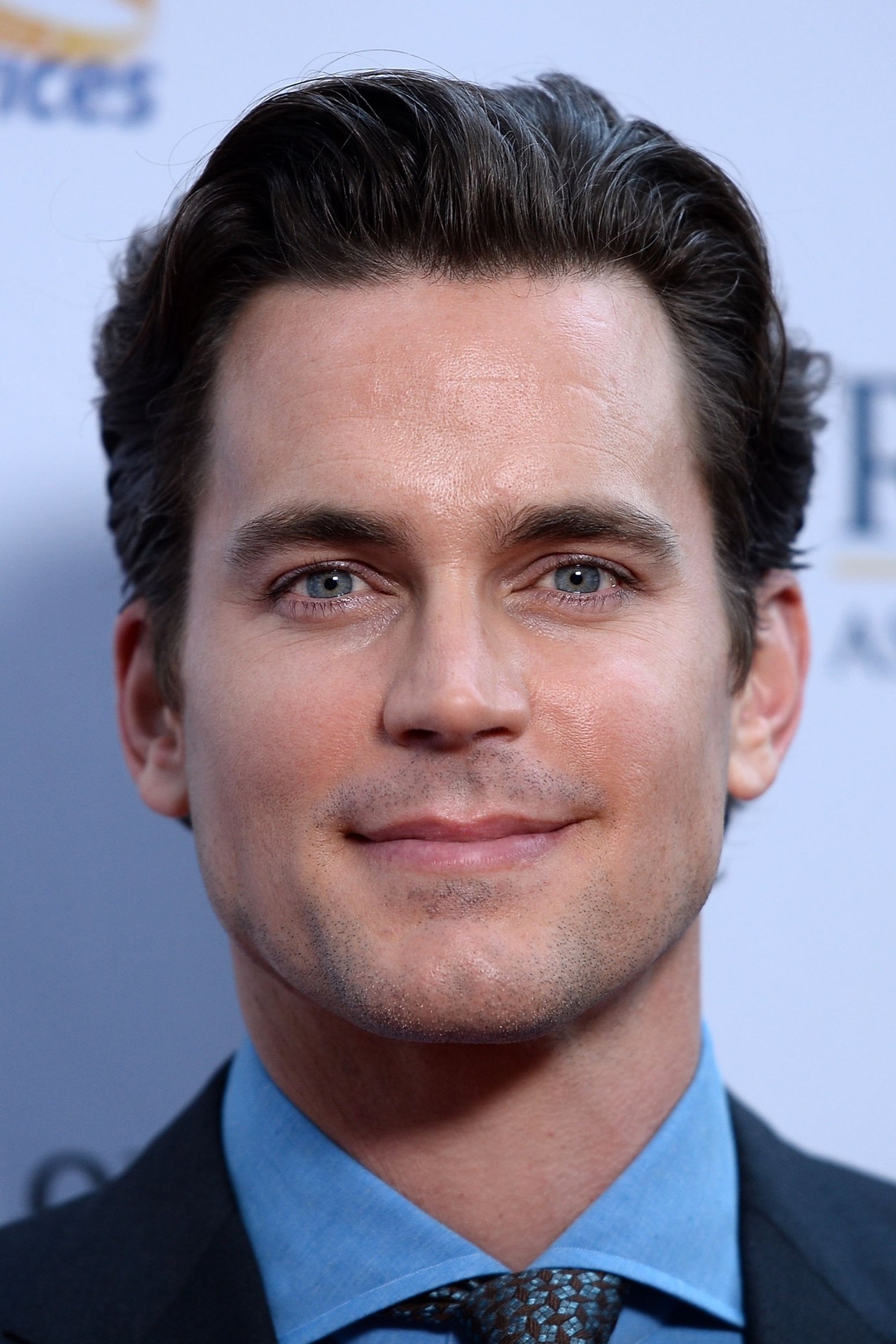
Matt Bomer was a top contender for the lead role in the unproduced project ‘Superman: Flyby’ during the early 2000s. He has since revealed that he signed a three-picture deal with Warner Bros. and was the director’s choice for the part. Bomer believes the opportunity was withdrawn after he was outed to the producers before he had publicly come out. At the time, he was written off the soap opera ‘Guiding Light’ (1952–2009) to clear his schedule for the film, only to find himself without either job. He has noted that during that era of Hollywood, sexuality was frequently weaponized to prevent certain casting choices.
Colton Haynes

Known for his work on ‘Teen Wolf’ (2011–2017) and ‘Arrow’ (2012–2020), Colton Haynes has been open about the pressure he felt to hide his identity early in his career. He claimed that industry representatives frequently criticized his mannerisms as being too gay for leading roles. After publicly coming out in 2016, Haynes observed that the steady stream of auditions and job offers notably decreased. He detailed these struggles in his memoir, ‘Miss Memory Lane’, explaining how the work mostly dried up after his announcement. The actor emphasized that the industry often struggles to cast out gay men in roles that are not specifically written as queer.
William Haines
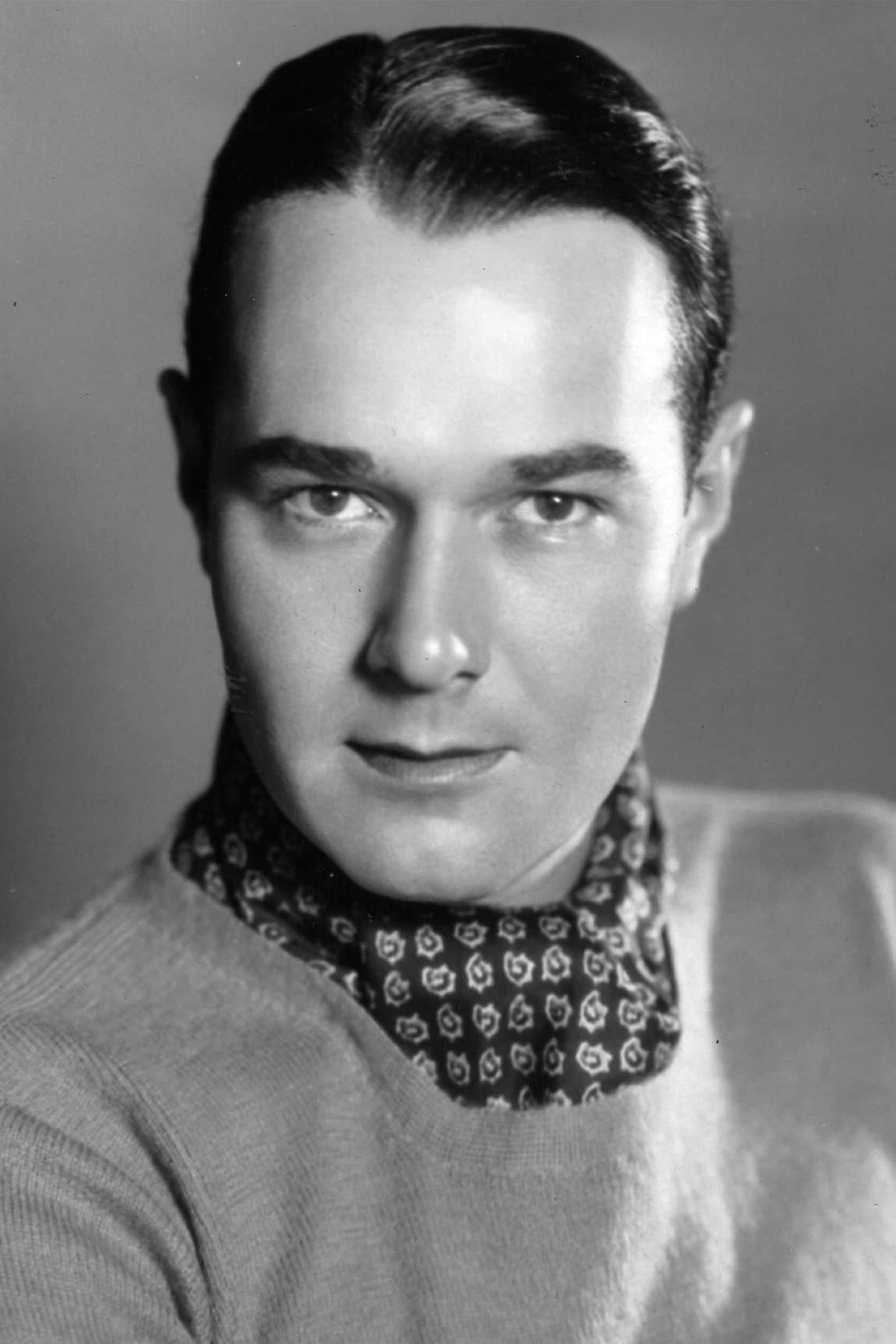
William Haines was the top-earning male star at MGM during the late 1920s and early 1930s. In 1933, studio head Louis B. Mayer delivered an ultimatum demanding Haines enter a lavender marriage to hide his relationship with partner Jimmy Shields. Haines refused to comply with the demand, choosing to remain with his partner instead of preserving his screen career. Consequently, MGM terminated his contract, and he was effectively blacklisted from the major studio system. He successfully transitioned into a second career as a highly sought-after interior designer for the Hollywood elite.
Tommy Kirk
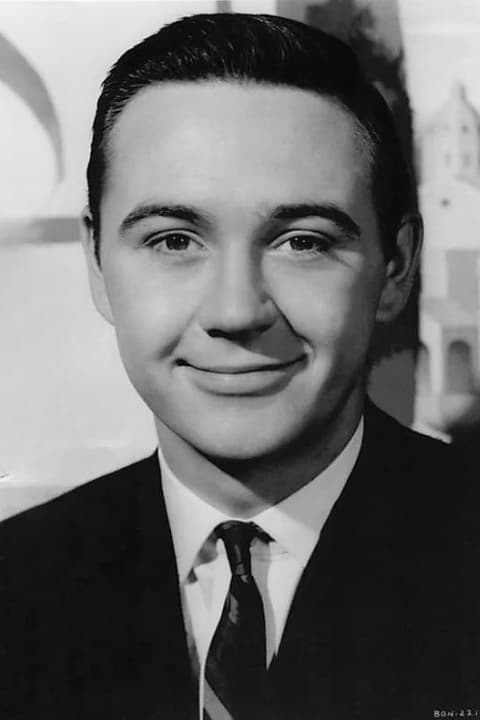
Tommy Kirk rose to fame as a prominent child and teen star for Disney in films like ‘Old Yeller’ (1957) and ‘The Shaggy Dog’ (1959). His professional relationship with the studio ended abruptly in 1964 when Walt Disney discovered Kirk was involved in a relationship with another young man. Although he was initially rehired for ‘The Monkey’s Uncle’ (1965), his status as a major Disney star never recovered from the disclosure. Kirk later discussed the pain of being discarded by the studio that had built his career once his orientation was known. He spent the remainder of his acting years in lower-budget features before eventually leaving the industry.
Jonathan Bennett
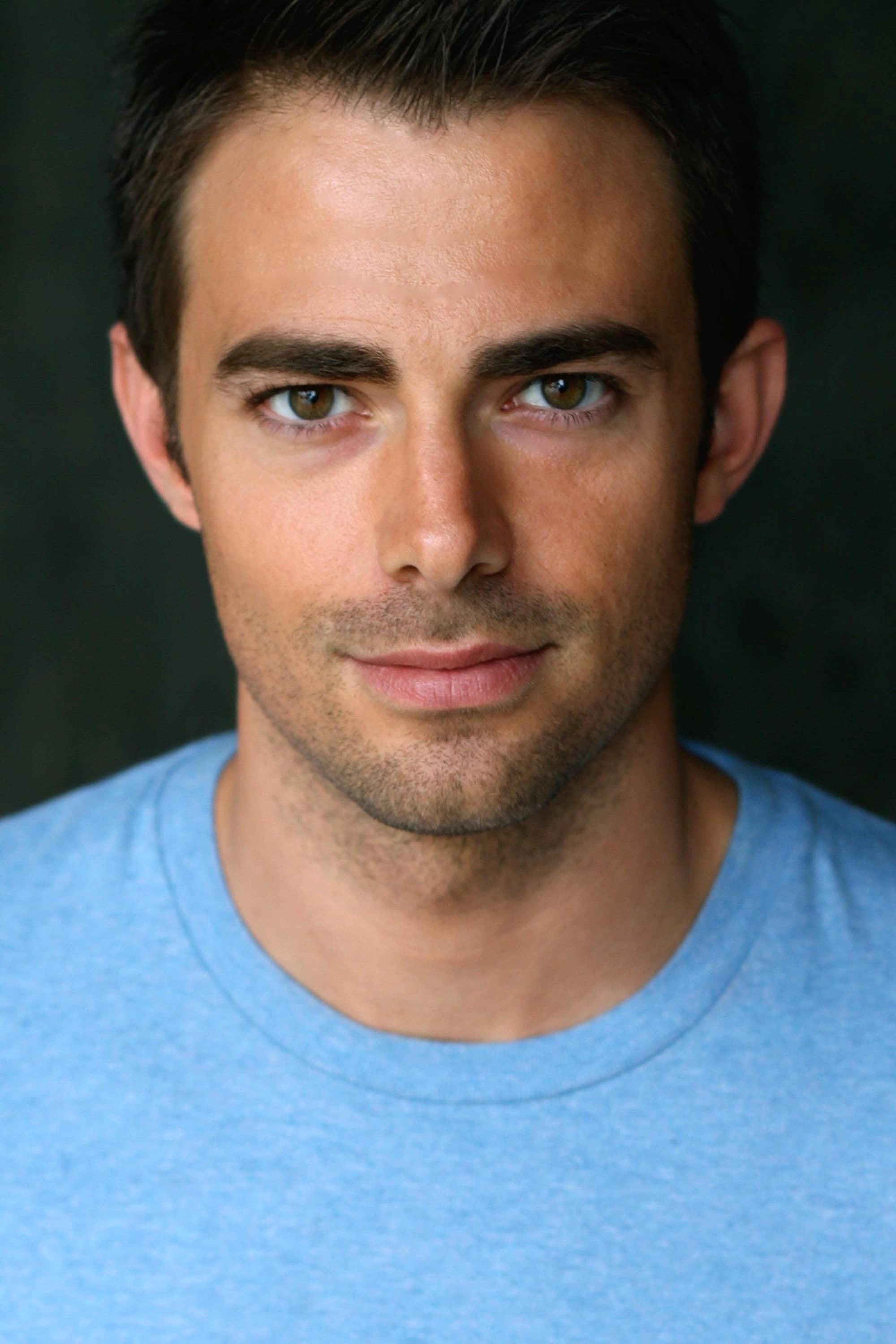
Jonathan Bennett became a household name playing Aaron Samuels in the teen comedy ‘Mean Girls’ (2004). Following the film’s success, his management advised him to stay in the closet to avoid damaging his image as a teen heartthrob. Bennett has since spoken about how being quietly out within the industry resulted in him being overlooked for certain mainstream leading roles. After publicly coming out, he found a new career path as a television host and a staple in Hallmark Channel productions. He has noted that the transition allowed him to lead the first LGBTQ-led holiday film for the network, ‘The Holiday Sitter’ (2022).
Richard Chamberlain
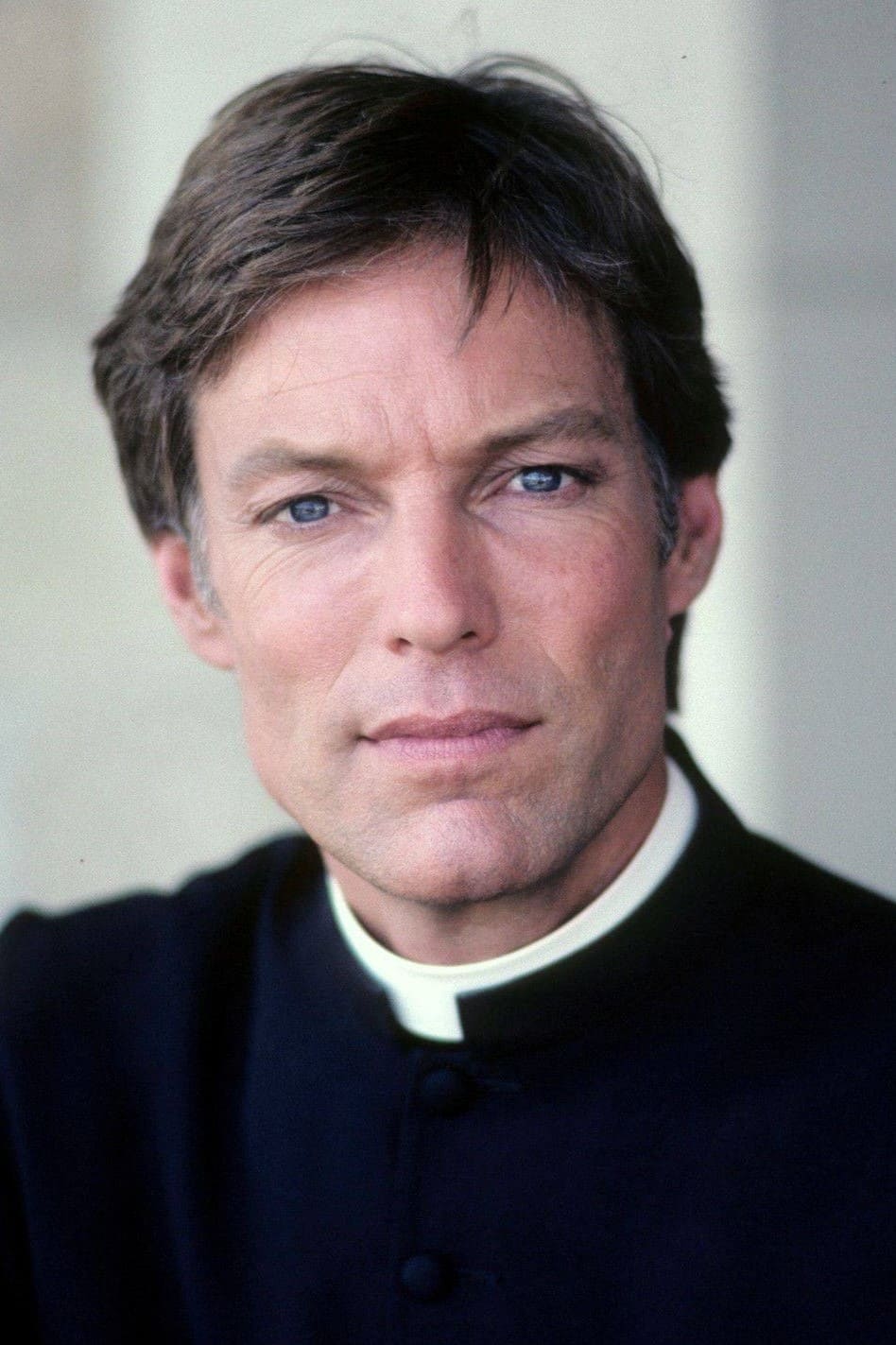
Richard Chamberlain was a massive television star in the 1960s through ‘Dr. Kildare’ (1961–1966) and later became a leading man in major miniseries like ‘The Thorn Birds’ (1983). He successfully hid his sexual orientation for decades out of fear that it would instantly end his status as a romantic lead. Even after coming out in 2003, he warned other actors against doing the same, citing the persistent prejudice within the casting process. Chamberlain observed that openly gay actors were often restricted to specific character types rather than versatile leading parts. His career shifted toward supporting roles and stage work as he prioritized living authentically in his later years.
Tab Hunter
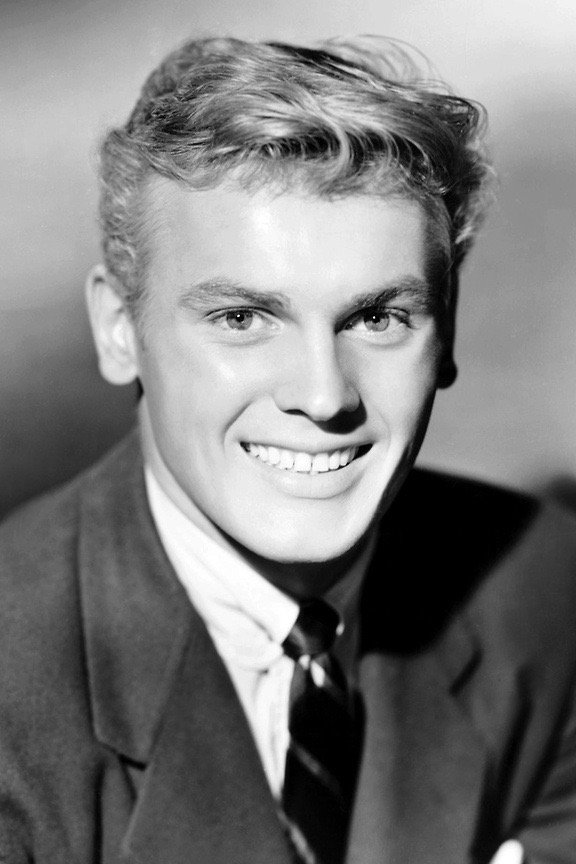
Tab Hunter was one of the most popular film stars and recording artists of the 1950s, marketed as the quintessential boy next door. His career faced an immediate threat when a tabloid published details of his 1950 arrest at a party with other gay men. Warner Bros. attempted to protect its investment by manufacturing a public romance between Hunter and actress Natalie Wood. While the cover-up worked temporarily, the internal pressure and industry rumors eventually impacted his standing with major studios. Hunter later detailed the suffocating nature of the studio system in his autobiography and the documentary ‘Tab Hunter Confidential’ (2015).
George Maharis
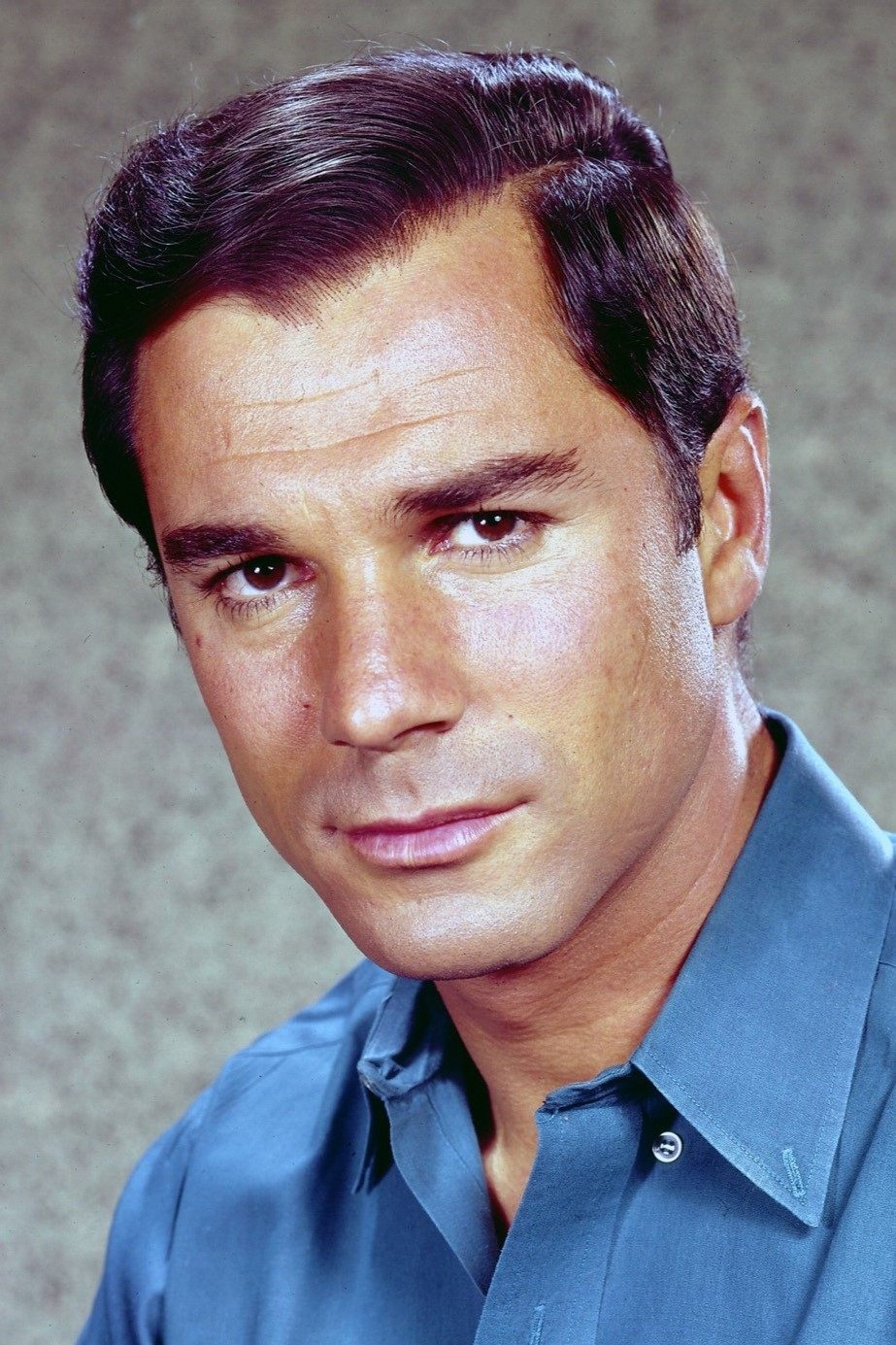
George Maharis achieved stardom in the early 1960s as a lead in the popular adventure series ‘Route 66’ (1960–1964). His career momentum was severely damaged following a 1967 arrest for lewd conduct with another man in a public restroom. The incident was widely publicized, and the resulting scandal led to a significant decline in major film and television offers. Although he continued to find work in guest spots and television movies, he never regained his status as a top-tier leading man. His case is often cited as a prime example of how the legal and social climate of the era could dismantle an actor’s professional future.
Anthony Perkins
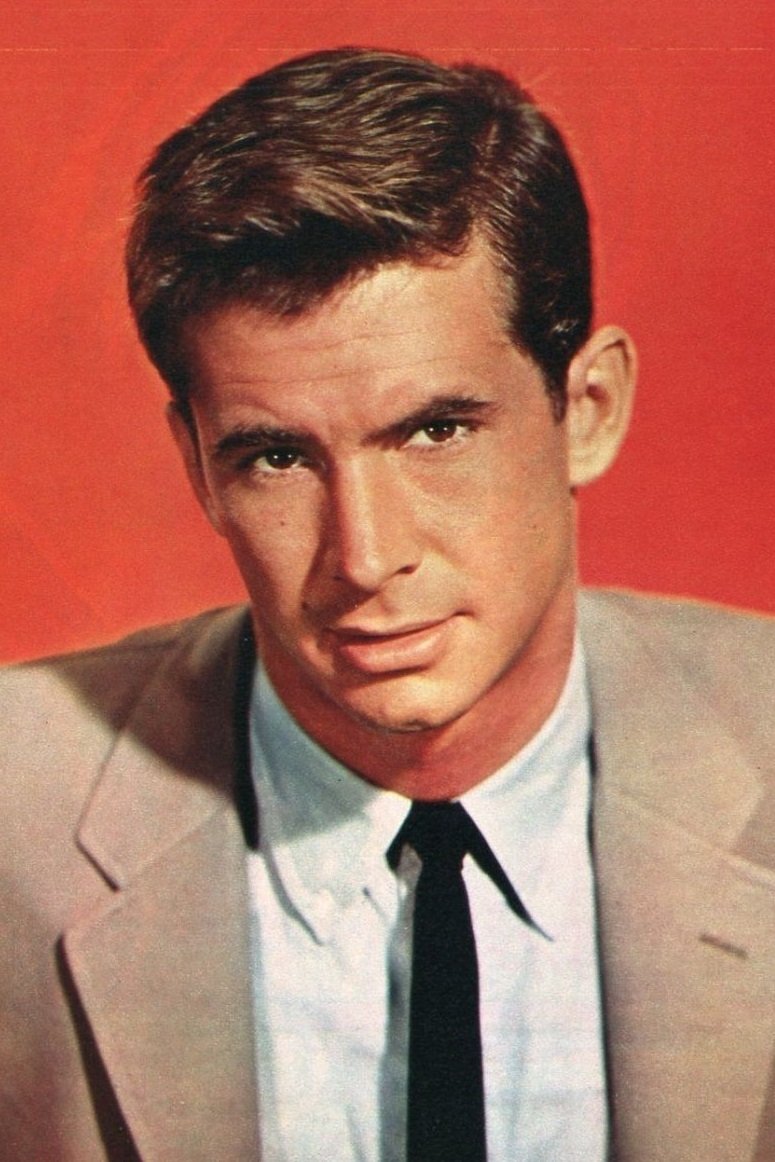
Anthony Perkins became an international star after his iconic portrayal of Norman Bates in ‘Psycho’ (1960). Despite his immense talent, rumors regarding his private life and sexual orientation persisted throughout his professional life. Perkins reportedly underwent conversion therapy in an attempt to align with industry expectations for a leading man. While he continued to work consistently, many biographers note that his career trajectory was limited by the industry’s inability to reconcile his public image with his private reality. He remained largely private about his personal life until his death from AIDS-related complications in 1992.
Kevin McHale
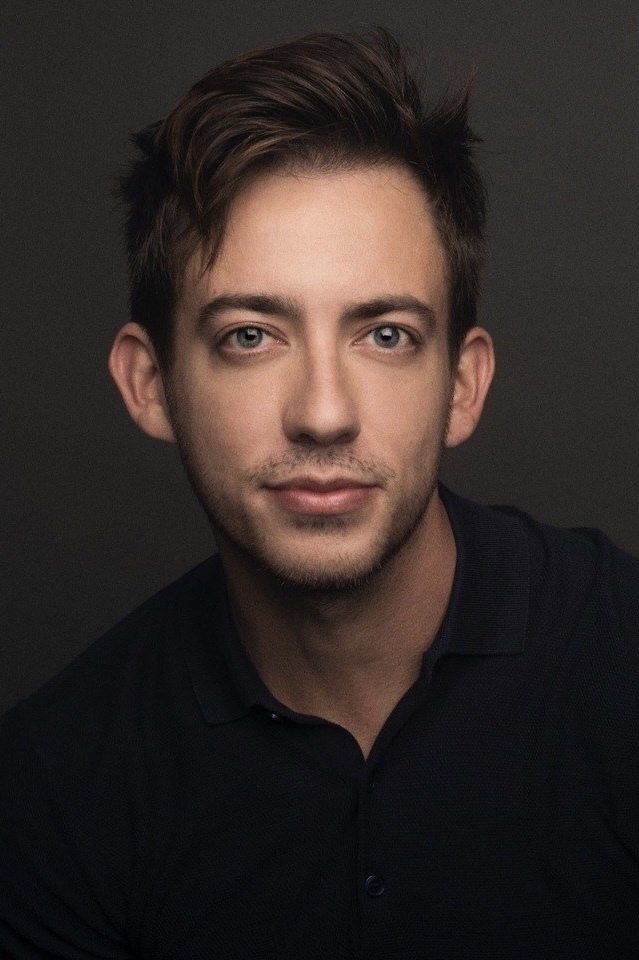
Kevin McHale gained widespread recognition for playing Artie Abrams on the musical series ‘Glee’ (2009–2015). After the show concluded, McHale publicly confirmed he was gay in 2018 via social media and interviews. The actor has since reflected on how his career momentum seemed to dissipate almost immediately after his announcement. He expressed frustration that the industry often forgets talented performers once they no longer fit a specific marketable mold. McHale has since focused on hosting, music, and select television appearances outside the mainstream spotlight.
Lee Pace
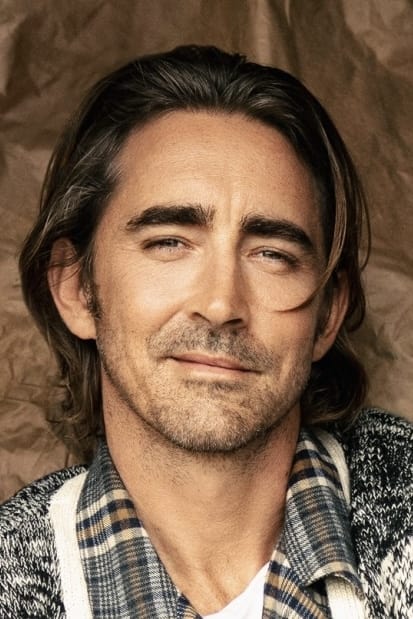
Lee Pace established himself as a versatile performer in ‘Pushing Daisies’ (2007–2009) and ‘The Hobbit’ (2012–2014) film trilogy. He was outed in a 2012 interview before eventually clarifying his identity in a more formal capacity years later. Industry analysts have noted that his career path shifted away from the next big leading man trajectory many had predicted for him. While he remains highly respected, some observers suggest his opportunities for mainstream romantic leads became less frequent. Pace has continued to deliver acclaimed performances in prestige series like ‘Halt and Catch Fire’ (2014–2017) and ‘Foundation’ (2021–Present).
Share your thoughts on these industry challenges and your favorite performances from these actors in the comments.