Movie Characters Who Ruined Great Films


Film critics and audiences often find that a single character can disrupt the narrative flow or tone of an otherwise exceptional cinematic experience. Whether through poor writing, questionable casting, or tonal inconsistency, these figures stand out for the wrong reasons. This list examines the characters most frequently cited for detracting from the quality of high-profile or critically acclaimed movies.
‘The Hobbit: The Battle of the Five Armies’ (2014) – Alfrid Lickspittle
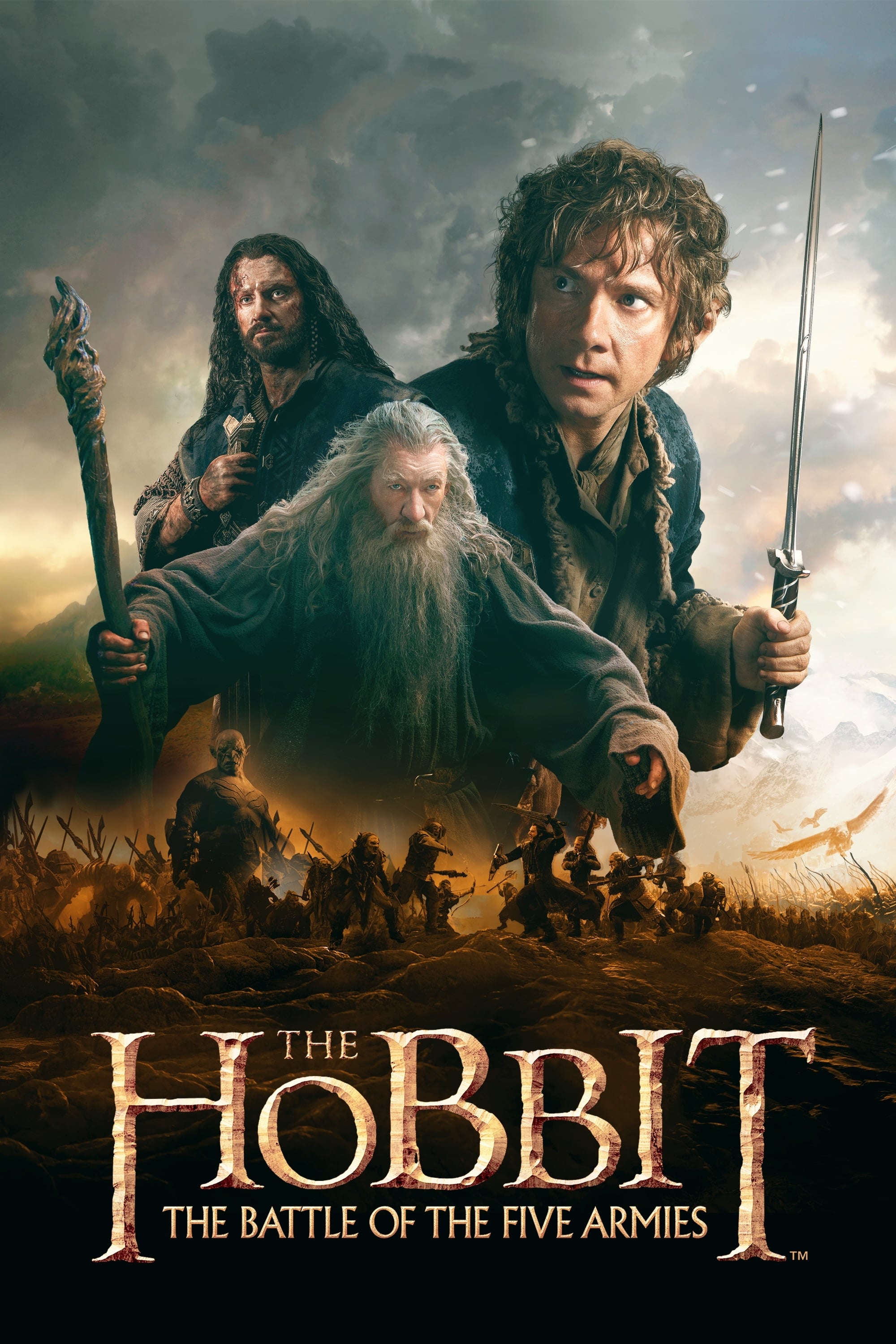
Alfrid serves as the conniving assistant to the Master of Lake-town and provides much of the film’s comic relief. Many viewers found his excessive screen time during the final battle to be distracting and unnecessary. The character’s subplots, including a scene where he disguises himself in women’s clothing, were criticized for clashing with the epic tone of the narrative. Fans of the source material noted that his role was significantly expanded from the original book. His presence is often cited as a primary example of the narrative padding found in the prequel trilogy.
‘Transformers: Revenge of the Fallen’ (2009) – Skids and Mudflap
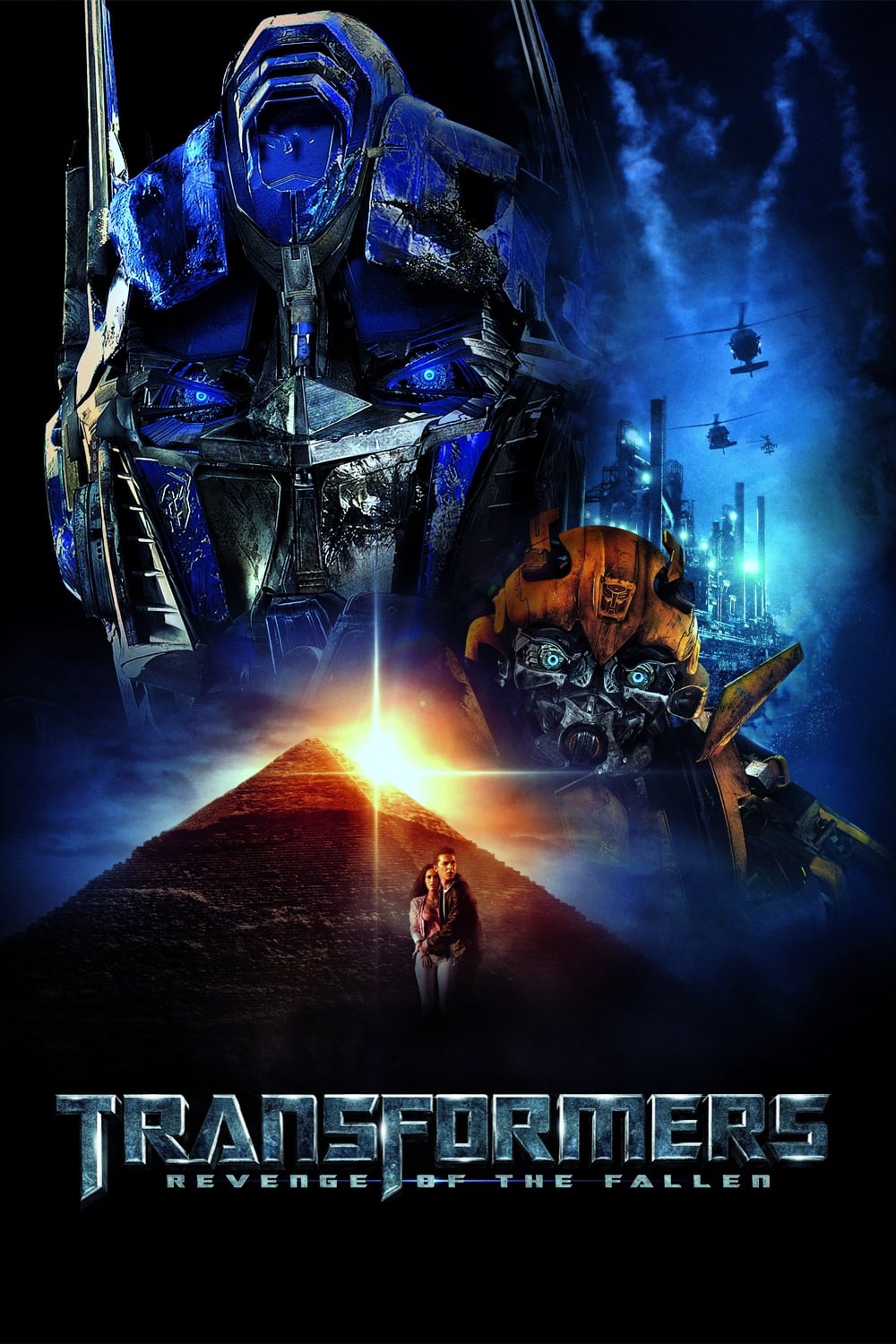
These two Autobots were introduced as comic relief characters meant to appeal to a younger demographic. However, their dialogue and mannerisms were widely condemned by critics for being based on offensive racial stereotypes. The characters contributed little to the overall plot of ‘Transformers: Revenge of the Fallen’ and frequently interrupted the action with bickering. Many fans of the franchise felt their inclusion significantly lowered the maturity level of the film. Despite the movie’s commercial success, the backlash was so severe that the characters were removed from subsequent installments.
‘The Mummy Returns’ (2001) – The Scorpion King
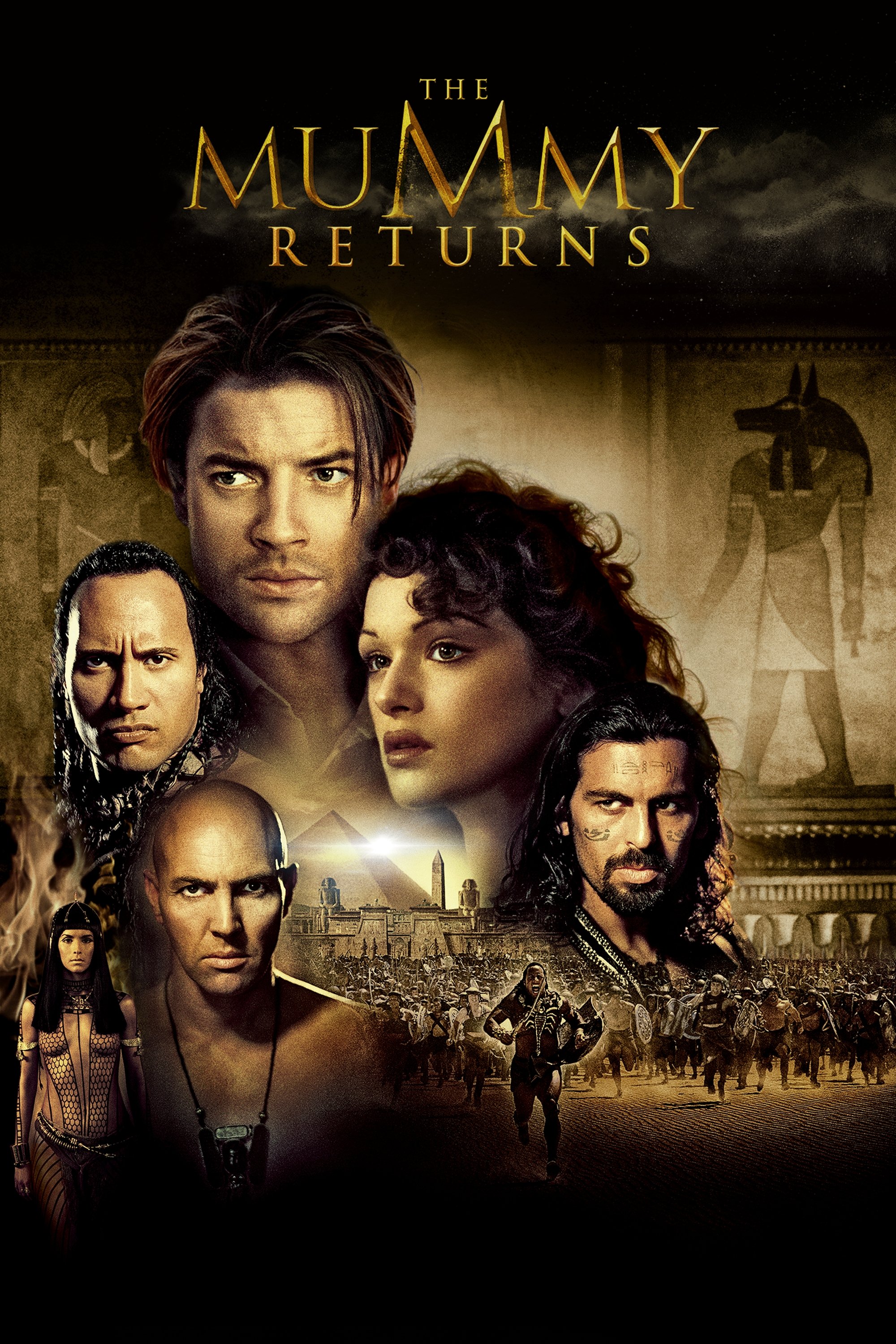
The character of Mathayus, known as the Scorpion King, was heavily marketed as a major antagonist for the sequel. While Dwayne Johnson appeared briefly in human form, the character’s final transformation into a CGI hybrid became infamous for its poor visual effects. Even at the time of release, audiences noted that the digital rendering looked unfinished and lacked the realism of other creatures in ‘The Mummy Returns’. This technical failure undermined the tension of the final confrontation between the heroes and the villain. The character’s visual execution remains a frequent point of mockery in discussions about early 2000s cinema.
‘Indiana Jones and the Kingdom of the Crystal Skull’ (2008) – Mutt Williams
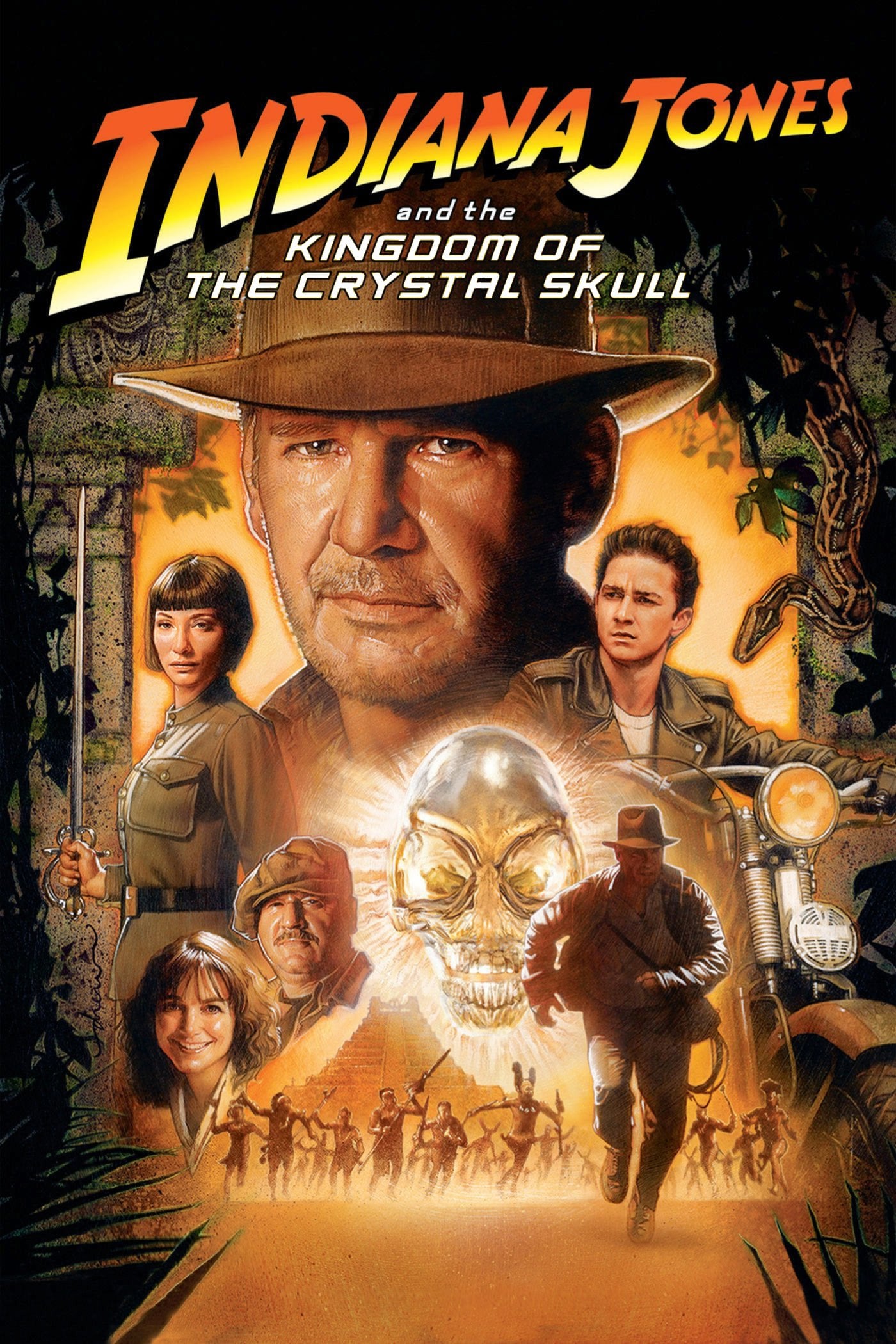
Mutt Williams was introduced as the rebellious son of Indiana Jones, intended to breathe new life into the aging franchise. Shia LaBeouf’s performance and the character’s 1950s greaser aesthetic received a lukewarm reception from long-term fans. A specific scene involving Mutt swinging through trees with monkeys is often highlighted as a low point in the series. Critics felt the character lacked the natural charisma required to serve as a potential successor to the title role. His absence from the following film suggested that the studio recognized the character’s inability to resonate with the audience.
‘The Godfather Part III’ (1990) – Mary Corleone
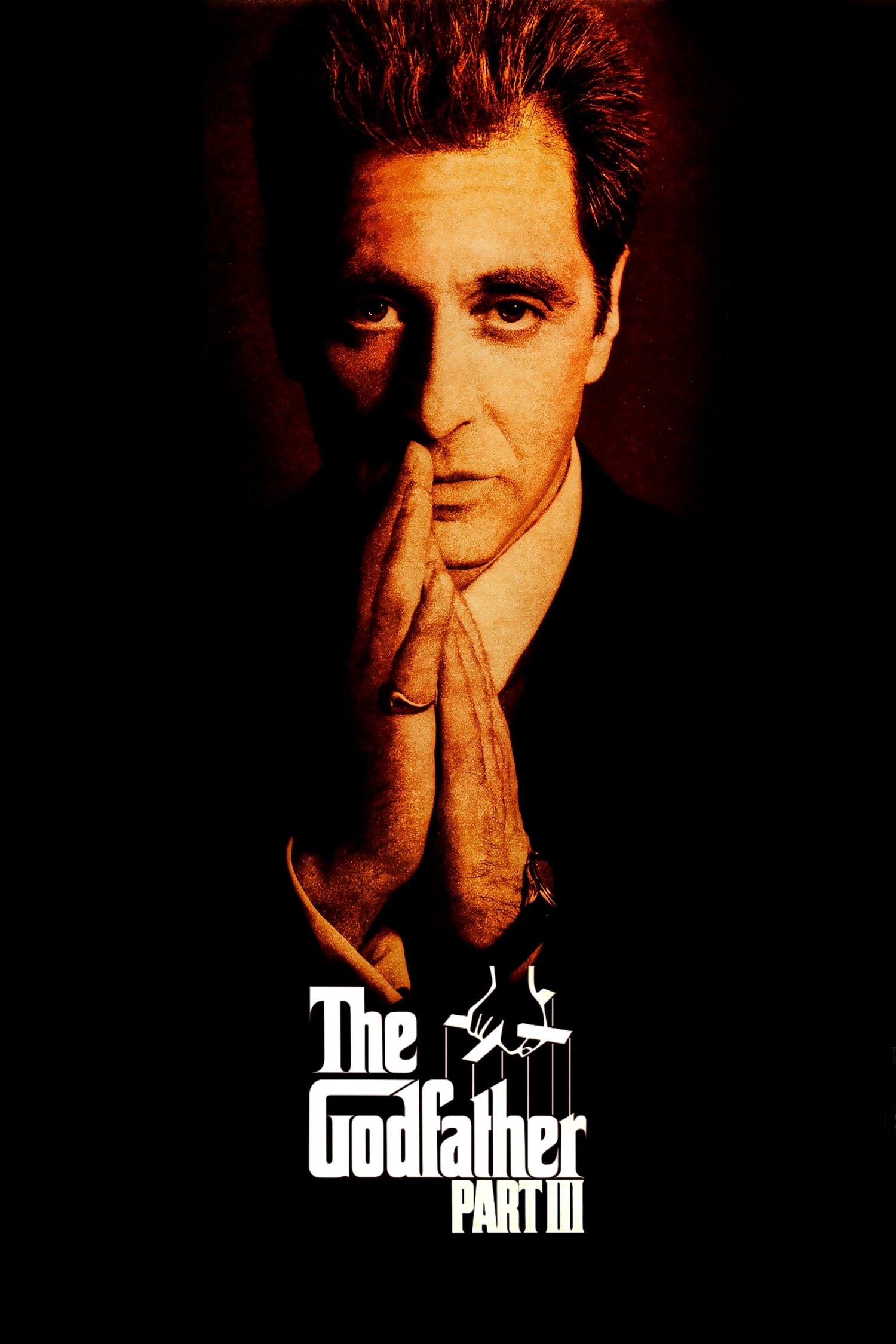
Sofia Coppola was cast as the daughter of Michael Corleone after the original actress, Winona Ryder, withdrew from the production. Her performance was widely criticized for a lack of emotional range and professional polish compared to her veteran co-stars. The romantic subplot between Mary and her cousin Vincent was also poorly received by audiences who felt it lacked chemistry. Many critics argued that the character’s pivotal final scene failed to achieve its intended tragic impact due to the wooden delivery of previous lines. This casting decision is frequently cited as the primary flaw in the conclusion of the ‘The Godfather’ trilogy.
‘Star Wars: Episode I – The Phantom Menace’ (1999) – Jar Jar Binks
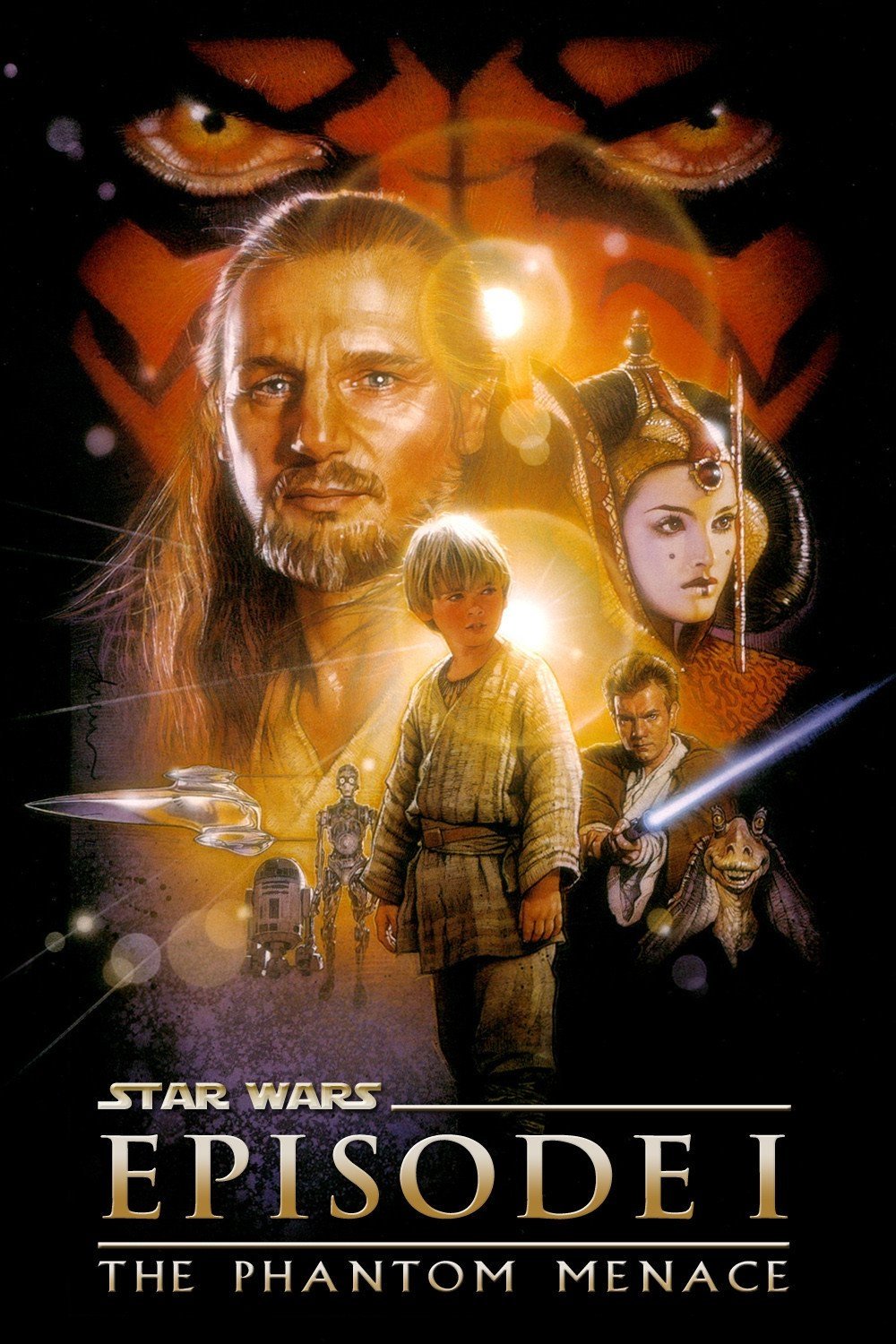
Jar Jar Binks was designed to provide slapstick humor and appeal to children in the ‘Star Wars’ prequel trilogy. Instead, the character became a lightning rod for criticism from adult fans who found his antics grating and out of place in the political narrative. The Gungan’s clumsy nature and distinctive speech pattern were viewed by many as a distraction from the film’s more serious elements. Critics also pointed out that his actions in ‘Star Wars: Episode I – The Phantom Menace’ often relied on pure luck rather than skill. The character remains one of the most polarizing figures in the history of science fiction cinema.
‘The Matrix Reloaded’ (2003) – The Architect
The Architect appears at the climax of ‘The Matrix Reloaded’ to explain the complex history of the Matrix to the protagonist, Neo. His dialogue was criticized for being overly pedantic and filled with dense philosophical jargon that confused many viewers. Instead of providing a satisfying resolution to the film’s mysteries, the character’s monologue slowed the pacing to a crawl. Many fans felt the scene stripped away the mystery of the world in a way that was more frustrating than enlightening. The character is often blamed for shifting the franchise from action-focused storytelling into excessive exposition.
‘Jurassic Park III’ (2001) – Amanda Kirby
Amanda Kirby is one of the parents who lures Alan Grant to the dinosaur-infested island to find her lost son. The character became known among fans for her constant screaming and illogical decision-making throughout the film. Her use of a megaphone in a jungle filled with predators was frequently highlighted as a particularly frustrating plot point. Critics noted that her character lacked the depth or development seen in previous ‘Jurassic Park’ protagonists. Her presence made it difficult for some viewers to root for the survival of the group.
‘Star Wars: The Last Jedi’ (2017) – Rose Tico
Rose Tico was introduced as a maintenance worker who joins Finn on a secret mission to the city of Canto Bight. While the character was intended to represent the everyday heroes of the Resistance, her subplot was criticized for stalling the film’s momentum. Many viewers felt her romantic advances toward Finn were unearned and lacked narrative weight. The character’s intervention during the final battle on Crait also proved highly controversial among the fanbase. Despite the actress’s commitment to the role, the writing for Rose is often cited as a weak link in ‘Star Wars: The Last Jedi’.
‘Batman v Superman: Dawn of Justice’ (2016) – Lex Luthor
Jesse Eisenberg’s portrayal of the iconic villain Lex Luthor departed significantly from the traditional cold and calculating versions found in the comics. This iteration was characterized by eccentric tics, high-pitched vocal delivery, and a manic personality that many found off-putting. Critics argued that this version of Luthor felt more like a variation of the Joker than a brilliant billionaire strategist. His complex plan to pit the heroes against each other was also viewed as convoluted and reliant on too many coincidences. The performance remains one of the most debated aspects of the ‘DC Extended Universe’.
‘Suicide Squad’ (2016) – The Joker
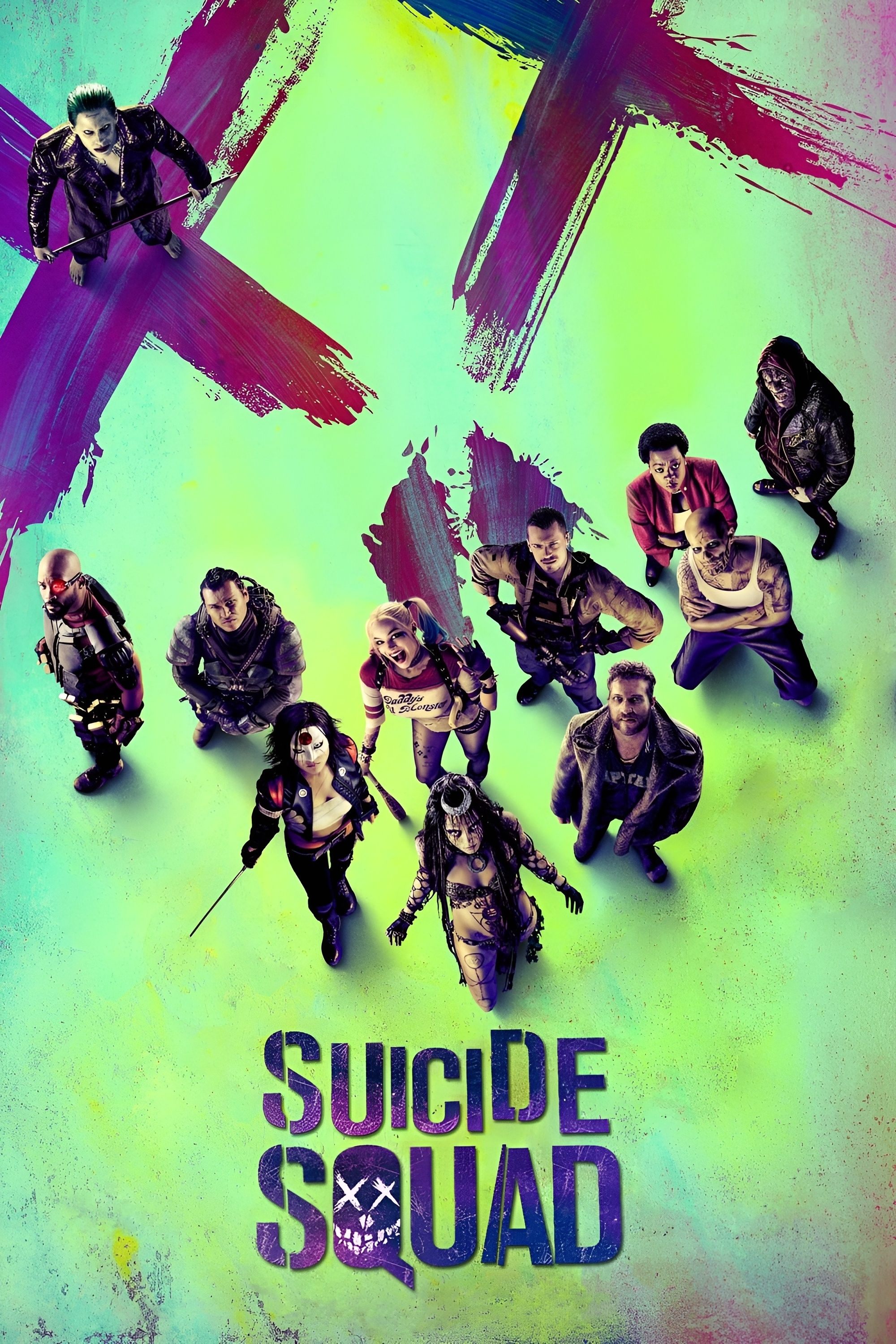
Jared Leto’s Joker was heavily featured in the marketing for ‘Suicide Squad’, yet his actual role in the film was relatively minor. The character’s design, featuring numerous tattoos and silver teeth, was met with skepticism from the moment it was revealed. Audiences found his performance to be over-the-top without being truly menacing or charismatic. His relationship with Harley Quinn was also criticized for lacking the complexity seen in other media. Many fans felt that removing the Joker entirely would have improved the film’s focus and pacing.
‘Spider-Man 3’ (2007) – Eddie Brock / Venom
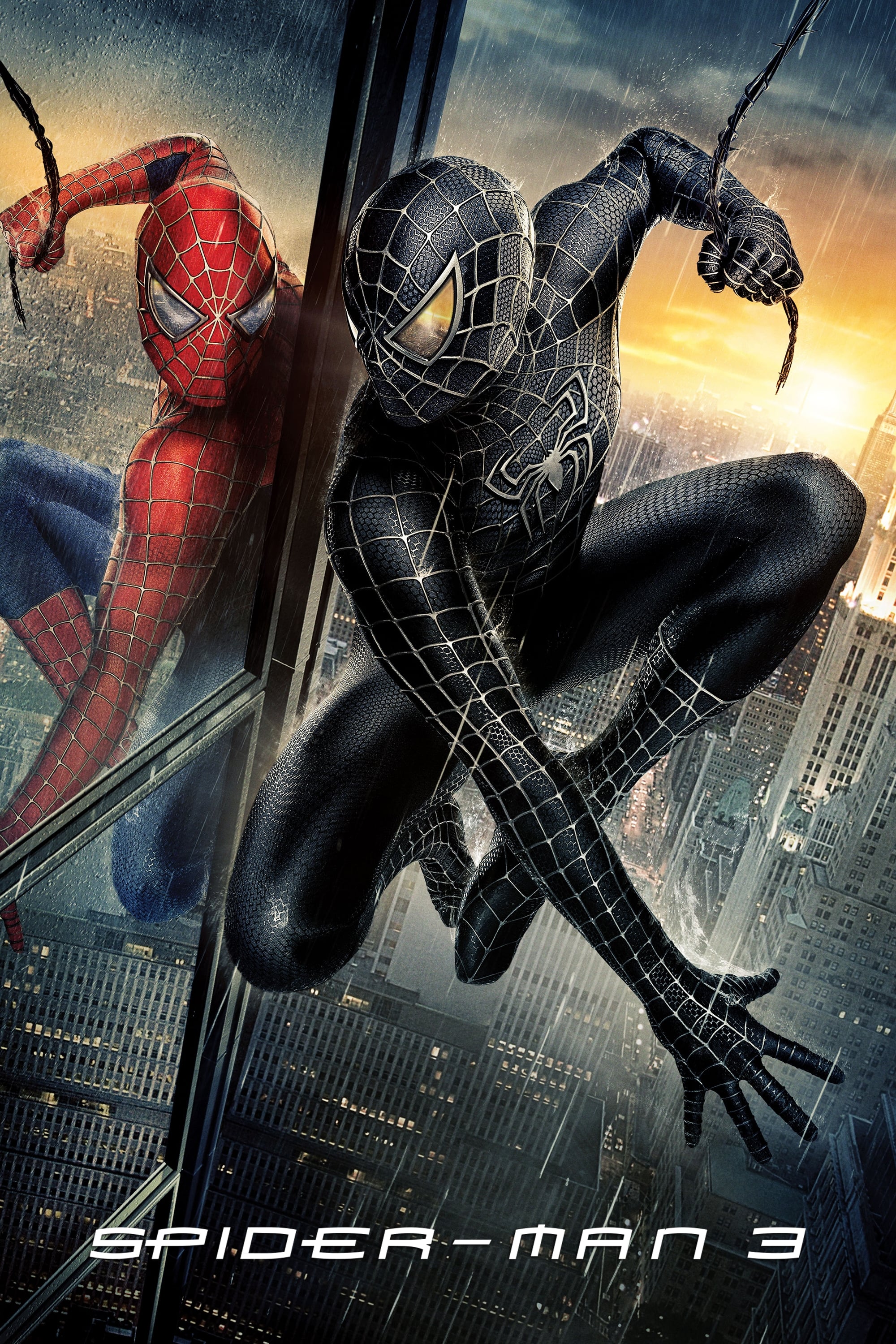
Topher Grace was cast as Eddie Brock, a rival photographer who eventually becomes the monstrous Venom. Many fans of the source material felt that Grace was miscast and lacked the physical presence associated with the character. The decision to make Venom a secondary villain who only appears in the final act resulted in a rushed development arc. Critics also noted that the character’s motivations felt thin compared to the more established Sandman. This portrayal is often blamed for the overstuffed nature of ‘Spider-Man 3’ and the eventual reboot of the series.
‘The Lost World: Jurassic Park’ (1997) – Kelly Curtis
Kelly Curtis is the daughter of Ian Malcolm, who stows away on the expedition to Isla Sorna. The character is primarily remembered for a scene in which she uses her gymnastics skills to kick a Velociraptor through a window. This moment was widely criticized for being unrealistic and tonally inconsistent with the suspenseful nature of the franchise. Critics felt that the inclusion of a child character in this manner was a forced attempt to replicate the dynamic of the first film. Many viewers found her presence to be an unnecessary distraction from the survival horror elements of ‘The Lost World: Jurassic Park’.
‘Star Wars: Episode II – Attack of the Clones’ (2002) – Anakin Skywalker
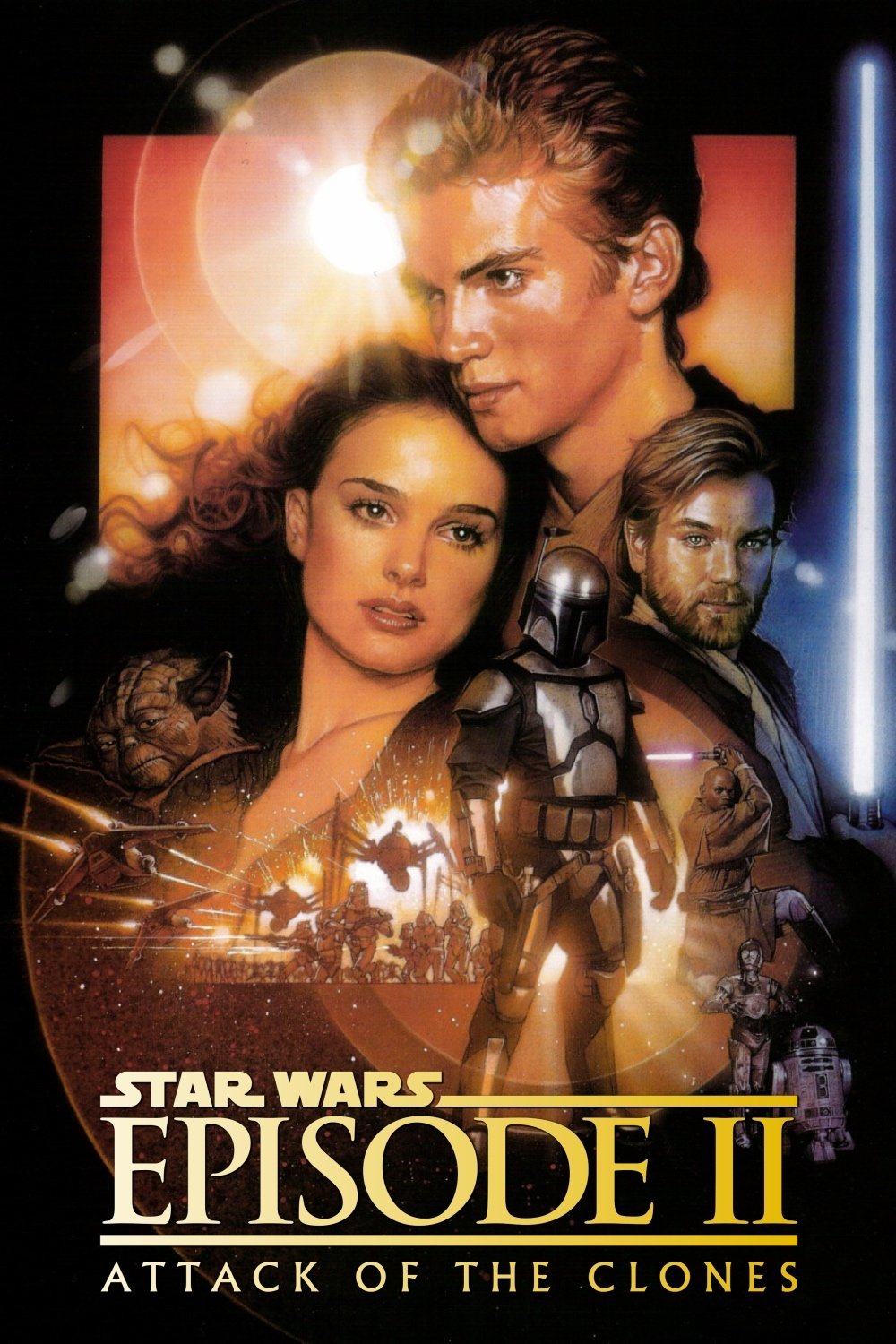
The portrayal of a teenage Anakin Skywalker was central to the plot of ‘Star Wars: Episode II – Attack of the Clones’. Hayden Christensen’s performance was frequently described by critics as wooden and overly petulant. The character’s dialogue, particularly the lines concerning his dislike of sand, became a subject of long-term internet ridicule. Audiences found it difficult to believe the character’s transition into a legendary villain based on his behavior in this installment. The lack of chemistry between Anakin and Padmé Amidala further hindered the effectiveness of the central romance.
‘Thor: Love and Thunder’ (2022) – Korg
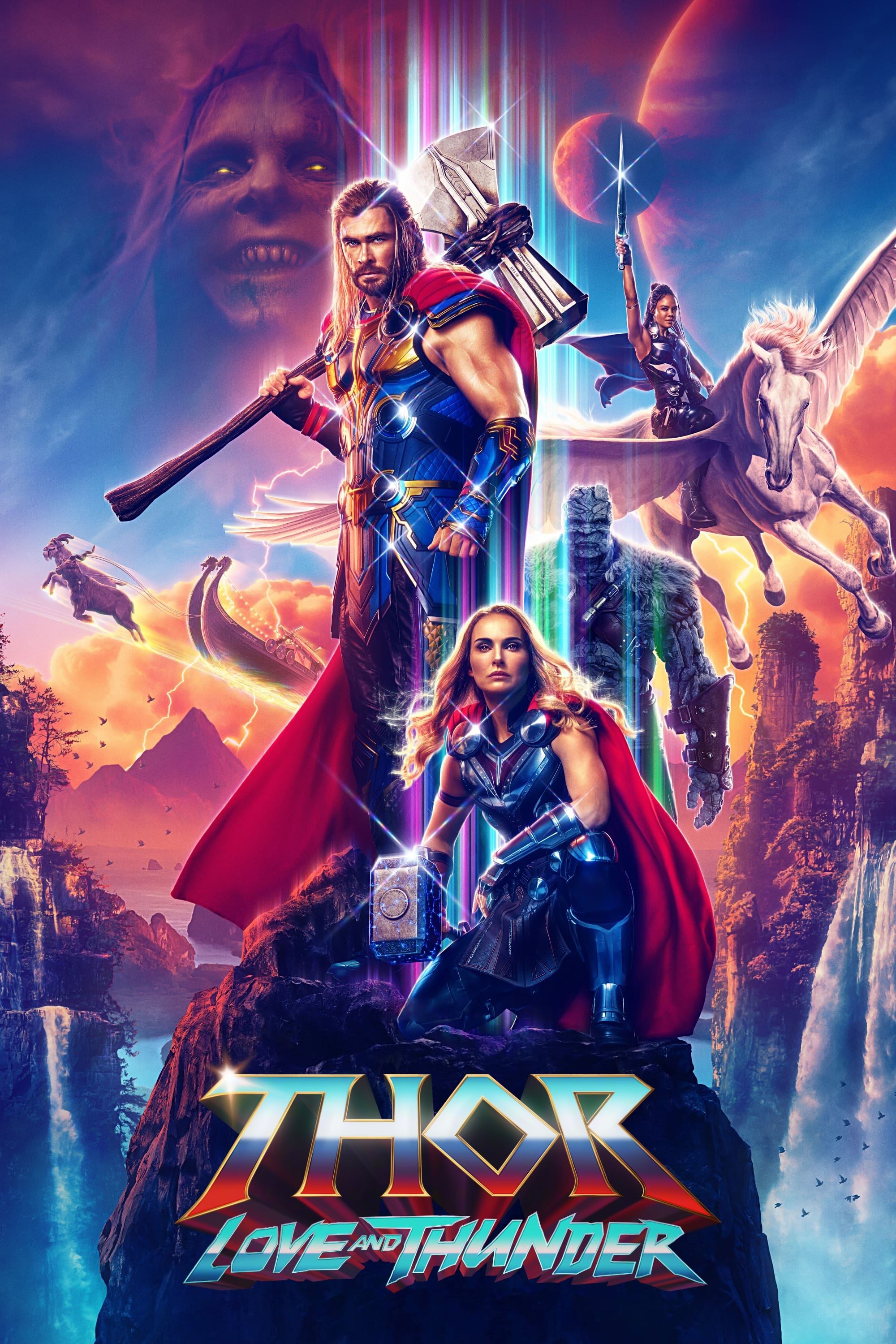
Korg was initially a fan-favorite character in ‘Thor: Ragnarok’ due to his deadpan delivery and charming personality. However, in ‘Thor: Love and Thunder’, his role was expanded, and many viewers felt his constant jokes undermined the film’s emotional stakes. The character served as the narrator for much of the story, which some critics found repetitive and intrusive. His presence during serious moments involving Jane Foster’s illness was cited as a major tonal issue. This shift led to a feeling that the character had become a caricature of his former self.
‘Spectre’ (2015) – Ernst Stavro Blofeld
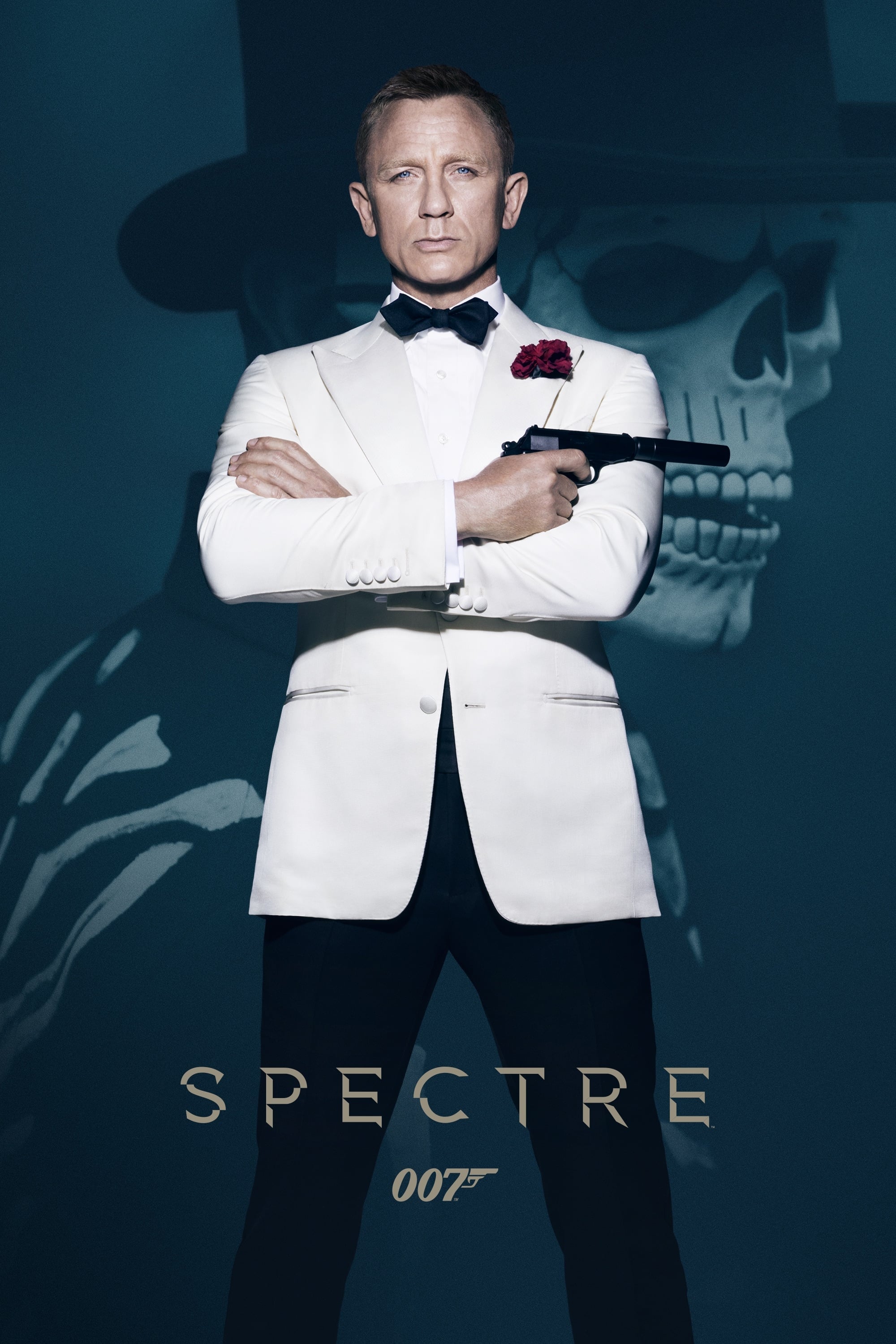
The return of James Bond’s greatest nemesis was a highly anticipated event in ‘Spectre’. However, the revelation that Blofeld was Bond’s foster brother was met with widespread derision from fans and critics alike. Many felt this personal connection was unnecessary and made the scope of the villain’s global criminal empire feel too small. Christoph Waltz’s performance was also criticized for being too restrained and failing to capture the menace of previous iterations. The character’s motivations for targeting Bond felt petty rather than grand, weakening the film’s impact.
‘Wonder Woman’ (2017) – Ares
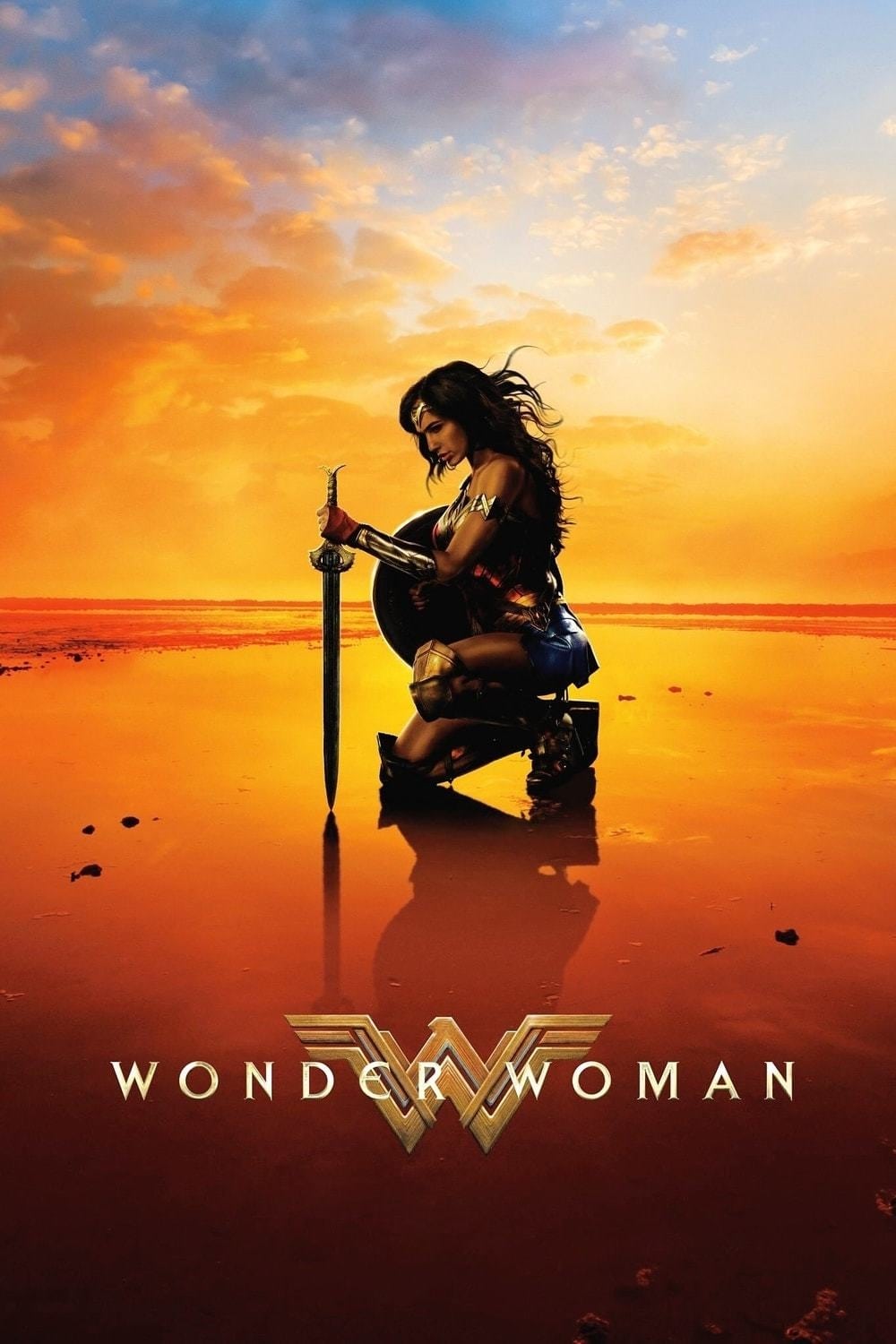
For most of ‘Wonder Woman’, the threat of Ares is treated as a philosophical question regarding the nature of humanity. The final act, however, introduces the God of War as a physical antagonist portrayed by David Thewlis. The subsequent battle was criticized for devolving into a generic, CGI-heavy spectacle that contradicted the film’s earlier themes. Critics noted that the villain’s visual design was uninspired and lacked the gravitas established by the rest of the movie. Many viewers felt that the character’s appearance undermined an otherwise grounded and emotional superhero story.
‘Indiana Jones and the Temple of Doom’ (1984) – Willie Scott
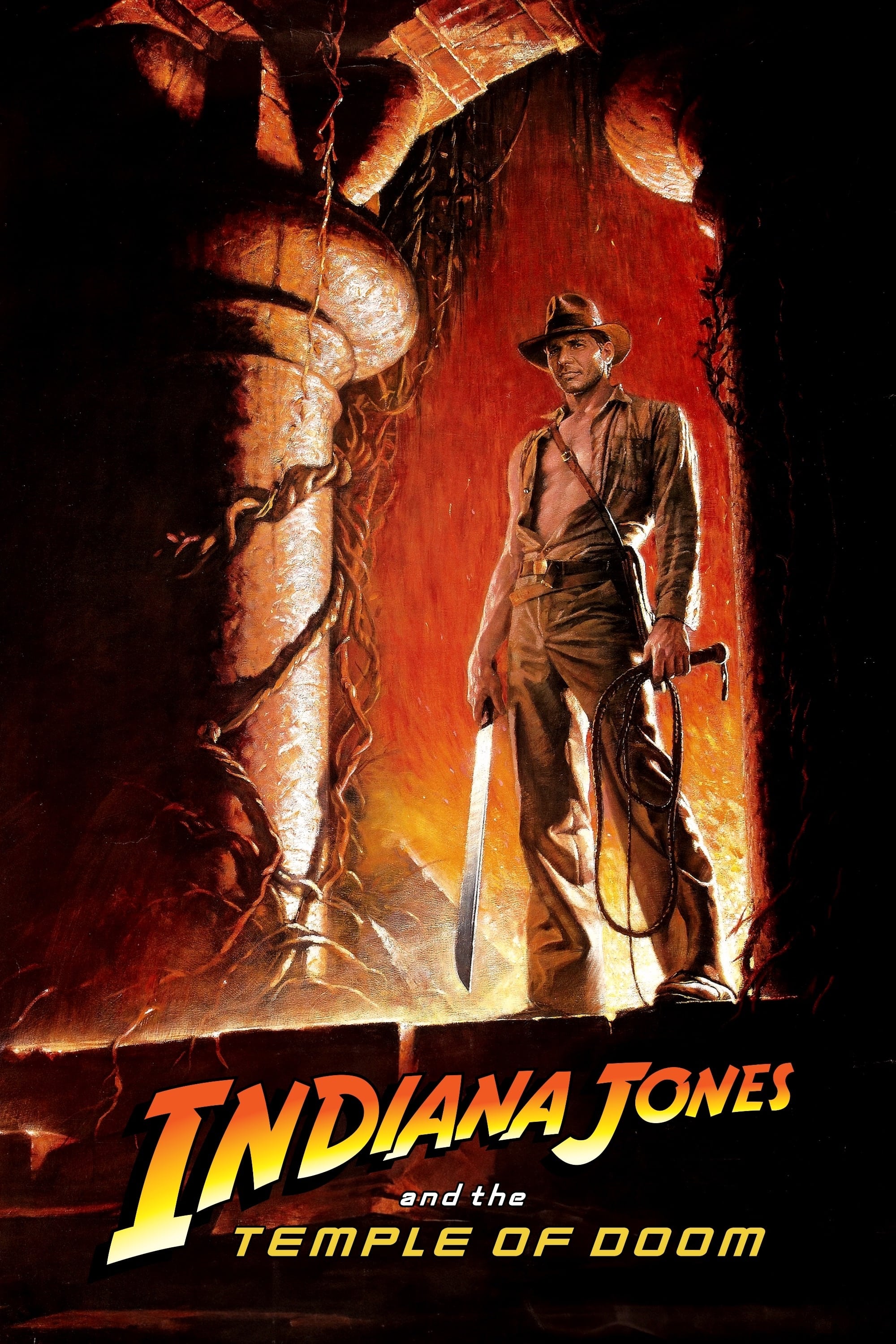
Willie Scott is the female lead who accompanies Indiana Jones on his journey through India. Unlike the capable Marion Ravenwood from the first film, Willie is characterized primarily by her constant screaming and complaints about her surroundings. This portrayal was criticized for being a regressive step for female characters in action cinema. While Kate Capshaw performed the role as written, audiences found the character’s high-pitched distress calls to be grating over the course of the movie. Her lack of agency often made her feel like a burden to the plot of ‘Indiana Jones and the Temple of Doom’.
‘The Fifth Element’ (1997) – Ruby Rhod
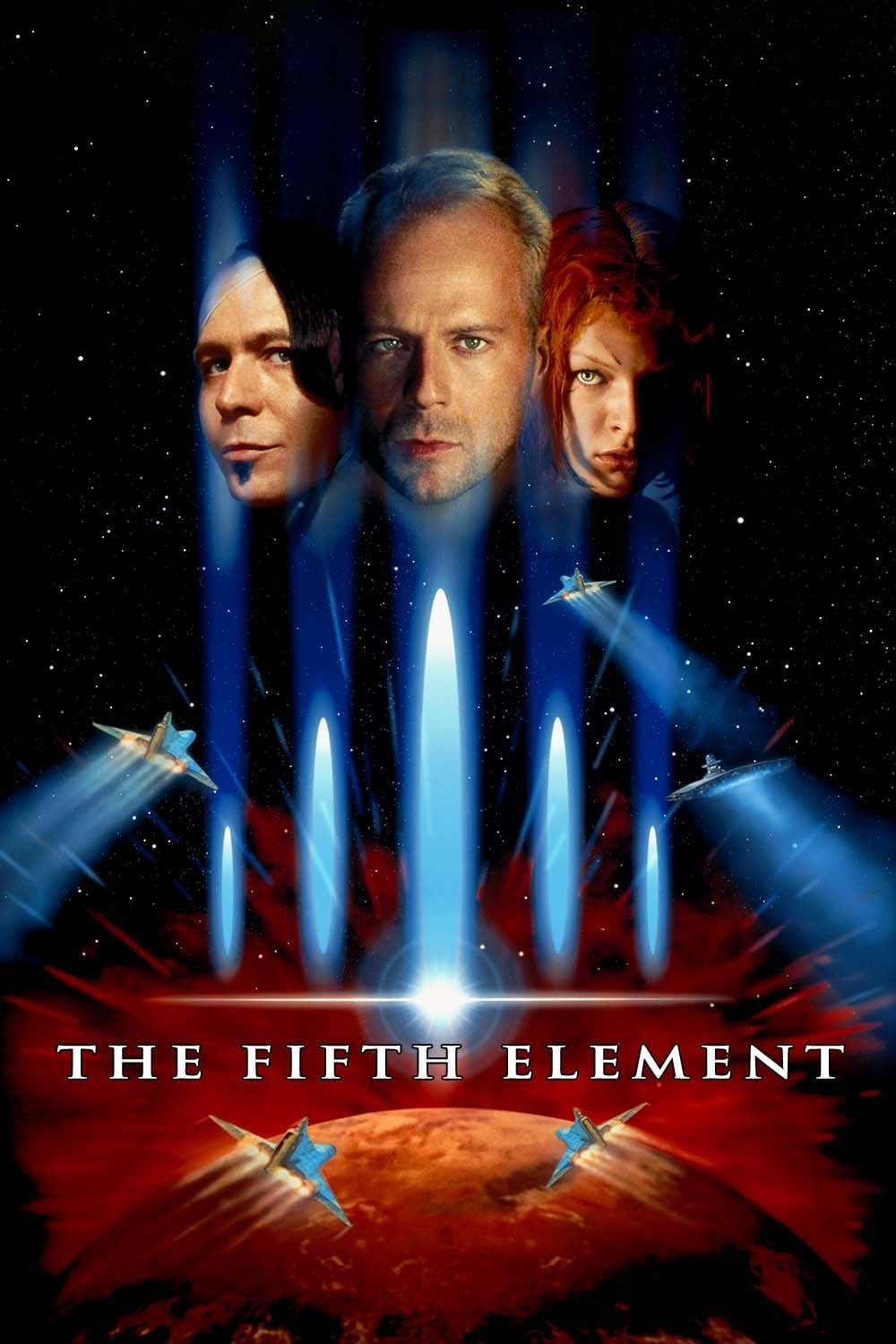
Ruby Rhod is a flamboyant radio host who joins the protagonists during the second half of ‘The Fifth Element’. Chris Tucker’s high-energy and incredibly loud performance is one of the most polarizing aspects of the cult classic film. While some viewers enjoy the character’s chaotic energy, many others found him to be an exhausting and unnecessary addition to the cast. His constant screaming and frantic movements often distracted from the imaginative world-building and action. Despite being a memorable part of the movie, the character remains a source of significant debate among fans.
‘The Dark Knight Rises’ (2012) – Talia al Ghul
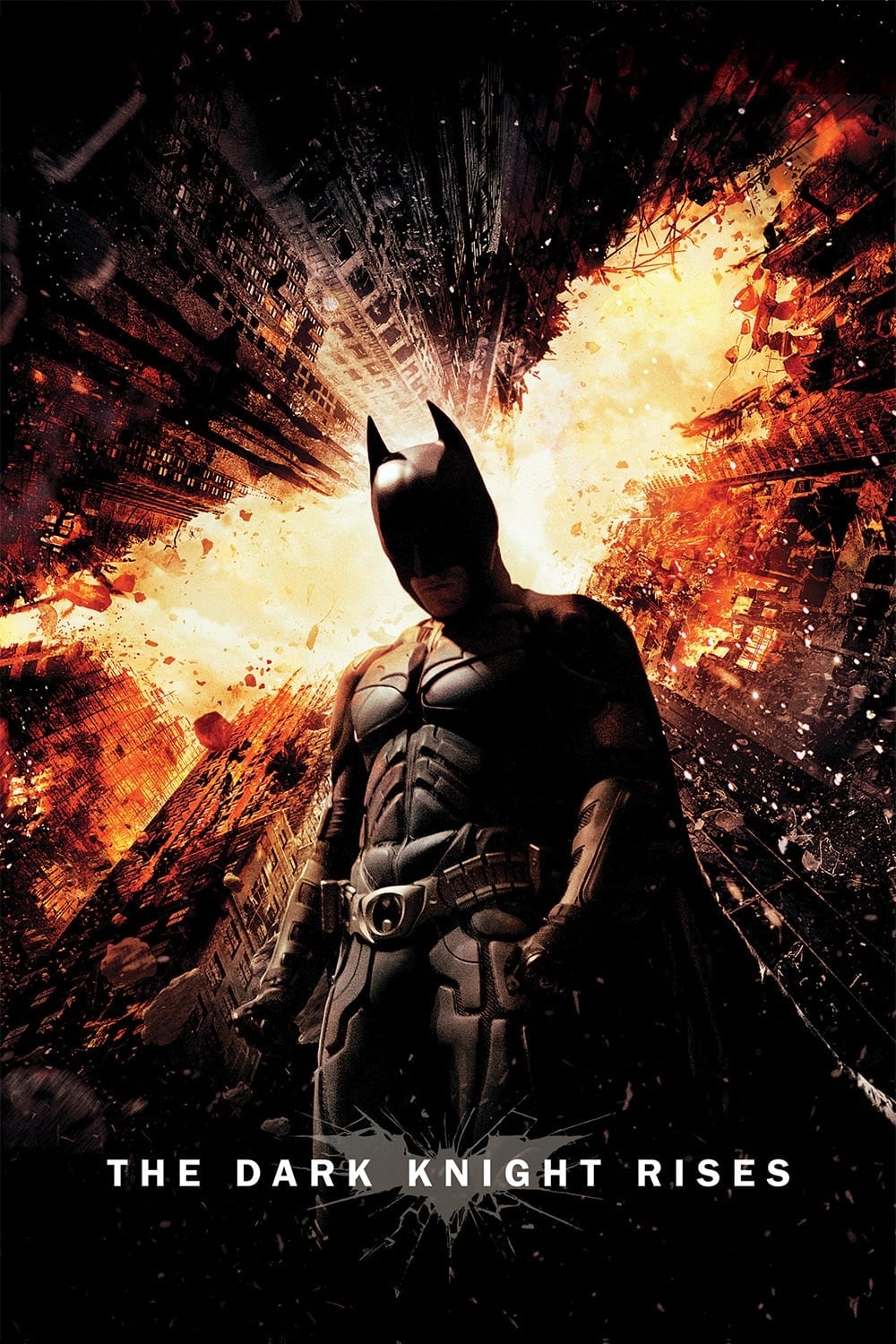
The secret identity of Miranda Tate is revealed to be Talia al Ghul in the final act of ‘The Dark Knight Rises’. Many critics felt that the twist was poorly executed and that the character was not given enough development to make the betrayal meaningful. Marion Cotillard’s death scene, in particular, was widely mocked for its perceived lack of realism and awkward delivery. As the daughter of Ra’s al Ghul, audiences expected a more formidable and complex antagonist. Her late introduction as the true mastermind behind Bane’s plan was seen by many as a narrative misstep.
‘Man of Steel’ (2013) – Jonathan Kent
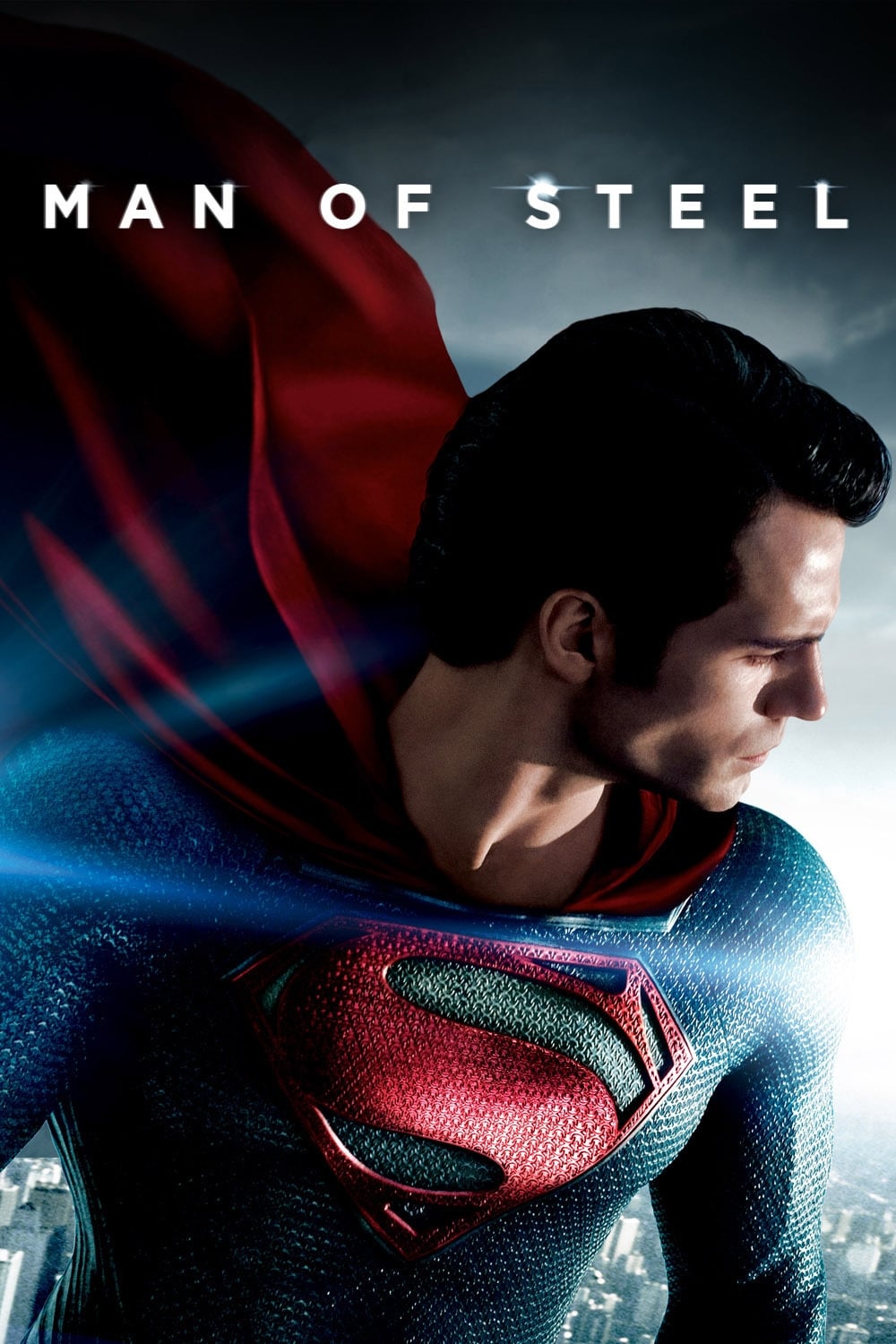
In ‘Man of Steel’, Jonathan Kent is portrayed as a father who is deeply fearful of the world’s reaction to his son’s powers. This version of the character was criticized for suggesting that Clark should perhaps let people die to keep his secret. The scene in which Jonathan allows himself to be killed by a tornado while Clark watches was particularly controversial among Superman fans. Critics argued that this cynical approach to the character’s morality contradicted the traditional values of the franchise. His influence was seen as a primary reason for the darker, more somber tone of the ‘DC Extended Universe’.
‘The World Is Not Enough’ (1999) – Dr. Christmas Jones
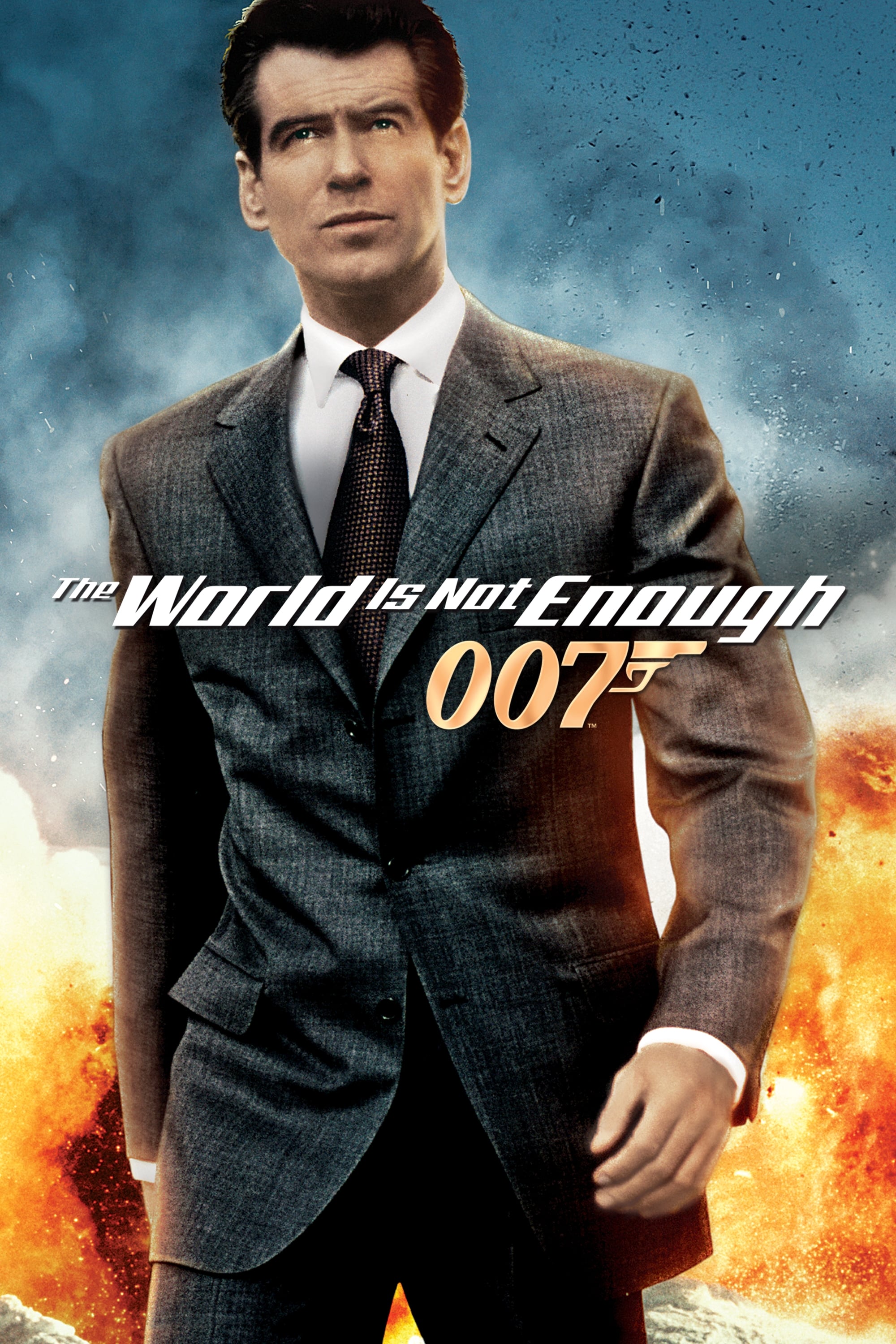
Denise Richards was cast as Dr. Christmas Jones, a nuclear weapons expert who assists James Bond. The casting was widely ridiculed by critics who felt that Richards was unconvincing in the role of a highly educated scientist. Her attire and delivery of technical dialogue were frequently cited as being immersion-breaking for the audience. The character is often ranked as one of the worst “Bond Girls” in the history of the long-running series. Her presence is considered a major weak point in an otherwise competent 1990s action film.
‘Star Wars: The Rise of Skywalker’ (2019) – Emperor Palpatine
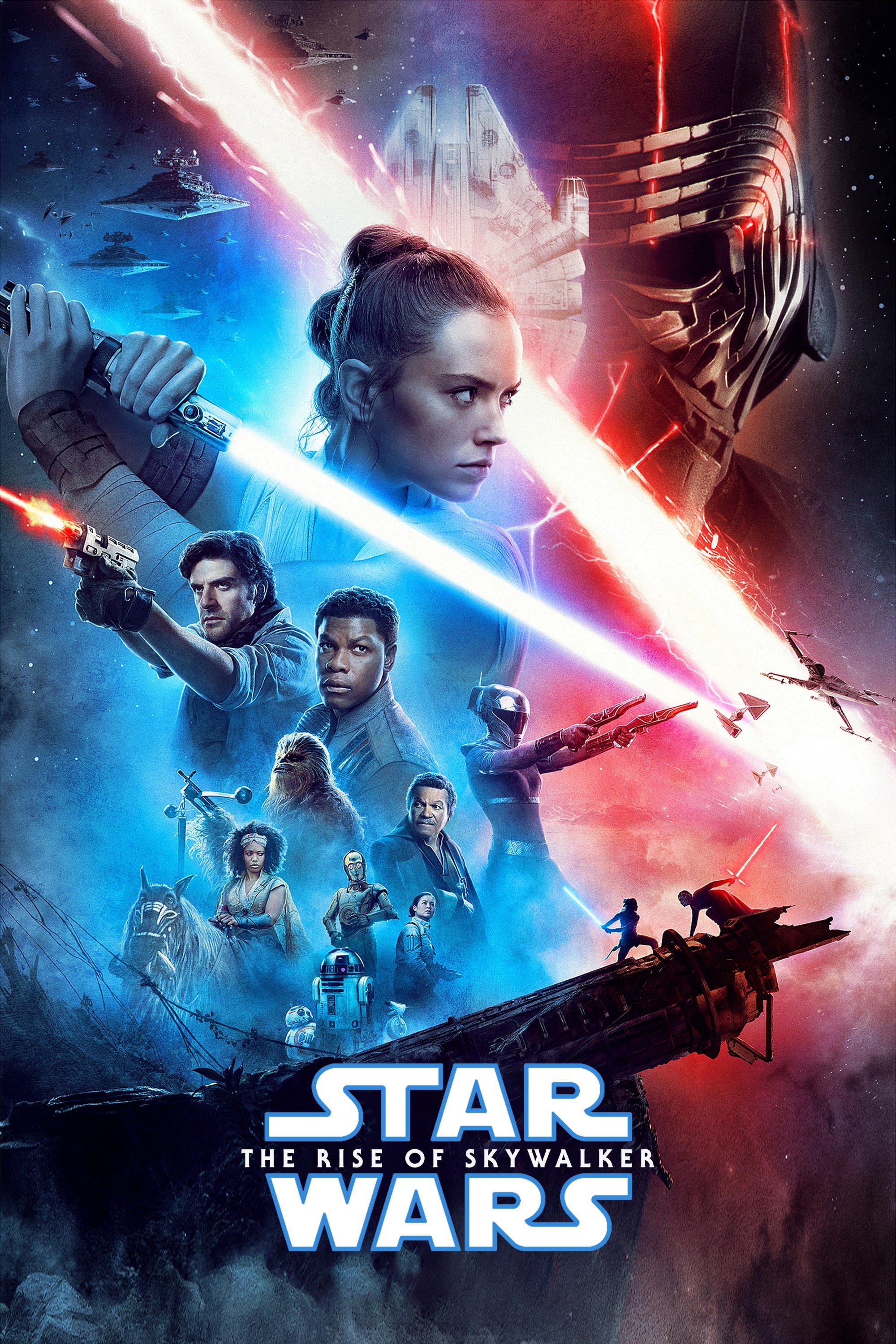
The sudden return of Emperor Palpatine in the opening crawl of ‘Star Wars: The Rise of Skywalker’ was a major shock to the audience. Many critics felt that bringing back the villain from the original trilogy undermined the stakes of previous films and the development of Kylo Ren. The lack of explanation for his survival, summarized by the line “Somehow, Palpatine returned,” became a point of significant criticism. His presence forced the narrative to focus on a familiar threat rather than exploring new ground. This creative choice is often cited as a key reason for the film’s fractured reception.
‘Toy Story 4’ (2019) – Forky
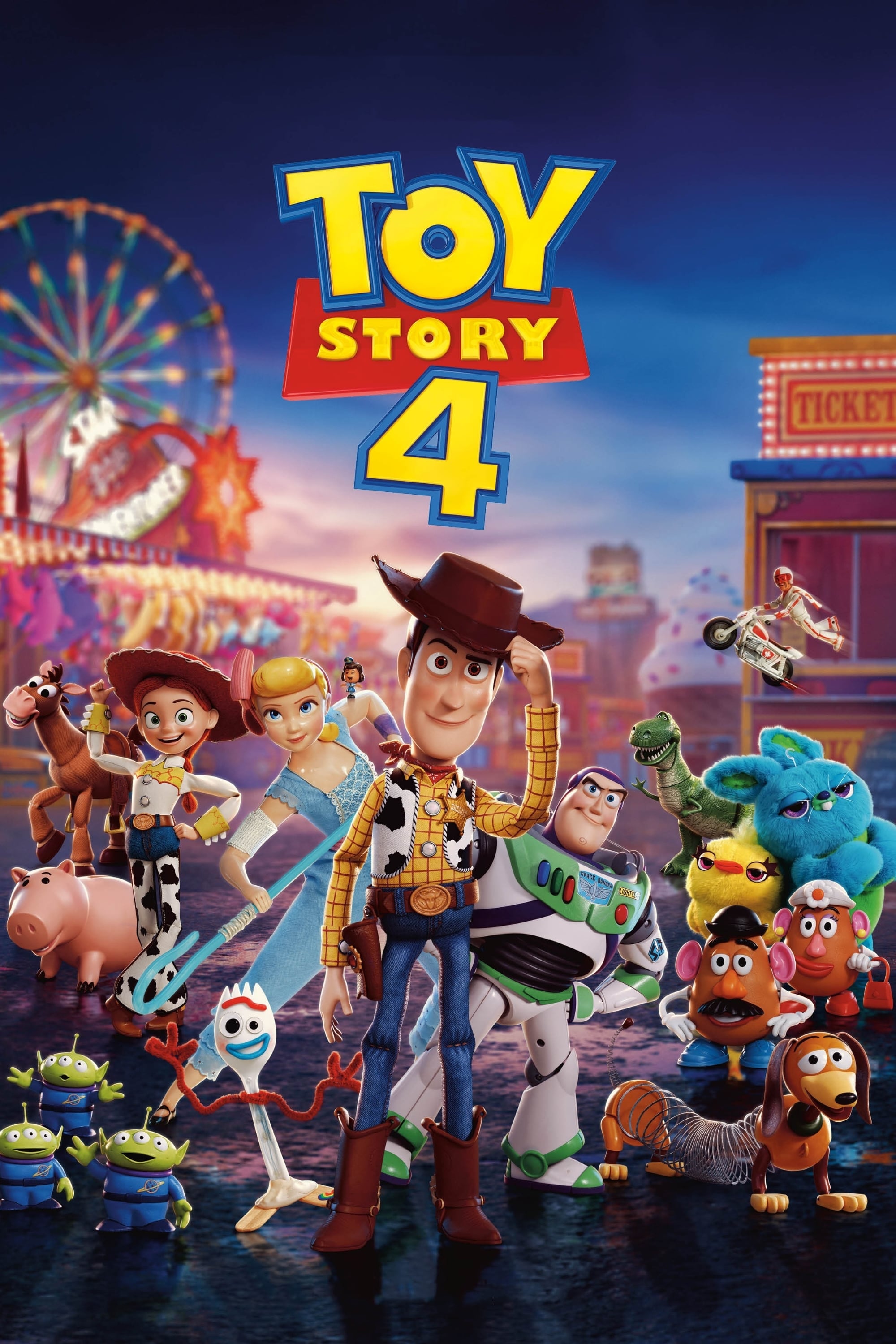
Forky is a toy made from trash who experiences an existential crisis throughout ‘Toy Story 4’. While the character was popular with younger audiences, some long-term fans felt his story took too much focus away from the established cast. His repetitive desire to throw himself into the trash was viewed by some as a one-note joke that grew thin over the course of the film. Critics also noted that his presence necessitated a road trip plot that felt redundant after the definitive ending of the third movie. Despite his charm, some viewers felt the character represented an unnecessary extension of a completed story.
‘Prometheus’ (2012) – Meredith Vickers
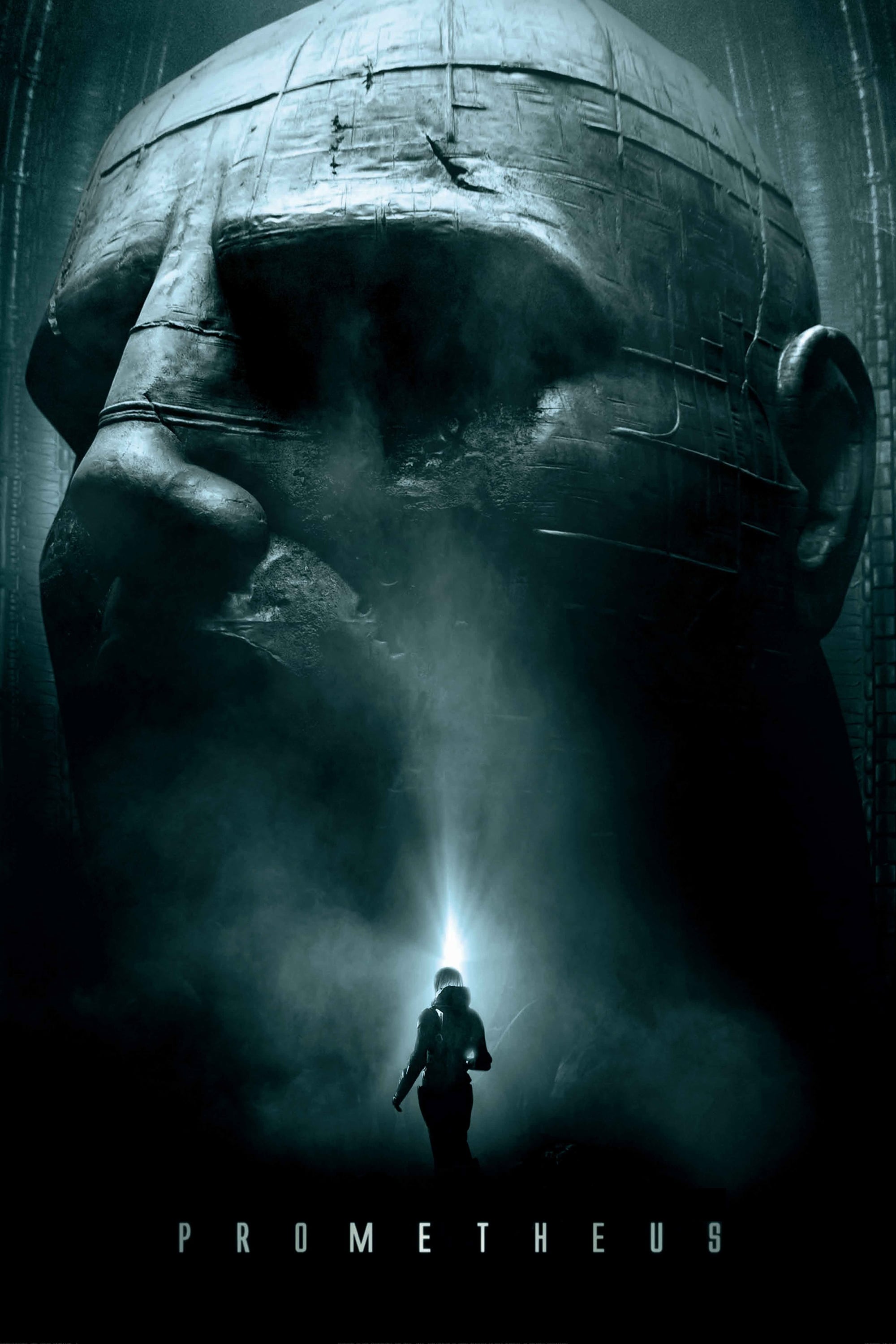
Meredith Vickers is the corporate executive overseeing the scientific expedition to the moon LV-223. The character was criticized for being overly cold and one-dimensional compared to the more inquisitive members of the crew. Her most infamous moment occurs during the film’s climax when she attempts to outrun a falling, elongated spaceship in a straight line rather than running to the side. This lapse in logic became a primary example of the character frustration often voiced by audiences of ‘Prometheus’. Many felt that Charlize Theron’s talents were wasted on a character with such questionable motivations and actions.
‘Pulp Fiction’ (1994) – Jimmie Dimmick
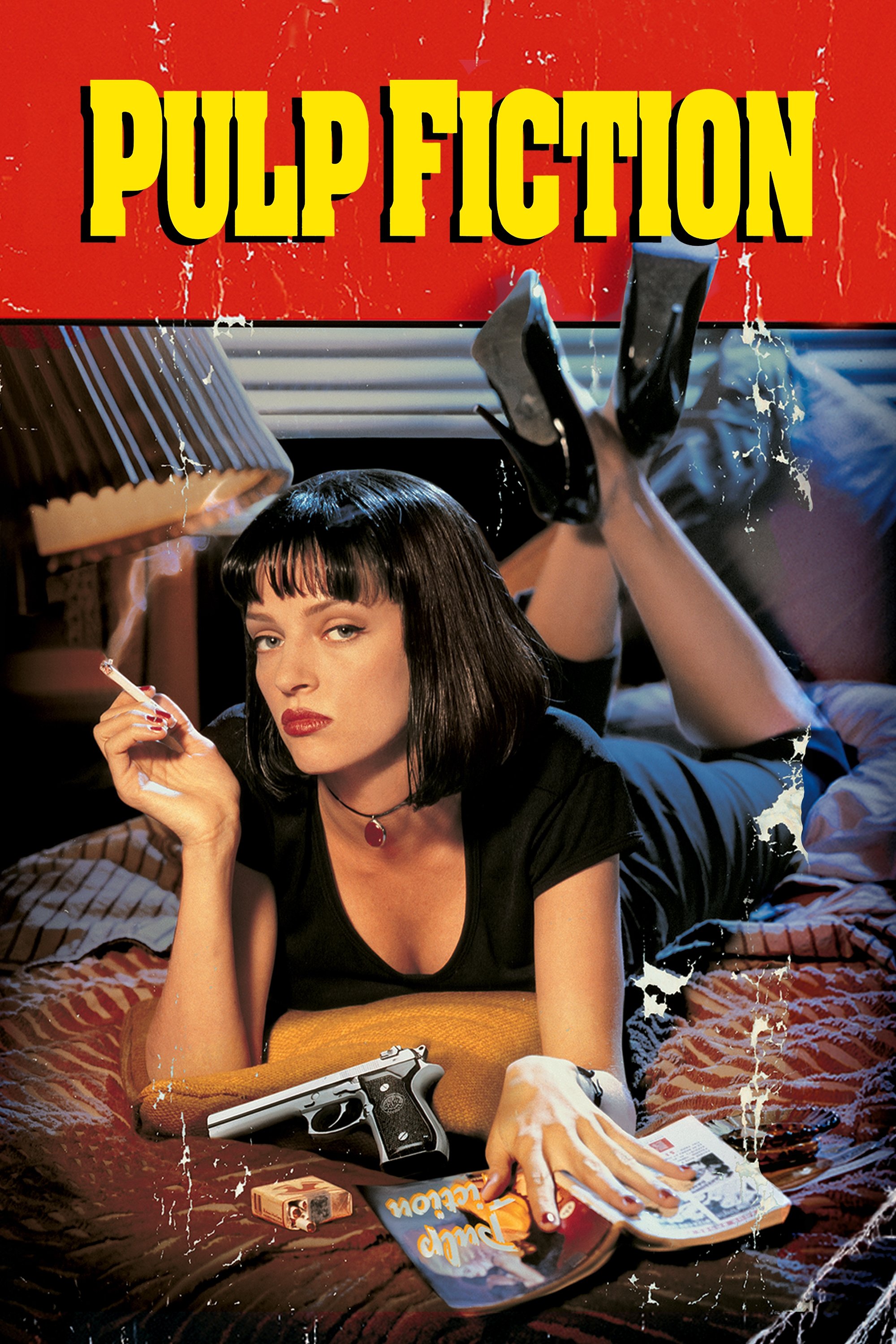
Director Quentin Tarantino cast himself as Jimmie, a man who helps the protagonists clean up a crime scene in his house. Many critics and fans felt that Tarantino’s acting performance was significantly weaker than the rest of the high-caliber cast. His delivery of dialogue, which included controversial language, was viewed by some as self-indulgent and distracting. While the scene itself is important for the plot, the performance is often cited as a rare flaw in an otherwise masterpiece of modern cinema. His presence is frequently noted for breaking the immersion of the film’s carefully constructed world.
‘Titanic’ (1997) – Cal Hockley
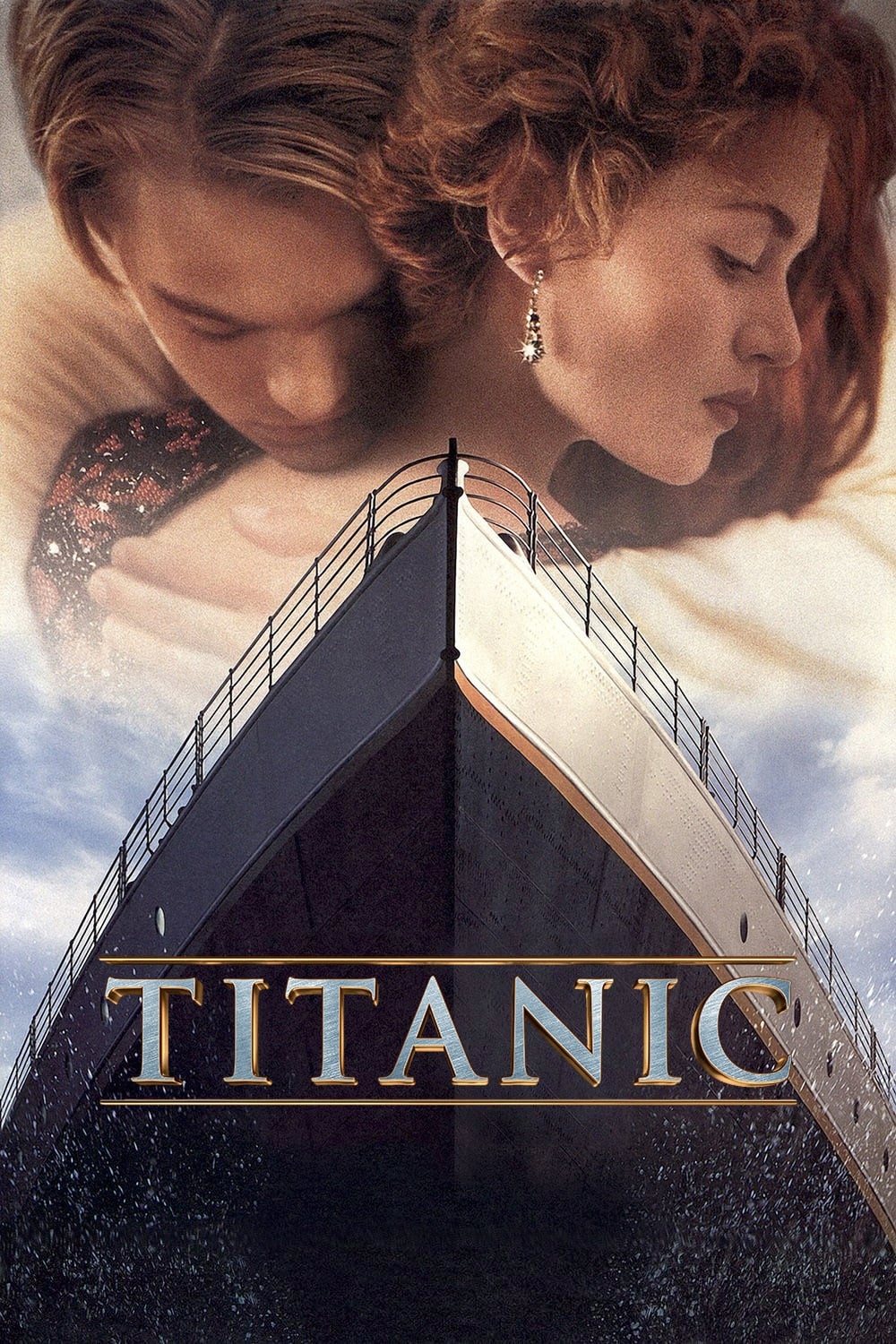
Cal Hockley serves as the wealthy and arrogant fiancé of the protagonist, Rose, in ‘Titanic’. While Billy Zane’s performance captured the villainy required for the role, critics often described the character as a cartoonish stereotype of an upper-class antagonist. His actions, such as framing Jack for theft and chasing the couple with a gun during the sinking, were viewed by some as over-the-top. This exaggerated villainy contrasted with the more grounded and historical elements of the disaster film. Many viewers felt the character lacked the complexity needed to be a truly compelling foil to the central romance.
‘The Lord of the Rings: The Return of the King’ (2003) – Denethor
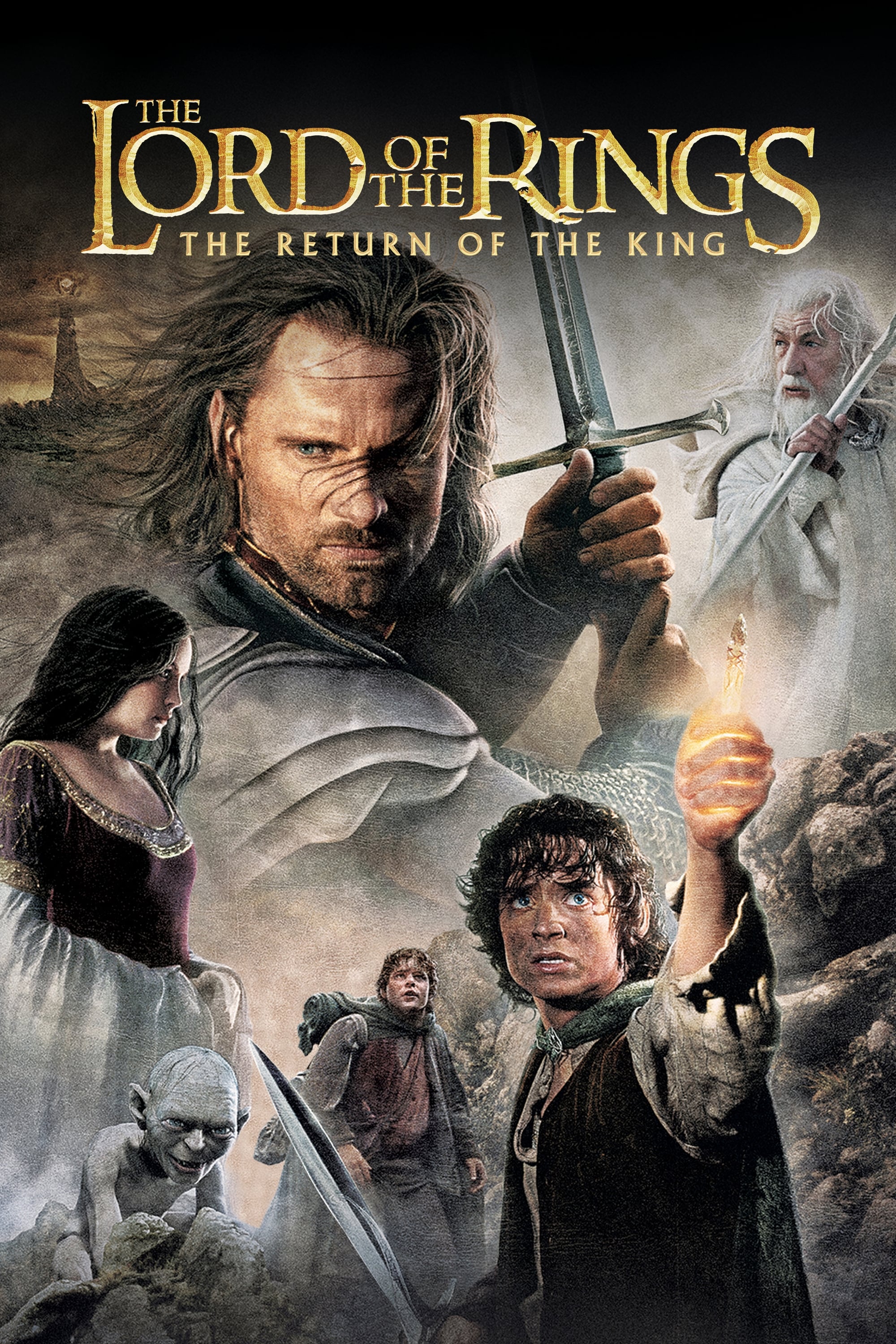
In ‘The Lord of the Rings: The Return of the King’, Denethor is the Steward of Gondor who has fallen into despair. Fans of J.R.R. Tolkien’s books criticized the film for portraying him as a crazed, incompetent leader rather than the tragic and noble figure found in the source material. A specific scene involving him eating cherry tomatoes while his son goes to war was cited as being unnecessarily grotesque. His final scene, where he runs a great distance while on fire, was also viewed as a departure into unrealistic melodrama. Many felt this portrayal simplified the political complexities of the story.
‘X-Men: The Last Stand’ (2006) – Jean Grey / Phoenix
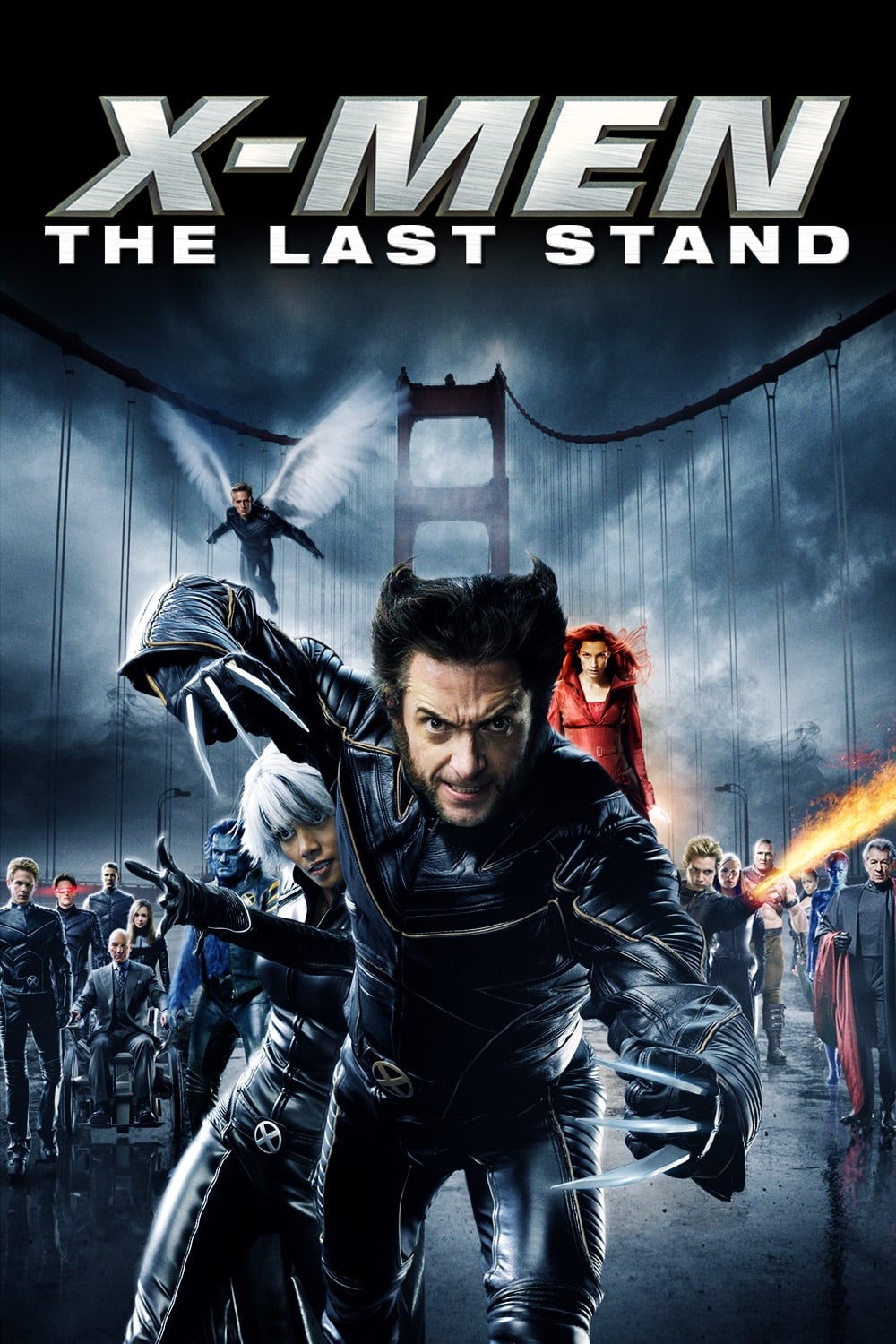
The adaptation of the “Dark Phoenix Saga” was a major focus of ‘X-Men: The Last Stand’, yet the character of Jean Grey was criticized for being a passive participant in her own story. Instead of a cosmic entity or a complex internal struggle, the Phoenix was portrayed as a silent, brooding threat that stood behind Magneto for most of the film. Fans felt that this treatment of one of Marvel’s most iconic characters was a significant missed opportunity. The lack of dialogue and emotional depth made her eventual defeat feel hollow to many viewers. This portrayal is frequently blamed for the poor critical reception of the original trilogy’s conclusion.
‘Pretty in Pink’ (1986) – Duckie Dale
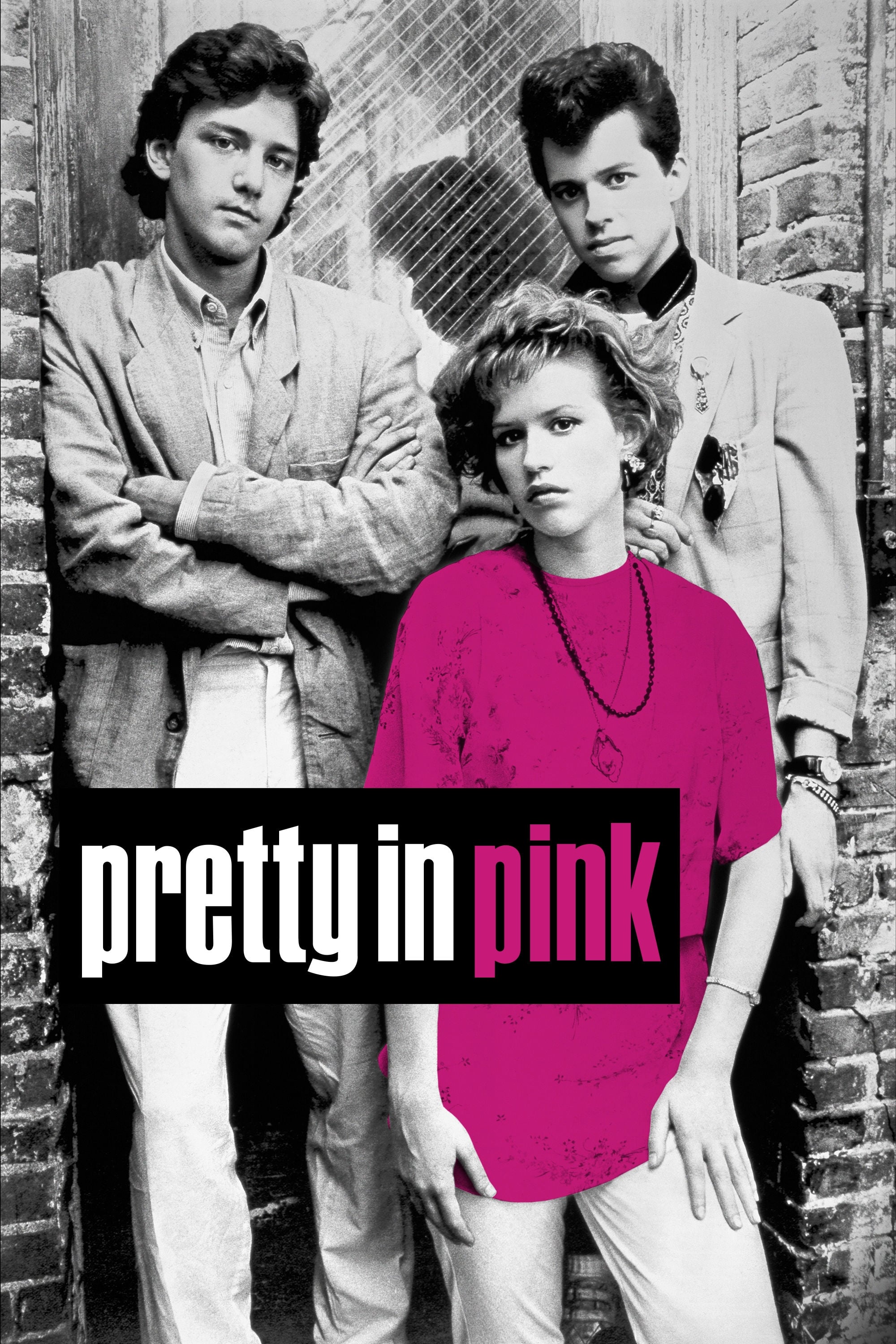
Duckie is the eccentric and loyal best friend of the protagonist, Andie, and is clearly in love with her. While the character is a fan favorite for many, his behavior throughout the film is often re-evaluated by modern audiences as being overly entitled and possessive. His constant pressure on Andie to reciprocate his feelings has led some to view him as a hindrance to her personal growth. The film’s original ending, which saw the two together, was famously changed because test audiences did not find the pairing believable. His character remains a central point of contention in discussions regarding 1980s teen cinema.
Share your own thoughts on which movie characters you think held back a great film in the comments.