African-American Actresses Who Needed Therapy After a Role

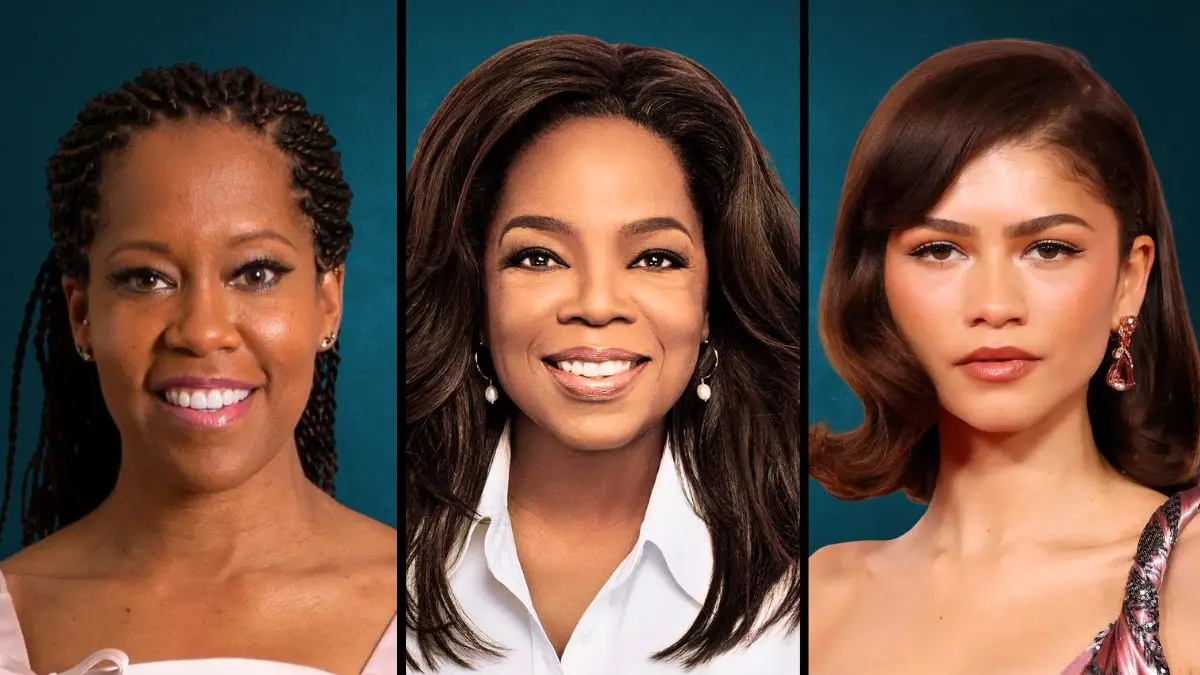

The psychological demands of professional acting often require performers to delve into intense emotional states or relive historical trauma. For many African-American actresses the weight of portraying systemic struggle and personal pain can leave a lasting impact on their mental well being. Seeking professional therapy has become an essential practice for those looking to separate their private lives from the harrowing experiences of their characters. These women have shared their journeys of healing to encourage others in the industry and their audiences to prioritize mental health.
Taraji P. Henson

Taraji P. Henson has spoken candidly about the emotional weight of her role as Shug Avery in the musical film ‘The Color Purple’. The actress mentioned that the character required her to tap into deep generational trauma that felt exhausting to carry daily. She also faced mental health challenges while filming the intense television drama ‘Empire’ where she played Cookie Lyon. Henson utilizes therapy to process the high stakes of her performances and maintain her personal equilibrium. She remains a strong advocate for removing the stigma surrounding mental health care in the Black community.
Viola Davis
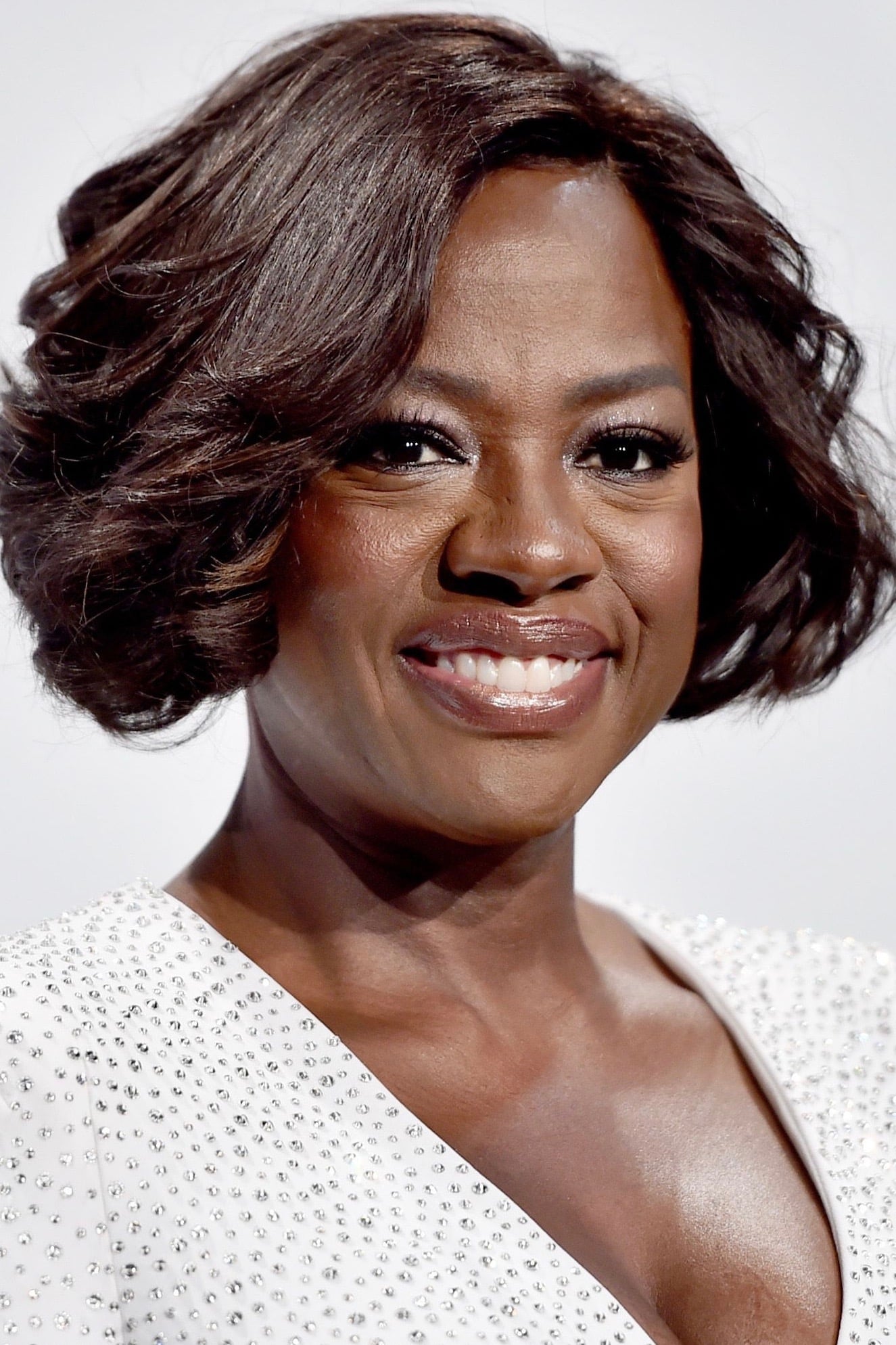
Viola Davis has expressed that her role in ‘The Help’ caused her significant internal conflict and emotional distress. She later regretted the performance because she felt it did not sufficiently explore the real struggles of the Black domestic workers. The actress has also discussed the heavy toll of filming the movie ‘Fences’ alongside Denzel Washington. Davis relies on therapy to help her decompress and leave the intensity of her characters at the studio. This mental health support allows her to continue taking on challenging and historically significant roles.
Halle Berry

Halle Berry underwent a rigorous emotional process to play Leticia Musgrove in the film ‘Monster’s Ball’. The character experienced profound grief and hardship which Berry found difficult to process without professional guidance. She has often spoken about the necessity of therapy to manage the pressures of her career and the impact of her more dramatic roles. Berry believes that mental health care provides a safe space to navigate the trauma that actors often simulate on screen. Her commitment to therapy has helped her maintain longevity in a demanding and often stressful industry.
Angela Bassett
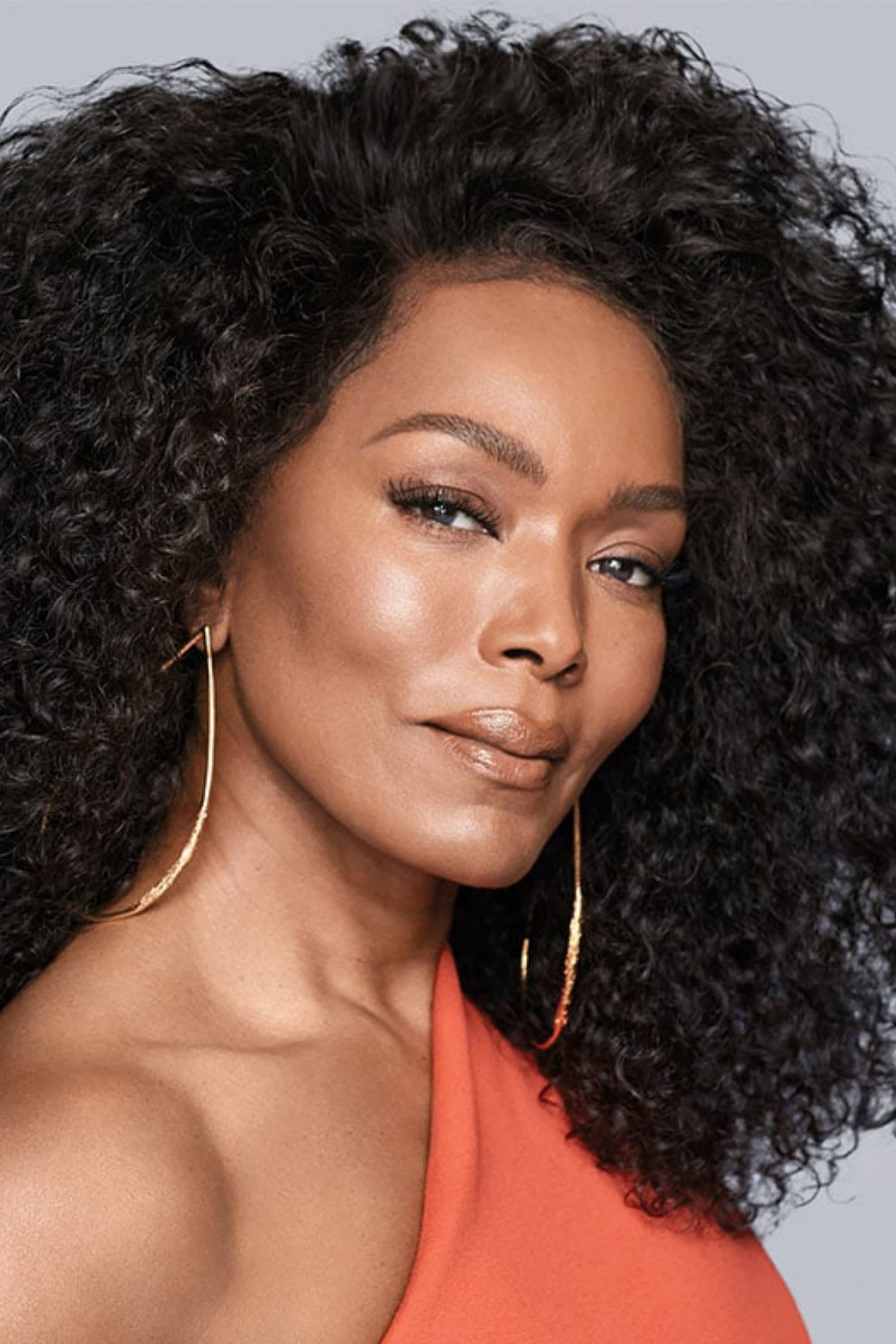
Angela Bassett delivered an iconic performance as Tina Turner in the biopic ‘What’s Love Got to Do with It’. The role required her to film several intense scenes depicting domestic violence and emotional abuse. Bassett has discussed how the physical and mental demands of the part stayed with her long after the production was completed. She turned to professional support and spiritual practices to help her release the character and heal from the experience. The actress maintains that mental health is just as important as physical fitness for any professional performer.
Oprah Winfrey
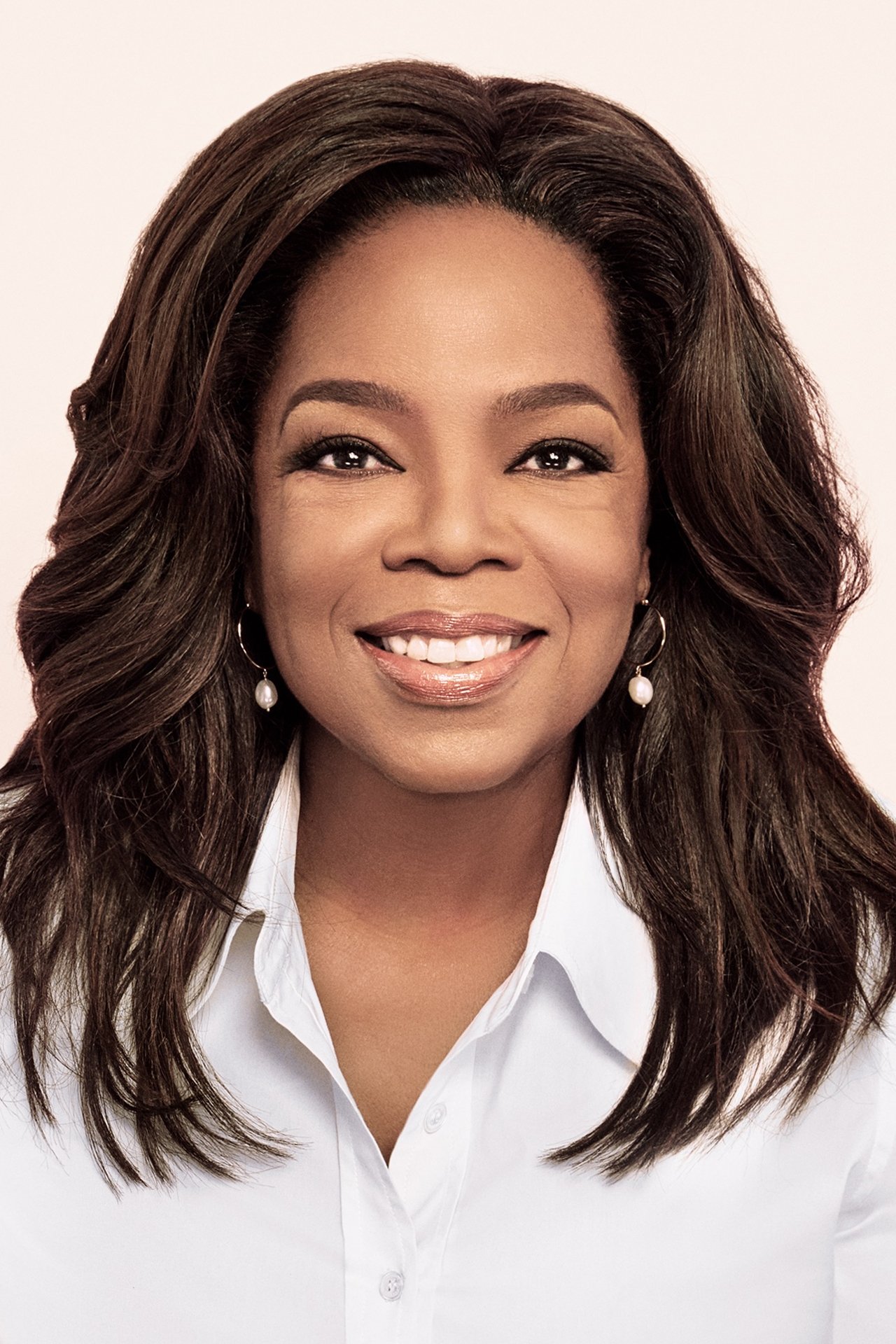
Oprah Winfrey experienced a period of deep depression after the release of her film ‘Beloved’. The actress and producer had invested significant emotional energy into the project which dealt with the harrowing legacy of slavery. When the film did not meet box office expectations she found herself struggling to cope with the disappointment and the heavy subject matter. Winfrey utilized therapy to work through her feelings and regain her sense of purpose. This experience helped her better understand the importance of mental health advocacy in her later career.
Zendaya

Zendaya portrays the character Rue Bennett in the gritty drama series ‘Euphoria’ which focuses on addiction and mental health. The actress has admitted that the dark themes and emotional volatility of the role can be extremely draining. She has been vocal about using therapy to navigate the anxieties that come with such a heavy performance. Zendaya believes that talking to a professional helps her keep her own identity separate from the struggles of her character. Her transparency has helped many young fans realize the importance of seeking help when facing emotional burdens.
Mary J. Blige
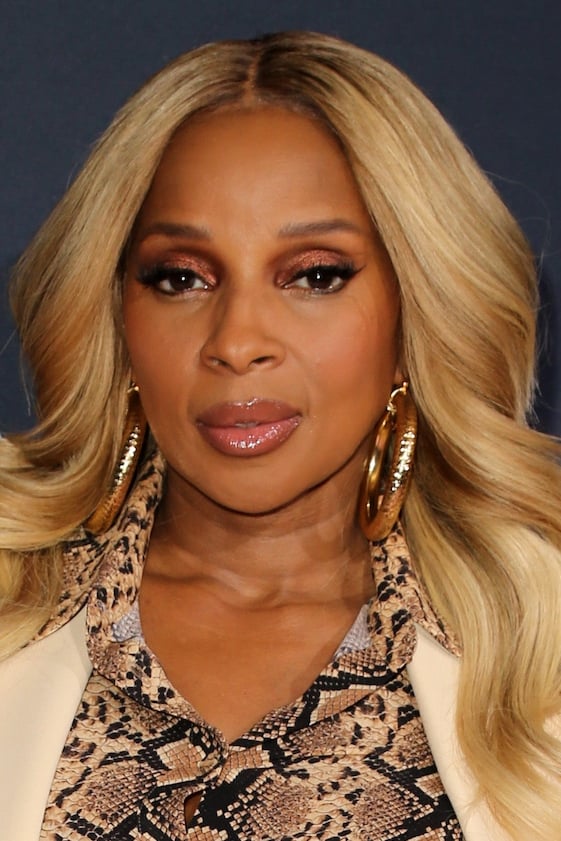
Mary J. Blige earned critical acclaim for her role as Florence Jackson in the period drama ‘Mudbound’. The character lived through the harsh realities of the Jim Crow era which triggered Blige to confront her own past traumas. She described the filming process as an emotional journey that required professional mental health support to navigate. Blige found that the role allowed her to heal but also required a dedicated period of therapy to process the pain. She continues to advocate for mental health awareness as a vital part of personal and professional growth.
Kerry Washington

Kerry Washington spent seven seasons playing the high stakes character Olivia Pope on the series ‘Scandal’. The actress has discussed the psychological intensity of inhabiting such a complex and often stressed persona for several years. She turned to therapy to help her disconnect from the character and manage the pressures of leading a major television production. Washington emphasizes that mental health care is a tool that allows her to be a better actress and a more present individual. She views professional support as a necessary component of her overall wellness routine.
Janelle Monáe
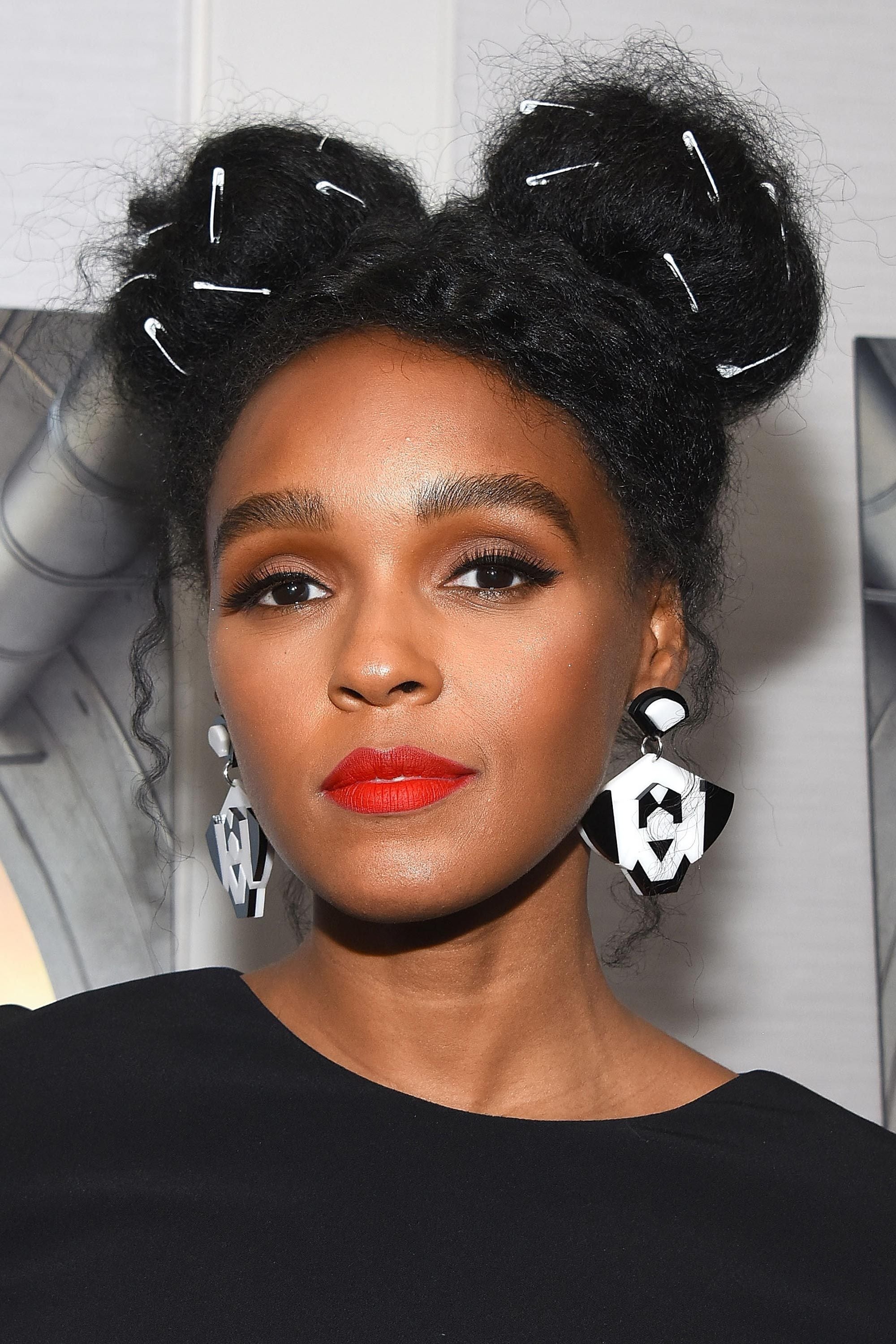
Janelle Monáe took on a challenging role in the psychological horror film ‘Antebellum’ which explored themes of modern and historical slavery. The actress stated that the project was one of the most taxing experiences of her career due to its disturbing narrative. She sought therapy to help her process the trauma of the role and to find a way back to her own identity. Monáe found that the character of Veronica Henley left her with emotional wounds that required time and professional care to mend. She believes that actors must be proactive about protecting their mental health when working on such dark material.
Jurnee Smollett

Jurnee Smollett played Leti Lewis in the series ‘Lovecraft Country’ which blended supernatural horror with the realities of systemic racism. The actress has spoken about the generational trauma that surfaced while she was filming the more intense scenes of the show. She relied on therapy to help her navigate the emotional weight of the project and to keep herself grounded. Smollett believes that it is essential for actors of color to have mental health support when portraying the painful histories of their ancestors. This practice helped her deliver a powerful performance while maintaining her own psychological well being.
Danielle Brooks
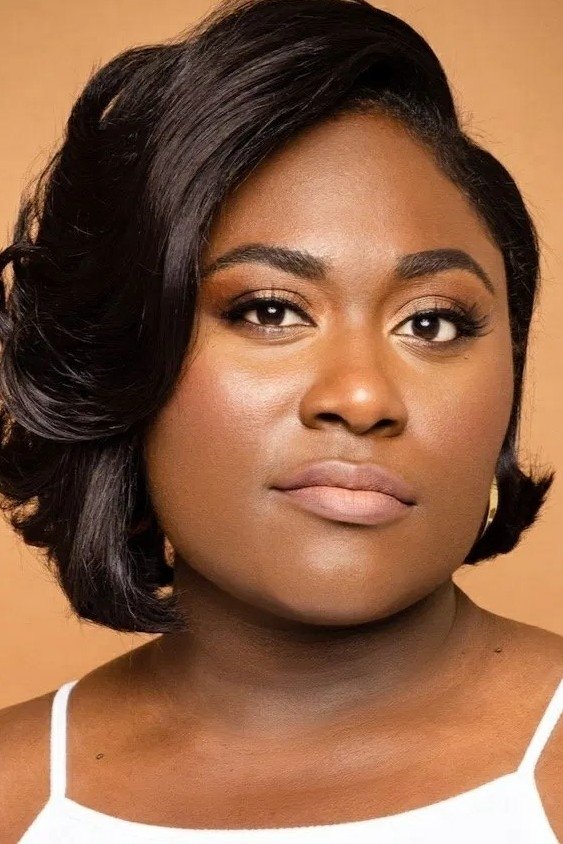
Danielle Brooks found her role as Sofia in the musical film ‘The Color Purple’ to be both rewarding and emotionally exhausting. The character faces significant physical and social injustice which Brooks felt deeply during every day of filming. She has discussed the importance of using therapy to release the heavy energy of the role once production ended. Brooks also used mental health resources while working on the long running series ‘Orange Is the New Black’. She advocates for the inclusion of mental health professionals on film sets to support actors during difficult scenes.
Fantasia Barrino
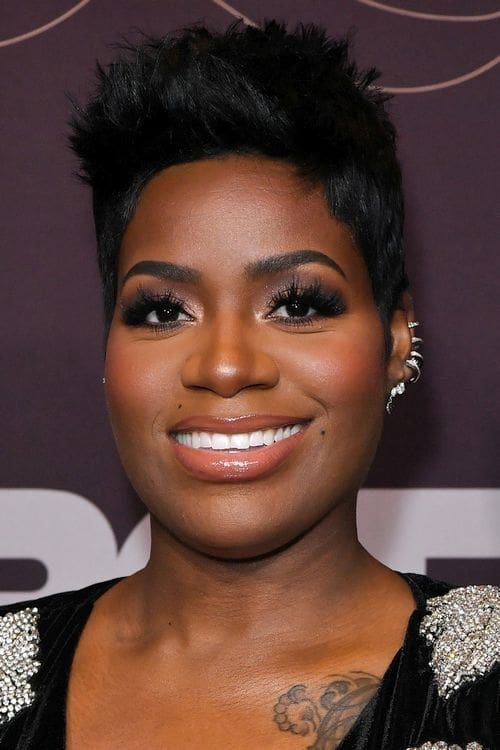
Fantasia Barrino reprised her stage role as Celie in the film adaptation of ‘The Color Purple’ which forced her to revisit a very dark headspace. The actress has been open about how the character’s journey of trauma and eventual healing mirrored some of her own life experiences. She found that professional therapy was necessary to help her process the emotions that surfaced during the production. Barrino credits her support system and mental health care with helping her stay strong throughout the filming process. She views the role as a form of catharsis that required professional guidance to navigate safely.
Dominique Fishback

Dominique Fishback played a deeply disturbed fan in the series ‘Swarm’ which required her to explore dark and violent impulses. The actress admitted that the role took a heavy toll on her mental health and led her to seek professional support. She found that the intense psychological state of her character was difficult to shake off once filming ended. Fishback believes that having a therapist was essential for her to safely navigate the disturbing themes of the show. She continues to prioritize her mental well being while choosing new and challenging projects.
Regina King
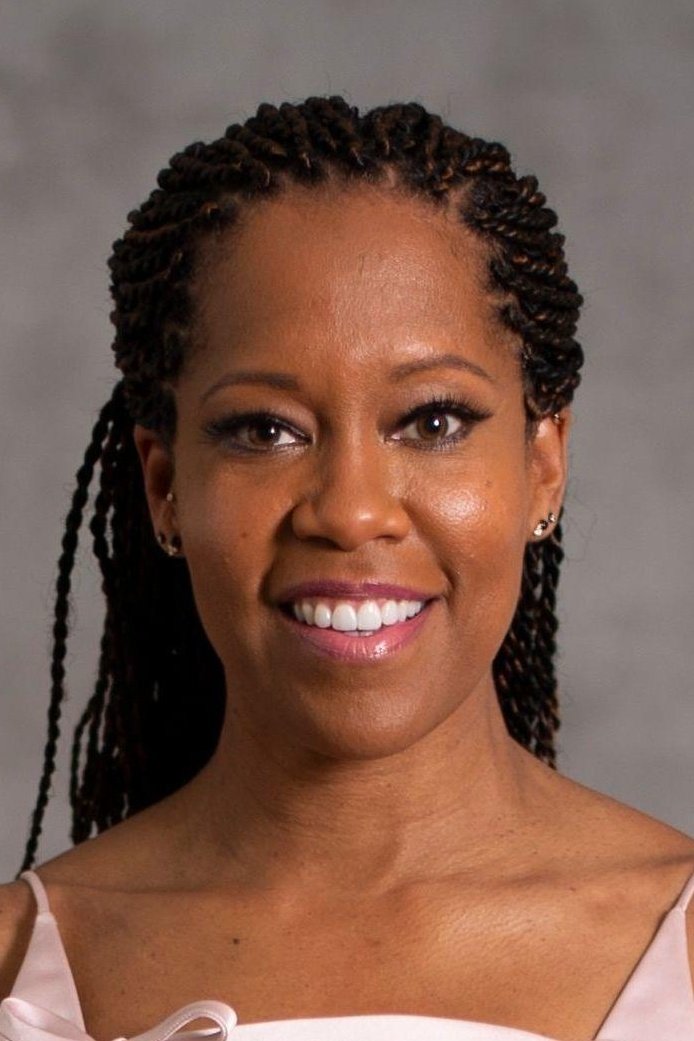
Regina King took on the role of a grieving mother in the limited series ‘Seven Seconds’ which dealt with the aftermath of a police shooting. The actress stated that the constant state of mourning required for the character was emotionally overwhelming. She utilized therapy to help her manage the sadness and to ensure that she did not carry the character’s grief into her personal life. King has often spoken about the need for actors to protect their minds when dealing with such heavy and relevant subject matter. Her performance earned her an Emmy but also required a significant period of mental recovery.
Uzo Aduba
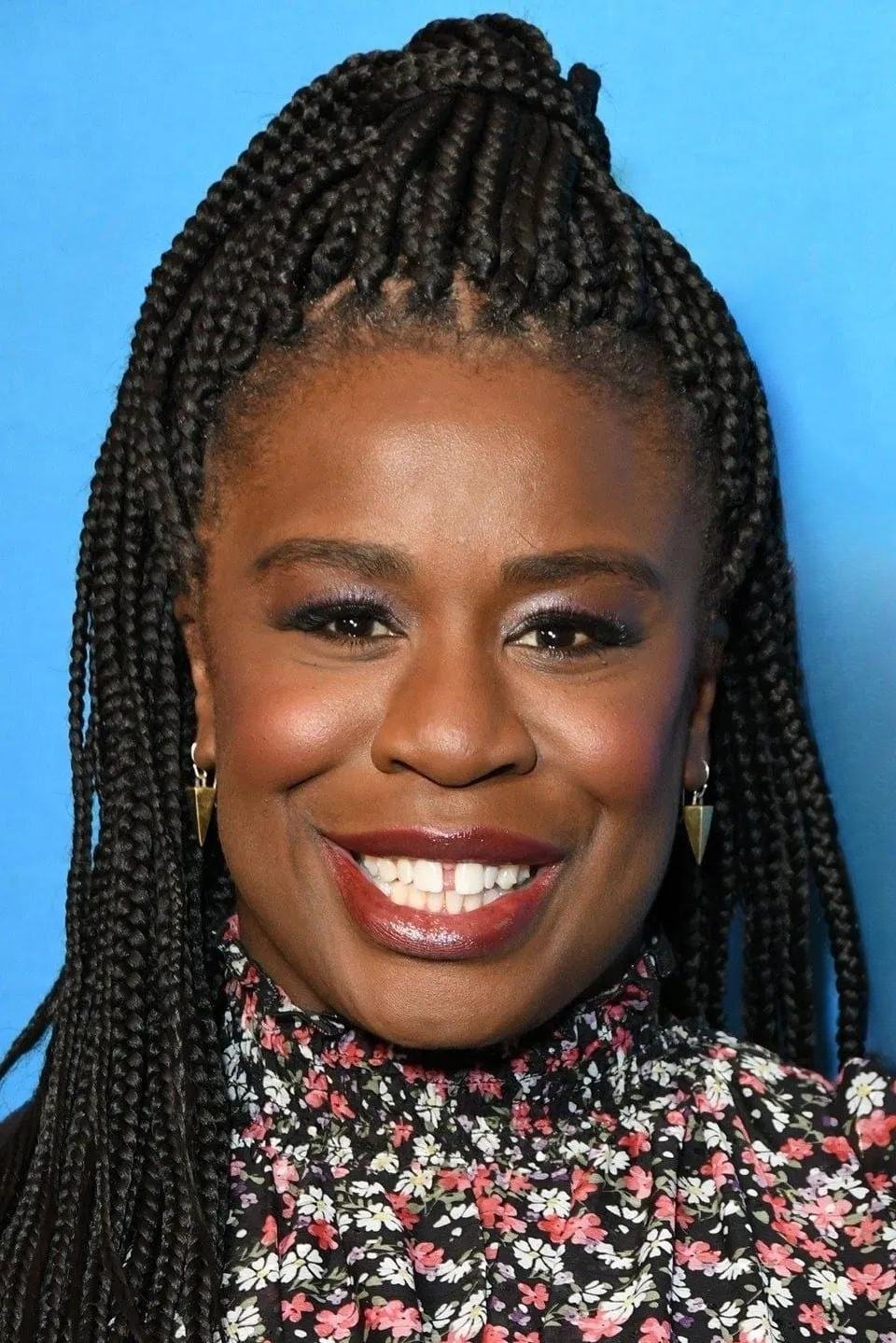
Uzo Aduba became famous for her role as Suzanne Warren in the series ‘Orange Is the New Black’. The character’s mental health struggles and traumatic past made the role particularly demanding for the actress. Aduba has discussed the difficulty of leaving the character behind after the show reached its conclusion. She sought professional therapy to help her transition out of the role and to rediscover her own voice. This process was essential for her to move forward and take on new challenges in her career.
Tracee Ellis Ross
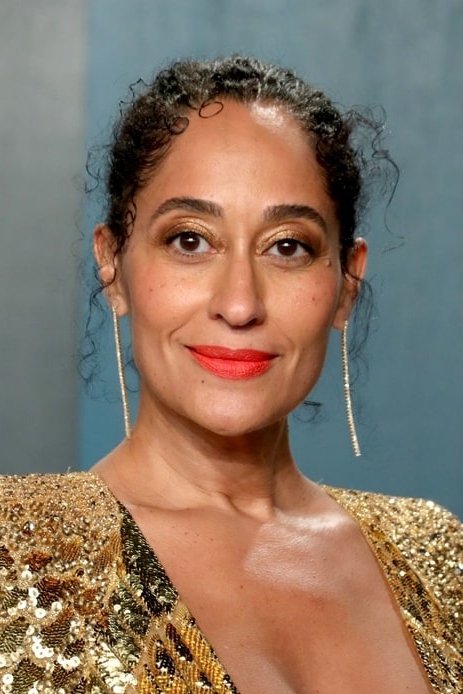
Tracee Ellis Ross played Rainbow Johnson on the sitcom ‘Blackish’ for eight seasons before the show ended. The actress has shared that she needed therapy to help her say goodbye to the character and the community she had built. She described the end of the series as a major life transition that triggered feelings of loss and anxiety. Using professional support allowed her to process the change and prepare for the next chapter of her life. Ross remains a vocal supporter of therapy as a way to navigate both career shifts and personal growth.
Octavia Spencer
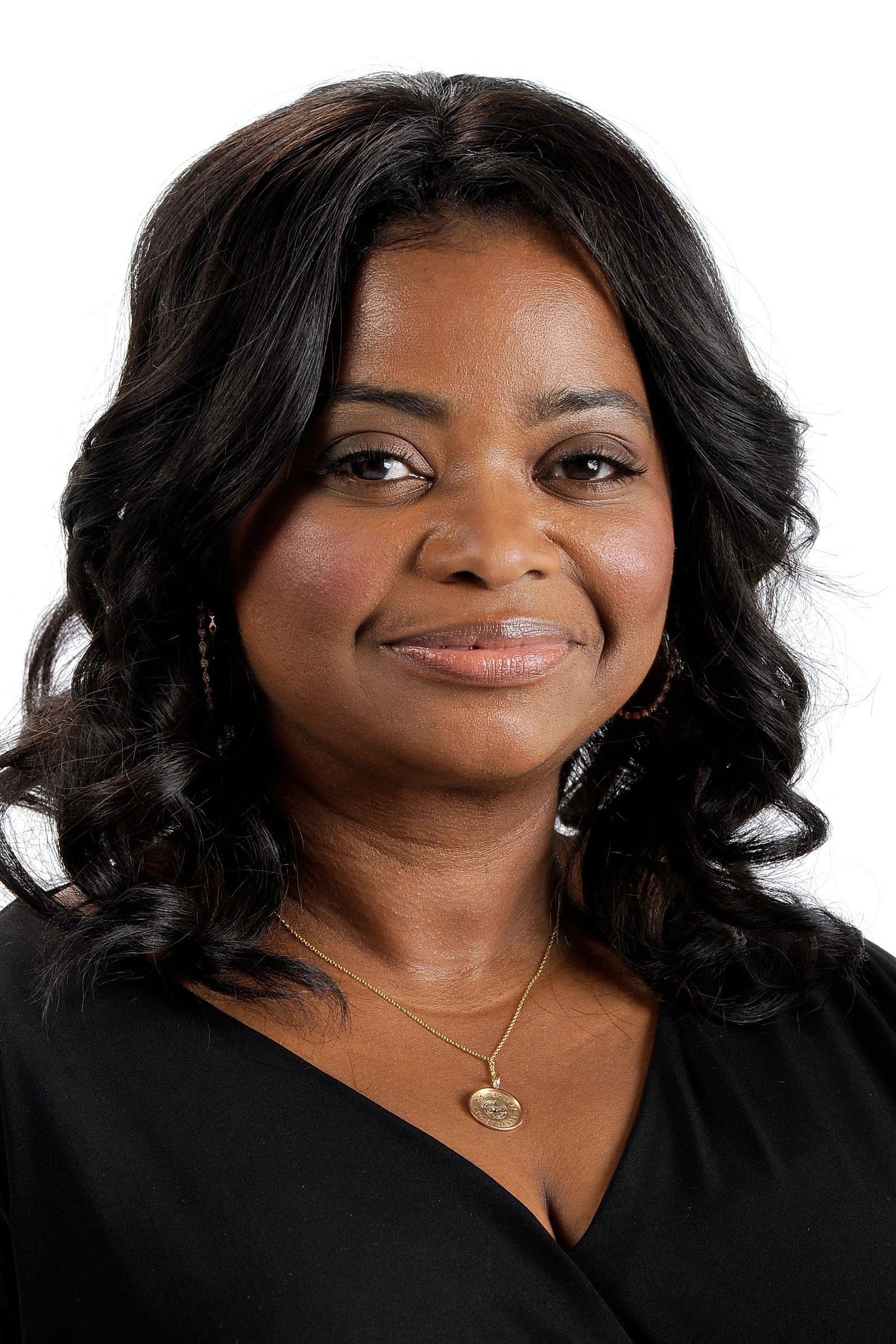
Octavia Spencer took a dark turn in the thriller film ‘Ma’ where she played a lonely woman who terrorizes a group of teenagers. The actress found the psychological depth of the character to be unsettling and unlike anything she had done before. She has mentioned the importance of decompressing and seeking professional advice when working on projects that explore the darker side of human nature. Spencer utilizes therapy to maintain a healthy boundary between her work and her real life identity. She believes that mental health awareness is crucial for sustaining a long term career in Hollywood.
Gabourey Sidibe
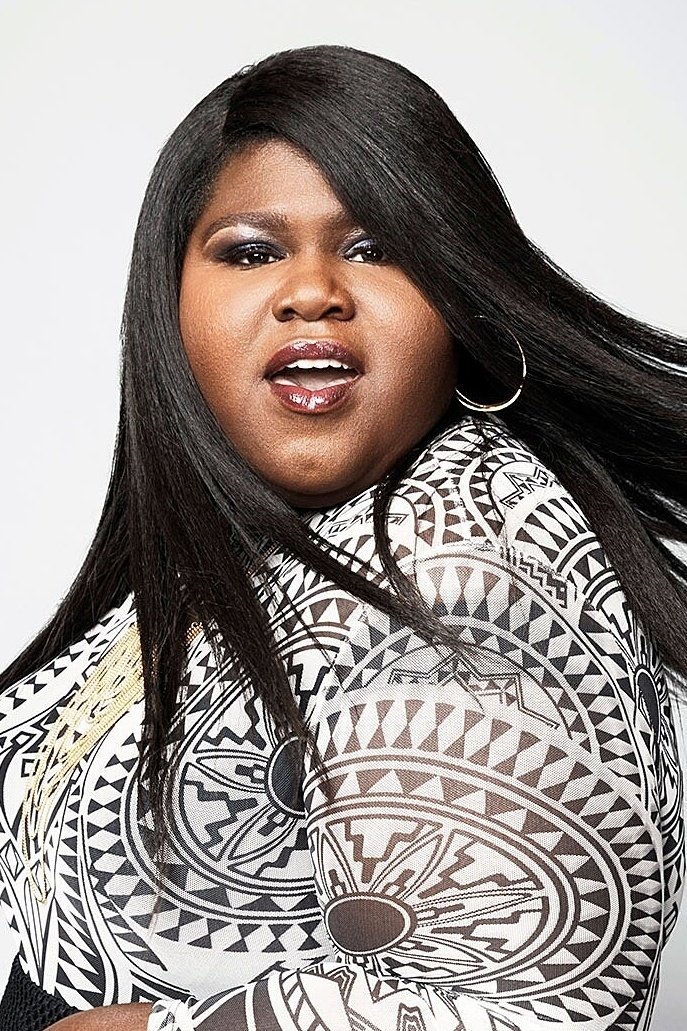
Gabourey Sidibe made a powerful debut in the film ‘Precious’ which dealt with extreme abuse and poverty. The actress has spoken about the depression she faced following the release of the movie and the sudden fame that followed. She utilized therapy to help her manage the emotional aftermath of playing such a traumatized character. Sidibe has become a strong advocate for mental health and has shared her journey to help others struggling with similar issues. Her experience taught her the importance of prioritizing her own needs while navigating the entertainment industry.
Mo’Nique
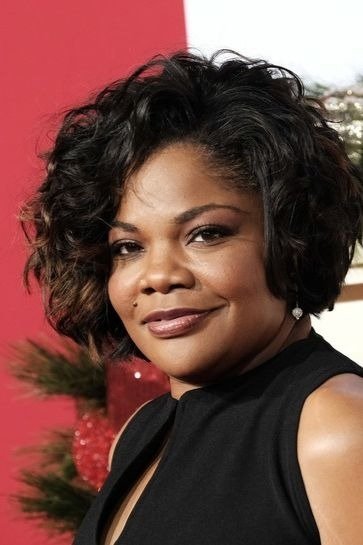
Mo’Nique delivered a harrowing performance as Mary Lee Johnston in the film ‘Precious’ that earned her an Academy Award. The role involved depicting intense domestic abuse and emotional cruelty which took a significant toll on her. She has discussed the necessity of seeking professional help to disconnect from the traumatic energy of the character. Mo’Nique found that therapy was an important tool for clearing her mind after the production was finished. She emphasizes that actors must be mindful of the emotional residue that difficult roles can leave behind.
Jennifer Hudson
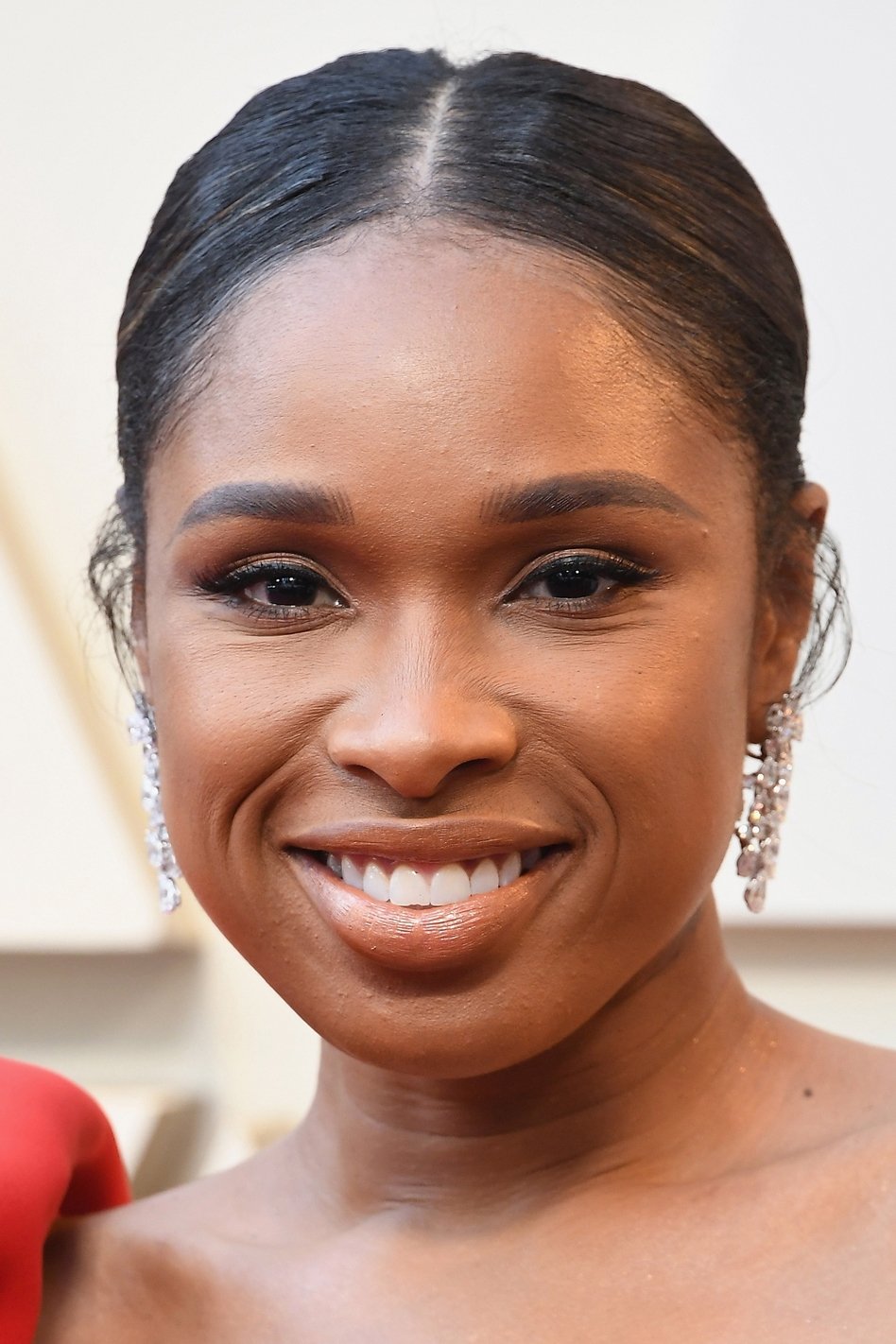
Jennifer Hudson took on the daunting task of portraying Aretha Franklin in the biopic ‘Respect’. The actress spent years preparing for the role and immersed herself in the singer’s complicated and often painful history. She has mentioned that the emotional weight of the performance required her to focus on her mental health and seek support. Hudson used therapy and prayer to help her carry the legacy of the Queen of Soul while protecting her own peace. She views the experience as a major professional milestone that required a high level of emotional resilience.
Adrienne Warren

Adrienne Warren performed the title role in ‘Tina’ the musical which required her to depict the life and struggles of Tina Turner. The role was physically and mentally exhausting as she had to perform high energy numbers while portraying scenes of abuse. Warren has spoken about the importance of therapy in helping her maintain the stamina needed for the role. She found that professional support was vital for managing the emotional toll of reliving Turner’s trauma every night on stage. Her performance earned her a Tony Award and a deep appreciation for mental health care.
KiKi Layne

KiKi Layne starred in the film ‘If Beale Street Could Talk’ which focused on a young couple torn apart by a wrongful imprisonment. The actress has discussed the emotional exhaustion she felt while portraying a character fighting against systemic injustice. She utilized therapy to help her process the heavy themes of the movie and to find emotional balance. Layne believes that mental health support is crucial for young actors who are tasked with telling such significant and painful stories. This practice helped her stay grounded during the critical success of the film.
Zazie Beetz
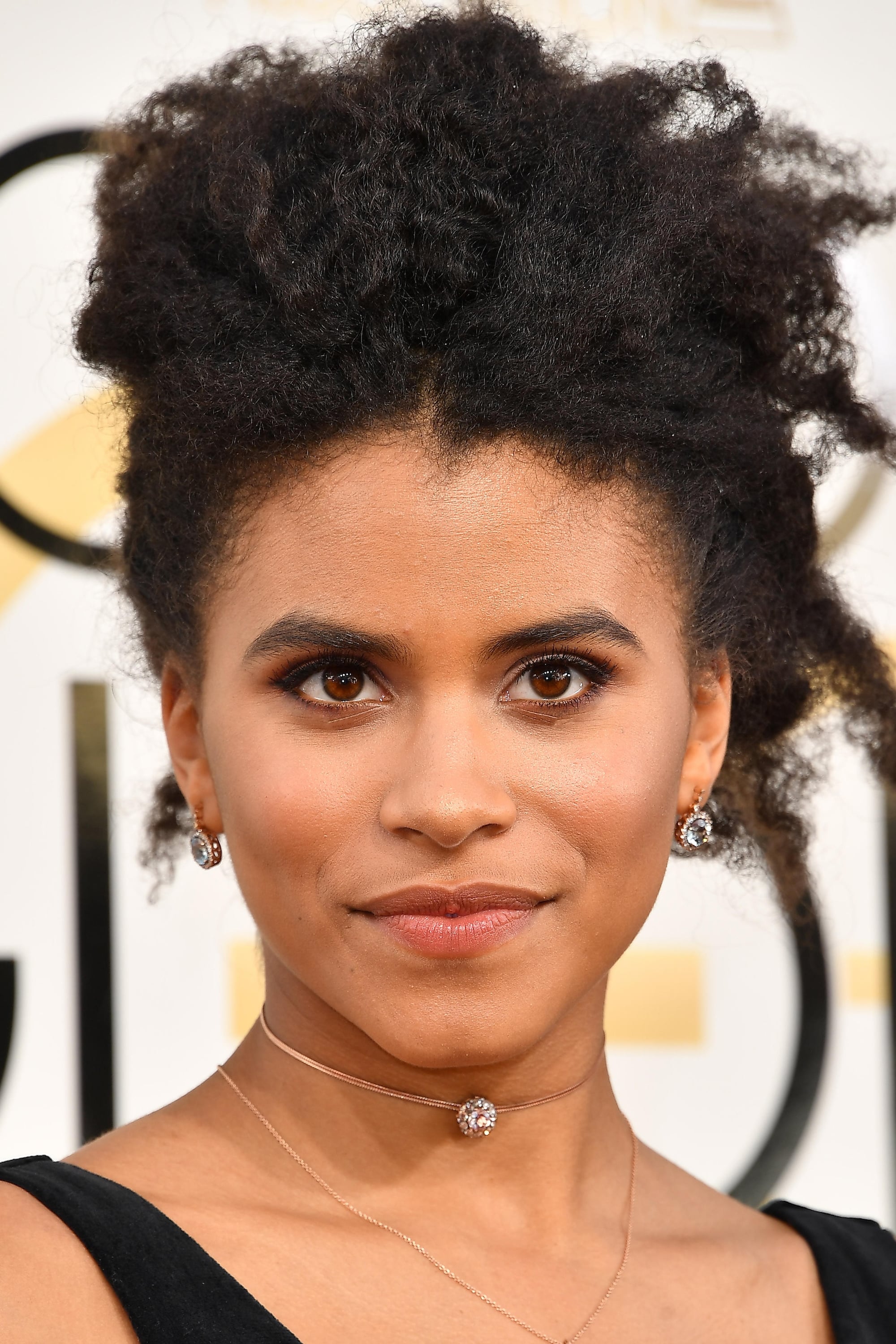
Zazie Beetz appeared in the film ‘Joker’ which explored the descent of a man into madness and violence. The actress found the atmosphere of the film and the nature of the story to be psychologically taxing. She has been open about her use of therapy to manage anxiety and the stresses of working in the film industry. Beetz believes that having a professional to talk to is essential for maintaining her mental health while navigating intense roles. Her transparency has been praised by fans who appreciate her honest approach to wellness.
Laverne Cox

Laverne Cox played Sophia Burset in the series ‘Orange Is the New Black’ where her character faced significant trauma and discrimination. The actress has spoken about the emotional weight of portraying a transgender woman in the prison system. She utilized therapy to help her navigate the personal and professional challenges that came with the role. Cox found that professional support was necessary to process the intersectional trauma explored in the show. She remains a dedicated advocate for mental health resources for marginalized communities.
DeWanda Wise

DeWanda Wise starred as Nola Darling in the series ‘She’s Gotta Have It’ which required her to balance a complex emotional narrative. The actress has discussed the burnout and mental exhaustion she felt during the production of the show. She sought therapy to help her establish better boundaries and to manage the pressures of leading a series. Wise found that professional guidance helped her rediscover her own voice outside of her character. She encourages other performers to prioritize their mental health to avoid the pitfalls of the industry.
Moses Ingram
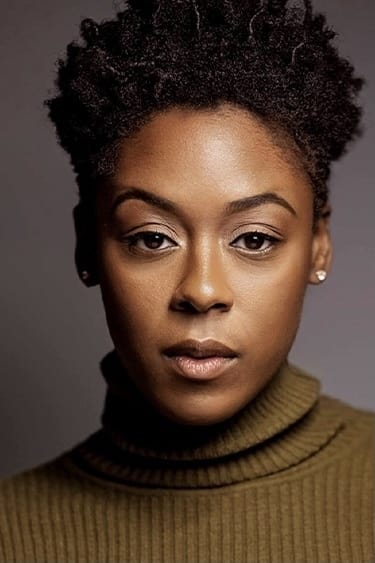
Moses Ingram faced a wave of racist harassment after appearing in the series ‘Obi-Wan Kenobi’. The actress has spoken about how the online abuse impacted her mental health and her perception of her work. She utilized therapy to process the experience and to find a way to move forward with confidence. Ingram received support from her colleagues and the studio but found that professional help was essential for her personal healing. Her experience highlighted the unique mental health challenges faced by actors of color in major franchises.
Aunjanue Ellis-Taylor
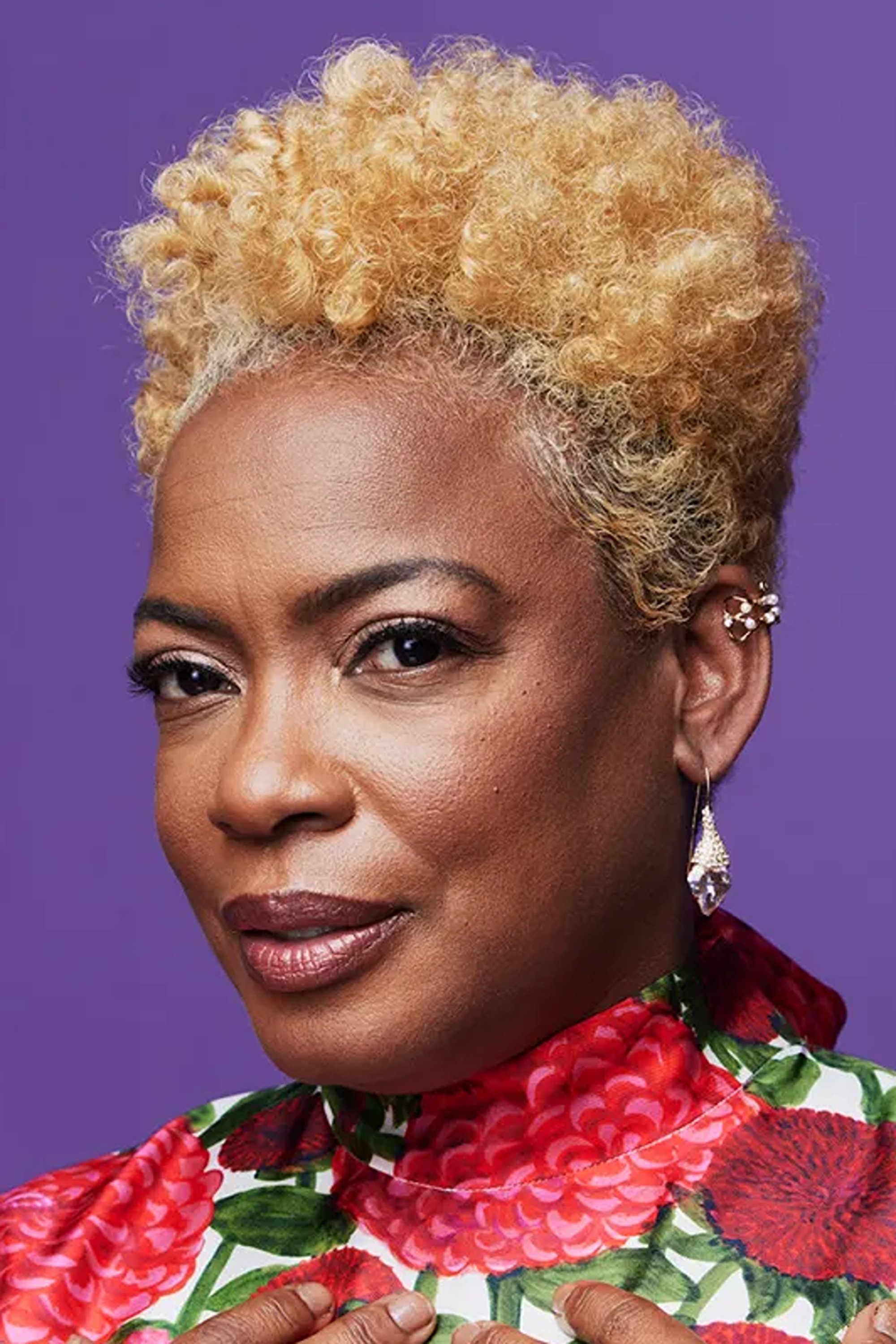
Aunjanue Ellis Taylor portrayed the lead role in the film ‘Origin’ which explored the complex origins of systemic hierarchy. The actress has spoken about the profound emotional exhaustion that came with such a heavy and intellectually demanding narrative. She utilized therapy to manage the weight of the film and to process the historical trauma addressed in the script. Ellis Taylor emphasizes that mental health care is a vital resource for performers who engage with painful social realities. Her performance received critical acclaim but required a significant period of personal recovery.
Emayatzy Corinealdi

Emayatzy Corinealdi played a high stakes defense attorney in the series ‘Reasonable Doubt’ which involved intense courtroom scenes and personal drama. The actress has discussed the mental toll of inhabiting such a driven and often conflicted character. She found that therapy was necessary to help her decompress and separate her own life from the fast paced world of the show. Corinealdi believes that mental health support allows her to be more present in her roles without losing herself. She continues to advocate for wellness practices within the acting community.
Sonequa Martin-Green
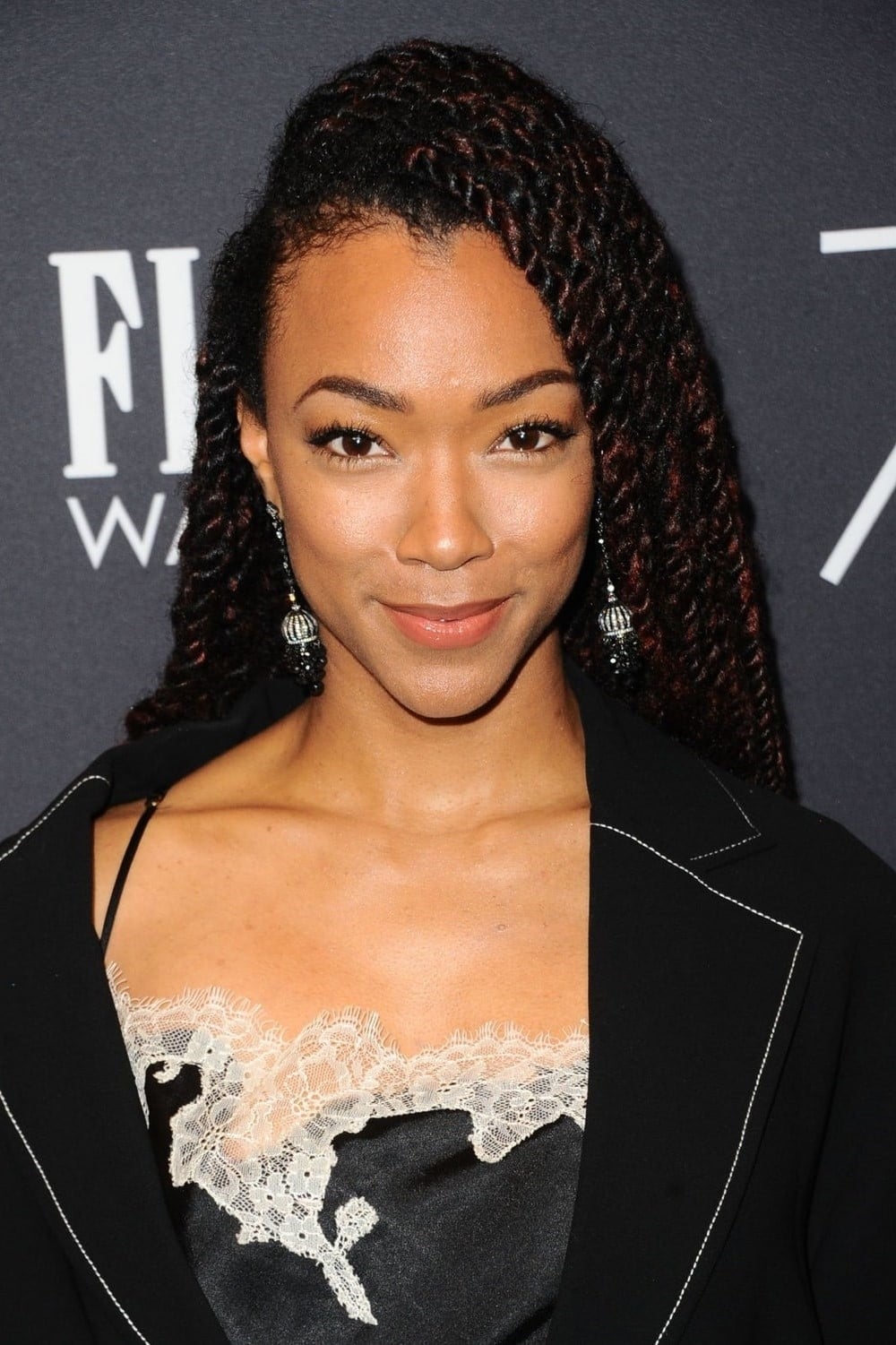
Sonequa Martin Green spent several seasons on ‘The Walking Dead’ where her character faced constant loss and survival threats. The actress has mentioned that the themes of death and grief in the show were emotionally taxing over the long term. She utilized therapy to help her process the frequent departures of cast members and the dark nature of the story. Martin Green found that professional support was essential for maintaining her mental health while working in a high pressure environment. Her experience on the show taught her the value of proactive self care.
Teyonah Parris

Teyonah Parris took on a challenging role in the film ‘Chi-Raq’ which dealt with gun violence and its impact on a community. The actress found the subject matter to be deeply personal and emotionally overwhelming at times. She has spoken about using therapy to help her navigate the heavy themes of the project and to maintain her emotional stability. Parris believes that it is important for actors to have an outlet to discuss the impact of their work on their mental state. This practice has helped her continue to take on roles that address important social issues.
Nicole Beharie

Nicole Beharie experienced a difficult environment while starring in the television series ‘Sleepy Hollow’. The actress later shared that the combination of her health struggles and the professional atmosphere led her to seek therapy. She found that professional support was vital for her to heal from the stress and move forward in her career. Beharie has become an advocate for better treatment and mental health support for actors on set. Her journey toward healing has inspired many of her fans and fellow performers.
Rutina Wesley

Rutina Wesley played Tara Thornton on the series ‘True Blood’ where she often portrayed scenes of intense trauma and transformation. The actress has discussed how the physical and emotional demands of the role were draining over seven seasons. She sought therapy to help her manage the stress and to find a way to leave the character’s pain at work. Wesley found that professional guidance was essential for her to maintain her personal well being while filming. She continues to use mental health resources to support her career in television.
Gabrielle Union

Gabrielle Union starred in the series ‘Being Mary Jane’ which explored the complicated personal and professional life of a news anchor. The actress has been open about the emotional exhaustion she felt while balancing the demands of the show and her own life. She has utilized therapy for many years to help her navigate the pressures of fame and the impact of her roles. Union believes that being transparent about her mental health journey helps to break down barriers for others. Her commitment to therapy has been a central part of her public advocacy for Black women.
Alfre Woodard
Alfre Woodard delivered a powerful performance as a prison warden in the film ‘Clemency’. The role required her to explore the psychological toll of overseeing executions which she found to be deeply disturbing. She has spoken about the necessity of therapy and quiet reflection to process the heavy subject matter of the movie. Woodard emphasizes that portraying such intense roles requires a high level of mental discipline and support. Her performance was widely praised for its depth and emotional honesty.
Whoopi Goldberg
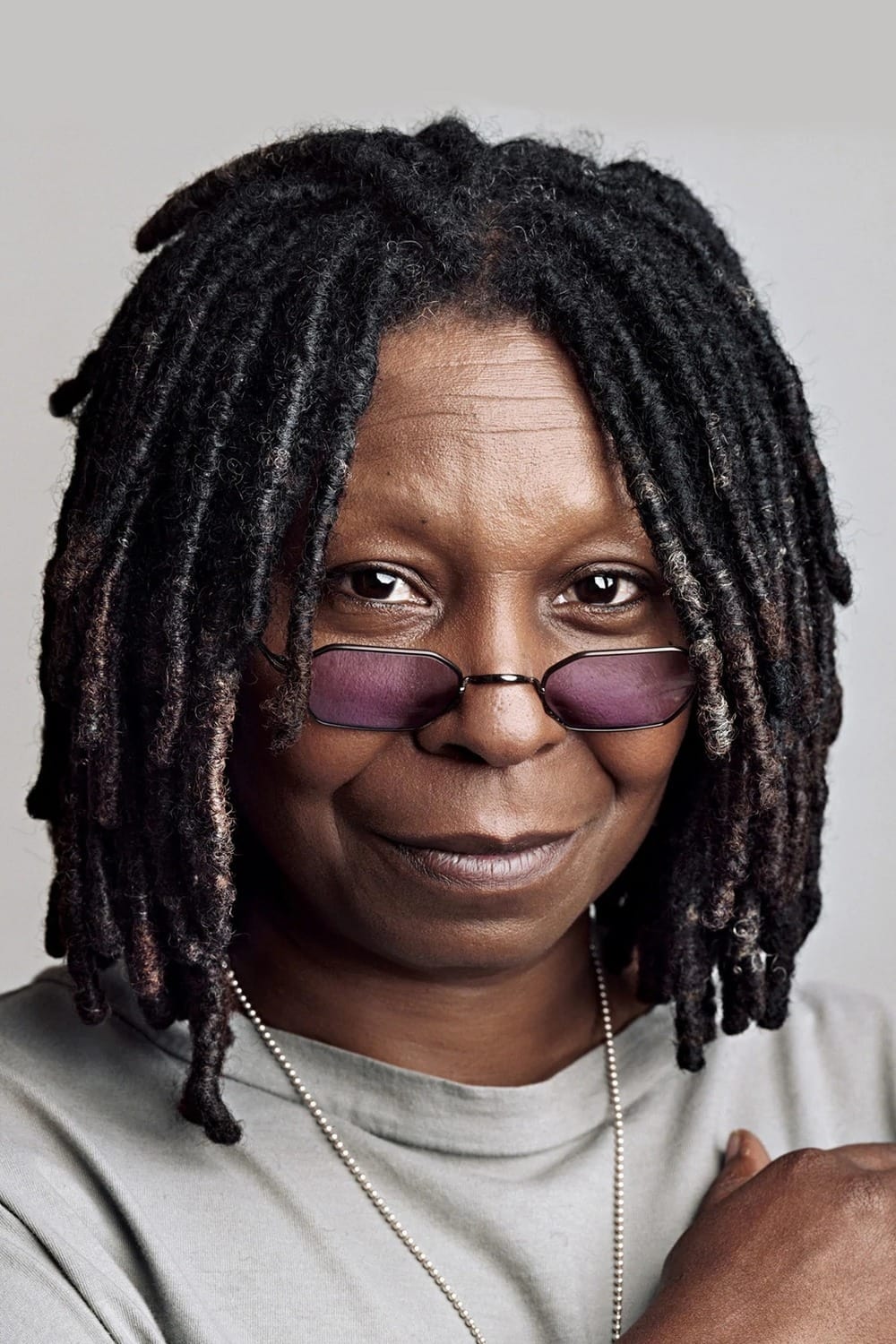
Whoopi Goldberg made her film debut in ‘The Color Purple’ playing the role of Celie which involved depicting years of abuse and hardship. The actress has mentioned that the emotional weight of the story was significant for everyone involved in the production. She has advocated for mental health awareness and the importance of having a support system when working on dramatic projects. Goldberg found that the process of bringing such a painful history to life required a strong mental foundation. She continues to be a prominent voice in the entertainment industry regarding personal wellness.
Kelly Rowland

Kelly Rowland took on a role in the horror comedy ‘The Curse of Bridge Hollow’ which involved several scary and high energy scenes. The actress has discussed how the pressure of the production led her to seek mental health support to manage her anxiety. She found that therapy helped her stay focused and prevented her from becoming overwhelmed by the demands of the project. Rowland believes that even lighter roles can have an emotional impact that requires professional attention. She remains a proponent of using therapy as a regular part of her self care routine.
Aja Naomi King

Aja Naomi King played Michaela Pratt in the long running series ‘How to Get Away with Murder’. The actress has spoken about the intensity of the show’s storylines and the emotional toll they took on the cast. She utilized therapy to help her navigate the stresses of the production and the fast paced nature of the industry. King found that having a professional to talk to was essential for maintaining her perspective and her mental health. She continues to share her experiences to encourage others to seek support when needed.
Danai Gurira

Danai Gurira spent many years playing Michonne on ‘The Walking Dead’ and later reprised the role in a spin off series. The actress has discussed the difficulty of saying goodbye to such an iconic and physically demanding character. She turned to therapy to help her process the transition and the emotional weight of the character’s journey. Gurira believes that mental health care is a vital tool for actors who inhabit long term roles in intense dramas. Her dedication to her craft is matched by her commitment to her personal well being.
Taylour Paige

Taylour Paige starred in the film ‘Zola’ which was based on a viral and often dark social media story. The actress found the filming process to be grueling and emotionally taxing due to the nature of the narrative. She has mentioned the importance of therapy in helping her decompress after the project was completed. Paige believes that mental health support is necessary to help actors separate themselves from the intense environments they portray. Her performance was lauded for its authenticity and physical commitment.
Sheryl Lee Ralph

Sheryl Lee Ralph has had a long and successful career in both film and television including her recent success in ‘Abbott Elementary’. The actress has spoken about the stresses of the entertainment industry and the importance of maintaining mental health over decades. She has utilized therapy to navigate the ups and downs of her career and to process the impact of her various roles. Ralph remains a strong advocate for self care and encourages younger actors to prioritize their minds. Her longevity in the industry is a testament to her focus on overall wellness.
Yara Shahidi

Yara Shahidi grew up in the public eye while starring in ‘Blackish’ and its spin off ‘Grown-ish’. The actress has discussed the pressure of being a role model and the mental toll of a demanding filming schedule. She has utilized therapy to help her manage the transition from a child actor to a professional adult in the industry. Shahidi believes that professional support is essential for navigating the unique challenges of fame and performance. She continues to advocate for mental health awareness through her platform and her personal stories.
Amandla Stenberg

Amandla Stenberg starred in ‘The Hate U Give’ which addressed themes of police brutality and social justice. The actress found the role to be deeply emotional and intellectually challenging given the real world relevance of the story. She has spoken about using therapy to help her process the weight of the film and its impact on her community. Stenberg believes that actors have a responsibility to look after their mental health when telling such powerful stories. Her performance was credited with bringing important conversations to the forefront of popular culture.
Marsai Martin

Marsai Martin became the youngest executive producer in Hollywood while also starring in the film ‘Little’. The actress has discussed the high pressure of balancing her administrative duties with the emotional demands of acting. She has utilized therapy to help her manage the anxieties that come with such a high level of responsibility at a young age. Martin found that professional support was vital for her to maintain her joy and her mental health while working. She remains an inspiration for young performers looking to navigate the industry with balance.
Storm Reid

Storm Reid has taken on several intense roles including her work in the series ‘Euphoria’. The actress has spoken about the importance of protecting her mental health while portraying characters facing significant life challenges. She utilizes therapy to help her decompress and ensure that she is not overwhelmed by the dark themes of her projects. Reid believes that having a strong support system and professional guidance is key to her success. Her maturity and focus on wellness have earned her respect within the acting community.
Queen Latifah
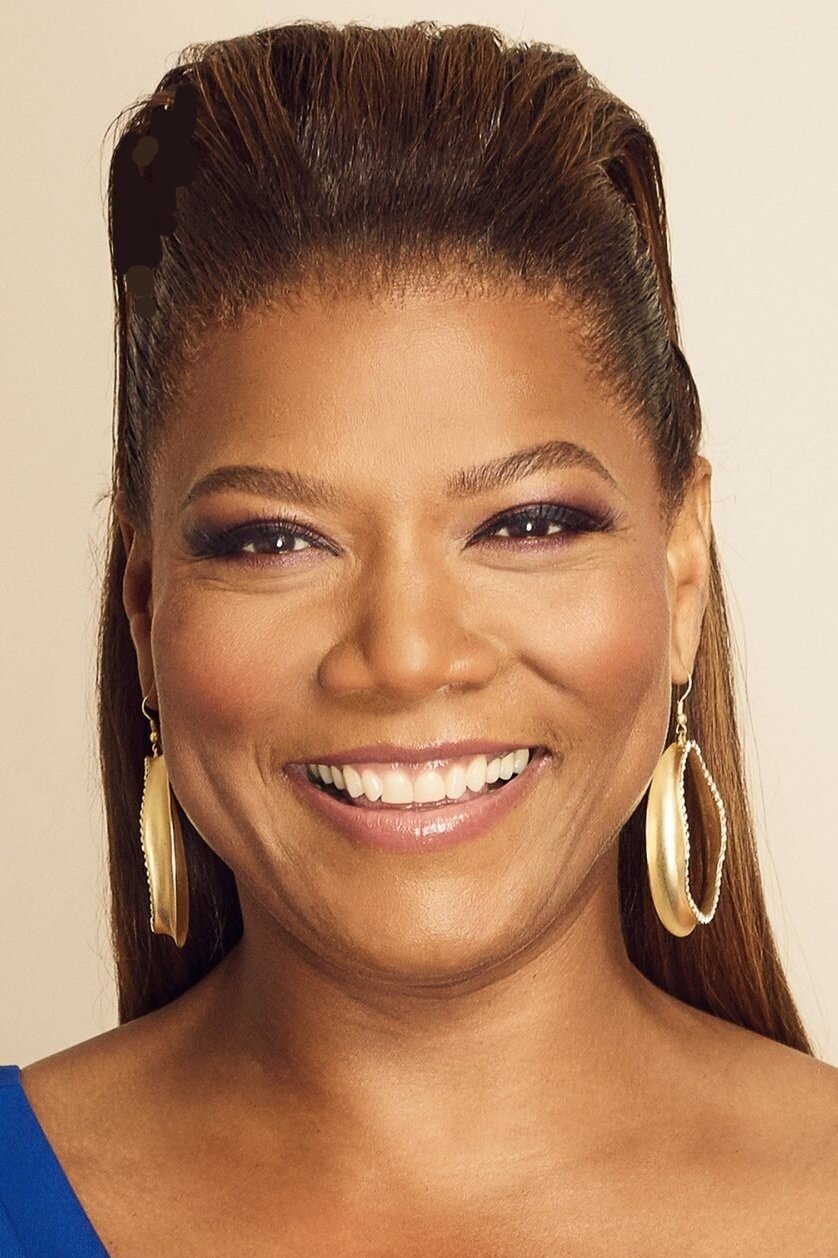
Queen Latifah delivered a powerful performance as the legendary singer Bessie Smith in the film ‘Bessie’. The actress has discussed the emotional toll of portraying the struggles and the triumphs of such a complex historical figure. She utilized therapy to help her manage the grief and the intensity that surfaced during the production. Latifah has often spoken about the importance of mental health care in the Black community and within the entertainment industry. Her experience on the film highlighted the need for emotional support when telling significant life stories.
Share your thoughts on these powerful performances and the importance of mental health in the comments.