Movies That Gained a Second Life on Home Video

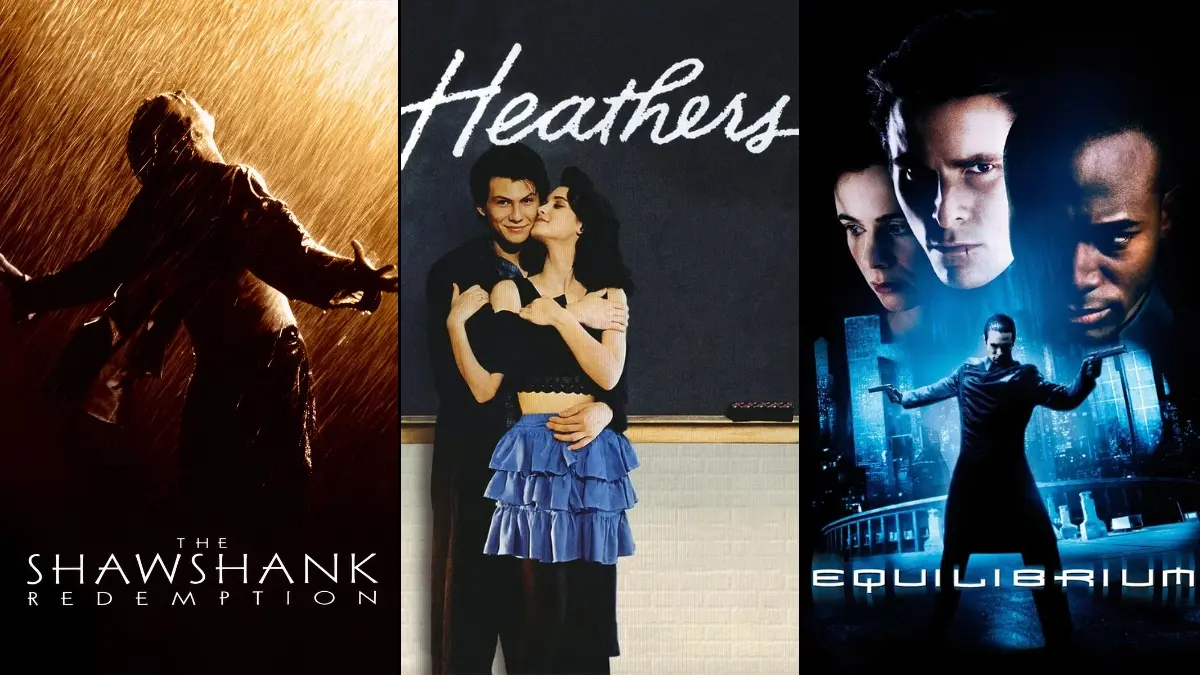

The success of a motion picture is often measured by its opening weekend box office receipts, yet many cinematic staples failed to find an audience during their initial theatrical runs. The advent of VHS, DVD, and Blu-ray technologies allowed underperforming films to reach viewers who missed them in theaters, turning financial disappointments into cultural phenomena. Through word-of-mouth recommendations and frequent television broadcasts, these titles transitioned from obscure releases to essential viewing. This phenomenon has preserved countless films that might have otherwise been forgotten by history.
‘The Shawshank Redemption’ (1994)
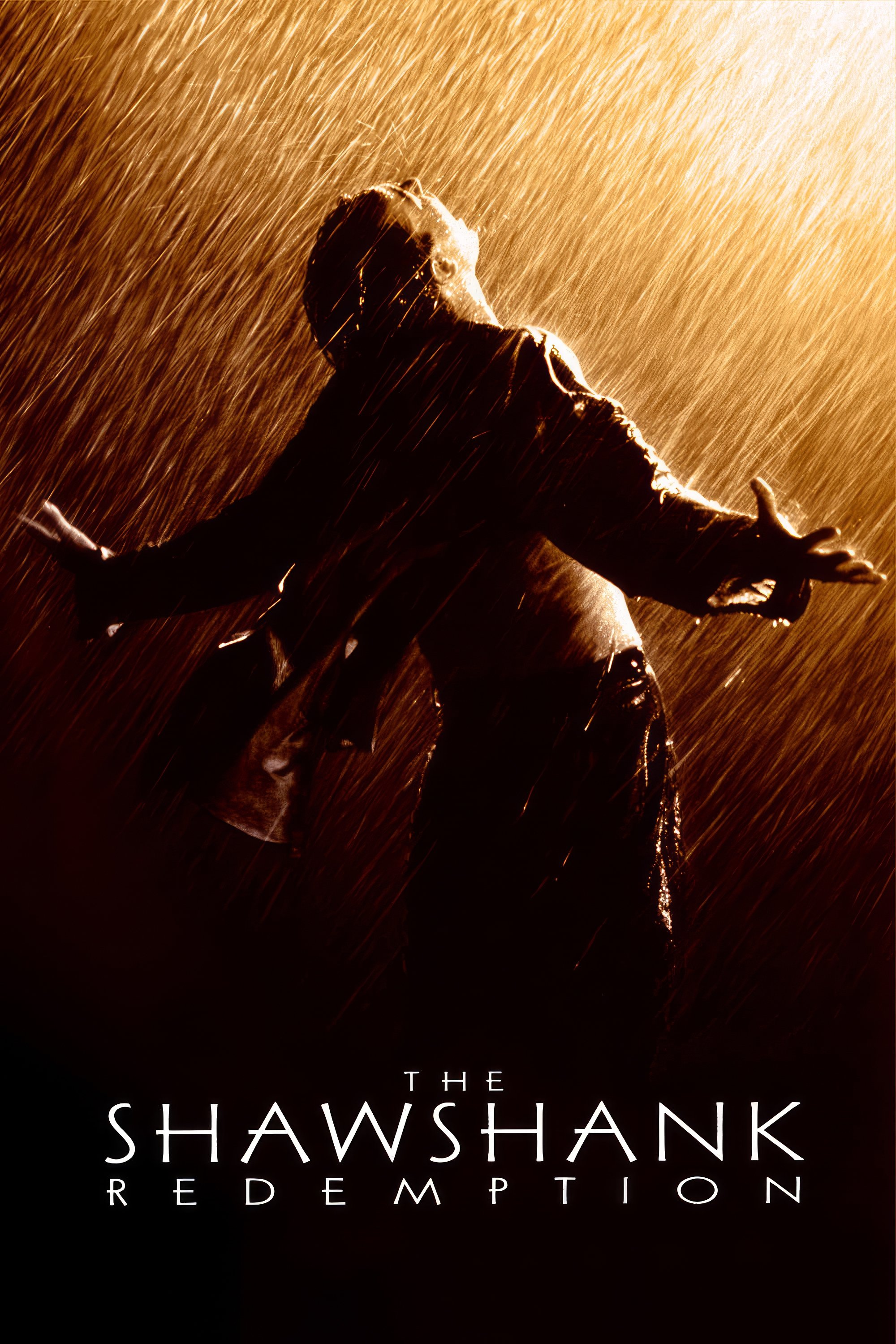
This drama initially struggled at the box office, earning only $16 million during its first theatrical run against a $25 million budget. Following several Academy Award nominations, Warner Bros. shipped 320,000 VHS copies to rental stores across the United States. It became the most-rented video of 1995 and established a permanent presence on cable television. The film eventually grossed significantly more through home media sales and licensing than its original theatrical earnings.
‘Blade Runner’ (1982)
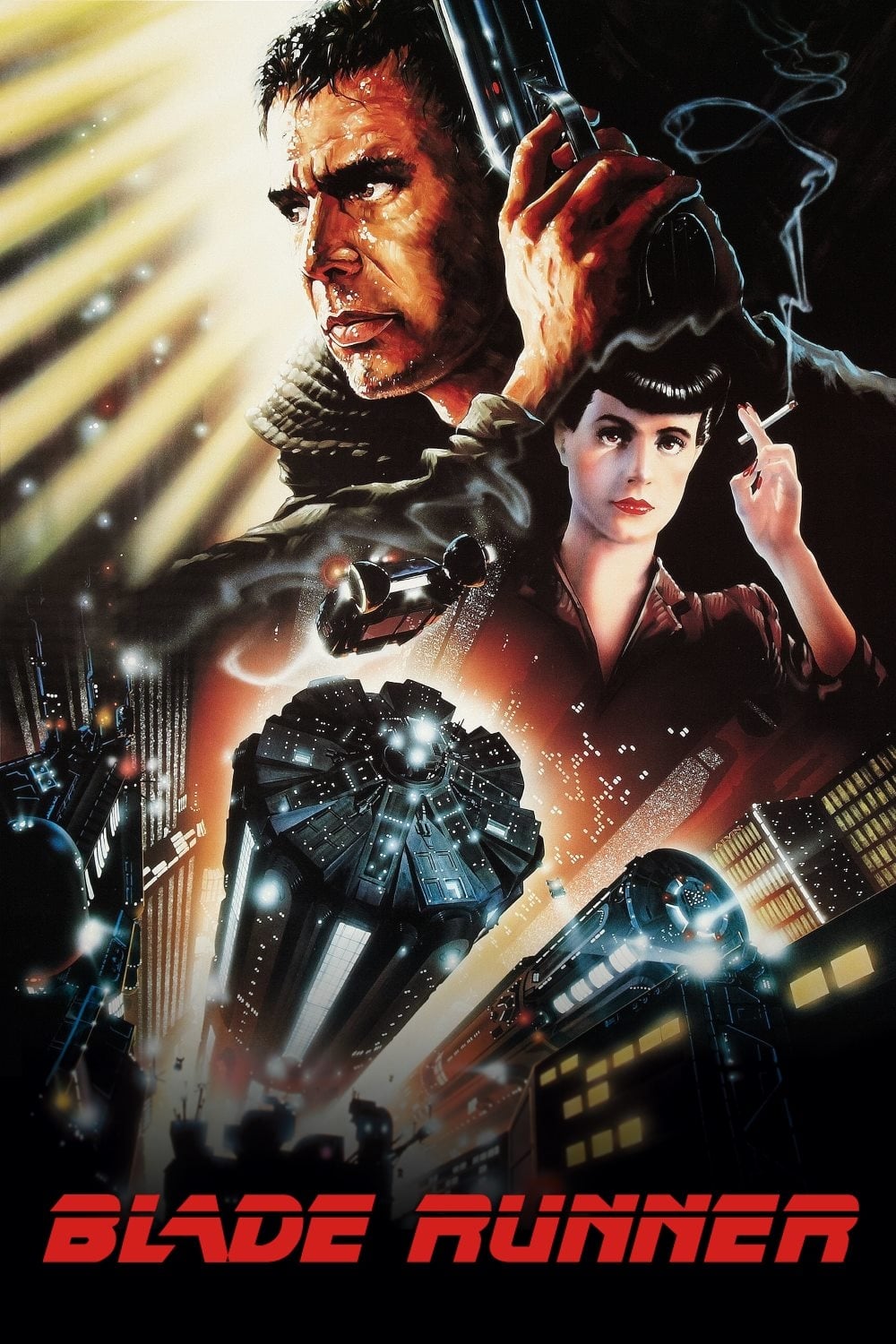
Ridley Scott’s science fiction noir faced heavy competition from ‘E.T. the Extra-Terrestrial’ and received mixed reviews upon release. It grossed approximately $33 million, which was considered a disappointment given its high production costs. However, the film became a massive hit on the home video market and helped define the cyberpunk aesthetic. Subsequent releases of ‘Blade Runner’ through various director’s cuts on DVD and Blu-ray solidified its status as a landmark of the genre.
‘The Big Lebowski’ (1998)
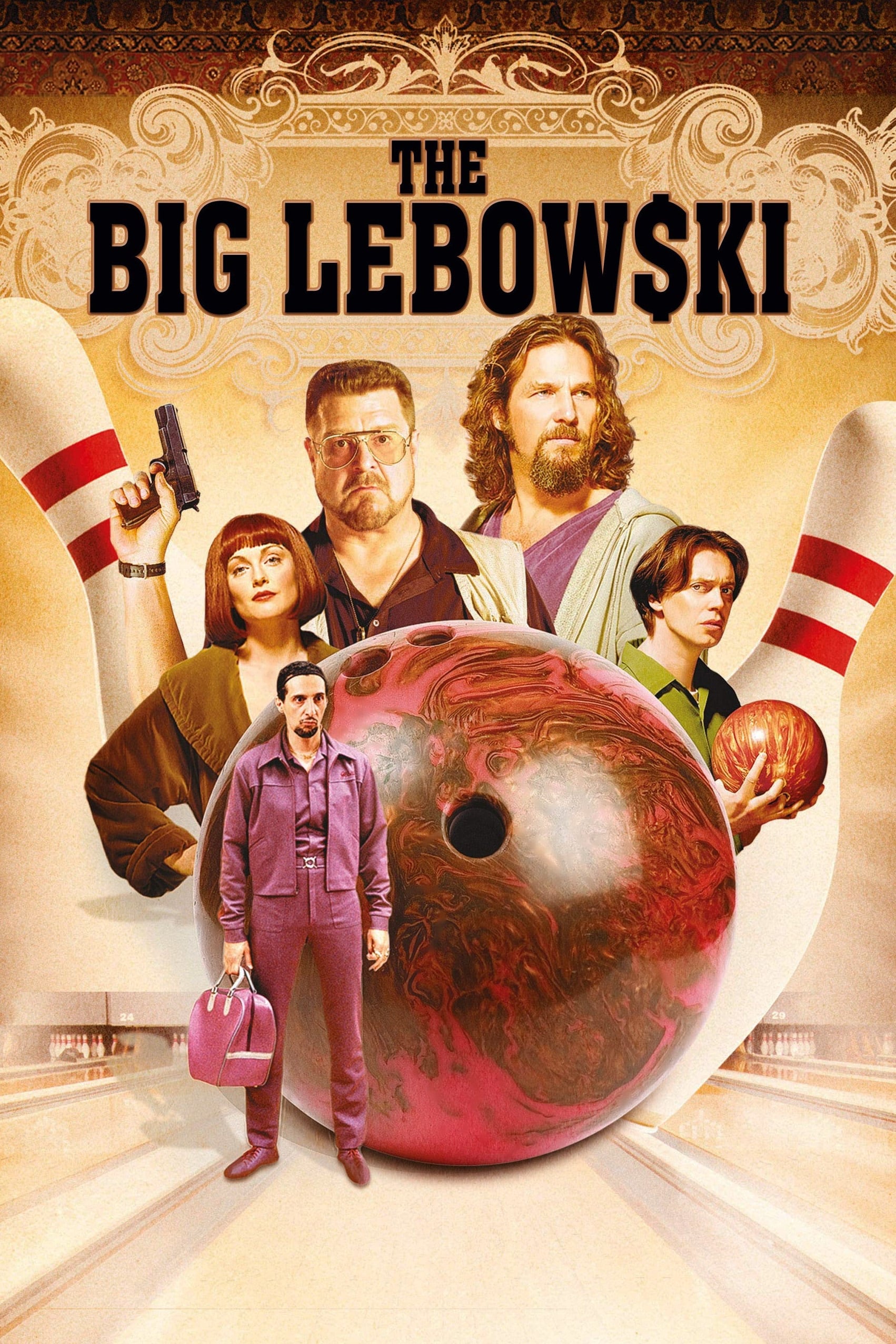
This Coen Brothers comedy earned modest returns during its theatrical release, taking in roughly $17 million domestically. It was frequently criticized by contemporary reviewers for its unconventional plot structure and eccentric characters. Once it reached home video, the film developed a massive cult following that eventually spawned an annual festival known as Lebowski Fest. Fans frequently purchase the movie in various special edition formats, including the 10th-anniversary DVD and 4K UHD releases.
‘Fight Club’ (1999)

Despite having high-profile stars like Brad Pitt and Edward Norton, this film was a commercial failure in North America. Executives at 20th Century Fox were reportedly uncertain how to market the complex narrative, leading to a disappointing theatrical performance. The movie found its audience on DVD, where it sold over six million copies and became one of the studio’s most successful home media titles. It is now regarded as one of the defining films of the late 1990s.
‘Office Space’ (1999)
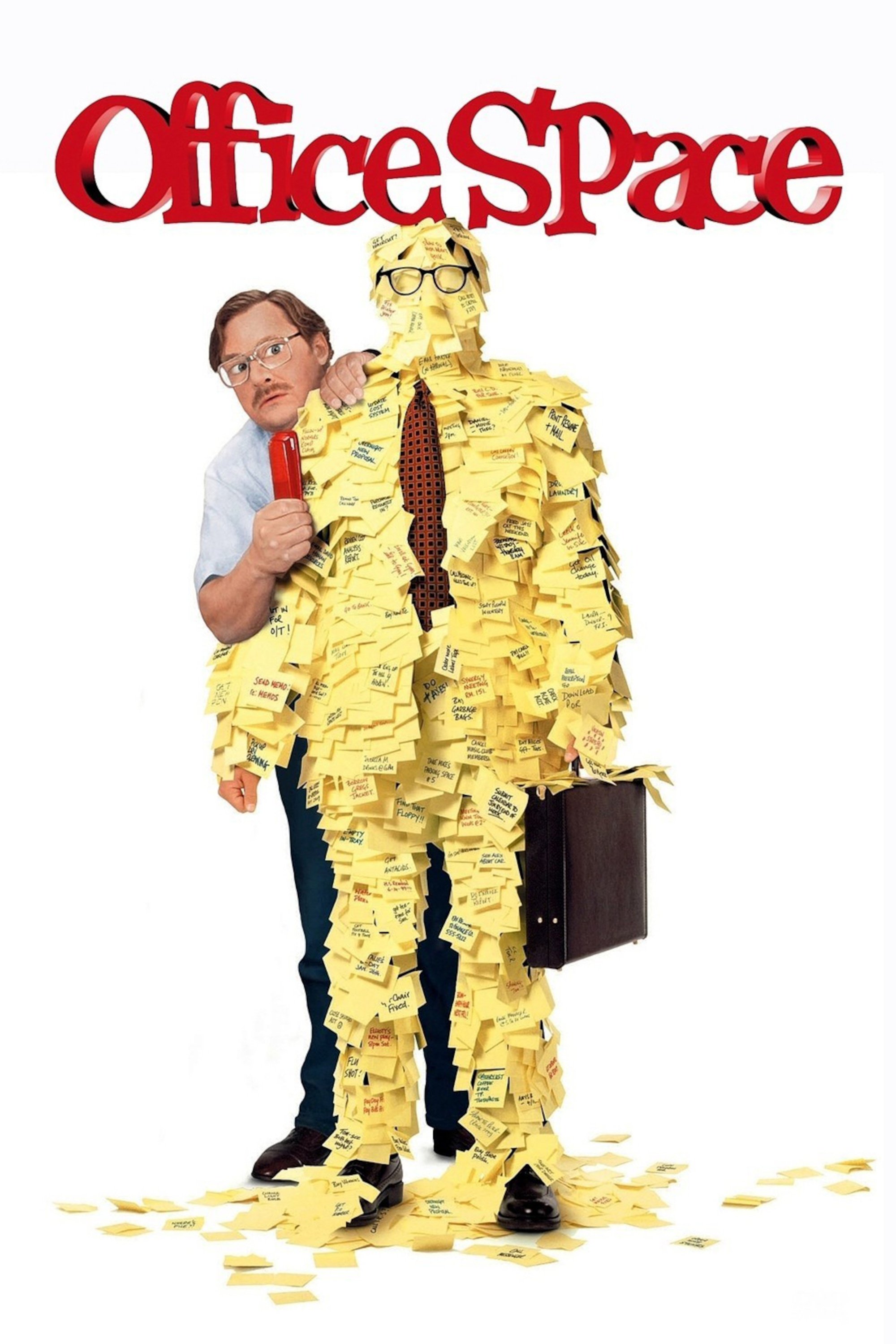
Mike Judge’s workplace satire earned just $10.8 million at the box office during its limited time in theaters. The film’s marketing campaign failed to resonate with audiences, but it became a surprise hit on the rental market. Sales of ‘Office Space’ on DVD were so strong that the studio eventually released a special “Special Edition with Flair” to capitalize on its newfound popularity. The film’s depiction of corporate culture has since become a staple of American comedy.
‘The Iron Giant’ (1999)

Poor marketing led to this animated feature earning only $23 million during its original theatrical release. Despite near-universal acclaim from critics, the film suffered from a lack of tie-in merchandise and promotional visibility. It eventually reached classic status through heavy rotation on Cartoon Network and strong VHS and DVD sales. Director Brad Bird went on to achieve significant success at Pixar partly due to the industry recognition this film garnered on home video.
‘Hocus Pocus’ (1993)
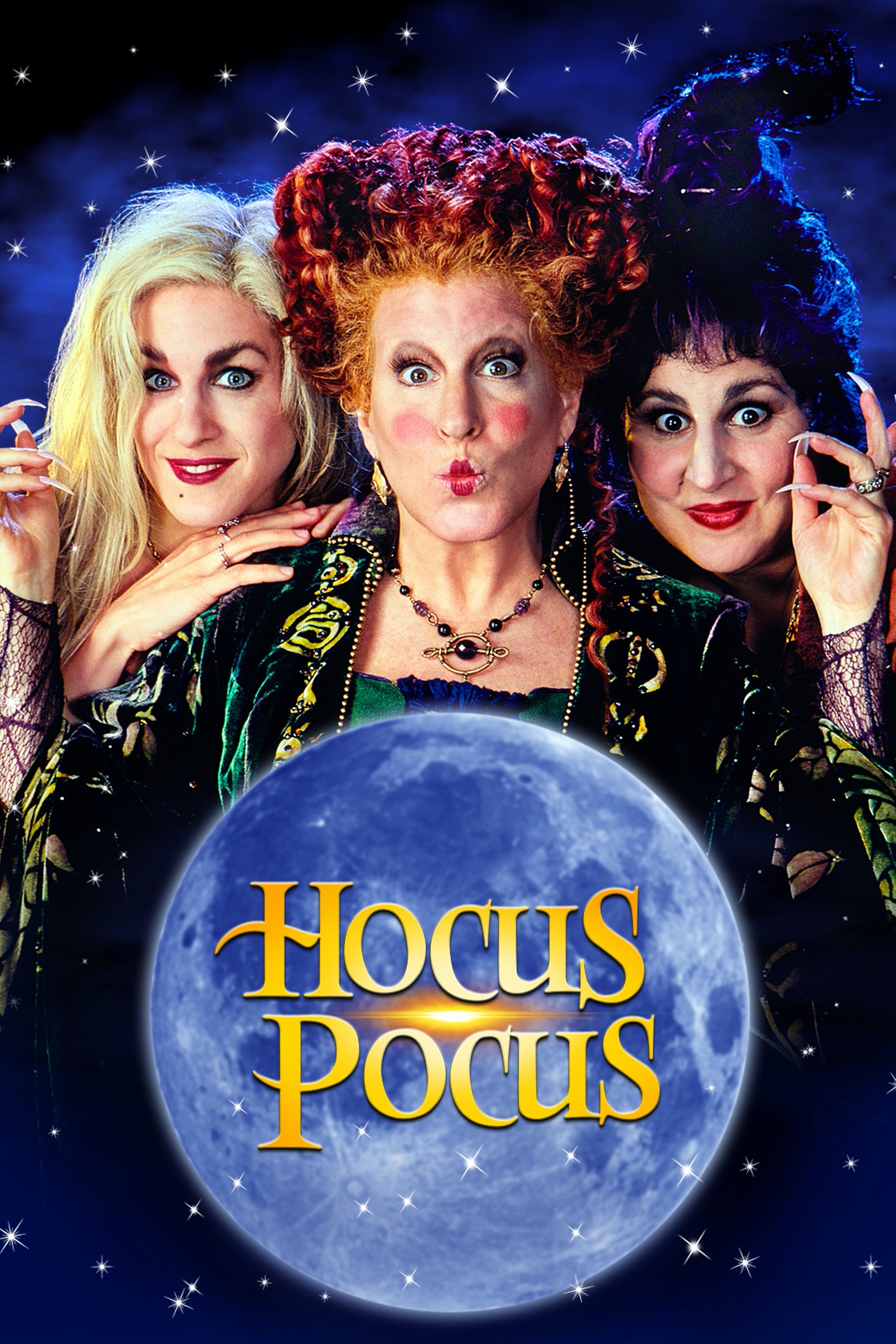
Disney released this Halloween-themed movie in July, which contributed to its lackluster box office performance. It earned only $39 million and was generally dismissed by critics at the time of its release. Over the following decades, annual airings on the Disney Channel and Freeform, combined with consistent home video sales, turned it into a seasonal cult classic. The film’s enduring popularity eventually led to a sequel being produced for streaming nearly thirty years later.
‘The Thing’ (1982)
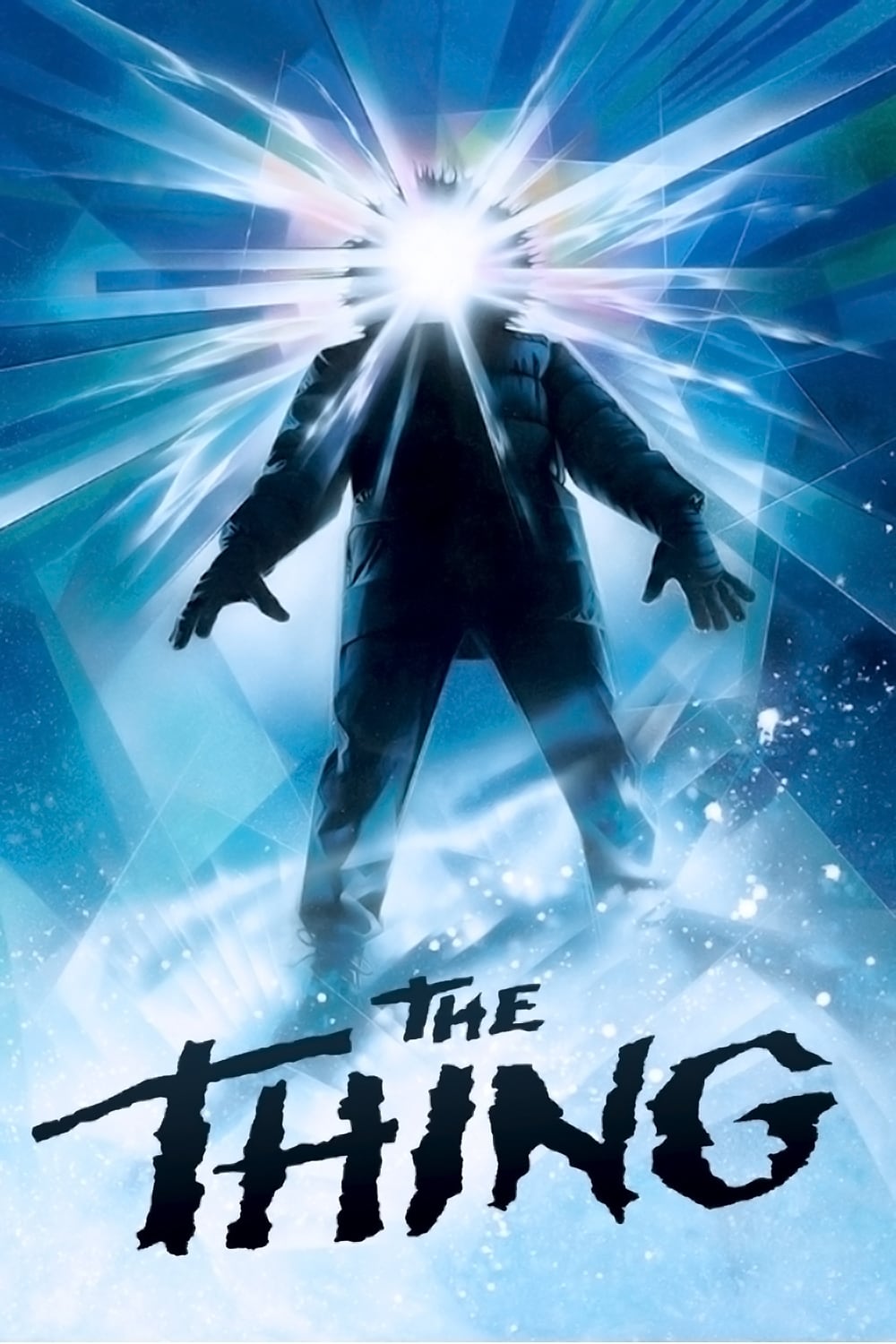
John Carpenter’s horror masterpiece was overshadowed by the more optimistic science fiction films of the early 1980s. It was a financial failure and received overwhelmingly negative reviews for its nihilistic tone and graphic special effects. The film’s reputation began to shift once it was released on VHS and aired on late-night television. Today, ‘The Thing’ is considered a pinnacle of practical effects and a definitive entry in the horror genre.
‘It’s a Wonderful Life’ (1946)
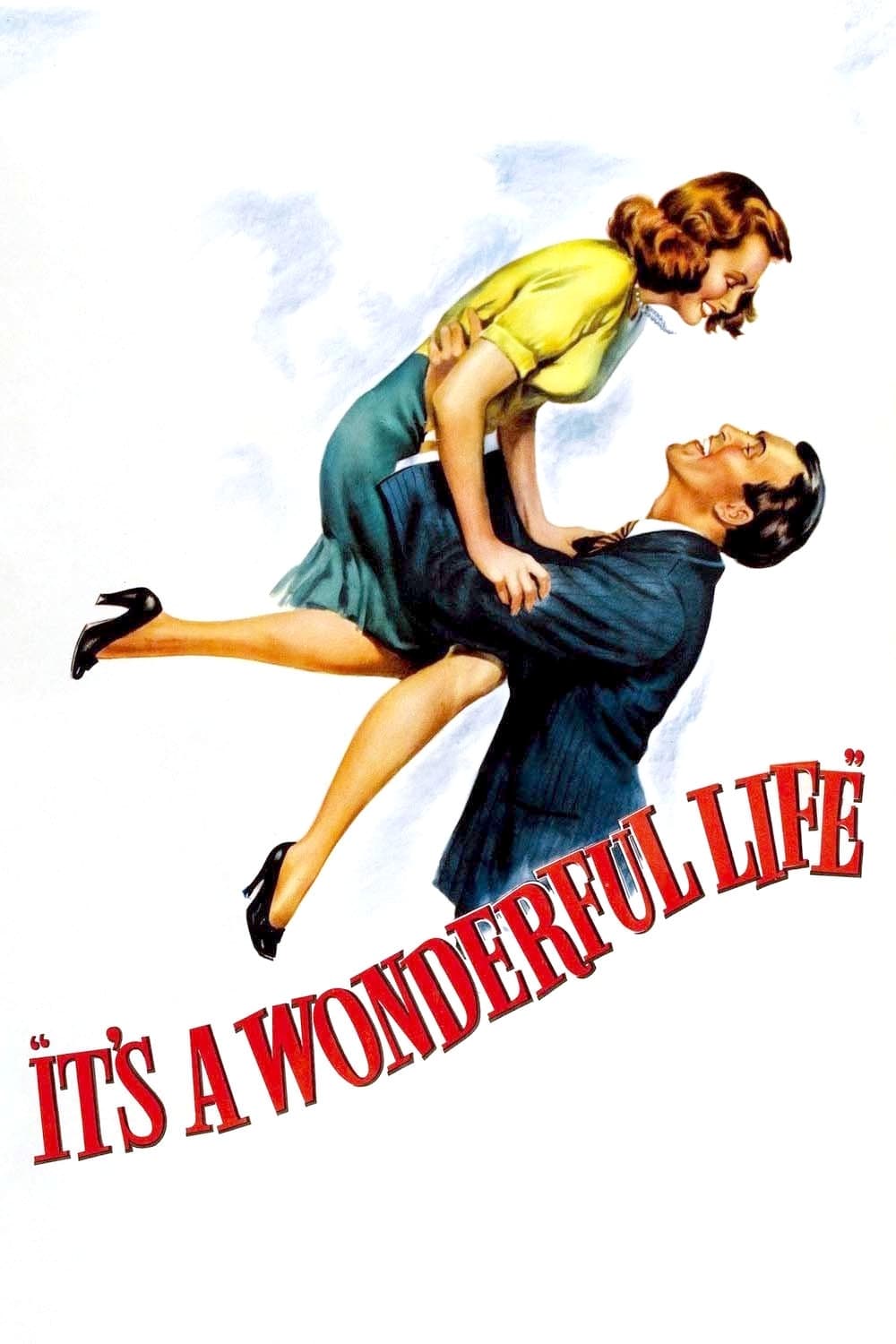
While it is now an essential holiday tradition, this film was originally a box office disappointment that left director Frank Capra’s production company in financial distress. Its resurgence began in the 1970s when its copyright expired, allowing television stations to broadcast it for free. This constant exposure made the film a household name, leading to massive sales once home video became common. It currently holds a prominent place in the American Film Institute’s rankings of the greatest movies of all time.
‘Event Horizon’ (1997)
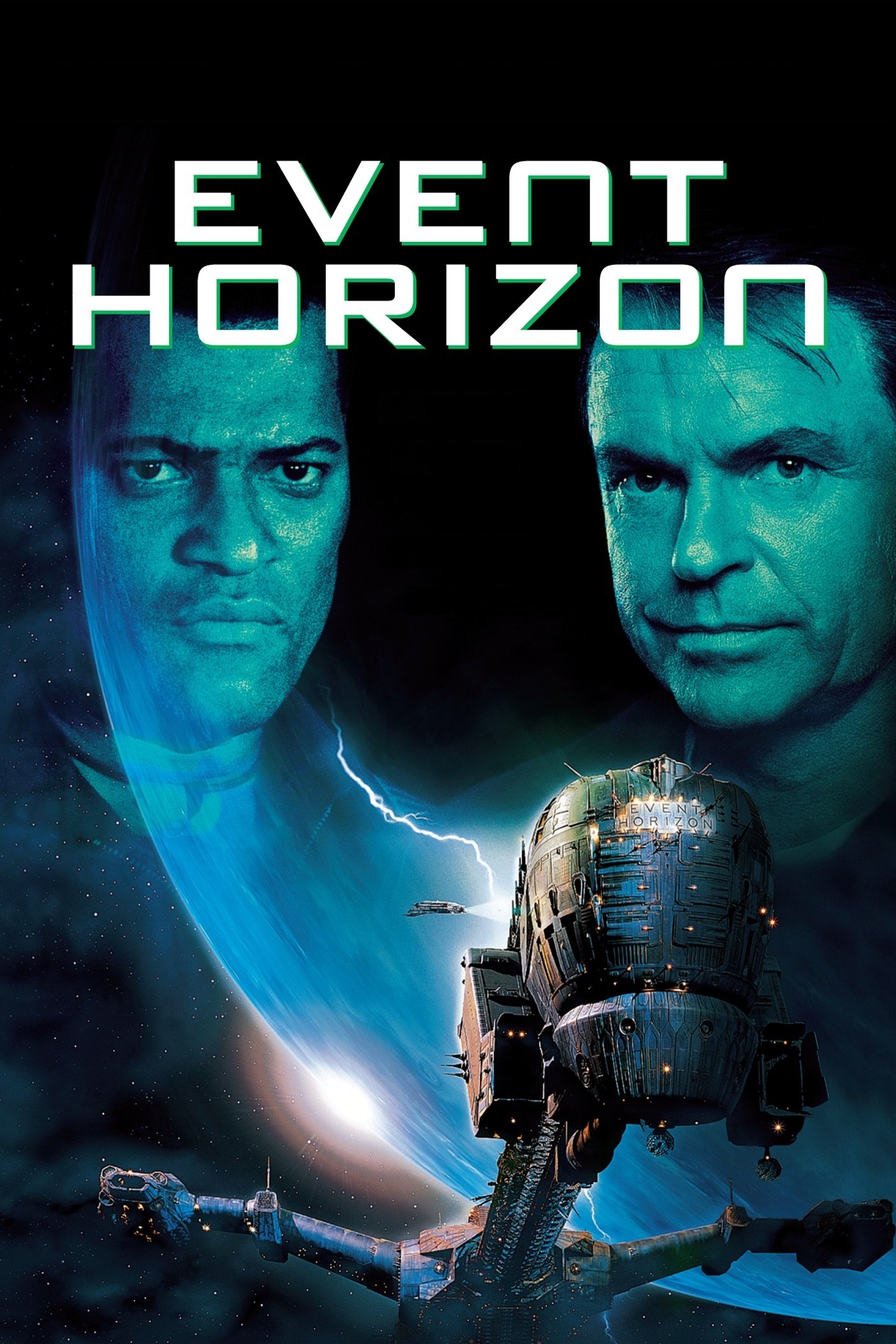
This science fiction horror film suffered from a rushed production schedule and a poor theatrical showing, earning $26 million against a $60 million budget. Critics criticized the film for being derivative, and it was largely ignored by the general public. It gained a significant cult following on DVD, where fans praised its production design and dark atmosphere. The film has since been re-released in various boutique Blu-ray editions to satisfy its dedicated fanbase.
‘Donnie Darko’ (2001)
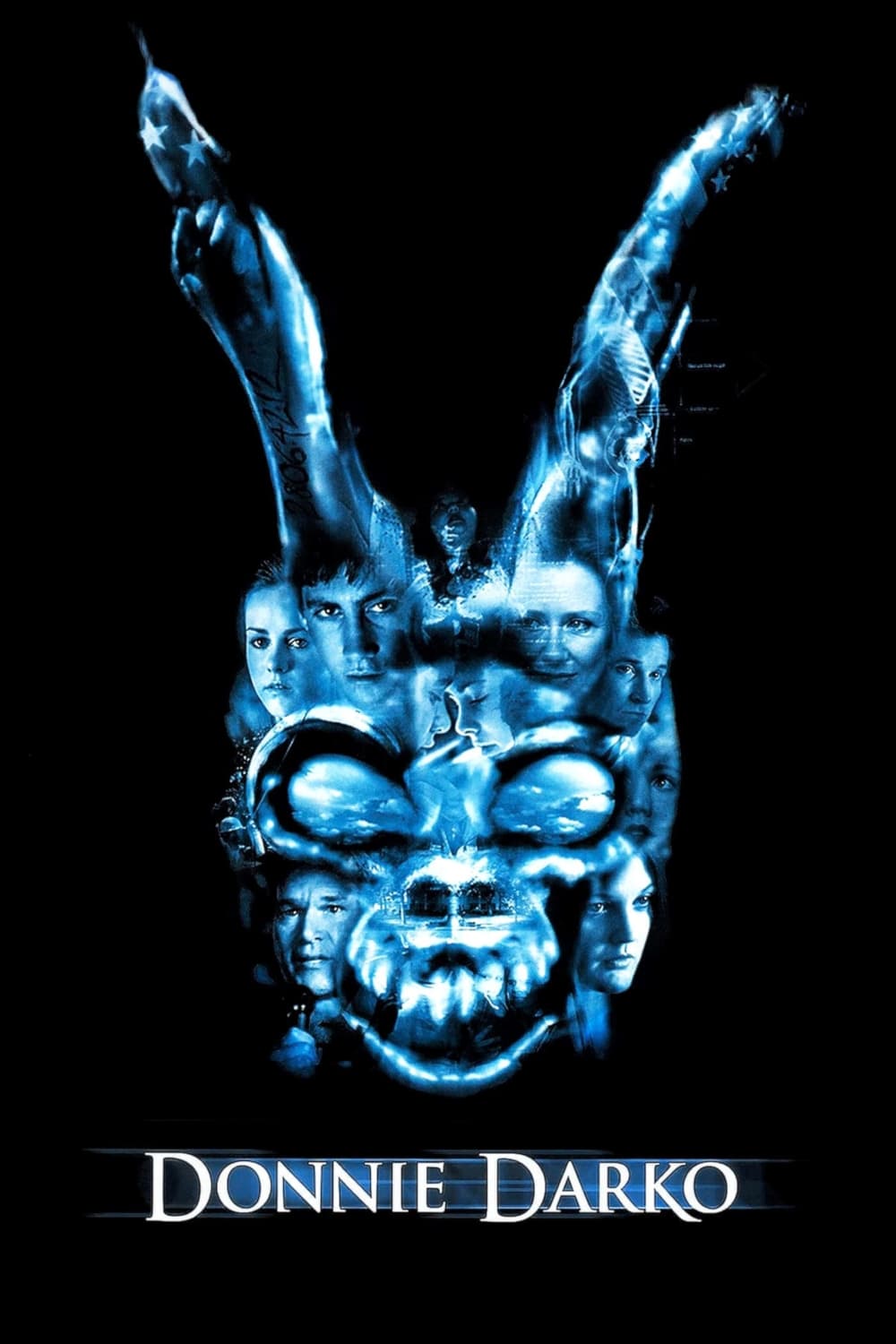
Released shortly after the September 11 attacks, this film’s plot involving a falling plane engine made marketing difficult. It earned only $517,105 in its initial U.S. theatrical run but became a massive success in the United Kingdom. Its subsequent DVD release in the United States became a word-of-mouth sensation, leading to a “Director’s Cut” release in 2004. The film remains one of the most cited examples of a cult hit thriving on home media.
‘A Christmas Story’ (1983)

This small-budget holiday film was a sleeper hit but did not achieve major blockbuster status during its 1983 release. Its legacy was truly established in the late 1980s and early 1990s through annual 24-hour marathons on cable networks like TNT and TBS. These broadcasts drove viewers to purchase the film on VHS and later DVD for their personal collections. It is now considered one of the most iconic Christmas movies in American cinema.
‘Clue’ (1985)
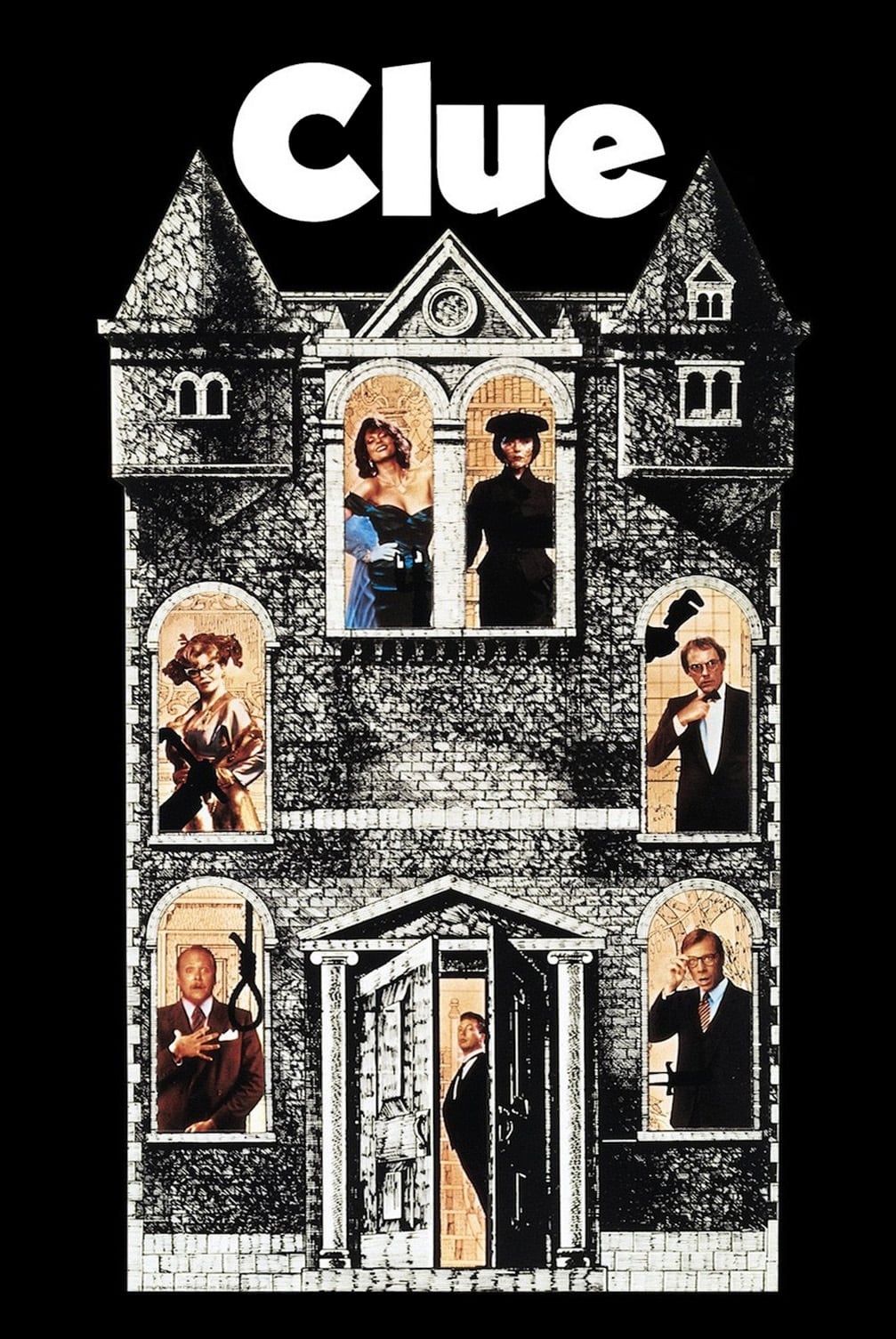
The theatrical release of ‘Clue’ featured three different endings sent to different theaters, a gimmick that confused audiences and hindered its box office performance. It earned only $14.6 million and was largely forgotten until it began airing on cable television. The home video release included all three endings in sequence, which allowed viewers to appreciate the full scope of the comedy. The film has since gained a loyal following for its fast-paced dialogue and ensemble cast.
‘The Rocky Horror Picture Show’ (1975)
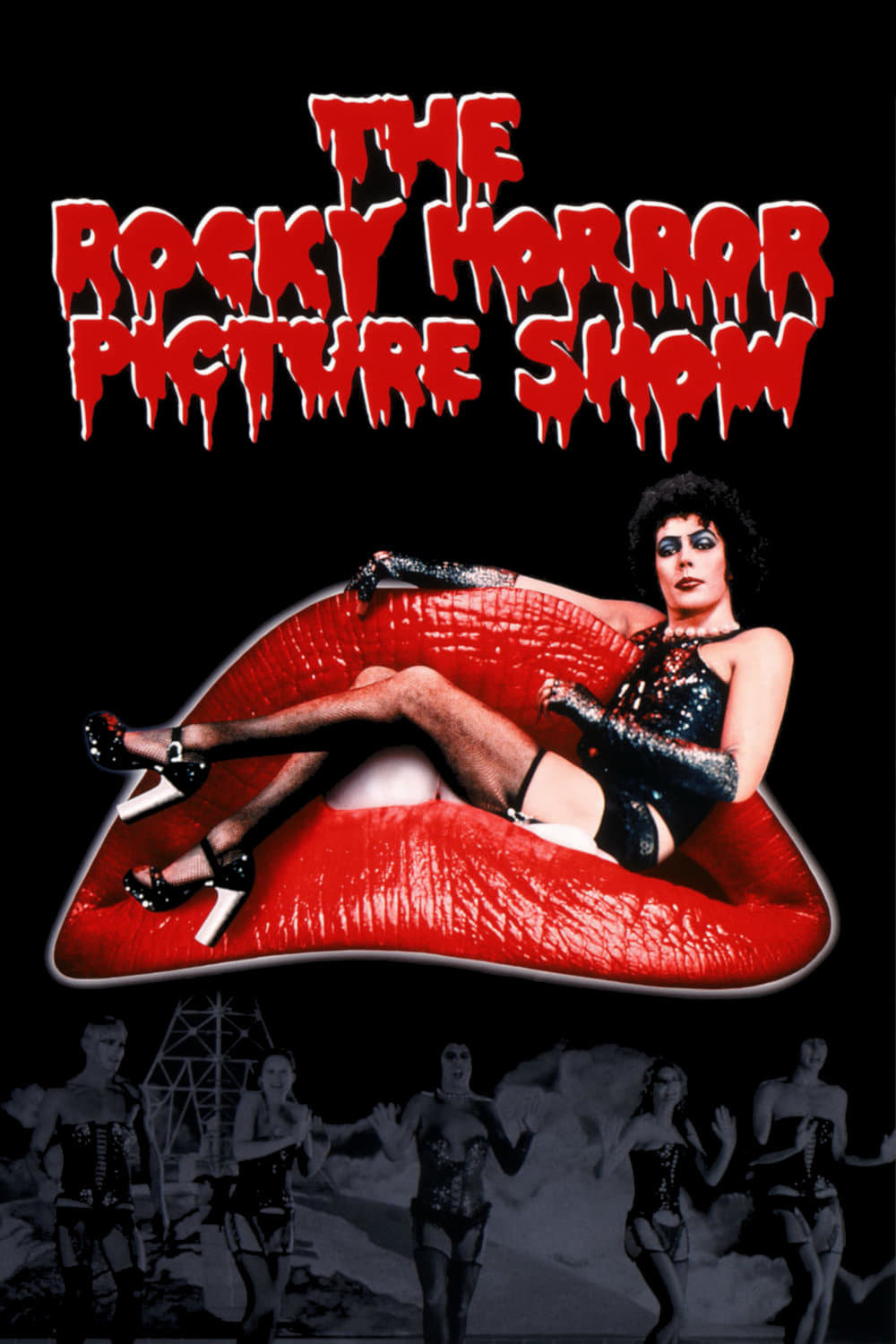
Initially panned by critics and ignored by audiences, this musical was nearly pulled from theaters shortly after its debut. It found a second life as a midnight movie, where fans developed elaborate call-and-response rituals and costumes. This theatrical longevity transitioned into the home video market, where it became a perennial bestseller. It holds the record for the longest-running theatrical release in film history while maintaining massive sales on physical media.
‘Heathers’ (1988)
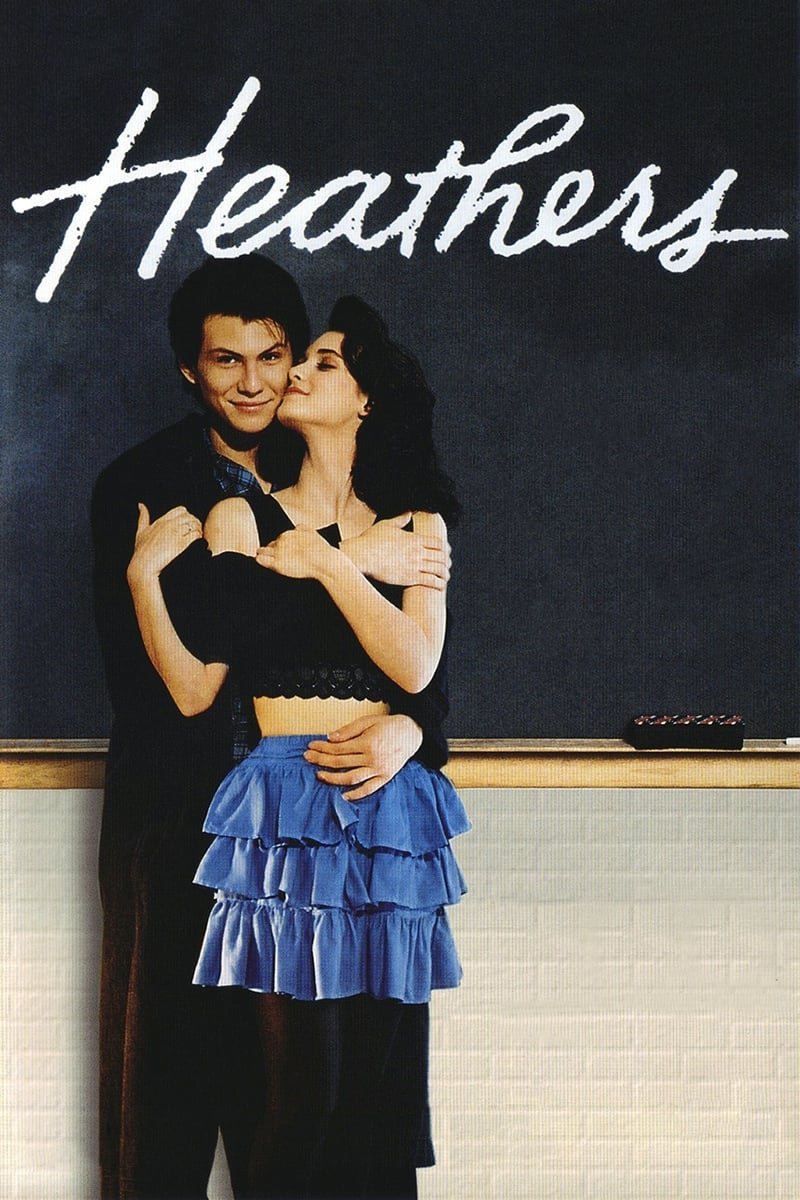
This dark teen comedy grossed less than $2 million during its limited theatrical run. Its cynical take on high school life was a departure from the more earnest teen films of the era. The movie became a massive hit on the rental market, where its sharp dialogue and stylized visuals found a dedicated audience. It eventually inspired a musical and a television series, cementing its status as a cult classic.
‘Dazed and Confused’ (1993)
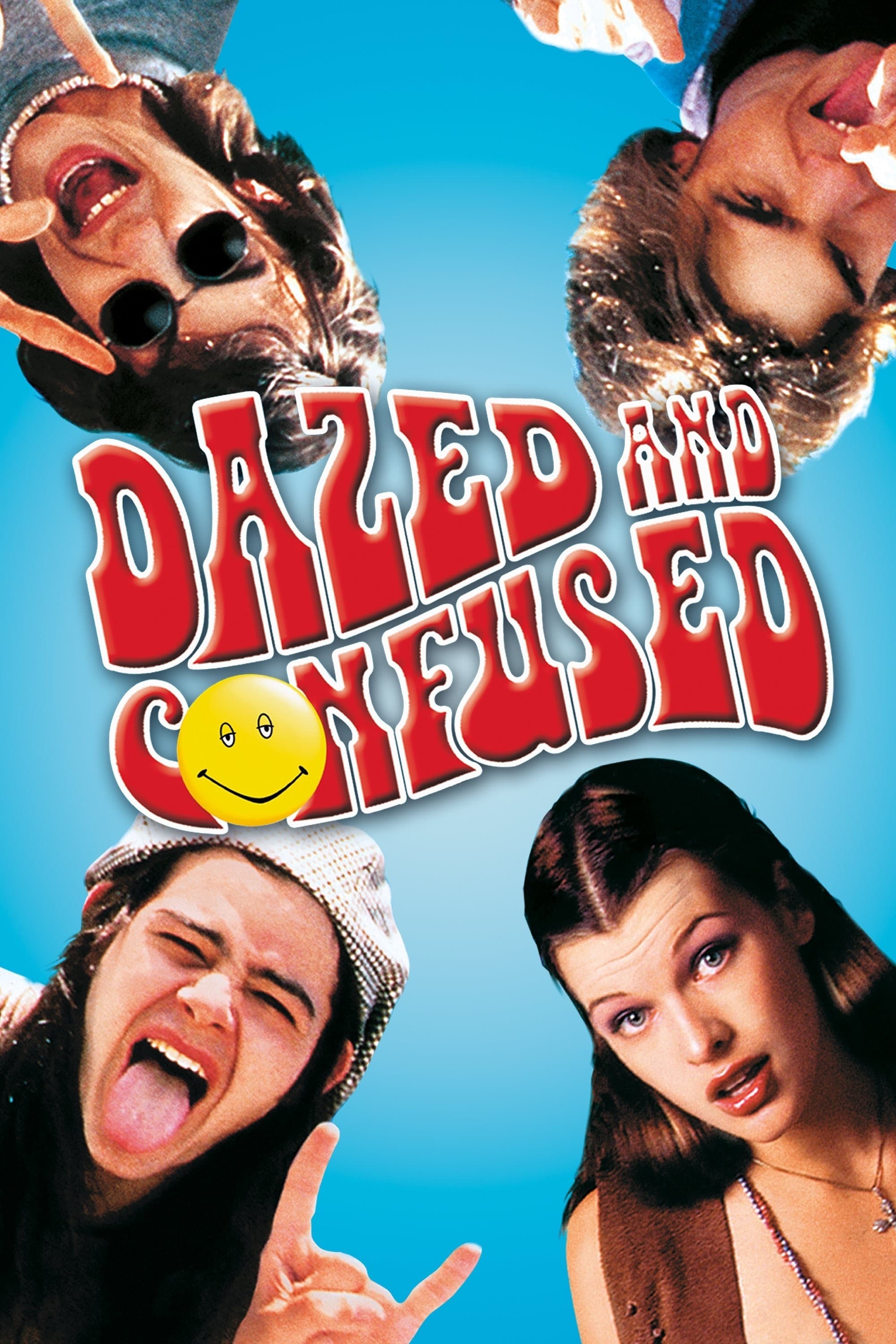
Richard Linklater’s coming-of-age film was a financial failure, grossing only $8 million against a $6.9 million budget before marketing. It received limited distribution and struggled to find a niche in the crowded theatrical market. Word-of-mouth praise and strong VHS sales helped the film reach its target demographic of young adults and teenagers. It is now celebrated for its authentic depiction of the 1970s and its early roles for future stars like Matthew McConaughey.
‘The Boondock Saints’ (1999)
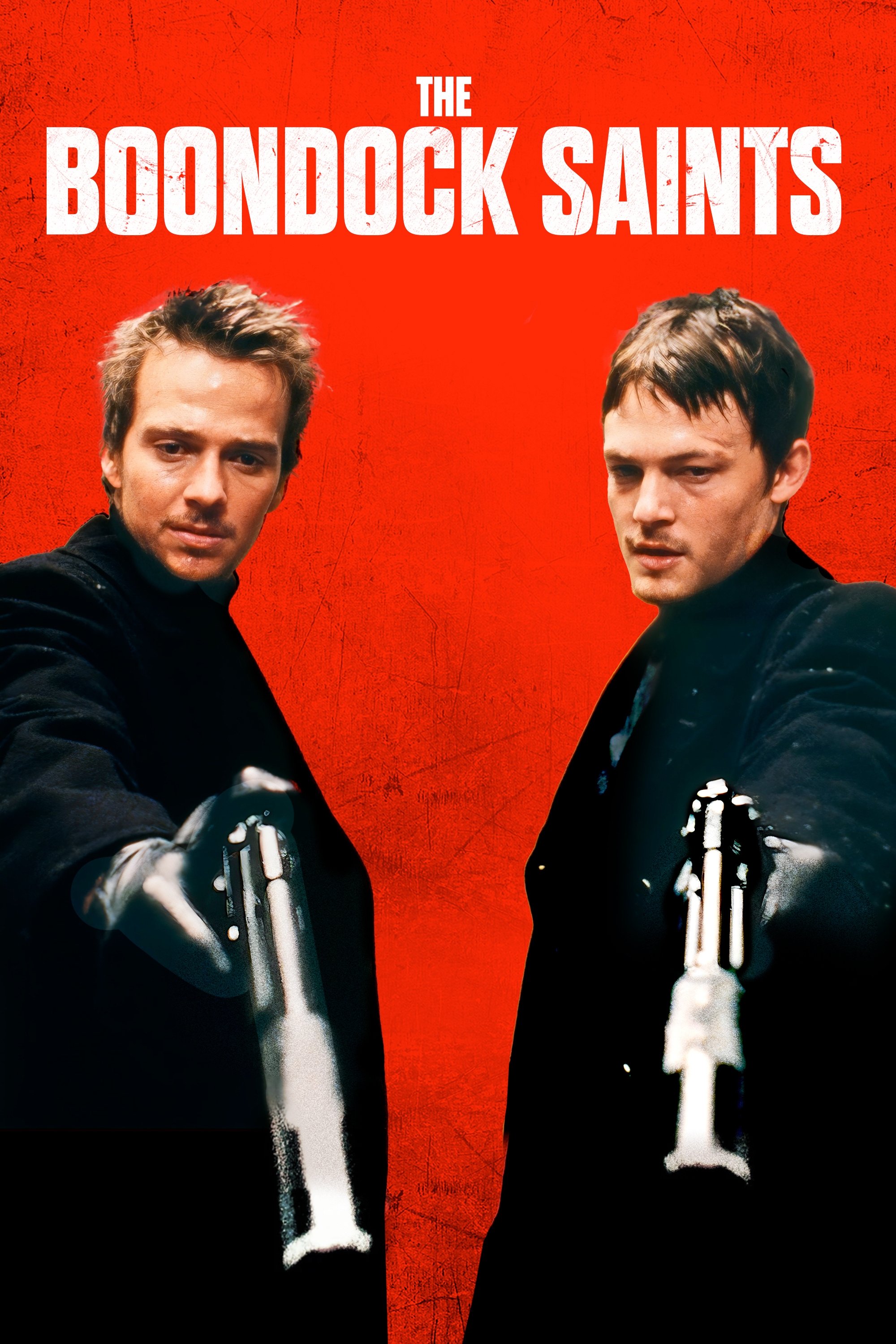
This action film was given a very limited theatrical release in only five theaters following the Columbine High School massacre. It grossed approximately $30,000, effectively making it a theatrical non-entity. However, the film became a blockbuster on DVD, eventually earning over $50 million in home video sales. This unexpected success led to the production of a sequel a decade later.
‘Children of Men’ (2006)

Alfonso Cuarón’s dystopian thriller was a critical darling but a commercial disappointment, failing to recoup its $76 million budget during its theatrical window. Its complex themes and long-take cinematography were widely praised by critics, yet audiences stayed away. The film’s reputation grew immensely through home video and streaming, where it is now frequently cited as one of the best films of the 21st century. It continues to see strong sales on 4K UHD and Blu-ray formats.
‘Idiocracy’ (2006)

This social satire was famously “dumped” by 20th Century Fox, receiving virtually no promotion and appearing in only a handful of theaters. It grossed less than $500,000 and seemed destined for obscurity. Once it was released on DVD, ‘Idiocracy’ became a massive cult hit as viewers discovered its prescient themes. The film’s title has since entered the political lexicon to describe modern social trends.
‘Scott Pilgrim vs. the World’ (2010)
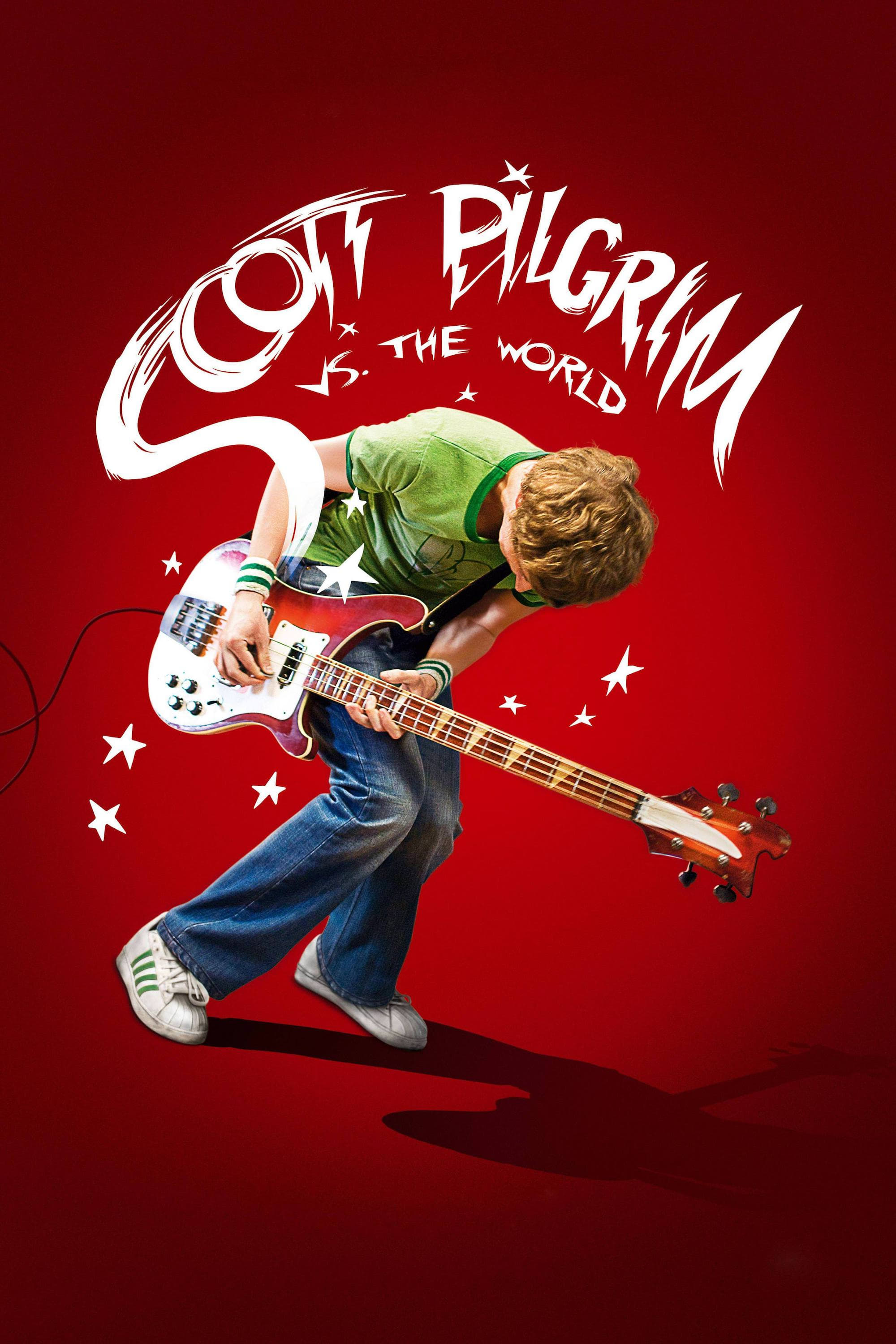
Despite heavy promotion and a premiere at San Diego Comic-Con, this film earned only $49 million against an $85 million budget. Its unique visual style, which blended video game aesthetics with cinema, failed to attract a broad theatrical audience. It immediately found a second life on Blu-ray and DVD, where its dense visual gags could be appreciated through repeat viewings. The film’s cast has since reunited for an animated series, proving its lasting cultural impact.
‘The Princess Bride’ (1987)

Rob Reiner’s fantasy adventure was a modest success at the box office, but it did not reach its full potential until it was released on home video. The film’s quotable script and family-friendly tone made it a favorite for home viewing and gift-giving. It has been re-released numerous times in various formats, including a prestigious Criterion Collection edition. ‘The Princess Bride’ is now regarded as one of the most beloved films of the 1980s.
‘Willy Wonka & the Chocolate Factory’ (1971)
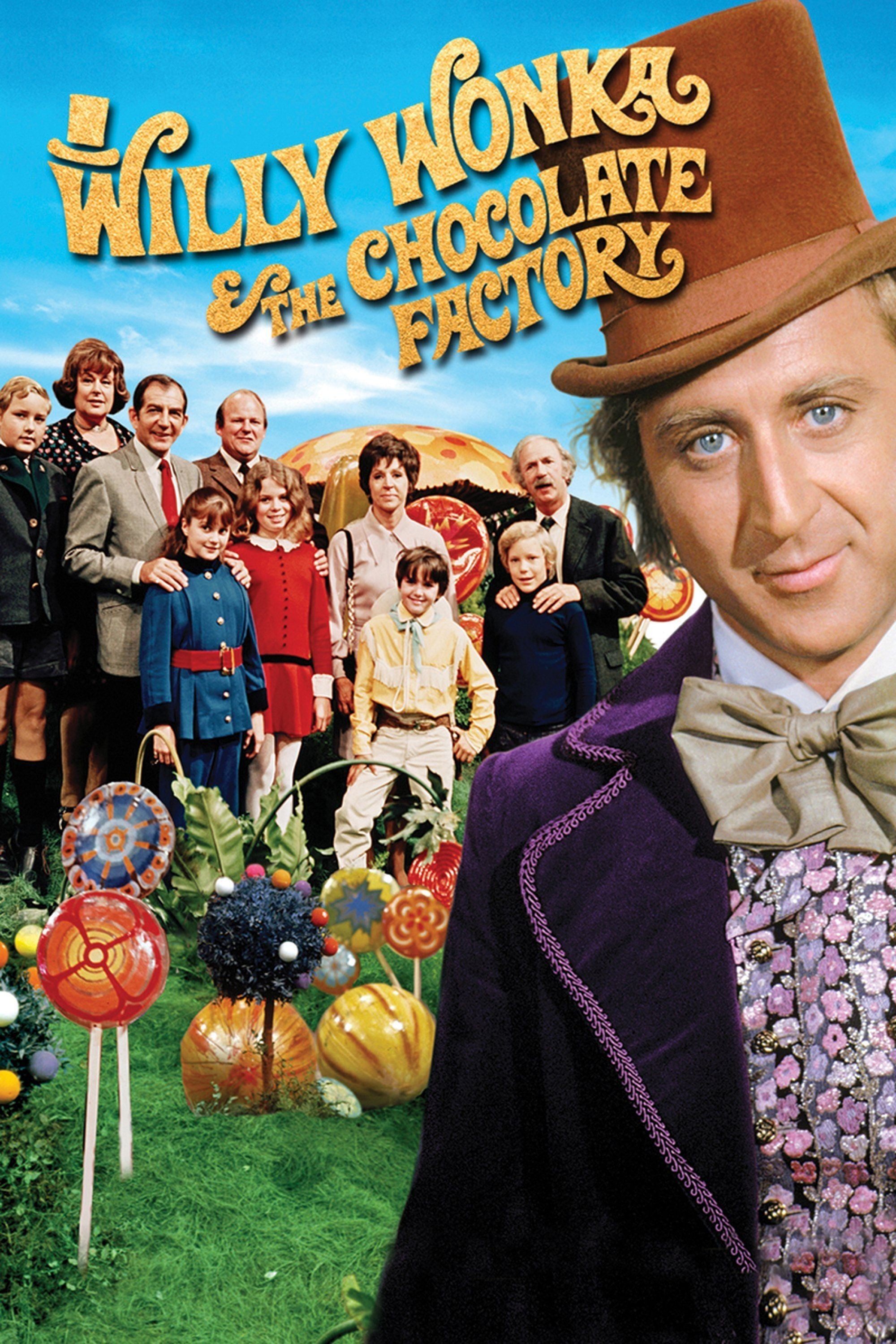
This musical adaptation was not a major hit during its initial run and was out-grossed by many other family films of the year. Paramount Pictures allowed the rights to the film to lapse, which eventually led to Warner Bros. acquiring it for television and home video distribution. Frequent television airings throughout the 1980s and 1990s turned it into a childhood staple for multiple generations. The film’s popularity on home media eventually led to the 2005 remake and a 2023 prequel.
‘The Wizard of Oz’ (1939)
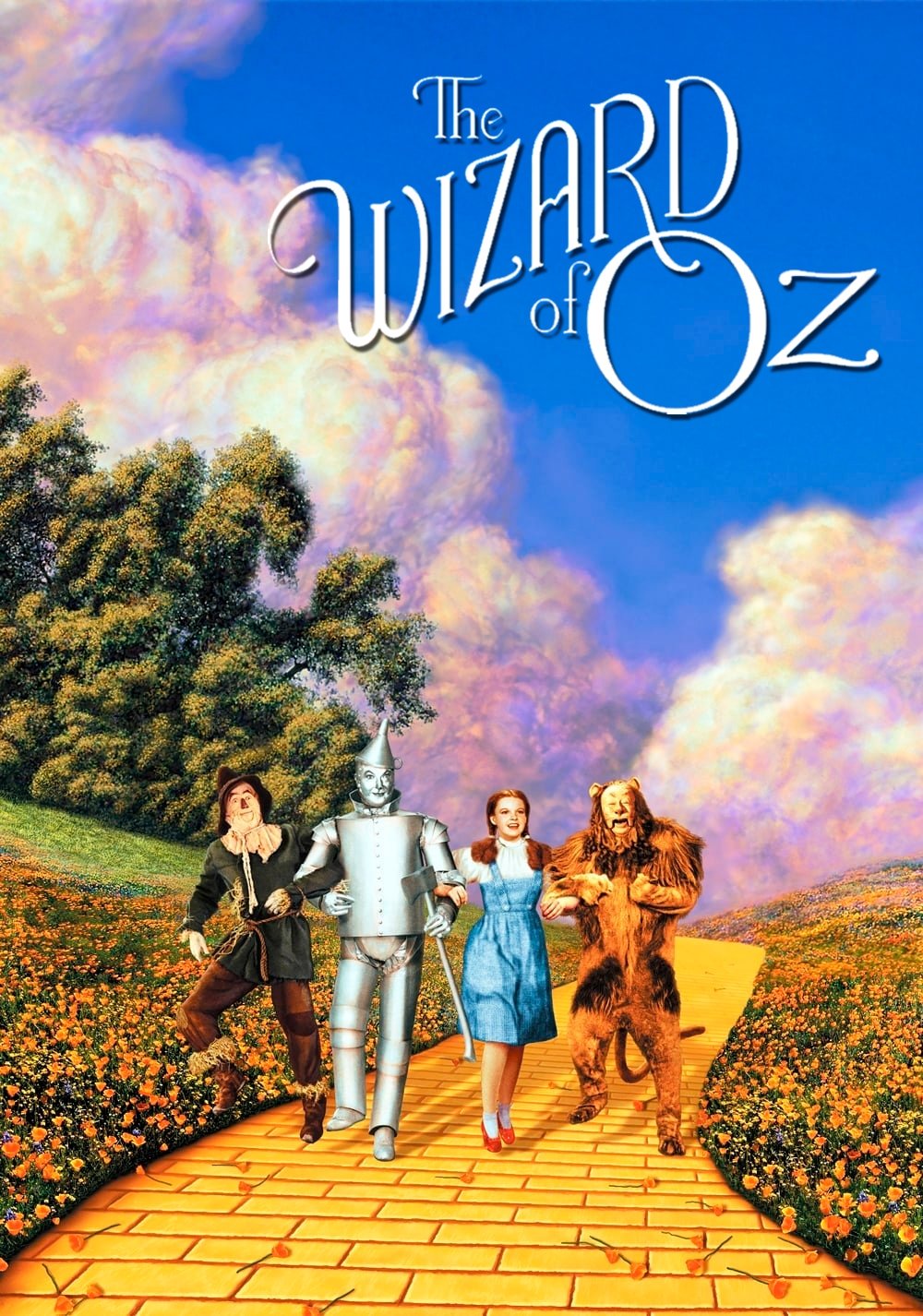
While it was the most expensive production in MGM’s history at the time, this film initially failed to turn a profit during its first release. It was not until the 1949 re-release and subsequent annual television broadcasts starting in 1956 that it became a national treasure. These broadcasts made ‘The Wizard of Oz’ one of the most-watched films in history, driving high demand for VHS and DVD copies later on. It remains one of the best-selling catalog titles on physical media.
‘Tron’ (1982)
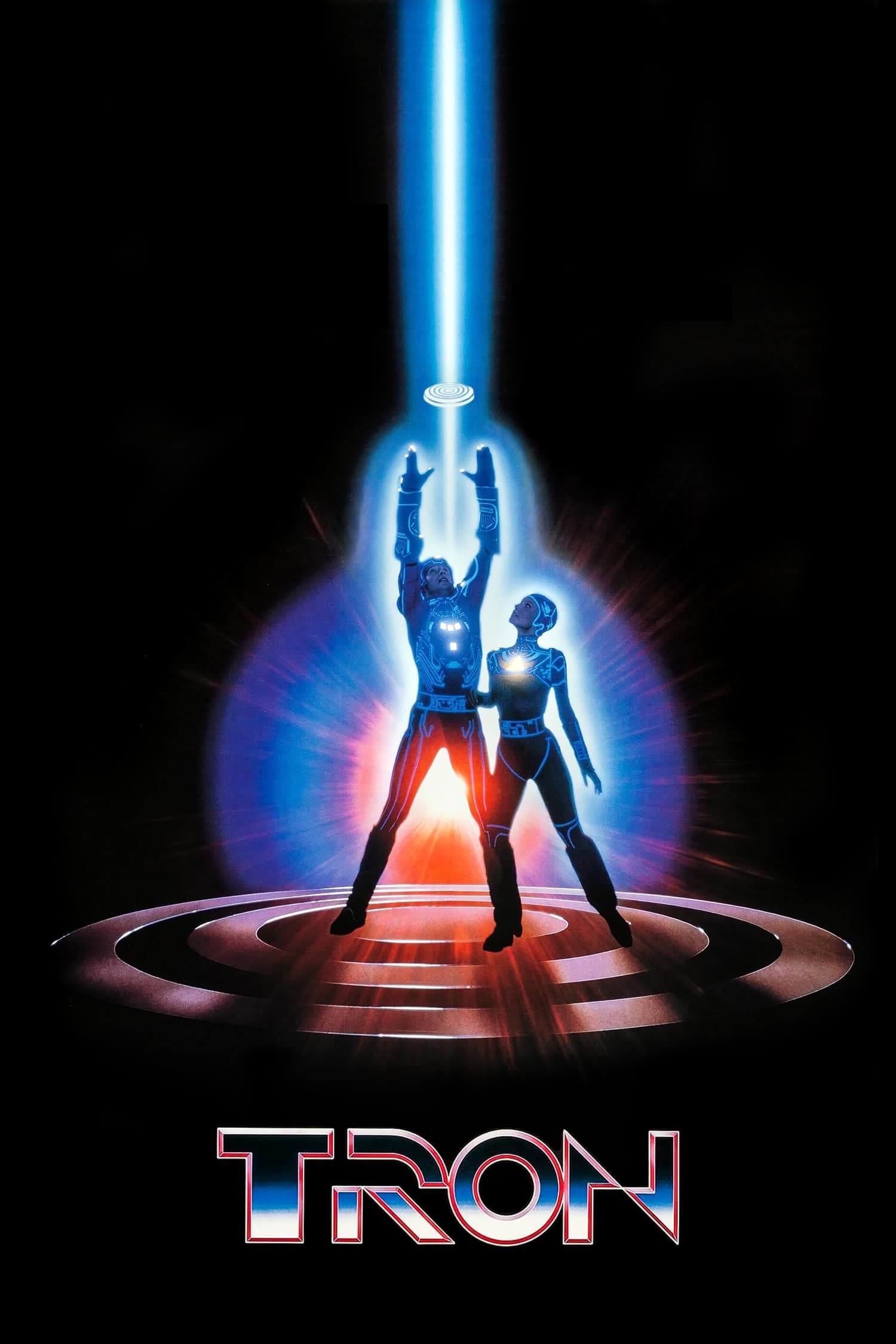
Disney’s groundbreaking use of computer-generated imagery was met with indifference by audiences in 1982, and the film was considered a financial disappointment. Its technical achievements were ignored by the Academy Awards because the use of computers was considered “cheating” at the time. The film gained a massive following among tech enthusiasts and gamers via home video rentals. This enduring interest eventually justified the production of a high-budget sequel, ‘Tron: Legacy’, in 2010.
‘Empire Records’ (1995)

This teen drama about independent record store employees was a commercial and critical failure, grossing only $300,000 in theaters. The film’s soundtrack was more successful than the movie itself during its initial release period. Through frequent airings on cable networks and strong VHS sales, it became a cult classic for the “Generation X” demographic. Fans now celebrate “Rex Manning Day” every April 8th in honor of the film.
‘Showgirls’ (1995)

Paul Verhoeven’s NC-17 drama was a massive box office flop and was roundly mocked by critics upon its release. It became one of the first films to leverage its “bad” reputation into a successful home video run, earning over $100 million in rentals. MGM capitalized on its cult status by releasing a “VIP Edition” on DVD that included drinking games and shot glasses. The film is now analyzed by scholars as a satire of the American dream rather than just a commercial failure.
‘Mallrats’ (1995)

Kevin Smith’s second feature film was a significant box office disappointment following the success of ‘Clerks’. It grossed only $2 million and was largely dismissed as a sophomore slump by critics. The film found its audience on VHS, where Smith’s core fanbase embraced its comic book references and crude humor. Its success on home video helped Smith secure funding for his future projects set in the same cinematic universe.
‘Wet Hot American Summer’ (2001)

This ensemble comedy received a limited theatrical release and was panned by almost every major critic at the time. It earned less than $300,000, but it quickly became a staple of college dorm rooms via DVD sharing. The film’s cast featured many future stars like Bradley Cooper and Amy Poehler, which helped drive interest in later years. The film eventually inspired two separate Netflix series that brought back the original cast.
‘Mulholland Drive’ (2001)
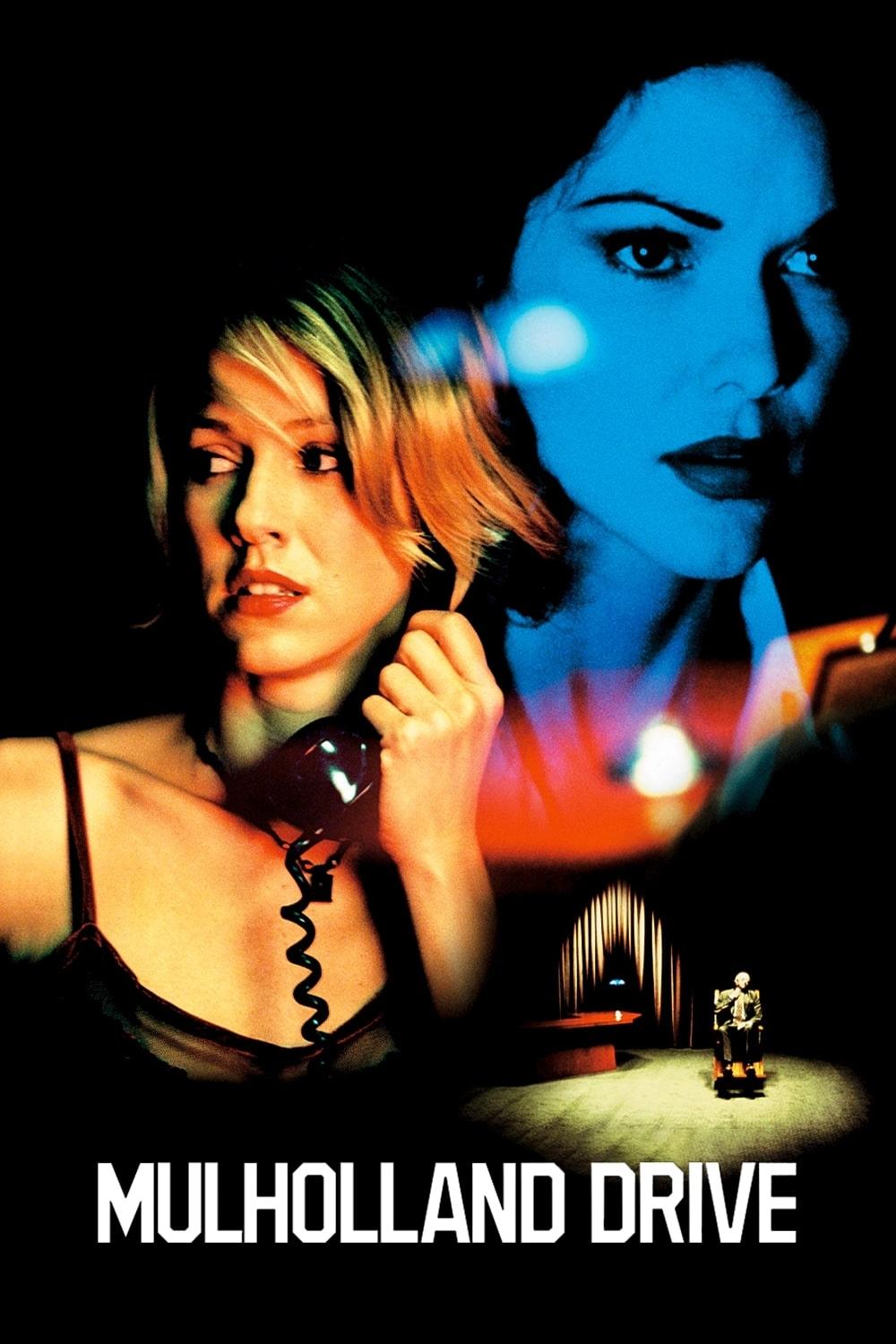
David Lynch’s surrealist masterpiece struggled to find a wide audience in theaters, grossing only $7 million in the United States. Its non-linear narrative and cryptic imagery made it a difficult sell for mainstream moviegoers. On DVD, the film became a hit as viewers used the “chapter select” and “pause” functions to look for clues to the film’s mysteries. It is now frequently topped in polls as the greatest film of the 21st century by critics and scholars.
‘Labyrinth’ (1986)
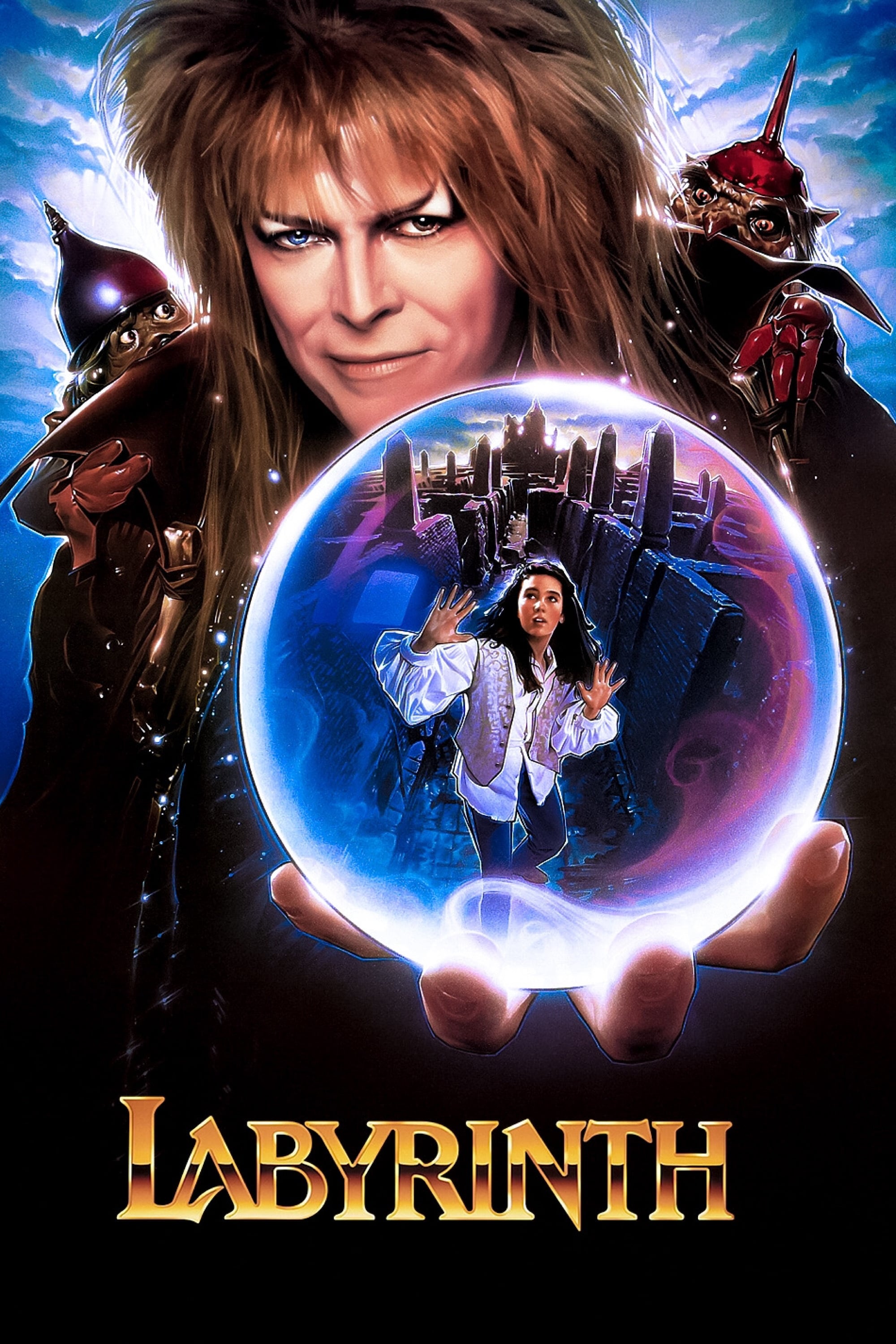
This Jim Henson fantasy film was a box office failure, earning only $12.7 million against a $25 million budget. Critics were divided on the film’s tone and the performance of David Bowie, and its failure reportedly devastated Henson. The film’s visual creativity and musical numbers found a massive audience on VHS throughout the 1990s. It has since become a cornerstone of 1980s nostalgia and continues to sell well in anniversary Blu-ray editions.
‘Dark City’ (1998)
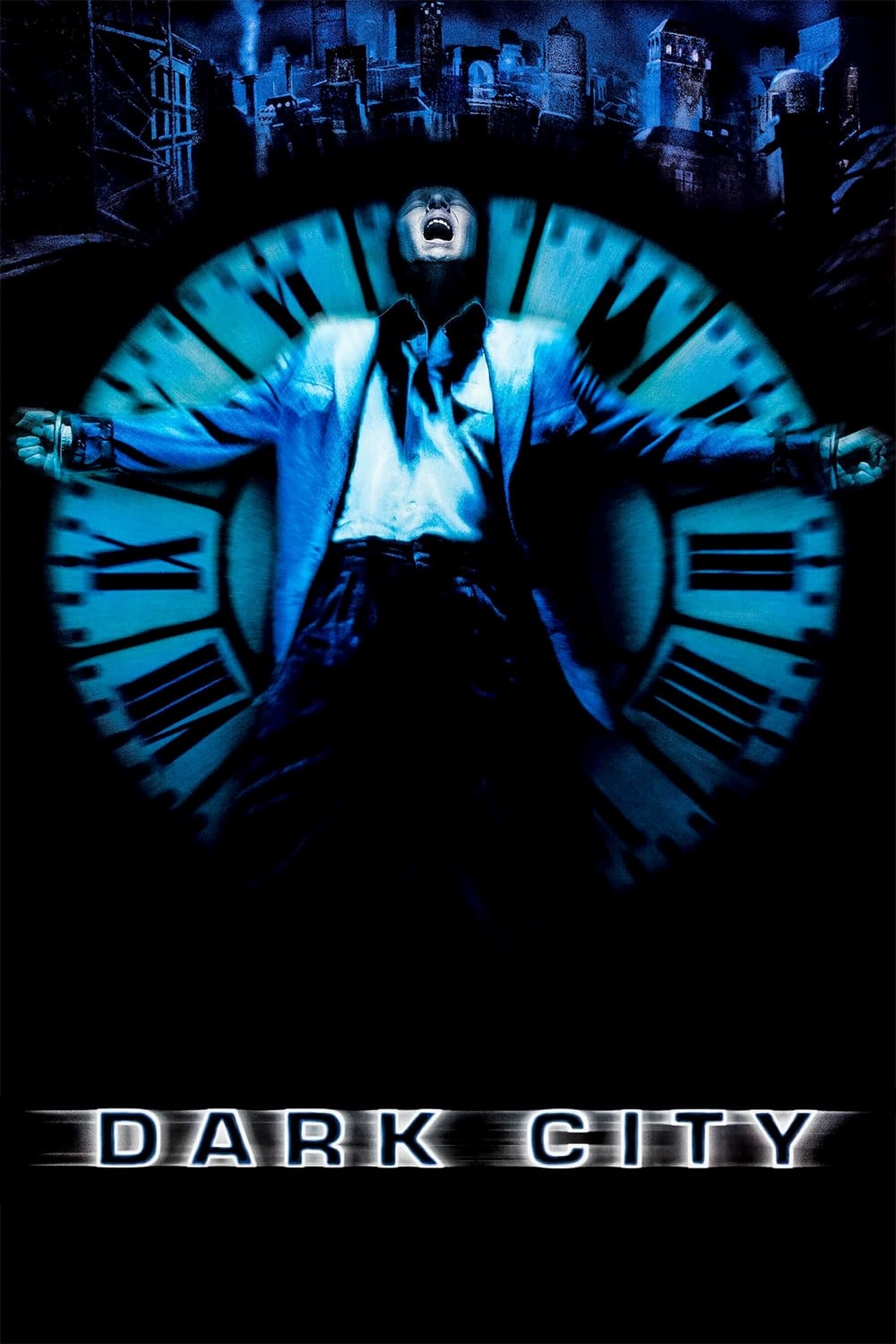
Alex Proyas’s visually stunning science fiction film was overshadowed by the release of ‘The Matrix’ a year later. It was a box office disappointment, earning $27 million on a $27 million budget, which did not account for marketing costs. Roger Ebert famously championed the film, and his commentary track on the DVD helped it find a second life with cinephiles. It is now regarded as a precursor to the modern wave of philosophical science fiction.
‘Equilibrium’ (2002)
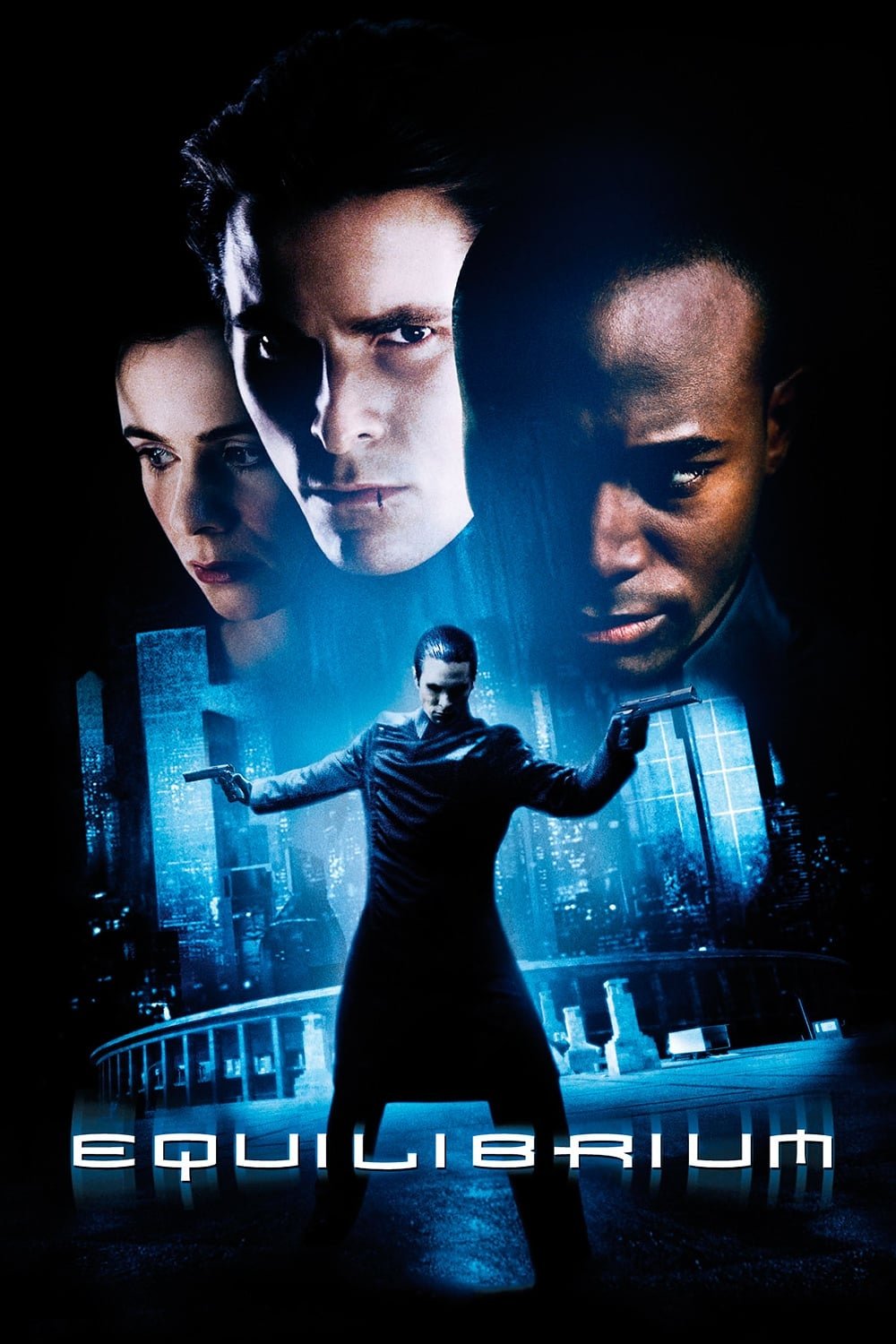
This stylized action film was barely released in theaters, earning less than $5 million worldwide. Miramax, the film’s distributor, gave it almost no promotion, leading it to go straight to video in many international markets. It became a word-of-mouth sensation on DVD due to its unique “Gun Kata” fighting style and dystopian themes. The film’s success on home media made it a profitable venture despite its theatrical failure.
‘Kiss Kiss Bang Bang’ (2005)

Shane Black’s directorial debut was a commercial failure despite starring Robert Downey Jr. and Val Kilmer. It earned only $4 million in its initial domestic run, but it was highly praised by those who saw it. The film’s sharp wit and meta-commentary on the noir genre made it a favorite for DVD collectors. It is often credited with helping Robert Downey Jr. revitalize his career before he was cast in ‘Iron Man’.
‘The Last Starfighter’ (1984)
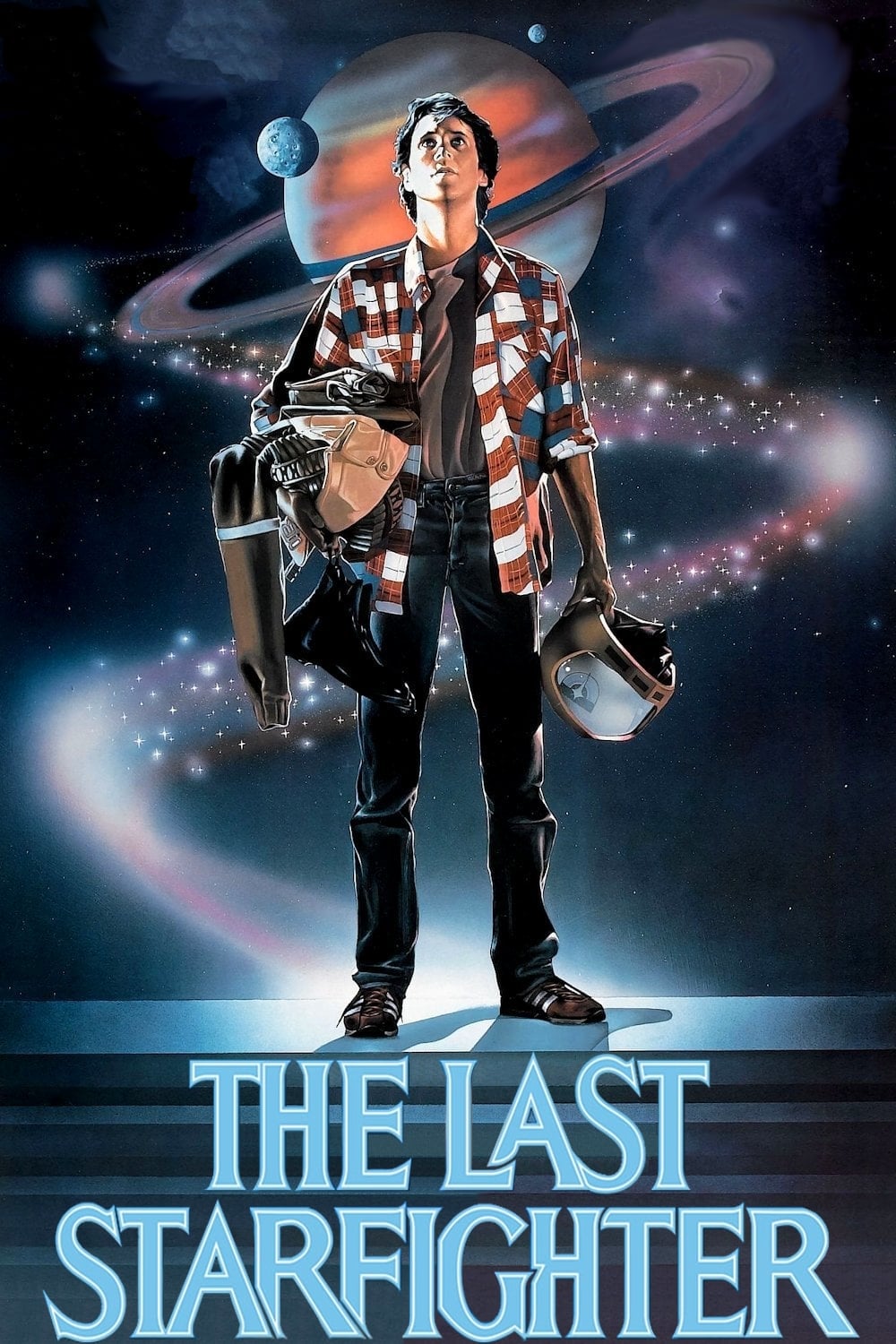
This space adventure was a modest hit in 1984 but did not achieve the blockbuster status of its contemporary, ‘Star Wars’. It was one of the first films to use extensive computer-generated imagery for its visual effects. The film became a beloved cult classic through constant replay on cable television and consistent VHS rentals. It remains a nostalgic favorite for fans of 1980s science fiction and has seen several high-definition re-releases.
‘Better Off Dead…’ (1985)

This surreal teen comedy starring John Cusack was a box office non-entity during its original release. It failed to resonate with the general public but became a staple of the burgeoning home video market in the mid-1980s. Its bizarre humor and memorable catchphrases helped it build a dedicated following over the years. The film is now considered a quintessential example of 1980s cult cinema.
‘Fast Times at Ridgemont High’ (1982)
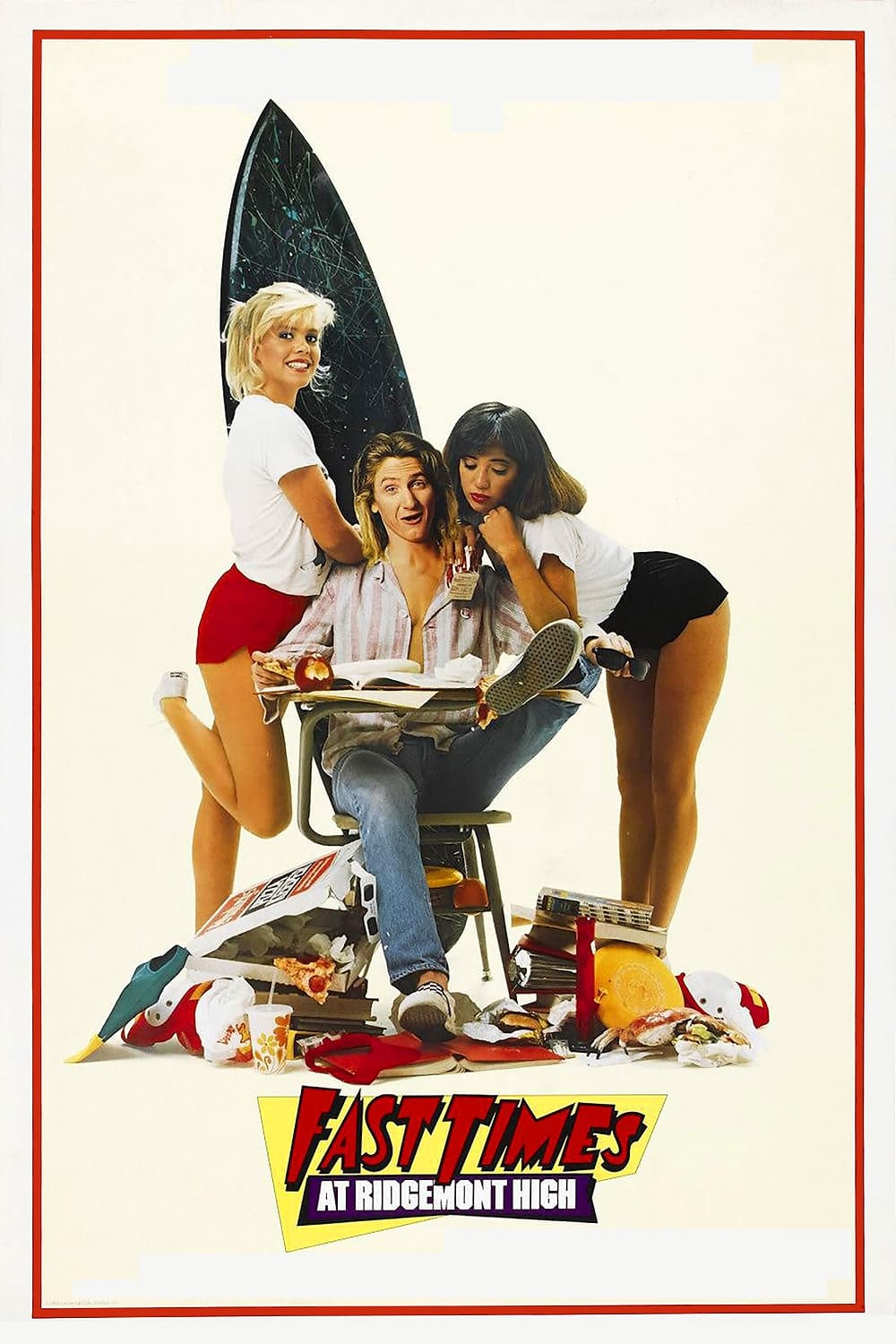
While it was a financial success upon release, this film truly exploded in popularity through the home video market. Its depiction of teen culture and its iconic soundtrack made it a favorite for repeat viewings at home. The film served as a launching pad for several Academy Award-winning actors, which kept it relevant for decades. It remains one of the most successful titles in the Universal Pictures home media catalog.
‘This Is Spinal Tap’ (1984)
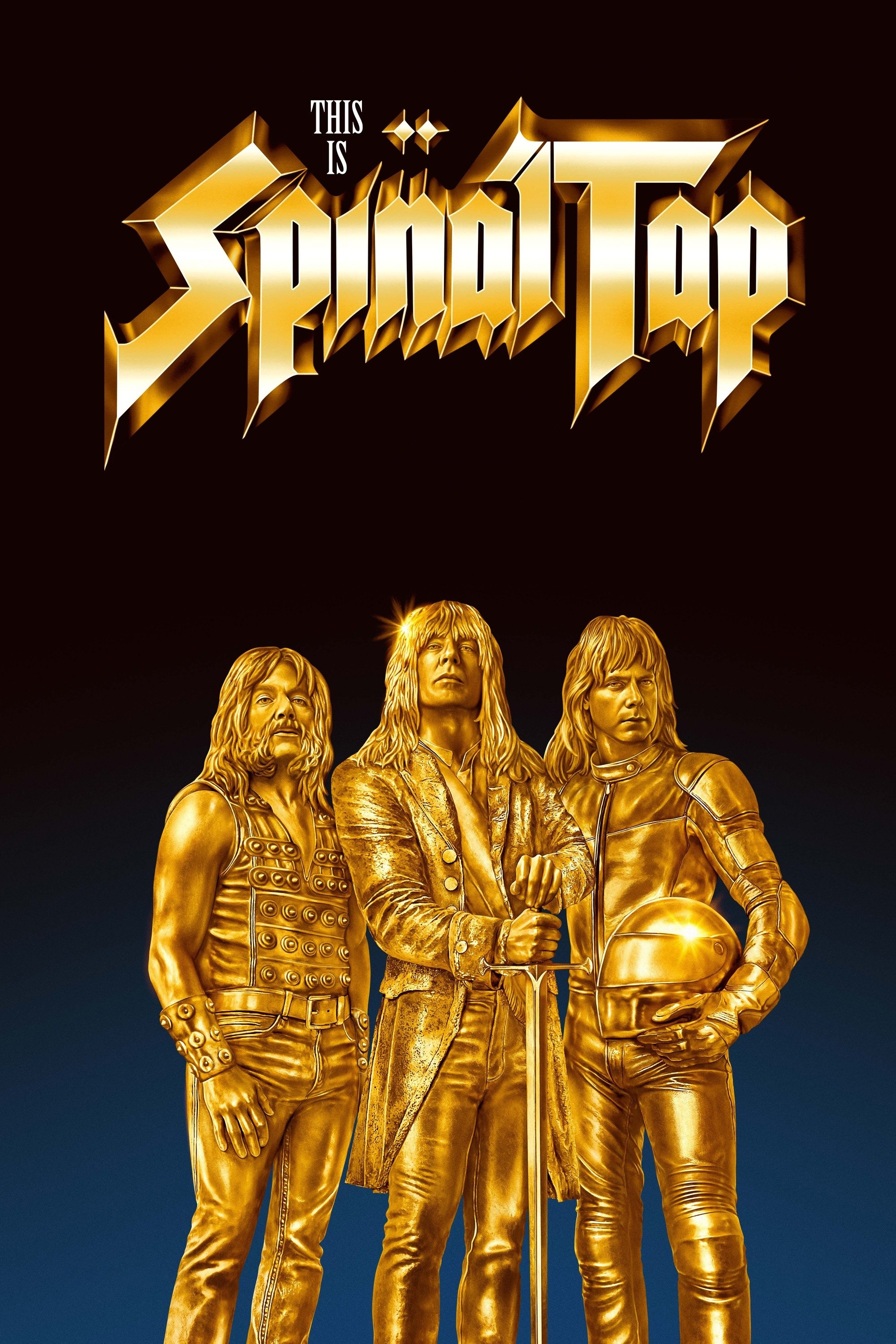
The “mockumentary” style of this film confused some early audiences who believed Spinal Tap was a real band. It earned only $4.7 million in theaters and was considered a niche comedy at best. Its release on VHS allowed viewers to catch the subtle jokes and improvised dialogue that were missed during theatrical screenings. It is now considered one of the greatest comedies of all time and has been preserved in the National Film Registry.
‘Monty Python and the Holy Grail’ (1975)
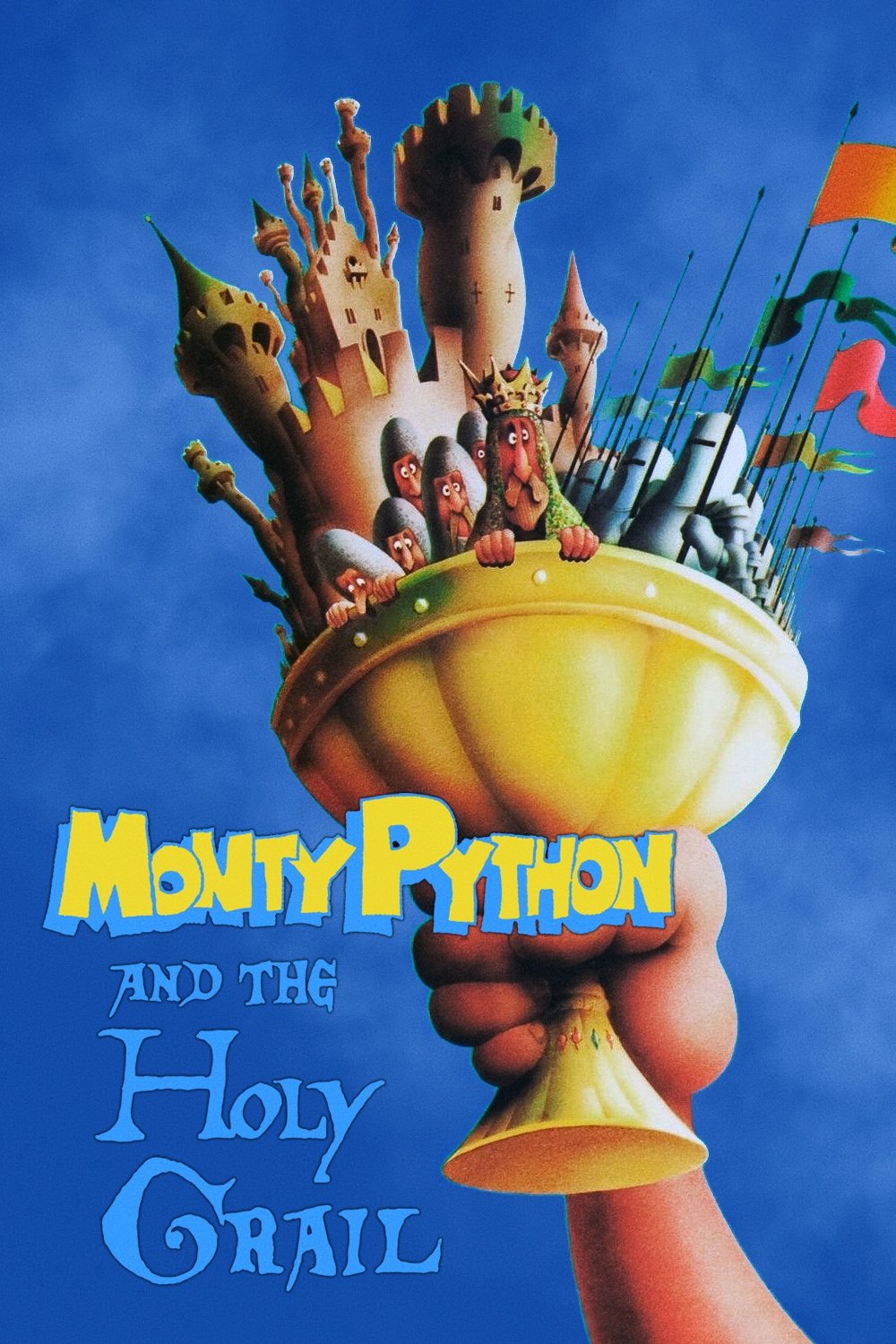
This low-budget British comedy had a modest theatrical run in the United States but was not a mainstream hit. The film’s surreal humor found its perfect home on video, where fans could memorize and recite its many iconic sketches. It became a staple of college campus screenings and midnight shows, driving massive sales on every physical media format. It remains a top-selling title for Sony Pictures Home Entertainment.
‘Scarface’ (1983)

Brian De Palma’s crime epic was controversial upon release due to its extreme violence and language, leading to mixed reviews and moderate box office. It was not until the film was released on VHS that it was embraced by the hip-hop community and became a cultural phenomenon. Its themes of ambition and excess resonated deeply with a new generation of viewers. The film’s home video sales have since made it one of the most profitable titles in the history of Universal Pictures.
‘Reservoir Dogs’ (1992)
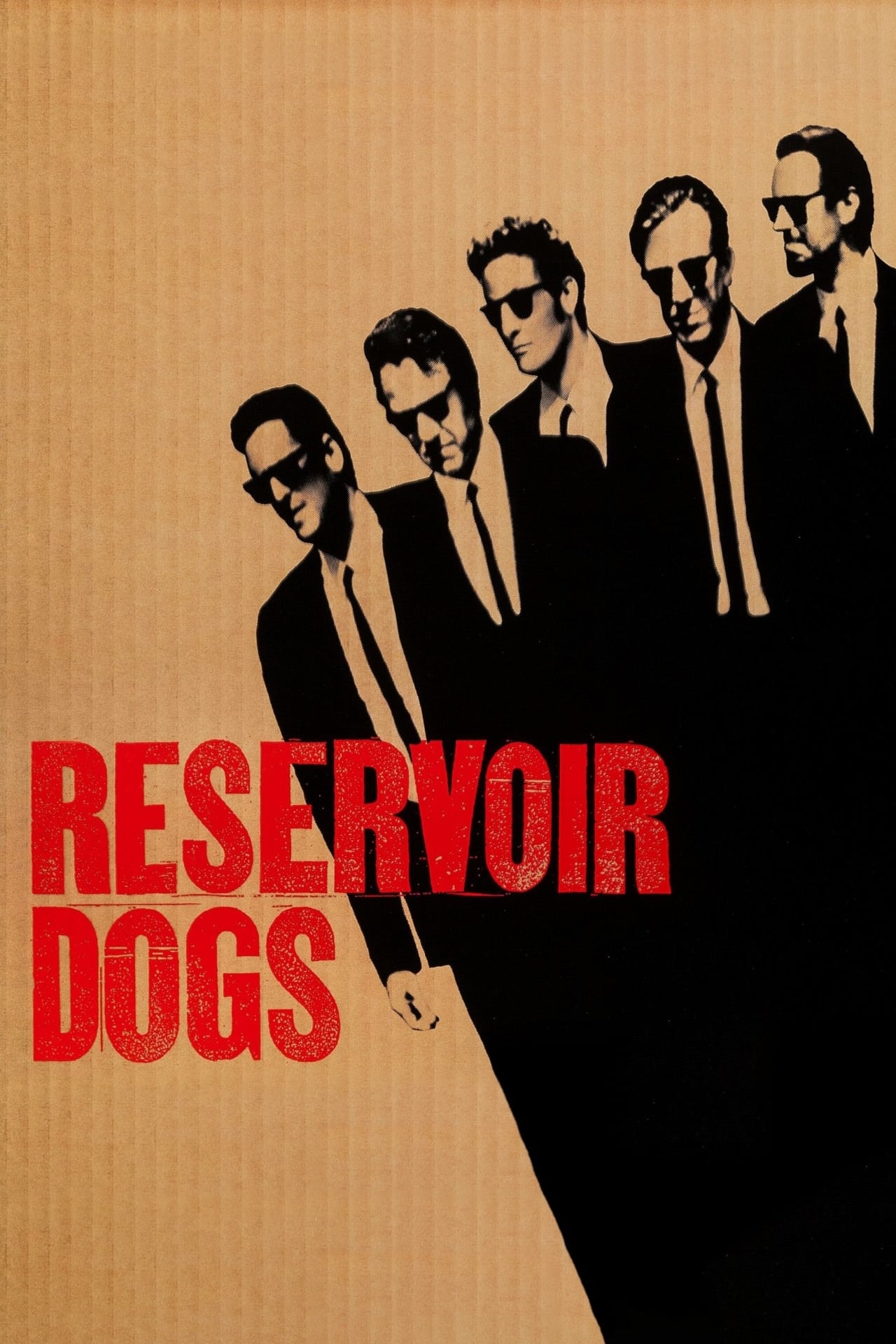
Quentin Tarantino’s debut film was a hit on the independent circuit but earned only $2.8 million in its initial U.S. theatrical run. Its non-linear structure and graphic violence were topics of significant discussion in film journals and magazines. The movie became a massive hit on video following the mainstream success of ‘Pulp Fiction’ in 1994. Fans went back to discover Tarantino’s first work, making it a permanent fixture in home video collections.
‘Evil Dead II’ (1987)
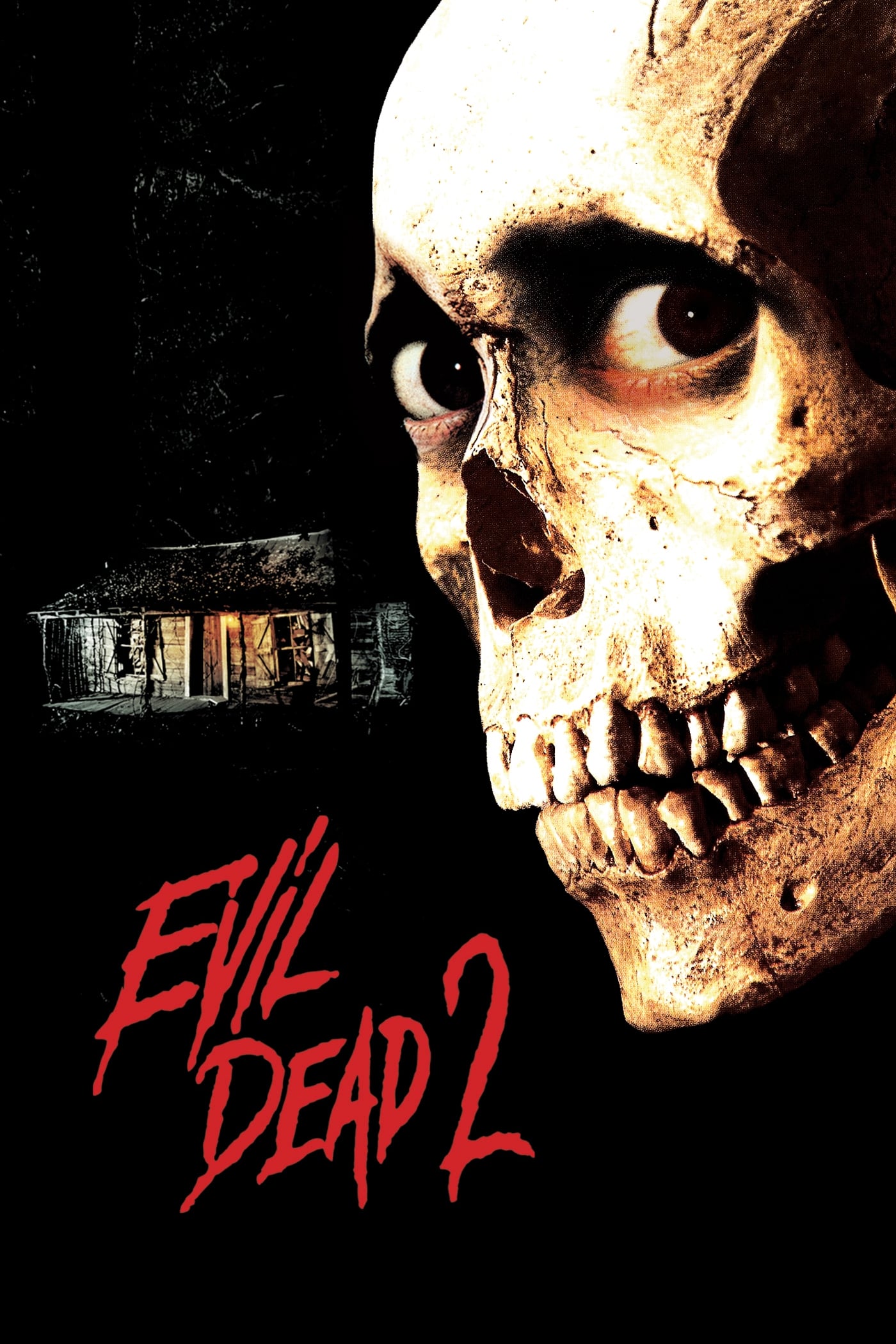
This “splatter” comedy was released without a rating, which limited its theatrical distribution and earning potential. It grossed less than $6 million in theaters but became a legendary title in the horror community through word-of-mouth VHS rentals. Its blend of slapstick humor and intense gore was perfectly suited for the home viewing environment. The film’s success on video eventually allowed director Sam Raimi to transition into big-budget filmmaking.
‘Army of Darkness’ (1992)
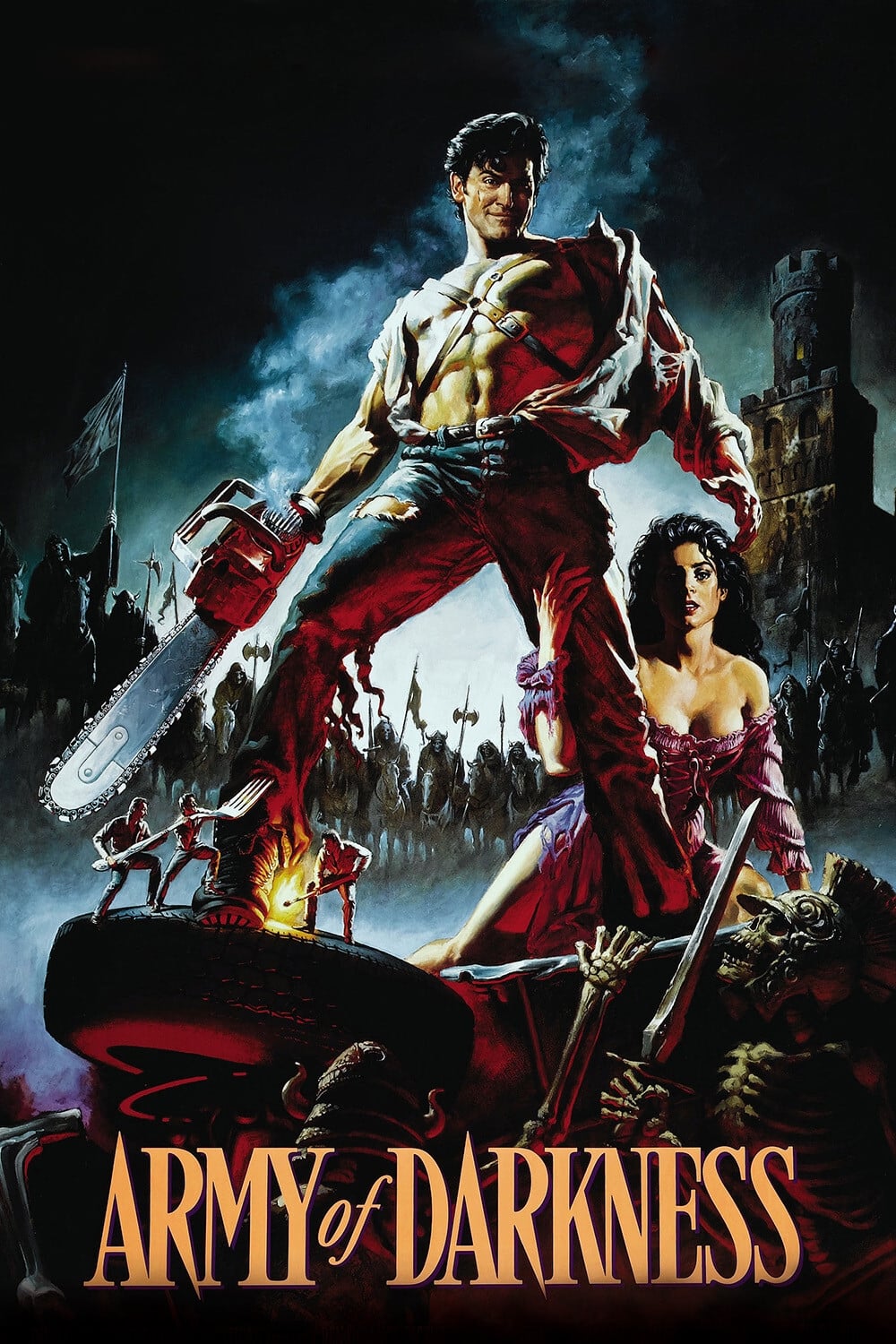
The third installment of the ‘Evil Dead’ franchise was a commercial disappointment, earning only $11.5 million against an $11 million budget. Legal disputes over distribution rights hindered its marketing and delayed its release in some markets. The film found its audience on DVD, where multiple versions—including an international cut and a director’s cut—were released. Its quotable dialogue has since made it one of the most popular cult films of the 1990s.
‘The Adventures of Buckaroo Banzai Across the 8th Dimension’ (1984)

This genre-bending film was a massive box office failure, grossing only $6 million against a $17 million budget. Its dense mythology and eccentric tone were too obscure for mainstream audiences in 1984. It developed a fiercely loyal cult following on VHS, with fans creating detailed wikis and fan fiction to expand the film’s universe. The movie has been re-released in several high-quality Blu-ray editions featuring extensive documentaries about its production.
‘Brazil’ (1985)
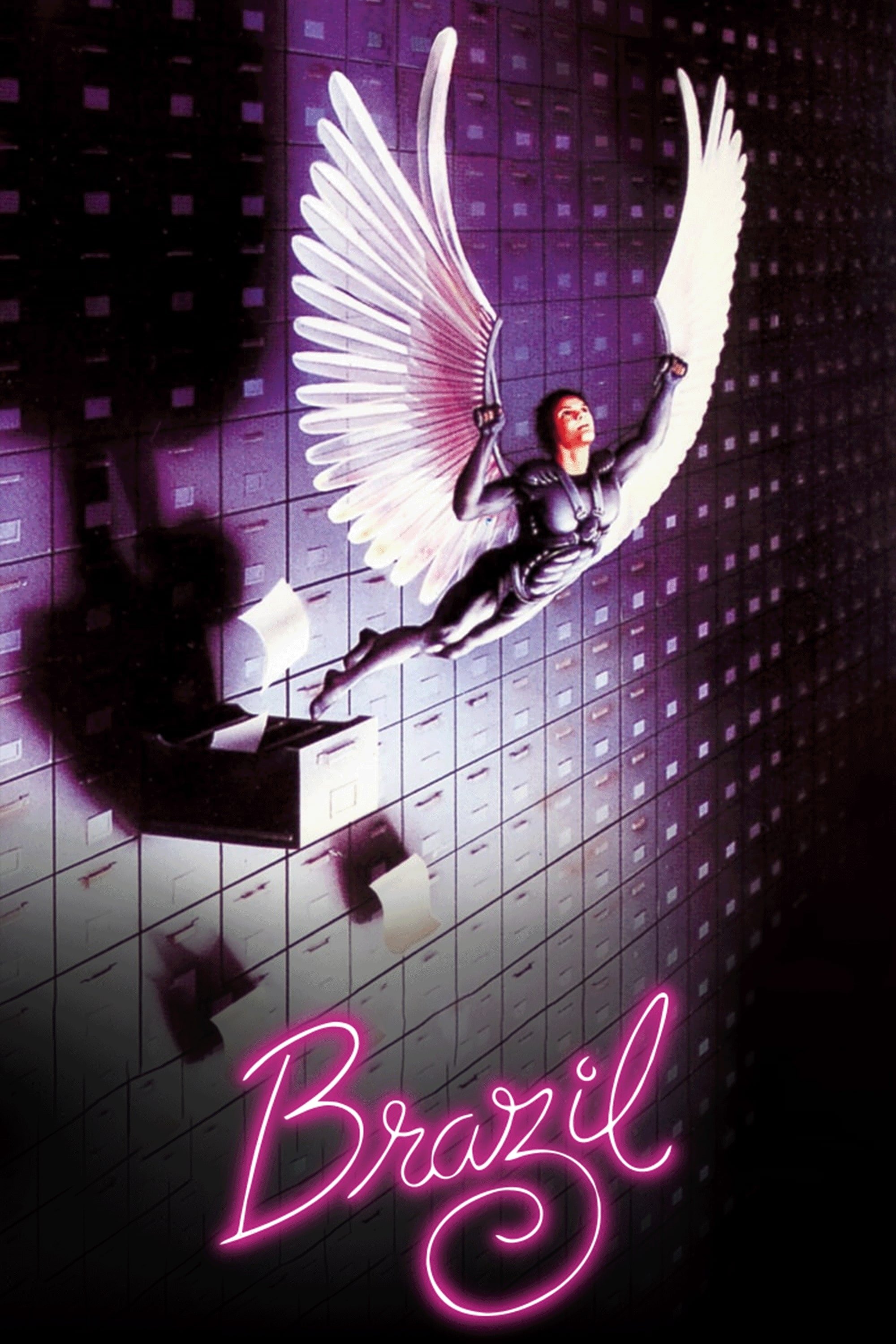
Terry Gilliam’s dystopian masterpiece was the subject of a famous battle between the director and the studio, which wanted a “Love Conquers All” ending. The film was eventually released in its intended form but struggled to find a wide audience in theaters. Its release on the Criterion Collection laserdisc and later DVD sets allowed fans to see the various cuts of the film. It is now studied in film schools as a premier example of production design and social satire.
‘Withnail & I’ (1987)
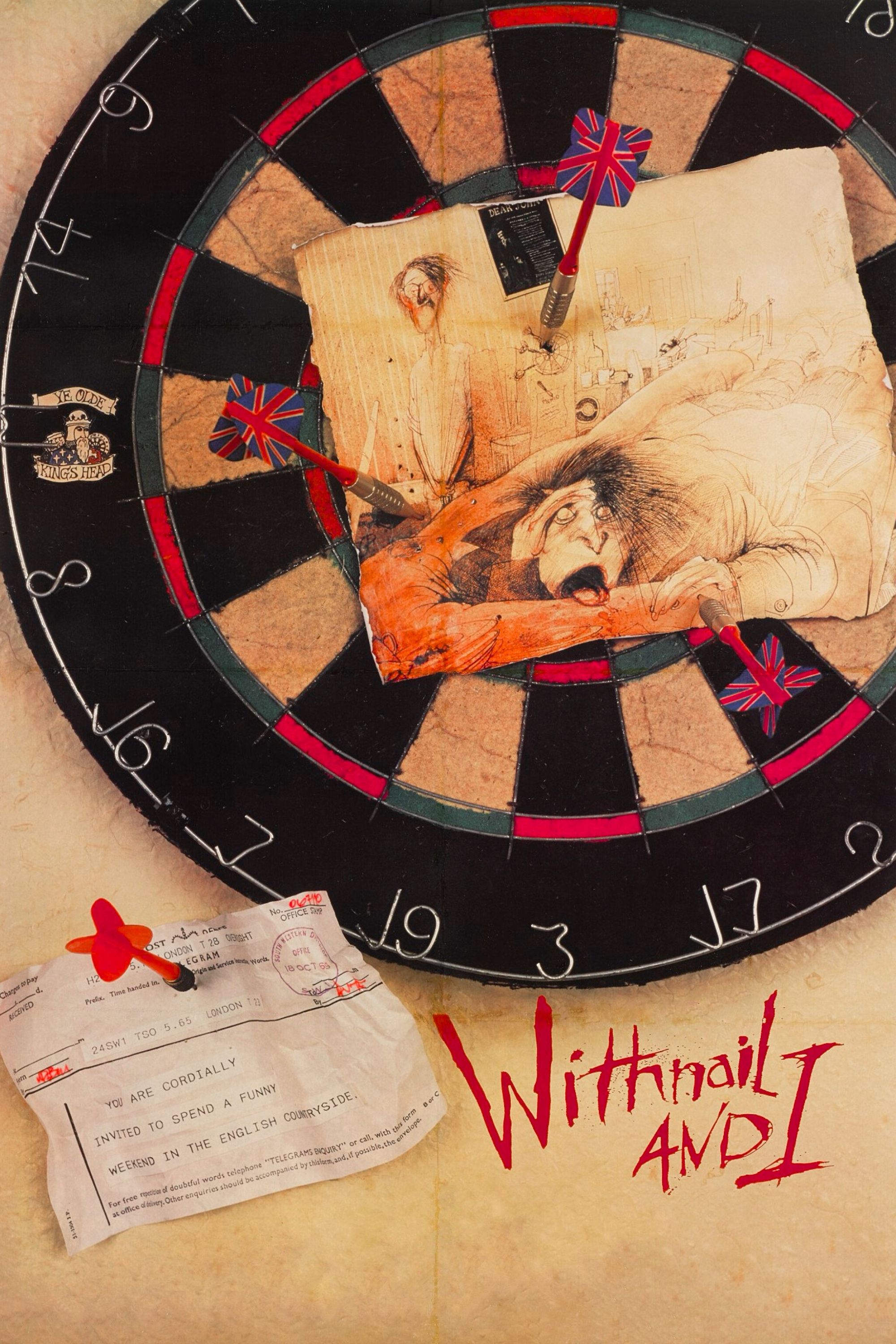
This British comedy about two unemployed actors was a financial failure upon its initial release. It gained a reputation as the “ultimate student film” in the United Kingdom and eventually the United States through home video. The film’s melancholic tone and sharp script have earned it a spot on several “best films” lists. It continues to be a consistent seller for independent home video distributors.
‘Harold and Maude’ (1971)
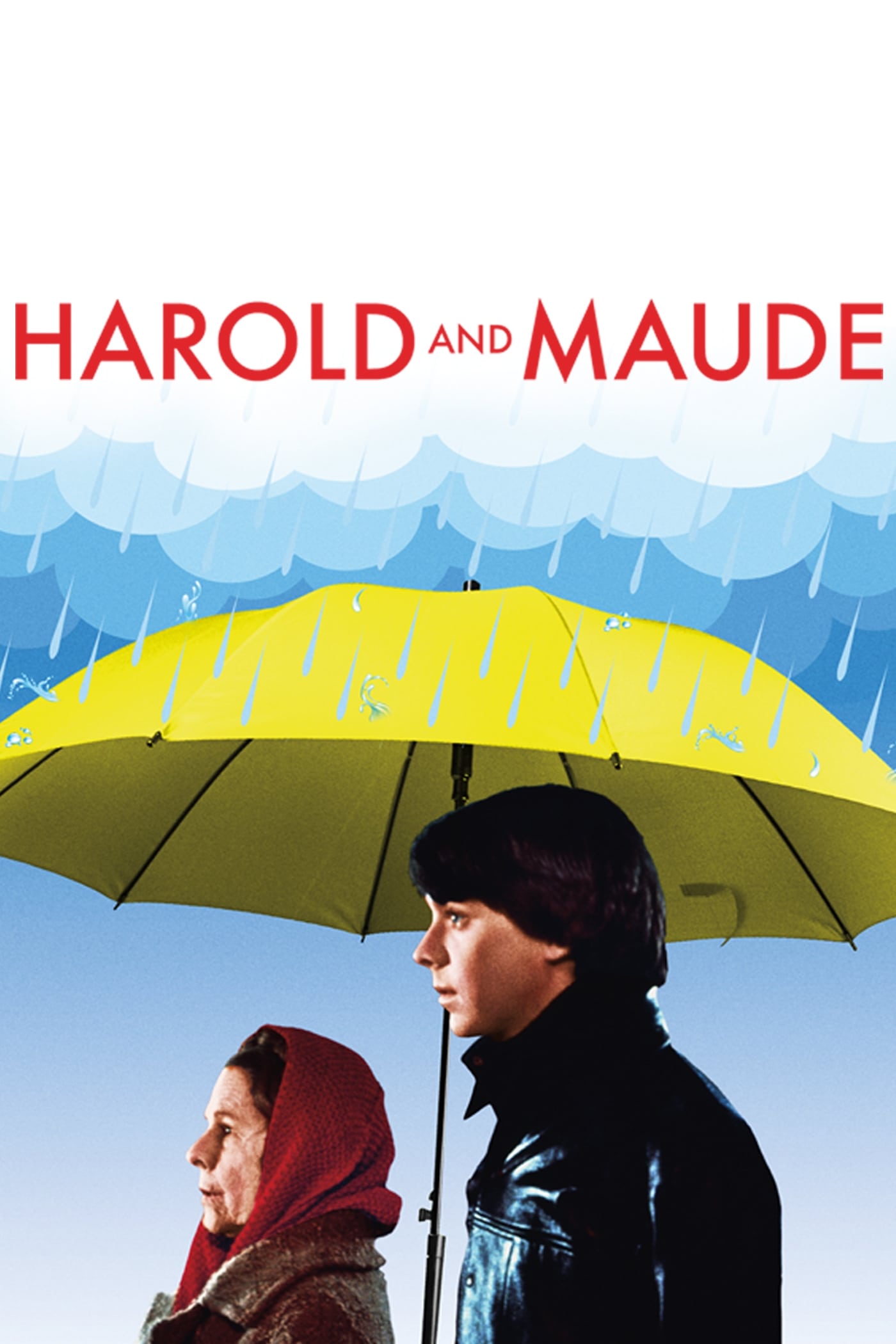
This dark romantic comedy was a complete failure at the box office and was dismissed by critics like Roger Ebert upon its release. It took years of repertory screenings and eventually a successful home video run for the film to be reassessed. Its soundtrack by Cat Stevens and its message of individualism helped it find a dedicated audience among younger generations. It was eventually selected for preservation in the National Film Registry.
‘Pink Flamingos’ (1972)
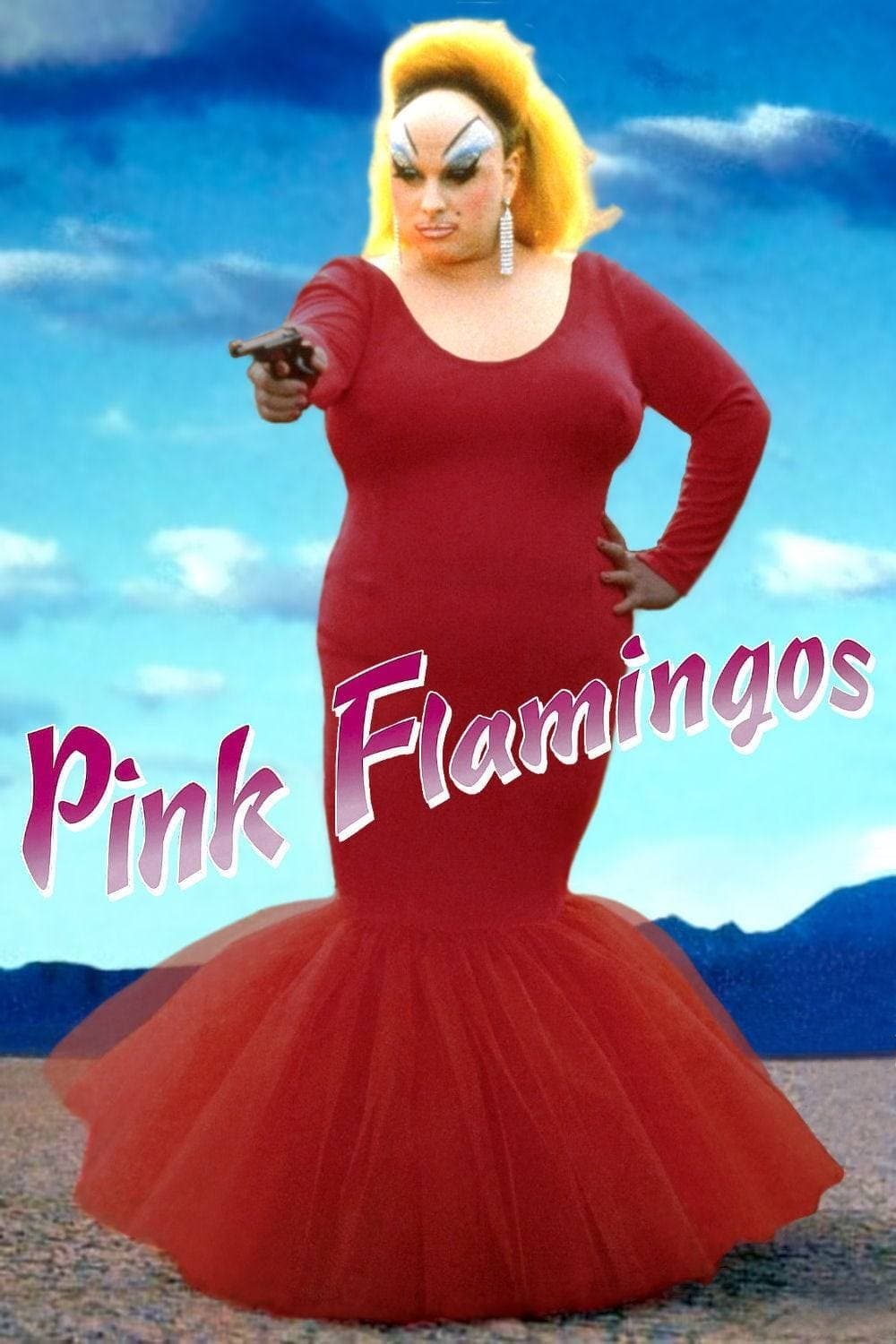
John Waters’ exercise in “bad taste” was never intended for a mainstream theatrical run, but its success on the midnight movie circuit led to a long life on home video. It became a rite of passage for film fans to seek out the VHS copy of this underground hit. The film’s notoriety for its final scene helped drive curiosity and sales for decades. It recently received a high-definition restoration by the Criterion Collection.
‘Eraserhead’ (1977)
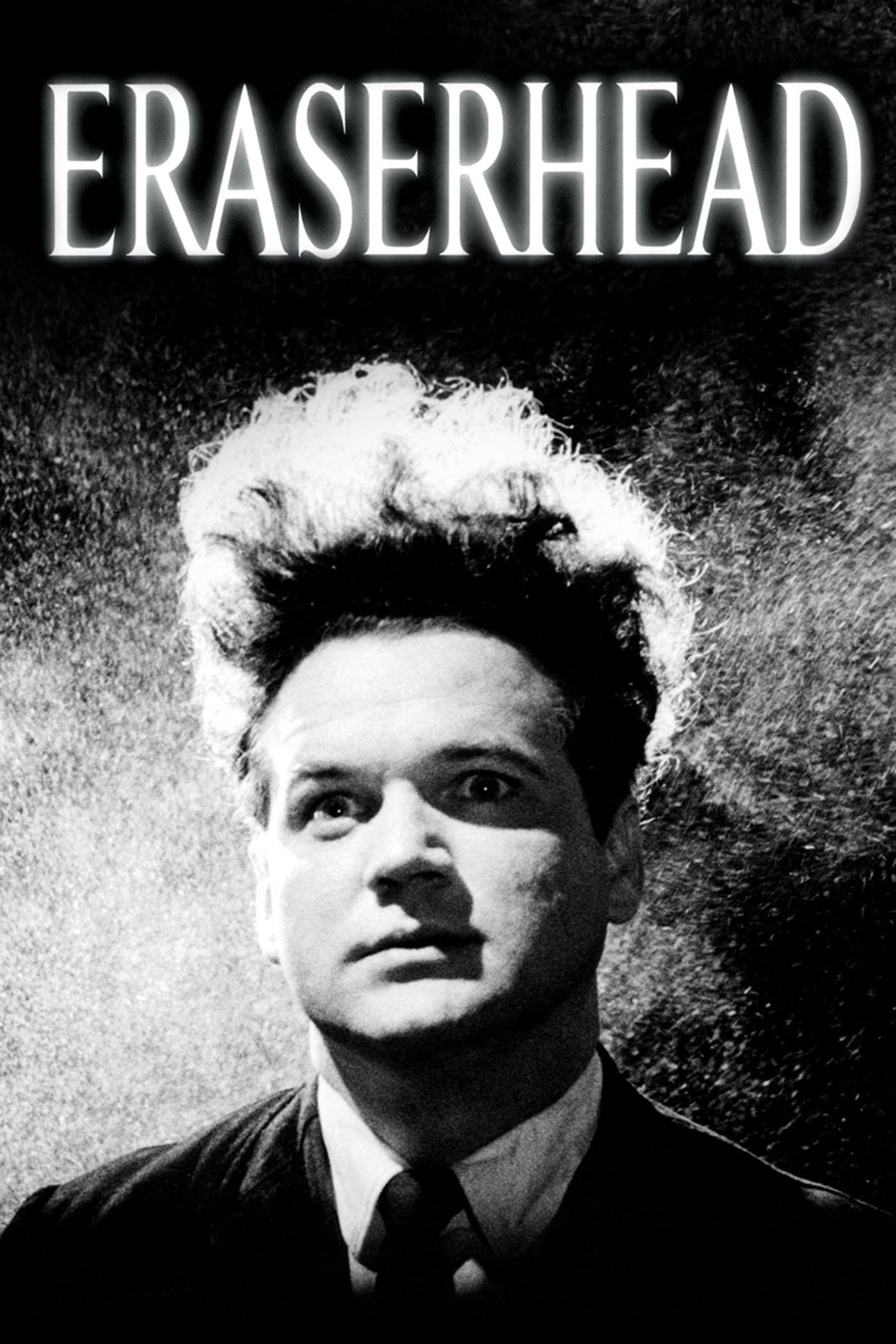
David Lynch’s first feature film spent years as a midnight movie staple before reaching a wider audience on video. Its disturbing imagery and complex sound design were better suited for the intimate setting of home viewing. The film’s success on the independent video market helped establish Lynch as a major voice in American cinema. It remains one of the most influential experimental films ever made.
‘The Room’ (2003)
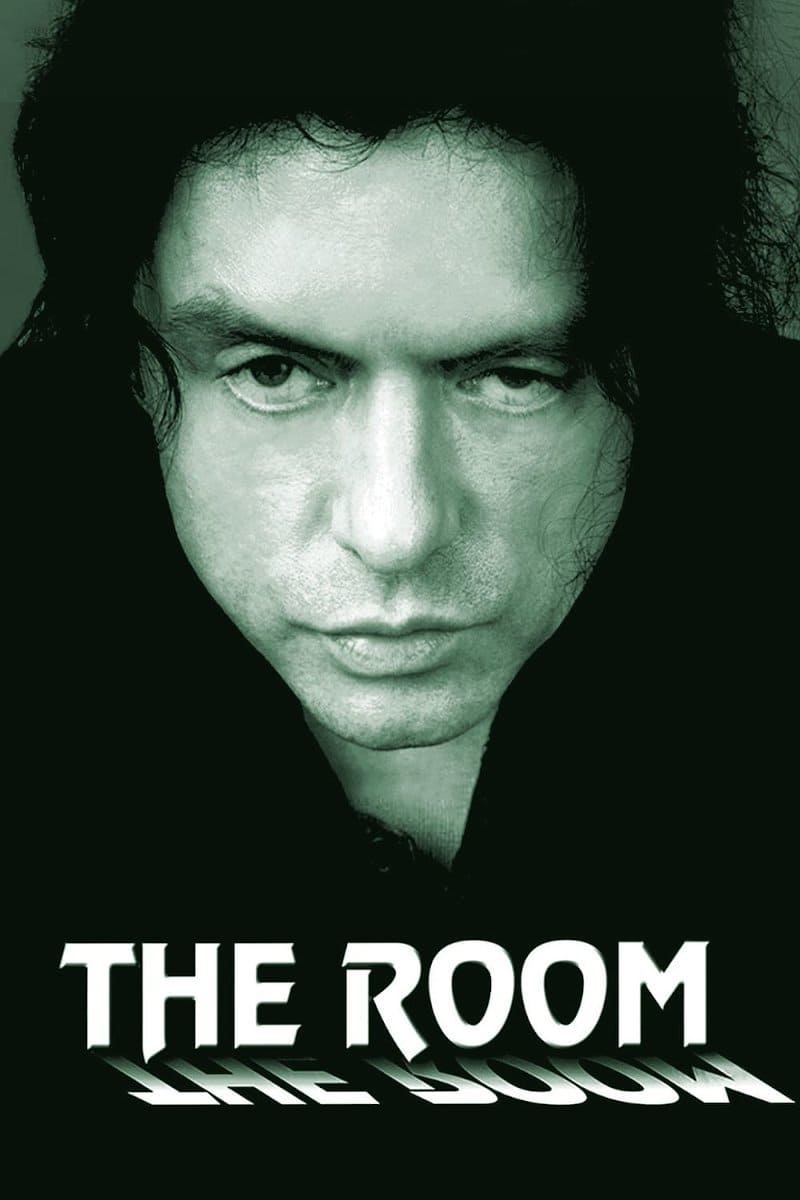
Widely considered one of the worst films ever made, ‘The Room’ initially earned only $1,800 during its two-week theatrical run. Its creator, Tommy Wiseau, kept the film in a single theater for months to ensure it qualified for the Academy Awards. Word-of-mouth about the film’s bizarre dialogue and production flaws led to sold-out midnight screenings and massive DVD sales. The film’s production was later chronicled in the Oscar-nominated film ‘The Disaster Artist’.
‘Twin Peaks: Fire Walk with Me’ (1992)
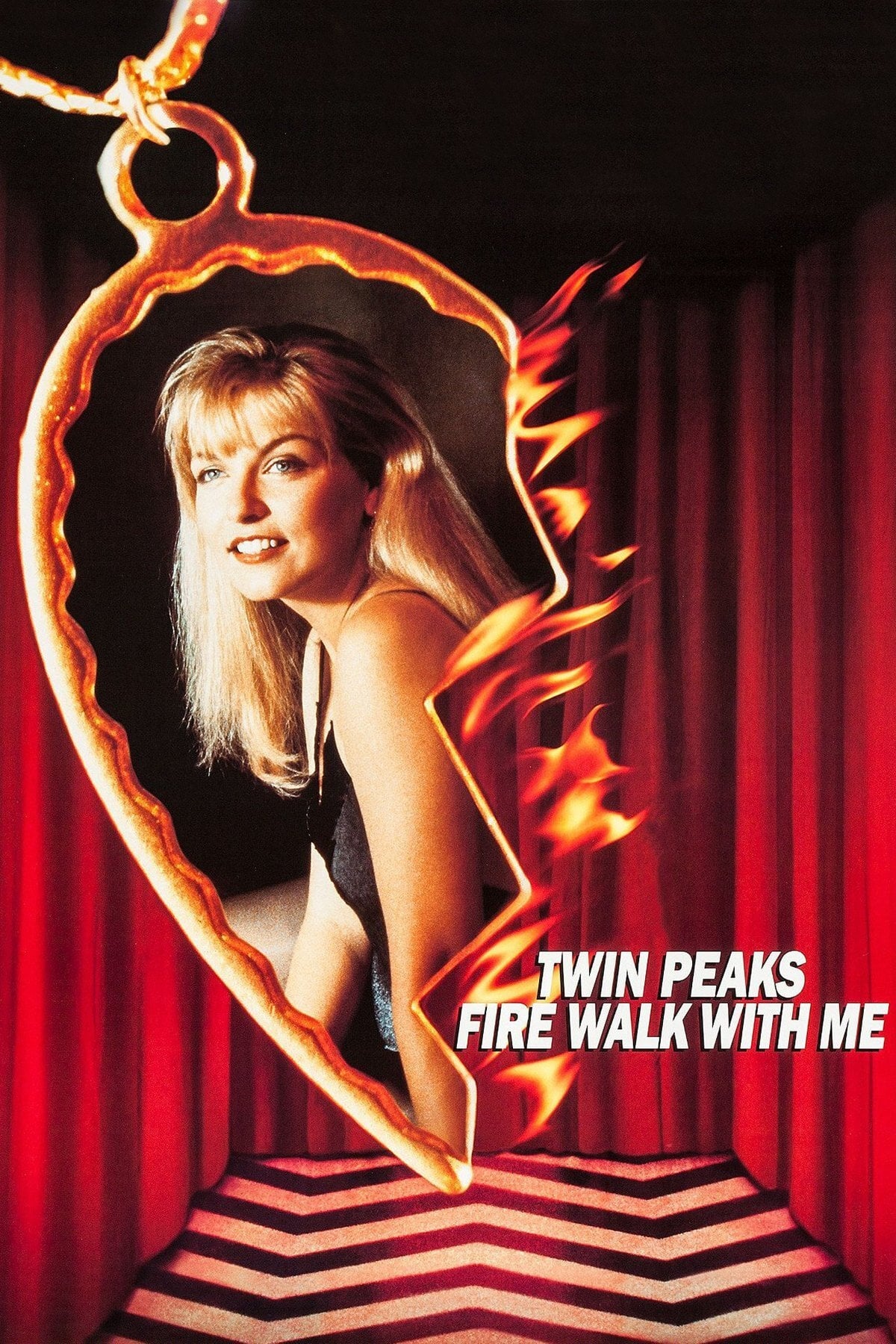
This prequel to the ‘Twin Peaks’ television series was booed at the Cannes Film Festival and failed at the box office. Fans of the show were disappointed by its dark tone and the absence of many favorite characters. Over time, the film was reassessed as one of David Lynch’s strongest works through various home video re-releases. Its 2017 Blu-ray release, which included nearly 90 minutes of deleted scenes, was highly anticipated by its global fanbase.
Tell us about your favorite movie that you discovered on home video in the comments.