Black Actors Who Said a Role Messed With Their Mind

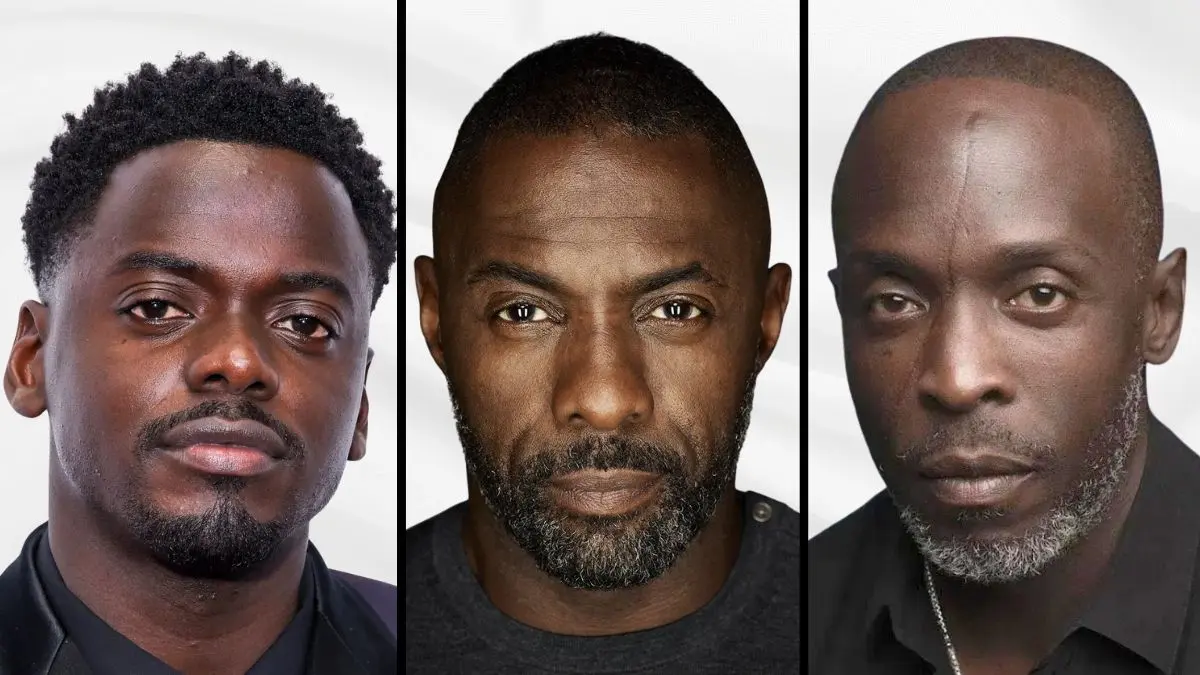

Acting often requires a deep level of emotional and psychological commitment to a character. Some performers find that their roles stay with them long after the cameras stop rolling. This phenomenon can lead to mental exhaustion or a distorted sense of reality for the individual involved. Many actors have opened up about the challenges of separating their true selves from the intense figures they portray on screen. This exploration of the human psyche is both a professional necessity and a personal risk for those in the spotlight.
Michael B. Jordan
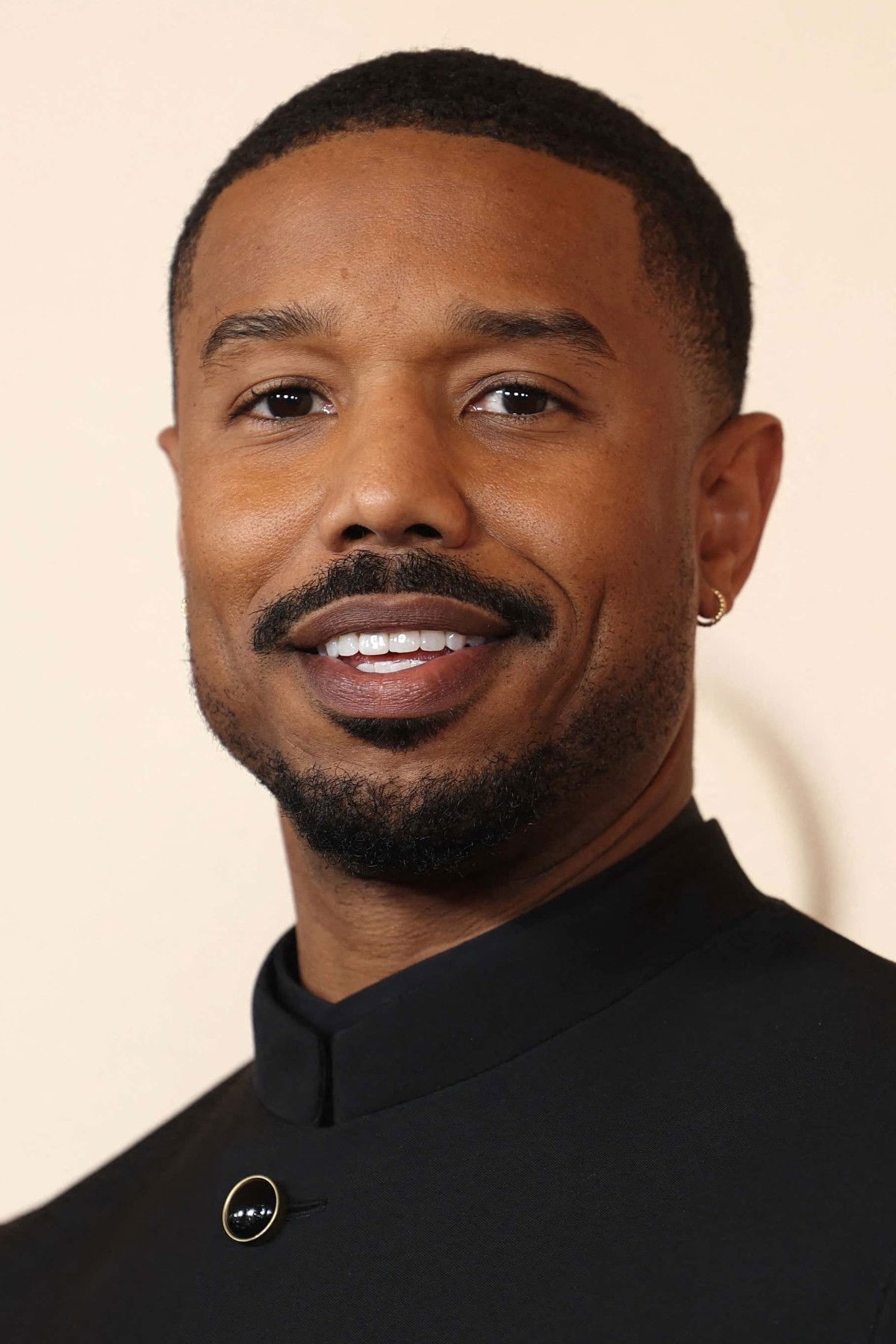
The actor sought professional therapy after playing the villainous Erik Killmonger in ‘Black Panther’. He spent a long time isolating himself from others to understand the character’s loneliness and pain. This deep immersion made it difficult for him to reconnect with his own life once filming concluded. He spoke about the struggle of letting go of the dark mindset he developed for the film. It took a conscious effort and mental health support to return to his usual self.
Forest Whitaker
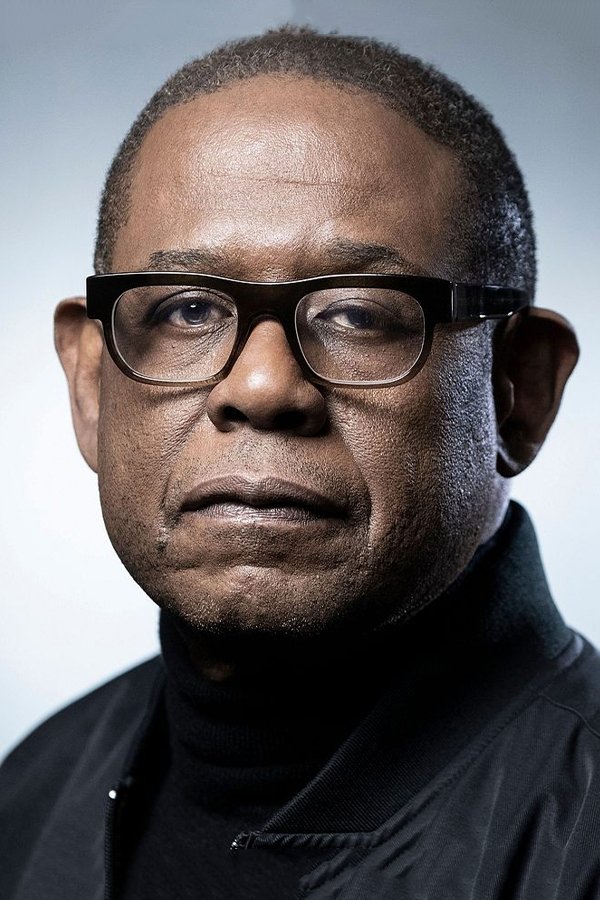
While filming ‘The Last King of Scotland’ the actor fully committed to the role of Idi Amin. He stayed in character for the entire duration of the shoot and even spoke Swahili to his family. This total immersion left him feeling spiritually and emotionally drained by the end of production. He described the experience as a form of possession that required significant time to shake off. The intensity of the performance earned him an Academy Award but came with a heavy psychological cost.
Daniel Kaluuya
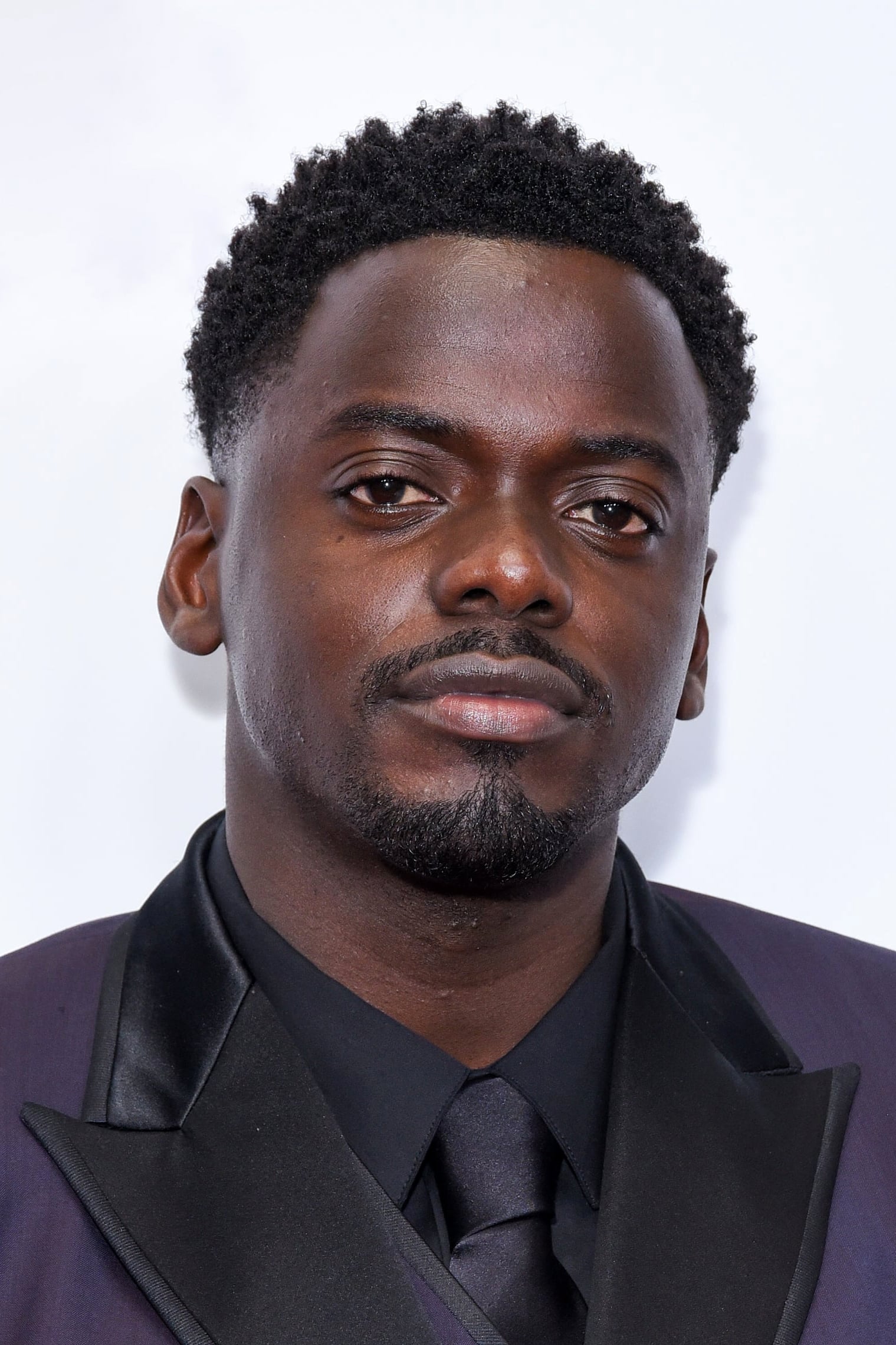
The physical and emotional demands of ‘Get Out’ took a toll on this performer during the production. He had to repeatedly access a state of deep fear and paralysis for the scenes involving the Sunken Place. The repetitive nature of these intense emotional sequences left him feeling vulnerable and exhausted. He explained that the themes of the movie resonated deeply with his own life experiences. This connection made it harder to distance himself from the trauma his character endured.
David Oyelowo
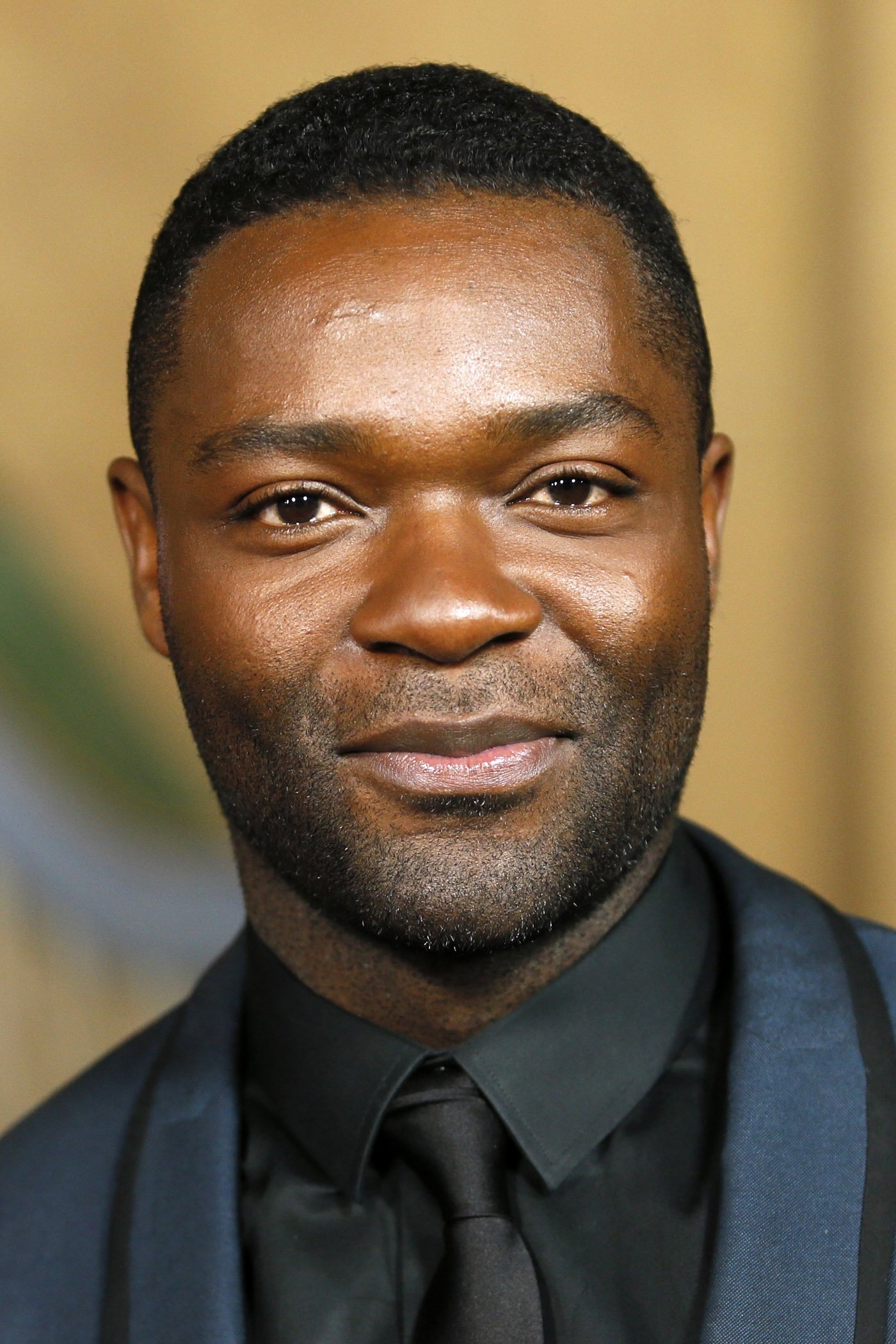
Playing Martin Luther King Jr. in ‘Selma’ was an experience that stayed with this actor for a long time. He felt a massive responsibility to portray the civil rights leader with absolute accuracy and weight. This pressure resulted in a sense of emotional heaviness that did not dissipate immediately after the shoot. He noted that the character’s struggle felt very present in his own mind during and after production. It was a transformative role that required a period of decompression to move past.
Will Smith
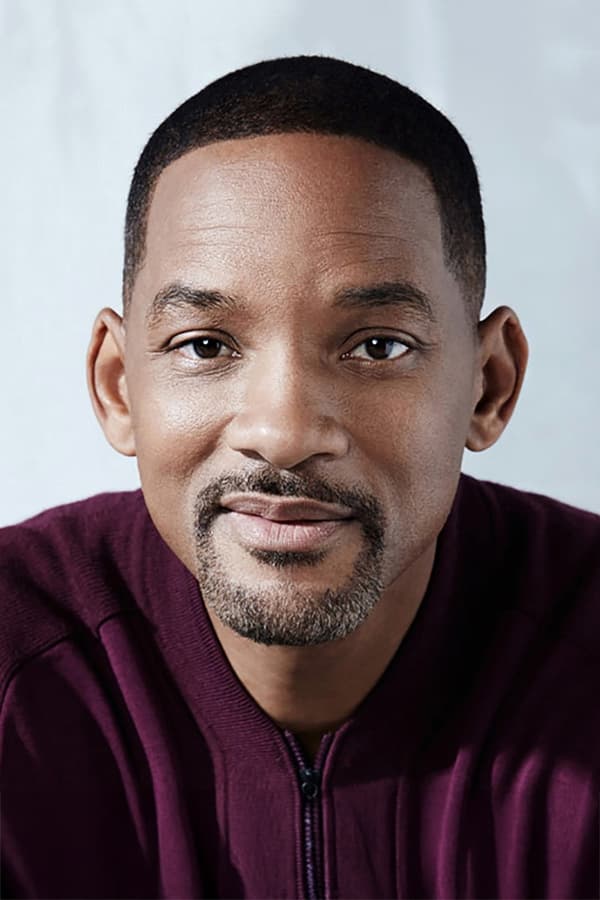
The actor experienced a profound psychological shift while filming ‘Emancipation’ as an enslaved man named Peter. He described a moment where he felt truly trapped by the physical chains used on set. This experience triggered a deep emotional response that blurred the lines between acting and reality. He felt the weight of history and the trauma of his ancestors throughout the entire process. This role was one of the most mentally taxing of his long career in Hollywood.
Denzel Washington
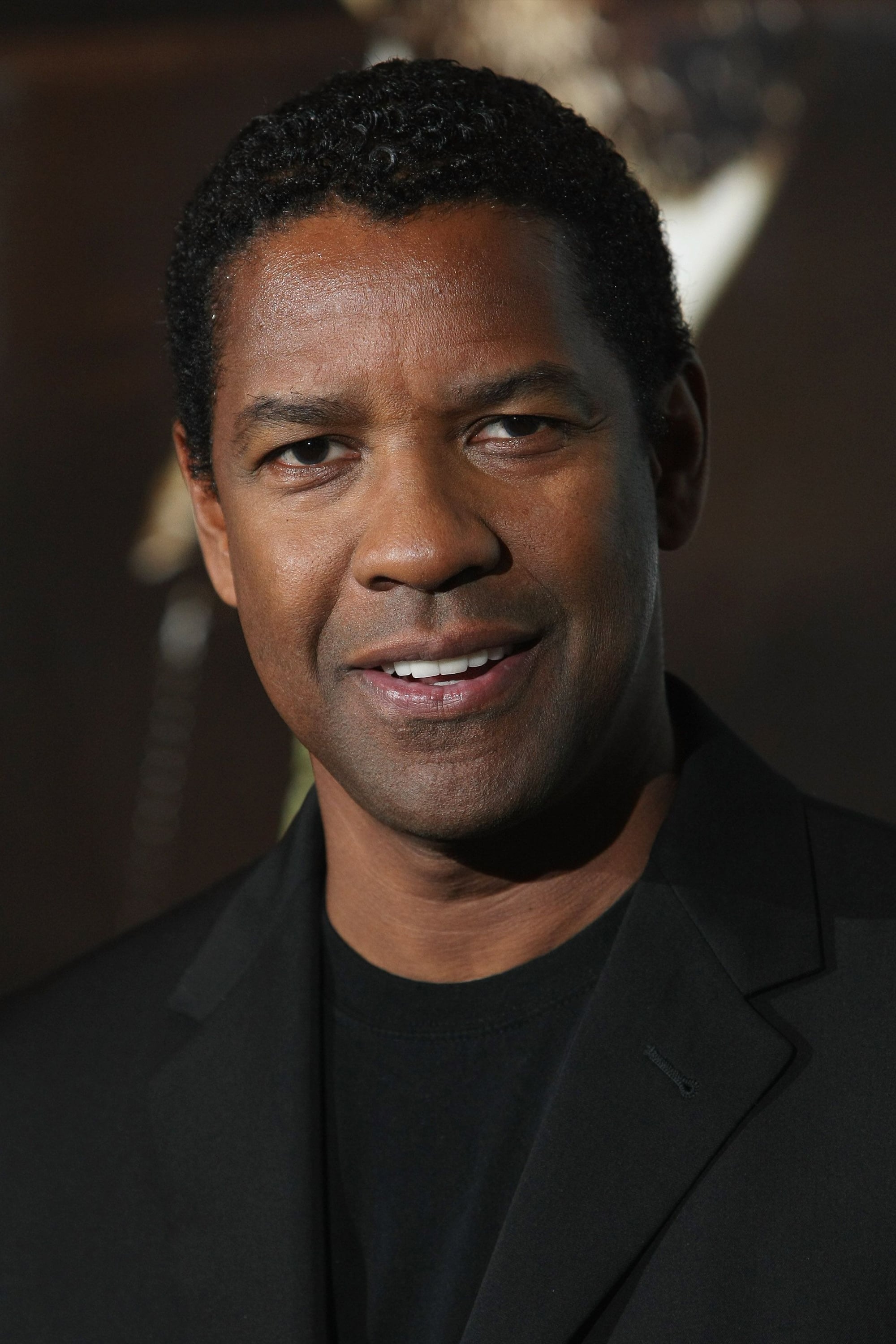
When portraying the title character in ‘Malcolm X’ the actor used a method approach to inhabit the role. He studied the leader’s life and speeches so intensely that his own personality began to shift. He felt a spiritual connection to the man that made it hard to turn the performance off. People on the set noticed that he maintained the character’s persona even during breaks. This commitment resulted in one of his most celebrated performances but left him feeling mentally fatigued.
Idris Elba
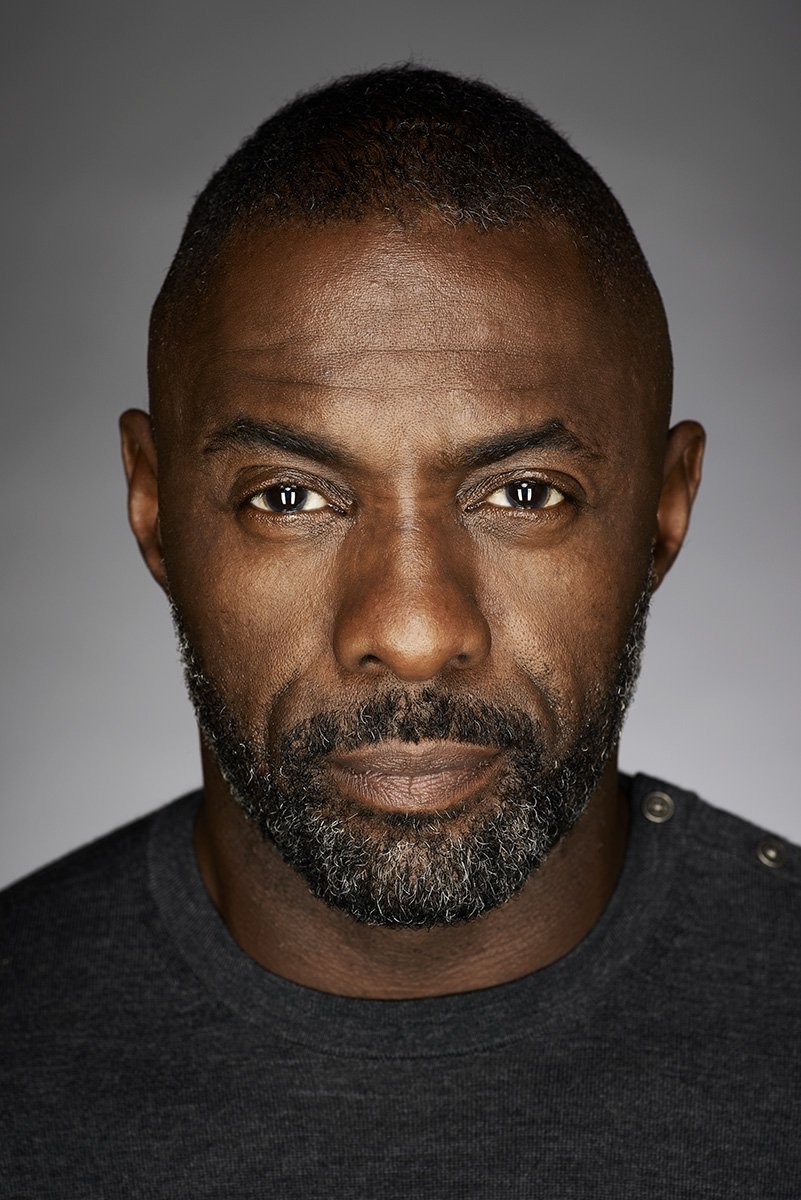
The dark and brooding nature of the character John Luther in ‘Luther’ had a lingering effect on this actor. He found that the detective’s grim worldview started to influence his own mood during the long production cycles. Playing someone who constantly deals with tragedy and depravity became an emotional burden. He has discussed the need to take long breaks between seasons to clear his head. The role remains one of his most popular but also one of his most taxing.
Laurence Fishburne
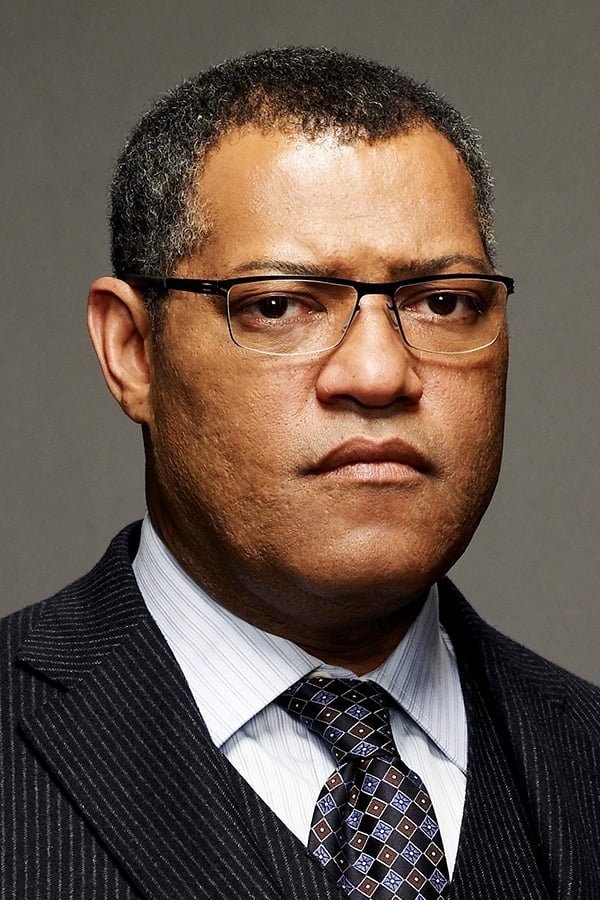
Playing the role of Ike Turner in ‘What’s Love Got to Do with It’ was a difficult experience for this actor. He had to portray a person who committed acts of domestic violence which felt unnatural and upsetting to him. The negative energy required for the performance stayed with him during the production. He focused on the humanity of the character to cope with the darker scenes. It was a relief for him to finally step away from the role after the movie was finished.
Jamie Foxx
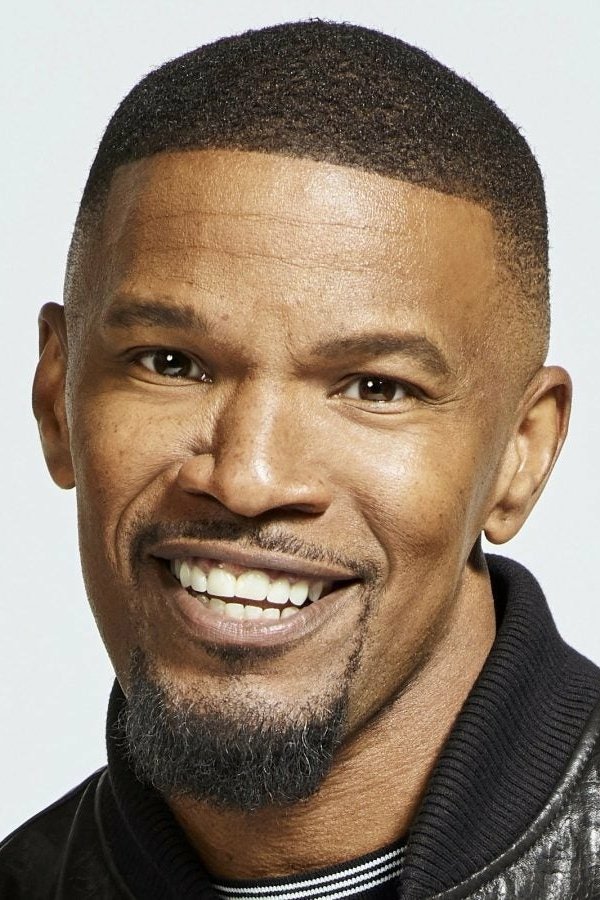
The process of playing Ray Charles in the film ‘Ray’ involved significant physical and mental changes. The actor had his eyes glued shut for up to fourteen hours a day to simulate the musician’s blindness. This sensory deprivation led to several panic attacks and a feeling of claustrophobia on set. He had to learn to navigate the world without sight while maintaining a complex emotional performance. The experience was both a professional triumph and a major psychological hurdle.
Michael Kenneth Williams
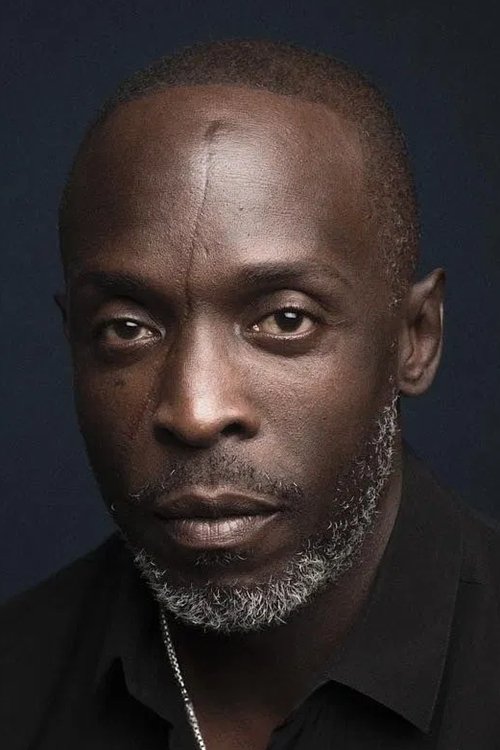
The role of Omar Little on ‘The Wire’ became deeply intertwined with this actor’s personal identity. He found that the public often confused him with the character and he struggled to separate the two. This confusion contributed to his personal struggles and a feeling of lost identity. He loved the character but felt the weight of the dark path Omar walked in the show. He was very open about how the role affected his mental health and his life outside of acting.
John Boyega
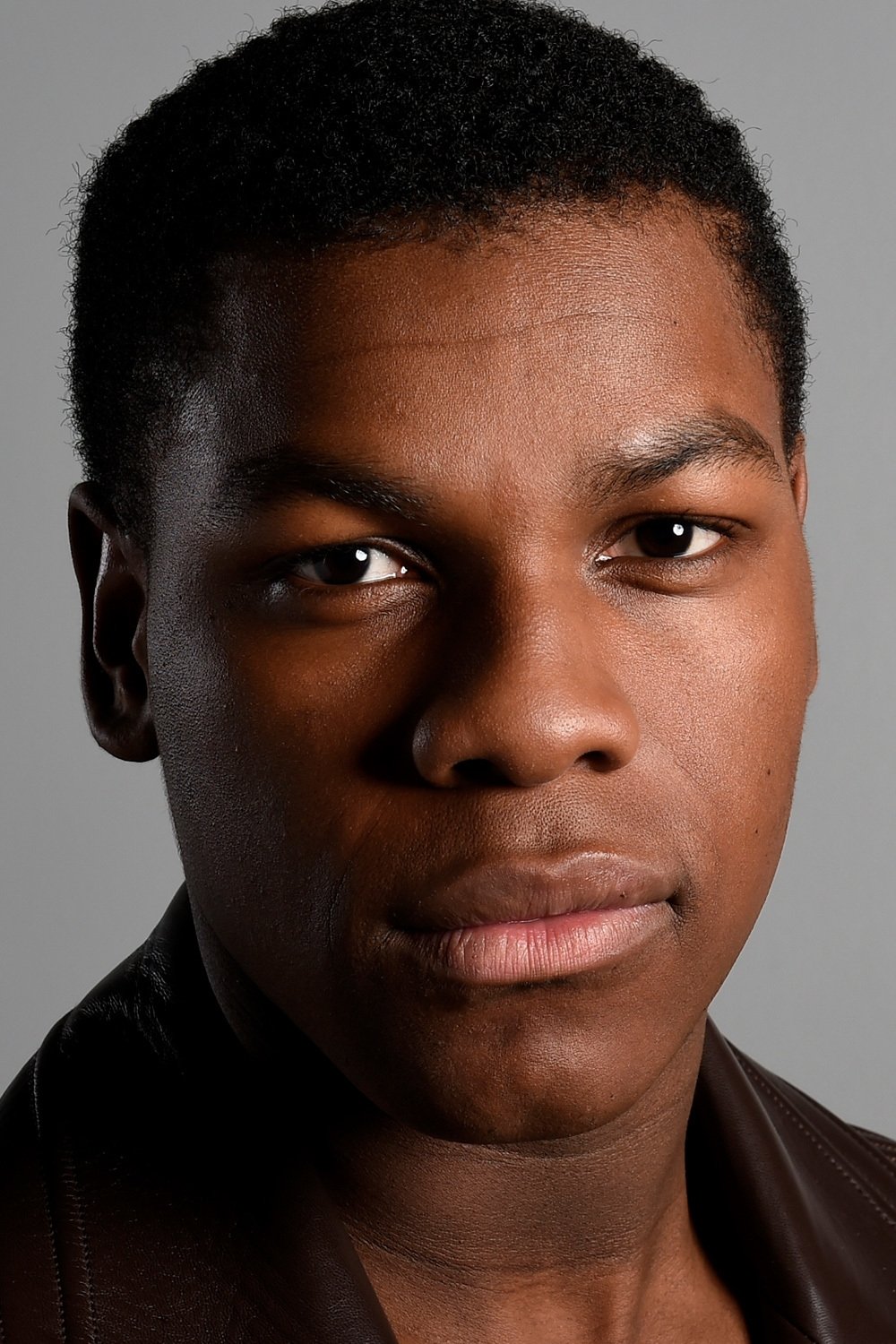
The intense and traumatic scenes in ‘Detroit’ left this actor feeling emotionally scarred. He played a security guard caught in a horrific situation involving police brutality and civil unrest. The realism of the sets and the intensity of the performances made the experience feel all too real. He mentioned that the cast felt a collective sense of trauma while filming the most difficult sequences. It was a role that forced him to confront painful historical realities on a daily basis.
Yahya Abdul-Mateen II
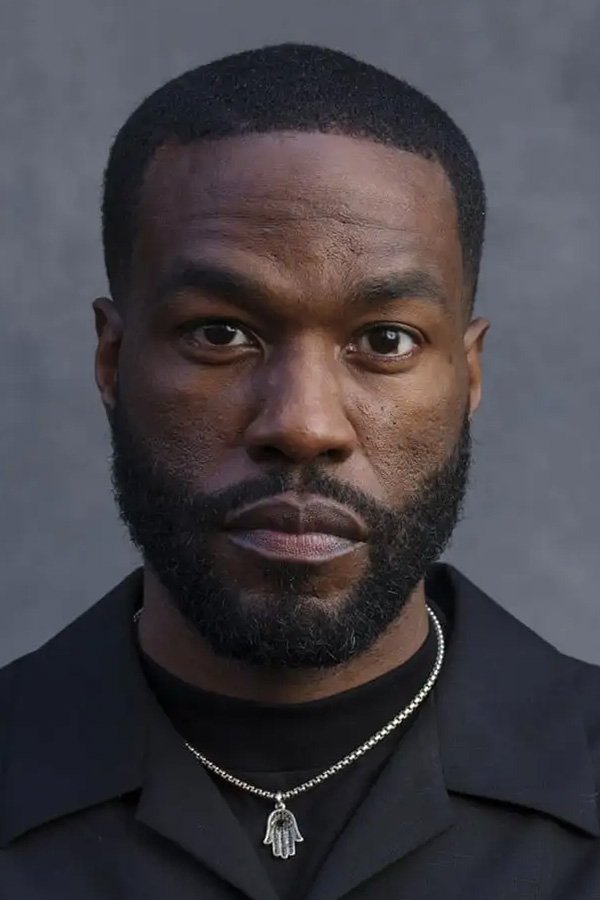
While filming ‘Candyman’ the actor had to engage with themes of trauma and historical violence. He felt that the character’s descent into madness and physical transformation was mentally draining. The role required him to stay in a state of high tension and fear for long periods. He spoke about the importance of finding ways to decompress after such heavy work. The psychological horror of the project was something he felt long after the shoot ended.
Lakeith Stanfield
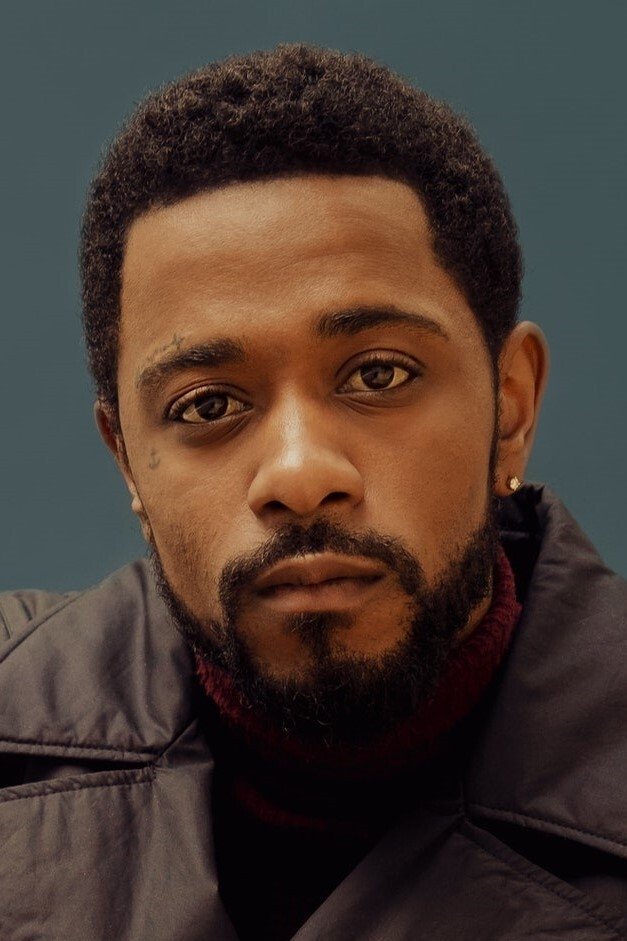
The actor felt a heavy emotional burden while playing the informant William O’Neal in ‘Judas and the Black Messiah’. He found it difficult to inhabit the mind of a man who betrayed a leader he actually admired in real life. This internal conflict caused him significant stress and led to him seeking therapy after the film. He noted that his body felt the physical effects of the character’s anxiety and guilt. It was a challenging role that tested his mental resilience in new ways.
Chiwetel Ejiofor
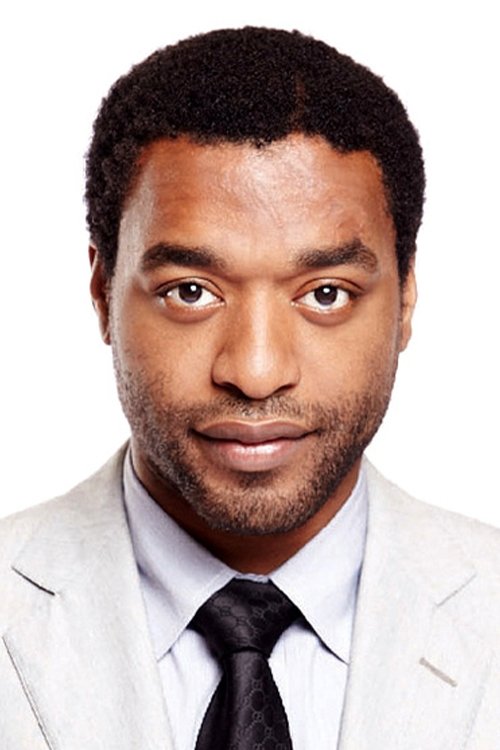
The role of Solomon Northup in ’12 Years a Slave’ was a grueling experience for this actor. He had to maintain a state of constant suffering and resilience throughout the entire production. The historical weight of the story made every scene feel incredibly significant and heavy. He felt a deep sense of responsibility to the real person he was portraying on screen. This commitment resulted in a performance that was as emotionally exhausting as it was critically acclaimed.
Jharrel Jerome
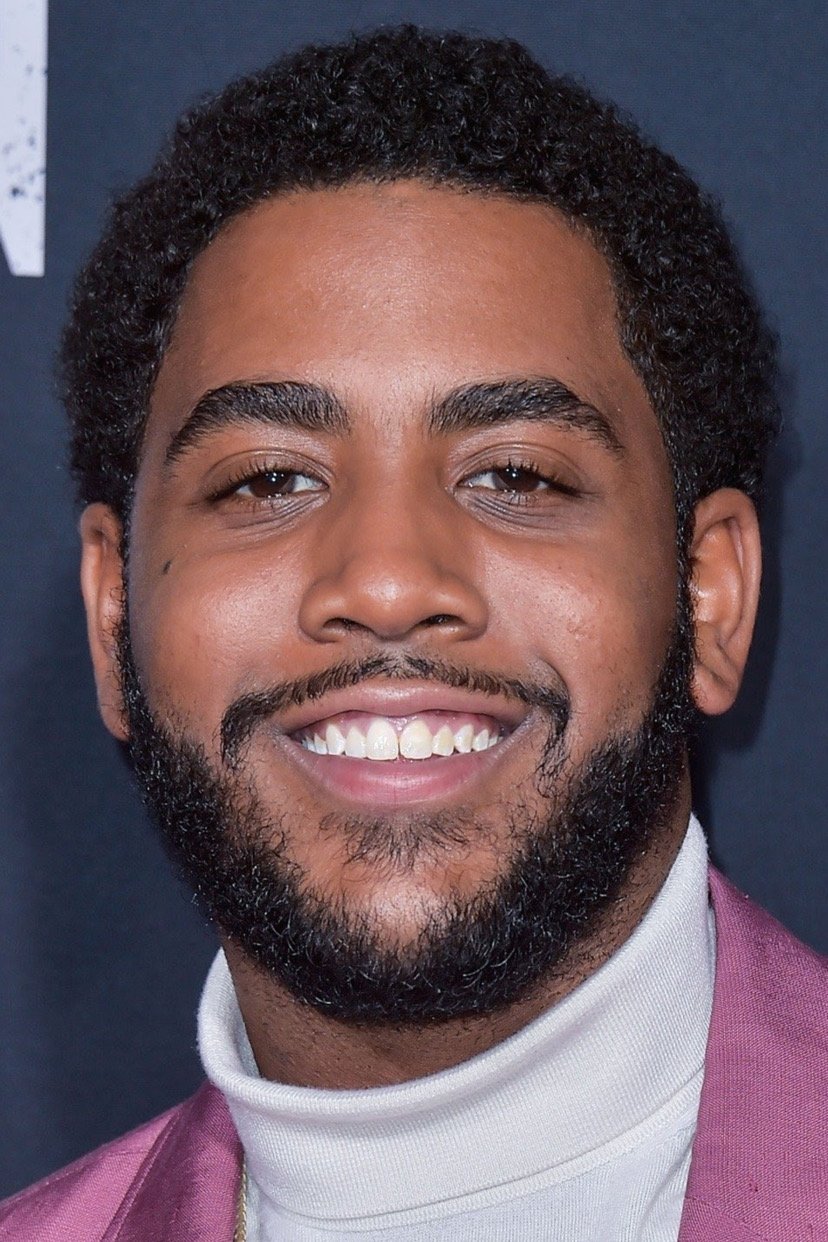
Playing the role of Korey Wise in ‘When They See Us’ had a profound impact on this young actor. He spent time with the real Korey Wise to understand the trauma of being wrongfully imprisoned for years. The scenes involving solitary confinement were particularly difficult for him to film mentally. He felt the weight of the injustice so deeply that it affected his mood off set. This performance earned him an Emmy but required a massive amount of emotional labor.
Jason Mitchell
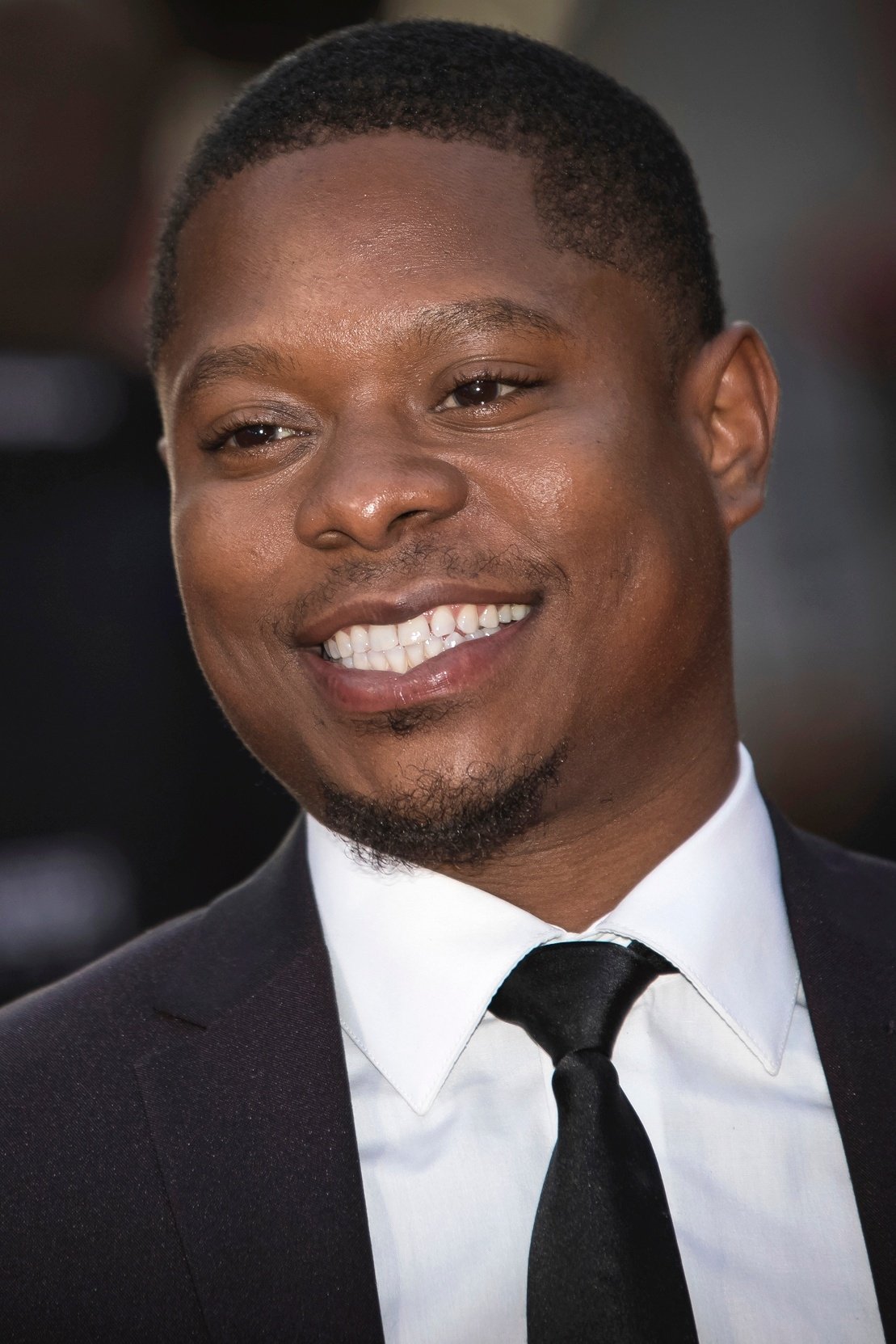
The actor faced a difficult transition after playing Eazy-E in the biopic ‘Straight Outta Compton’. He felt that he had to lose himself completely to capture the essence of the rapper. This deep level of method acting made it hard for him to find his own identity again once the movie wrapped. He has discussed how the role changed his perspective on life and his career. The experience was a breakthrough for him but came with significant emotional challenges.
Omari Hardwick
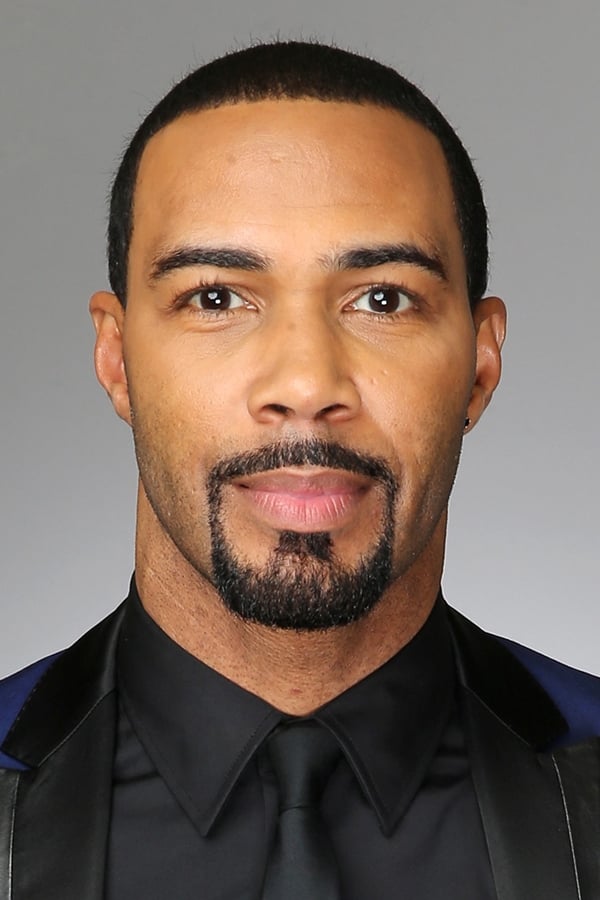
Starring as James St. Patrick in ‘Power’ for several years took a mental toll on this actor. He found that the character’s duality and constant stress began to mirror his own feelings. The pressure of leading a high-profile series while playing a criminal with a secret life was exhausting. He often spoke about the need for spiritual and mental grounding to stay healthy. The role defined his career for a decade but was a heavy weight to carry.
Damson Idris
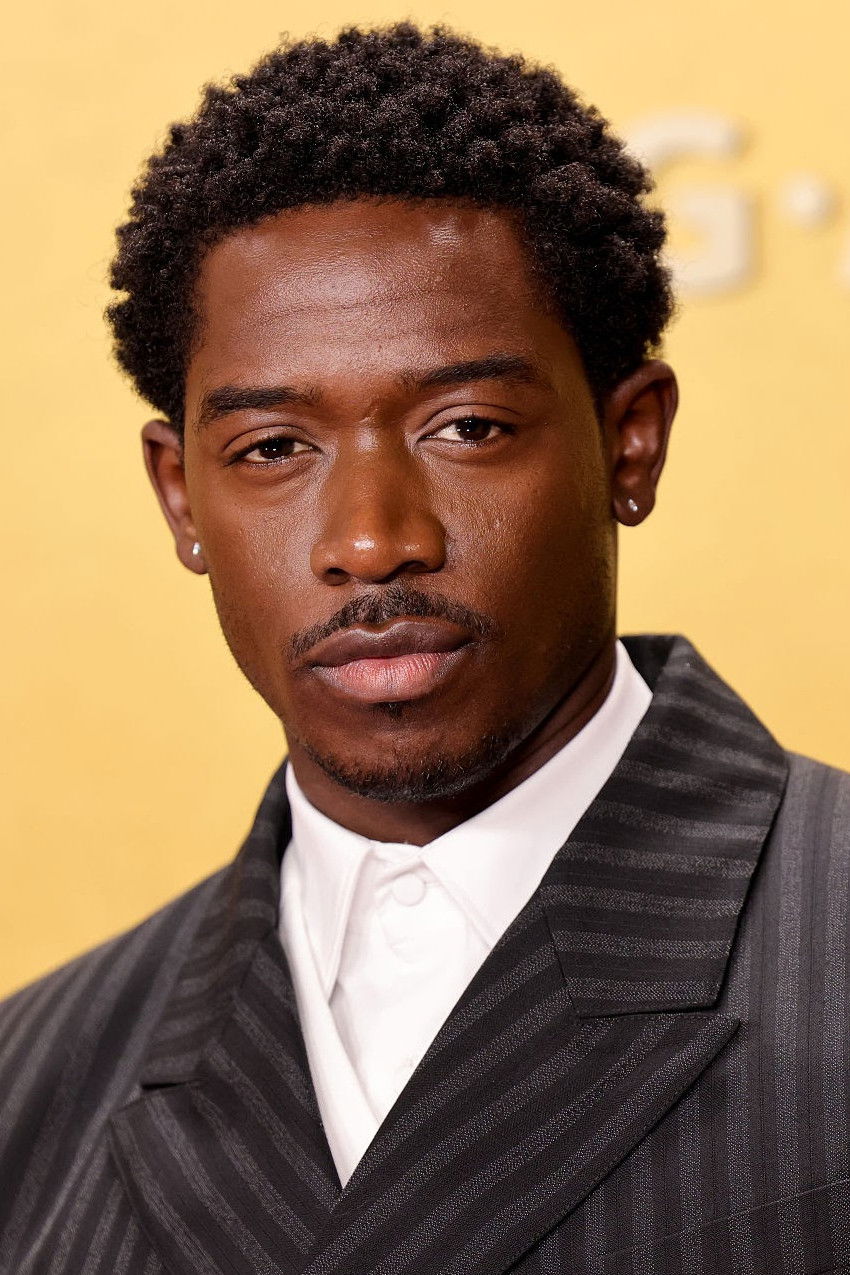
While filming the final season of ‘Snowfall’ the actor utilized intense methods to access his character’s darker side. He admitted to calling on dark energy and even screaming in his trailer to reach the necessary emotional state. This practice left him feeling unsettled and physically drained during the production. He eventually realized he needed to step back from those methods to protect his own well-being. The character of Franklin Saint was a career-defining role that pushed him to his limits.
Winston Duke

The actor played two very different roles in the horror film ‘Us’ which required a lot of mental flexibility. He had to switch between a father figure and a terrifying tethered version of himself. The dark nature of the tethered character Abraham was particularly draining to inhabit. He focused on the physicality of the roles to help distinguish them in his mind. The experience was a lesson in the psychological demands of the horror genre.
Billy Porter
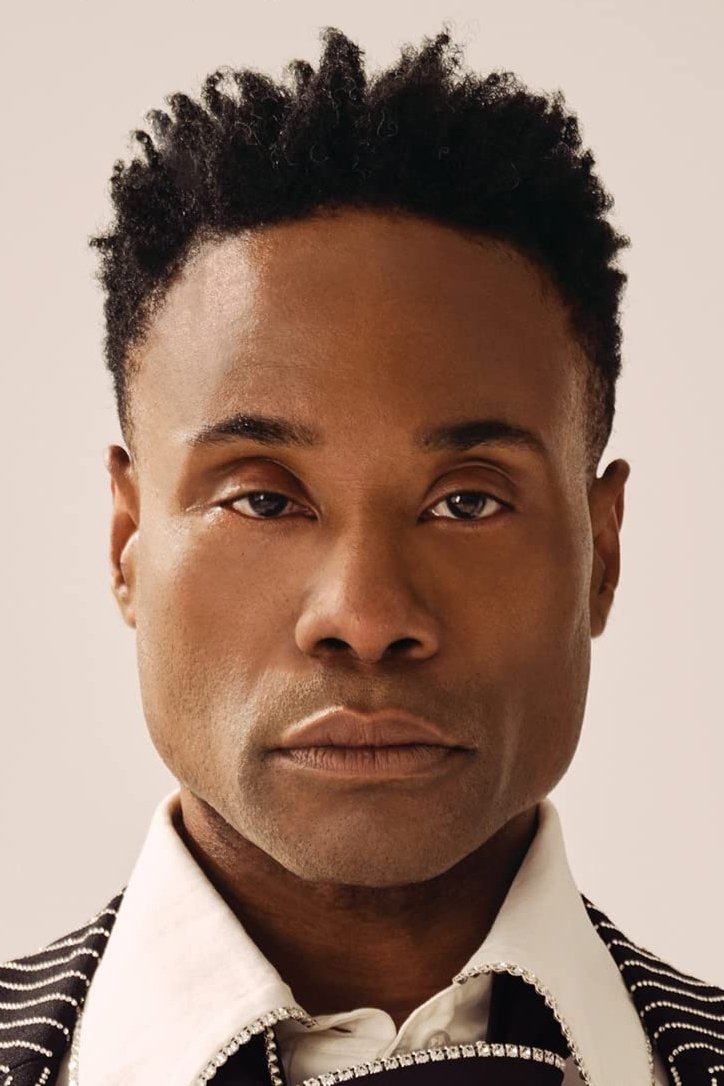
Playing Pray Tell in ‘Pose’ was a deeply personal and often painful experience for this actor. The character’s struggles with the AIDS crisis mirrored many of his own lived experiences and those of his friends. He had to relive traumatic historical moments every day on set. This emotional vulnerability was necessary for the role but extremely difficult to manage. He used his art as a form of healing while acknowledging the heavy toll it took.
Colman Domingo
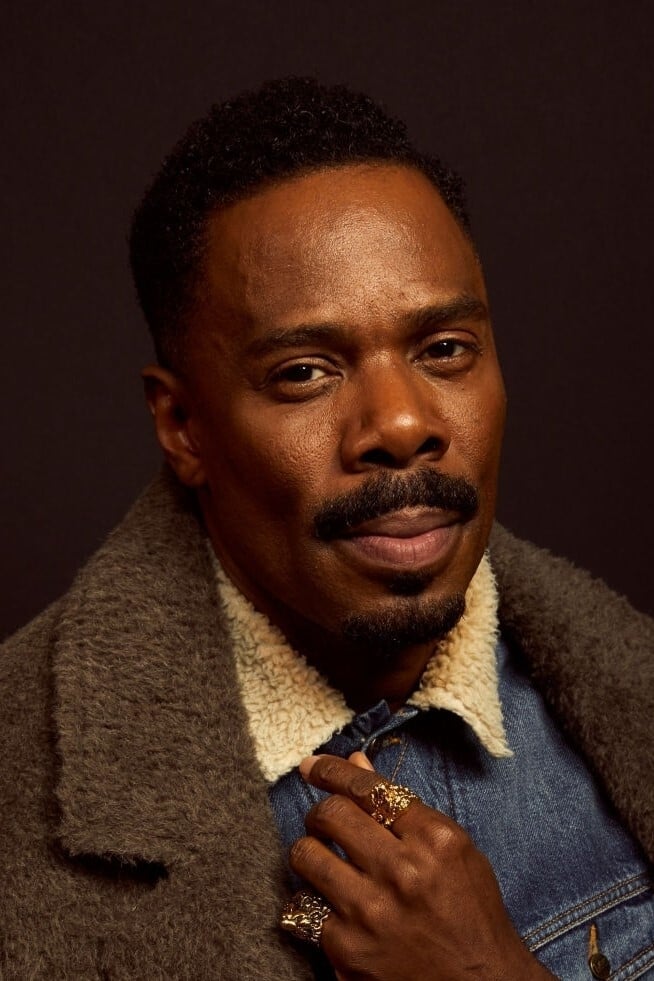
The actor felt a significant emotional weight while portraying the activist Bayard Rustin in ‘Rustin’. He dedicated himself to honoring the legacy of a man who had been largely forgotten by history. This sense of duty made the performance feel more like a mission than a job. He found that the character’s passion and struggles stayed with him long after the workday ended. The role required a high level of mental energy and focus to execute properly.
Ashton Sanders
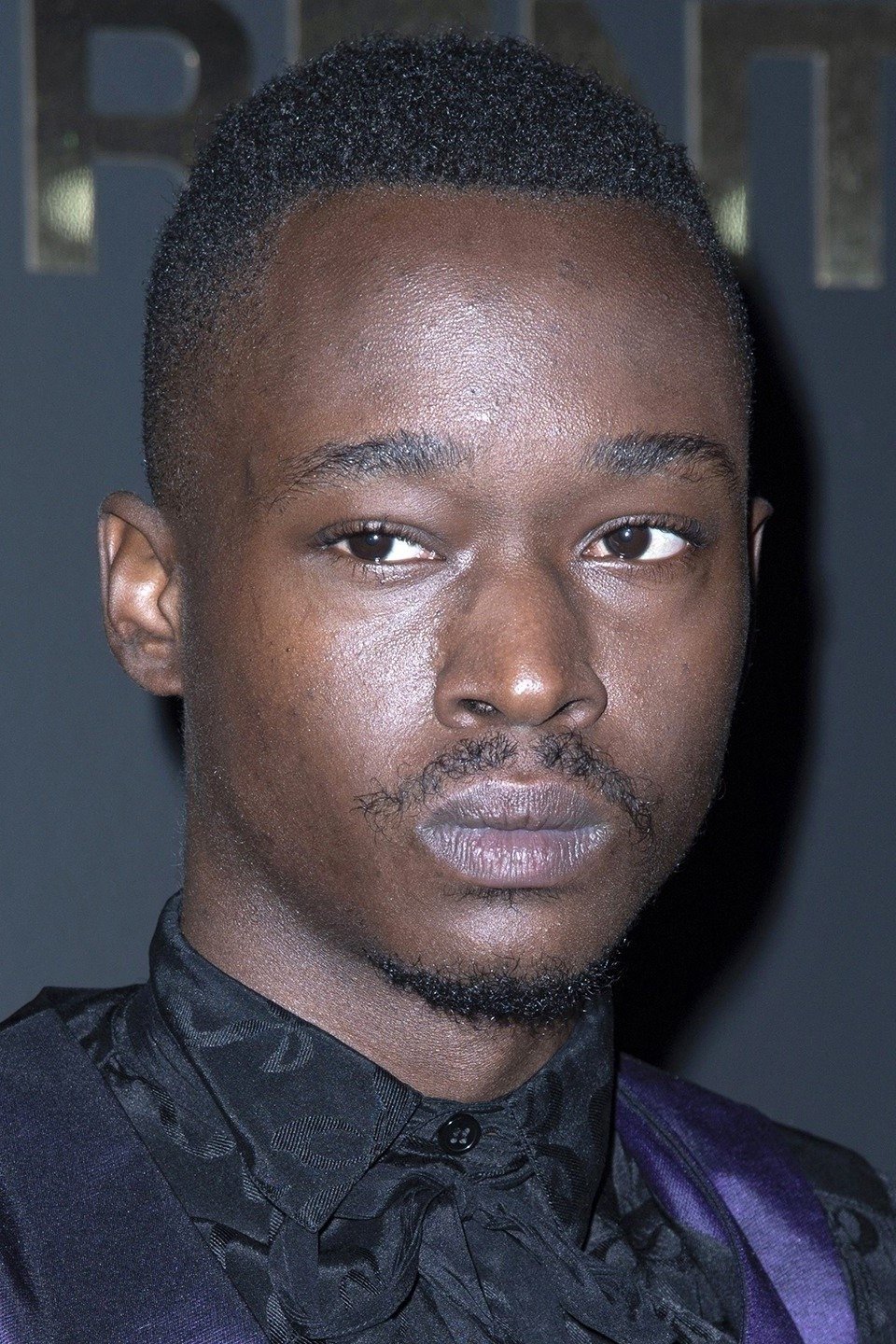
The actor played the teenage version of Chiron in ‘Moonlight’ and felt the character’s pain deeply. He had to inhabit a world of silence and repressed emotion for the duration of the shoot. This internal struggle made him feel isolated and vulnerable on set. He mentioned that the role forced him to explore parts of his own psyche that were uncomfortable. The resulting performance was powerful but left him feeling emotionally raw.
Don Cheadle
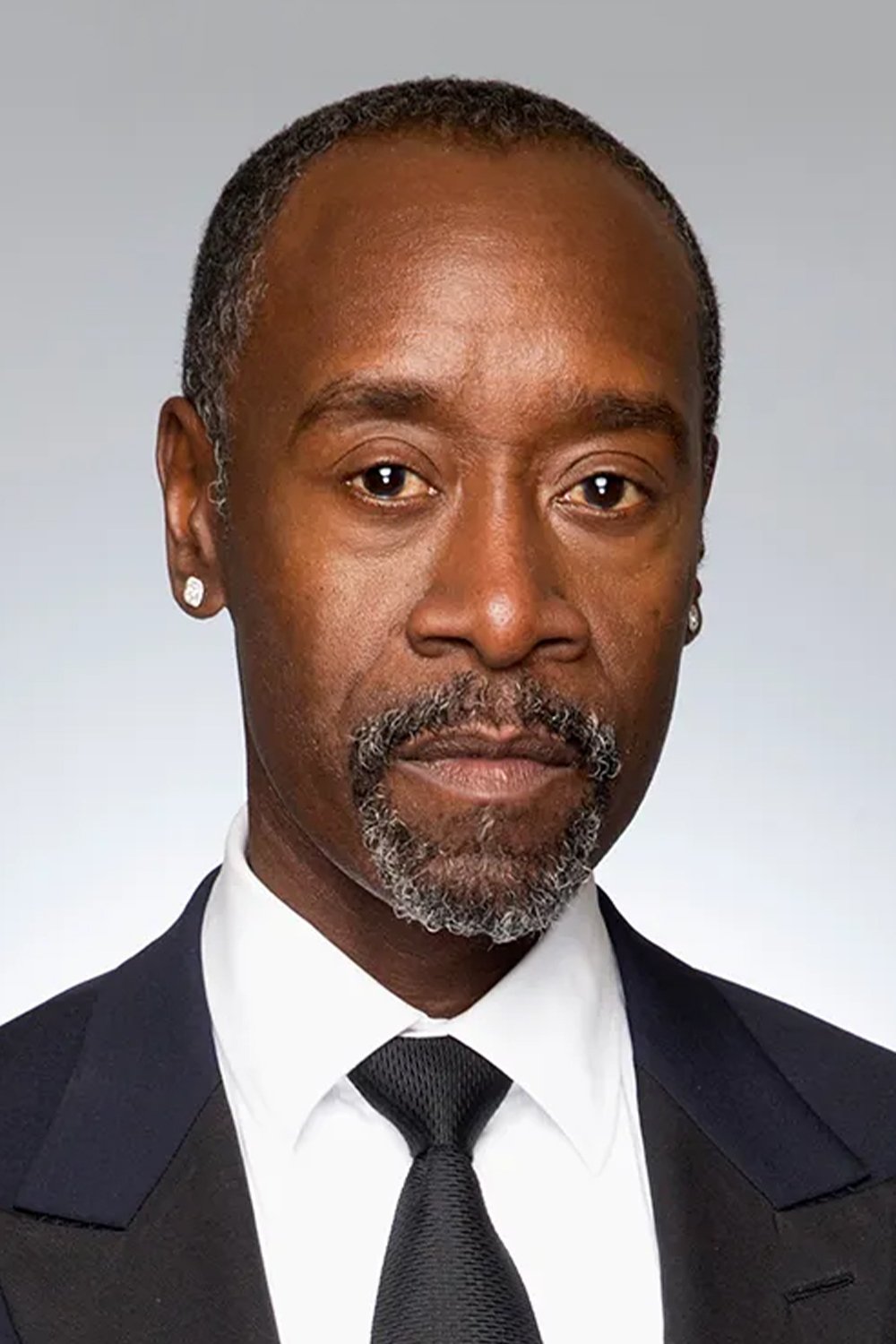
While filming ‘Hotel Rwanda’ the actor was immersed in the history of the Rwandan genocide. He felt a massive responsibility to the survivors and the memory of those who were lost. The intensity of the subject matter made for a very somber and difficult filming environment. He had to maintain a balance between his character’s bravery and the surrounding horror. This role was a significant professional achievement that required a great deal of emotional fortitude.
Derek Luke

The actor had a very emotional experience playing the title role in ‘Antwone Fisher’. He worked closely with the real Antwone Fisher to bring the story of childhood trauma and healing to life. The process of filming the most difficult scenes was often overwhelming for him. He felt a deep connection to the material that made it hard to separate his own feelings. This role launched his career but was a very intense emotional journey.
Nate Parker
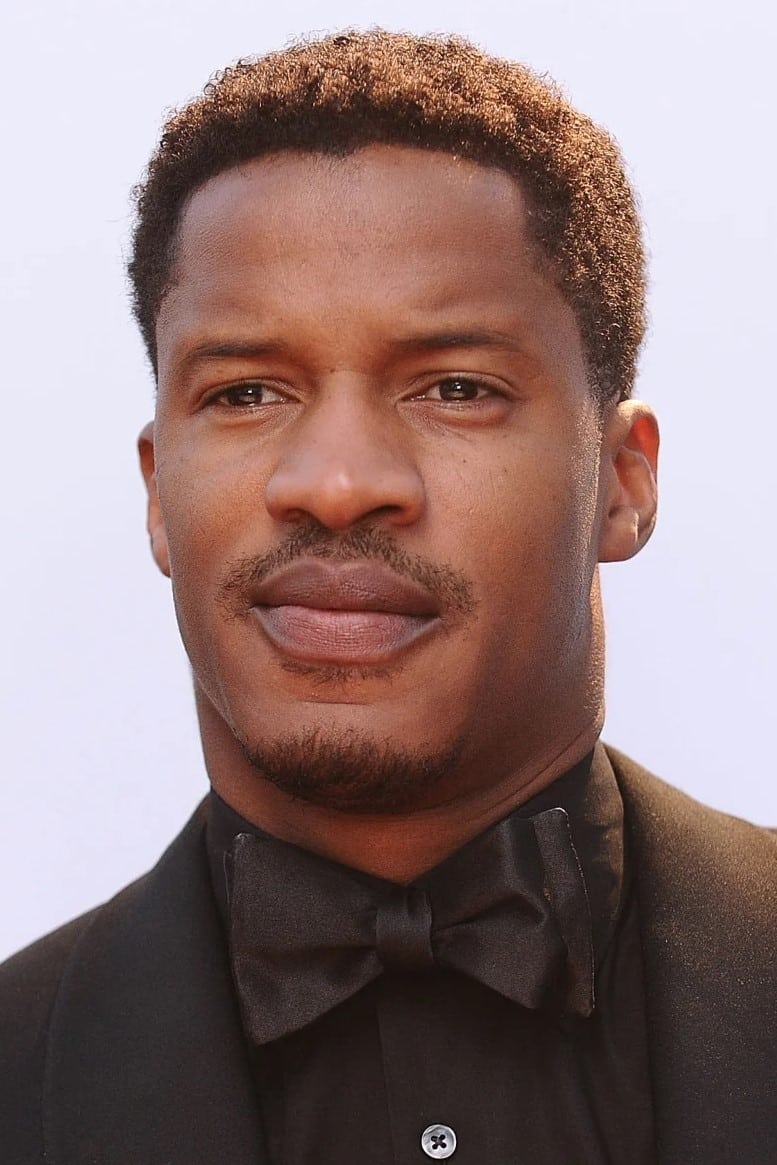
The actor spent years preparing for the role of Nat Turner in ‘The Birth of a Nation’. He fasted and isolated himself to get into the headspace of the historical figure. This extreme preparation affected his physical and mental health during the production. He felt a spiritual calling to tell the story which added to the psychological weight of the performance. The role was an all-consuming project that stayed with him for a long time.
Courtney B. Vance
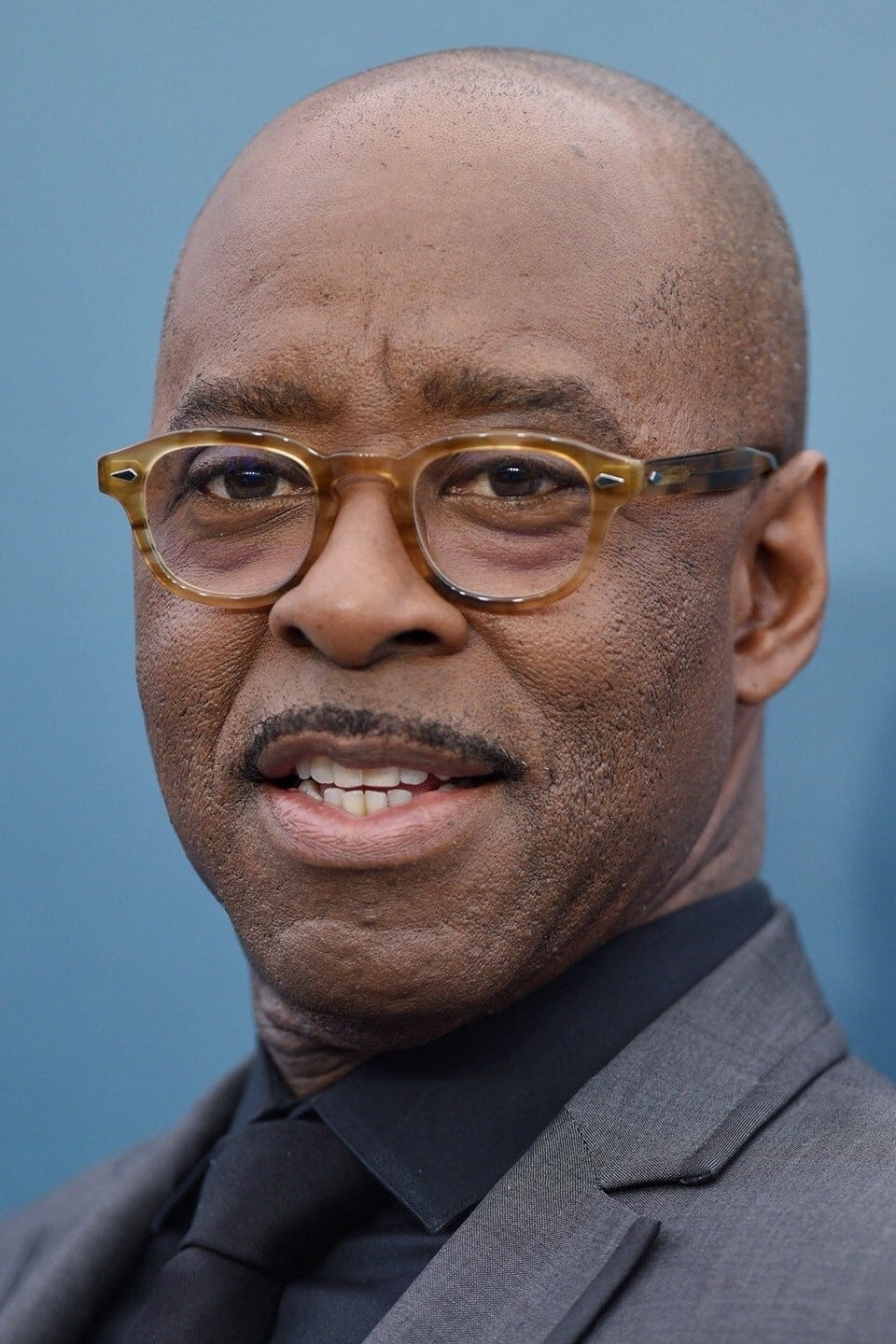
Playing Johnnie Cochran in ‘The People v. O. J. Simpson’ required a high level of mental agility. The actor had to capture the lawyer’s famous charisma and legal brilliance during a very tense historical moment. He felt the pressure of portraying a well-known public figure with accuracy. The long days of filming complex courtroom scenes were intellectually and emotionally draining. He won an Emmy for the role but noted the exhaustion that followed the production.
Mahershala Ali
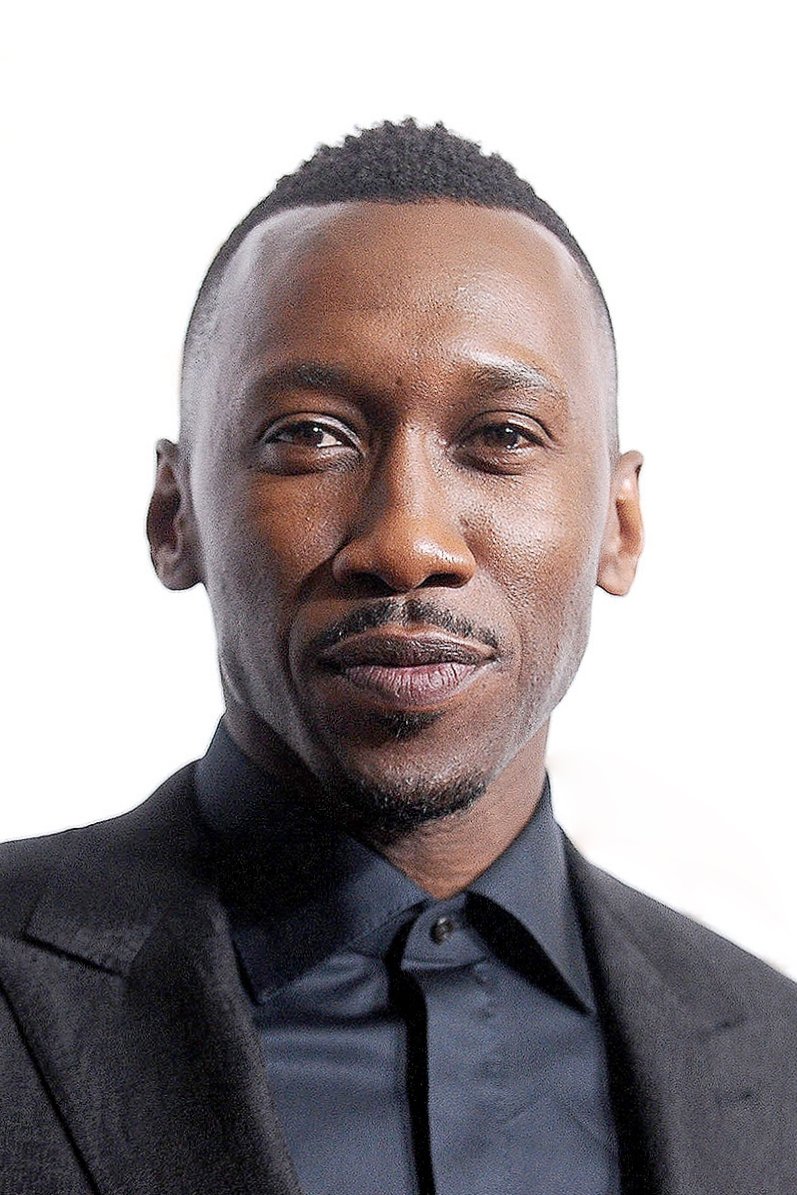
The role of Wayne Hays in ‘True Detective’ required the actor to play the same character across three different time periods. This meant he had to constantly adjust his mental state and physicality to reflect the character’s aging and memory loss. The theme of dementia was particularly heavy and difficult to portray convincingly. He found the process of inhabiting such a fractured mind to be very draining. The complexity of the role was a major challenge for his mental focus.
Sterling K. Brown
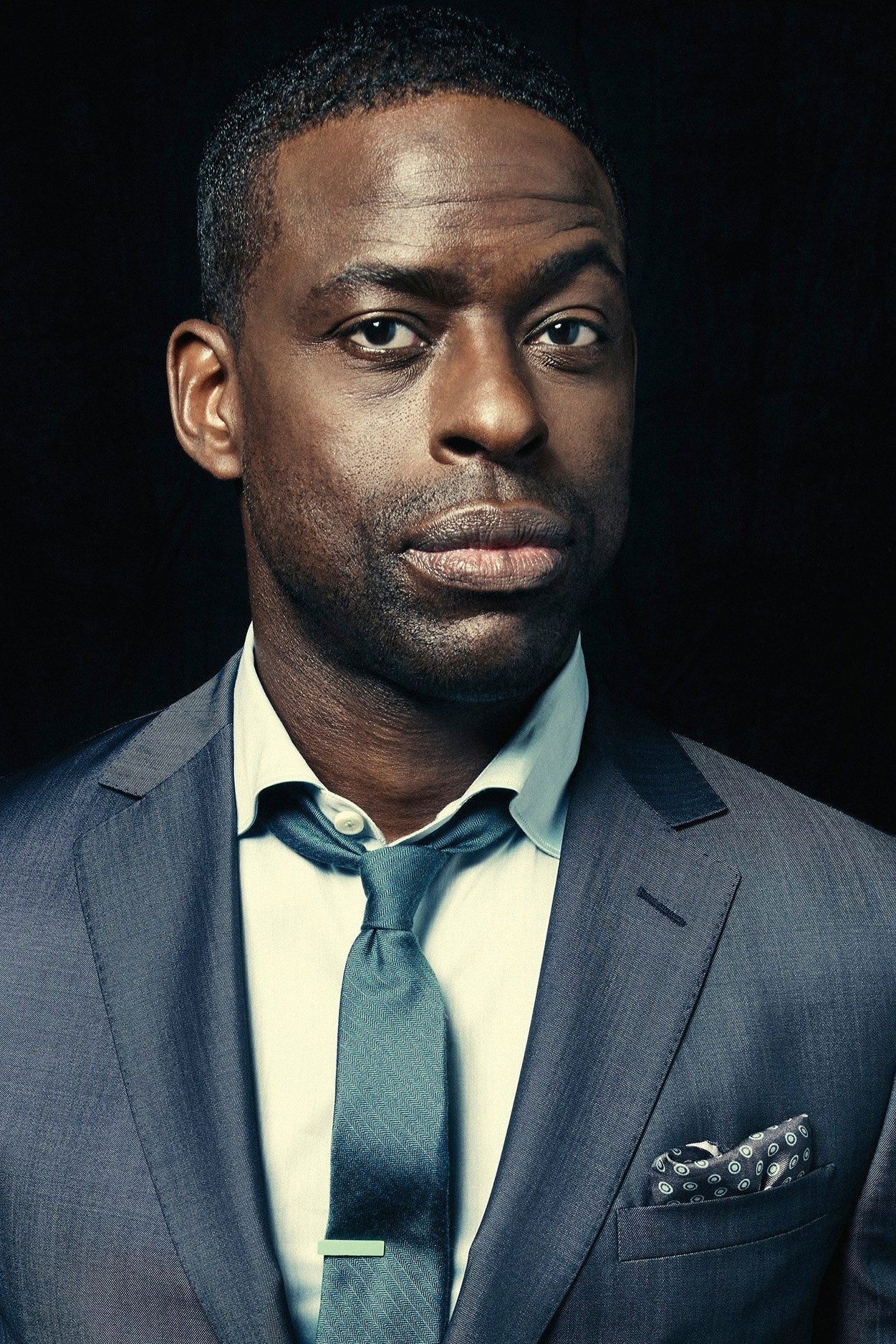
Portraying Christopher Darden in ‘The People v. O. J. Simpson’ was an emotionally charged experience for this actor. He had to navigate the character’s complicated role in a trial that divided the nation along racial lines. He felt the weight of Darden’s public scrutiny and personal struggles throughout the shoot. The performance required him to be in a constant state of professional and personal tension. He earned great acclaim for the role but felt a need to decompress afterward.
Jonathan Majors
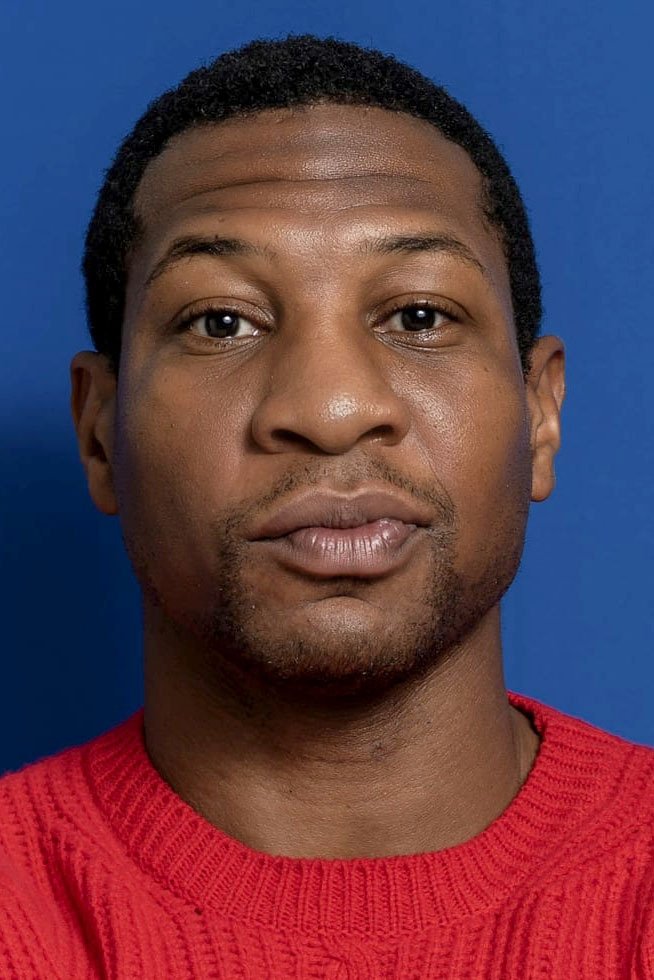
For his role in ‘Magazine Dreams’ the actor underwent a massive physical and mental transformation. He played a troubled bodybuilder and pushed his body to extreme limits to look the part. The character’s social isolation and mental instability started to bleed into his own life. He spoke about the difficulty of maintaining such an intense and dark persona for months. This role was a significant test of his ability to separate his work from his reality.
Chadwick Boseman
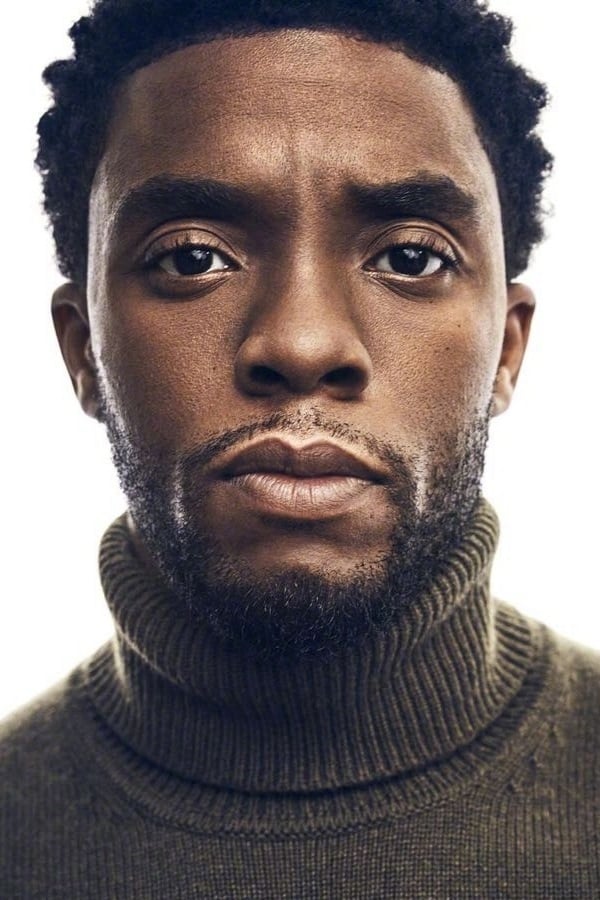
The actor delivered an incredibly intense performance as Levee Green in ‘Ma Rainey’s Black Bottom’. He was secretly battling cancer at the time and used his own physical pain to fuel the character’s anger and desperation. This role required a massive amount of emotional energy and physical stamina. The cast and crew noticed his total commitment to the character’s volatile personality. It was a powerful final performance that demonstrated his immense dedication to his craft despite his personal struggles.
Jeffrey Wright
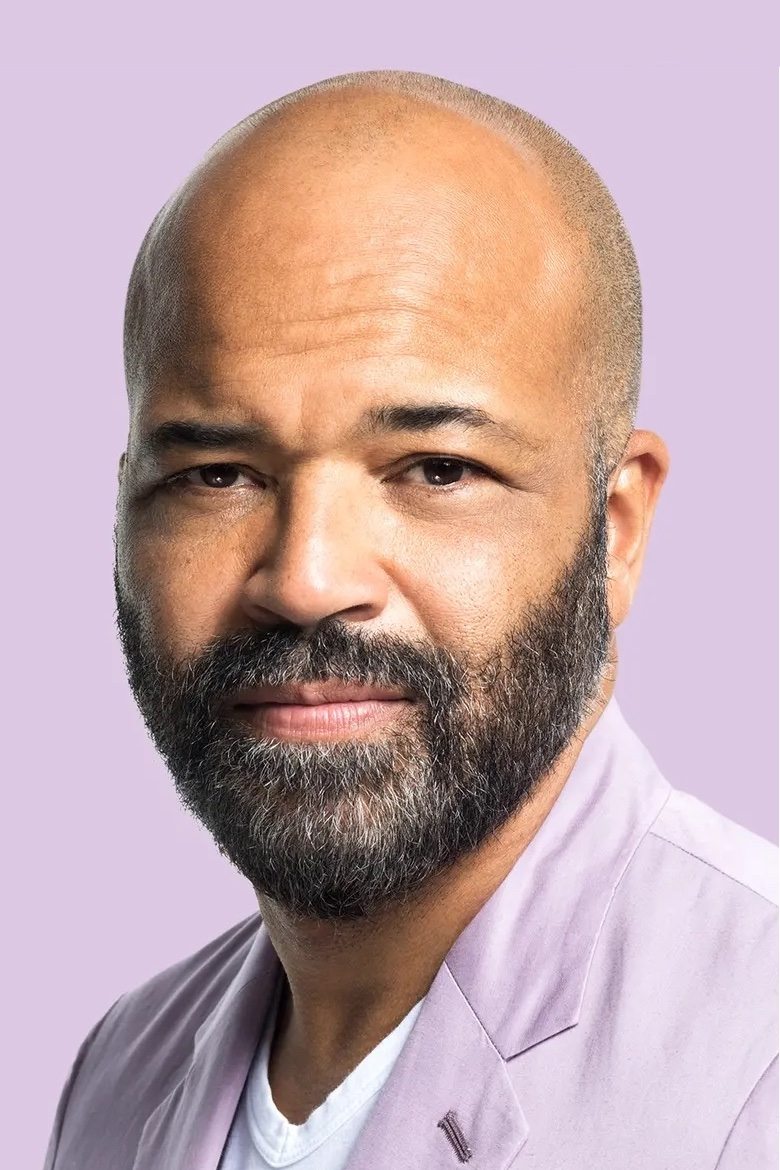
Playing the role of Belize in the miniseries ‘Angels in America’ was a significant mental undertaking. The character deals with the horrors of the AIDS epidemic and the complexities of race and politics in the eighties. The actor had to inhabit a world filled with death and social upheaval for a long time. This required a deep emotional commitment that he found both rewarding and exhausting. The role is considered one of his finest but it was a heavy subject to live with.
Cuba Gooding Jr.
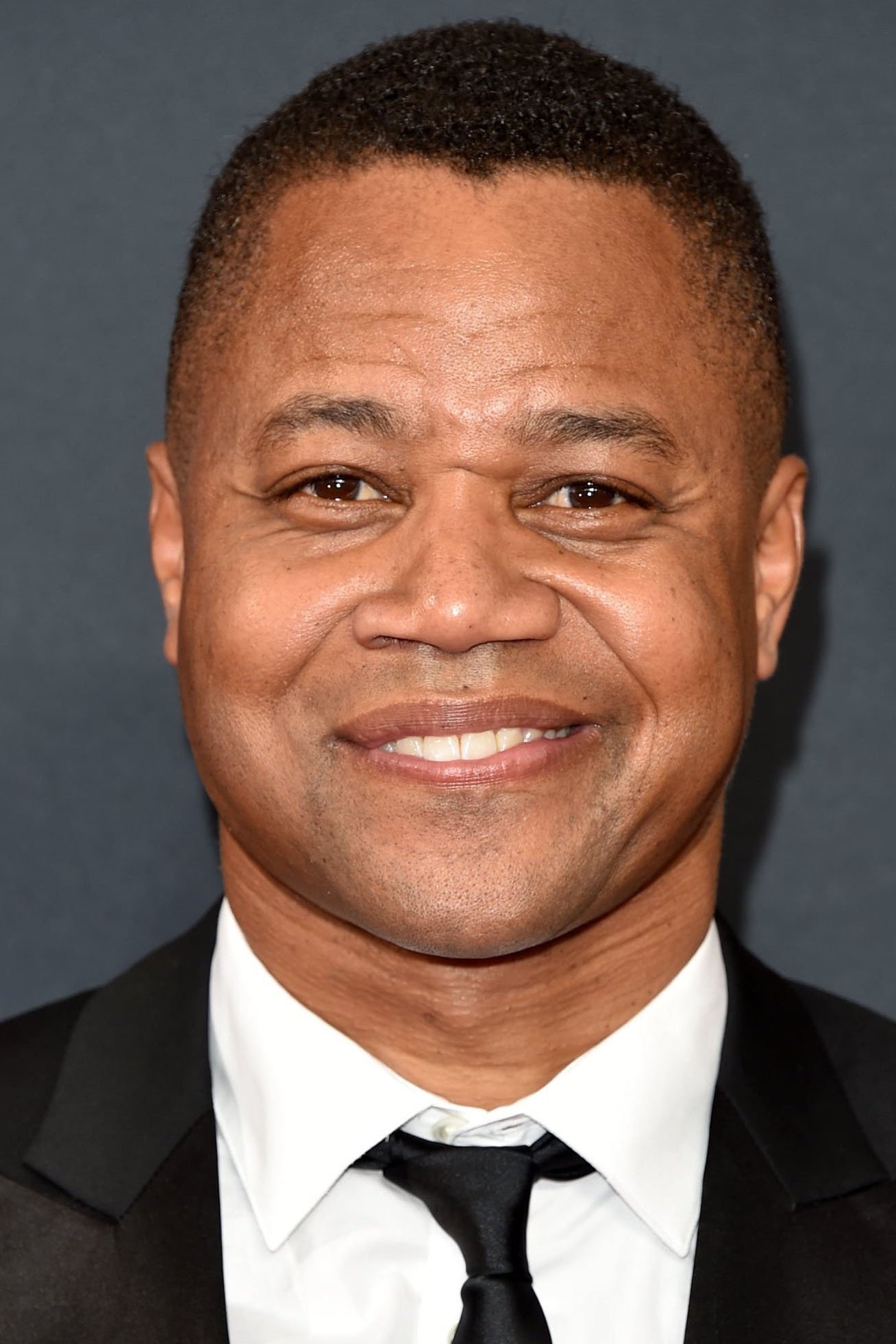
The actor found that playing O.J. Simpson in ‘The People v. O. J. Simpson’ was a very unsettling experience. He spent a long time in a dark mental space to understand the character’s psyche during the trial. The public’s strong reaction to the real-life events added another layer of pressure to the performance. He mentioned that it took him months to feel like himself again after the show ended. This role was a major comeback for him but required a significant psychological sacrifice.
Lennie James
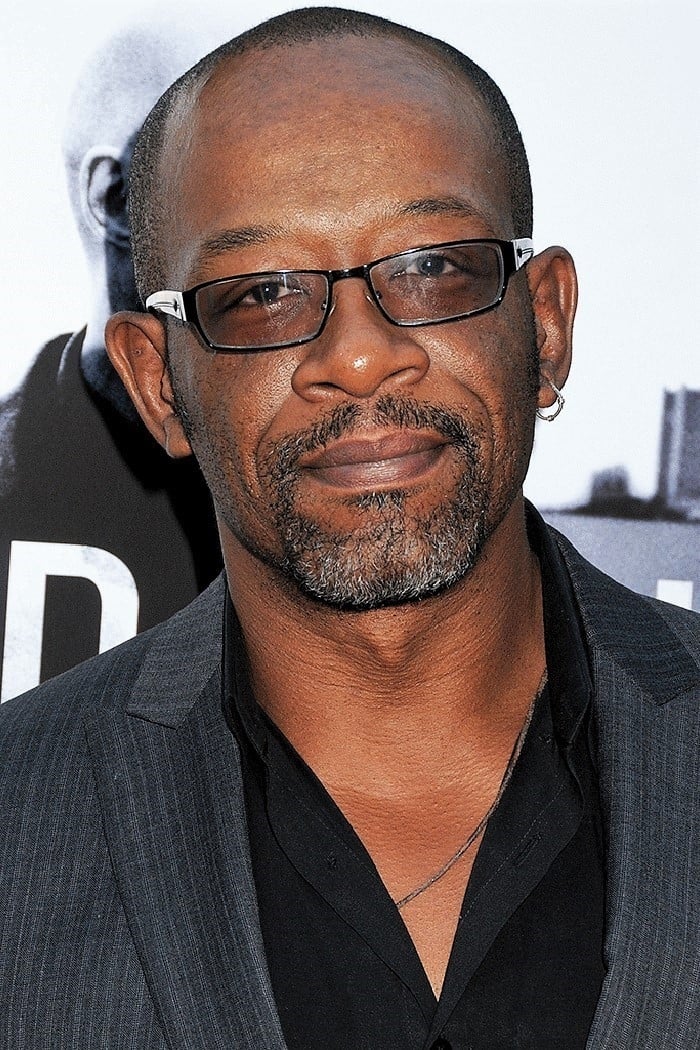
While filming the episode titled Clear for ‘The Walking Dead’ the actor had to portray a man in a state of total mental breakdown. He spent the entire production in a state of high agitation and grief to capture the character’s trauma. The intensity of the performance was so high that it left him feeling physically and mentally spent. He has often been praised for this specific episode but noted the difficulty of reaching those emotional depths. The role of Morgan Jones remained a complex journey for him over many years.
Aldis Hodge
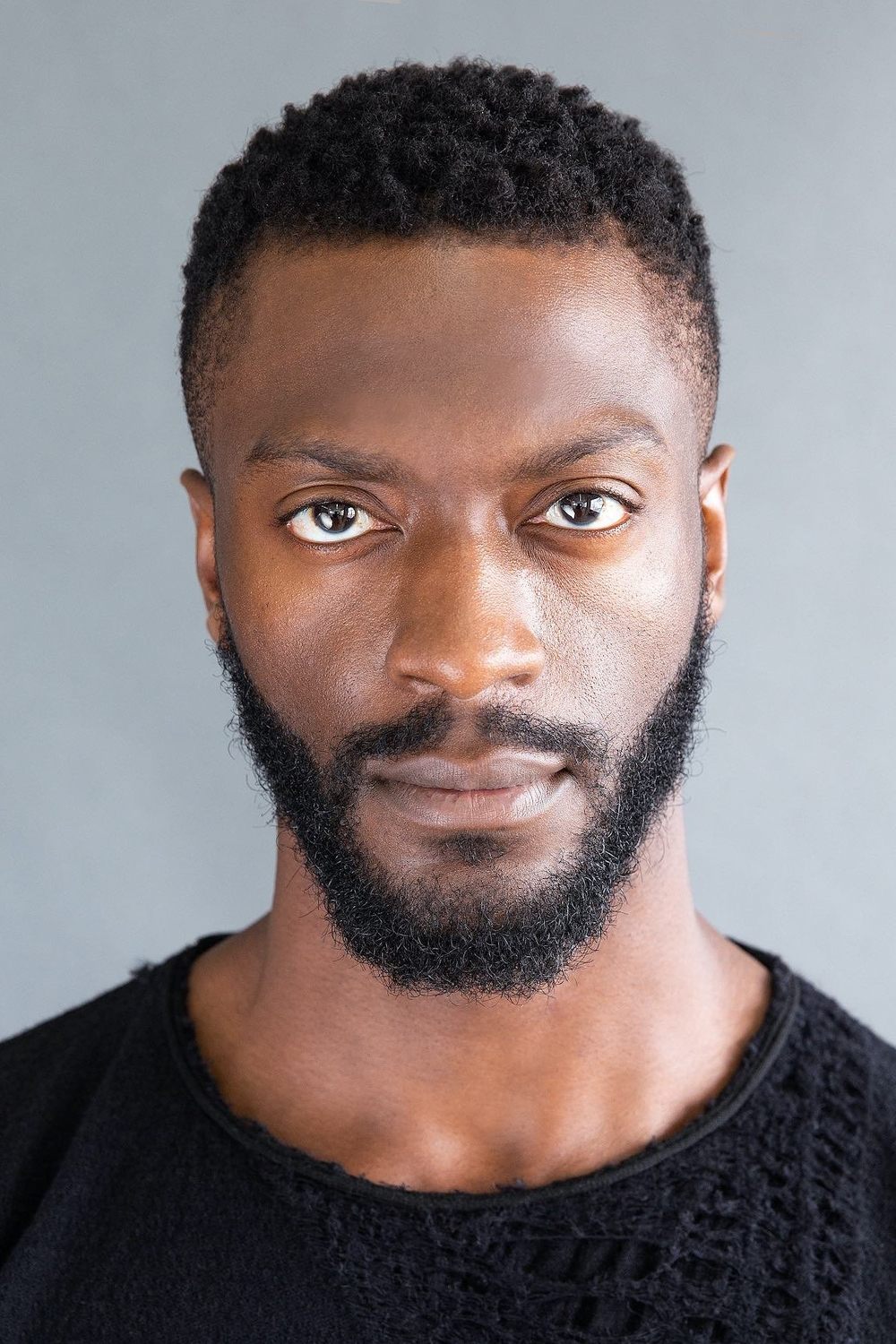
The actor felt a profound sense of responsibility while playing the title character in ‘Brian Banks’. He portrayed a man who was wrongfully imprisoned and spent years fighting to clear his name. Spending time with the real Brian Banks made the emotional stakes feel incredibly high for him. He had to inhabit a state of frustration and hope that was very taxing to maintain. This role was a deeply moving experience that stayed in his mind long after the movie was finished.
Jovan Adepo

Playing Antron McCray in ‘When They See Us’ was a very difficult and emotional task for this actor. He had to portray the lasting trauma of a man who was wrongfully convicted as a child. The scenes where he interacts with his father were particularly heartbreaking and hard to film. He felt the weight of the real Antron’s story every time he stepped onto the set. The experience was a powerful reminder of the impact of injustice on the human mind.
Corey Hawkins
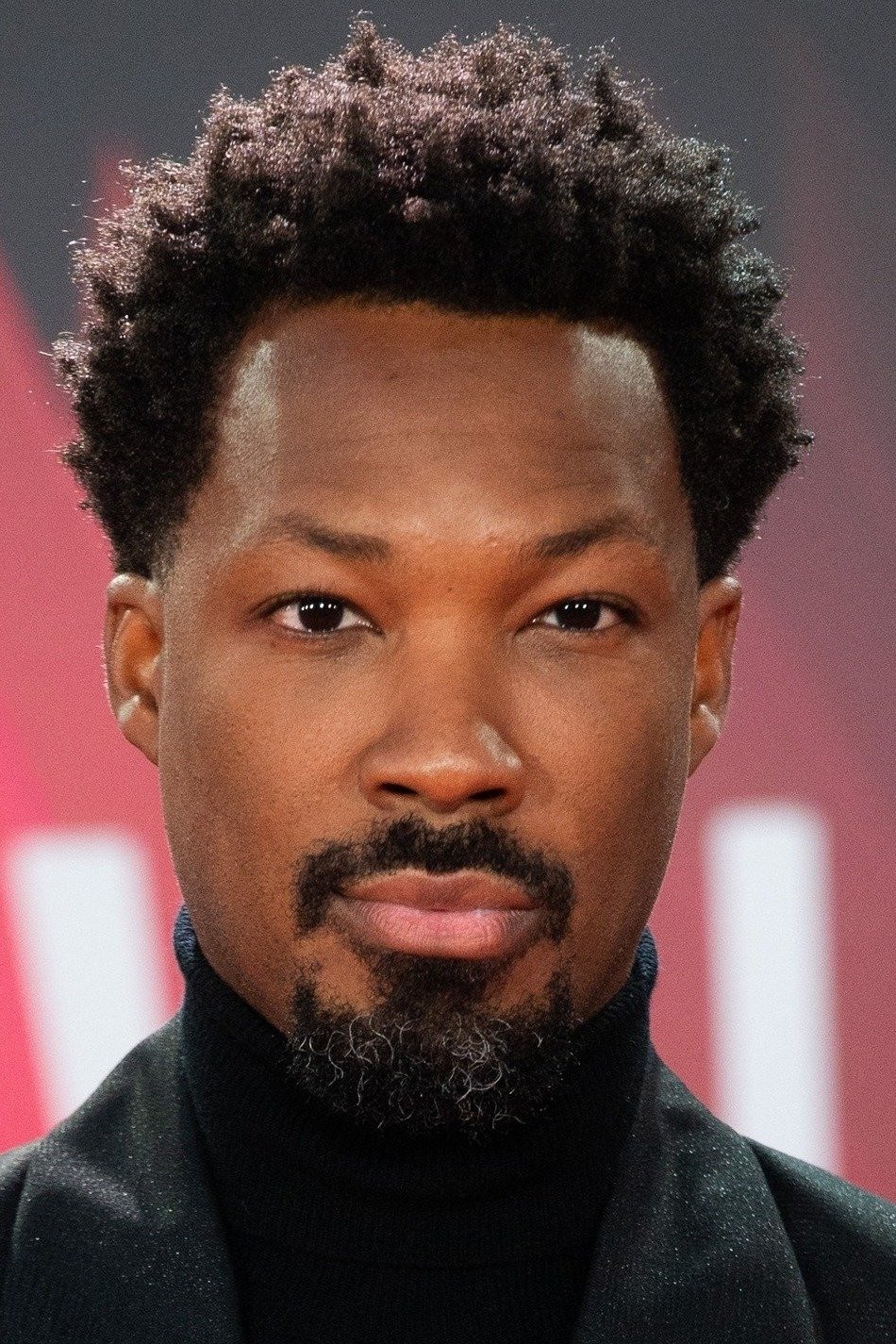
The actor felt the pressure of playing the legendary Dr. Dre in ‘Straight Outta Compton’. He had to master the musician’s mannerisms and personality while Dre himself was often on the set. This created a level of performance anxiety and intensity that was very demanding. He spent months learning to produce music and inhabit the character’s world. The role was a huge success but it required a total mental and physical commitment.
Wood Harris

The role of Avon Barksdale on ‘The Wire’ was a complex study in power and criminality. The actor found that the gritty realism of the show made it feel very different from other projects. He had to maintain a cold and calculating persona that was far removed from his true self. This constant shift in personality during the long filming seasons was mentally wearing. He is still widely recognized as the character which shows the impact of his performance.
Giancarlo Esposito
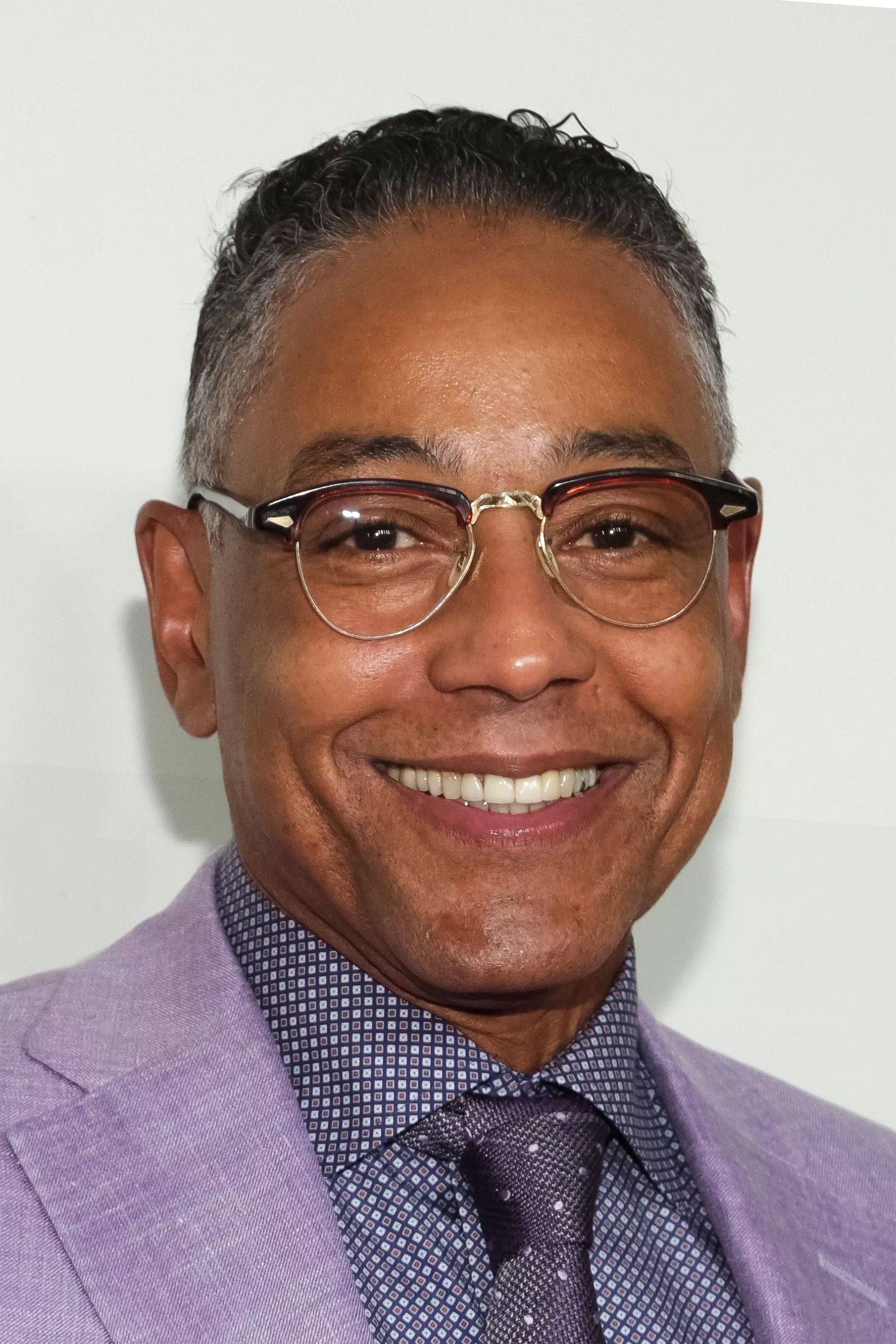
The actor has discussed the mental discipline required to play the cold and precise Gustavo Fring in ‘Breaking Bad’. He had to maintain a state of absolute calm and hidden menace that was very exhausting to sustain. He used specific breathing techniques and physical cues to stay in the character’s mindset. This role changed the course of his career but required a unique kind of psychological focus. He often felt a sense of relief when he could finally drop the character’s rigid persona.
Delroy Lindo
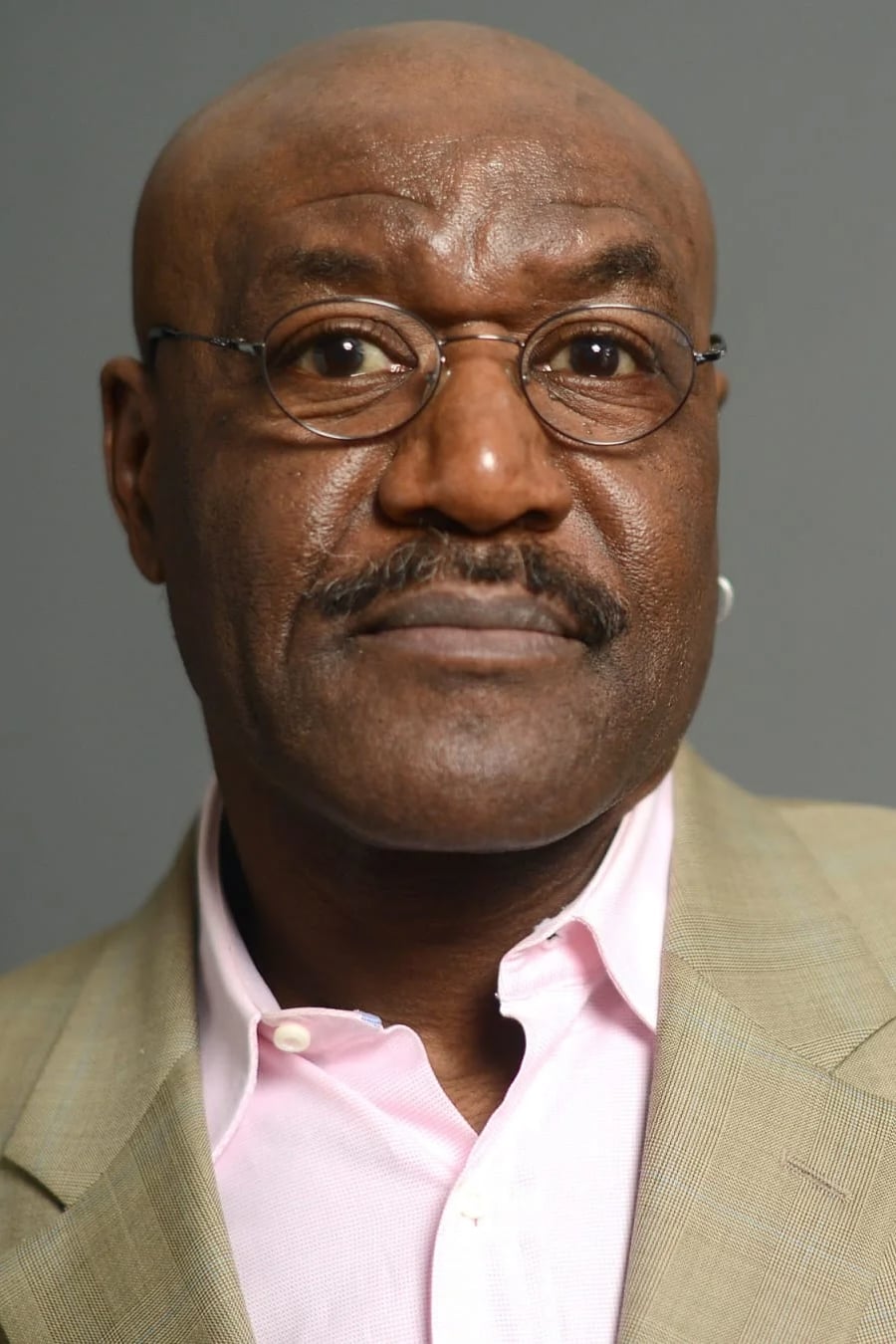
The role of Paul in ‘Da 5 Bloods’ was an incredibly intense and volatile experience for this actor. He played a Vietnam veteran suffering from severe post-traumatic stress disorder and political resentment. The character’s long monologues and emotional outbursts were physically and mentally punishing to perform. He stayed in a very dark and isolated place to capture the character’s mental state. This performance was widely praised for its raw power and psychological depth.
Samuel L. Jackson
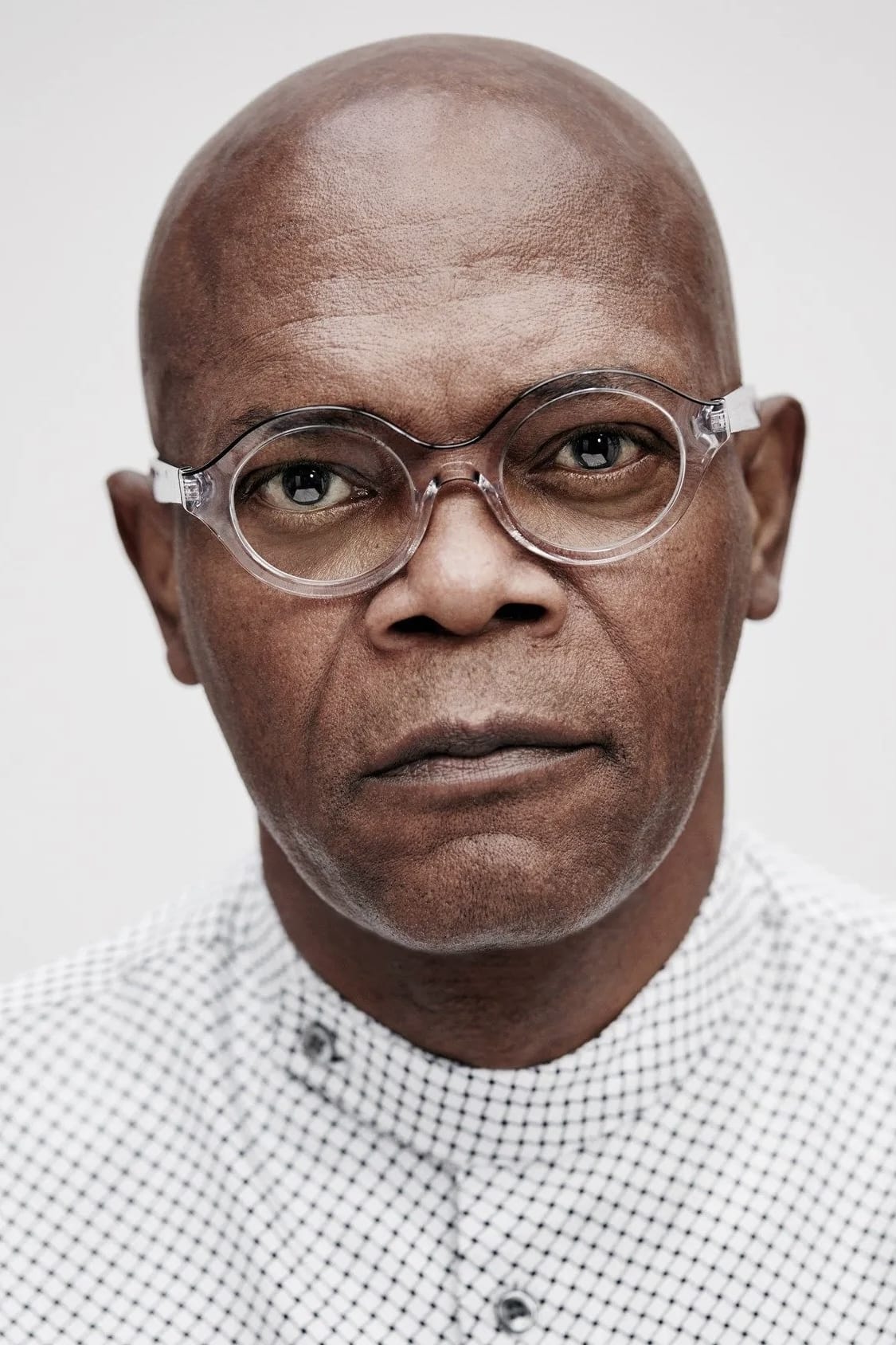
The actor took on the role of Gator Purify in ‘Jungle Fever’ shortly after completing his own real-life stay in rehab. He used his personal experiences with addiction to bring a terrifying level of realism to the character. This made the performance incredibly powerful but also very difficult for him to navigate personally. He had to confront his own demons every day while cameras were rolling. The role was a breakthrough that proved his immense talent under very difficult circumstances.
Brian Tyree Henry
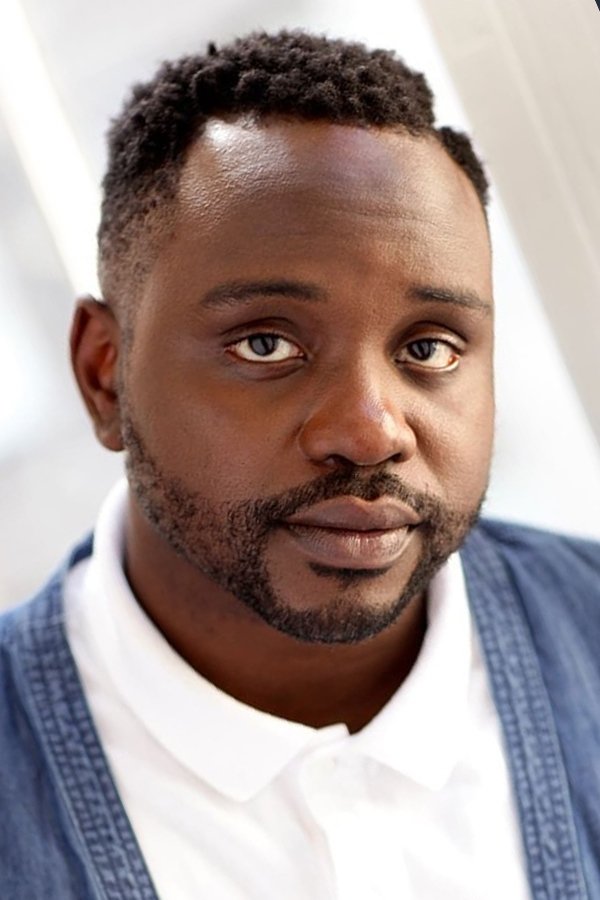
The actor has spoken about the emotional weight of playing Paper Boi on the series ‘Atlanta’. His character deals with the pressures of fame and the frustrations of the music industry in a very grounded way. He found that the character’s sense of existential dread often mirrored his own feelings during filming. This role allowed him to explore complex emotions but was often mentally heavy. He has been praised for bringing a deep sense of humanity to the part.
Stephan James
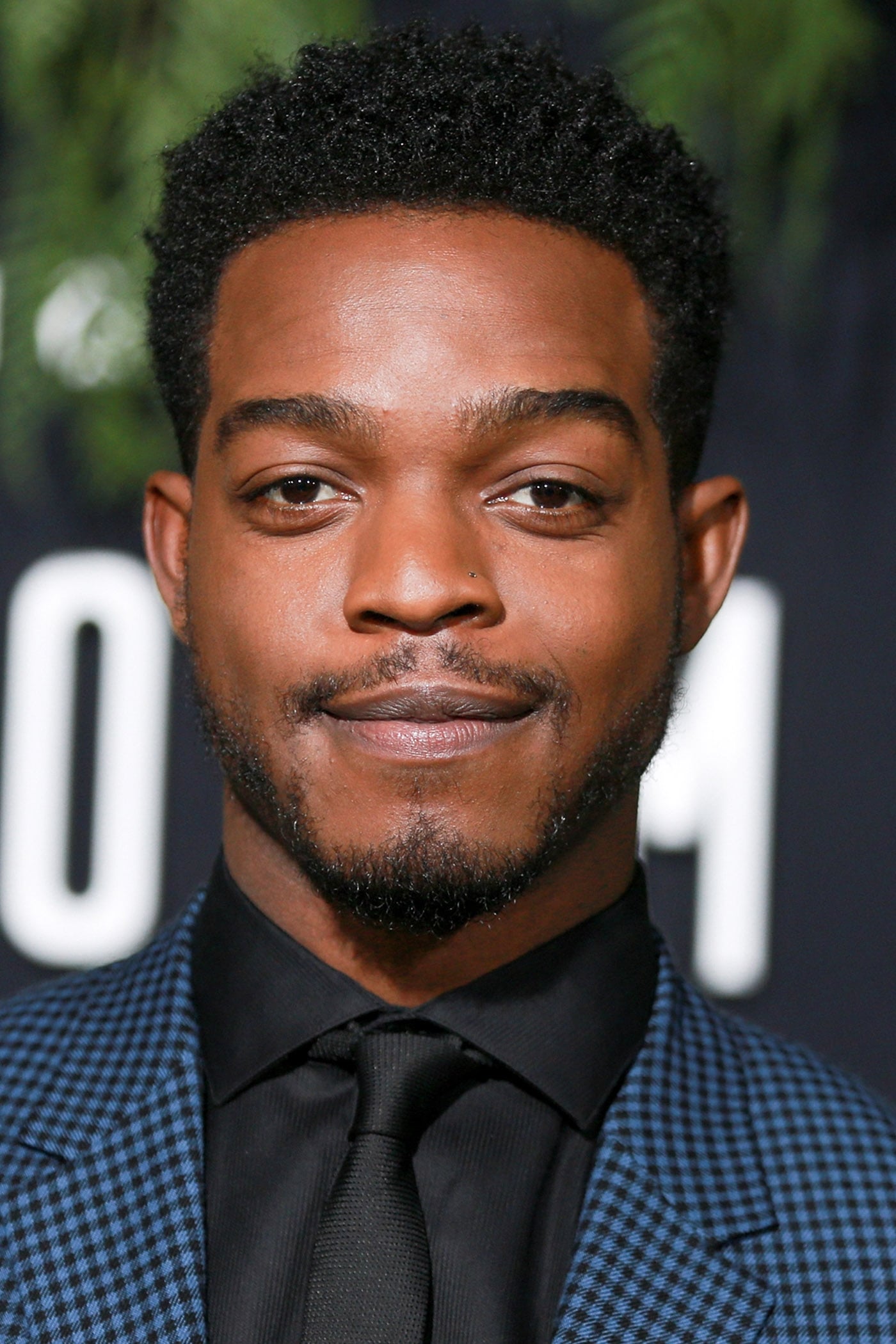
Playing the lead role in ‘If Beale Street Could Talk’ was a deeply emotional experience for this actor. He had to portray a man who was wrongfully imprisoned while his partner was pregnant with their child. The themes of love and injustice were very powerful and required a high level of vulnerability. He felt the weight of the character’s situation in every scene he filmed. This role was a beautiful but taxing exploration of the human spirit.
Jeremy Pope

The actor felt a personal connection to the character of Ellis French in ‘The Inspection’. He played a young man who joins the Marines after being rejected by his mother for his sexuality. The role required him to endure physical hardship and intense emotional rejection on screen. He found that the story resonated with his own journey as a performer. This commitment resulted in a raw and honest performance that was mentally demanding.
Barkhad Abdi
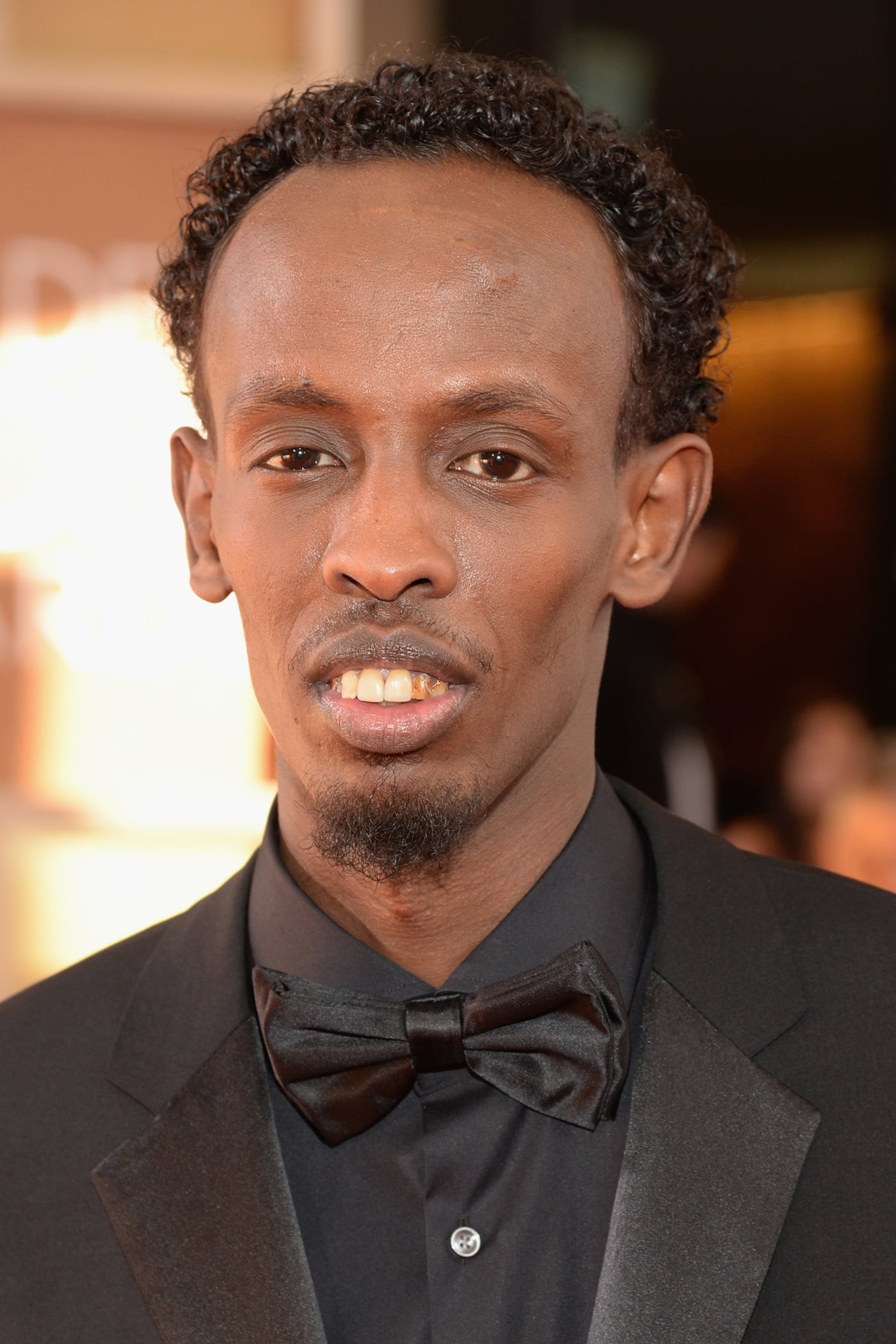
The actor had a very intense experience playing the pirate leader Muse in ‘Captain Phillips’. It was his first major film role and he was thrust into a very high-stakes production with Tom Hanks. He had to maintain a threatening and desperate energy throughout the entire shoot. This pressure combined with the physical demands of filming on water was very taxing. The role earned him an Academy Award nomination but was a whirlwind for his mental state.
Terrence Howard
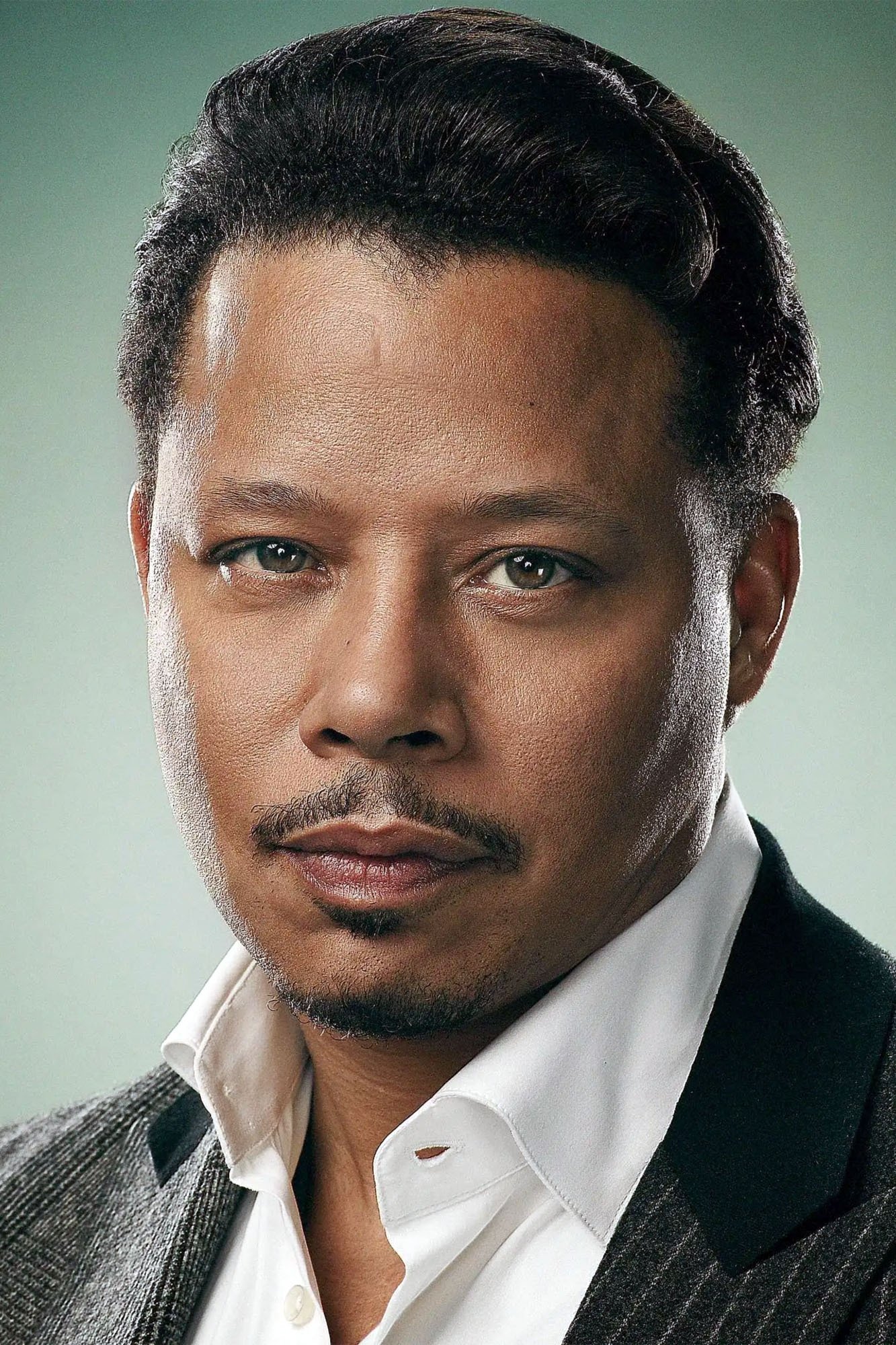
Playing the character Djay in ‘Hustle & Flow’ was an all-consuming experience for this actor. He had to inhabit the life of a pimp with dreams of becoming a rapper in Memphis. He stayed in the character’s world to ensure the performance felt authentic and gritty. This immersion led to a sense of exhaustion and a blurred line between his life and the role. He received an Oscar nomination for his work but noted the toll it took on him.
Leslie Odom Jr.
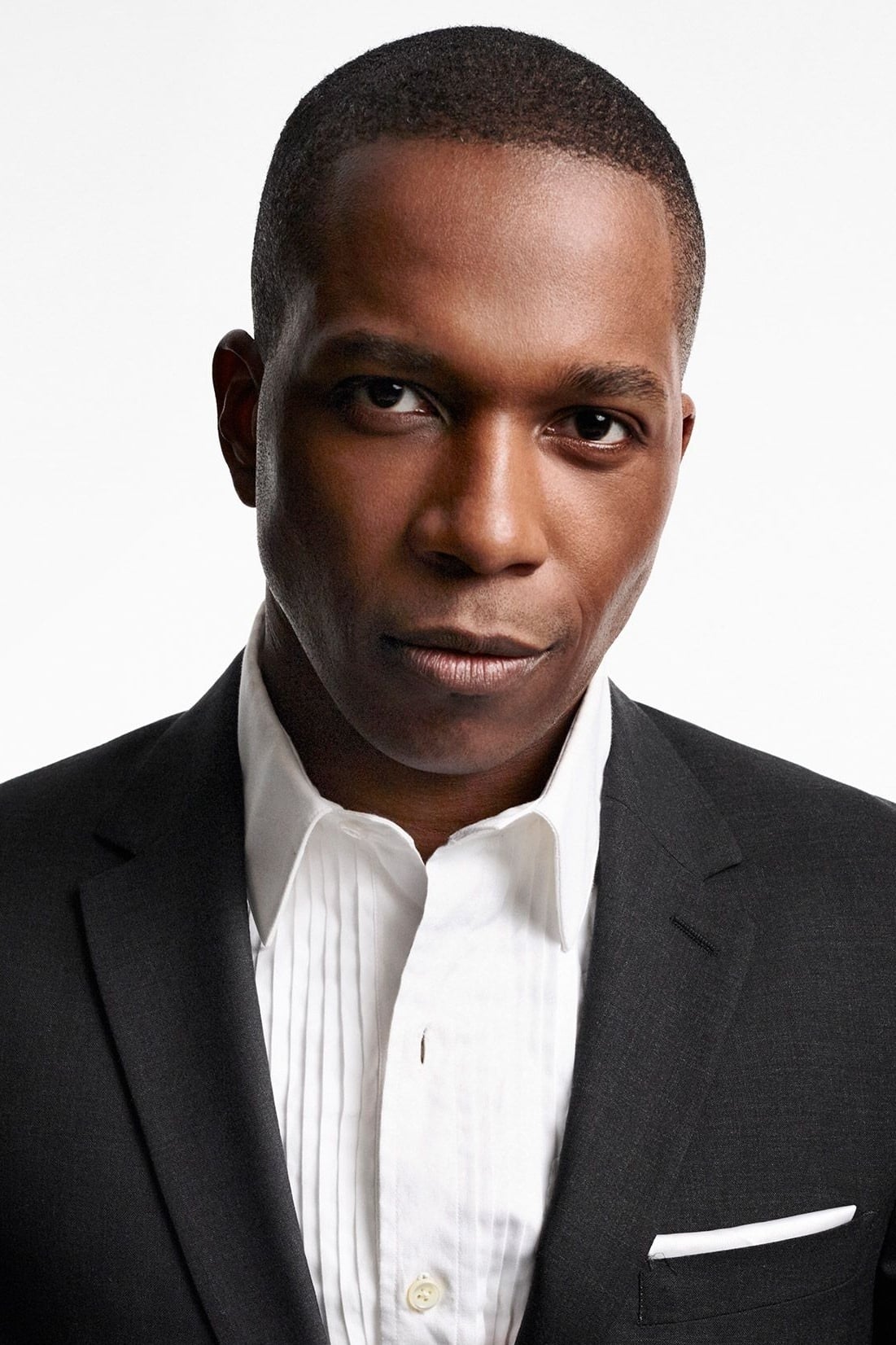
The actor spent years playing Aaron Burr in the musical ‘Hamilton’ both on stage and for the film version. He had to inhabit the mind of a man who is remembered primarily as a villain in American history. The nightly performance of such a complex and tragic character was emotionally draining over time. He focused on finding the humanity in Burr to sustain the performance for hundreds of shows. This role defined his career but required an incredible amount of mental stamina.
Daveed Diggs
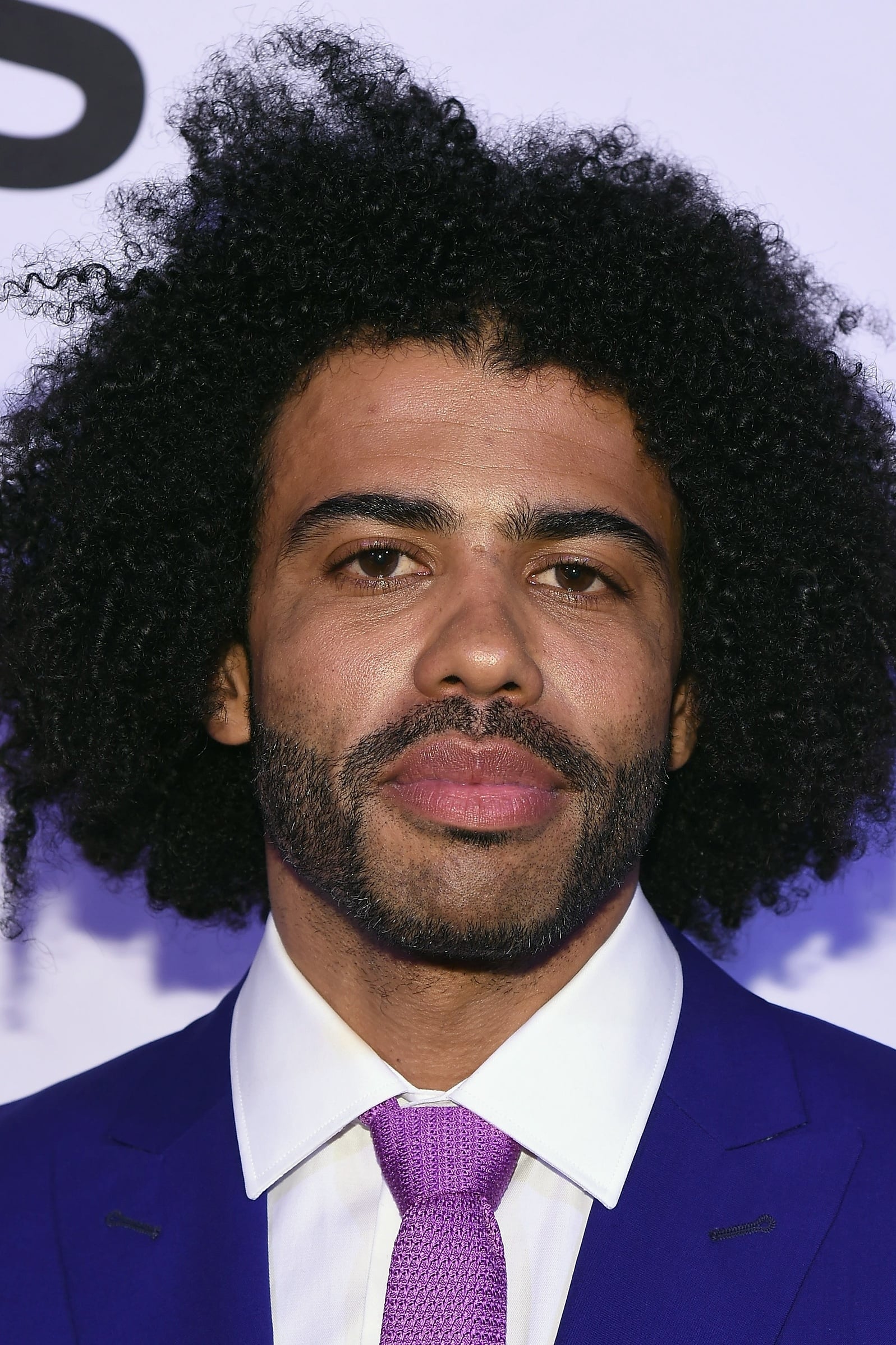
Writing and starring in ‘Blindspotting’ was a deeply personal and mentally taxing project for this performer. He played a man trying to survive his final days of probation in a changing Oakland. The character’s constant anxiety and the film’s commentary on race and violence were very heavy. He felt a personal responsibility to represent his hometown accurately and honestly. This role was a creative triumph that required a high level of emotional labor.
David Harewood
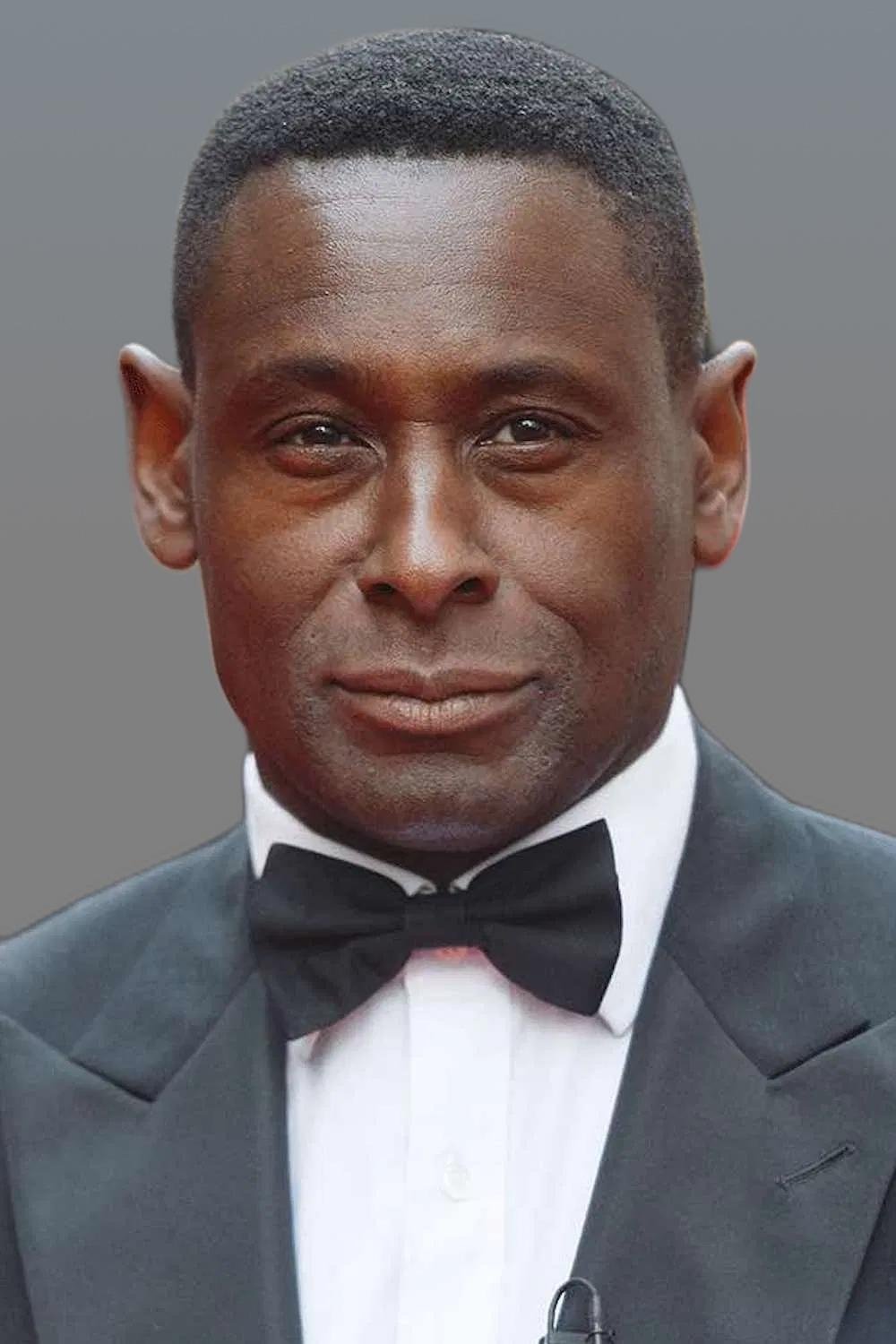
The actor has been very open about the mental health struggles he faced earlier in his career. He experienced a breakdown that he partly attributed to the pressures of the acting industry and specific roles. He has since become a vocal advocate for mental health awareness in the entertainment world. His experiences have shaped how he approaches his work and his life today. He continues to play complex roles while prioritizing his own psychological well-being.
Adewale Akinnuoye-Agbaje
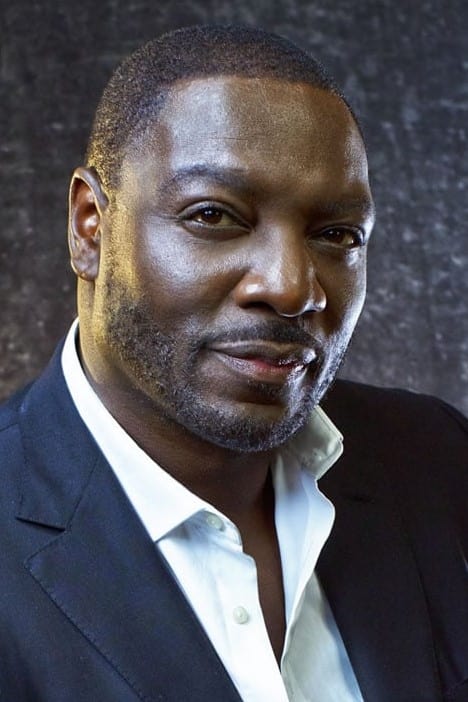
The actor felt the darkness of his character Simon Adebisi on the series ‘Oz’ for a long time. He played a very violent and unpredictable inmate which required him to stay in a negative headspace. He mentioned that the character’s energy was difficult to leave at the prison set every day. This role made him a household name but was one of the most psychologically challenging of his career. He eventually sought roles that allowed him to explore more positive aspects of humanity.
Tell us which of these intense performances impacted you the most in the comments.