Black Actresses Who Regretted Their Most Famous Roles

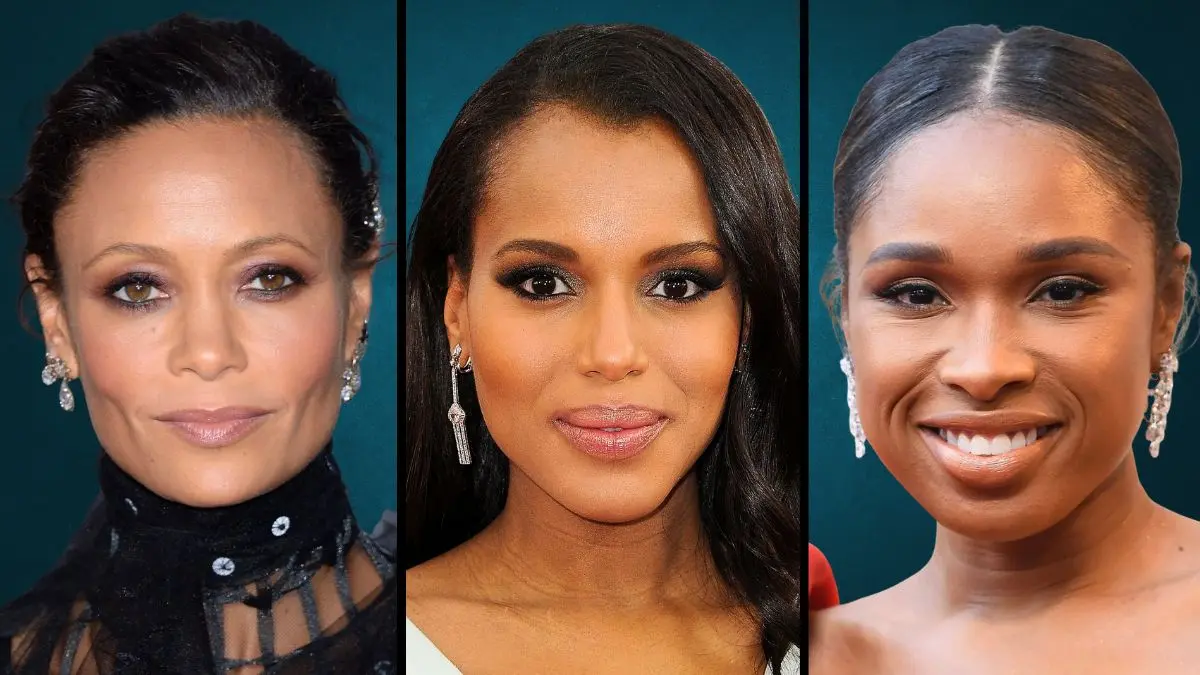

The journey of a performer often involves navigating complex scripts and industry expectations that do not always align with their personal values or professional goals. Many iconic Black actresses have reached the pinnacle of success only to later express significant reservations about the roles that defined their careers. These regrets often stem from issues regarding representation or the narrow way their characters were written for the screen. Exploring these stories offers a unique look at the challenges faced by women of color in Hollywood.
Viola Davis
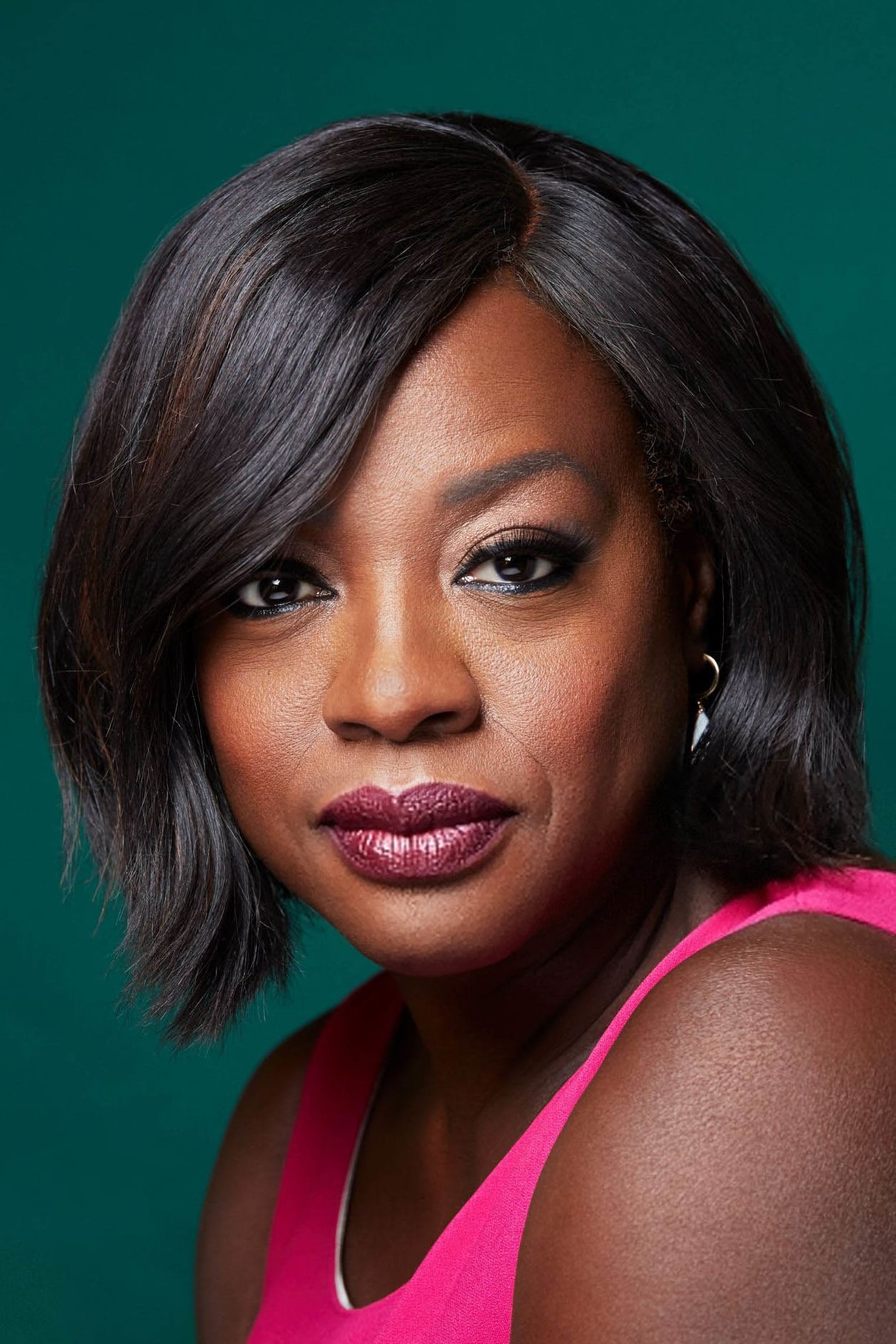
Viola Davis expressed deep regret over her role in the film ‘The Help’ despite receiving an Academy Award nomination for her performance. She felt that the story focused too much on the white perspective and failed to highlight the true experiences of the Black maids. The actress mentioned that she did not hear the voices of the women she was portraying in the final script. She has since used this experience to advocate for more authentic storytelling in major Hollywood projects.
Halle Berry
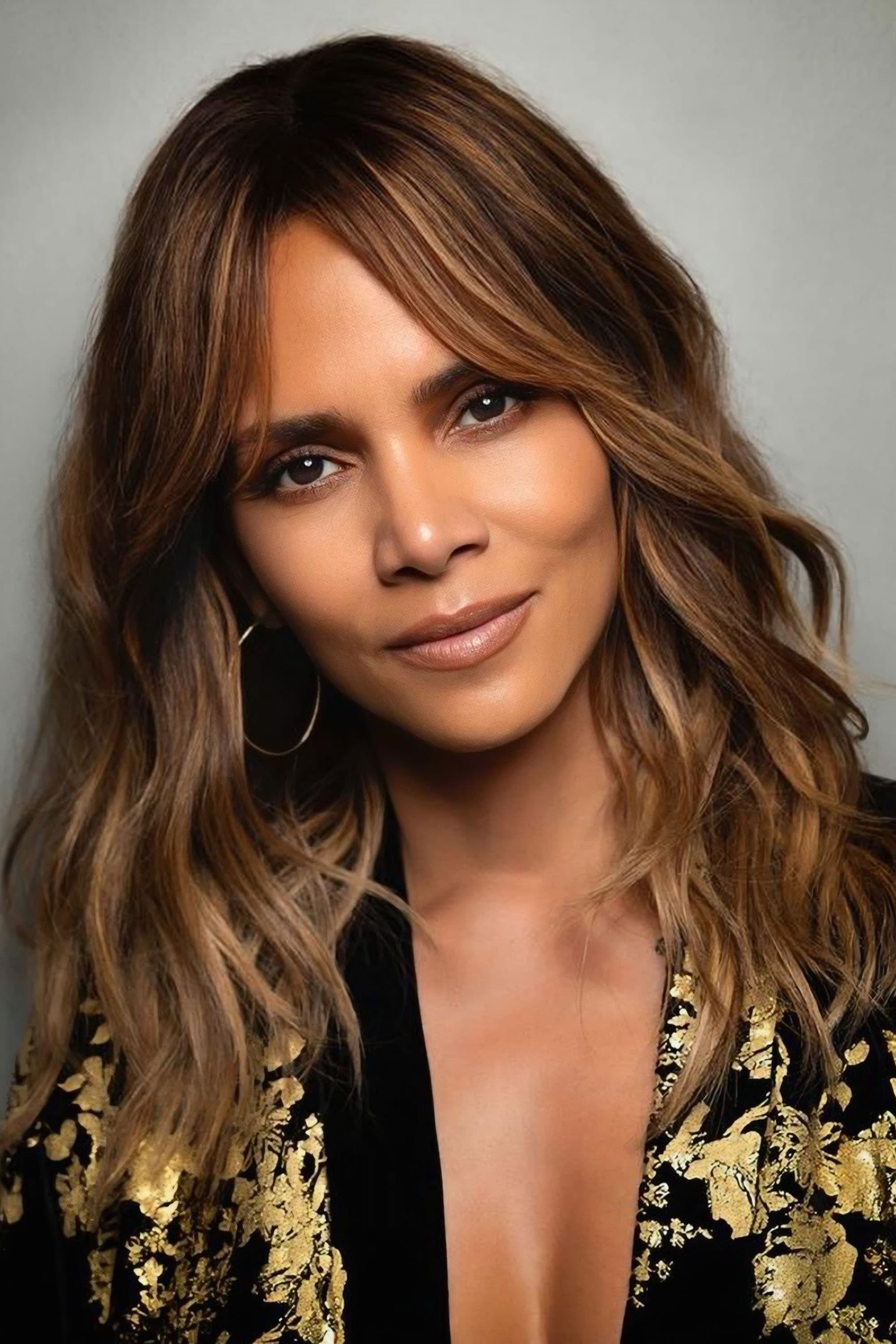
Halle Berry famously accepted her Golden Raspberry Award in person for her performance in ‘Catwoman’ to demonstrate her dissatisfaction with the film. She acknowledged that the project was a significant career misstep and criticized the creative direction of the production. The actress felt the story did not do justice to the iconic comic book character she was chosen to lead. Berry often references the experience as a lesson in the importance of script quality and creative control.
Whoopi Goldberg
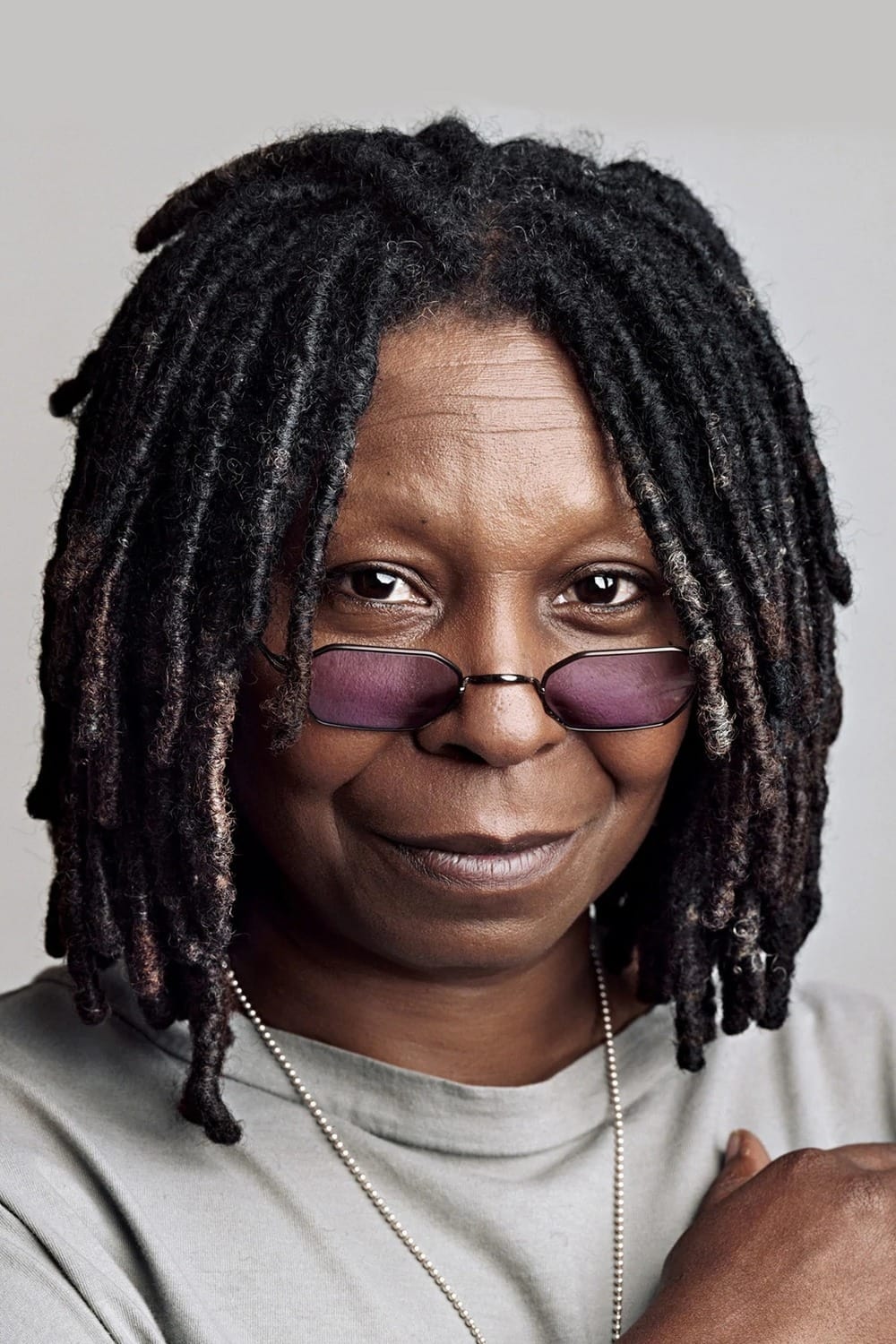
Whoopi Goldberg attempted to back out of the film ‘Theodore Rex’ before production even began but was forced to continue due to legal threats. She was eventually required to complete the project because of a verbal agreement that the studio intended to enforce. The actress described the experience as a low point in her career and spoke candidly about her lack of passion for the material. The film was ultimately released directly to video in many territories because of poor reception.
Zoe Saldaña
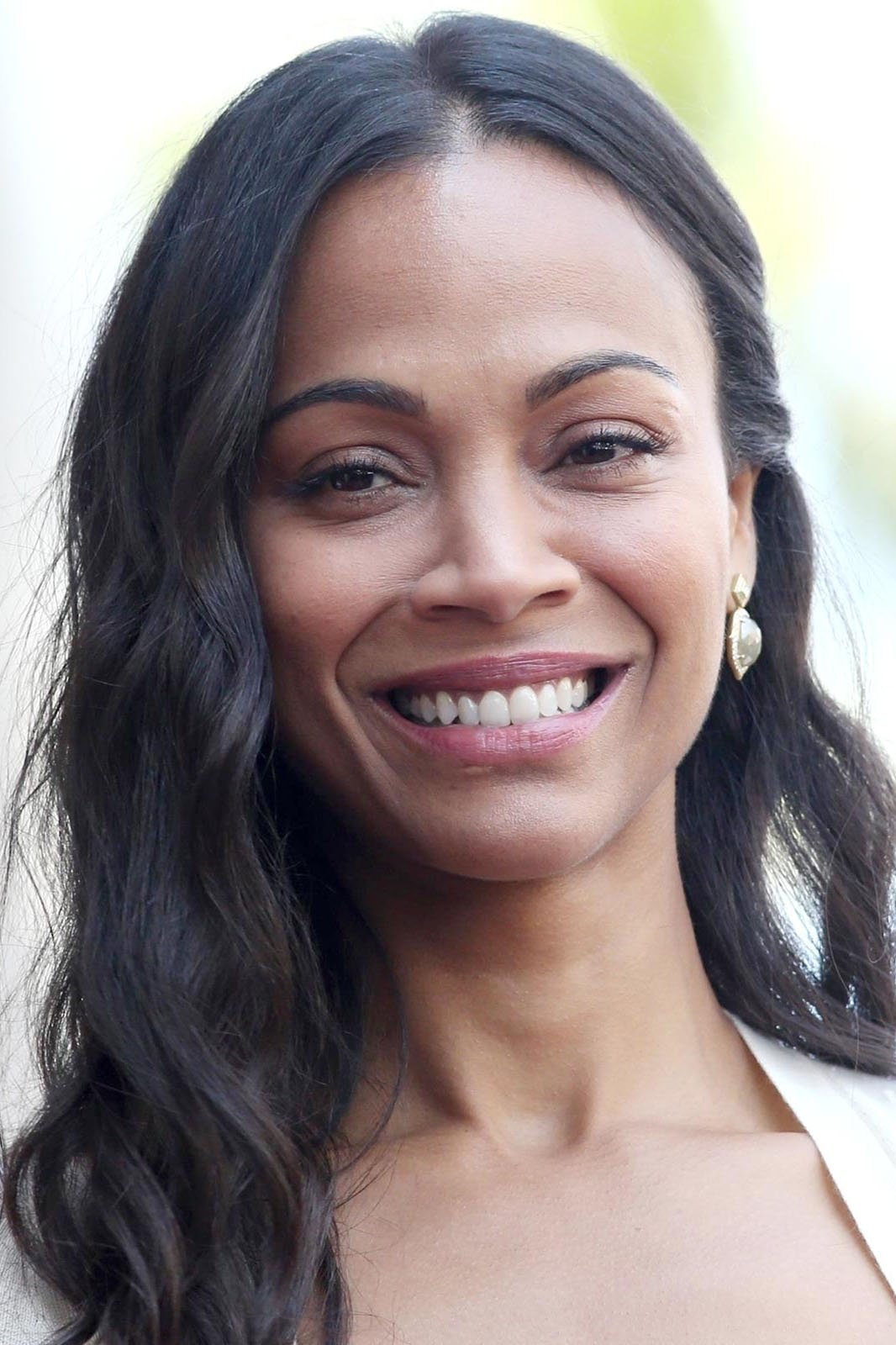
Zoe Saldaña apologized for her decision to play the title role in the biographical film ‘Nina’ about legendary singer Nina Simone. She admitted that she should not have taken the part because she did not accurately represent the physical appearance of the historical figure. The casting sparked significant controversy regarding colorism and the use of prosthetics in the film industry. Saldaña expressed that the iconic singer deserved a more authentic portrayal from someone with closer lived experiences.
Octavia Spencer
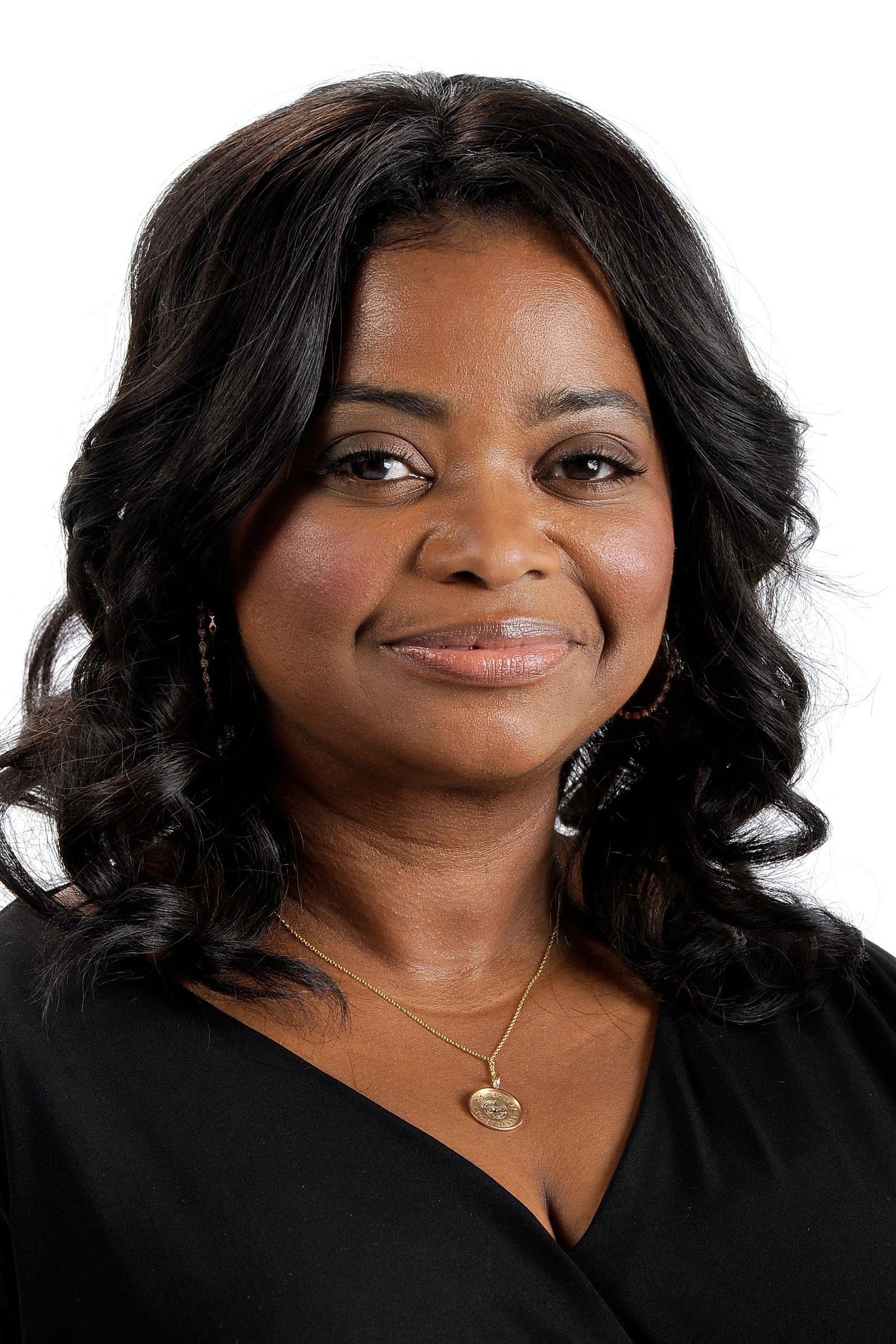
Octavia Spencer shared sentiments similar to her co-stars regarding the narrative structure of ‘The Help’ during retrospective interviews. While the film launched her into mainstream stardom she acknowledged the criticisms regarding the white savior trope present in the story. She recognized that the film did not fully capture the harsh realities faced by Black domestic workers during the civil rights movement. Spencer has since prioritized projects that offer a more nuanced look at history and culture.
Thandiwe Newton

Thandiwe Newton revealed her frustration with the filming process and the final outcome of the action film ‘Mission: Impossible 2’. She described a difficult working environment and felt that her character lacked depth and agency within the plot. The actress noted that the experience left her feeling disillusioned with big-budget blockbuster filmmaking for a period of time. She has been vocal about the need for better treatment and representation of women of color on major film sets.
Gabrielle Union
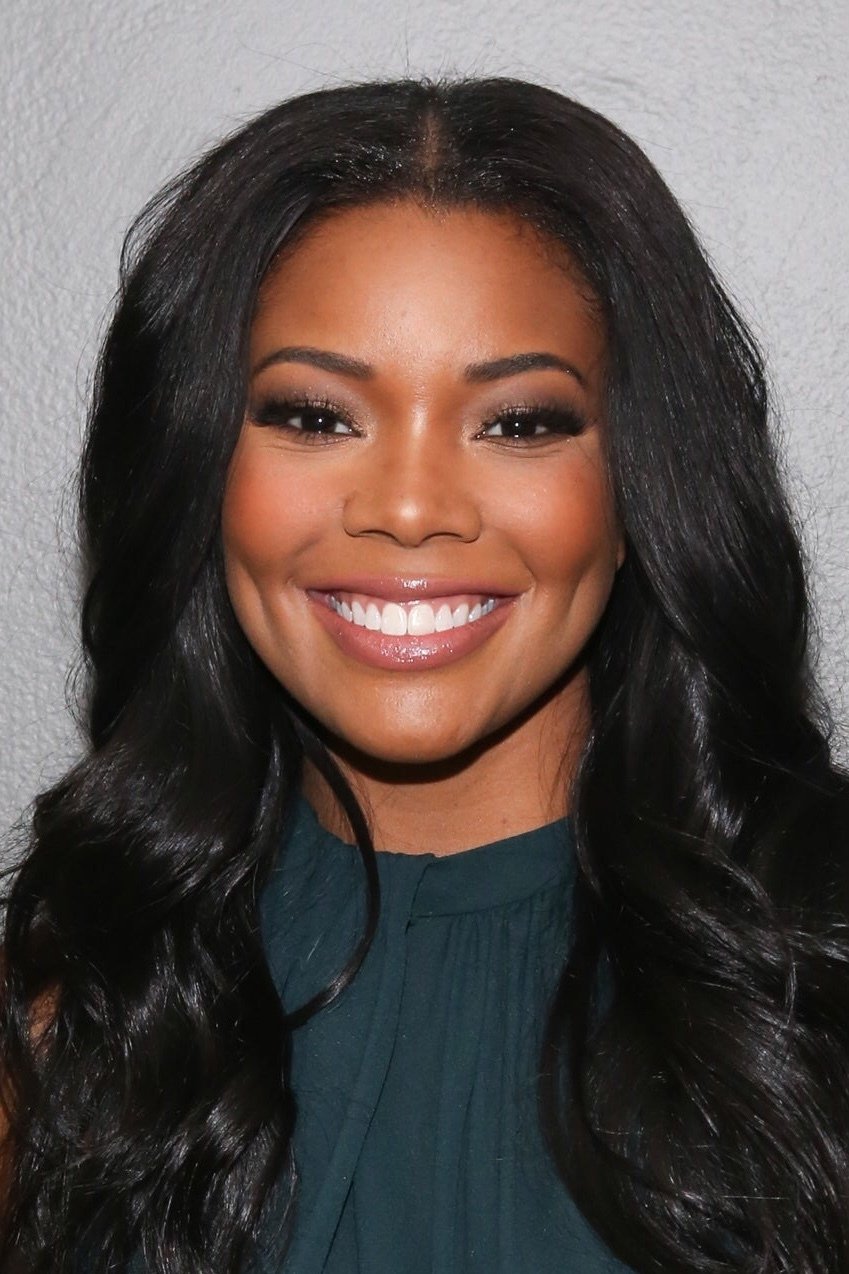
Gabrielle Union reflected on her role in ‘Bring It On’ and admitted she would change how her character was handled if given the chance. She felt that her character was edited to be too palatable for certain audiences and lacked the edge she originally intended. The actress expressed regret for not fighting harder to keep scenes that showed the actual culture of her cheer squad. She now views the film as a missed opportunity to show more complex dynamics between the competing teams.
Jennifer Hudson
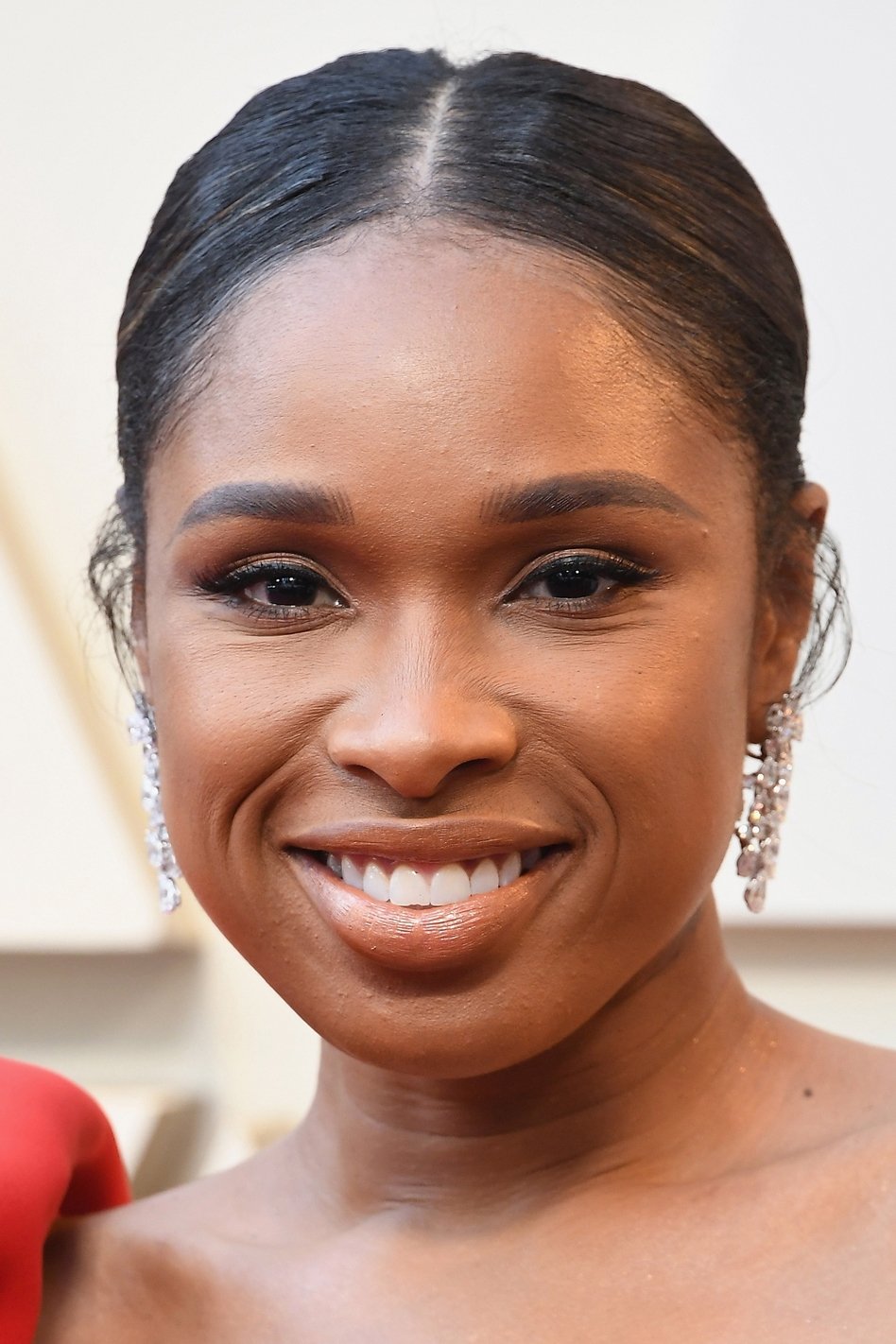
Jennifer Hudson faced backlash and personal conflict regarding her portrayal of the lead character in the film ‘Winnie Mandela’. The production was criticized by the real Winnie Mandela who was not consulted during the development of the script. Hudson felt caught between the artistic demands of the role and the political sensitivities surrounding the historical figure. This experience influenced how she approaches biographical roles by seeking more direct involvement or approval when possible.
Lisa Bonet
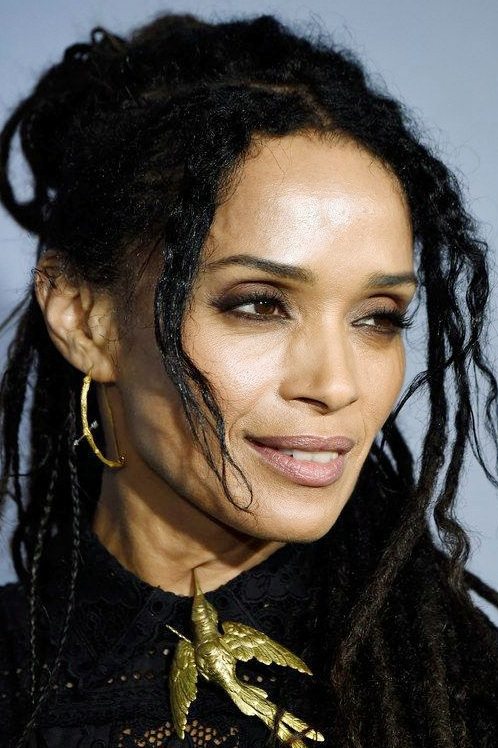
Lisa Bonet experienced significant controversy and career friction after starring in the supernatural thriller ‘Angel Heart’. The explicit nature of the film led to her temporary departure from a popular television show due to creative differences. She later expressed that the role and the resulting public scrutiny were challenging to navigate at such a young age. Bonet has since maintained a more selective approach to her acting projects and public persona.
Leslie Jones
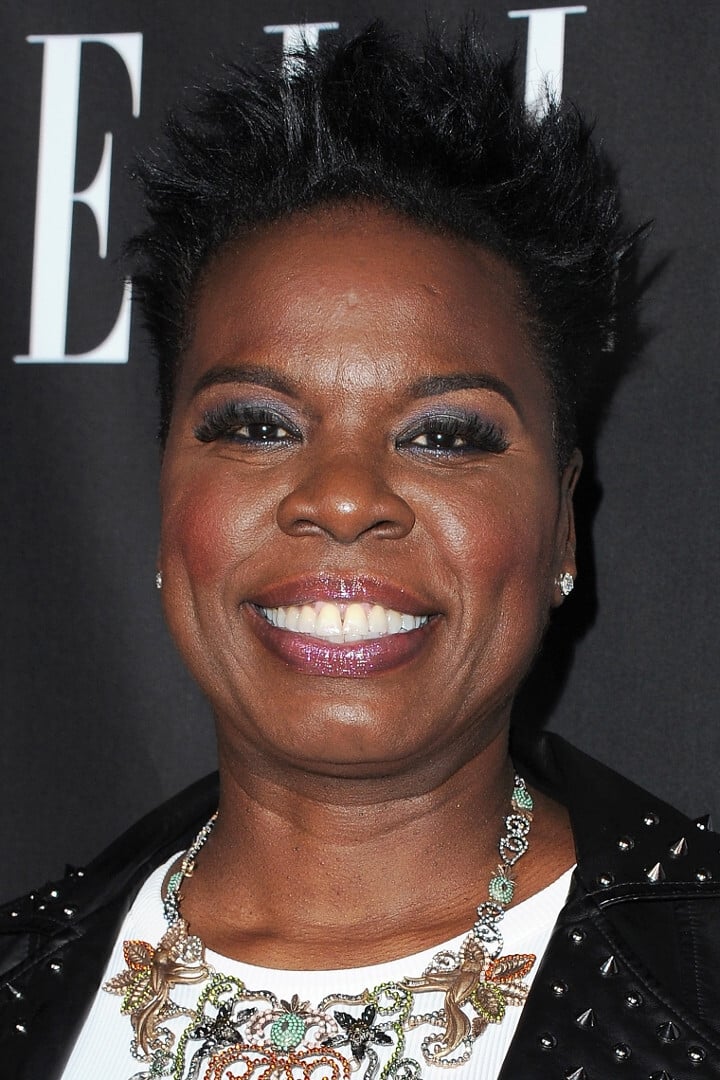
Leslie Jones dealt with an overwhelming amount of online harassment following her appearance in the reboot of ‘Ghostbusters’. While she stood by her performance she expressed regret over the toxic environment the film attracted for its cast. The actress was targeted with racist and sexist attacks that forced her to temporarily leave social media for her mental health. She has spoken out about the lack of protection provided by studios for actors facing such intense digital abuse.
Gabourey Sidibe
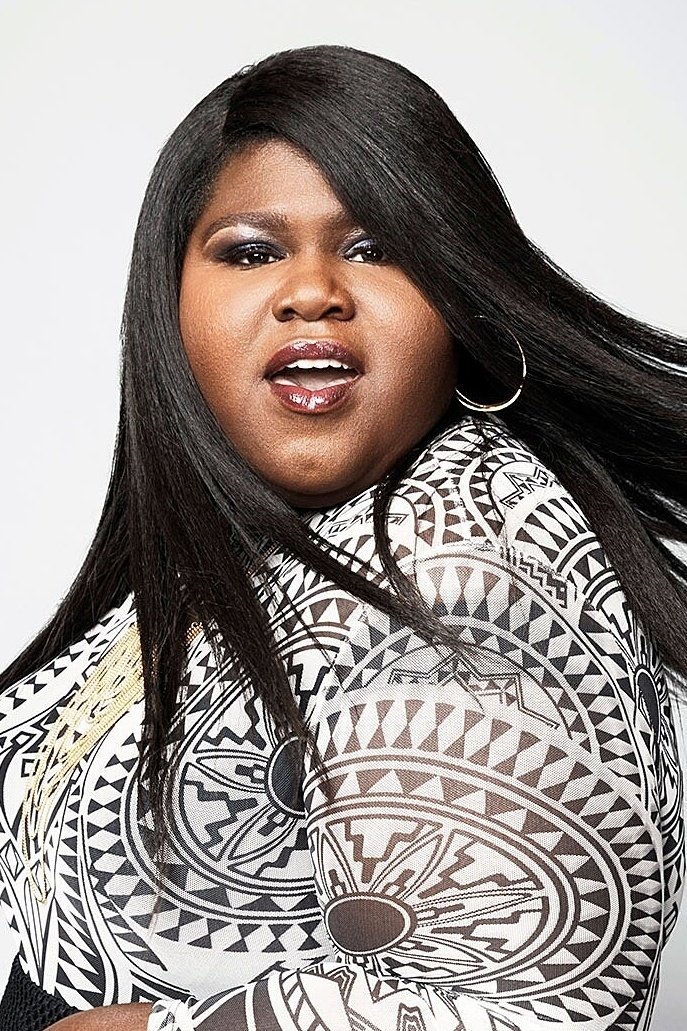
Gabourey Sidibe has discussed the double-edged sword of her breakout role in the harrowing drama ‘Precious’. While the film earned her critical acclaim she felt it led to significant typecasting within the entertainment industry. The actress struggled to find roles that were not defined solely by her weight or trauma following the success of the film. She has worked hard to expand her career into different genres and behind-the-scenes roles to move past those initial perceptions.
Mo’Nique
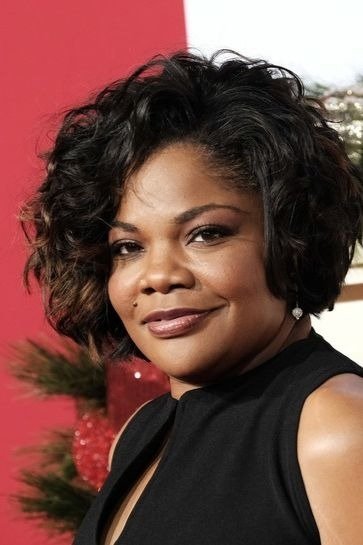
Mo’Nique won an Academy Award for her performance in ‘Precious’ but later claimed the role led to her being unfairly treated in Hollywood. She expressed regret over the financial and professional fallout that occurred during the awards season promotion. The actress felt that she was punished for refusing to perform unpaid promotional work for the studio. Her experience serves as a frequent point of discussion regarding the treatment of Black women in the film industry.
Kerry Washington
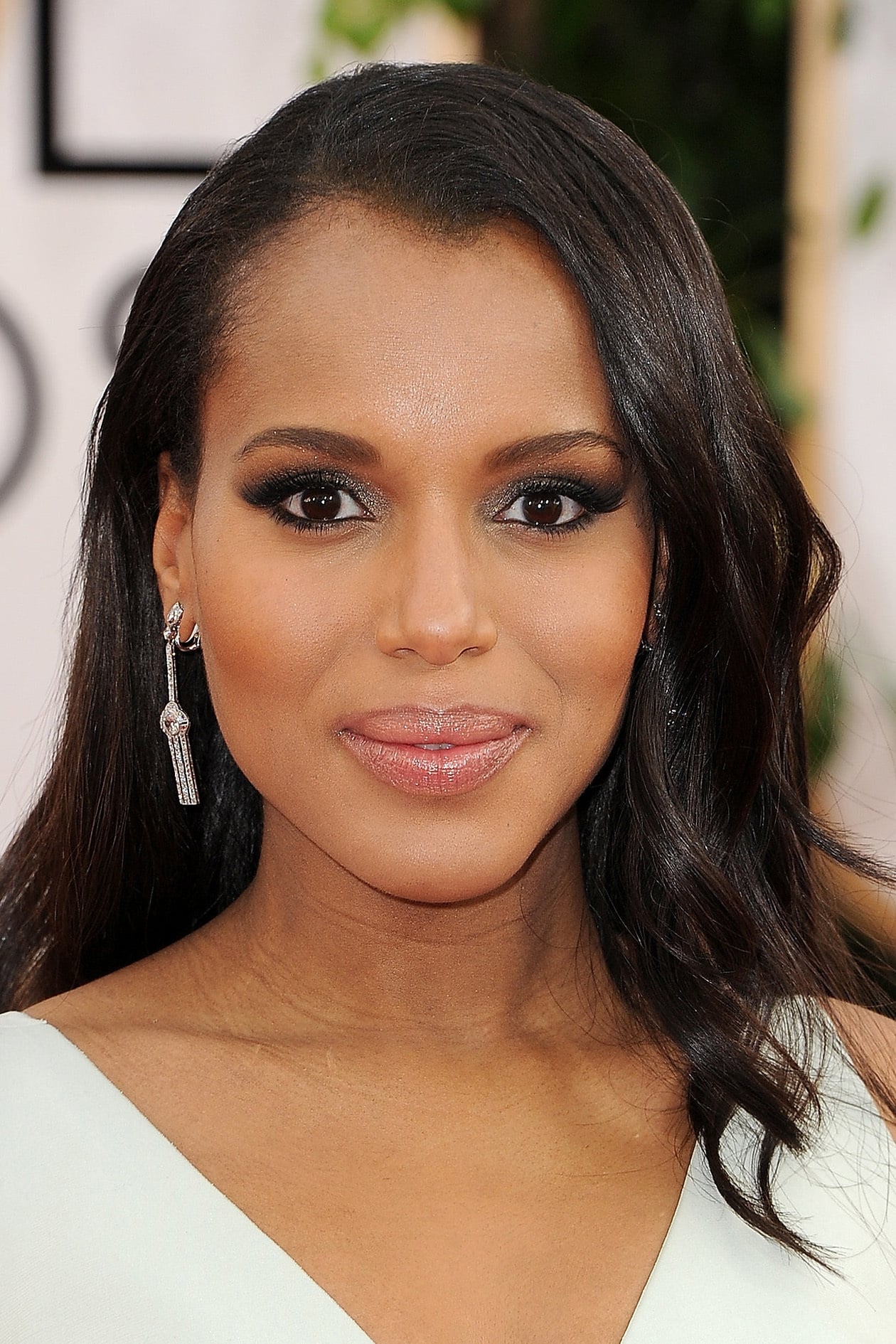
Kerry Washington appeared in the film ‘She Hate Me’ which received a largely negative response from critics and audiences alike. She has since reflected on the controversial themes and the reception of the project with a sense of caution. The actress admitted that the film was a difficult learning experience early in her professional career. She eventually moved on to roles that offered more consistent acclaim and cultural resonance.
Robin Givens
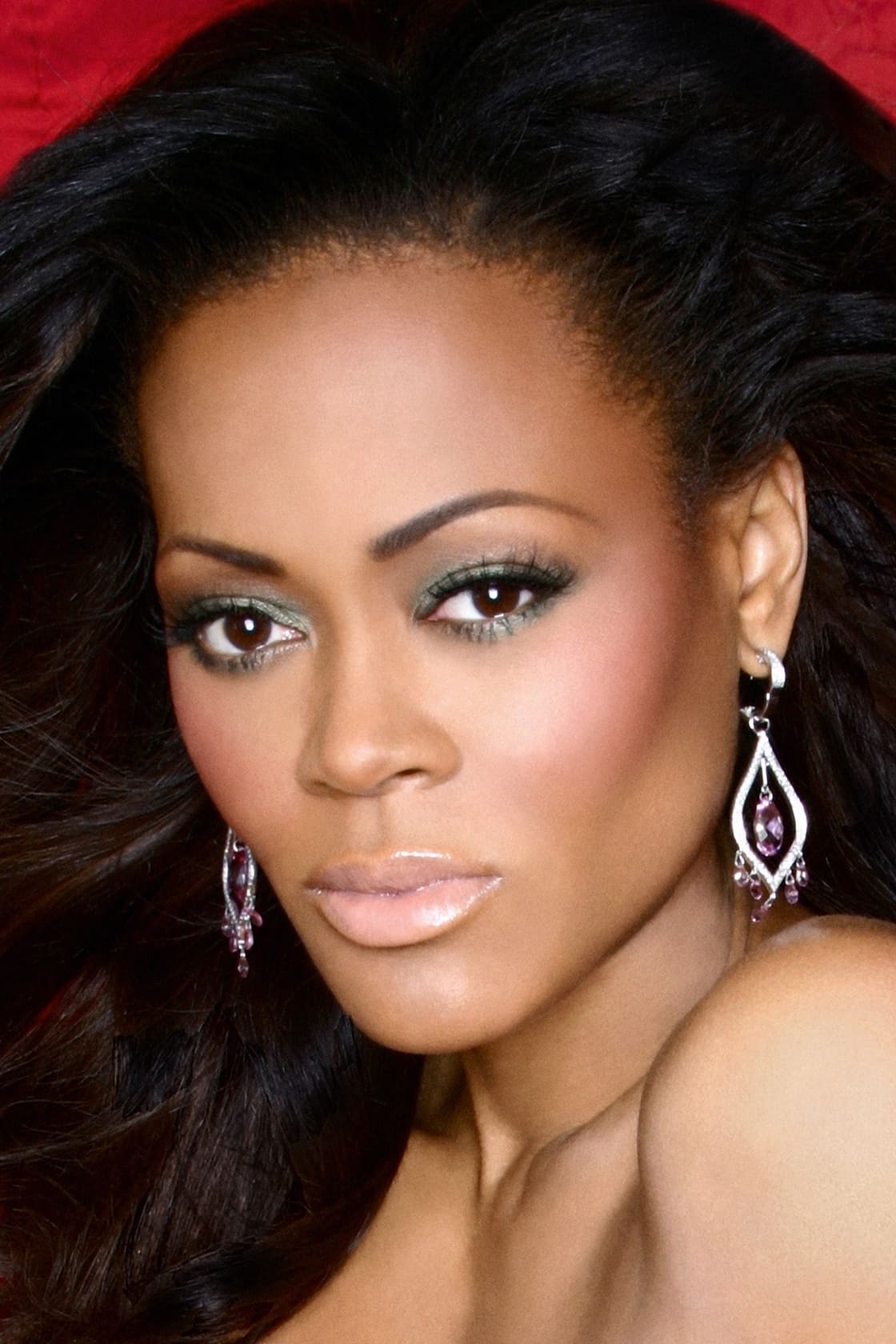
Robin Givens faced a difficult public image transition during her time in the comedy ‘Boomerang’ starring alongside Eddie Murphy. She felt that her character was unfairly labeled as a villain by the audience despite being a successful professional woman. The actress expressed that the role reinforced negative stereotypes about powerful women in the media at the time. She has often spoken about the challenge of overcoming that specific cinematic persona in the years that followed.
Mary J. Blige
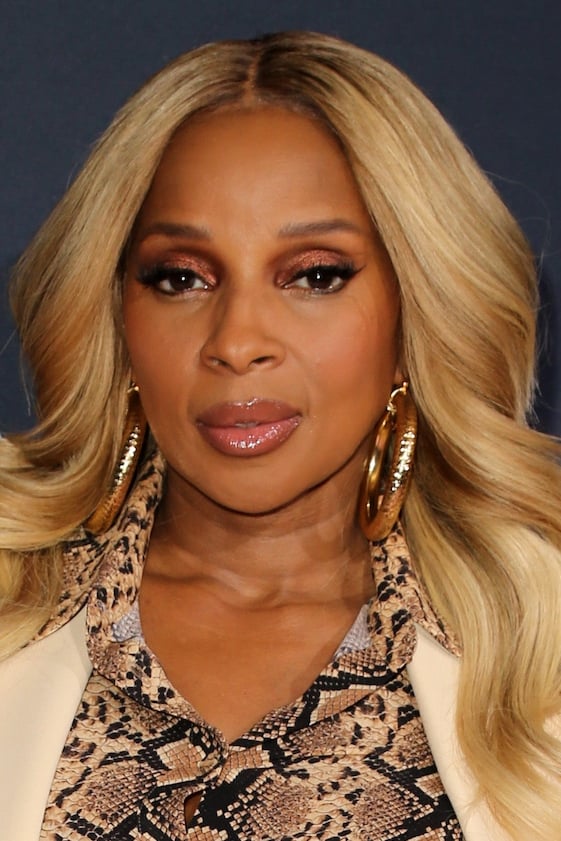
Mary J. Blige took a role in the musical ‘Rock of Ages’ but later admitted she was not entirely happy with the final product. She felt that the film did not fully utilize her talents and that the overall production was somewhat disjointed. The singer and actress preferred her later dramatic work which allowed for more depth and emotional range. She continues to focus on roles that challenge her as an artist beyond her musical roots.
Nicki Minaj

Nicki Minaj made a foray into live-action cinema with ‘The Other Woman’ but has since focused primarily on her music career. She expressed that the filming schedule and the nature of the role were not entirely what she expected. The artist found the transition from the music world to a film set to be a significant adjustment with its own set of frustrations. While the film was a commercial success she has been more selective about her subsequent acting appearances.
Zendaya

Zendaya fought for more creative control during her time on the series ‘K.C. Undercover’ to avoid certain repetitive tropes. She has mentioned that being a young star on a major network came with limitations that she eventually found stifling. The actress felt a responsibility to represent a more realistic and empowered version of a young girl on screen. She now looks back at that era as a necessary stepping stone that motivated her to seek more complex roles in projects like ‘Euphoria’.
Amandla Stenberg
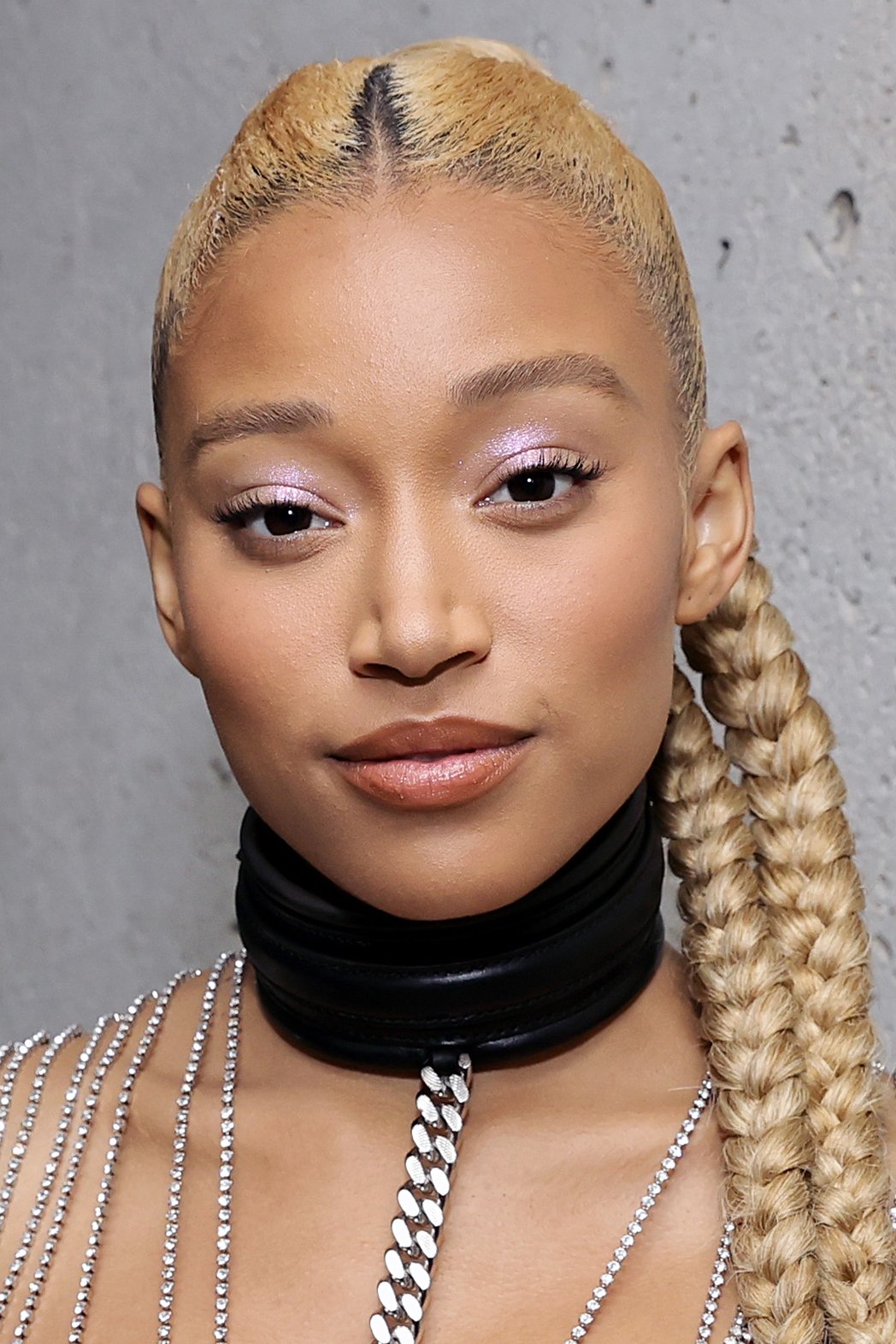
Amandla Stenberg faced intense racist backlash from some fans after being cast in ‘The Hunger Games’ as a young girl. While she does not regret the performance itself she has spoken about the trauma of being a child at the center of such a hateful discourse. The experience shaped her views on the importance of representation and the dangers of online fan culture. She has since become an advocate for social justice while continuing her career in film.
Cynthia Erivo
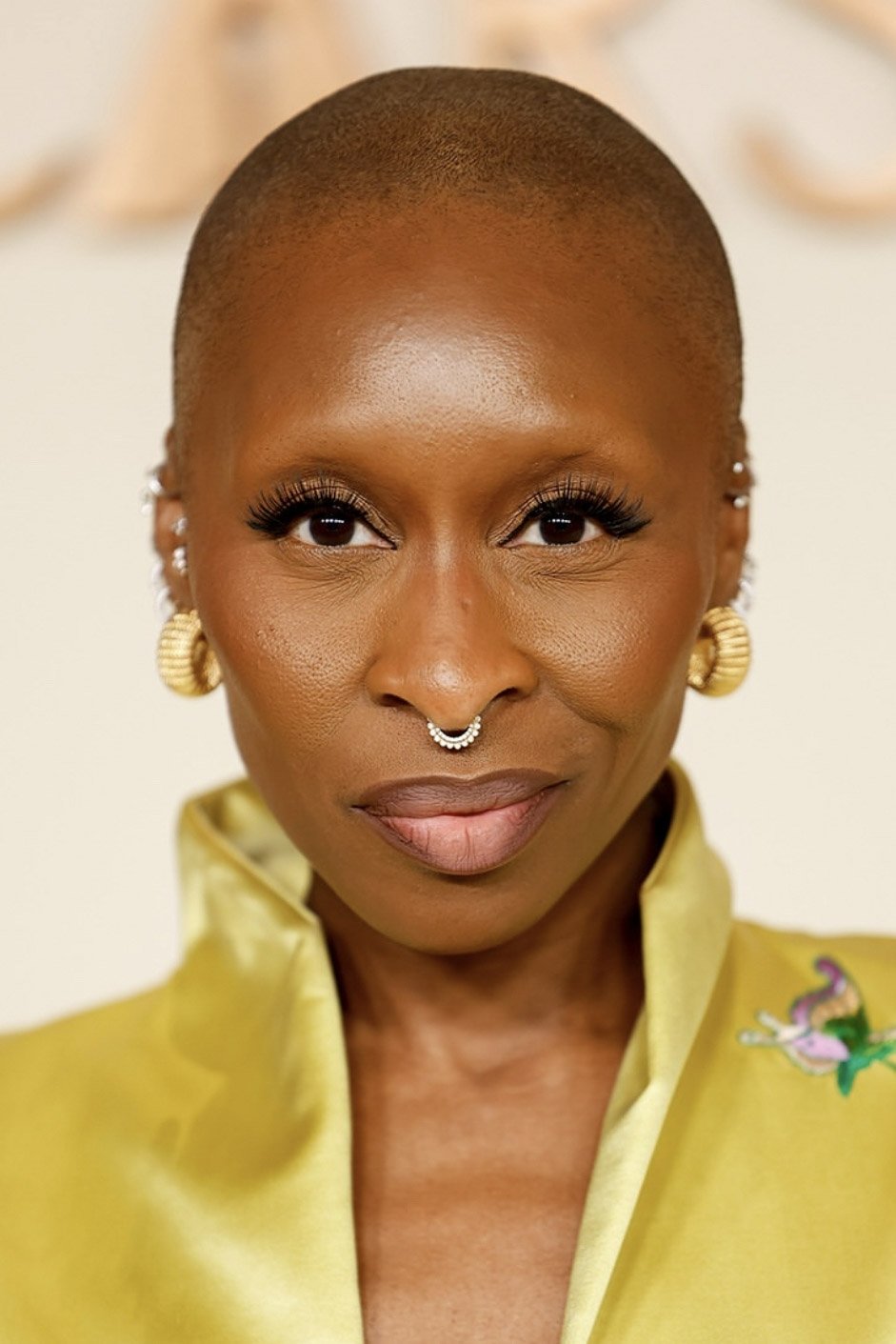
Cynthia Erivo encountered significant pushback when she was cast as the lead in the biographical film ‘Harriet’. Some critics felt that a British actress should not play an American icon with such a specific history of slavery. The actress expressed that the controversy was painful and complicated her connection to the celebrated role. She defended her craft while acknowledging the sensitive nature of international casting in historical dramas.
Stacey Dash
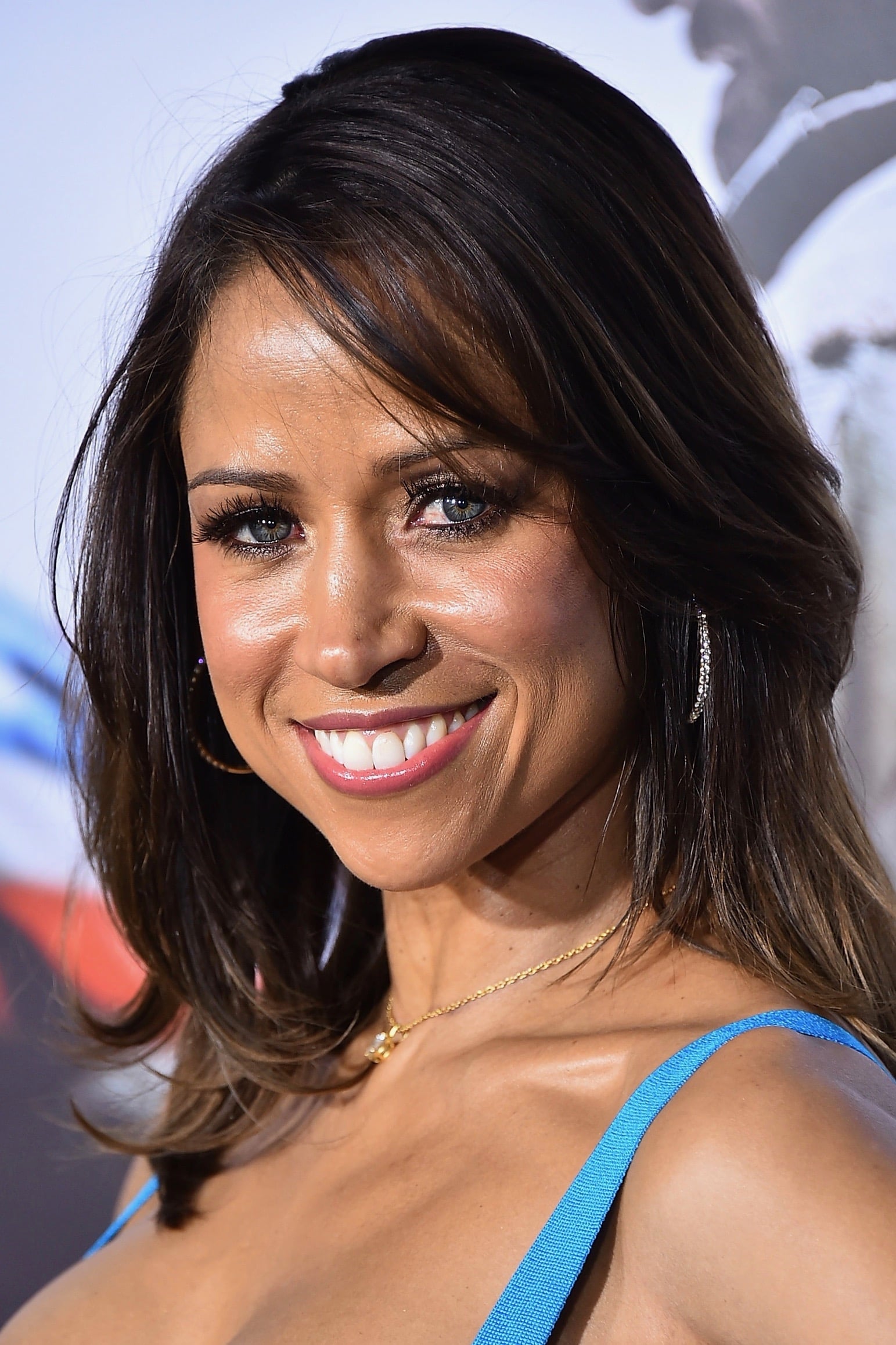
Stacey Dash became a household name through the film ‘Clueless’ but later found her political views made her a controversial figure in the industry. She expressed a sense of regret regarding how her Hollywood career shifted following her public transition to political commentary. The actress felt that the industry she once thrived in changed its perspective on her due to her personal beliefs. Her association with the iconic teen film remains her most notable contribution to pop culture despite the subsequent friction.
Eartha Kitt
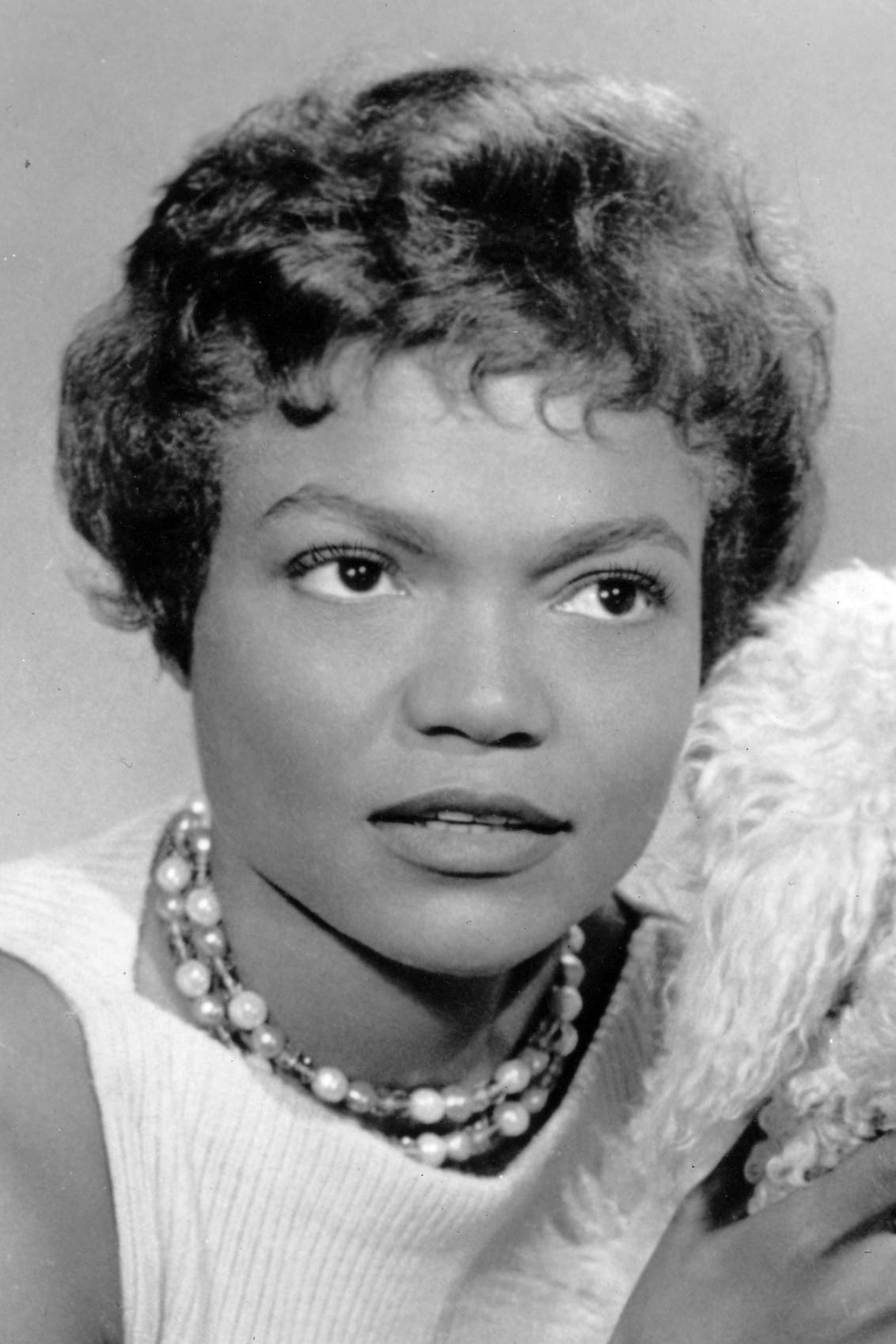
Eartha Kitt faced a long period of professional exile after making controversial comments about the Vietnam War during a visit to the White House. She regretted the way her career was derailed by the government and the entertainment industry for speaking her mind. The actress had to find work abroad for many years before being welcomed back to the American stage and screen. Her resilience in the face of being blacklisted is a well-documented part of her legendary legacy.
Pam Grier
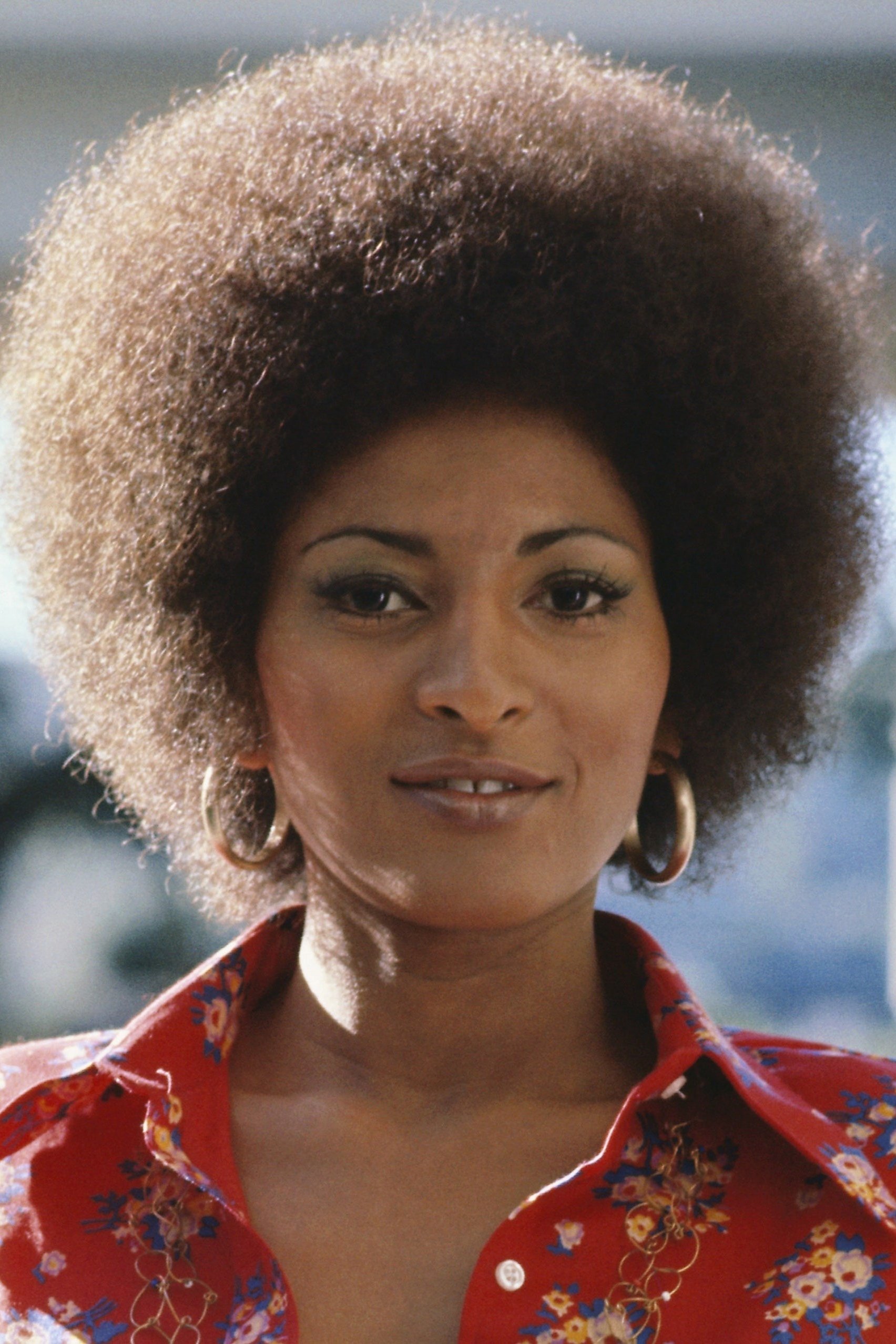
Pam Grier has reflected on her early roles in the blaxploitation genre with a mix of pride and professional caution. While these films made her an action icon she acknowledged that they often relied on hyper-sexualized imagery and stereotypes. The actress sought to move into more substantive roles that showcased her range beyond the tough persona of the seventies. She remains a pioneer but has been vocal about the limitations placed on actresses during that era.
Cicely Tyson

Cicely Tyson famously turned down many roles throughout her career because she refused to play characters that were demeaning to her community. She looked back at the early landscape of Hollywood and regretted that there were so few opportunities for dignified portrayals. The actress made it her mission to only accept parts that uplifted others and provided a positive image. Her commitment meant she worked less frequently than some of her peers but left a more impactful body of work.
Nichelle Nichols
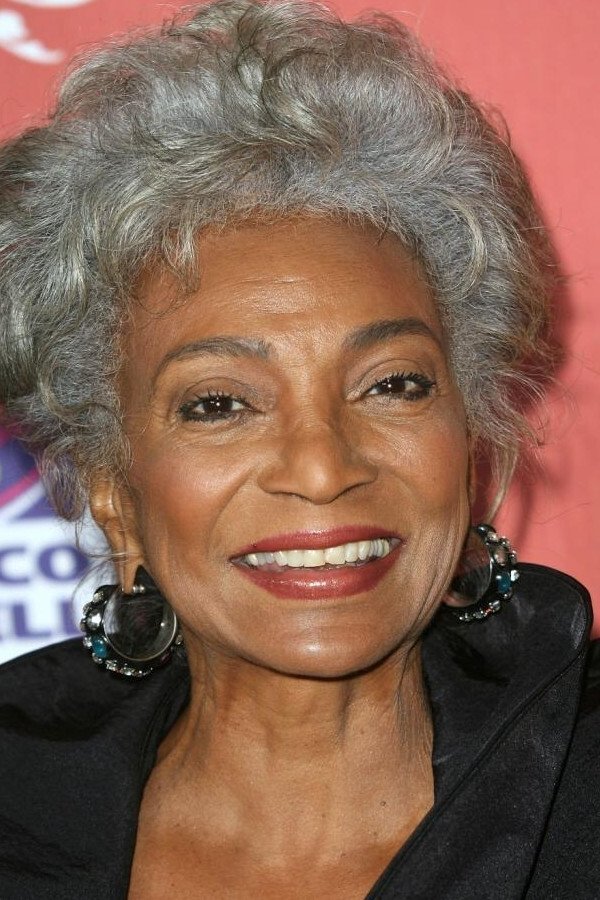
Nichelle Nichols almost left her role in ‘Star Trek’ after the first season because she felt her character was not being developed enough. She was famously encouraged to stay by Martin Luther King Jr. who recognized the importance of her presence on television. The actress later admitted that the struggles of being a pioneer in a sci-fi series were often exhausting and frustrating. She eventually embraced the legacy of her character and used her platform to assist with recruitment for NASA.
Naomie Harris
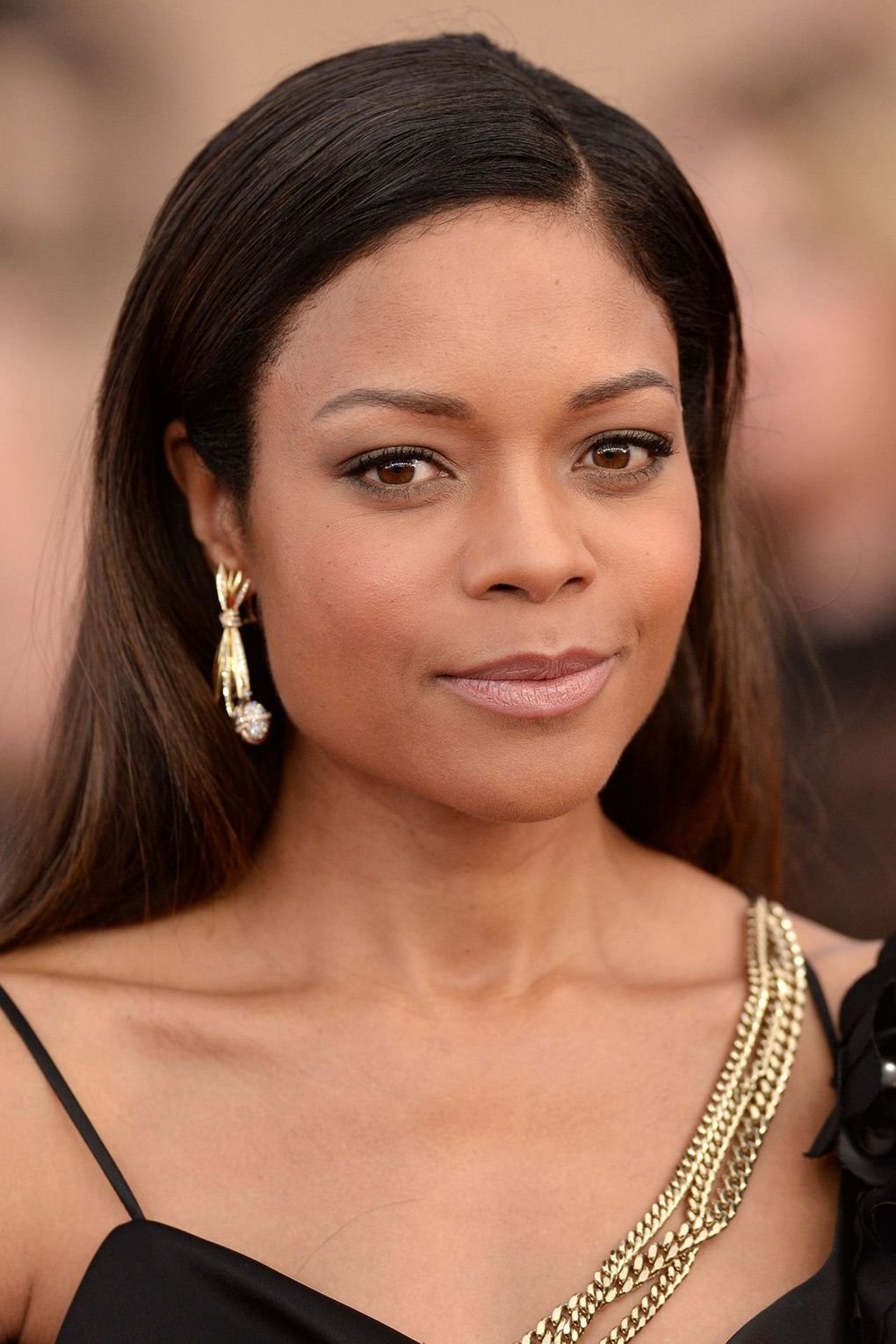
Naomie Harris spoke about the challenges of her role in the ‘Pirates of the Caribbean’ franchise where she played the sea goddess Tia Dalma. She felt that the heavy makeup and stylized performance sometimes masked her actual acting ability and range. The actress expressed a preference for more grounded and realistic dramas that allow for a deeper connection with the character. While the films provided global visibility she found more personal satisfaction in smaller independent projects.
Sophie Okonedo
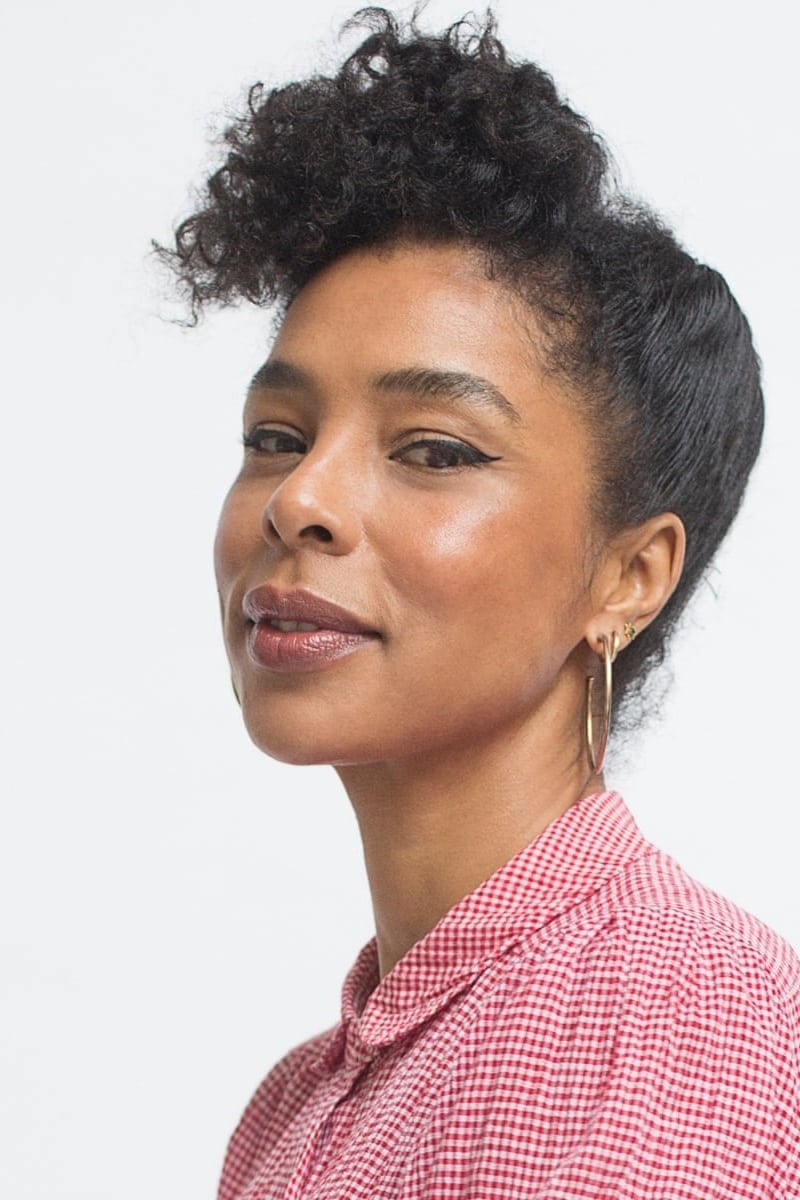
Sophie Okonedo appeared in the science fiction film ‘Aeon Flux’ which failed to connect with critics or the box office. She has since been critical of the project and the way the story was adapted for the screen. The actress felt that the final version of the film did not live up to the potential of the source material or the vision initially presented. She has since focused on more critically acclaimed work in both film and theater.
Rosario Dawson
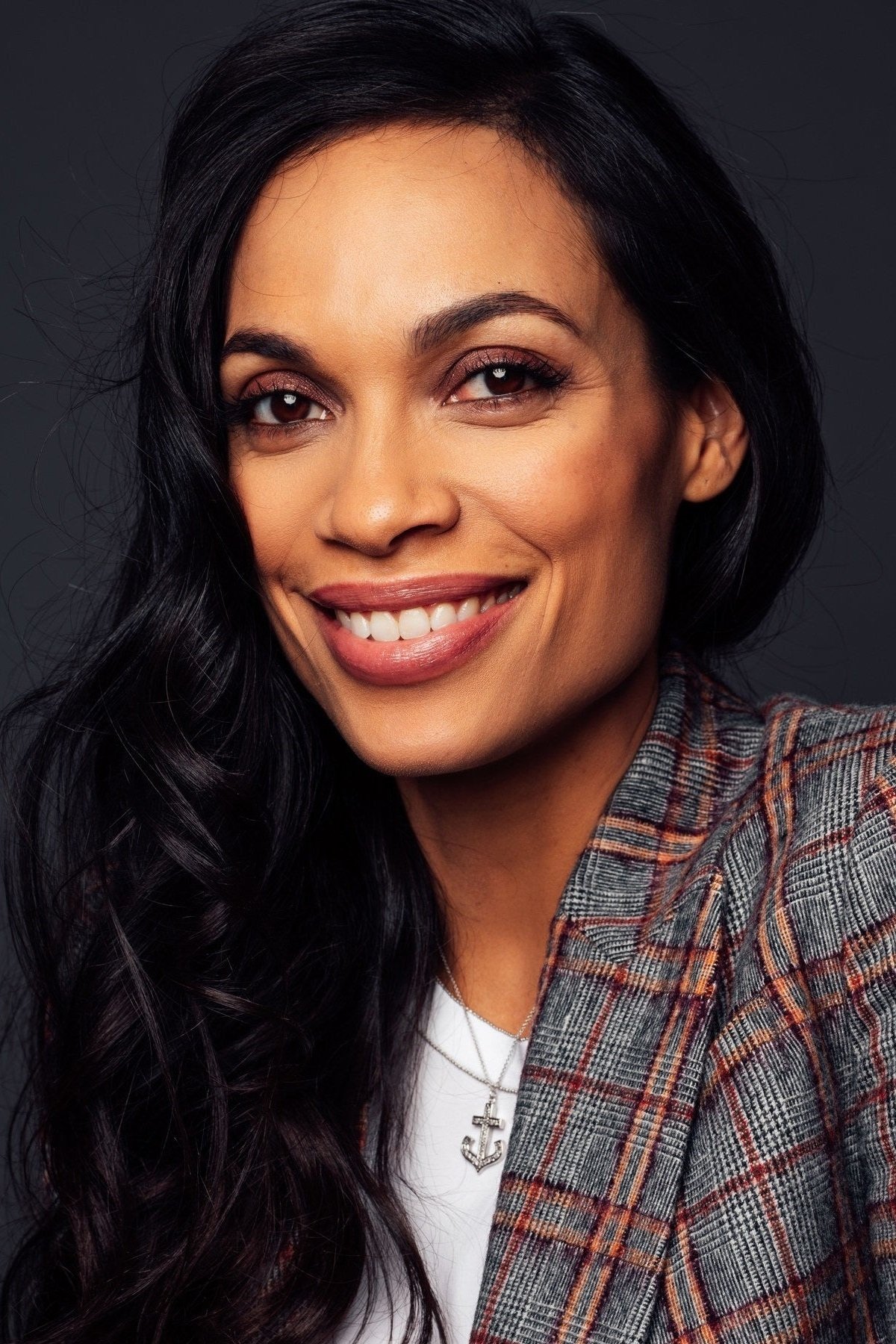
Rosario Dawson expressed some dissatisfaction with the final cut of the historical epic ‘Alexander’. She felt that much of the development for her character and several important scenes were lost in the editing room. The film was met with mixed reviews and did not achieve the level of success the cast and crew had hoped for. Dawson has continued to be a versatile performer in various genres while being mindful of the complexities of massive studio productions.
Paula Patton
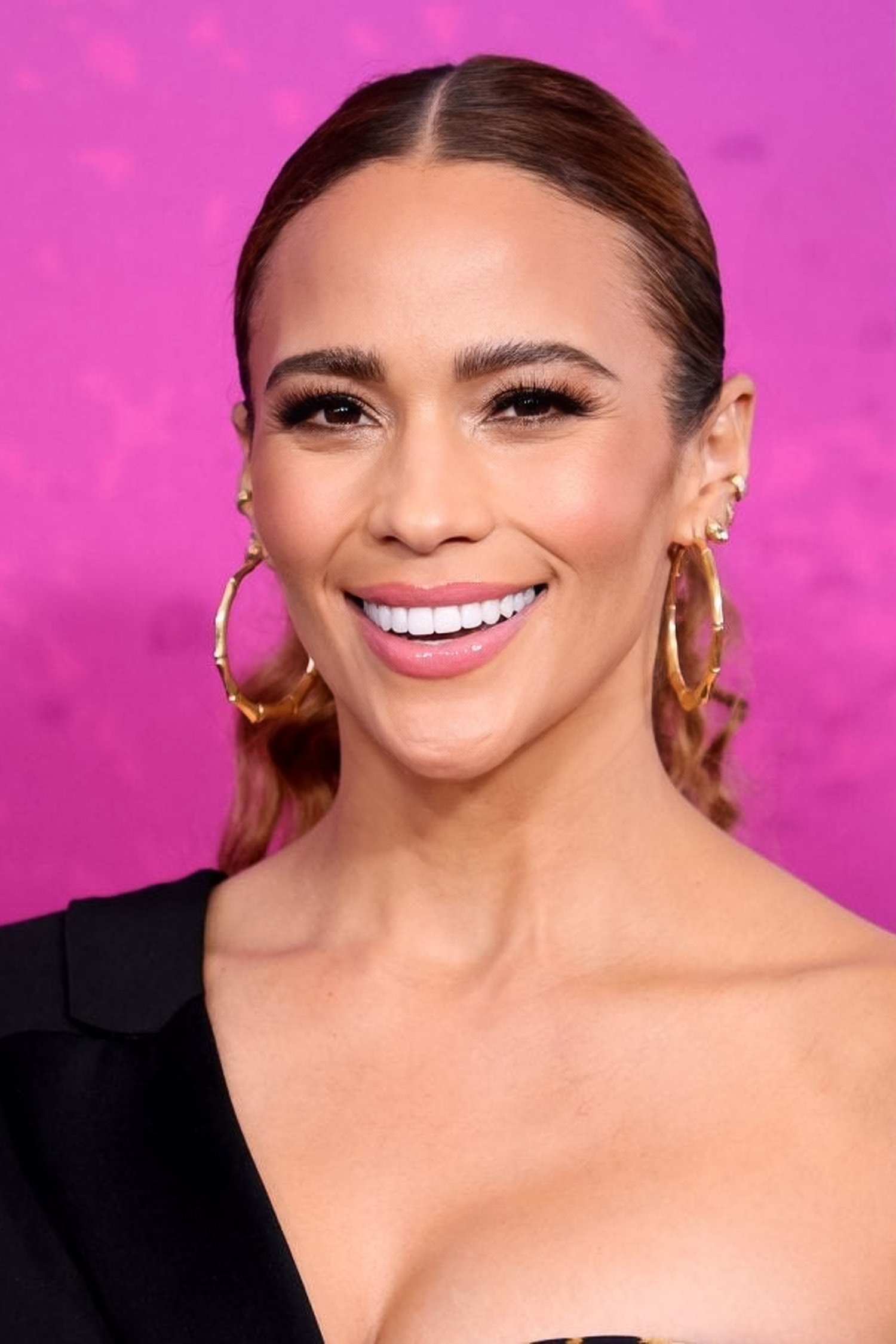
Paula Patton starred in the big-budget adaptation of ‘Warcraft’ which received a lukewarm reception from domestic audiences. She acknowledged the difficulty of working with extensive visual effects and the challenges of bringing a video game world to life. The actress felt that the film did not quite capture the magic that fans of the franchise were expecting. She has since moved toward television and film projects that offer more intimate character-driven stories.
Quvenzhané Wallis
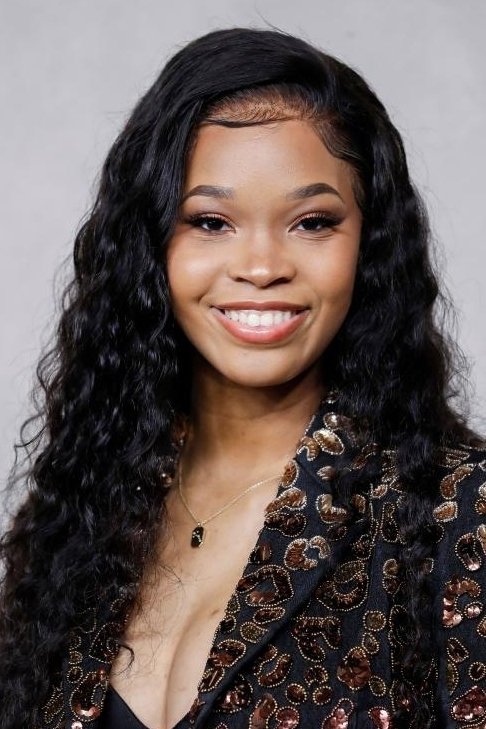
Quvenzhané Wallis starred in the modern remake of ‘Annie’ which faced a variety of critiques regarding its updated music and tone. While she was praised for her performance the film itself struggled to win over fans of the original musical. The actress has since stepped back from major lead roles to focus on her education and other interests. She has spoken about the pressure of being a child star at the center of a major commercial production.
Regina Hall
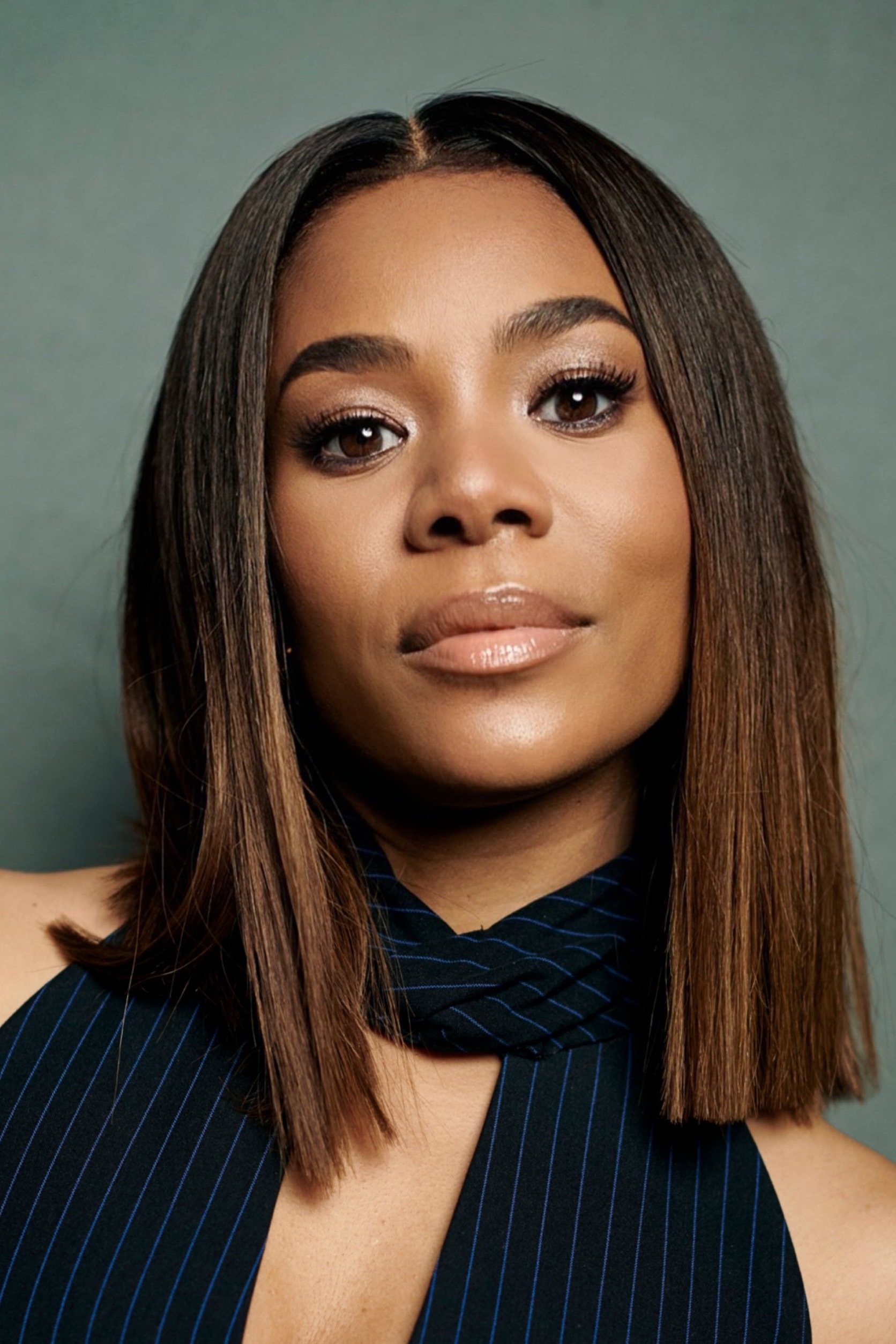
Regina Hall spent many years associated with the ‘Scary Movie’ franchise which she appreciated for its comedic opportunities but also found limiting. She felt that being pigeonholed as a comedic actress made it harder to be considered for serious dramatic roles earlier in her career. The actress eventually broke through those barriers with acclaimed performances in films like ‘Support the Girls’. She now enjoys a career that balances both humor and high-stakes drama with more creative freedom.
Tell us which of these career reflections surprised you the most in the comments.