The Surprising Truth Behind ‘Remarkably Bright Creatures’ And The Viral Octopus That Inspired Marcellus

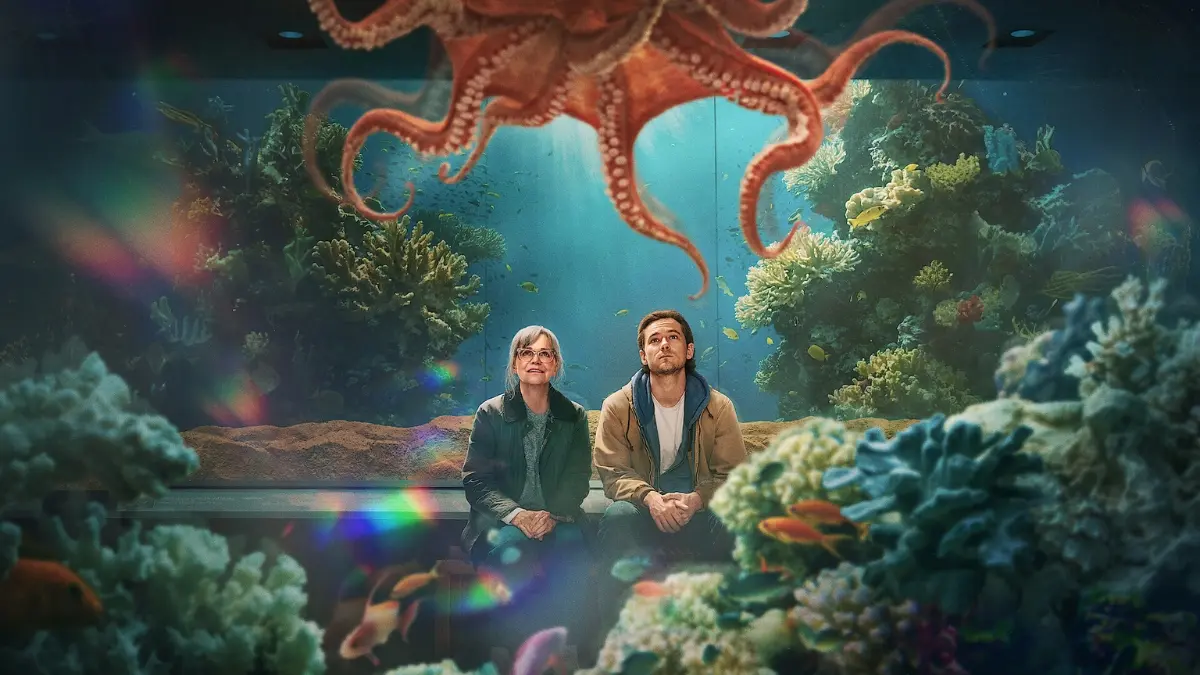

Netflix subscribers who fell for Tova, Cameron, and one very cantankerous giant Pacific octopus over the weekend are asking the obvious question. Is ‘Remarkably Bright Creatures’ a true story, or did author Shelby Van Pelt simply dream up the most charismatic eight-armed narrator in recent memory?
The short answer is that the film, which arrived on Netflix on May 8, is not based on real people or real events. The longer answer involves a viral YouTube clip, a writing class exercise, and an aquarium-loving author who let her imagination crawl right into the tank with Marcellus.
So, Is ‘Remarkably Bright Creatures’ Based On A True Story?
Despite the lived-in feel of Sowell Bay and the ache of Tova Sullivan’s grief, the story is pure fiction. The novel was published by Ecco in May 2022 and quickly became an instant New York Times bestseller, but the small Pacific Northwest town and its aquarium only exist on the page and now on screen.
That hasn’t stopped readers from assuming otherwise. Librarians have reported being asked repeatedly whether the book is nonfiction, largely because the cephalopod science woven into Marcellus’ chapters is so accurate. Real octopuses really do unscrew jars, recognize human faces, and stage genuine escapes from their tanks, which lends Marcellus an eerie believability.
The film leans into that same blueprint. Directed by Olivia Newman from a screenplay co-written with John Whittington, it stars Sally Field as Tova, Lewis Pullman as Cameron, and Alfred Molina voicing Marcellus, with Joan Chen, Colm Meaney, Kathy Baker, Beth Grant, and Sofia Black-D’Elia rounding out the Sowell Bay community.
The Viral Octopus That Sparked The True Story Question
The real spark for the novel came from a single internet rabbit hole. In an interview with the Seattle Times, Van Pelt recalled a 2015 viral video from the Seattle Aquarium showing an octopus trying to climb out of its tank, a clip that stuck in her mind and sent her deep into octopus research.
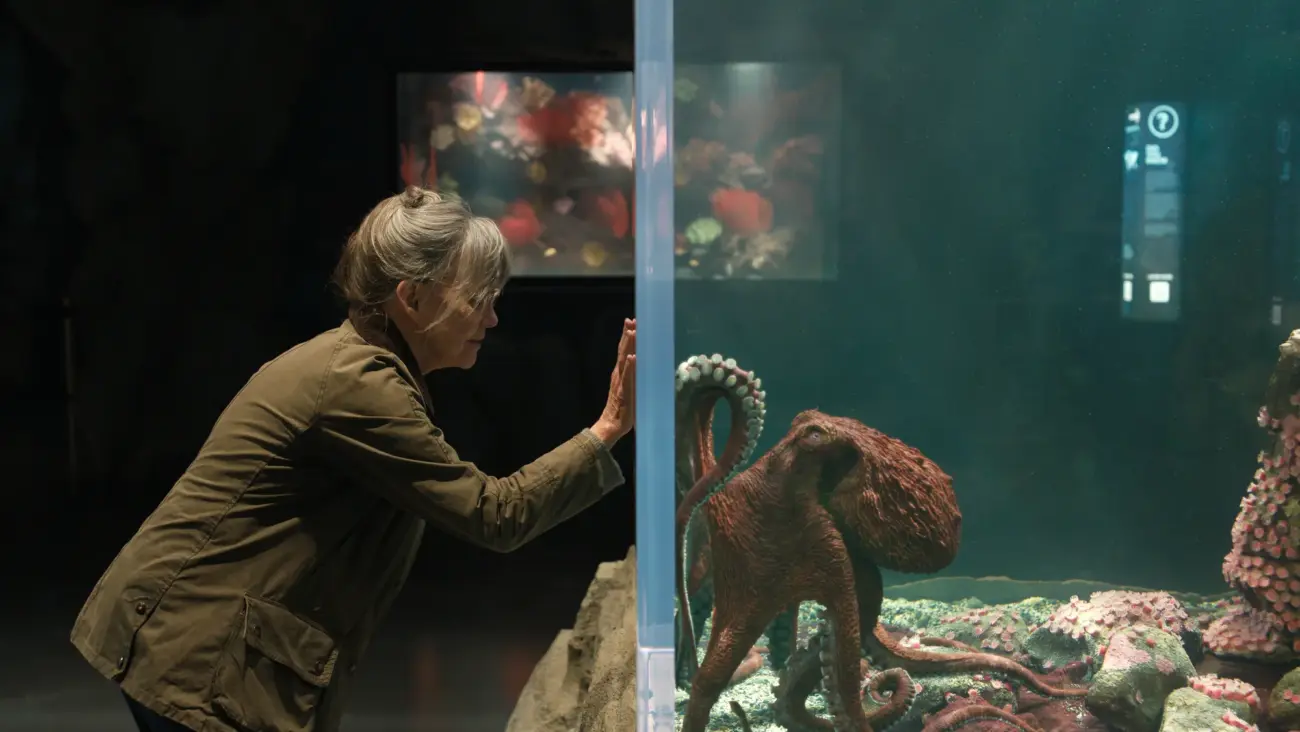
That obsession eventually collided with a creative writing class. Van Pelt has said her teacher gave the group an exercise to write from an unusual point of view, and she decided to be the octopus complaining about the silly humans keeping it captive. She started hearing a voice in her head that was very snarky and exasperated, and that first scribble eventually became the opening chapter of the book.
To keep Marcellus grounded in actual science, Van Pelt drew on nonfiction writing about encounters with captive octopuses and ran her drafts past friends with marine biology backgrounds to flag anything that strayed too far from reality. The result is a narrator who feels remarkably plausible, even when he is opening padlocks at midnight.
How Shelby Van Pelt Shaped The Bright Creatures At The Heart Of The Story
While Marcellus was lifted from the natural world, the human characters drew straight from Van Pelt’s personal life. The author has shared that Tova’s mannerisms and worldview were modeled on her own maternal grandmother, who had been a significant figure in her childhood.
She also had a very specific actress in mind from the beginning. Van Pelt has said she pictured Sally Field while writing Tova, which is why she was ecstatic when Field eventually came on board to play the role in the Netflix adaptation. Having become a new mother around the time she was drafting the novel, Van Pelt poured the imagined heartbreak of losing a child into Tova’s decades-long grief over her son Erik.
The fictional Sowell Bay Aquarium is also a love letter to a real place. Van Pelt grew up in Tacoma, and her favorite childhood haunt was the aquarium at the Point Defiance Zoo and Aquarium, where she liked to sit in the dark and watch the jellyfish.
Bringing The Bright Creatures From The Page To Netflix
The journey from manuscript to streaming hit was relatively quick by Hollywood standards. Netflix announced in August 2024 that it would adapt the novel, with Olivia Newman directing and Sally Field already locked in as Tova. Principal photography wrapped in Vancouver, Canada by May 2025, with Ashley Connor serving as cinematographer.
For Marcellus himself, the production team got delightfully creative. They filmed hours of footage of a real giant Pacific octopus named Agnetha who lives at the Vancouver Aquarium, used that footage wherever possible, and built a CGI double for scenes that required specific movements and placement. The blend keeps Marcellus feeling tactile rather than animated.
Critics have largely been won over by the gentle tone. The Hollywood Reporter memorably summed it up as a poor octopus movie but a charming human one, praising Field and Pullman for their winsome chemistry. As of opening weekend, the film held a 77 percent Fresh rating on Rotten Tomatoes alongside a 90 percent audience score, and it quickly climbed to number four on Netflix’s global top films list.
So, no, none of this happened. But Van Pelt’s blend of real cephalopod science, a Pacific Northwest she actually grew up in, and the grandmother whose voice still echoes in Tova gives the story a truth that has nothing to do with whether Marcellus exists. Now that everyone has met him, the only thing left to debate is whether you cried hardest for Tova, for Cameron, or for the grumpy old octopus counting his days from the wrong side of the glass.