‘Strange Darling’s’ “Based on a True Story” Claim Has a Twist of Its Own

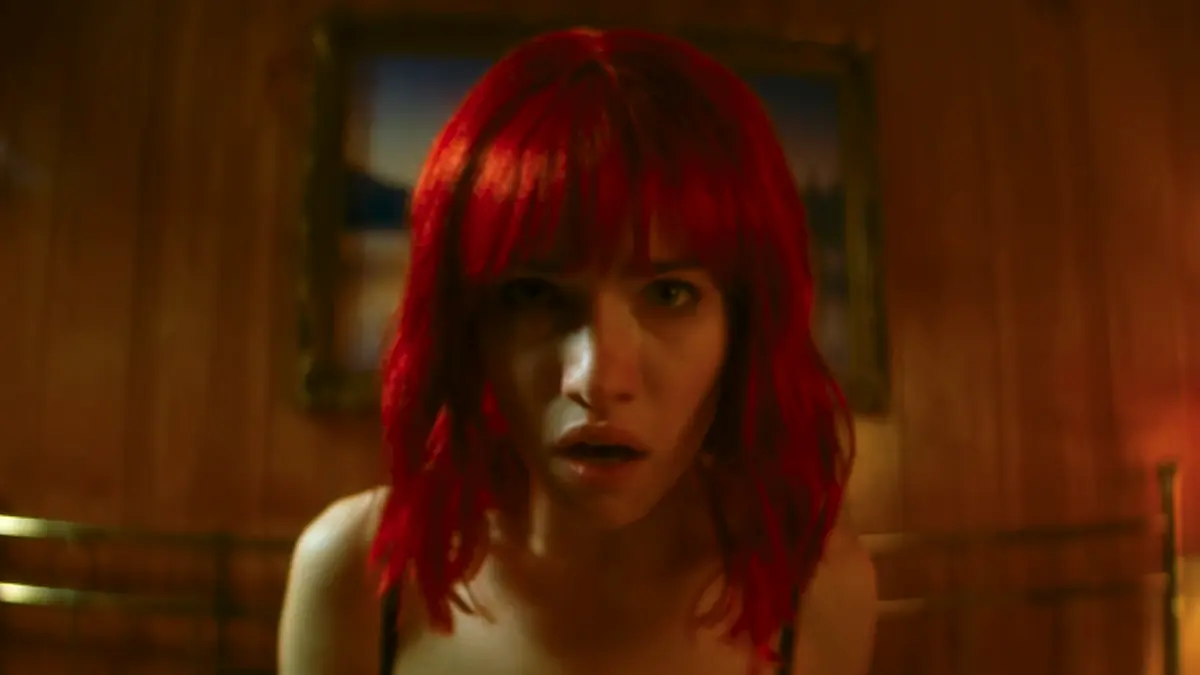

JT Mollner’s psychological thriller ‘Strange Darling’ opens with a chilling text crawl announcing that what audiences are about to watch is drawn from police interviews, eyewitness accounts, and the final known killings of a real serial killer. It is the kind of disclaimer that sets the pulse racing before a single frame of action plays out, and naturally, viewers have been left scouring the internet looking for the case that inspired it.
The answer turns out to be more slippery than that opening crawl lets on. The man behind ‘Strange Darling’ has stayed deliberately coy about whether anything in his film is actually rooted in real crimes, leaving audiences and journalists to piece together what is fiction and what might be borrowed from something darker.
The Opening Disclaimer That Frames Strange Darling As True Events
The film begins with a text crawl explaining that the story is a dramatization of a real killer’s last spree, citing police interviews, depositions, and witness accounts. That framing mirrors the conceit used in many true crime movies and is especially common in the modern streaming era, where audiences are conditioned to accept the format at face value.
That same crawl tells viewers the film is depicting events from the American Northwest. Reviewers and journalists who tried to chase the story down found that no real-world case lines up with what unfolds on screen, and there is no documented serial killer whose crimes match those depicted in ‘Strange Darling.’
By the end of the credits, the film essentially admits the bluff. A standard legal card appears stating that the characters and events depicted are fictitious and that any similarity to real persons is purely coincidental. So one disclaimer announces truth while the other quietly walks it back.
JT Mollner’s Cryptic Answer About Real-Life Inspiration
In an interview with CBR, Mollner declined to give a clean answer when asked whether any real crime inspired the film. He simply responded “Perhaps!” and encouraged viewers to do their own research and decide for themselves how much truth they feel exists inside the story.
He went further by saying he did not want to dig into specific inspirations because that could venture into spoiler territory. The director clearly wants it both ways, planting the suggestion of reality while refusing to confirm any particular case. It functions as both a marketing tactic and a philosophical stance about how horror operates on a viewer.
Speaking to The Hollywood Reporter, Mollner emphasized that the marketing campaign was carefully designed to read as a simple predator-versus-final-girl premise, even as the film itself was working to subvert that. He framed the project as essentially a love story disguised as a thriller, focused on the phases of a relationship eventually going bad. None of that framing positions the killer as a real person.
Real Cases That Might Have Inspired The Electric Lady
Although no specific case matches the movie, a few real names hover around its edges. The Direct floated Aileen Wuornos as a possible touchpoint, the Florida killer who, between 1989 and 1990, robbed and murdered seven male victims under the guise of street prostitution and defended herself by claiming the men had assaulted or attempted to assault her. The conversations ‘Strange Darling’ raises around gender, sex, and violence echo the discourse that has long surrounded that case.
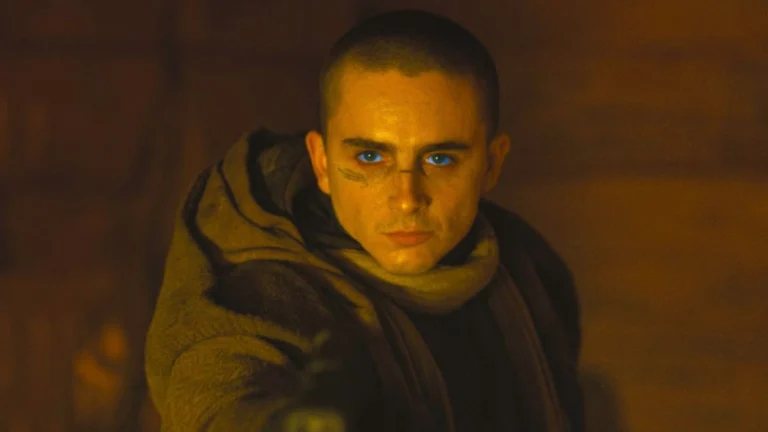
Inside the film itself, one real killer gets a direct name check. Willa Fitzgerald’s Lady tells the Demon, while begging for her life, that she had always wanted to die like Gary Gilmore, a reference to the killer who murdered two men, was convicted, and famously demanded his execution be carried out, ultimately dying by firing squad on January 17, 1977. Norman Mailer turned Gilmore’s story into the book ‘The Executioner’s Song,’ which was later adapted into a film starring Tommy Lee Jones.
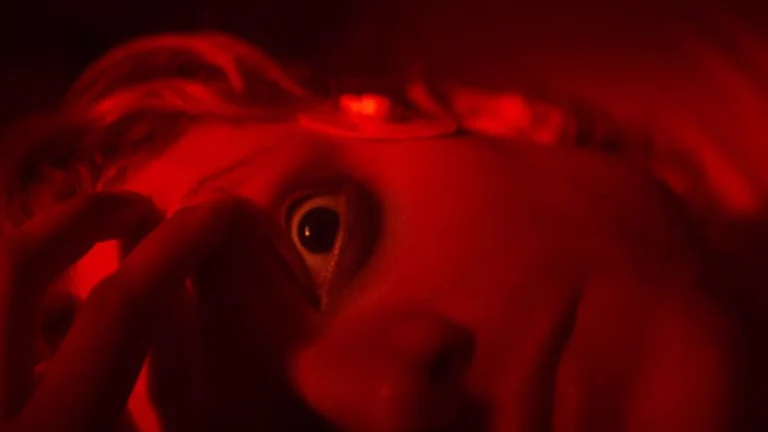
Outside of those nods, the rest of the inspiration looks aesthetic rather than literal. Mollner has cited films like Dario Argento’s ‘Suspiria’ and Ken Russell’s ‘The Devils’ as visual reference points, shaping a saturated, vintage feel for the picture. The Electric Lady’s actual psychology, including her visions of devils in place of her victims’ faces, has no documented real-world counterpart.
Why The True Story Tag Works As A Storytelling Trick
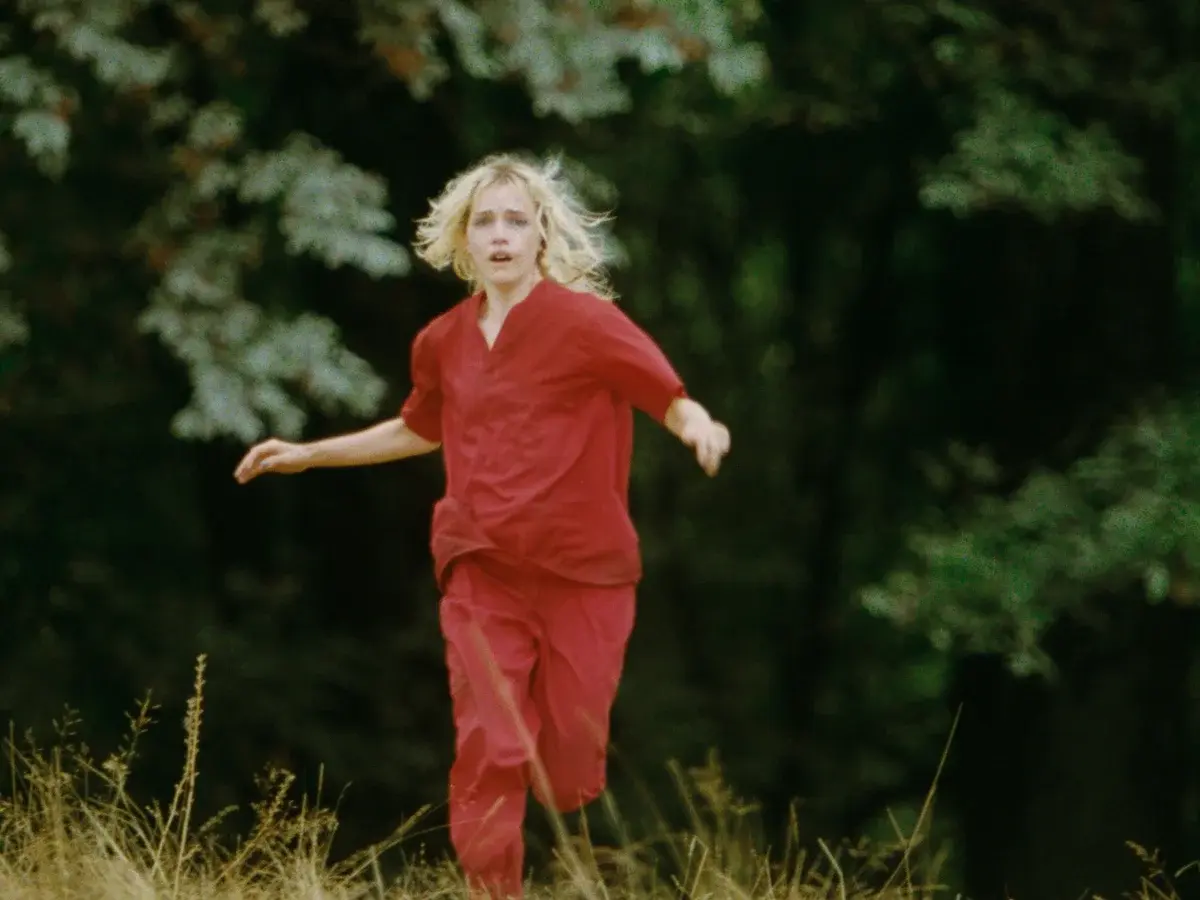
The “based on true events” frame is doing heavy narrative lifting before the story even starts. It primes audiences to take the side of the bloodied woman running through the woods, because true crime conditioning almost always casts that figure as the victim, and that assumption is exactly what the film weaponizes.
Reviewers have noted that ‘Strange Darling’ essentially gaslights its viewers by using genre familiarity against them. The text crawl is the first piece of bait, the chapter-shuffled structure is the second, and by the time the truth lands, audiences realize their sympathies were placed by reflex rather than evidence. Stephen King added to the buzz by publicly praising the film, which helped fuel its breakout indie run.
The bigger picture is that thrillers invoking true crime have always played fast and loose with the label. Films like ‘The Texas Chainsaw Massacre’ and the original ‘The Strangers’ both leaned on real-events language without being rooted in a specific case, and ‘Strange Darling’ uses the same trick with sharper intent. Mollner is essentially asking what happens when the format itself becomes the misdirection.
After sitting with the Electric Lady’s twist and Mollner’s playful refusal to spell out his sources, where do you land, is there a real case buried under all that chapter shuffling, or is the “based on true events” crawl just the slickest piece of misdirection in the whole movie.