‘LifeHack’ Is Inspired by True Events — Here’s the Real Crypto Chaos That Fueled the Film

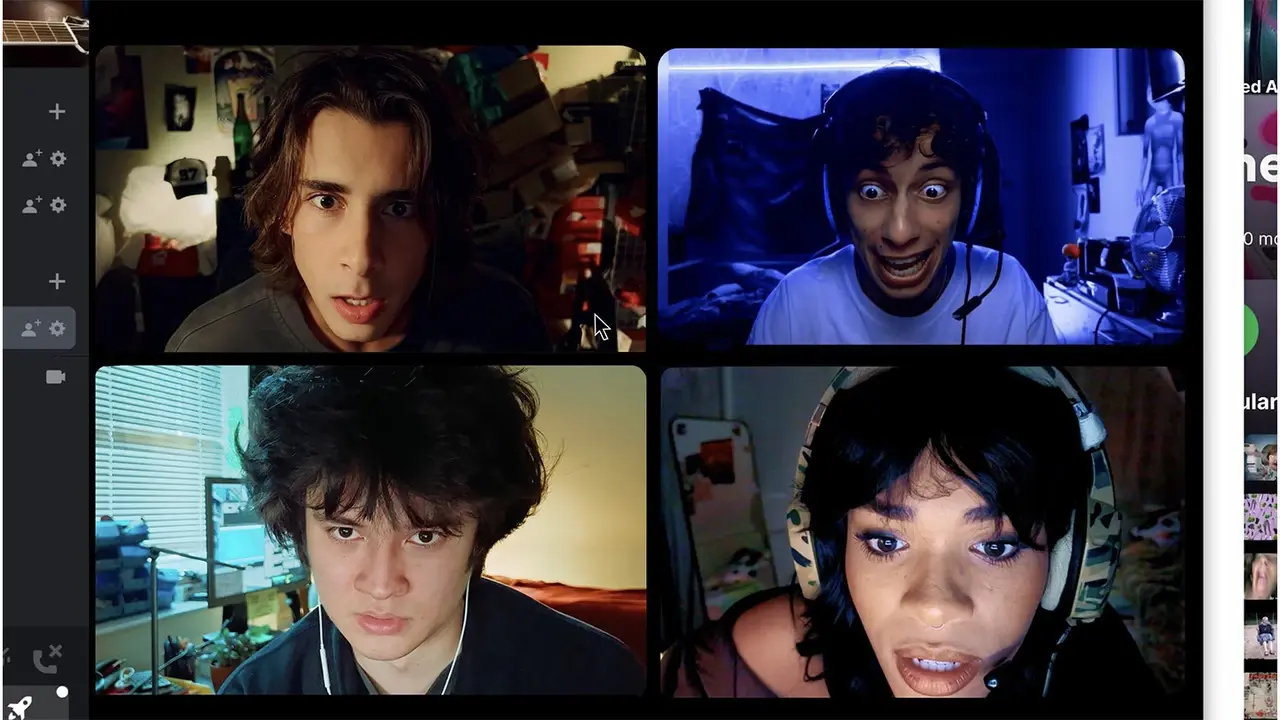

The buzziest screenlife thriller to come out of the festival circuit in years is not as fictional as it might seem. ‘LifeHack’ centers on Kyle and his crew of digital Robin Hoods, who spend their time gaming and pranking online scammers with their hacking skills, before convincing themselves to level up and target a tech billionaire’s cryptocurrency wallet. It is a slick, propulsive ride, but behind the bedroom-based heist lies a surprisingly grounded foundation in real events.
Inspired by true events, ‘LifeHack’ marks the feature directorial debut of Irish filmmaker Ronan Corrigan, who co-wrote the script with Hope Elliott Kemp. The film premiered to widespread acclaim and has since become one of the more talked-about genre entries of its era, raising a very reasonable question for viewers walking out of the cinema: how much of this actually happened?
The Real Crypto Crimes That Shaped the Story
Director Corrigan explained his research approach directly, stating, “The whole film was built off limitations,” and adding, “We base our characters off true stories of these kids getting into crypto scams, getting into SIM swapping, getting into all kinds of nasty stuff on the dark web.” This was not a filmmaker reaching for dramatic license, but one grounding his story in a documented and disturbing wave of juvenile cybercrime.
The real world incidents that informed ‘LifeHack’ track closely with some of the most remarkable criminal stories of the cryptocurrency era.
By 2016, hackers had developed a method called SIM swapping, which involved persuading employees at wireless carriers to remotely switch a SIM card from a target’s phone to one controlled by the hacker, so that when a two-factor authentication text came through, it was the hacker who received it. Controlling someone’s phone in this way effectively handed over their entire digital identity.
One of the most staggering real examples involved Joel Ortiz, an 18-year-old college student who, operating from his mother’s Boston apartment, went on to steal more than $7.5 million through SIM swapping, targeting individuals publicly associated with the crypto world.
The parallels to ‘LifeHack’s isolated, bedroom-bound characters are striking. Corrigan reflected on his personal experiences in the PC gaming scene, saying he was “looking at the extreme cases in that kind of culture” when developing the film’s characters.
Ronan Corrigan’s Debut and the Screenlife Format
Corrigan began developing the film during the isolation period of the COVID-19 pandemic and wanted to portray the time when he played a lot on the PC when he was younger. That personal lens gave the film an authenticity that critics noticed immediately.
Pete Hammond of Deadline described the result as “hands down the best Screenlife movie yet, a dazzling marriage of online skill, clever storytelling, brilliant editing and acting within the confines of your computer screen that rivals the best of any heist film in recent years.”
The screenlife format itself, in which the entire story unfolds on computer and phone screens, is a perfect vehicle for a story rooted in real digital crime.
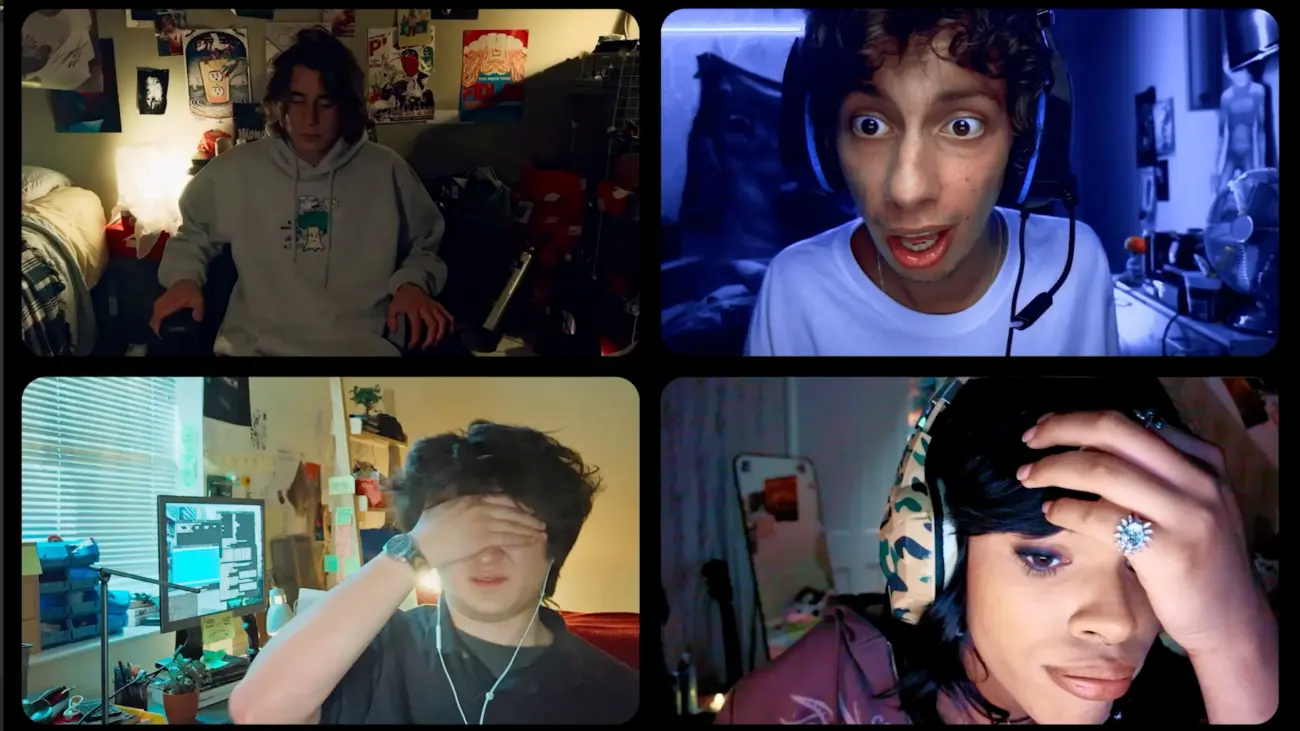
The film features realistic hacking, one in which information, jokes and memes flood the screen as quickly as they do the lives of Generation Z, with images carefully curated by human hands rather than algorithmically. For a film inspired by actual online behavior, that formal choice feels less like a gimmick and more like a necessity.
Timur Bekmambetov, best known for his work on ‘Searching’ and ‘Missing’, produces alongside Joann Kushner and Sasha Kletsov, with Michael Fassbender executive producing through his DMC Film banner alongside partners Daniel Emmerson and Conor McCaughan. That combination of genre pedigree and prestige producing muscle helped position ‘LifeHack’ as something well beyond a novelty entry.
A Cast Reflecting a Generation
The film stars Georgie Farmer from ‘Wednesday’, Yasmin Finney from ‘Doctor Who’, Roman Hayeck-Green from ‘Sex Education’, content creator James Scholz, Jessica Reynolds from ‘The Curse of Audrey Earnshaw’, and Charlie Creed-Miles from ‘The Fifth Element’. The ensemble was clearly assembled with cultural currency in mind, drawing on young talent already embedded in streaming-era genre touchstones.
The film tethers itself to the point of view of English slacker and shut-in Kyle, played by Georgie Farmer, presenting all windows to the world on his computer, with only occasional cutaways to his smartphone.
This singular perspective keeps the film grounded even as the stakes escalate. Charlie Creed-Miles plays billionaire Don Heard, a thinly-veiled tech personality with more of an edge and more dangerous secrets, whose social media influencer daughter Lindsey, played by Reynolds, becomes the key entry point for the crew’s scheme.
Critical Reception and Cultural Resonance
‘LifeHack’ premiered at South by Southwest in 2025, and on the review aggregator Rotten Tomatoes, 100% of critics’ reviews are positive. That kind of unanimous critical response for a debut feature in a niche genre is genuinely rare, and it reflects how precisely the film lands its premise.
As IndieWire observed, the internet is the closest thing these teenage cyberthieves have to a real life, and Corrigan’s film is an authentic portrait of the most alive they have ever been. That observation cuts to the emotional core of what makes the true story angle so resonant.
The film offers a deeper look into the real lives of teenagers in today’s world, showing the world that shapes them through their own eyes as a generation raised in a digital and interconnected world with access to anything. The heist is the hook, but the humanity underneath it is what lingers.
‘LifeHack’ was nominated for both Best Editing and Breakthrough Producer at the British Independent Film Awards. With its UK theatrical release arriving through Vue cinemas, new audiences are now discovering a film that asks a genuinely unsettling question: if the real teenagers who pulled off multi-million dollar crypto heists were just bored kids in their bedrooms, what does that say about how dangerously thin the line is between a prank and a crime?
If you have watched ‘LifeHack’ and found yourself wondering just how closely the crew’s methods mirror the real SIM-swapping cases that inspired Corrigan, share your thoughts, because this is a film that leaves plenty to unpack.