The 10 Most Disappointing Moments from ‘The Boys’ (and 5 We Absolutely Loved)

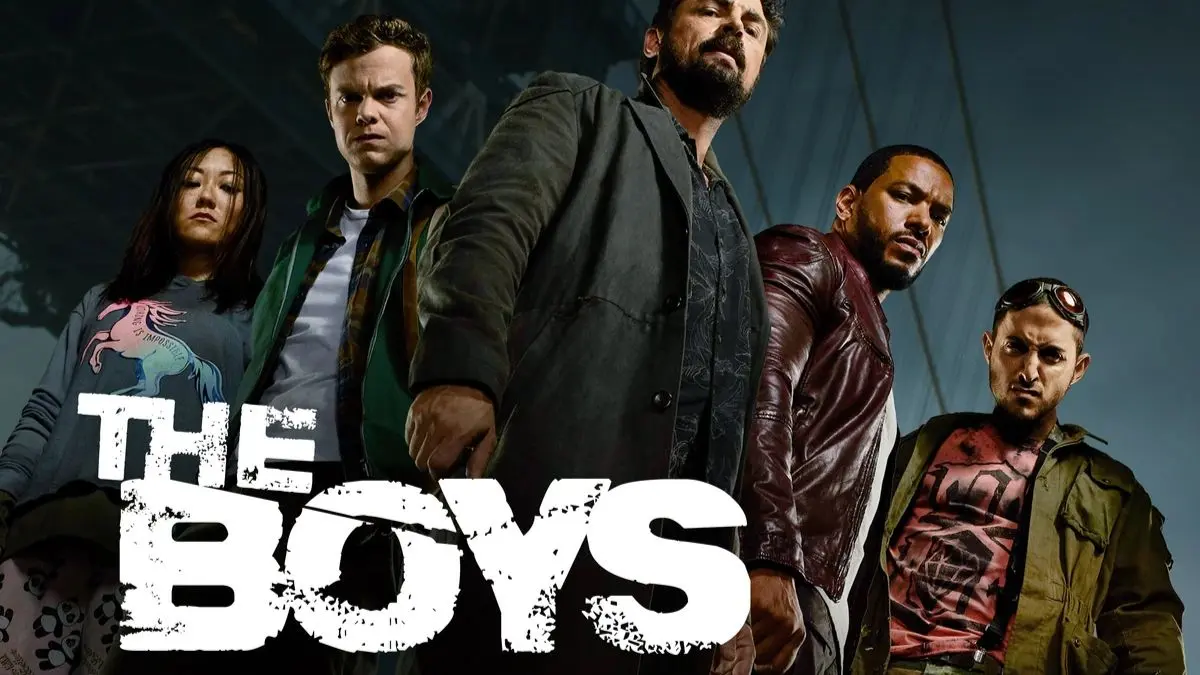

Few shows arrived with the force that ‘The Boys’ did when it first hit Prime Video back in 2019. A gleefully vicious satire of corporate superheroes, celebrity worship, and unchecked power, it made an immediate cultural impact and quickly built one of the most passionate fanbases in all of streaming.
But as the five-season run reaches its conclusion, fan discourse has settled into something genuinely complicated — a mix of real grief and real frustration. Here is an honest look at the 10 things that let the show down across its run, and the 5 that reminded everyone exactly why it mattered.
1. Season 4’s Terrible Pacing Dragged Everything Down
Previous seasons of ‘The Boys’ were gripping from beginning to end, with very few lulls in the storytelling. Season 4’s opening episodes, by contrast, were loaded with character setup that felt like regression after season 3’s epic finale. For much of the fourth season, the Amazon series seemed to be simply clearing its throat before the actual story could begin.
2. The Jeffrey Dean Morgan Twist Nobody Was Surprised By
Jeffrey Dean Morgan’s arrival as CIA officer Joe Kessler was one of the most anticipated castings the show had ever teased, with fan theories multiplying for months before the season dropped. When the reveal finally came — that Kessler was a vivid figment of Butcher’s imagination the entire time — fans had already figured it out weeks before the show had a chance to stick the landing. The self-satisfied execution of one of TV’s most worn-out tropes deflated the moment considerably.
3. Homelander as a Threat That Overstayed His Welcome
Collider described the show in its later seasons as “a formulaic adventure that repeatedly flies to the same heights only to land and tease the same ascension in the following season,” pointedly asking how long Homelander could remain a viable threat without being dispatched. That tension, once thrilling, had worn thin by the time the finale arrived, with many viewers craving resolution far earlier than they got it.
4. The Political Commentary Lost Its Subtlety
IMDb reviewers observed that ‘The Boys’ used to handle its political parallels more quietly, giving them weight without overwhelming the story. By season 4, that careful balance had tipped noticeably, and what once felt sharp and purposeful started to feel like a lecture being delivered at high volume. The satire the show earned early praise for began looking more like a blunt instrument than a scalpel.
5. Black Noir’s Death and the Hollow Replacement
Black Noir’s untimely death in the season 3 finale devastated fans who had grown attached to the mute, tortured figure beneath the mask. His replacement by an entirely new character wearing the same suit in season 4 struck many viewers as a workaround that could never replicate the emotional weight the original had accumulated over three seasons of near-silent, deeply affecting storytelling.
6. Hughie’s Trauma Was Repeatedly Ignored
A Reddit thread criticising the show noted among its most specific complaints the lack of acknowledgement of Hughie’s lingering trauma, with the post collecting over 3,000 upvotes and 700 comments. Hughie’s arc began as the emotional heart of the entire premise, and its gradual sidelining in favour of spectacle felt like a genuine betrayal of one of the show’s strongest foundations.
7. Season 5’s Filler Episode Controversy
Creator Eric Kripke acknowledged the “filler episode” criticism from fans directly, defending the focus on character work by arguing that “none of the things that happen in the last few episodes will matter if you don’t flesh out the characters.” Fans remained divided, with a vocal portion feeling that several episodes in the final run served emotional padding more than they served the story.
8. The Finale’s Game of Thrones Problem
When the series finale landed, fans immediately drew comparisons to the Arya Stark twist that made ‘Game of Thrones’ infamous, with Kimiko’s role in depowering Homelander drawing nearly identical criticism online. One fan noted pointedly that Homelander being made immortal in episode 6 only to be killed two episodes later was “bad writing.” For a show that built its reputation on subversive storytelling, that particular subversion landed very badly.
9. Frenchie and Kimiko’s Circular Arcs
Multiple reviews observed that certain character arcs, particularly those of Frenchie and Kimiko, frequently felt like filler while the main conflict sat in a holding pattern. Their dynamic, while genuinely touching at its best, was revisited with similar emotional beats across multiple seasons without meaningful forward movement, leaving the sense that the writers never fully figured out where to take the pair.
10. The Final Season Made Room for Spin-offs Instead of Endings
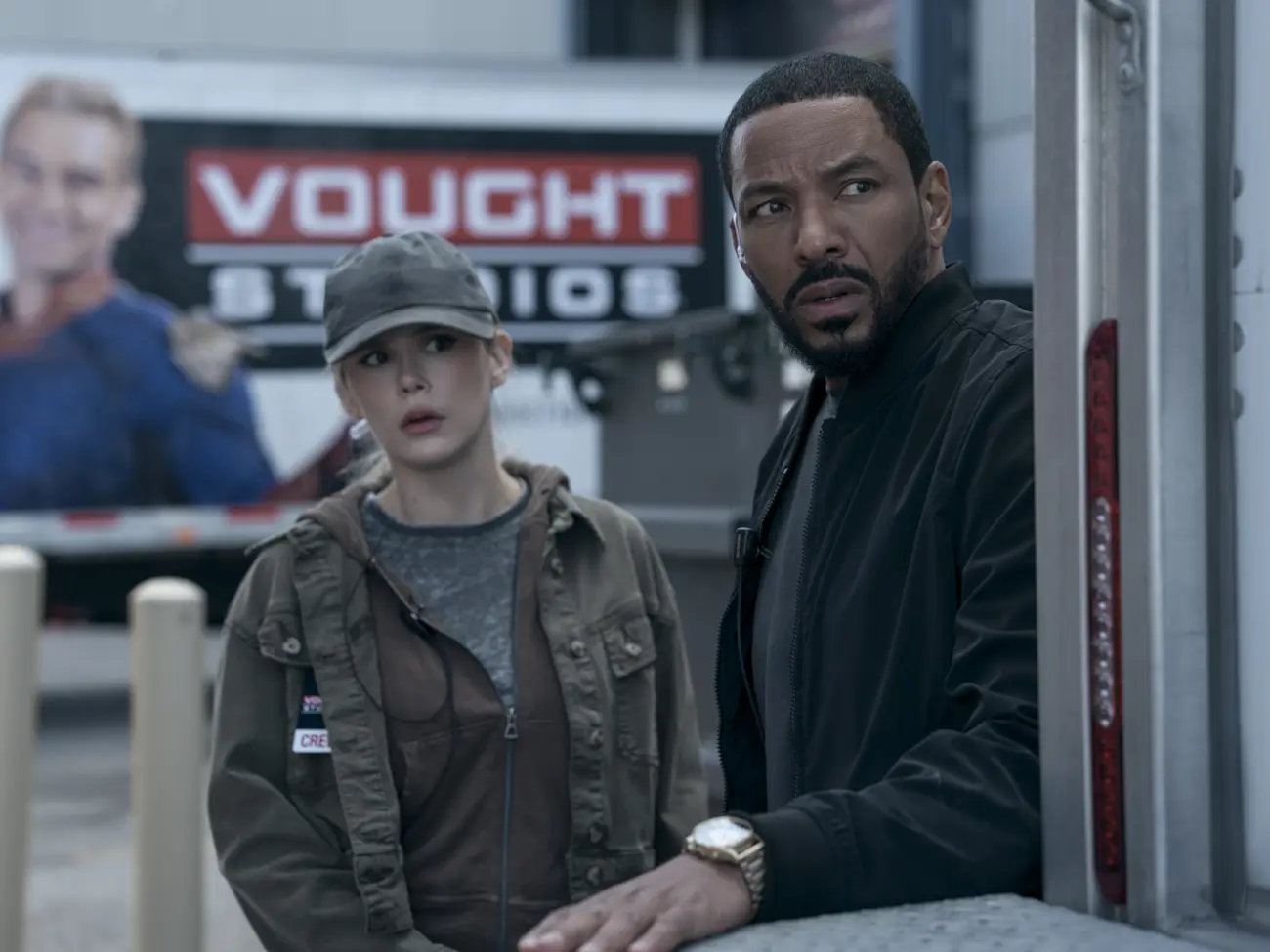
Where ‘The Boys’ used to maintain a laser-focused plot, the final season spent a notable amount of time setting up upcoming spin-offs rather than the actual plot. When a series is in its final run, that screen time belongs entirely to the characters audiences have followed for years, and anything less feels like a betrayal of the relationship the show built.
11. Antony Starr’s Performance Rewrote the Rules for TV Villainy
Starr has described the mirror scene in season 3 as a personal standout, revealing that he pitched the approach himself to Eric Kripke and that the two built it together into something genuinely twisted and dark. In his farewell post, Starr called the role “the highlight of my career,” acknowledging it pushed him creatively in ways he never imagined. Homelander’s complexity was not a given — it was earned, one unsettling scene at a time.
12. Season 2 Remains the Finest Television the Show Ever Produced
Season 2 of ‘The Boys’ is widely considered the best season because it is perfectly balanced, filled with the right blend of satire, character development, and explosive storytelling, expanding the first season’s lore while intensifying the narrative. It remains the clearest evidence of what the show could achieve when all of its best instincts were working in the same direction at once.
13. The Satire Was Unlike Anything Else on Television
‘The Boys’ established itself as a smart, socially and politically aware show from the very beginning, using the superhero genre as a lens for examining cultural hypocrisy in ways that garnered a cult following and never really died down. Kripke has been consistent in describing the show as being fundamentally about celebrity politics and late-stage capitalism rather than superheroes. That clarity of purpose gave the best seasons a sharpness most genre television never even attempts.
14. The Ensemble Cast Delivered at Every Level
Karl Urban delivered a larger-than-life portrayal of Butcher that nailed the sardonic, profanity-laced delivery perfectly, while Erin Moriarty’s sympathetic performance as Starlight gave the show a moral centre across all seasons. Jensen Ackles brought such charm to Soldier Boy that fans found it genuinely difficult to hate the character regardless of what he did. The writing gave the cast room to breathe, and they made the most of every inch.
15. Season 5 Earned Its Critical Praise and Then Some
After a turbulent season 4 reception, the final season arrived to near-unanimous critical acclaim, with season 5 landing a 96% score from critics on Rotten Tomatoes. Reviewers described the show’s conclusion as “a visceral, gleefully grotesque ride, elevated by standout performances, razor-sharp satire, and a dark, ominous humour.” The show came back swinging when it mattered most — and now that it is all over, we want to know whether you think the finale was the worthy send-off ‘The Boys’ deserved, or whether it only deepened your frustrations with where the show had been heading.