‘Star City’ Is the ‘For All Mankind’ Spin-Off You Didn’t Know You Needed — Here’s Everything to Know Before Watching

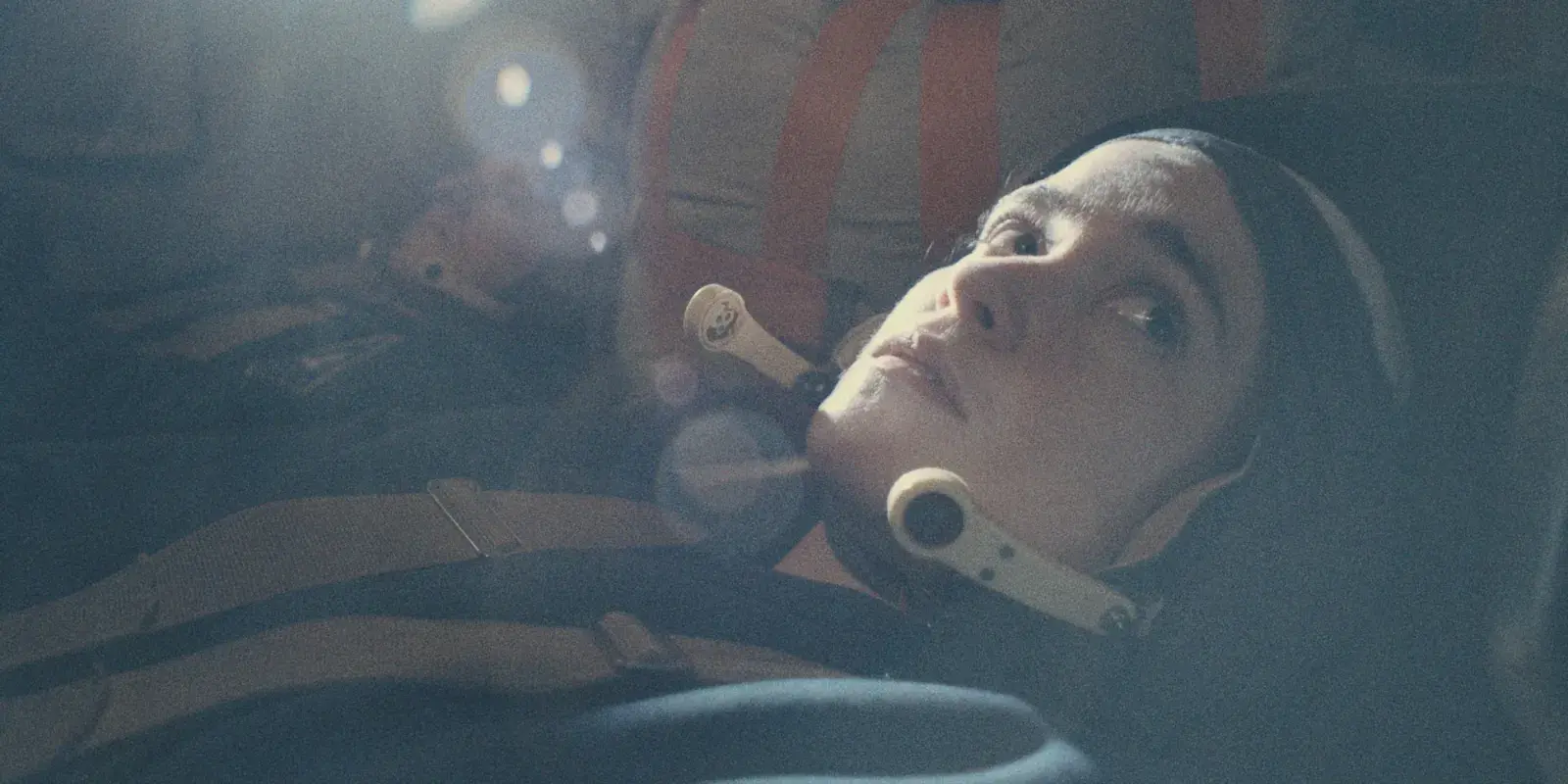

Apple TV+ has been quietly building one of the most ambitious alternate-history universes on television, and its latest expansion may be its boldest move yet. ‘Star City’ is a spin-off of ‘For All Mankind’, and where the parent show presents an alternate history of the Space Race from the American point of view, ‘Star City’ flips the script entirely by exploring what happened from the Soviet side.
The eight-episode drama made its debut on May 29 with its first two episodes, with new installments releasing weekly through July 10. For anyone who has followed ‘For All Mankind’ or is simply looking for a gripping new Cold War thriller to sink into, here is everything you need to know before pressing play.
The Soviet Side of the Alternate Space Race
At its core, ‘Star City’ is described as a robust expansion of the ‘For All Mankind’ universe, taking viewers back to the key moment in the alt-history retelling of the space race when the Soviet Union became the first nation to put a man on the moon. That premise alone should be enough to hook any fan of the genre.
Created by Ronald D. Moore, Matt Wolpert, and Ben Nedivi, the series explores life inside the Soviet space program after the USSR’s lunar victory, focusing less on spectacle and more on the emotional machinery required to maintain national dominance behind the Iron Curtain. The result is something that feels genuinely distinct from its predecessor.
‘Star City’ proves how different it is from the very beginning, taking audiences through a new tone and storytelling approach that will make fans of ‘For All Mankind’ very happy, as this is not simply a rehash of what has already been seen on the parent series.
The show is also grounded in real history, as the Star City of the title is based on the actual hidden Russian city just outside Moscow where cosmonauts lived and trained alongside engineers, scientists, and the ever-present eyes and ears of KGB agents keeping a lid on Soviet secrets.
A Cold War Paranoid Thriller, Not Just a Sci-Fi Show
The biggest tonal difference between ‘Star City‘ and ‘For All Mankind‘ becomes obvious immediately. The parent series, especially early on, had a sense of optimism and adventure underneath all the Cold War tension. ‘Star City’ strips that warmth away almost entirely.
The result feels less like a traditional space drama and more like a political thriller where rockets happen to be involved, with the series building tension through atmosphere and character rather than spectacle.
As the USSR draws ahead in the space race, the city’s security grows tighter and tighter, with the state rightfully concerned that double agents are leaking Soviet innovations to NASA. The paranoia is not just a backdrop here; it is the engine driving every scene.
The story opens in 1969, with a cosmonaut becoming the first man to walk on the moon, though his wife is entirely unaware of this achievement when she is hauled from her bed by the KGB in the dead of night just to watch his landing. That single image sets the tone for everything that follows.
Rhys Ifans Leads a Stacked Ensemble Cast
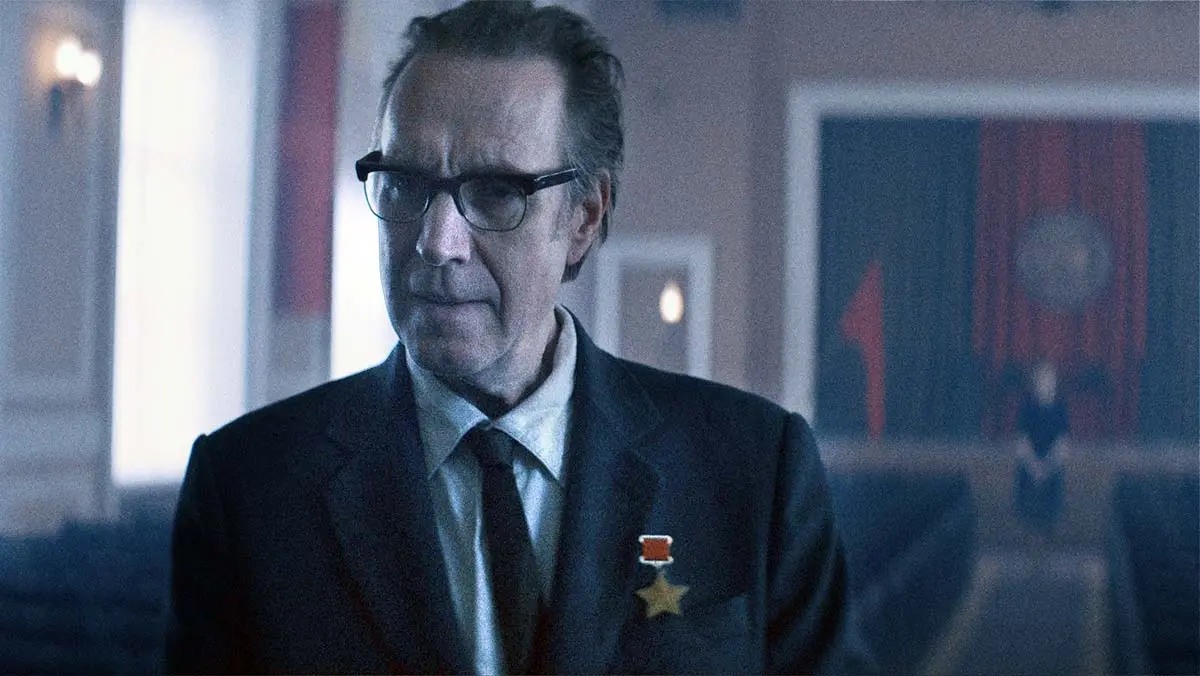
Rhys Ifans headlines ‘Star City’ as the Chief Designer, the key figure behind the success of the Soviet space program, and many fans of ‘House of the Dragon’ will recognize him as Otto Hightower.
Ifans channels a downbeat Gary Oldman as the space program’s clever but underappreciated Chief Designer, constantly chafing against invasive orders from his government overseers and the KGB. It is a performance critics are already pointing to as a standout.
The character is heavily implied to be Sergei Korolev, the legendary Soviet rocket engineer who in real history died before seeing the Moon landing become reality. Here, he survives long enough to help shape the Soviet future and suffer under the weight of it.
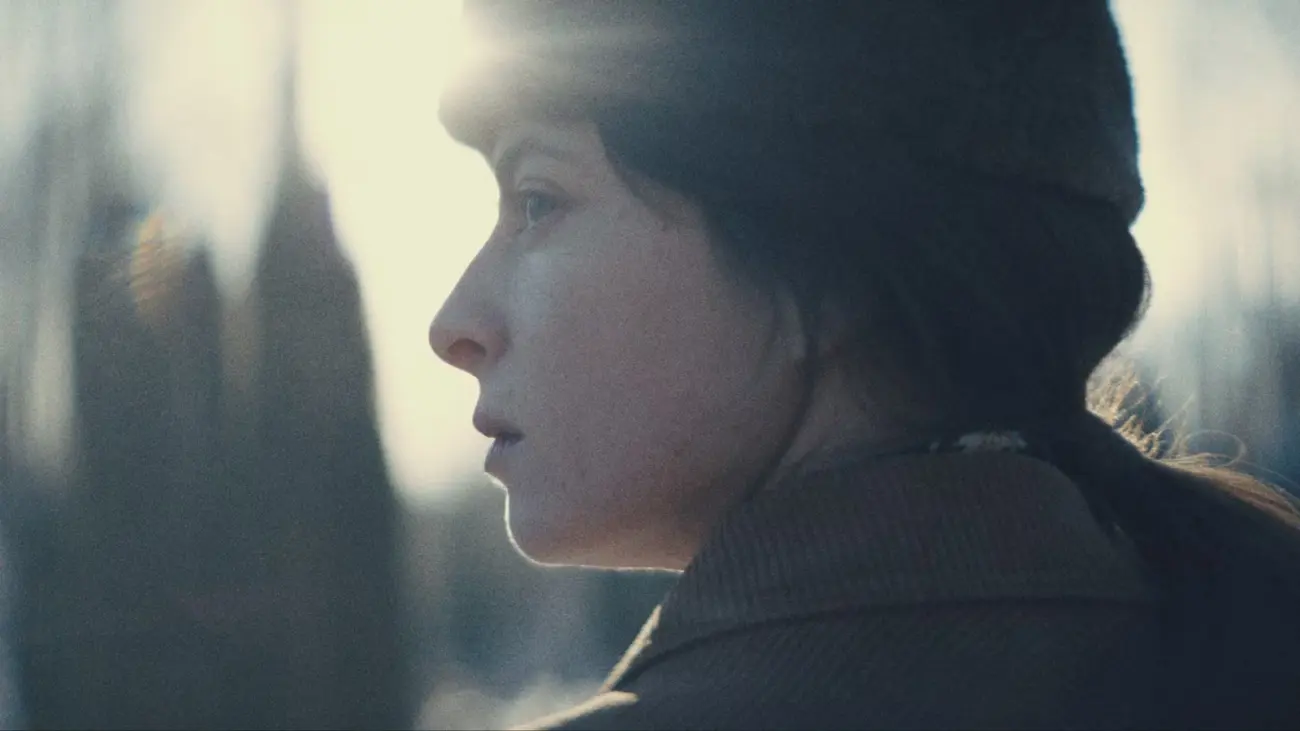
The wider cast includes Anna Maxwell Martin, Agnes O’Casey, Alice Englert, Solly McLeod, Adam Nagaitis, Ruby Ashbourne Serkis, Josef Davies, and Priya Kansara. McLeod plays Sasha, described as a reckless cosmonaut who has yet to live up to his potential, while O’Casey takes on Irina, a recent addition to the surveillance department at Star City, and Englert portrays Anastasia, an untested female cosmonaut in the Soviet space program.
What Fans of ‘For All Mankind’ Need to Know
The season 5 finale of ‘For All Mankind’ and the premiere of ‘Star City’ land on the same day, taking viewers back to the 1960s to follow the events that allowed the USSR to beat the US to the Moon as well as the Soviet side of the space race. Watching both unfold simultaneously is a genuinely unique television experience.
Those who have seen the earlier series will certainly recognize some of its key characters and plot points, but to the benefit of both longtime fans and total newcomers, ‘Star City’ turns out to be much more than just an Easter egg-laden effort to retell the same story in a different accent.
Two characters featured in ‘For All Mankind’ appear here as their younger selves, namely Sergei Nikulov and Irina Morozova, offering connective tissue between the two shows for fans who have followed the wider universe.
It is worth noting that Apple has already renewed ‘For All Mankind’ for a sixth and final season, while the future of ‘Star City’ beyond its current run remains unknown. Whether this universe expands further may depend on how audiences respond to this debut.
Early Reviews and the Buzz Around the Show
Early critics have praised the show for its gripping balance of Cold War paranoia and science fiction, its beautifully chilly Soviet production design, and an excellent ensemble cast, though some have noted that its plot may wind up feeling constrained by the existing timeline of ‘For All Mankind’.
The performances from Rhys Ifans and Anna Maxwell Martin have been singled out as outstanding, with the Soviet setting described as feeling authentic and oppressive. That combination of craft and atmosphere is clearly resonating with those who have seen early episodes.
Reviewers have called certain sequences breathlessly tense, oddly moving, and just plain fun, which is precisely the energy longtime fans associate with classic ‘For All Mankind’ at its best.
Whether you are a seasoned traveller in this alternate universe or a complete newcomer boarding this rocket for the first time, the real question is which character’s journey through the paranoid corridors of ‘Star City’ you think will be the most compelling to watch unfold. Share your take after those first two episodes.